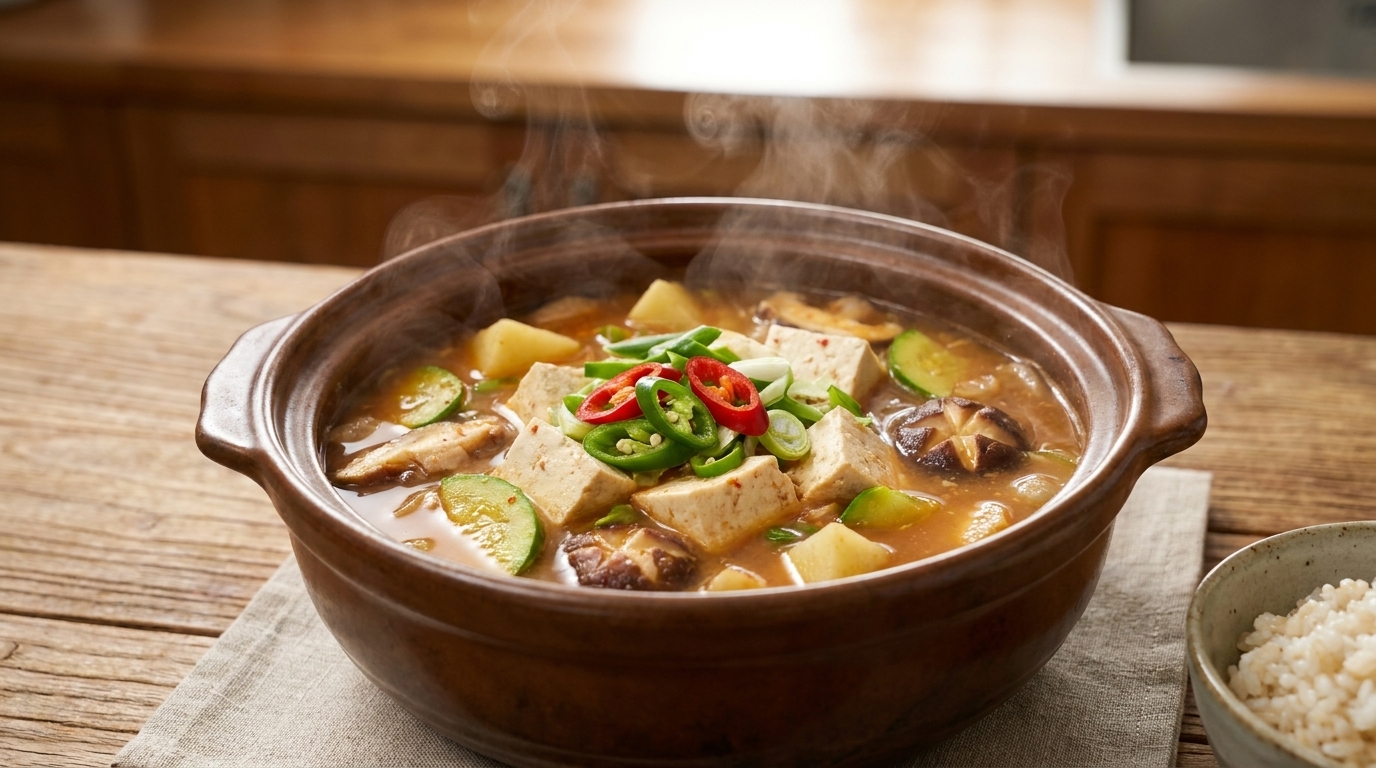
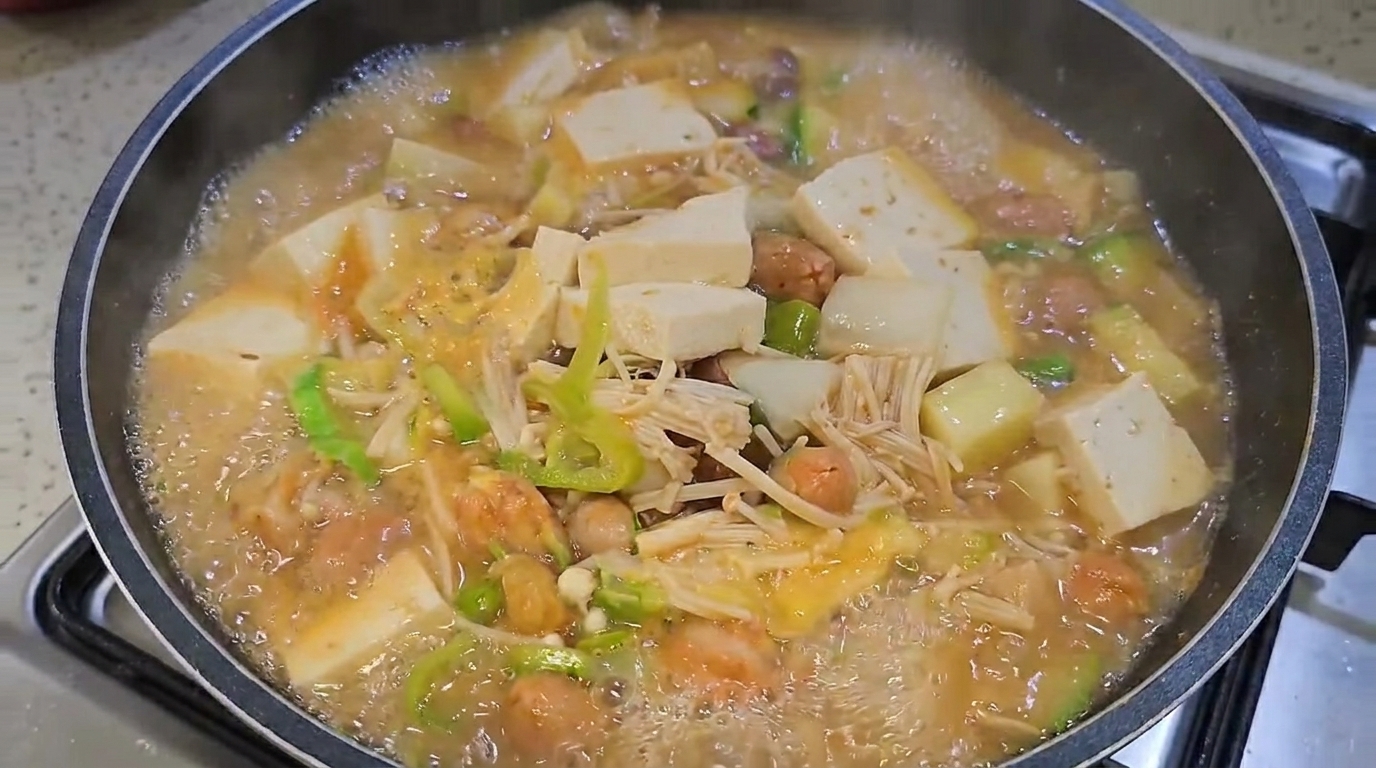
Traditional Korean Soybean Paste Stew (Doenjang-jjigae)
A nourishing and soul-warming Korean classic, this Doenjang-jjigae balances earthy fermented soybean paste with fresh vegetables, tofu, and a savory dashi broth.
Doenjang-jjigae is a staple in Korean households, cherished for its deep, umami-rich flavor and comforting properties. This hearty stew relies on the quality of the doenjang, a pungent and probiotic-rich soybean paste that forms its savory foundation. By simmering the paste with a medley of radishes, mushrooms, and tofu, you create a complex, earthy dish that is both nutritious and deeply satisfying when served with a bowl of steamed rice.
Ingredients
- 1.5 L water
- 2 pieces dried kelp
- 10-12 dried anchovies
- 3-4 dried shiitake mushrooms
- 0.5 onion
- 100 g radish
- 50 g dried radish greens
- 200 g firm tofu
- 50 g enoki mushrooms
- 1 potato
- 0.5 onion
- 2-3 tbsp soybean paste (doenjang)
- to taste dried green chili peppers
Instructions
- 1Prepare the Broth Base
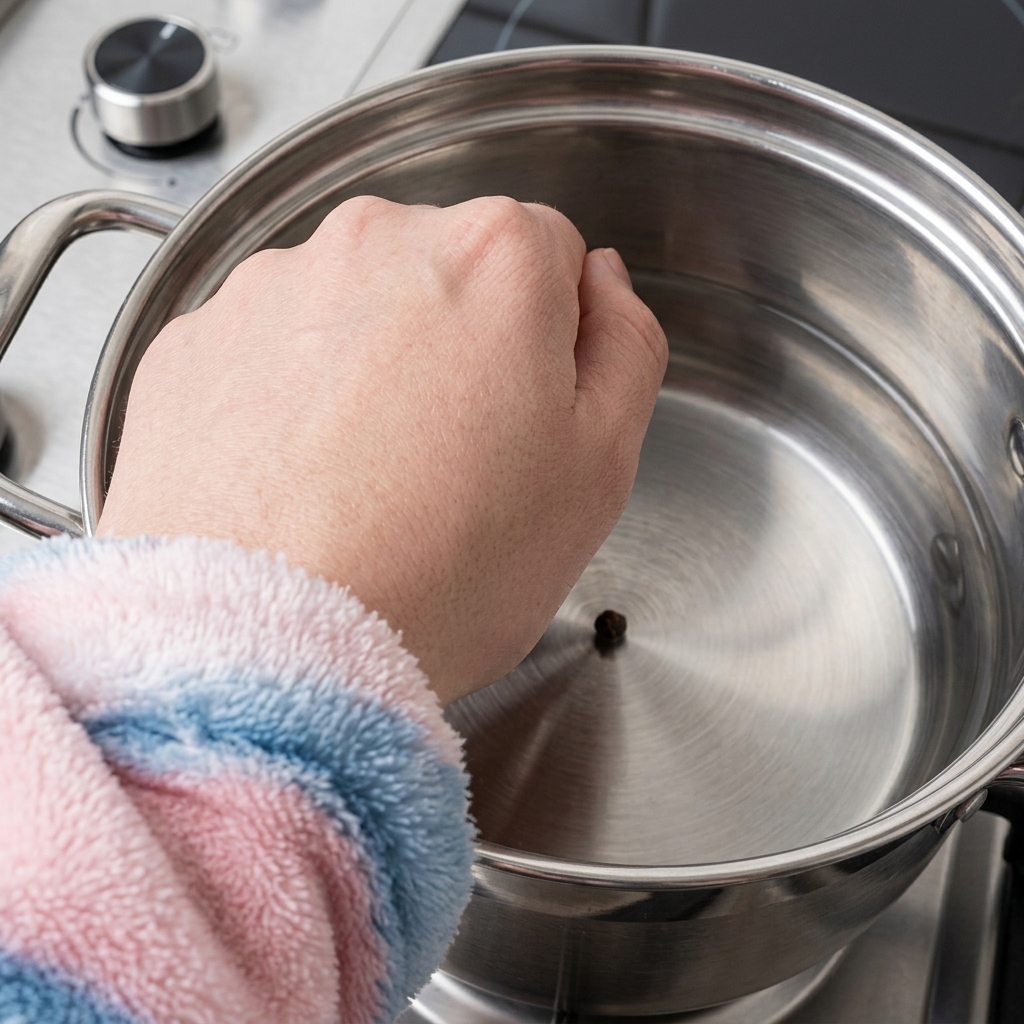
Begin by filling a pot with water and adding the dried kelp and dried anchovies. These ingredients provide the essential umami foundation for the soybean paste stew.
Tip: Use high-quality dried anchovies for a more flavorful broth. - 2Add Aromatics to the Broth
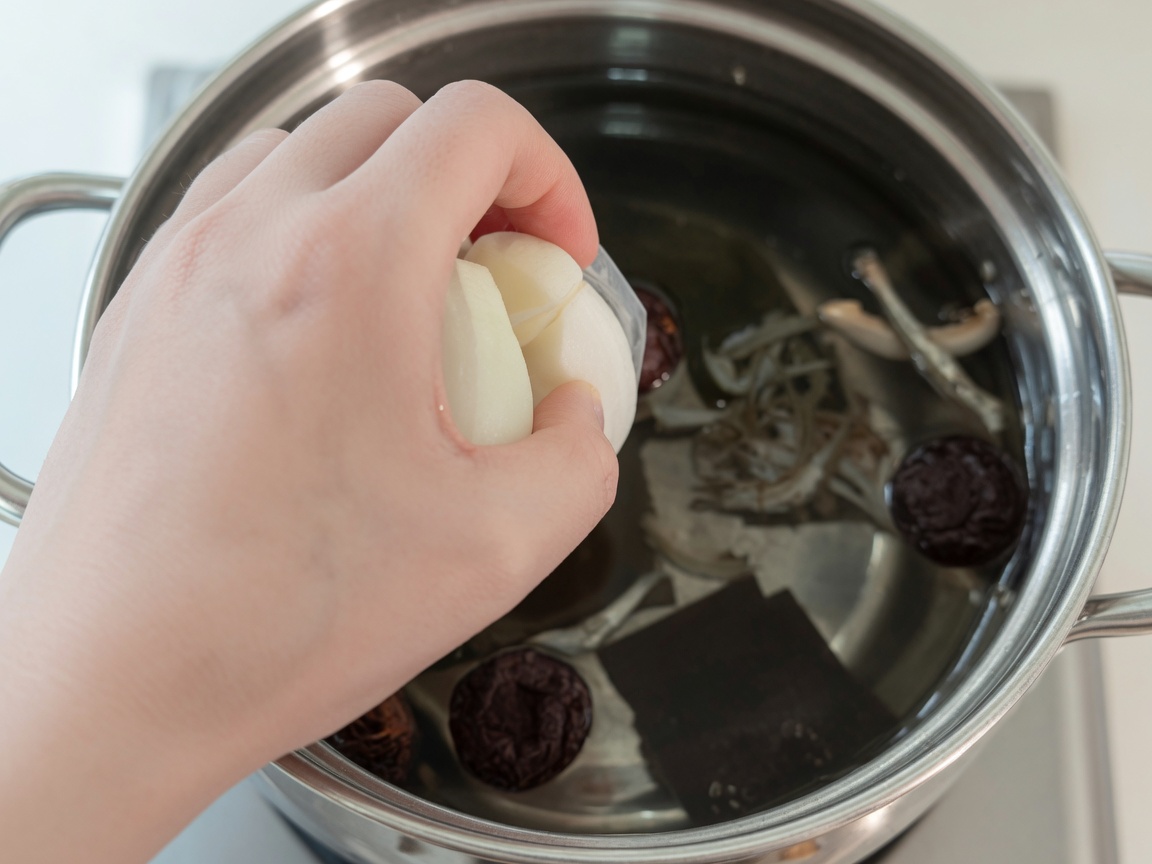
Add the dried shiitake mushrooms, half an onion, and a large chunk of radish to the boiling water. Let the mixture simmer for 25 minutes to extract the flavors.
Tip: Simmering these aromatics together creates a deep, complex base for the stew. - 3Rehydrate Radish Greens
Place the dried radish greens into a bowl of hot water. Allow them to soak until they are fully rehydrated and tender.
Tip: Fresh radish greens can also be used if available. - 4Strain the Broth
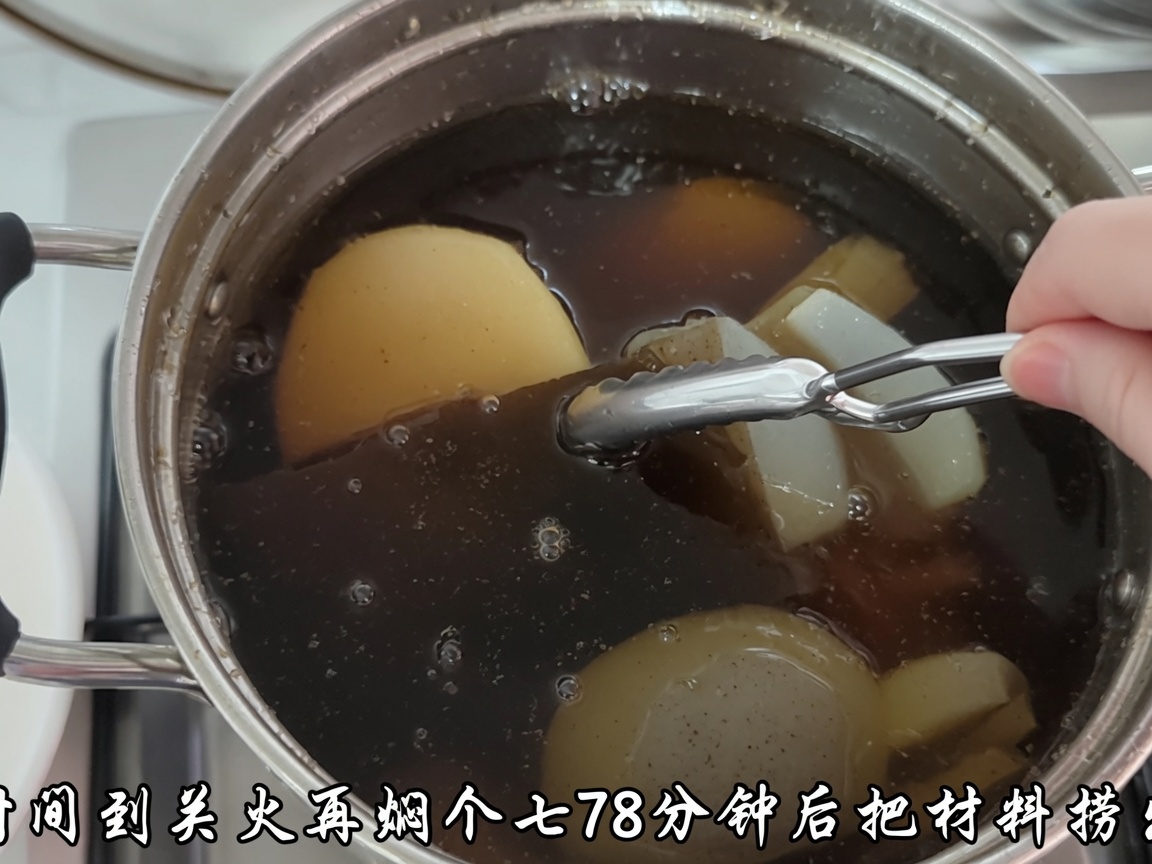
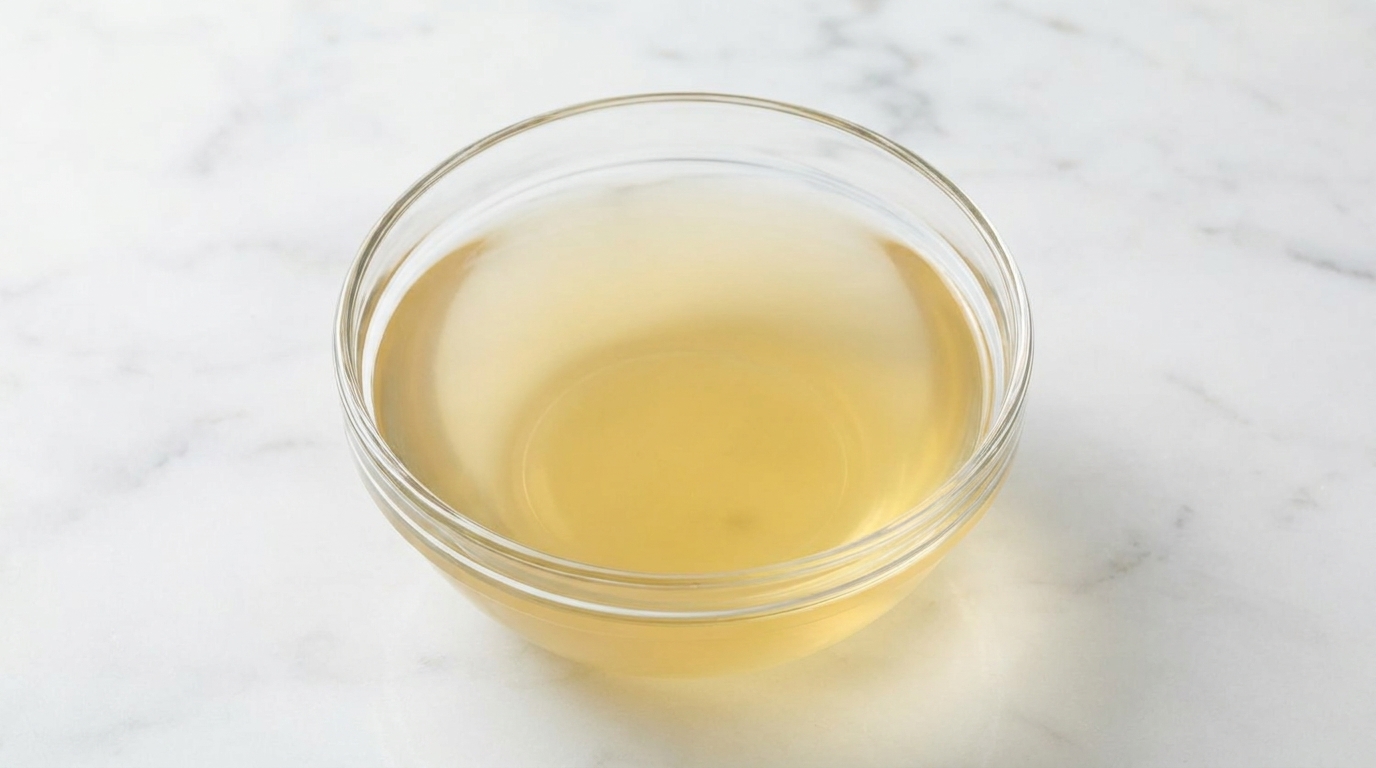
After simmering for 25 minutes and steaming for an additional 7-8 minutes on low heat, use a strainer to remove all the solid ingredients from the pot, leaving only the clear, flavorful broth.
Tip: Ensure the broth is clear before proceeding to the next step. - 5Assemble the Stew Ingredients
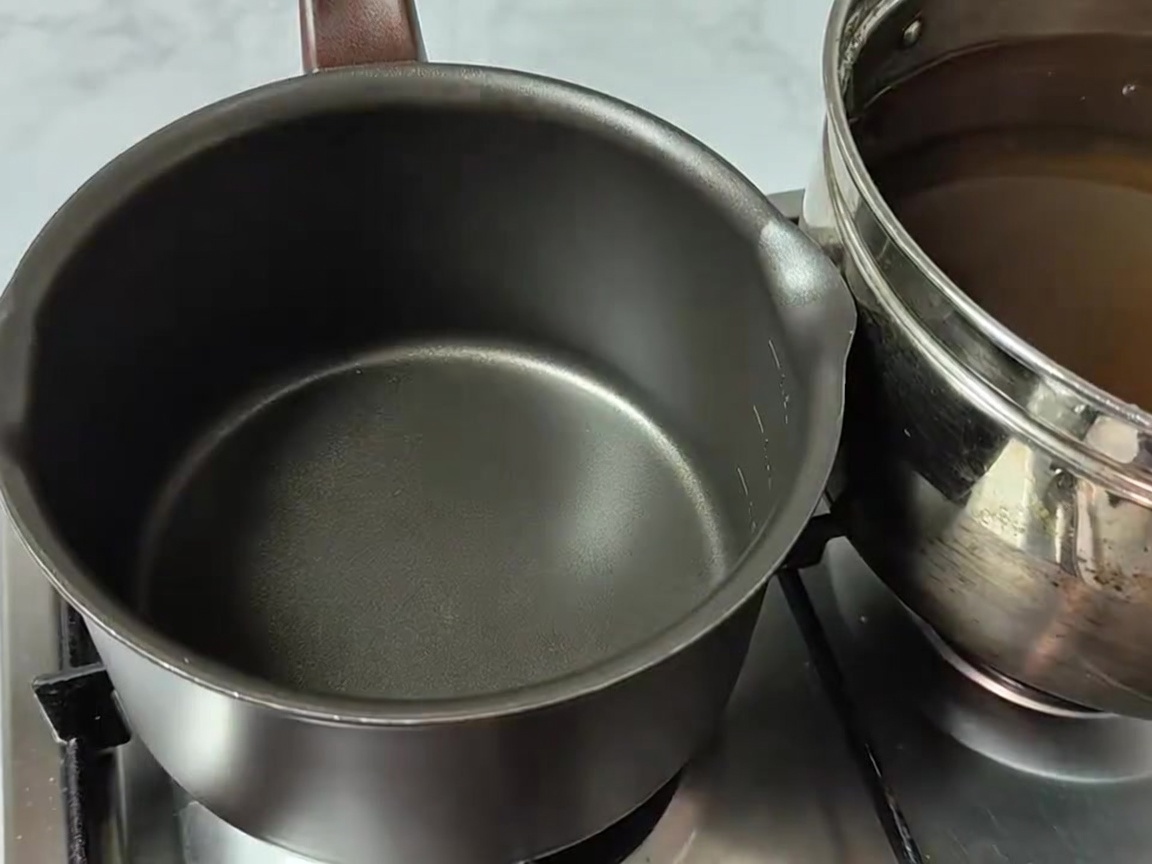
Place the rehydrated radish greens, cubed tofu, sliced potatoes, sliced onions, and enoki mushrooms into a separate cooking pot.
Tip: Cut the radish greens into smaller, bite-sized pieces with scissors if they are too long. - 6Add Broth and Season
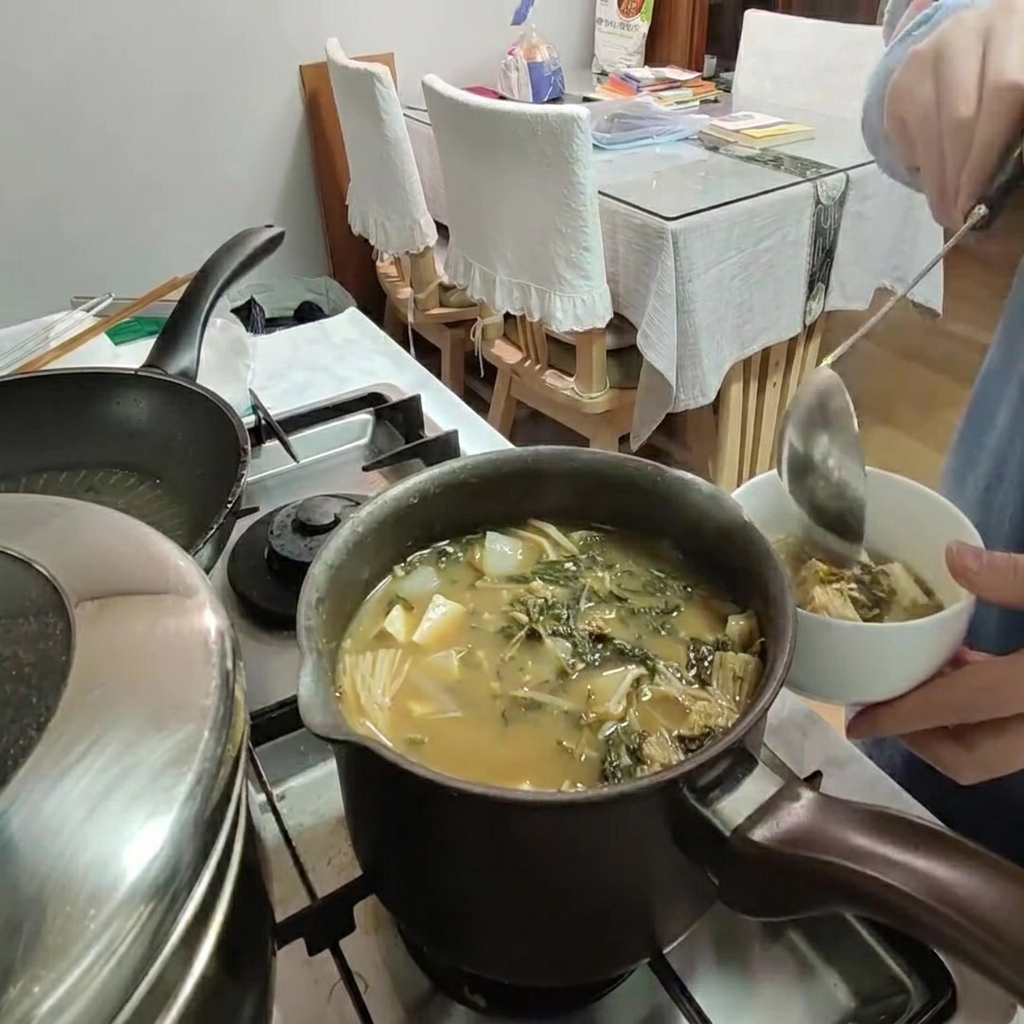
Pour the prepared broth into the pot over the assembled ingredients. Add soybean paste to taste, ensuring it is well incorporated into the stew.
Tip: Adjust the amount of soybean paste according to your personal preference. - 7Season with soybean paste
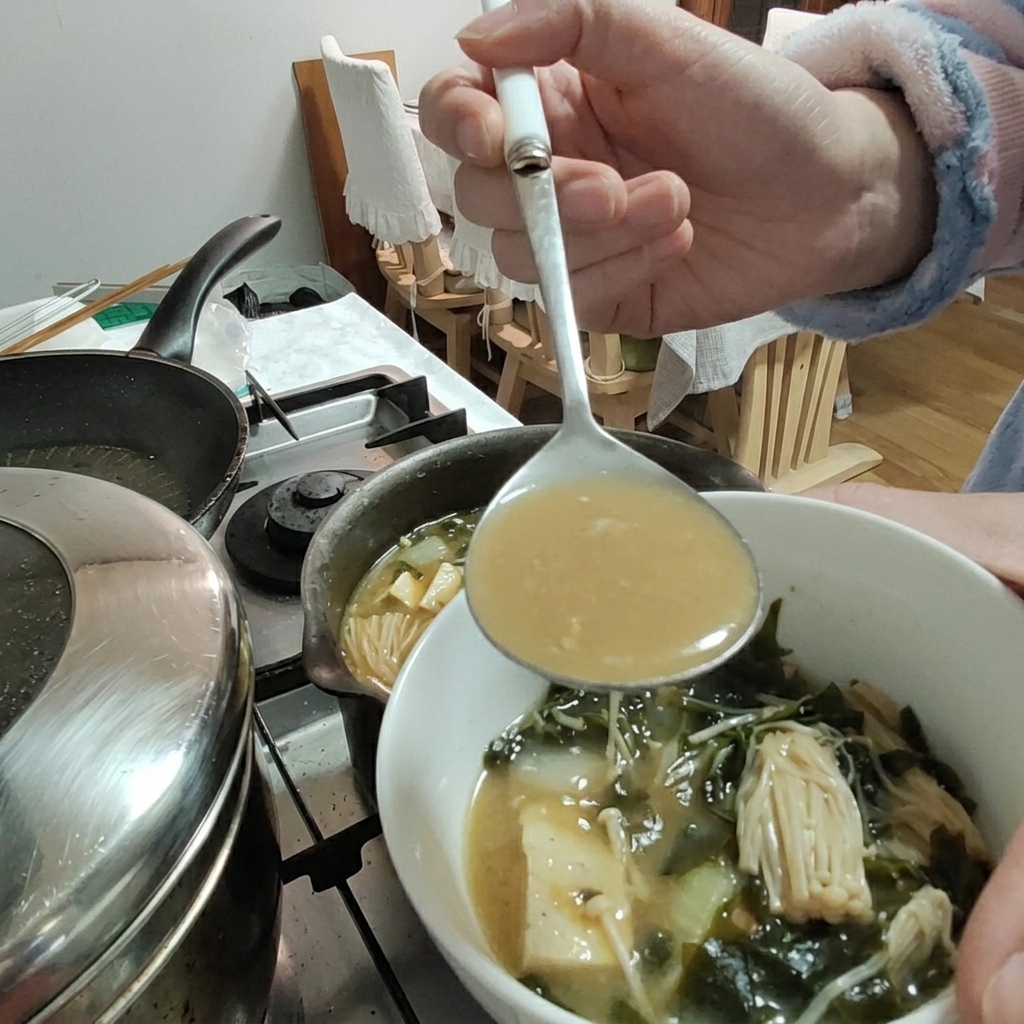
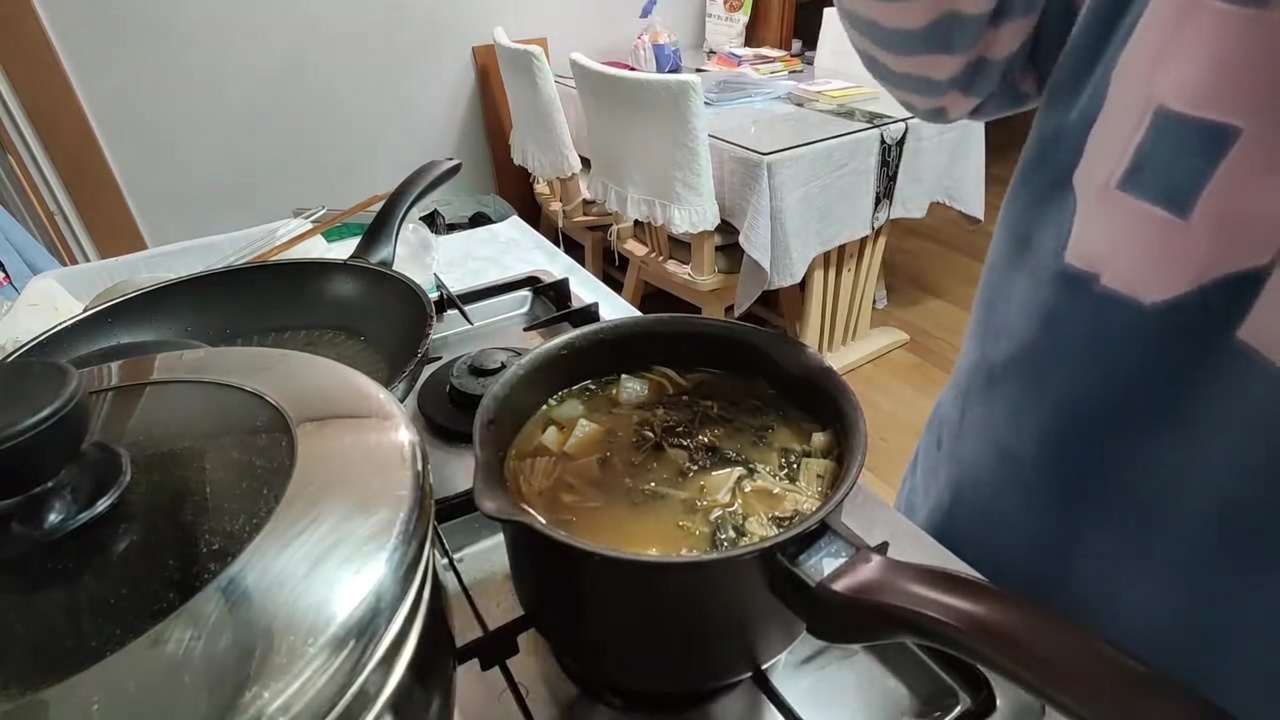
Add a couple of spoonfuls of soybean paste into the pot containing the broth and ingredients. Use a ladle to gently stir and dissolve the paste into the liquid, adjusting the amount based on your taste preference until the flavor is perfectly balanced.
Tip: If the stew tastes a bit bland after the initial addition, add another spoonful of soybean paste to enhance the depth of flavor.