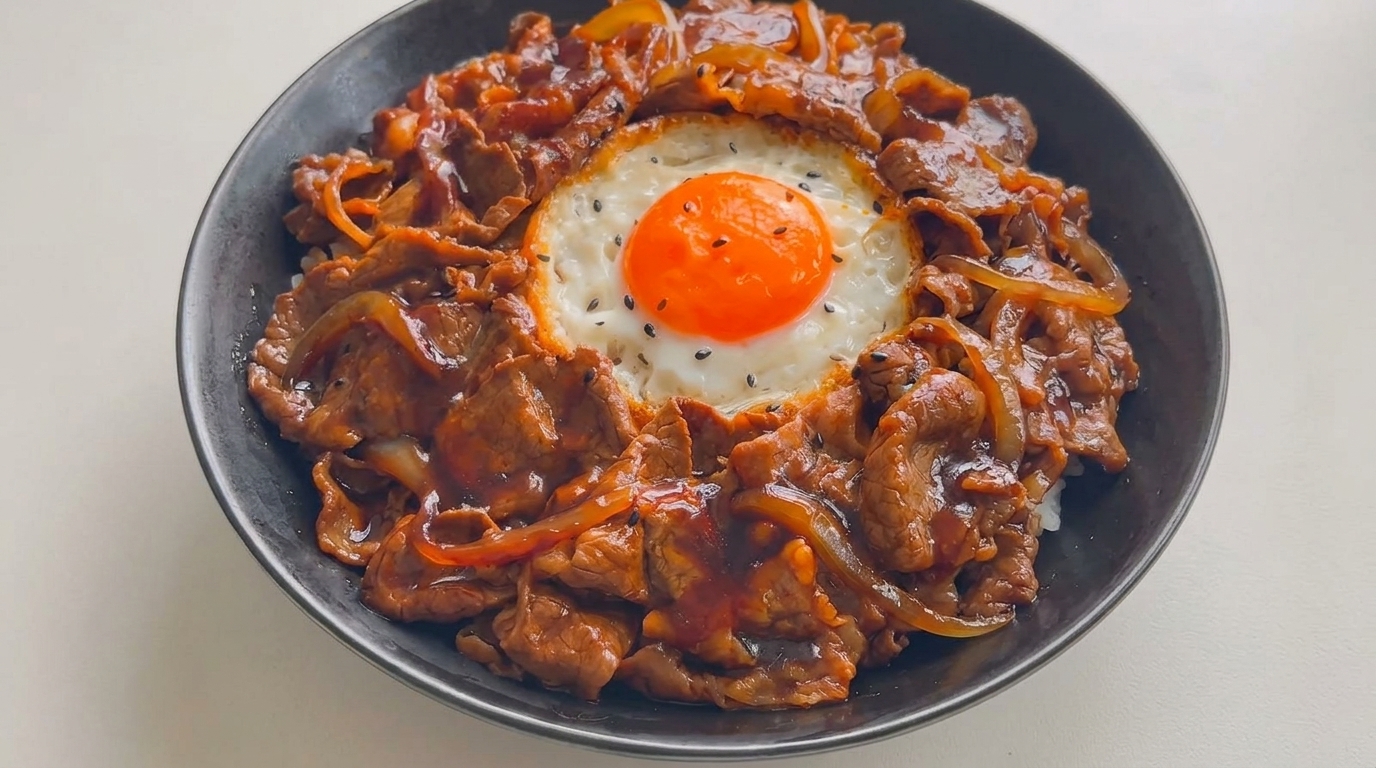
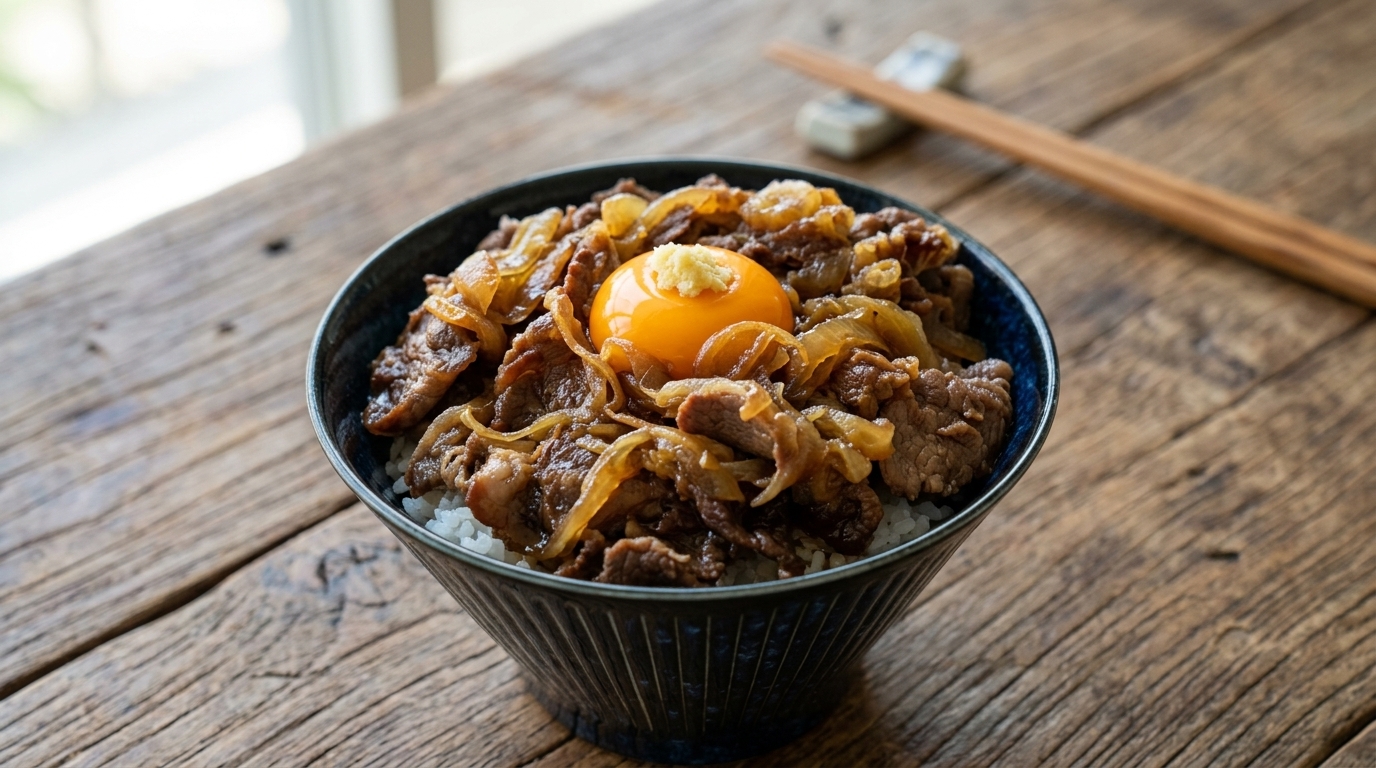
Classic Japanese Beef Bowl (Gyudon)
Gyudon is Japan’s ultimate comfort food. Tender, thinly sliced beef and sweet onions are simmered in a rich soy and mirin broth, then served over steamed white rice.
As one of Japans most beloved rice bowl dishes, Gyudon offers incredible depth of flavor with surprisingly little effort. The secret lies in the balance of savory soy sauce, sweet mirin, and the gentle simmering of marbled beef, creating a hearty and satisfying meal that comes together in minutes.
Ingredients
- 1 large white onion
- 400 g thinly sliced marbled beef (snowflake beef)
- 2 tbsp cooking oil
- 2 tbsp sake
- 2 tbsp mirin
- 3 tbsp soy sauce
- 1 tbsp sugar
- 1 pinch salt
- 1 tbsp sesame seeds
- 12 cup water
- 3 cups steamed short-grain white rice
- 3 whole fresh egg yolks (optional)
- to taste chopped green onions
Instructions
- 1Slice the onions
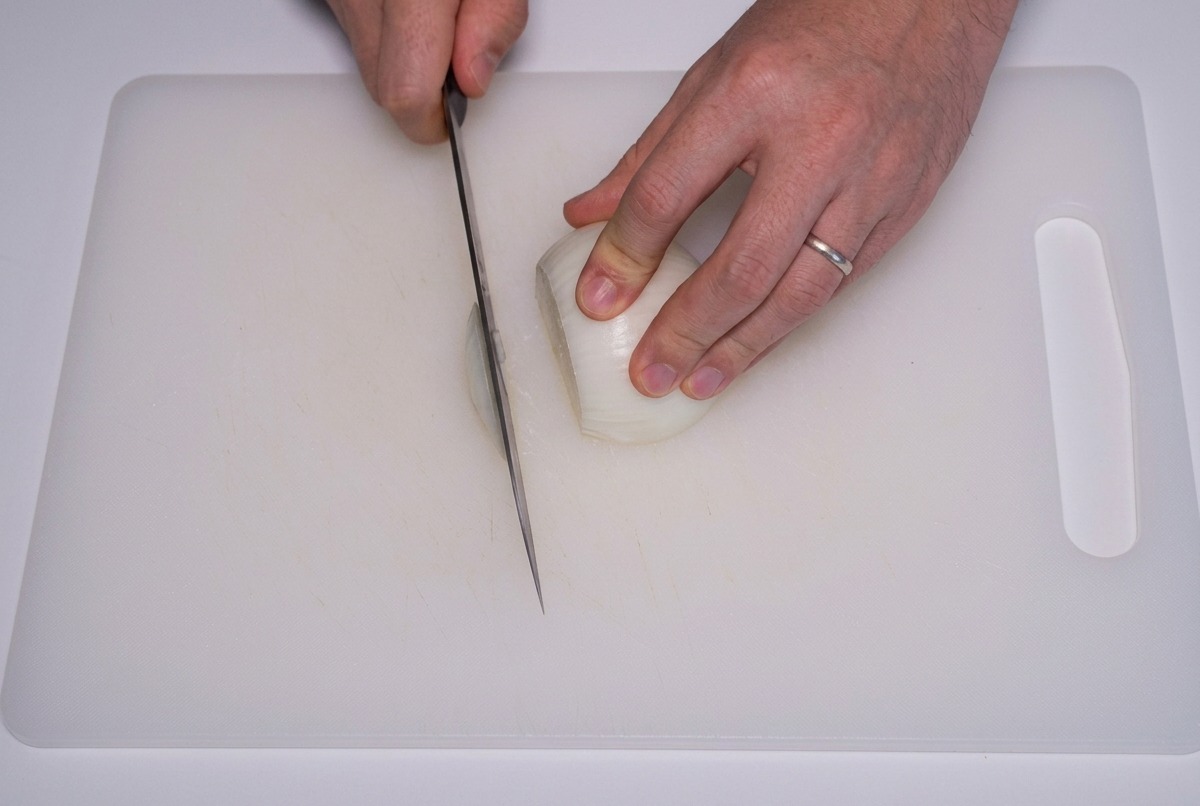
Begin by slicing a fresh white onion into thin, even strips. Cutting them vertically from root to stem ensures they soften beautifully during cooking while maintaining just enough texture to complement the tender beef.
Tip: Keep the root end intact while slicing to hold the onion together, making it easier and safer to cut thin, uniform strips. - 2Heat water for blanching
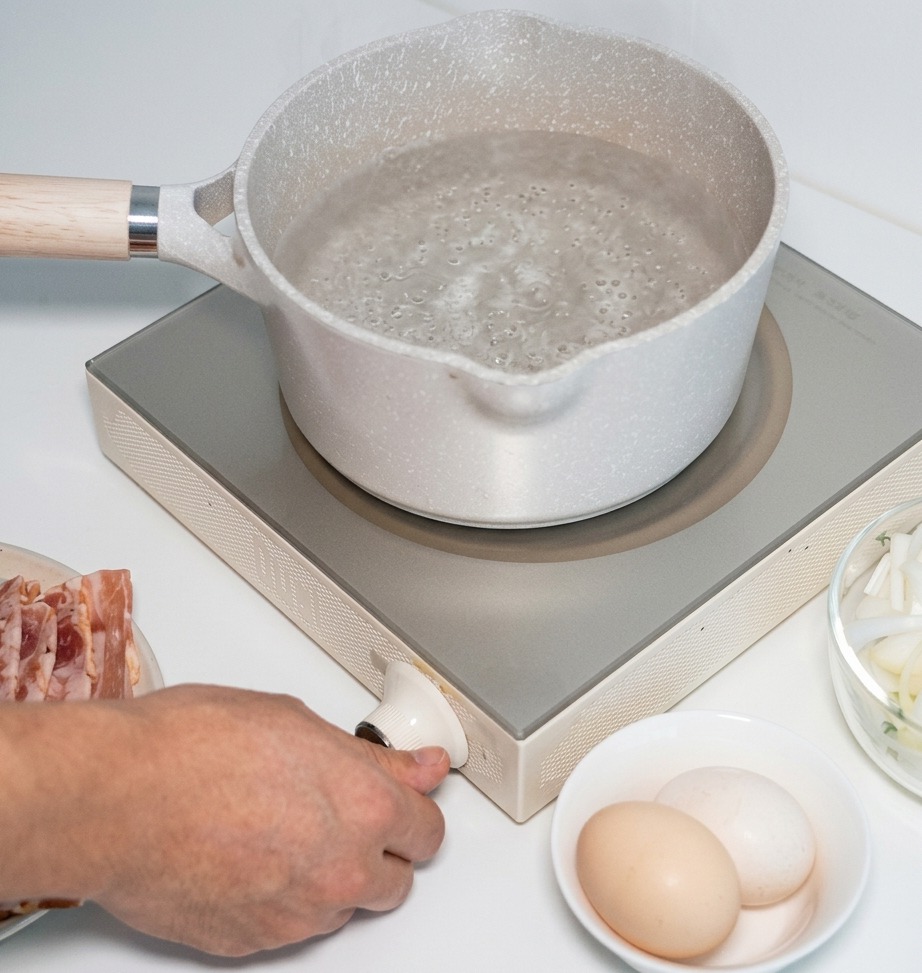
Place a pot of water on your induction cooktop and turn the dial to high. Youll need a rolling boil to properly blanch the beef, which helps remove excess fat and ensures a clean, savory flavor in the final bowl.
Tip: Starting with hot tap water can speed up the boiling process if youre in a hurry. - 3Blanch the snowflake beef
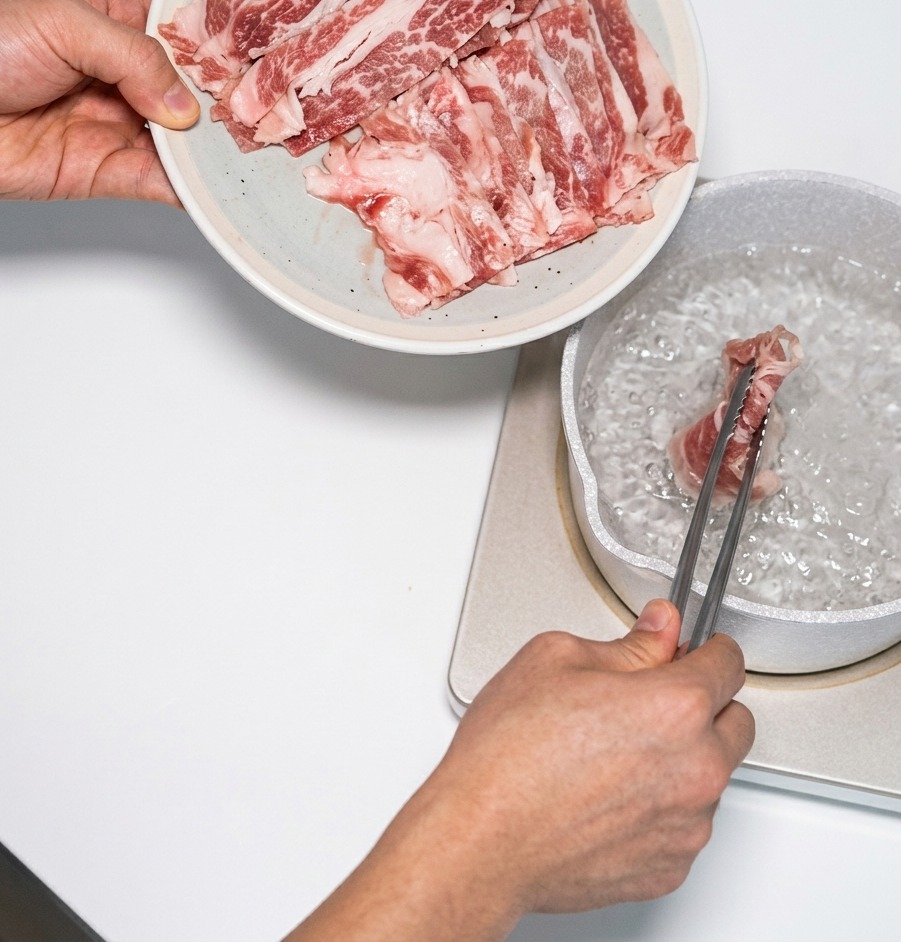
Carefully add the thinly sliced snowflake beef into the boiling water. Blanch it only briefly—just until the meat loses its raw pink color. This step is crucial for Gyudon as it removes impurities and keeps the sauce clear and delicious.
Tip: Use tongs or a slotted spoon to move the beef around so it blanches evenly without clumping together. - 4Heat the cooking oil
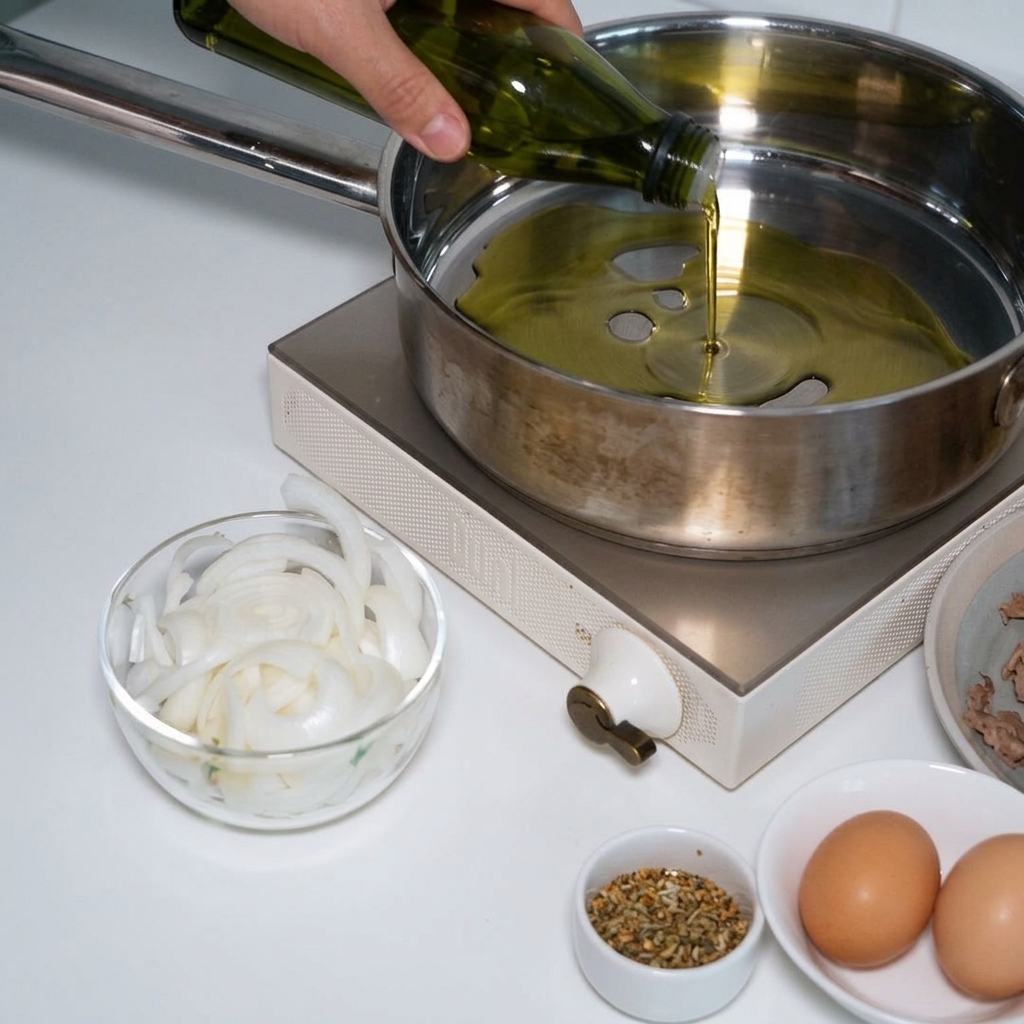
Place a stainless steel frying pan on the stove and set the heat to medium. Pour in a splash of cooking oil from a glass bottle, allowing it to heat up evenly across the surface. This prepares the pan for sautéing the aromatics.
Tip: Ensure the oil is shimmering before adding your ingredients to prevent them from sticking to the stainless steel pan. - 5Sauté the onions
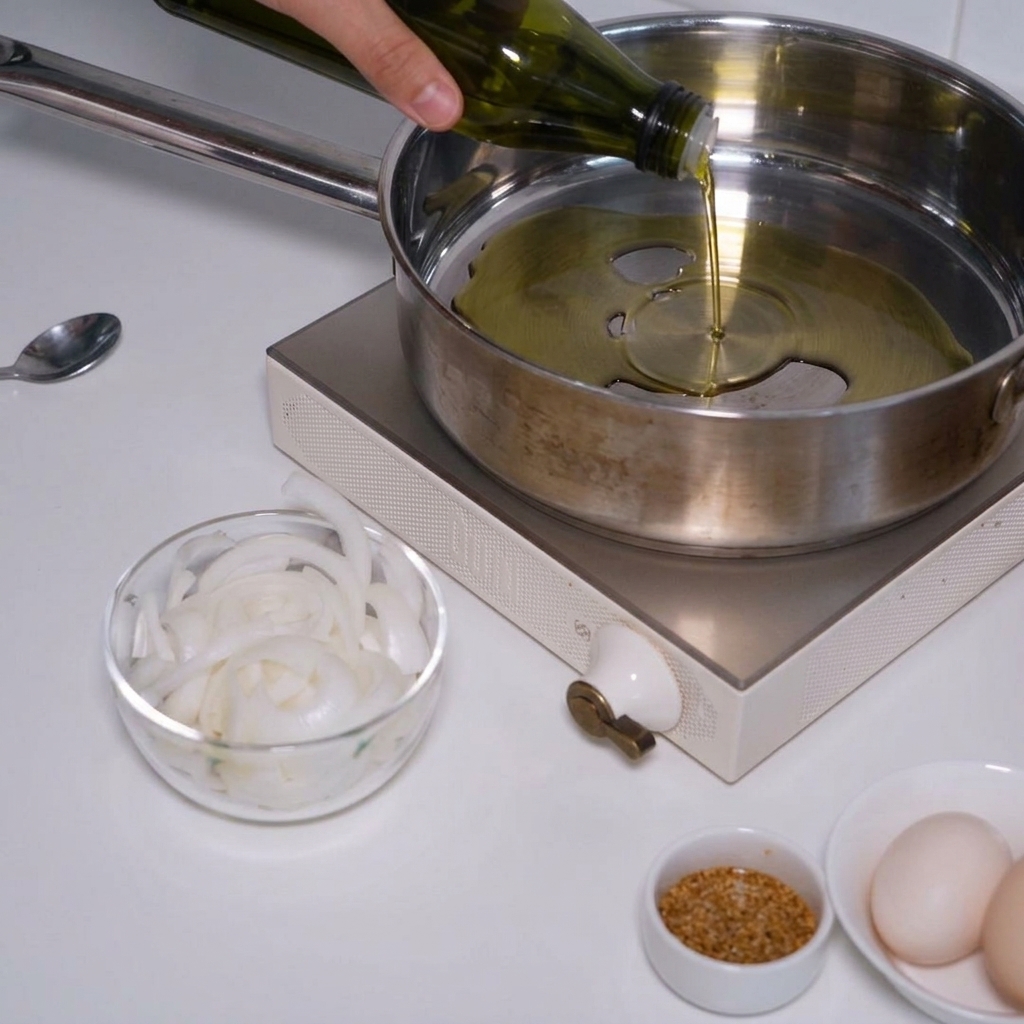
Add the sliced raw onions into the hot pan. Sauté them over medium heat until they soften and turn lightly translucent, which builds a sweet, aromatic flavor base for the dish.
Tip: Give the pan and oil a moment to heat up properly; this prevents the ingredients from sticking and ensures a quick, even sauté. - 6Combine beef and onions
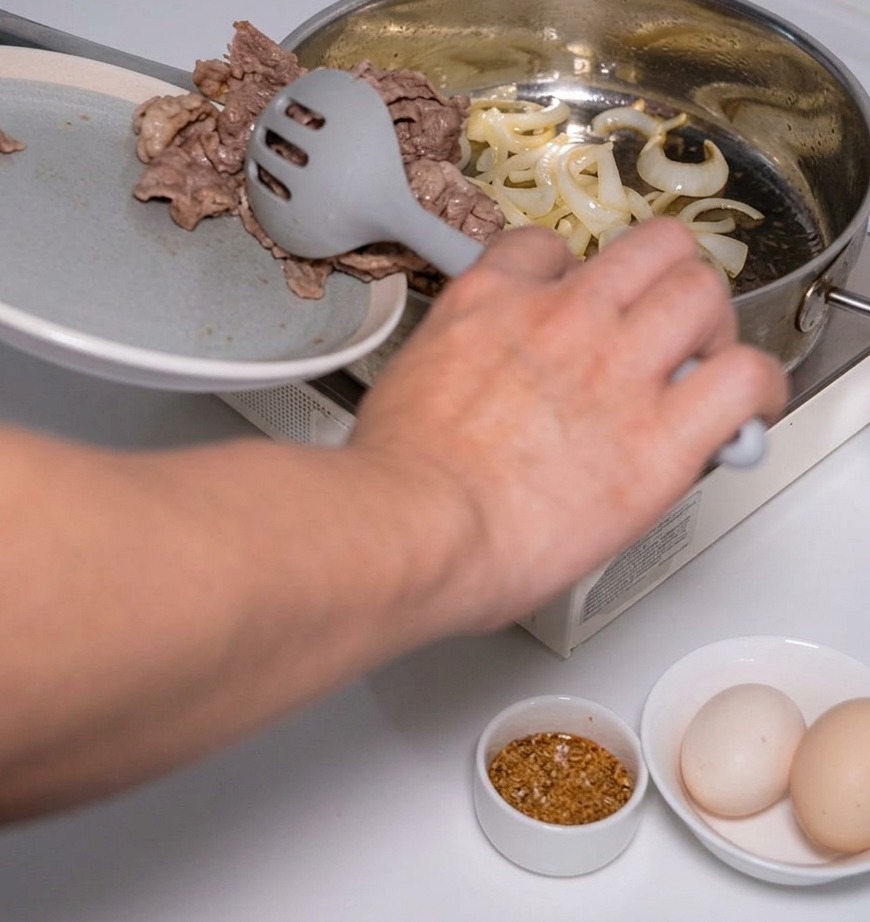
Once your onions are soft and translucent, transfer the blanched beef slices into the pan. Stir them together over medium heat so the beef begins to absorb the sweet, caramelized flavors of the sautéed onions.
Tip: Make sure the onions are fully softened before adding the beef to ensure the best texture in the final rice bowl. - 7Add the Savory Sauce
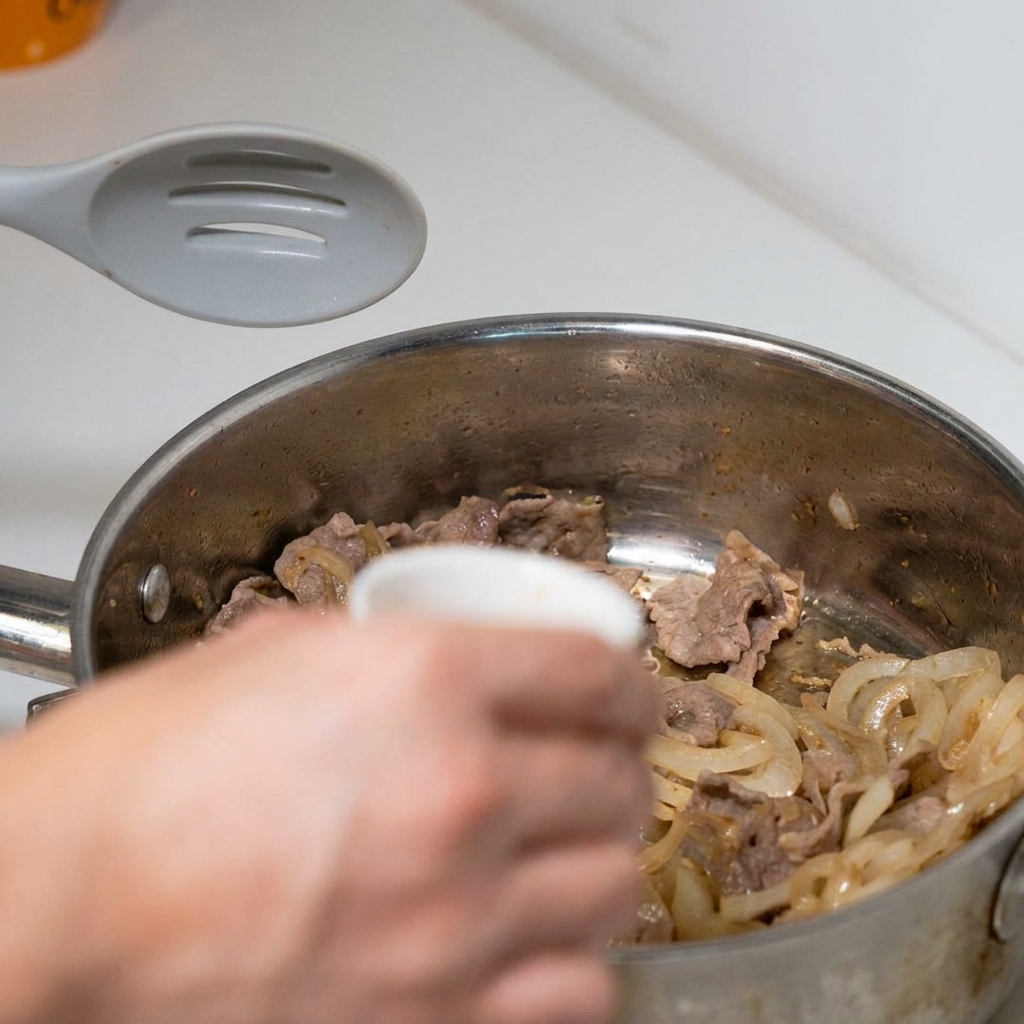
Once the beef and onions are lightly browned, pour in the pre-mixed dark sauce. This mixture of sake, mirin, soy sauce, sugar, and salt will provide the sweet and salty flavor profile essential to an authentic Japanese Gyudon.
Tip: Pre-mixing your sauce ingredients in a small bowl ensures the sugar dissolves completely and the flavors distribute evenly throughout the pan. - 8Simmer with Water
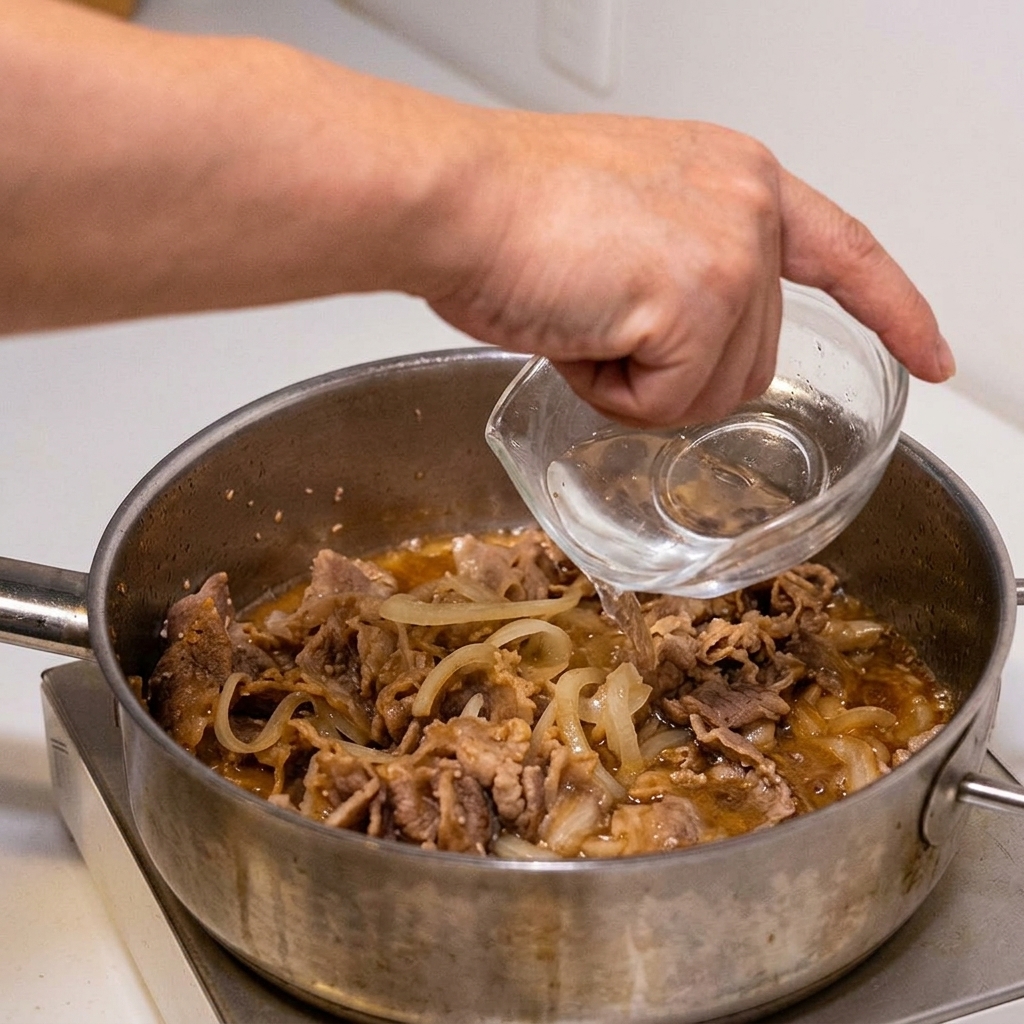
Pour a small cup of water into the pan to slightly dilute the dark sauce. This creates enough flavorful cooking liquid to simmer the beef and onions gently, allowing the ingredients to become tender and absorb all the rich seasonings.
Tip: Simmering gently on medium-low heat keeps the thin slices of beef tender. Boiling it too vigorously will make the meat tough. - 9Layer Beef Over Rice
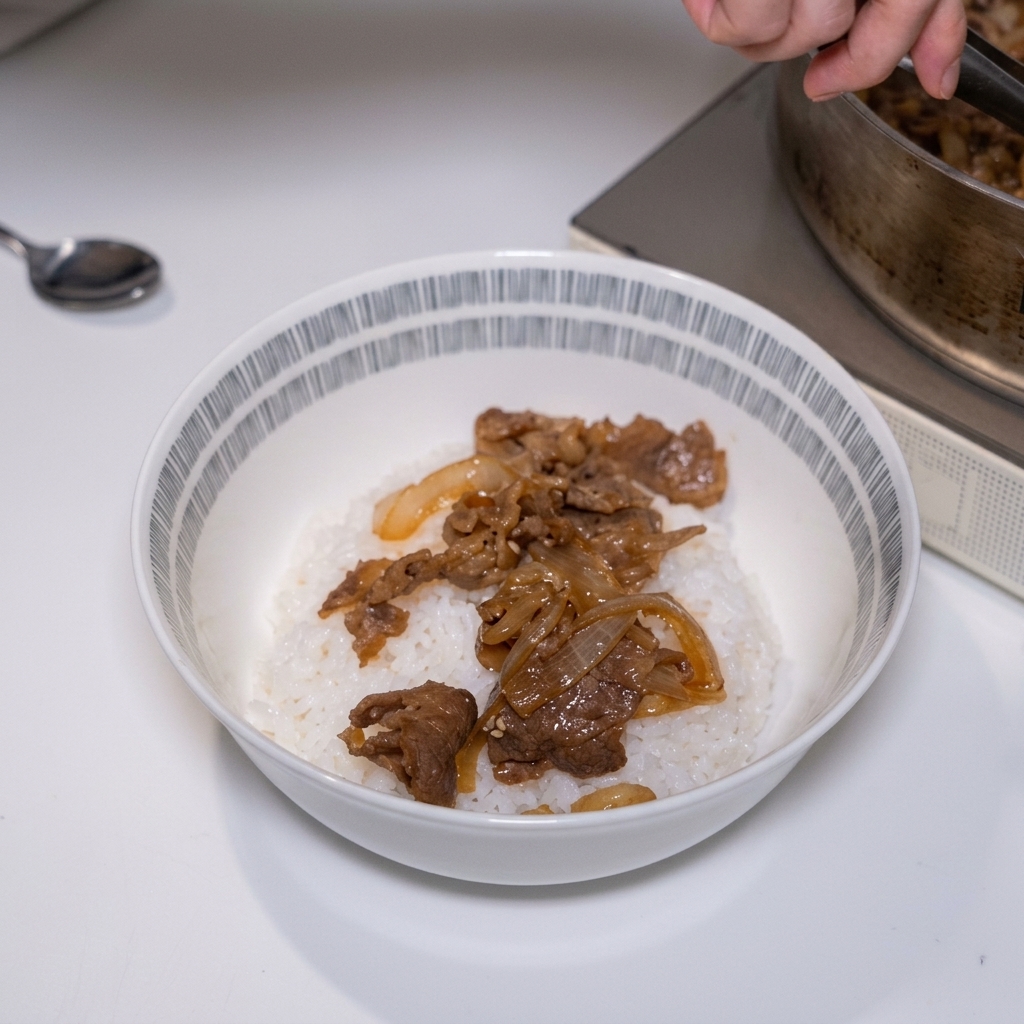
Prepare a bowl of hot, freshly steamed white rice. Using tongs, carefully lift the tender, simmered beef slices and fragrant soft onions out of the pan, and arrange them generously over the top of the rice.
Tip: Short-grain Japanese rice is highly recommended for this dish because it is slightly sticky and holds the savory broth beautifully without turning mushy. - 10Pour the Remaining Sauce
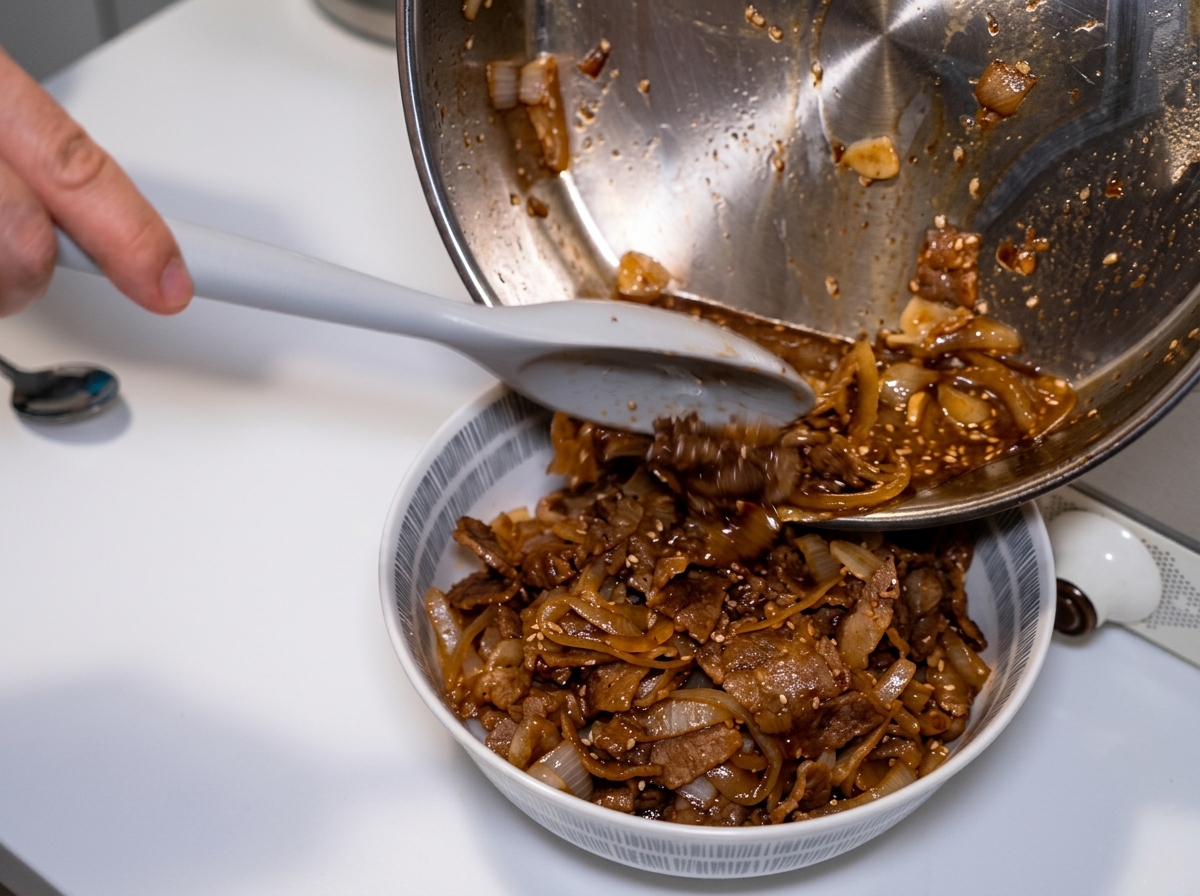
Tilt the frying pan over the bowl and use a spatula to scrape out any remaining onions. Pour all the leftover savory, sweet broth directly over the beef and rice. This extra sauce will soak into the rice and flavor every single bite.
Tip: The broth is often considered the best part of Gyudon! Make sure to scrape the pan clean so nothing goes to waste. - 11Add the egg yolk
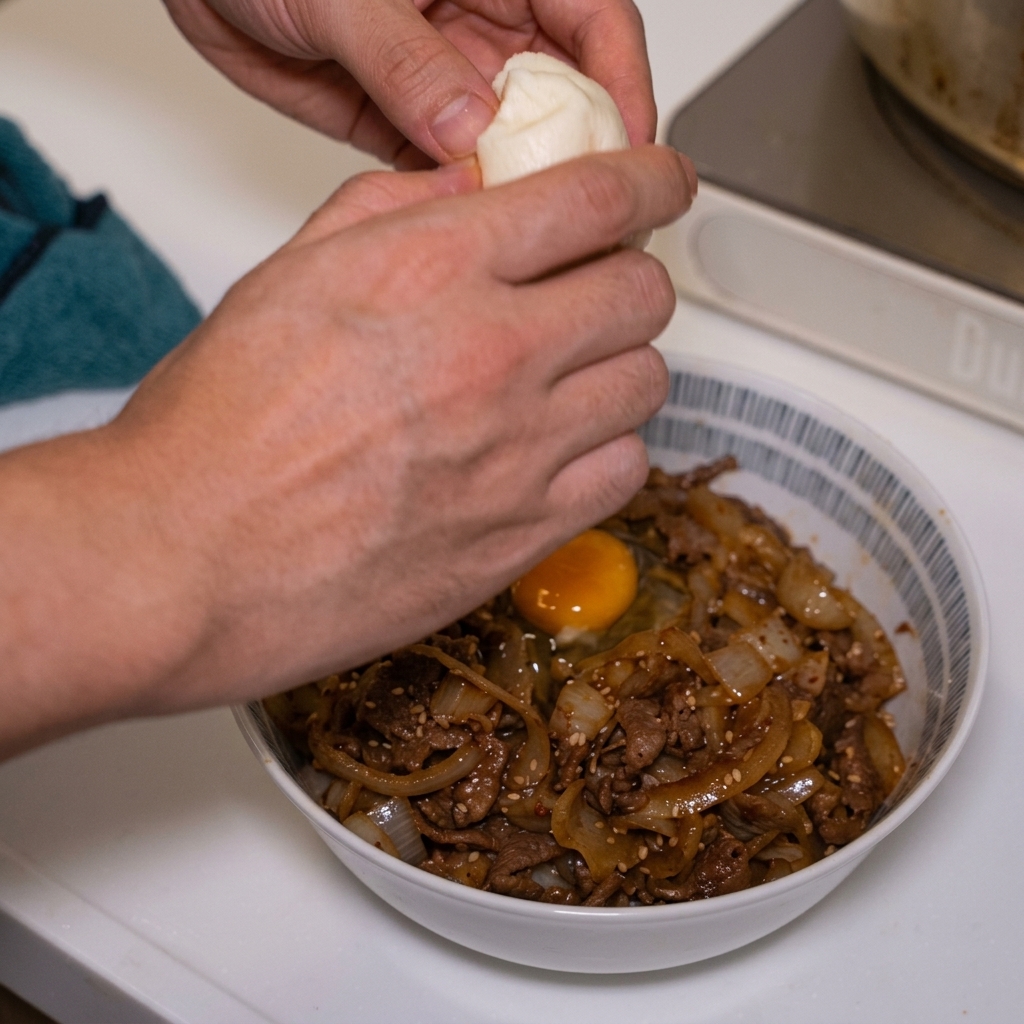
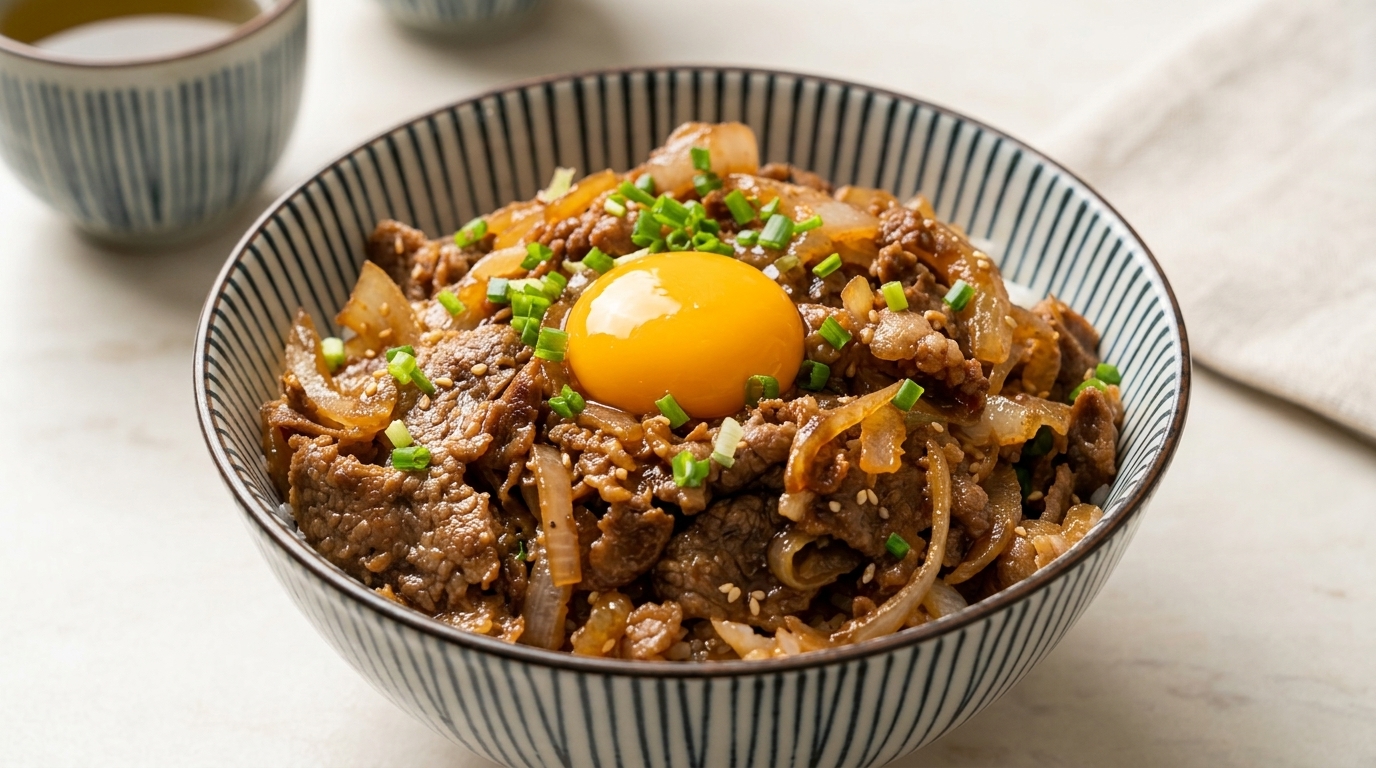
Create a small, shallow well in the center of the hot beef and onions. Carefully separate a fresh egg and drop the raw, golden yolk directly into the indentation. When mixed in, the yolk provides a creamy, rich sauce that coats the meat and rice perfectly.
Tip: If you are concerned about consuming raw eggs, you can substitute the raw yolk with a poached or soft-boiled egg instead. - 12Garnish with green onions
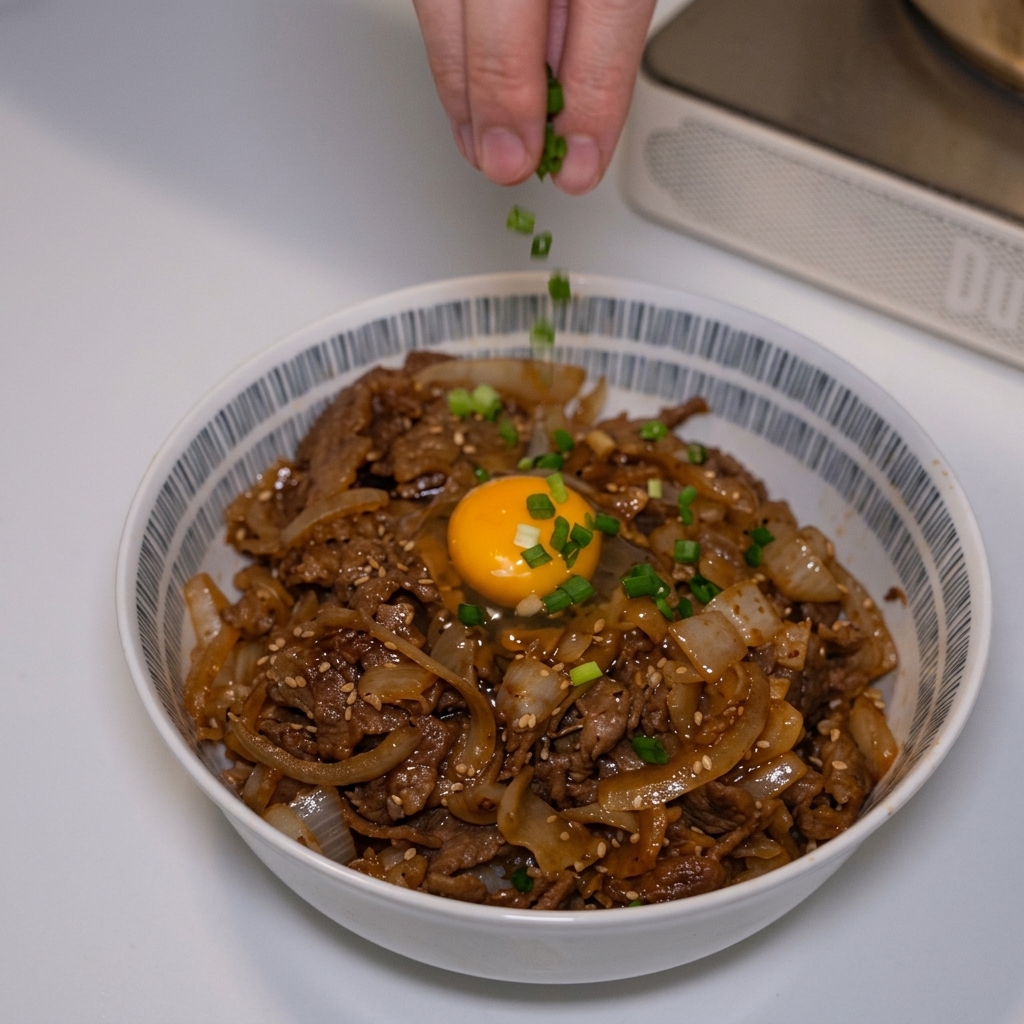
Finish the dish by generously sprinkling finely chopped green onions over the beef and egg yolk. The fresh, crisp scallions cut through the richness of the meat and the sweet and savory simmering sauce, balancing the overall flavors of the bowl.
Tip: For an authentic touch, serve your Gyudon with a pinch of shichimi togarashi (Japanese seven-spice) or a side of bright red pickled ginger.