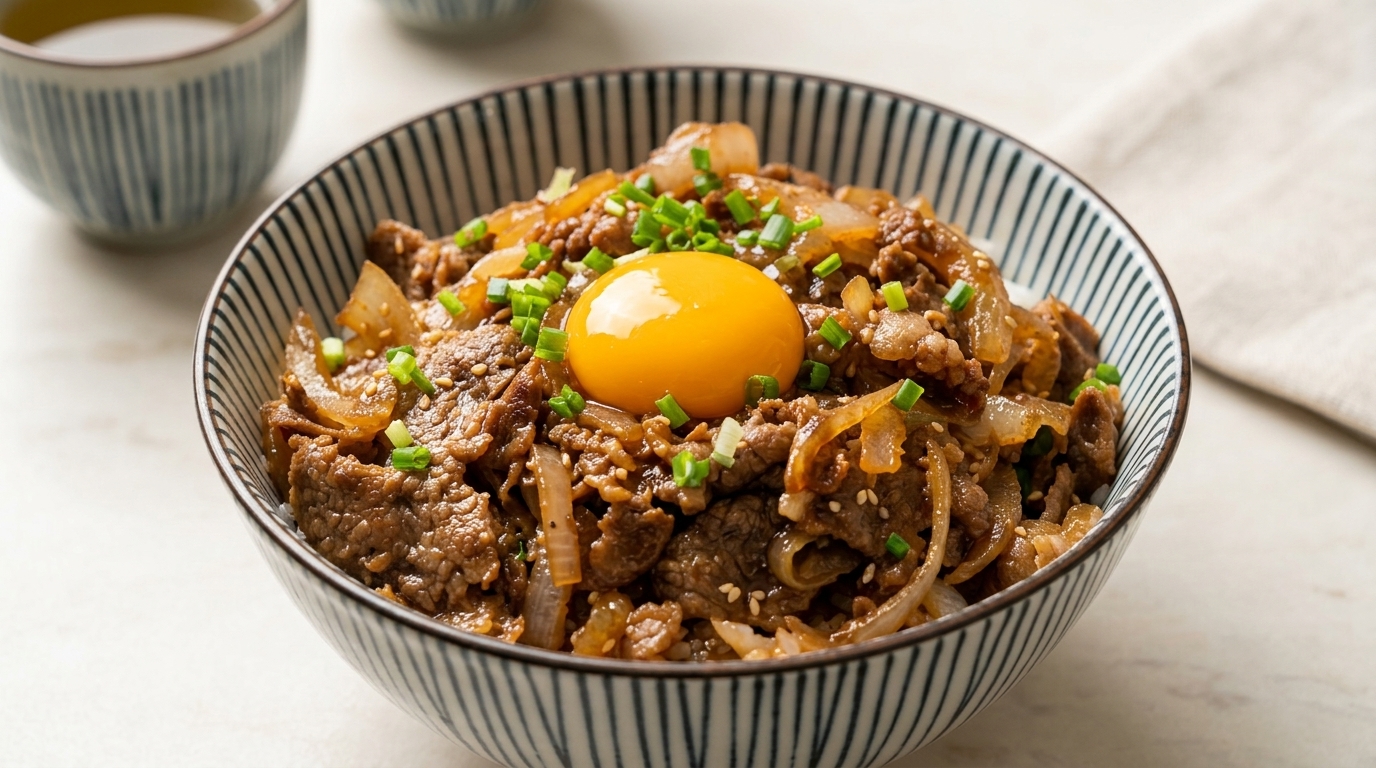
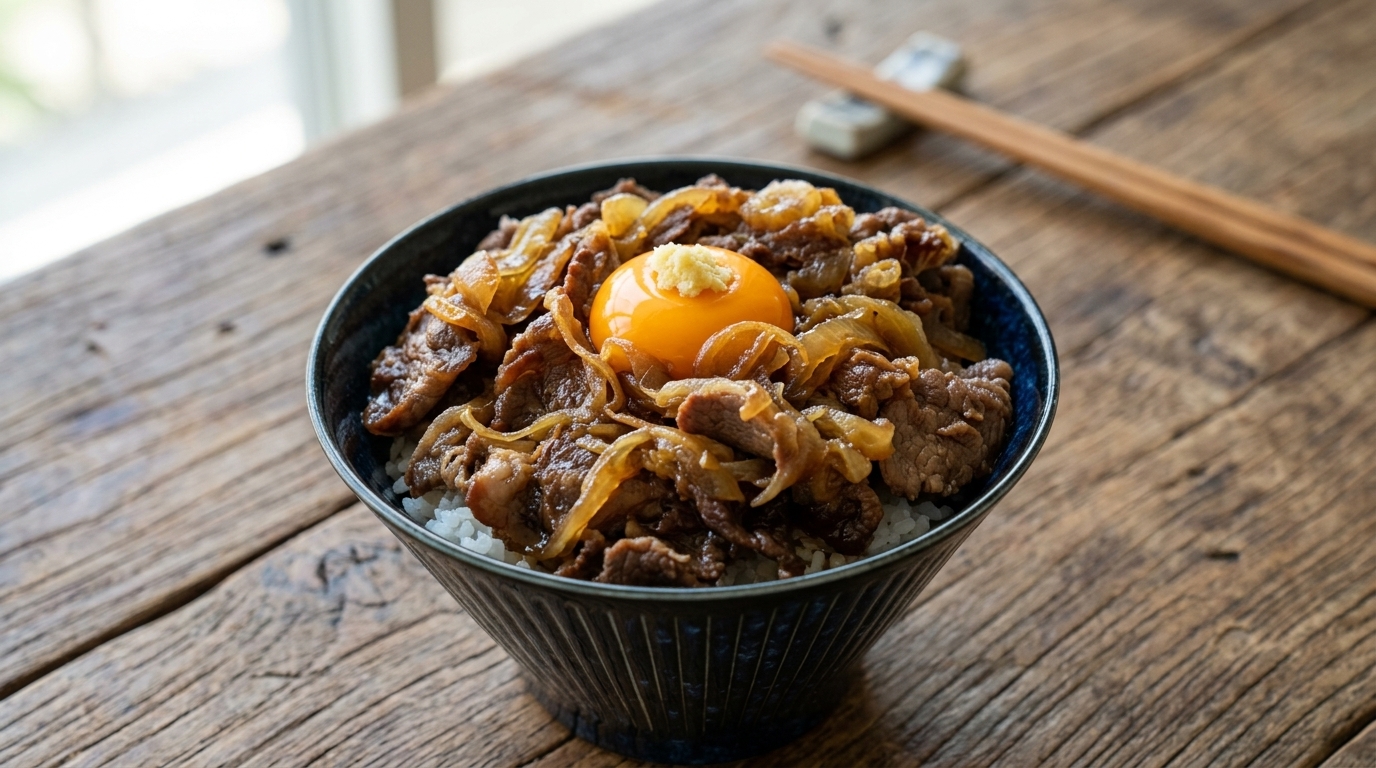
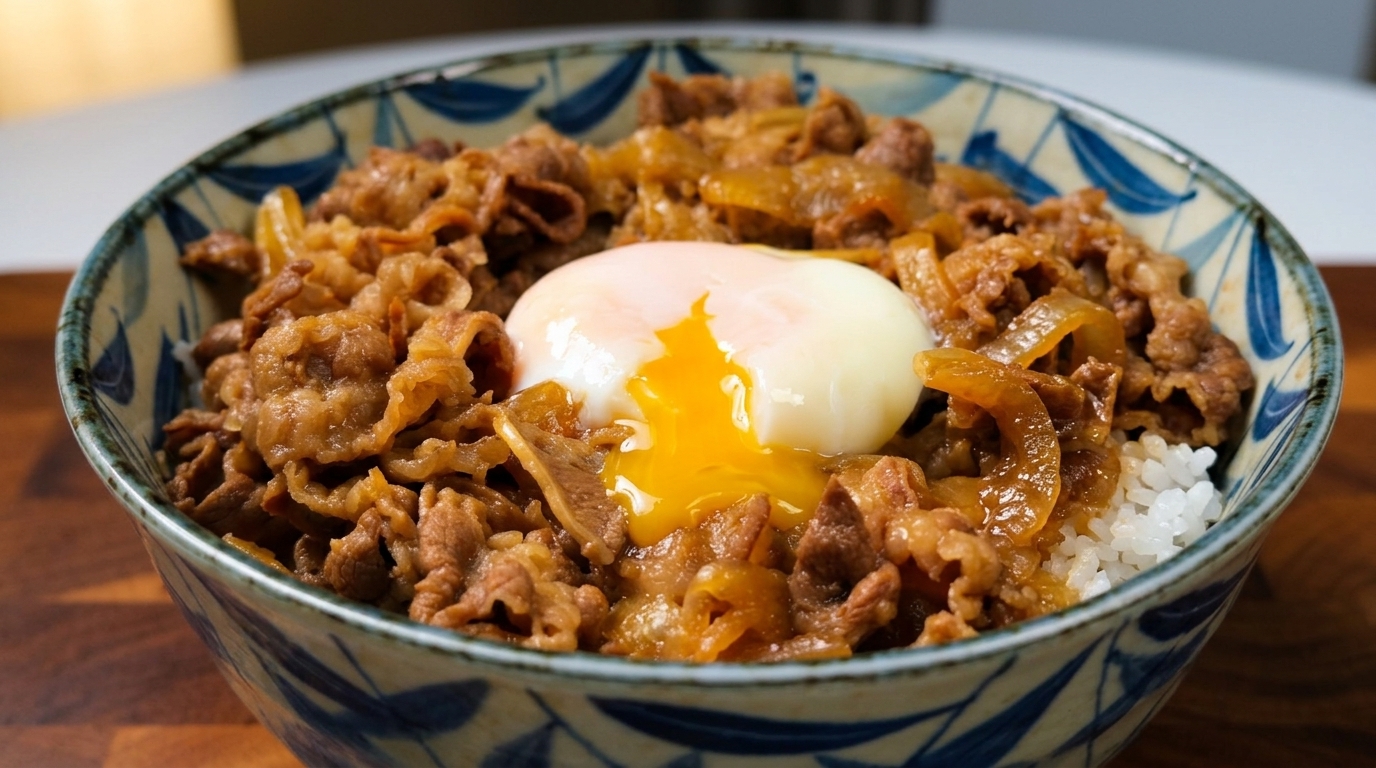
Homemade Japanese Beef Bowl (Gyudon)
Master the classic Japanese Gyudon in minutes. Tender, thinly sliced beef and sweet onions are simmered in a savory-sweet glaze, served over fluffy rice with a perfectly runny egg.
Gyudon is the ultimate Japanese comfort food, beloved for its simplicity and deeply satisfying flavors. Traditionally served as a quick, hearty meal, this homemade version captures the authentic balance of savory soy sauce, sweet onions, and rich beef. Its an accessible dish that proves you dont need complex techniques to create soul-warming, restaurant-quality food at home.
Ingredients
- 300 g fatty beef slices (hot pot beef)
- 1 medium white onion, sliced
- 2 tbsp light soy sauce
- 1 tbsp dark soy sauce
- 1 tbsp oyster sauce
- 0.5 tbsp sugar
- 1 tbsp cornstarch
- to taste black pepper
- 14 cup water (for sauce)
- 1 tbsp cooking oil
- 2 cups cooked white rice
- 1 egg (sunny-side-up or soft-boiled)
- optional black sesame seeds
Instructions
- 1Blanch the beef
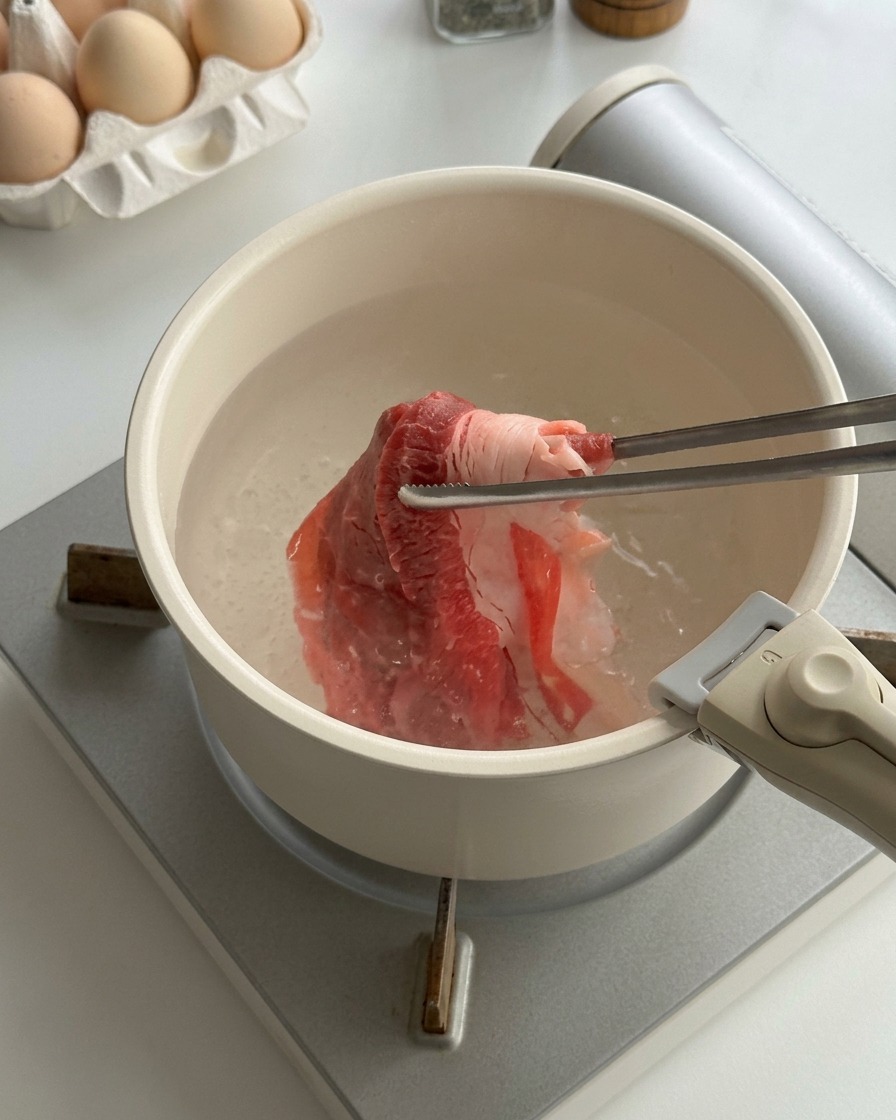
Bring a pot of water to a rolling boil and use chopsticks to carefully drop in the fatty beef rolls. Blanch the meat briefly just until the slices completely change color from red to brown, then quickly scoop them out to prevent overcooking.
Tip: Removing the beef immediately after it changes color ensures it stays tender and doesnt become tough for the final stir-fry. - 2Drain the meat
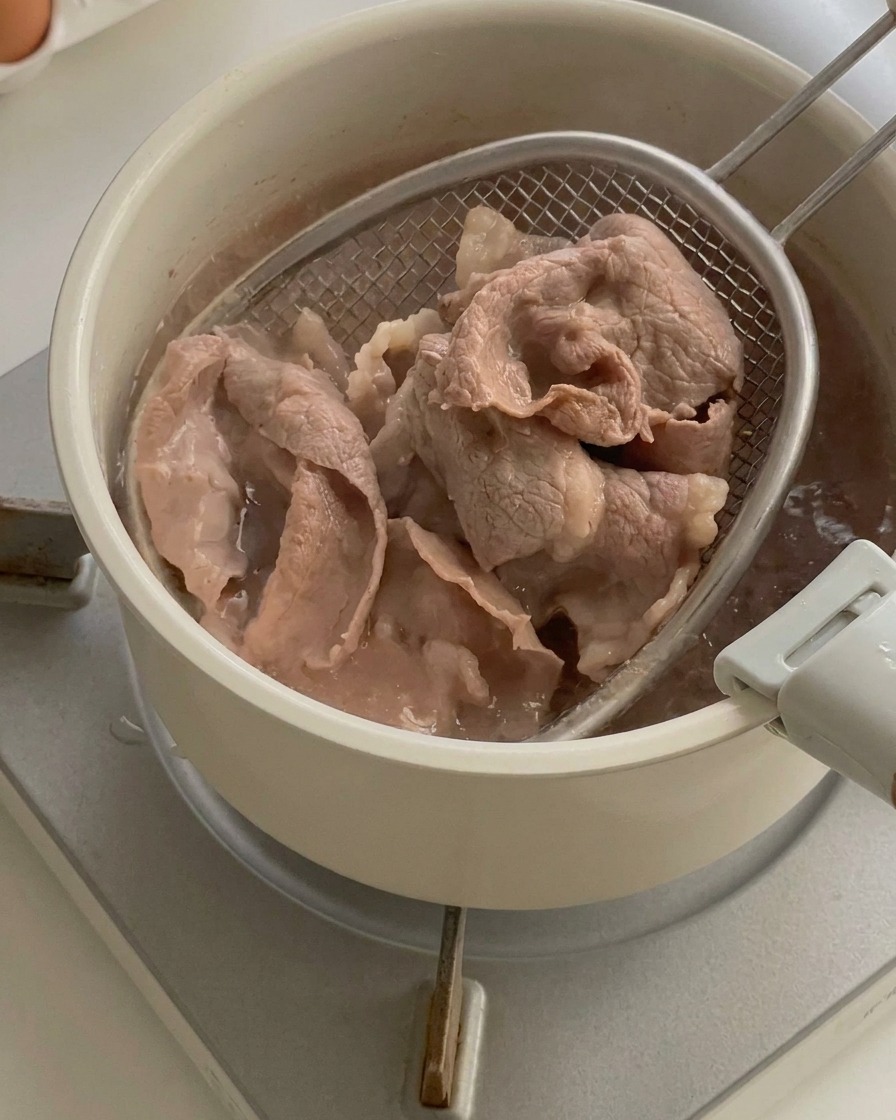
Use a metal skimmer to lift the cooked meat out of the boiling water. Set the pieces aside in a clean bowl for later use. This quick process removes impurities while keeping the texture tender.
Tip: Avoid overcooking at this stage and remove the pieces as soon as no pink coloration remains. - 3Mix the sauce base
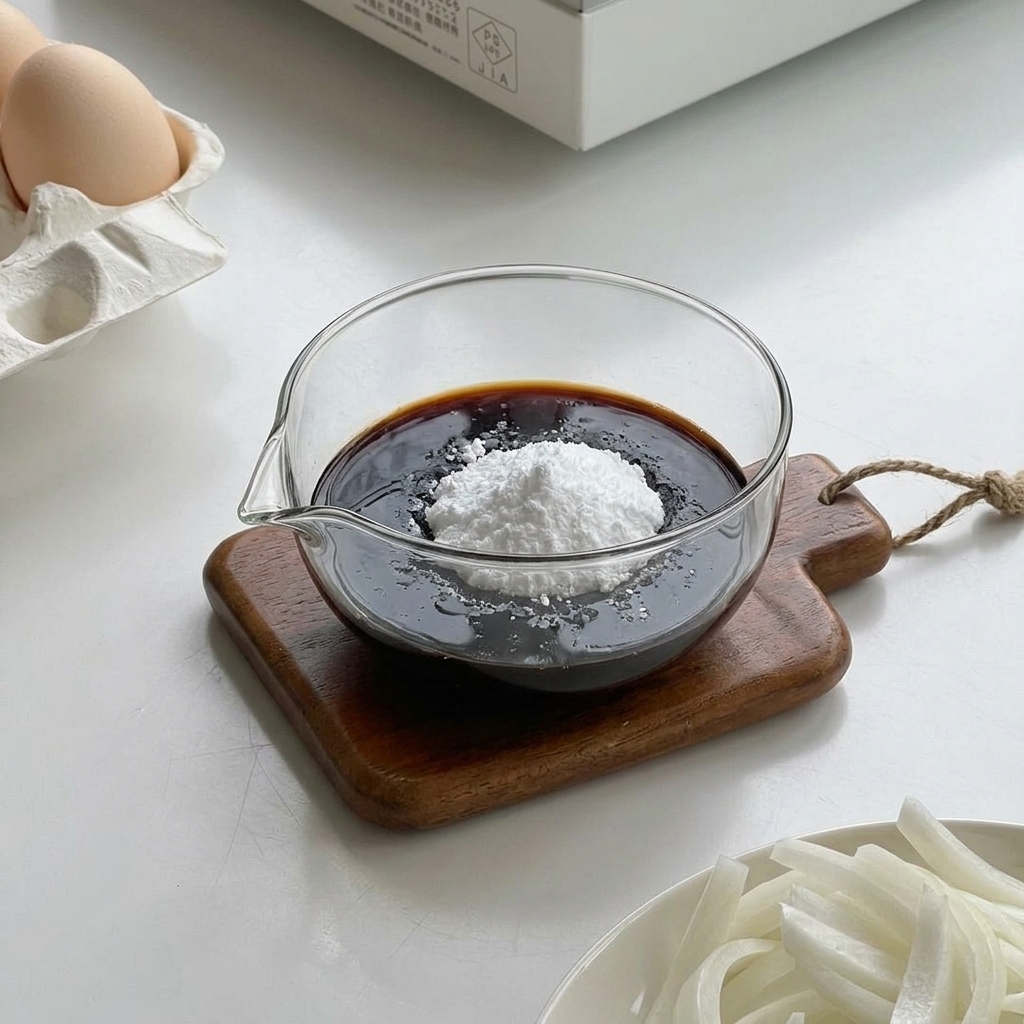
In a clear bowl, prepare the sauce base by combining two spoons of light soy sauce, one spoon of dark soy sauce, one spoon of oyster sauce, half a spoon of sugar, and one spoon of cornstarch. Add a pinch of black pepper to taste.
Tip: Mixing the dry ingredients like cornstarch with the sauces first helps prevent lumps before adding water. - 4Stir the sauce mixture
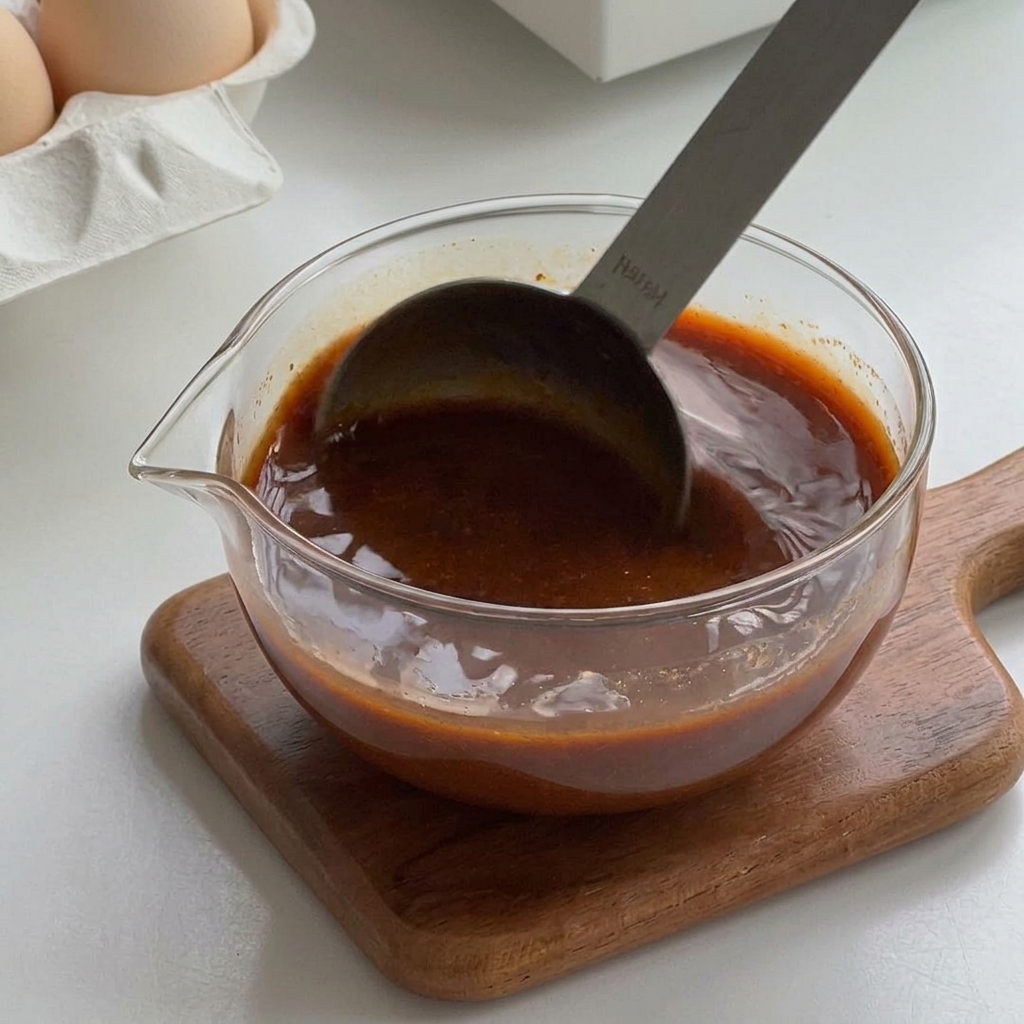
Stir the sauce mixture thoroughly in a glass bowl until all the ingredients, including soy sauce, oyster sauce, sugar, starch, and water, are fully dissolved and well combined.
Tip: Ensure the starch is completely dissolved before heating the sauce to prevent any lumps from forming. - 5Add the Onions
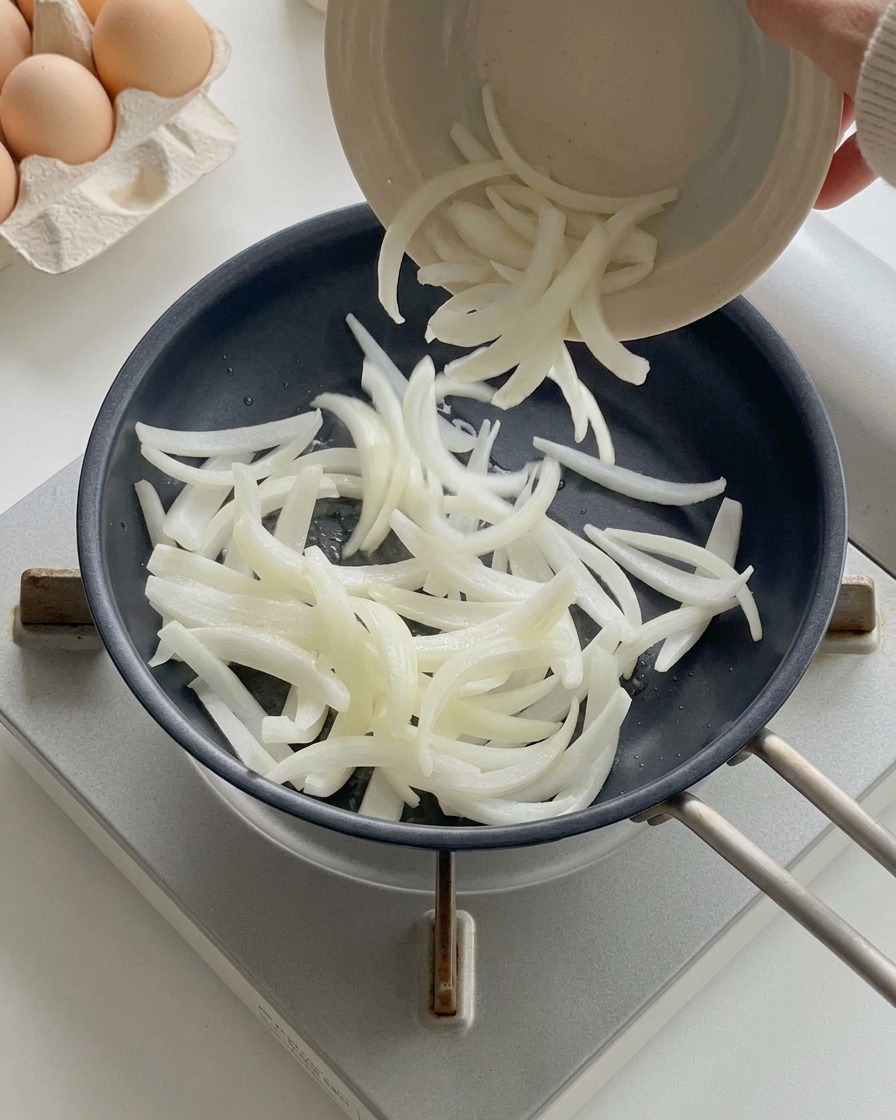
Heat a little cooking oil in a pan over medium heat. Once the oil is hot, add the shredded white onions into the pan. Sauté them gently until they become fragrant and start to soften.
Tip: Cooking the onions until they are slightly translucent will release their natural sweetness into the dish. - 6Combine beef and onions
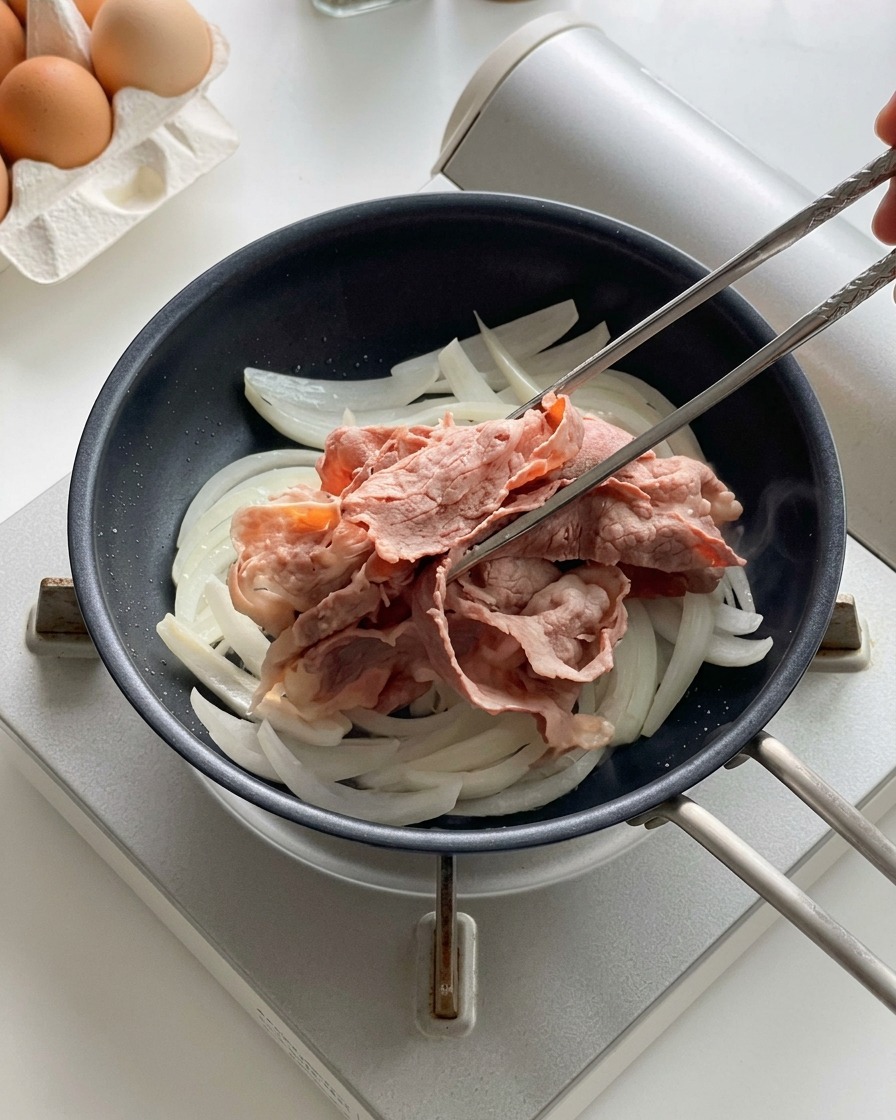
Pour the previously blanched beef slices back into the pan over the sautéed onions. The beef will start to absorb the aromatic flavors from the onions as you prepare to add the sauce.
Tip: Keep the heat on medium-high to ensure the pan stays hot enough to quickly reduce the sauce in the next step. - 7Pour in the Sauce
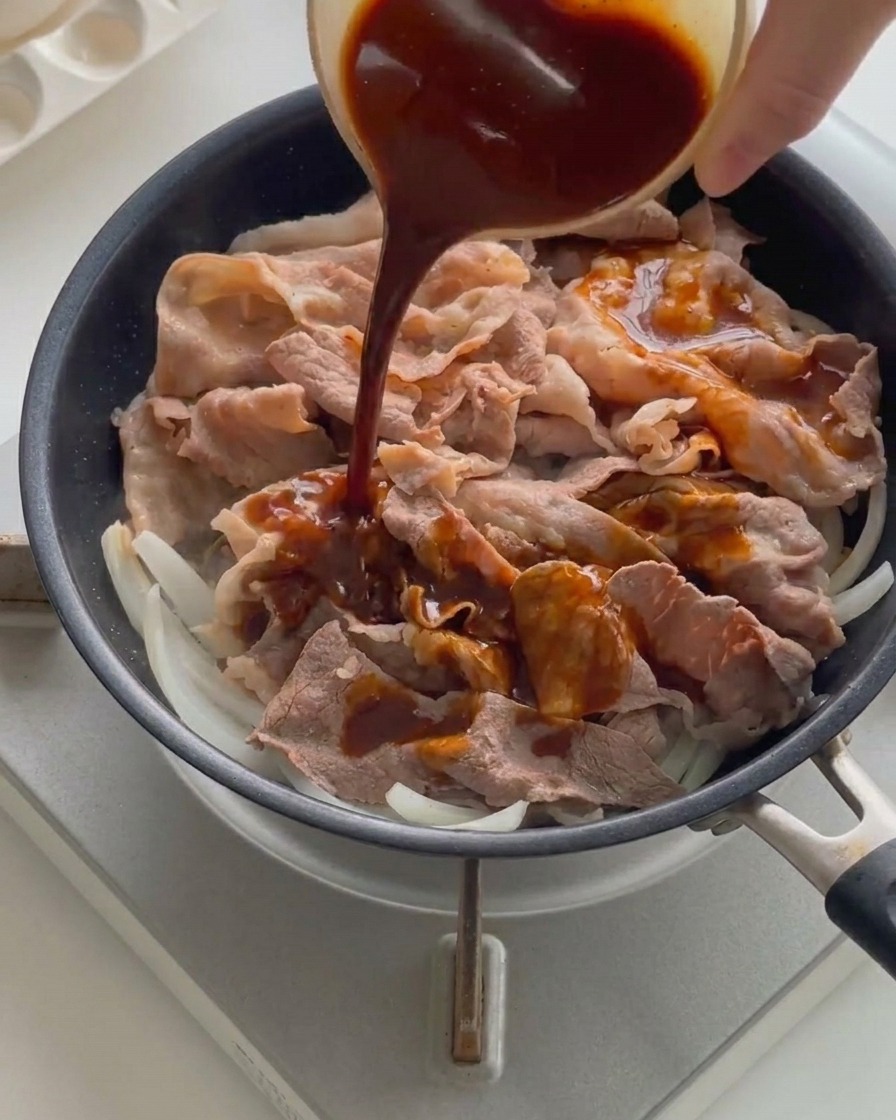
Give the prepared sauce a quick stir to recombine the ingredients, then pour it evenly over the beef and onions currently simmering in the skillet.
Tip: Ensure the pan is very hot before adding the liquid so it immediately begins to reduce and glaze the meat. - 8Reduce the sauce
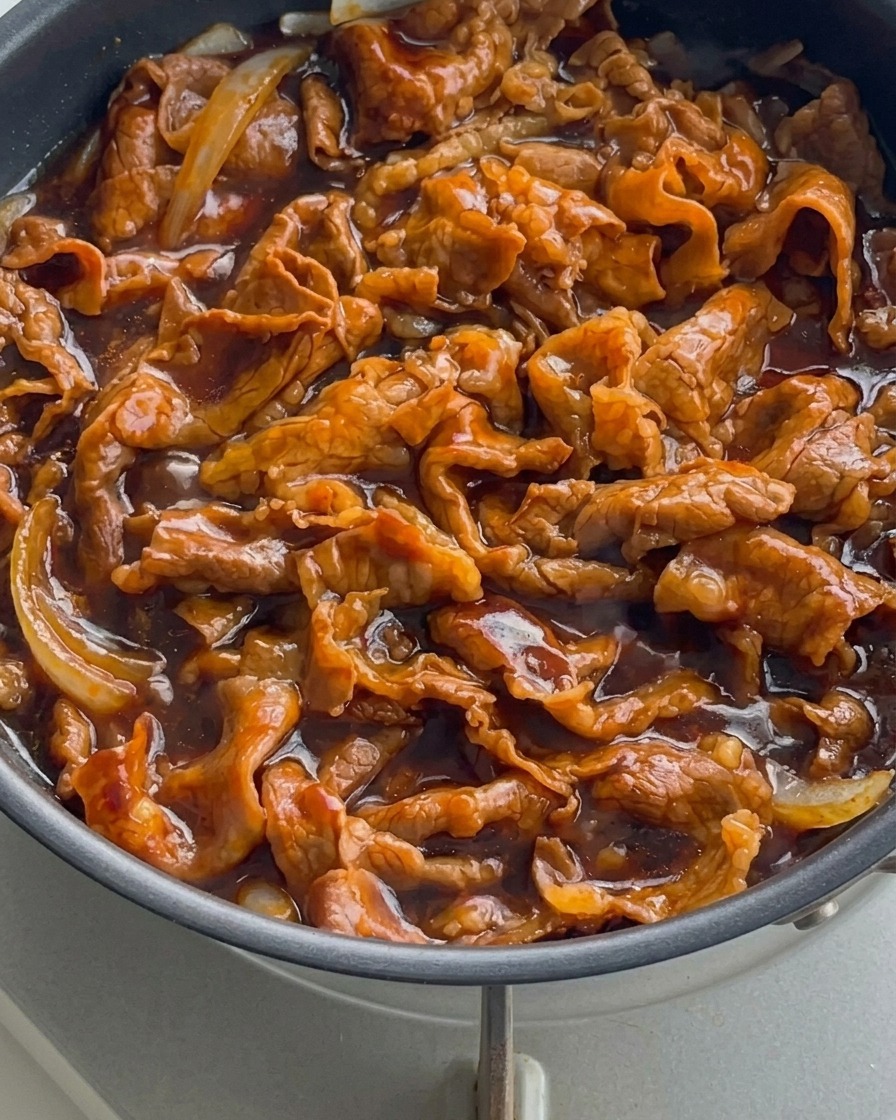
Cook the beef and onions over high heat, stirring continuously to ensure everything is evenly coated. Let the sauce bubble and reduce until it thickens into a rich, glossy glaze that clings tightly to the meat.
Tip: Because the sauce contains sugar and starch, keep stirring constantly to prevent it from sticking to the bottom of the pan and burning. - 9Assemble the rice bowl
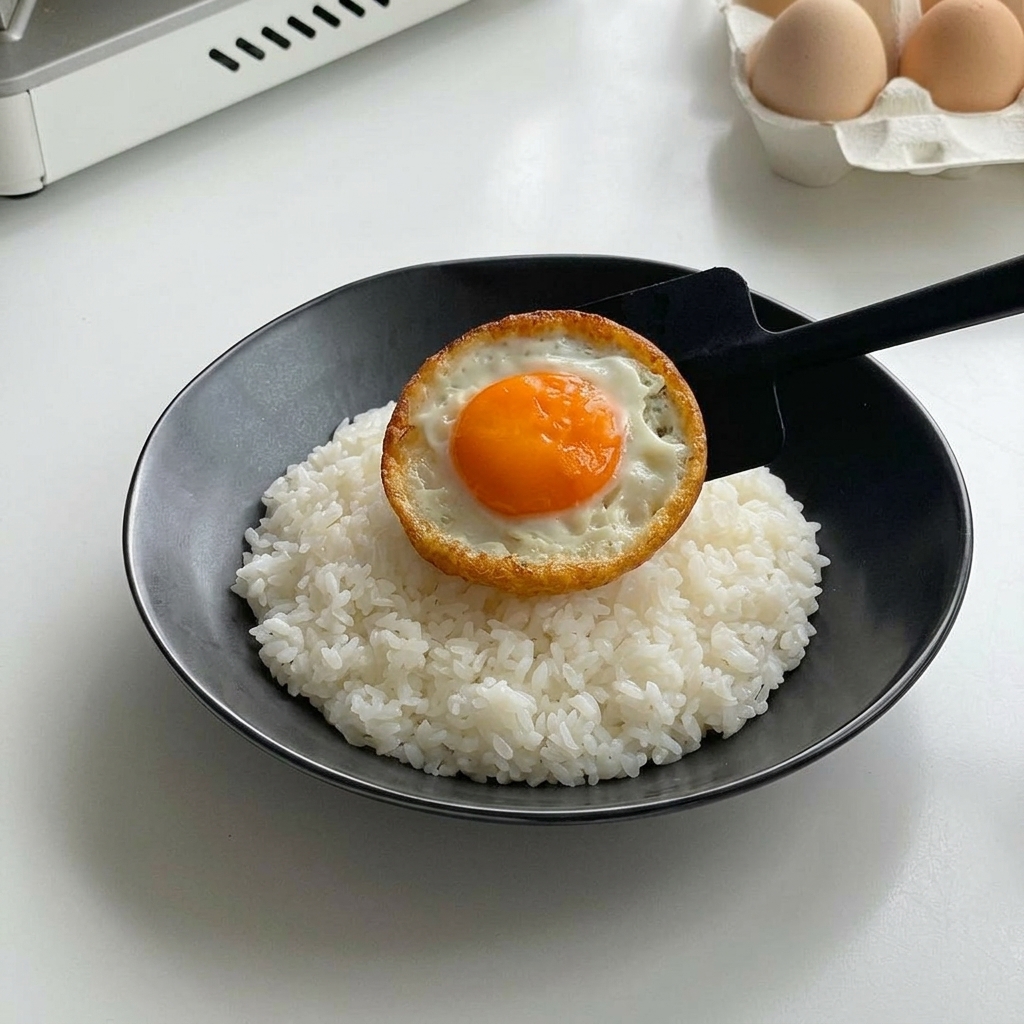
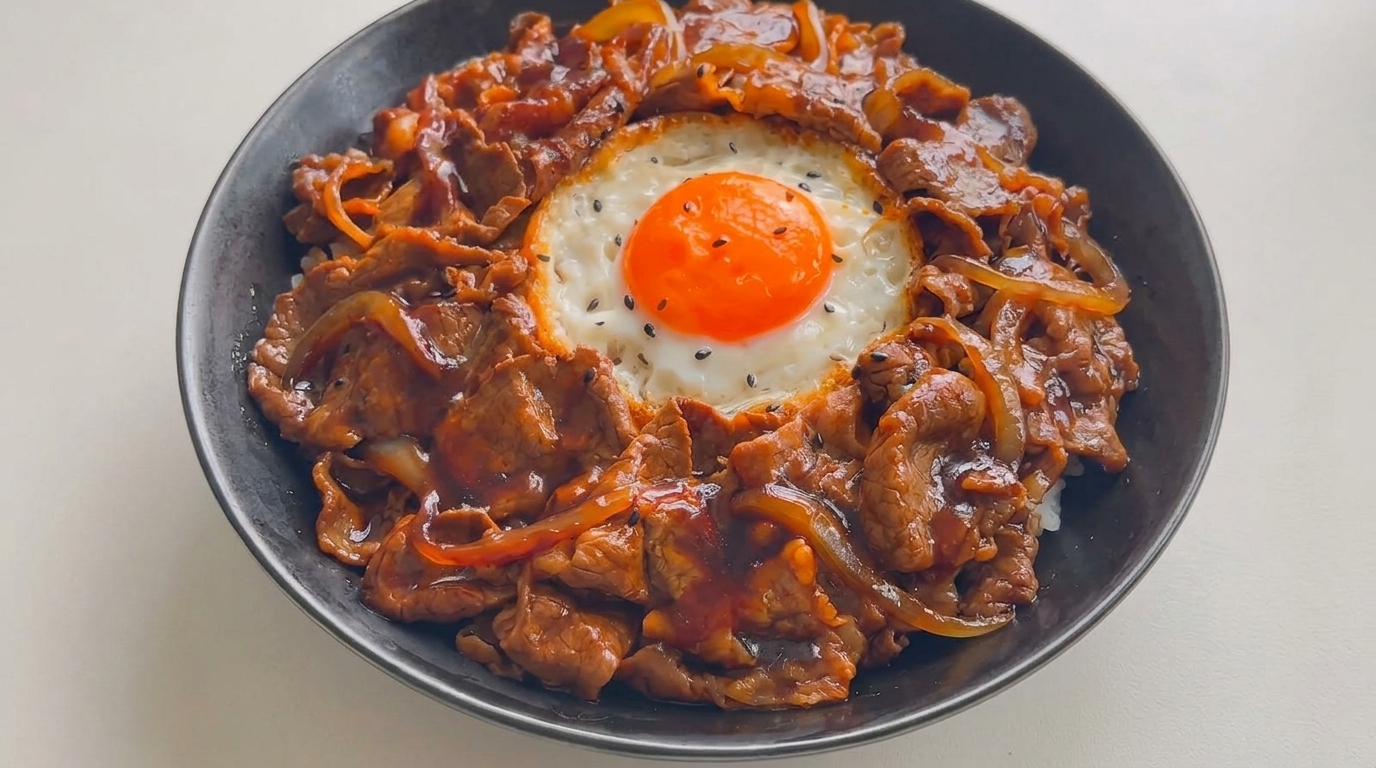
Begin by serving a generous mound of warm white rice into a bowl. Transfer the cooked beef and onions over the rice, then carefully place a cooked sunny-side-up egg right in the center.
Tip: For a richer flavor profile leave the egg yolk slightly runny so it can mix seamlessly into the rice and savory meat sauce. - 10Drizzle the final sauce
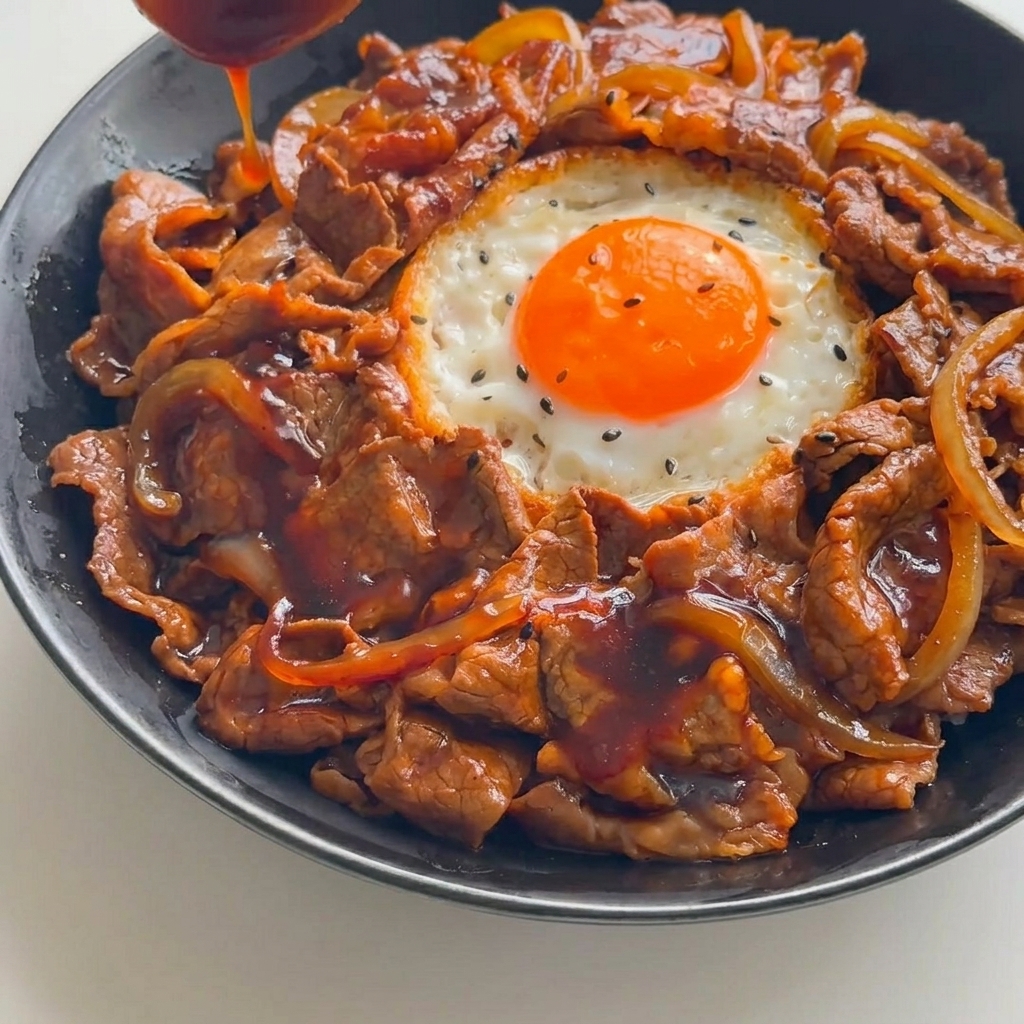
Finish the dish by drizzling a spoonful of the remaining thickened sauce from the pan directly over the plated beef and egg. This adds a beautiful glossy shine and an extra layer of savory flavor to the rice bowl.
Tip: If the remaining sauce is too thick, add a tiny splash of hot water to the pan to loosen it up before drizzling.