Japanese Beef Bowl (Gyudon)
Onsen Egg
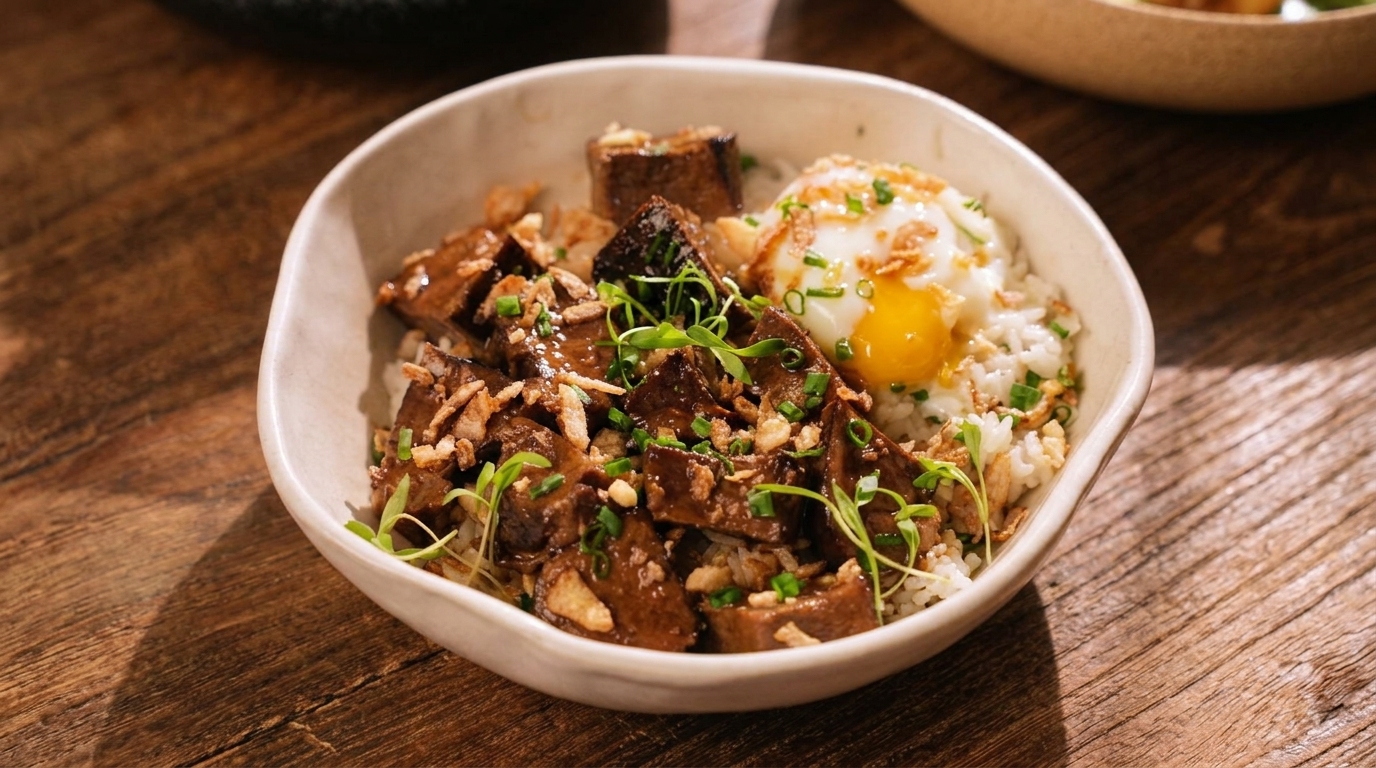
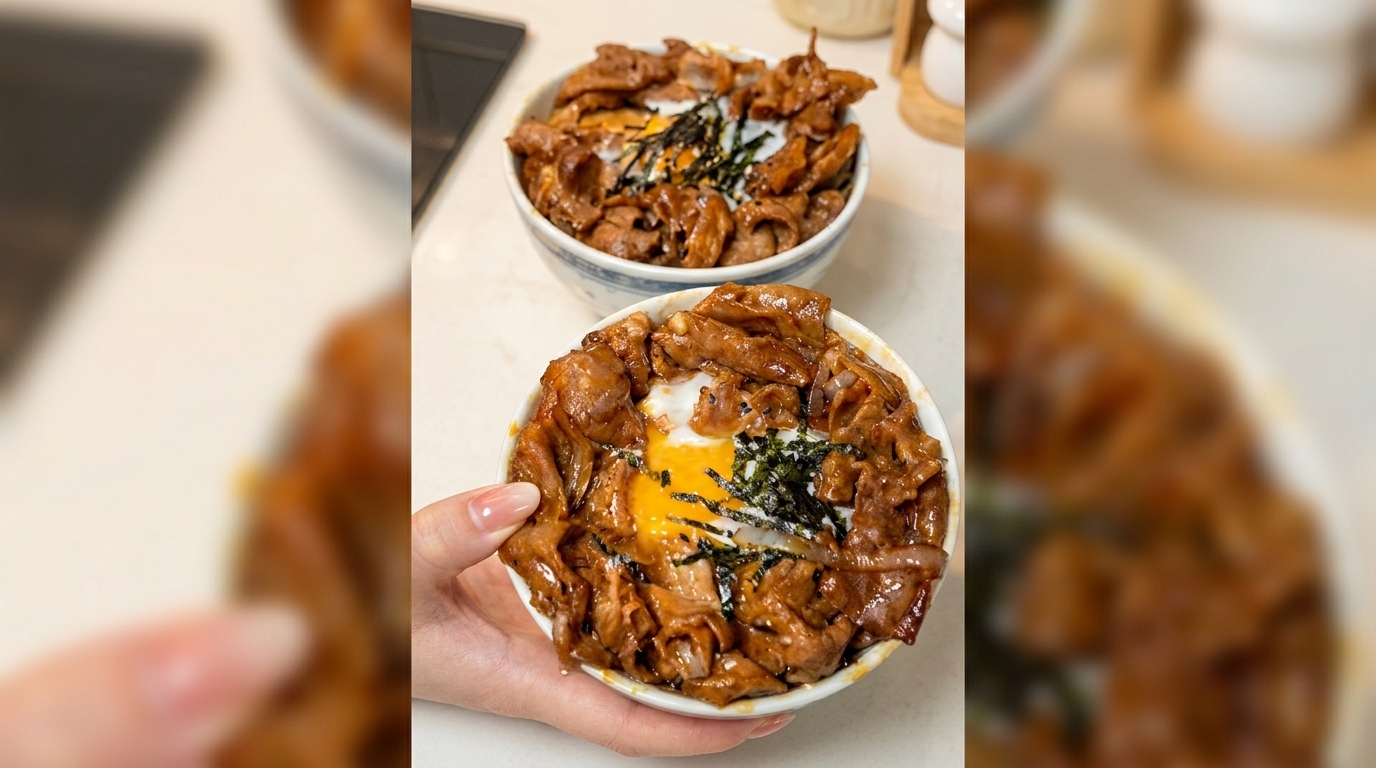
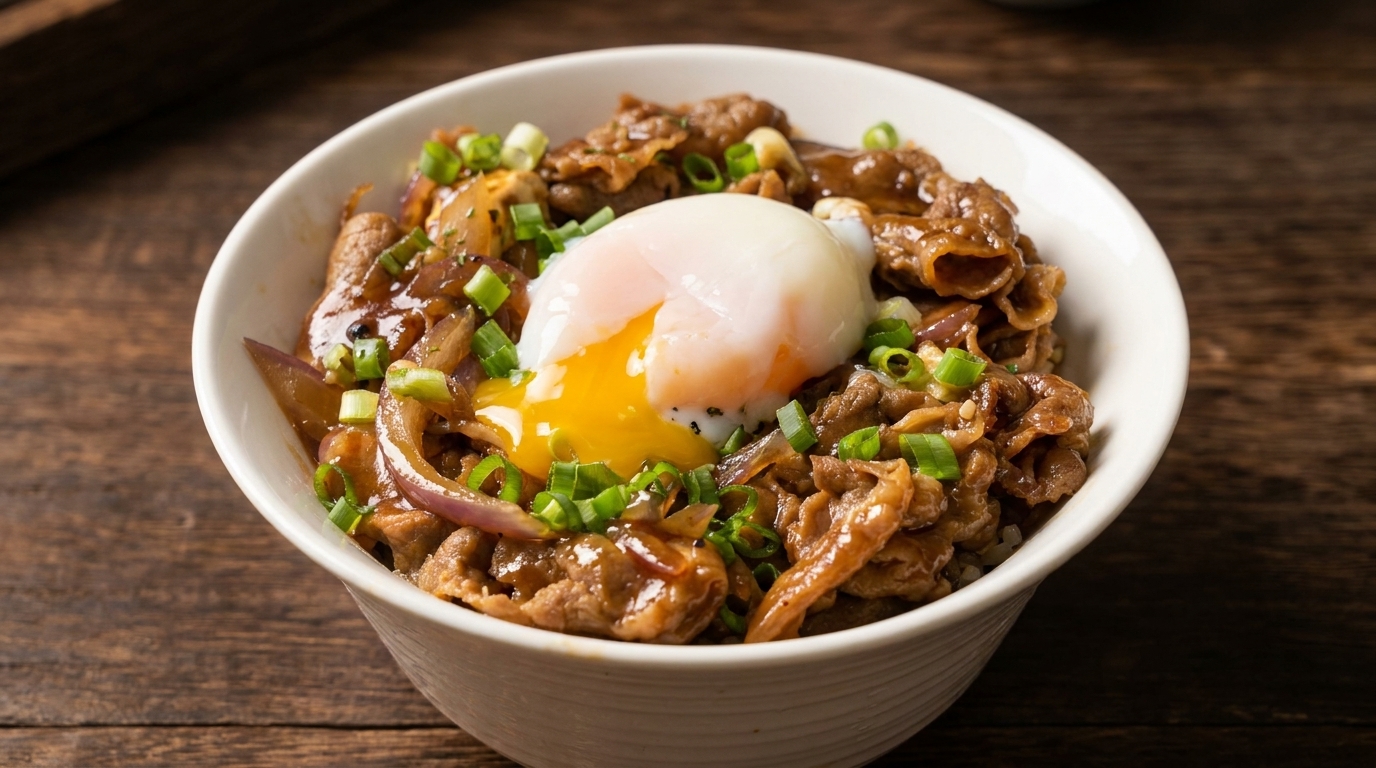
Tender fatty beef and sweet onions simmered in a savory teriyaki glaze, served over rice with a silky onsen egg. A classic Japanese comfort meal.
Gyudon is a beloved staple of Japanese fast-casual dining, prized for its perfect balance of sweet and savory flavors. This version uses a quick-blanching technique to ensure the beef remains tender and clean-tasting, finished with a rich onsen egg that creates a luxurious sauce when broken over the rice.
Ingredients
- 250 g fatty beef slices
- 1 white onion
- 1 onsen egg
- 2 cups steamed white rice
- 1 tsp Maggi liquid seasoning
- 1 tbsp dark soy sauce
- 3 tbsp teriyaki sauce
- 1 tbsp cooking oil
- to taste white sesame seeds
Instructions
- 1Slice the white onion
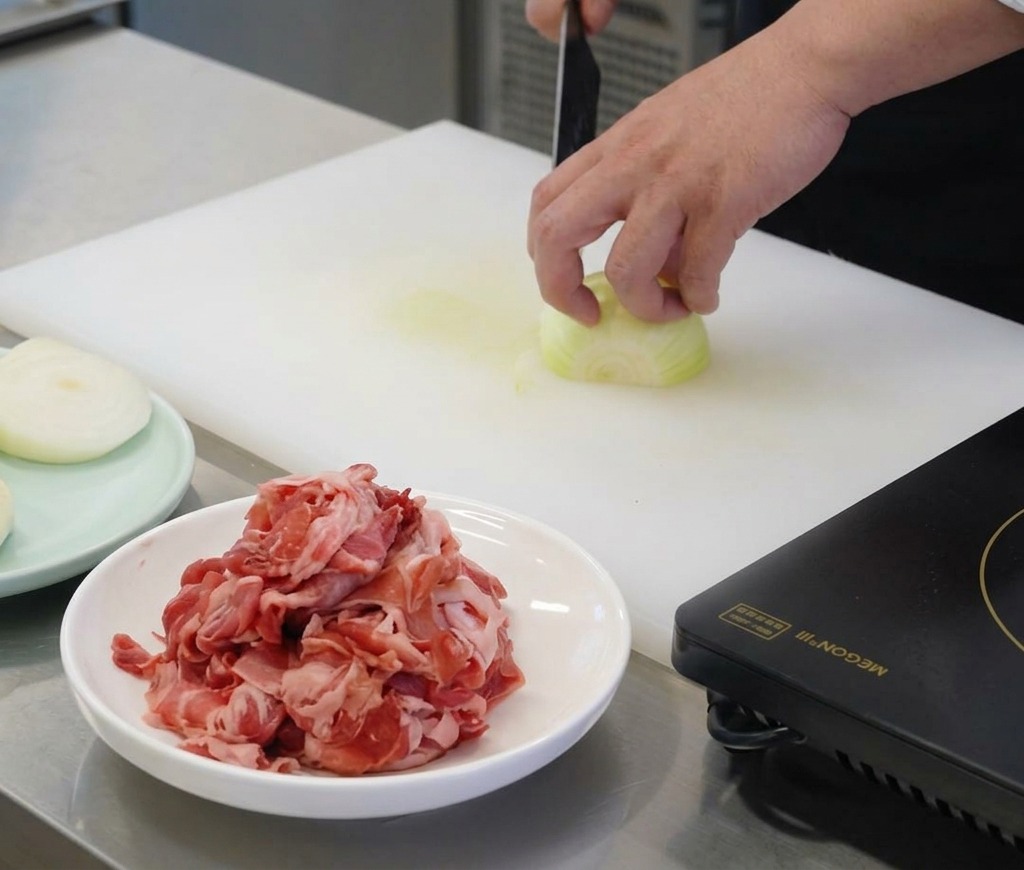
Begin by peeling a white onion and slicing it into thin vertical strips. These thin slices will soften quickly and absorb the sauce better than thick chunks, ensuring a tender bite in the final beef bowl. Keep the sliced onions aside on a clean plate until needed.
Tip: If the onion is too strong, you can soak the slices in cold water for a few minutes to mellow out the sharpness before stir-frying. - 2Blanch the fatty beef
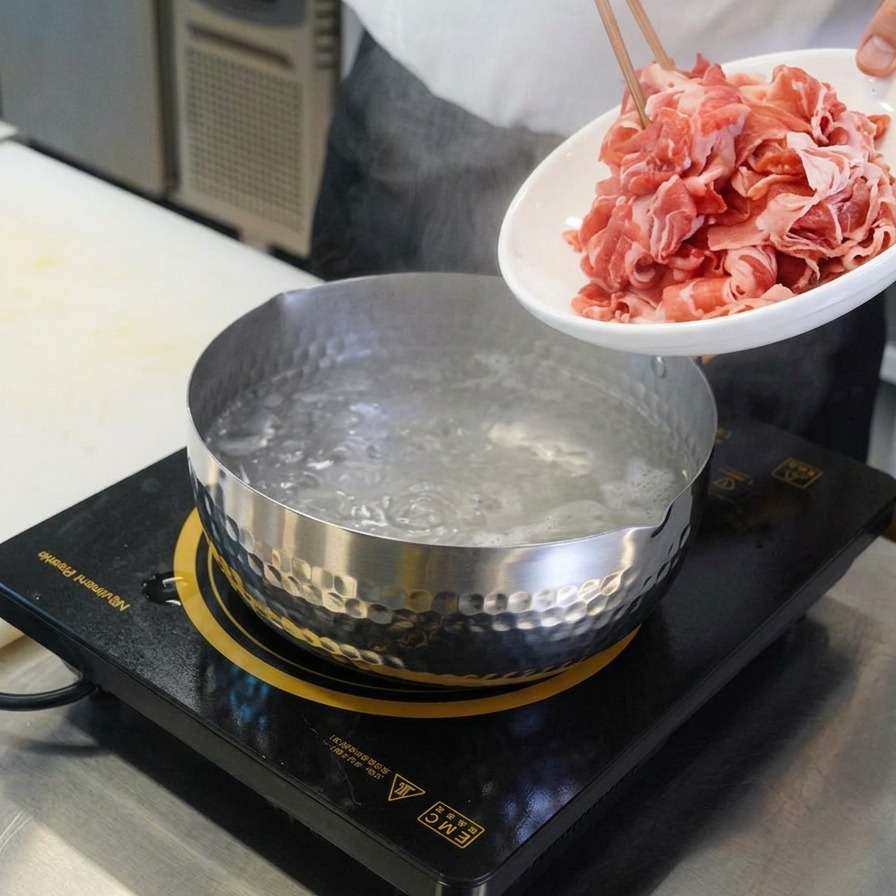
Once the water comes to a rolling boil, use chopsticks to carefully add the thin fatty beef slices to the pot. Blanching the meat first helps to remove excess grease and surface impurities, which results in a cleaner taste and appearance for the dish.
Tip: Add the beef slices one by one or in small batches to prevent them from sticking together in a large clump. - 3Cook until just grey
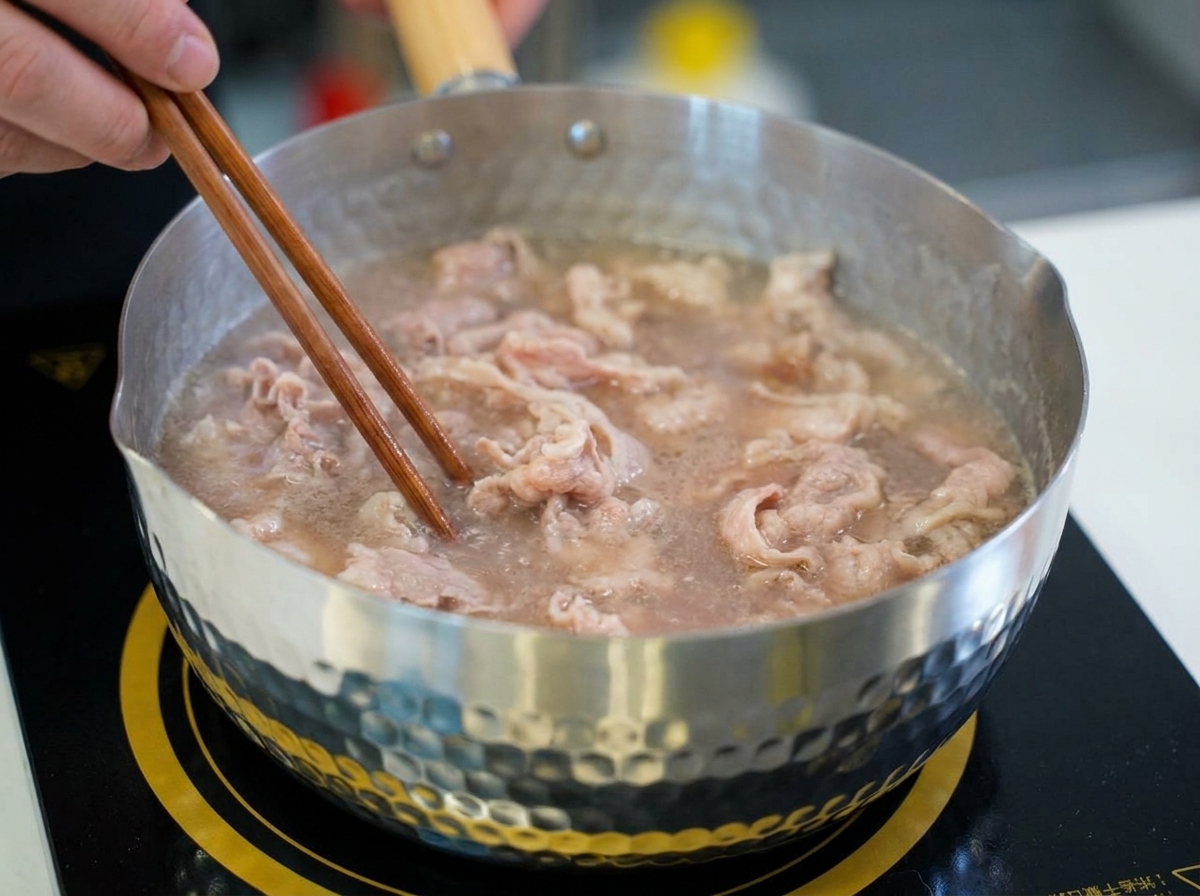
Stir the beef slices gently in the boiling water for about 50 seconds. You want to cook them just until the pink color disappears and they turn a light grey. Overcooking at this stage will make the thin beef tough and chewy.
Tip: Keep the heat high so the water returns to a boil quickly after adding the cold meat. - 4Drain the beef
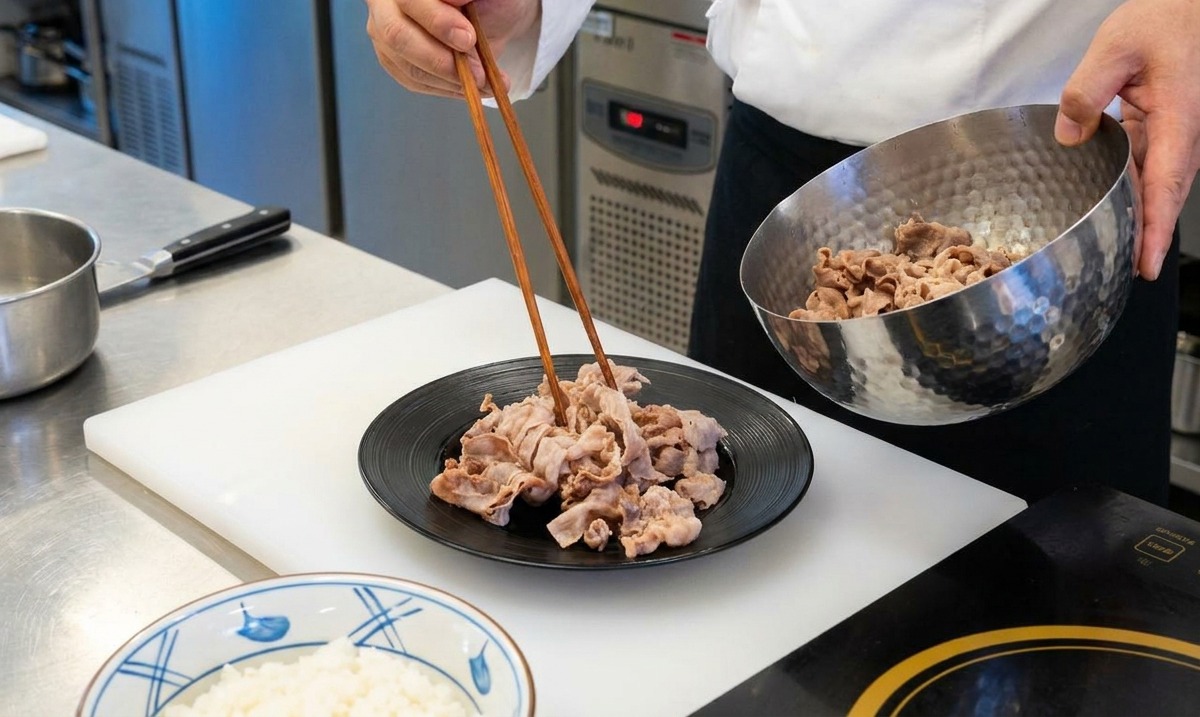
Using chopsticks, lift the blanched beef slices out of the pot and transfer them to a clean plate. Shake off any excess water as you remove them to ensure the beef does not become watery when you add the sauce later.
Tip: Do not discard the meat juices that collect on the plate as they can be added back to the pan for extra flavor. - 5Prepare the teriyaki sauce base
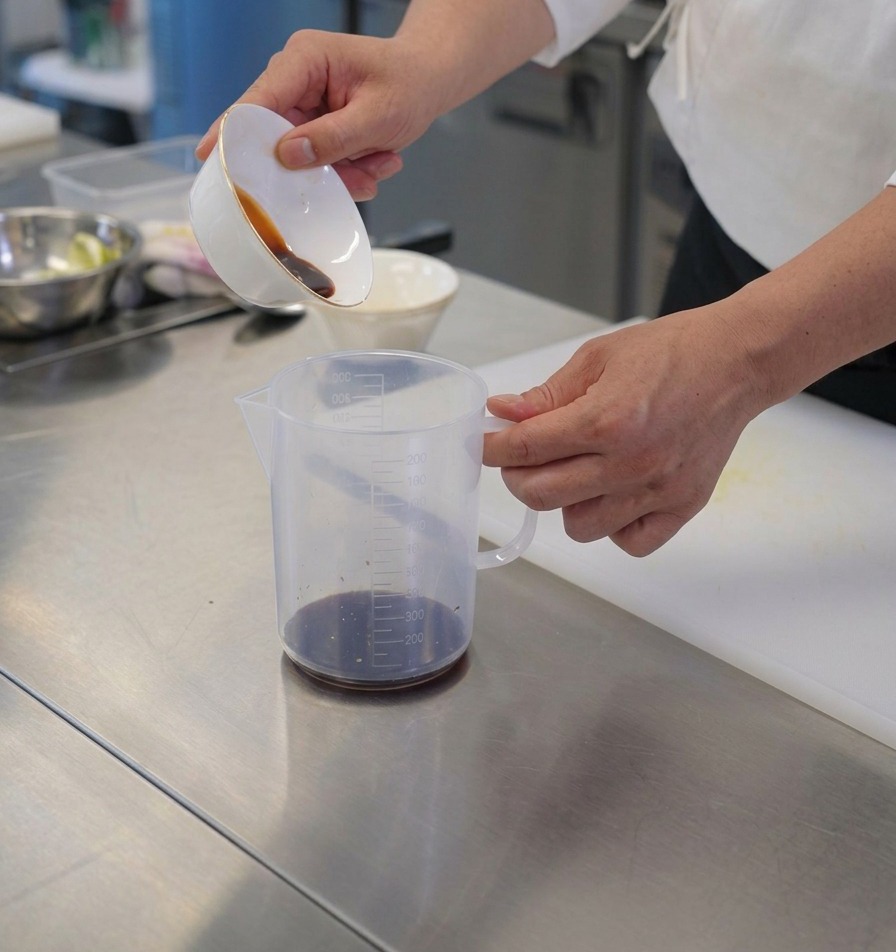
In a measuring pitcher, combine the Maggi liquid seasoning, dark soy sauce, and the secret teriyaki sauce. Stir the mixture thoroughly to ensure the flavors are well-blended. This sauce provides the classic sweet and savory profile essential for a Japanese beef bowl.
Tip: If you prefer a sweeter sauce, you can add a pinch of sugar or a splash of mirin to the mix at this stage. - 6Heat oil in the pan
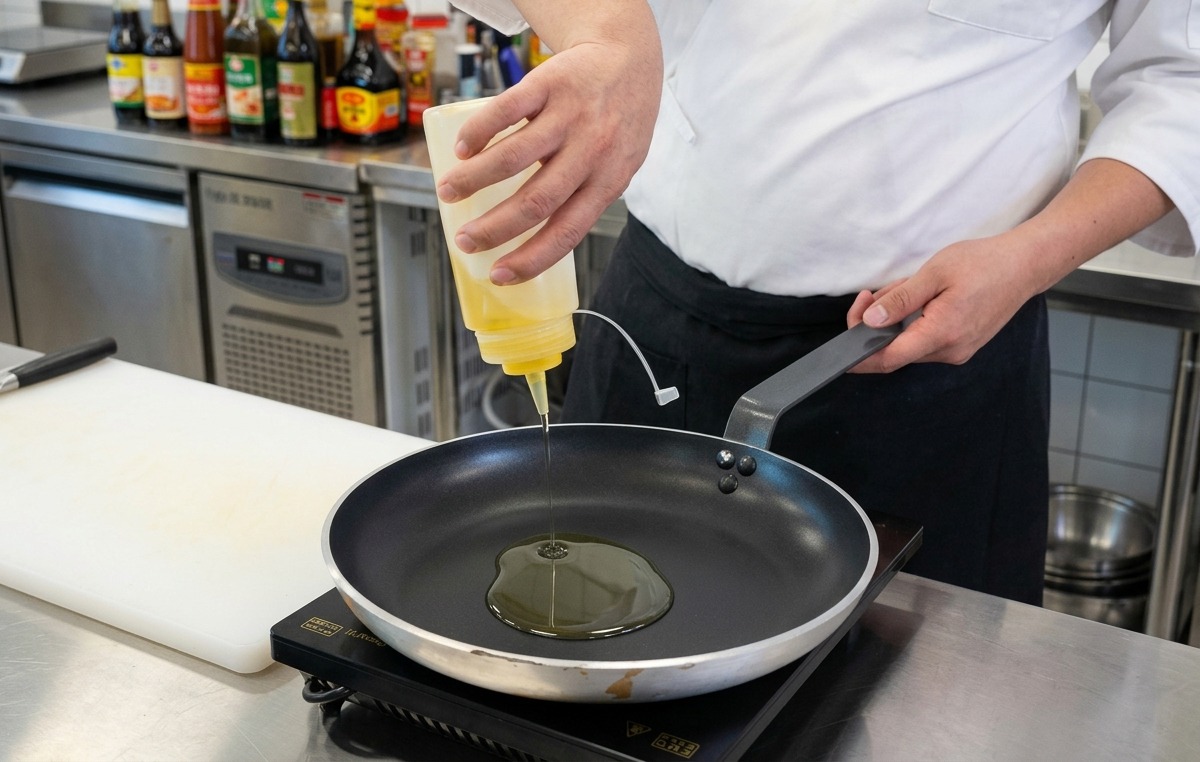
Place a flat frying pan over medium heat and add a small amount of cooking oil. Swirl the oil around to coat the bottom of the pan evenly. This prepares the surface for sautéing the onions without them sticking.
Tip: Use a neutral-flavored oil like vegetable or canola oil so the flavor of the teriyaki sauce remains the star of the dish. - 7Sauté the onions
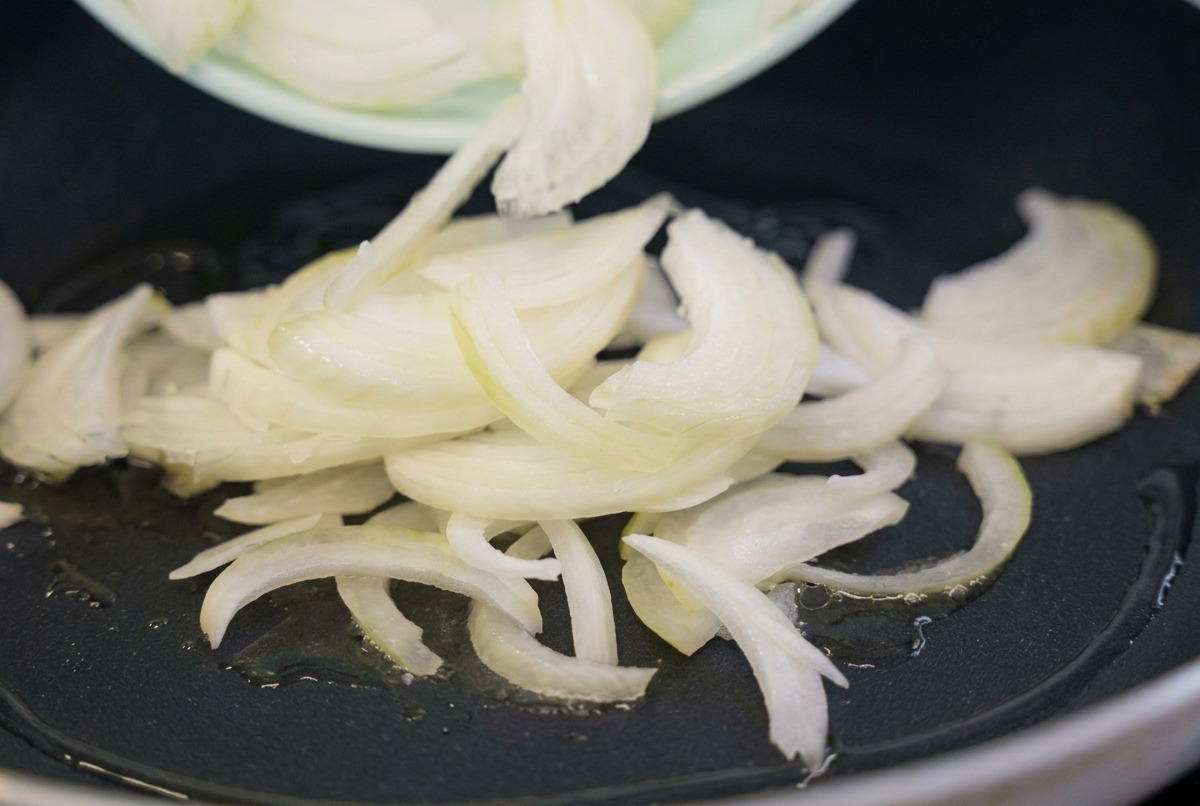
Add the thinly sliced onions to the hot pan and stir fry them until they are softened and translucent. This step releases the natural sweetness of the onions which forms the flavor base for the beef bowl.
Tip: Keep the heat at medium because you want the onions to soften and turn sweet without browning too quickly or becoming crispy. - 8Add the blanched beef
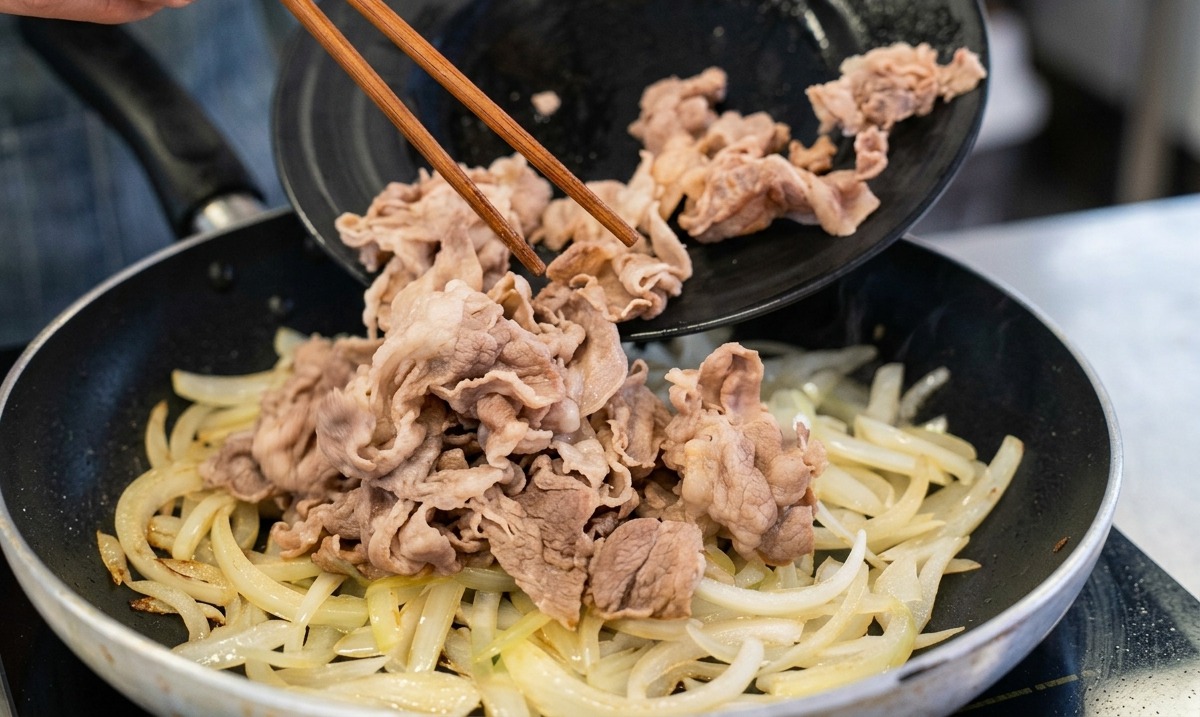
Once the onions are tender, add the blanched beef slices to the pan. Since the beef was already blanched in boiling water, this step is mainly to combine the meat with the onions and finish the cooking process.
Tip: Use chopsticks to gently separate the beef slices as you add them so they do not clump together and can absorb the flavors evenly. - 9Season with the beef sauce
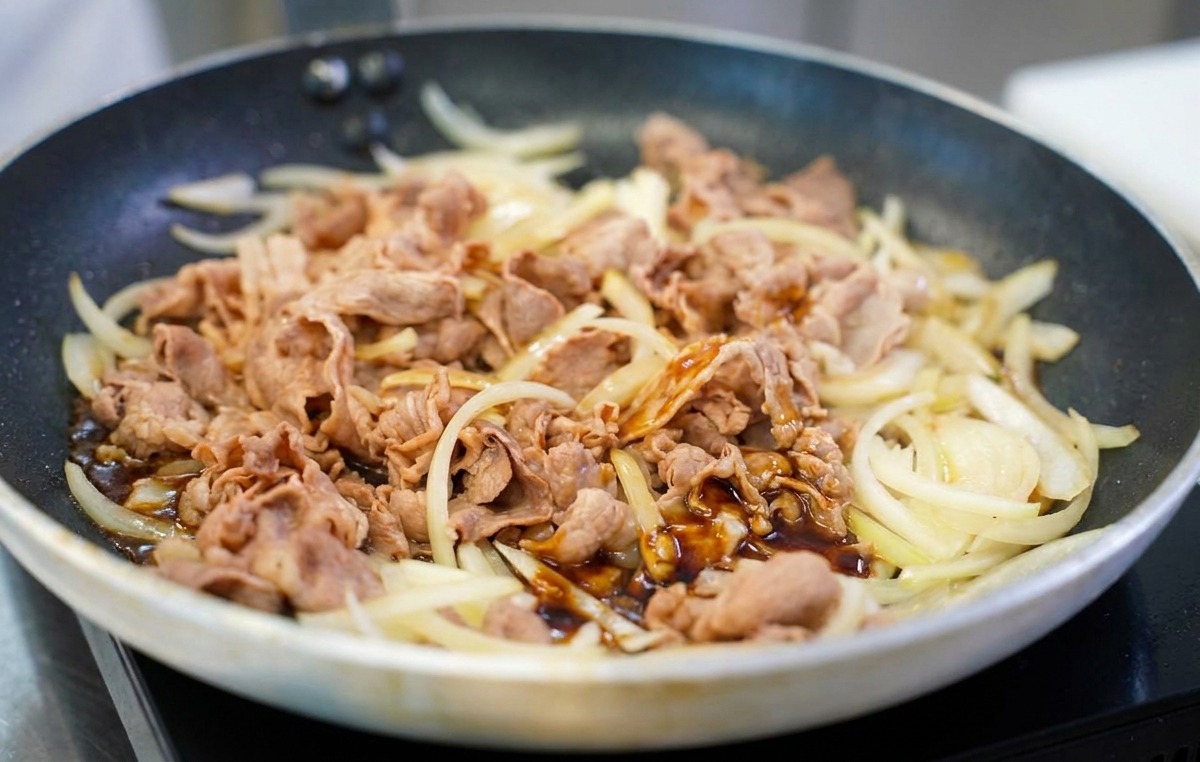
Pour the prepared sauce—a savory mixture of Maggi seasoning, dark soy sauce, and teriyaki sauce—evenly over the beef and onions. Stir everything together so that the dark sauce coats the meat and onions, giving them a rich brown color and deep flavor.
Tip: If you prefer a milder flavor, start with less sauce and add more to taste, as the dark soy sauce can be quite potent. - 10Assemble the beef bowl
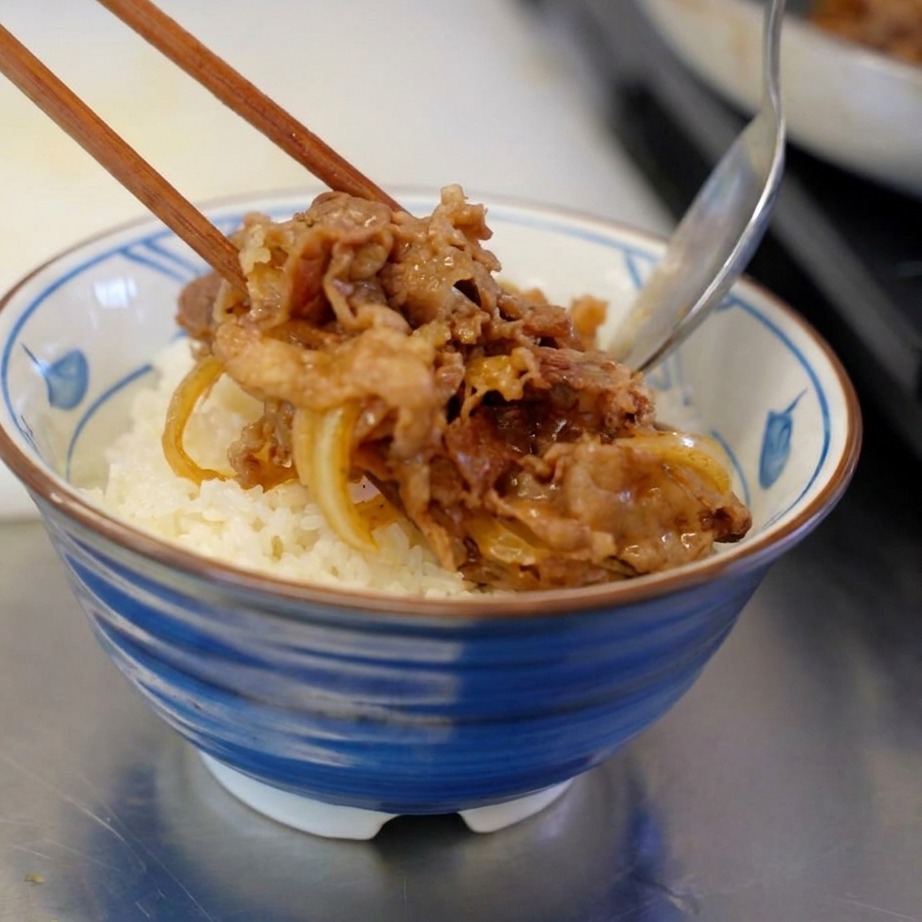
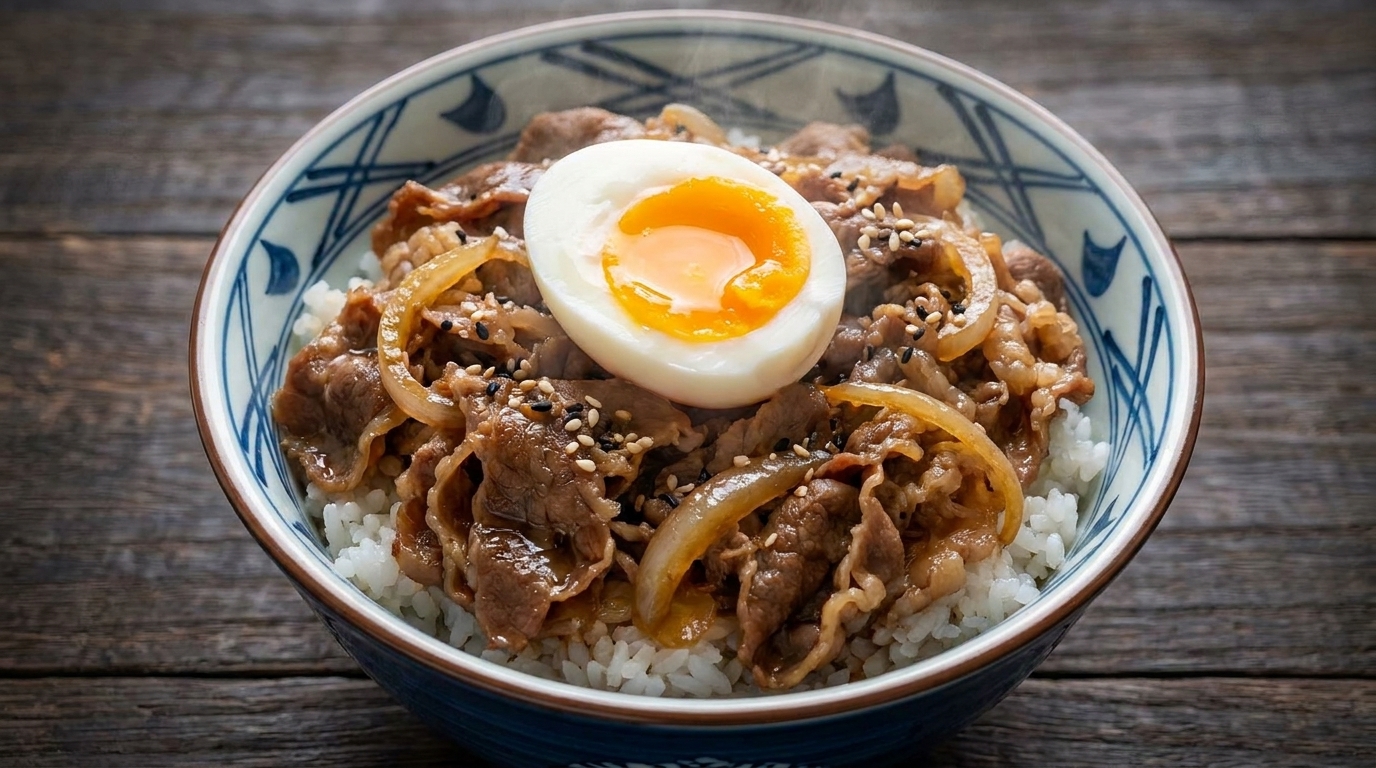
Once the beef is fully cooked and the sauce has thickened slightly to coat the ingredients, spoon a generous portion of the mixture over a bowl of hot steamed white rice. Ensure some of the extra sauce is included to flavor the rice underneath.
Tip: Using a deep bowl helps keep the rice and beef warm while you add the final garnishes. - 11Add the onsen egg
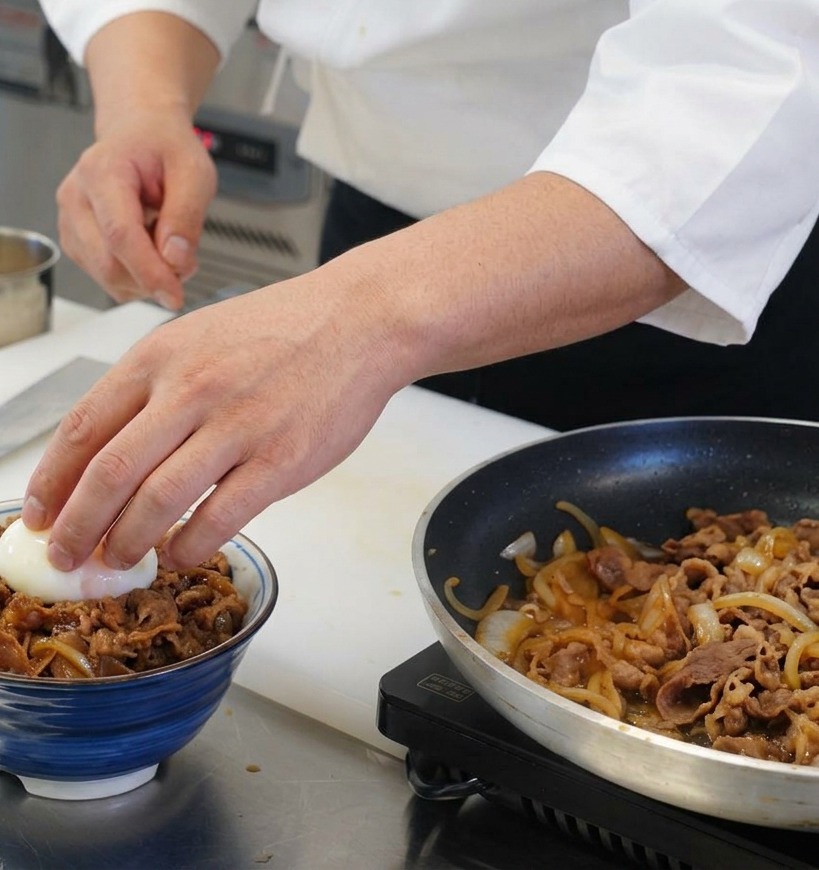
Carefully place a halved onsen egg or a soft boiled egg in the center of the beef. The creamy runny yolk is a hallmark of a classic Japanese beef bowl and adds a rich texture when mixed with the meat and rice.
Tip: Handle the egg gently to keep the yolk intact until you are ready to break it and enjoy the meal. - 12Final garnish
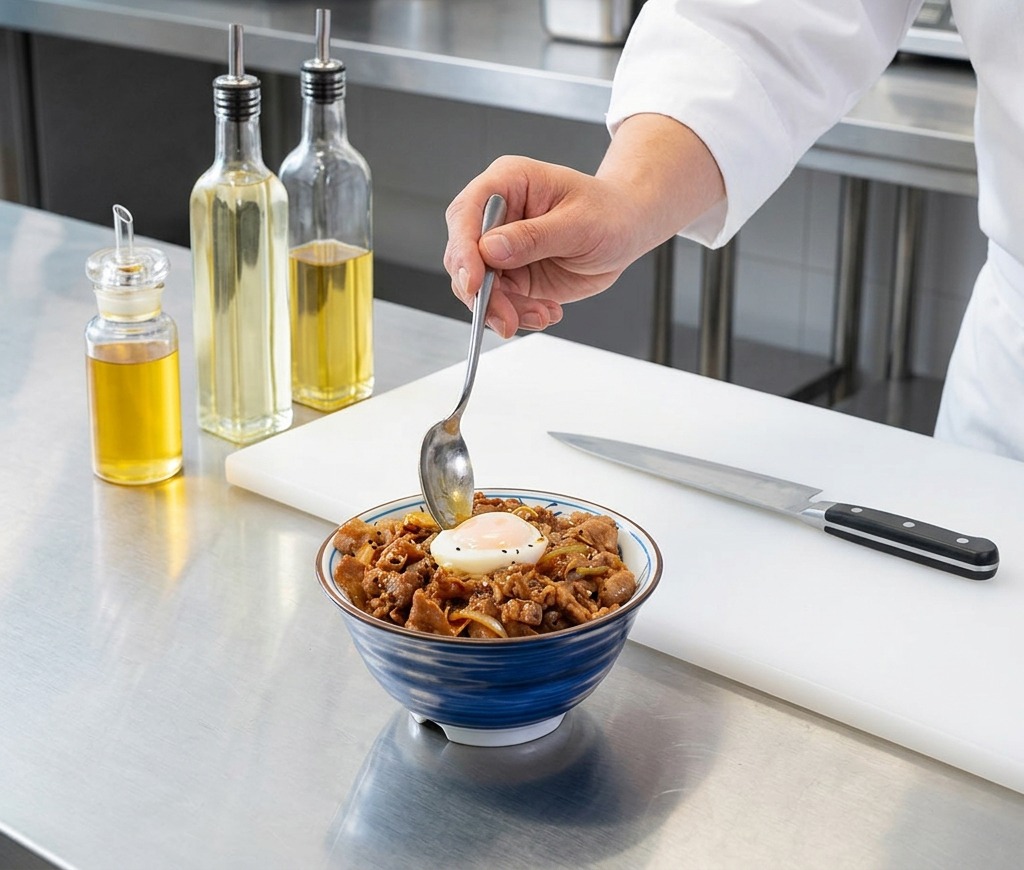
Drizzle any remaining savory sauce from the pan over the beef and egg for added richness and shine. Finish by sprinkling a generous amount of white sesame seeds over the top to provide a delicate nutty aroma and a professional look before serving hot.
Tip: For the best flavor, toast your sesame seeds lightly in a dry pan before sprinkling them to release their natural oils.