Grilled Beef Tongue & Hot Spring Egg Bowl (Gyutan Don)
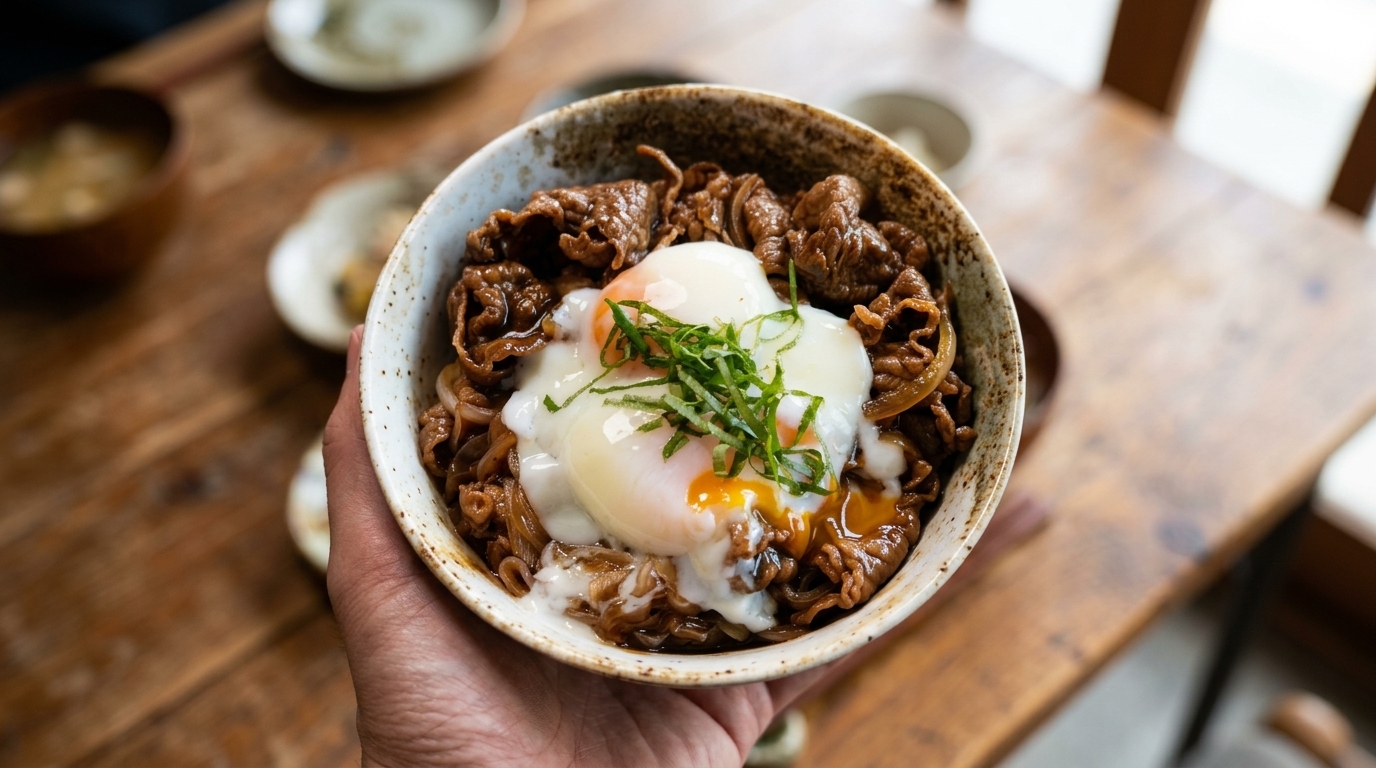
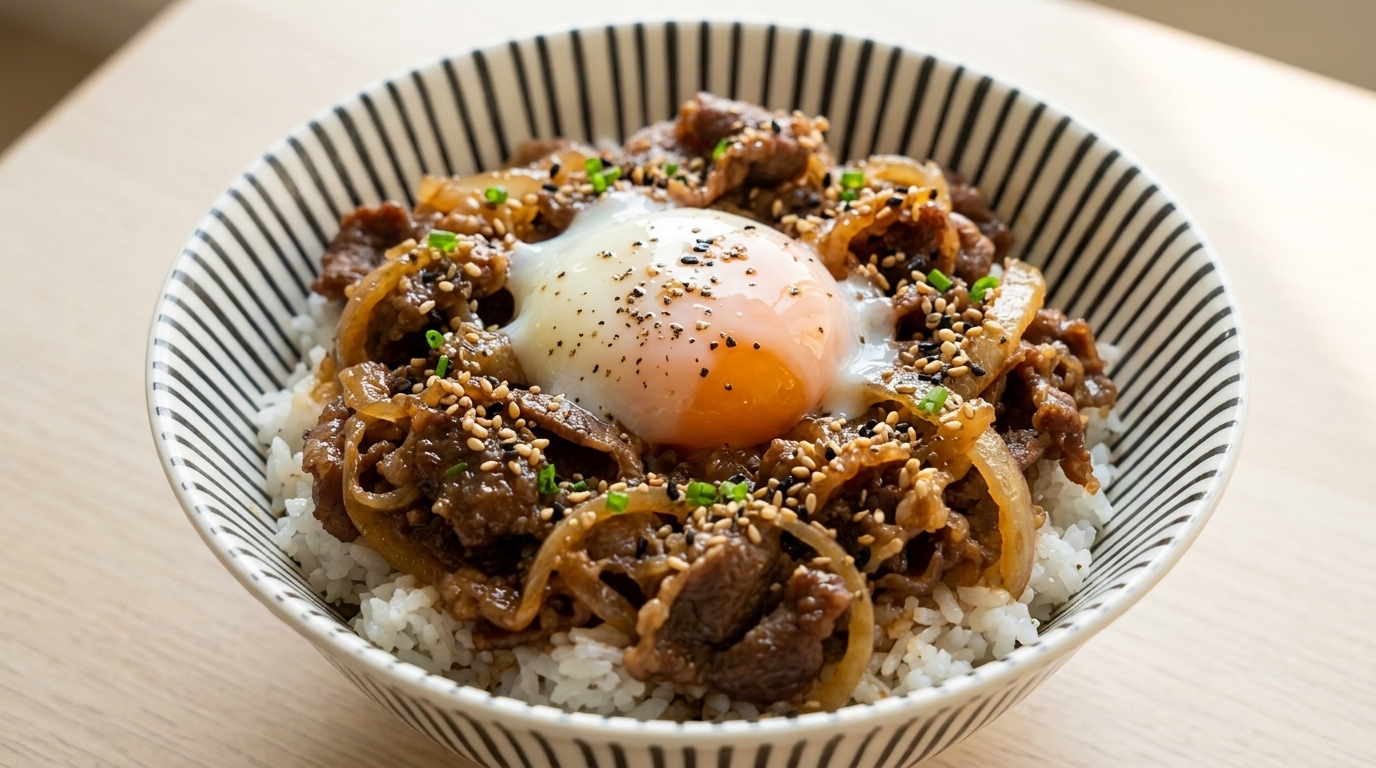
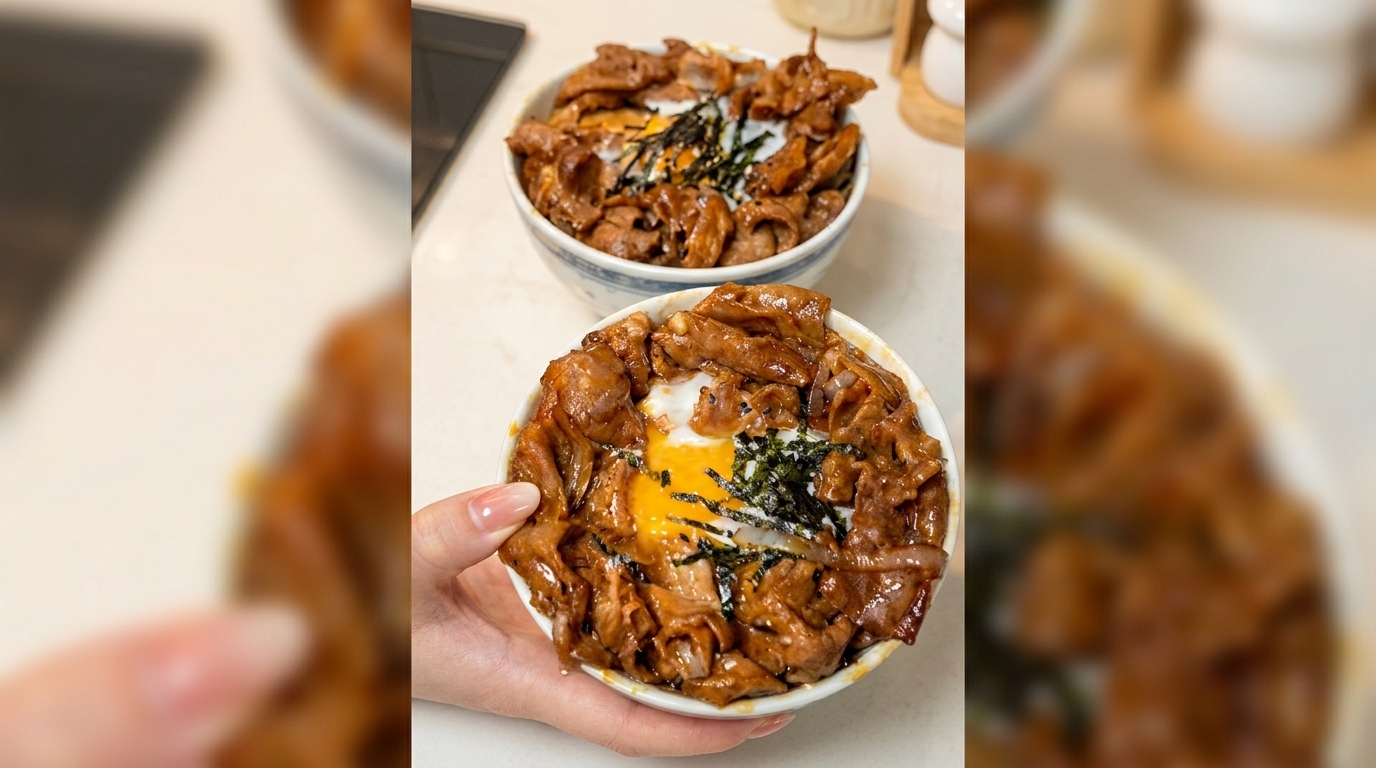
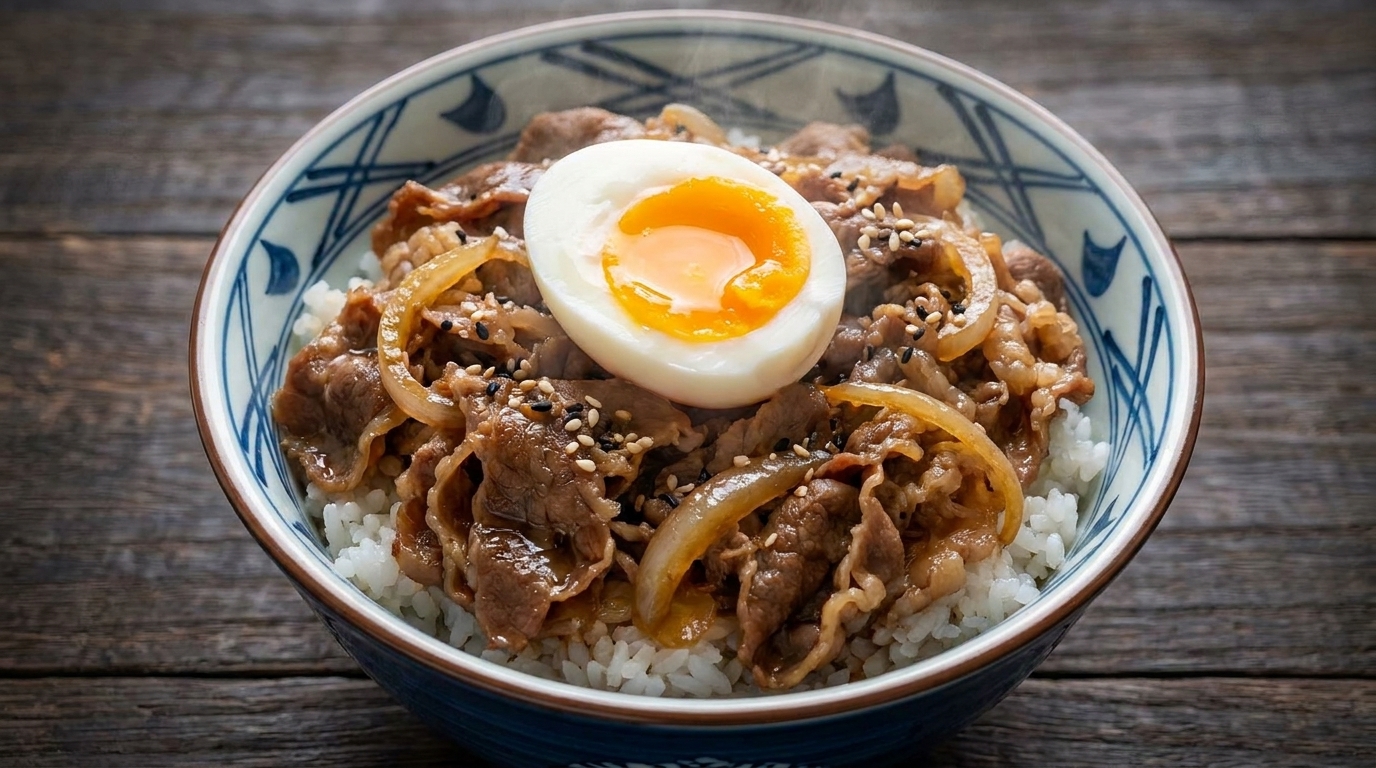
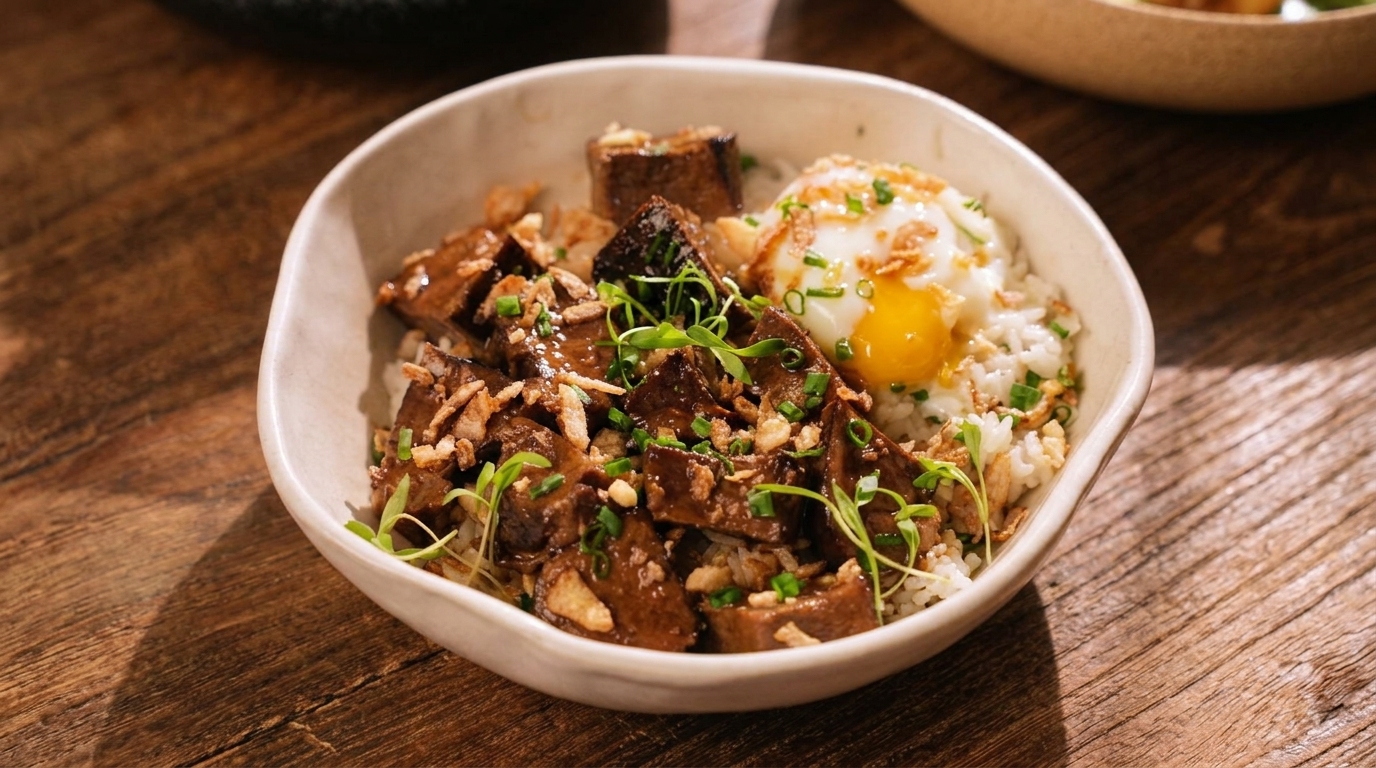
A luxurious Japanese-inspired rice bowl featuring melt-in-your-mouth braised beef tongue, finished on the grill with a smoky teriyaki glaze and a silky hot spring egg.
Gyutan, or beef tongue, is a celebrated delicacy in Japanese culinary tradition, prized for its unique texture and rich flavor. This recipe uses a dual-cooking method: first, a long braise in a savory soy and maltose marinade to ensure tenderness, followed by a quick char on the grill to develop a deep, smoky caramelization that pairs perfectly with the creamy yolk of a hot spring egg.
Ingredients
- 500 g beef tongue
- 2 pasteurized eggs
- 2 cups cooked white rice
- 100 ml soy sauce
- 2 tbsp oyster sauce
- 1 tbsp maltose
- 2 tbsp rice wine
- 3 tbsp fried shallots
- 2 tbsp fried garlic
- 12 tsp MSG
- 3 tbsp teriyaki sauce
- to taste chopped green onions
- optional coriander seedlings
Instructions
- 1Prepare the marinade base
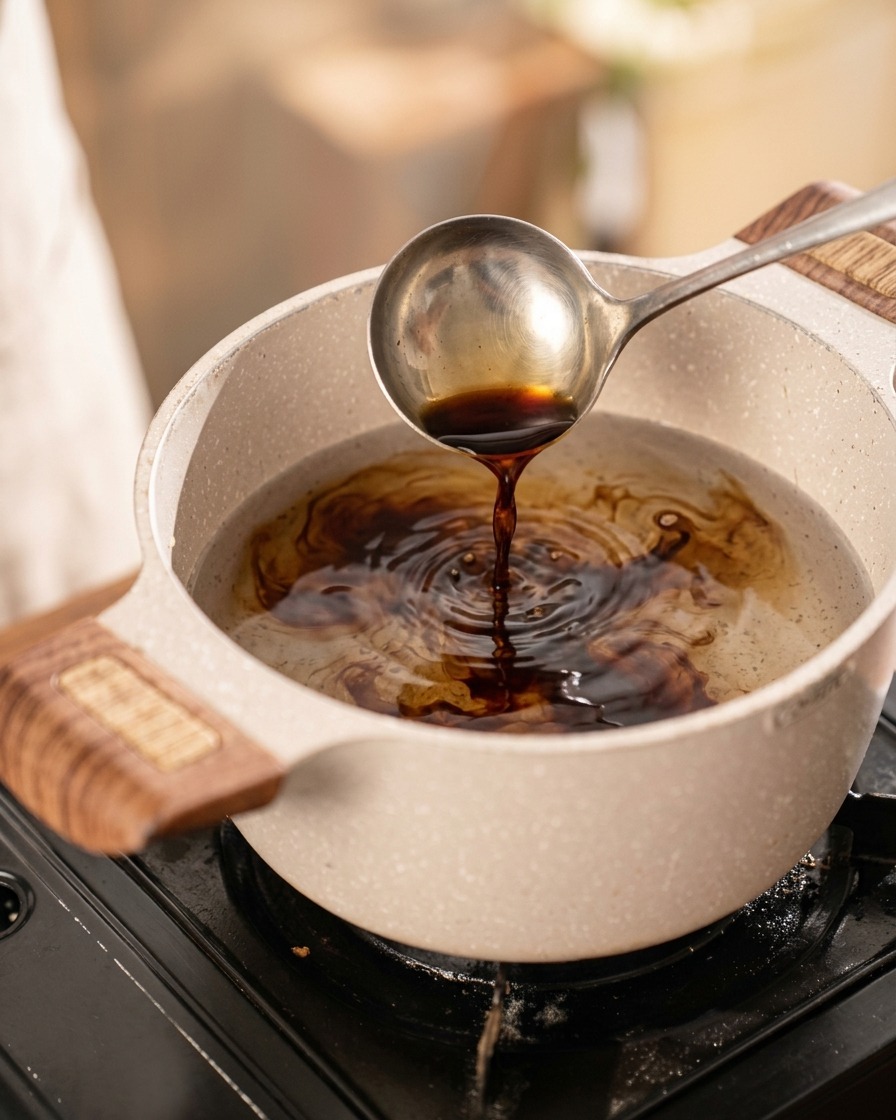
Begin by adding water to a white cooking pot, then pour in dark soy sauce. This liquid forms the savory foundation for braising the beef tongue.
Tip: Use a combination of regular soy sauce for flavor and a touch of dark soy sauce for a rich, appetizing color. - 2Infuse the marinade
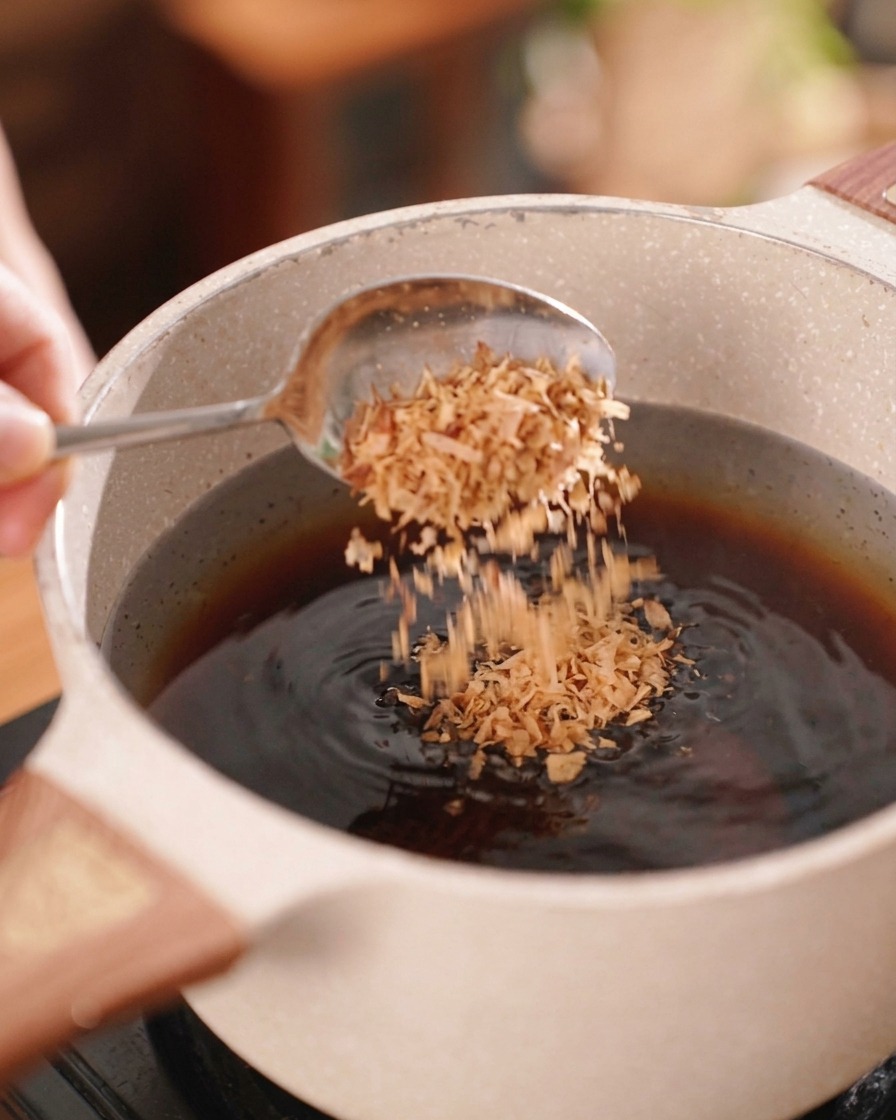
Pour the liquid base into a pot—including soy sauce, oyster sauce, rice wine, and water. Stir in the dry seasonings, such as fried shallots and fried garlic. These ingredients provide the essential savory and aromatic foundation for braising the beef tongue.
Tip: Fried shallots and garlic add a toasted depth of flavor that fresh aromatics cant achieve in a shorter simmering time. - 3Braise the beef tongue
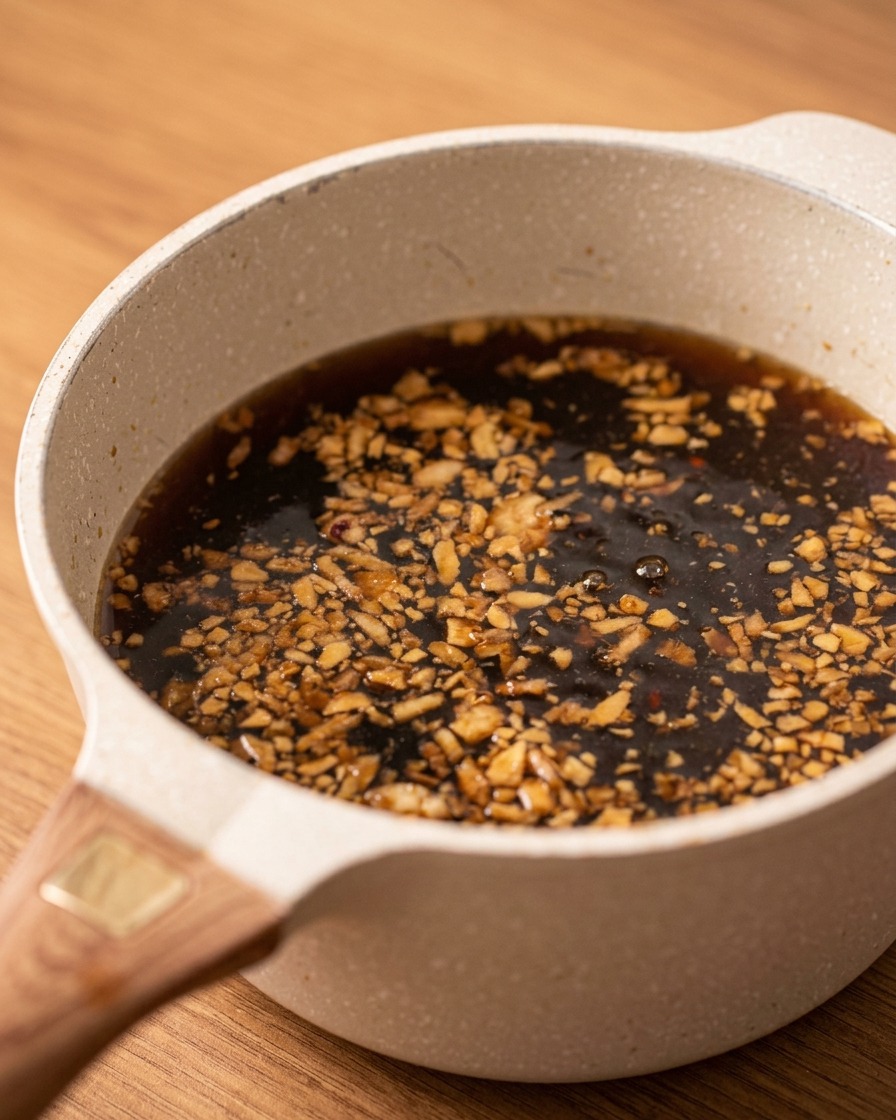
Carefully place the raw beef tongue into the boiling dark marinade using tongs. Ensure the meat is fully submerged so it can absorb the flavors of the soy, maltose, and aromatics as it simmers.
Tip: Simmering at a low, gentle bubble is key. If the heat is too high, the meat may become tough rather than tender. - 4Cook the hot spring egg
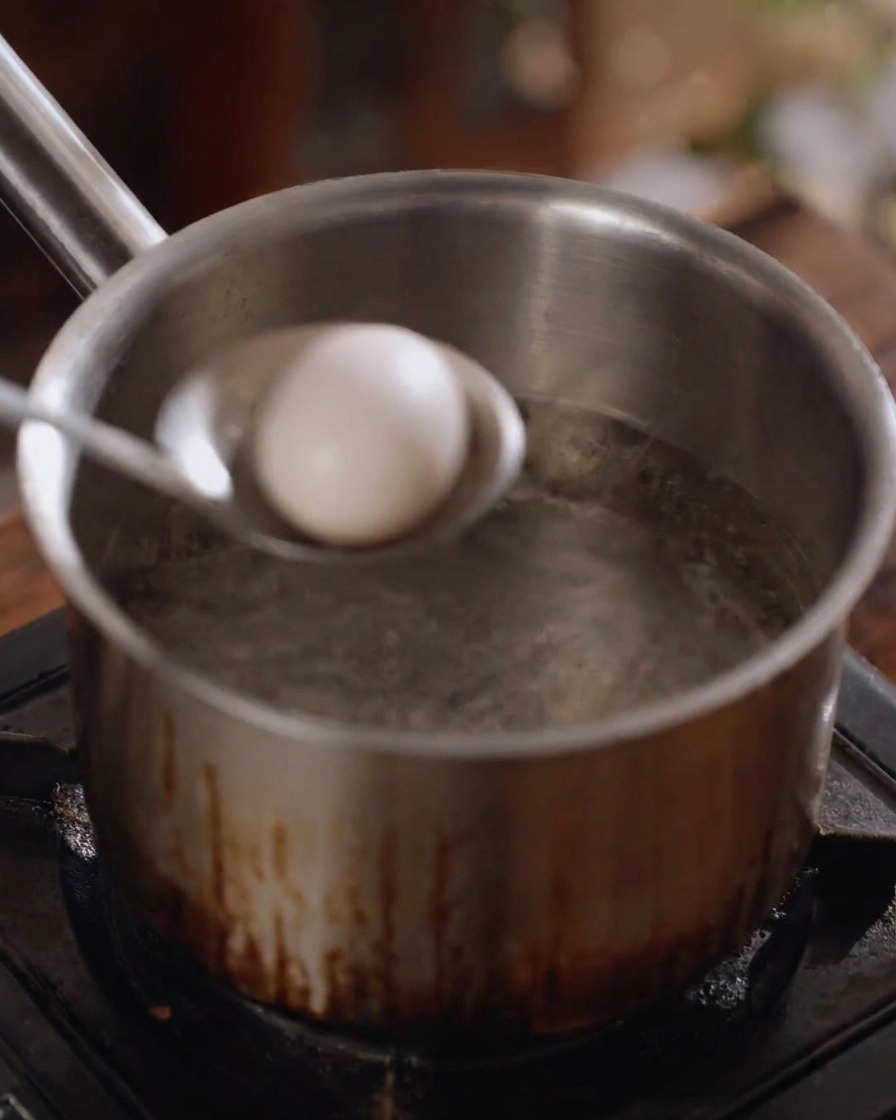
In a separate pot, bring water to a boil. Carefully lower pasteurized eggs into the boiling water using a ladle to prevent them from cracking against the bottom. Turn off the heat immediately and let the eggs steep for exactly 7 minutes and 30 seconds.
Tip: Using pasteurized eggs is highly recommended for hot spring eggs, as the yolk will remain partially runny. - 5Chill the egg
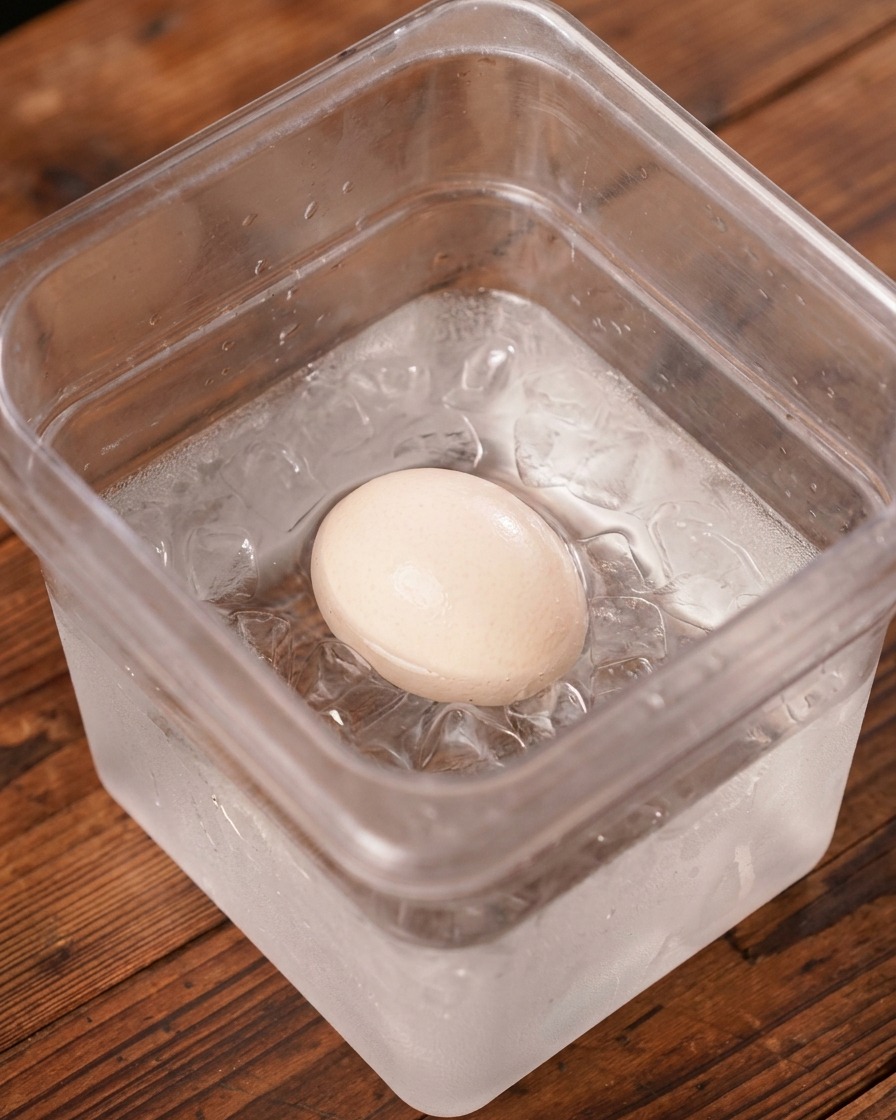
Once the steep time is complete, carefully remove the egg and immediately transfer it into a container filled with ice water. This sudden temperature drop halts the cooking process, ensuring the egg white sets gently while keeping the yolk soft and creamy.
Tip: Soaking the egg in ice water also makes the shell contract, making it much easier to crack cleanly when serving. - 6Remove the braised beef tongue
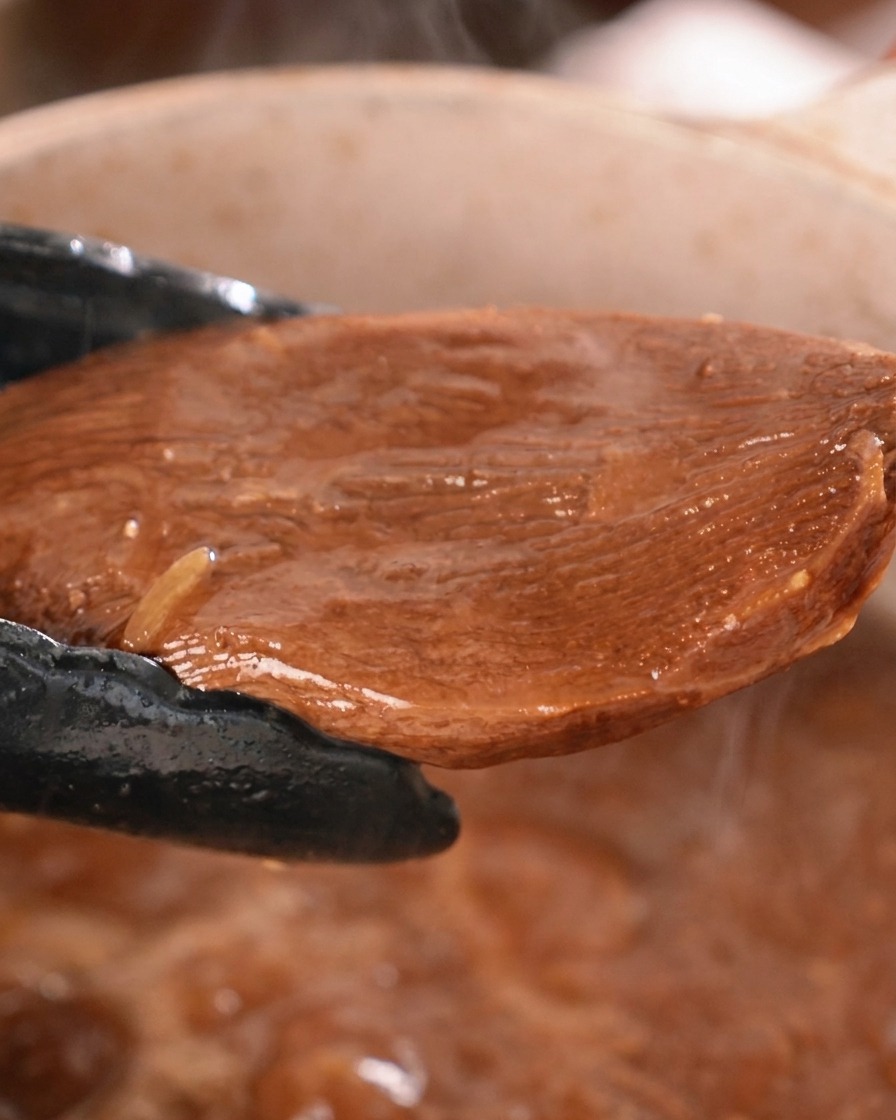
Bring the marinade to a boil, then turn down the heat and simmer for 40 minutes. Once the beef tongue is fully stewed and tender, use a pair of tongs to carefully lift it out of the pot. Let it cool slightly before slicing.
Tip: Allowing the meat to rest for a few minutes before slicing helps it retain its juices, ensuring every bite remains moist and flavorful. - 7Slice the tender tongue
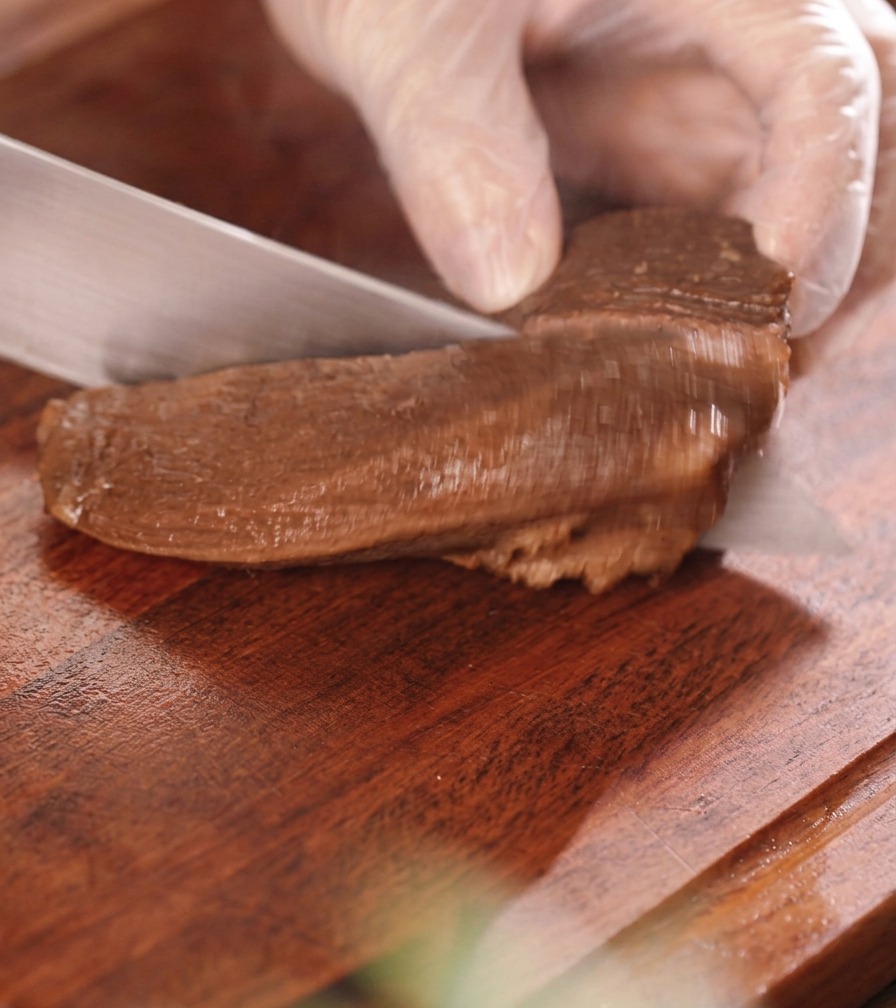
Once the meat has rested briefly, use a sharp knife to slice it into thick, rectangular chunks. The long braising process ensures the muscle is incredibly tender and easy to cut.
Tip: Always slice against the grain of the meat to ensure each bite is as tender as possible. - 8Char on the grill
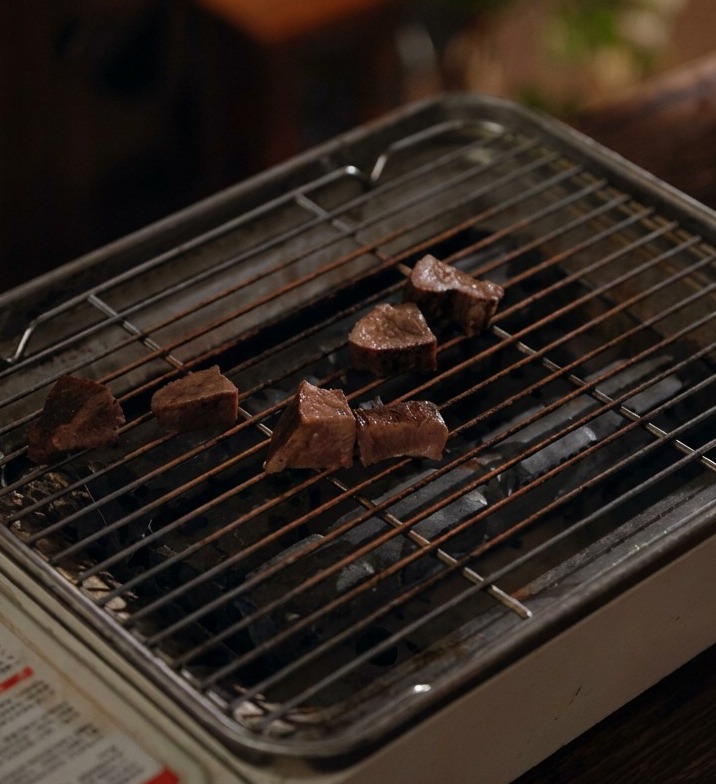
Place the sliced beef tongue chunks onto a metal grill rack over medium-high heat. Grilling the pre-cooked meat develops a smokier flavor profile and a slightly crispy exterior that contrasts beautifully with the soft interior.
Tip: If using a charcoal grill, wait until the coals are grey for even, consistent heat that wont burn the delicate braised meat. - 9Grill and glaze the beef tongue
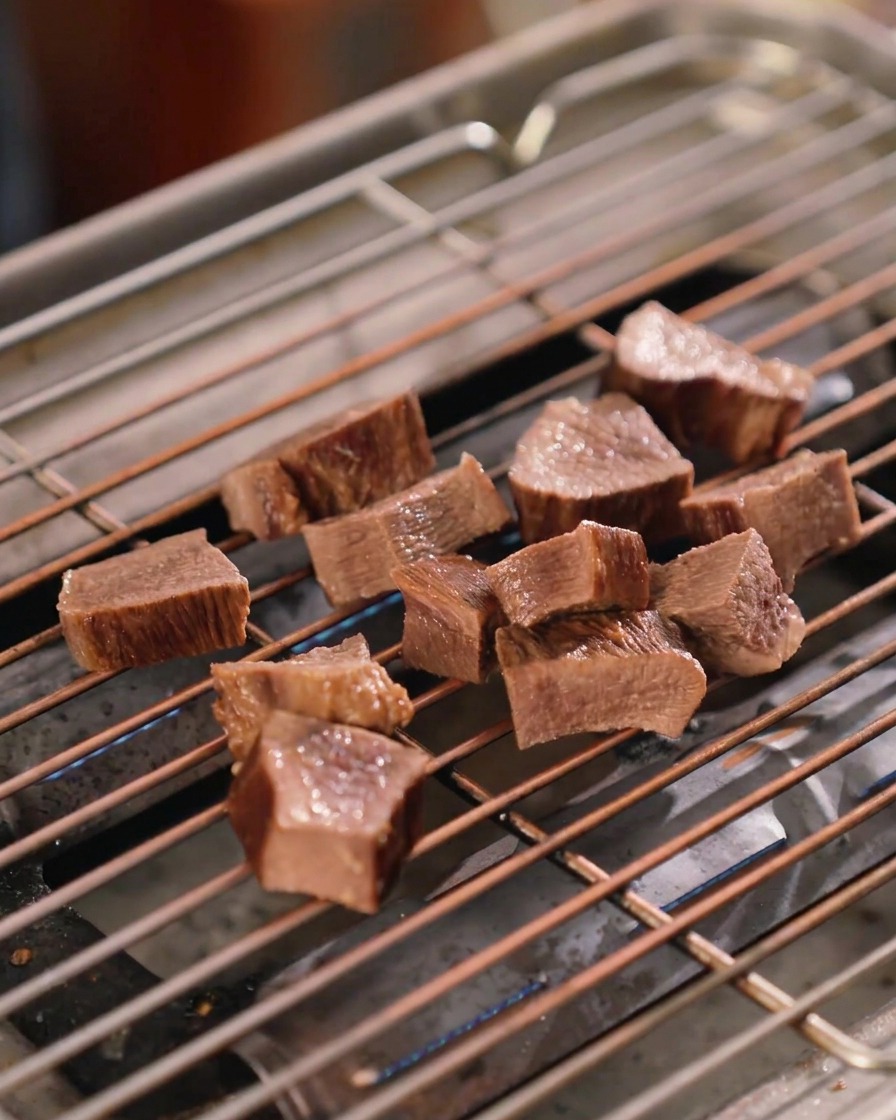
As the chunks grill over the heat, liberally brush their surfaces with a thick and savory teriyaki sauce. Continue cooking until the glaze caramelizes and the edges of the meat become perfectly sticky and charred.
Tip: The tongue is already tender from simmering, so focus on achieving a beautiful char and flavor development on the exterior without overcooking the inside. - 10Prepare the rice bowl
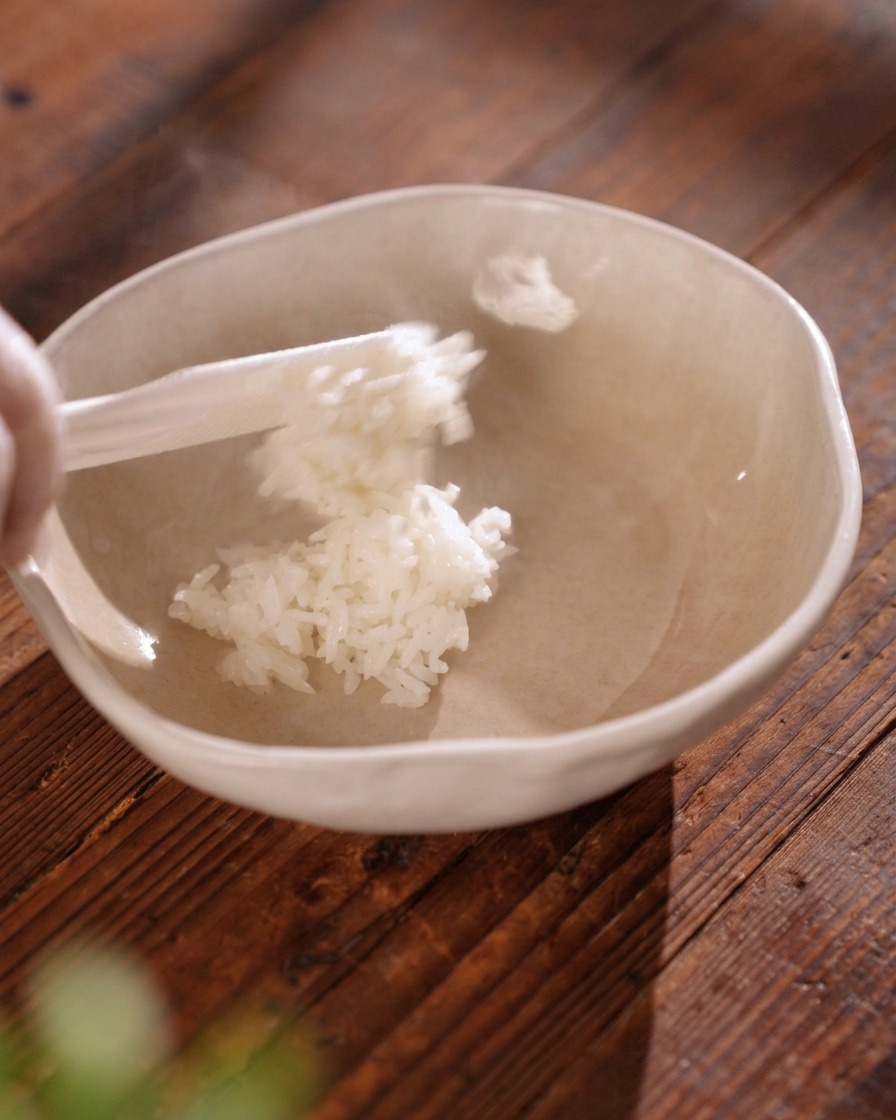
Fill a serving bowl with a generous portion of freshly cooked, steaming white rice. Use a rice paddle to fluff the grains as you scoop them to keep the base of your bowl light and airy.
Tip: For the best texture, let your cooked rice sit for 5 minutes after the timer goes off before fluffing and serving. - 11Plate the beef over rice
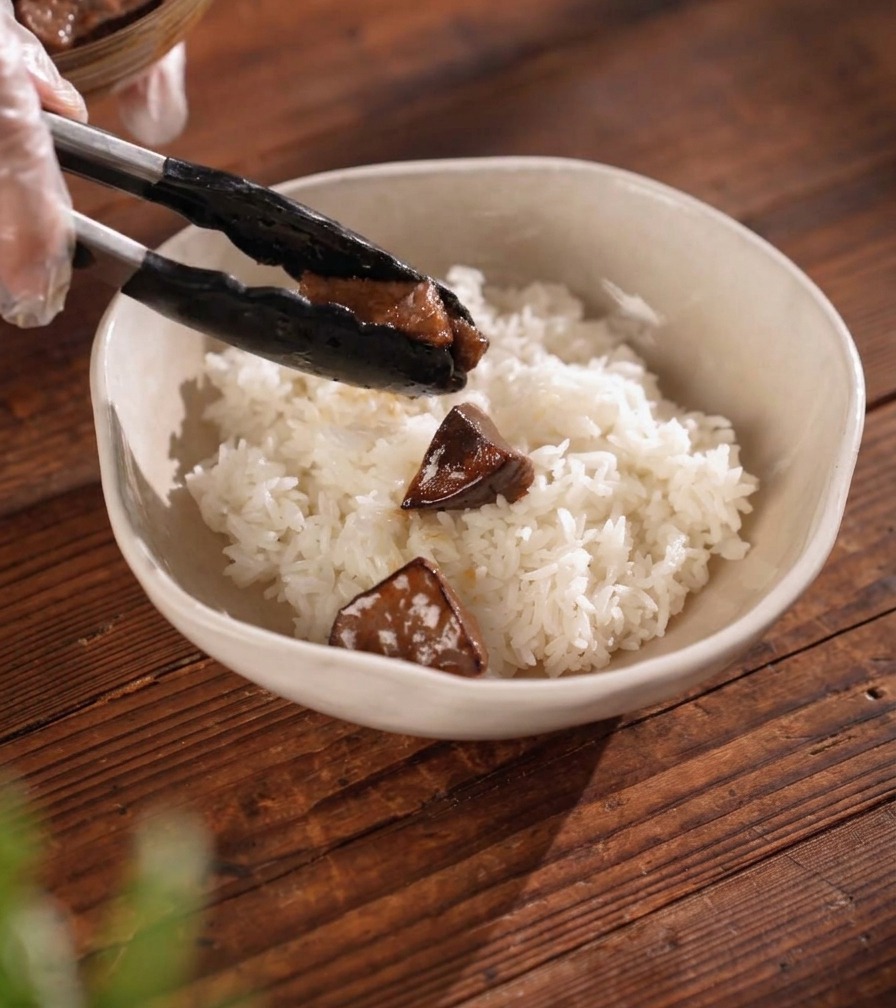
Scoop a generous portion of steamed white rice into a serving bowl. Use tongs to carefully arrange the hot, glazed beef tongue chunks on top of the rice, ensuring they are evenly distributed for a beautiful presentation.
Tip: If you have extra glaze in the pan or bowl, drizzle a spoonful over the meat once its on the rice for added moisture and flavor. - 12Add the hot spring egg
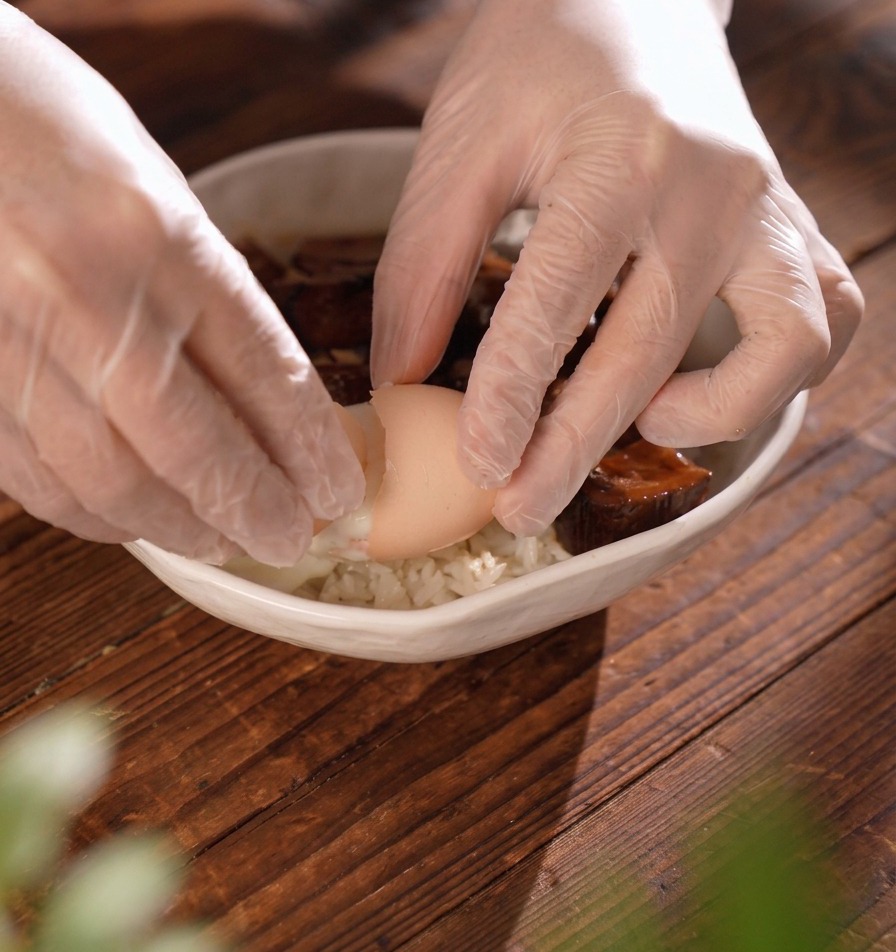
Retrieve the prepared hot spring egg from its ice bath. Carefully crack the shell and slide the delicate, soft-boiled egg onto the rice next to the beef tongue. The creamy yolk will act as a rich sauce for the dish.
Tip: Handle the egg very gently as the yolk is extremely liquid; cracking it directly over the bowl prevents any mess. - 13Add aromatics and crunch
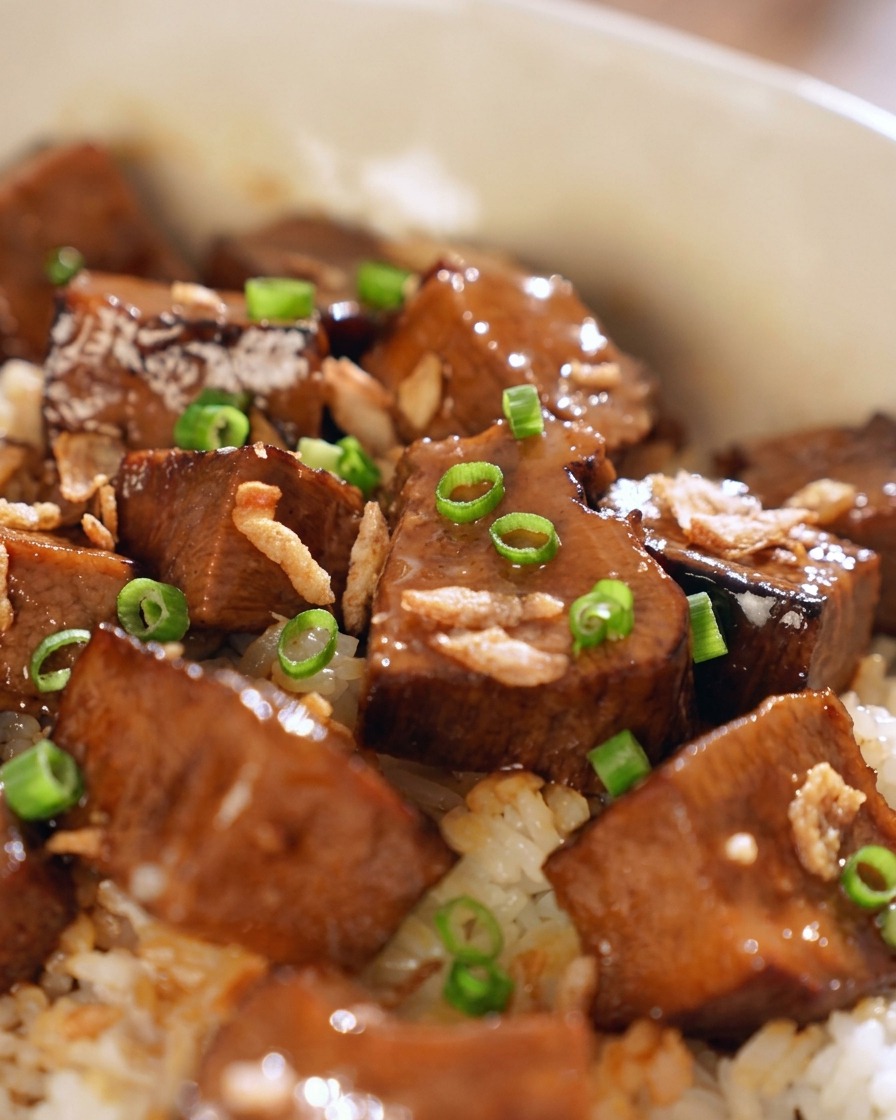
Garnish the bowl by sprinkling a handful of crispy fried shallots and finely chopped green onions over the beef tongue. These additions provide a sharp, fresh flavor contrast and a satisfying crunch to the tender meat.
Tip: For the best texture, add the fried shallots at the very last moment so they remain perfectly crispy until served. - 14Final garnish
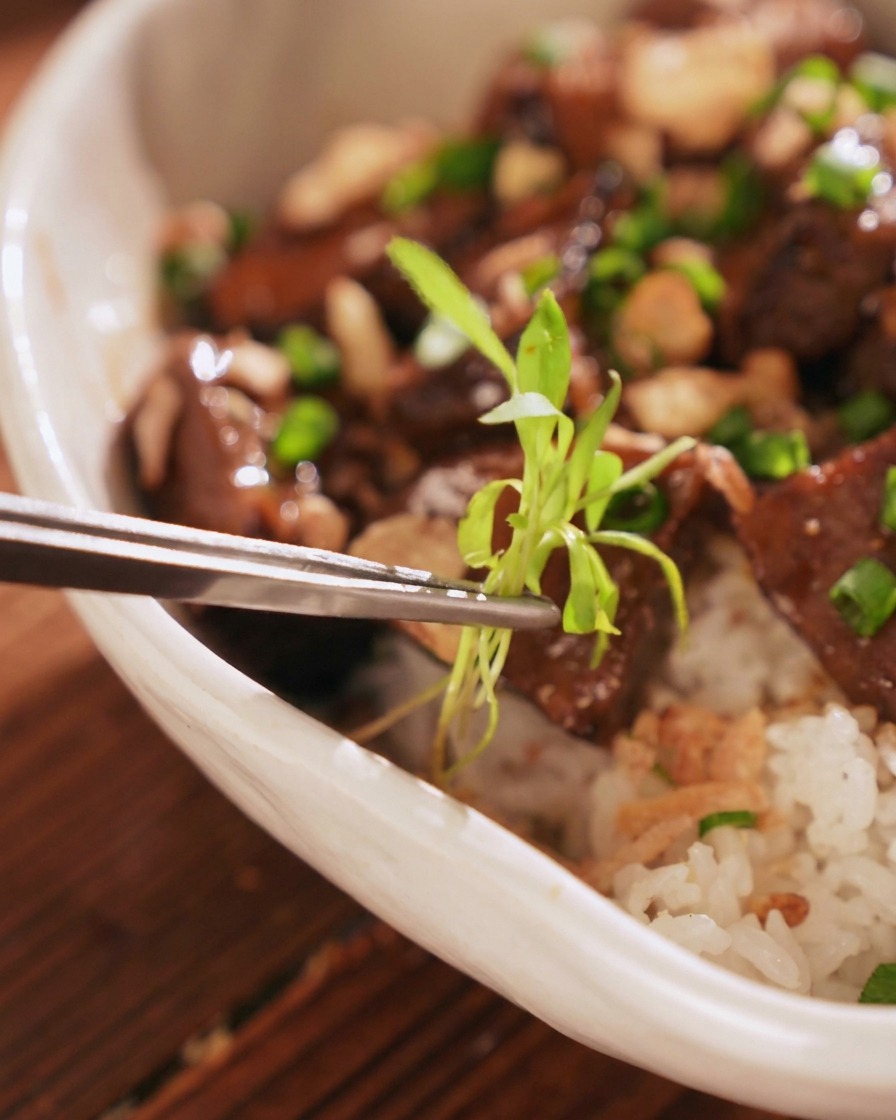
To complete the dish, use metal tweezers to precisely place fresh coriander seedlings or microgreens on top of the beef. This final touch adds a professional aesthetic and a hint of herbal freshness to the rich bowl.
Tip: Microgreens or coriander seedlings provide a bright, herbal contrast that cuts through the richness of the glazed tongue and creamy egg yolk.