Creamy Salmon Avocado Poke Bowl
Onsen Egg
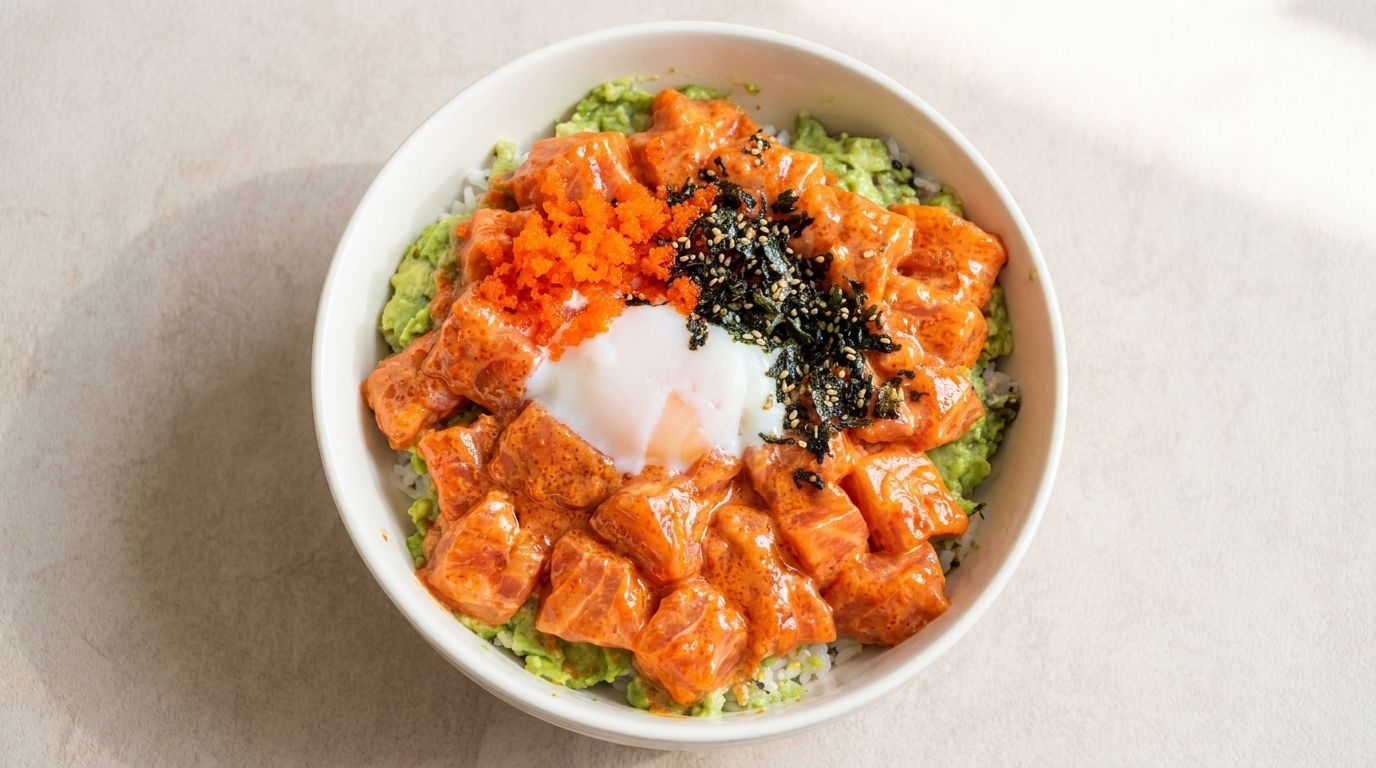
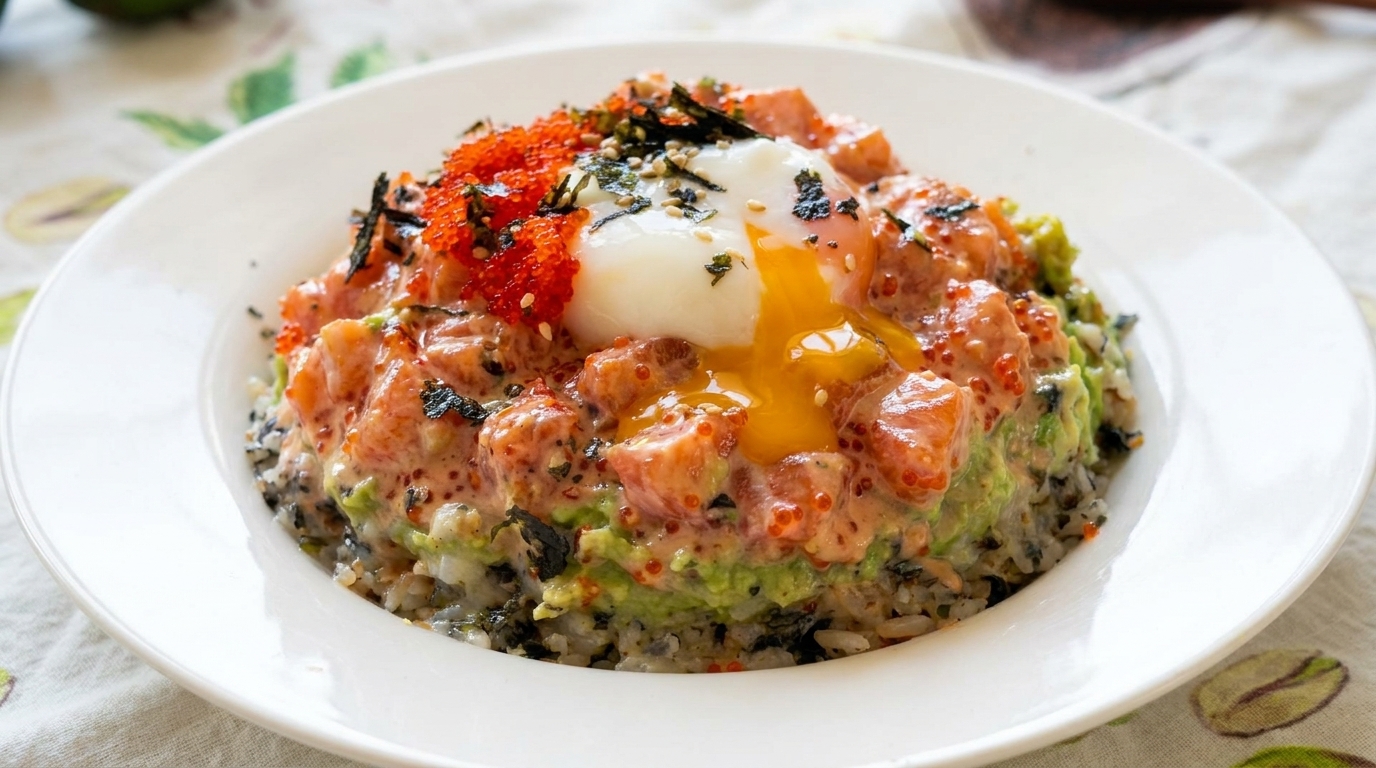
A luxurious no-cook fusion bowl featuring spicy mayo-marinated salmon, zesty mashed avocado, and a perfectly runny onsen egg over seasoned rice.
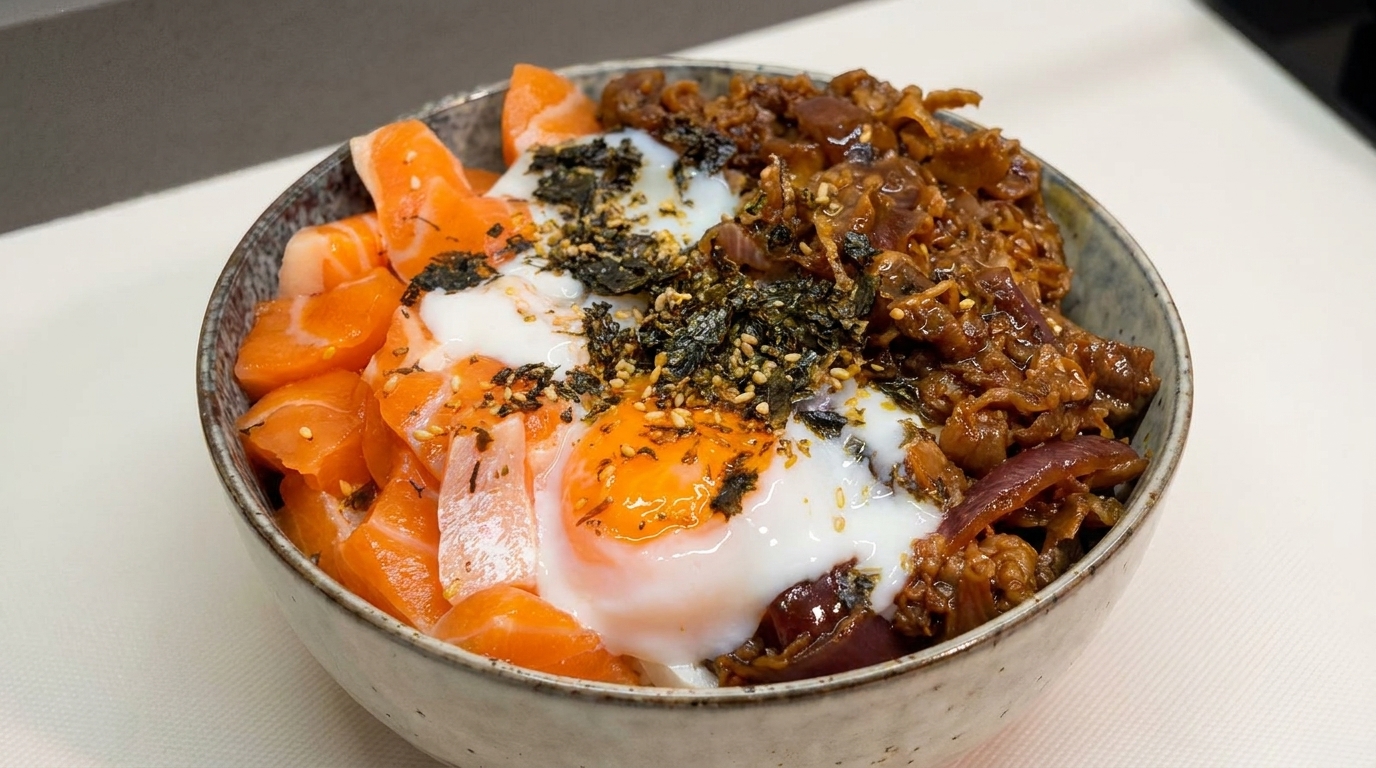
This Poke Bowl combines fresh Hawaiian flavors with Japanese culinary techniques. The highlight is the onsen tamago, or hot spring egg, which acts as a rich, silky sauce that binds the spicy marinated salmon and creamy avocado to the seaweed-seasoned rice base.
Ingredients
- 300 g sushi-grade salmon fillet
- 2 cups steamed white rice
- 1 large pasteurized egg
- 1 ripe avocado
- 2 tbsp mayonnaise
- 2 tbsp red fish roe (tobiko or masago)
- 1 tbsp sweet chili sauce
- 1 tsp wasabi
- 1 tsp soy sauce
- 1 tbsp lemon juice
- 1 tbsp sesame seeds
- 1 tbsp seaweed flakes (furikake)
- to taste black pepper
- optional dried seaweed strips
Instructions
- 1Prepare the salmon fillet
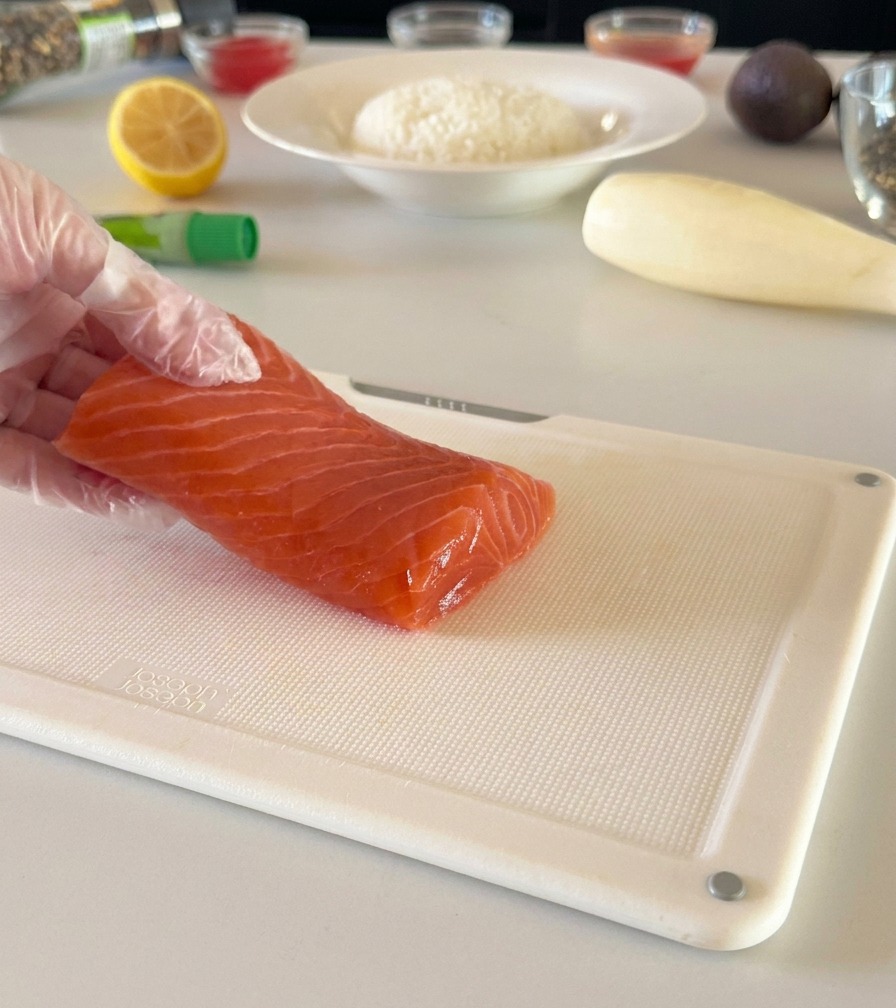
Select a fresh, high-quality raw salmon fillet. Use a sharp knife to carefully slice the fish into small, uniform bite-sized cubes. Consistency in size is key as it ensures each piece is perfectly coated in the marinade and fits easily onto a spoon for the perfect bite.
Tip: For cleaner cuts, use a very sharp knife and ensure the salmon is well-chilled before you start slicing. - 2Add a creamy base
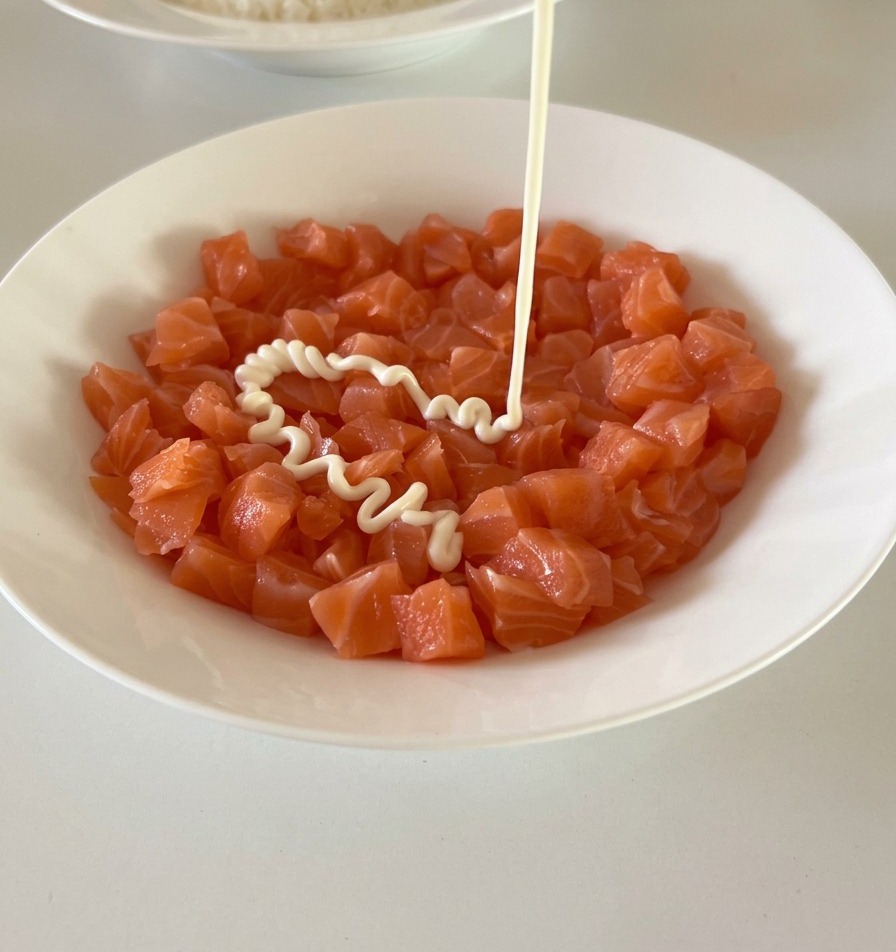
Place your fresh salmon cubes into a clean mixing bowl and squeeze a generous amount of mayonnaise over the top. The mayonnaise acts as a rich, creamy binder that helps the other seasonings adhere to the fish while adding a smooth mouthfeel.
Tip: Kewpie mayonnaise is highly recommended for its unique richness and slightly sweet profile that complements raw fish beautifully. - 3Mix the salmon marinade
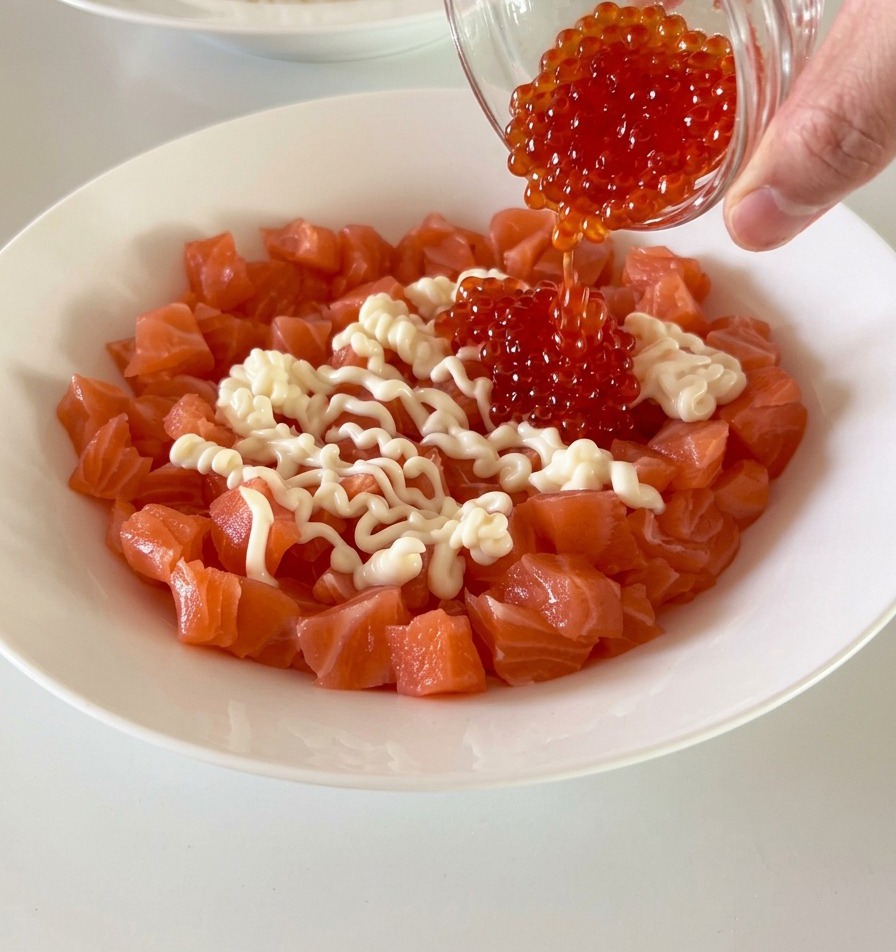
Add the red fish roe and sweet chili sauce to the bowl of cubed salmon. Combine these with mayonnaise, wasabi, and a splash of soy sauce, then toss gently until every piece of fish is thoroughly coated in the creamy and spicy dressing.
Tip: Ensure your salmon is sushi-grade and keep it chilled until the moment you assemble the bowl to maintain the best texture and safety. - 4Let the salmon marinate
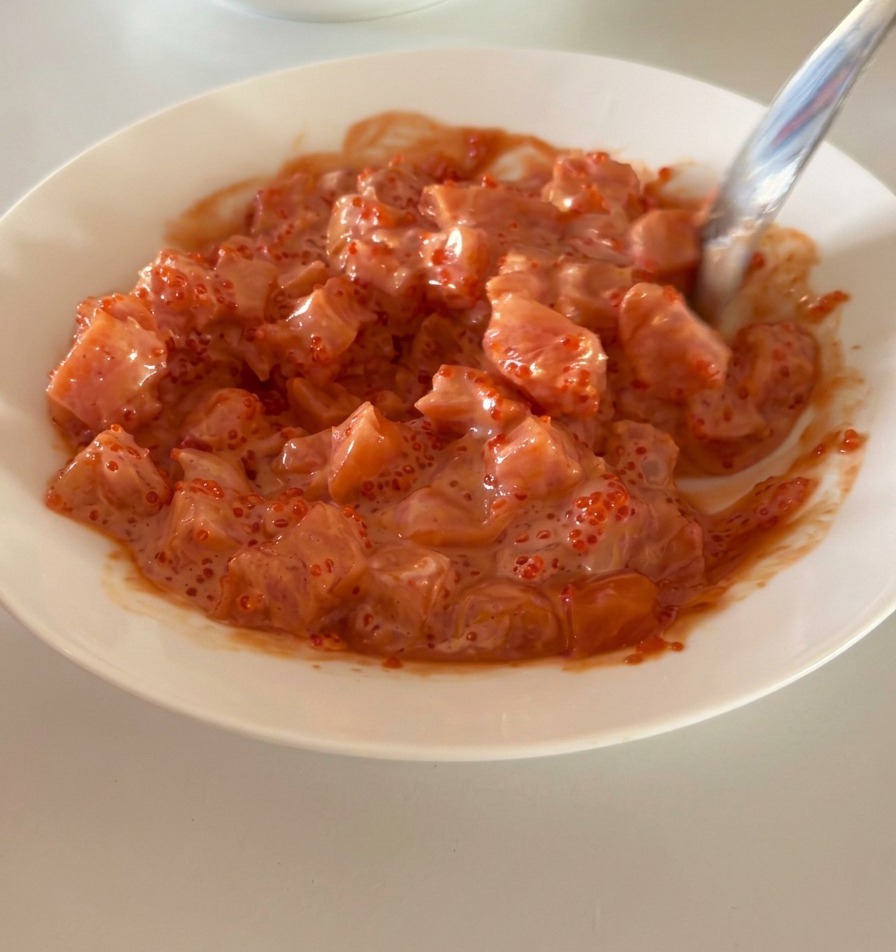
Place the bowl of seasoned fish in the refrigerator for a few minutes. This brief resting period allows the wasabi and soy flavors to infuse the salmon while keeping the seafood at a safe and refreshing temperature.
Tip: Keep the bowl covered to prevent the fish from absorbing other odors in the fridge while it rests. - 5Peel the avocado
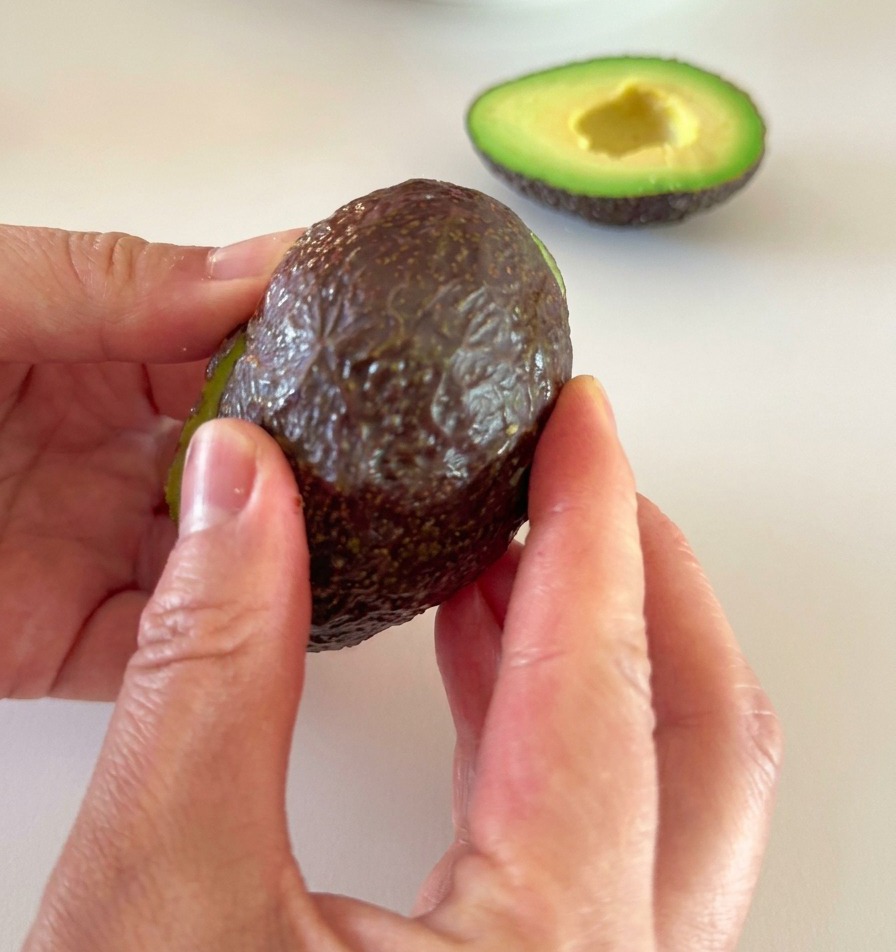
Take a ripe avocado that has been halved and pitted. Carefully peel away the dark outer skin to reveal the bright green flesh inside. A ripe avocado is essential for this recipe as it will eventually be mashed into a smooth base for your bowl.
Tip: If the avocado is perfectly ripe, the skin should pull away easily in large pieces. If its sticking, use a large spoon to scoop the flesh out. - 6Season the avocado
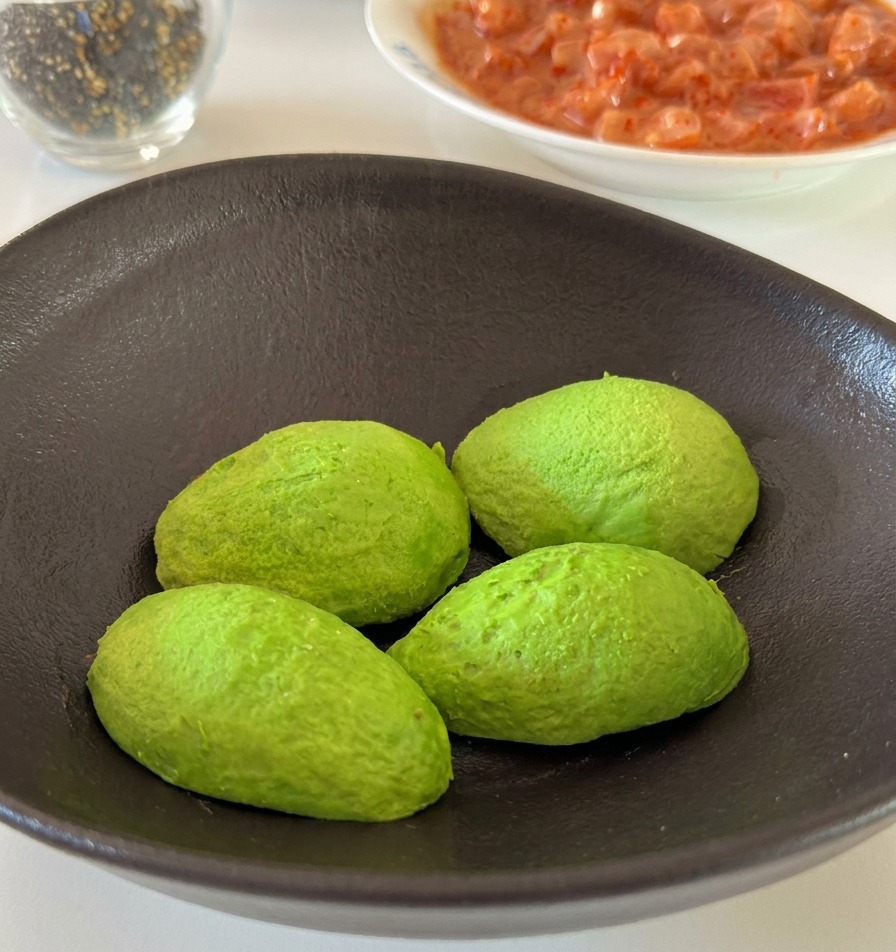
Place the halved avocado into a bowl and sprinkle with freshly ground black pepper and a splash of lemon juice. The acidity is crucial for preventing oxidation and ensures the mash remains a vibrant green throughout the assembly process.
Tip: You can use lime juice instead of lemon for a slightly different citrus profile that still prevents browning. - 7Mash the avocado
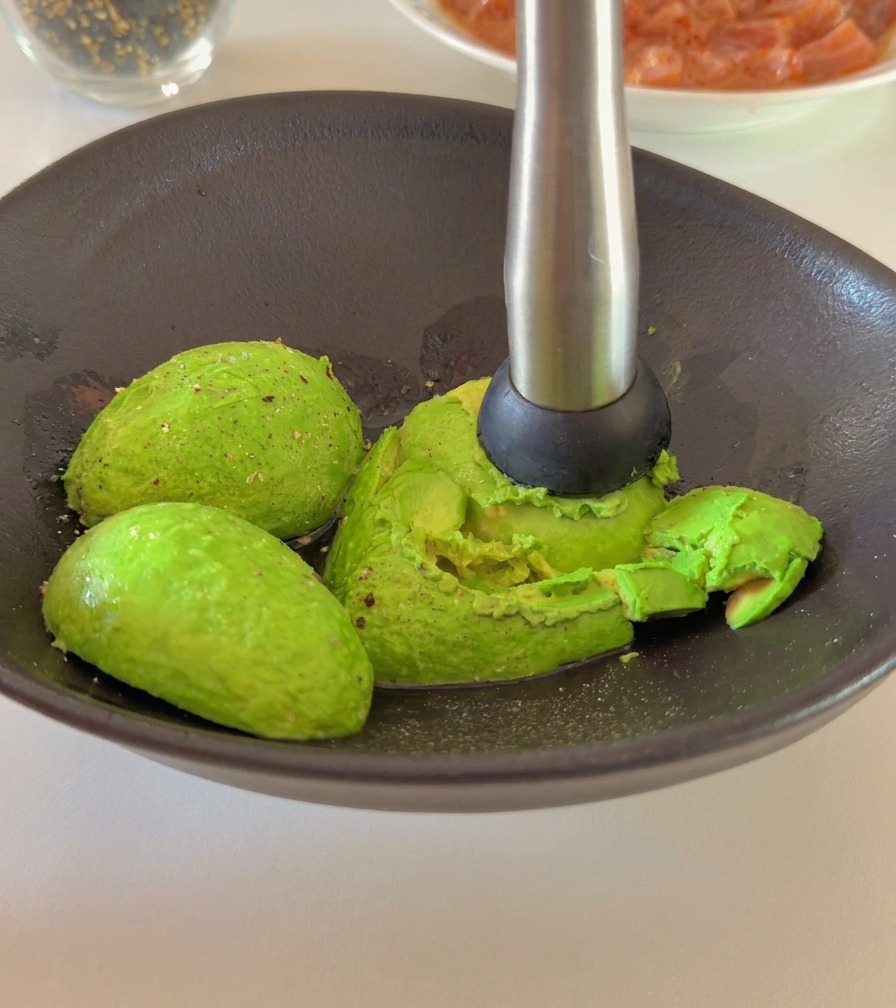
Place the seasoned avocado halves in a bowl and use a hand masher or fork to crush them into a thick, smooth paste. The lemon juice and black pepper added previously provide a bright flavor while keeping the color vibrant.
Tip: Dont over-mash if you prefer a bit of texture; leaving a few small chunks of avocado can provide a nice contrast to the creamy salmon. - 8Season the rice base
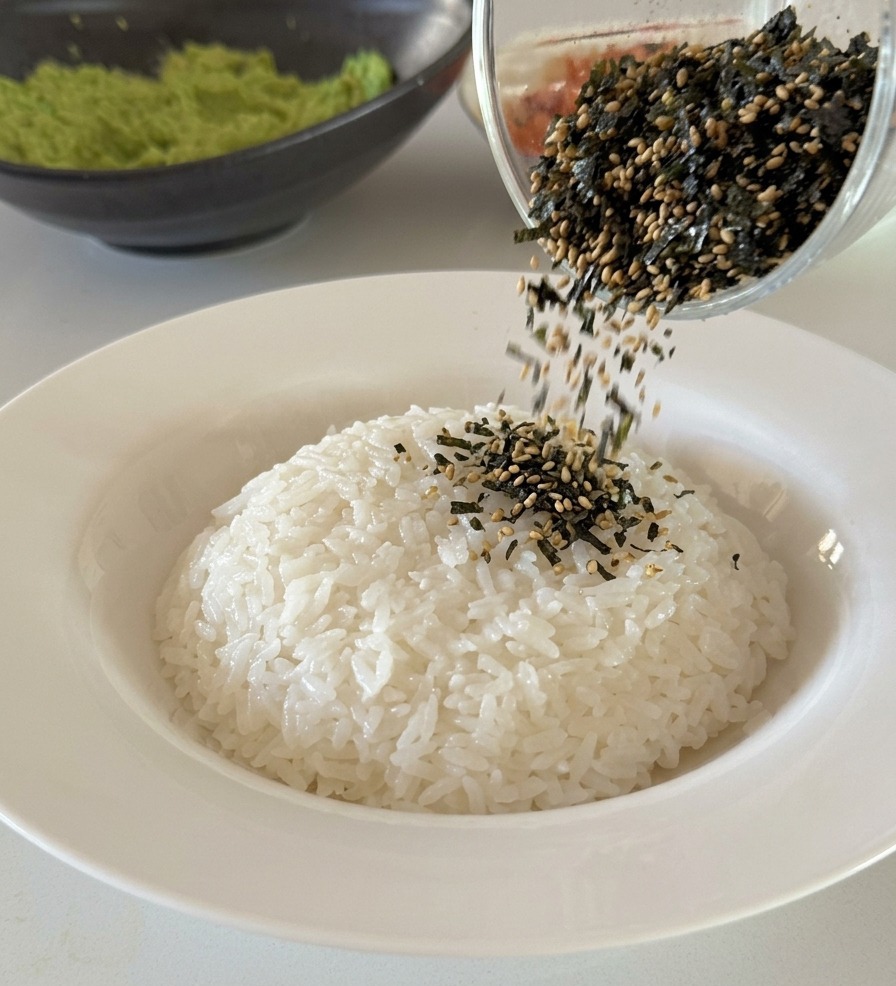
Begin assembling your poke bowl by placing a mound of steamed white rice into a serving bowl. Generously sprinkle a blend of toasted sesame seeds and shredded seaweed flakes over the top. This seasoning provides a savory, nutty foundation that adds both flavor and texture to the base of the dish.
Tip: To make the rice even more authentic, you can lightly fold in a splash of seasoned rice vinegar before adding the sesame and seaweed. - 9Layer the mashed avocado
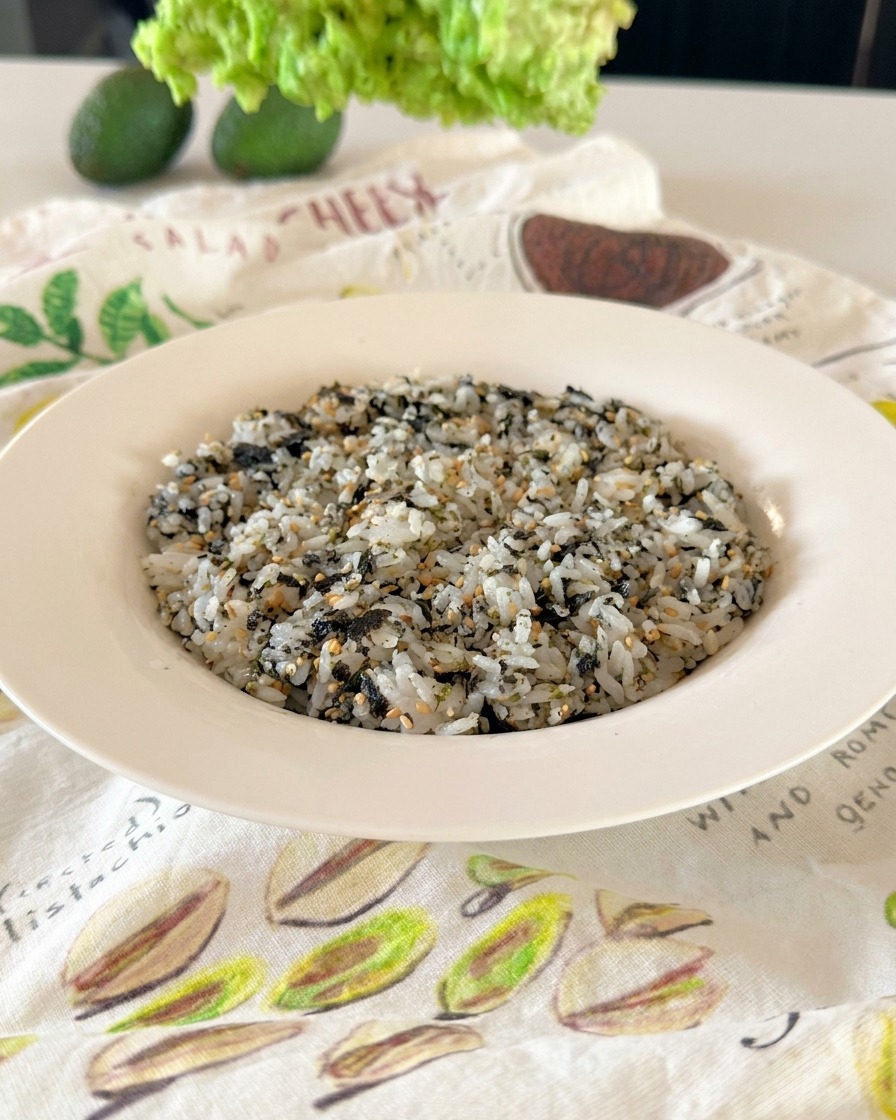
Take the smooth, seasoned avocado mash and spread it evenly over the layer of seasoned rice. This creates a creamy barrier between the rice and the marinated salmon, ensuring every spoonful has a balanced texture.
Tip: Using warm rice helps the seaweed flakes adhere better and releases their aroma for a more fragrant base. - 10Add the marinated salmon
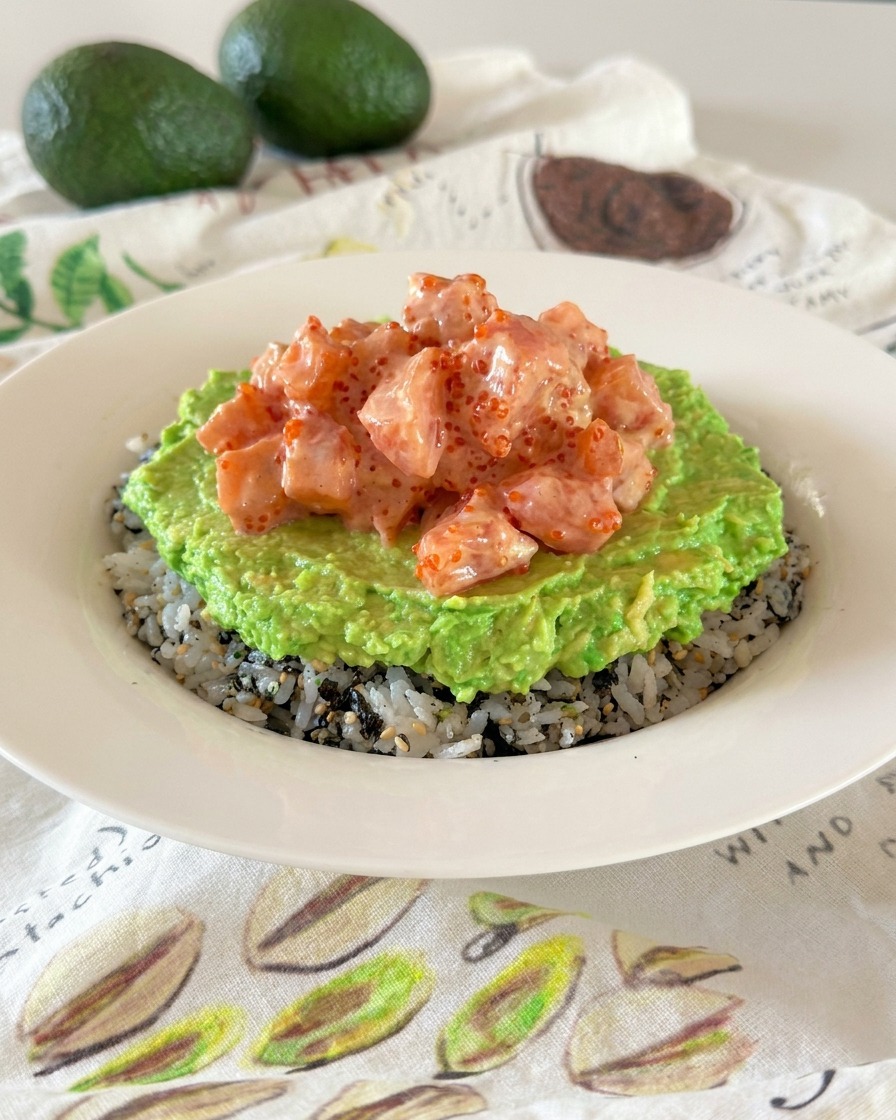
Neatly spoon the spicy marinated salmon cubes over the avocado layer. Try to mound them slightly in the center to create an attractive foundation for the final topping.
Tip: For an even better presentation, use a clear or deep bowl to showcase the beautiful layers of the poke bowl. - 11Garnish and serve
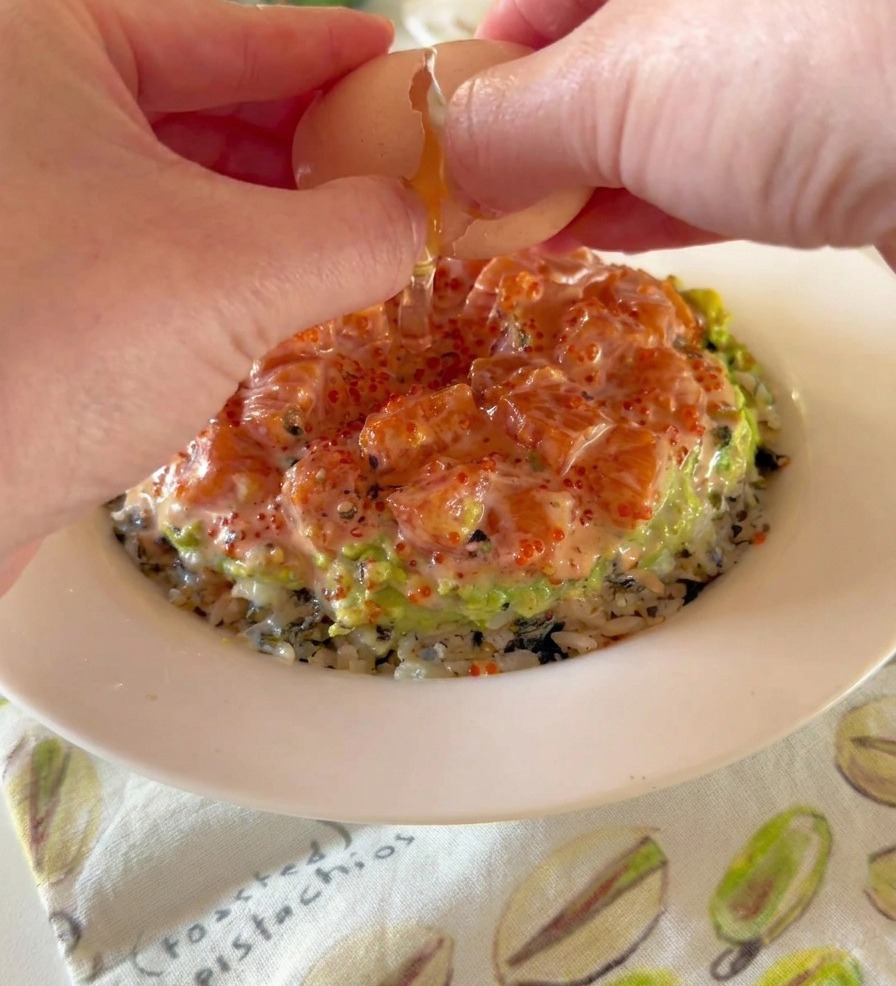
Carefully crack the prepared onsen egg directly into the center of the salmon. Finish the bowl by garnishing with extra fish roe and strips of dried seaweed for a professional, restaurant-quality look.
Tip: To make a perfect onsen egg, ensure the water temperature is correctly adjusted with cold water before adding the egg to the pot.