Premium Uni
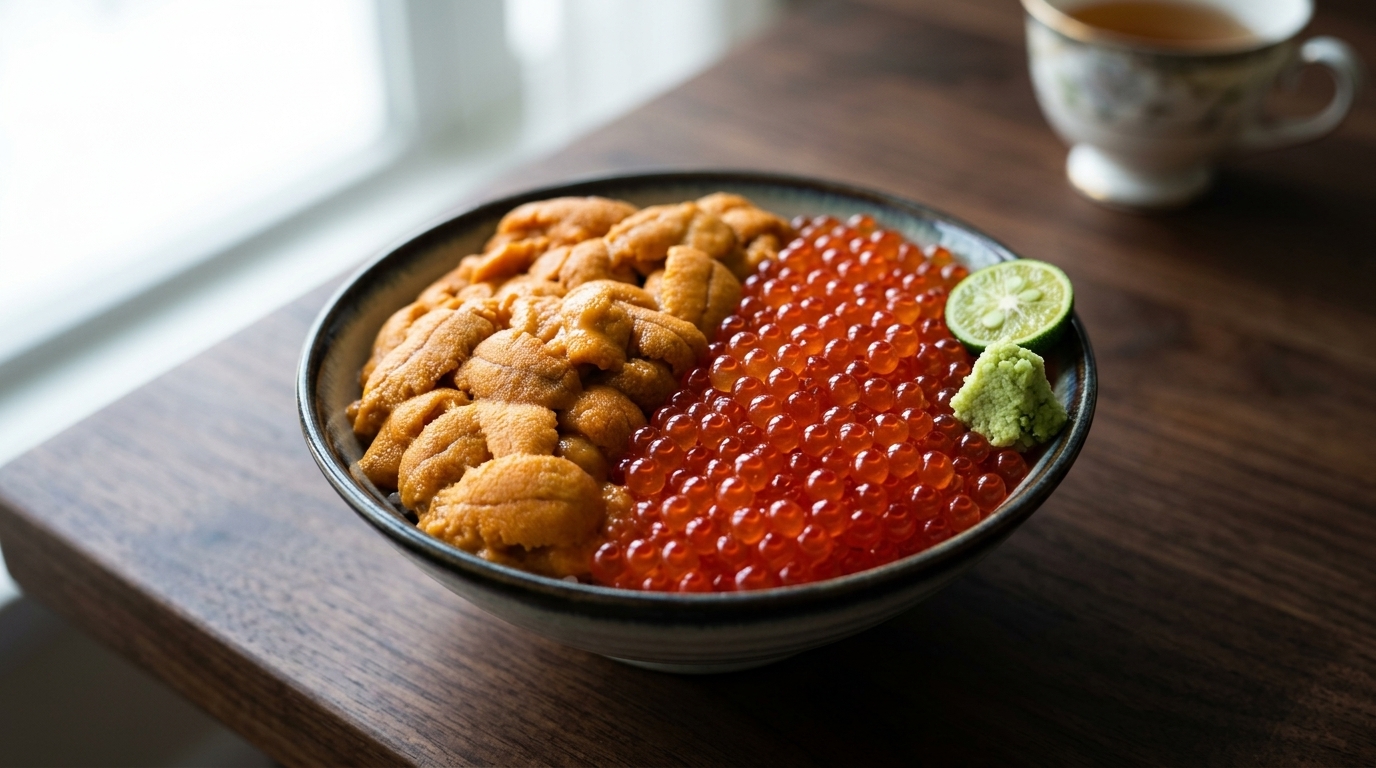
Ikura Don (Sea Urchin Rice Bowl)
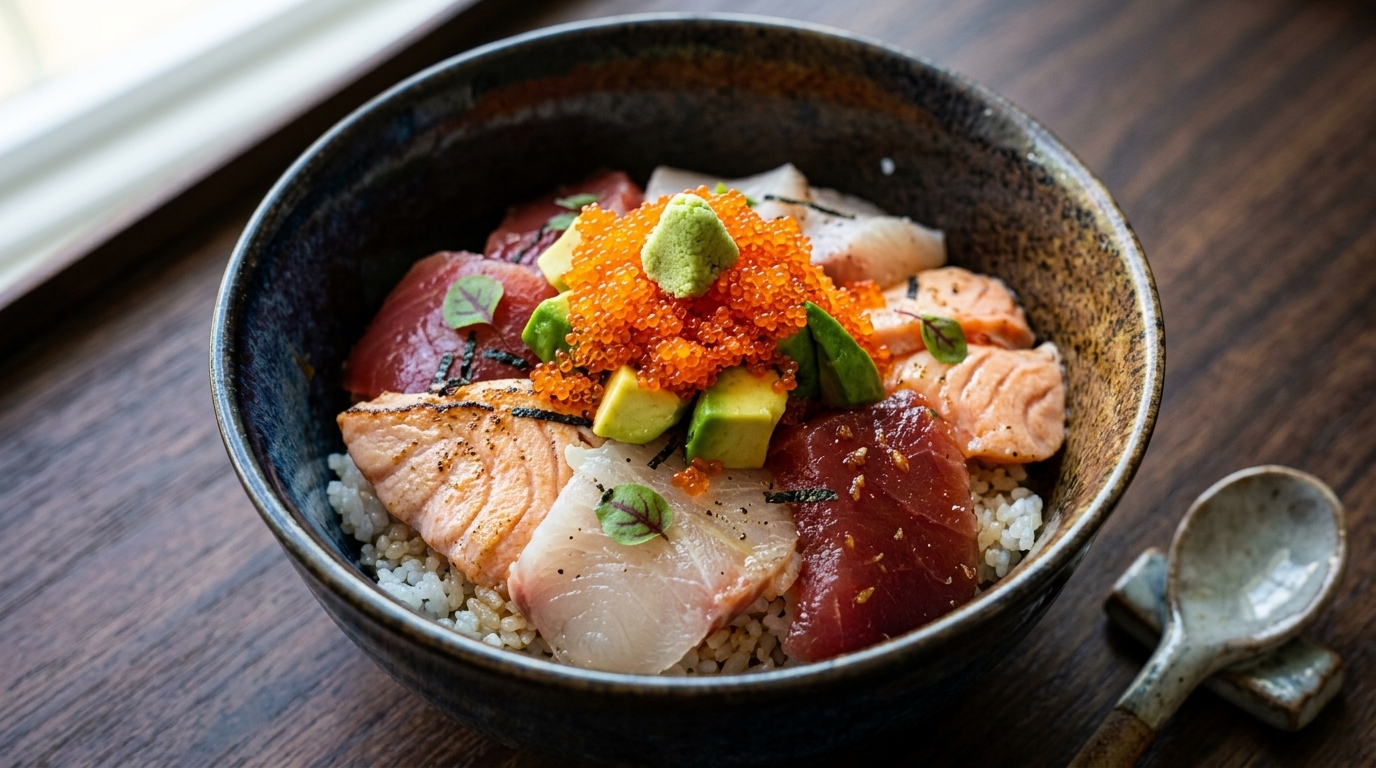
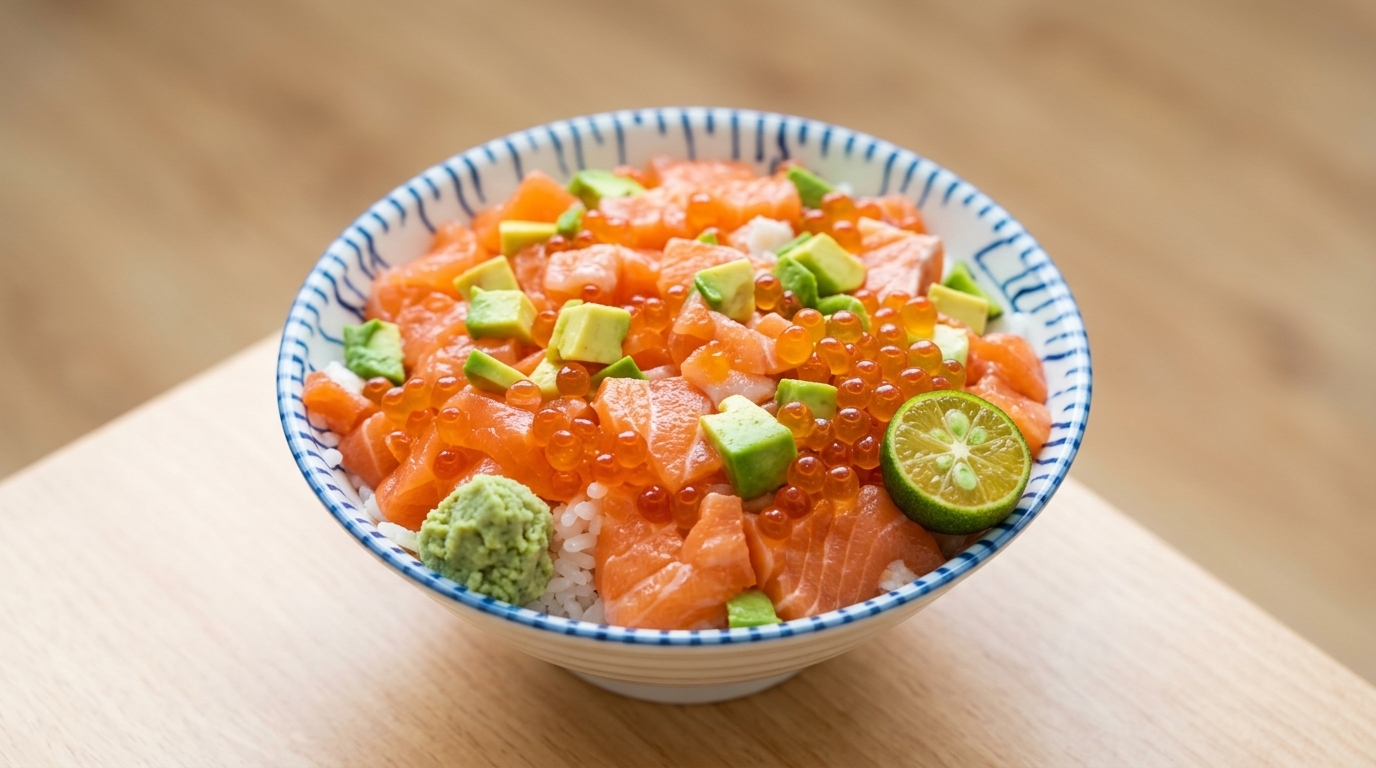
Experience the ultimate taste of the sea with creamy uni and salt-cured ikura served over perfectly seasoned, umami-rich sushi rice.
Uni-don is a luxurious Japanese staple, particularly celebrated in Hokkaido where the cold waters produce the worlds finest sea urchins. This dish is less about complex cooking and more about the art of assembly, requiring a delicate touch to balance the rich, buttery uni with the tangy brightness of vinegared rice. Every spoonful offers a contrast between the melt-in-your-mouth texture of the sea urchin and the refreshing pop of salmon roe.
Ingredients
- 300 g Niigata short-grain rice
- 450 ml water
- 1 piece kombu (dried kelp)
- 3 tbsp rice vinegar
- 1 tbsp brown sugar
- 1 tsp salt
- 150 g fresh sea urchin (uni)
- 50 g salmon roe (ikura)
- to taste wasabi
- 1 wedge lime
Instructions
- 1Wash the rice
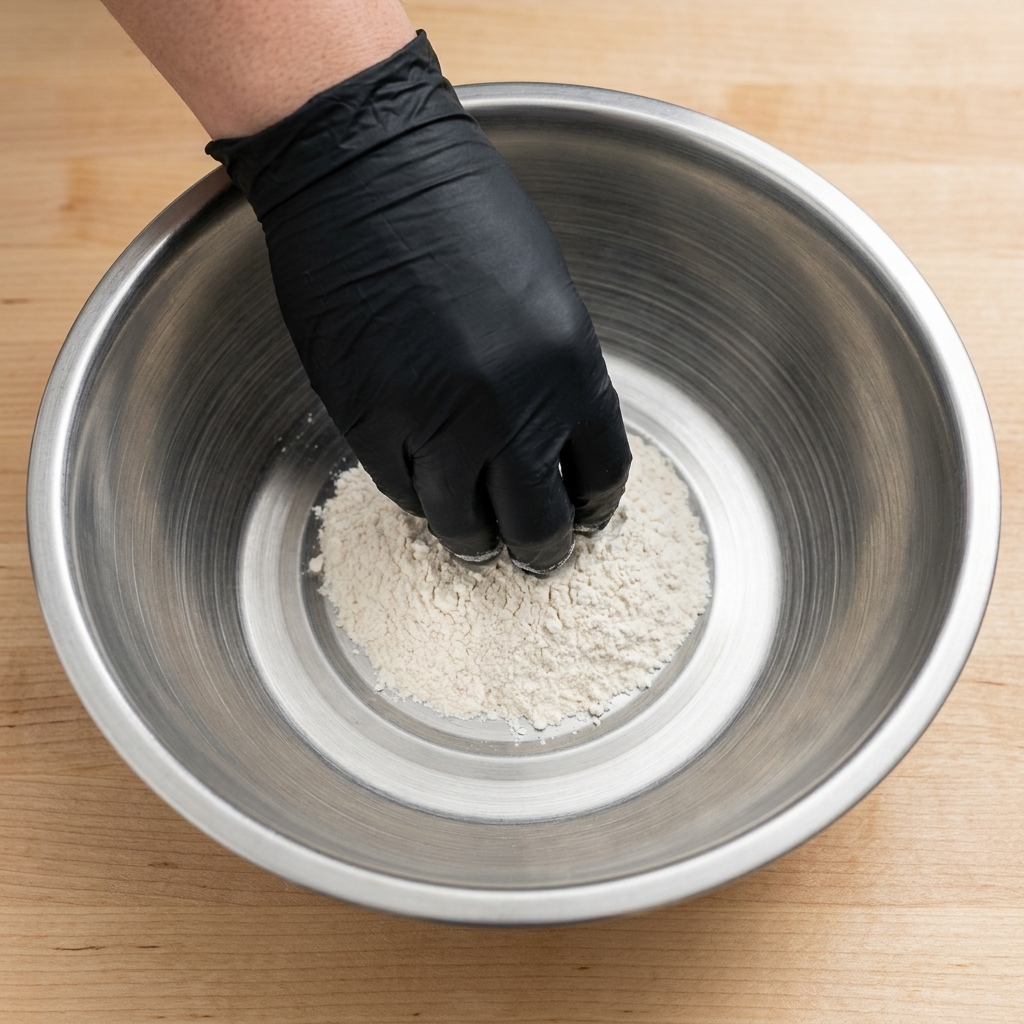
Place the short-grain Niigata rice into a metal bowl and cover it with cold water. Use your hand to gently swirl the grains to release excess starch, then drain the cloudy water. Repeat this rinsing process until the water runs clear, which ensures the rice has a clean taste and the perfect texture after cooking.
Tip: Be gentle while washing; avoid scrubbing the grains too hard as they can break, leading to a mushy final consistency. - 2Drain and rest the rice
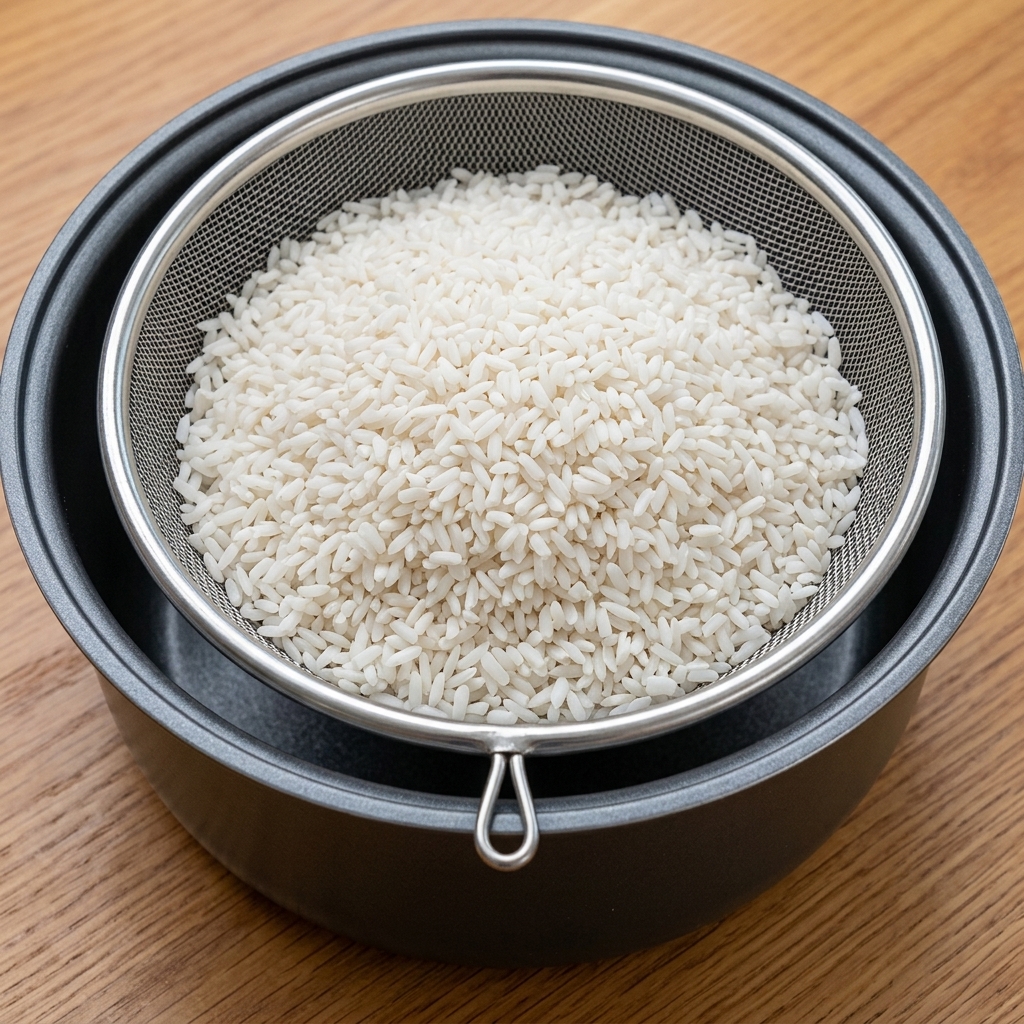
Transfer the washed rice into a fine mesh strainer and let it sit over a pot to drain completely for ten minutes. This essential resting period allows the grains to absorb residual surface moisture evenly before cooking.
Tip: Letting the rice drain fully ensures accurate water measurements when cooking so the final texture is perfect. - 3Add water and kombu
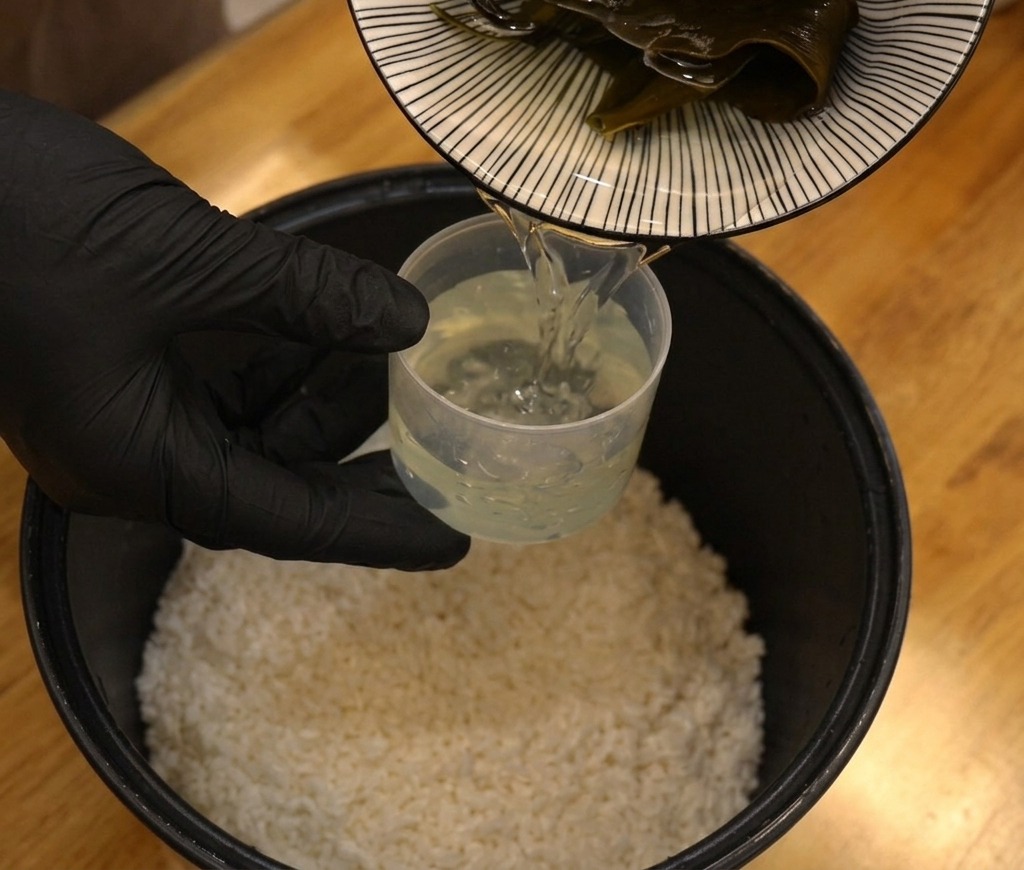
Place the washed and drained short-grain rice into the rice cooker pot. Pour in the required amount of fresh water along with a piece of dried kombu seaweed. Allow the rice and kombu to soak together for at least ten minutes before starting the cooking cycle to infuse the grains with a subtle umami flavor.
Tip: Dont skip the soaking step; it ensures the rice grains hydrate evenly, resulting in a better texture after cooking. - 4Prepare the sushi vinegar
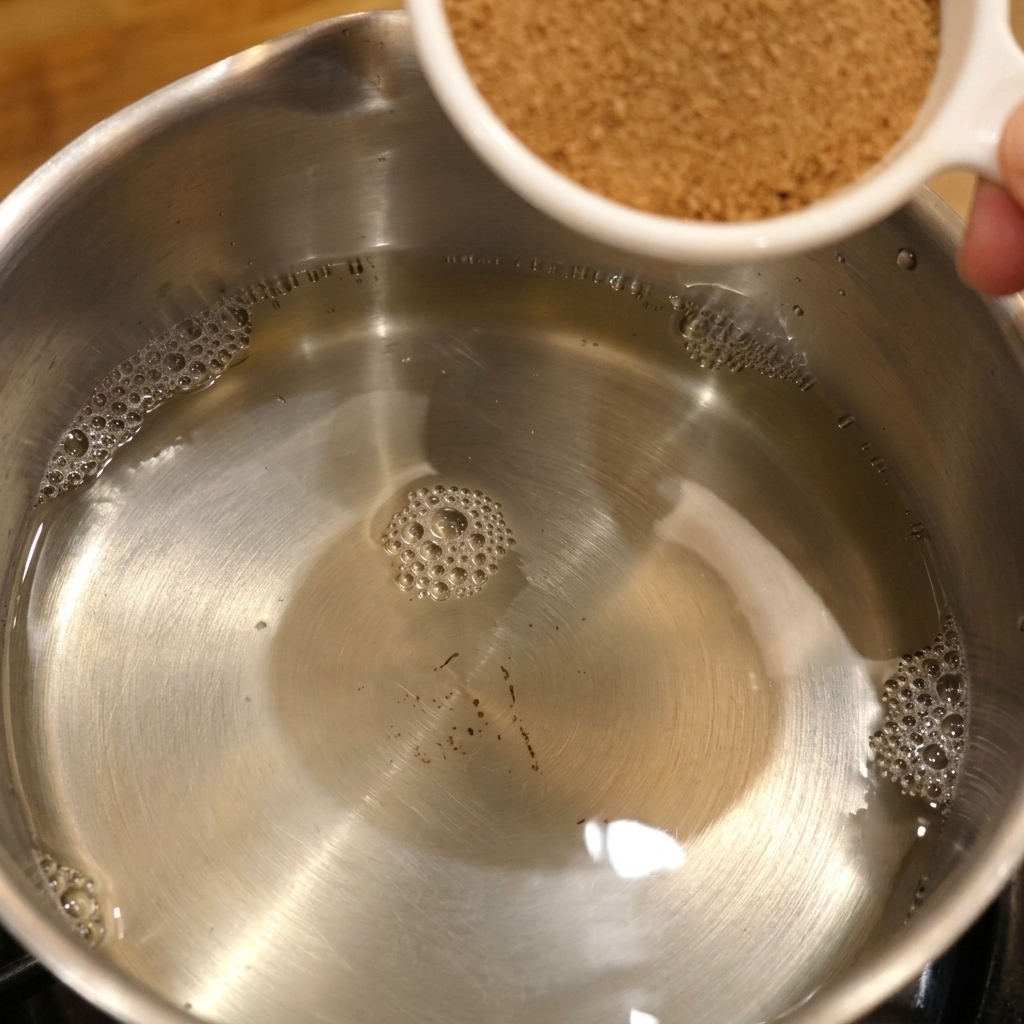
In a small saucepan, combine the rice vinegar with brown sugar and a pinch of salt. Place the pan over low heat and stir constantly until the sugar and salt have completely dissolved. This mixture provides the essential balance of sweet and tangy flavors for the sushi rice.
Tip: Only heat the mixture until dissolved—do not let it boil, as boiling can reduce the acidity and brightness of the vinegar. - 5Cook the rice
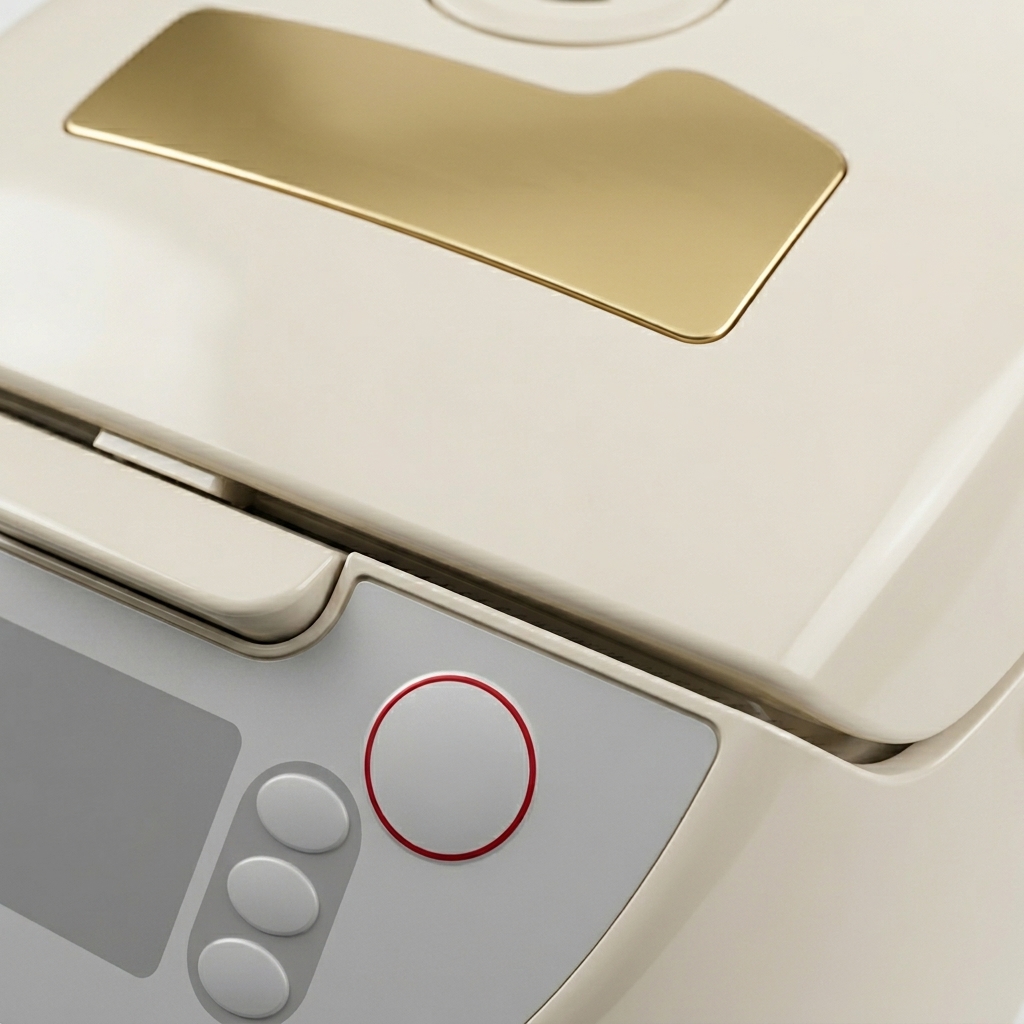
Place the inner pot into the rice cooker, close the lid, and press the main cook button. The machine will steam the Niigata rice and kombu together, infusing the grains with a subtle savory flavor and achieving the ideal stickiness for a Donburi bowl.
Tip: Ensure the exterior of the inner pot is completely dry before placing it into the cooker to prevent any damage to the heating element. - 6Moisten the sushi bucket
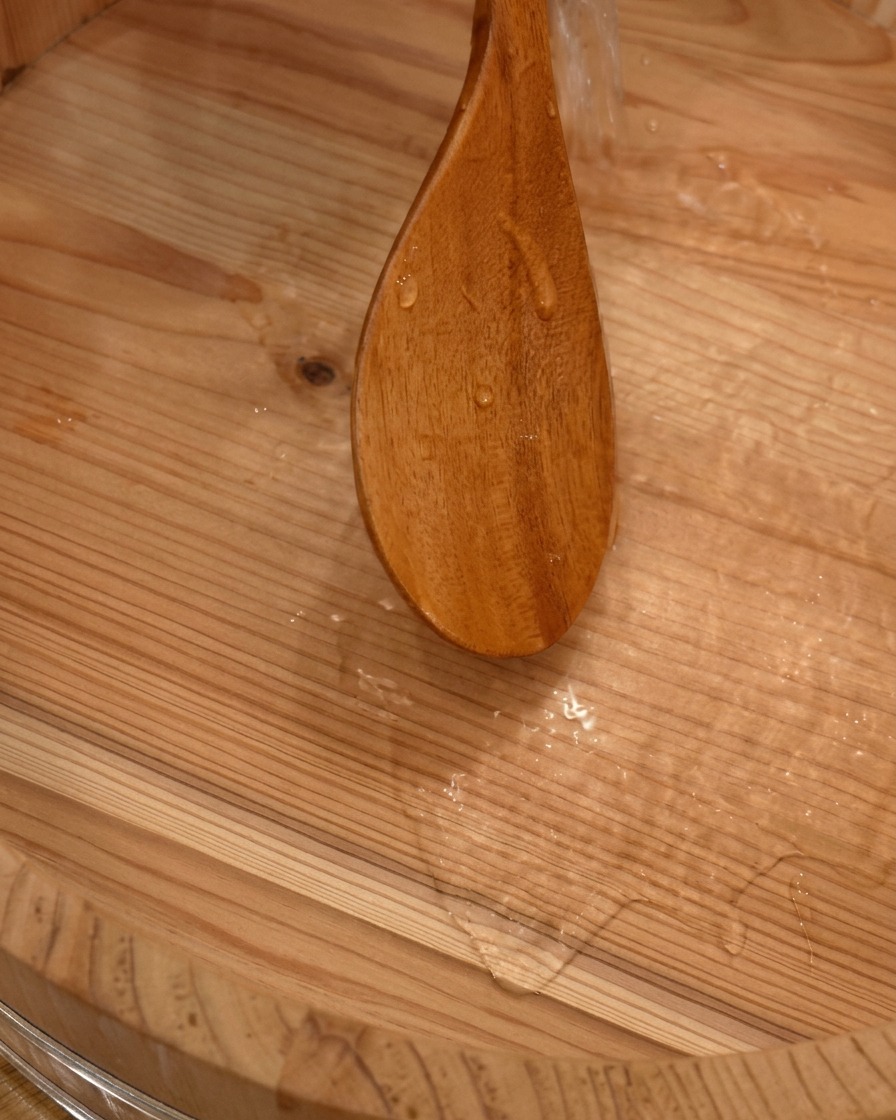
Before adding the hot rice, dampen the interior of your wooden sushi bucket (hangiri) with water using a wooden paddle. The moisture seasons the wood and prevents the seasoned rice from sticking to the surface, making it easier to mix in the sushi vinegar.
Tip: Wipe away any excess puddles of water with a clean cloth so the rice absorbs the vinegar seasoning rather than plain water. - 7Season the sushi rice
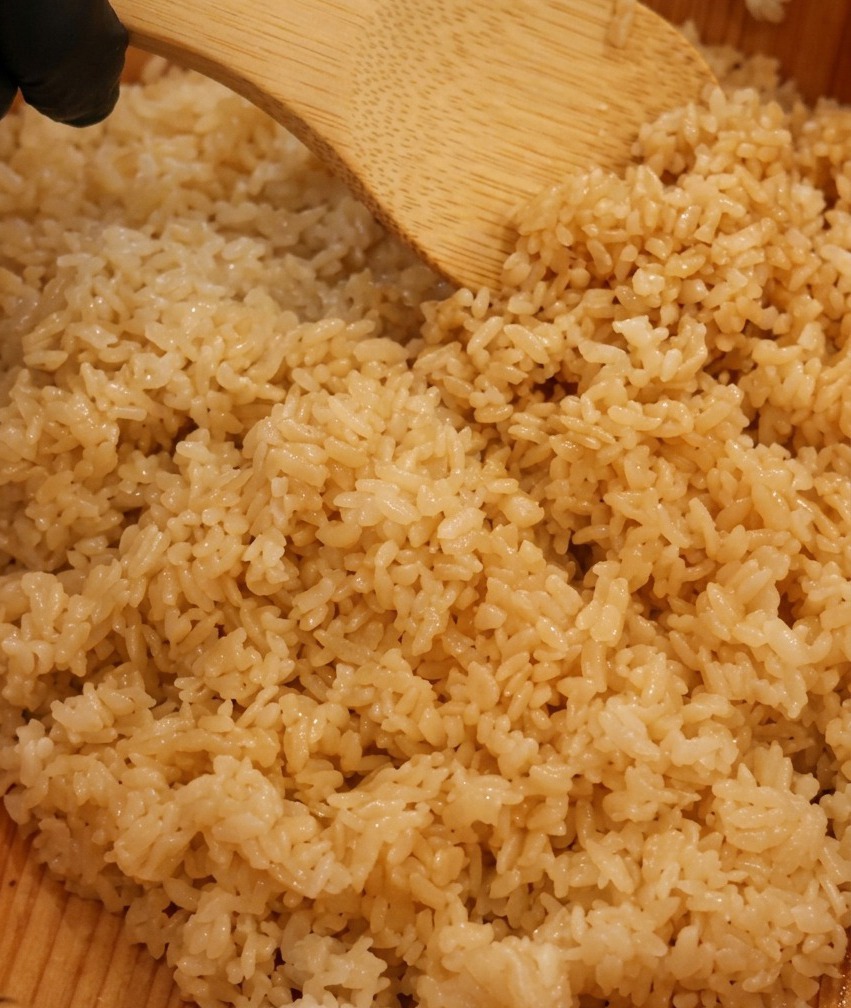
Once the rice is cooked, transfer it while still hot into a moistened wooden sushi bucket. Pour the prepared sushi vinegar evenly over the rice. Use a wooden paddle to gently incorporate the liquid using a cutting motion, then flip the rice to ensure every grain is seasoned and coated without being mashed.
Tip: Using a wooden bucket (hangiri) is ideal because the wood absorbs excess moisture from the vinegar, preventing the rice from becoming soggy and helping it achieve a professional glossy finish. - 8Cool the seasoned rice
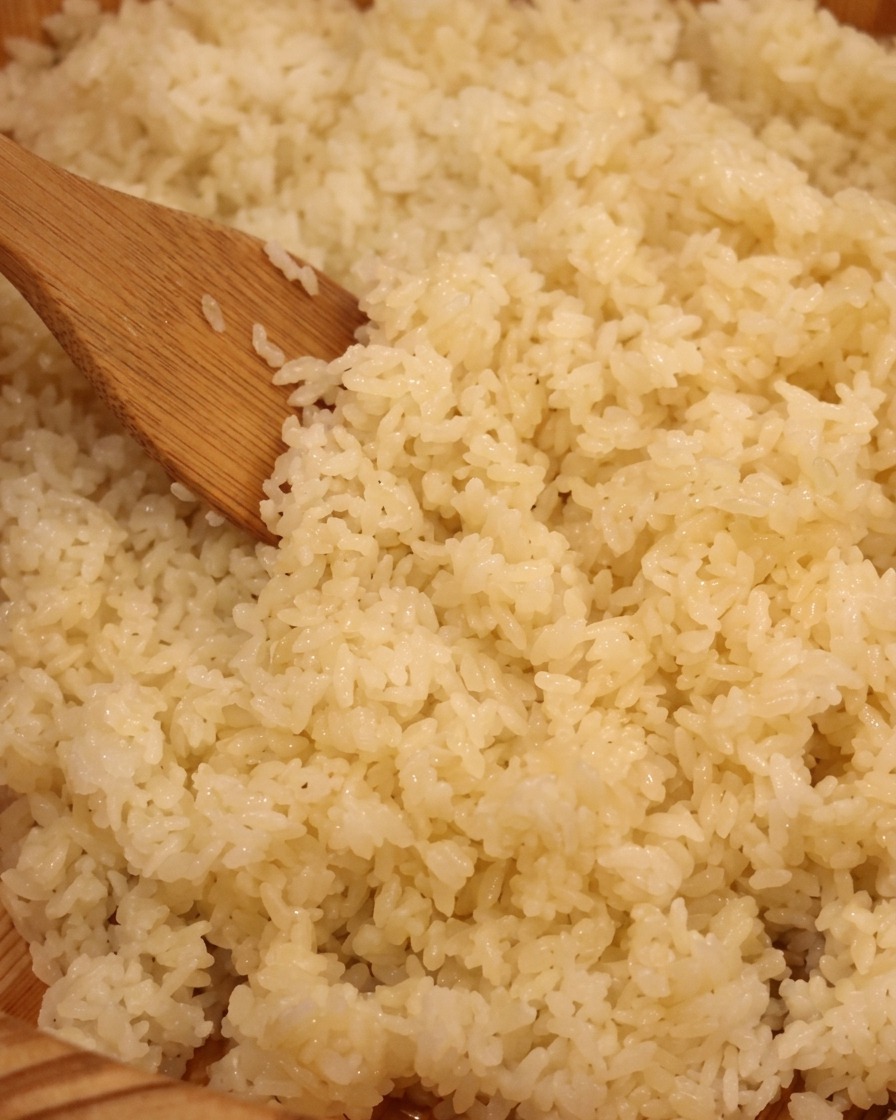
While gently mixing the rice, use a hand fan to cool it down to room temperature. Fanning helps evaporate excess moisture quickly, giving the grains a beautiful glossy sheen and the ideal texture for sushi.
Tip: Cooling the rice quickly prevents it from overcooking from its own residual heat and keeps the grains distinct. - 9Top with fresh sea urchin
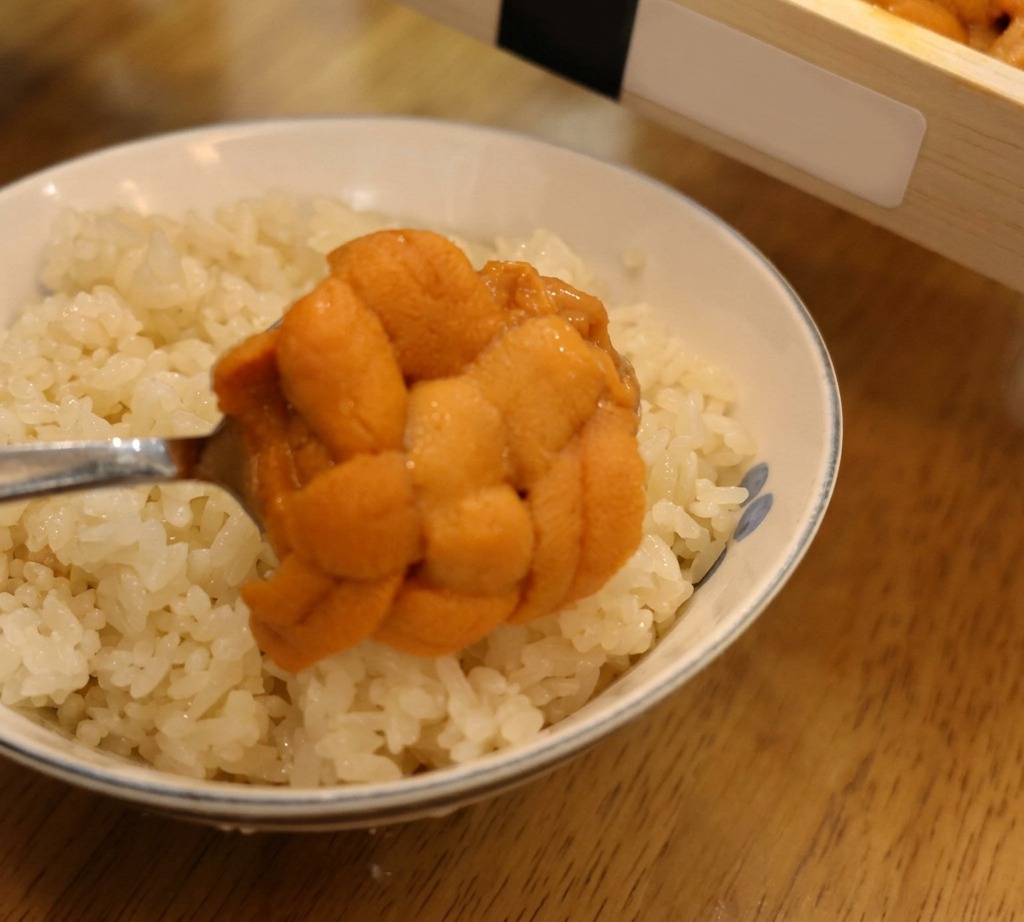
Gently scoop the seasoned sushi rice into a serving bowl and arrange the fresh lobes of sea urchin over the top. The delicacy of the uni requires a light touch to preserve its creamy texture and distinct shape for a professional presentation.
Tip: For the best flavor, use the highest quality fresh uni you can find; it should have a firm structure and a sweet, briny scent.