Restaurant-Style Japanese Seafood Donburi (Kaisendon)
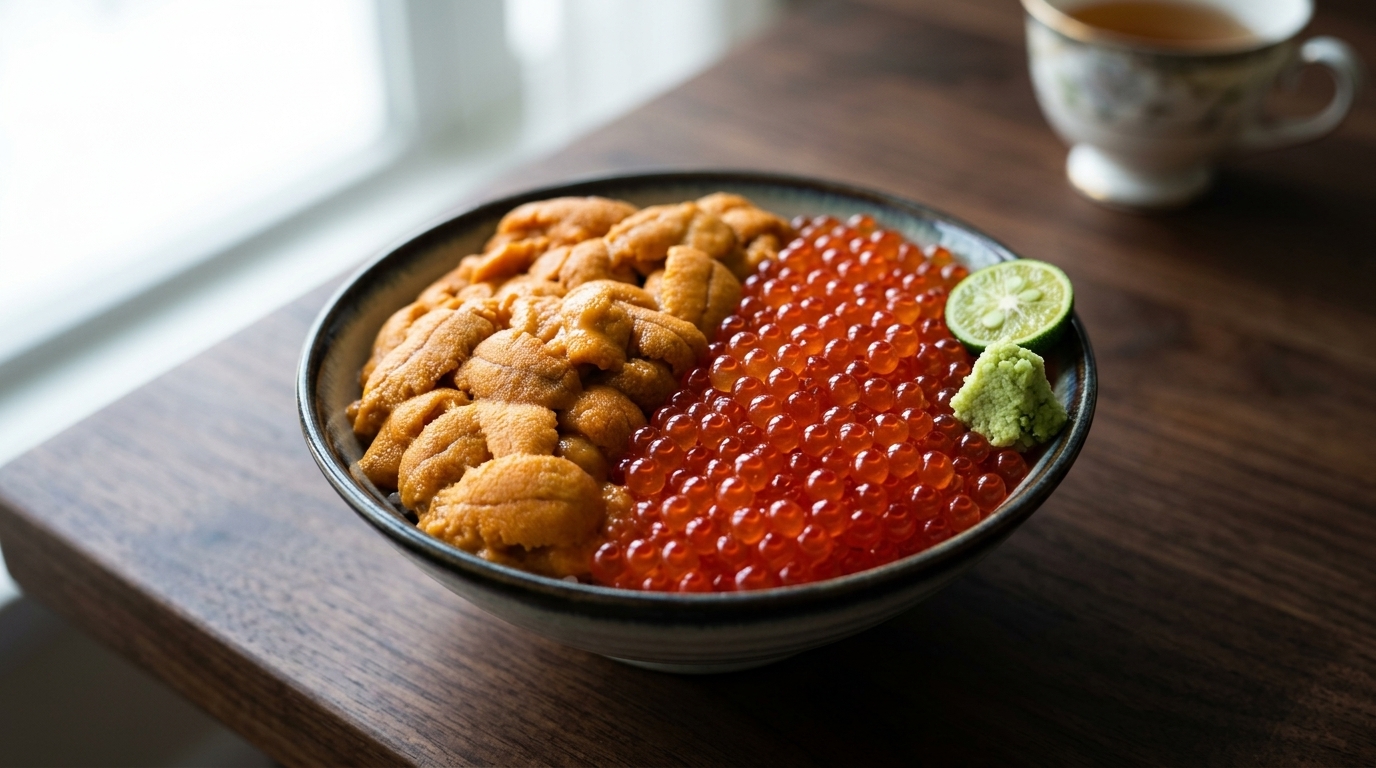
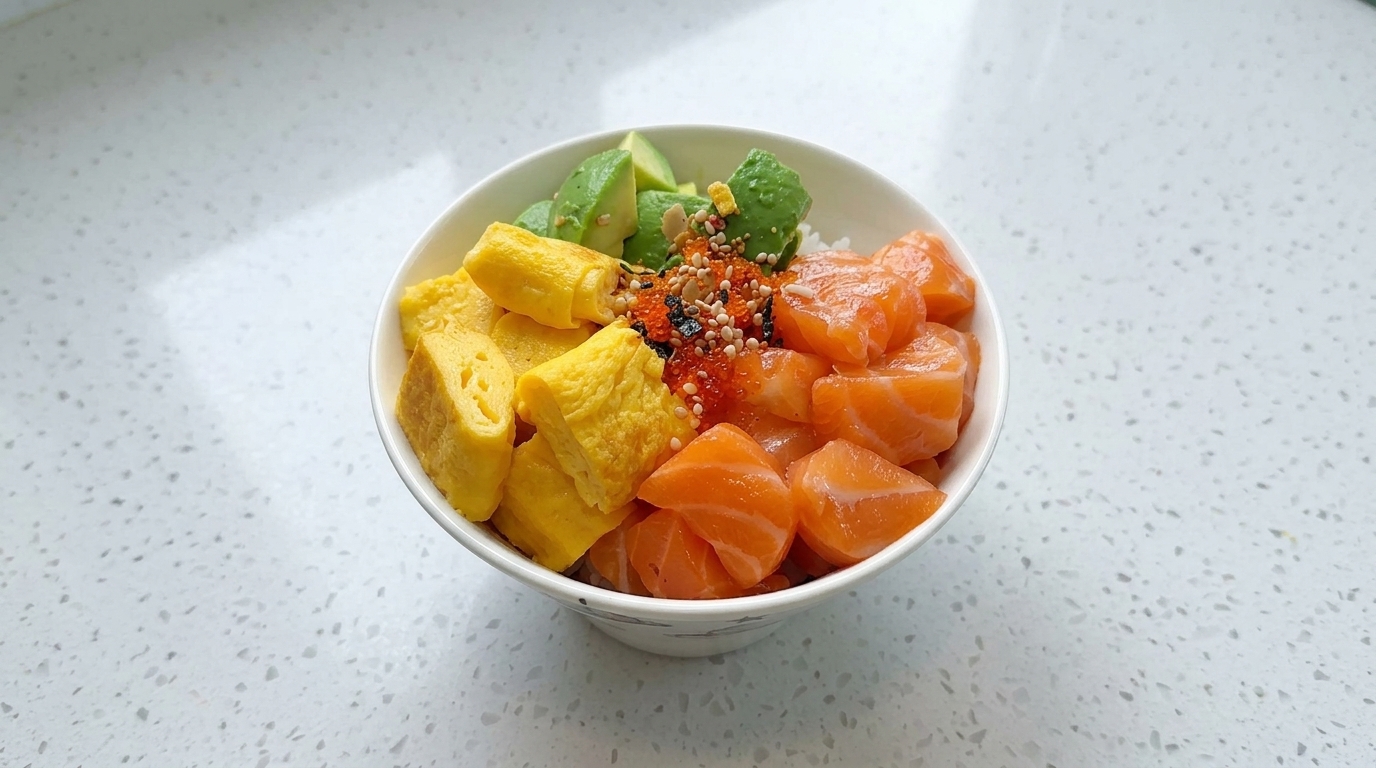
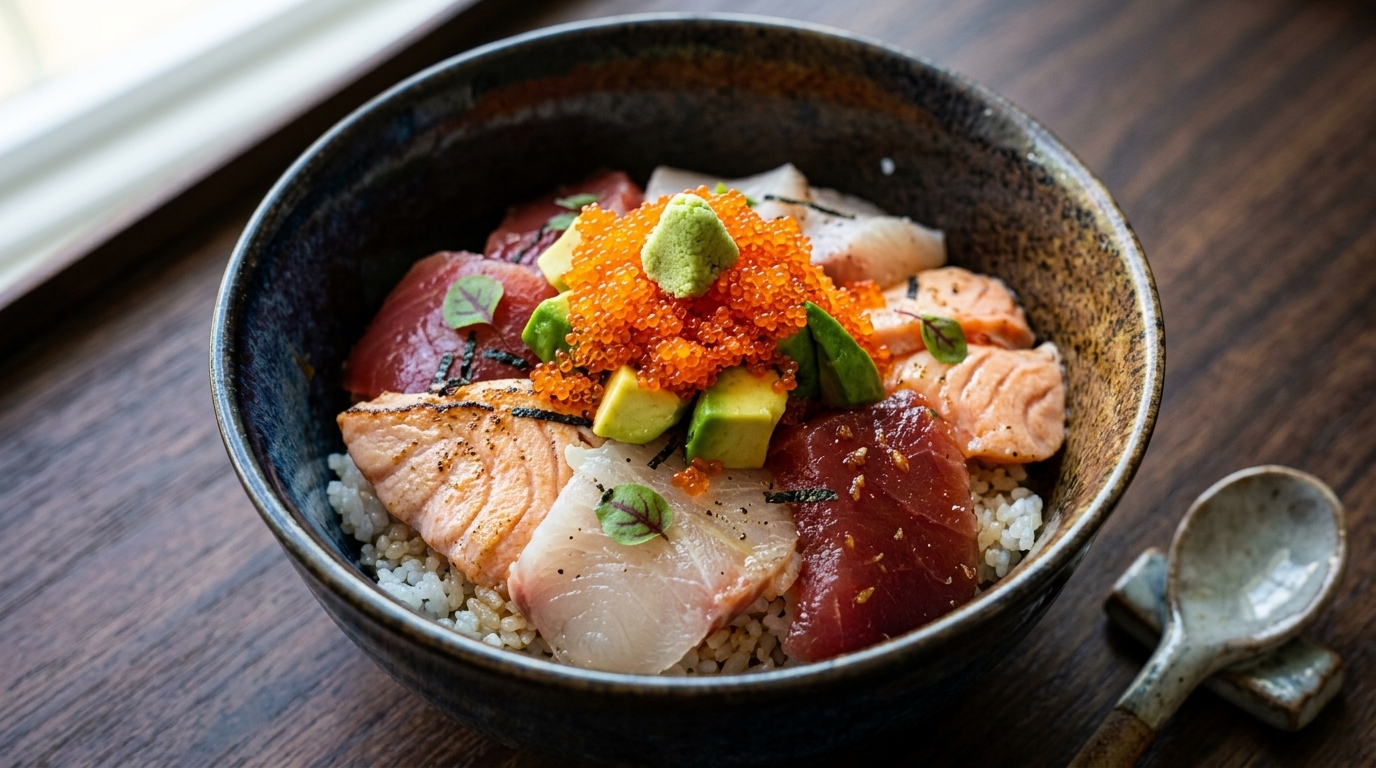
Create a stunning restaurant-quality Kaisendon at home. This Japanese seafood rice bowl features delicately seared salmon, marinated tuna, and seasoned kingfish over perfectly vinegared sushi rice.
Kaisendon is a celebration of fresh, high-quality seafood, offering a vibrant and luxurious dining experience in a single bowl. By preparing a traditional savory sauce infused with kombu and bonito, and carefully balancing the textures of different raw and seared fish, this recipe brings the refined flavors of a Japanese seafood restaurant straight to your home kitchen.
Ingredients
- 1 cup short-grain sushi rice
- 1 cup water
- 1 tbsp Japanese sake
- 1 tbsp mirin
- 3 tbsp soy sauce
- 1 small piece kombu
- 1 handful bonito flakes
- 1 tsp fresh ginger juice
- 150 g sashimi-grade salmon
- 150 g sashimi-grade tuna
- 150 g sashimi-grade kingfish
- 12 avocado
- 2 tbsp fish roe (ikura or tobiko)
- 1 tsp sugar
- 12 tsp salt
- 2 tsp sushi vinegar
- pinch black pepper
- to taste lemon juice
- drizzle olive oil
- optional wasabi paste
Instructions
- 1Measure the sushi rice
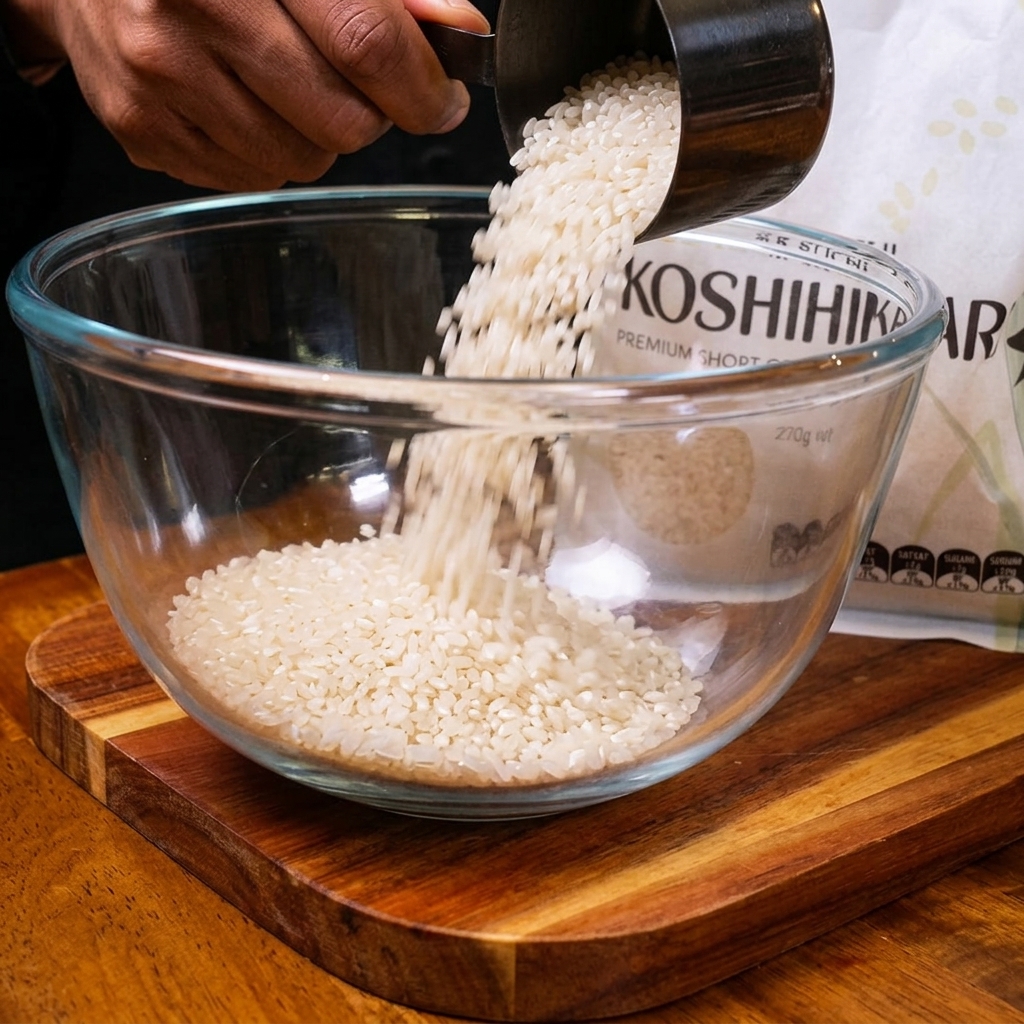
Begin by measuring out one cup of high-quality short-grain sushi rice. Pour the raw rice into a large mixing bowl, preparing it to be washed thoroughly before cooking.
Tip: Using premium short-grain rice, like Koshihikari, is essential for achieving the correct sticky texture for your donburi. - 2Add water to the rice
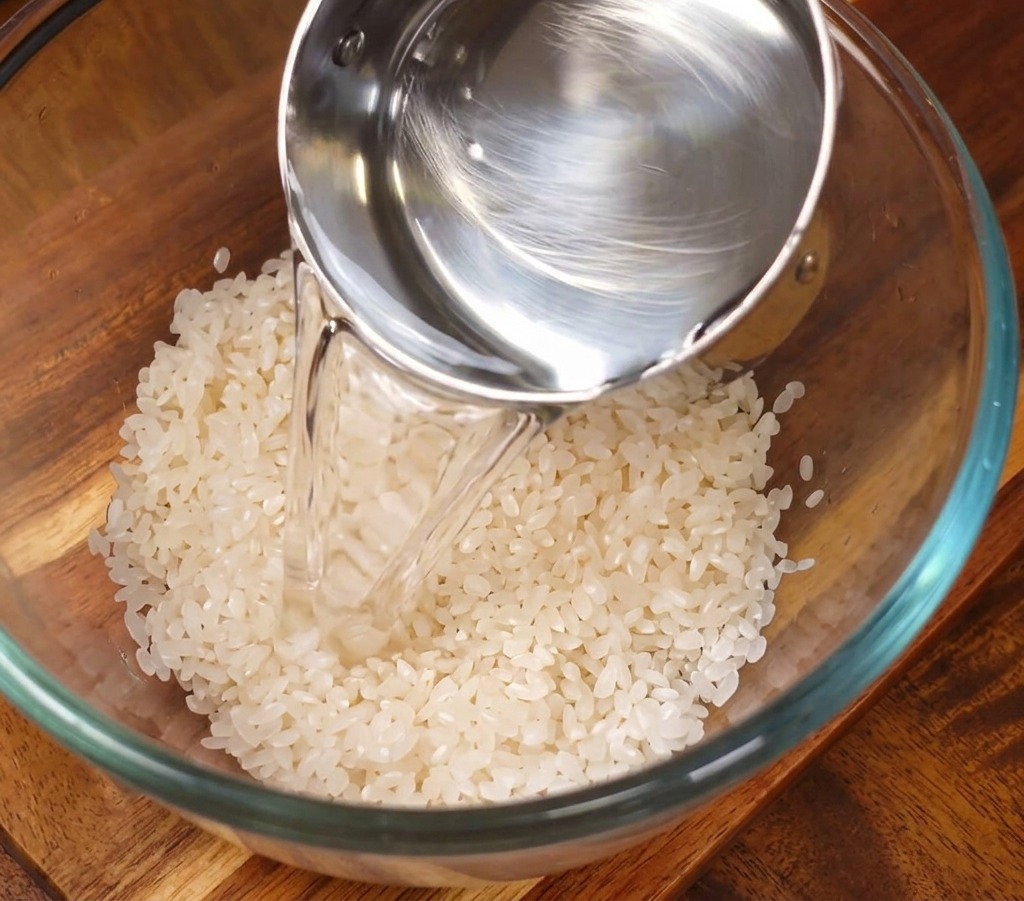
Measure out the sushi rice and add an equal amount of clean water to the cooking vessel. Maintaining a 1:1 ratio of rice to water is essential for achieving the perfect sticky yet firm texture required for a traditional seafood bowl.
Tip: Use high-quality short-grain rice and rinse it several times until the water runs clear before adding the final cooking water for the cleanest flavor. - 3Combine the sauce liquids
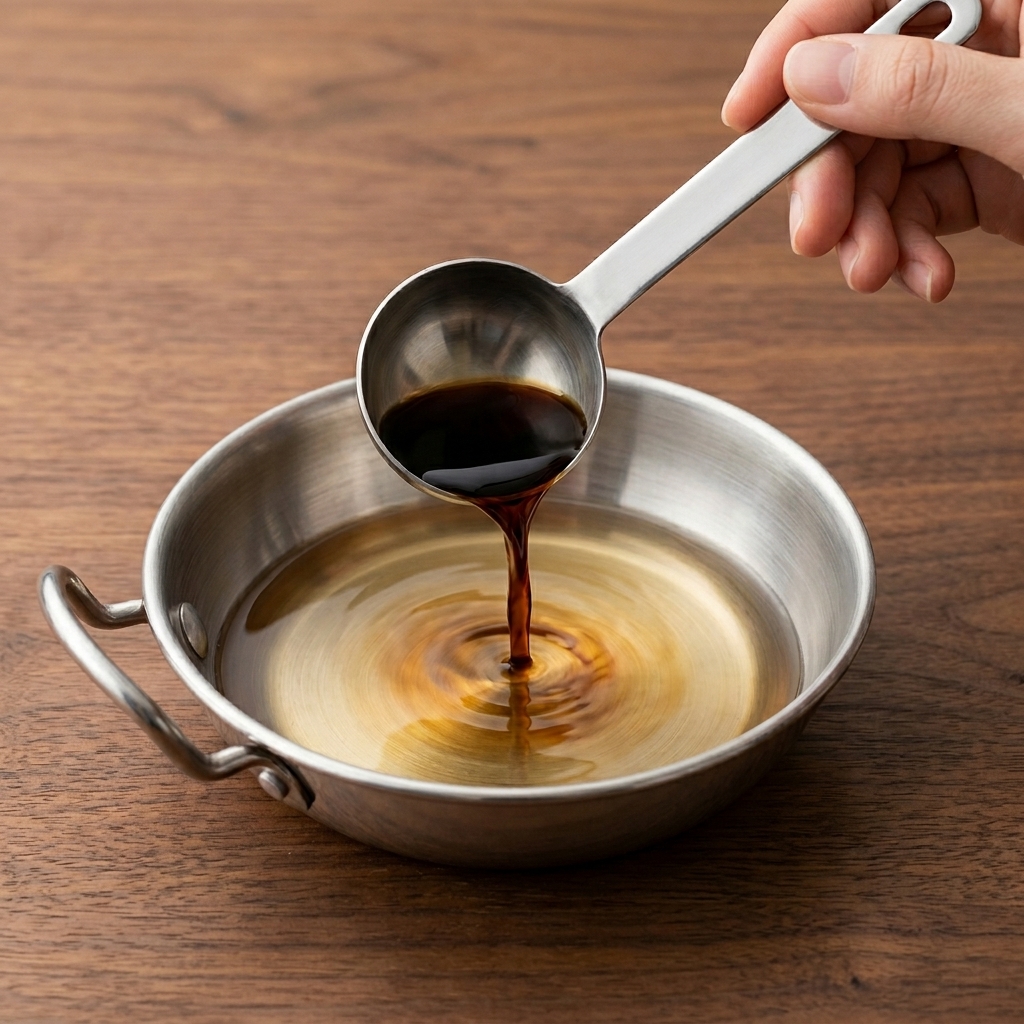
In a small pan, combine Japanese sake, mirin, and soy sauce using a ratio of 1:1:3. This specific balance of ingredients creates a savory and slightly sweet foundation that complements the fresh seafood perfectly.
Tip: For the best results, use a high-quality mirin rather than a sweetened substitute to get that authentic shine and depth. - 4Infuse the sauce with umami
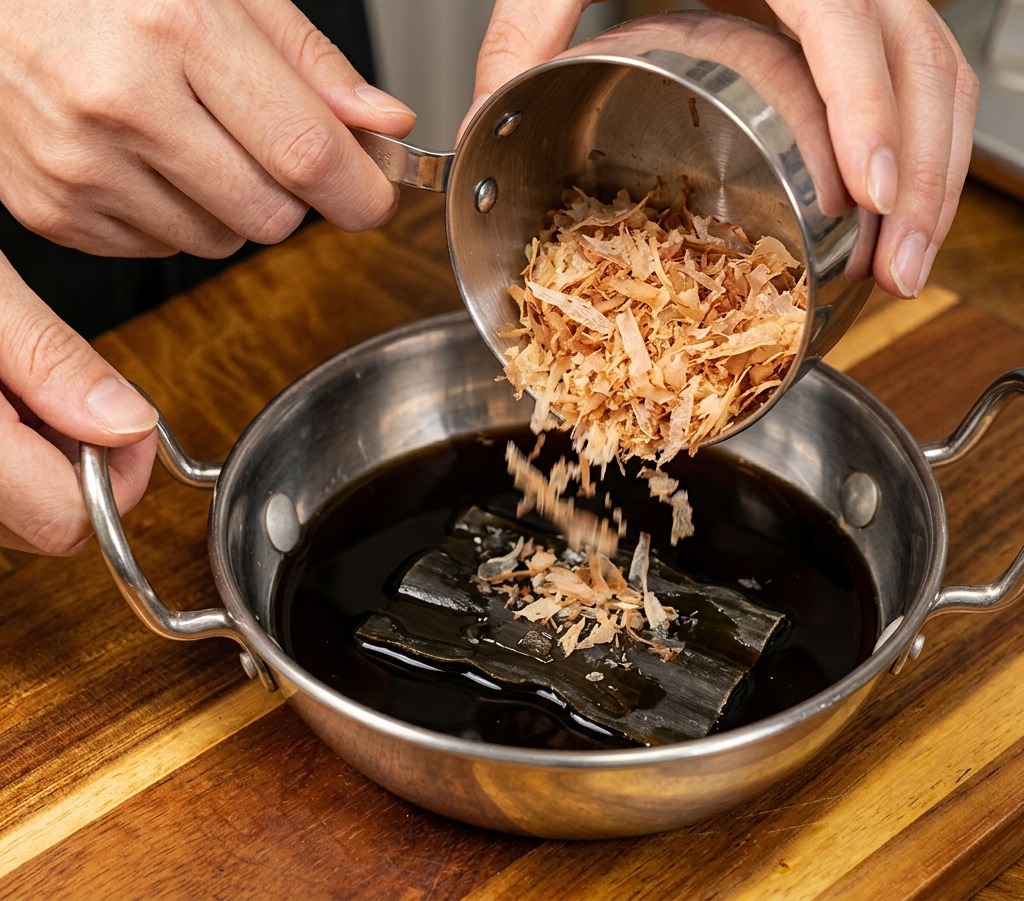
Add a square of dried kombu and a serving of bonito flakes to the sauce base in the pan. These traditional ingredients are the key to building the complex, savory umami flavor that elevates this dish to restaurant standards.
Tip: Do not boil the kombu for an extended period, as it can release a slimy texture and bitter taste; a gentle simmer is all you need. - 5Heat the sauce base
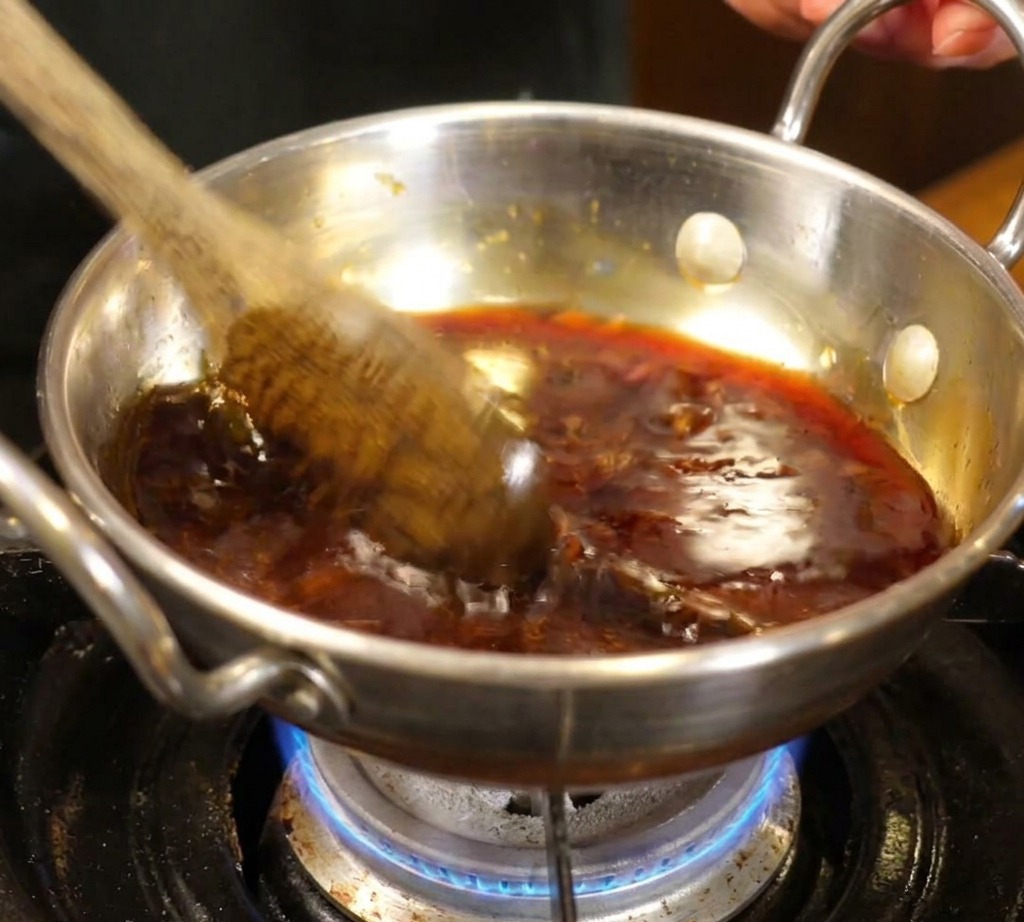
Place the pan containing the combined liquids, bonito flakes, and kombu over low heat. Stir the mixture gently with a wooden spoon to allow the savory umami flavors of the aromatics to infuse into the liquid without boiling over.
Tip: Stirring continuously over low heat ensures the sugar in the mirin doesnt scorch while the kombu releases its depth. - 6Strain the sauce solids
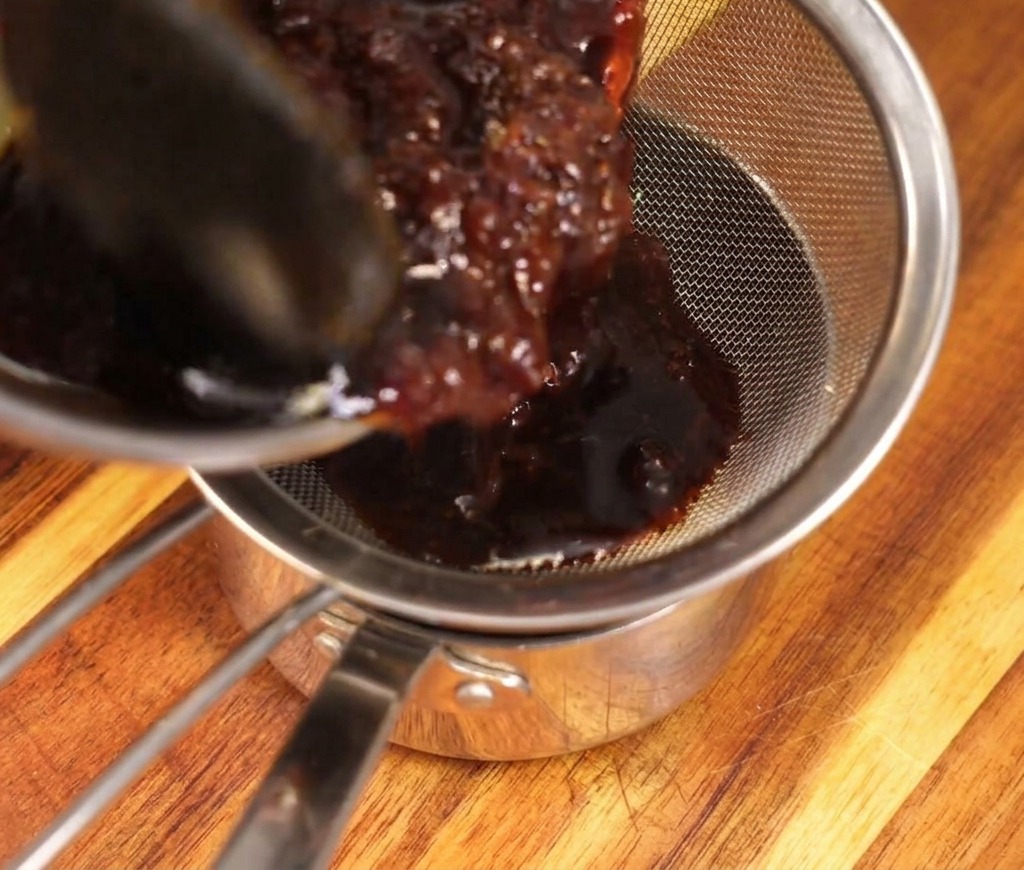
Once the sauce reaches a boil, remove it from the heat. Carefully pour the hot liquid through a fine-mesh strainer into a clean container to filter out the bonito flakes and kombu pieces, resulting in a clear, smooth seafood dressing.
Tip: Dont squeeze the solids too hard in the strainer, as this can make the sauce cloudy or overly fishy. - 7Add fresh ginger juice
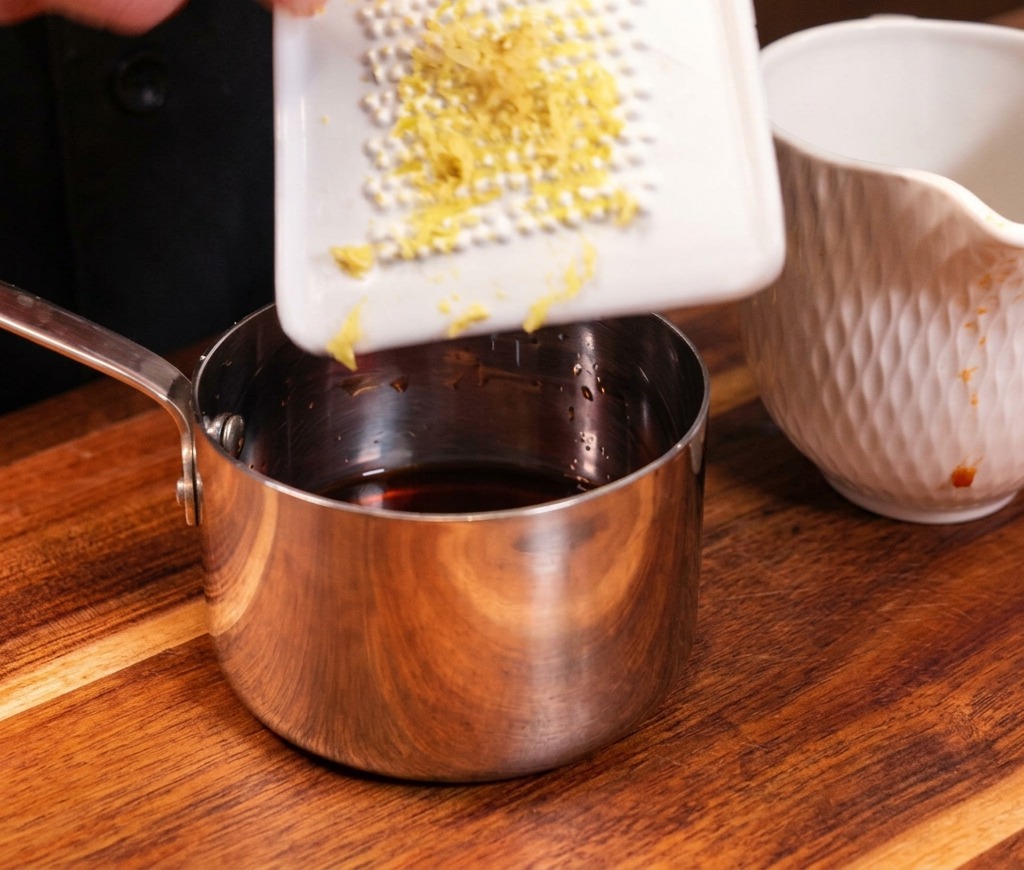
Using a ceramic or metal grater, prepare a teaspoon of fresh ginger juice. Mix this juice into a small portion of the prepared sauce to create a bright, zesty dressing that will complement the fresh fish.
Tip: Fresh ginger provides a sharp, clean heat that balances the fat content of the salmon and tuna perfectly. - 8Slice the fresh salmon
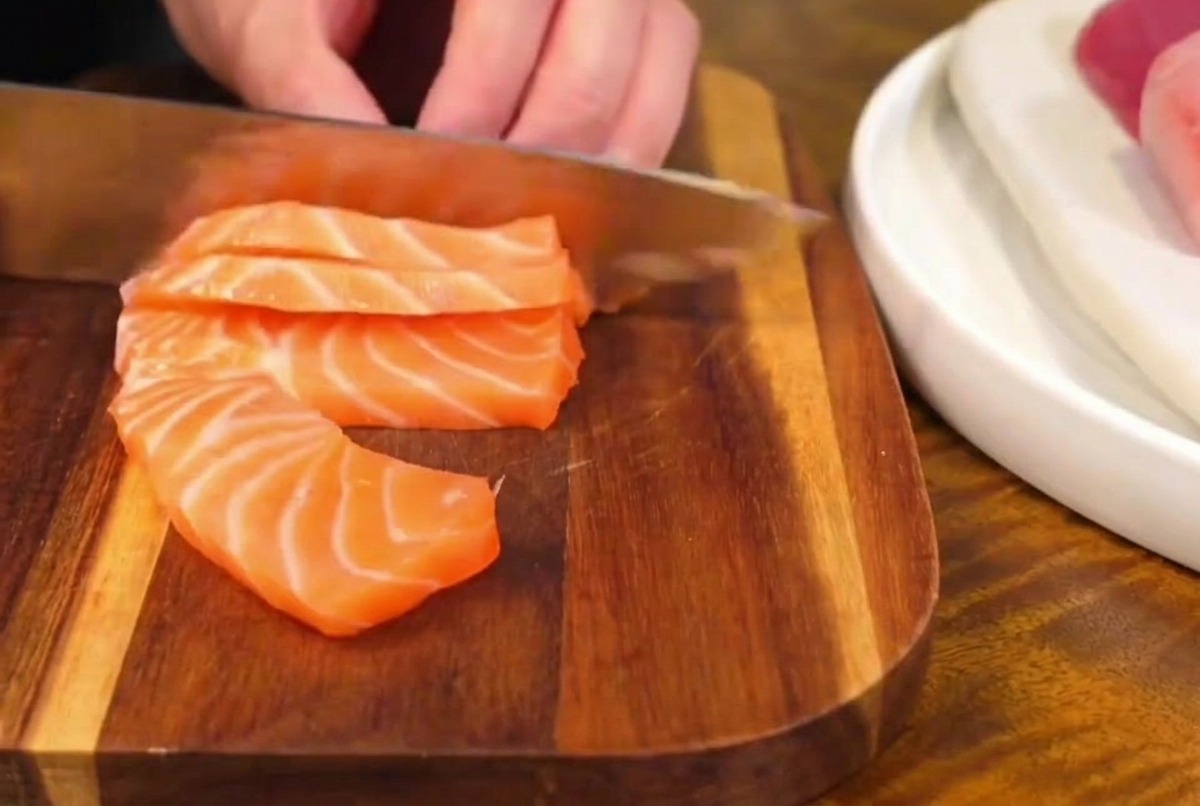
Place the fresh salmon fillet on a stable cutting board and use a sharp knife to cut it into thick, uniform slices. Aim for consistent thickness to ensure a beautiful presentation and a satisfying bite when layered over the rice.
Tip: For the cleanest cuts, pull the knife toward you in one smooth motion rather than using a sawing action. - 9Prepare the avocado
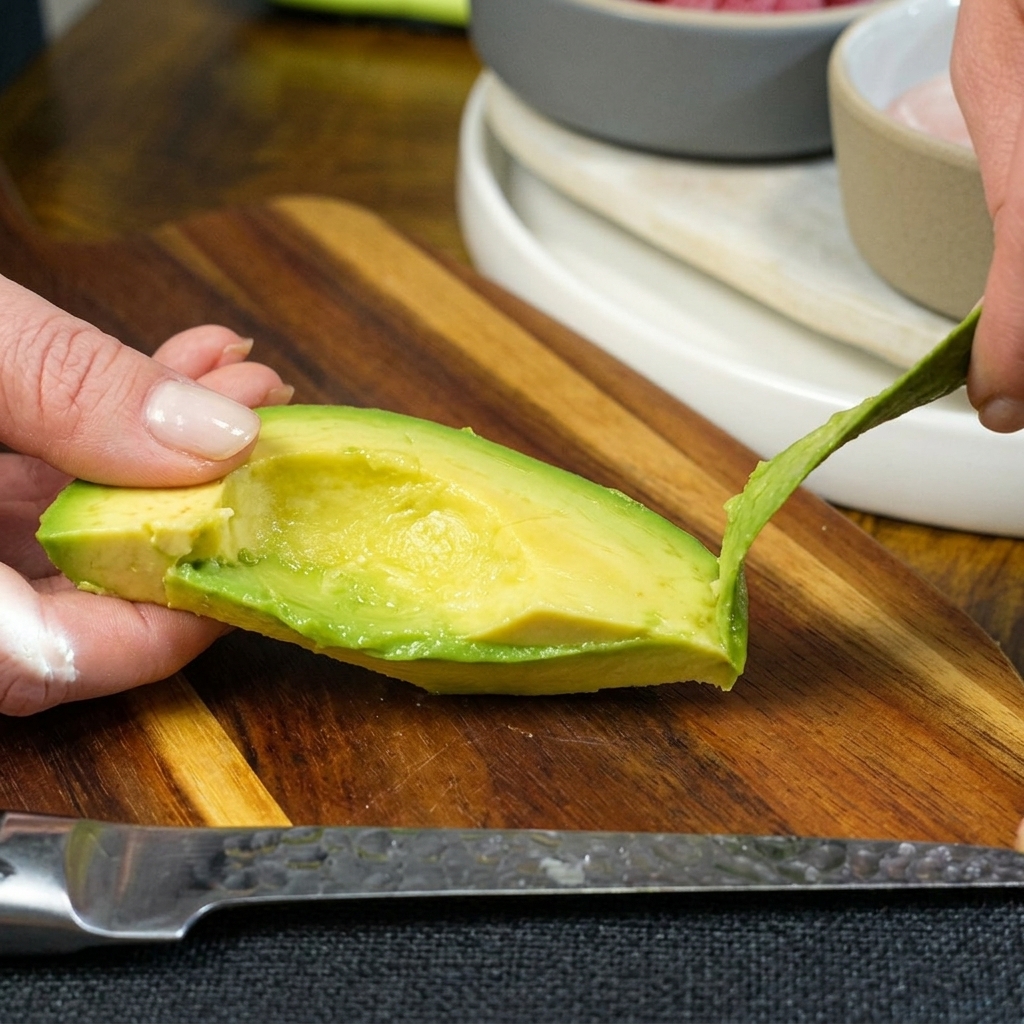
Carefully peel the skin off half of a ripe avocado. Once peeled, cut the smooth green flesh into small, uniform cubes to be used as a creamy, rich garnish for the seafood bowl.
Tip: Choose an avocado that is ripe but still slightly firm so it holds its shape beautifully when diced and mixed into the bowl. - 10Marinate the tuna
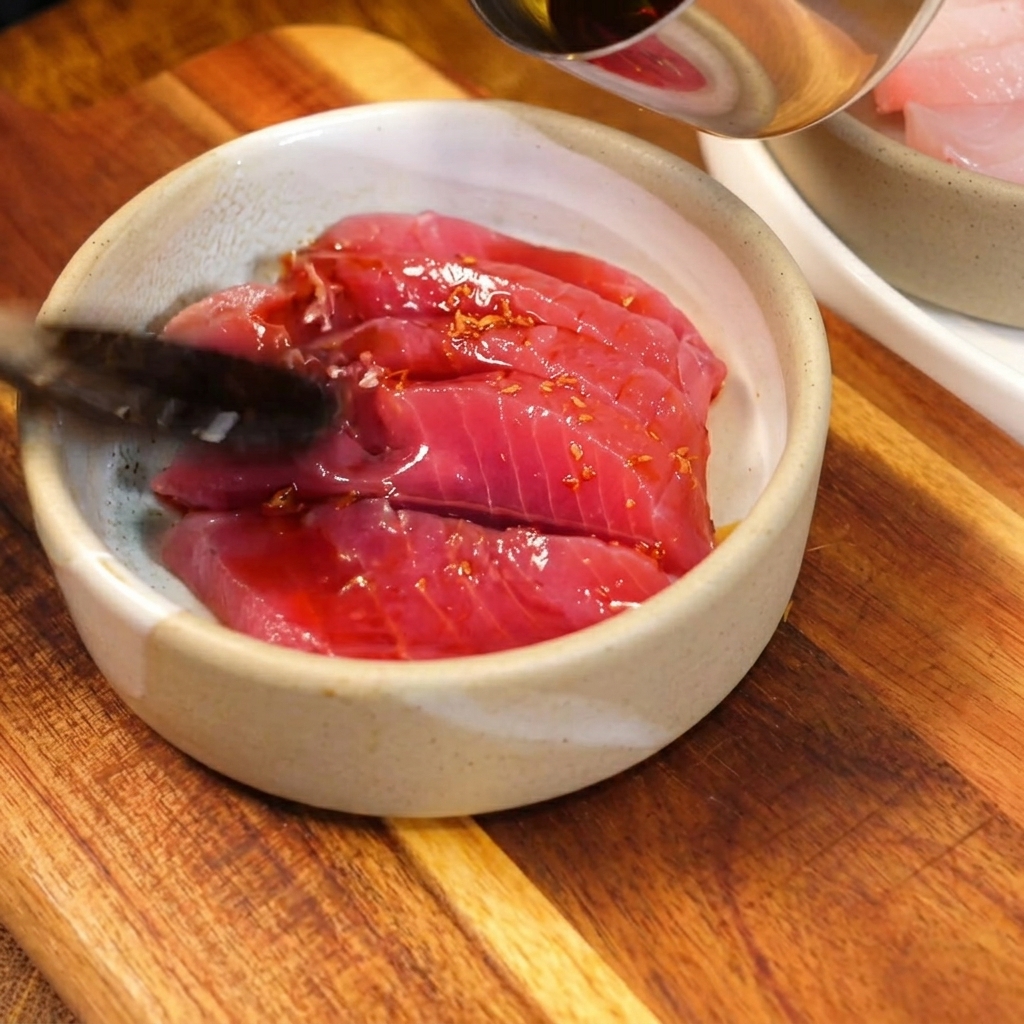
Place the thick slices of raw tuna into a small, shallow dish. Spoon the prepared ginger-infused soy and mirin sauce over the fish, ensuring the pieces are well coated. Let the tuna marinate for exactly five minutes to absorb the savory flavors.
Tip: Do not over-marinate the tuna. Leaving it in the salty soy sauce for more than five minutes will begin to break down its delicate texture. - 11Season the kingfish
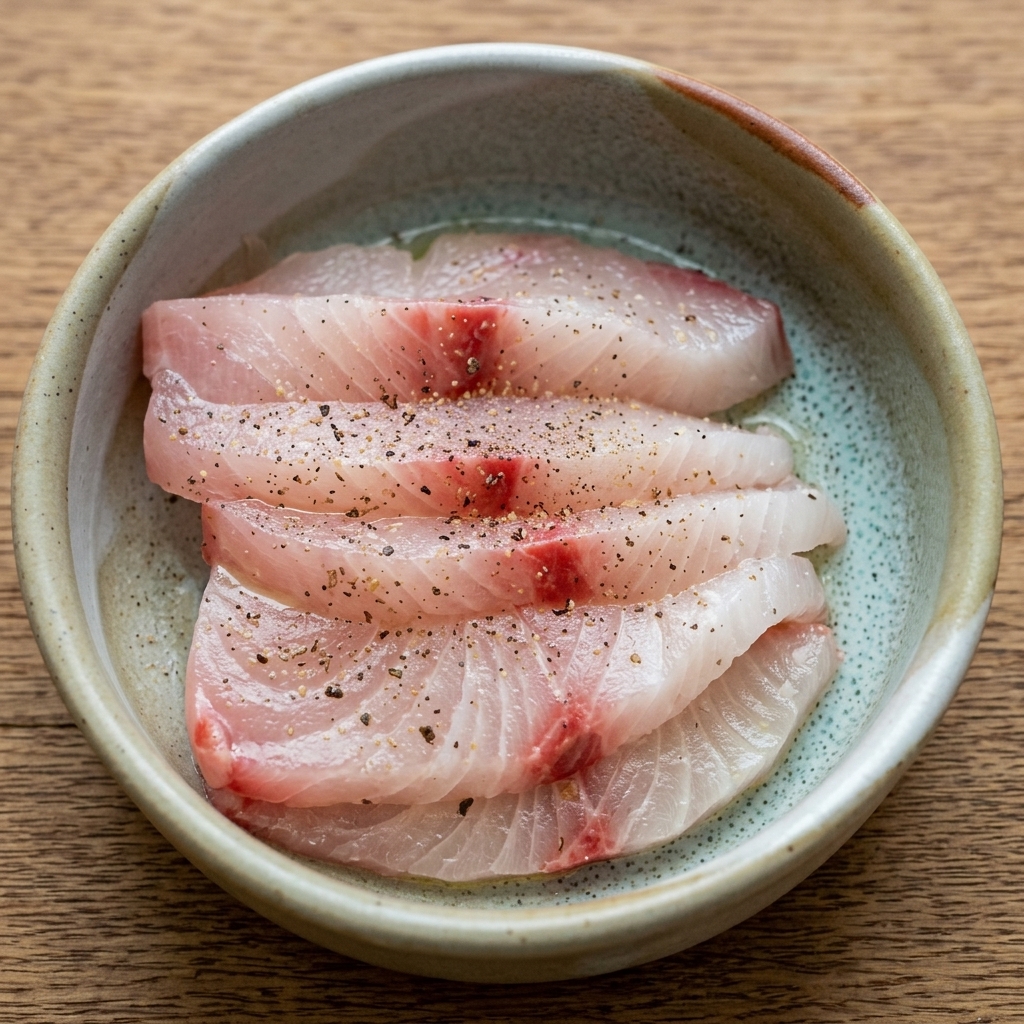
Arrange the slices of white kingfish in a shallow bowl. Season the raw fish lightly with a pinch of salt, freshly cracked black pepper, a squeeze of fresh lemon juice, and a delicate drizzle of olive oil.
Tip: The acid from the lemon juice will quickly start to cook the exterior of the fish, similar to ceviche, so be sure to season the kingfish right before assembling the final bowl. - 12Sear the salmon
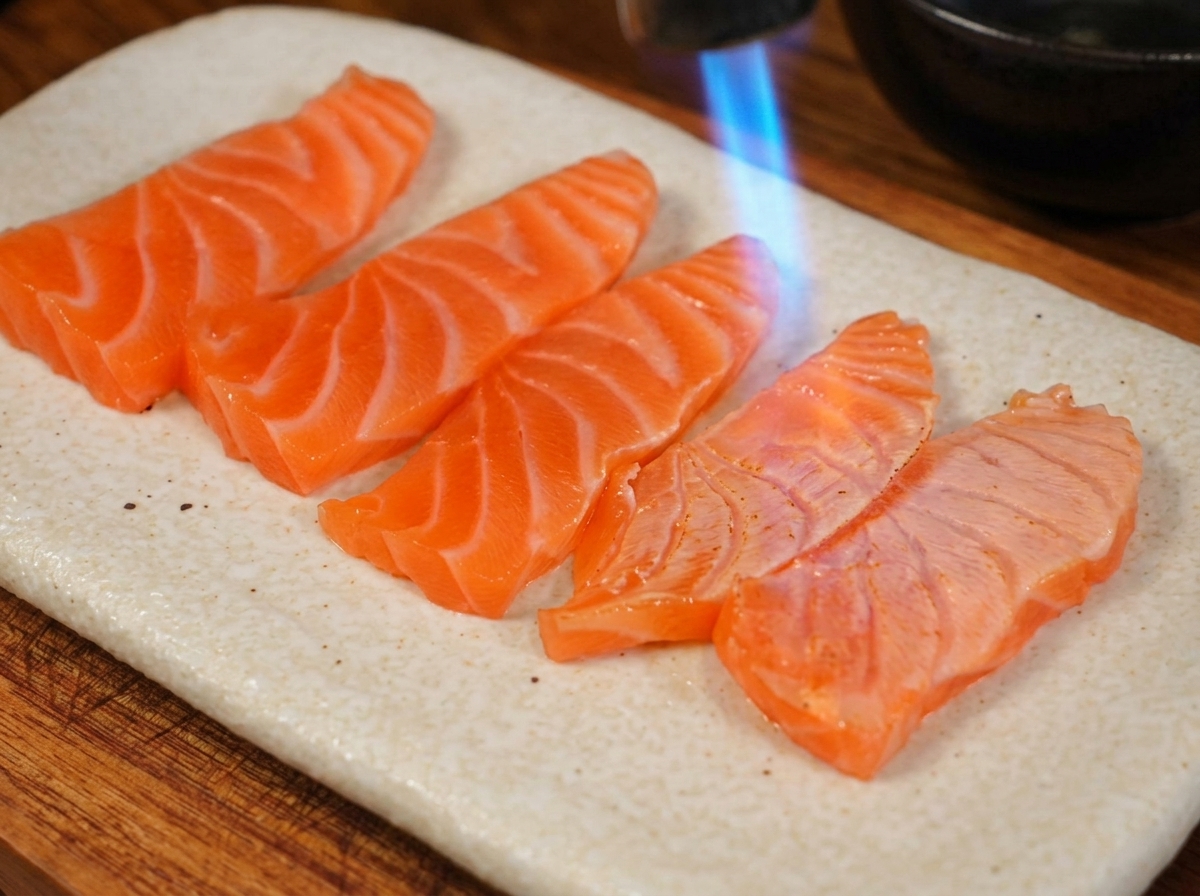
Lay the thick slices of raw salmon flat on a heatproof plate or board. Using a kitchen blowtorch, briefly sear the top surface of the salmon. This technique lightly cooks the outside while leaving the interior raw, releasing the rich oils and enhancing the savory aroma.
Tip: If you dont have a kitchen torch at home, you can quickly sear the salmon slices in a very hot, dry pan for just a few seconds on one side. - 13Season the sushi rice
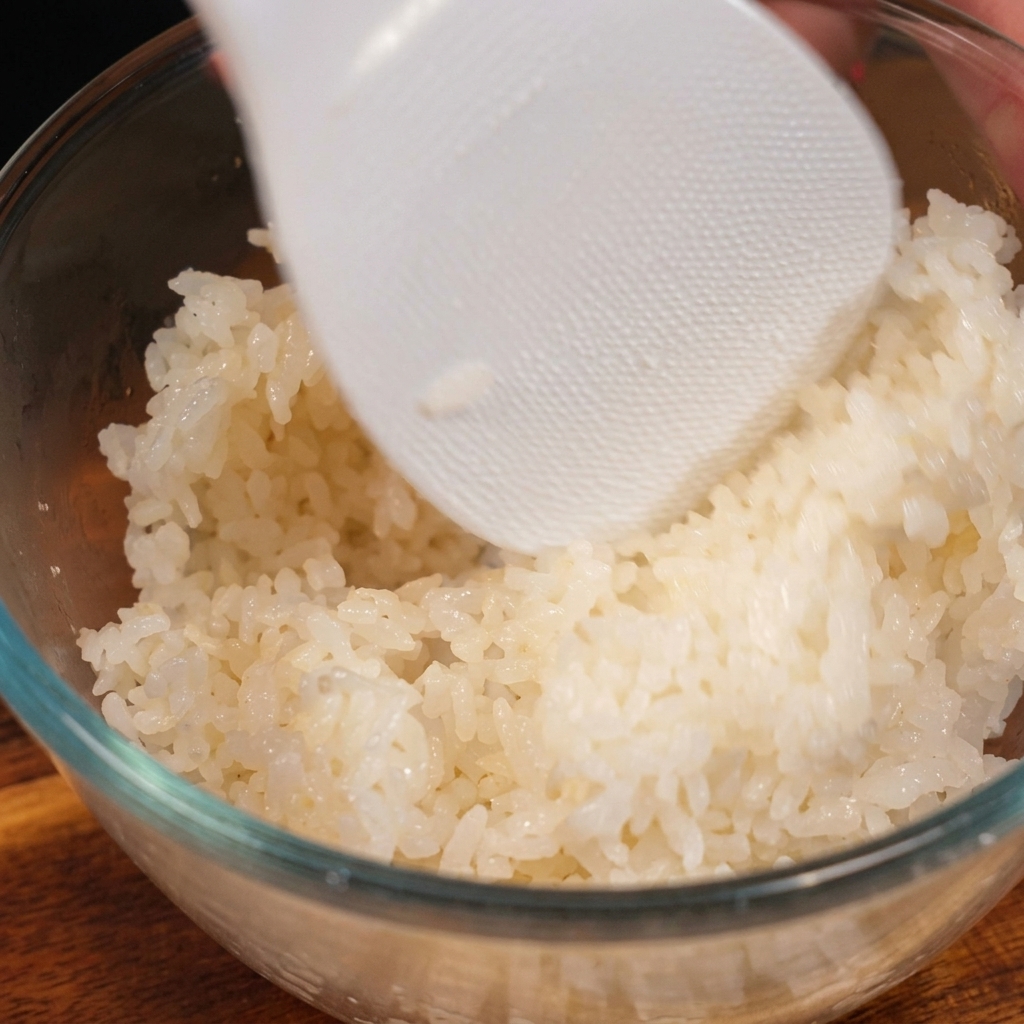
Transfer the hot, freshly cooked white rice into a large mixing bowl. Add one teaspoon of sugar, half a teaspoon of salt, and two teaspoons of sushi vinegar. Use a rice paddle to gently fold and mix the seasonings thoroughly into the rice without mashing the delicate grains.
Tip: Always season the rice while it is still hot so it absorbs the vinegar mixture effectively, and use a gentle slicing motion to keep the grains perfectly intact. - 14Plate the seasoned rice
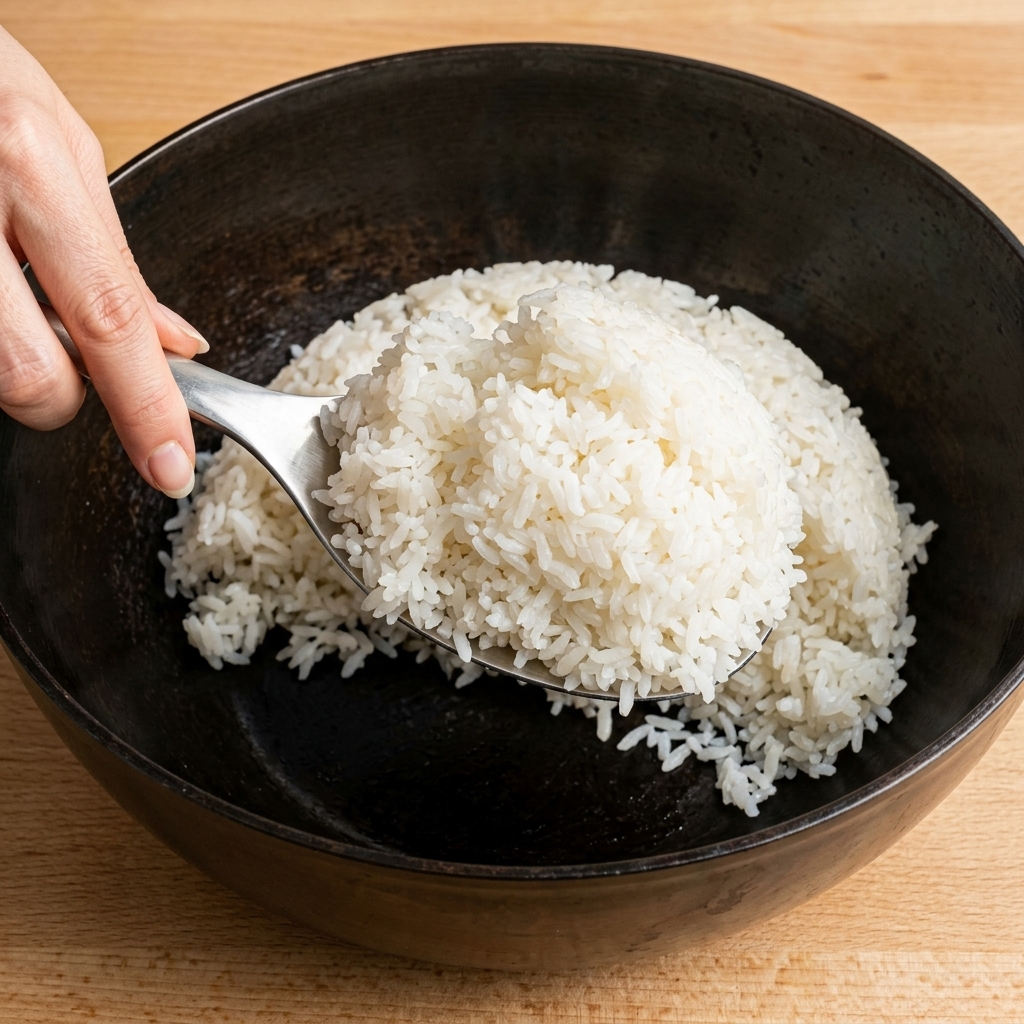
Once thoroughly mixed with the sugar, salt, and vinegar, transfer the warm sushi rice into a serving bowl. This fluffy, perfectly seasoned rice will serve as the flavorful base for your donburi.
Tip: Use a gentle scooping motion to transfer the rice so you dont crush the delicate grains. - 15Assemble the seafood
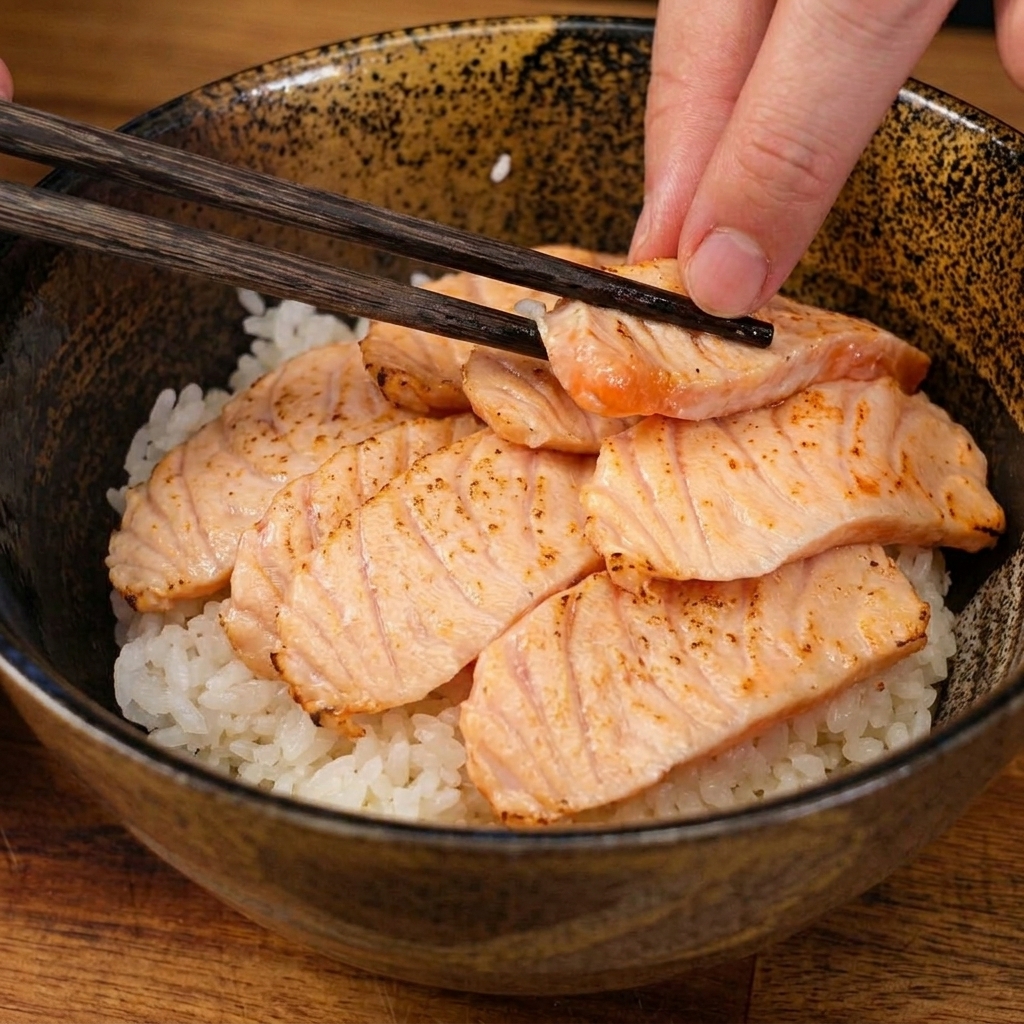
Carefully layer the prepared seafood onto the bed of seasoned rice. Arrange the lightly seared salmon, marinated tuna, and seasoned kingfish evenly, then top with avocado cubes, fish roe, and wasabi for a beautiful presentation.
Tip: Using chopsticks allows for precise placement of the fish slices without damaging their soft texture.