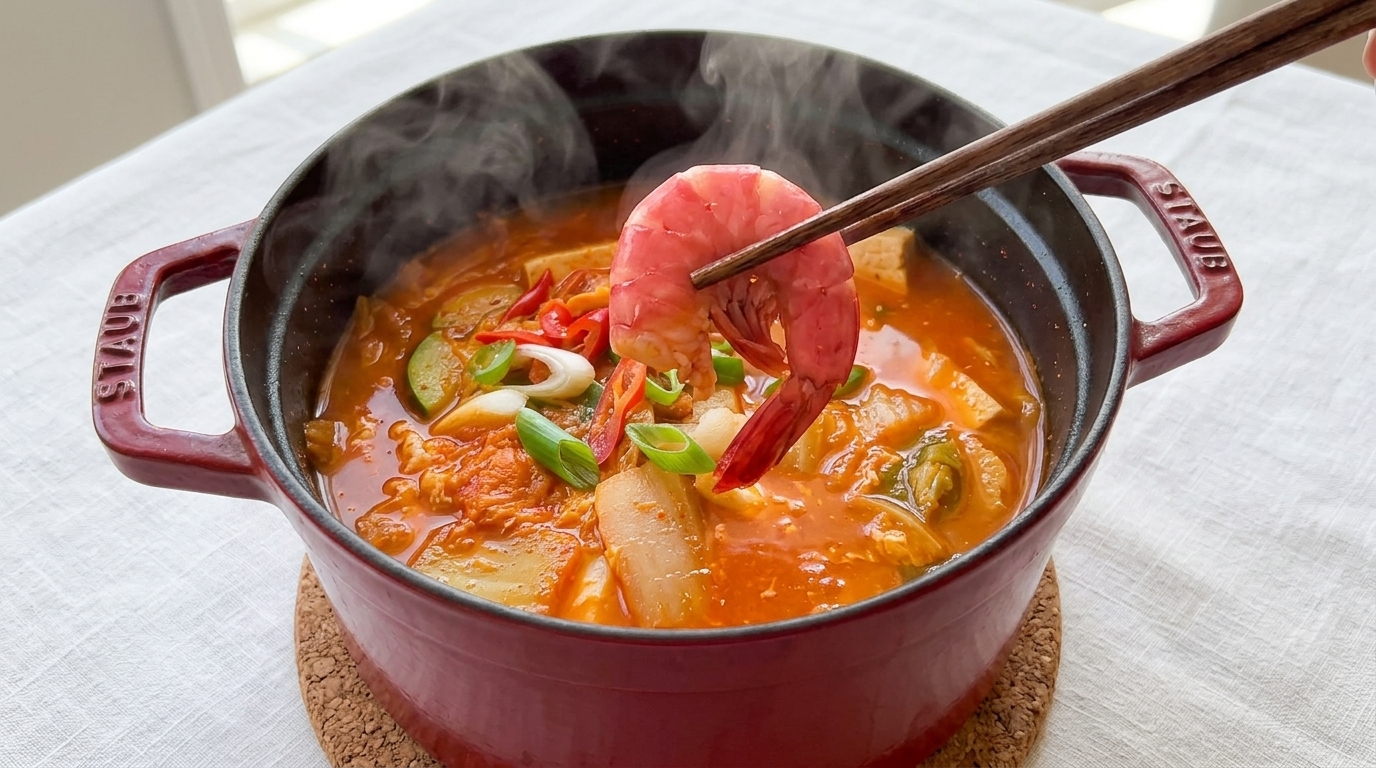
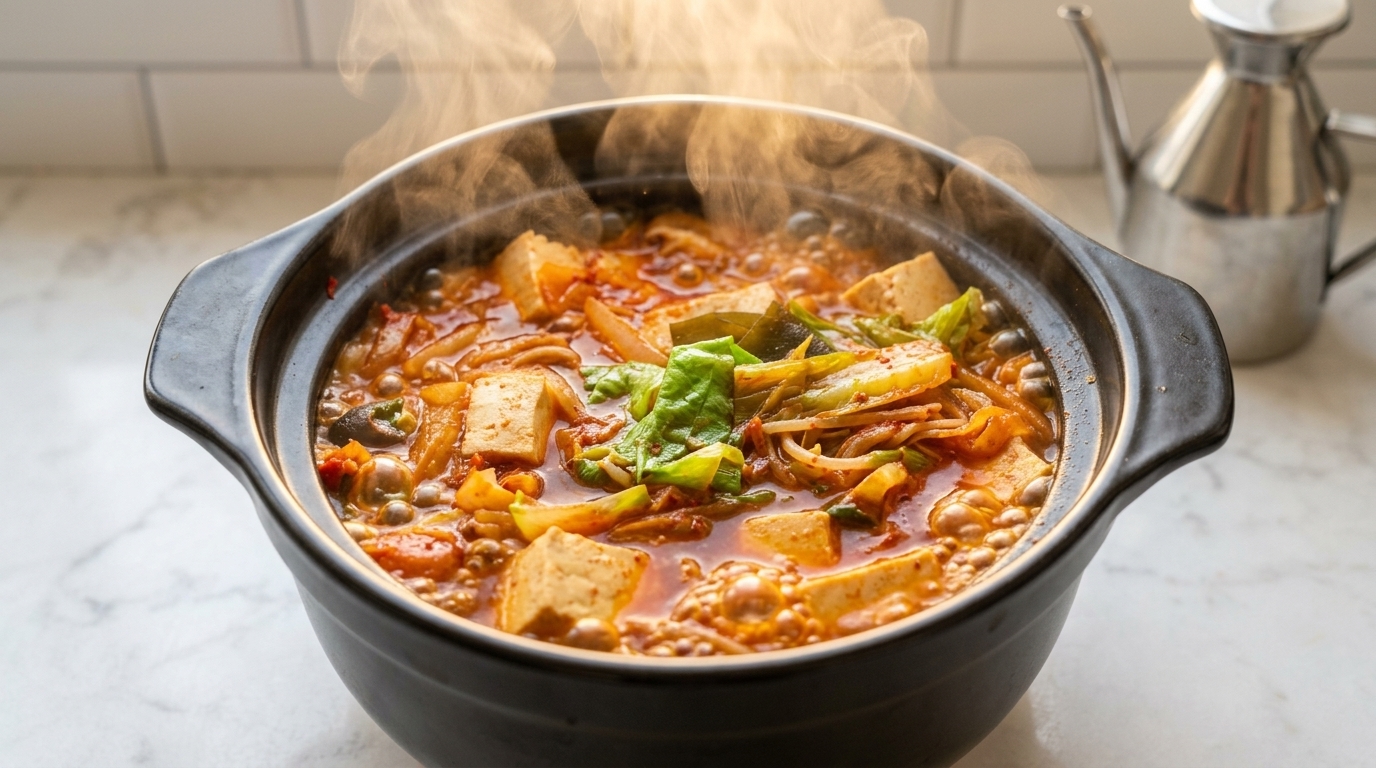
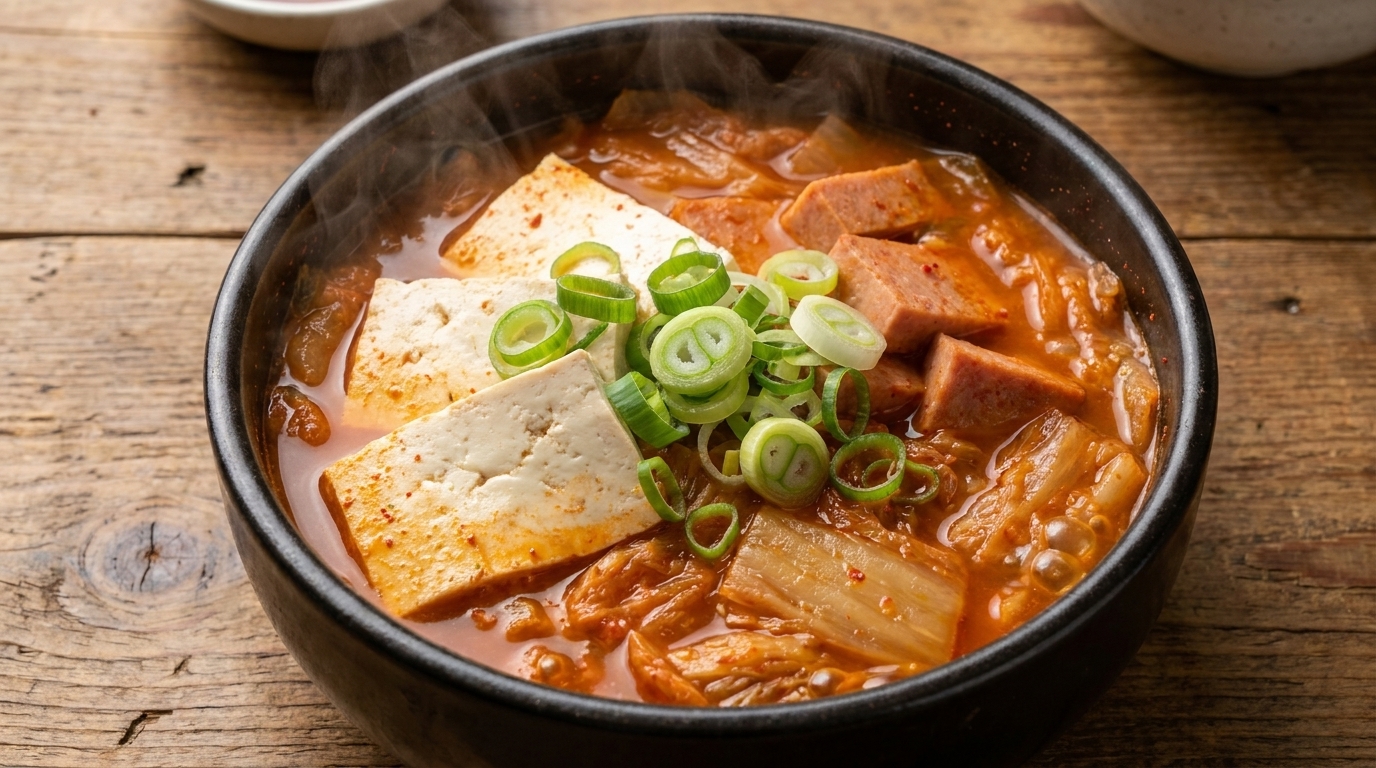
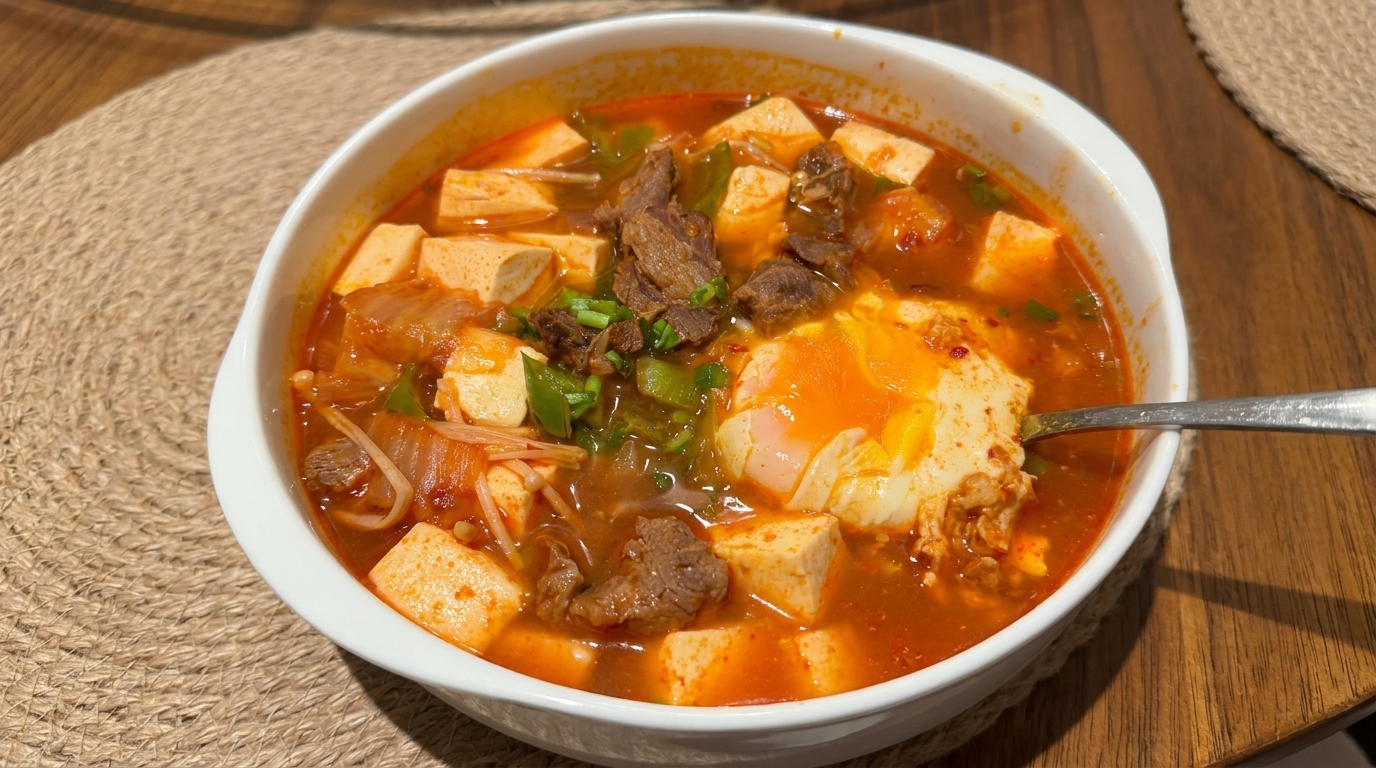
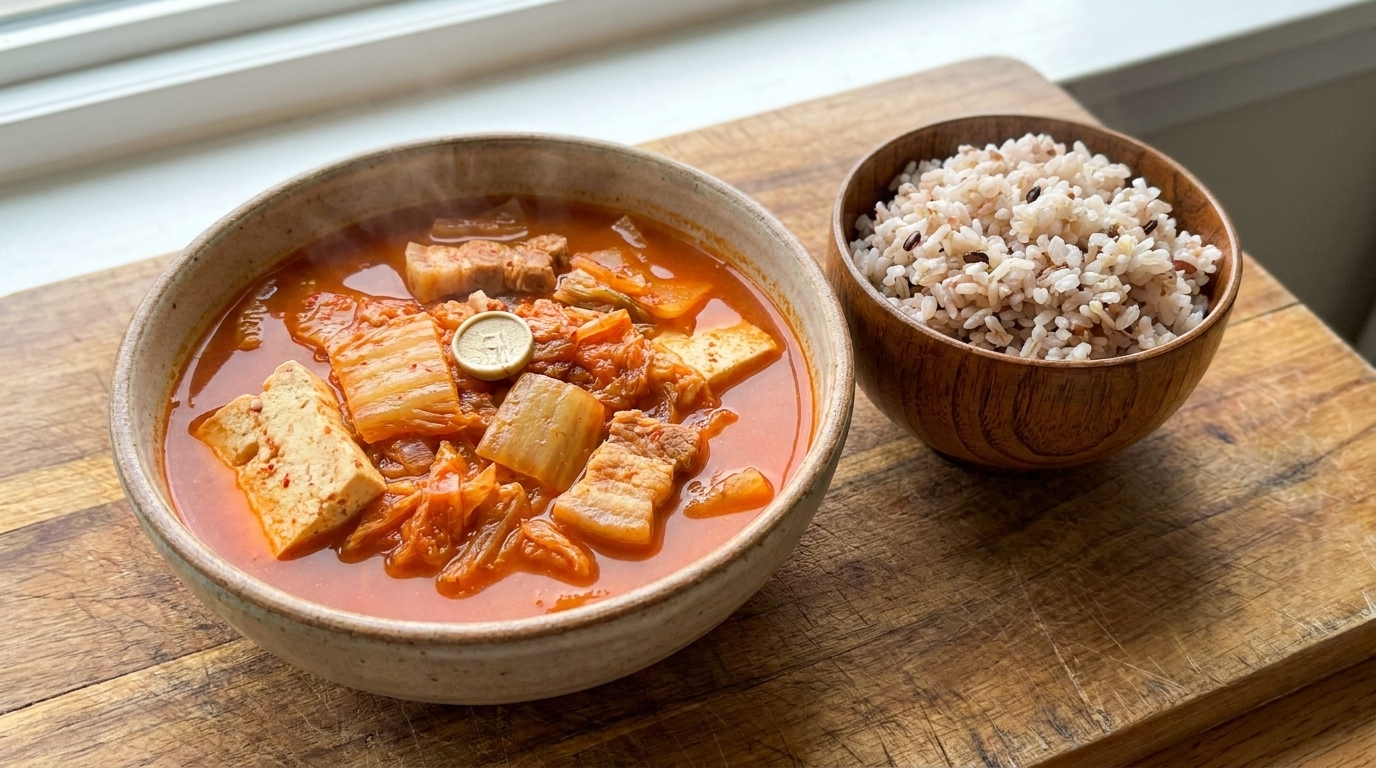
Classic Korean Kimchi Stew (Kimchi-jjigae)
A comforting, spicy Korean staple, this kimchi stew features tender pork belly, silken tofu, and tangy fermented kimchi simmered to savory perfection.
Kimchi-jjigae is a beloved pillar of Korean home cooking, celebrated for its bold, tangy, and spicy profile. While recipes vary from household to household, the magic lies in using well-aged, sour kimchi to build a deeply flavorful, rich broth. It is the ultimate comfort food, best enjoyed bubbling hot alongside a steaming bowl of rice.
Ingredients
- 300 g aged kimchi, chopped
- 150 g pork belly, sliced
- 200 g firm tofu, sliced
- 1 medium onion, sliced
- 2 stalks green onion, chopped
- 1 tbsp minced garlic
- 1 tsp sugar
- 500 ml water or anchovy broth
- 1 tbsp cooking oil
- optional glass noodles
Instructions
- 1Prepare the pork belly
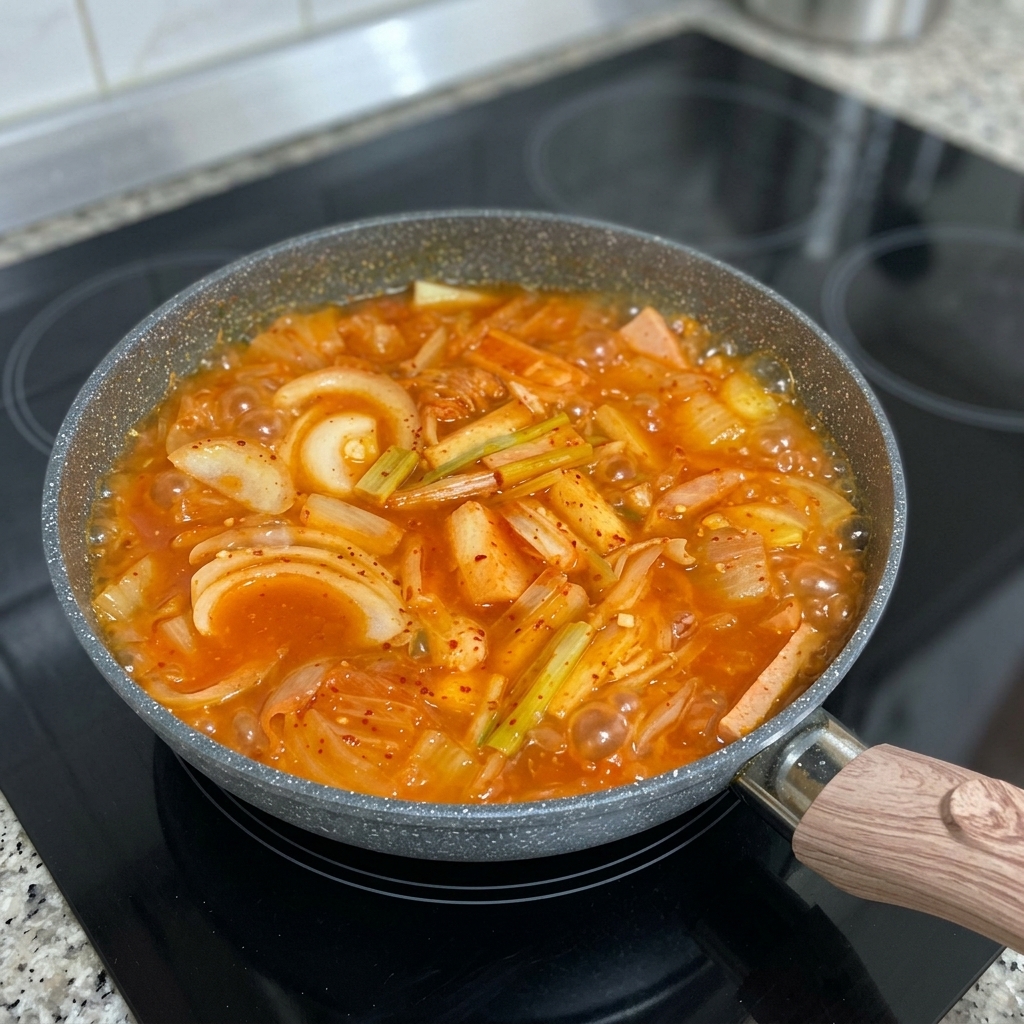
Cut the pork belly into bite-sized pieces. Using fatty pork belly provides the best flavor and richness for the kimchi stew base.
Tip: If you prefer a leaner stew, you can substitute pork belly with pork shoulder or even canned tuna. - 2Slice the onions
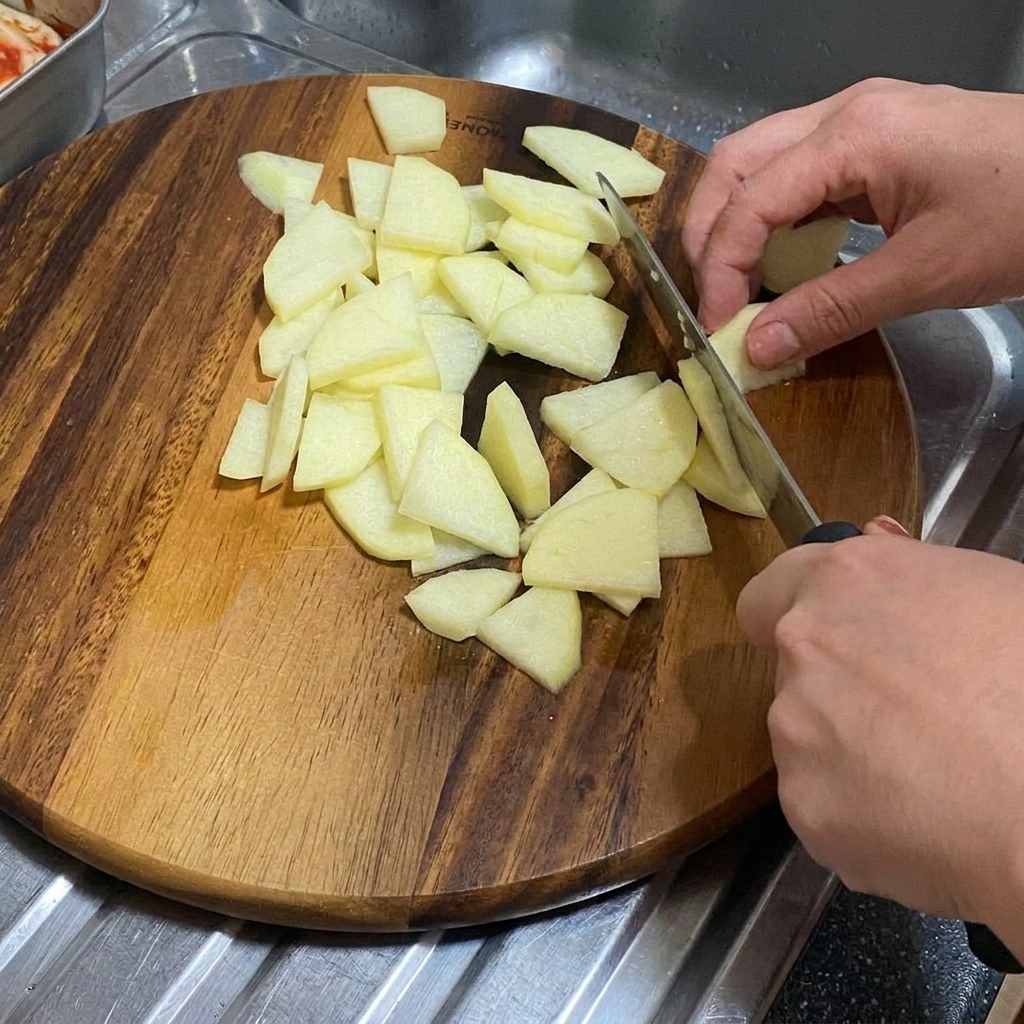
Slice the fresh onion into wedges, which will add sweetness and body to the kimchi soup base.
Tip: Wedges hold their shape well during the simmering process, providing a nice texture to the finished dish. - 3Prepare the green onions
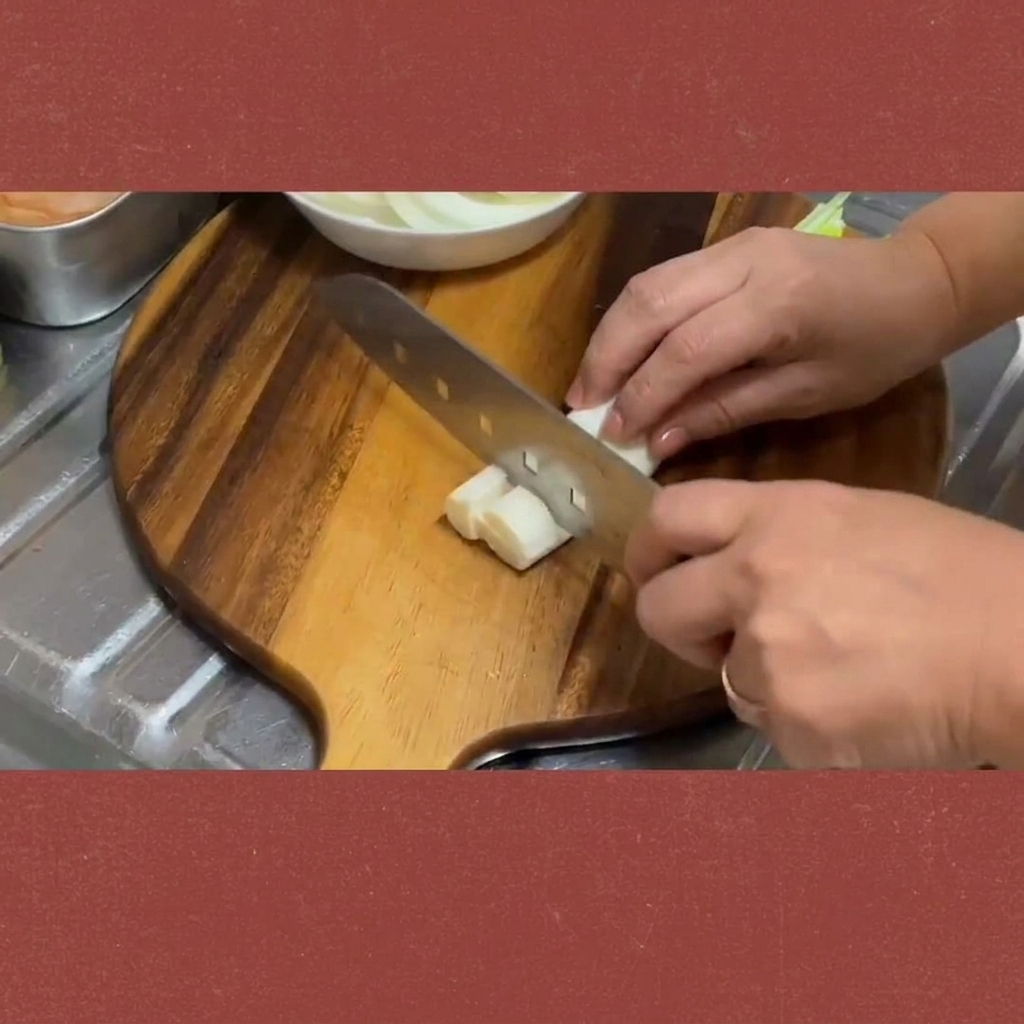
Chop the green onions into even, manageable segments to be used as a fragrant aromatic for the stew.
Tip: Add the green onion segments toward the end of cooking to maintain their fresh flavor and vibrant color. - 4Slice the tofu
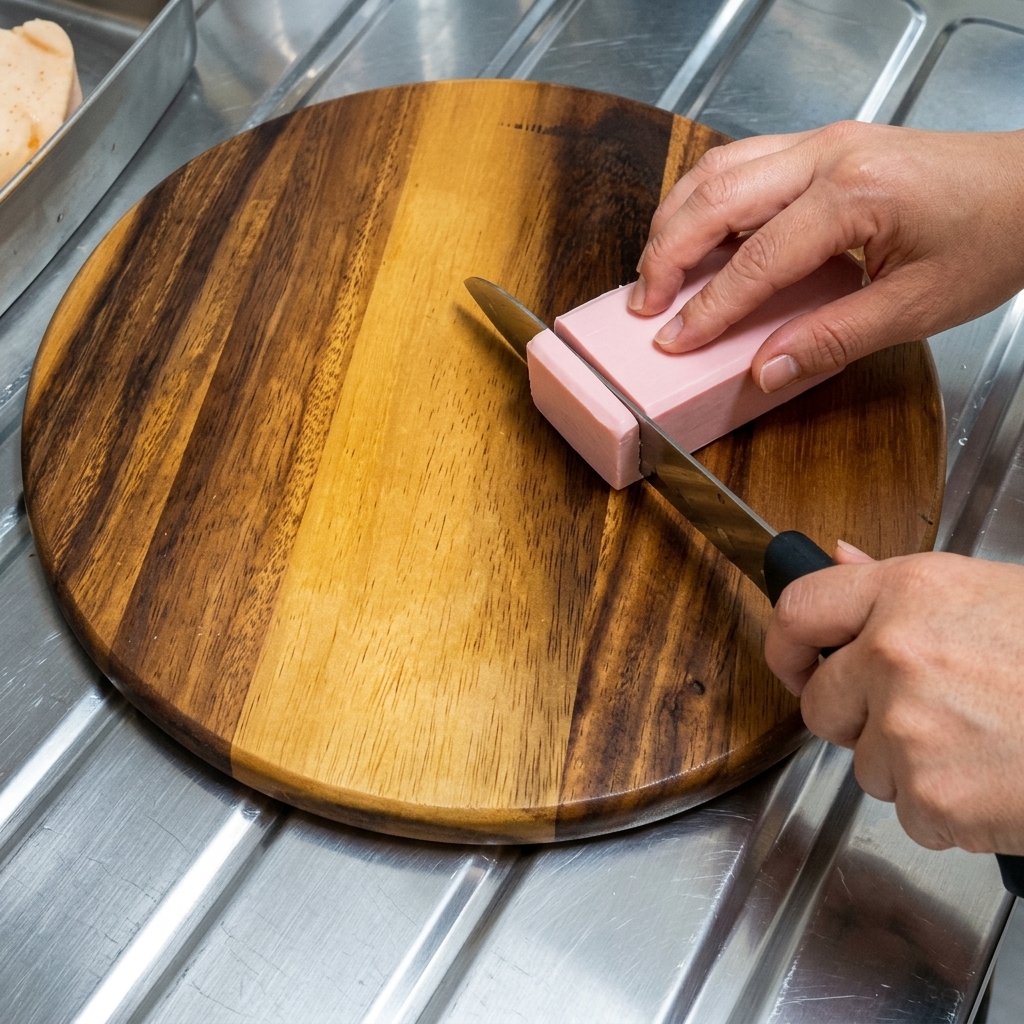
Cut the firm tofu into bite-sized slices or cubes. These will be added to the stew to provide a soft contrast to the spicy, chewy kimchi.
Tip: Gently handle the tofu when adding it to the pot to prevent the pieces from breaking apart during simmering. - 5Chop the kimchi
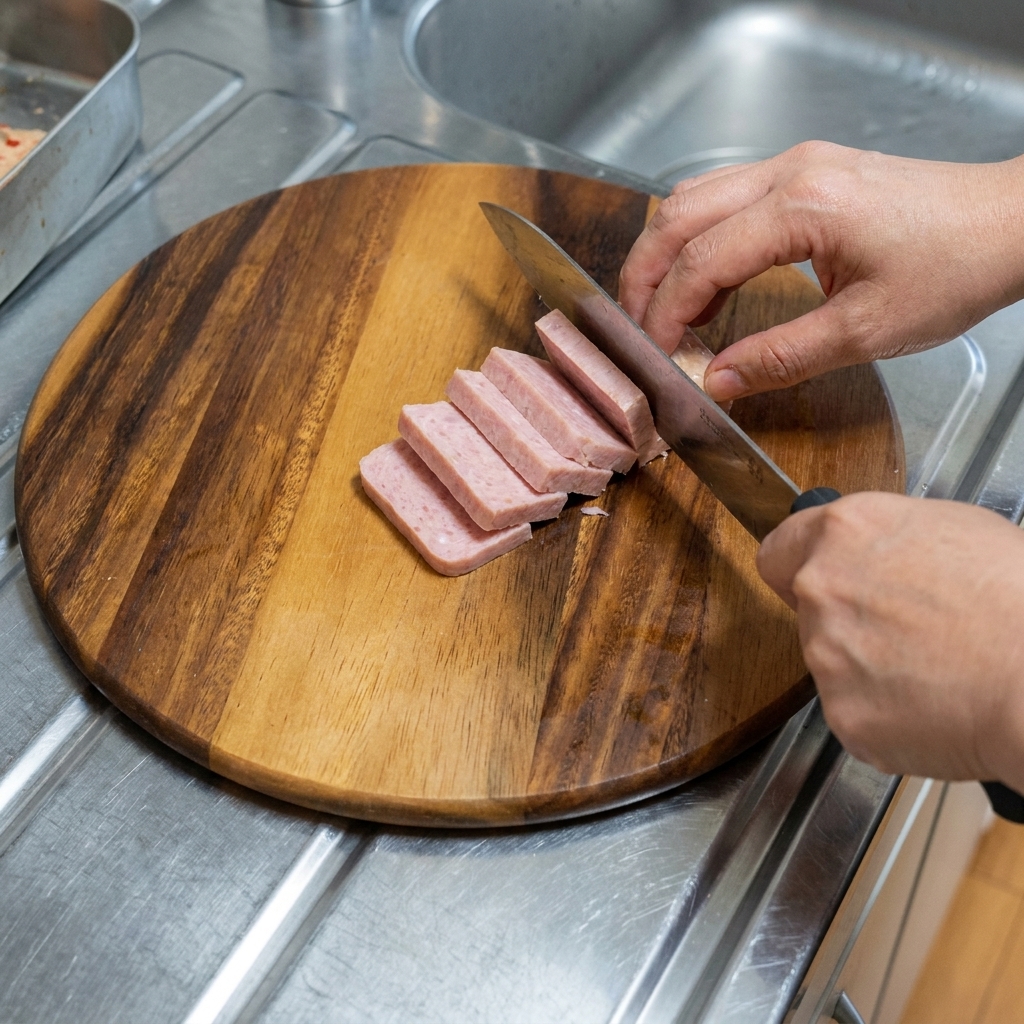
Take the fermented kimchi and chop it into smaller, bite-sized pieces to ensure the spicy flavor distributes evenly throughout the soup.
Tip: Using aged, sour kimchi provides the best depth of flavor for a classic kimchi stew. - 6Heat the pan
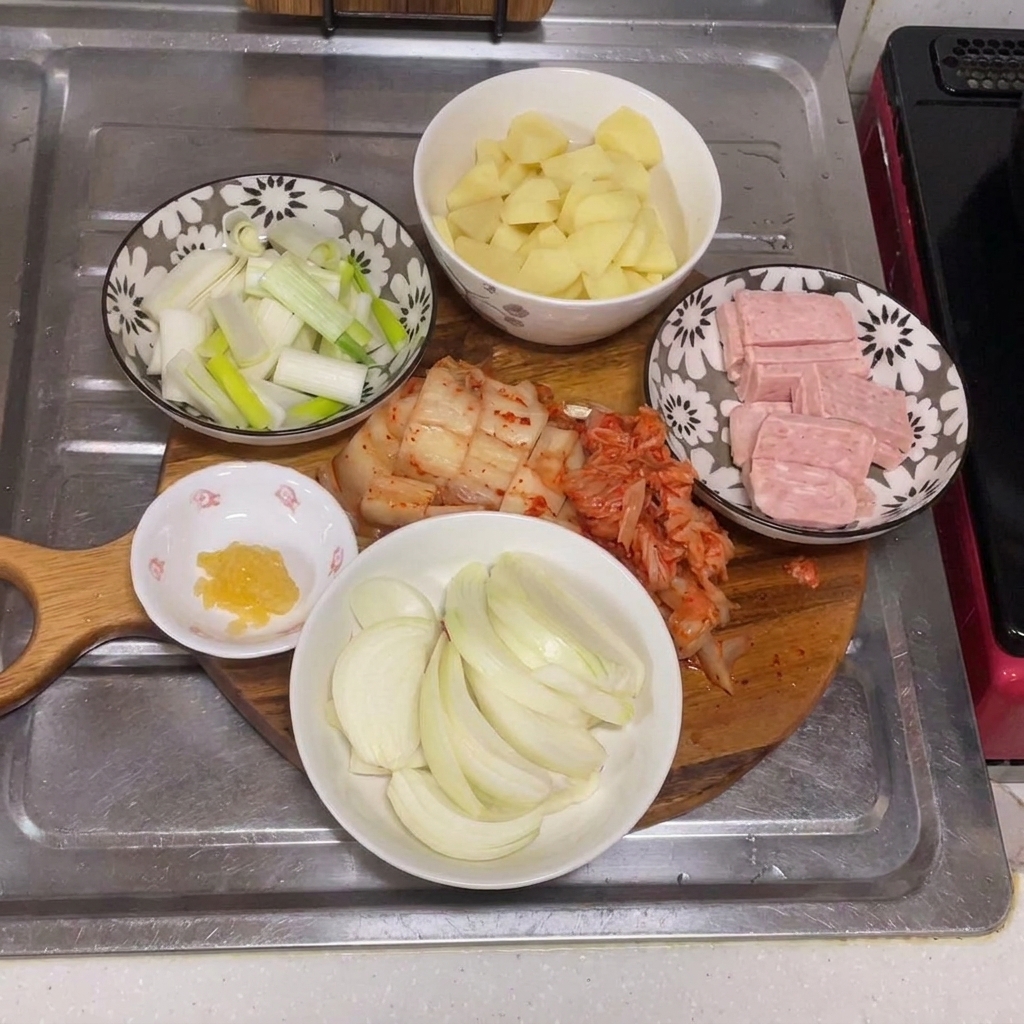
Pour a small amount of cooking oil into your preheated pan, ensuring it coats the bottom surface before adding your ingredients.
Tip: Make sure the pan is sufficiently hot so that the aromatics begin to sizzle immediately upon contact. - 7Stir-fry the kimchi
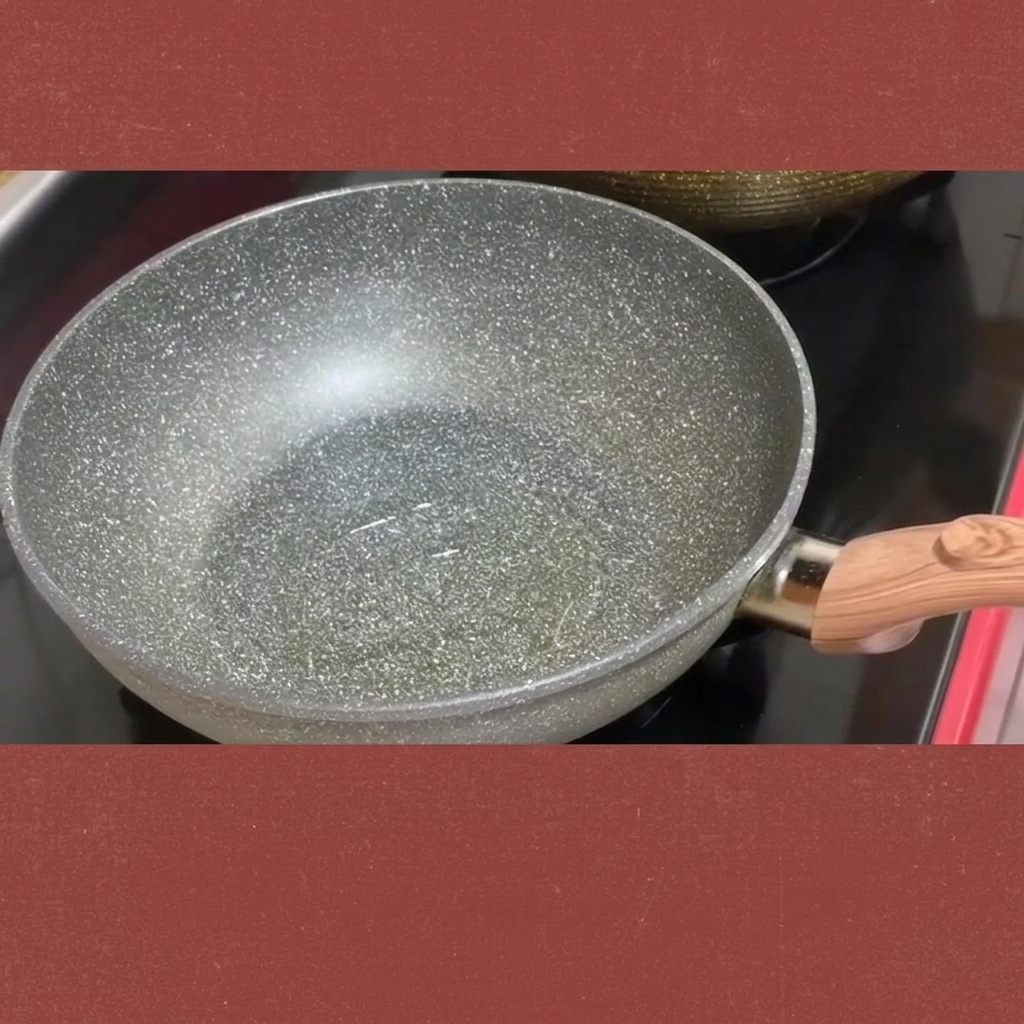
Place the chopped kimchi into a hot pan and stir-fry until softened and aromatic. This process helps release the juices and deepens the flavor of the stew base.
Tip: If the kimchi is very sour, you can add a little bit of sugar during stir-frying to balance the acidity. - 8Add water to the base
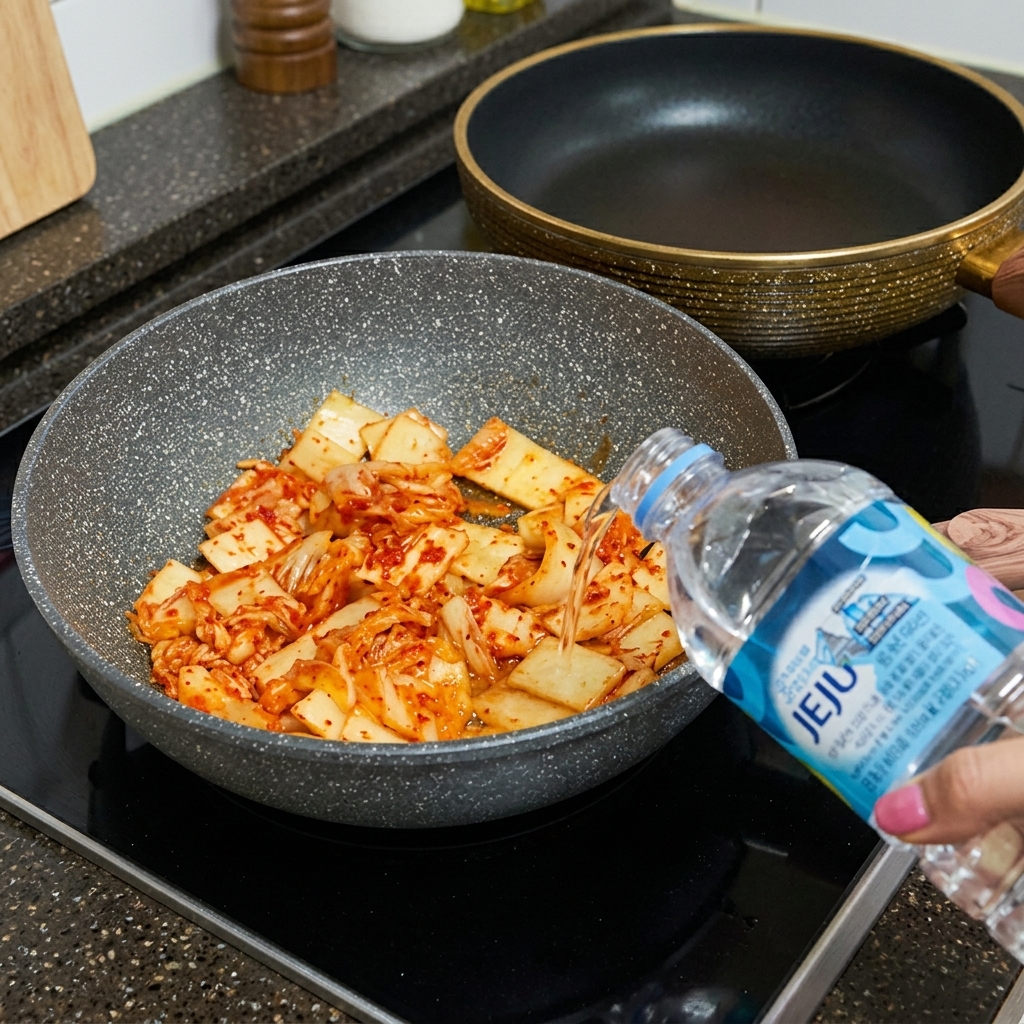
Pour an appropriate amount of water into the pan with the stir-fried kimchi to create the base for the stew. Bring the mixture to a gentle boil.
Tip: Using a dash of rice water or anchovy broth instead of plain water can add extra body and depth to the stew. - 9Add spam

Add the sliced spam into the simmering kimchi broth. The savory, salty notes of the spam will infuse into the stew, adding richness.
Tip: Slice the spam into even pieces to ensure they cook through and absorb the broth flavors uniformly. - 10Add tofu
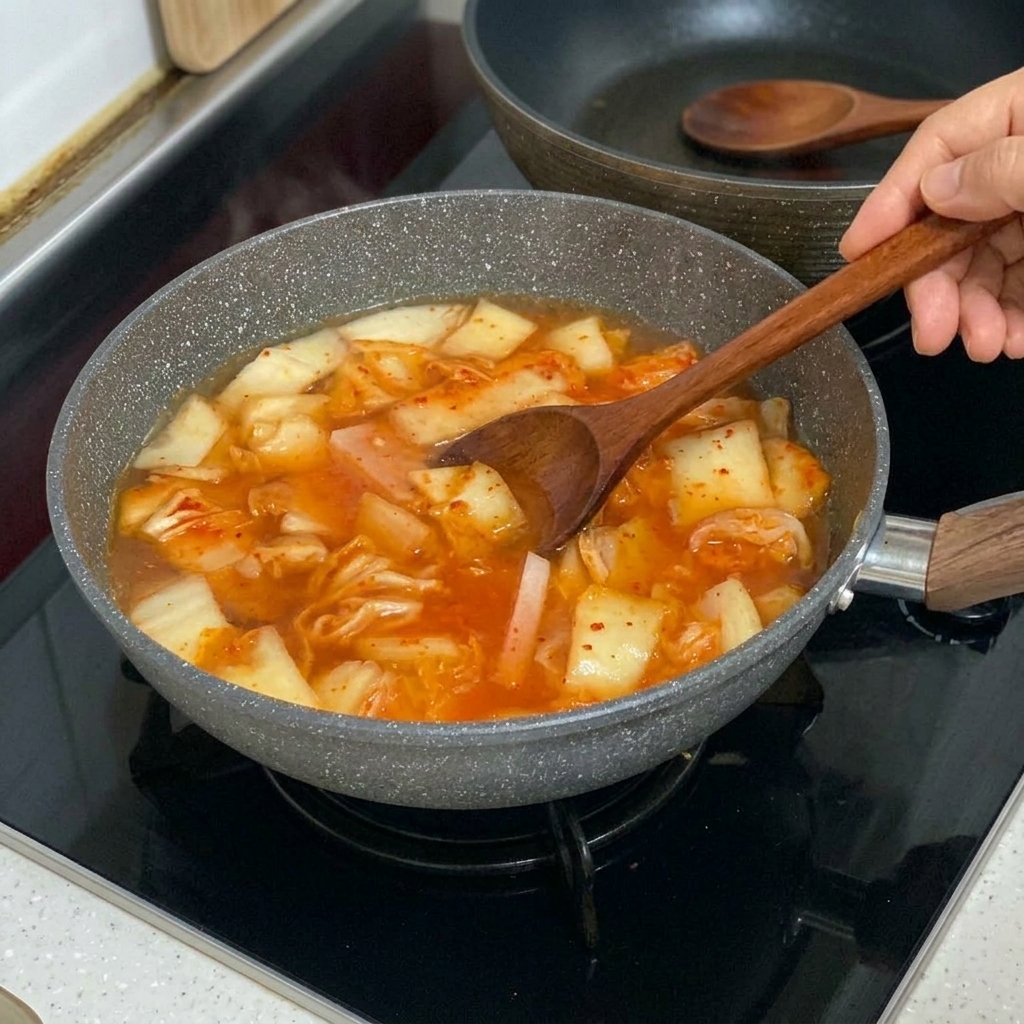
Carefully place the sliced tofu into the simmering kimchi broth. Let it simmer gently so the tofu absorbs the flavorful, spicy soup.
Tip: Avoid stirring the pot vigorously after adding the tofu to keep the pieces intact. - 11Add glass noodles
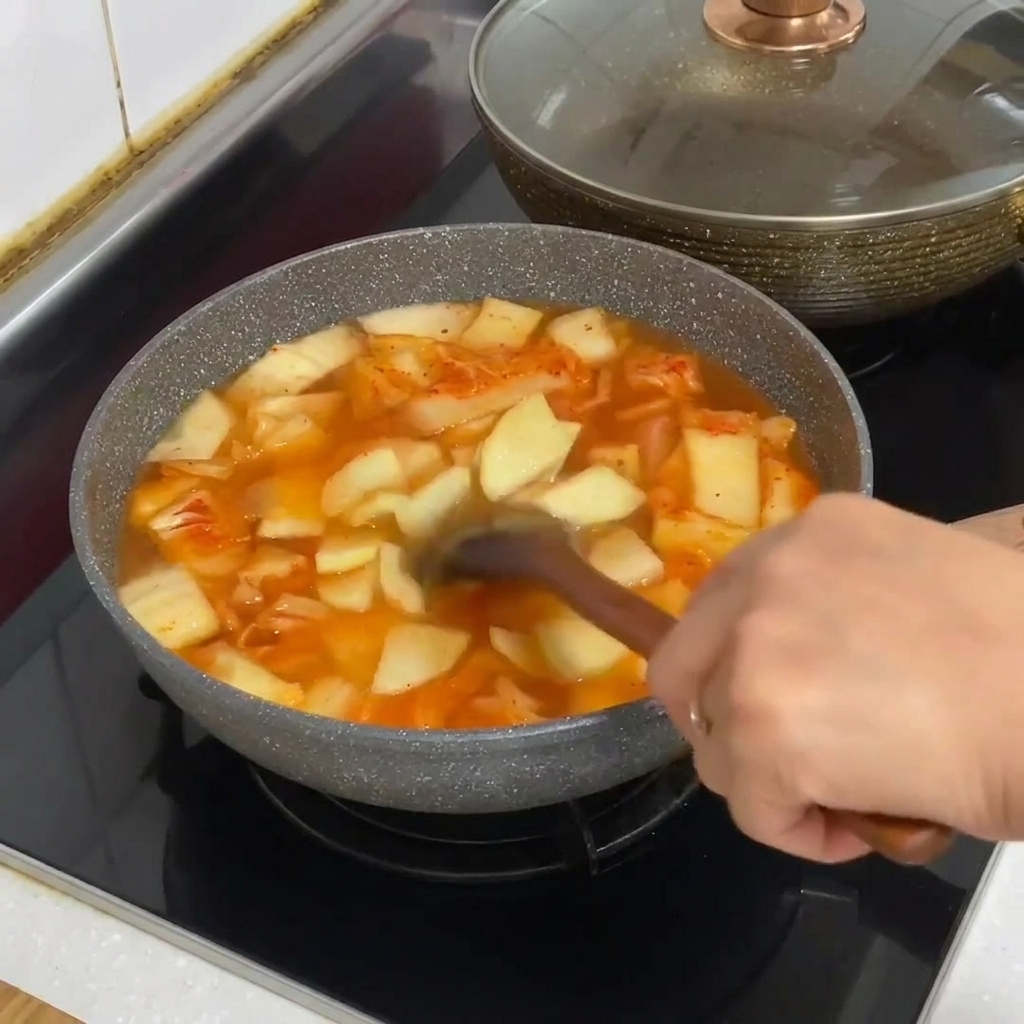
Incorporate the glass noodles into the stew. These noodles will cook quickly in the hot broth and soak up the flavors.
Tip: Dont overcook the noodles, as they can become too soft; add them just a few minutes before you are ready to serve. - 12Season with sugar
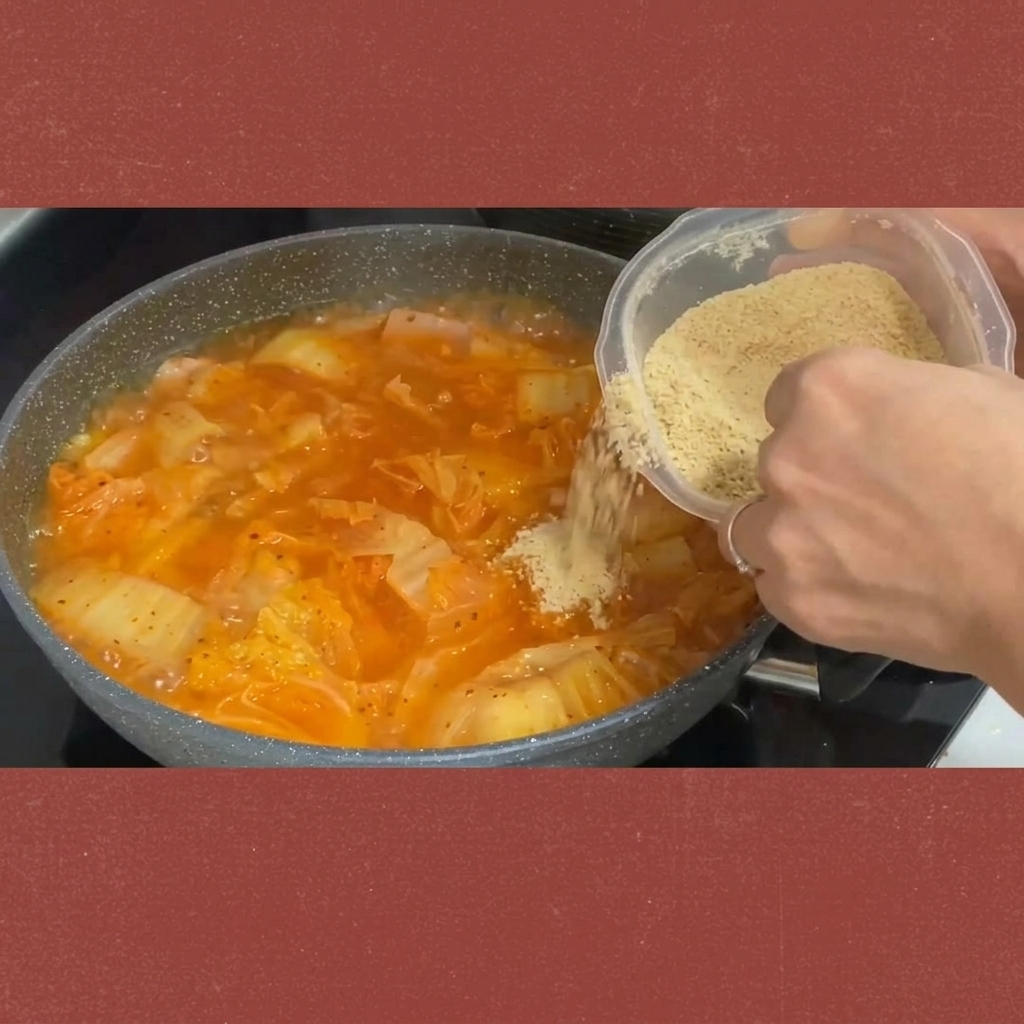
Sprinkle a small amount of sugar into the stew. This helps balance the acidity of the kimchi and enhances the overall flavor profile of the dish.
Tip: Add sugar gradually and taste the broth to ensure you reach the desired balance of sweet and savory. - 13Add minced garlic
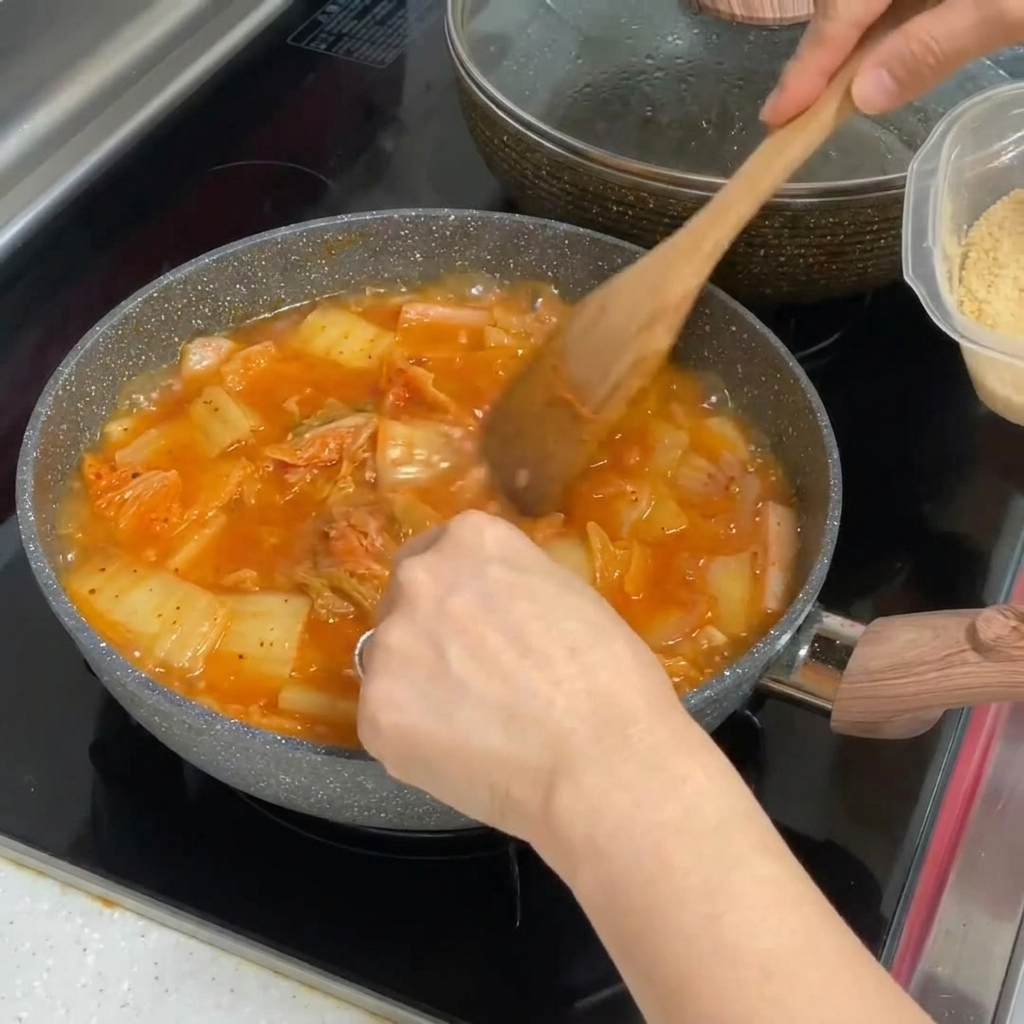
Add a spoonful of freshly minced garlic into the bubbling kimchi stew. The garlic enhances the savory depth of the broth and adds a necessary aromatic punch to the final dish.
Tip: Add the garlic toward the end of the simmering process to preserve its pungent, fresh aroma.