Spicy Korean Kimchi Beef
Soft Tofu Stew (Kimchi Jjigae)
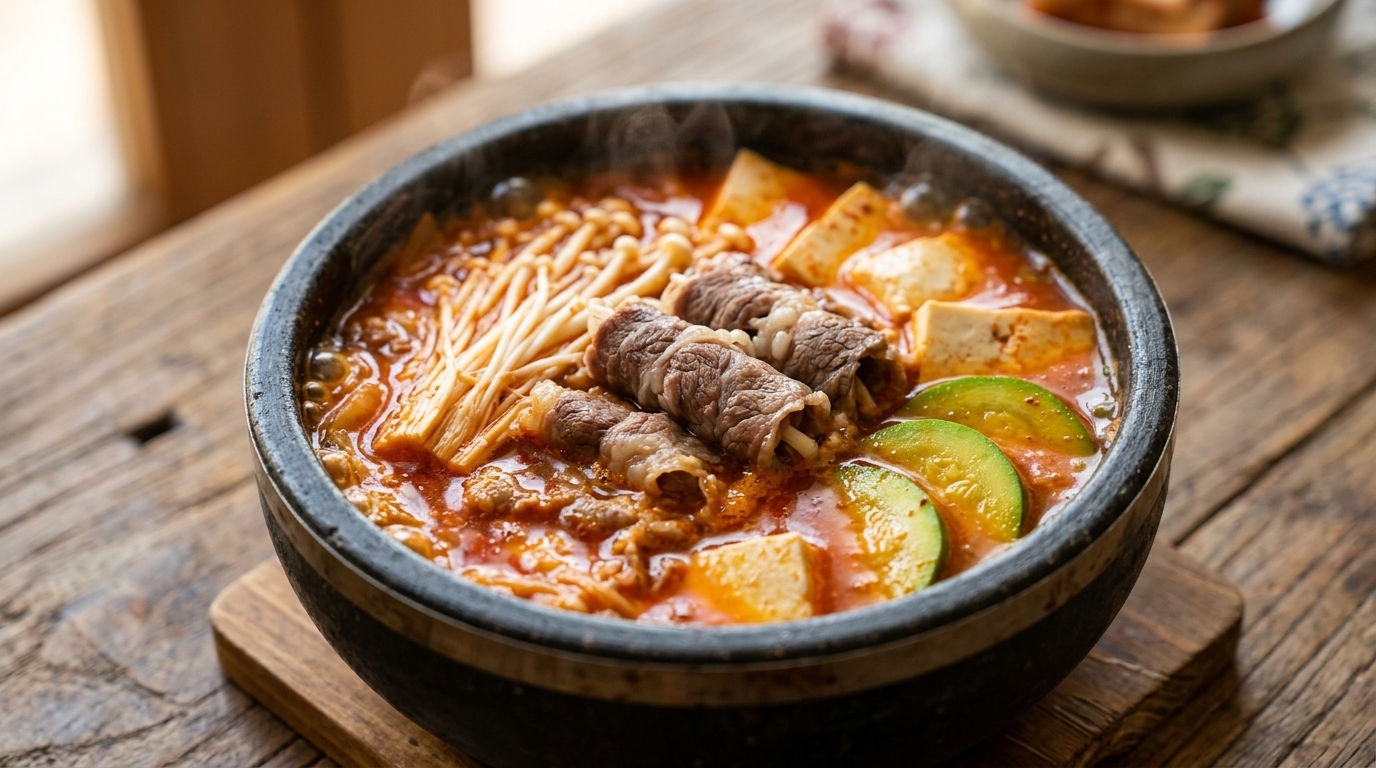
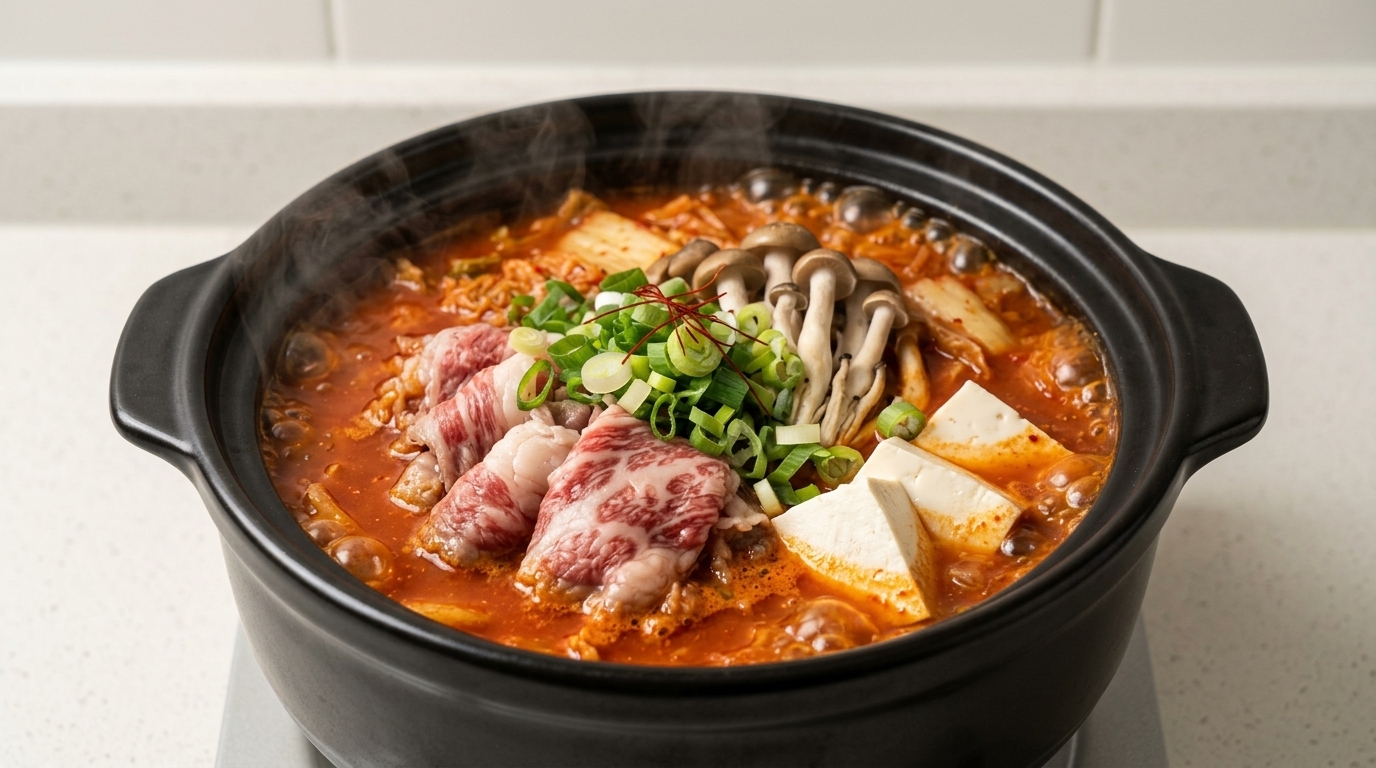
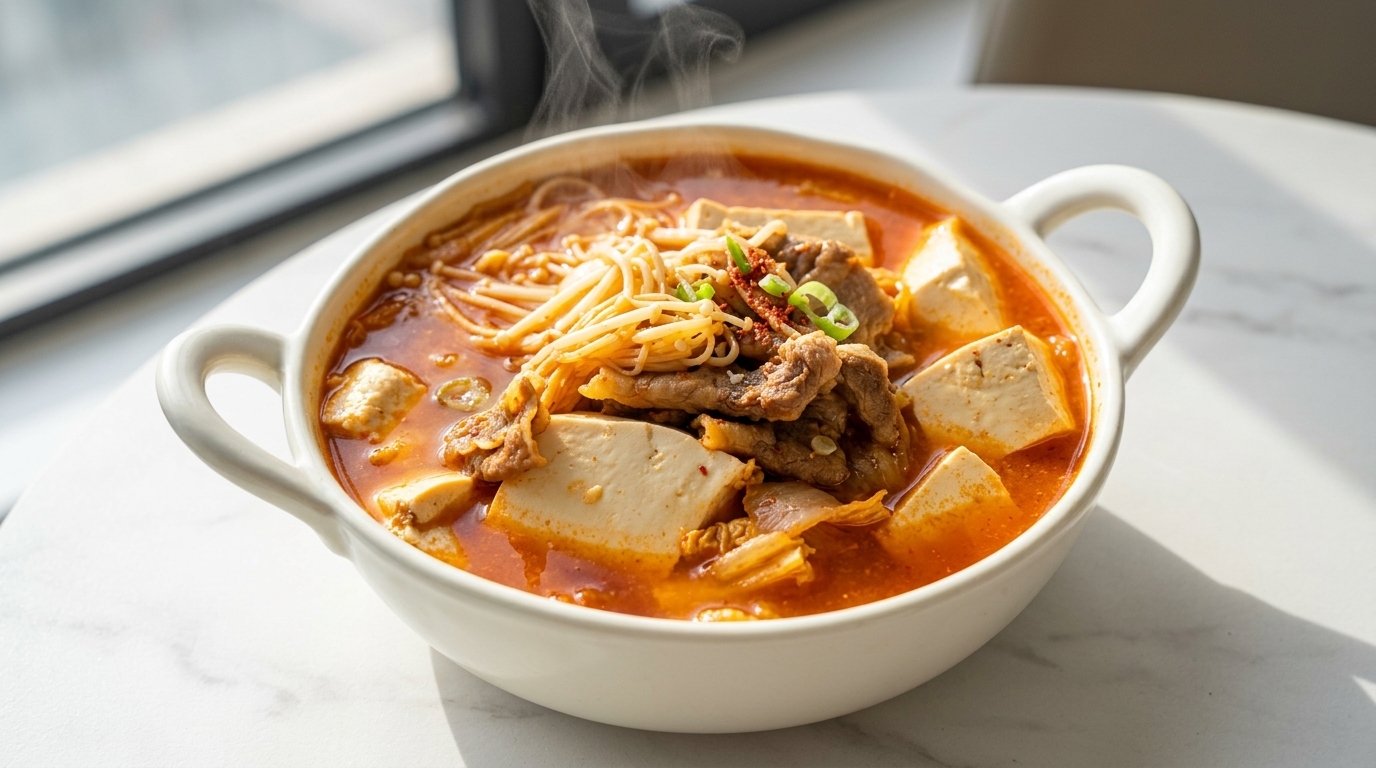
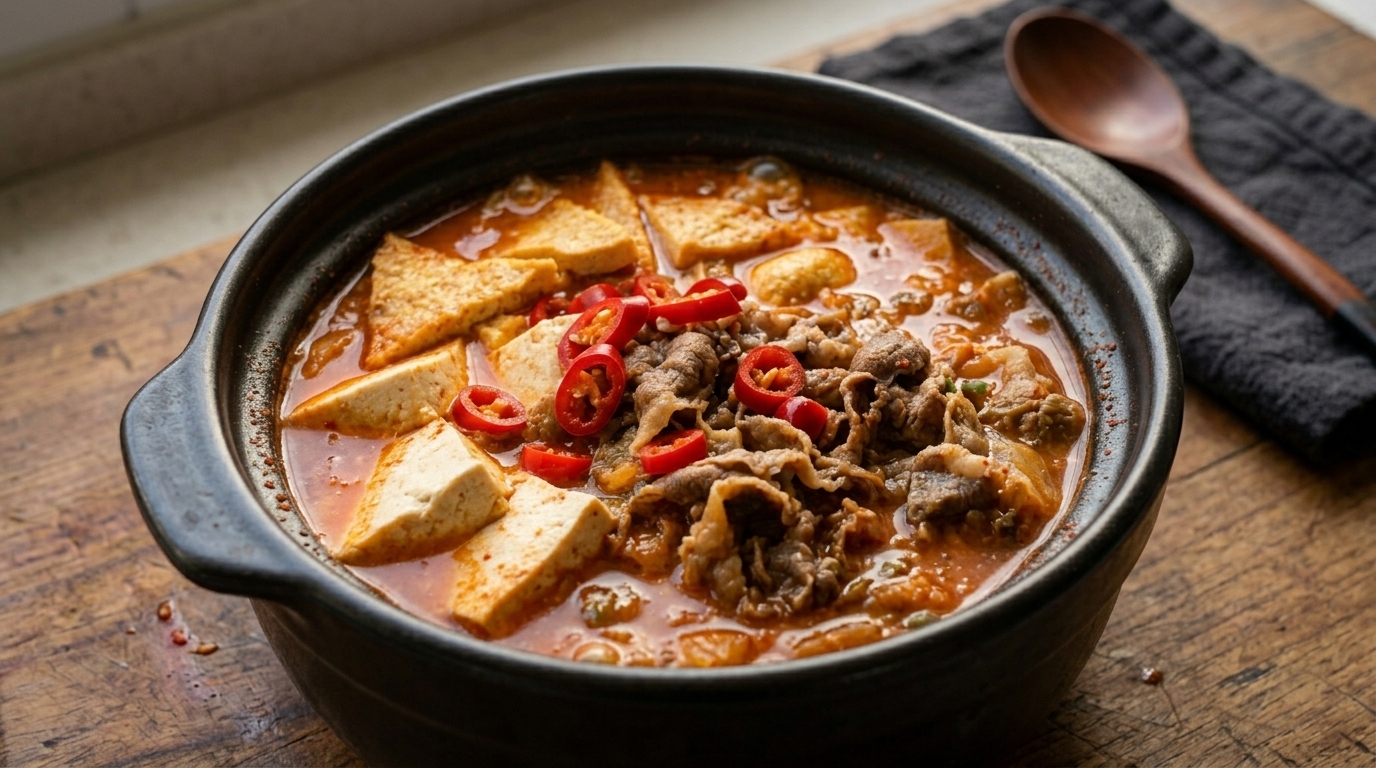
Warm up with this comforting Korean kimchi stew. Featuring soft tofu, tender beef, and a deeply flavorful spicy broth made in a traditional clay pot.
Kimchi jjigae (kimchi stew) is a beloved staple in Korean households, often enjoyed bubbling hot straight from a traditional earthenware pot (ttukbaegi). Using well-fermented, sour kimchi is the secret to unlocking the stews deep, complex flavors. Paired with silky soft tofu, savory beef, and fish cakes, it is a soul-warming dish perfect for chilly days or festive gatherings.
Ingredients
- 1/2 white onion
- 1 sheet Korean fish cake (eomuk)
- 150 g thinly sliced beef rolls
- 1 cup aged, sour kimchi with juice
- 1 tbsp Korean chili paste (gochujang)
- 2 tbsp light soy sauce
- 1 pinch salt
- 1 block soft tofu (soondubu)
- 1 tbsp cooking oil
- 2 cups water
- 1 red chili (optional garnish)
Instructions
- 1Slice the onion
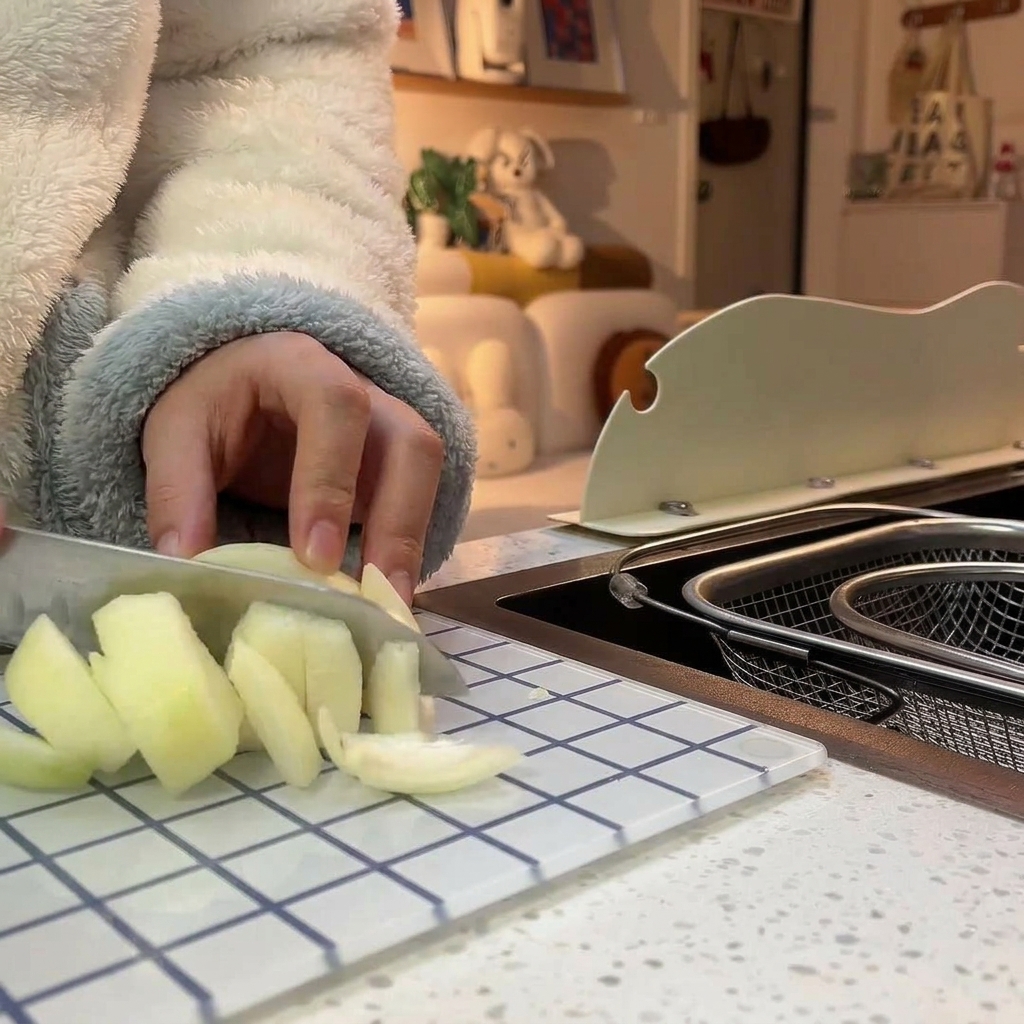
Begin by slicing a white onion on a cutting board. Prepare the pieces into relatively uniform chunks and set them aside to use as the aromatic base for the soup.
Tip: Having all your ingredients chopped and ready before turning on the stove ensures a smooth and stress-free cooking process. - 2Cut the fish cake

Take a sheet of yellow fish cake and slice it evenly into triangular pieces on your cutting board. These signature triangles are a staple in Korean stews, perfectly shaped for absorbing the savory broth while maintaining their slightly chewy texture.
Tip: Fish cakes will expand slightly when simmered in the soup, so keep the pieces modestly sized. - 3Blanch the beef rolls
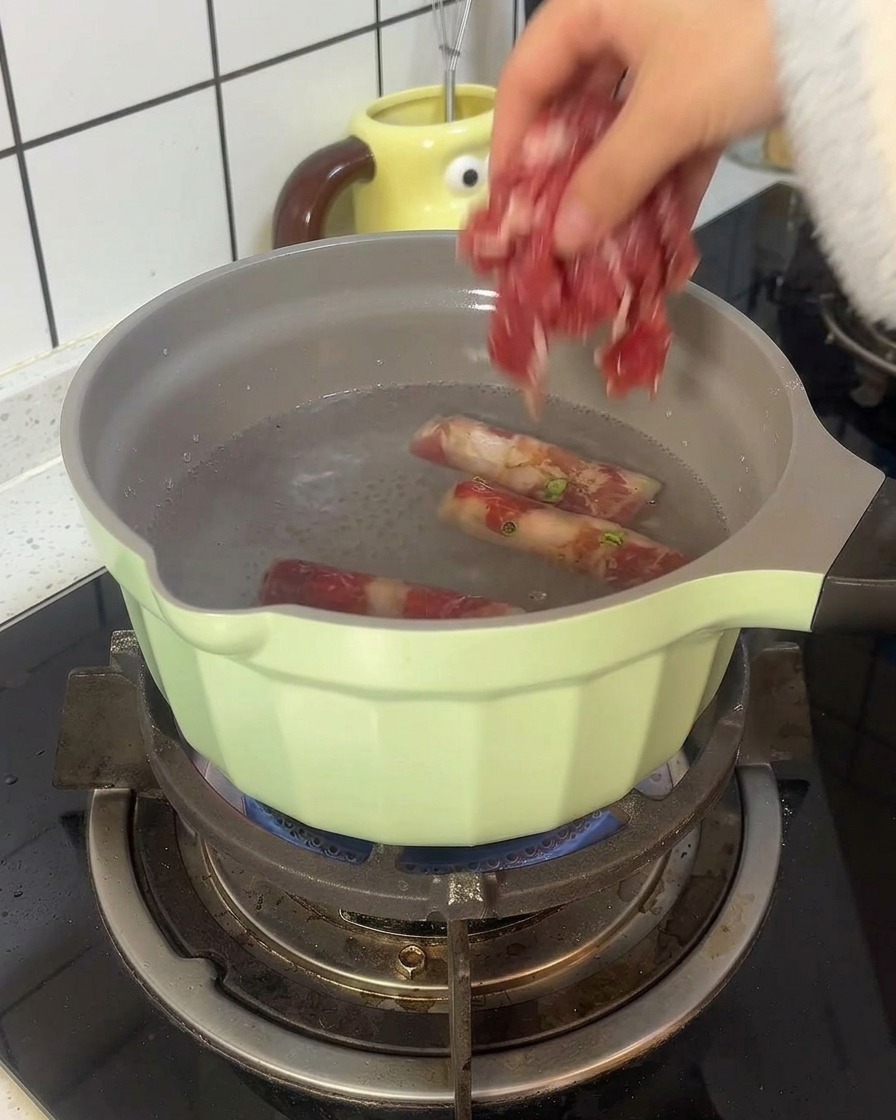
Briefly blanch the beef rolls in a pot of boiling water. This quick step helps to remove any unwanted odors or impurities, ensuring a cleaner tasting final soup.
Tip: Do not overcook the beef during this step; they just need a quick blanch as they will finish cooking in the stew. - 4Sauté the onions
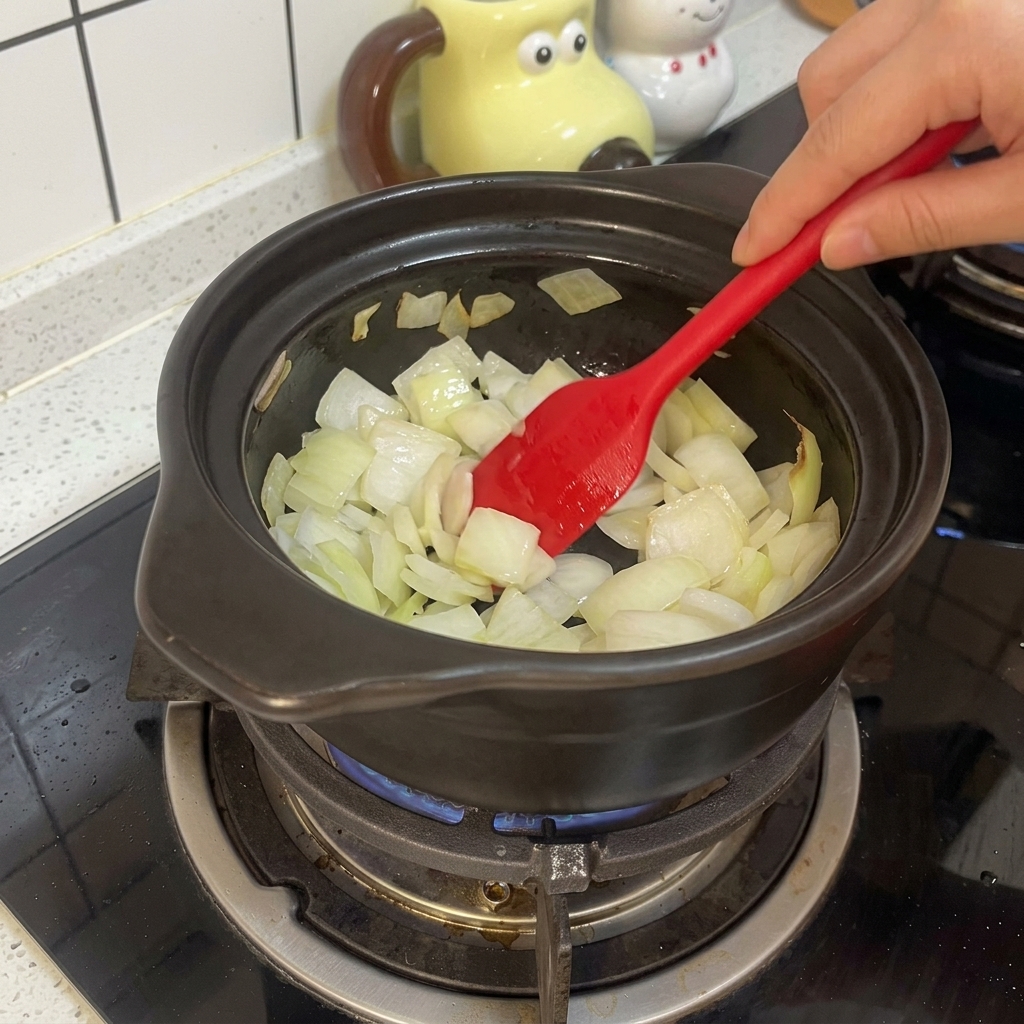
Heat a small amount of oil in a black clay pot over medium heat. Add the chopped onions and stir-fry them using a spatula until they become fragrant and begin to soften.
Tip: Using a traditional clay pot helps retain heat, keeping your soup bubbling hot throughout the entire meal. - 5Add the kimchi
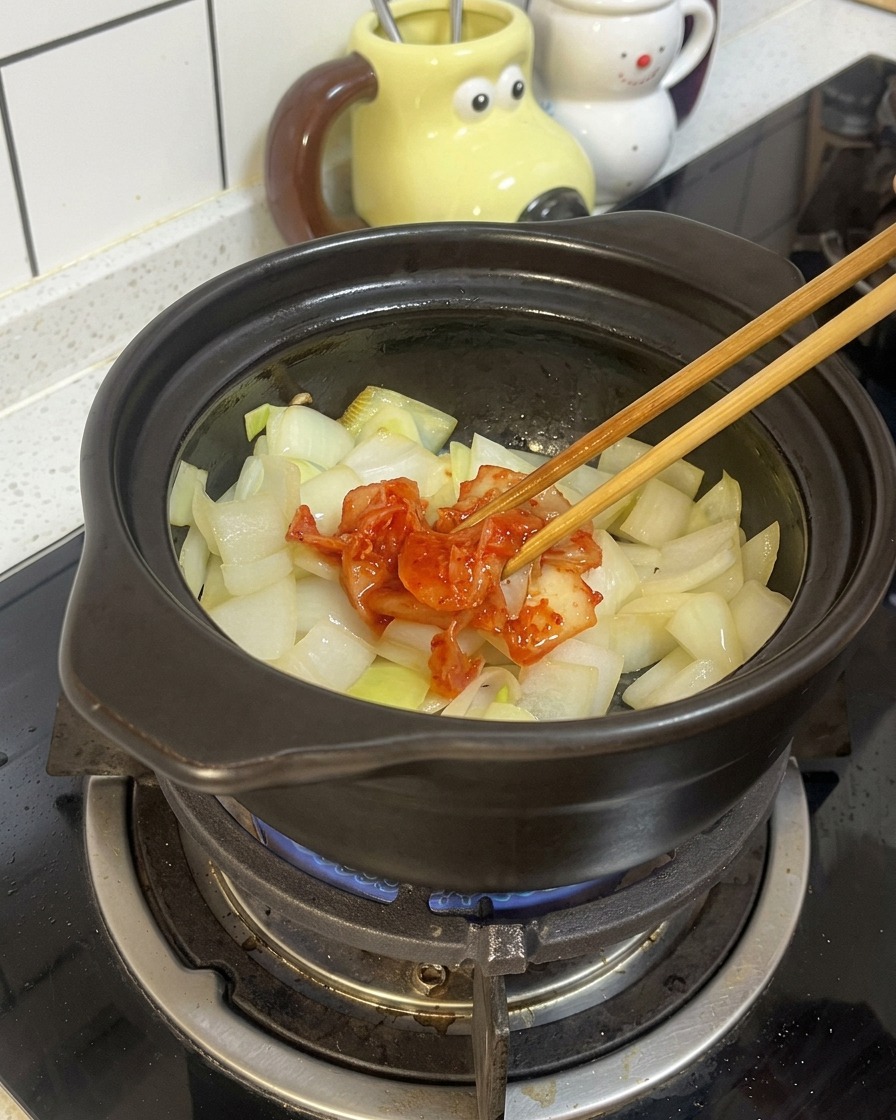
Once the onions are fragrant, add the kimchi directly into the clay pot. Make sure to include a splash of the flavorful kimchi juice as well, then stir-fry the mixture together.
Tip: Using aged, well-fermented sour kimchi is the secret to creating a deep, authentic flavor profile for the broth. - 6Stir in chili paste
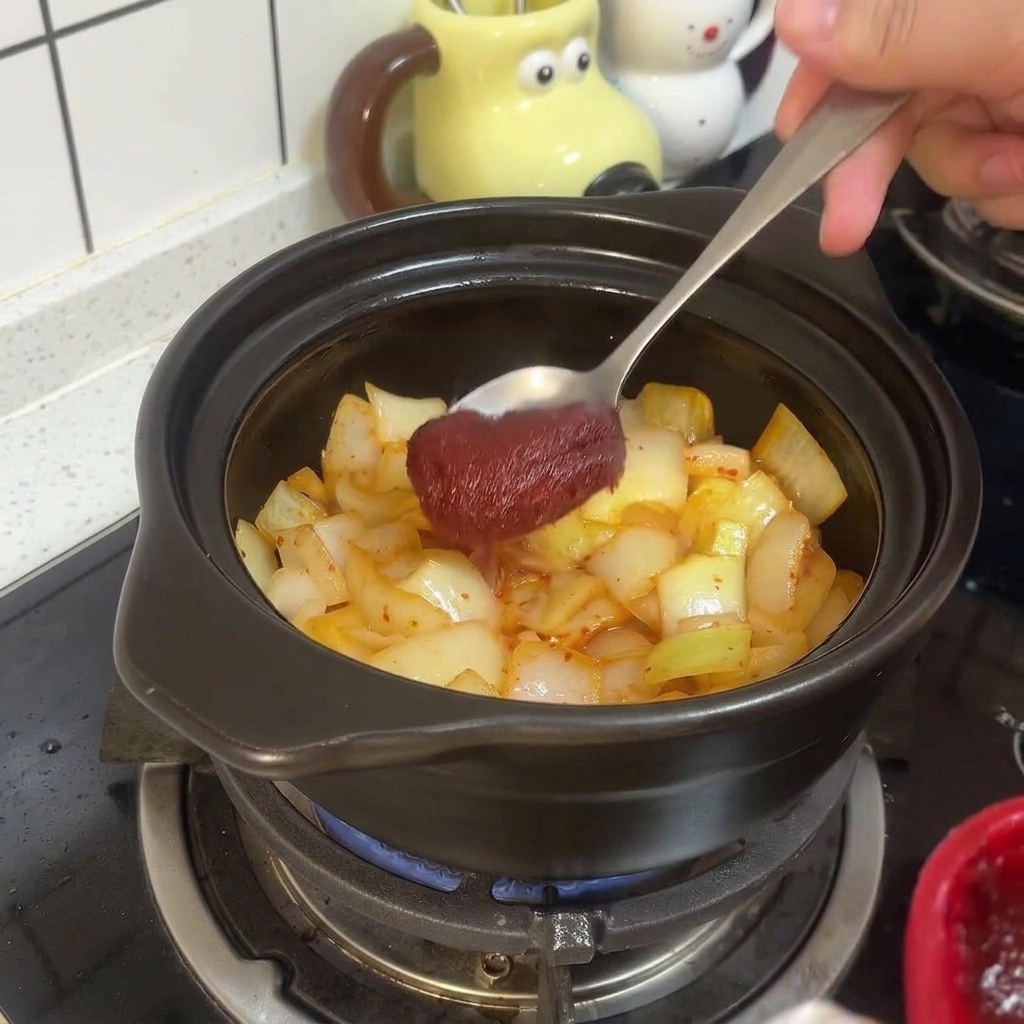
Stir in a spoonful of red Korean chili paste (gochujang), along with two spoonfuls of light soy sauce and a pinch of salt, into the sautéing onion and kimchi mixture. This seasons the base and gives the soup its signature spicy kick and rich red color.
Tip: Adjust the amount of chili paste based on your personal spice tolerance. - 7Add water to the pot
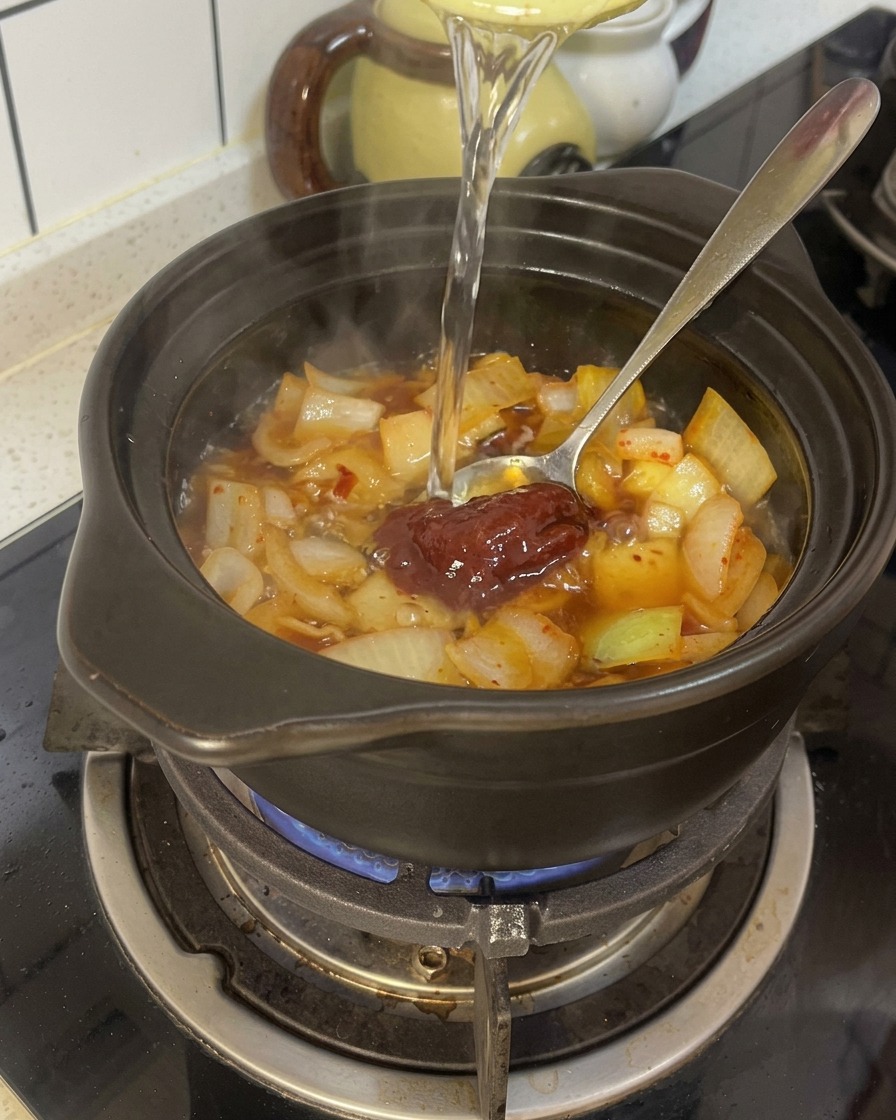
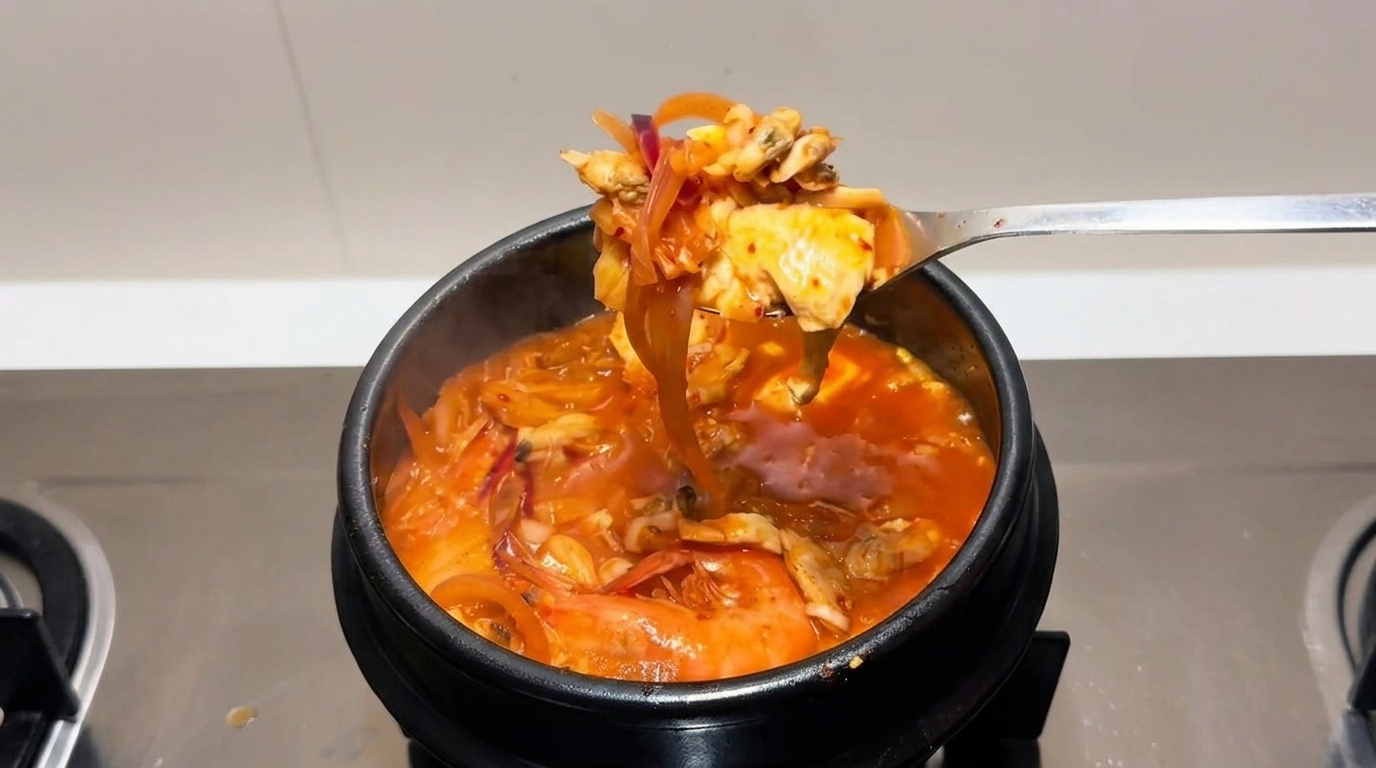
Pour water into the clay pot over the stir-fried onions, kimchi, and seasonings. Stir to combine everything thoroughly and bring the soup base to a rolling boil.
Tip: Use hot or warm water to bring the soup to a boil faster and maintain the cooking temperature of the pot. - 8Add the fish cakes
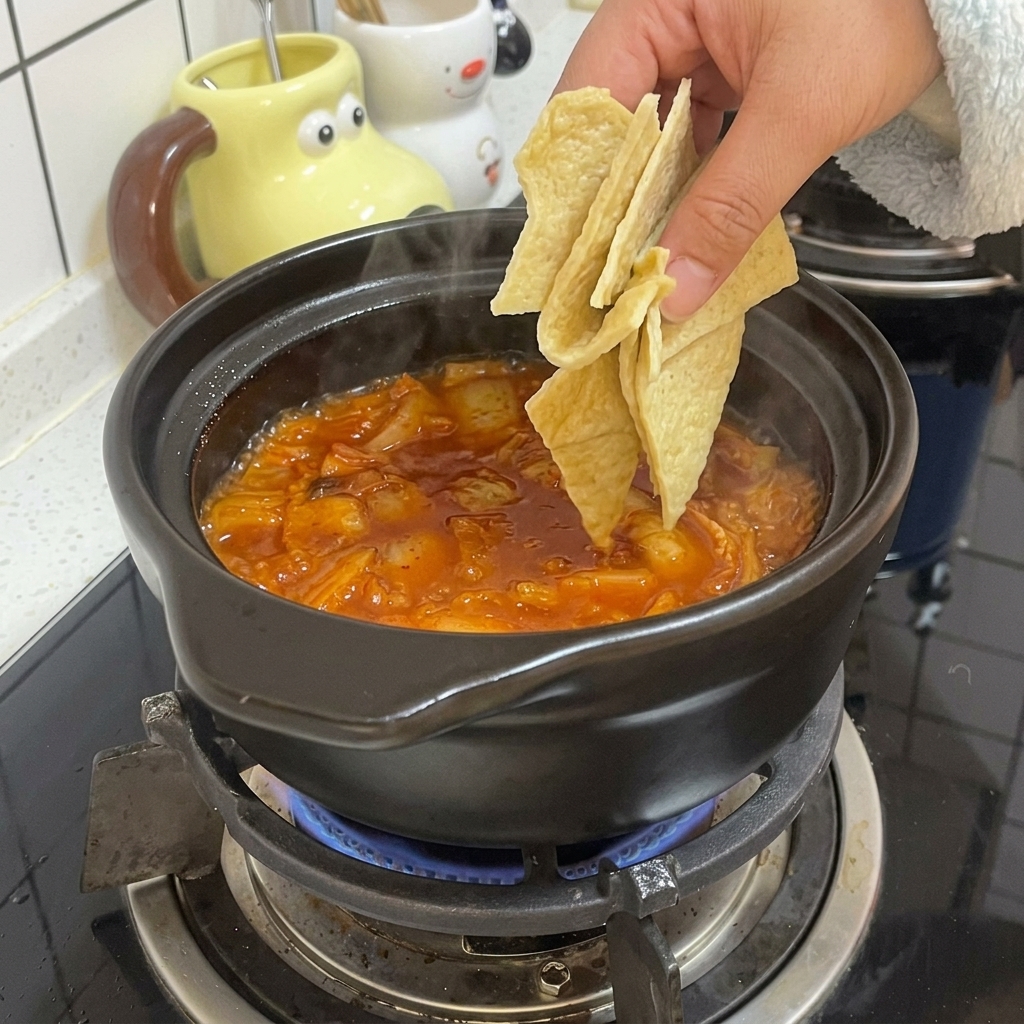
Once the broth is boiling, gently drop in the triangular slices of fish cake. Let them cook in the spicy red broth until they become soft and absorb all the rich flavors.
Tip: Cutting the fish cakes into triangles is not only aesthetically pleasing but also helps them fit nicely into the pot and cook evenly. - 9Add the soft tofu
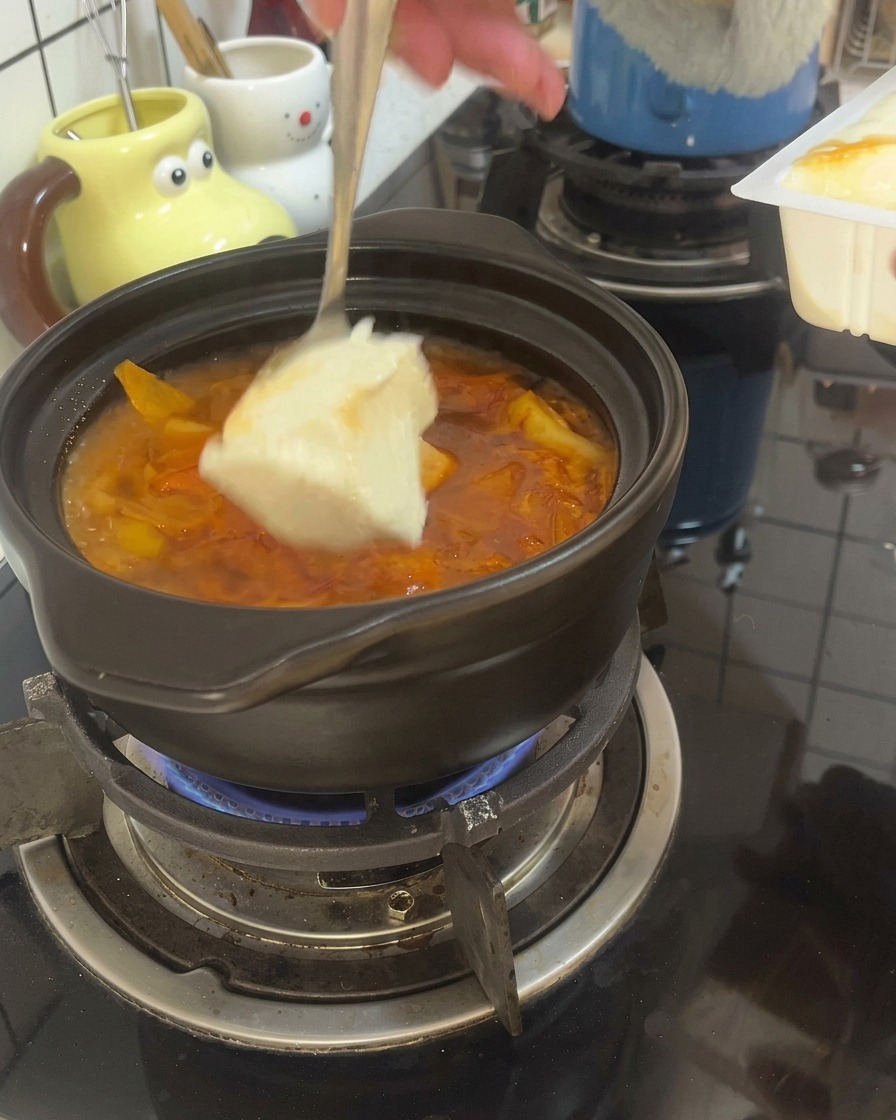
Scoop large chunks of soft white tofu directly from its container and add them into the simmering stew. Allow the tofu to heat through and soak up the spicy, savory broth.
Tip: Scoop the tofu gently to keep large, rustic chunks intact. This provides a beautiful visual and a great textural contrast to the soup. - 10Top with beef and serve
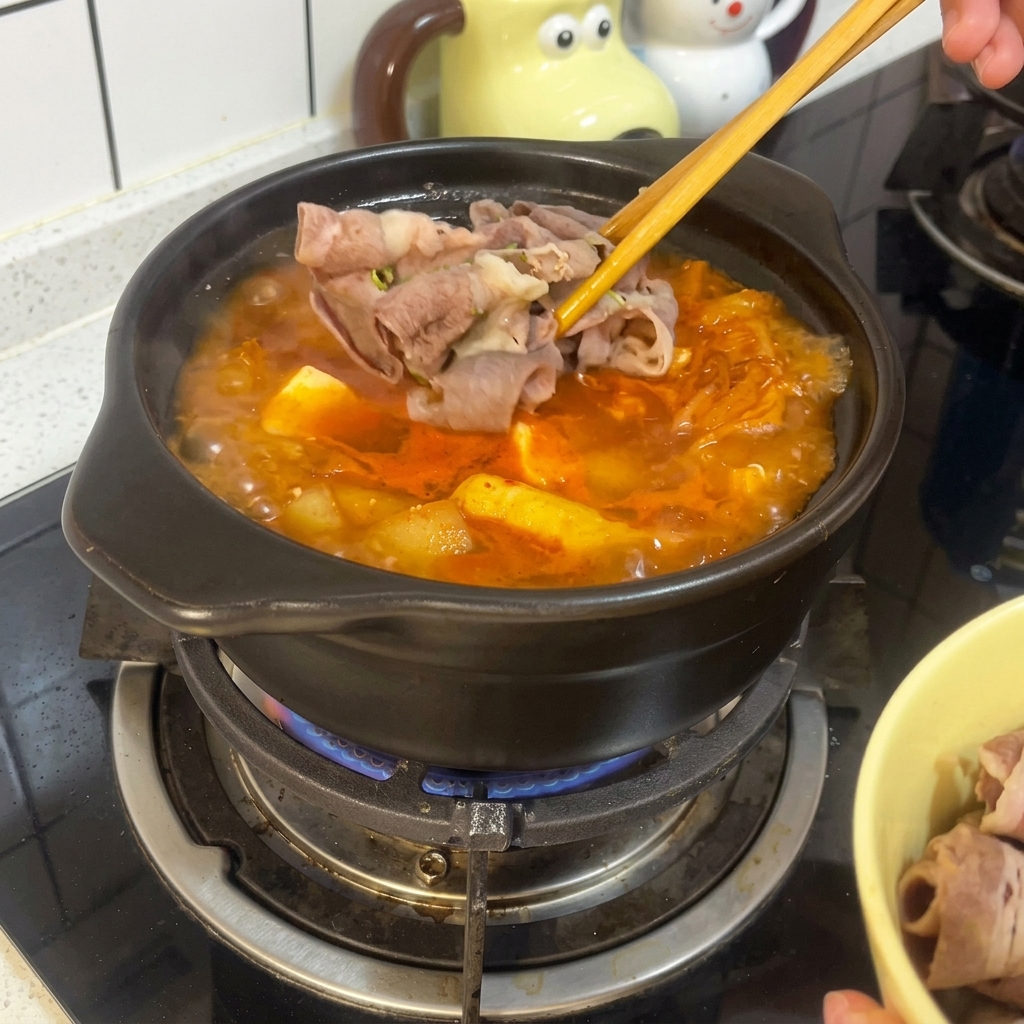
Using chopsticks, carefully arrange the previously blanched beef rolls on top of the bubbling stew. Garnish with sliced red chilies for an extra kick, and let everything simmer together for just a moment to ensure the beef is fully heated before serving.
Tip: Adding the beef back at the very end ensures it remains tender and doesnt overcook in the hot broth.