American-Style Slow-Baked Pulled Pork
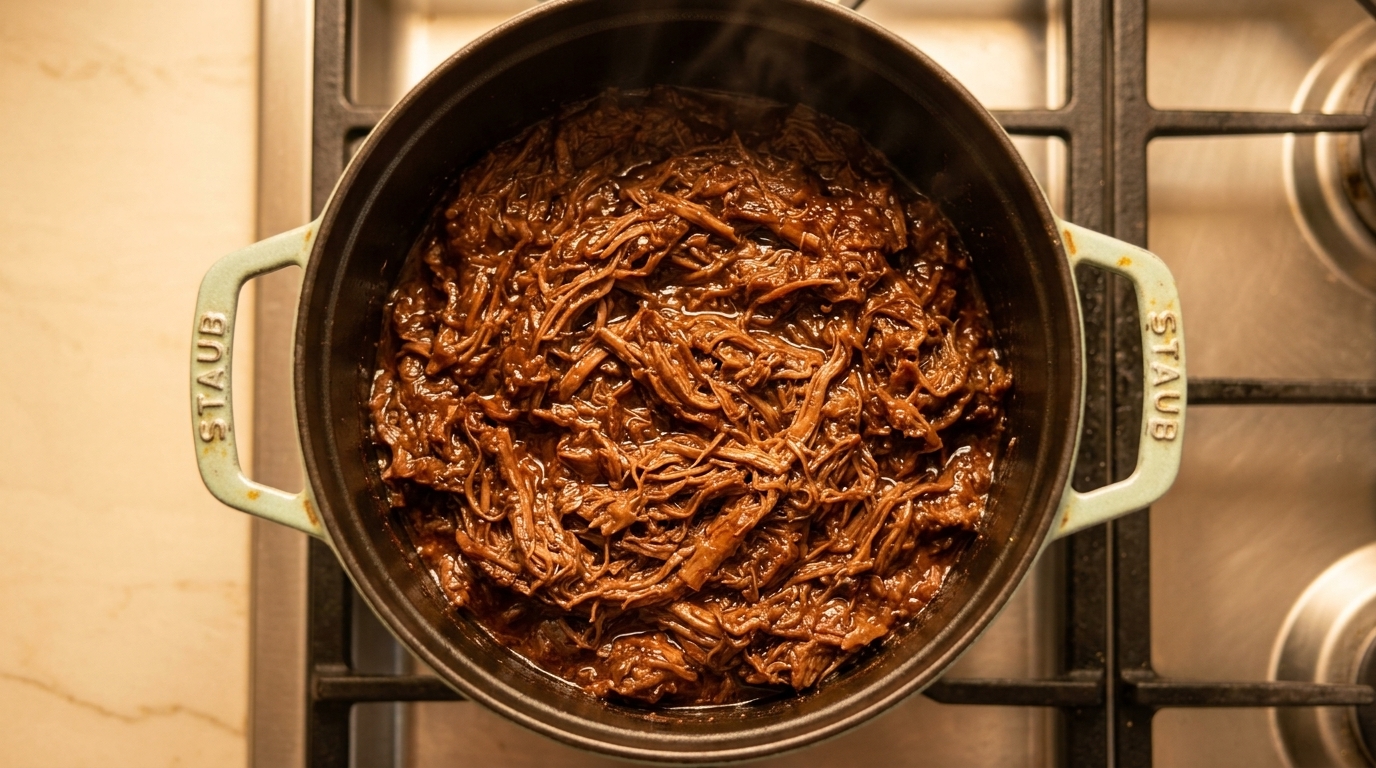
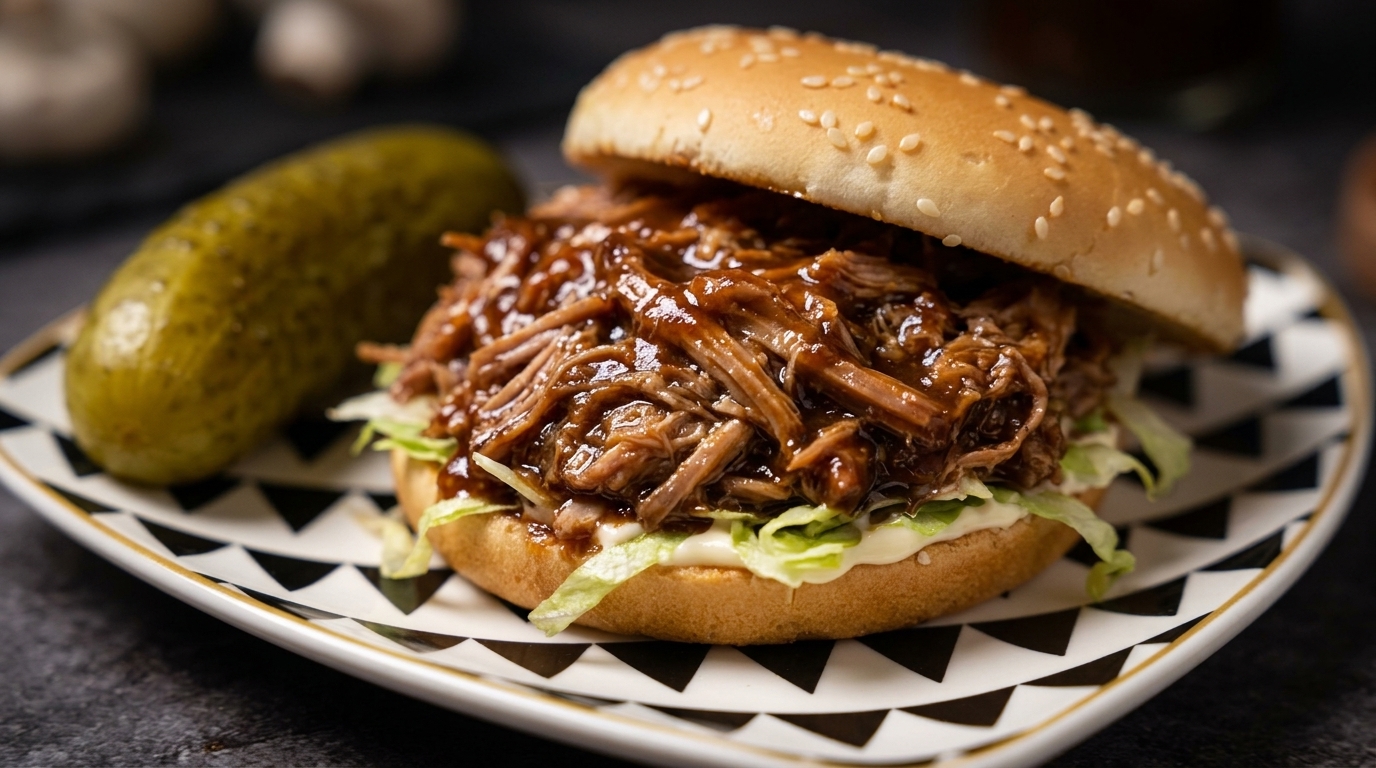
Tender, juicy, and packed with savory flavor, this American-style pulled pork features a complex spice rub and slow-bakes in the oven until perfectly shreddable.
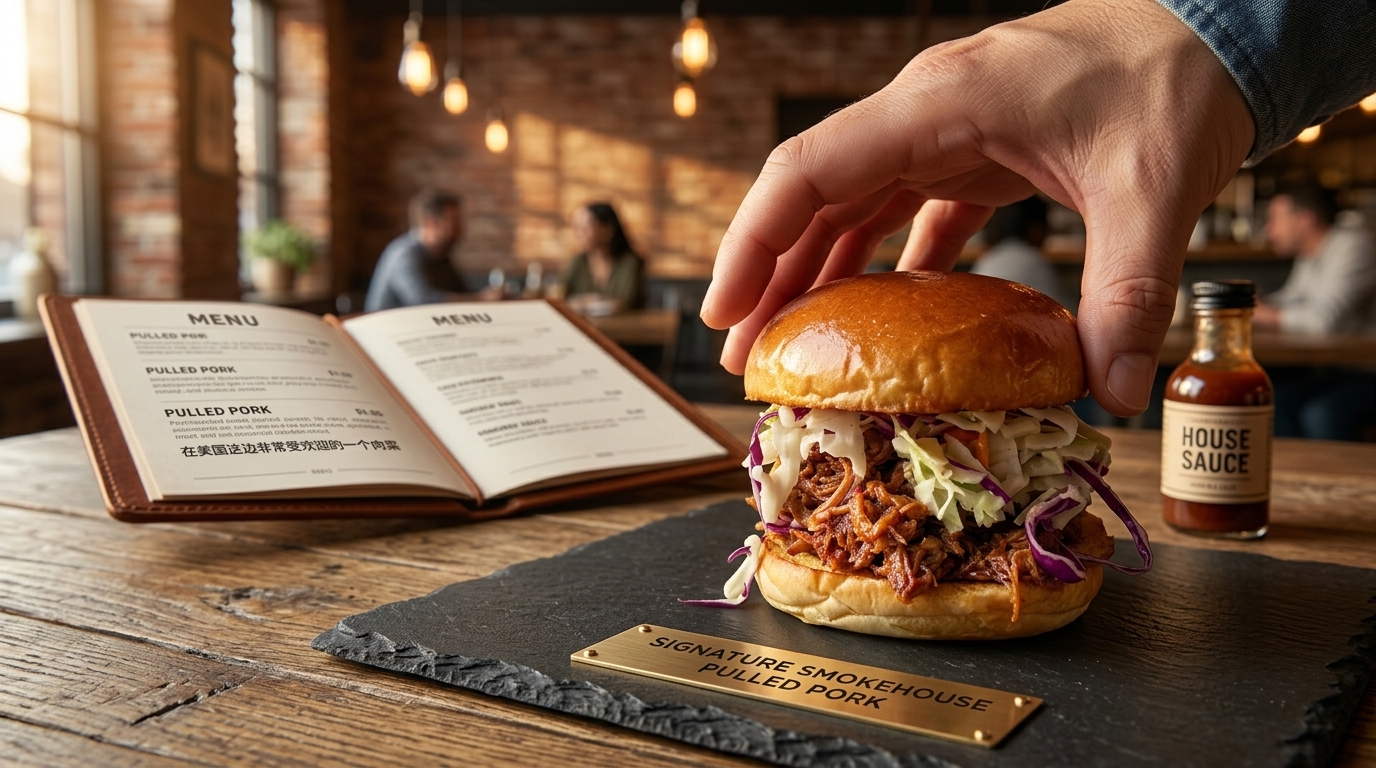
While traditional American barbecue relies on low-and-slow wood smoking, this accessible technique achieves incredible results using a standard convection oven and a tightly sealed foil wrap. A 48-hour marinade allows the robust blend of rosemary, thyme, and paprika to penetrate deeply, while a bed of fresh aromatics steams from below to create unctuous, melt-in-your-mouth pork ideal for burgers or artisanal sandwiches.
Ingredients
- 500 g pork butt or shoulder
- 5 g salt
- 10 g crushed black pepper
- 5 g coriander seeds
- 5 g dried rosemary
- 5 g dried thyme
- 5 g MSG
- 5 g chicken bouillon powder
- 20 g mirin
- 10 g paprika
- 10 g minced garlic
- 10 g minced shallots
- 20 g chopped Italian parsley
- to taste whole garlic cloves
- to taste sliced shallots
- to taste fresh Italian parsley sprigs
Instructions
- 1Prepare the pork
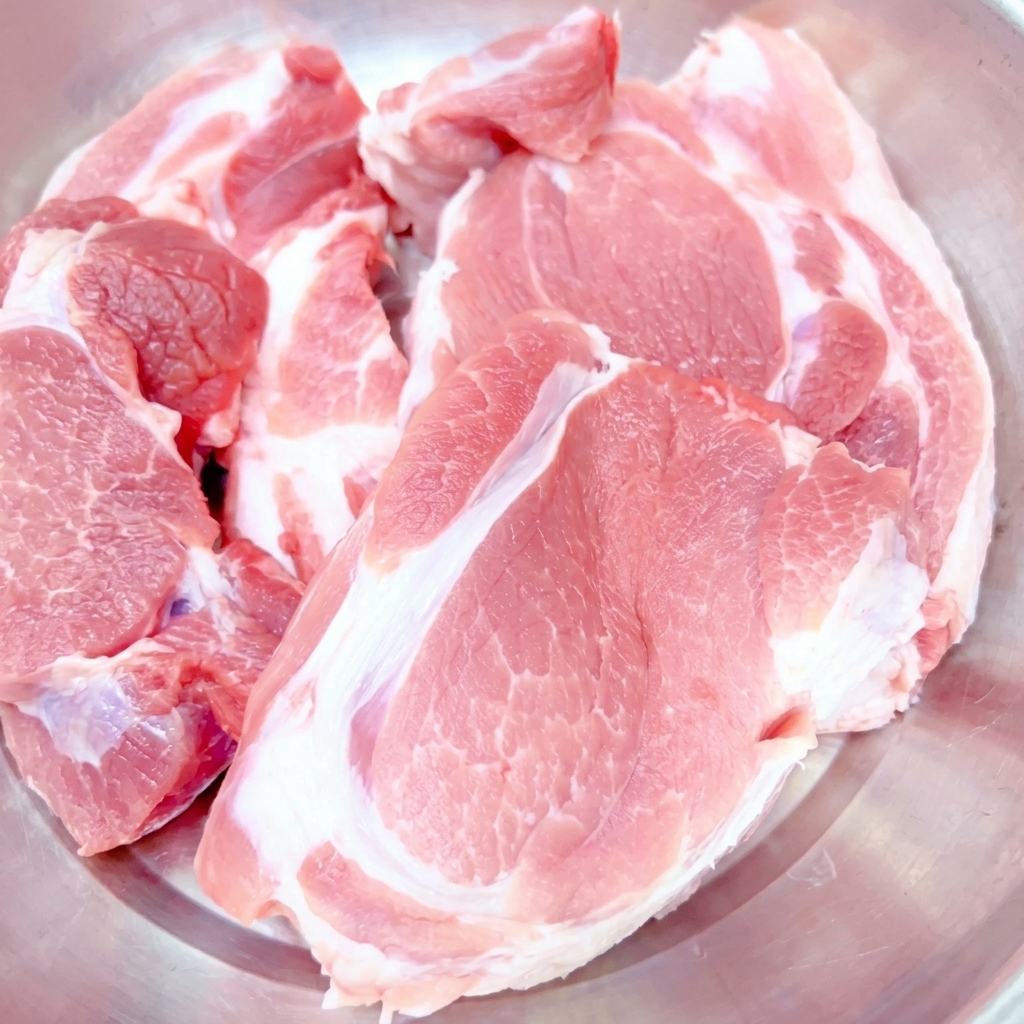
Start with 500 grams of fresh pork butt or shoulder. Cut the meat into large, manageable pieces and place them into a clean mixing bowl, ready for seasoning.
Tip: Pork butt or shoulder is ideal for this recipe because the rich marbling of fat keeps the meat incredibly tender and juicy during the long baking process. - 2Add the spice rub
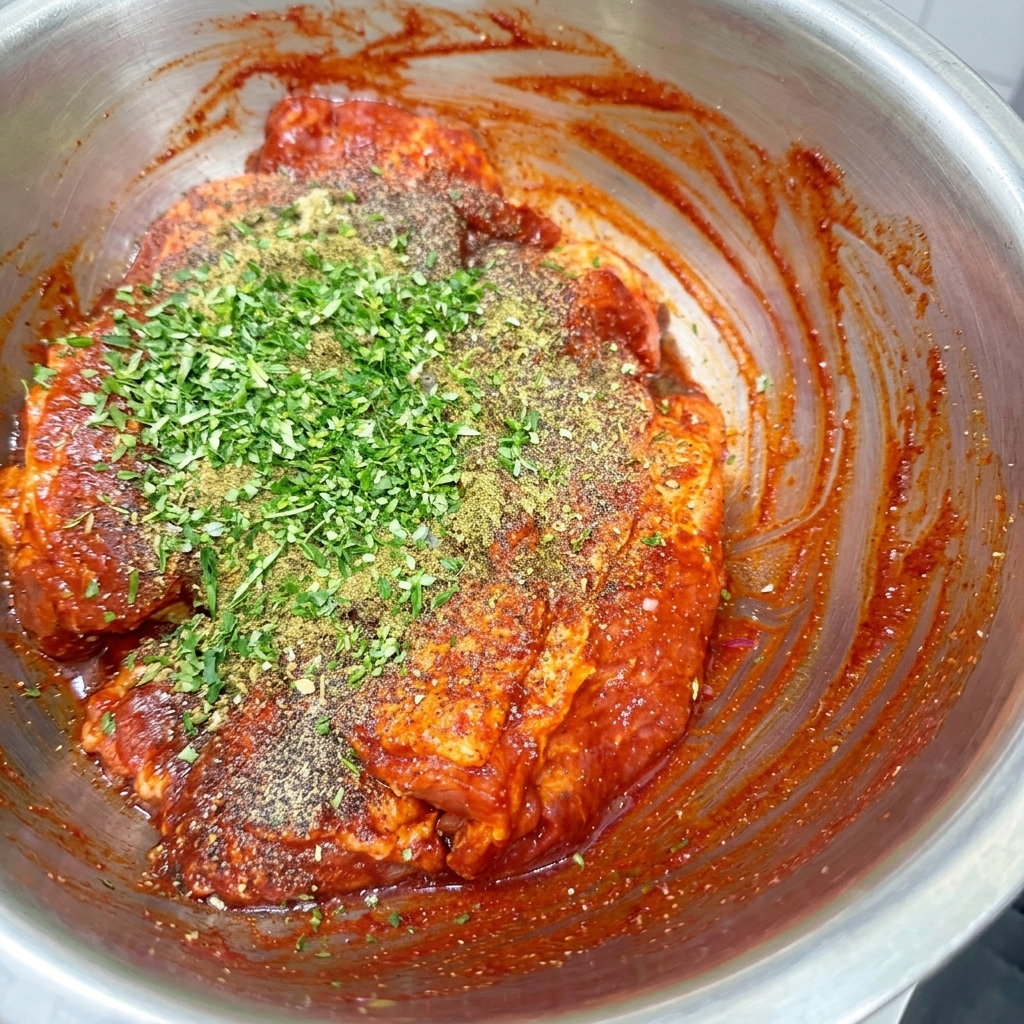
Season the pork with 5 grams of salt, 10 grams of crushed black pepper, 5 grams of coriander seeds, 5 grams of rosemary, 5 grams of thyme, 5 grams of MSG, and 5 grams of chicken bouillon. Add 20 grams of mirin, 10 grams of paprika, 10 grams of minced garlic, 10 grams of minced shallots, and 20 grams of chopped Italian parsley.
Tip: Using a combination of dried spices and fresh herbs creates a complex flavor profile that penetrates deeply into the meat. - 3Marinate the meat
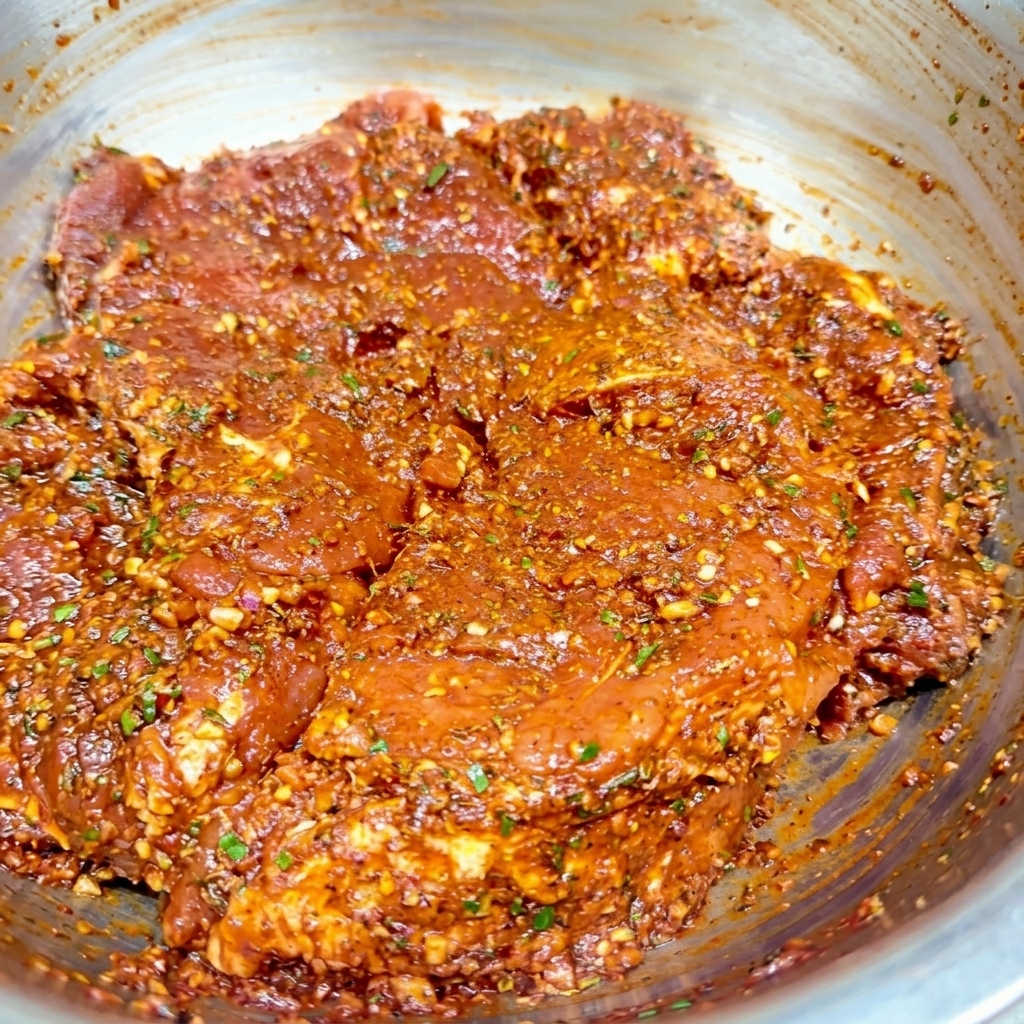
Massage the spices and seasonings thoroughly into the pork cuts until every piece is evenly coated in the rich red marinade. Cover the bowl and let the meat marinate in the refrigerator for 48 hours.
Tip: A full 48-hour marination is crucial for allowing the flavors to fully penetrate the thick cuts of meat and for tenderizing the pork. - 4Prepare for baking
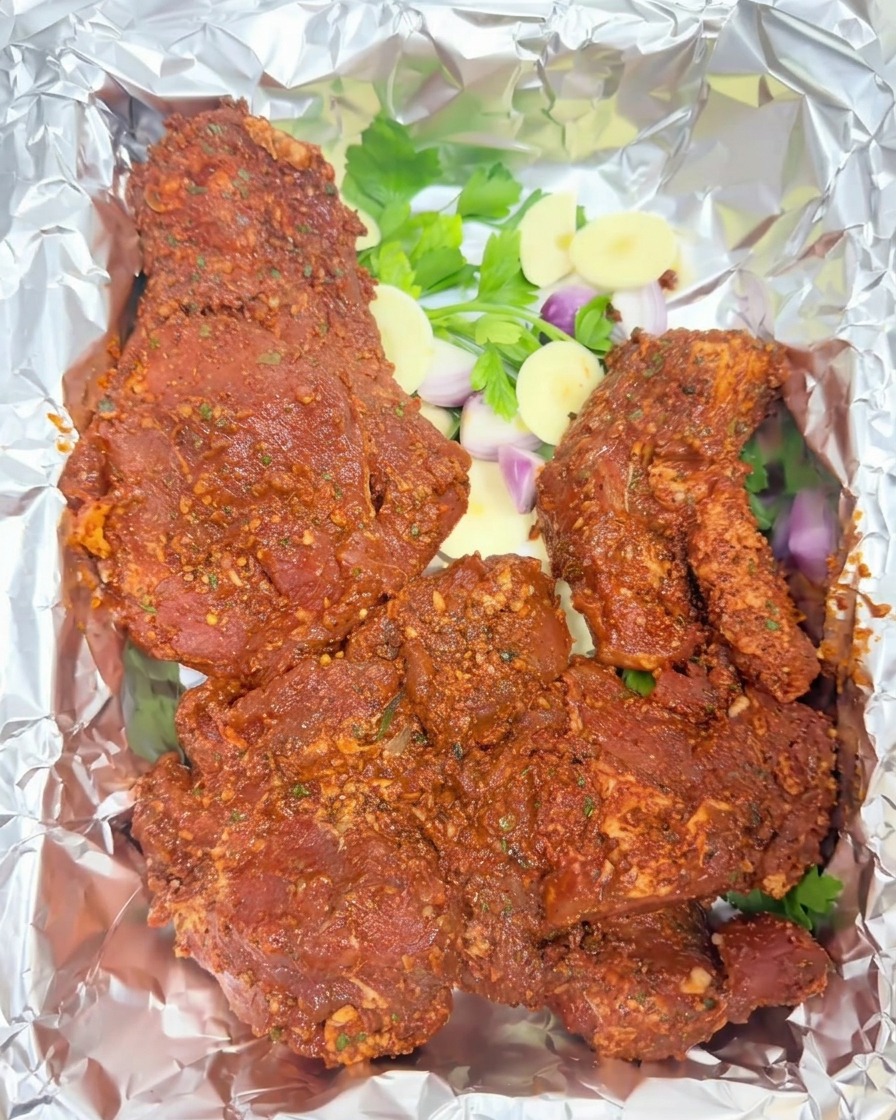
Lay out a large sheet of heavy-duty aluminum foil. Place some single-clove garlic, sliced shallots, and fresh Italian parsley on the foil to create an aromatic bed, then place the marinated pork pieces directly on top.
Tip: The fresh aromatics at the bottom will steam during baking, infusing the pork with even more flavor from the inside out. - 5Wrap the marinated pork
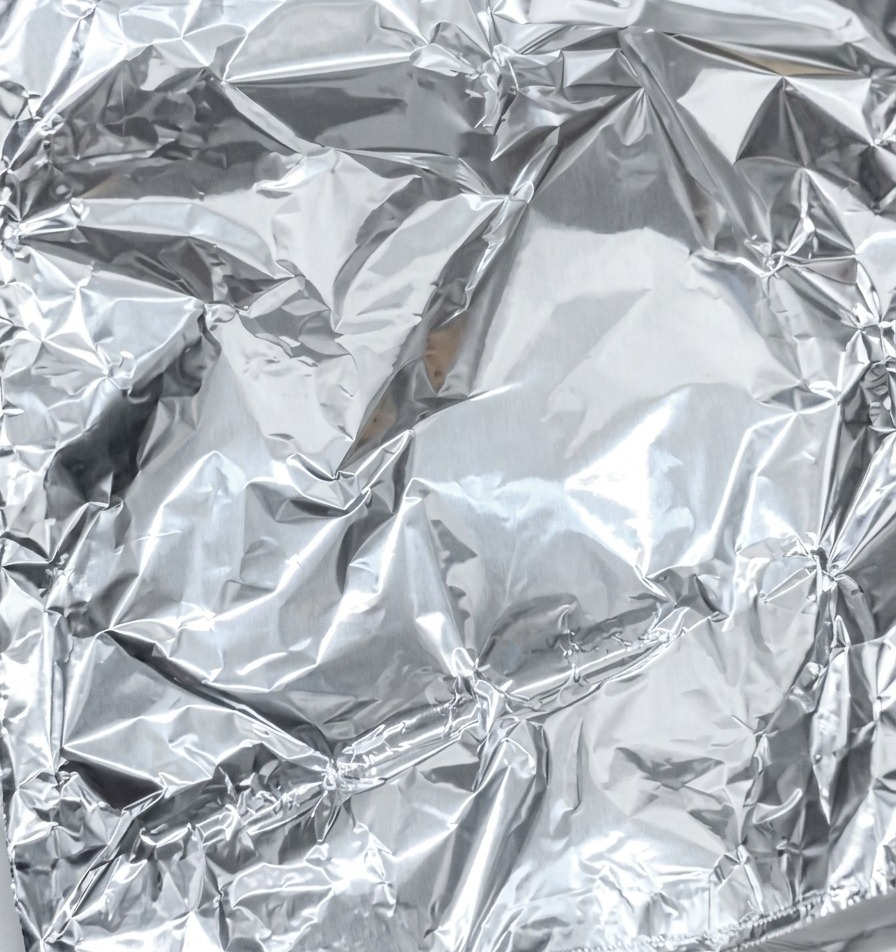
Carefully fold the aluminum foil up and over the seasoned meat and aromatics. Crimp and seal the edges tightly to create a secure, completely enclosed packet. This traps the steam and ensures the pork remains moist while absorbing all the flavors during the bake.
Tip: Make sure the foil is sealed tightly to prevent any steam or flavorful juices from escaping during the four-hour bake. - 6Bake the pork
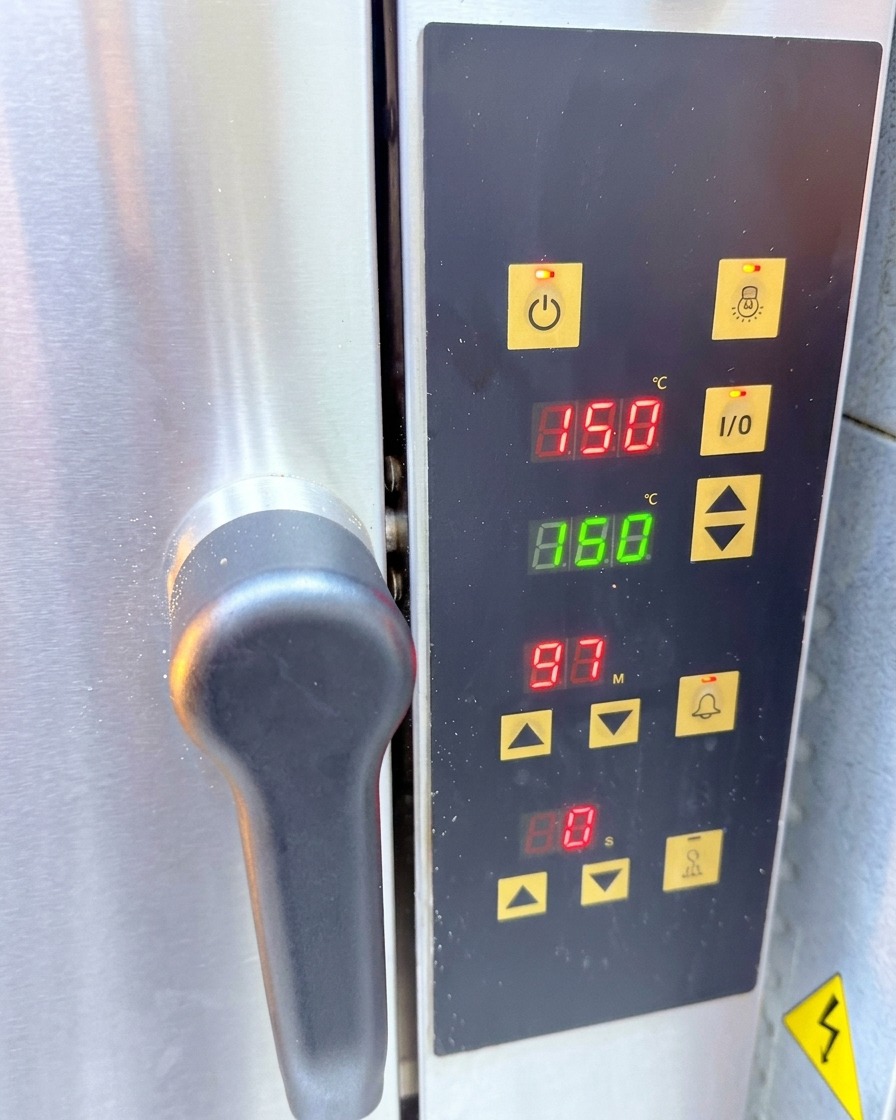
Transfer the sealed foil packet to a baking tray and place it into a convection oven preheated to 150 degrees Celsius. Bake undisturbed for 4 hours to allow the connective tissues to break down, resulting in an incredibly soft, tender, and juicy texture.
Tip: Ensure the foil wrap is completely sealed so that the natural juices and steam do not escape, keeping the pulled pork perfectly moist. - 7Unwrap the slow-baked pork
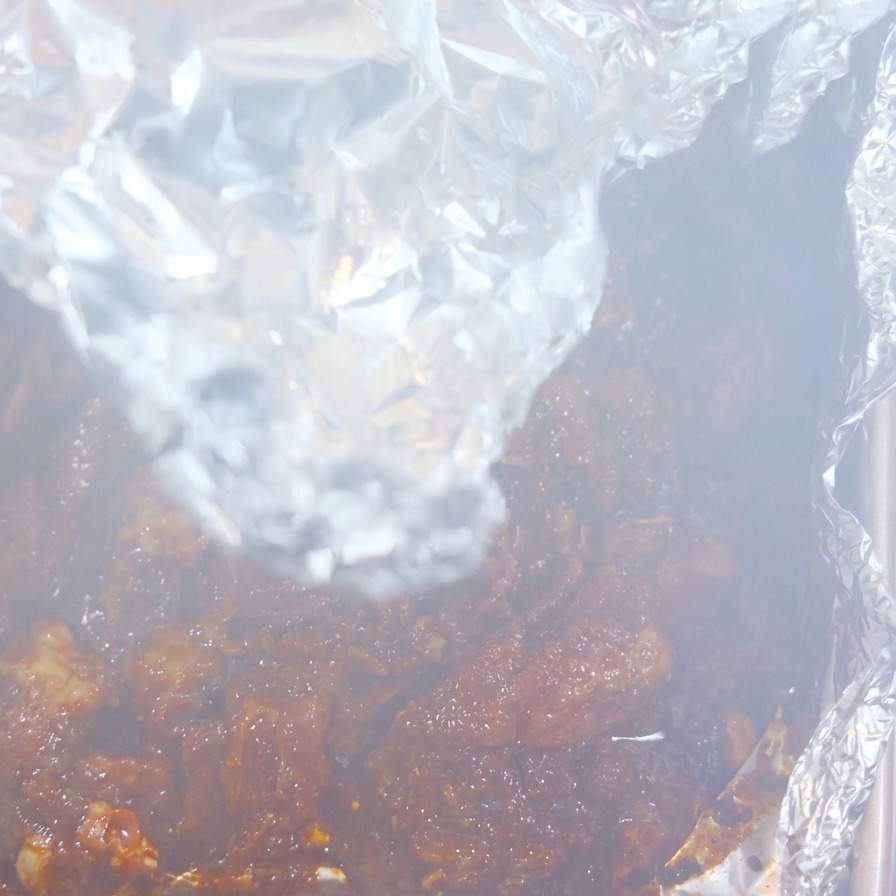
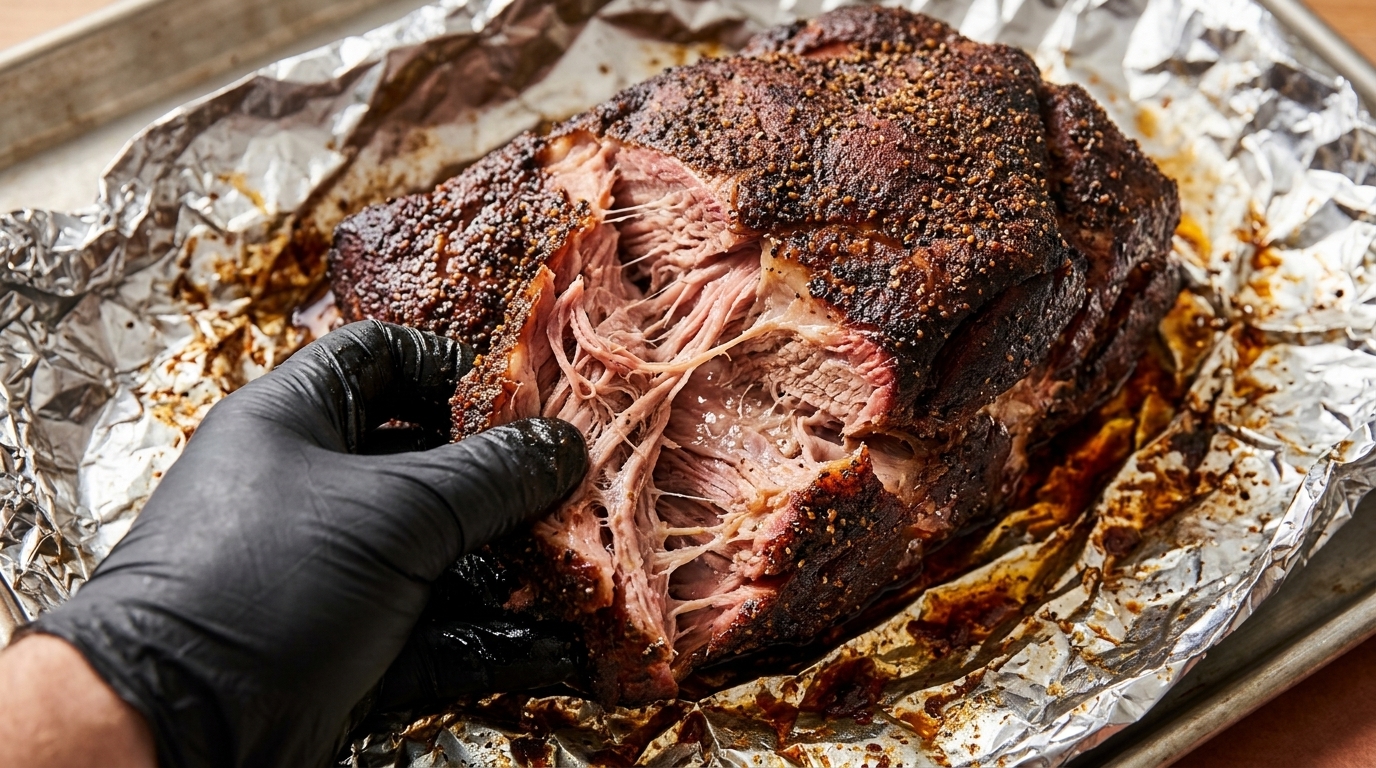
After four hours of slow baking at 150 degrees Celsius, remove the tray from the oven. Carefully peel back the aluminum foil layers to reveal the pork. Be cautious of the hot steam escaping. The meat should now be incredibly tender and coated in a rich, flavorful spice rub.
Tip: Let the packet rest for about 10 minutes before opening to allow the juices to settle back into the meat. - 8Shred the pulled pork
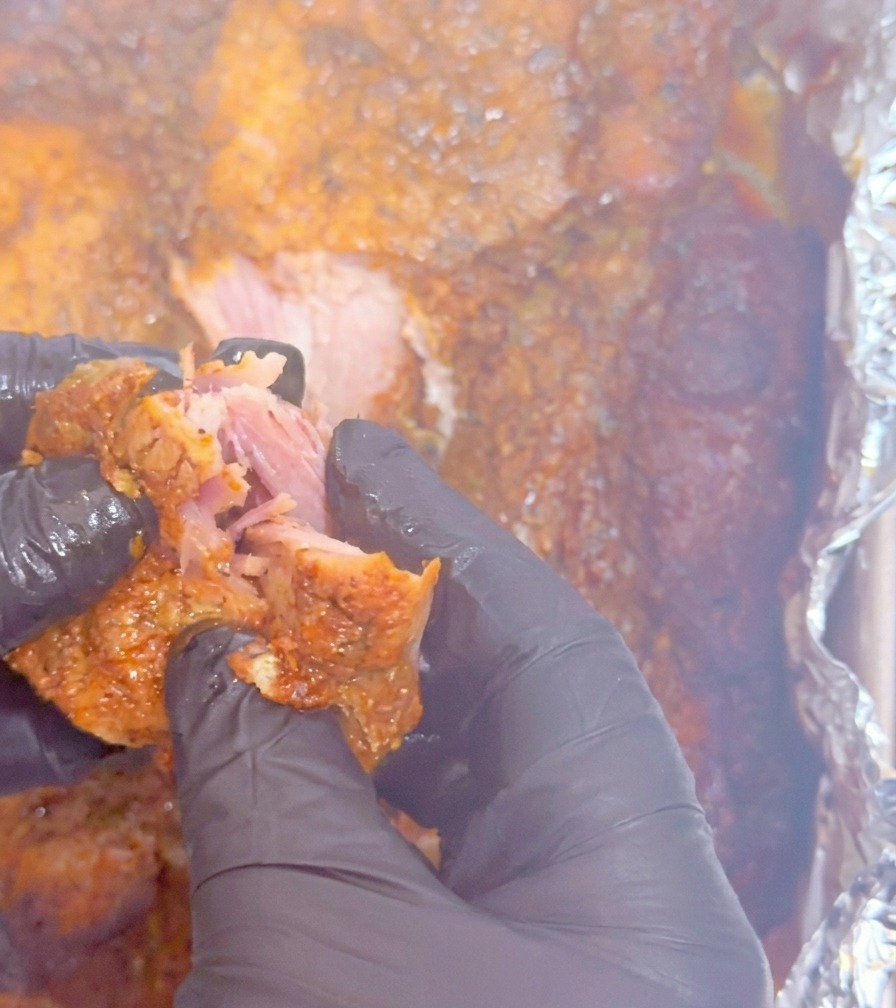
While the pork is still warm, use your hands or two forks to gently pull the meat apart into smaller, tender strands. Because it has been slow-cooked, the texture will be soft and juicy, making it perfect for filling burgers, sandwiches, or topping artisanal breads.
Tip: Shred the meat while its still warm for the best texture and ease; it becomes much firmer once it cools down.