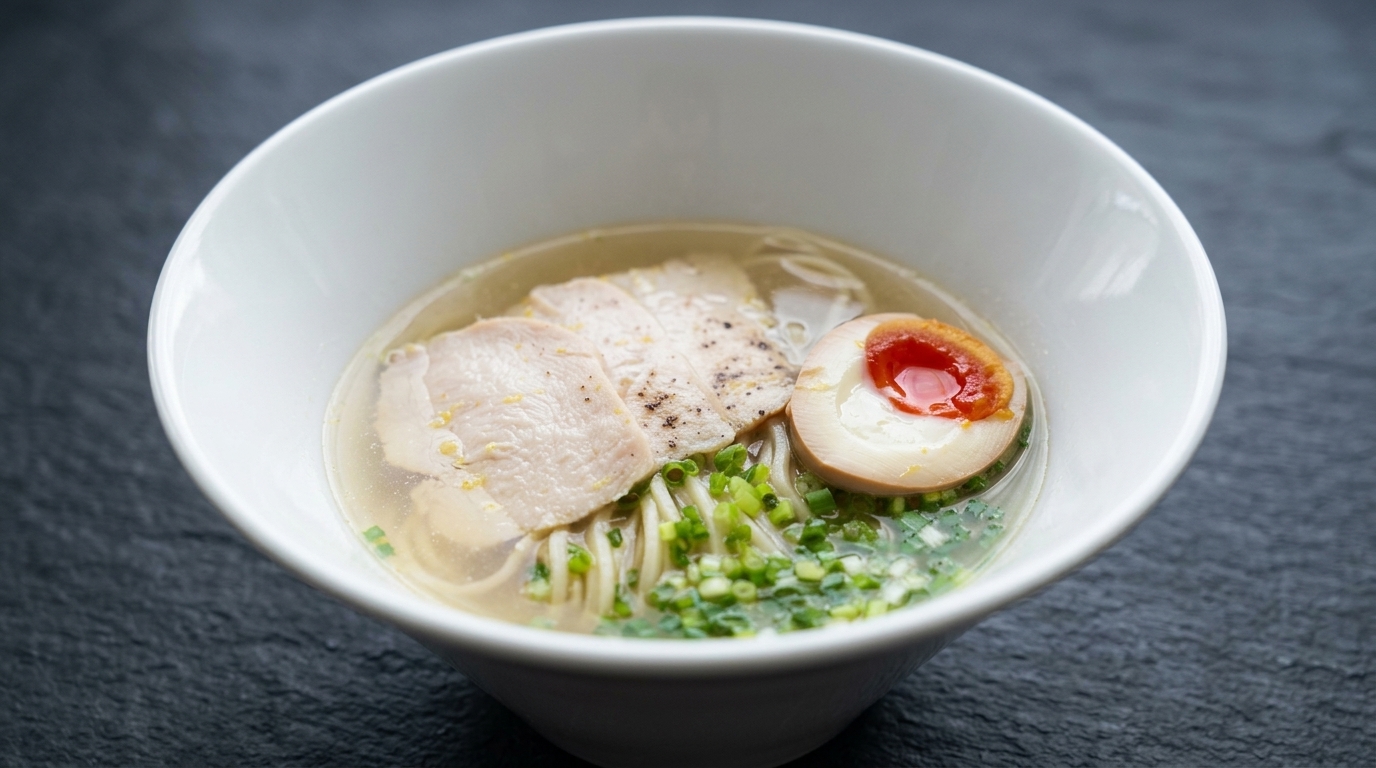
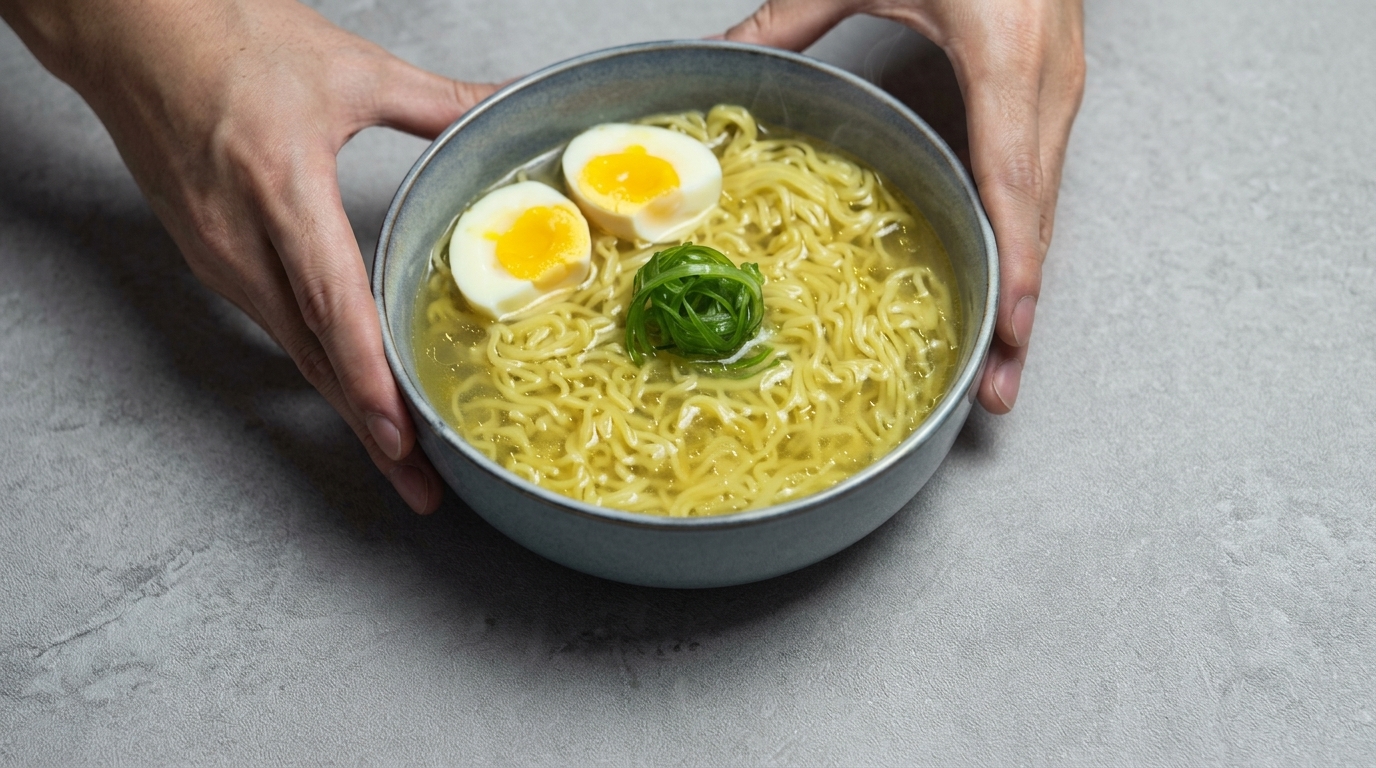
Crayon Shin-chan Style Shio Ramen (Salt-Flavored Ramen)
A crystal-clear golden chicken and kombu broth inspired by the iconic ramen from Crayon Shin-chan, refined using the traditional chicken raft clarification technique.
In the world of Crayon Shin-chan, a bowl of ramen is more than just a meal. This Shio salt ramen replicates that clean soul-warming broth using Chintan methods. By simmering minced chicken with kombu, we create a soup so transparent and flavorful it elevates even the simplest noodles to a gourmet standard.
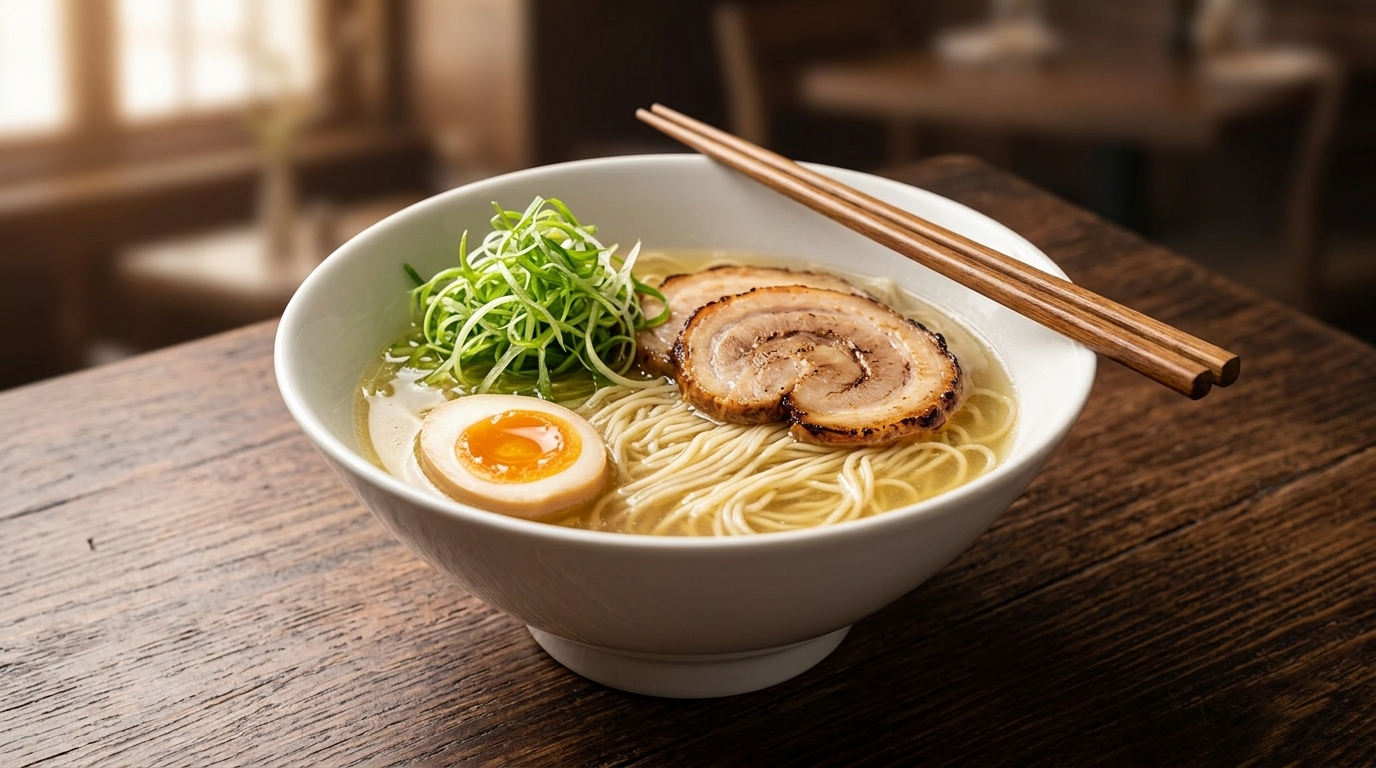
Ingredients
- 20 g dried kombu
- 300 g minced chicken breast
- 1.2 l water
- 2 portions fresh ramen noodles
- 1 tsp sea salt
- 2 slices chashu pork
- 1 marinated soft-boiled egg
- optional shredded scallions
- optional nori seaweed
Instructions
- 1Soak the kombu
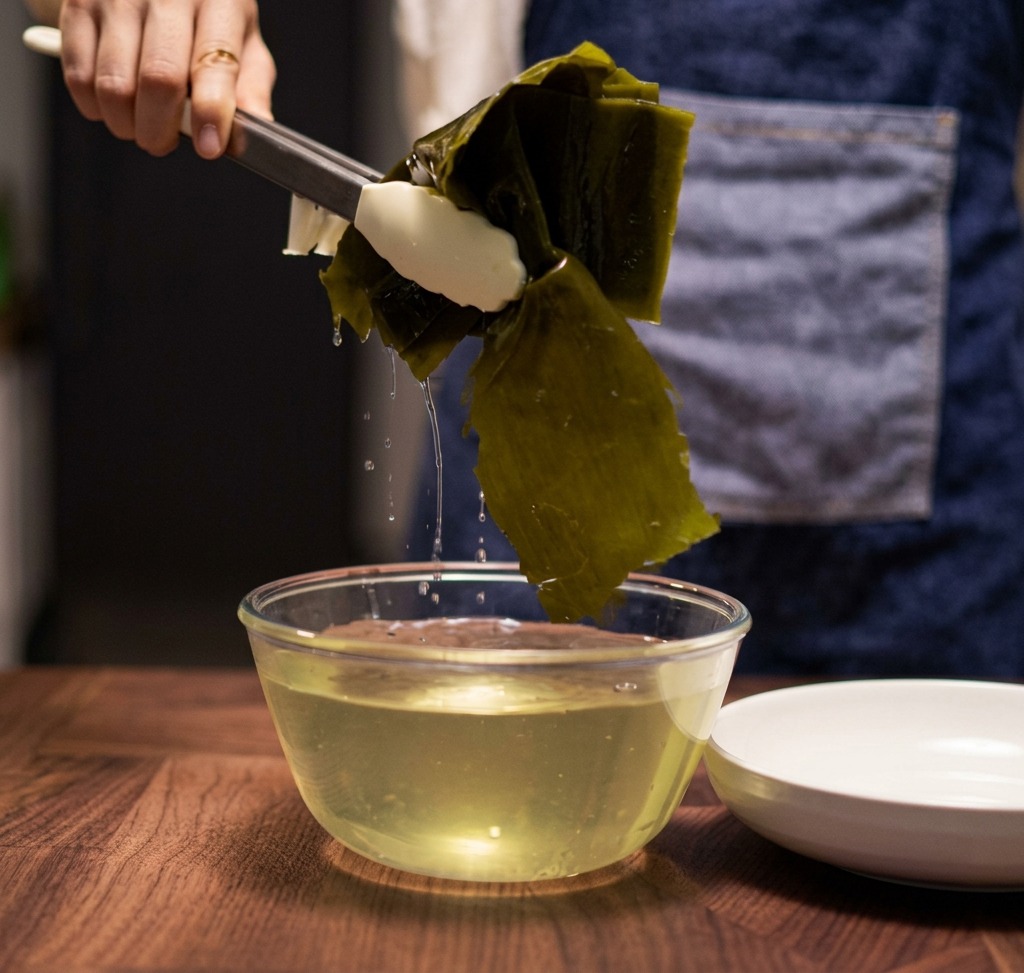
Place 20 grams of dried kombu in a bowl of clean water and let it soak for at least 30 minutes. This rehydrates the seaweed and begins extracting its natural glutamates, forming the foundation of a deeply savory salt ramen broth.
Tip: Do not wash the white powder off the kombu because that is mannitol which provides much of the umami flavor. - 2Transfer the soaking liquid
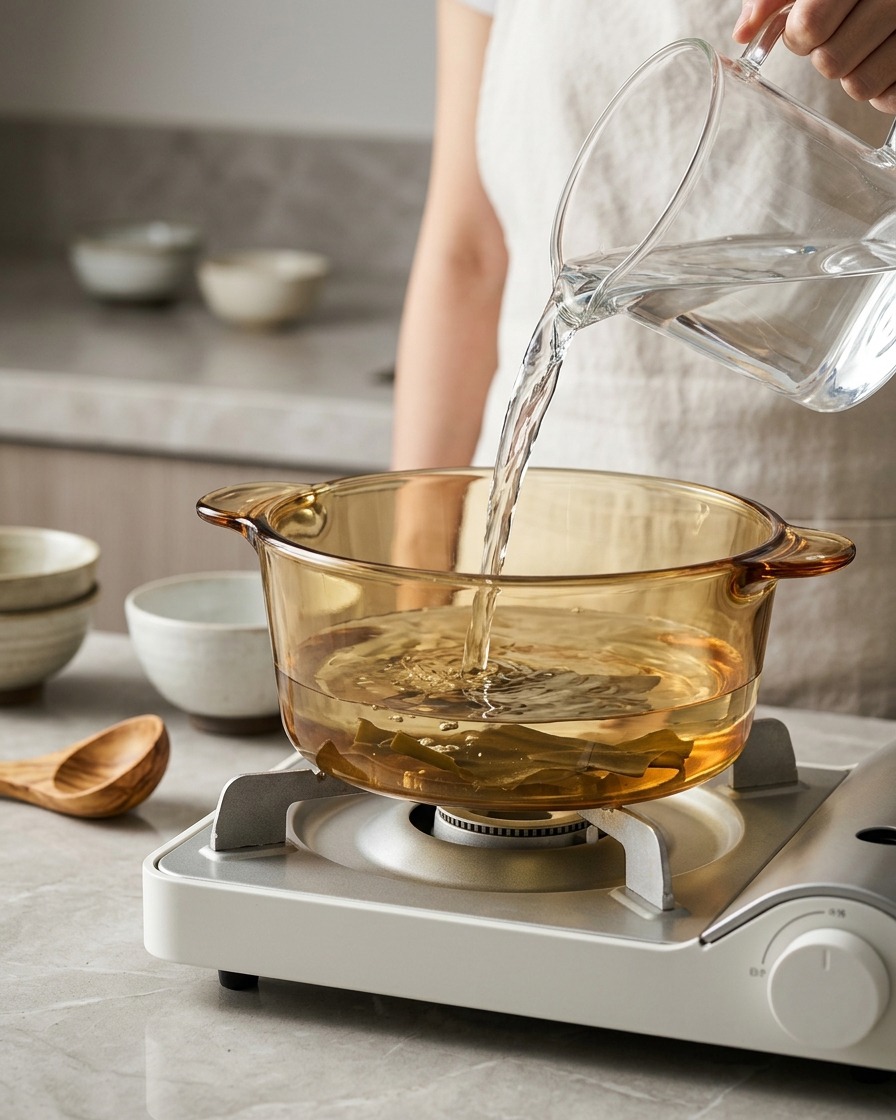
Carefully pour the yellowish kombu soaking liquid into a glass pot or saucepan placed on your stovetop. This liquid contains the initial infusion of seaweed flavor and will serve as the base for the chicken broth.
Tip: Using a glass pot allows you to easily monitor the clarity and temperature of the broth as it develops. - 3Incorporate minced chicken
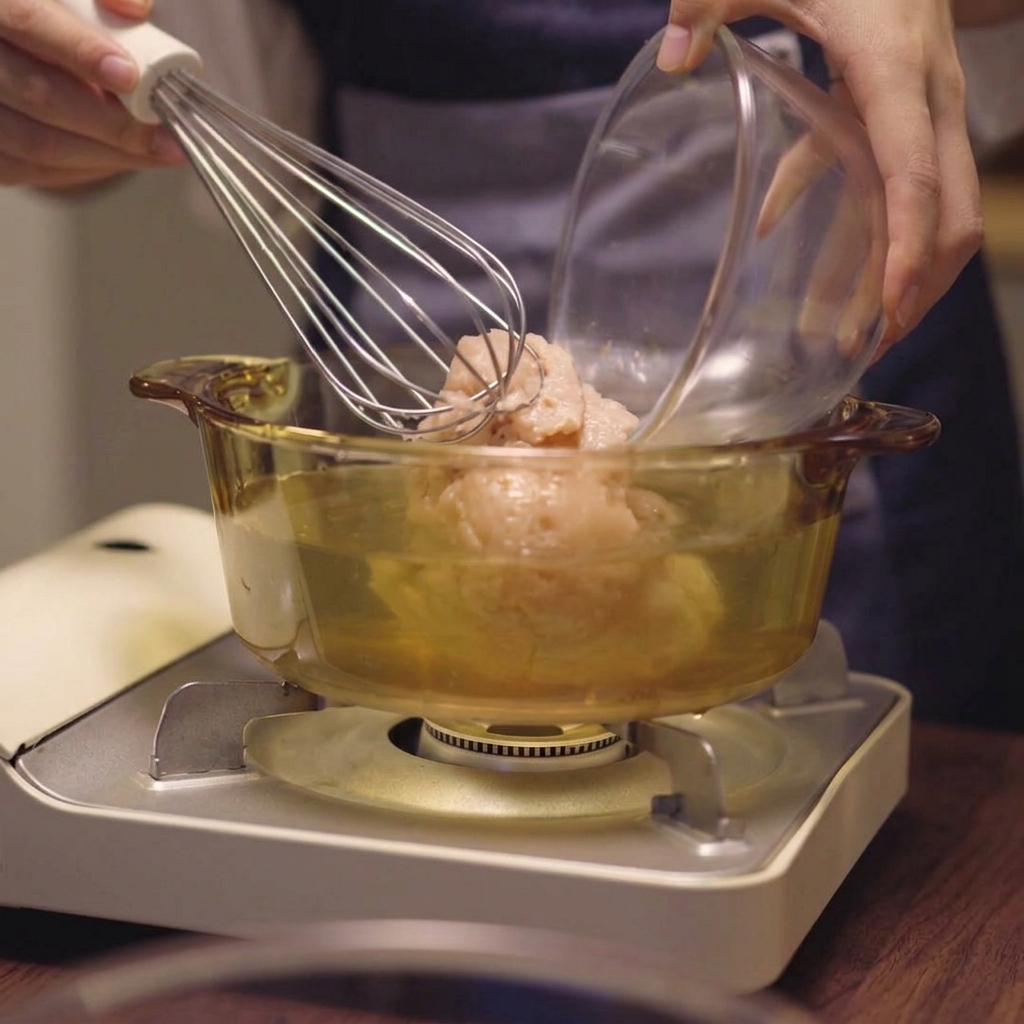
Add raw minced chicken breast to the kombu liquid. Use a whisk to break up the meat thoroughly before turning on the heat. This raft method helps clarify the broth while infusing it with clean chicken protein flavor.
Tip: Breaking the chicken apart while the water is still cold prevents the meat from clumping together when it starts to cook. - 4Return kombu to the pot
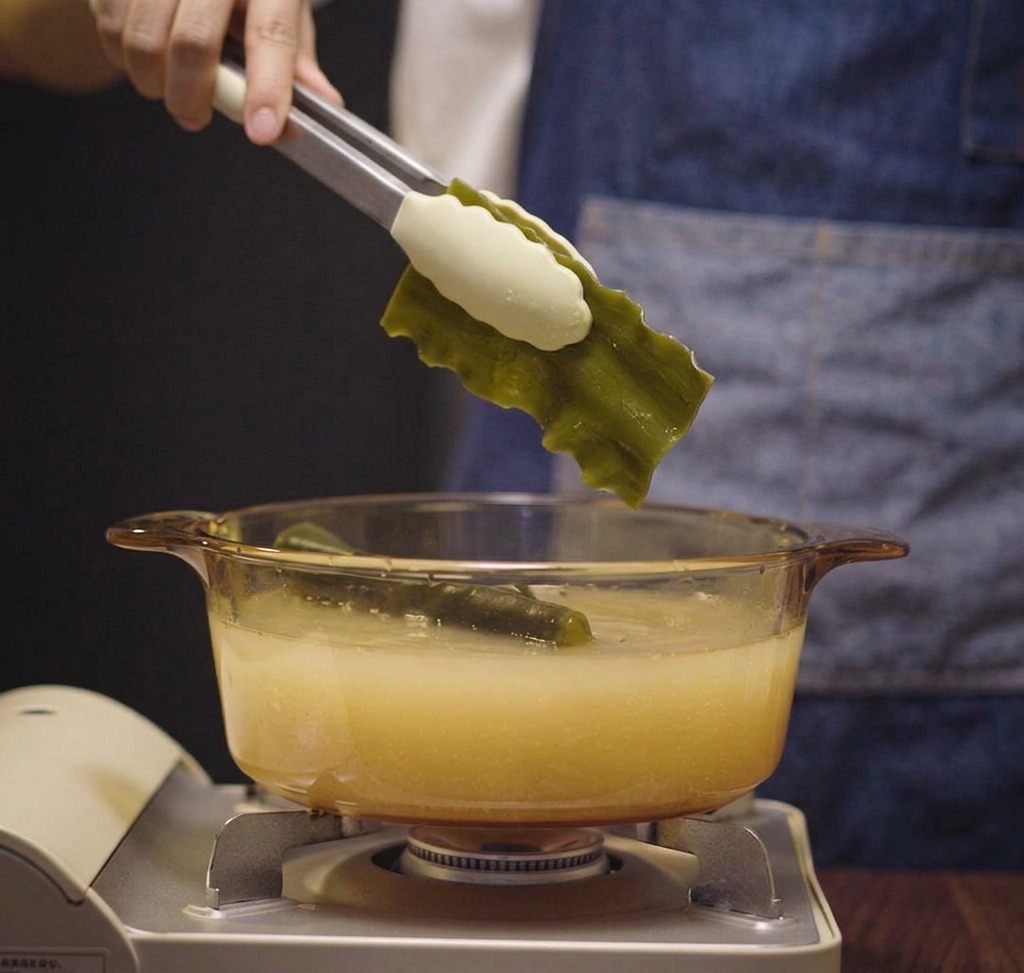
Place the soaked kombu pieces back into the pot with the water and minced chicken. The seaweed will continue to release flavor as the liquid gradually heats up toward a simmer.
Tip: Ensure the kombu is submerged so it can impart its flavor evenly into the mixture. - 5Simmer slowly
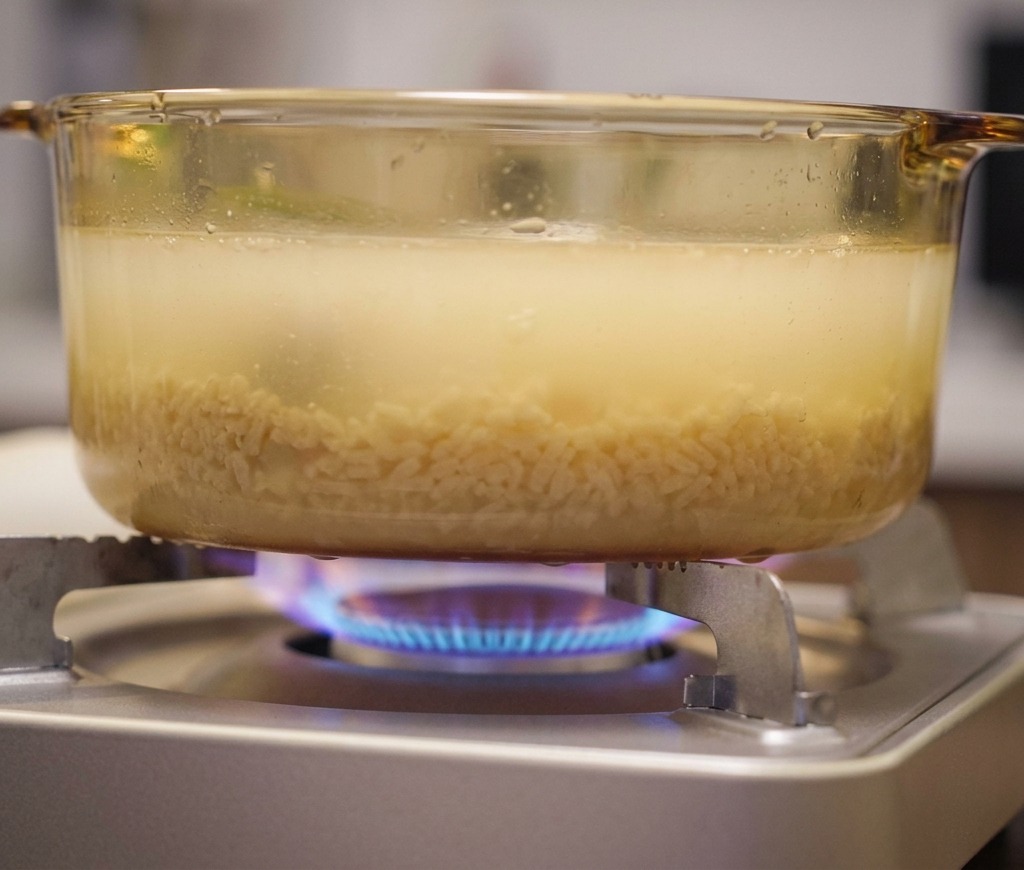
Apply medium heat and stir the mixture constantly as the temperature rises. Slow heating is crucial to extracting the best flavors from both the chicken and the kombu without making the broth bitter.
Tip: Keep a close eye on the temperature; you want a very gentle simmer, not a rolling boil. - 6Remove the kombu
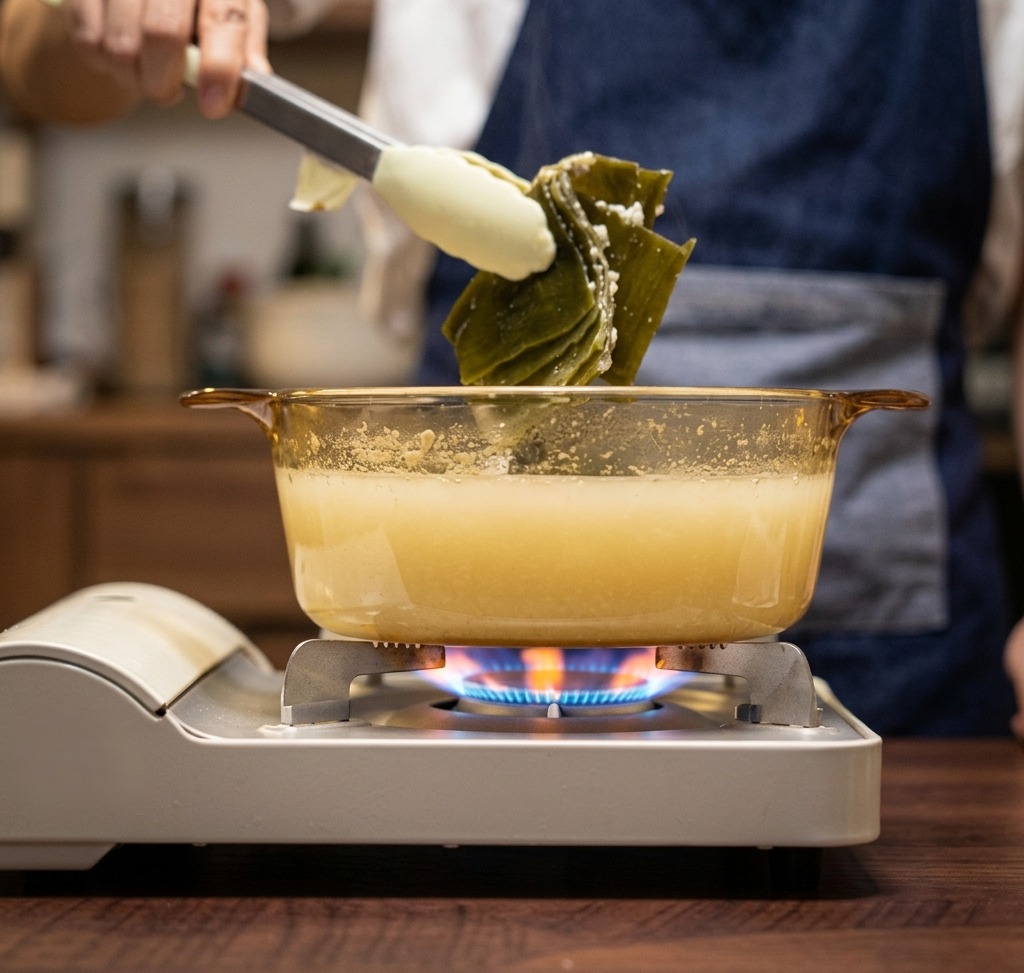
Once the liquid reaches approximately 90°C (just before it hits a full boil), use tongs to remove the kombu. Leaving the seaweed in boiling water can result in a slimy texture and an unpleasant, bitter taste.
Tip: If you dont have a thermometer, look for small bubbles forming on the bottom and sides of the pot as a cue to remove the kelp. - 7Clarify the Broth
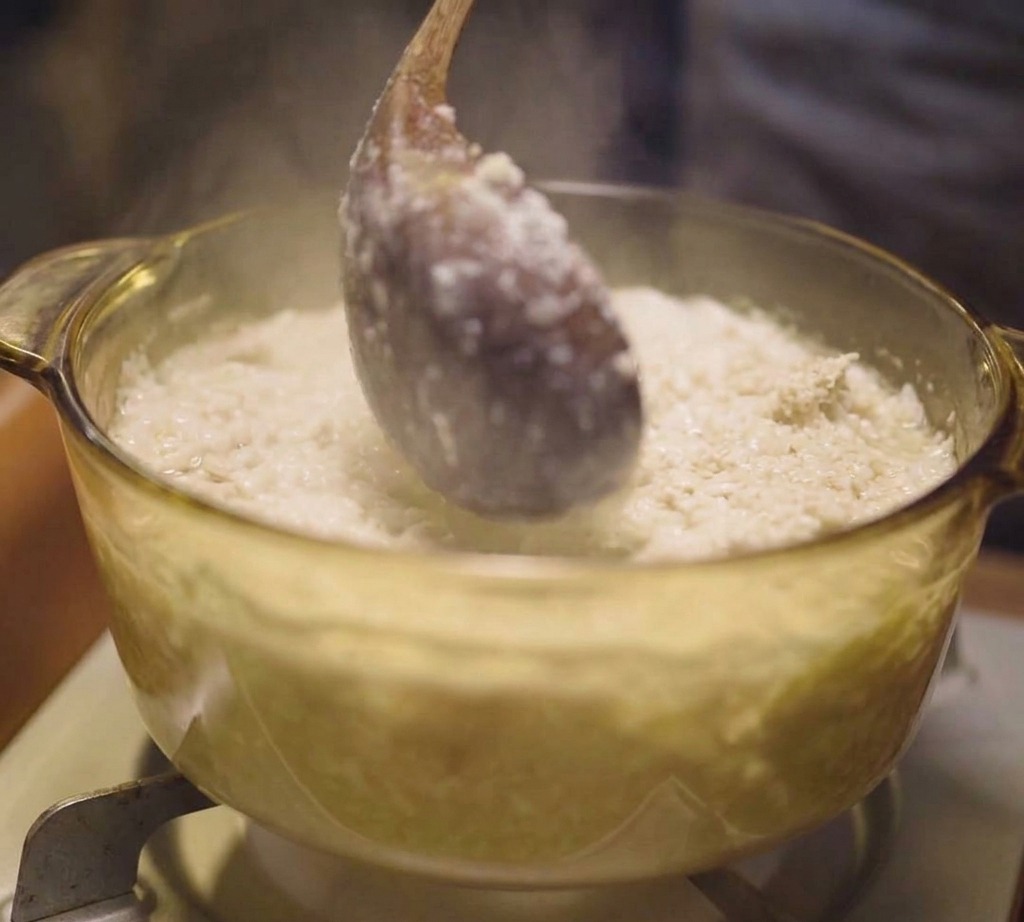
Once the kombu is removed, reduce the heat to the lowest setting. Allow the minced chicken to gently cook and float to the surface for 30 minutes. This raft of meat will attract and trap impurities, naturally clarifying the liquid. Gently skim any dark foam that appears around the edges.
Tip: Do not let the broth reach a rolling boil; a gentle simmer keeps the liquid clear and prevents the chicken from making the soup cloudy. - 8Strain the ramen broth
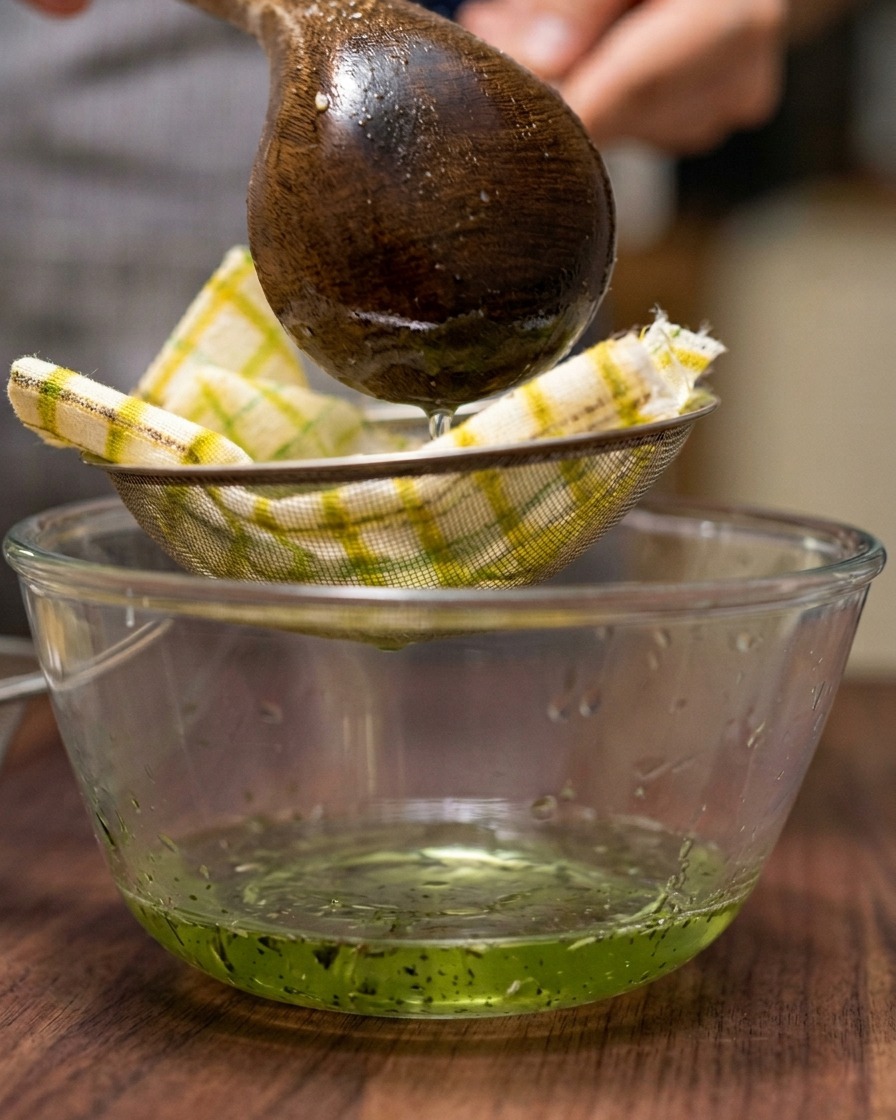
Carefully pour the cooked broth through a fine-mesh wire strainer lined with a clean cloth or cheesecloth into a large bowl. This process filters out the minced chicken and any fine particles, leaving you with a perfectly clear, golden, and flavorful salt-flavored ramen base.
Tip: Using a cloth-lined strainer is the secret to a professional, crystal-clear chintan style broth. - 9Season the serving bowl
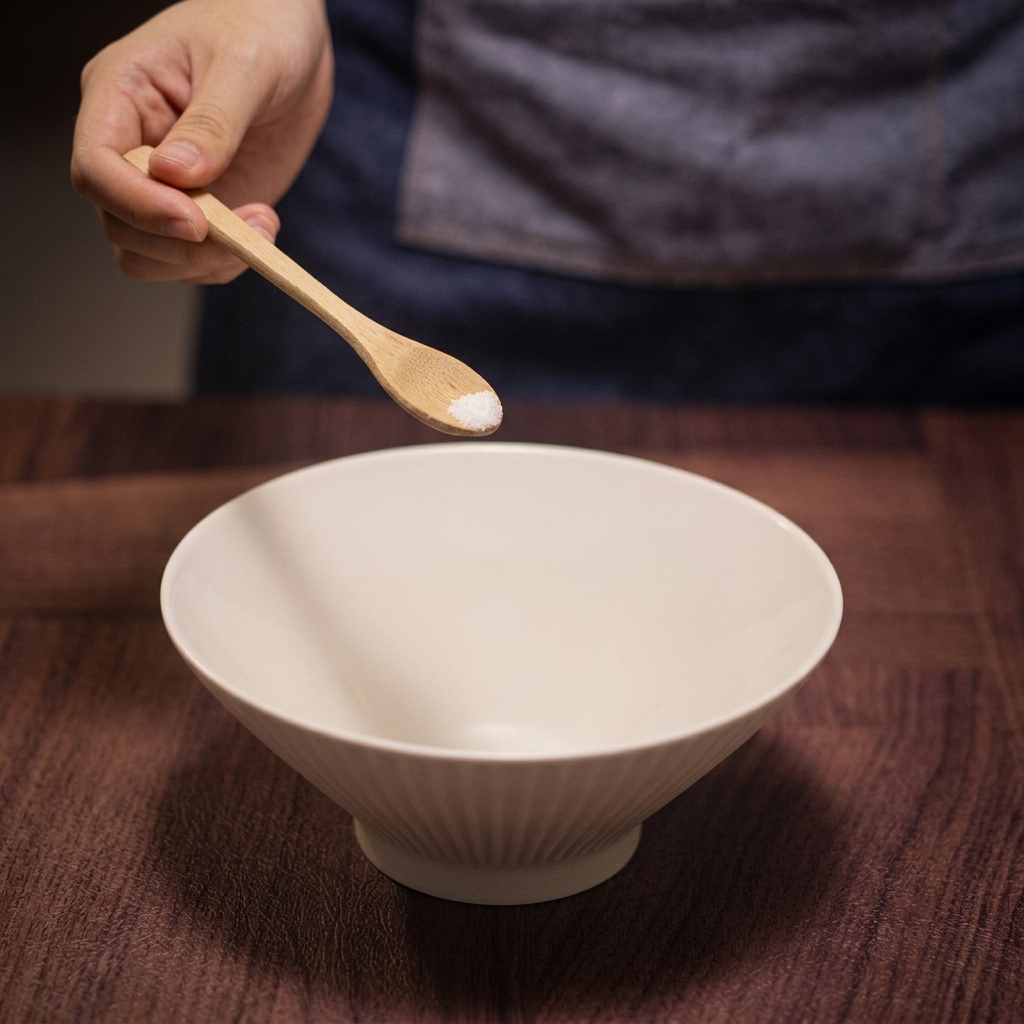
Place a small spoonful of high-quality salt into the bottom of your empty ramen serving bowl. Since this is a Shio (salt) ramen, the salt acts as the tare or seasoning base that will define the final flavor of the broth when mixed.
Tip: You can adjust the amount of salt based on your preference, or mix the salt with a little MSG or seafood powder for extra depth. - 10Pour the hot broth
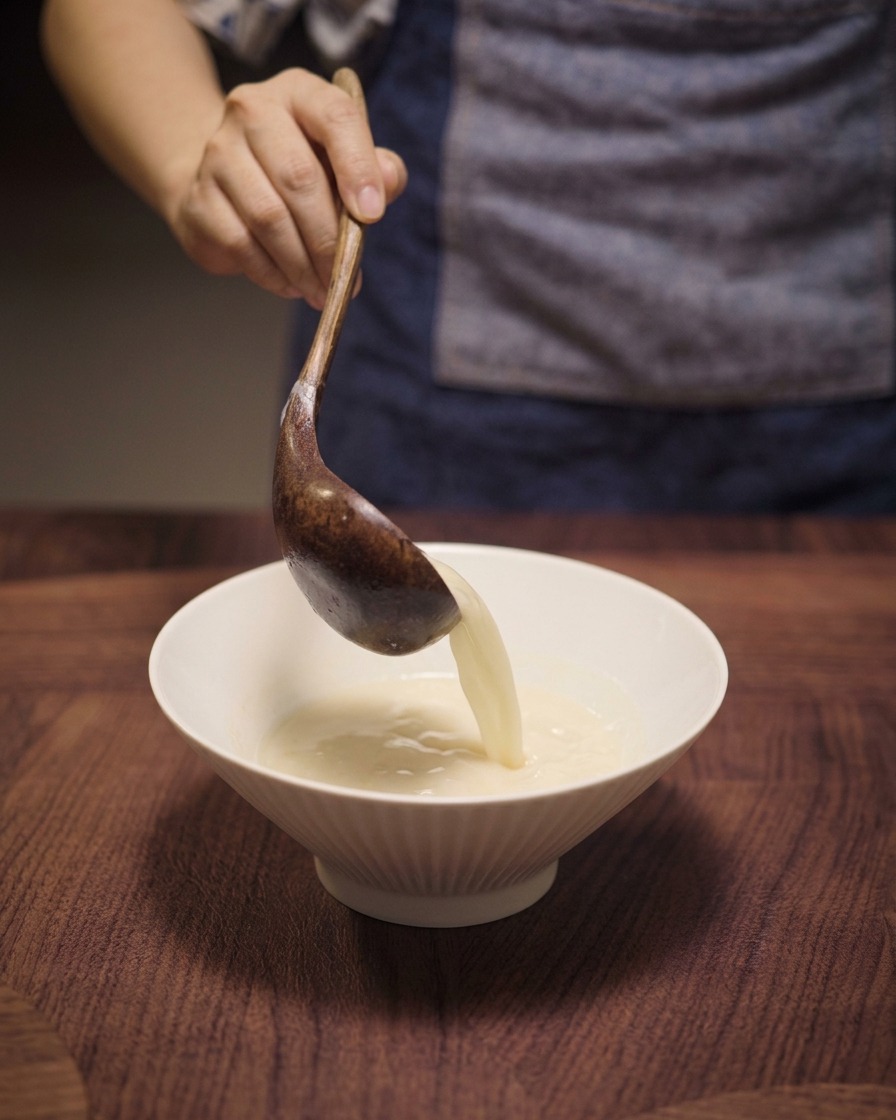
Ladle the steaming, clear chicken broth into the serving bowl directly over the salt. The heat of the liquid will naturally dissolve the salt, creating a perfectly seasoned and aromatic soup base ready for the noodles.
Tip: Ensure the broth is very hot when pouring to help the seasoning dissolve instantly and keep the dish warm until serving. - 11Add the ramen noodles
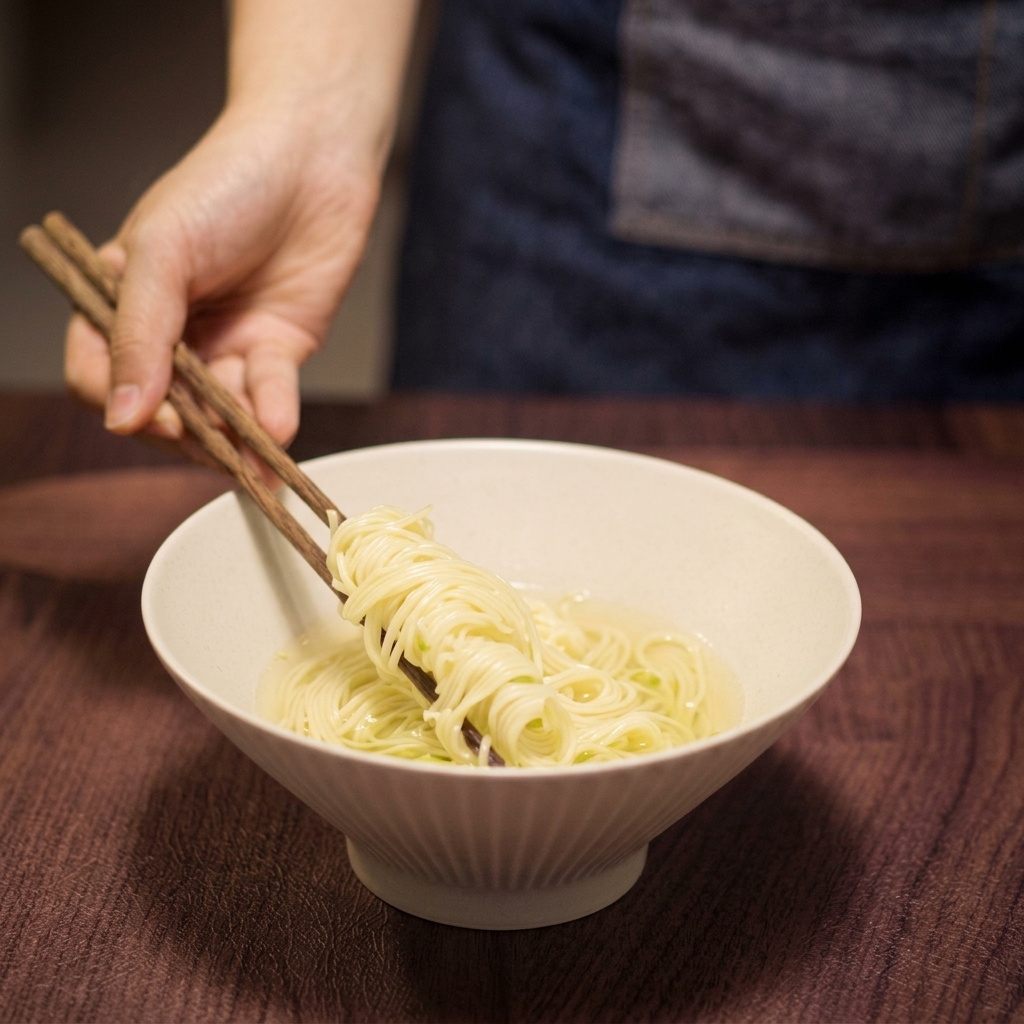
Using chopsticks, carefully transfer a portion of freshly cooked and drained ramen noodles into the bowl of hot broth. Gently lift and fold the noodles to ensure they are evenly coated and submerged in the flavorful soup.
Tip: Shake the noodles well after boiling to remove excess water so you dont dilute the carefully prepared broth.