Homemade Creamy Miso Ramen
Beef
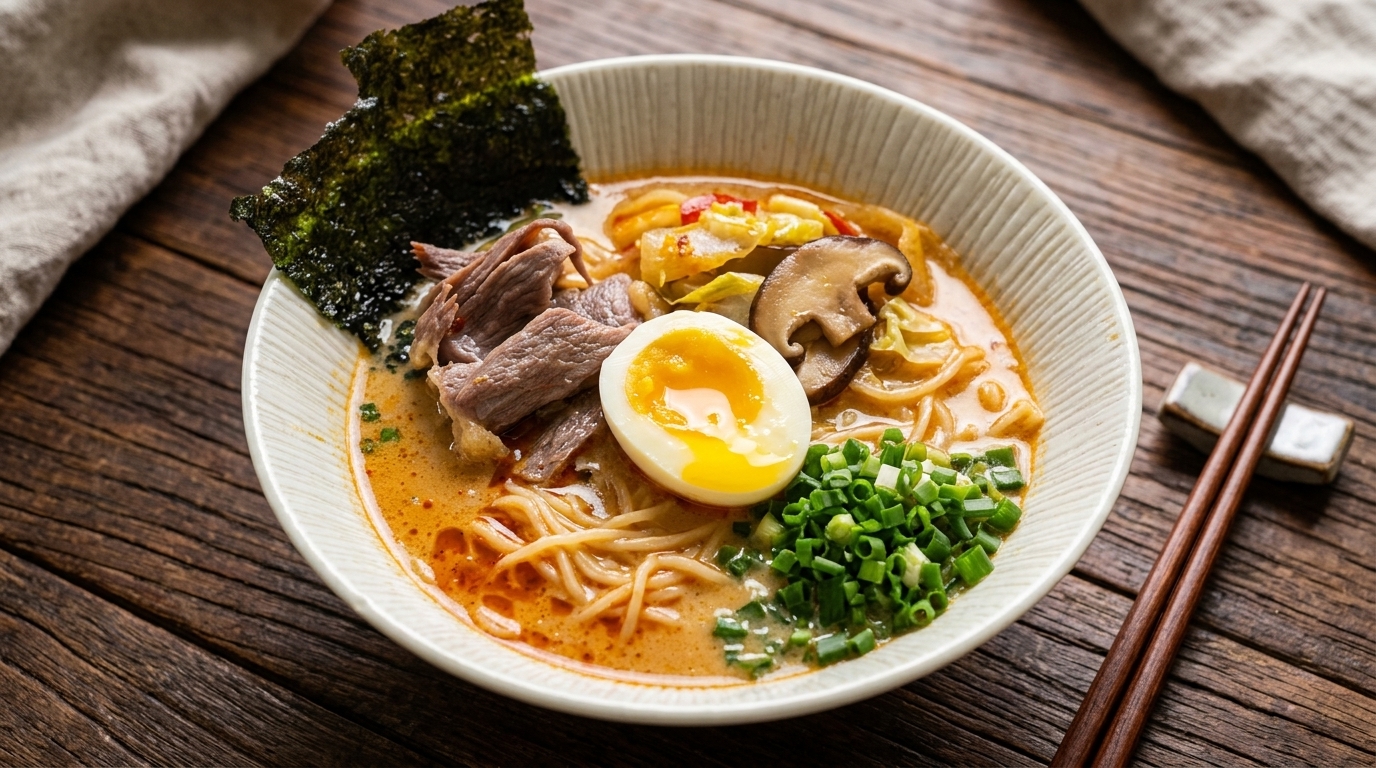
A comforting bowl of Japanese-style ramen featuring a velvety milk-enriched broth, savory soybean paste, and tender beef slices ready in under 40 minutes.
While traditional ramen broth can take days to simmer, this home-style version uses Korean soybean paste and milk to achieve a complex, creamy profile in a fraction of the time. It is a testament to how pantry staples can transform into a gourmet experience, providing a rich, satisfying meal perfect for cold weather.
Ingredients
- 1 tbsp cooking oil
- 4 cloves garlic
- 1 small onion
- 1 tbsp Korean soybean paste (Doenjang)
- 100 g shiitake mushrooms
- 150 g napa cabbage
- 500 ml water
- 200 ml milk
- 1 pack fresh ramen noodles
- 150 g beef brisket or shabu-shabu slices
- 2 stalks green onions
- 1 whole soft-boiled egg
- 1 sheet nori seaweed
Instructions
- 1Slice the garlic cloves
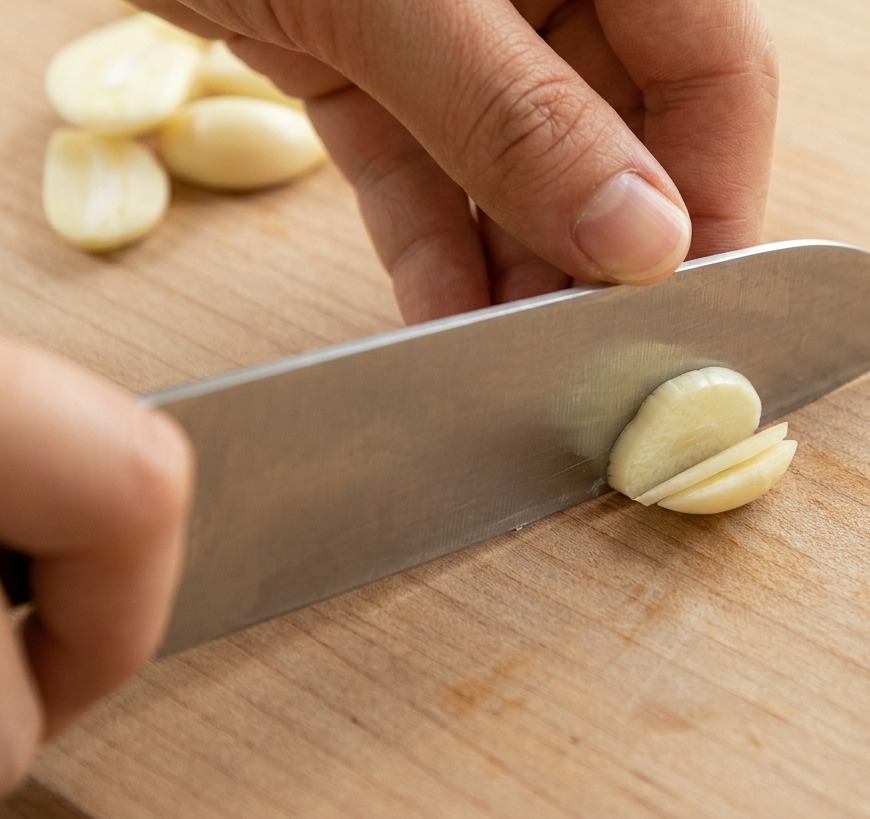
Begin by preparing the aromatics for the soup base. Take the peeled raw garlic cloves and carefully cut them into thin, even slices. These thin pieces will release their pungent flavor and aroma quickly when they hit the hot oil later in the process.
Tip: Keep your fingertips tucked in while slicing to ensure safety and maintain a consistent thickness for even cooking. - 2Slice the shiitake mushrooms
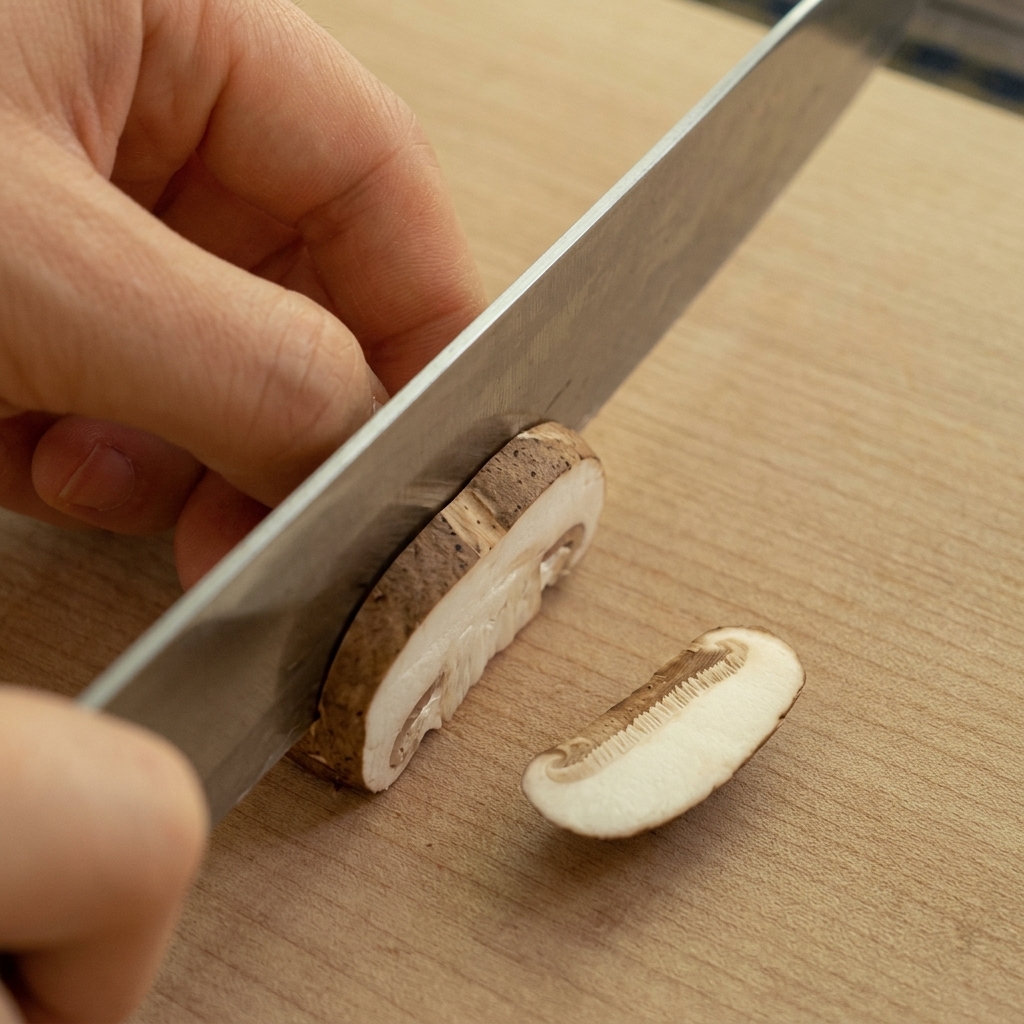
Take the fresh shiitake mushrooms and slice the caps into thin strips. Shiitake mushrooms are essential for adding a rich, earthy umami flavor and a meaty texture to the soup base, complementing the creaminess of the finished broth.
Tip: Wipe the mushrooms with a damp paper towel instead of washing them under water to prevent them from becoming soggy. - 3Chop the napa cabbage
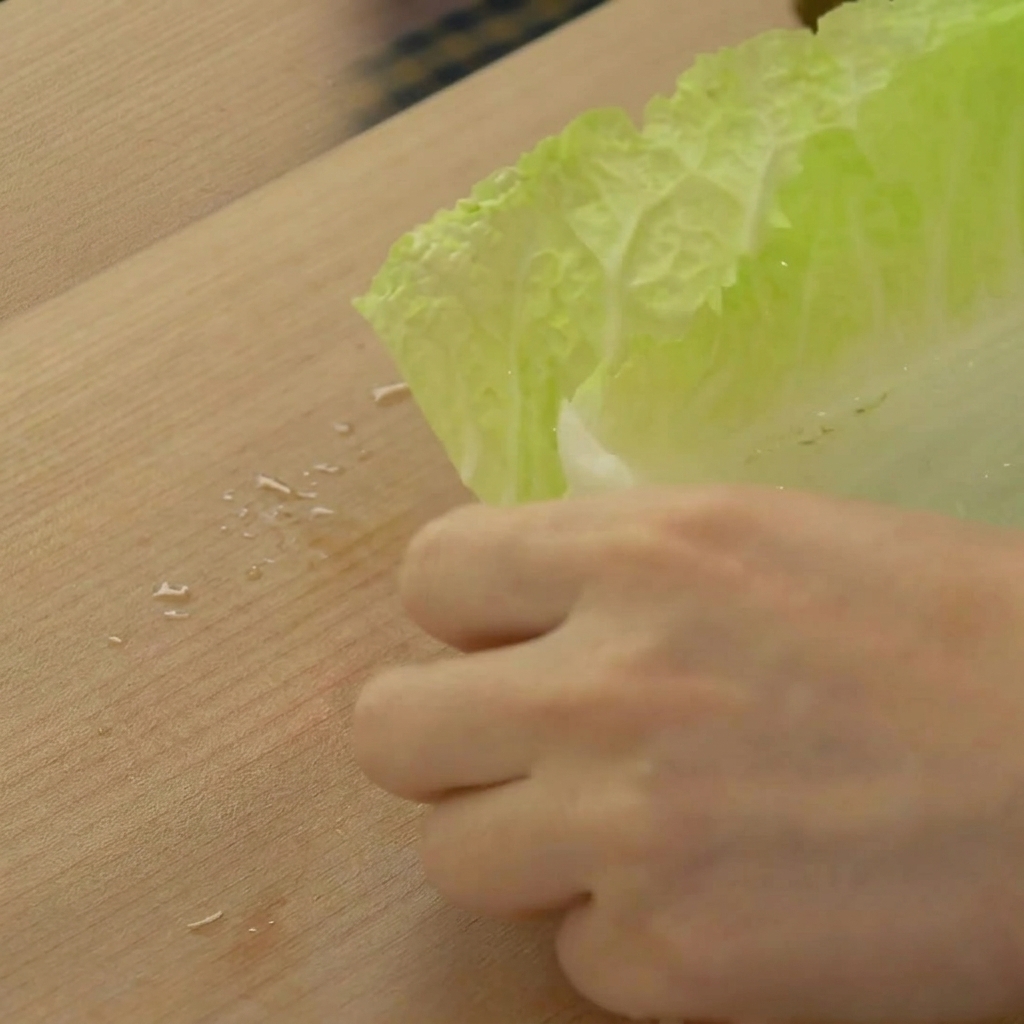
Wash the napa cabbage leaves and pat them dry. Lay the leaves flat and slice them into bite-sized strips. The cabbage adds a natural sweetness to the soup and provides a refreshing crunch to the final assembly.
Tip: You can stack several leaves on top of each other to slice them more efficiently and ensure uniform piece sizes. - 4Mince the green onions
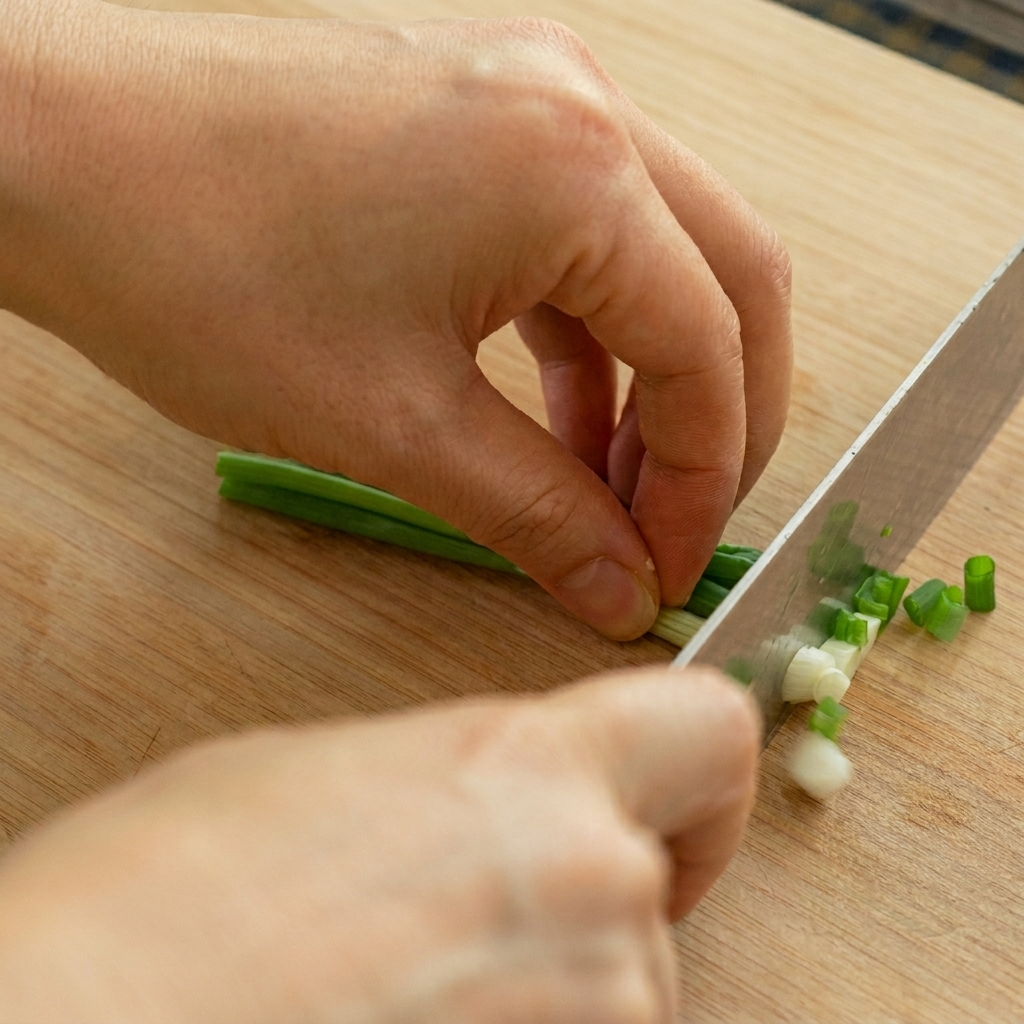
Finely chop the fresh green onions into small rings. These will be used as the final garnish, providing a bright pop of color and a sharp, fresh contrast to the rich, savory flavors of the ramen.
Tip: Use a very sharp knife to avoid bruising the delicate onion stalks, which can make them turn slimy and lose their fresh aroma. - 5Sauté the aromatics
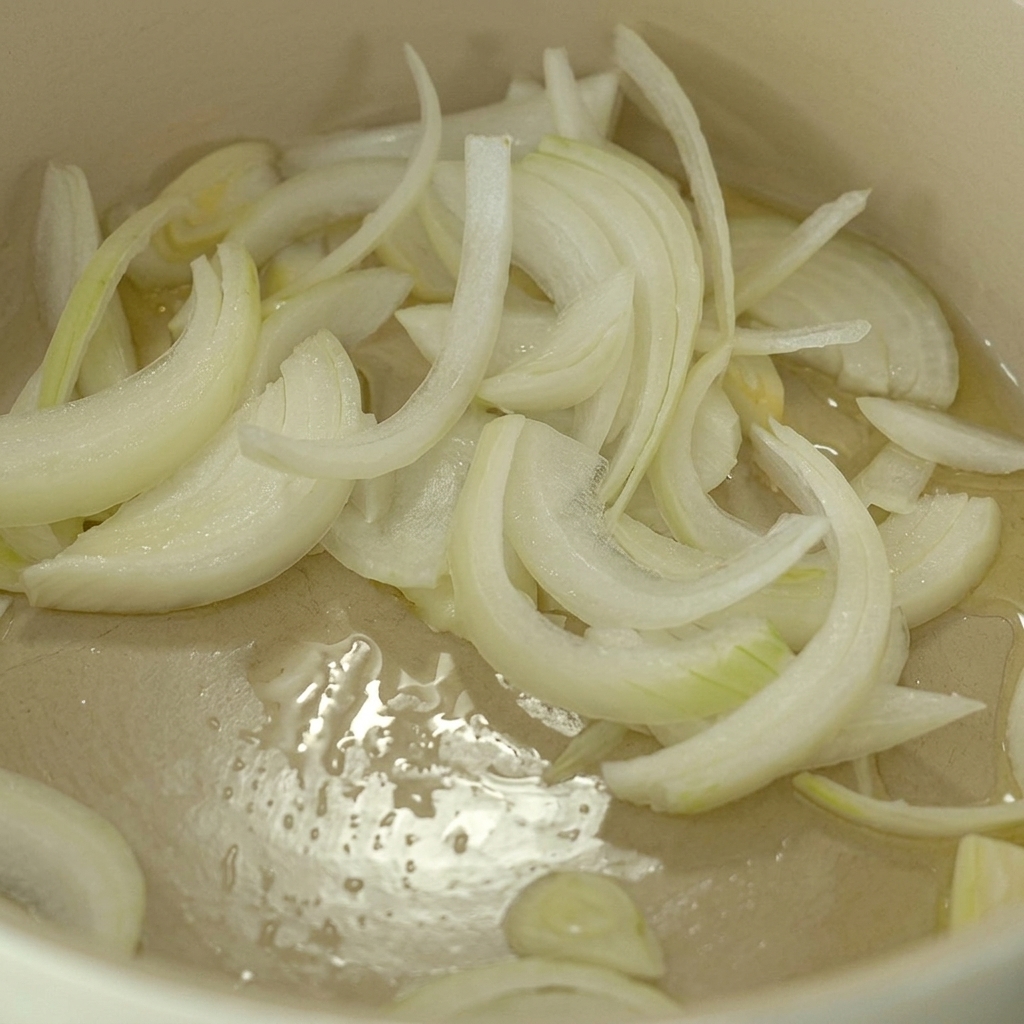
Heat a small amount of oil in a pot over medium heat. Add the sliced onions and garlic, sautéing them until they are soft, translucent, and highly fragrant. This step releases the natural sugars and oils, building the first layer of flavor for your ramen broth.
Tip: Keep the heat at medium to ensure the garlic softens without browning too quickly, which could lead to a bitter flavor profile. - 6Incorporate the soybean paste
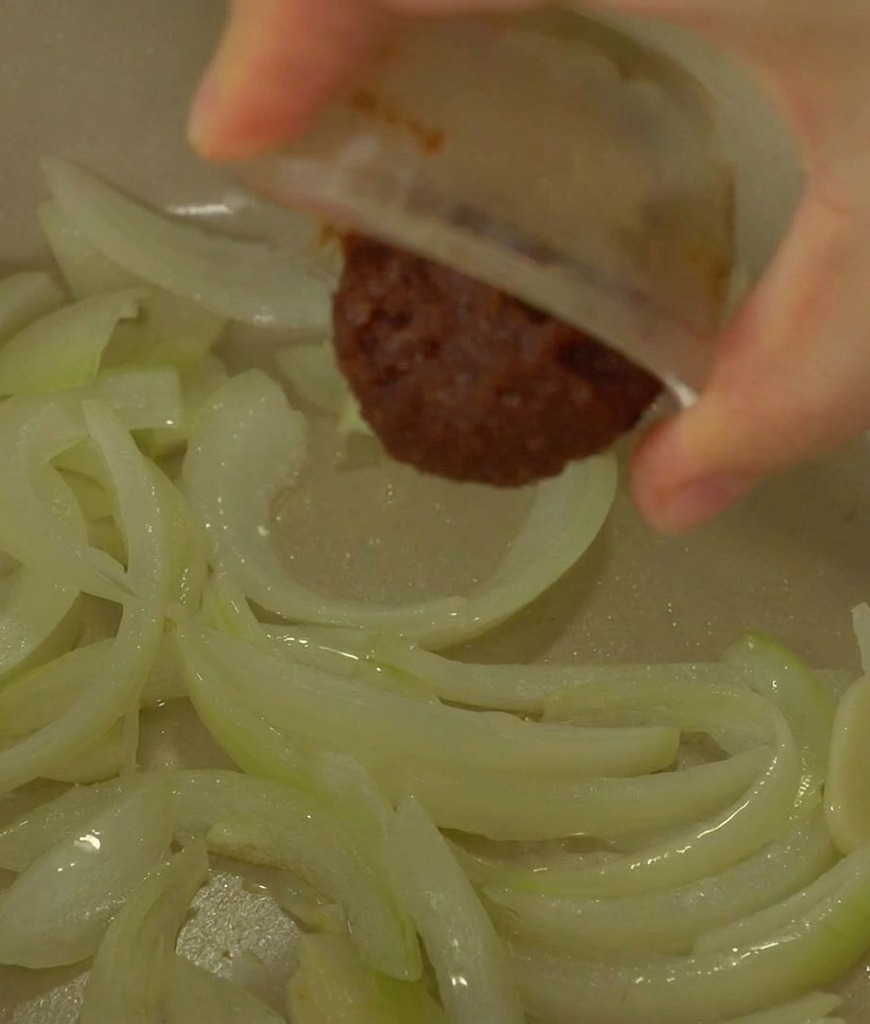
Once the onions and garlic have softened and become fragrant in the pot, add a generous scoop of Korean soybean paste (Doenjang). Stir it thoroughly into the sautéed mixture to toast the paste slightly, which deepens the umami base of your ramen broth.
Tip: Be sure to stir constantly for a few seconds to prevent the thick paste from sticking to the bottom of the pot or burning. - 7Add water to the base
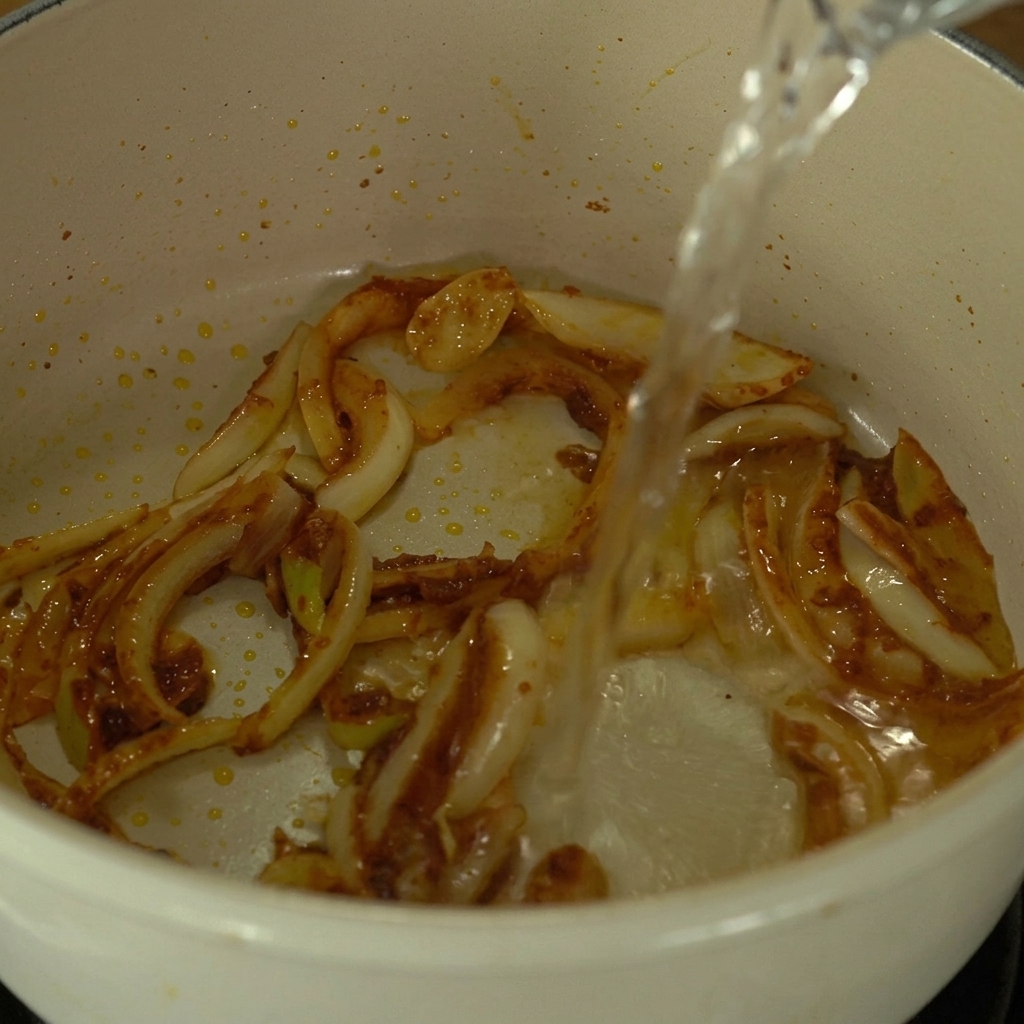
Pour water into the pot with the sautéed onions and Korean soybean paste. This liquid will form the foundation of your ramen broth, picking up all the savory and aromatic flavors from the base ingredients as it simmers.
Tip: Use filtered water if possible to ensure a clean, crisp flavor that allows the depth of the soybean paste to stand out. - 8Simmer the vegetables
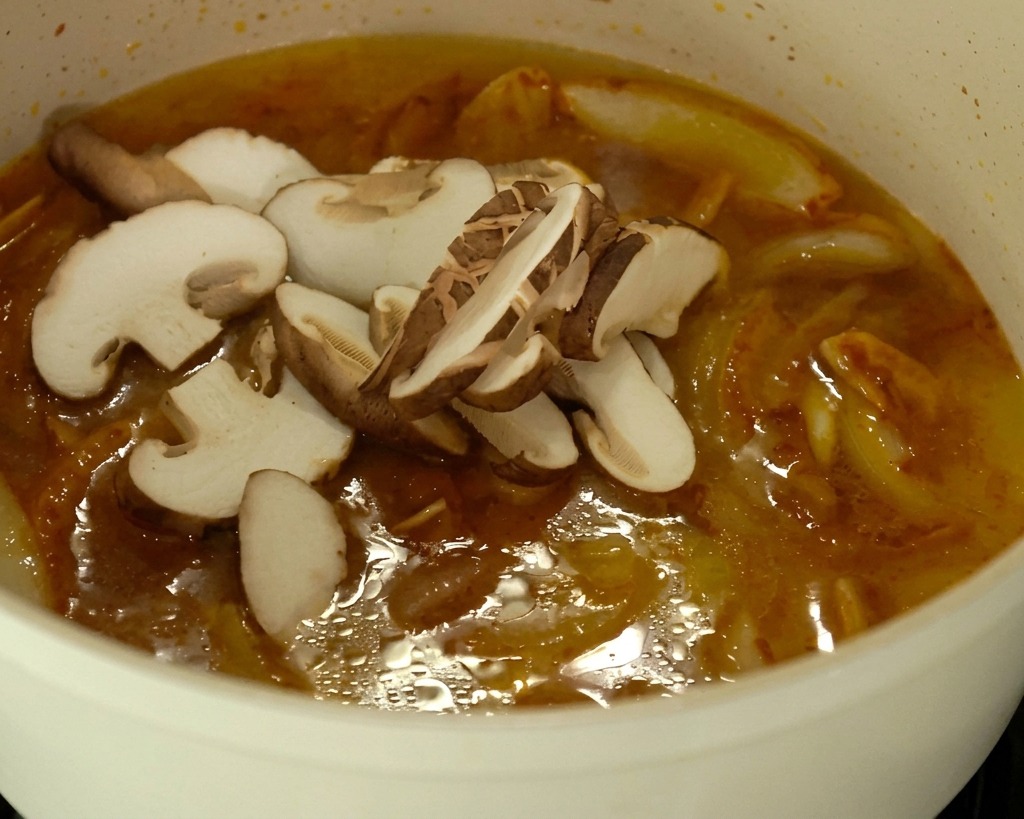
Add the prepared mushroom slices and fresh cabbage into the bubbling soup base. Allow these vegetables to simmer in the broth, where they will soften and release their natural sweetness, balancing the salty richness of the soybean paste.
Tip: Shiitake mushrooms are excellent for this as they provide a meaty texture and extra savory depth to the vegetarian-style broth. - 9Cook the ramen noodles
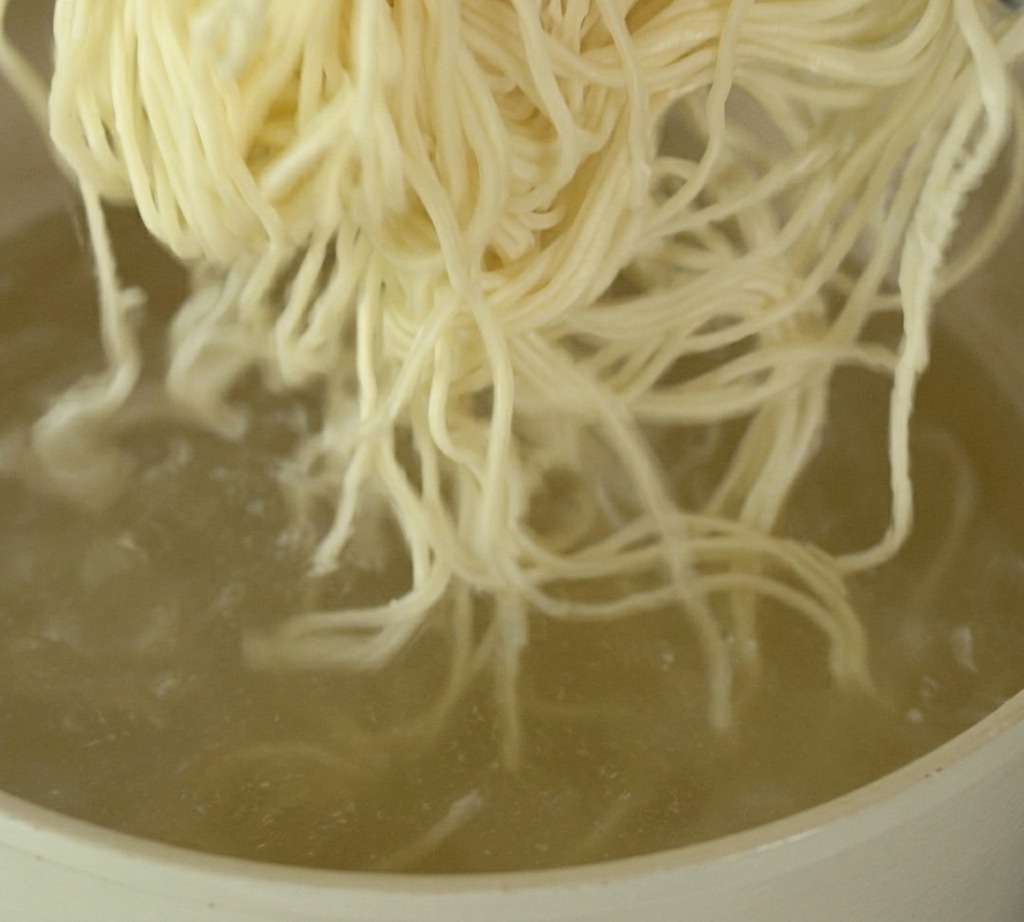
While the soup continues to develop flavor, bring a separate pot of water to a rolling boil and drop in the fresh ramen noodles. Use a pair of chopsticks to gently agitate the water and separate the strands so they cook evenly without clumping.
Tip: Check the packaging for specific cooking times; fresh noodles usually only need 2-3 minutes to reach a perfect al dente texture. - 10Drain the noodles
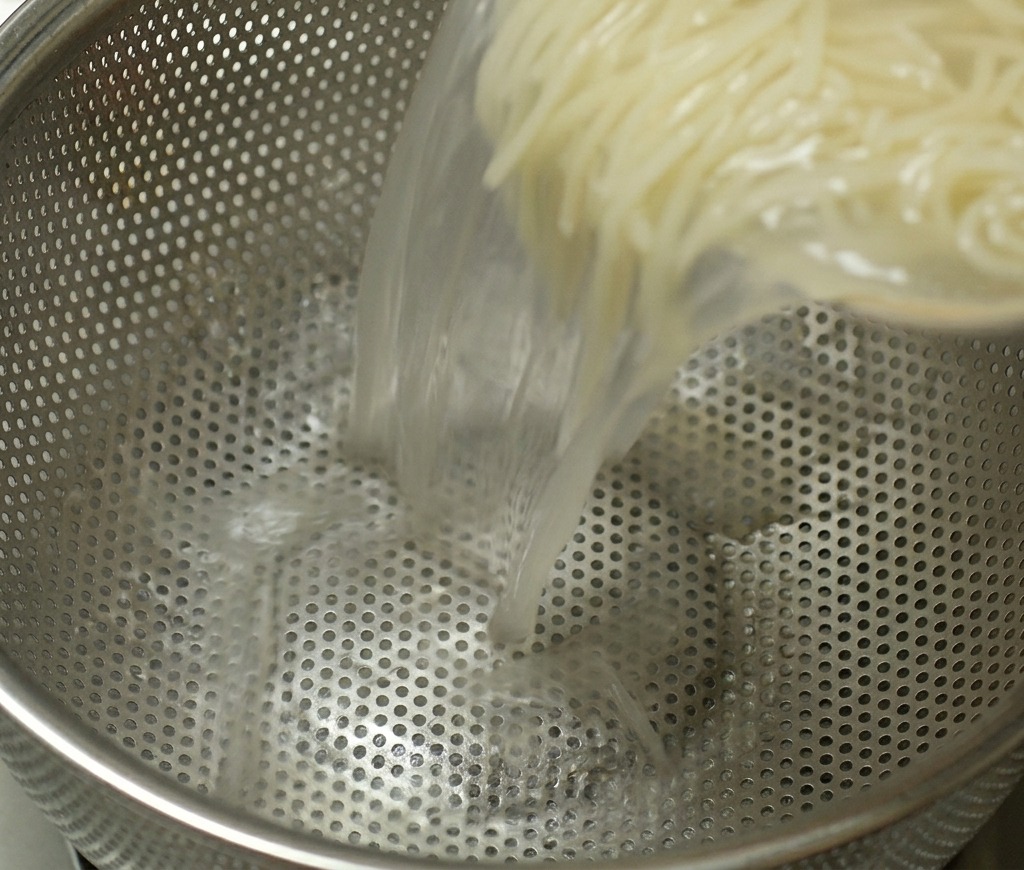
Once the noodles reach your desired texture, pour the entire pot into a metal colander to drain the hot cooking water completely. Acting quickly prevents the noodles from overcooking in the residual heat.
Tip: Keep the cold water running as you toss the noodles gently by hand to make sure every strand is cooled and separated. - 11Rinse with cold water
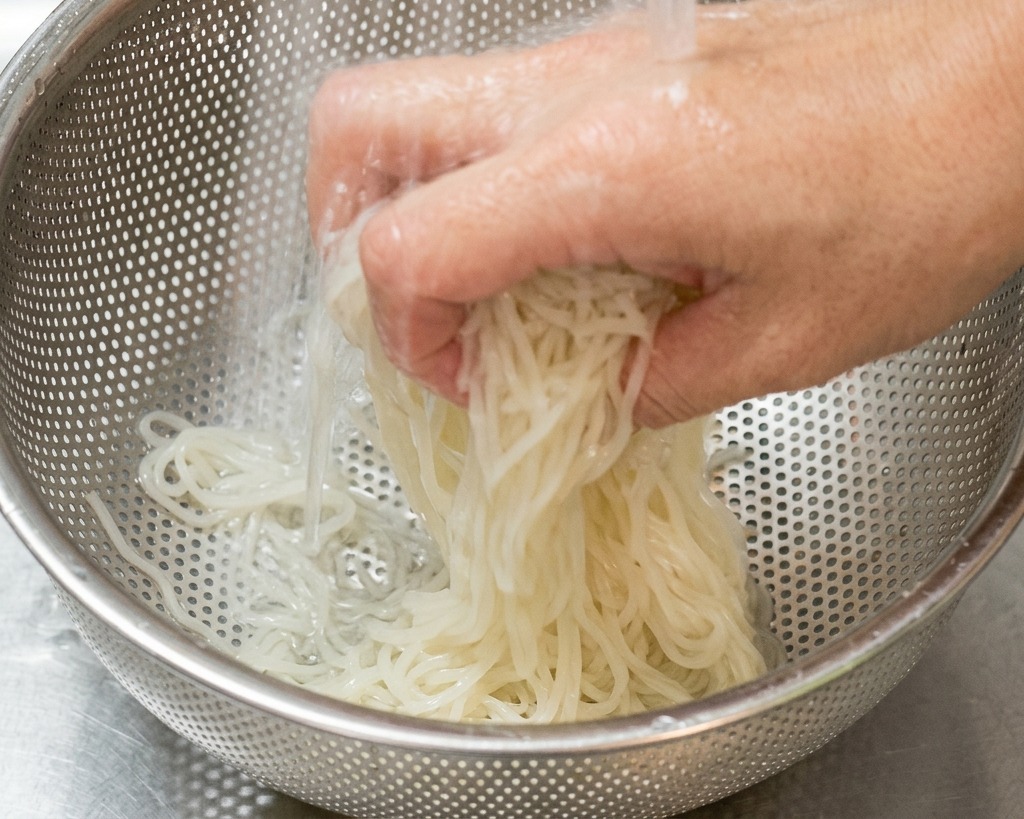
Immediately rinse the drained noodles under cold running water. Use your hands to toss them gently; this removes excess surface starch and stops the cooking process to ensure a firm, bouncy texture.
Tip: Dont skip the cold rinse—its the secret to achieving that firm, bouncy al dente texture characteristic of high-quality ramen noodles. - 12Strain the vegetable broth
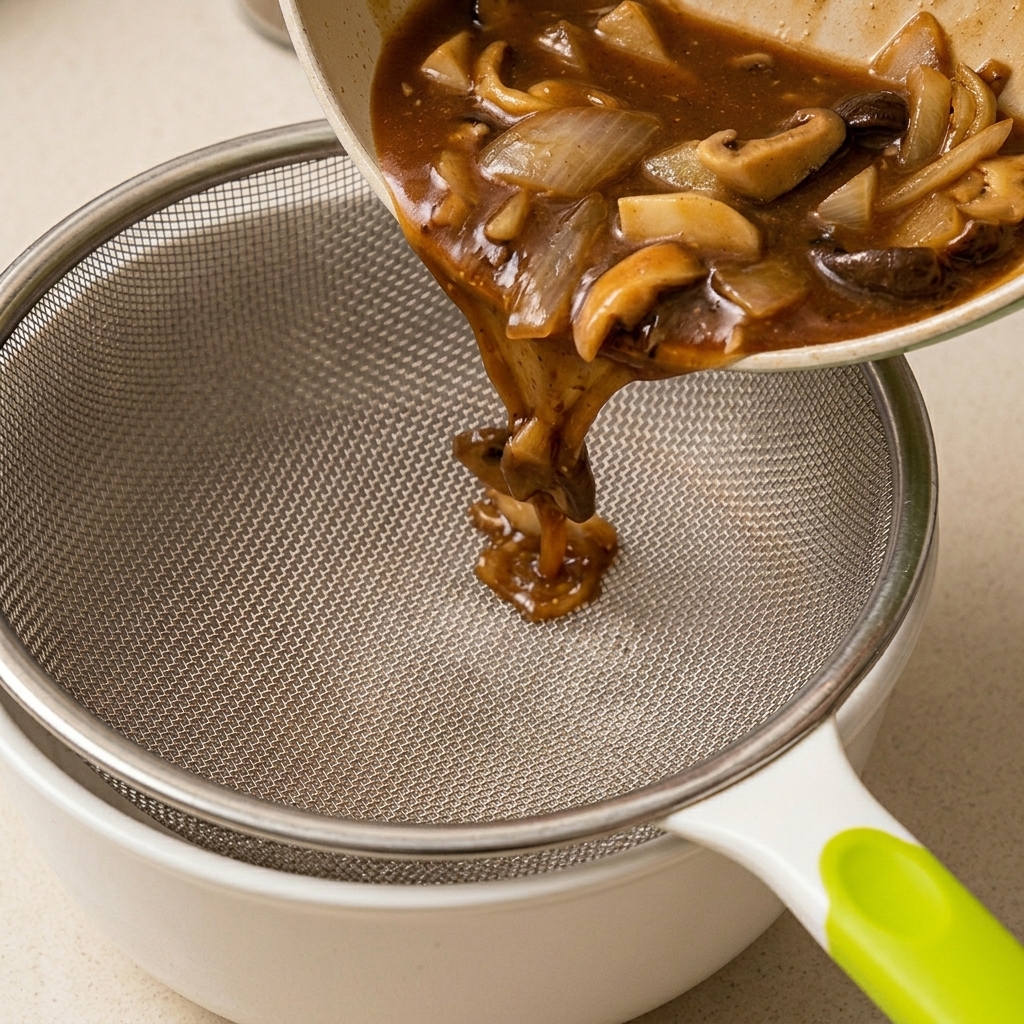
Carefully pour the simmered soup through a fine-mesh sieve into a clean bowl. This process separates the softened onions, mushrooms, and cabbage from the liquid, resulting in a smooth, refined broth for the final assembly.
Tip: You can press the vegetables against the sieve with a spoon to extract every bit of concentrated flavor before discarding the solids. - 13Add milk for a creamy broth
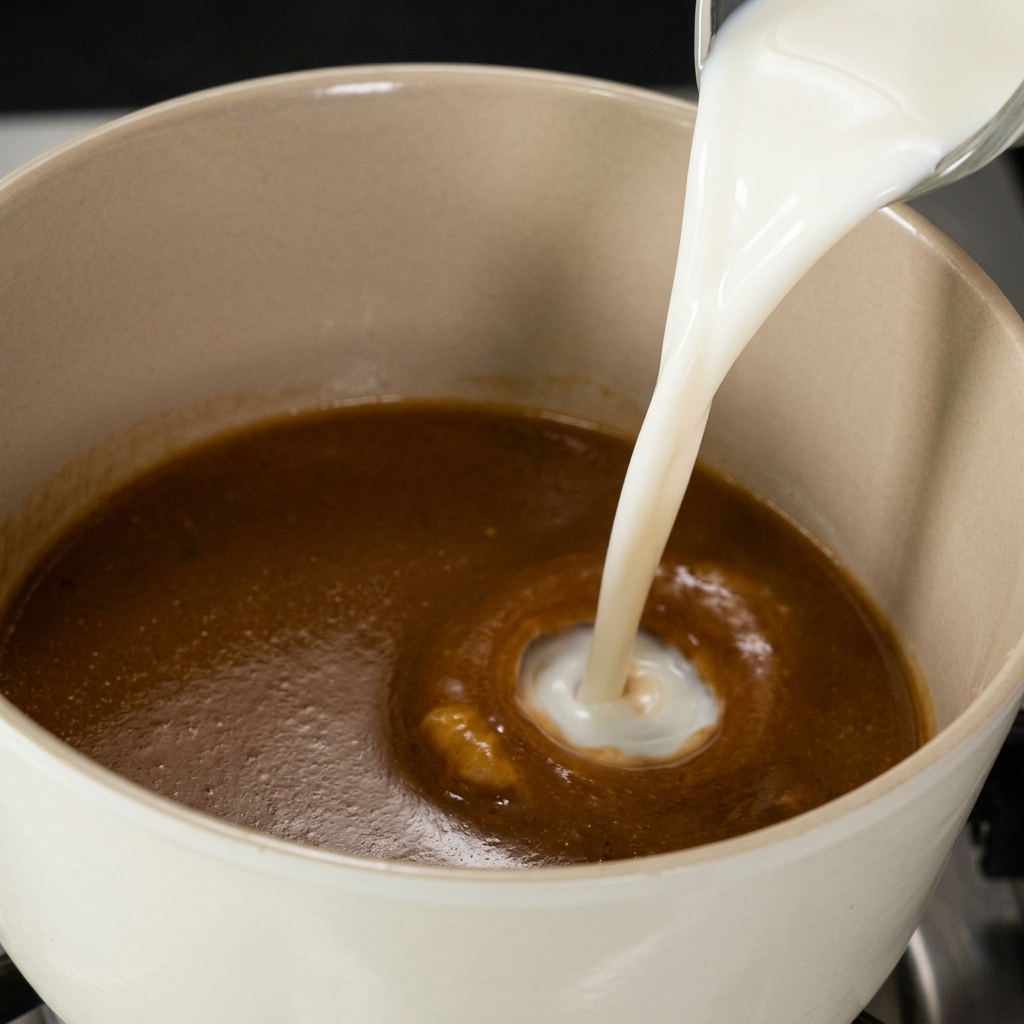
Pour the fresh milk into the pot containing the strained vegetable broth. This step adds a velvety richness to the ramen base, balancing the deep savory notes of the soybean paste and mushrooms for a smooth, comforting finish.
Tip: Make sure the broth is at a gentle simmer rather than a vigorous boil before adding the milk to ensure a perfectly smooth and creamy texture without curdling. - 14Poach the beef slices
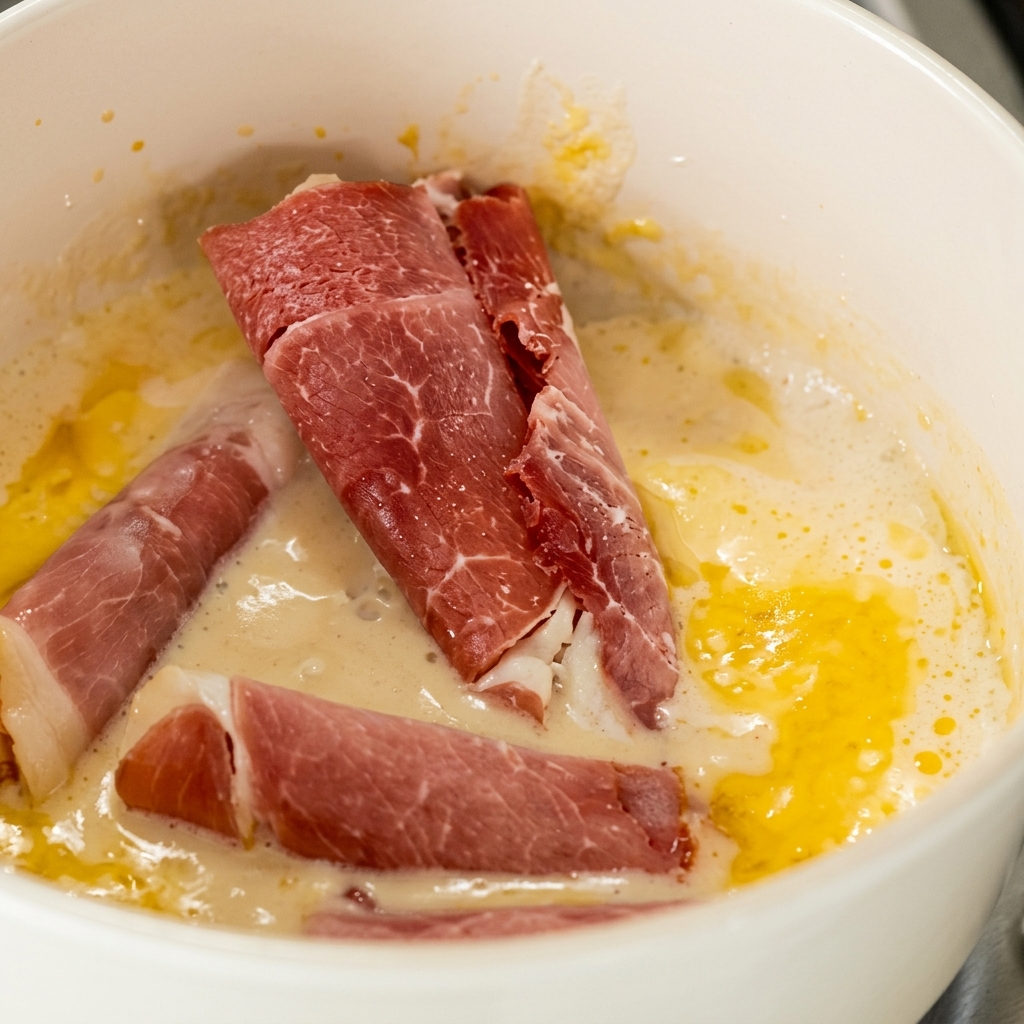
Gently place the raw beef slices into the simmering milky broth. The heat of the soup will cook the thin meat in seconds, keeping it incredibly tender while infusing the broth with savory richness.
Tip: Use high-quality, thinly sliced beef like shabu-shabu or brisket so that it cooks in seconds and melts in your mouth. - 15Pour the creamy broth
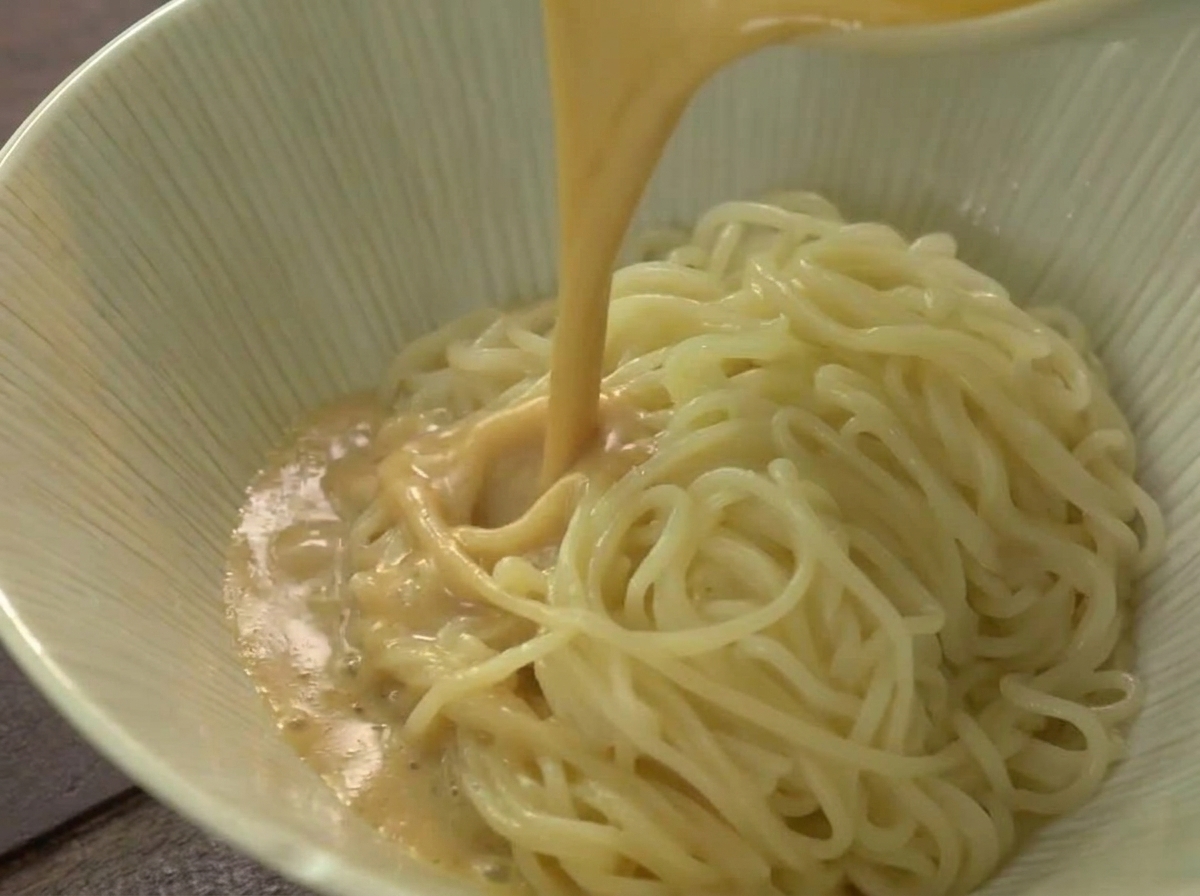
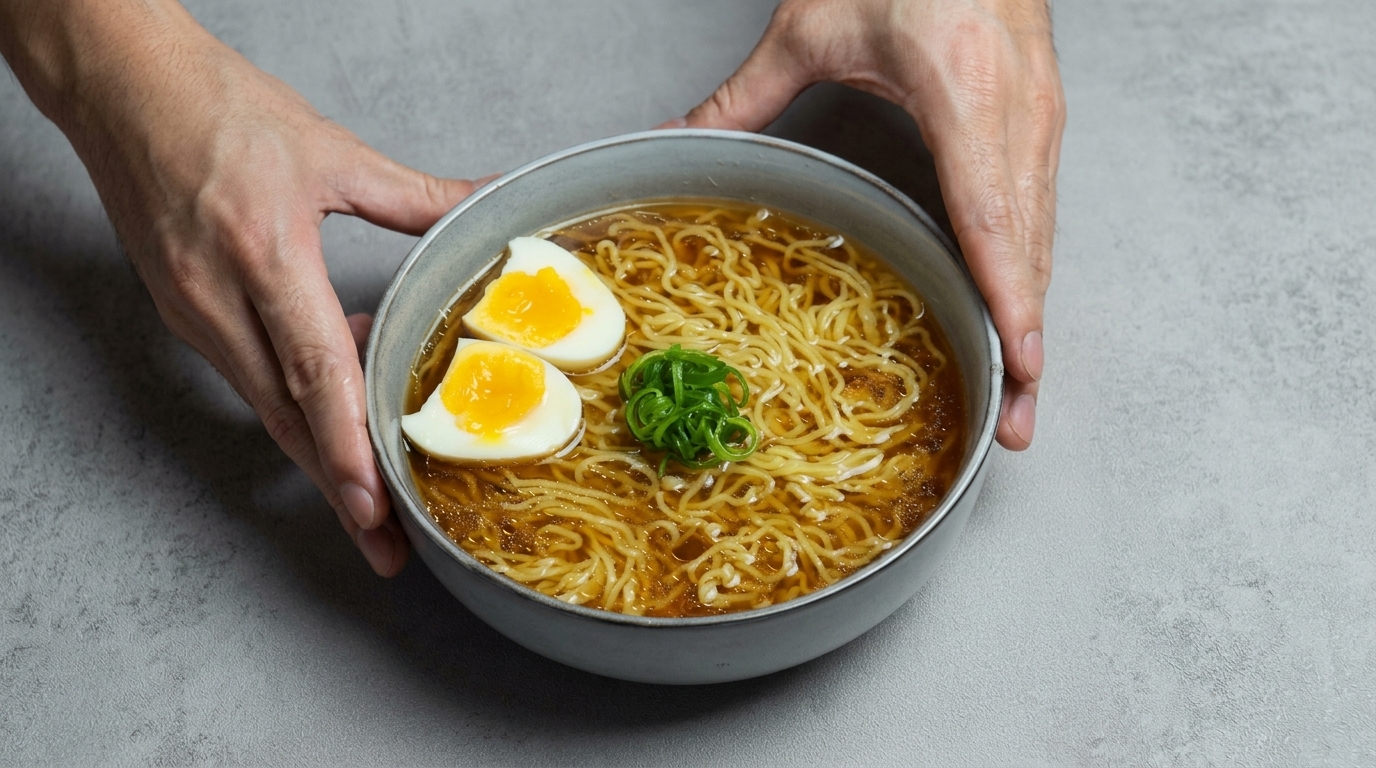
Place the prepared noodles into a serving bowl and carefully pour the hot, creamy vegetable and milk broth over them. This rich, velvety soup will warm the noodles and provide a comforting base for the final dish.
Tip: Pour the broth slowly from the side of the bowl to avoid splashing and to keep the noodle arrangement looking neat.