Tokyo Abura Soba (Soupless Japanese Oil Noodles)
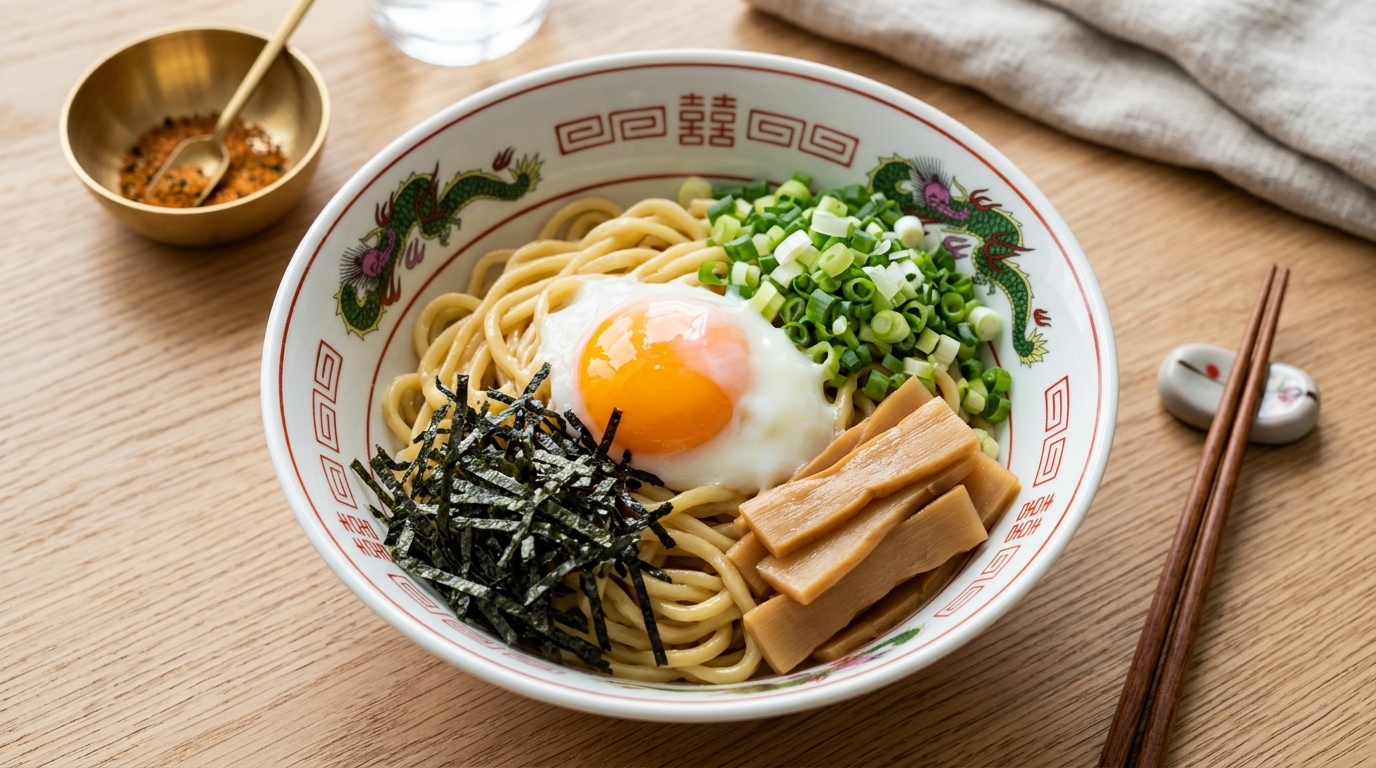
A rich bowl-licking experience from Tokyos streets thick chewy ramen noodles tossed in a savory dashi-infused soy base and aromatic scallion oil.
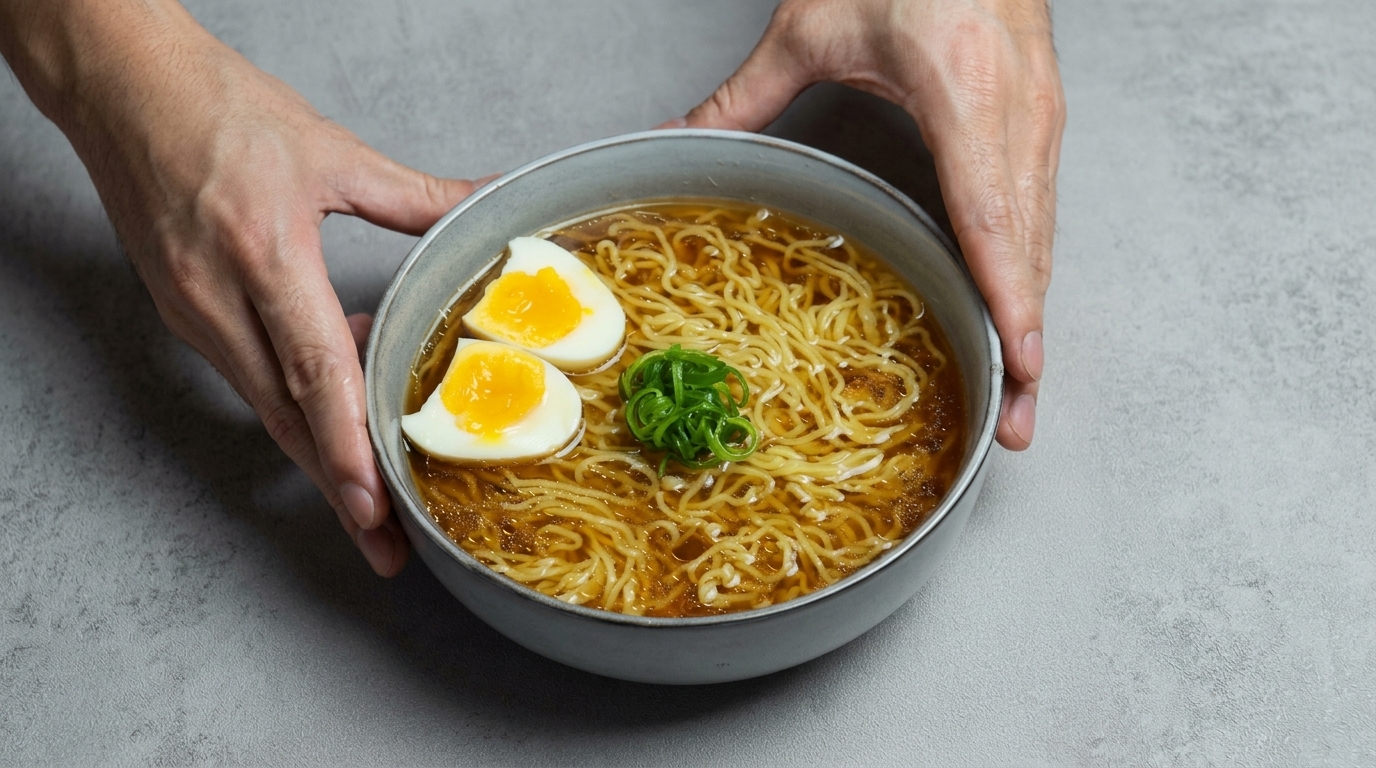
Abura Soba which literally translates to oil noodles is Tokyos famous brothless ramen. Unlike traditional ramen which relies on a heavy soup this dish uses a concentrated blend of soy sauce and infused oils to coat every strand of noodle. It is a masterclass in texture and umami traditionally topped with a silky onsen egg to create a creamy finish.
Ingredients
- 6 g bonito flakes
- 150 ml water
- 90 ml Japanese dark soy sauce
- 60 ml mirin
- 45 ml rice wine
- 15 g sugar
- 3 g sansho pepper powder
- 15 g lard
- 1 large scallion
- 2 tbsp sesame oil
- 3 eggs
- 3 servings thick ramen noodles
- to taste seasoned bamboo shoots
- to taste shredded nori seaweed
- to taste chopped scallions
- to taste chopped chives
Instructions
- 1Start the bonito broth
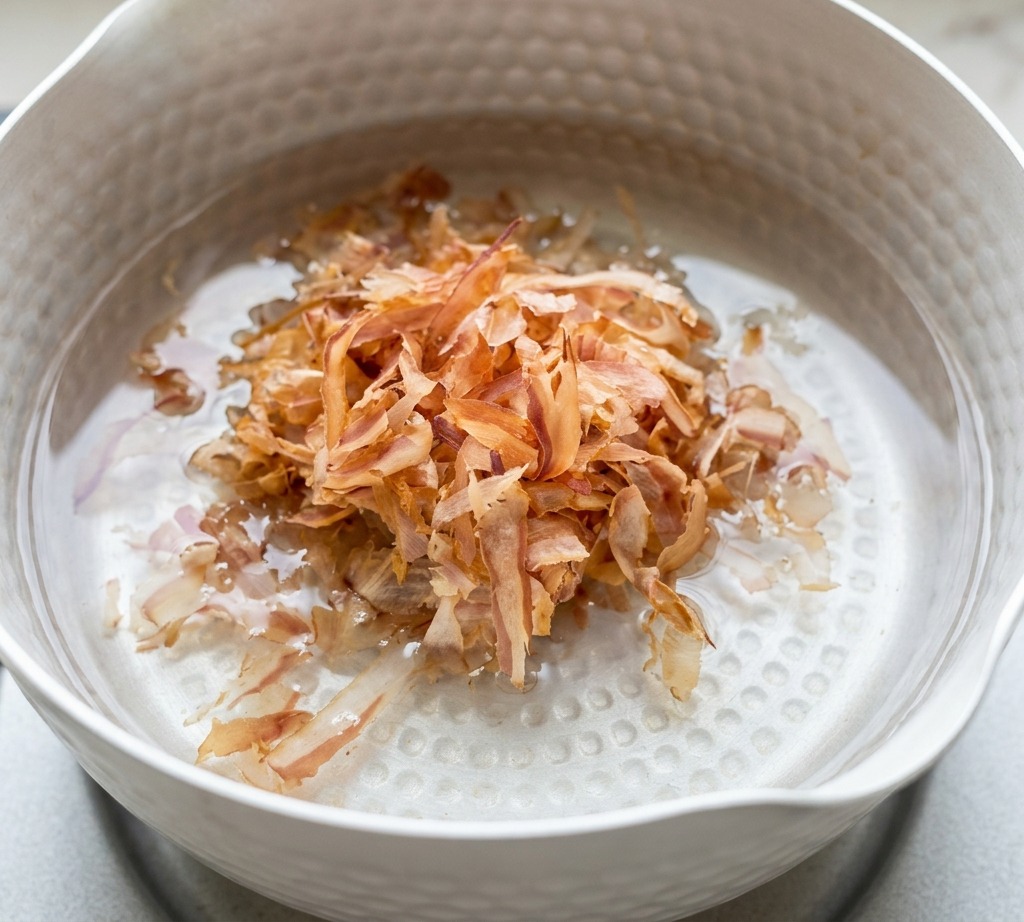
Begin the broth by adding 6g of dried bonito flakes to a pot containing 150ml of cold watercite: 4, 60. Place the pot on the stove over medium-low heat to start extracting the savory umami flavorscite: 4, 60.
Tip: Always start with cold water to allow the bonito flakes to release their flavors gradually as the temperature risescite: 60. - 2Strain the broth
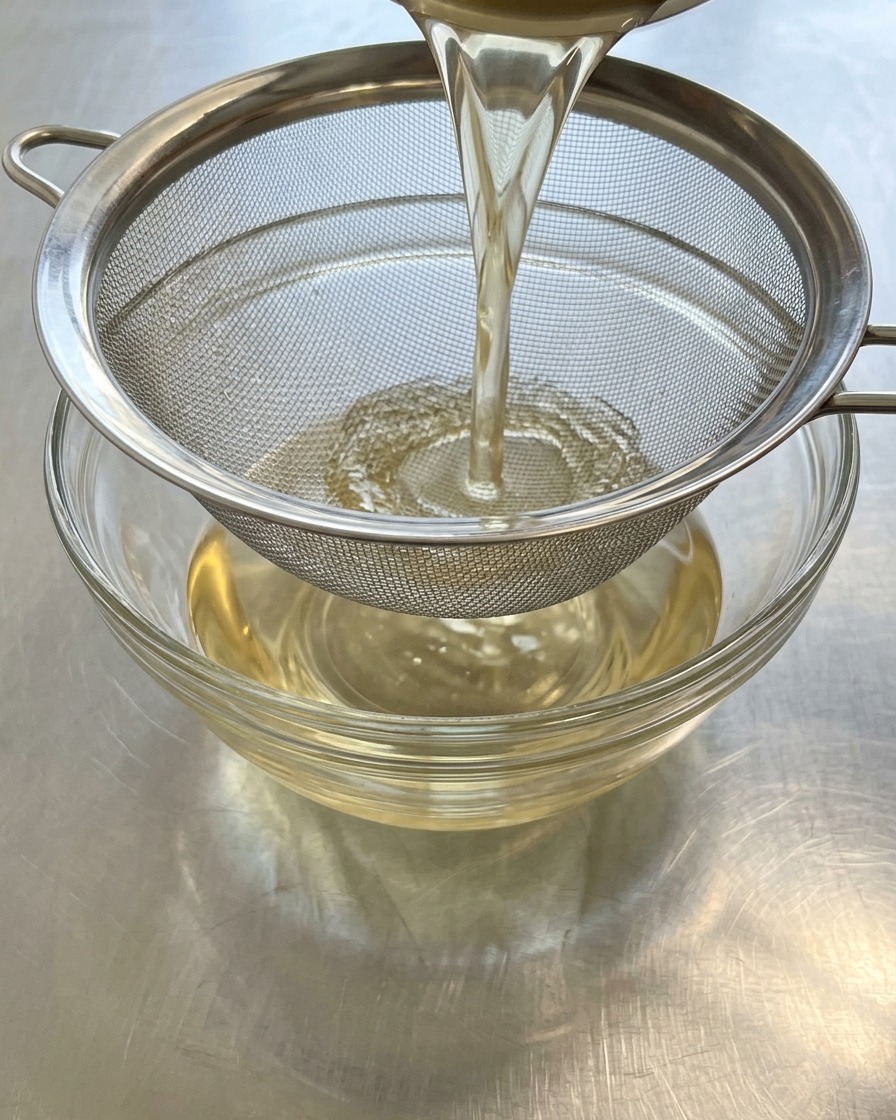
After simmering the broth for 3 minutes and letting it steep for another 2, pour the liquid through a fine-mesh strainer into a clean glass bowlcite: 4, 60. This ensures the solids are removed, leaving you with a clear and fragrant dashicite: 4, 60.
Tip: Avoid pressing down on the bonito flakes in the strainer, as this can introduce bitterness or cloudiness to your brothcite: 60. - 3Combine the sauce ingredients
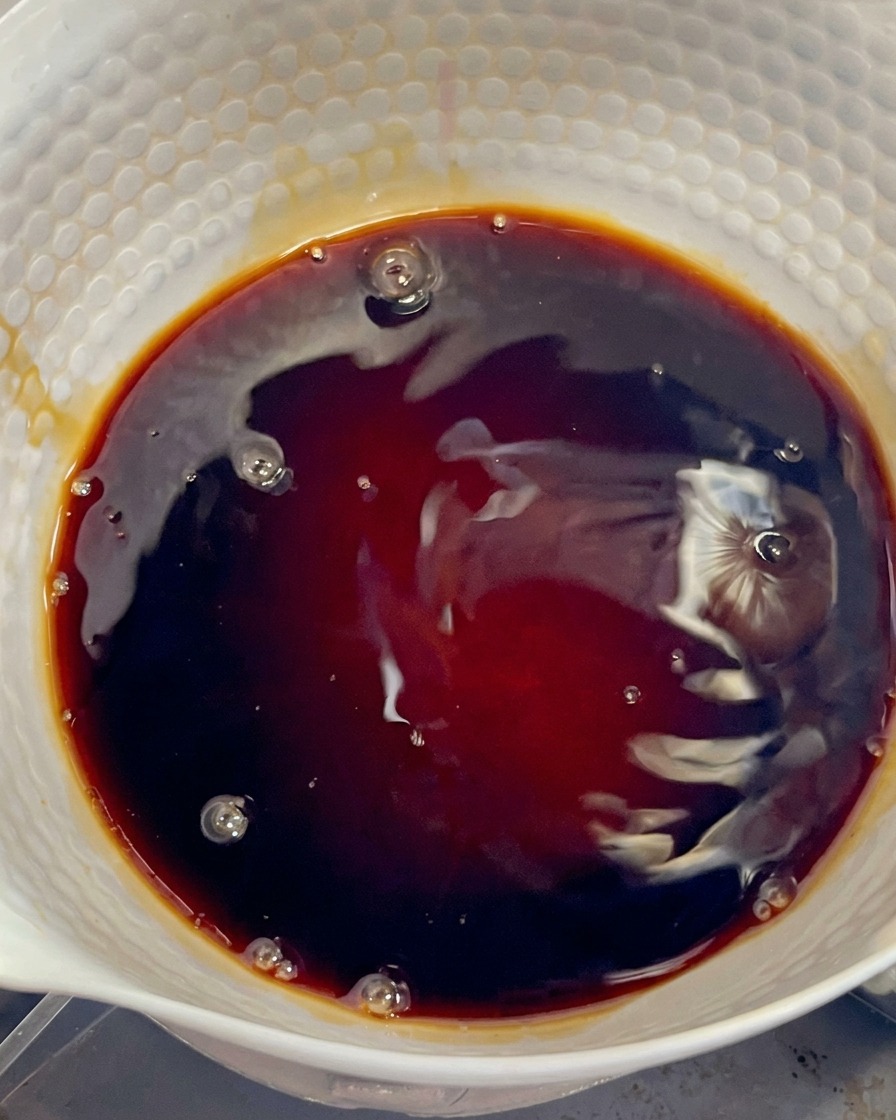
In a small pot, whisk together 90ml of Japanese dark soy sauce, 60ml of mirin, and 45ml of rice wine to form the foundation of your noodle seasoning.
Tip: Dark soy sauce is preferred here over light soy sauce for its richer color and more intense fermented flavorcite: 60. - 4Simmer the seasoning base
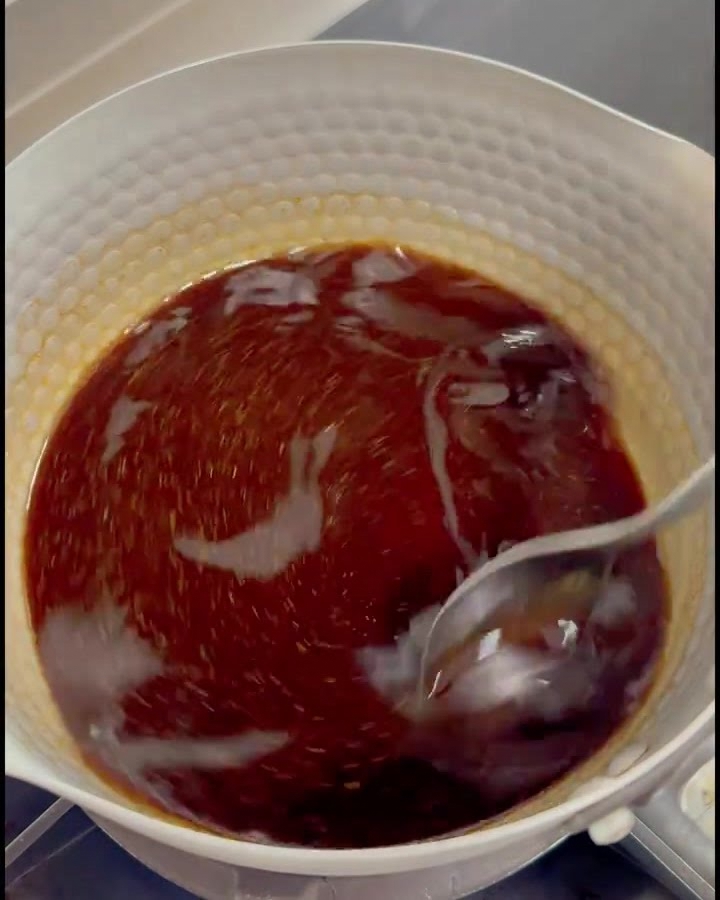
Add 15g of sugar the prepared bonito broth and 3g of sansho pepper powder to the pot. Simmer on low heat for 4 minutes to dissolve the sugar and integrate the flavors.
Tip: Using sansho pepper provides a unique citrusy tingle that is characteristic of authentic Tokyo-style Abura Soba. - 5Infuse the lard
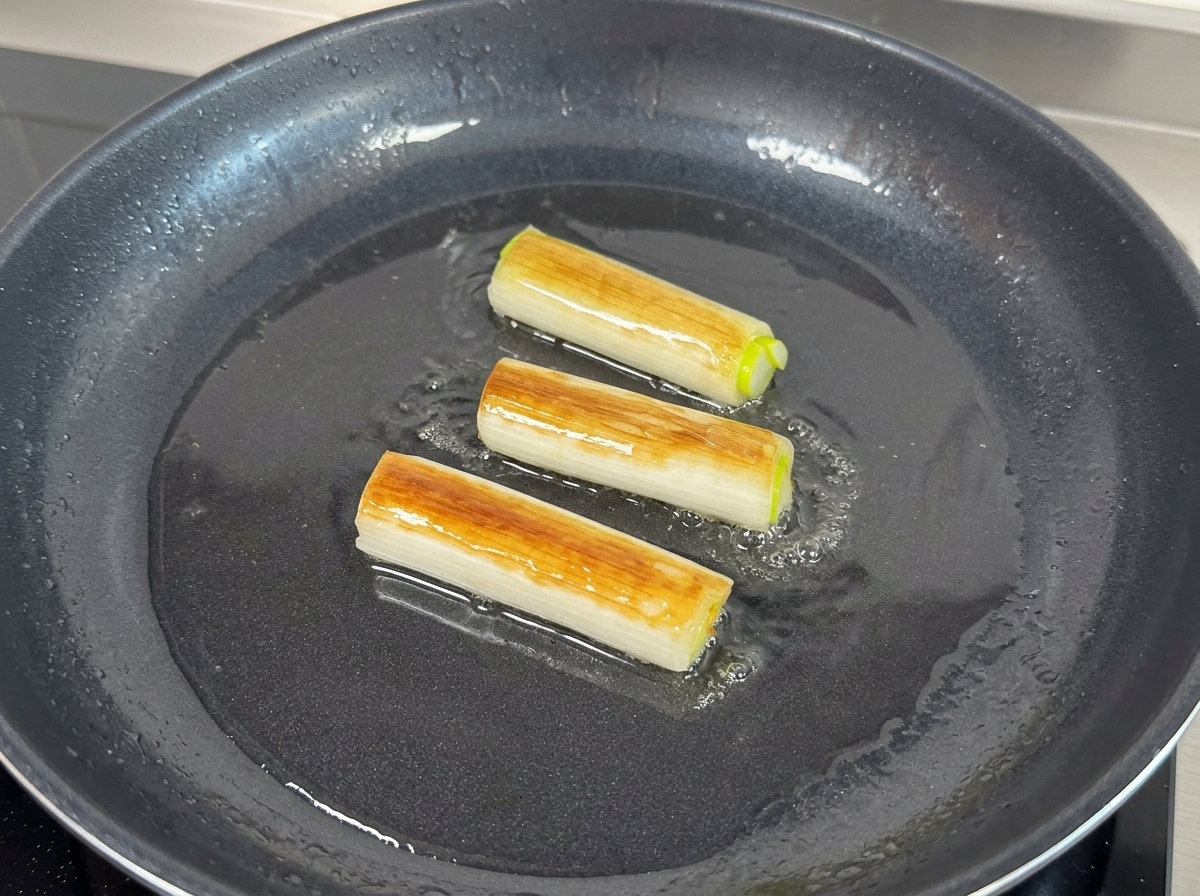
Melt 15g of lard in a frying pan and add large segments of scallionscite: 4, 60. Fry them over medium heat until the surfaces are deeply browned, infusing the fat with a savory, aromatic scallion scentcite: 4, 60.
Tip: Dont rush this step; the slower the scallions brown, the more flavor they release into the oilcite: 60. - 6Finish the scallion oil
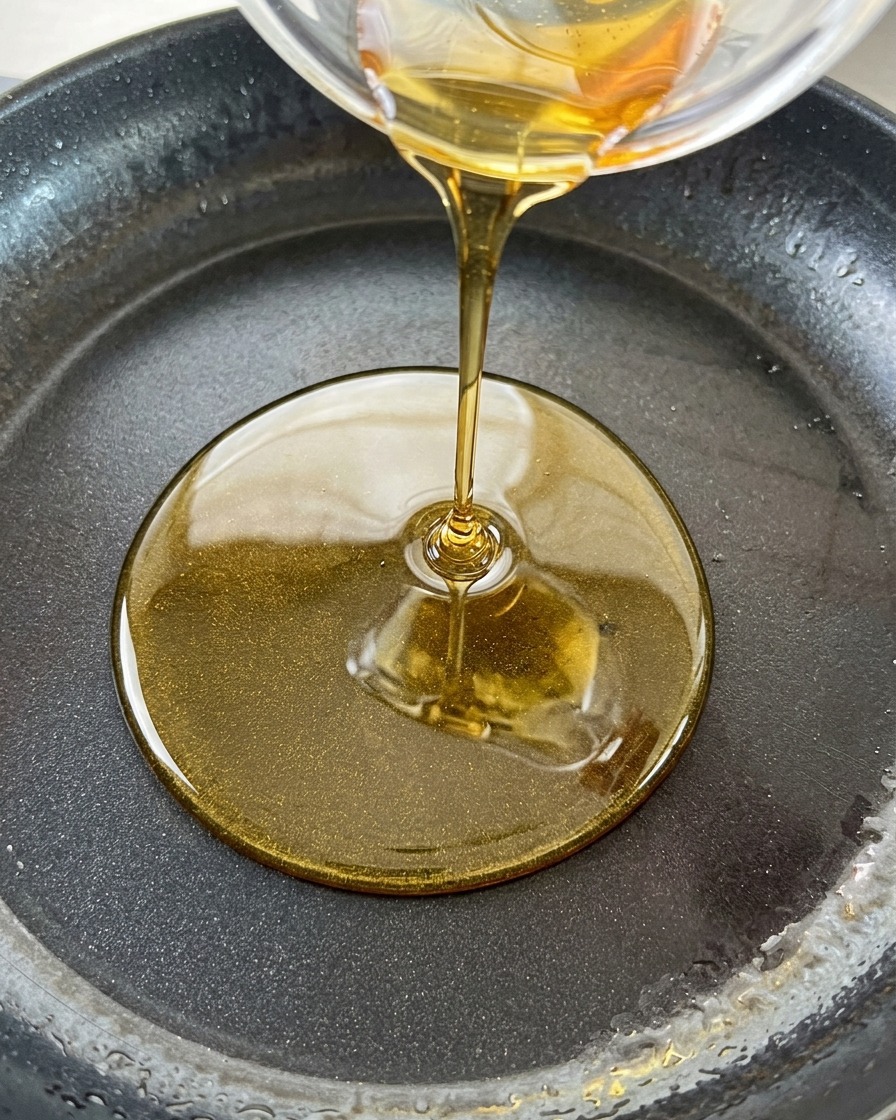
Once the scallions are browned, remove them and turn off the heatcite: 4, 60. Add 2 tablespoons of sesame oil to the pan and stir it into the hot lard to complete your aromatic oil blendcite: 4, 60.
Tip: Adding sesame oil after turning off the heat prevents its delicate nutty aroma from being lost to high temperaturescite: 60. - 7Prepare the onsen eggs
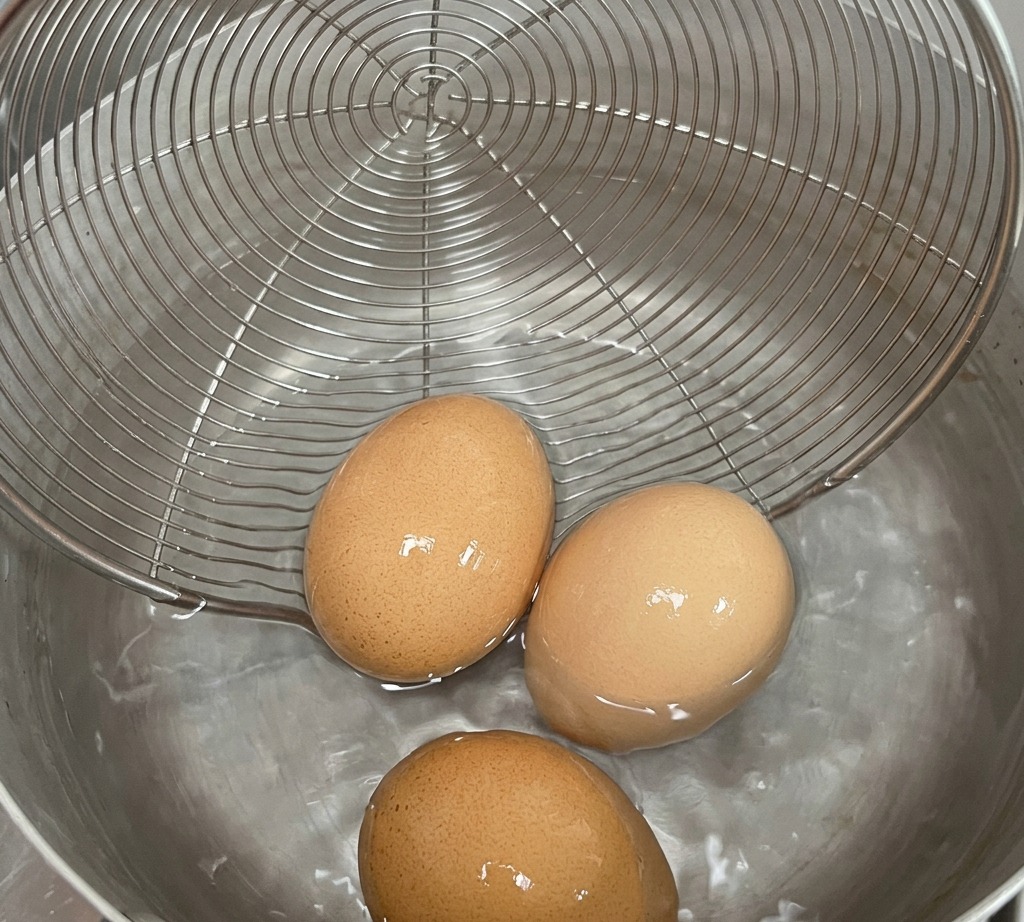
Bring 500ml of water to a boil, then stir in 50ml of cold water to adjust the temperature. Carefully lower three room-temperature eggs into the tempered water using a wire strainer. Turn off the heat and let them steep for 12 minutes to achieve custard-like whites and creamy yolks.
Tip: Starting with room-temperature eggs ensures they cook evenly and prevents the shells from cracking due to thermal shock when entering hot water. - 8Boil the thick ramen noodles
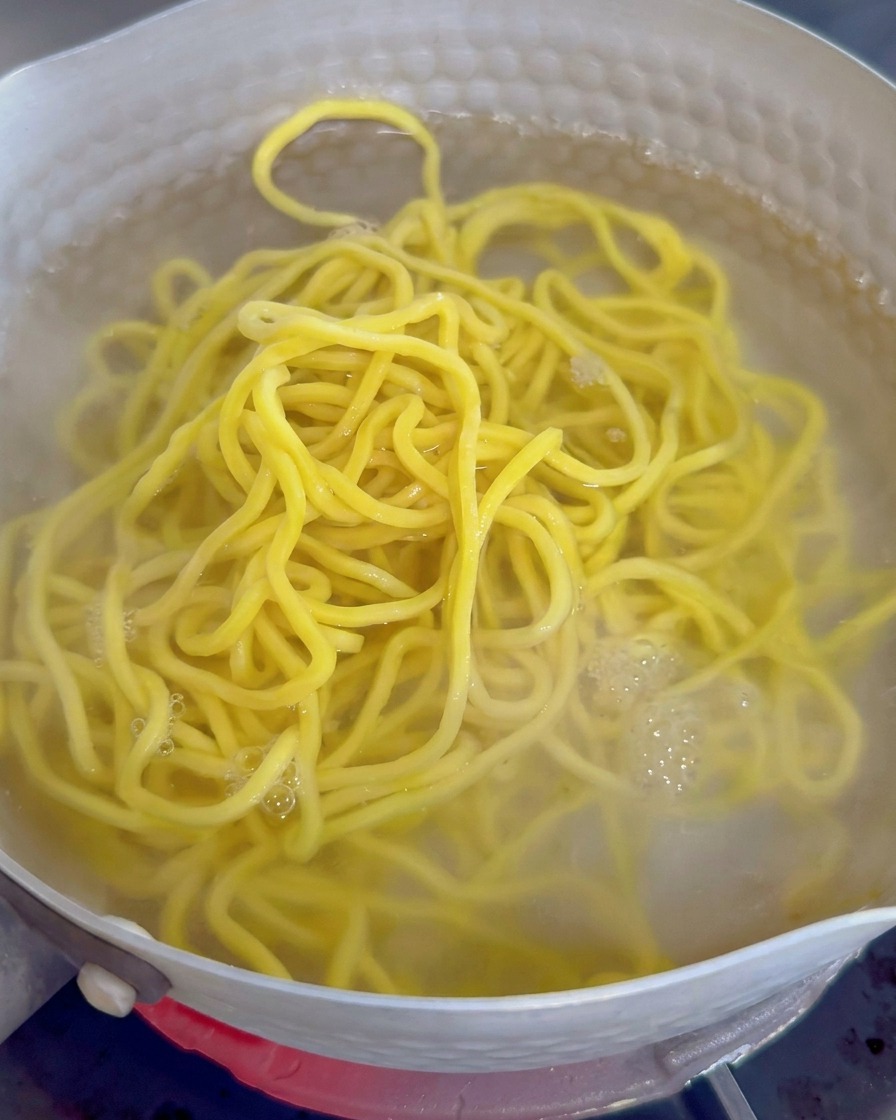
Bring a large pot of water to a rolling boil and add the thick ramen noodles. Cook them until they reach an al dente texture ensuring they remain chewy. Thick noodles are preferred for this dish as they hold up well against the rich oily sauce base.
Tip: Do not rinse the noodles with cold water after cooking; the residual starch on the surface helps the sauce and oil adhere more effectively. - 9Transfer the noodles to the bowl
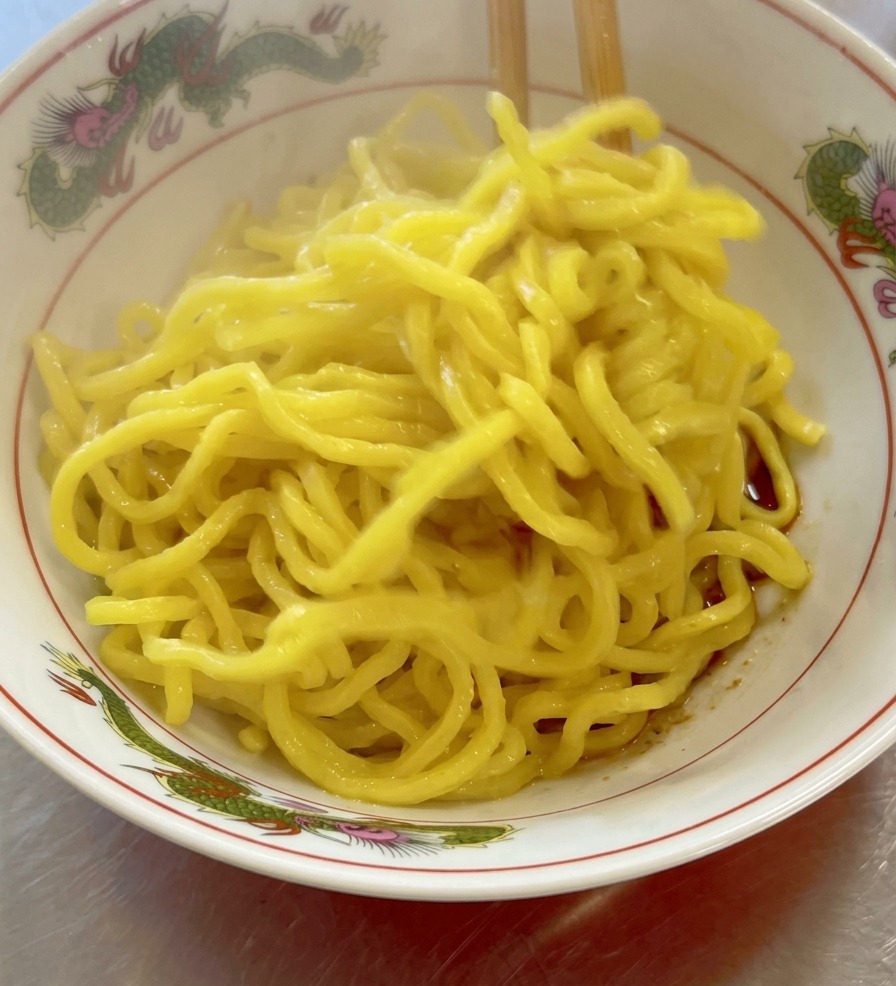
Once the thick ramen noodles are cooked to the desired texture, lift them from the boiling water using a strainer. Shake off any excess water and place the noodles directly into the serving bowl, on top of the previously prepared soy sauce base.
Tip: Toss the noodles with the sauce immediately while they are still steaming hot to ensure they are evenly coated and to prevent the strands from sticking together. - 10Drizzle with scallion oil
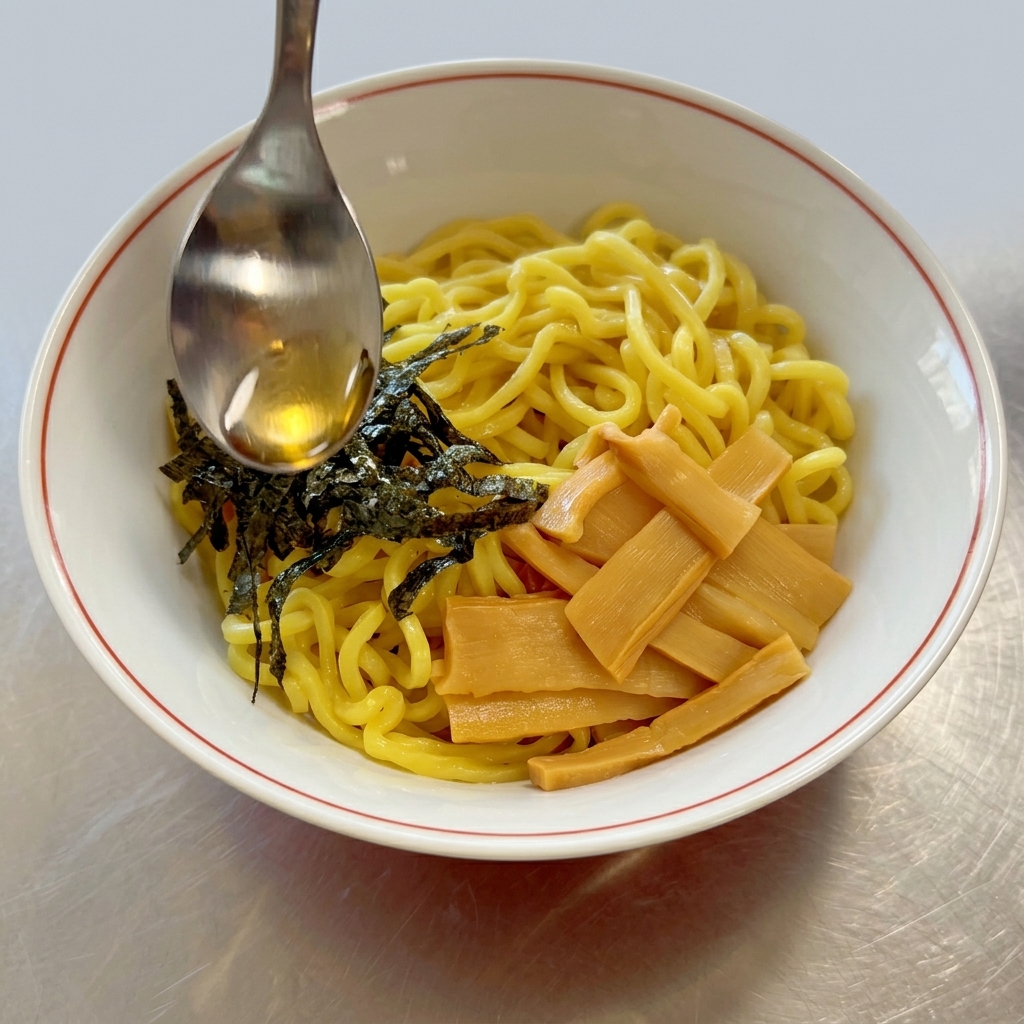
Place the cooked noodles into the serving bowl with the sauce base, then top with seasoned bamboo shoots and nori strips. Drizzle two spoons of the freshly prepared scallion oil over the toppings. This aromatic oil provides the essential richness and depth that defines Abura Soba.
Tip: For the best flavor, use high-quality lard when preparing the scallion oil to achieve the savory depth found in traditional Japanese noodle shops. - 11Top with the onsen egg
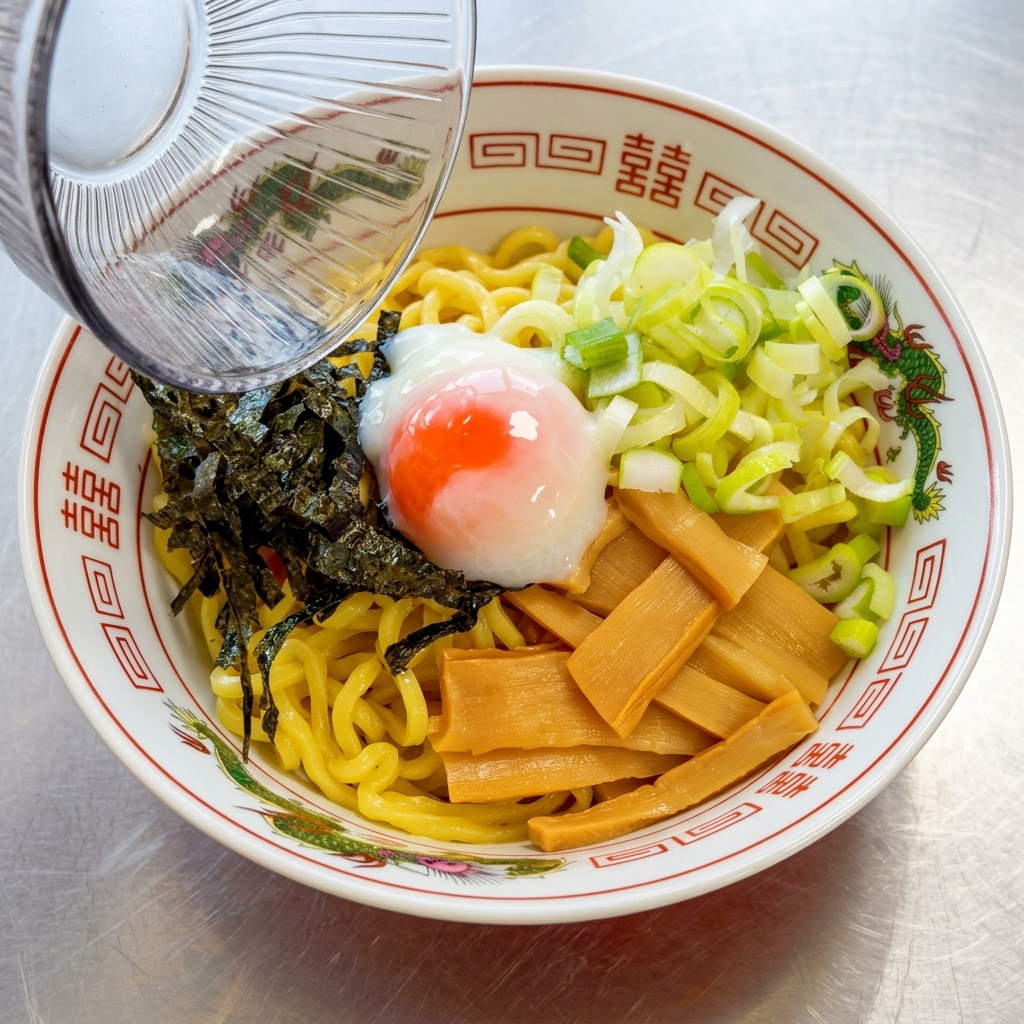
Carefully crack an onsen egg into a small dish and pour it onto the center of the noodle bowl. Complete the dish by adding freshly chopped scallions and chives. The creamy yolk will act as a secondary sauce once the bowl is mixed before eating.
Tip: Before consuming, mix the bowl vigorously so the oil, sauce, and creamy egg yolk emulsify and coat every strand of noodle thoroughly.