Homemade Shoyu Ramen
Soft-Boiled Egg
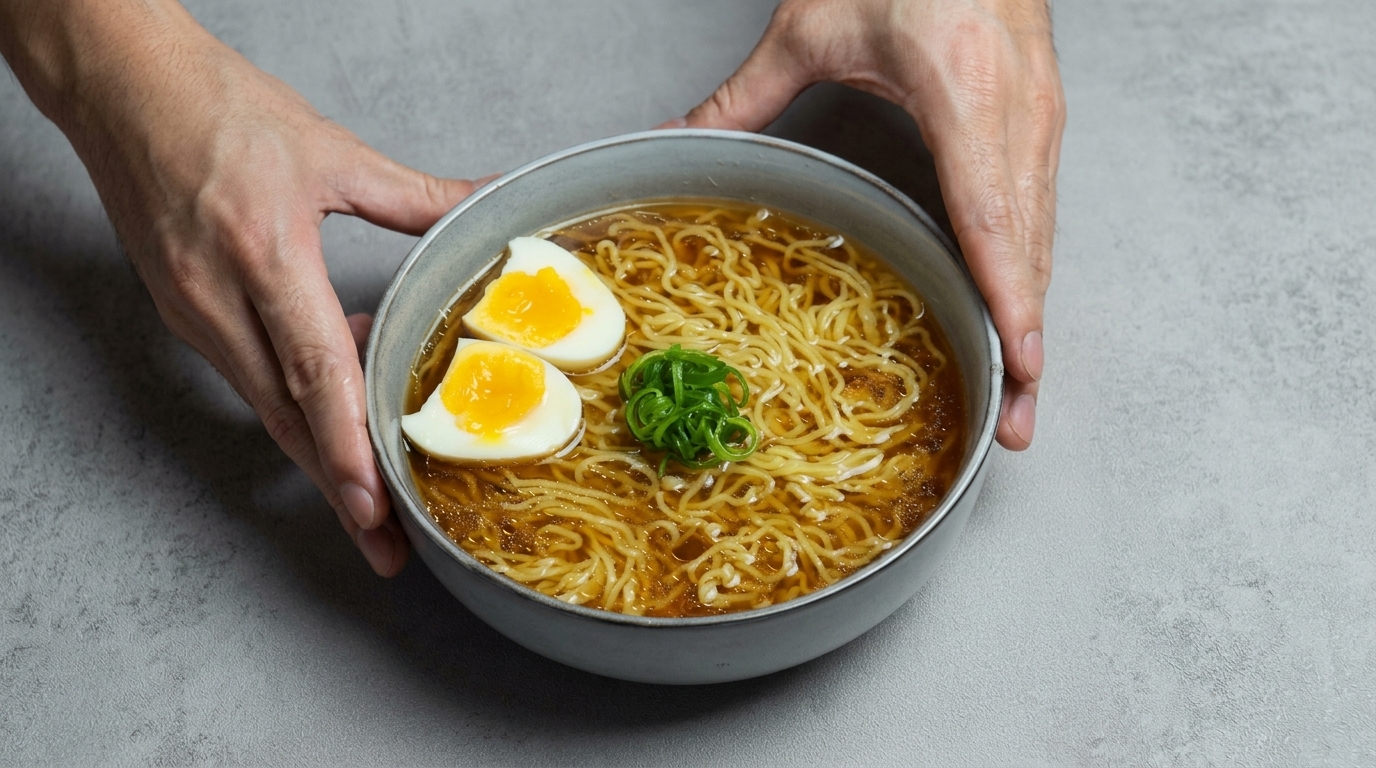
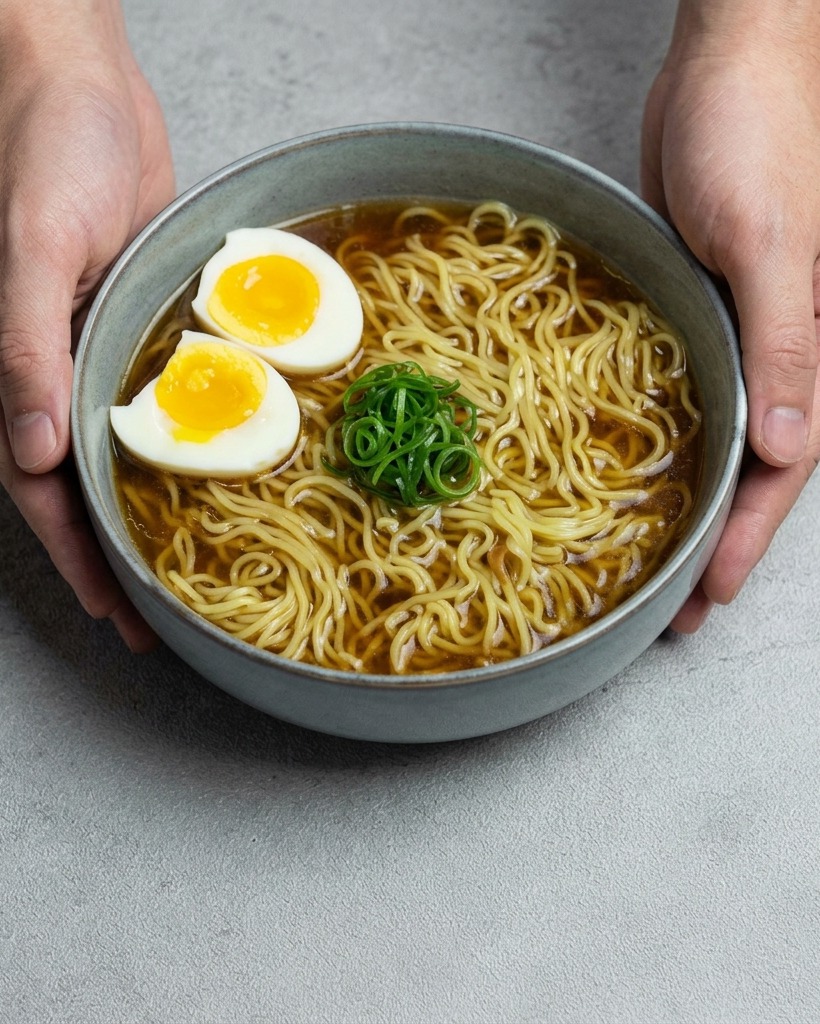
A soul warming Shoyu Ramen featuring a clear savory soy based broth with springy noodles and jammy soft boiled eggs. This restaurant quality dish is made simple for home cooking.
Shoyu ramen is a cornerstone of Japanese soul food, defined by its clear brown broth seasoned with soy sauce. This version focuses on a balanced seasoning base and high quality stock to create a clean yet deeply savory flavor profile that pairs perfectly with fresh noodles.
Ingredients
- 300 ml chicken stock
- 200 ml water
- 3 tbsp kombu flavor soy sauce
- 1 tbsp oyster sauce
- 1 tsp chicken powder
- 100 g fresh ramen noodles
- 1 tbsp sesame oil
- 1 soft-boiled egg
- to taste chopped green onions
Instructions
- 1Prepare the stock base
Begin by pouring 300ml of chicken stock into a metal pot set over the stove. This forms the savory foundation of your Shoyu Ramen soup, providing a rich depth of flavor.
Tip: For the best flavor, use a high-quality unsalted or low-sodium chicken stock so you can control the saltiness with the soy sauce later. - 2Dilute the soup base
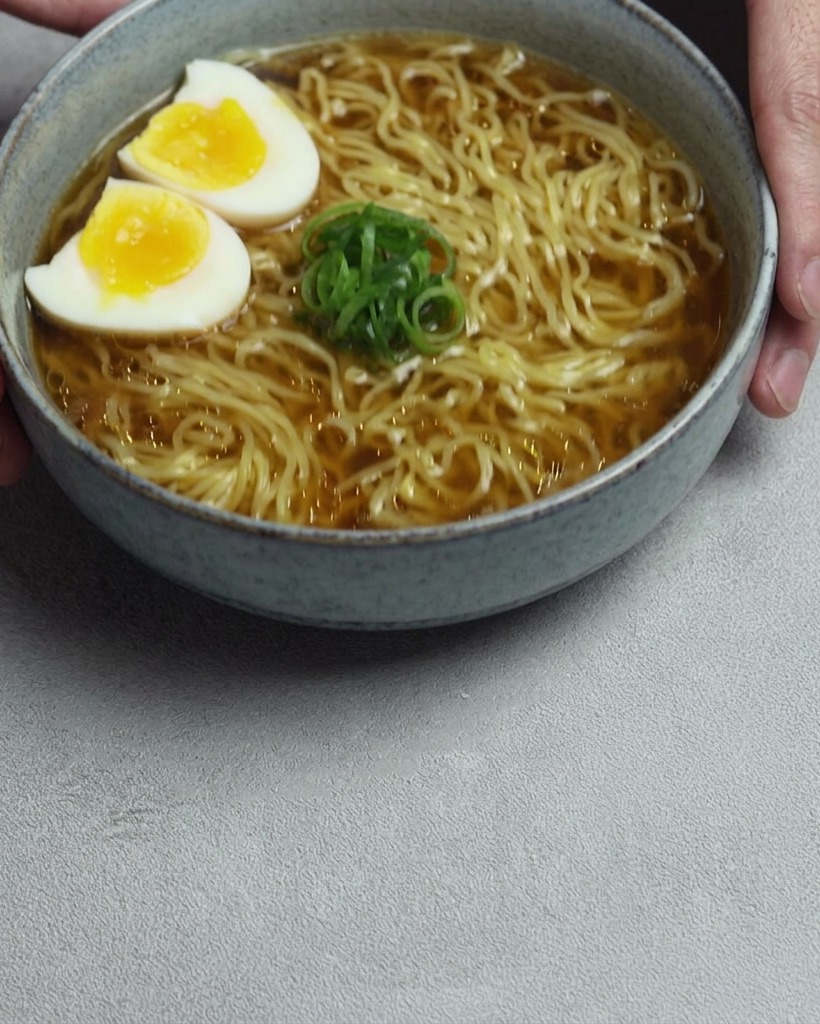
Add 200ml of water to the chicken stock already in the pot. This adjusts the volume and ensures the soup has a balanced consistency that isnt too heavy.
- 3Season with kombu soy sauce
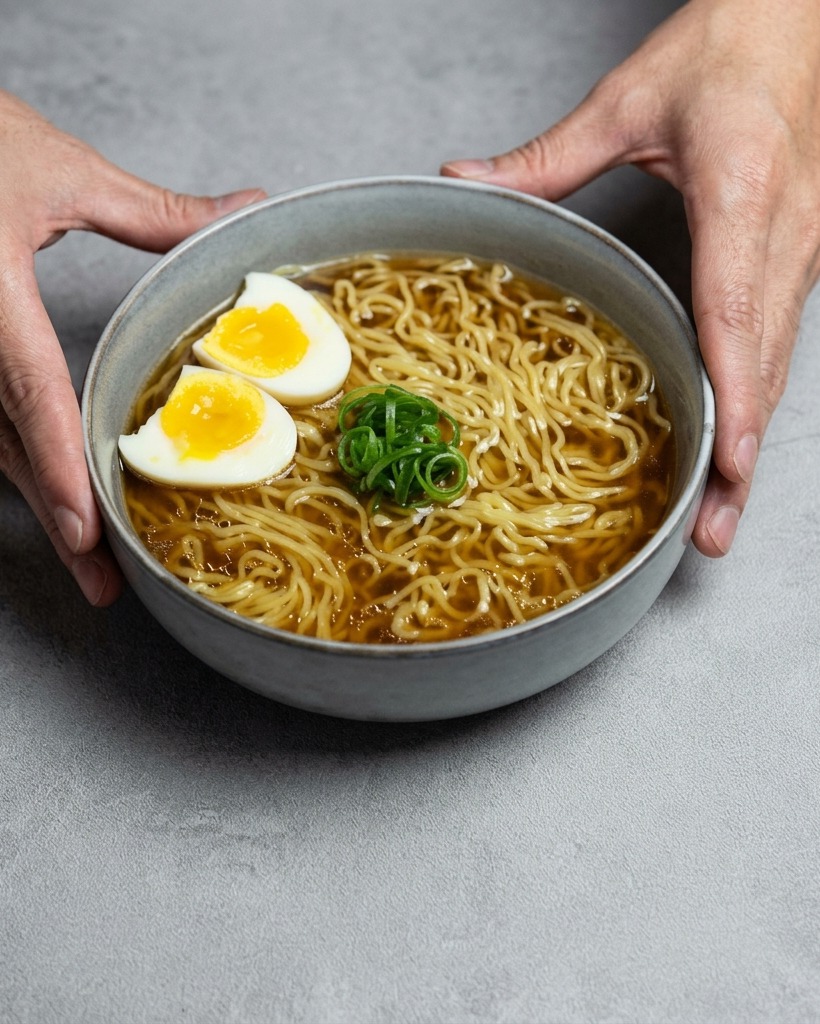
Incorporate 3 tablespoons of kombu flavor soy sauce into the liquid. This adds the essential Shoyu (soy sauce) element along with a subtle umami kick from the kombu seaweed.
Tip: If you dont have kombu-infused soy sauce, you can use regular soy sauce and add a small piece of dried kombu to the pot while it simmers. - 4Add oyster sauce for richness
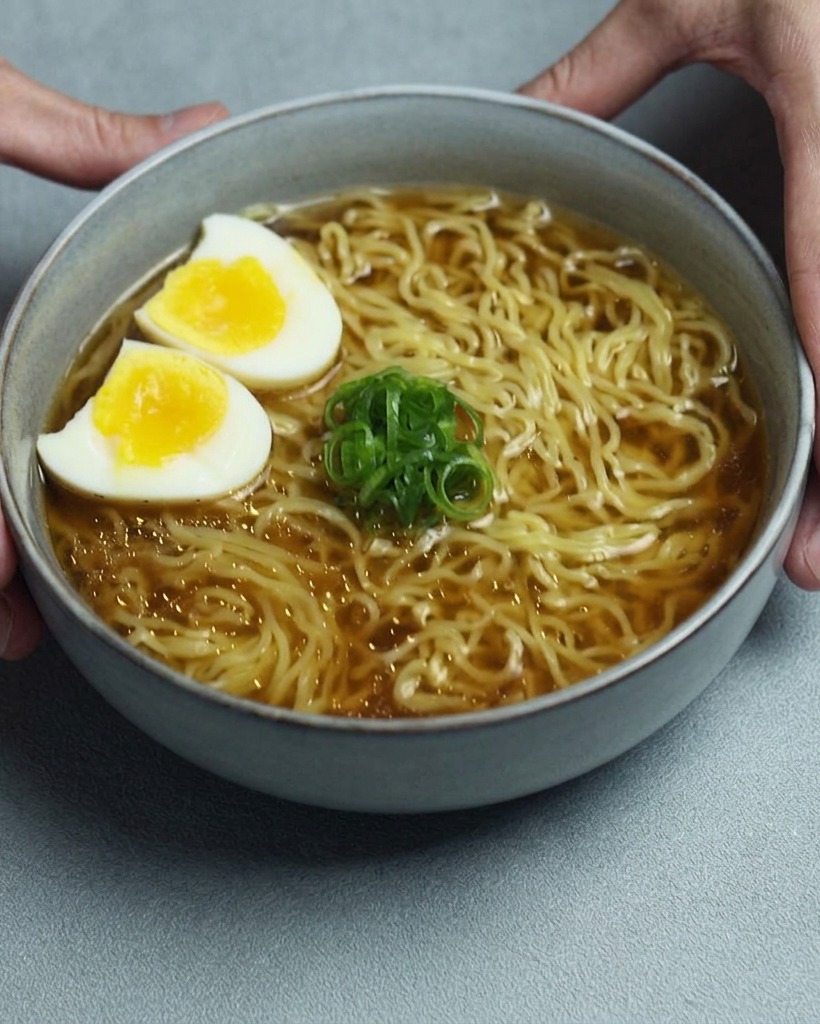
Add 1 tablespoon of oyster sauce to the mixture. This thickens the flavor profile slightly and introduces a savory, sweet undertone that complements the soy sauce.
- 5Enhance with chicken powder
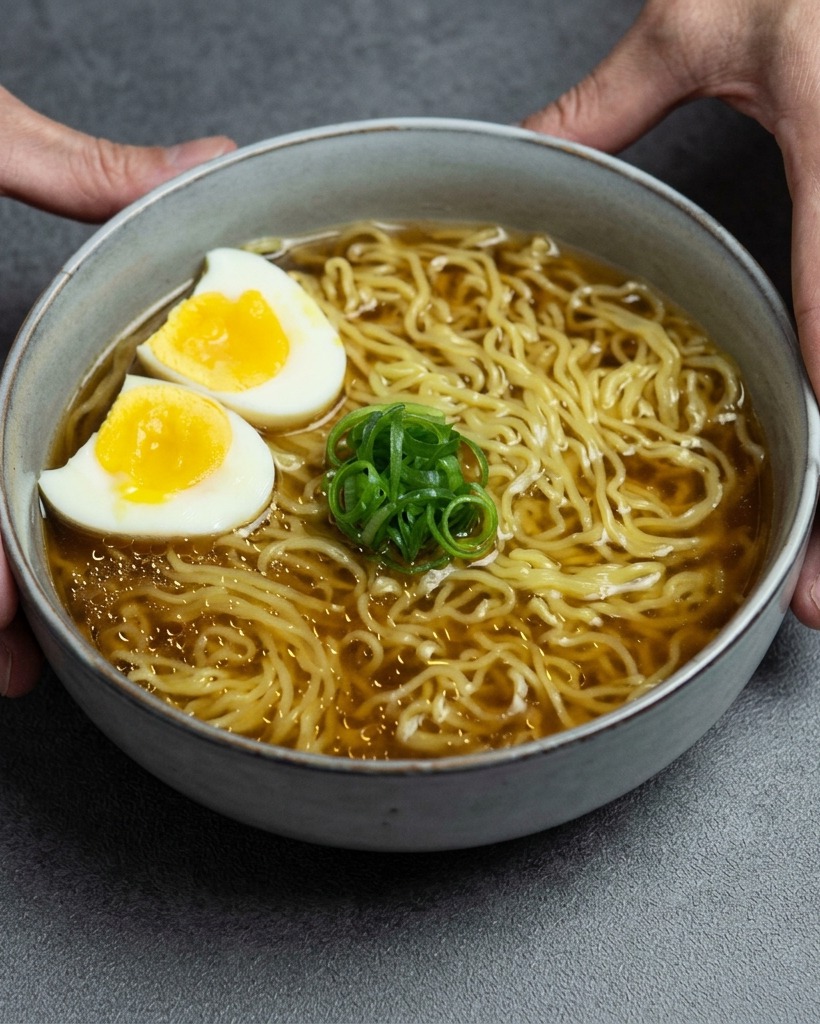
Stir in 1 teaspoon of chicken powder seasoning. This boosts the meaty aroma and ensures the broth tastes concentrated and professional.
- 6Simmer the soup
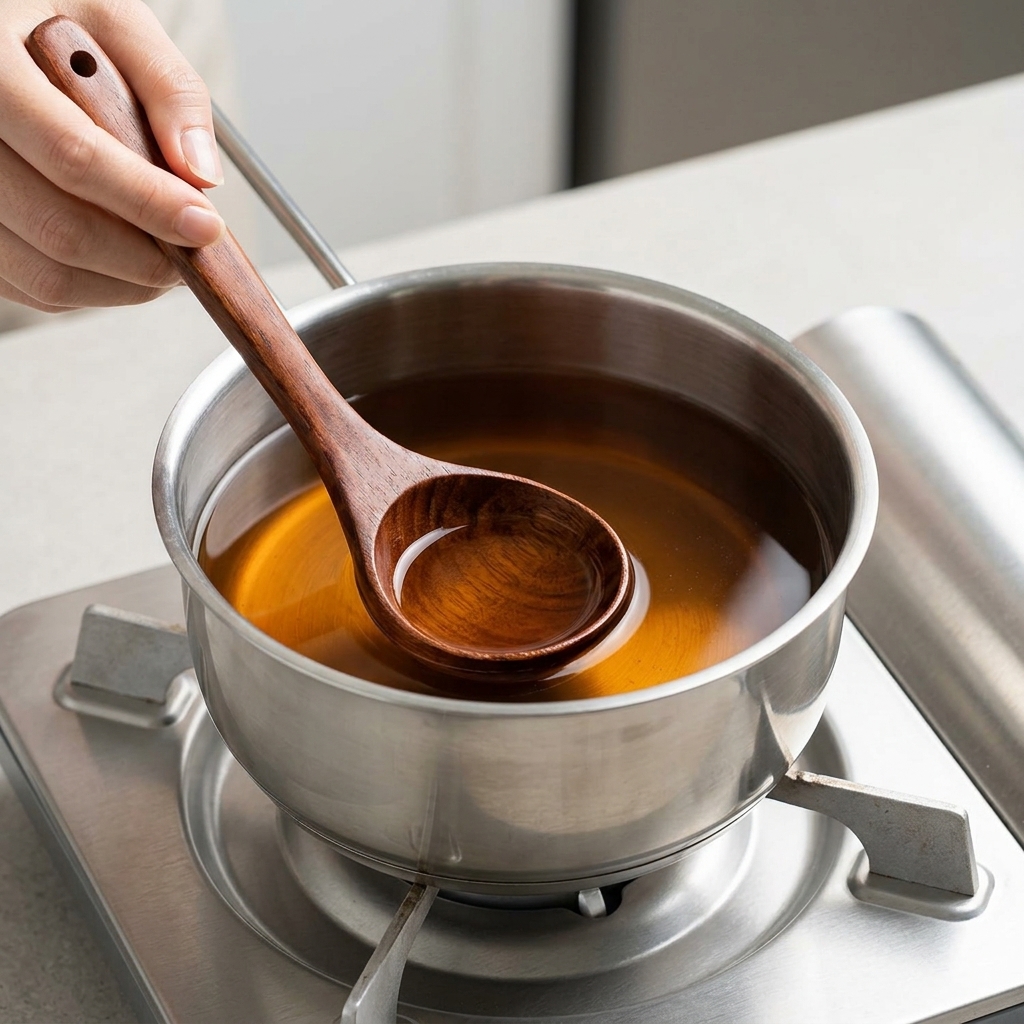
Using a wooden ladle, stir the dark brown soup base to ensure all the seasonings are fully dissolved. Bring the mixture to a boil over medium heat.
Tip: Dont let the soup boil vigorously for too long; a gentle simmer is enough to meld the flavors without losing too much liquid to evaporation. - 7Cook the ramen noodles
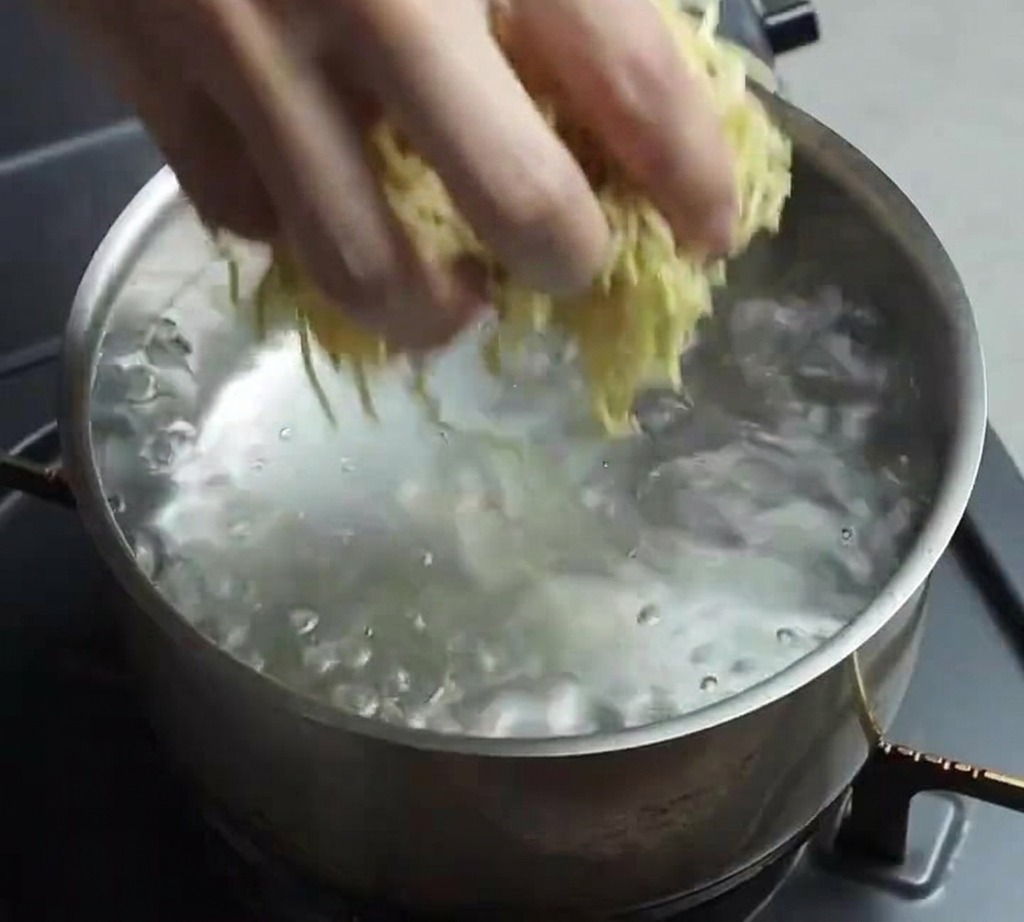
Carefully place the fresh ramen noodles into a pot of vigorously boiling water. Ensure there is enough water to allow the noodles to move freely, which helps them cook evenly and prevents them from sticking together in clumps.
Tip: Do not add salt to the water, as the shoyu soup base is already highly seasoned. - 8Separate the noodles
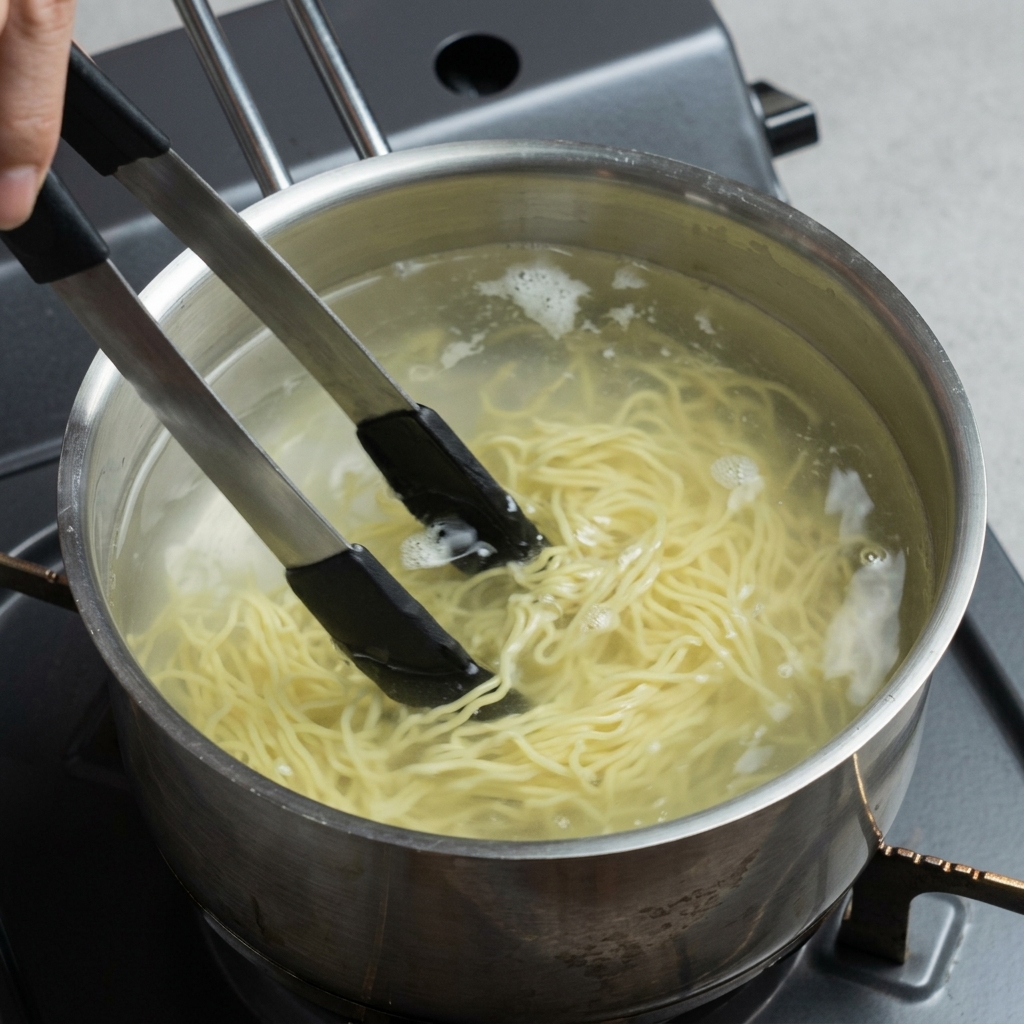
As soon as the noodles hit the water, use a pair of metal tongs to gently stir and separate the strands. This ensures that every noodle is submerged and cooks through perfectly without sticking.
Tip: Fresh noodles cook very quickly, usually in just 1 to 2 minutes, so stay close to the stove. - 9Drain the noodles
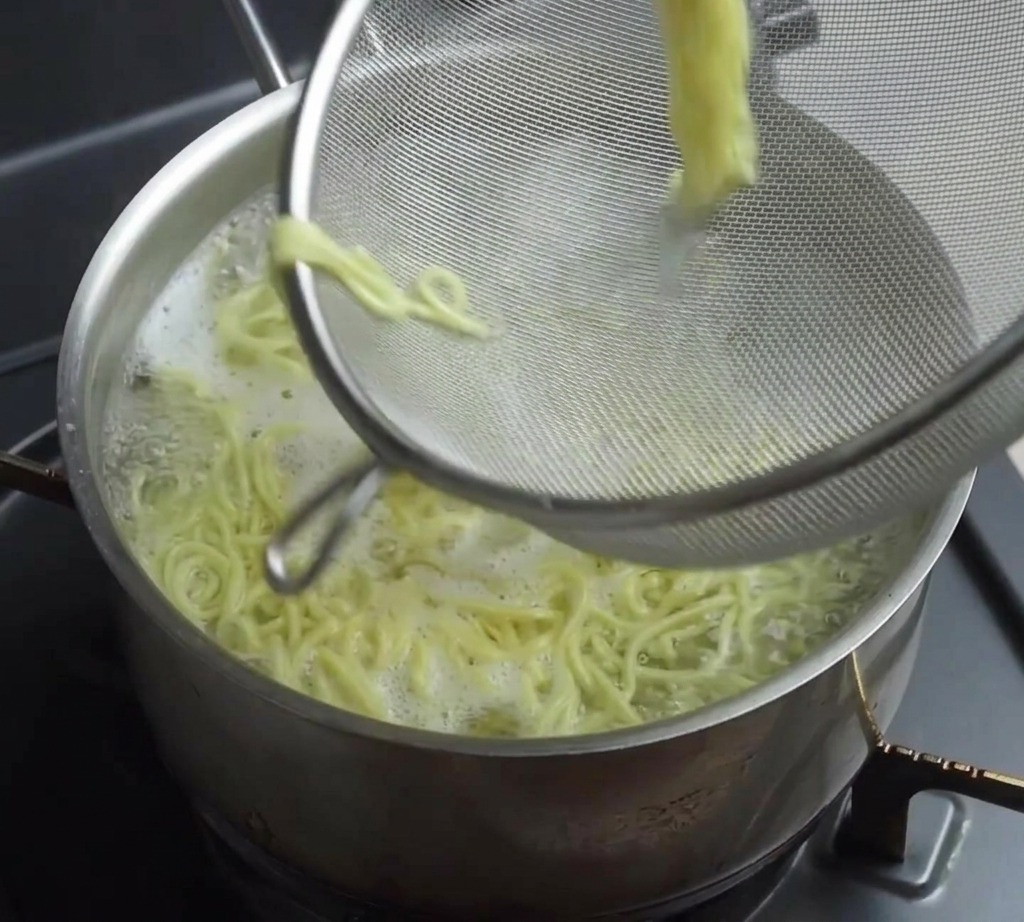
Once the noodles have reached your desired tenderness, lift them out of the boiling water using a mesh strainer. Shake the strainer firmly several times to remove all excess water, ensuring your ramen broth remains undiluted.
Tip: Removing as much water as possible is the key to maintaining a rich, flavorful soup base. - 10Prep the serving bowl

Prepare your serving bowl by adding one tablespoon of sesame oil to the bottom. This oil acts as an aromatic foundation, providing a rich, nutty scent and a smooth mouthfeel to every spoonful of soup.
Tip: Toasted sesame oil provides a much deeper flavor than plain sesame oil. - 11Add the ramen soup
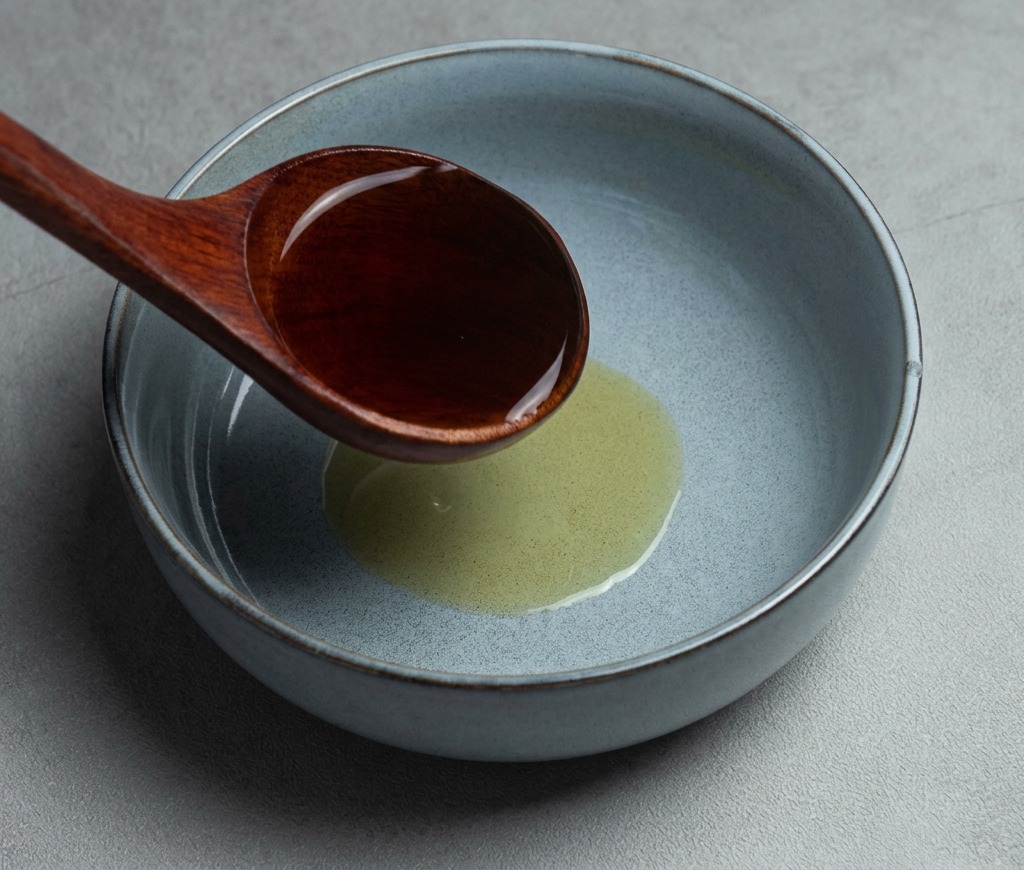
Ladle the hot, seasoned soup base into the bowl directly over the sesame oil. The heat from the broth will instantly release the fragrance of the oil, creating a complex and inviting aroma.
Tip: Ensure the broth is at a rolling boil when you pour it to keep the dish hot while you finish the assembly. - 12Add noodles to the soup
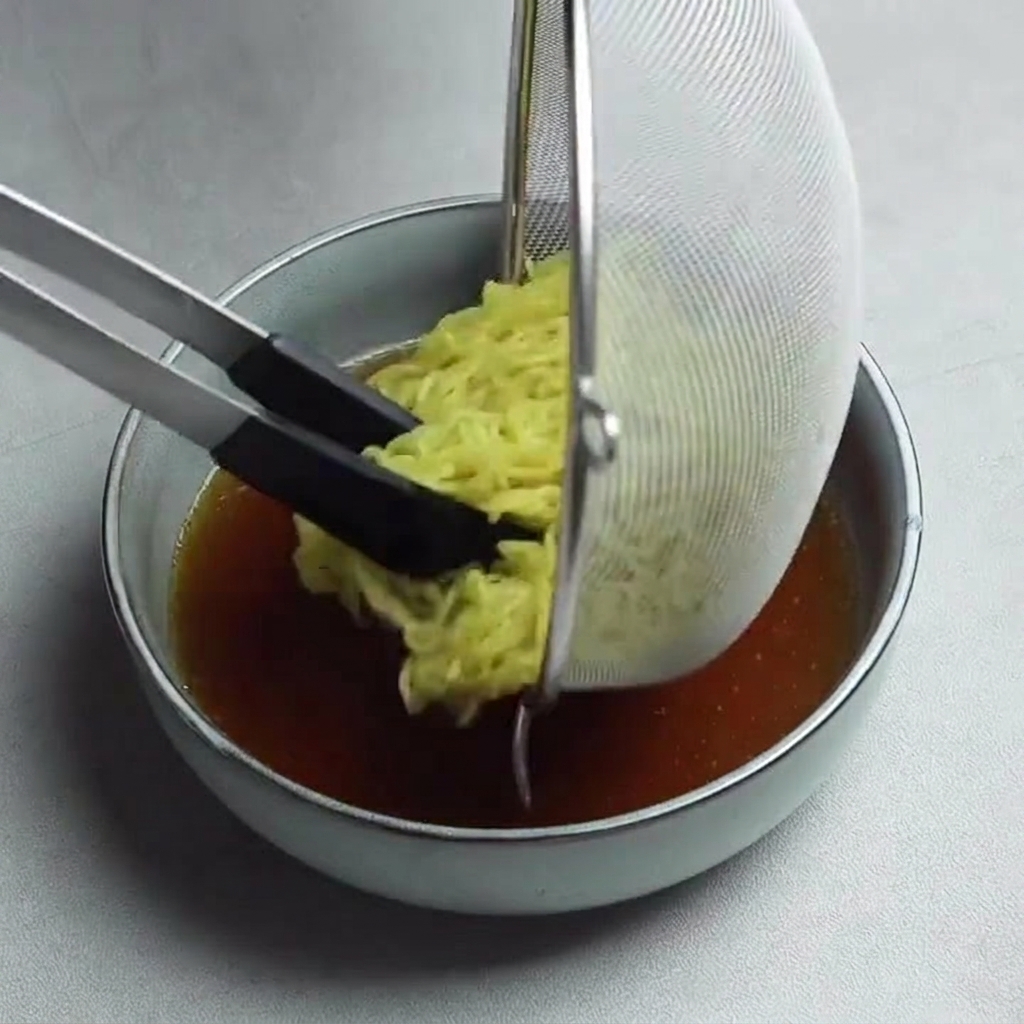
Place the drained noodles into the bowl of hot broth. Use your tongs to gently lift and fold the noodles so they sit neatly in the soup, ready for garnishing.
Tip: Be sure to shake the strainer well to remove as much water as possible before adding the noodles to the bowl to avoid diluting the flavorful broth.