Rich & Savory Miso Chashu Ramen
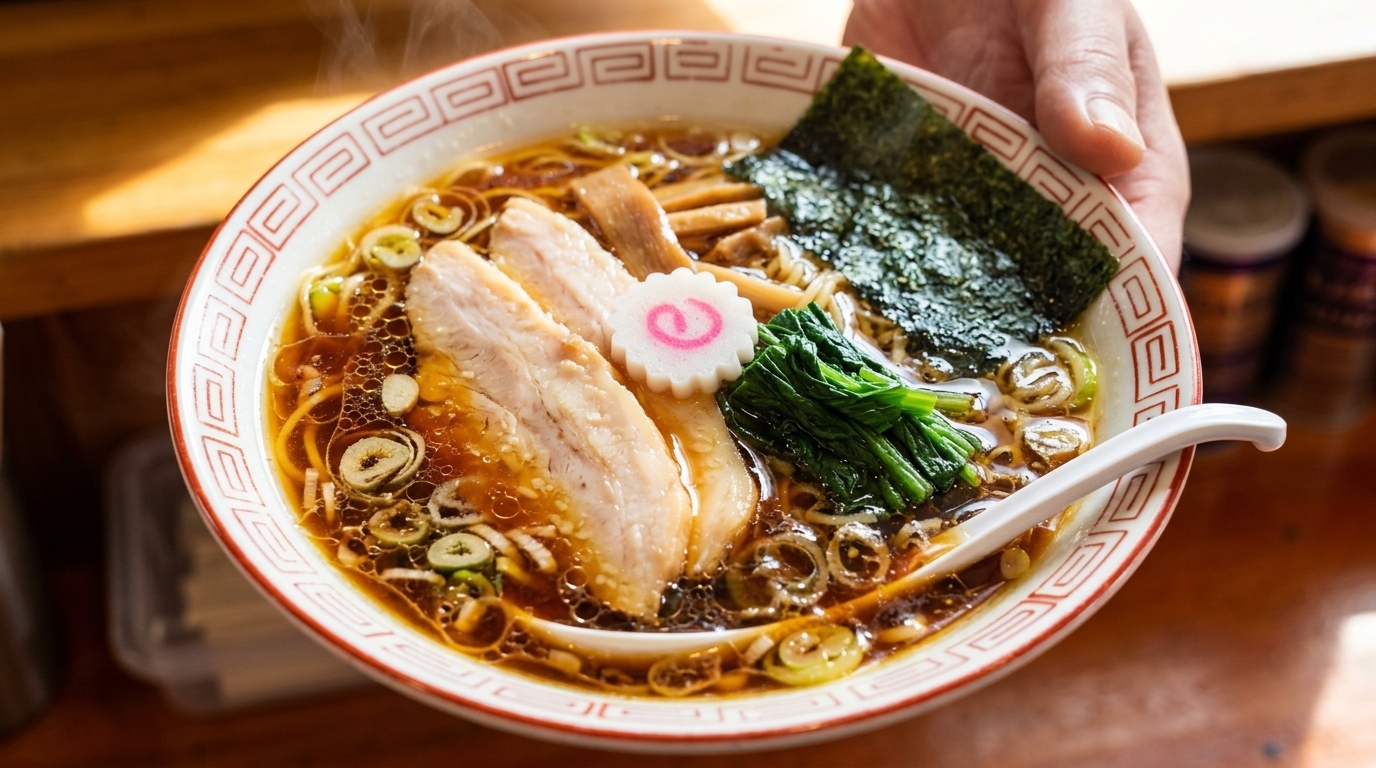
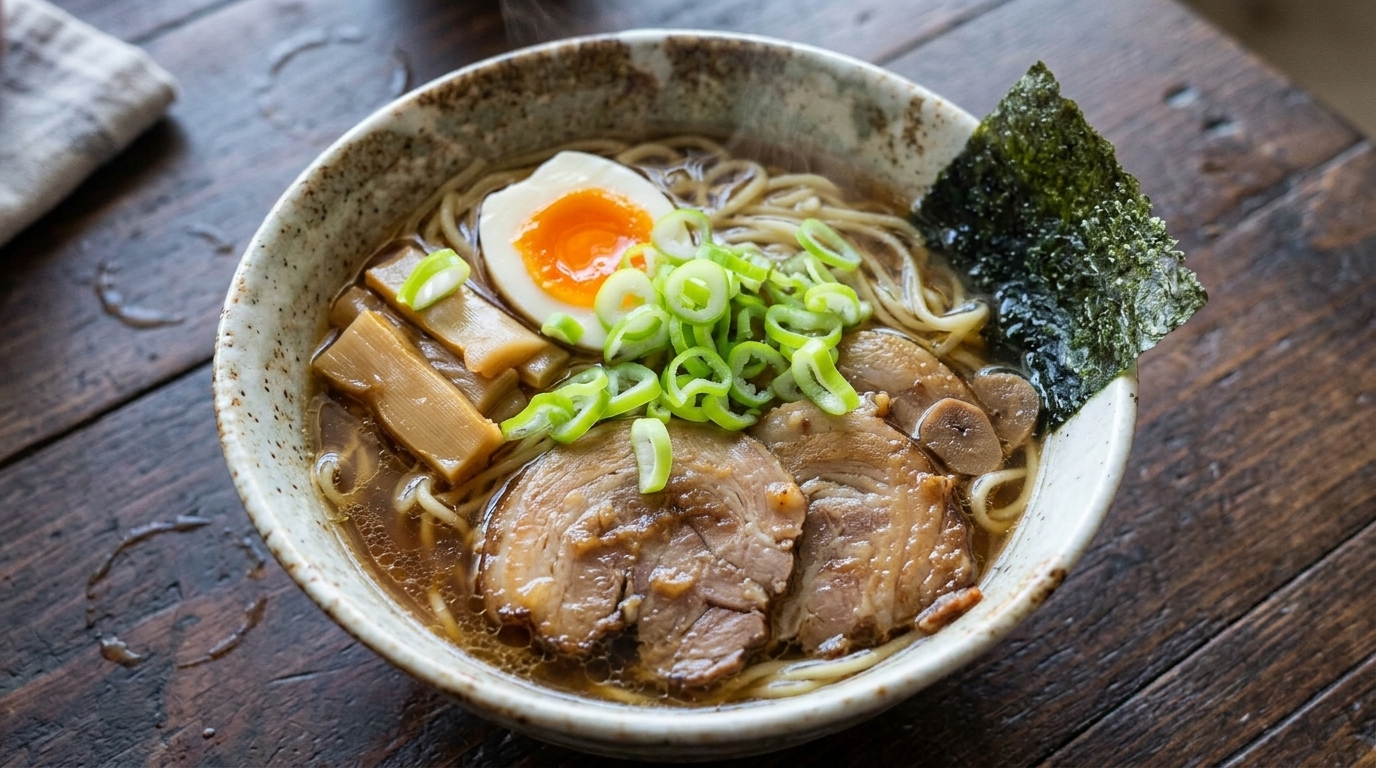
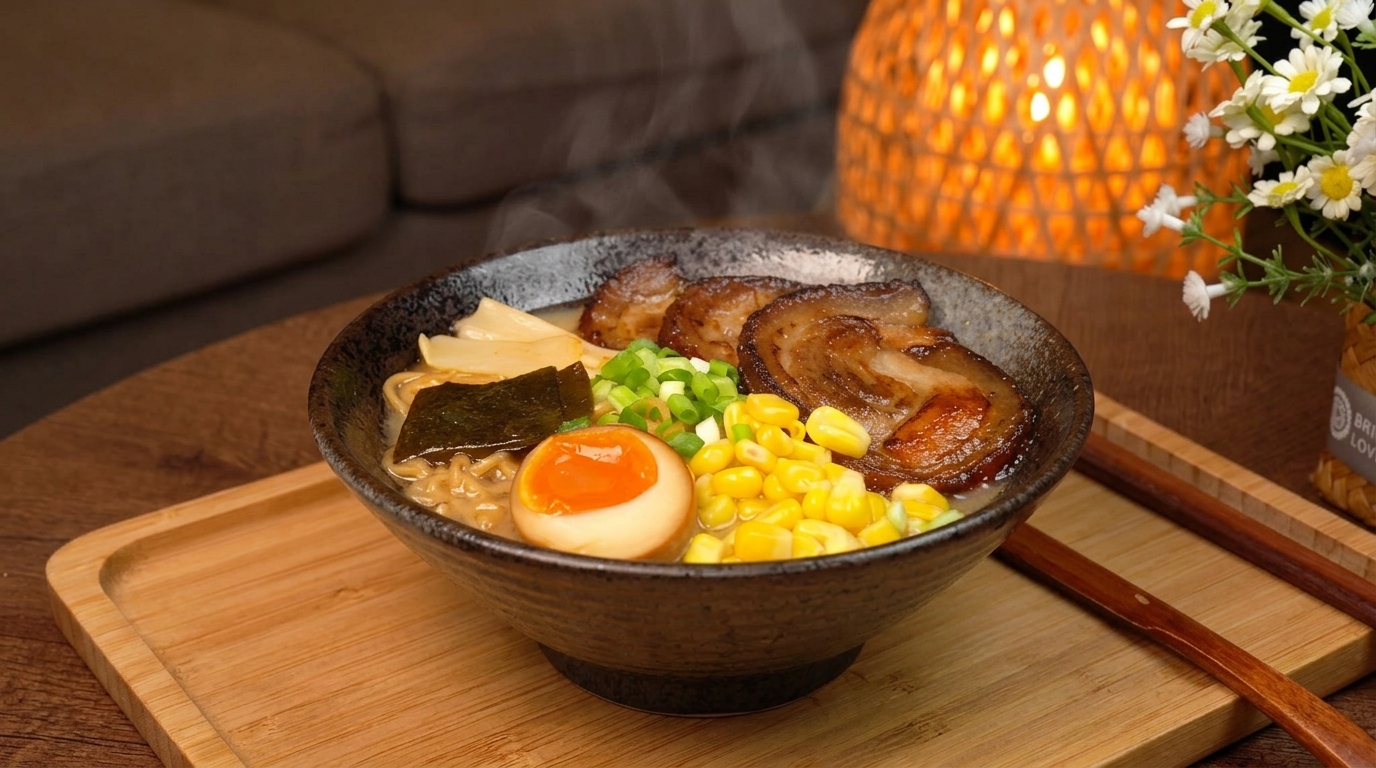
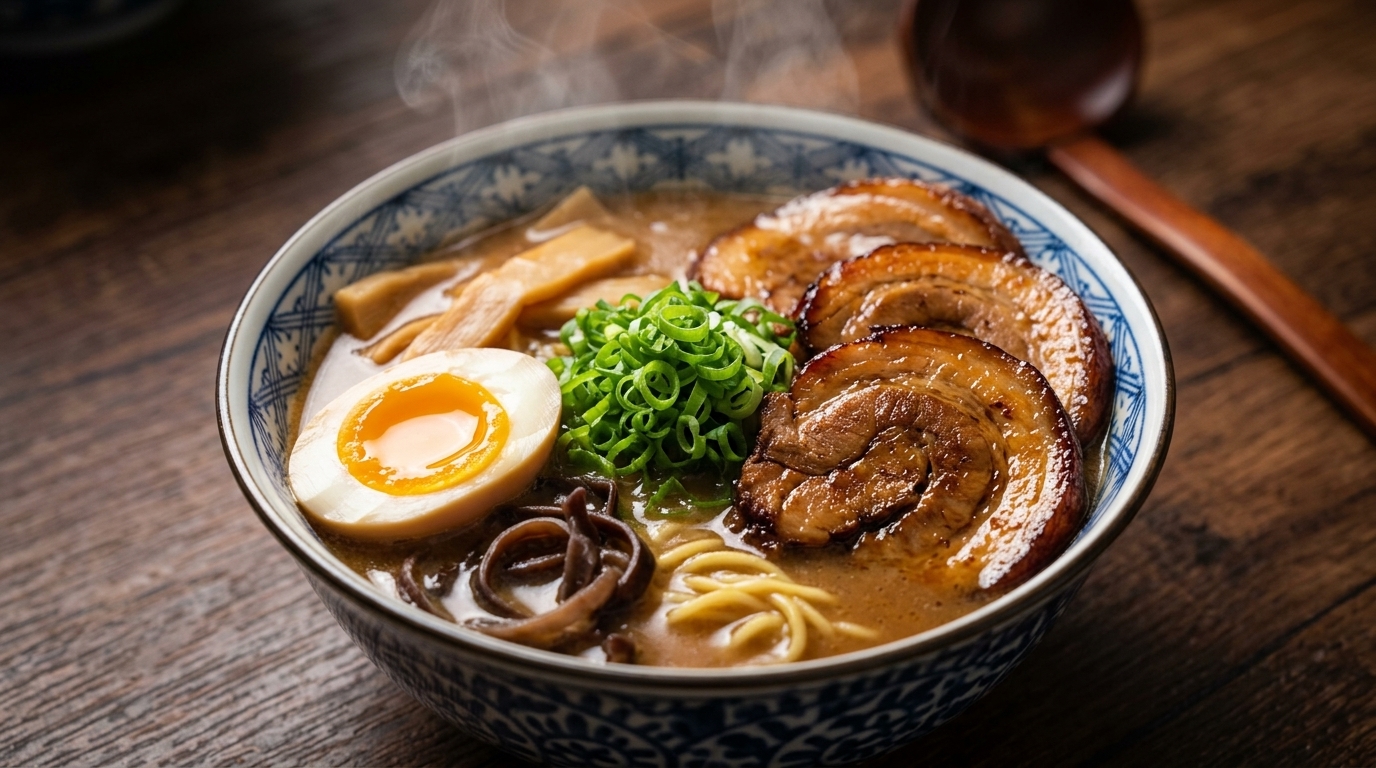
Master the art of homemade Miso Chashu Ramen. This comforting bowl features a rich miso broth, tender slow-braised pork belly, and perfectly chewy noodles.
A truly great bowl of ramen is defined by the harmony between its broth and toppings. This recipe guides you through making authentic chashu—rolled pork belly seared and patiently braised in soy sauce, sake, and mirin until melt-in-your-mouth tender. The savory braise paired with a deeply rich miso base creates a satisfying, complex broth that rivals your favorite Japanese noodle shop.
Ingredients
- 1 kg pork belly (skinless)
- 1 thumb ginger (sliced)
- 1 onion (halved)
- 4 cloves garlic (smashed)
- 50 ml sake
- 200 ml dark soy sauce
- 200 ml mirin
- 2 tbsp white sugar
- 1 stalk leek (chopped)
- 3 scallions (plus more for garnish)
- 1 stick cinnamon
- 2 bay leaves
- 500 ml pork or chicken broth
- 1 tbsp miso paste
- 1 tsp lard
- 2 portions fresh ramen noodles
- to taste soft-boiled eggs, bamboo shoots, wood ear mushrooms (optional)
Instructions
- 1Tie the pork belly
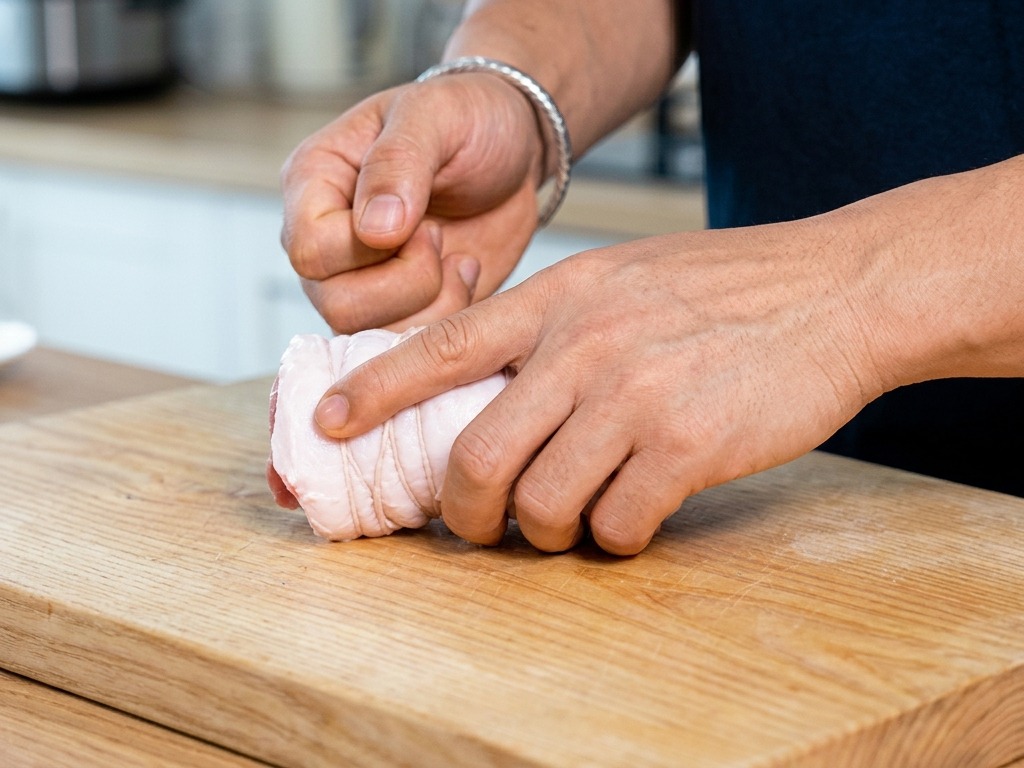
Select a high-quality piece of pork belly and roll it tightly into a cylinder. Secure the roll with butchers twine, ensuring the strings are spaced evenly and not too wide apart. Tying the meat helps it retain a beautiful, uniform shape throughout the long braising process.
Tip: Tie the knots tightly so the roll doesnt unravel when the meat naturally shrinks during cooking. - 2Sear for a rich crust
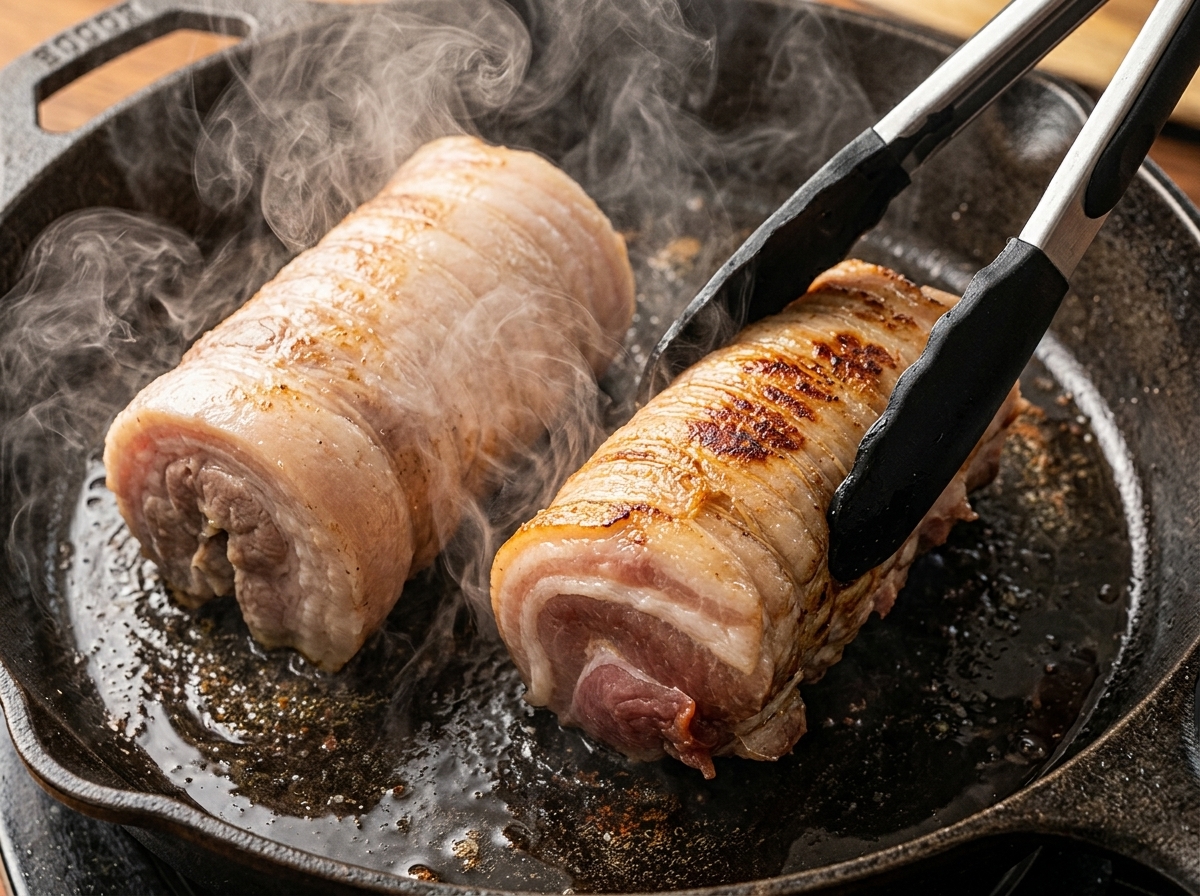
Place the tied pork belly rolls into a pan over high heat. Sear the exterior thoroughly, turning occasionally with tongs until the entire surface achieves a deep, attractive char. This caramelization locks in flavor and adds a smoky depth to the final chashu.
Tip: Ensure your pan is screaming hot before adding the meat to get a good crust without overcooking the interior. - 3Boil to remove impurities
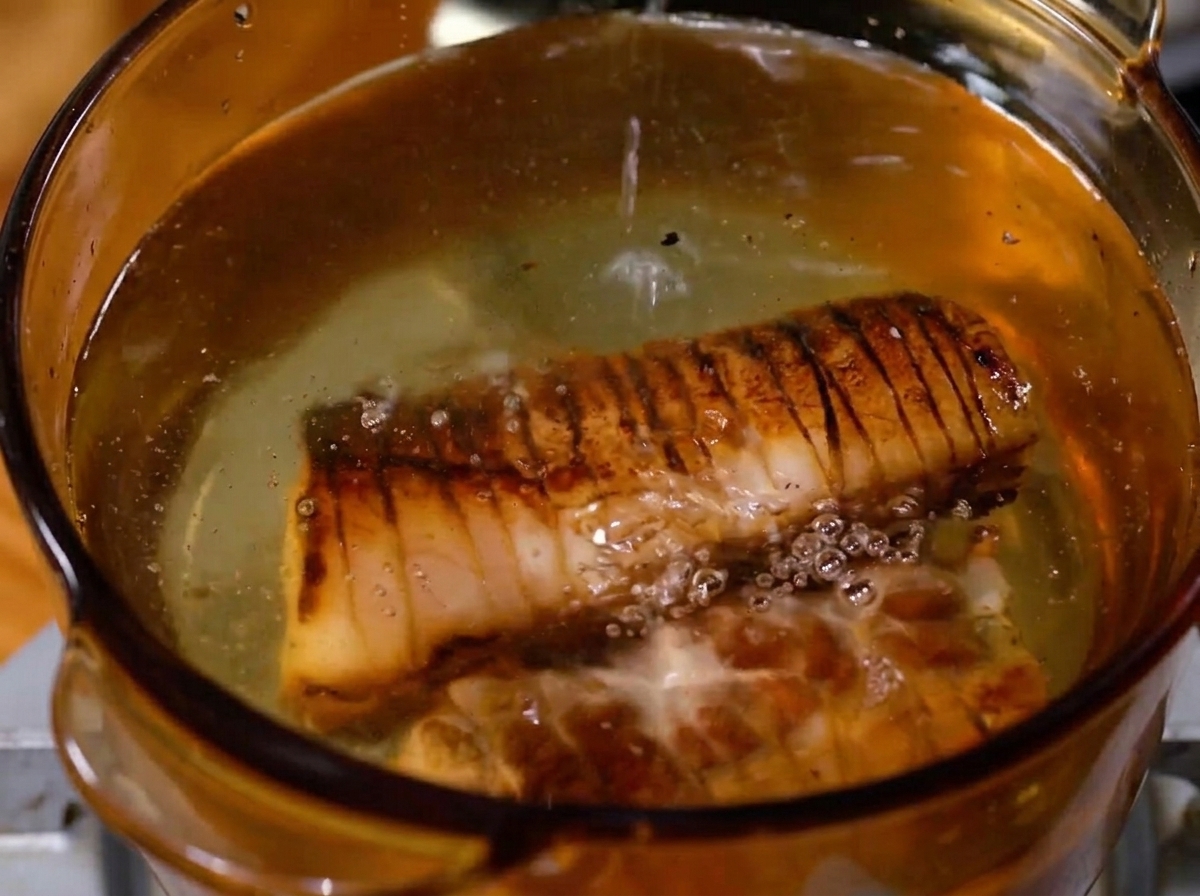
Transfer the seared pork belly into a large pot of cold water. Add in your primary aromatics—such as smashed ginger slices, unpeeled garlic cloves, onion, and a splash of sake. Bring the pot to a simmer to gently cook the meat and draw out any unwanted odors.
Tip: Always start with cold water; it helps extract flavors from the aromatics more evenly and ensures a cleaner tasting broth. - 4Remove and strain
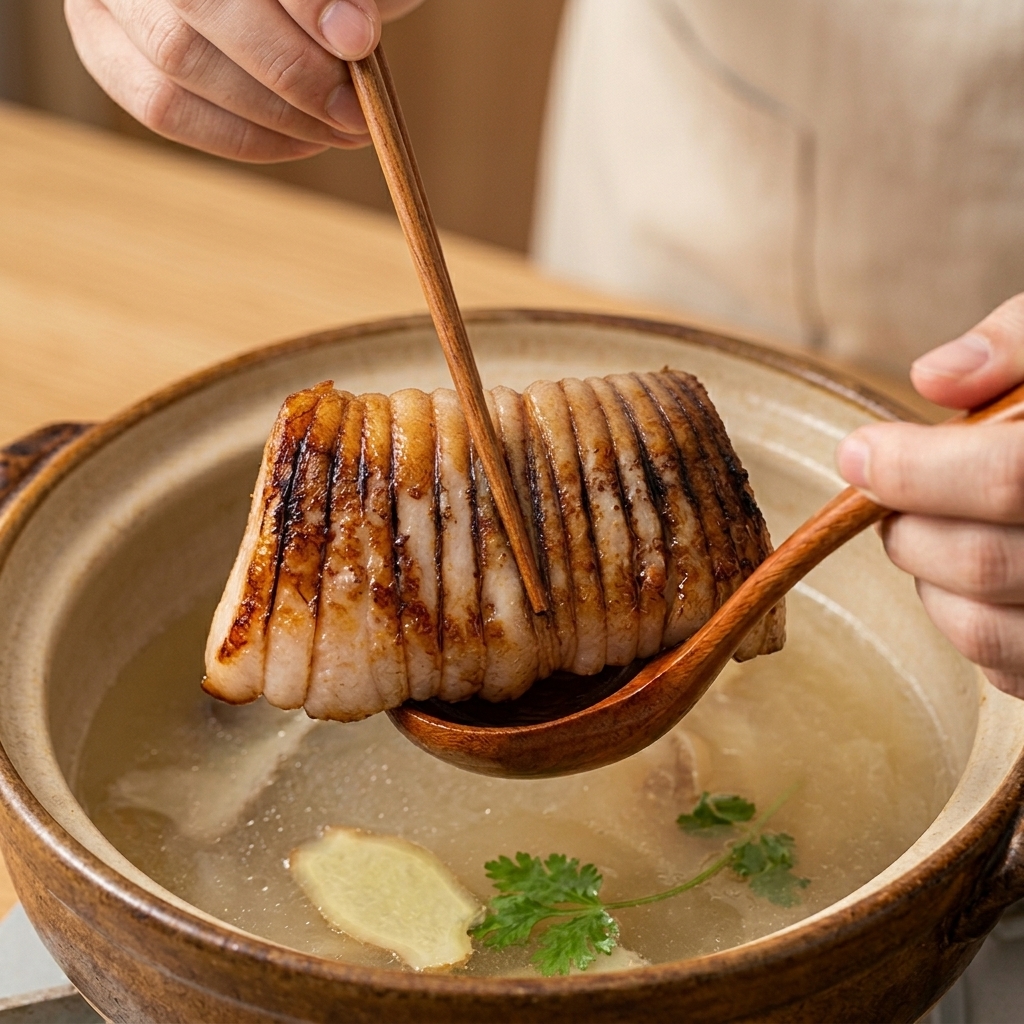
Once the meat has cooked through in the initial boil, carefully lift the pork belly out of the hot liquid. Strain the remaining broth to remove the large, spent aromatics. Using a clean liquid base for the next braising step guarantees a refined and smooth flavor.
Tip: Use a sturdy wooden spoon alongside chopsticks to lift the heavy pork roll safely without splashing. - 5Add the braising liquids
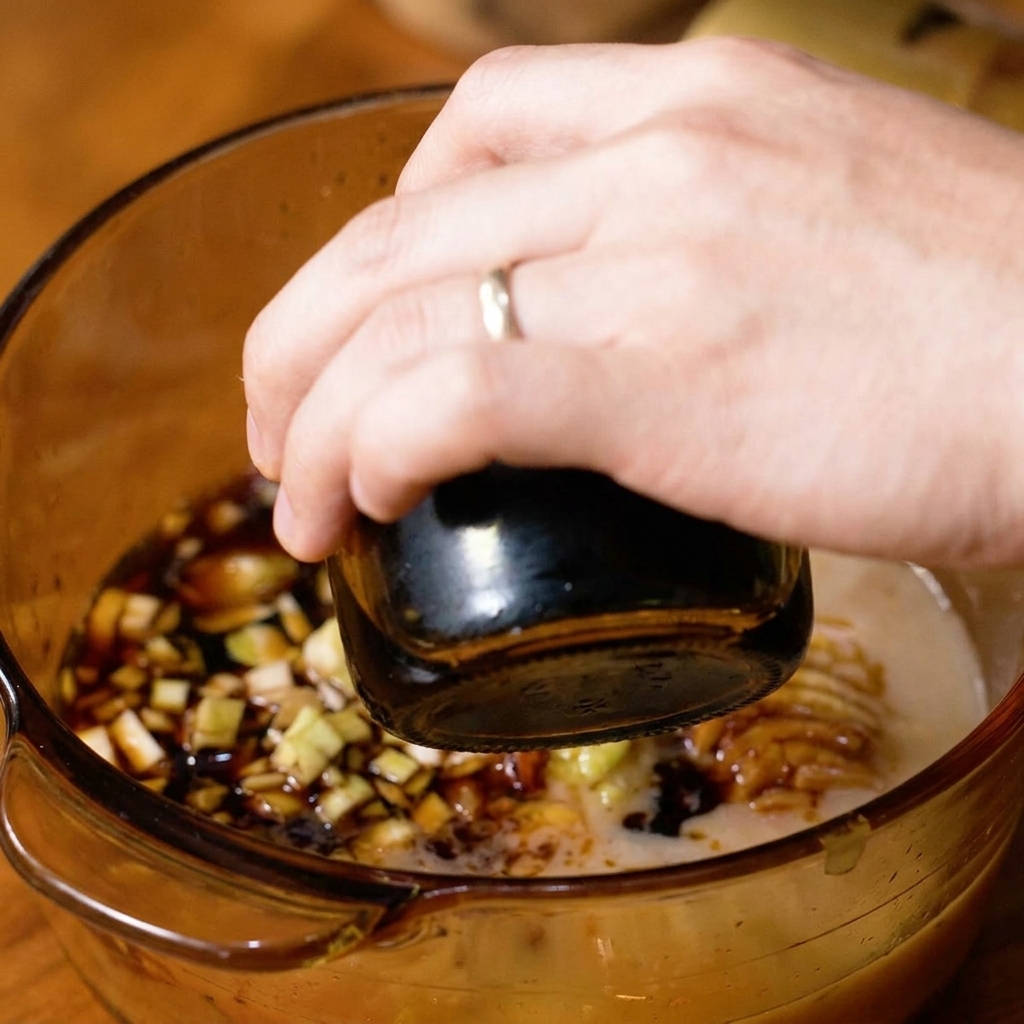
Pour dark soy sauce into the pot with the seared pork belly and aromatics. Follow up with mirin, sake, and white sugar to create the sweet and savory braising base.
Tip: Using a good quality dark soy sauce gives the chashu its signature deep color and rich, caramelized flavor. - 6Add the spices
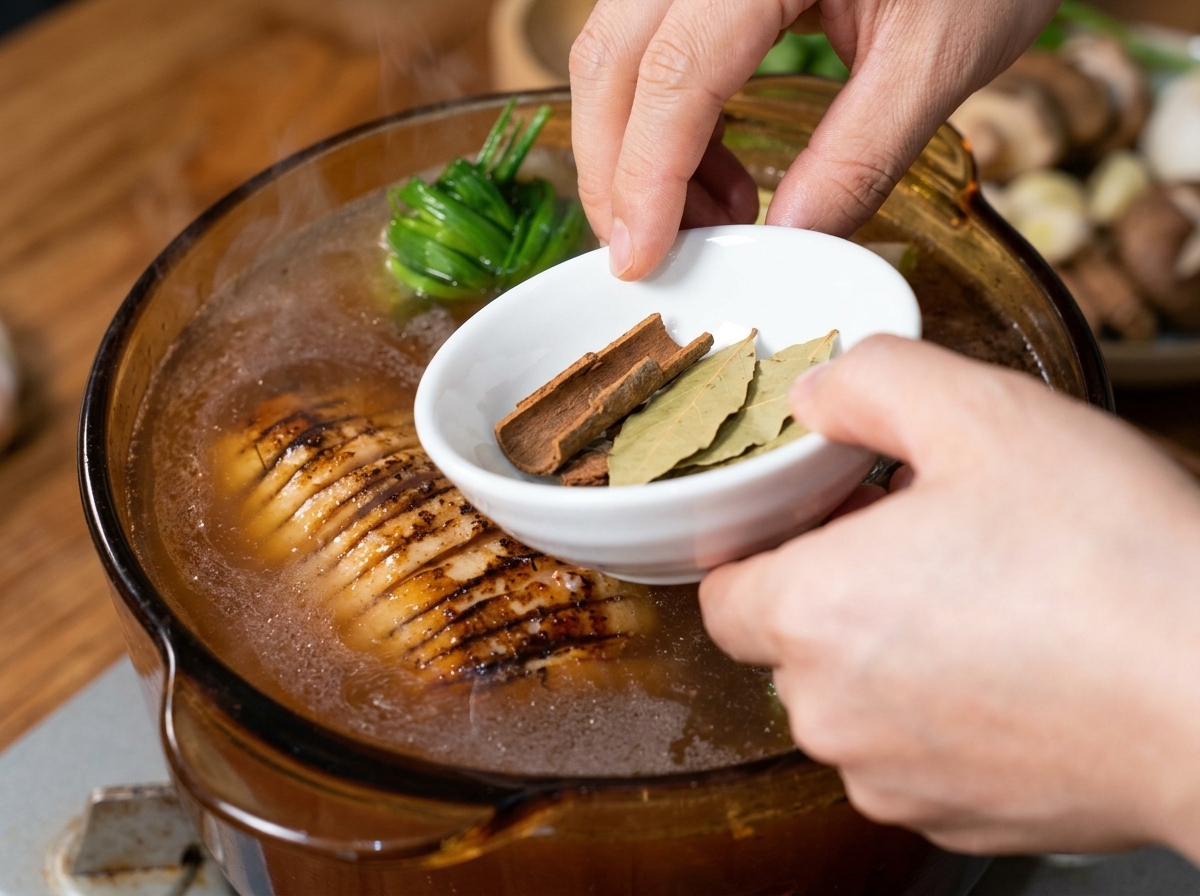
Once the liquids are added, drop in the secondary aromatics: a stalk of leek, fresh scallions, a cinnamon stick, and bay leaves. Stir gently to incorporate these spices into the dark braising base.
Tip: Maintain a gentle, patient simmer. Boiling the liquid too vigorously can make the braising liquid cloudy and the pork tough. - 7Simmer the chashu
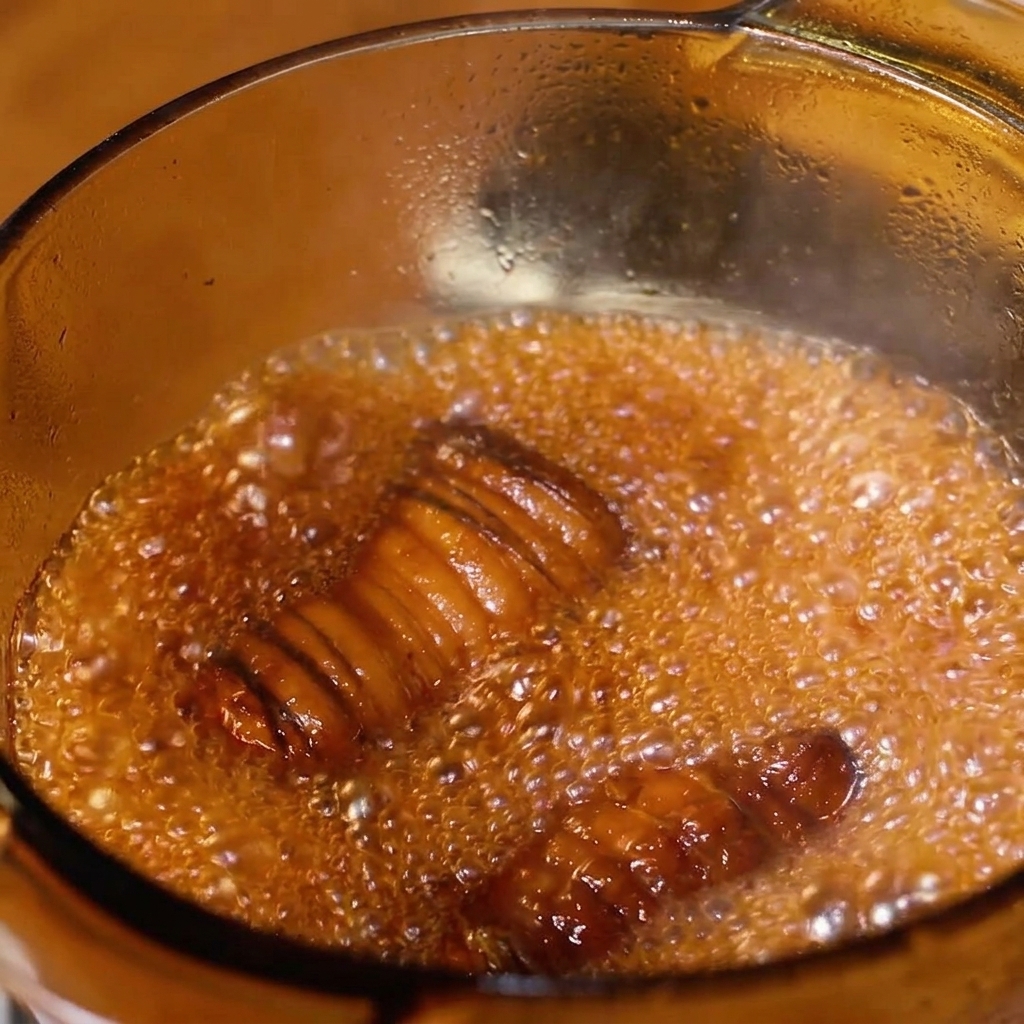
Bring the liquid to a gentle bubble, then lower the heat. Let the pork belly simmer uncovered in the fragrant sauce for about 50 minutes, turning occasionally, until the meat is incredibly tender and the liquid turns glossy.
Tip: A gentle simmer is crucial. Boiling too vigorously can cause the meat to toughen and dry out. - 8Slice the Chashu
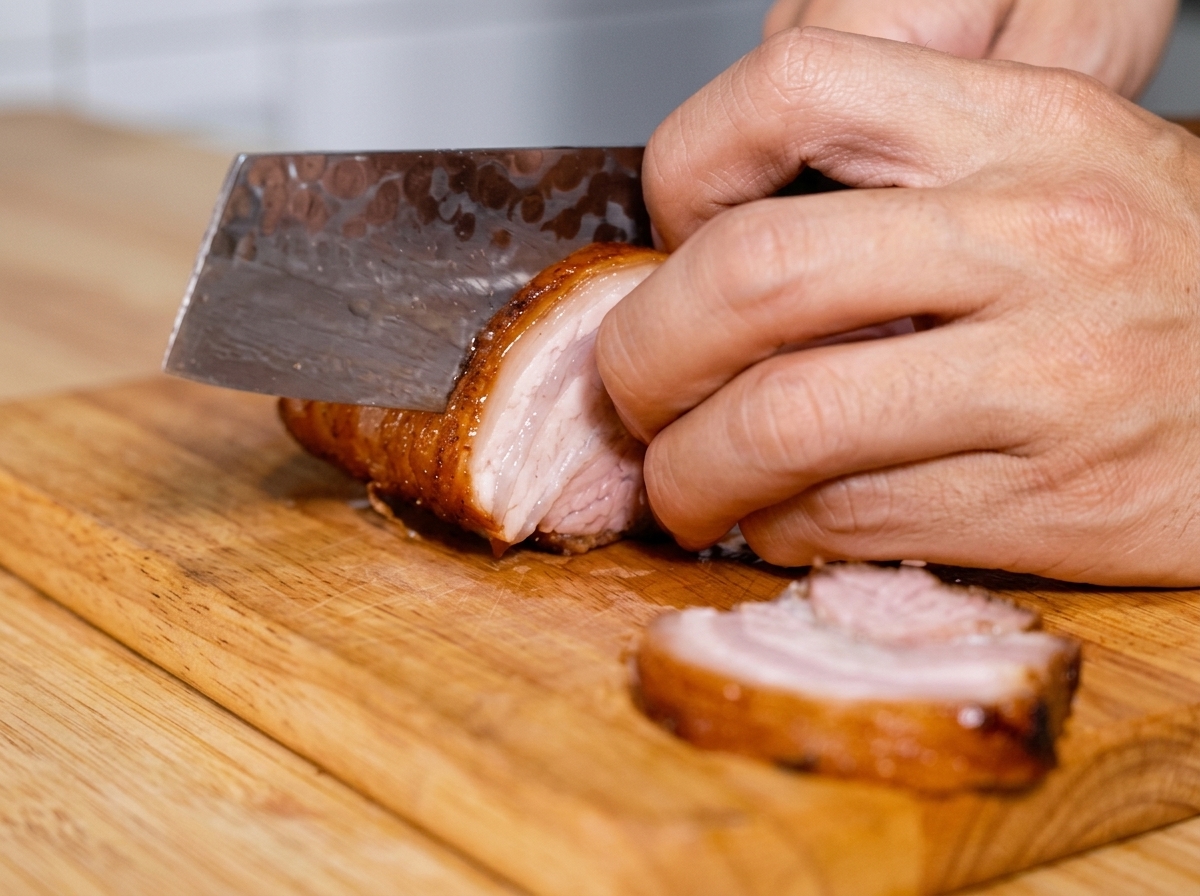
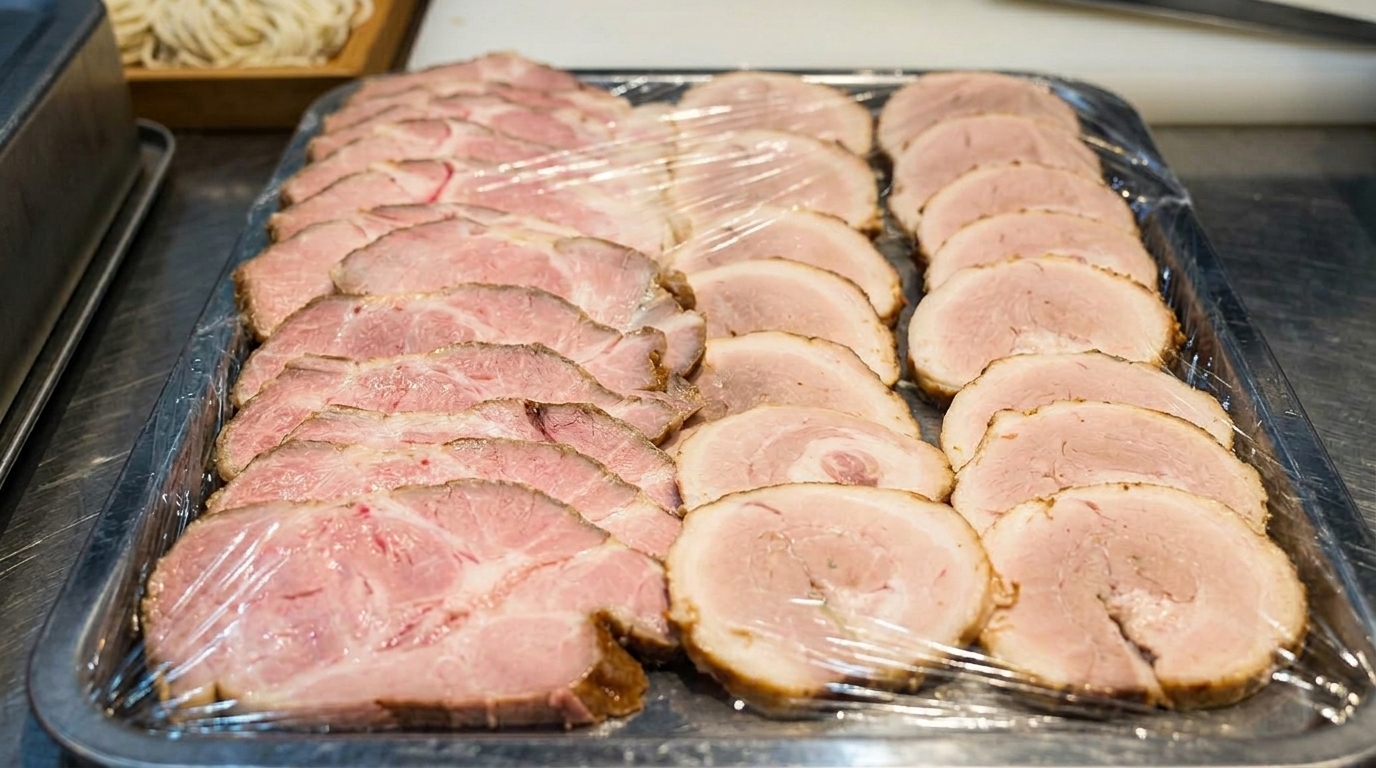
Once the braised chashu is cooked and slightly cooled to hold its shape, carefully cut it into thick, even slices using a sharp knife.
Tip: Chilling the chashu in the fridge before slicing will give you much cleaner cuts without the meat falling apart. - 9Prepare the Miso Soup Base
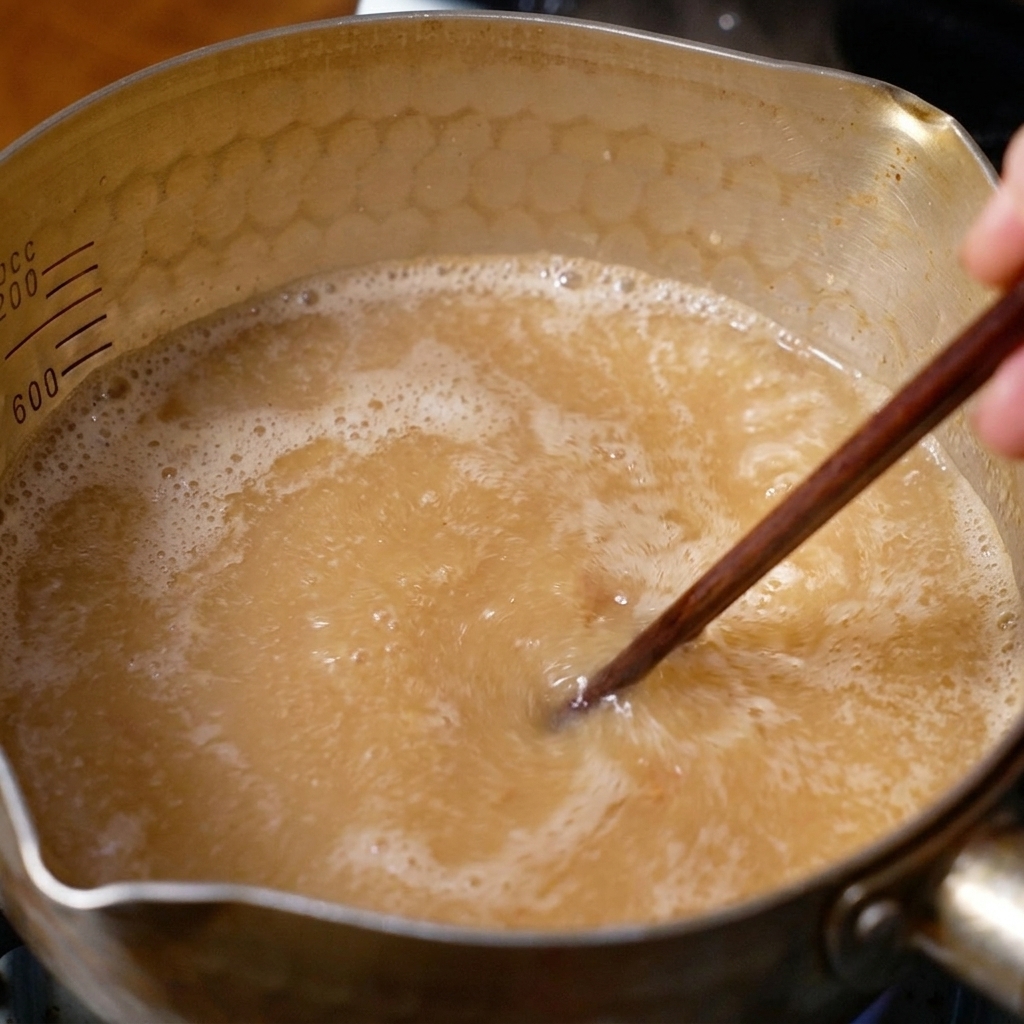
Start building the ramen broth by adding one spoonful of miso paste to your hot stock. Stir gently until the miso is completely dissolved into the pale broth.
Tip: Use a small strainer to dissolve the miso paste directly into the broth to prevent clumps from forming. - 10Flavor the Broth
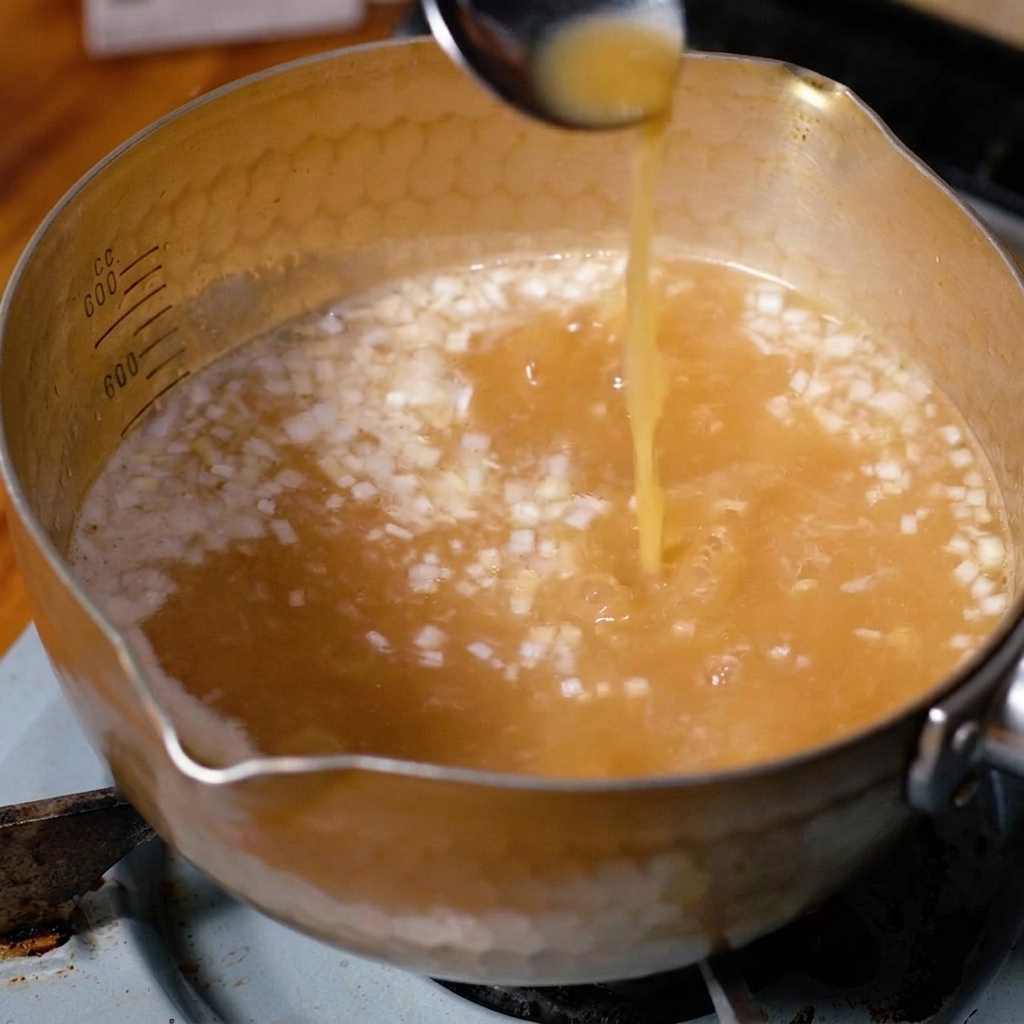
Enhance the miso soup base by stirring in minced garlic, minced ginger, chopped Tokyo scallion, and a small dollop of lard for extra richness. Let it gently heat through.
Tip: The addition of a little lard gives the ramen broth an authentic, rich mouthfeel commonly found in Japanese ramen shops. - 11Assemble the Ramen
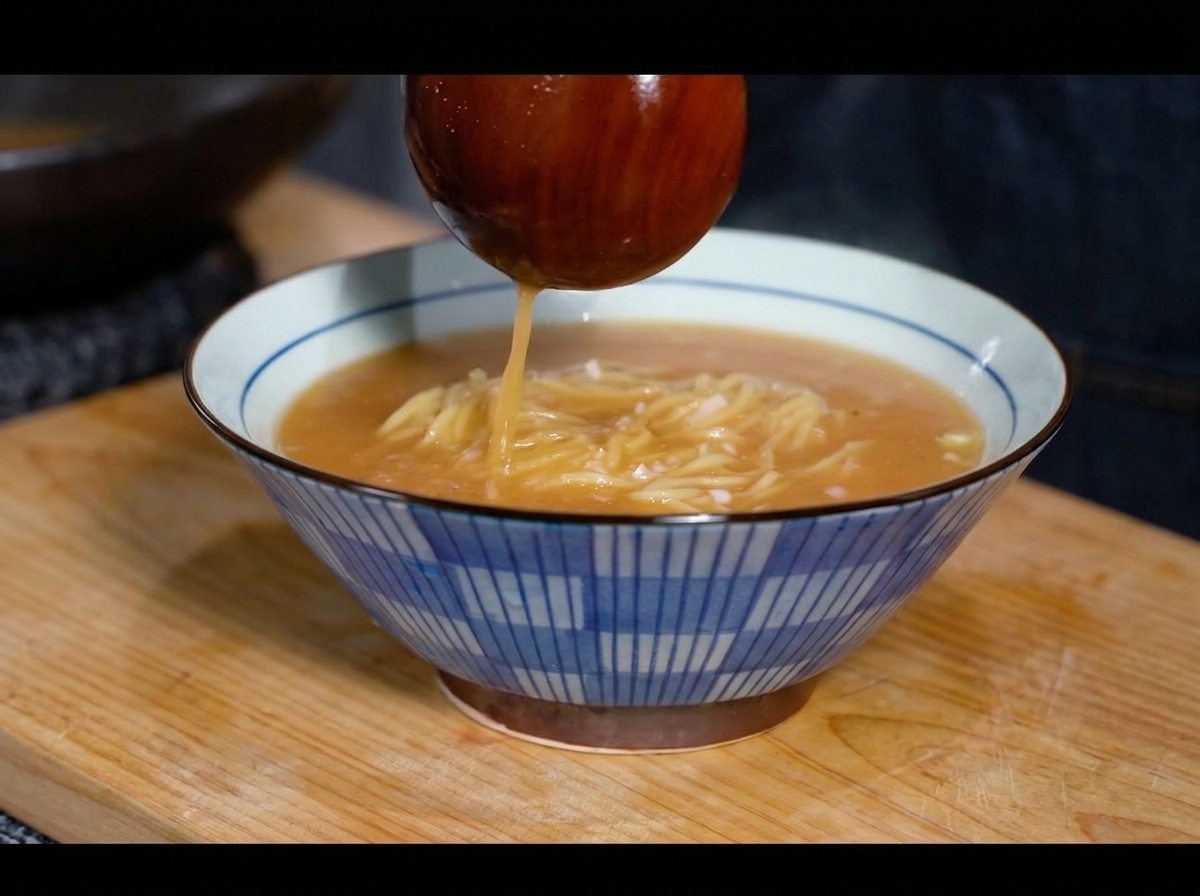
Place your freshly cooked ramen noodles into a serving bowl. Carefully ladle the hot, flavorful miso broth over the noodles, ensuring they are fully submerged before adding your toppings.
Tip: Warm your serving bowl with hot water beforehand to keep the ramen piping hot while eating.