Homemade Japanese Shoyu Ramen
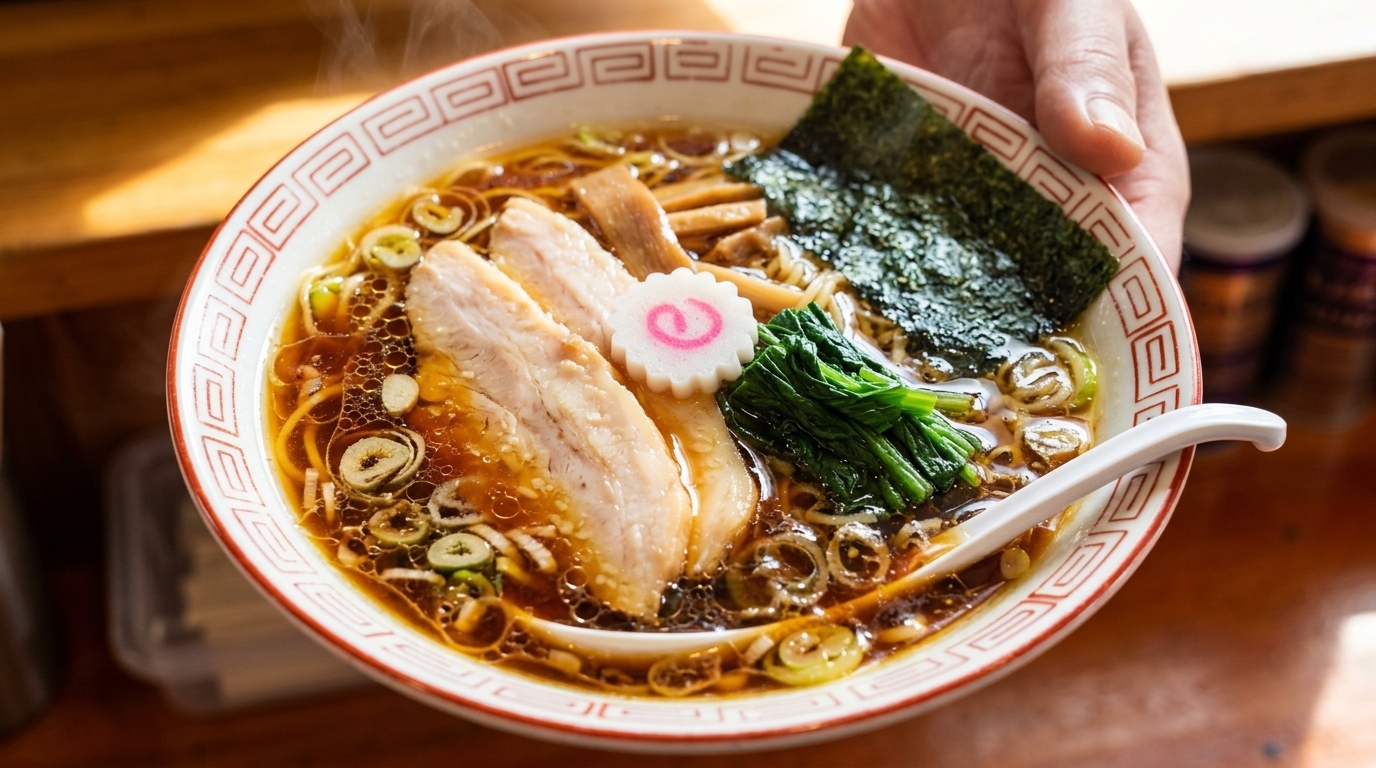
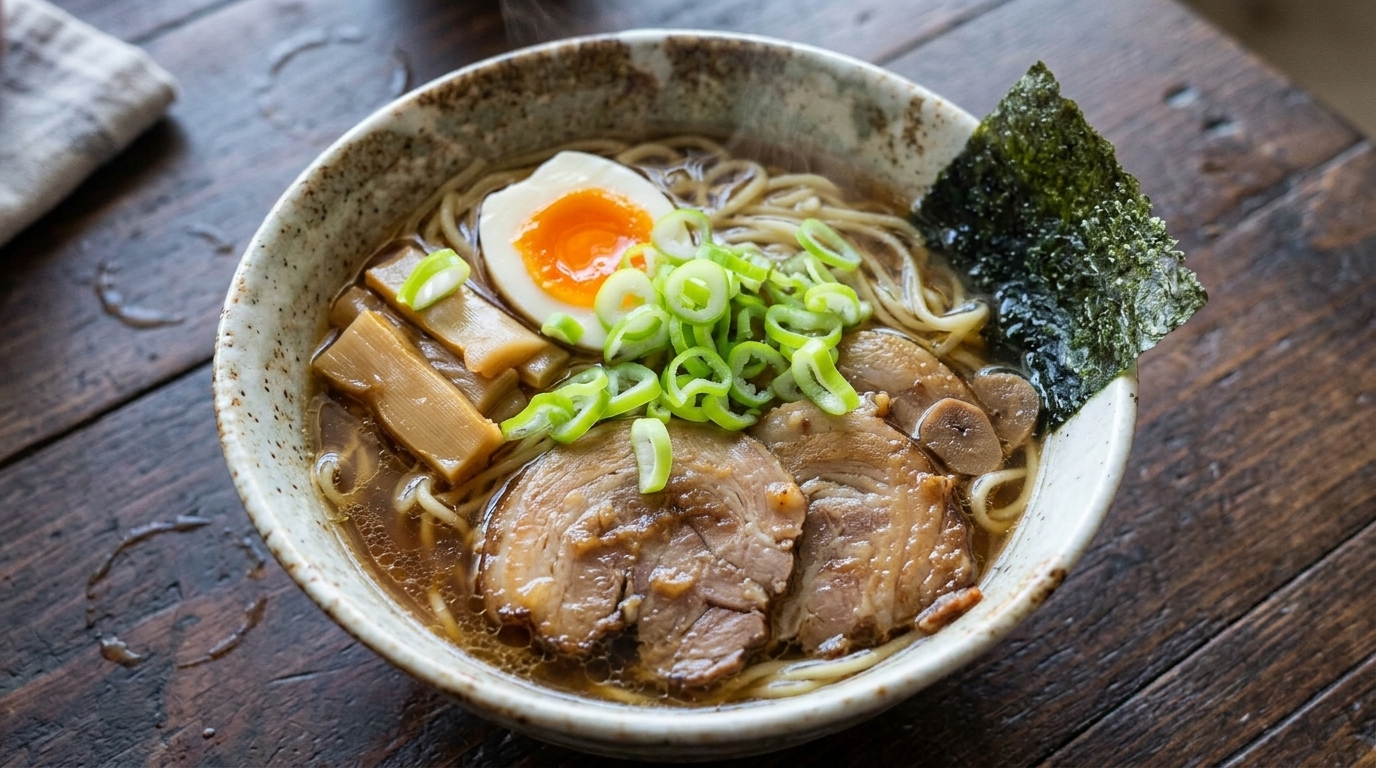
Master the art of Japanese Shoyu Ramen at home. This comforting bowl features a rich soy sauce broth infused with aromatic garlic-pork oil and classic toppings.
Shoyu (soy sauce) ramen is one of Japans most beloved noodle soup styles, characterized by its clear, savory brown broth. Its hallmark is the delicate balance of umami from the soy sauce tare and the fragrant aroma of infused oils. By blooming toasted garlic and pork lard directly into the tare, this recipe achieves a profound depth of flavor reminiscent of traditional ramen shops.
Ingredients
- 1 clove garlic
- 1 tbsp pork lard
- 2 tbsp light soy sauce
- 1 tsp oyster sauce
- 2 stalks scallions
- 400 ml clear water
- 1 tbsp sake
- 1 tbsp mirin
- 1 tsp chicken bouillon powder
- 1 portion fresh ramen noodles
- 2 slices chashu pork
- to taste menma (bamboo shoots)
- 12 soft-boiled egg
- 1 sheet nori seaweed
Instructions
- 1Slice the garlic
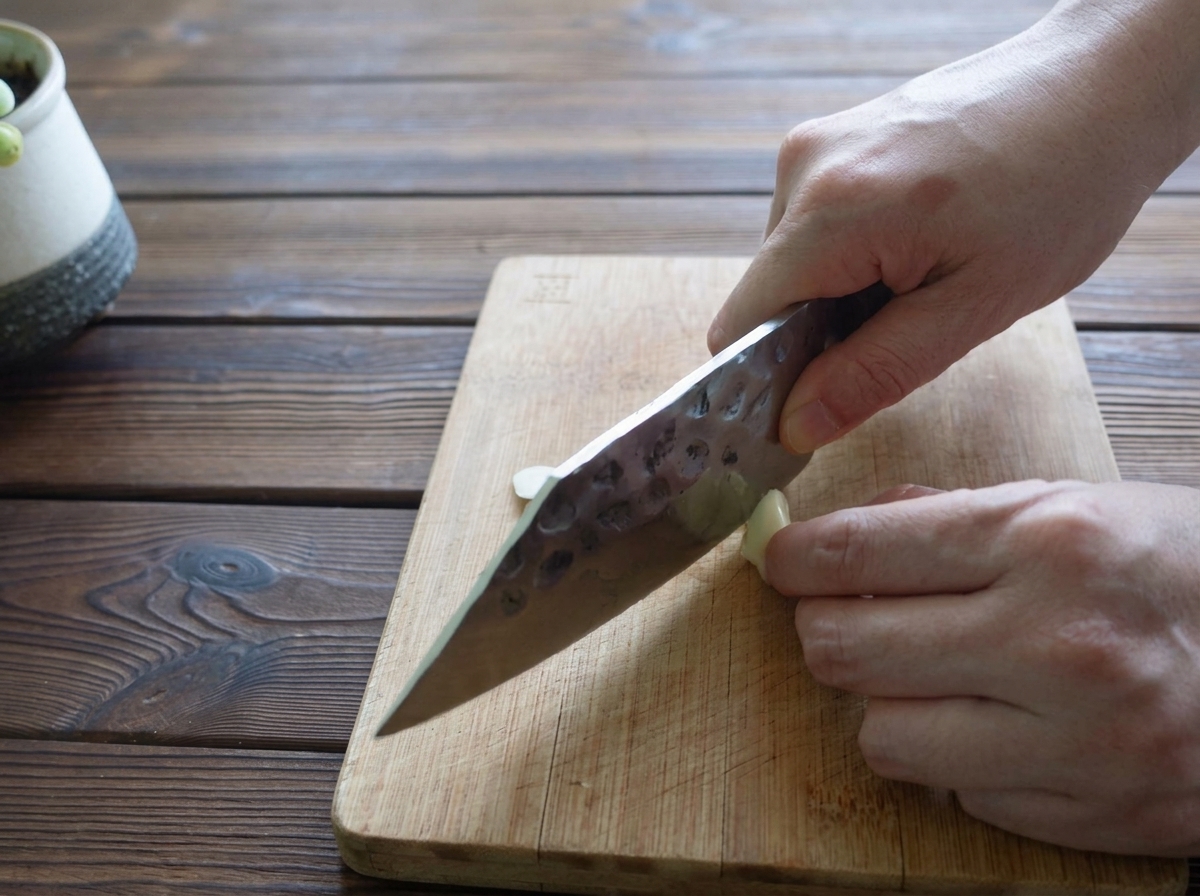
Begin by taking a peeled garlic clove and thinly slicing it on a wooden cutting board. These thin slices will be fried later to create a fragrant garlic oil that serves as a deeply aromatic flavor base for your ramen broth.
Tip: Try to slice the garlic as evenly as possible so that all the pieces cook at the same rate without burning. - 2Mix the soy sauce base
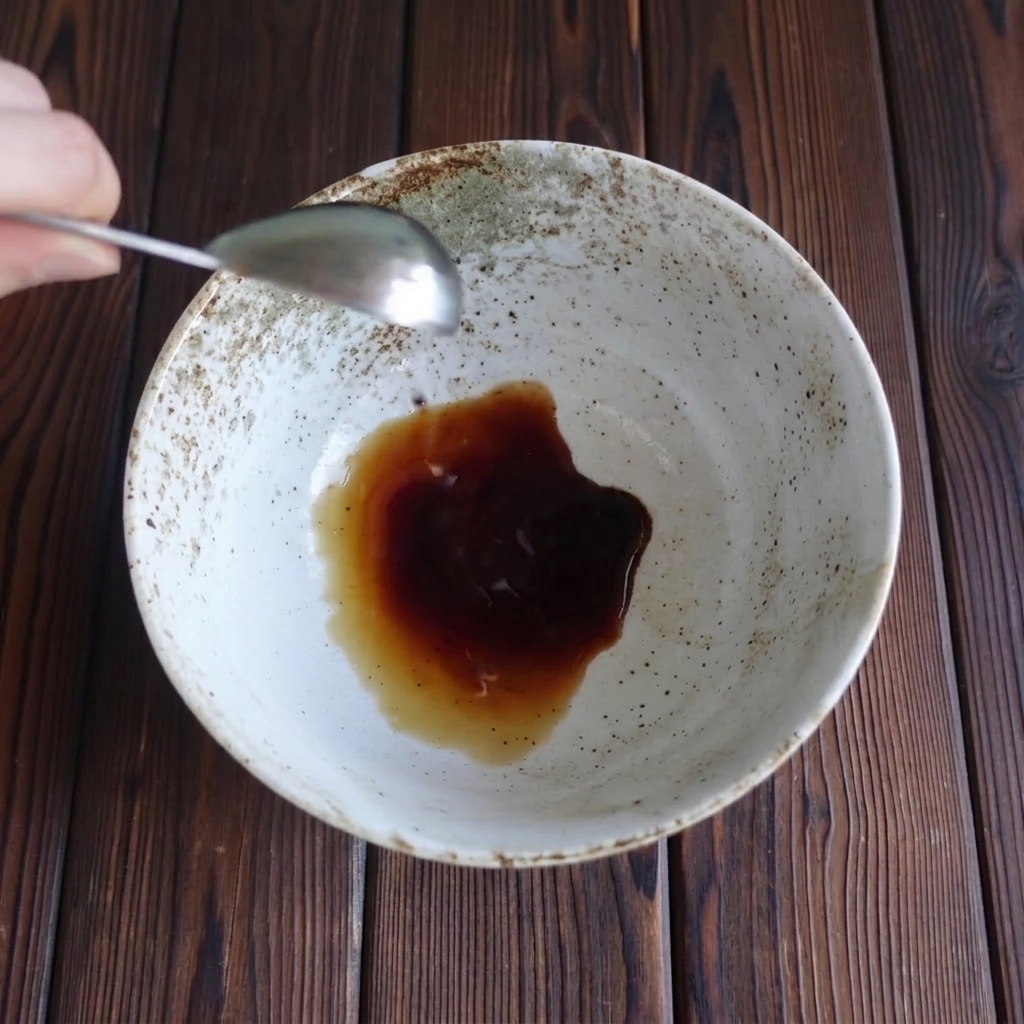
In a serving bowl, combine the light soy sauce and oyster sauce using a measuring spoon. This savory mixture forms the core flavor base for your shoyu ramen broth.
Tip: Measure your soy sauce carefully; the exact ratio of soy sauce to oyster sauce balances the umami of the broth without making it overly salty. - 3Add the oyster sauce
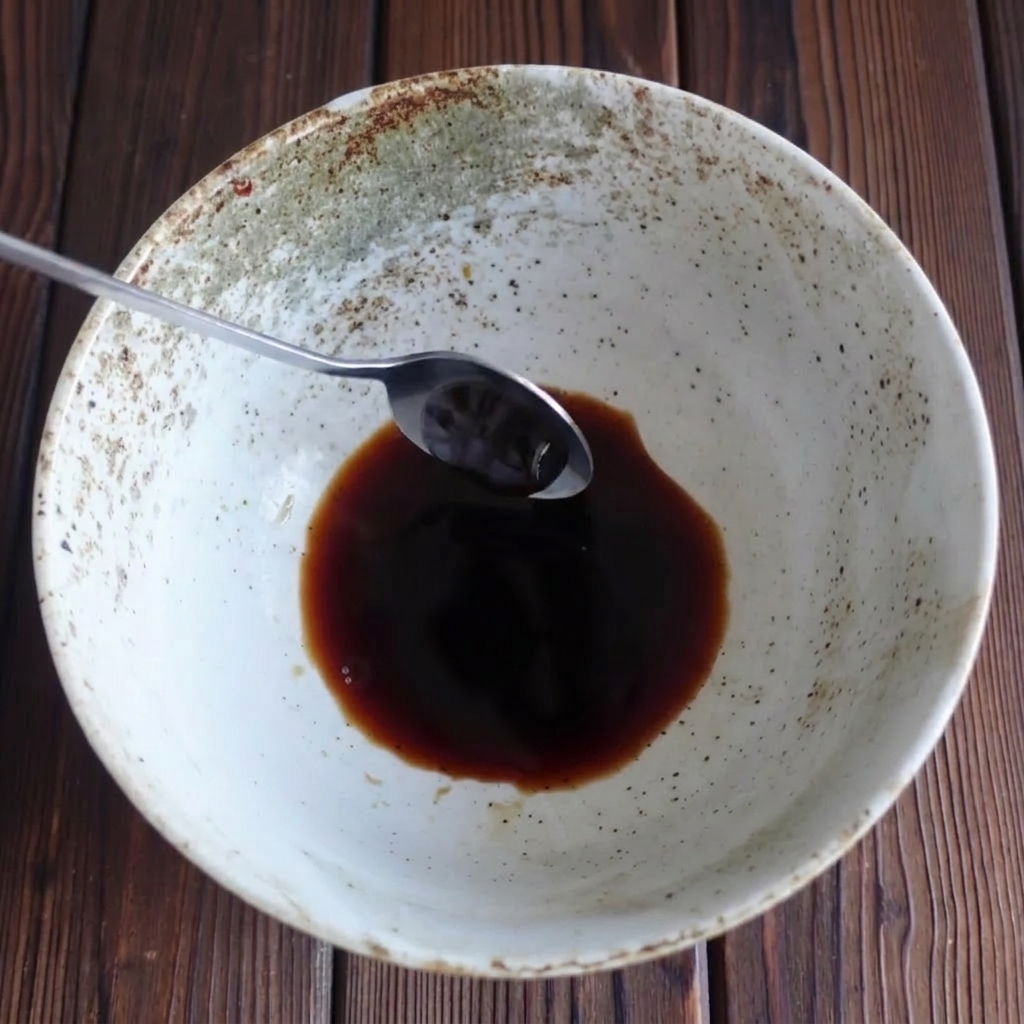
Add a spoonful of thick, dark oyster sauce to the soy sauce already in the bowl. Mixing light soy sauce and oyster sauce creates the flavorful tare, or seasoning base, which provides the rich, salty, and savory foundation for the Shoyu ramen.
Tip: Stir the oyster sauce and soy sauce together until fully combined so they dissolve evenly into the broth. - 4Melt the pork lard
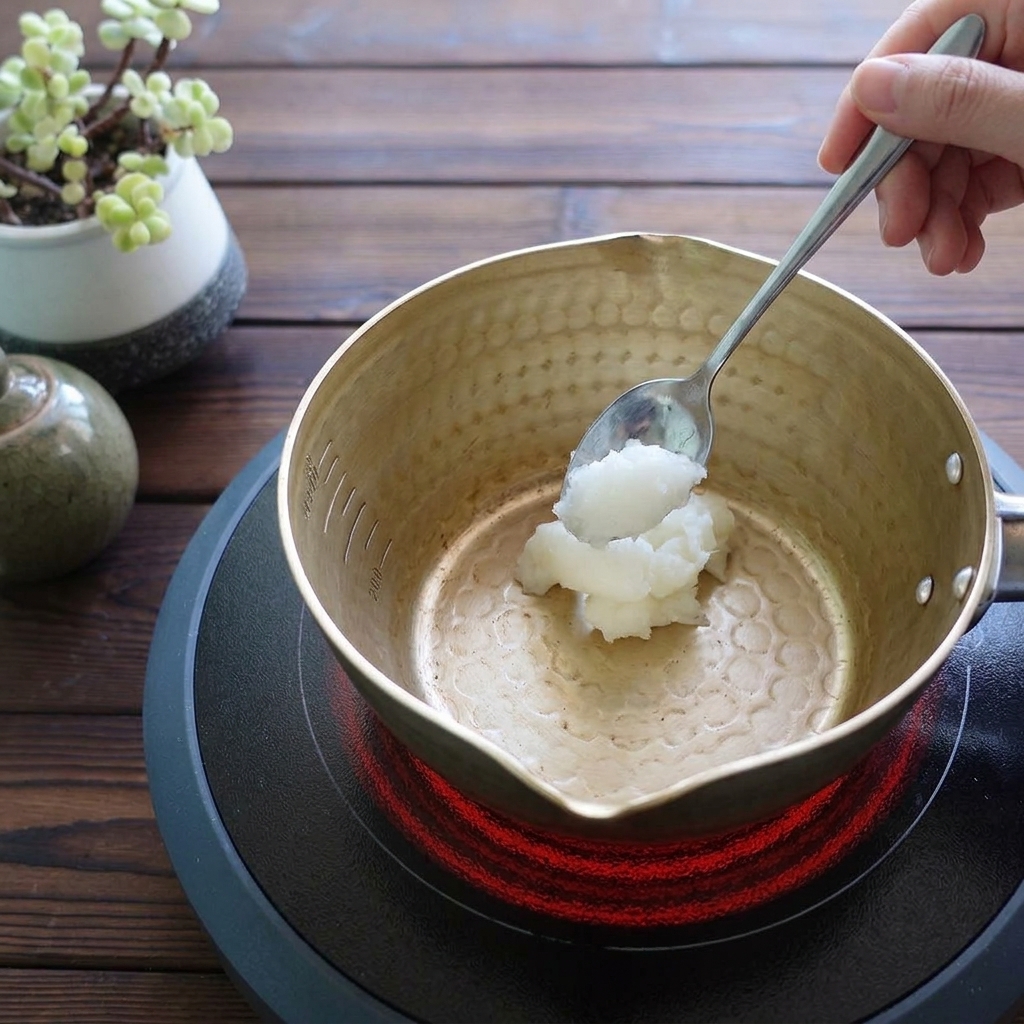
Place a chunk of solid white pork lard into a small metal pot on the stove over low heat. Allow the lard to gently melt into a clear liquid cooking fat. Using pork lard adds a rich, authentic mouthfeel and profound savory flavor to the final ramen soup.
Tip: Keep the heat low while melting the lard to prevent it from smoking or burning before the aromatics are added. - 5Fry the garlic
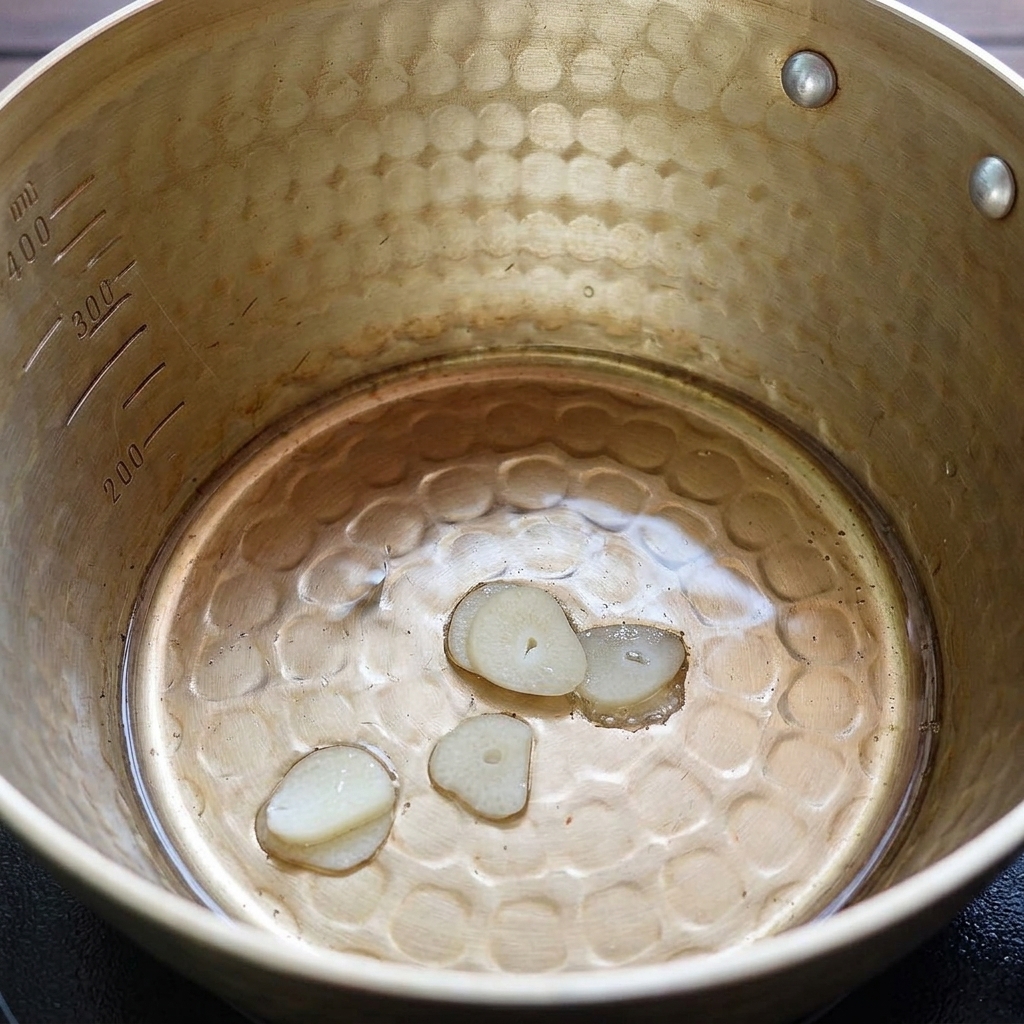
Carefully add the prepared garlic slices into the melted pork lard in the pot. Fry them gently until they just begin to change color and release their aroma, then turn off the heat. This infuses the fat, creating a deeply flavorful garlic oil that will enhance the entire bowl.
Tip: Keep a very close eye on the garlic while it fries; it can easily go from toasted to burnt and bitter in a matter of seconds. - 6Add the hot garlic oil
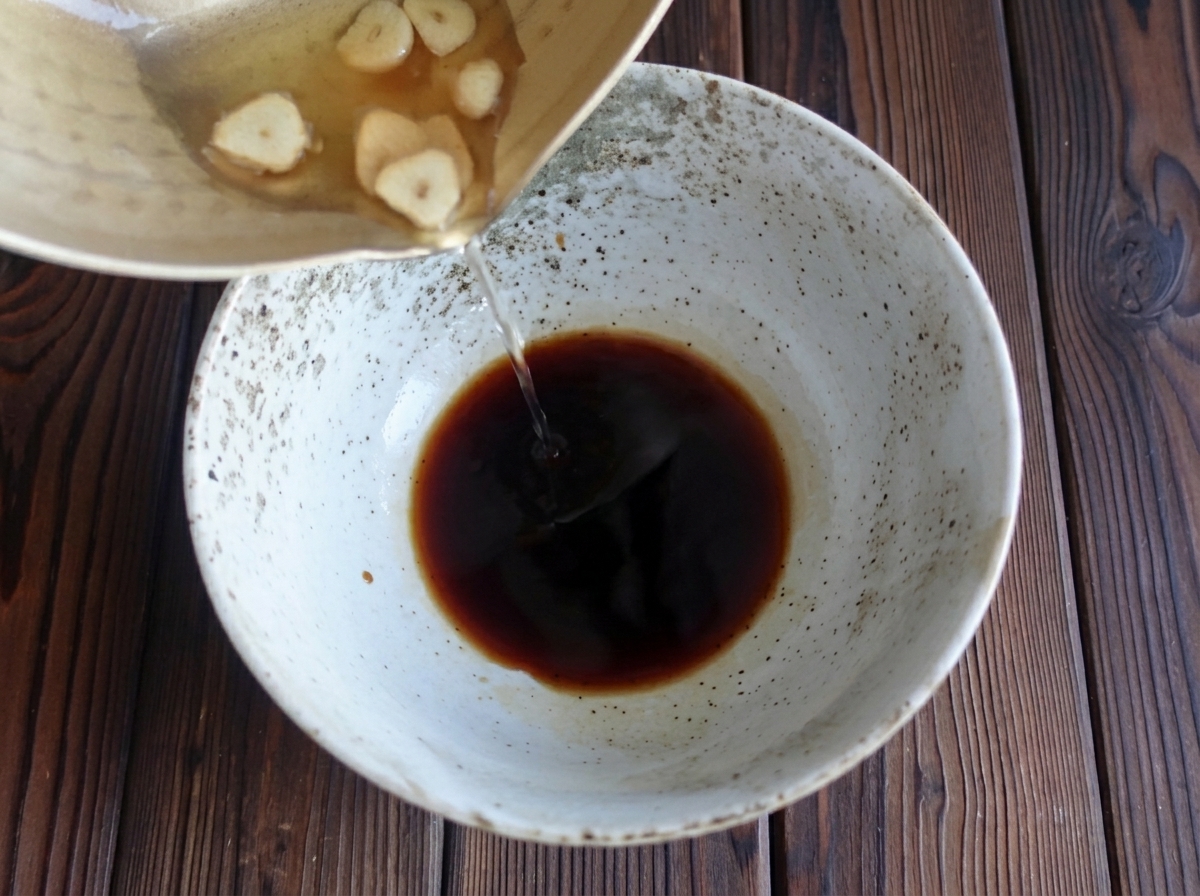
Carefully pour the hot, melted pork lard and toasted garlic slices directly from the pot into the soy sauce mixture. The residual heat slightly toasts the soy sauce, unlocking a deeper and more robust aroma.
Tip: Ensure the oil is hot but not smoking when pouring to properly bloom the flavors without burning the soy sauce. - 7Add scallions to the pot
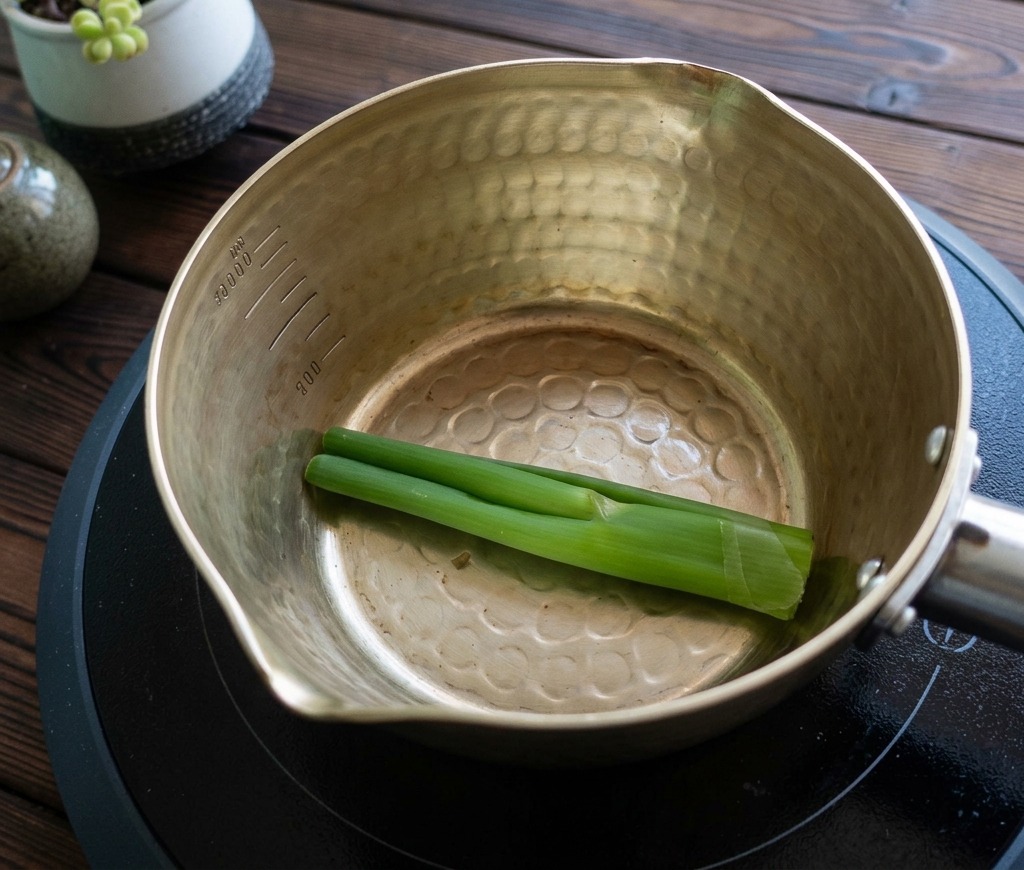
Without washing the pot used for the garlic oil, place the reserved whole green scallion stalks inside. Reusing the pot ensures that every bit of the savory garlic and pork lard flavor is incorporated into the final broth.
Tip: You can lightly bruise the scallion stalks before adding them to help release their natural aromatic oils into the soup. - 8Pour in the water
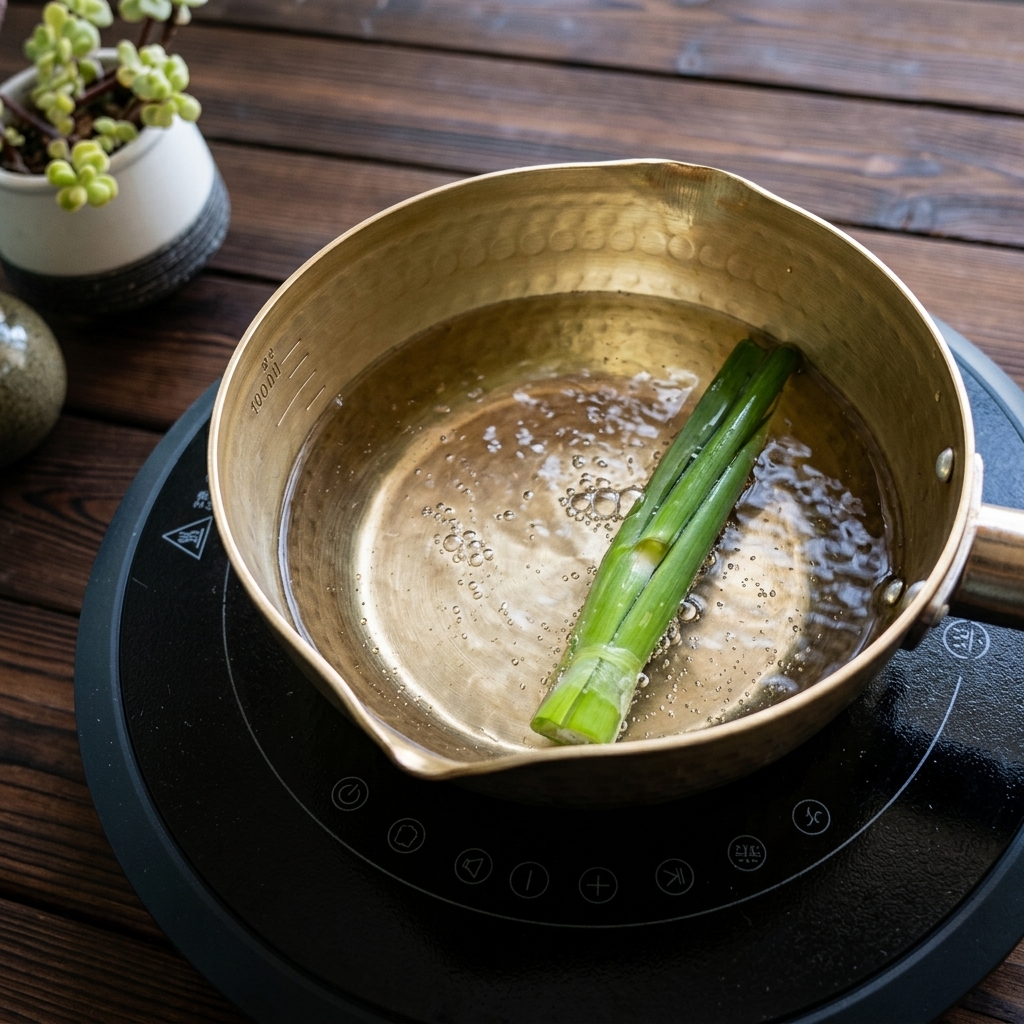
With the scallions resting in the pot, pour in the clear water. The residual oil left in the pot from frying the garlic will mix with the water, giving the broth a fragrant and savory foundation.
Tip: Do not wash the pot before this step; the leftover garlic oil is crucial for building a deep, rich flavor in your ramen broth. - 9Add sake and mirin
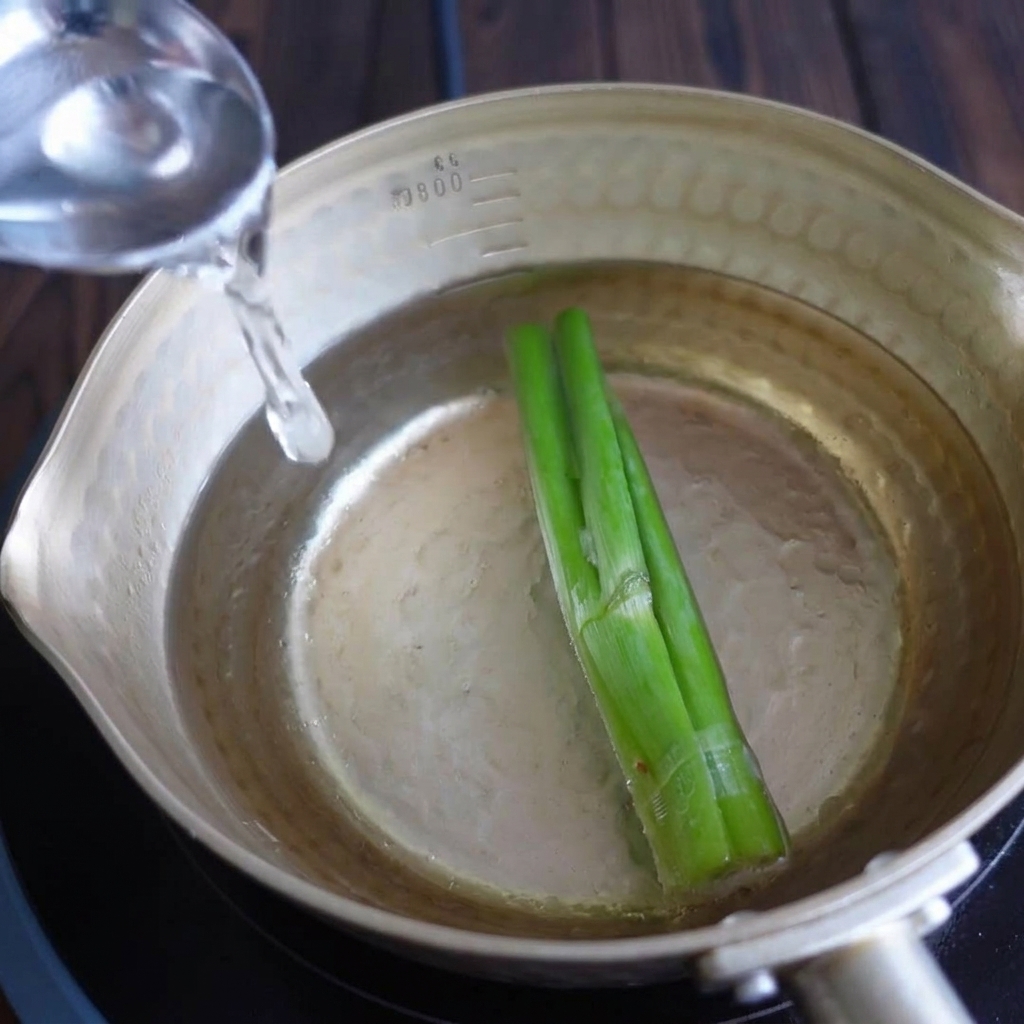
Next, pour the sake and mirin into the water. These clear liquid seasonings add a delicate sweetness and a complex umami depth to the broth, beautifully balancing the savory garlic and soy sauce notes.
Tip: Adding sake and mirin helps mask any unwanted odors and provides an authentic Japanese flavor profile to the soup. - 10Add Bouillon Powder
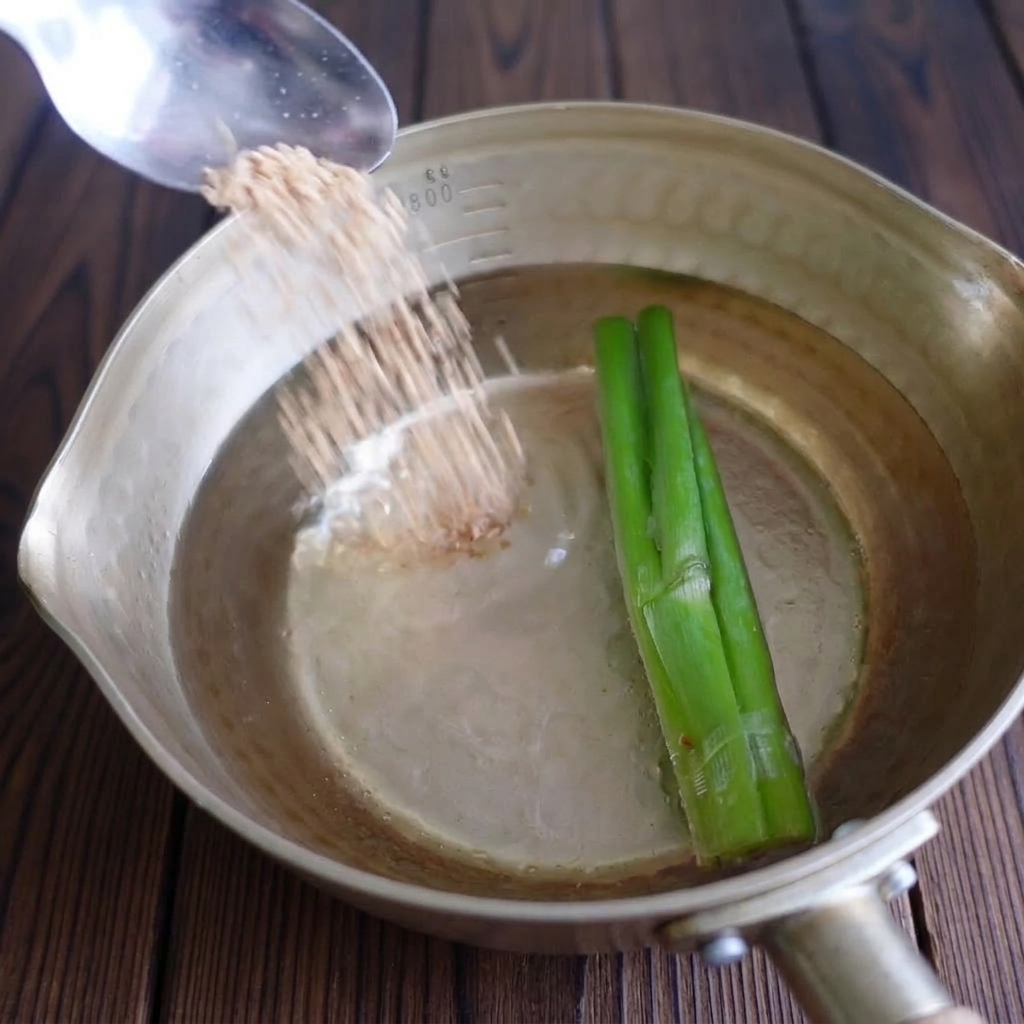
Add a small spoonful of granular chicken bouillon powder into the pot with the water and scallions. This will serve as the rich, savory umami base for your shoyu ramen soup.
Tip: If you prefer, you can substitute the bouillon powder and water with homemade chicken stock. - 11Simmer the Broth
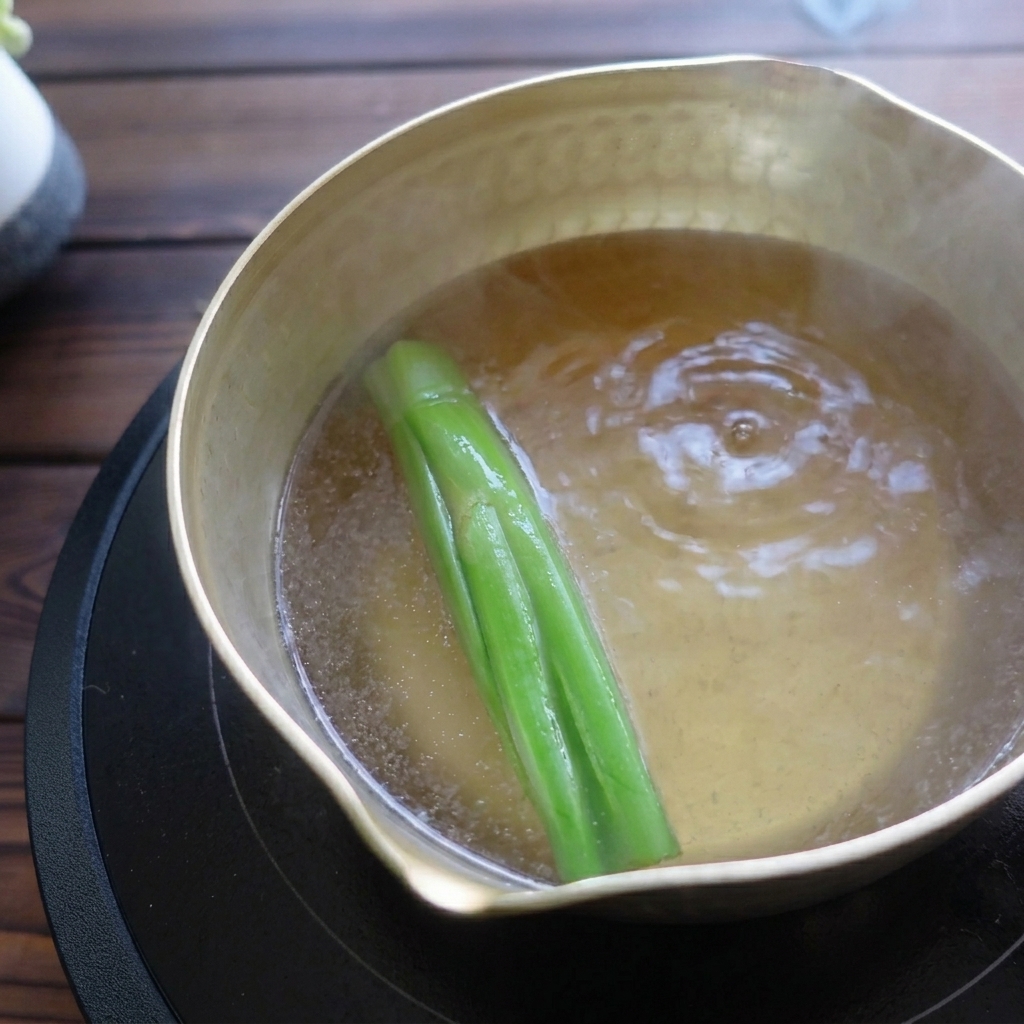
Bring the liquid to a steady boil over medium heat, then let it simmer gently for about 4 minutes. This allows the fresh scallions to release their sweet aroma into the broth while the flavors concentrate.
Tip: Keep the heat at medium to allow the broth to bubble gently without evaporating too quickly. - 12Combine the Soup Base
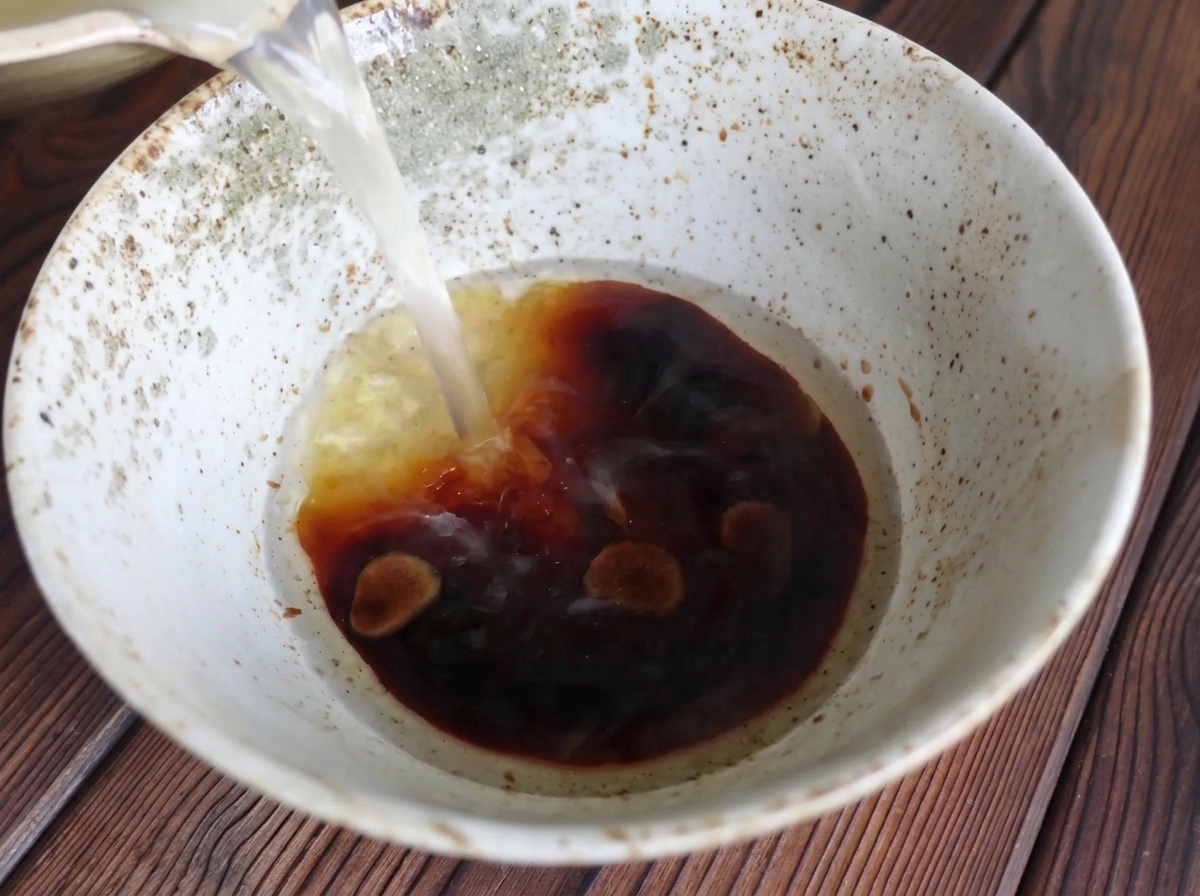
Carefully pour the simmering hot scallion broth directly into the serving bowl over the prepared soy sauce and garlic oil mixture. The hot liquid will instantly bloom the aromas of the sauce, creating your finished ramen soup base.
Tip: Make sure the broth is piping hot when you pour it; this helps emulsify the fat and soy sauce together for a cohesive flavor. - 13Boil the Noodles
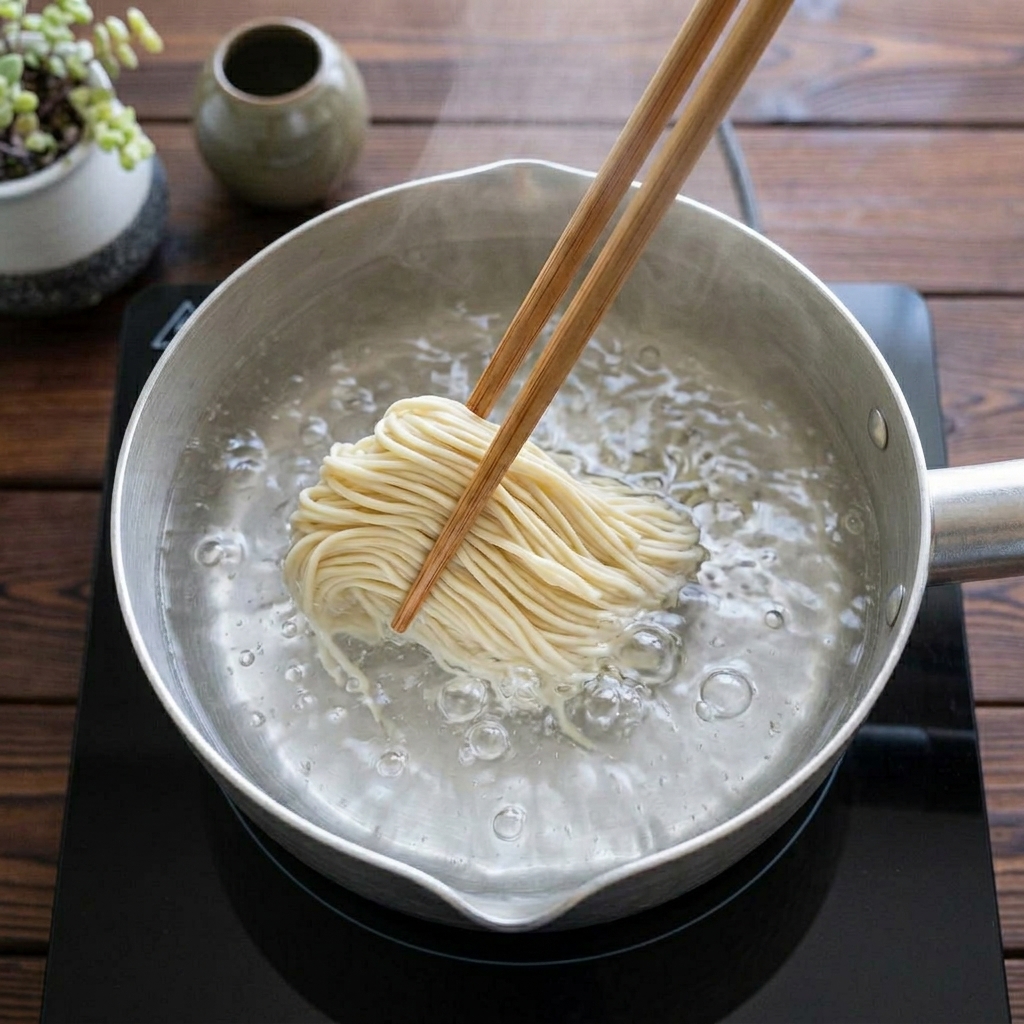
In a separate pot, bring water to a vigorous boil. Carefully submerge your fresh raw ramen noodles into the water. Stir gently with chopsticks to separate the strands and prevent them from clumping together as they cook.
Tip: Cook the noodles according to package instructions, but aim for slightly al dente, as they will continue to soften slightly once added to the hot soup. - 14Drain the noodles
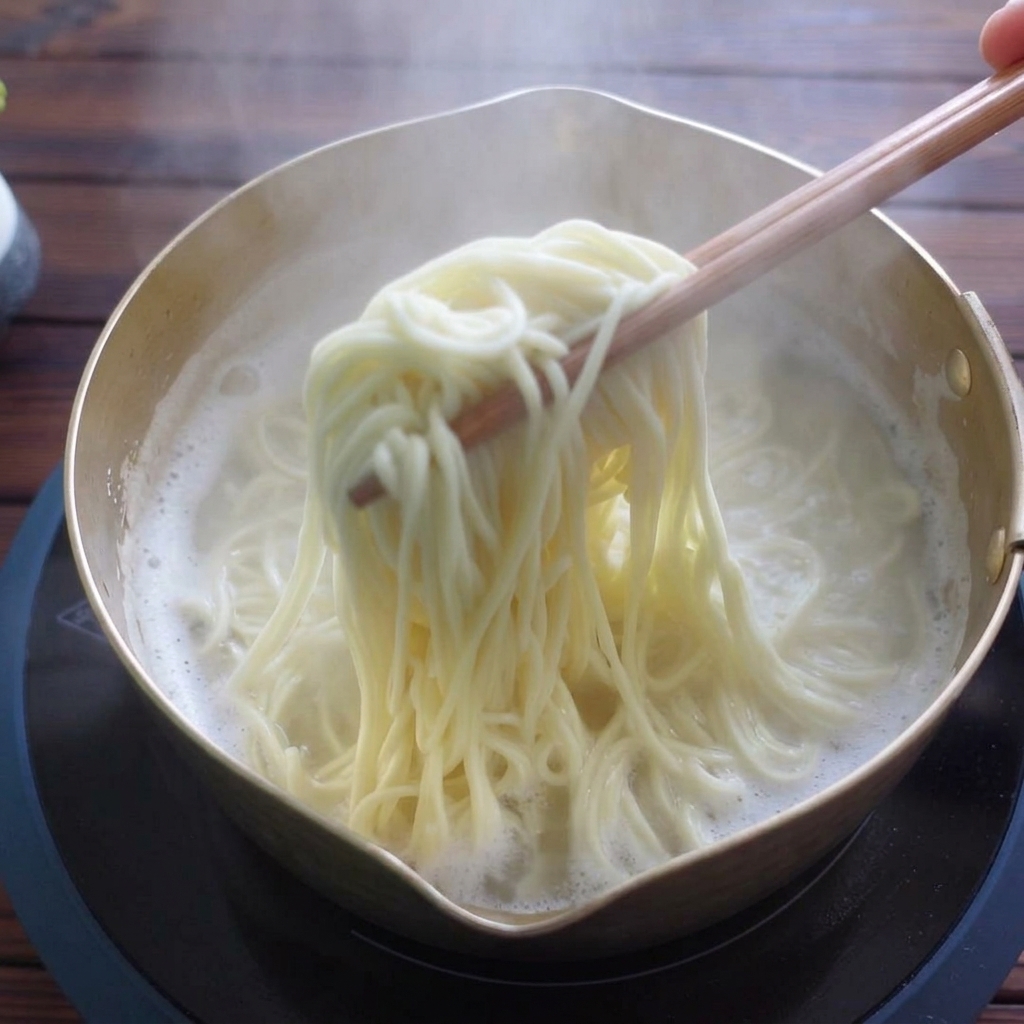
Once they are cooked to your desired firmness, lift the noodles out using wooden chopsticks or a noodle strainer. Ensure you drain the water thoroughly before transferring them into the hot broth.
Tip: Vigorously shake off as much excess water as possible when draining the noodles; residual water will dilute your carefully prepared shoyu soup base. - 15Add Noodles to the Soup
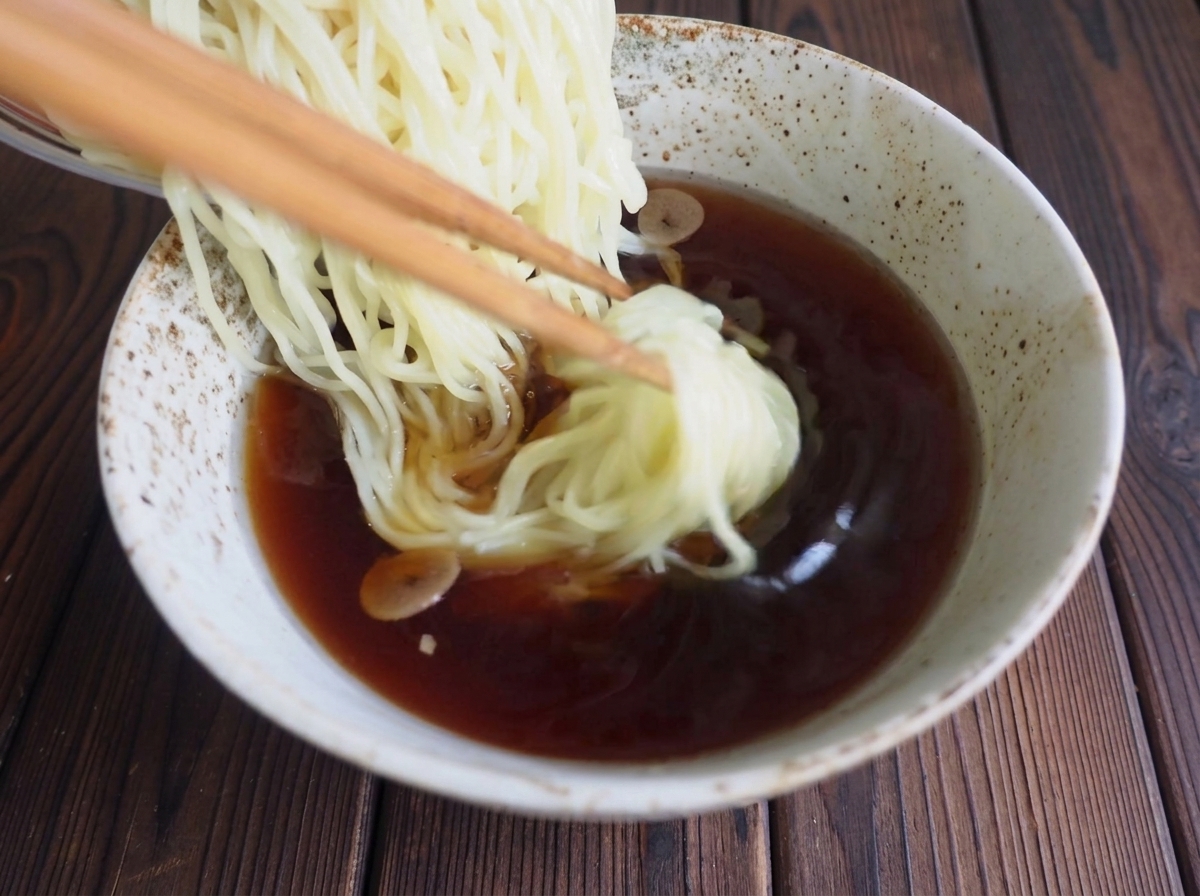
Carefully lower the hot and drained ramen noodles into your serving bowl containing the prepared soy sauce and garlic broth. Use wooden chopsticks to gently loosen and fold the noodles into the soup so they do not clump together.
Tip: Use your chopsticks to lift and fold the noodles neatly into the center of the bowl to create an appealing presentation before adding your chosen toppings.