Authentic Roman Spaghetti Carbonara
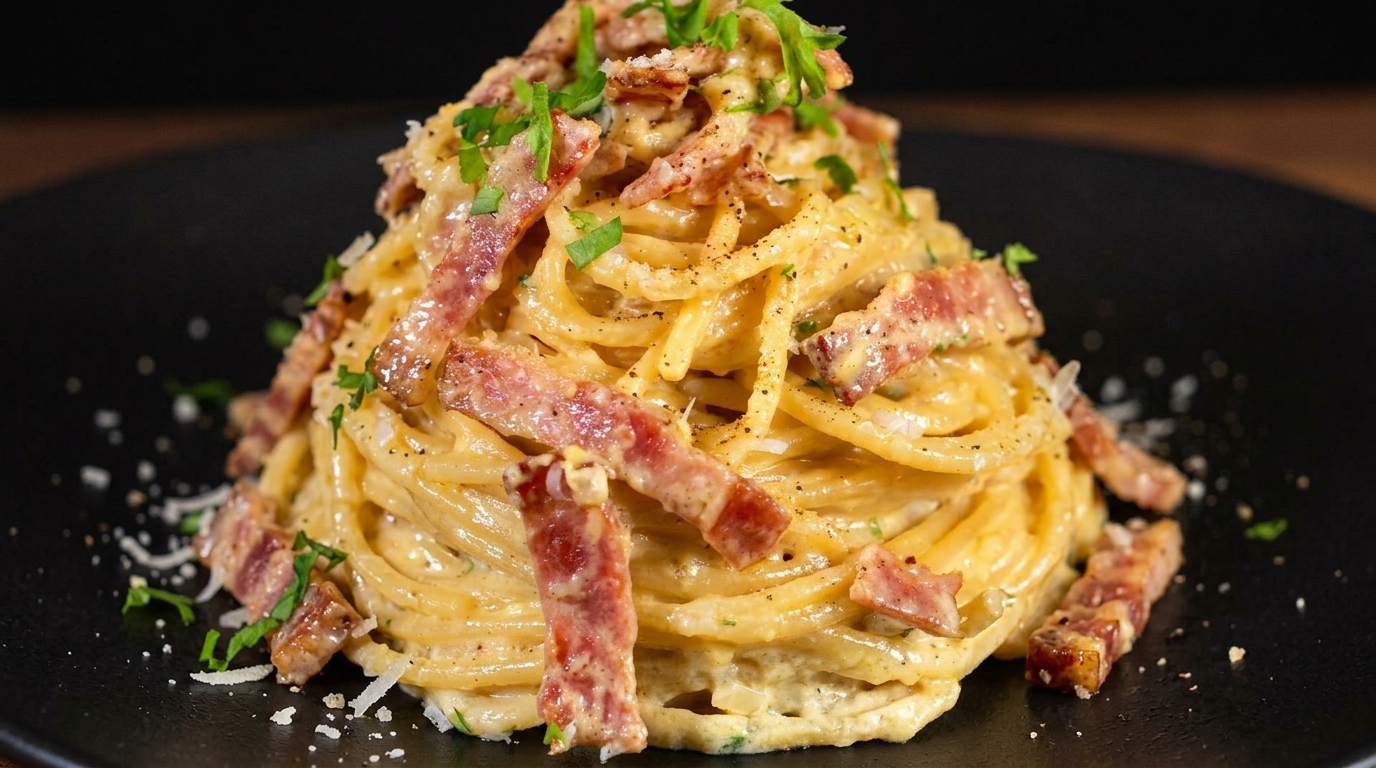
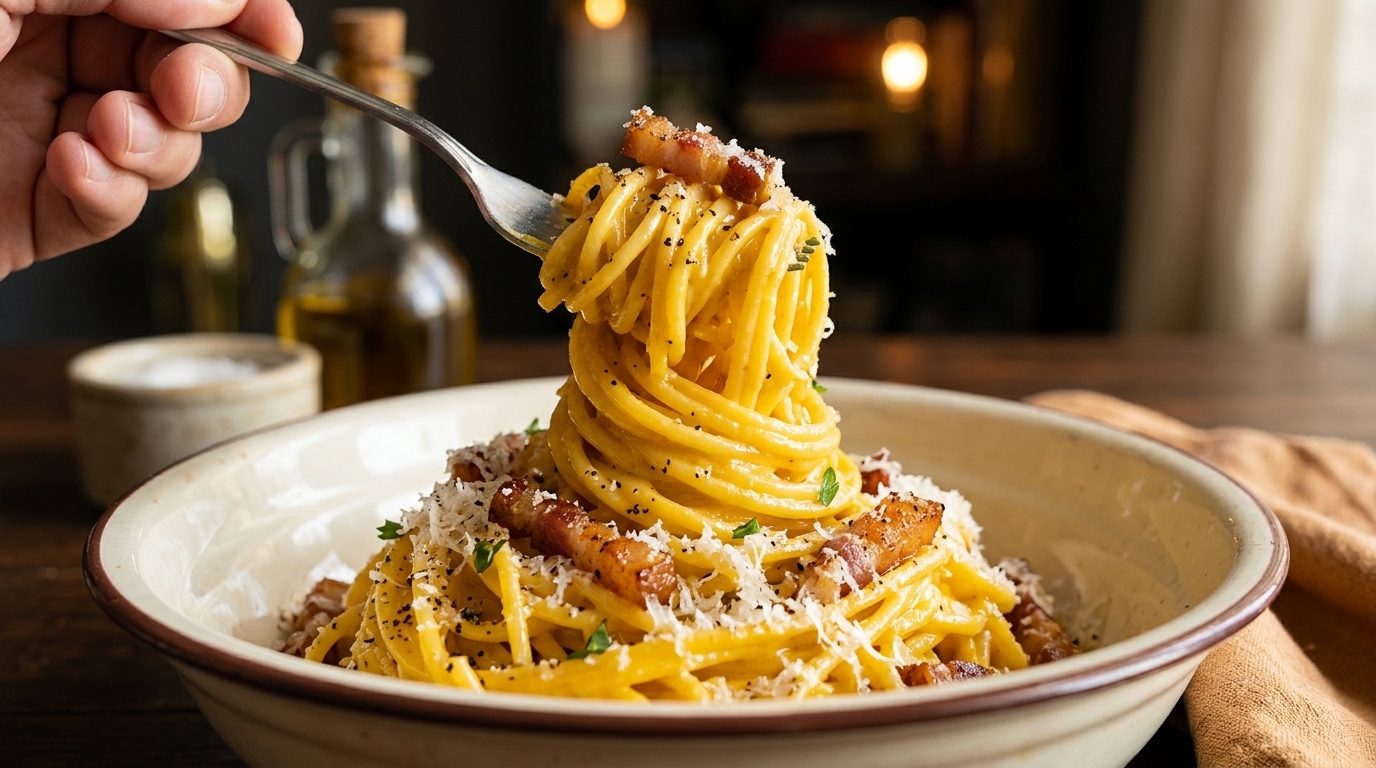
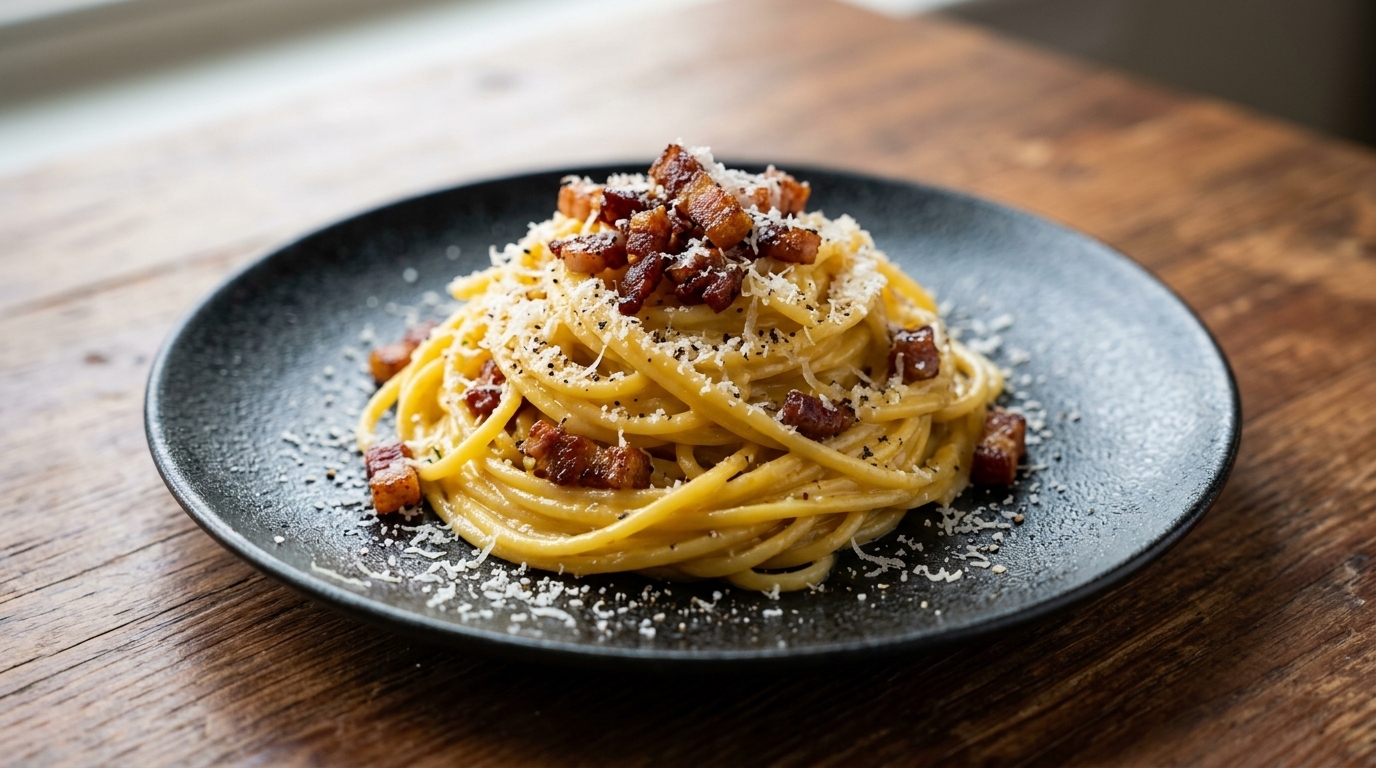
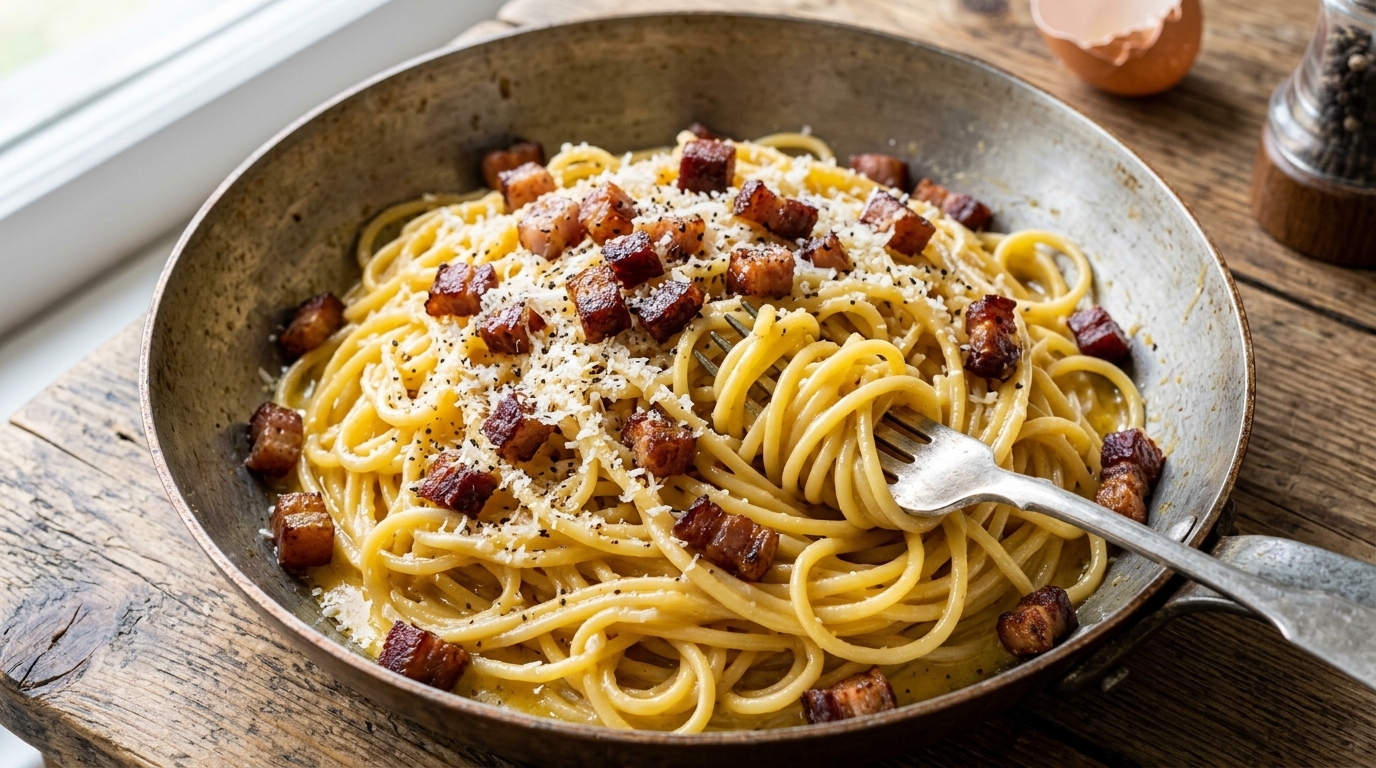
Experience the ultimate Roman pasta with this authentic Spaghetti Carbonara. It relies purely on crispy guanciale, sharp Pecorino Romano, and rich egg yolks for a flawlessly creamy sauce.
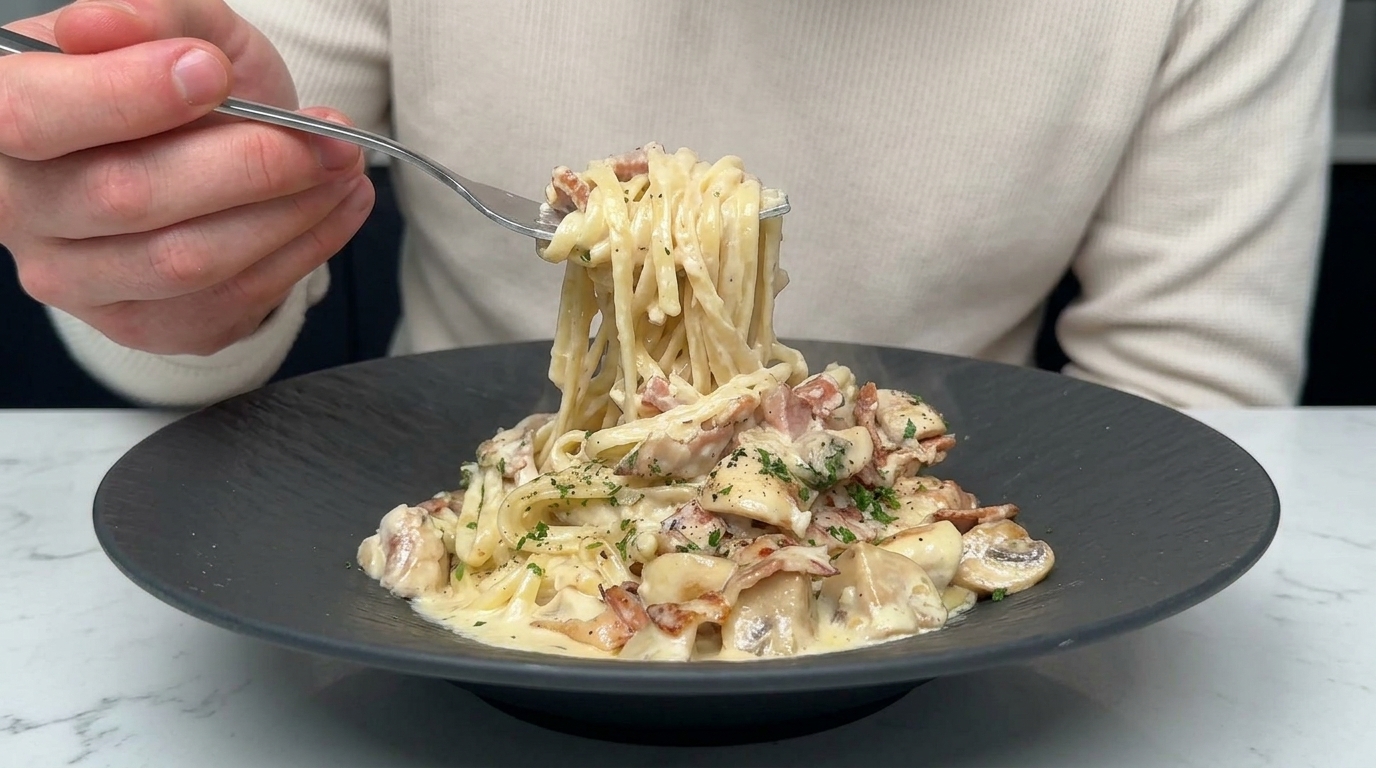
Spaghetti Carbonara is the undisputed cash cow of Roman restaurants, yet its magic lies in extreme restraint. True traditional Carbonara relies heavily on the sharp, salty profile of Pecorino Romano cheese and the herbal, fatty aroma of air-dried pork jowl, known as guanciale. While modern versions sometimes add Parmesan or cream, an authentic Roman mountain-style Carbonara requires only five simple, irreplaceable ingredients.
Ingredients
- 200 g guanciale
- 400 g spaghetti
- 4 large egg yolks
- 100 g Pecorino Romano cheese
- to taste black pepper
- 1 pinch salt (for pasta water)
Instructions
- 1Grate the Pecorino cheese
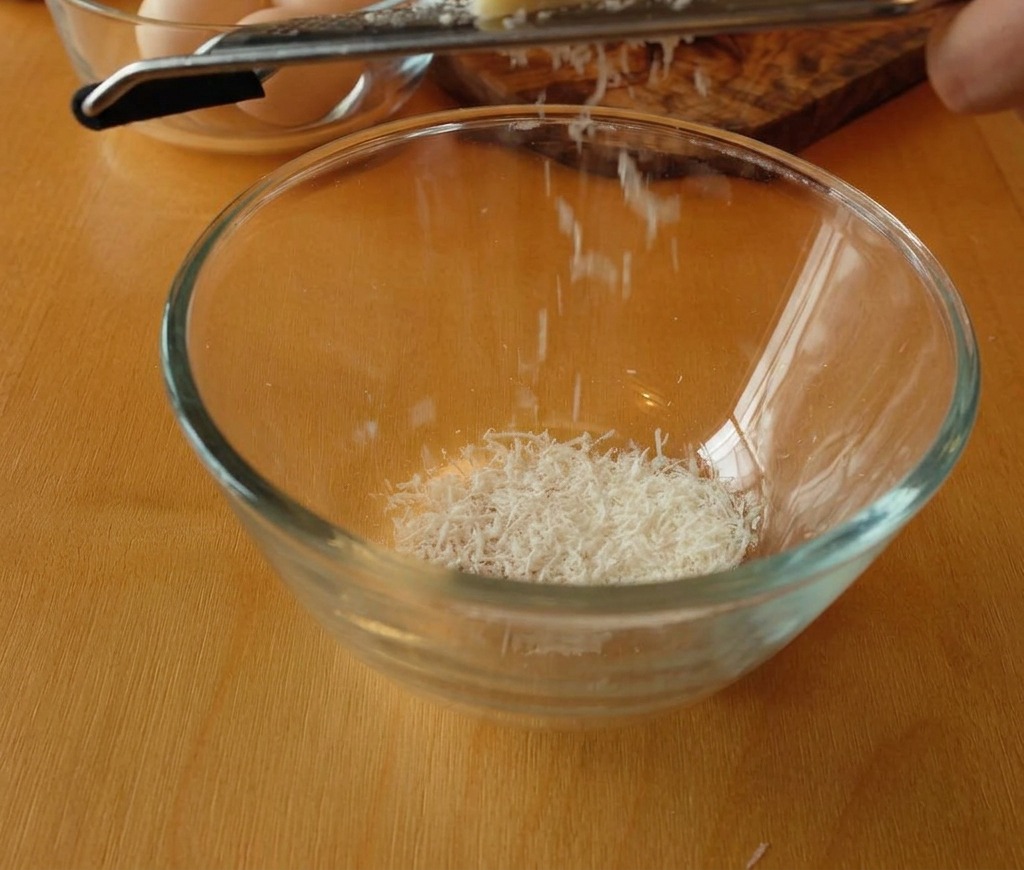
Finely grate a generous amount of Pecorino Romano cheese into a clean glass bowl. Authentic Carbonara relies on the sharp, salty profile of this aged sheeps milk cheese to provide the primary flavor for the sauce, meaning you wont need to add much extra salt to the dish.
Tip: Use a microplane or the finest side of a box grater to ensure the cheese is light and fluffy, which helps it melt instantly into the egg yolks without clumping. - 2Remove the guanciale skin
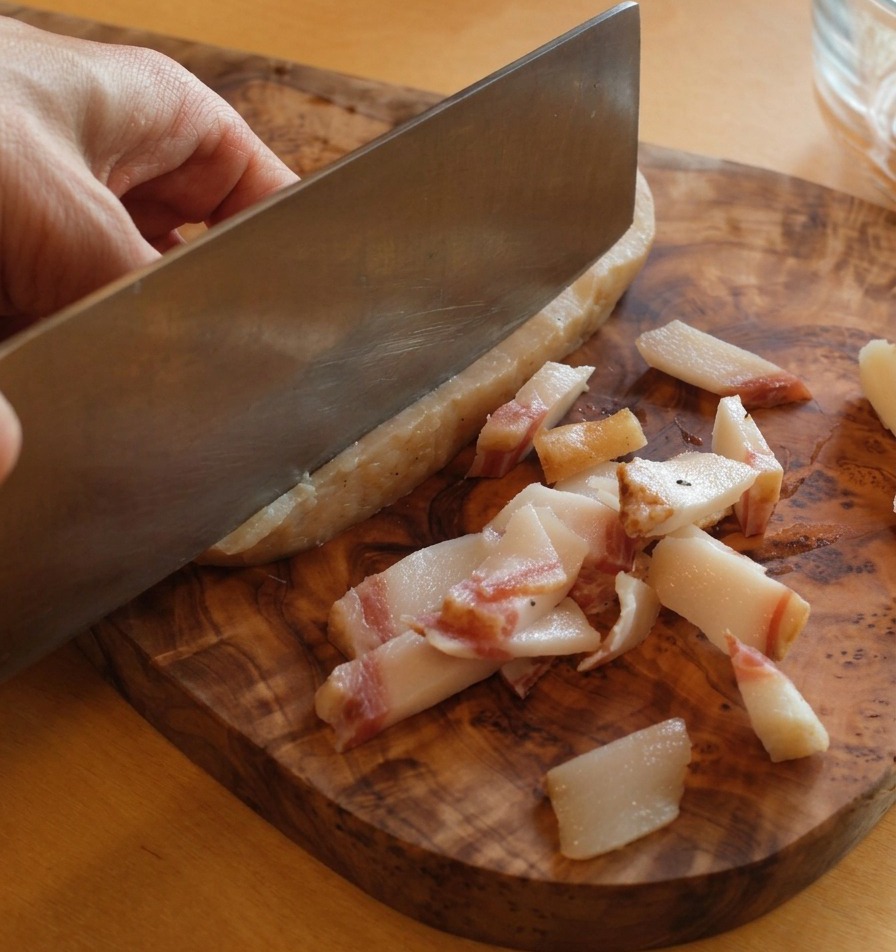
Place the guanciale on a wooden cutting board and use a sharp knife to carefully slice off the tough outer skin. This rind is too hard to eat even after cooking, so removing it ensures that every piece of pork in your pasta has a consistent, melt-in-your-mouth texture.
Tip: Dont throw the skin away! You can freeze it and add it to a pot of soup or beans later to infuse them with a rich, smoky flavor. - 3Slice the pork into strips
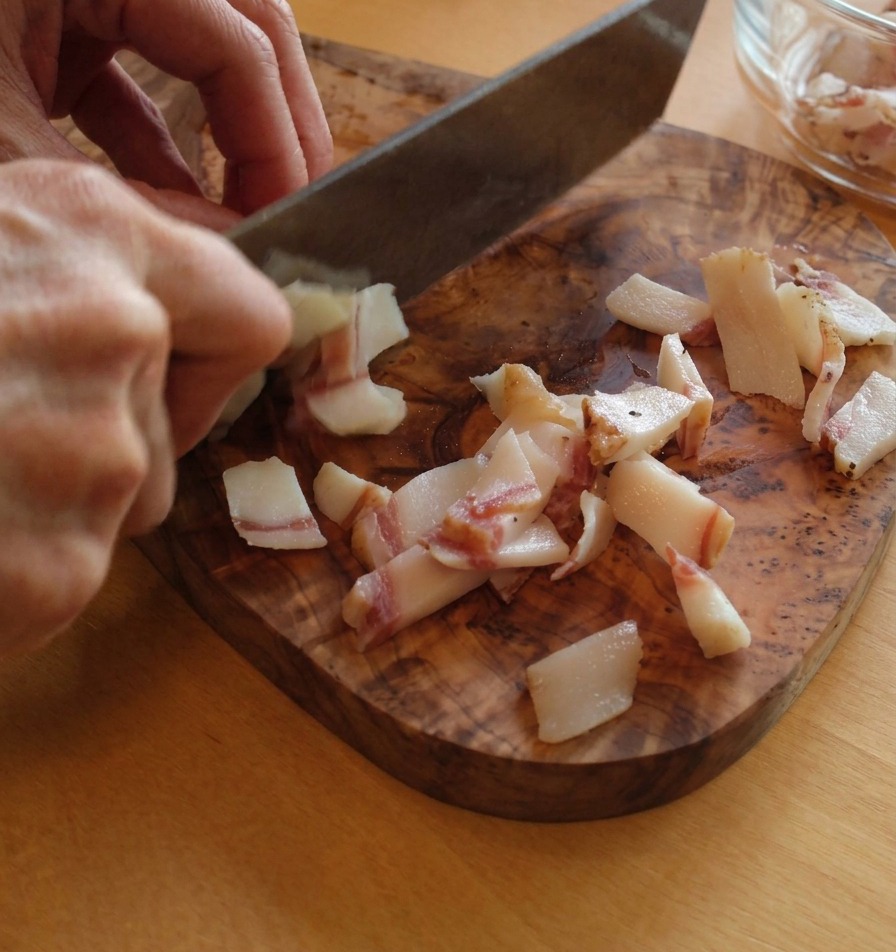
Once skinned, cut the guanciale into uniform strips or bite-sized cubes about half a centimeter thick. Cutting them to a consistent size allows the fat to render out evenly, ensuring some pieces dont burn while others remain undercooked.
Tip: If the guanciale is very soft, place it in the freezer for 10 minutes before cutting to make it firmer and easier to slice thinly. - 4Render the fat in a pan
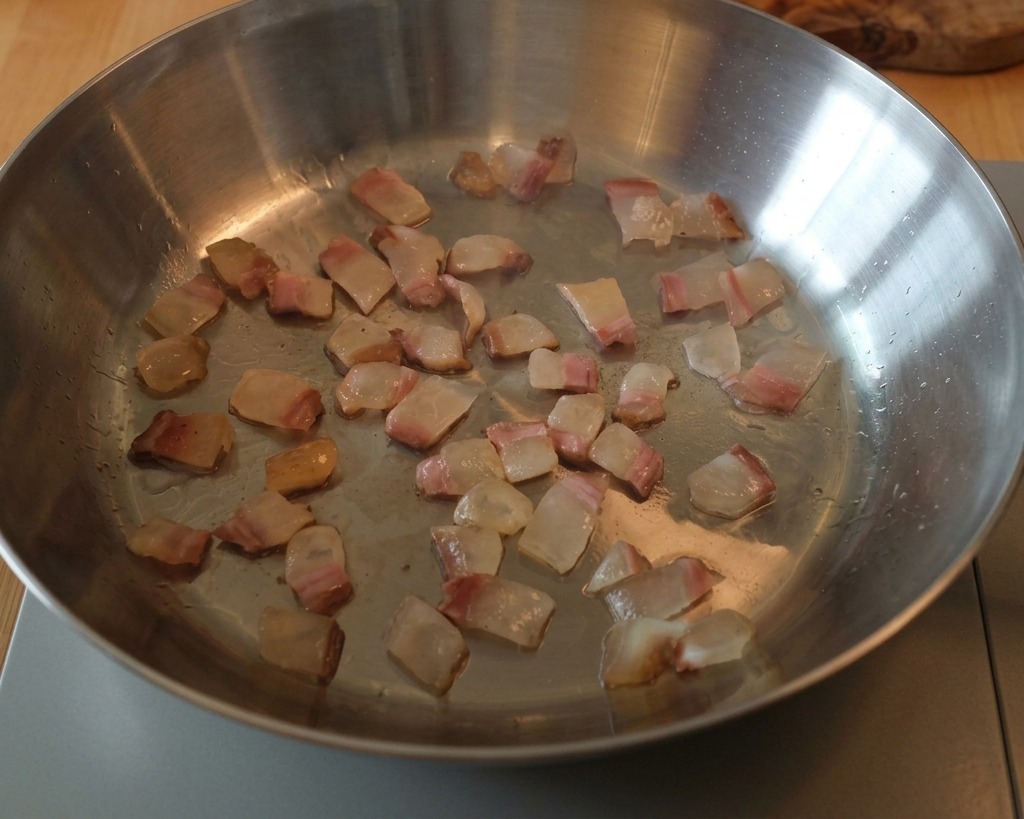
Add the guanciale pieces to a cold stainless steel pan and turn the heat to medium. As the pan warms up, the fat will begin to liquefy and render out. Fry the pieces slowly, stirring occasionally, until they start to turn translucent and develop a light golden color.
Tip: Starting with a cold pan is the secret to perfectly rendered guanciale; it allows the fat to melt away before the meat browns too quickly. - 5Set aside the crispy pork
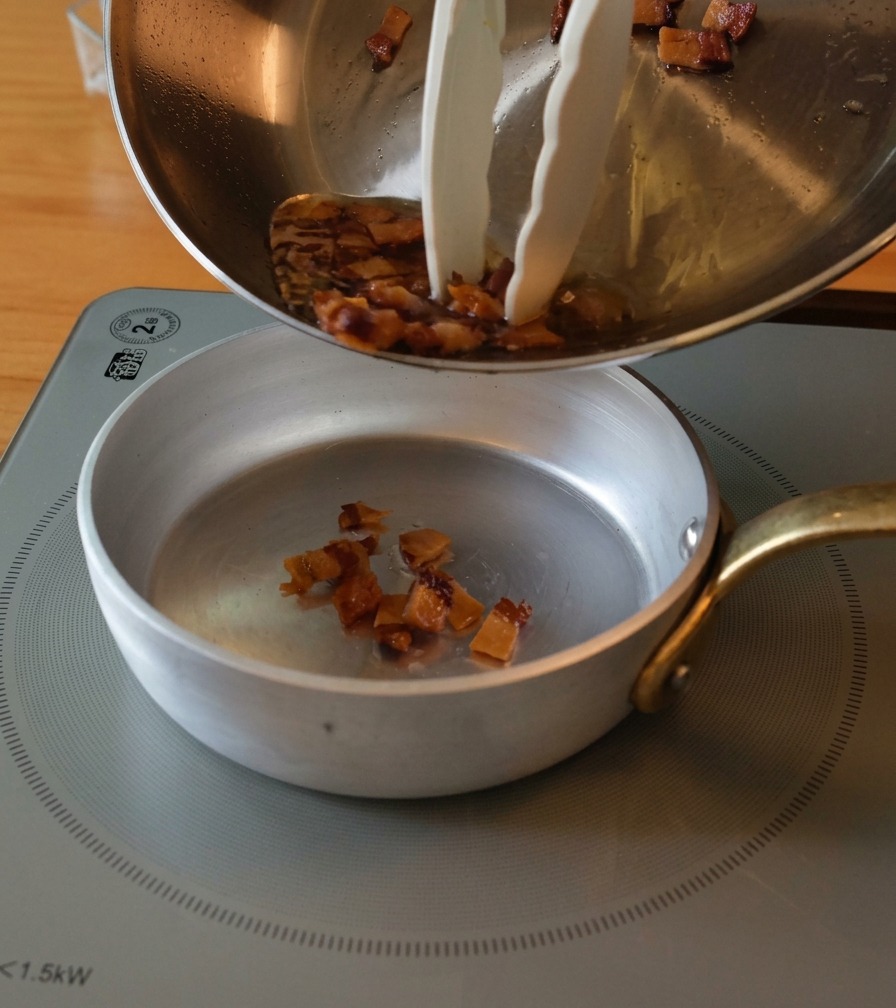
When the guanciale is crispy and deeply golden, use tongs or a slotted spoon to transfer the meat and the rendered liquid fat into a separate bowl. Leave just a thin coating of oil in the pan to flavor the pasta when you toss it back in later.
Tip: Separating the guanciale now keeps it from getting soggy while you wait for the pasta to finish boiling. - 6Boil the spaghetti
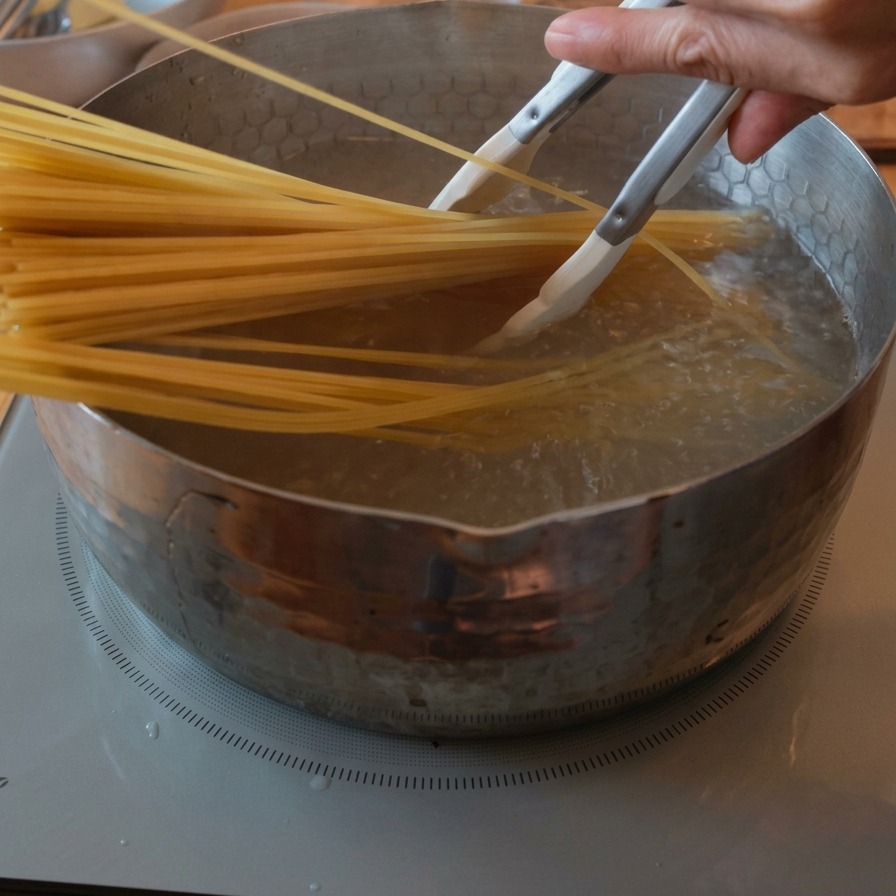
Bring a large pot of water to a boil and add the dry spaghetti. Since the guanciale and Pecorino are quite salty, only add a tiny pinch of salt to the water. Boil the pasta until it is just shy of al dente, as it will finish cooking in the pan with the sauce.
Tip: Do not add oil to the pasta water; it will prevent the delicious Carbonara sauce from sticking to the noodles. - 7Separate the egg yolks
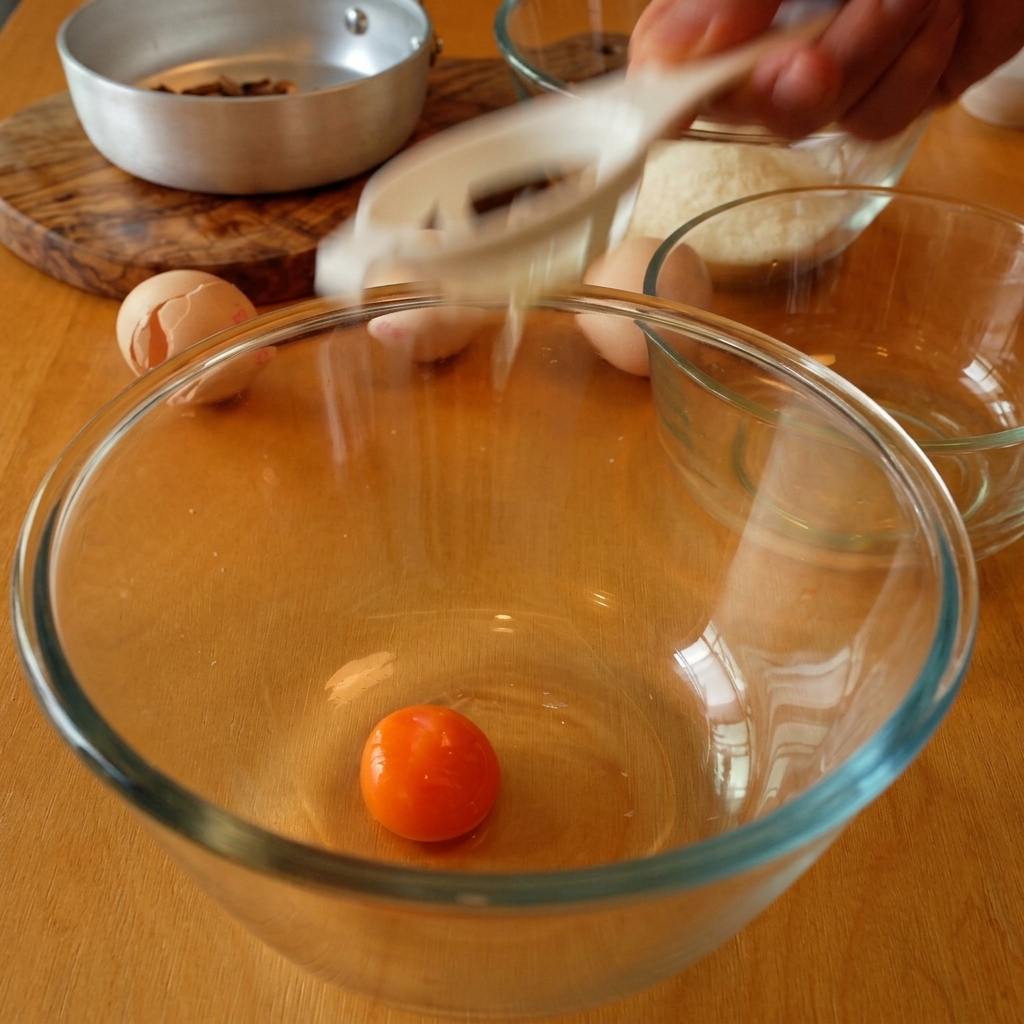
Carefully separate the egg yolk from the whites using a separator tool or the eggshells. Let the yolk rest in a clear mixing bowl. These rich yolks are the foundation of a traditional, creamy Carbonara sauce.
Tip: Save the leftover egg whites for another recipe like meringues or an egg white omelet. - 8Add cheese to the yolks
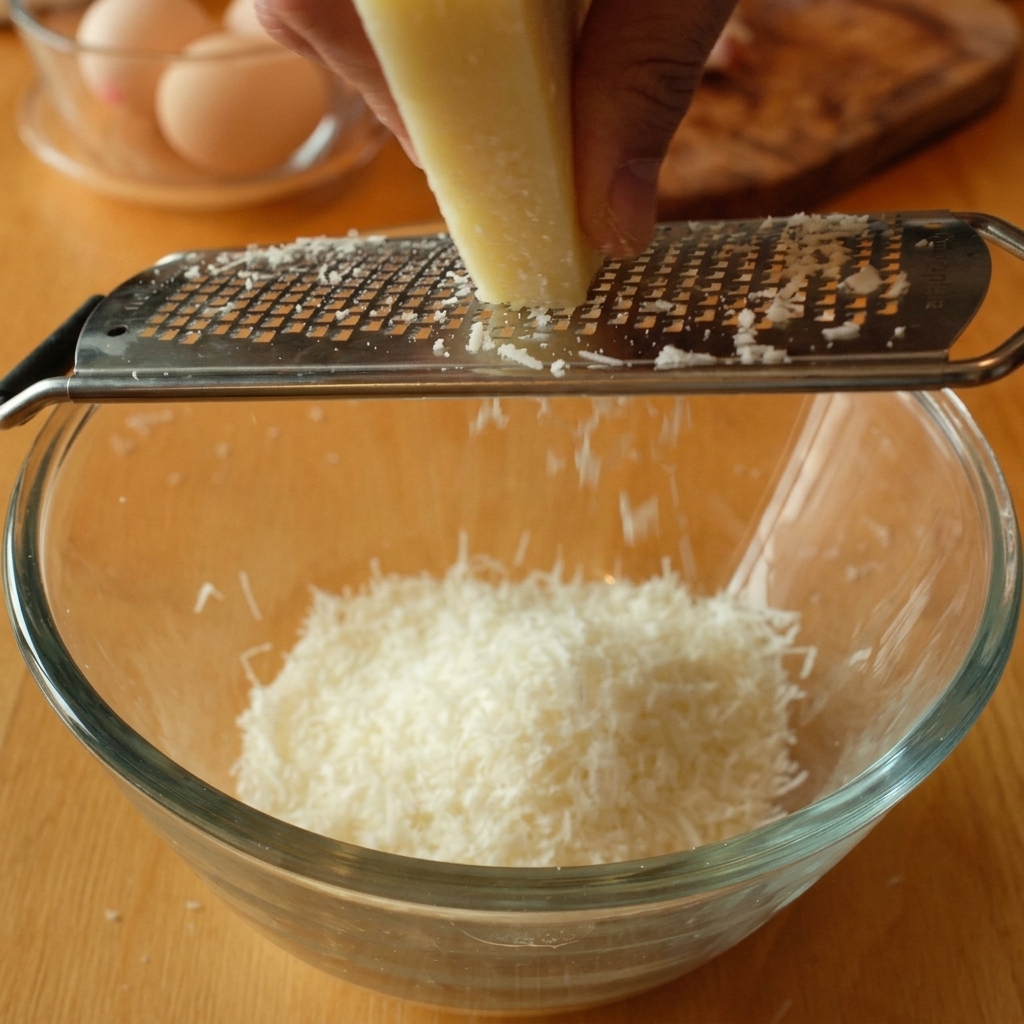
Add the finely grated Pecorino Romano cheese to the glass bowl containing your separated egg yolks and freshly ground black pepper. Combining them early starts to build your rich sauce foundation.
Tip: Grate the cheese as finely as possible so it melts seamlessly into the egg yolks without clumping. - 9Whisk the sauce base
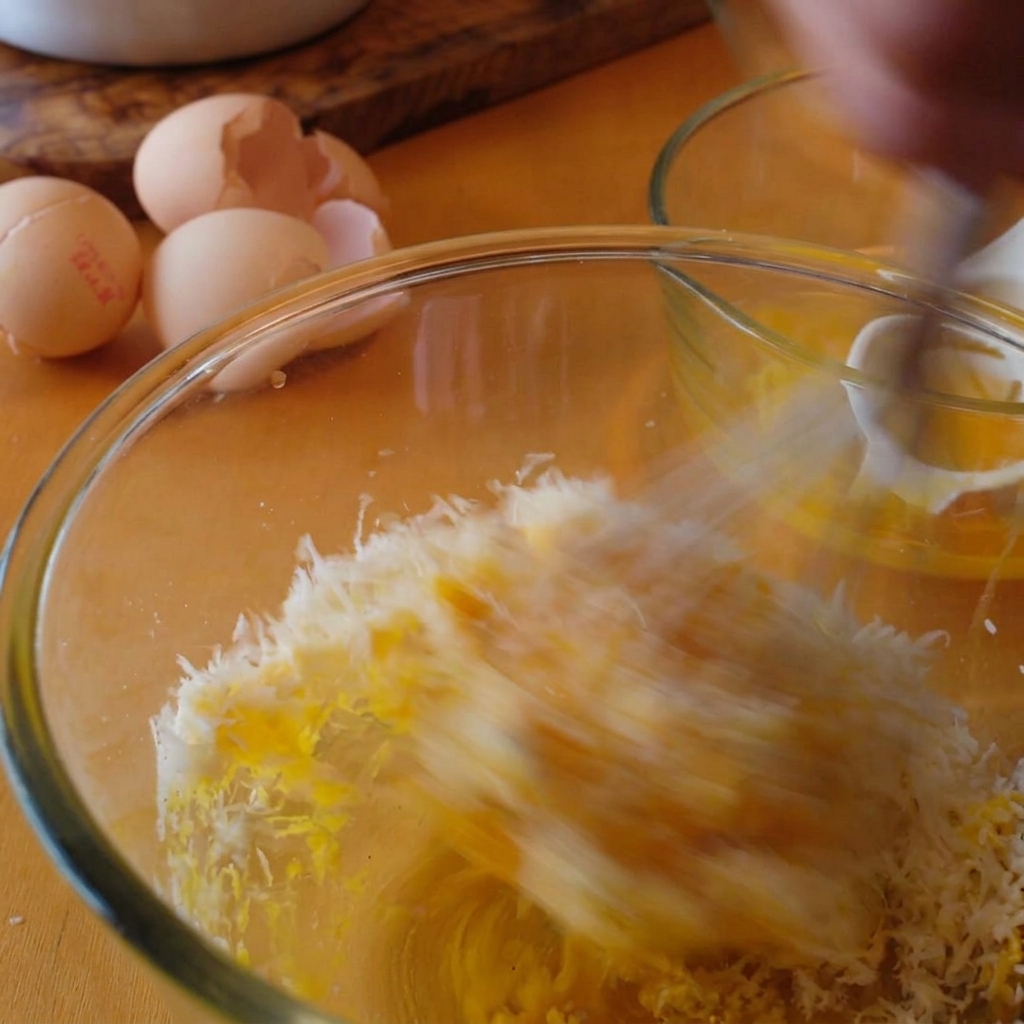
Vigorously whisk the egg yolks, freshly ground black pepper, and grated Pecorino cheese together. Continue stirring until the ingredients combine into a thick, uniform paste.
Tip: Use plenty of freshly ground black pepper—its sharp flavor cuts through the richness of the egg yolks and pork fat. - 10Emulsify the egg yolk sauce
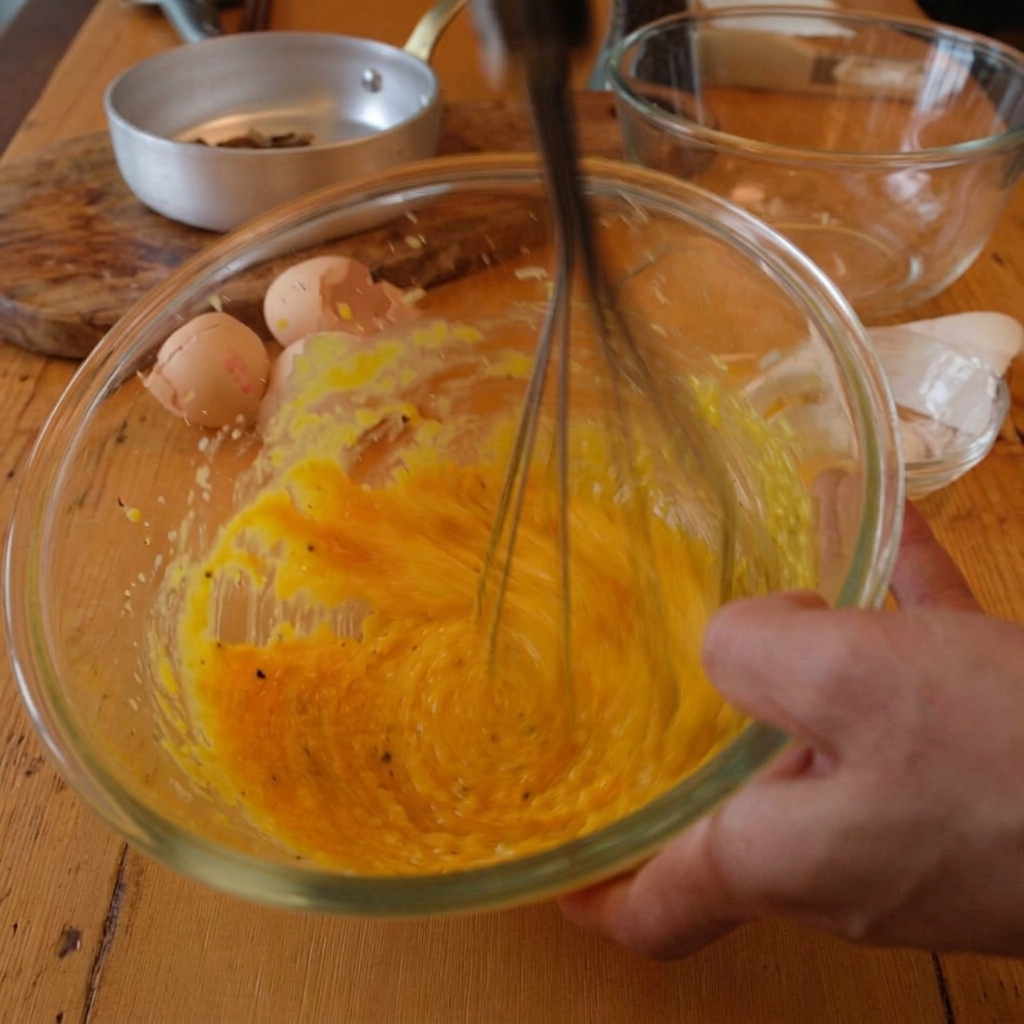
Whisk the Pecorino Romano cheese and egg yolks together, then gradually add a couple of spoons of hot pasta water. This process emulsifies the fats and cheese into a smooth, creamy sauce base that wont scramble when added to the heat.
Tip: Make sure the pasta water is hot but not boiling when you add it, and whisk constantly to create a velvety texture. - 11Transfer pasta to the pan
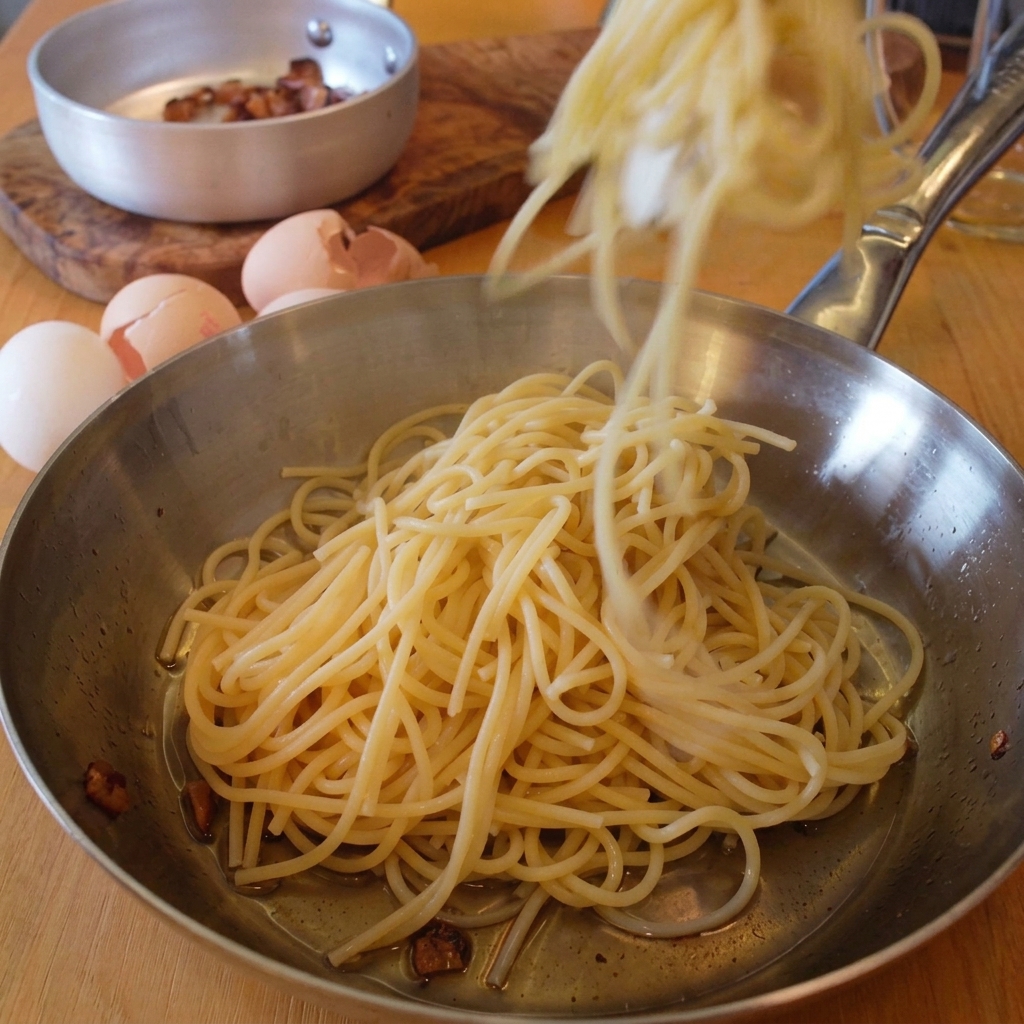
Once the spaghetti is cooked al dente, lift it straight from the pot and transfer it into the flat-bottomed pan containing the reserved pork fat. The residual starchy pasta water clinging to the noodles will help the sauce coat them perfectly.
Tip: Never rinse your pasta! The natural starches are essential for binding the sauce together. - 12Pour the egg mixture
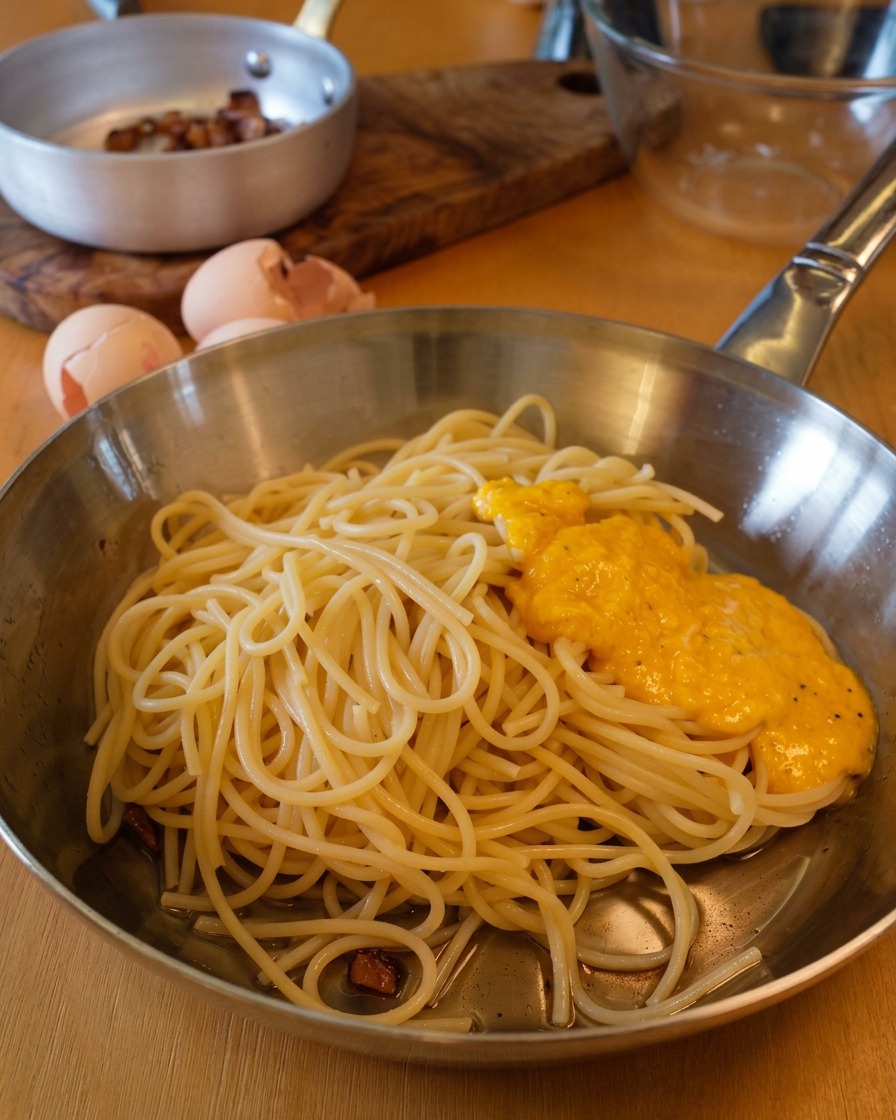
Remove the pan from the heat completely. Pour your emulsified egg yolk and Pecorino mixture directly over the hot spaghetti. Toss vigorously so the residual heat from the pasta gently cooks the eggs into a rich, velvety sauce.
Tip: Always mix the egg sauce off the heat. If the pan is too hot, youll end up with scrambled eggs instead of a smooth, creamy Carbonara. - 13Combine pasta and sauce
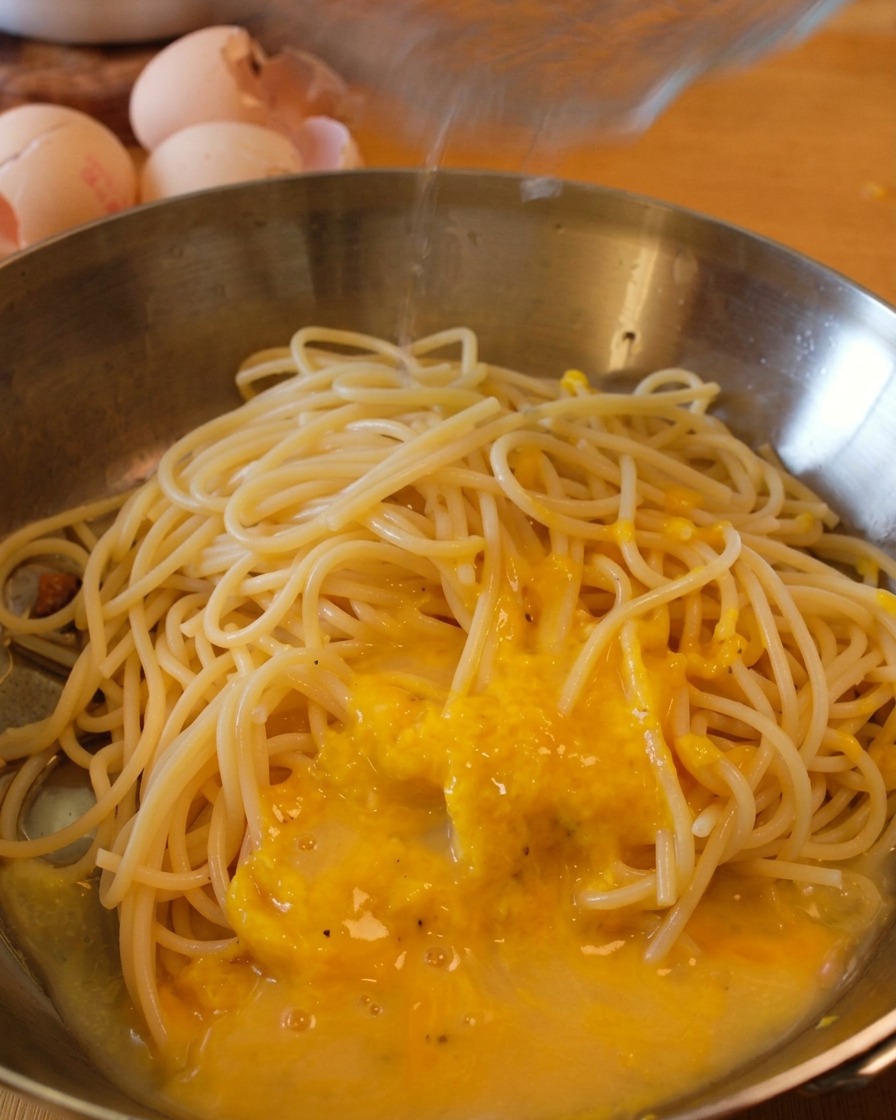
Pour a splash of warm, starchy pasta water over the spaghetti and the freshly added egg yolk mixture. This extra moisture provides the essential starch needed to help the pork fat, eggs, and cheese bond into a flawless, glossy coating.
Tip: Work quickly and keep the pan off the direct high heat at this stage to ensure the eggs stay creamy rather than solidifying. - 14Toss and emulsify
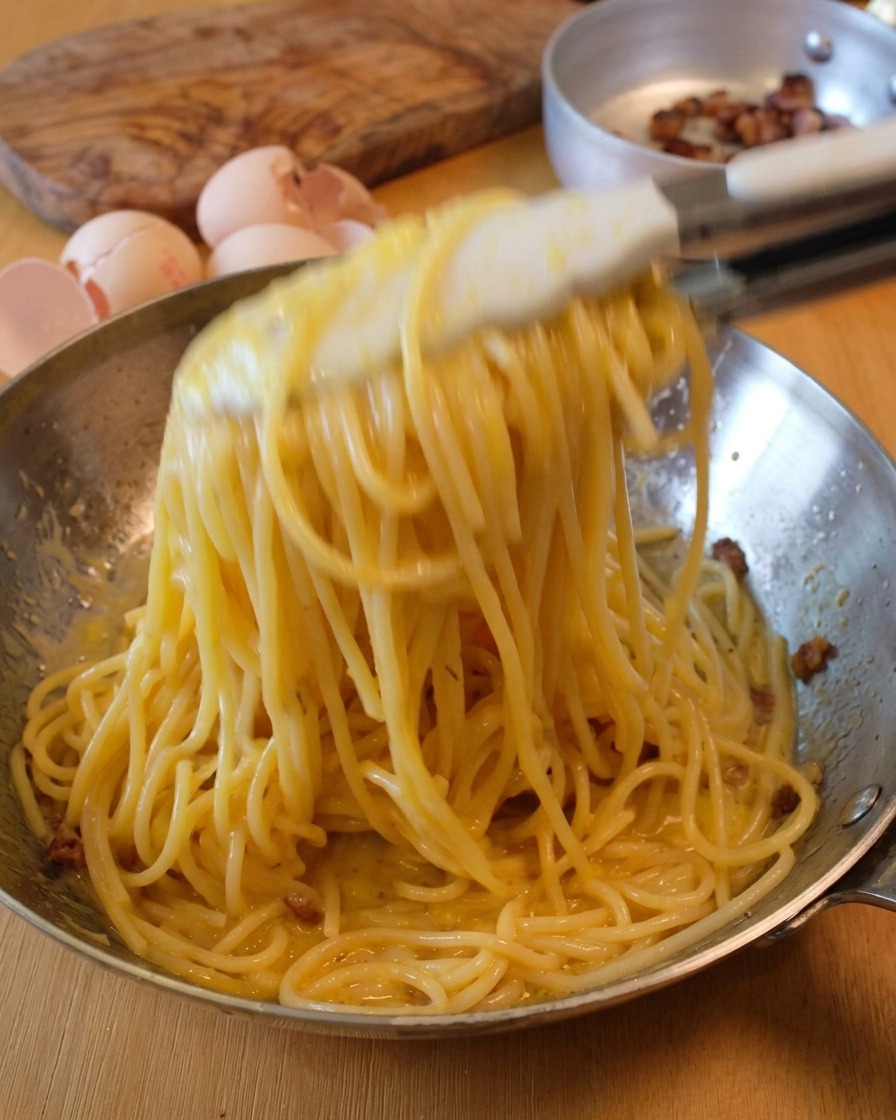
Toss the spaghetti vigorously in the pan using tongs. The residual heat gently cooks the egg yolks and emulsifies the fat, cheese, and pasta water into a rich, creamy sauce that perfectly coats every strand of pasta.
Tip: Do this entirely off the heat! If the pan is too hot, the eggs will scramble instead of forming a smooth, velvety sauce. - 15Add the crispy guanciale
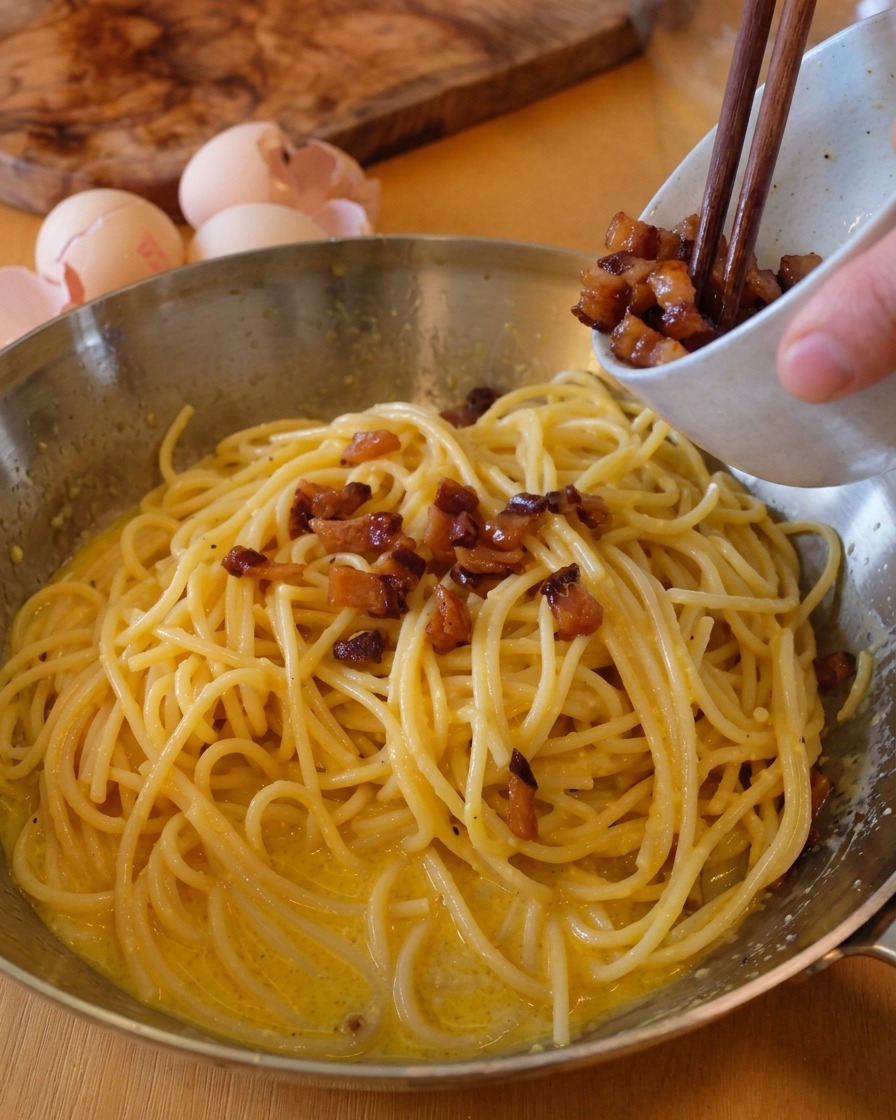
Add the reserved crispy guanciale pieces back into the creamy pasta. Fold them in gently to distribute the savory, crunchy bites evenly throughout the dish.
Tip: Save a few pieces of the crispiest guanciale to sprinkle on top as a final garnish when plating. - 16Garnish with Pecorino
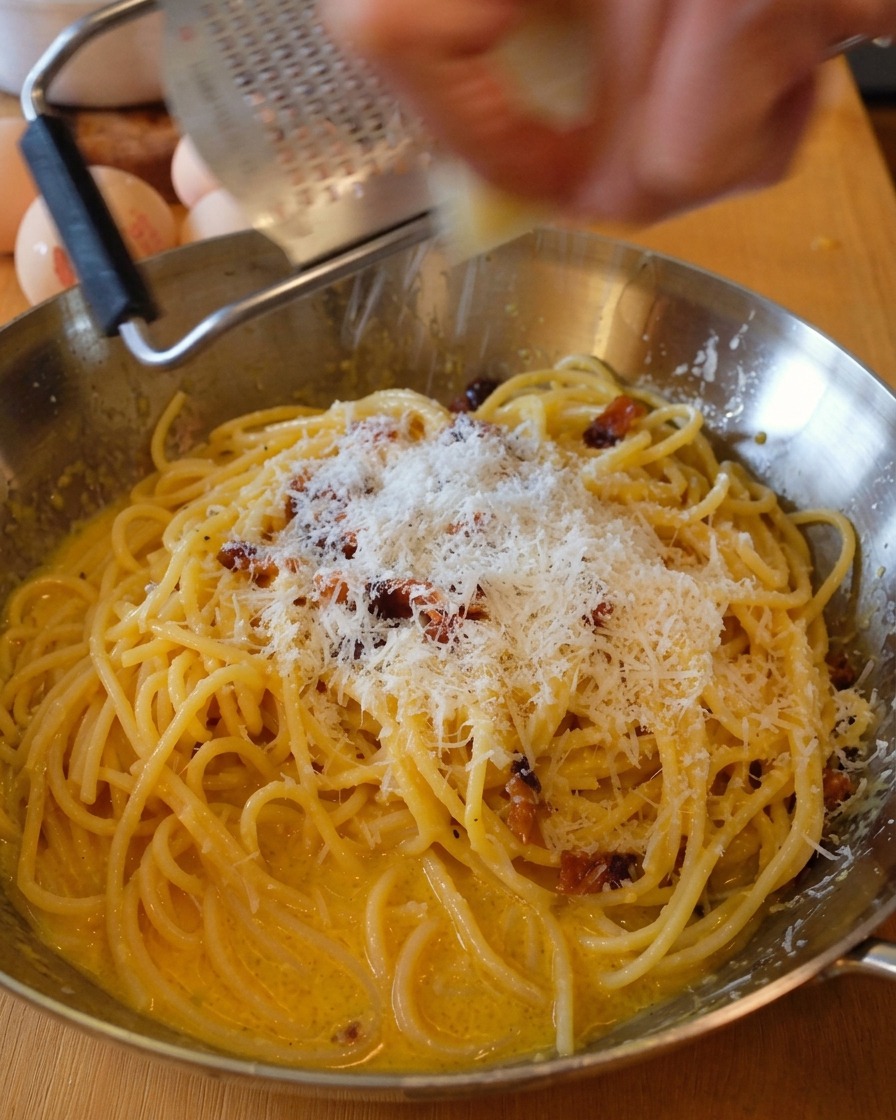
Finish the dish by grating a generous amount of extra Pecorino Romano cheese directly over the pasta. The sharp, salty mountain flavor of the cheese is the signature taste of an authentic Roman Carbonara.
Tip: For an extra kick and authentic Roman flavor, add a generous twist of freshly cracked black pepper along with the cheese.