10-Minute Spaghetti alla Carbonara
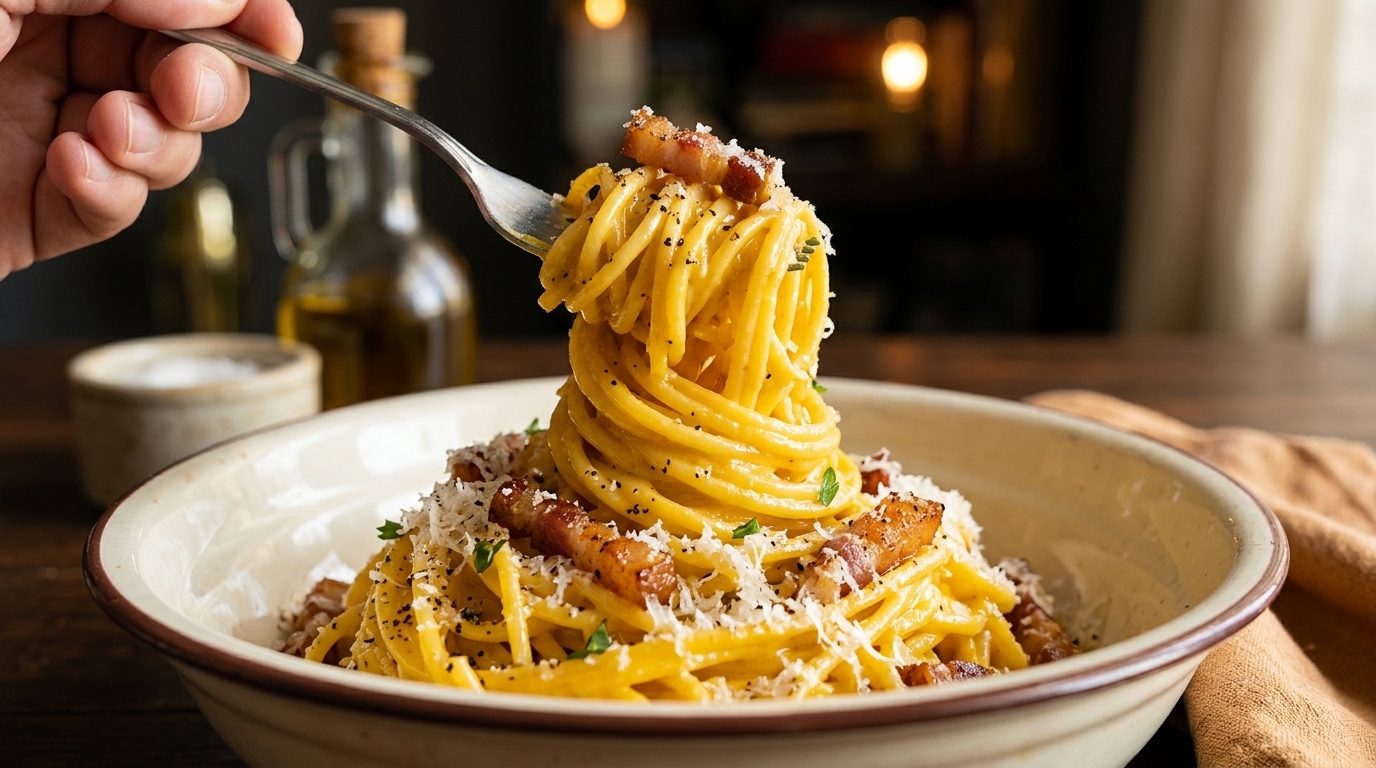
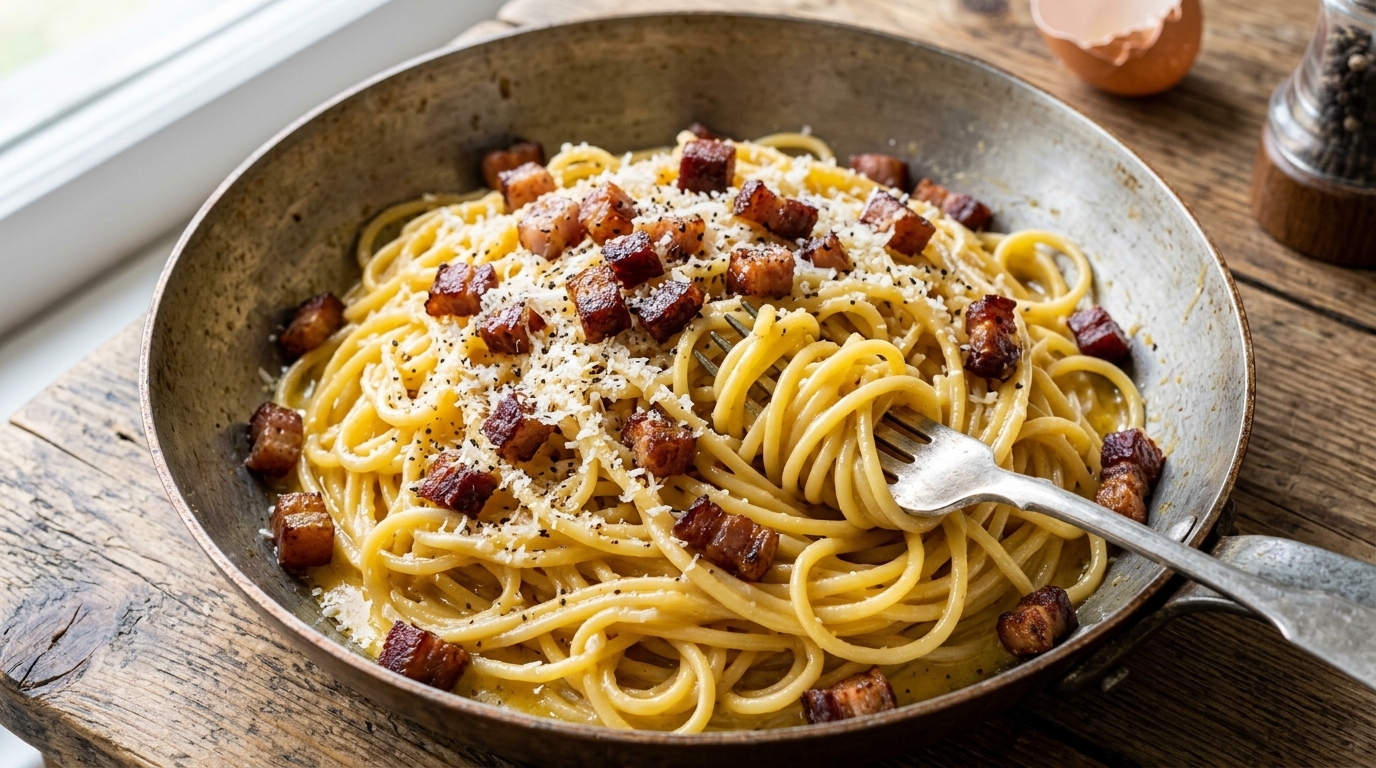
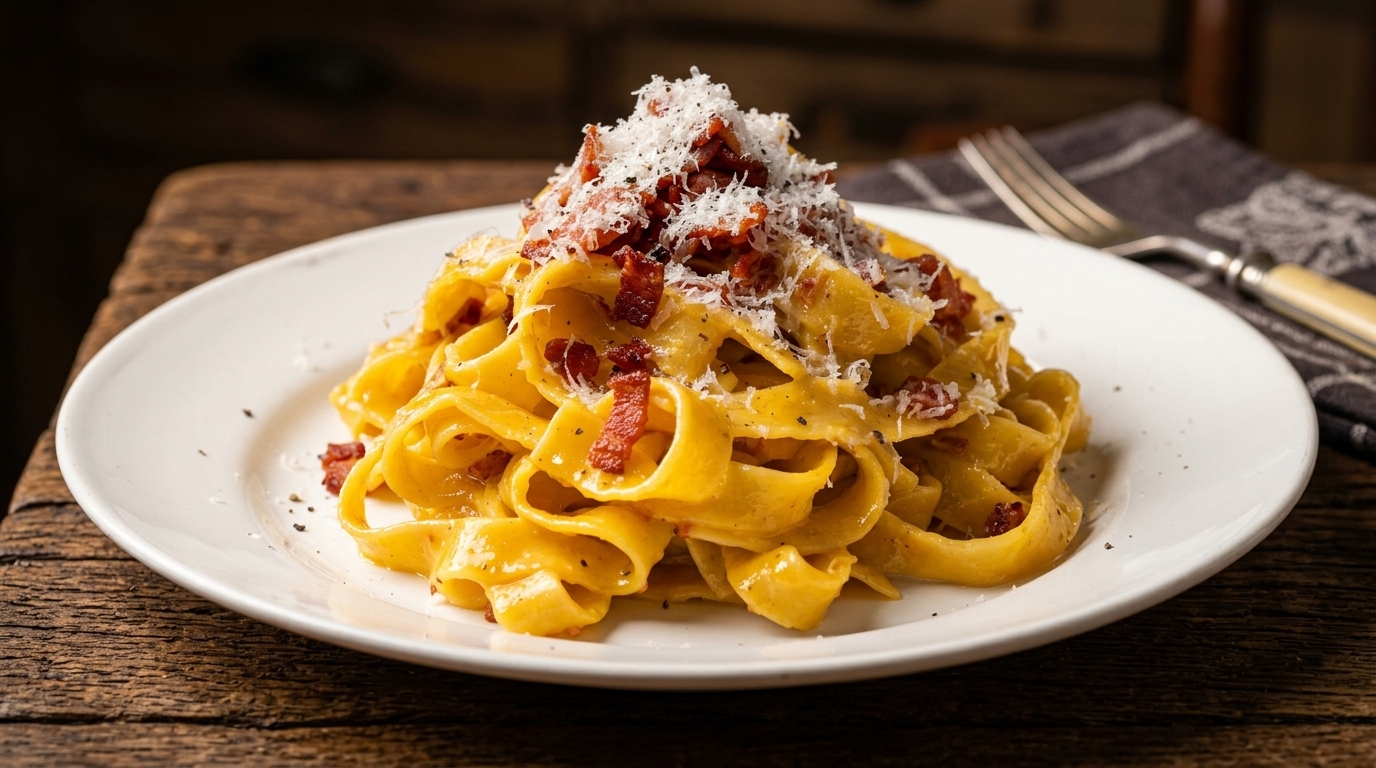
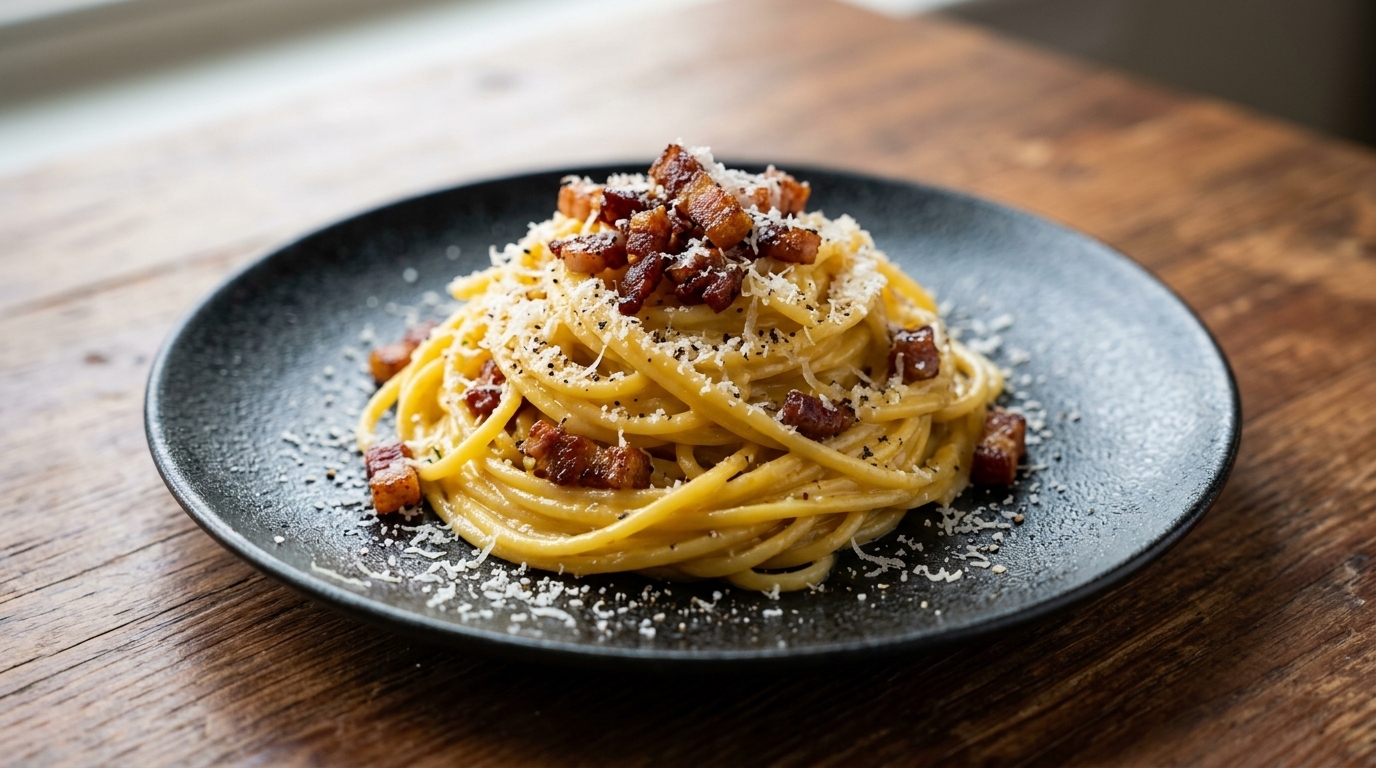
Master the art of authentic Spaghetti alla Carbonara in just 10 minutes. A silky, rich sauce of egg yolks, Parmesan, and savory bacon fat coats every strand perfectly without a drop of heavy cream.
Authentic Carbonara is a testament to the magic of simple ingredients. While traditional Roman recipes call for Guanciale and Pecorino Romano, this highly accessible version uses regular bacon and Parmesan to deliver that signature rich, creamy texture at home. The secret to foolproof execution lies in the gentle heat of a water bath, ensuring a perfectly glossy sauce every single time without the fear of scrambling the eggs.
Ingredients
- 250 g dry spaghetti
- 150 g bacon or Guanciale
- 3 pasteurized egg yolks
- 60 g Parmesan or Pecorino cheese
- 1 tbsp olive oil
- to taste freshly ground black pepper
- to taste salt
Instructions
- 1Boil the pasta water
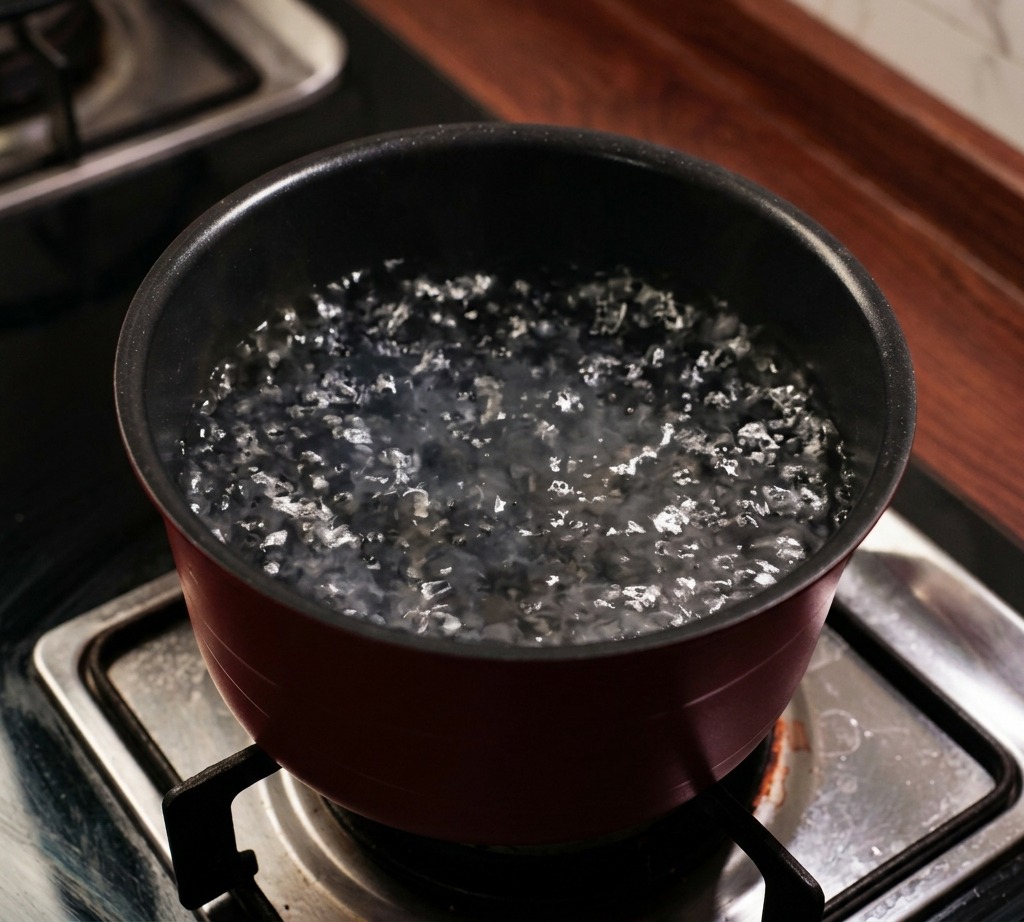
Fill a large pot with water and bring it to a rolling boil over high heat on the stove. Once the water is bubbling vigorously, add a generous pinch of salt and a drizzle of olive oil. The oil helps to keep the pasta strands from sticking together during the cooking process.
Tip: Make sure the water is at a full boil before adding the oil and salt to ensure even distribution and proper pasta texture. - 2Add the spaghetti
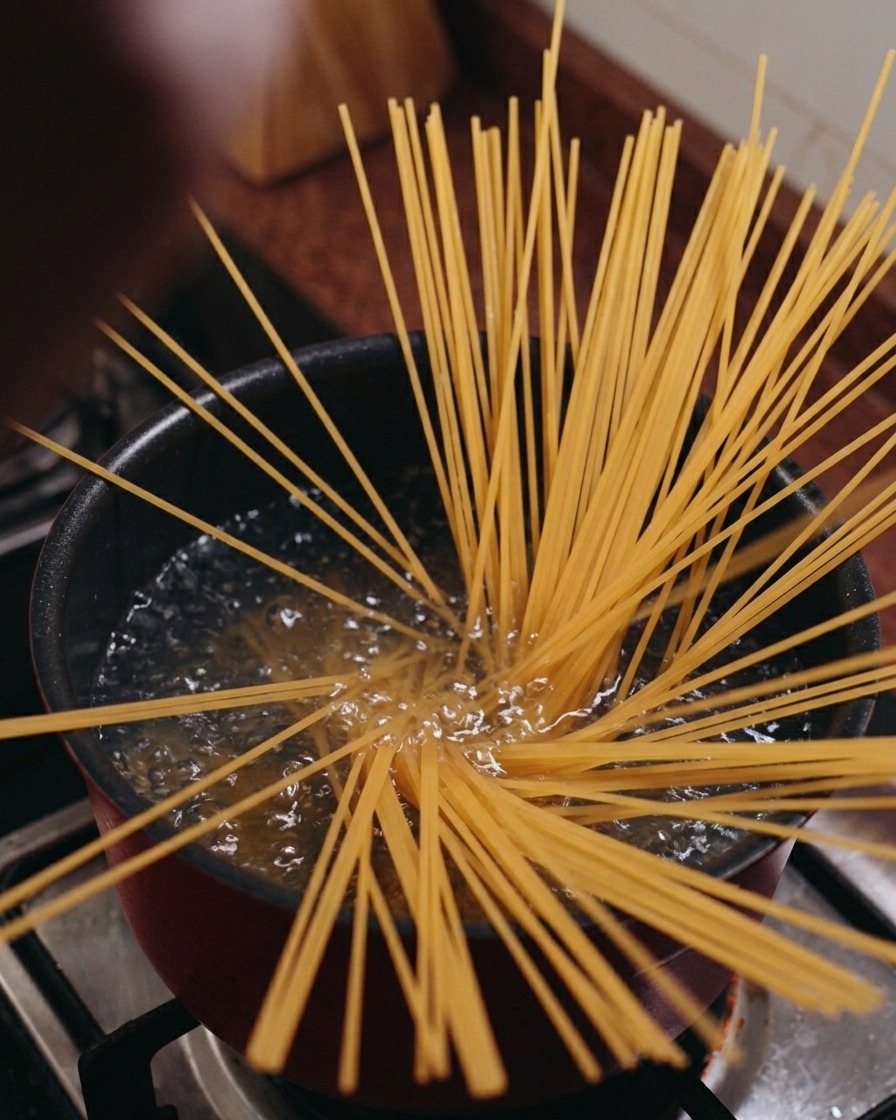
Take a bundle of dry spaghetti and place it vertically into the center of the boiling water. Let the noodles fan out naturally around the edges of the pot. As the submerged ends soften, gently push the rest of the noodles down until they are completely covered by the water.
Tip: Avoid breaking the noodles; long strands are essential for a classic Carbonara experience. - 3Prep the bacon
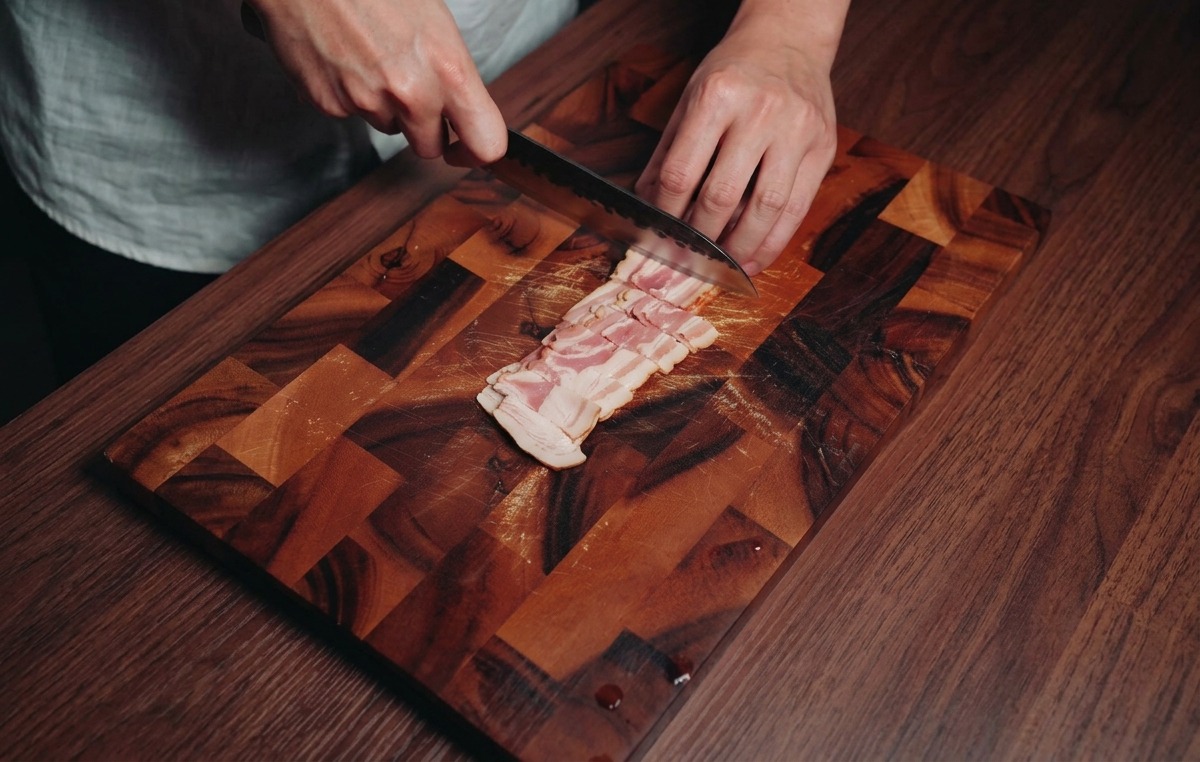
While the pasta cooks, prepare the bacon. Place the raw strips on a wooden cutting board and slice them crosswise into small, even rectangular pieces. If you can find it, Guanciale is the traditional choice, but regular bacon works perfectly for a quick home version.
Tip: Uniformly sized pieces will render their fat and crisp up at the same rate. - 4Fry the bacon
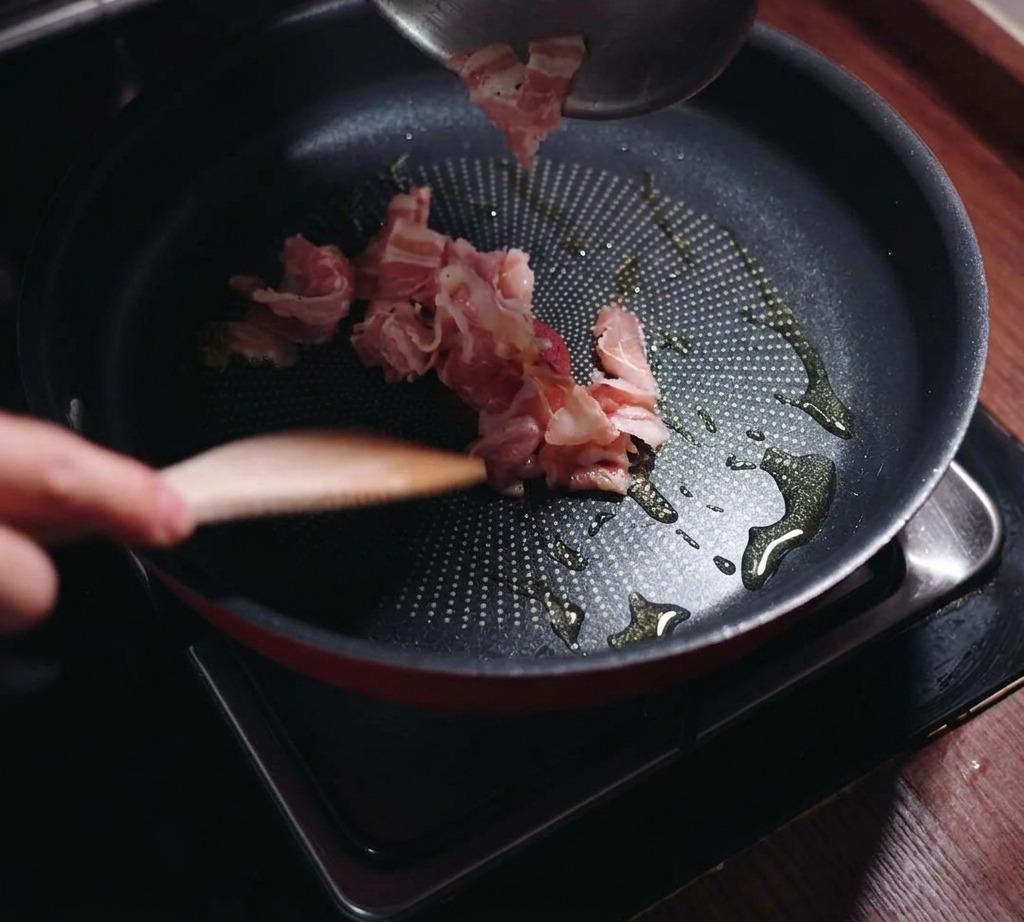
Add a little olive oil to a black skillet and toss in the sliced bacon. Cook over low heat, stirring occasionally. The goal is to slowly render out the fat until the bacon pieces become deeply browned and achieve a satisfyingly crispy texture.
Tip: Start with a cool pan to allow the fat to render properly without burning the meat. - 5Strain the bacon and fat
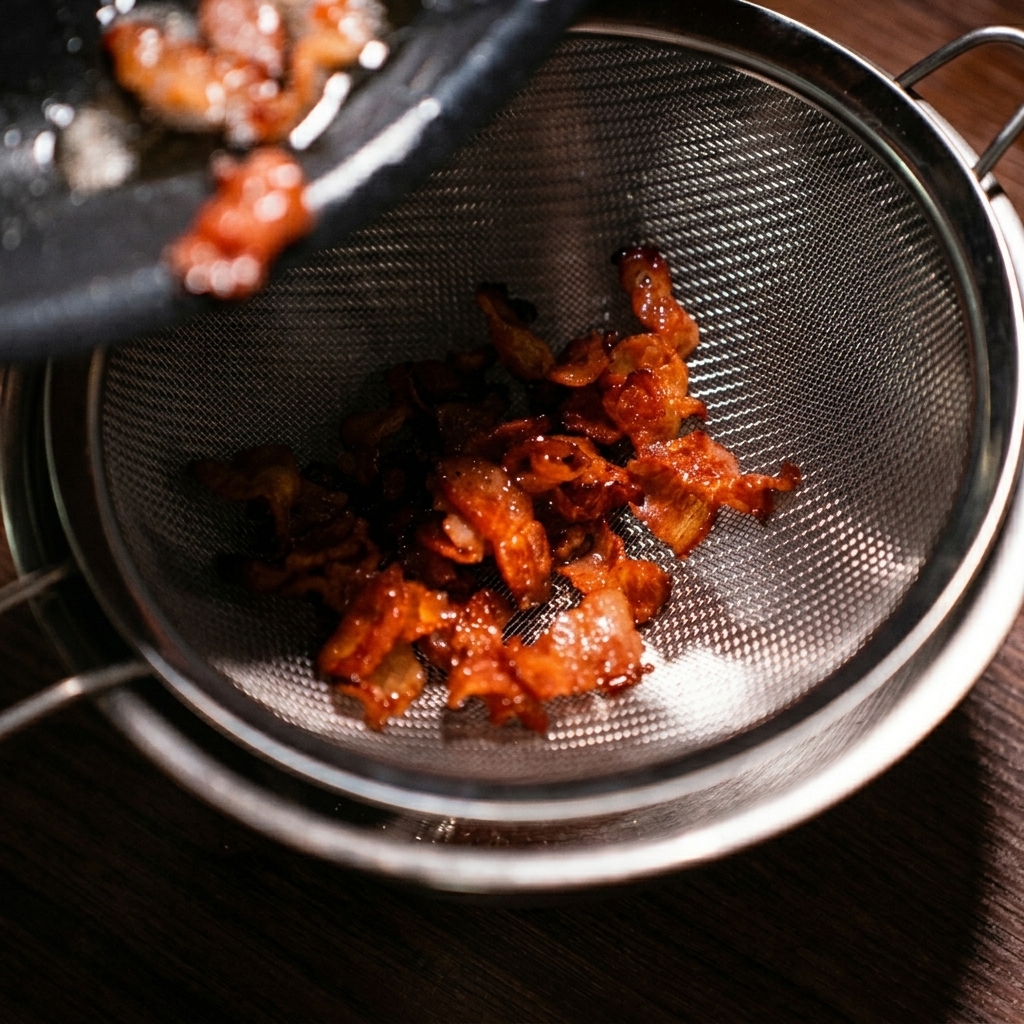
Once the bacon is fully cooked and crispy, carefully pour the contents of the pan through a metal strainer set over a small bowl. This separates the crispy bacon pieces from the rendered fat, which will be used to flavor the sauce later.
Tip: Do not discard the rendered bacon fat! It is a crucial ingredient that adds a rich, savory depth to the authentic carbonara flavor. - 6Separate the egg yolks
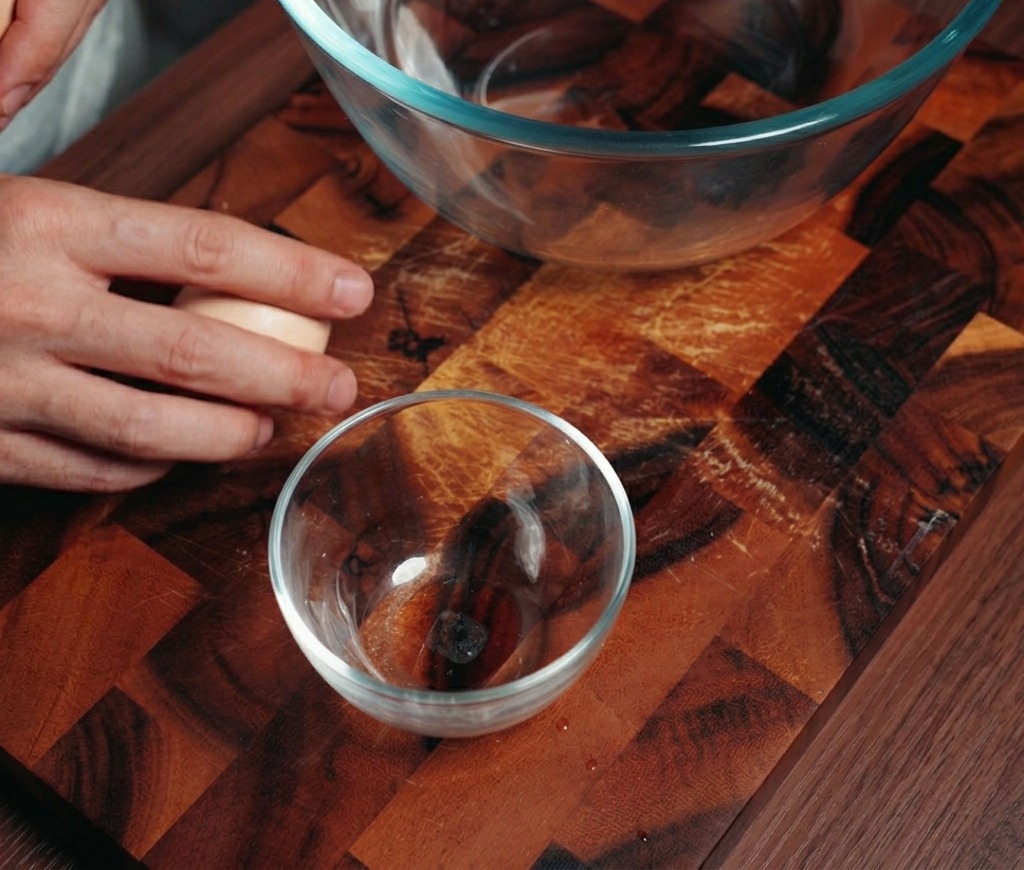
Carefully crack the pasteurized eggs. Gently transfer the yolk back and forth between the two shell halves, letting the whites drip into a bowl below. Save the yolks in a separate, larger mixing bowl as they will form the rich, creamy base of the Carbonara sauce.
Tip: Using room-temperature eggs helps the cheese melt more smoothly into the sauce later. - 7Add black pepper to yolks
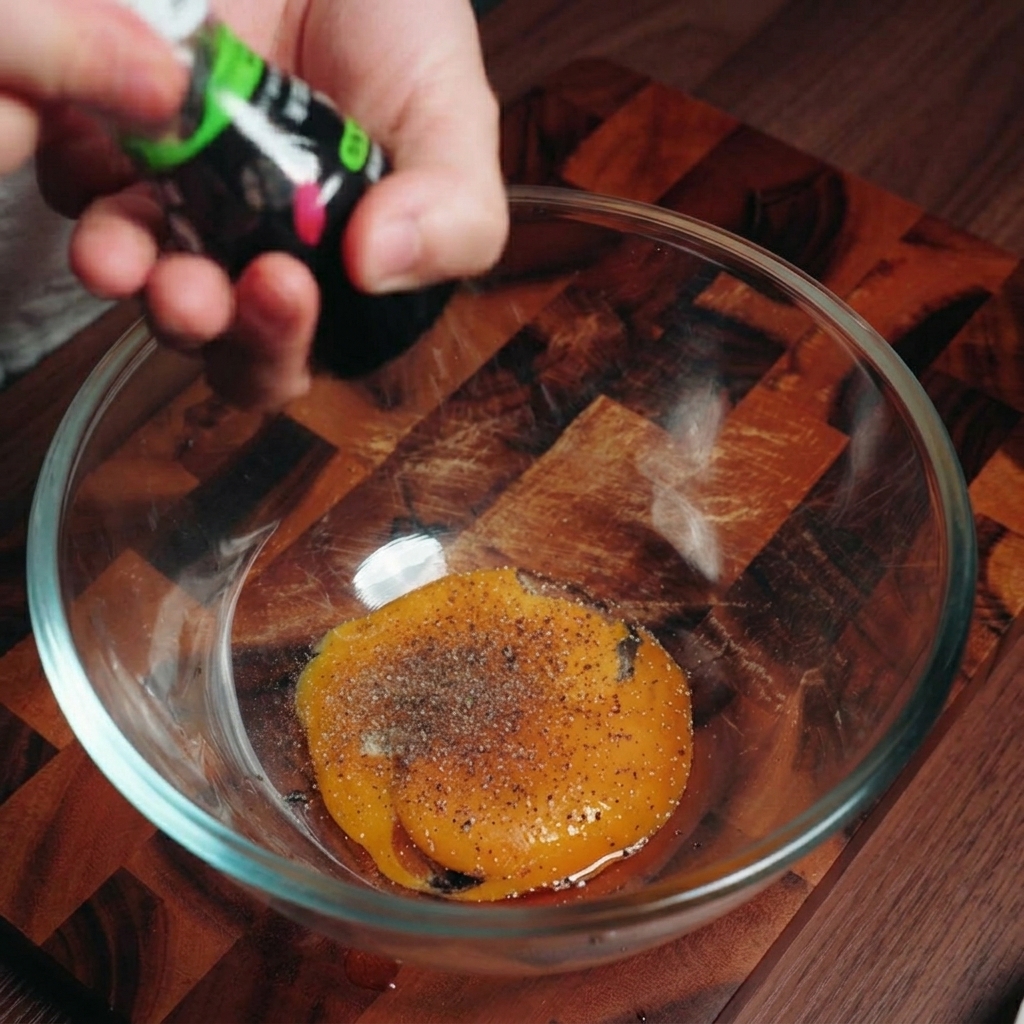
Extract the egg yolks into a large mixing bowl. Grind a generous amount of fresh black pepper directly into the yolks. The heat of the pasta later will bring out the peppers aroma, an essential element of classic Carbonara.
Tip: Use freshly ground black pepper for the best flavor, rather than pre-ground pepper. - 8Grate in the cheese
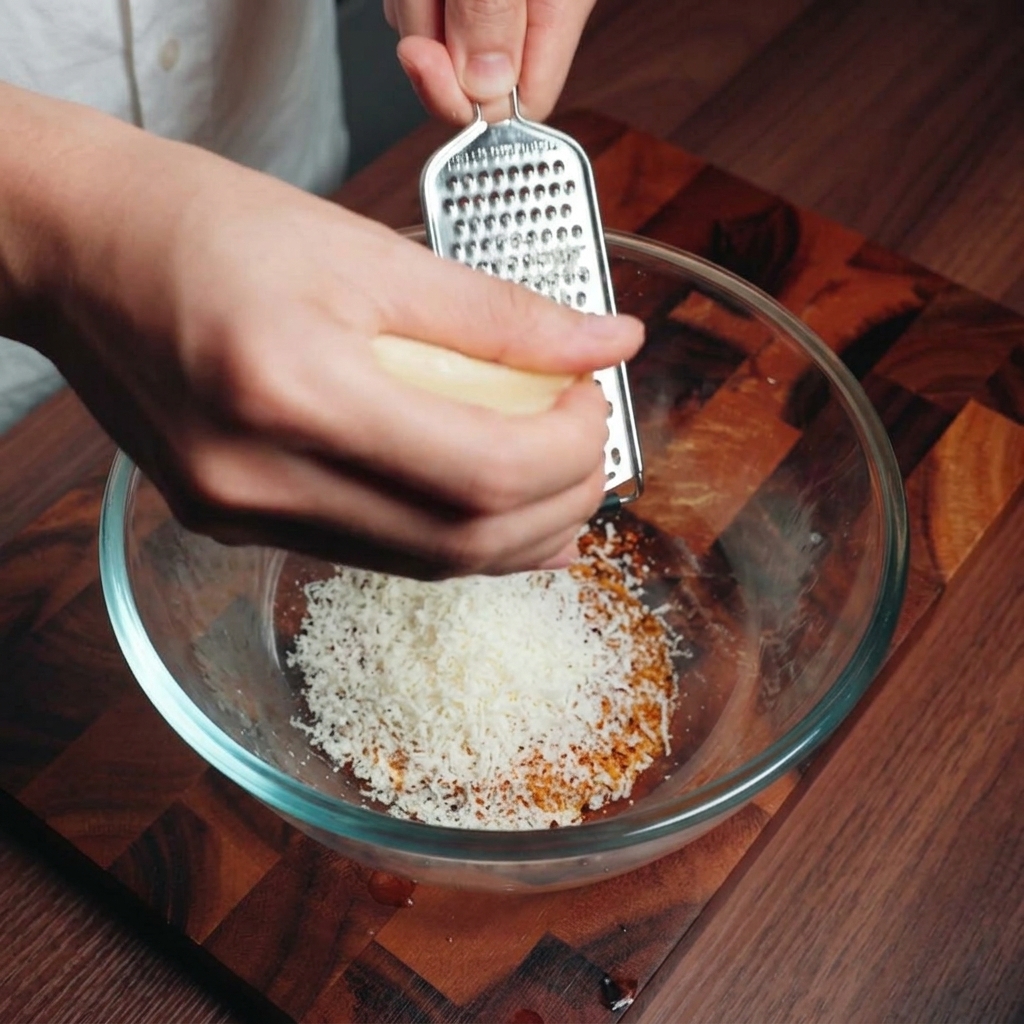
Using a microplane or fine grater, grate a generous amount of Parmesan cheese into the bowl with the egg yolks and black pepper. Authentic Carbonara uses Pecorino Romano, but Parmesan is a great substitute if Pecorino isnt available.
Tip: Grating the cheese fresh ensures it melts smoothly into the sauce without clumping. - 9Remove the cooked pasta
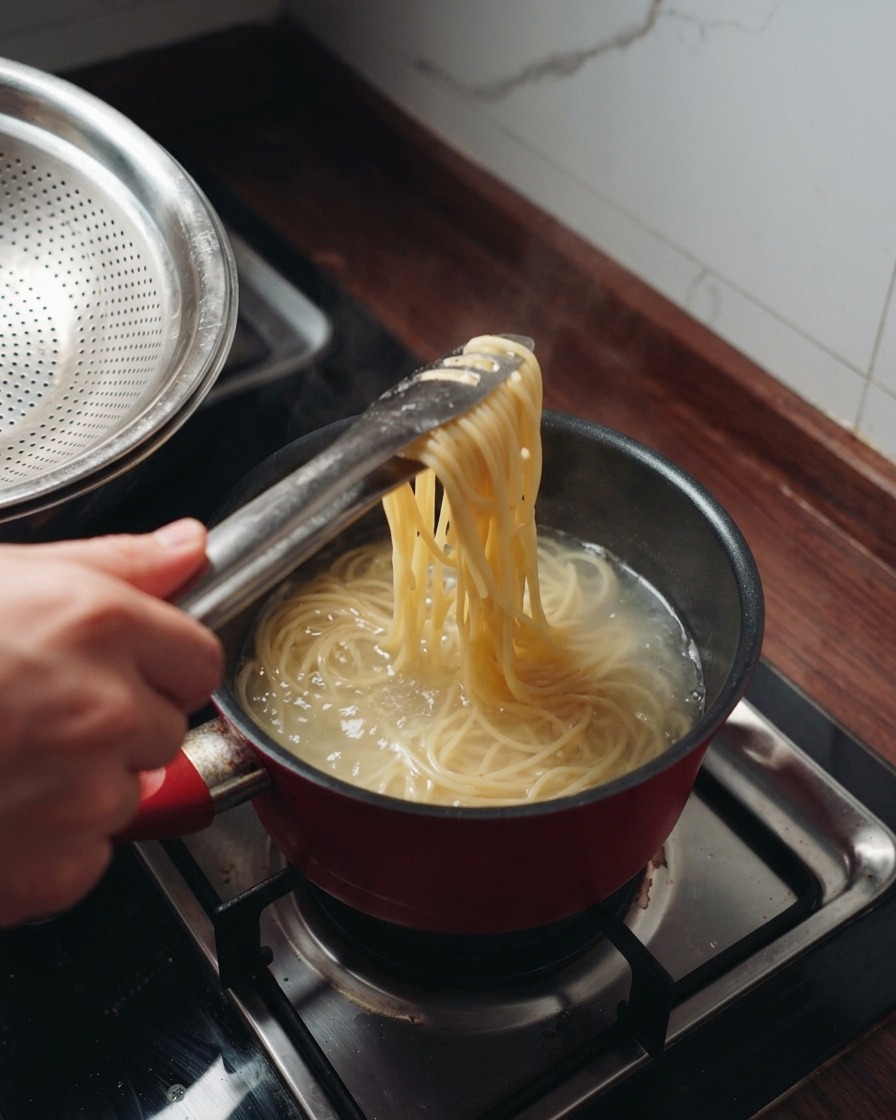
Once the spaghetti has reached al dente, use metal tongs to lift the noodles directly out of the boiling water. Transfer them carefully, ensuring they are ready to be mixed with the rich sauce.
Tip: Do not discard the pasta water; its starch content is crucial for emulsifying the Carbonara sauce. - 10Reserve the pasta water
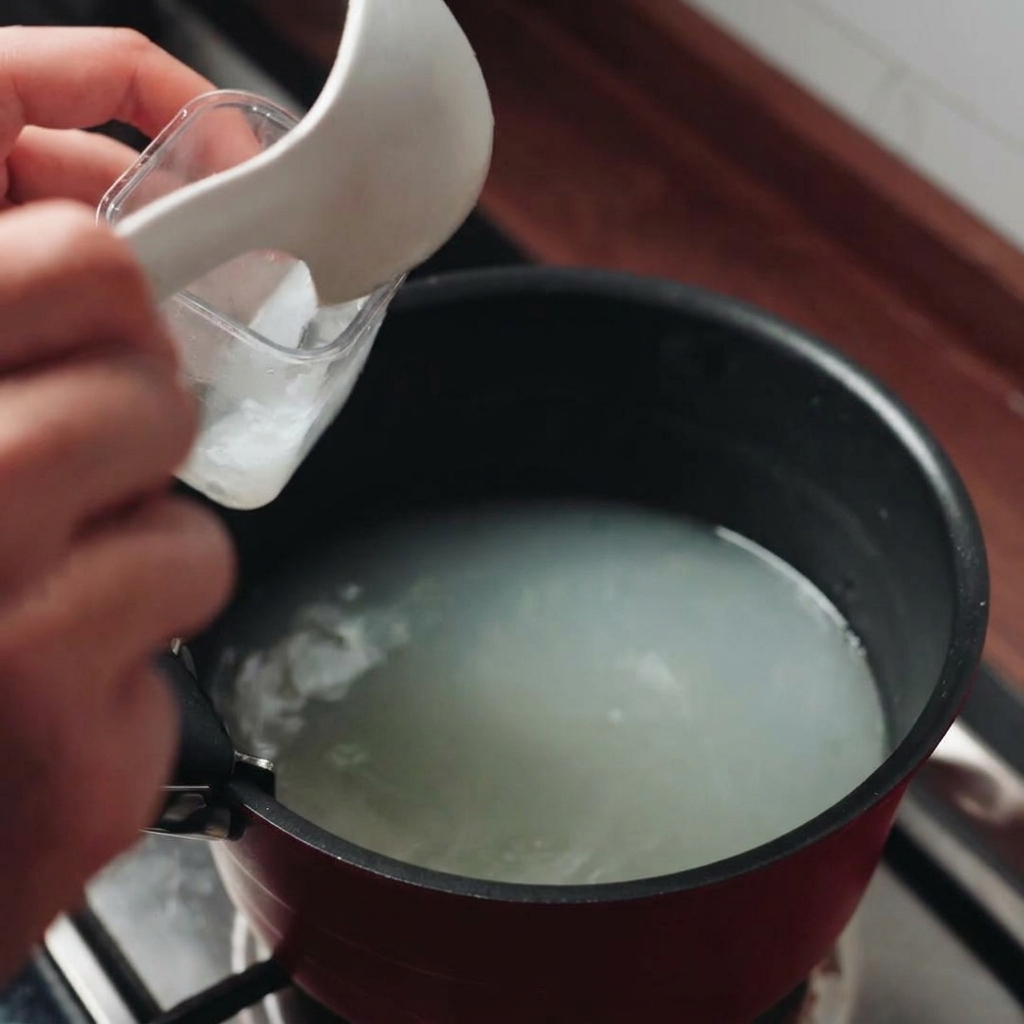
Before draining any remaining water, scoop out a cup of the hot, starchy pasta water. This starchy liquid will be used to adjust the consistency of the egg yolk sauce and help it cling perfectly to the pasta.
Tip: Always save more pasta water than you think you need, just in case the sauce gets too thick. - 11Add the bacon grease
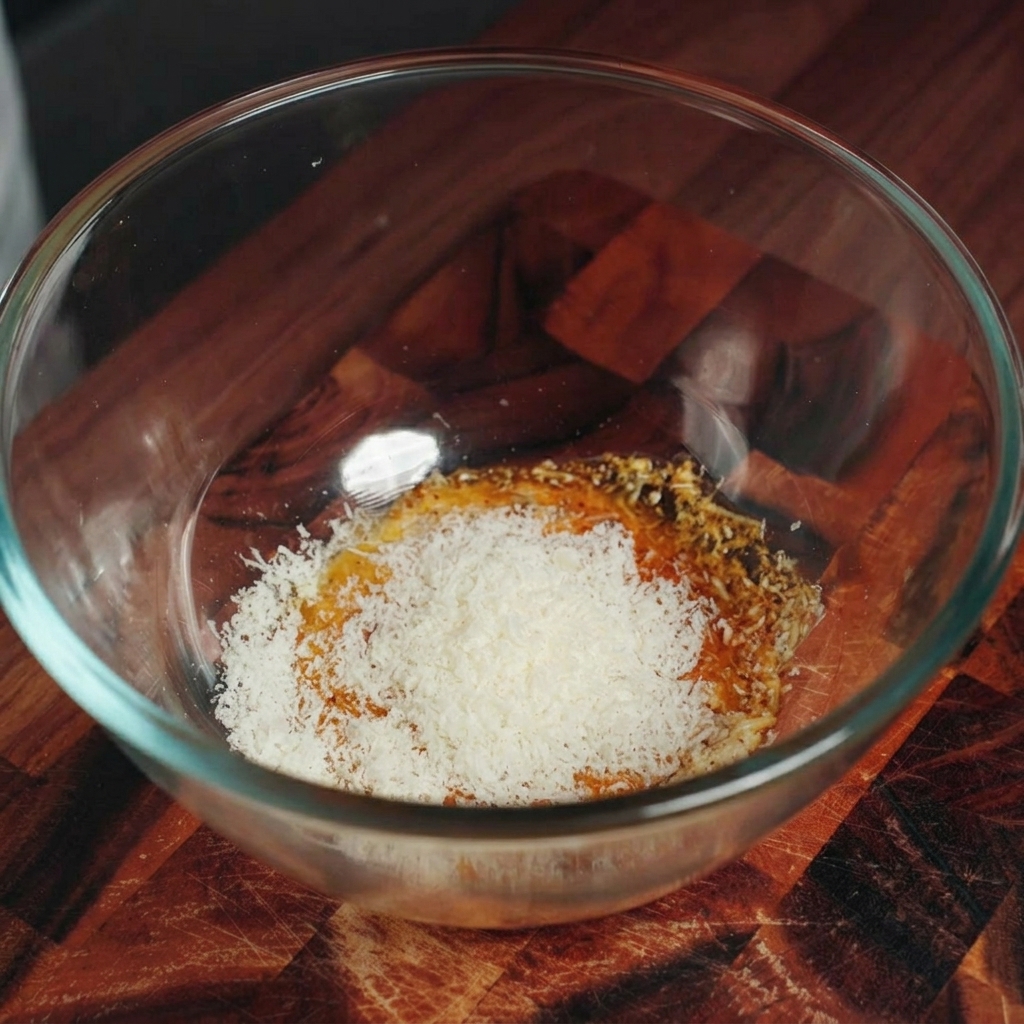
Pour the reserved hot bacon grease into the large glass bowl containing the egg yolk, black pepper, and Parmesan cheese mixture. The flavorful fat from the bacon will add a rich, savory depth to the final Carbonara sauce.
Tip: Allow the grease to cool slightly before pouring so it doesnt scramble the egg yolks prematurely. - 12Whisk the egg yolk sauce
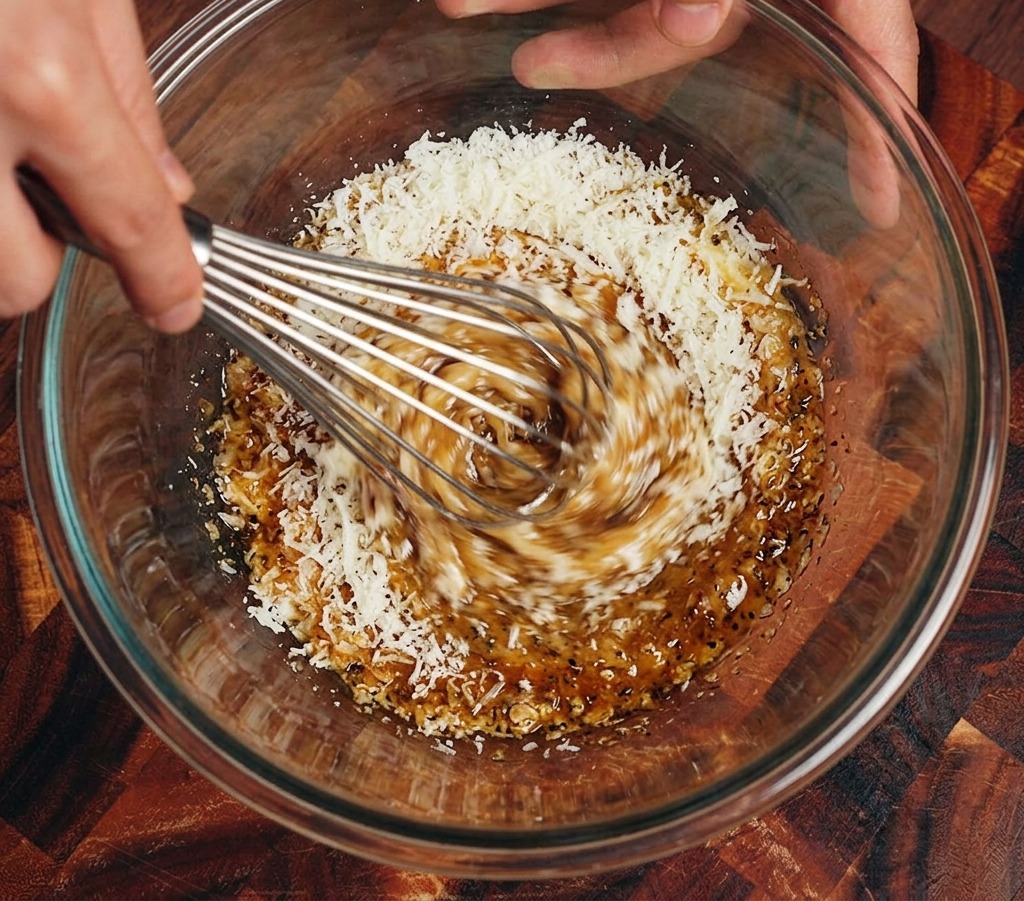
Combine the egg yolks and a generous amount of grated Parmesan cheese in a large glass bowl. Add black pepper and the reserved bacon fat for a rich, savory flavor. Whisk the mixture vigorously until it forms a thick, smooth paste. This emulsion will become the silky sauce that coats the pasta.
Tip: If the mixture feels too dry, add a small splash of the reserved pasta water to help the cheese and egg yolks emulsify into a smoother paste. - 13Temper the yolk sauce
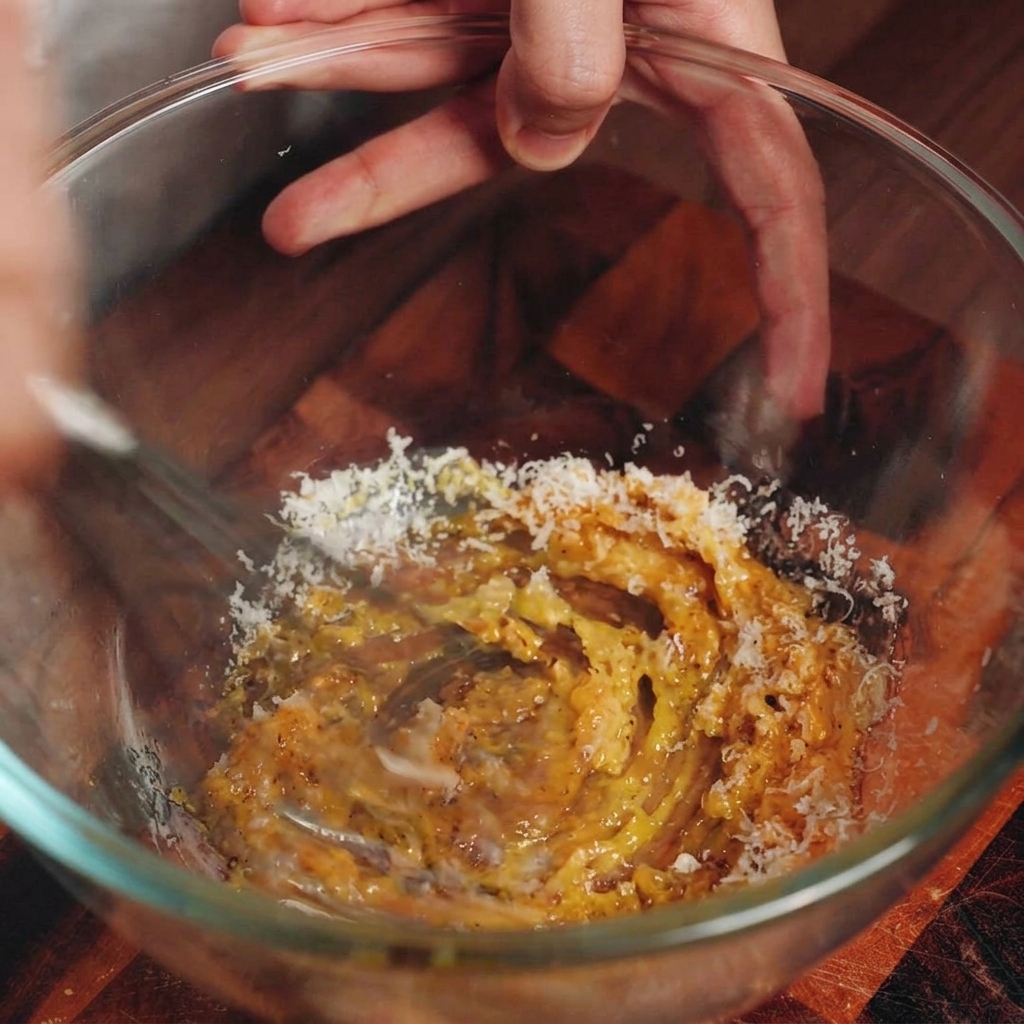
Gradually pour a small amount of the reserved hot pasta water into the yolk and cheese mixture while continuously whisking. This hot starch thins the thick paste into a smooth, creamy sauce base while gently tempering the eggs to prepare them for the hot pasta.
Tip: Pour the hot liquid in a slow steady stream while whisking rapidly so the yolks adjust to the temperature increase safely without cooking. - 14Prepare the water bath
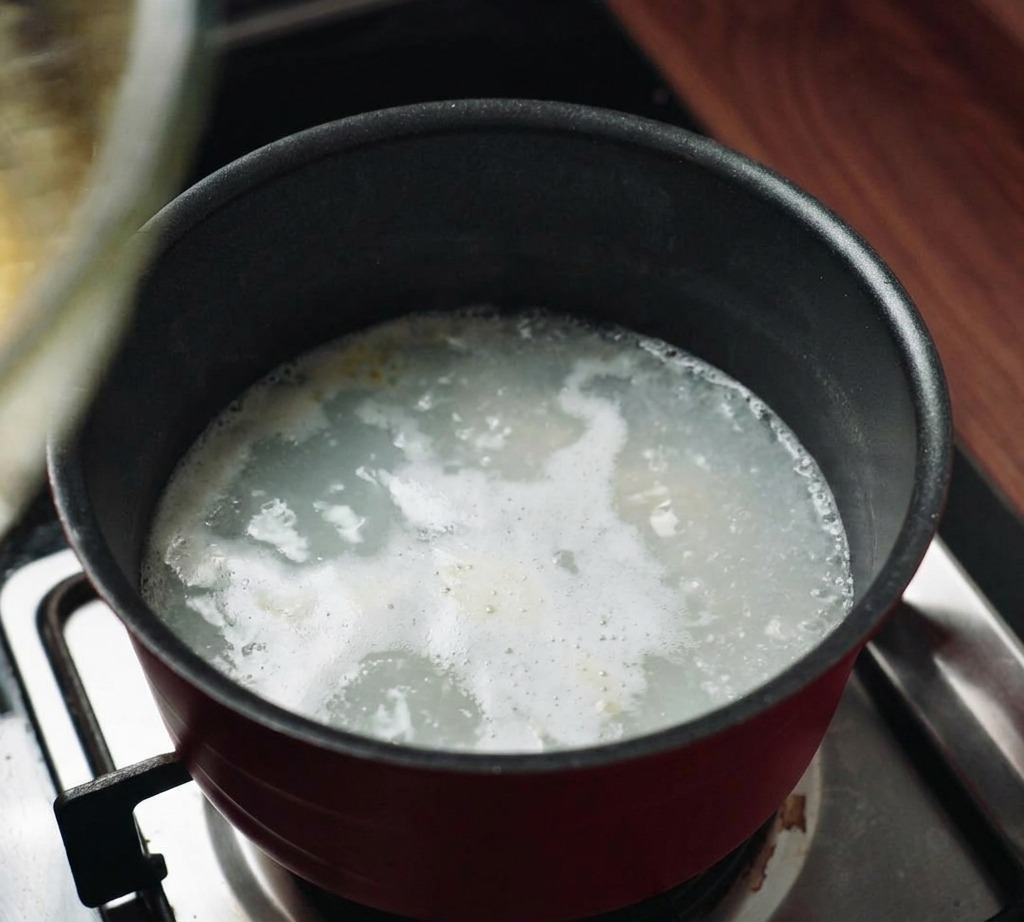
To ensure the sauce thickens without scrambling the eggs, use a bain-marie or water bath method. Place the bowl containing the egg mixture over the pot of hot pasta water. The gentle steam will provide enough indirect heat to melt the cheese and warm the yolks into a glossy sauce as you add the pasta.
Tip: Make sure the bottom of the bowl does not touch the hot water; the goal is to use the heat from the steam, not direct boiling water, to prevent overcooking the eggs. - 15Combine over a water bath
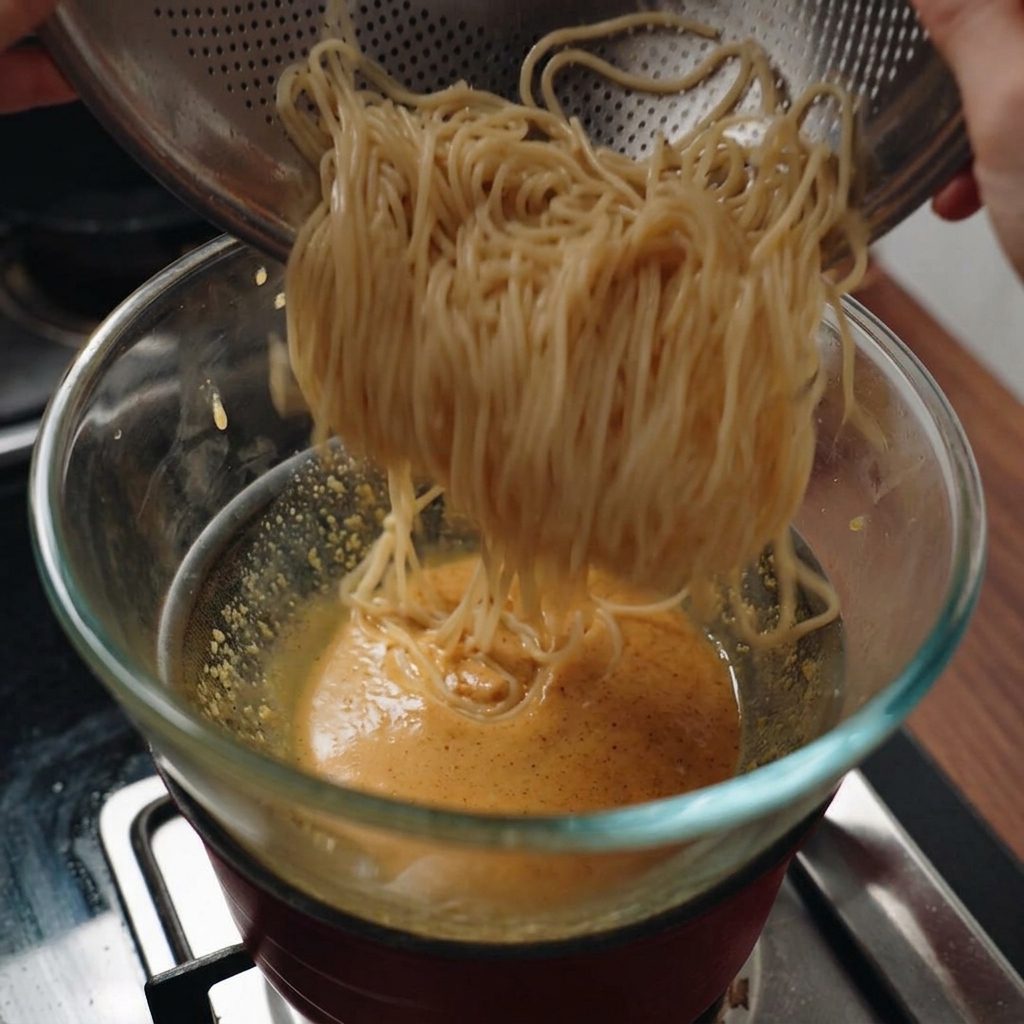
Place the glass bowl containing the egg yolk sauce over the pot of steaming hot pasta water, creating a gentle double boiler setup. Quickly transfer the hot, cooked spaghetti directly into the bowl with the sauce.
Tip: Using a water bath helps gently heat the sauce and melt the cheese without scrambling the delicate egg yolks. - 16Toss to coat perfectly
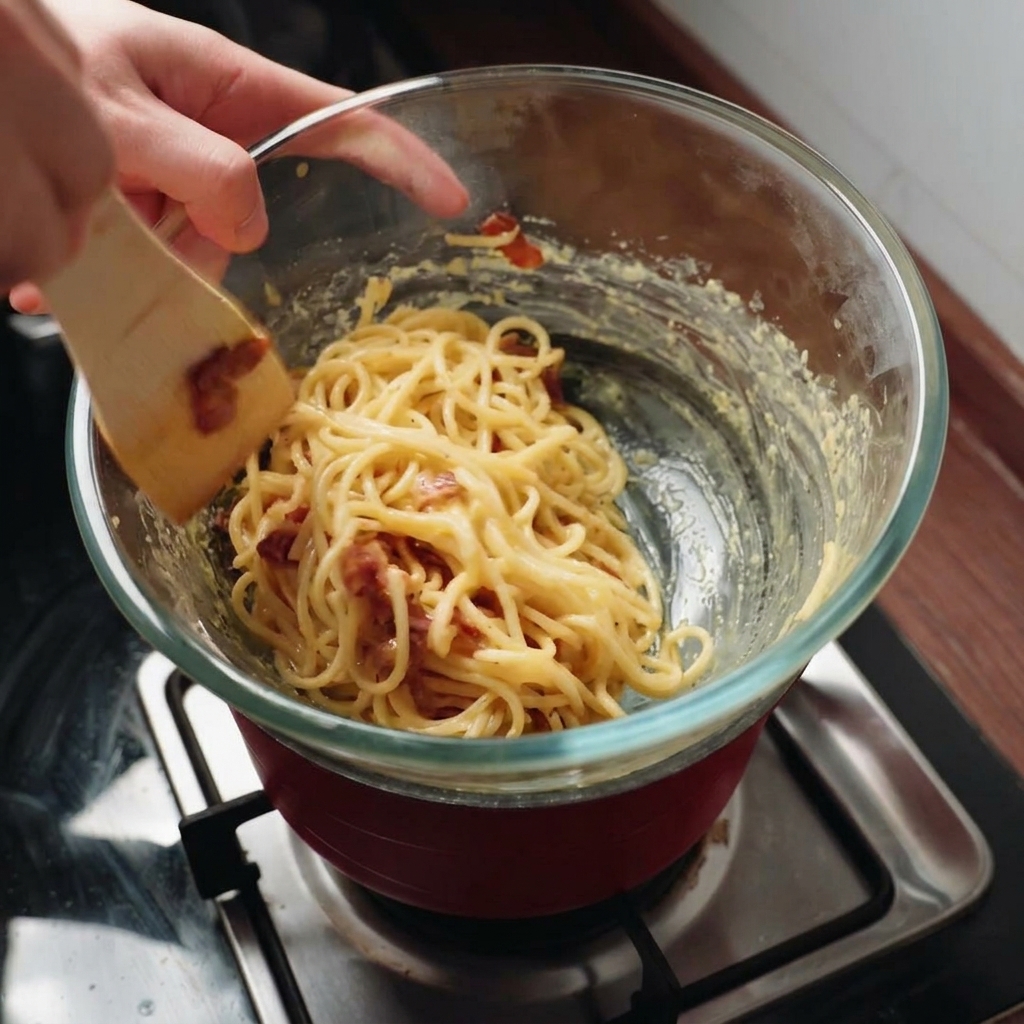
Add the crispy bacon pieces into the bowl. Using a wooden spoon or tongs, continuously toss and stir the spaghetti and bacon in the egg sauce over the gentle heat of the water bath. Keep tossing until the sauce thickens and perfectly coats every single noodle.
Tip: If the sauce seems too thick, you can add a small splash of the reserved pasta water to loosen it up to your desired consistency.