Authentic Roman Spaghetti Carbonara
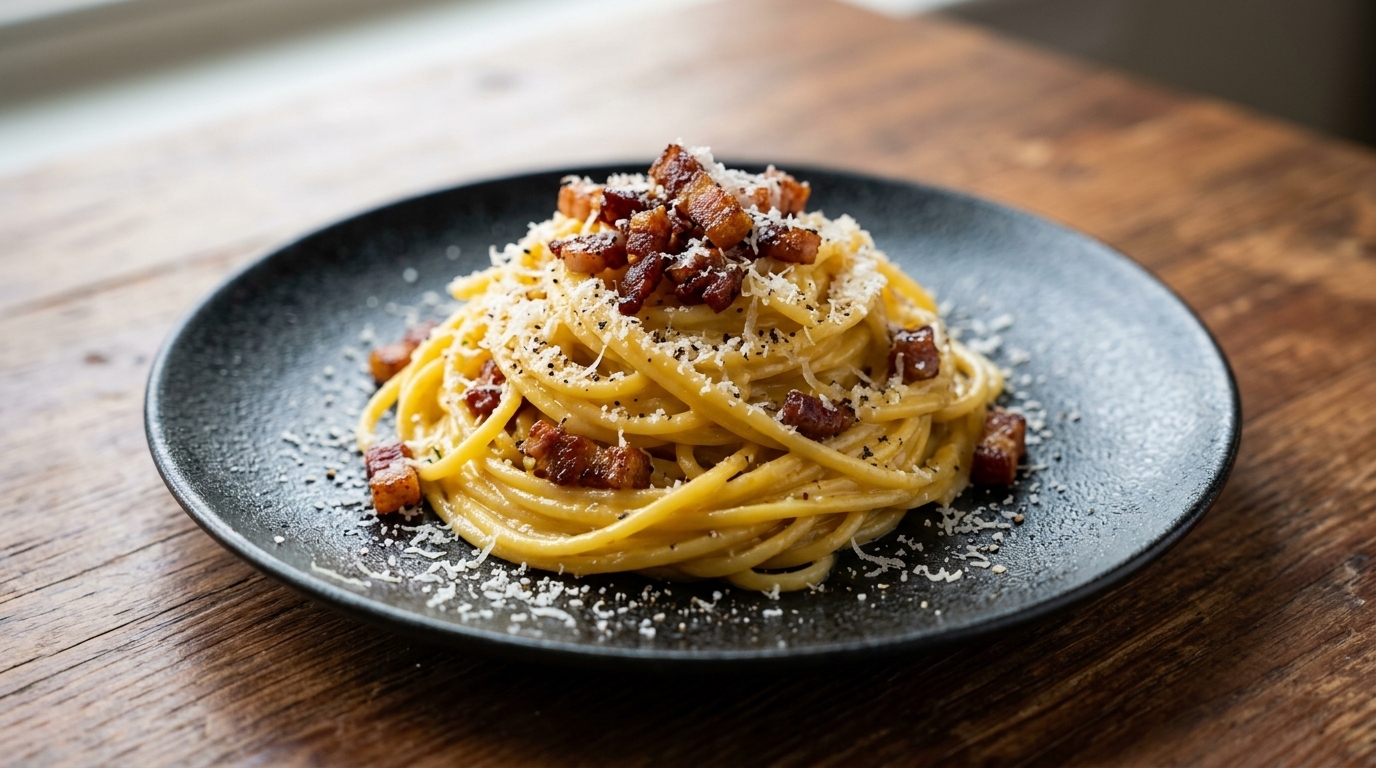
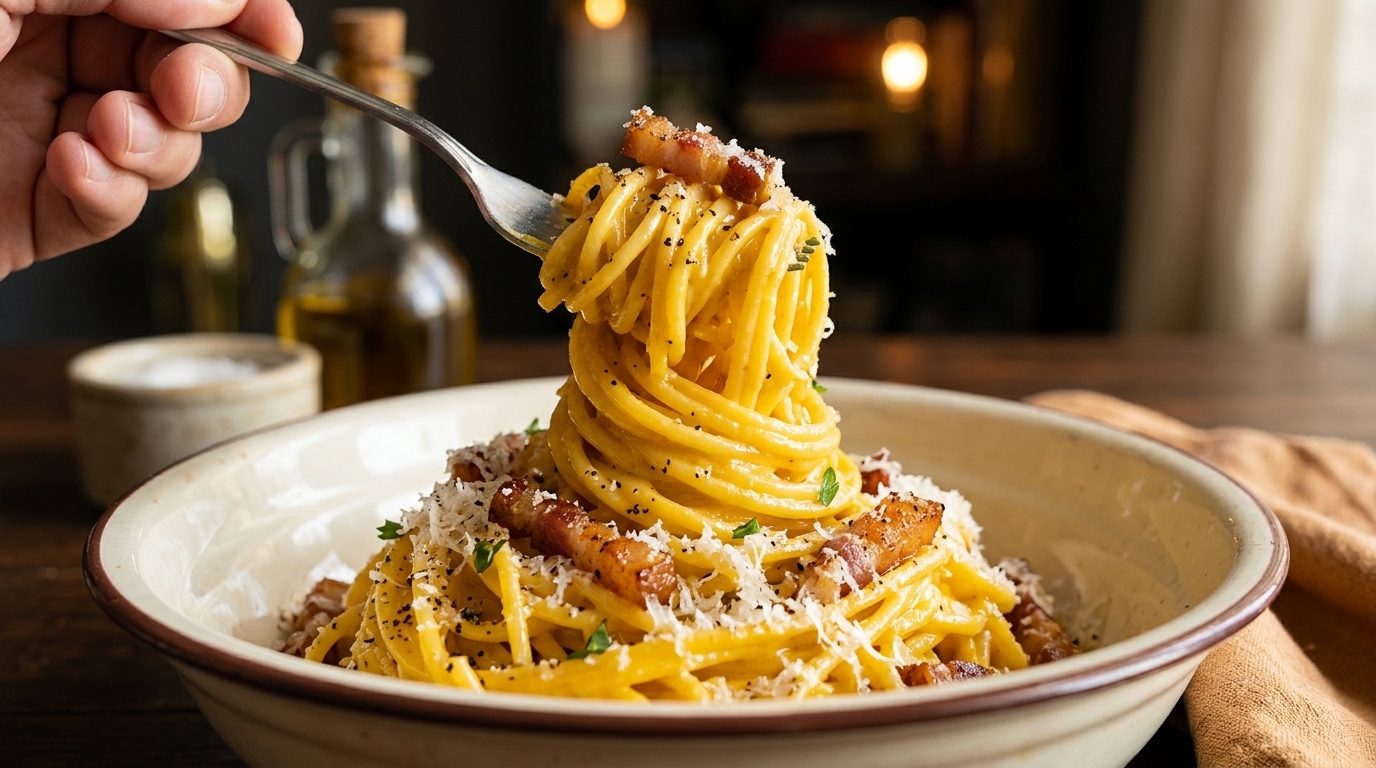
Discover the secret to a perfectly creamy, authentic Spaghetti Carbonara without a drop of cream. This classic Roman dish uses just egg yolks, Pecorino, and guanciale for a rich, silky masterpiece.
Carbonara is a masterclass in Italian restraint and technique. Born in Rome, true carbonara achieves its signature creamy texture entirely through the delicate emulsion of starchy pasta water, rendered pork fat, and egg yolks. The key lies in gentle heat and vigorous tossing—creating a velvety sauce that coats every strand without turning into scrambled eggs.
Ingredients
- 400 g spaghetti
- 200 g guanciale (or high-quality pancetta)
- 4 large egg yolks
- 40 g Pecorino Romano, finely grated
- 30 g Parmigiano-Reggiano, finely grated
- to taste freshly cracked black pepper
- as needed reserved pasta water
Instructions
- 1Slice the cured meat
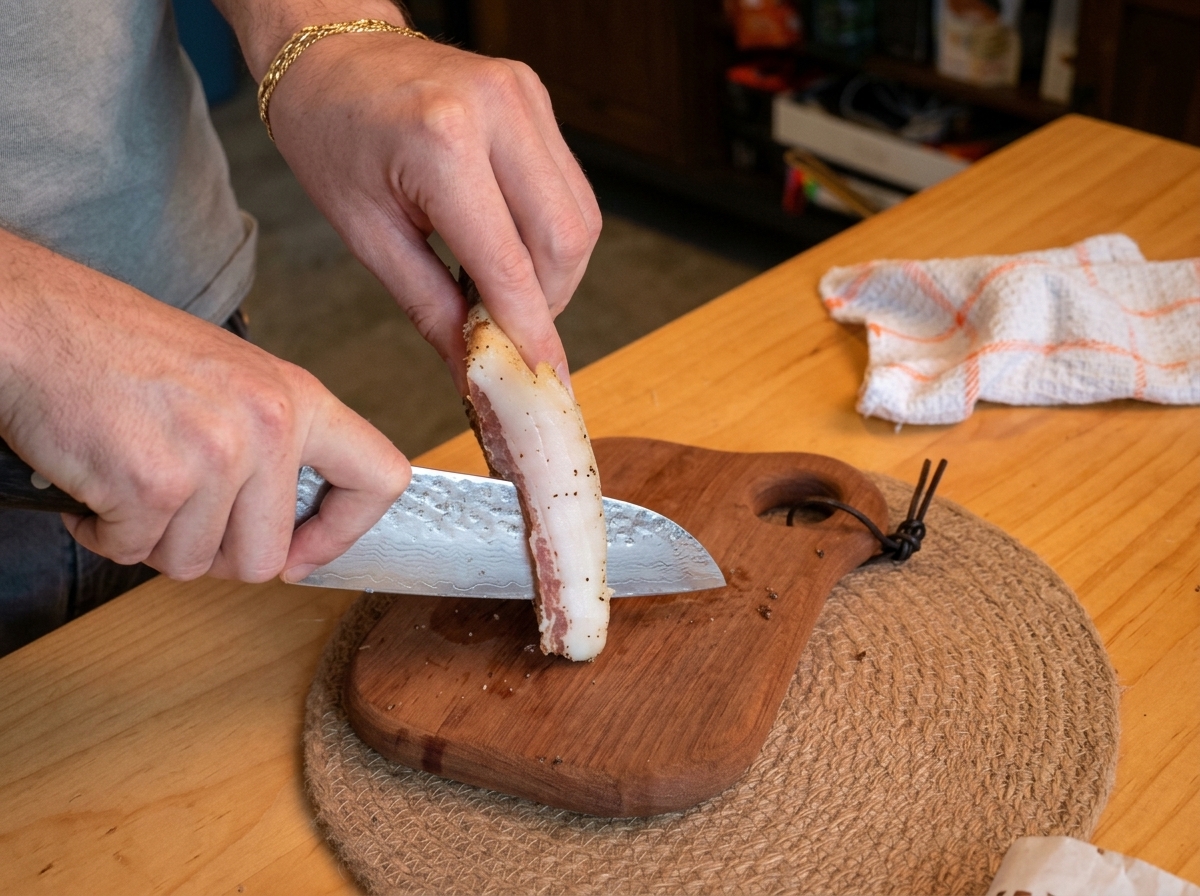
Begin by preparing the foundation of the dish. Place your guanciale or pancetta on a sturdy wooden cutting board and slice it into thick strips or small batons. Ensuring an even cut will help the fat render consistently in the pan.
Tip: For an authentic carbonara, guanciale (cured pork jowl) is preferred, but high-quality pancetta makes an excellent substitute. - 2Separate the egg yolks
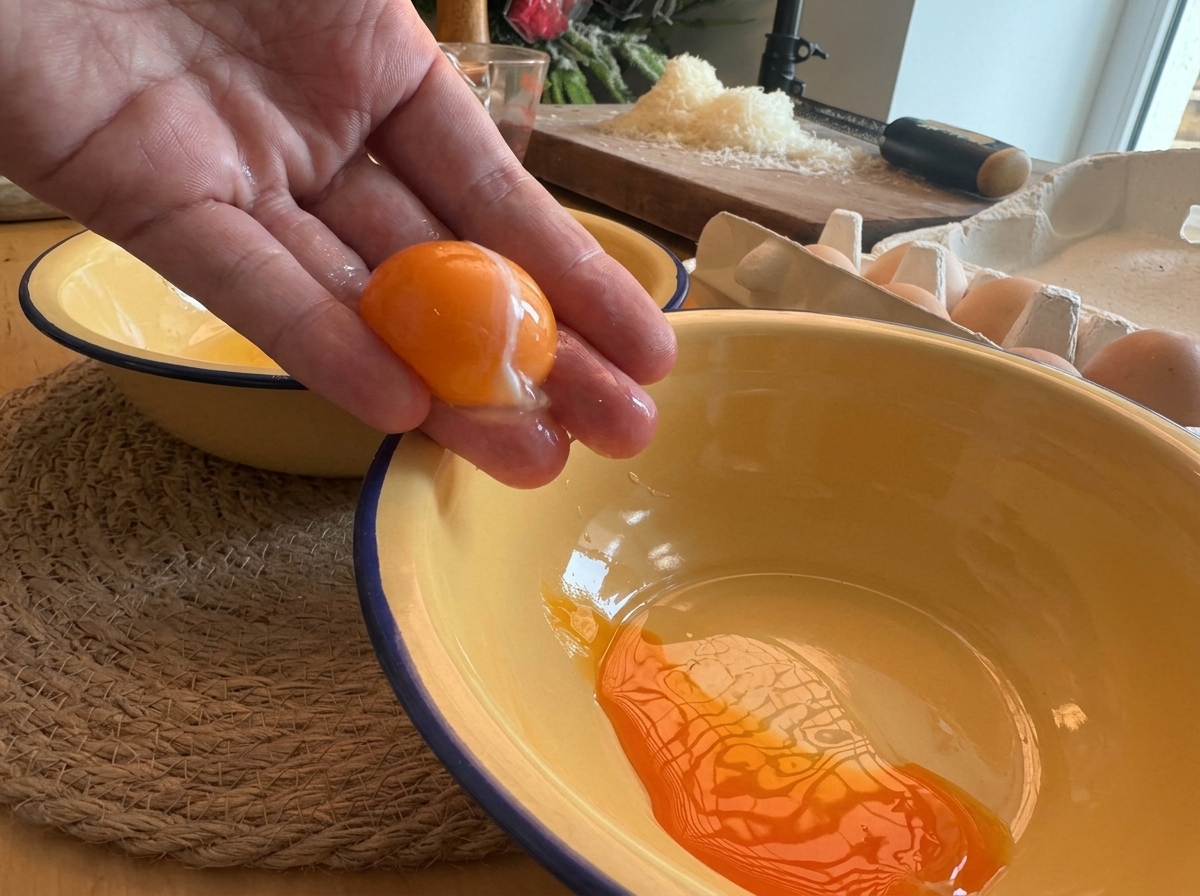
Carefully separate the egg yolks from the whites, dropping the rich yolks directly into a large mixing bowl. The golden rule for a perfectly rich carbonara is typically one egg yolk per person serving.
Tip: Save your leftover egg whites in an airtight container in the fridge for an omelet or meringue later in the week. - 3Render the fat
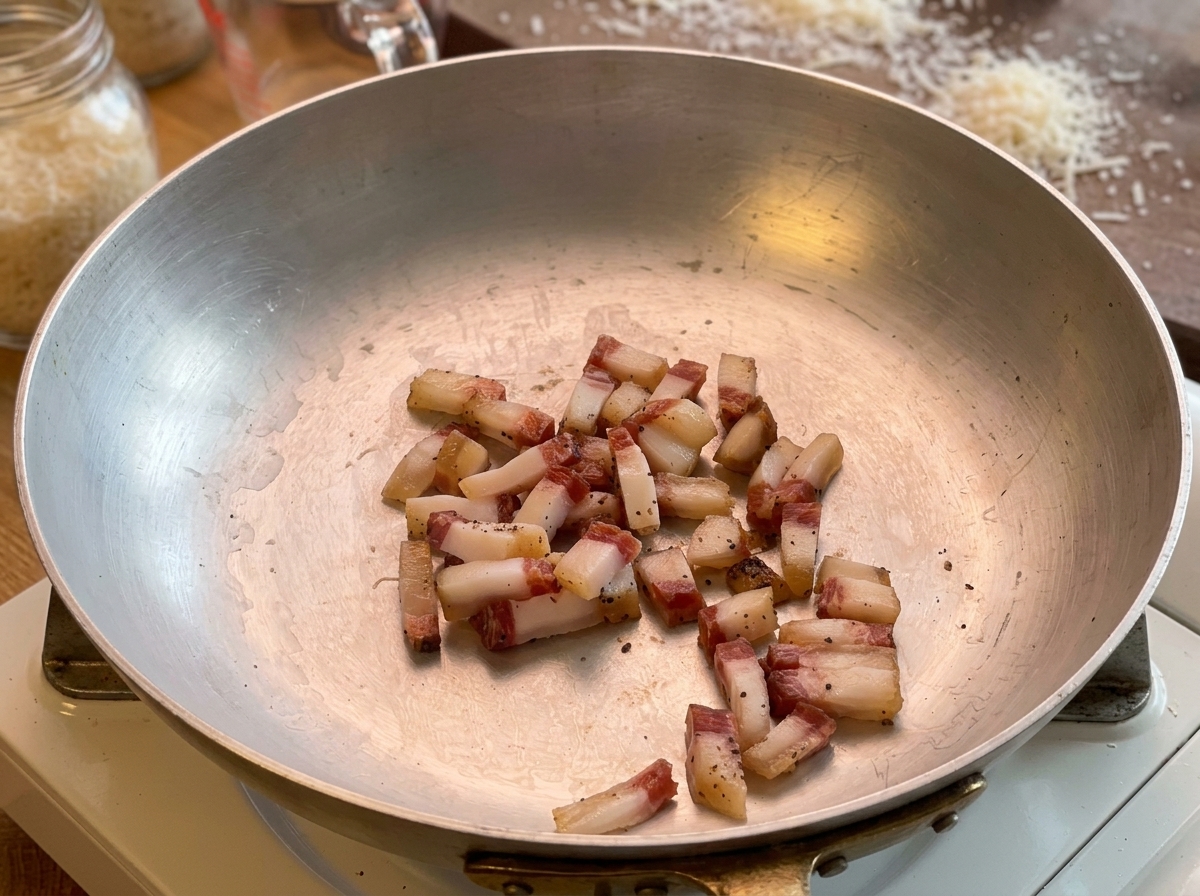
Place the sliced guanciale in a metal pan and cook slowly over low-medium heat. The goal is not just to cook the meat, but to slowly render out the fat until the pieces turn translucent and achieve a beautiful pinkish-golden, crispy exterior.
Tip: Start with a cold pan; this allows the fat to render out slowly before the meats exterior crisps up and seals the moisture inside. - 4Boil the pasta
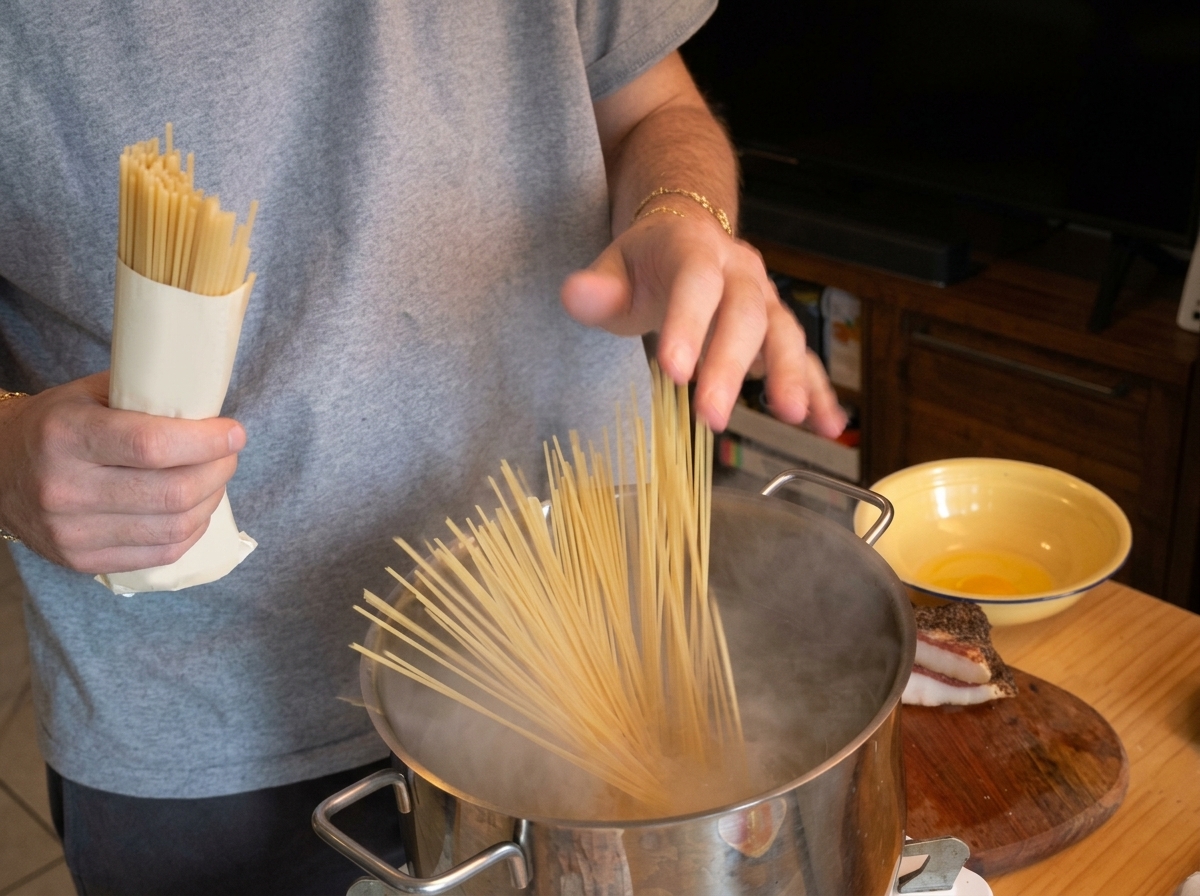
Bring a large pot of water to a rolling boil and drop in the dry spaghetti. Because the cured meat and the hard cheeses are inherently salty, use less salt in the pasta water than you normally would to keep the final dish perfectly balanced.
Tip: Cook the pasta about one minute shy of the package instructions, as it will finish cooking in the residual heat when tossed with the sauce. - 5Mix the cheese and egg
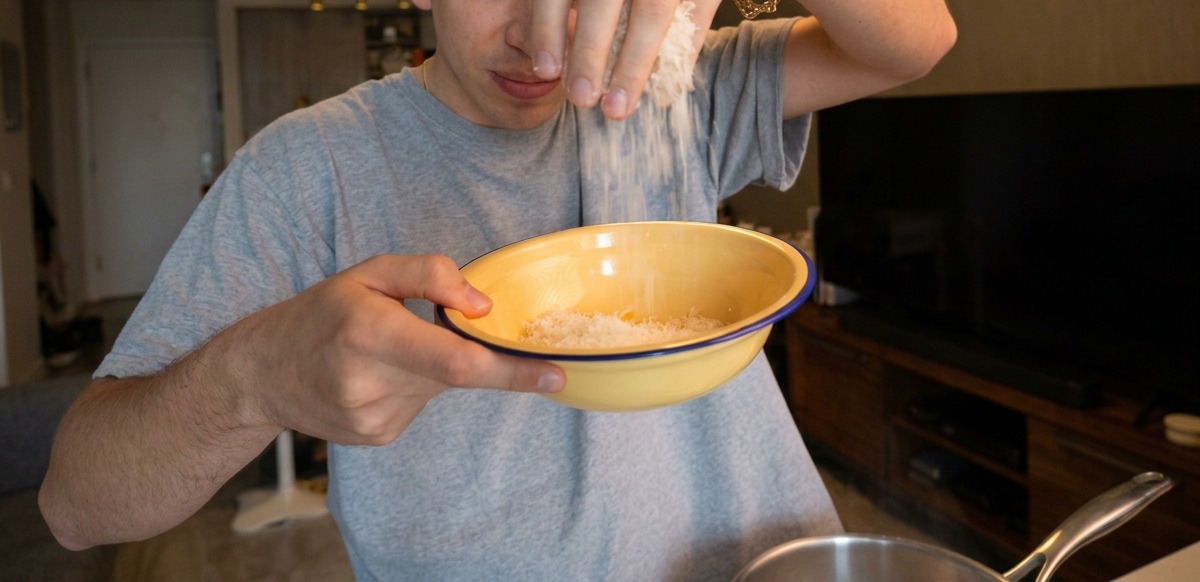
Add a generous blend of finely grated Pecorino Romano and Parmesan cheese directly into the bowl with the egg yolks. Mix them together thoroughly to form a thick, golden paste that will serve as the base of the creamy sauce.
Tip: Finely grating the cheese ensures it melts rapidly and evenly, preventing a clumpy or stringy sauce. - 6Incorporate the rendered fat
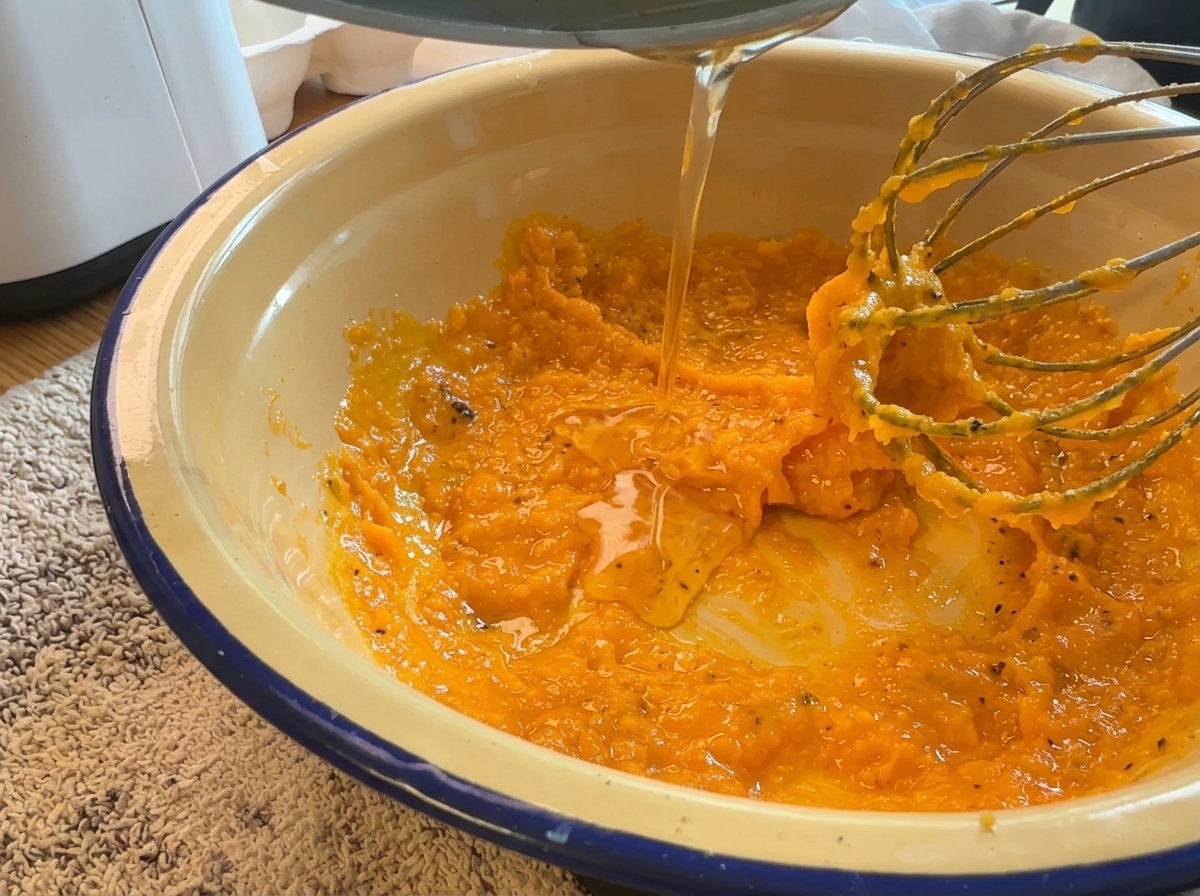
Slowly pour the hot, rendered guanciale fat into the egg and cheese paste while whisking continuously. This process tempers the yolks, creating a velvety base and preventing them from scrambling when they meet the hot pasta.
Tip: Do not add the crispy guanciale pieces just yet—only the liquid fat. Save the meat to toss in right before serving so it retains its crunch. - 7Whisk the sauce
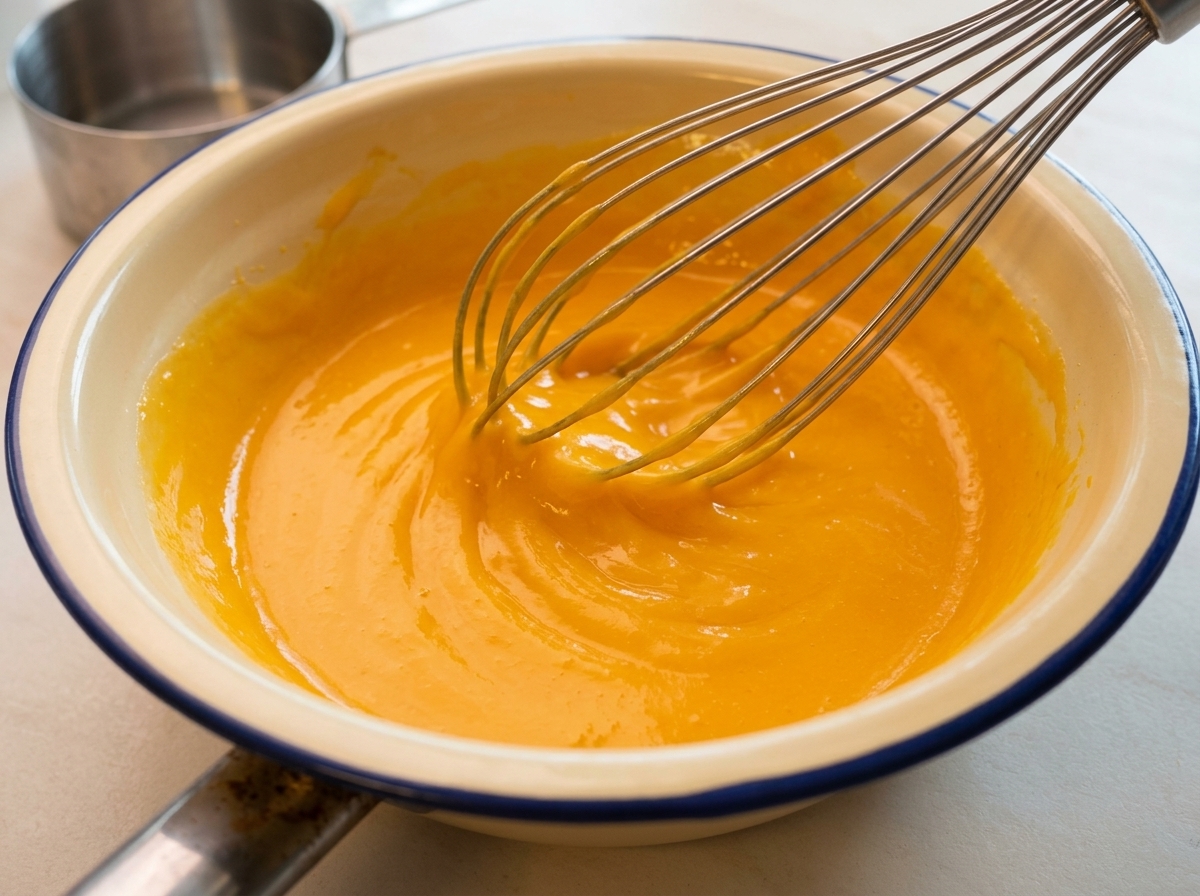
Whisk the mixture over the residual heat of the pasta water until it becomes smooth and glossy. The gentle steam ensures the cheese melts into the eggs without the risk of overcooking.
Tip: Keep the water hot but not boiling, and whisk constantly to prevent the egg yolks from scrambling. - 8Pour sauce into the pan
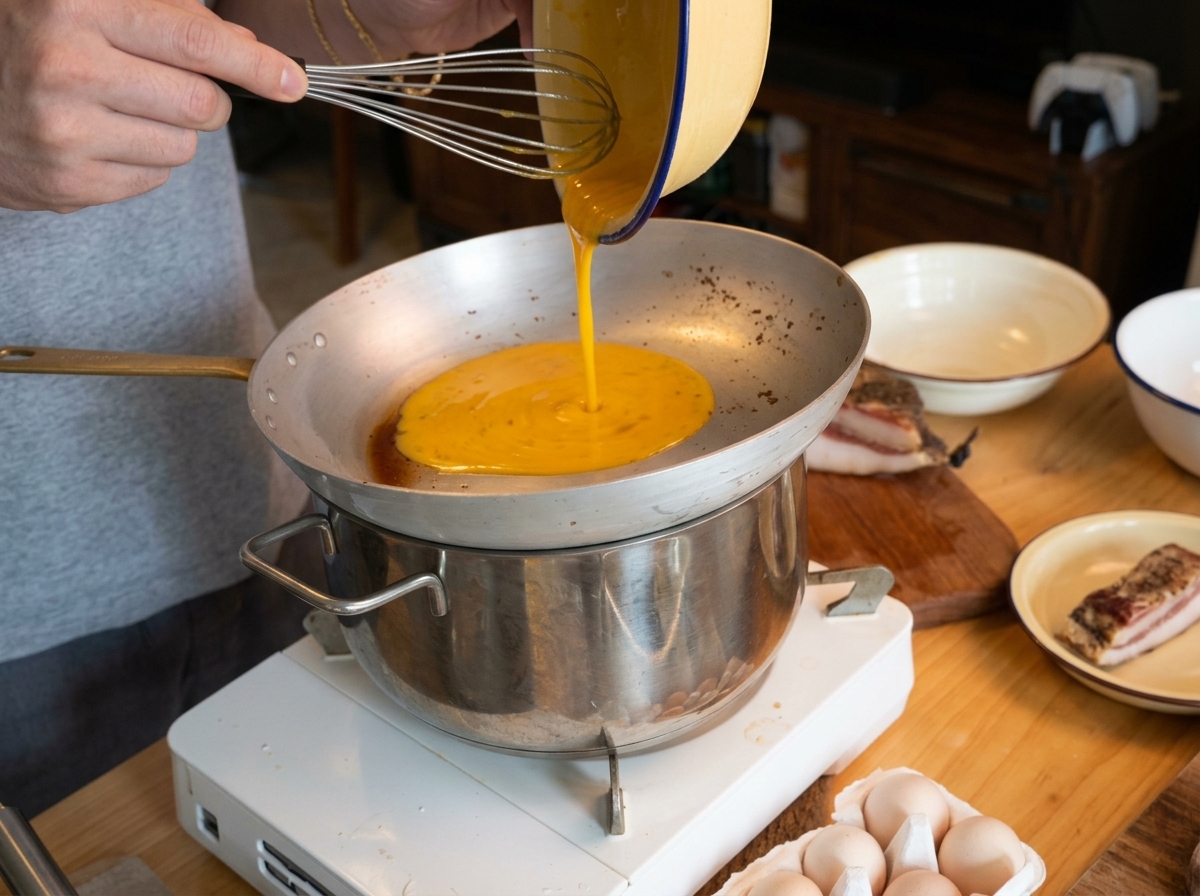
Carefully pour the prepared creamy egg and cheese sauce into a pan that is resting over a pot of gently steaming water. This double-boiler method provides the perfect indirect heat needed to emulsify the sauce without overcooking it.
Tip: Make sure the bottom of the pan does not directly touch the boiling water to maintain a gentle, controlled heat. - 9Toss the pasta
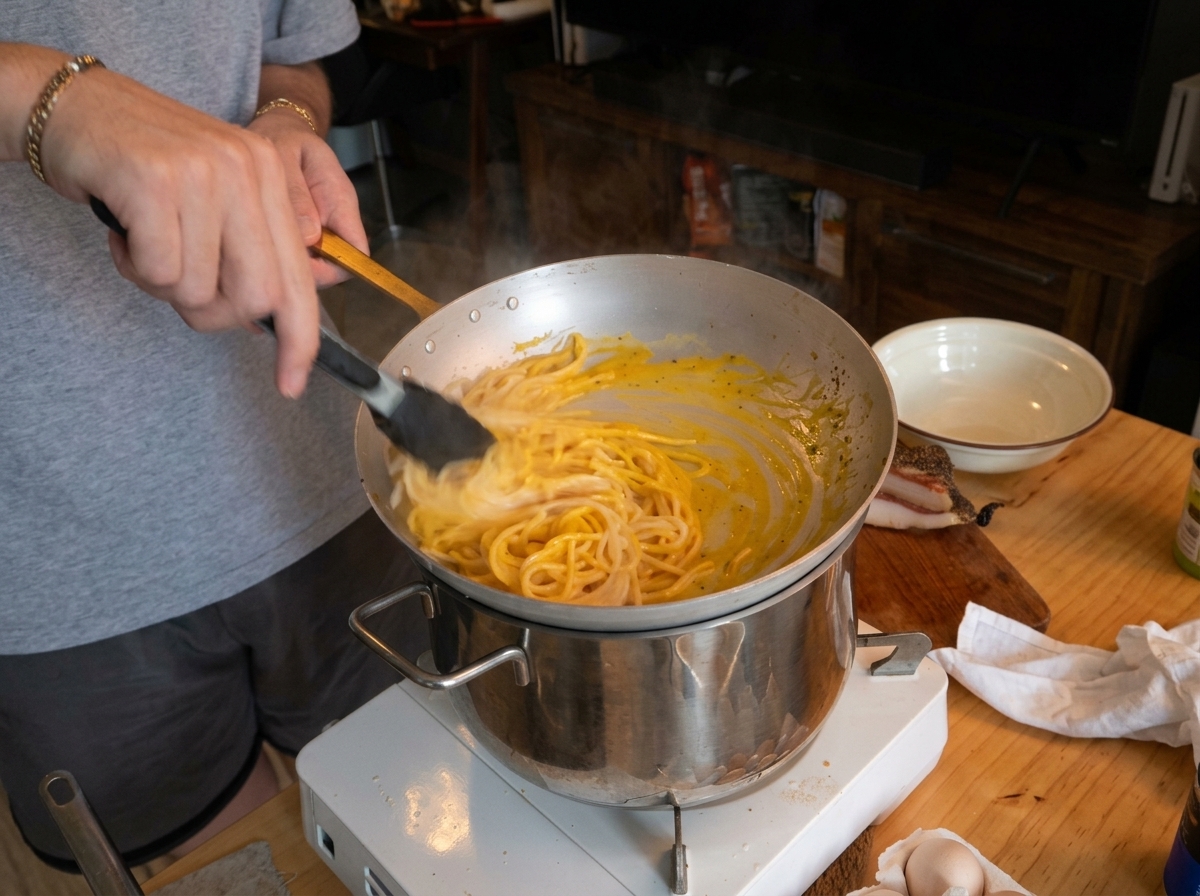
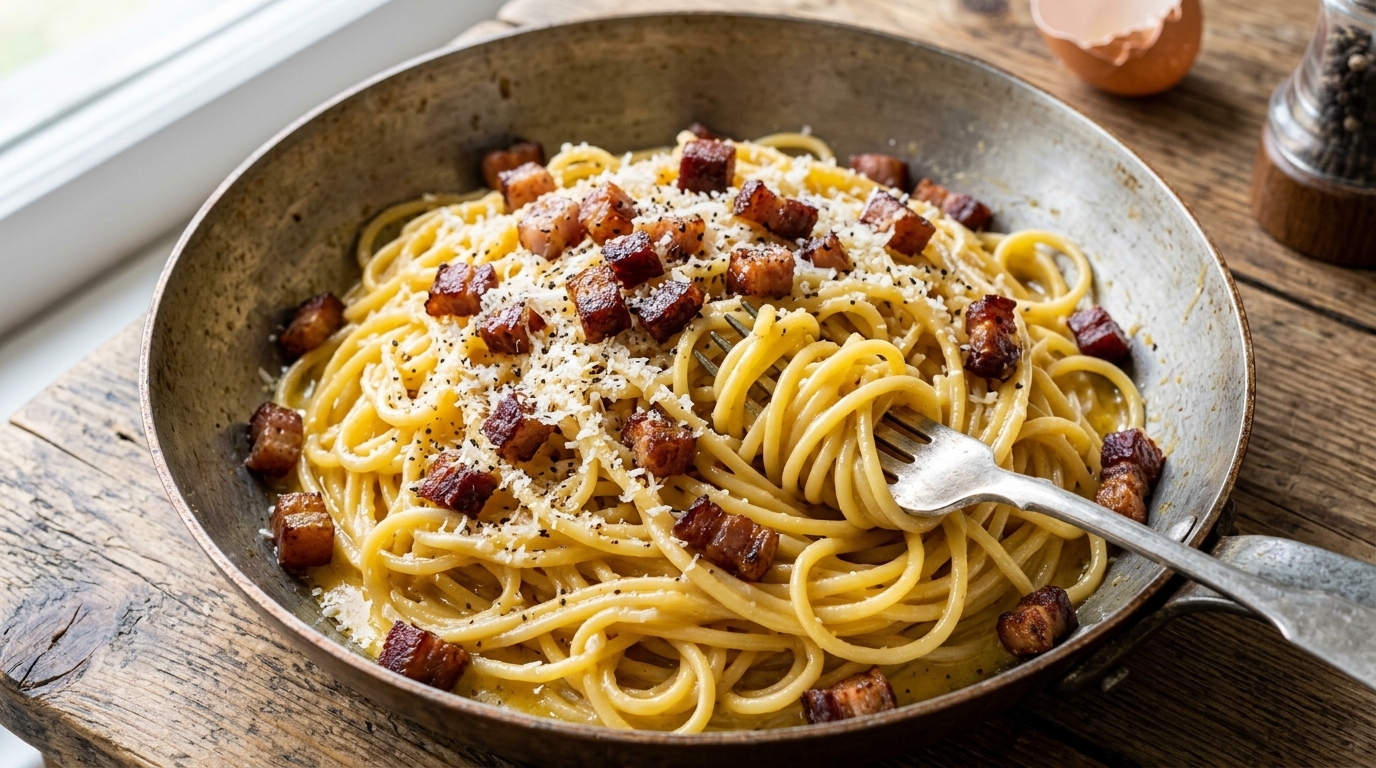
Add the spaghetti to the pan and toss vigorously in the creamy sauce over the double boiler. This action helps the sauce emulsify and cling to the noodles. If the sauce is too thick, add a small splash of reserved pasta water.
Tip: Keep the hot pasta water nearby; adding it just a tablespoon at a time helps control the final thickness of the sauce without watering down the flavor. - 10Plate the Carbonara
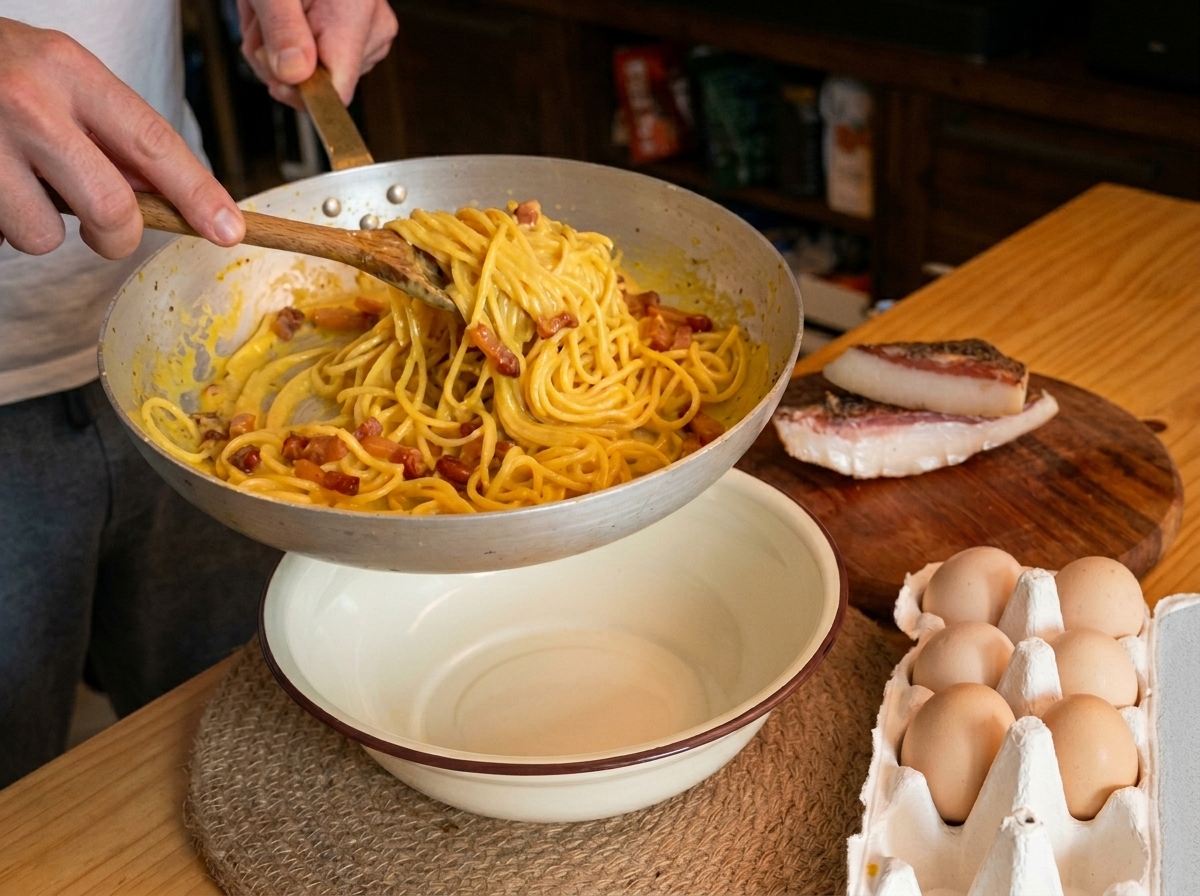
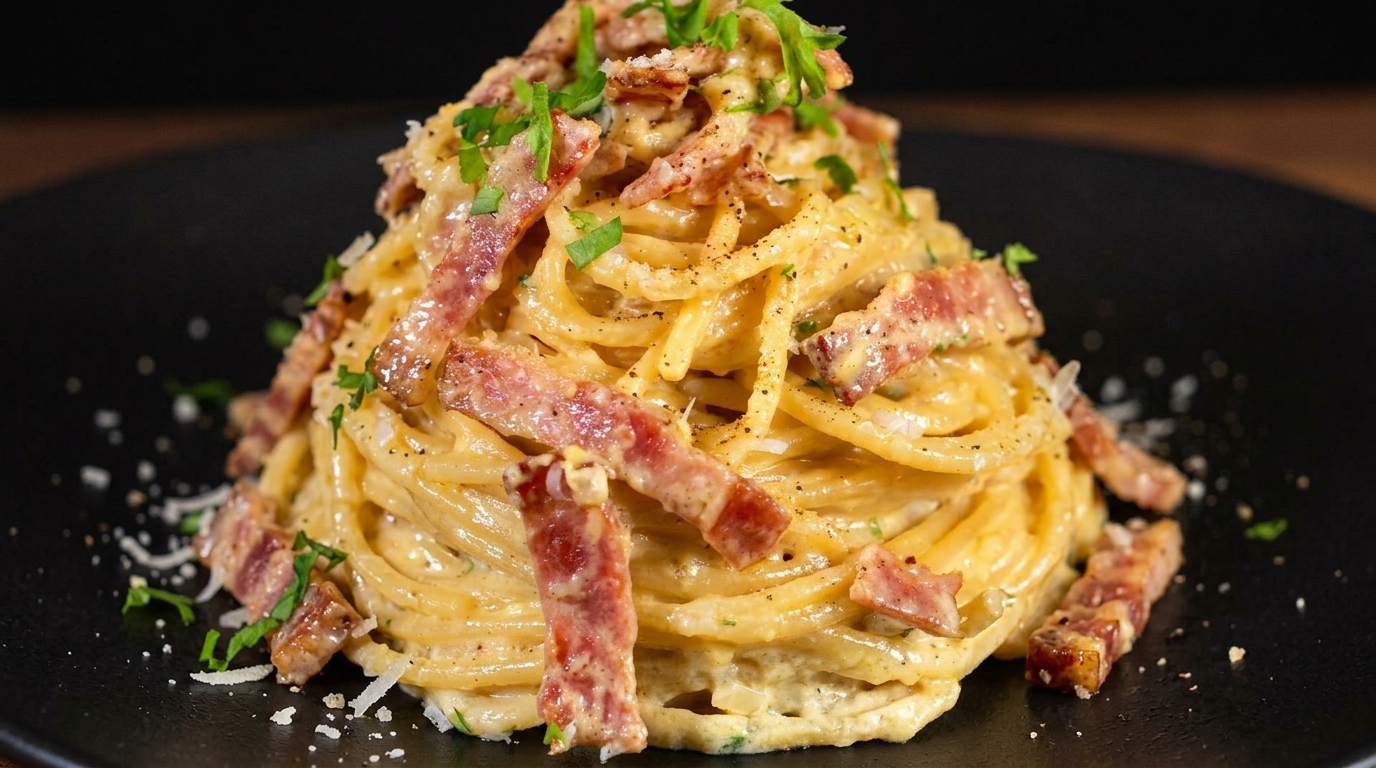
Once the pasta is perfectly coated and the sauce has thickened to a creamy consistency, carefully transfer the dressed spaghetti and the crispy pieces of guanciale into a serving bowl.
Tip: Pre-warm your serving bowls so the pasta stays hot and the sauce remains creamy while eating.