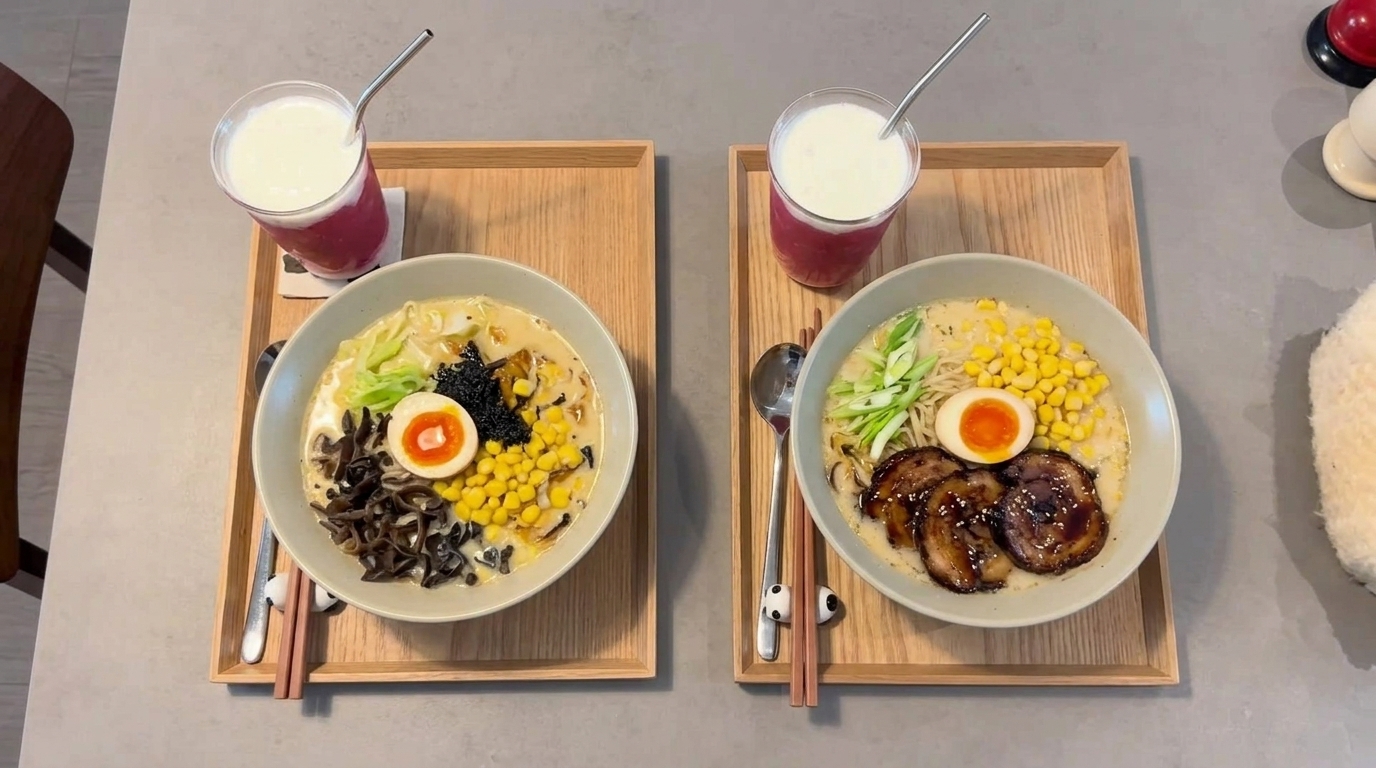
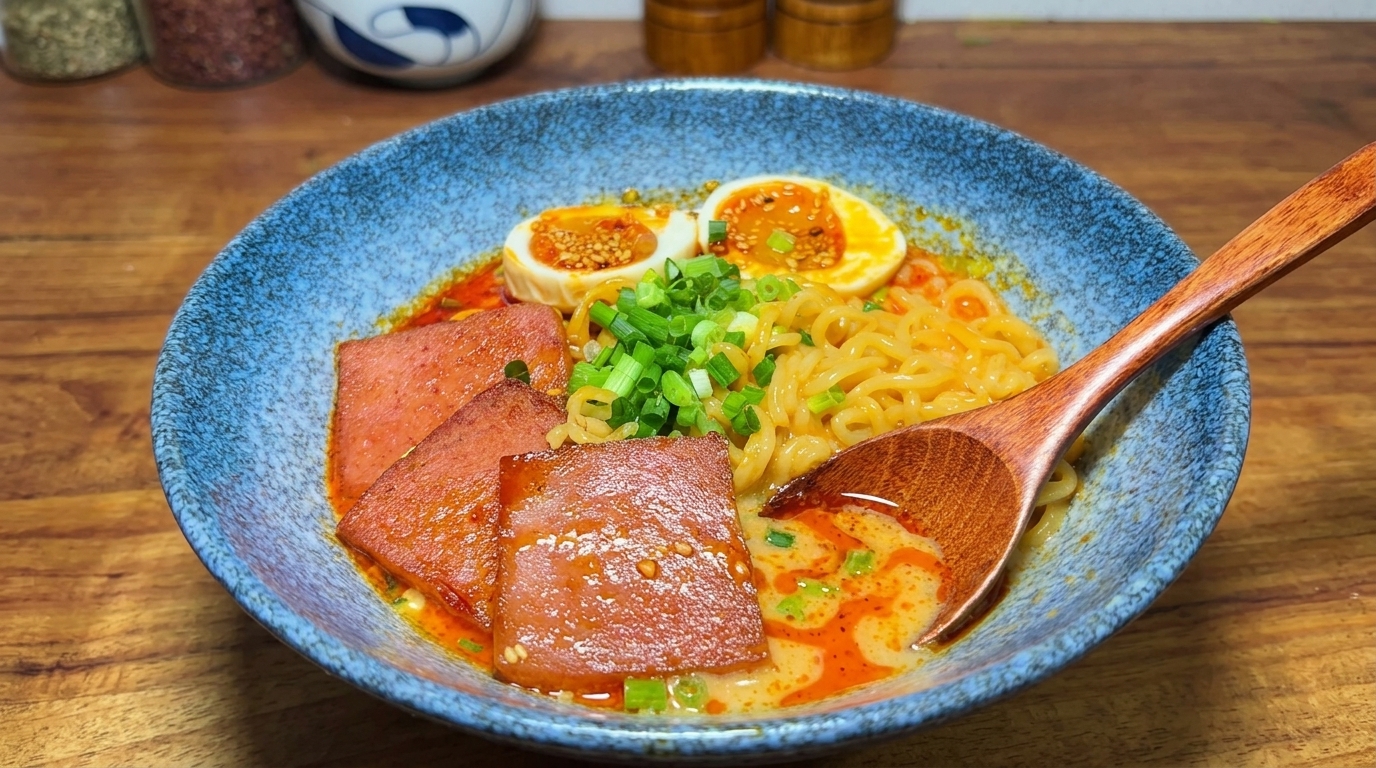
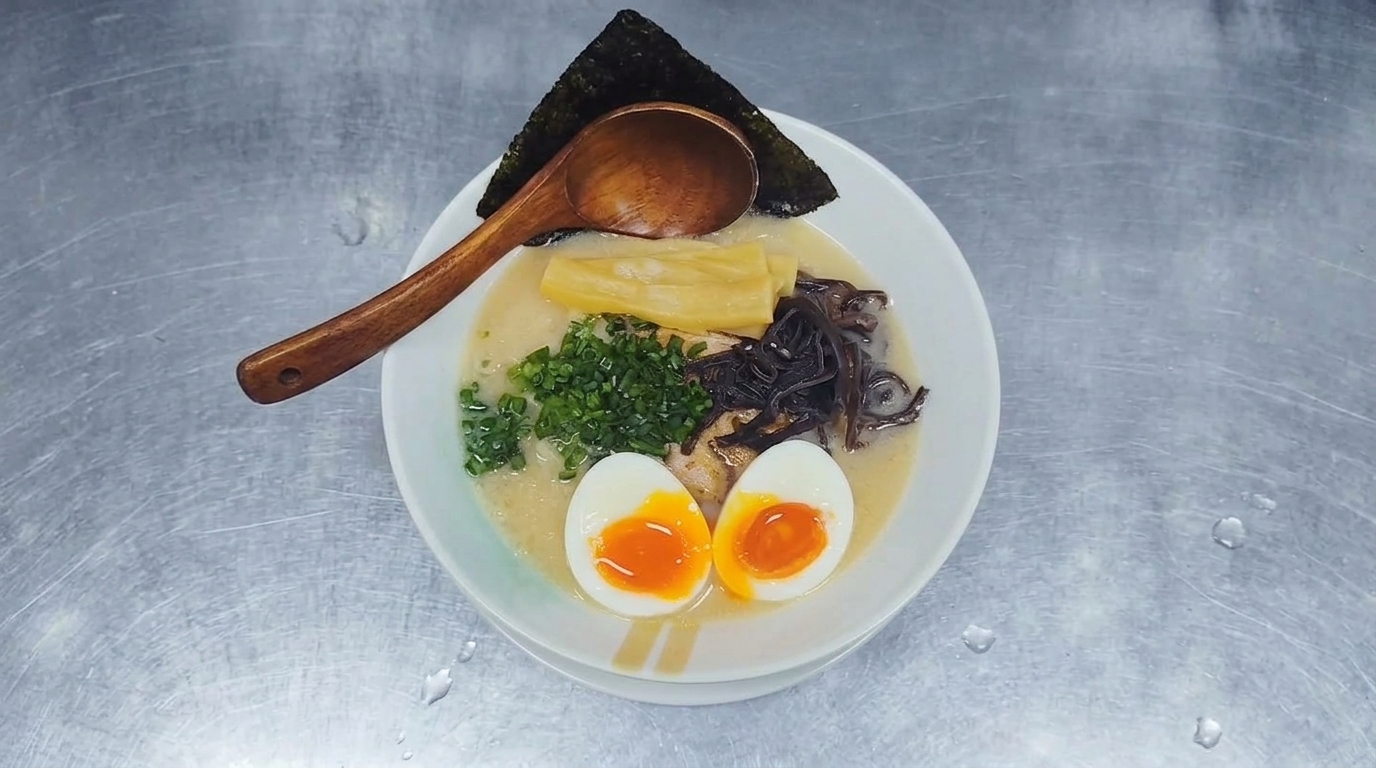
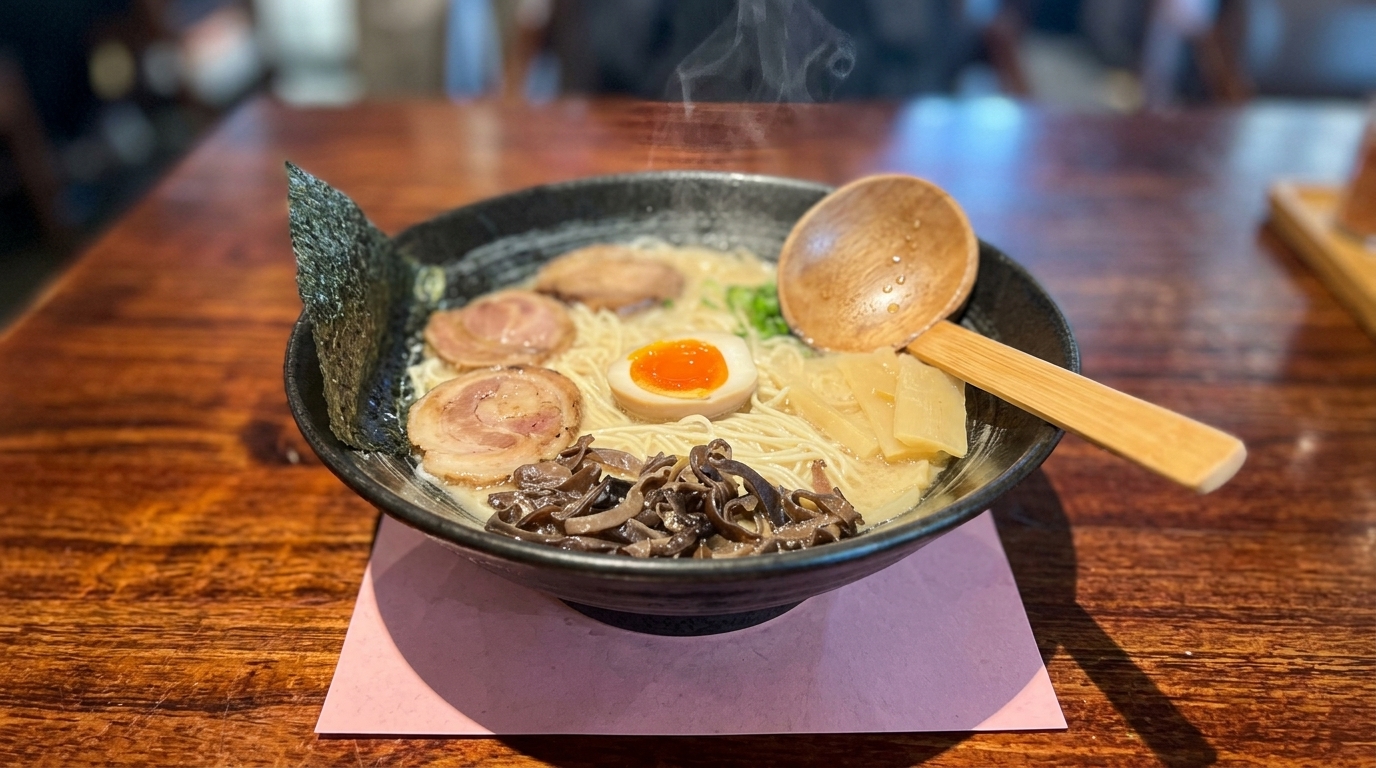
Authentic Handmade Hakata Tonkotsu Ramen
Black Garlic Oil
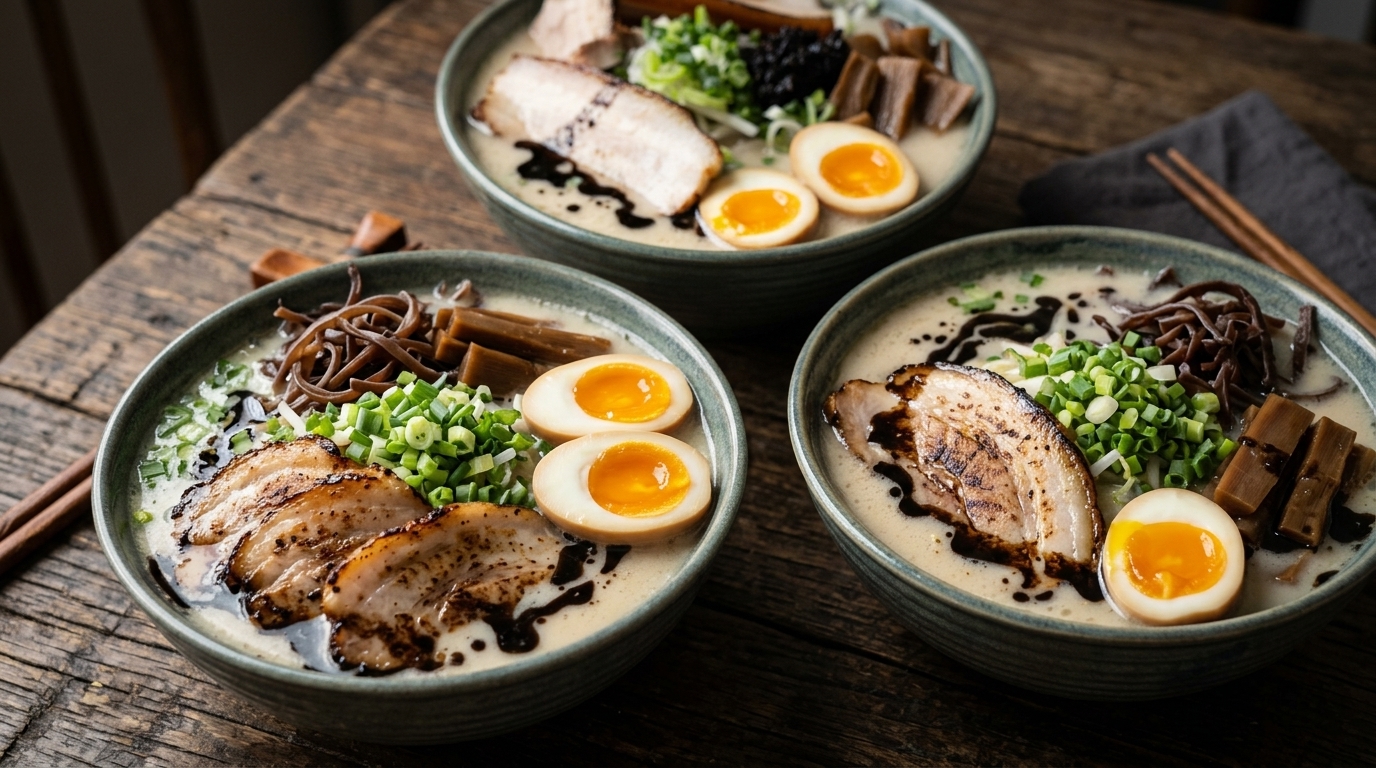
Master the soul food of Fukuoka with rich collagen packed pork broth melt in your mouth chashu and a signature swirl of smoky black garlic oil
Hakata ramen is defined by its creamy milky white Tonkotsu broth a result of emulsifying pork fats through a long vigorous boil This version honors tradition by pairing the heavy broth with thin noodles and Mayu a charred garlic oil that cuts through the richness It is a labor of love that transforms humble pork bones into a complex silky masterpiece
Ingredients
- 2 kg pork bones and trotters
- 1 kg pork belly slab
- 200 ml soy sauce
- 2 sheets dried kombu
- 3 pcs star anise
- 50 g dried shrimp
- 100 g dried wood ear mushrooms
- 200 g soaked bamboo shoots
- 10 cloves garlic
- 150 ml vegetable oil
- 3 portions fresh thin ramen noodles
- 3 tbsp lard
- 3 soft-boiled eggs
- to taste fresh scallions
- to taste bean sprouts
Instructions
- 1Prepare the Tonkotsu Pork Broth
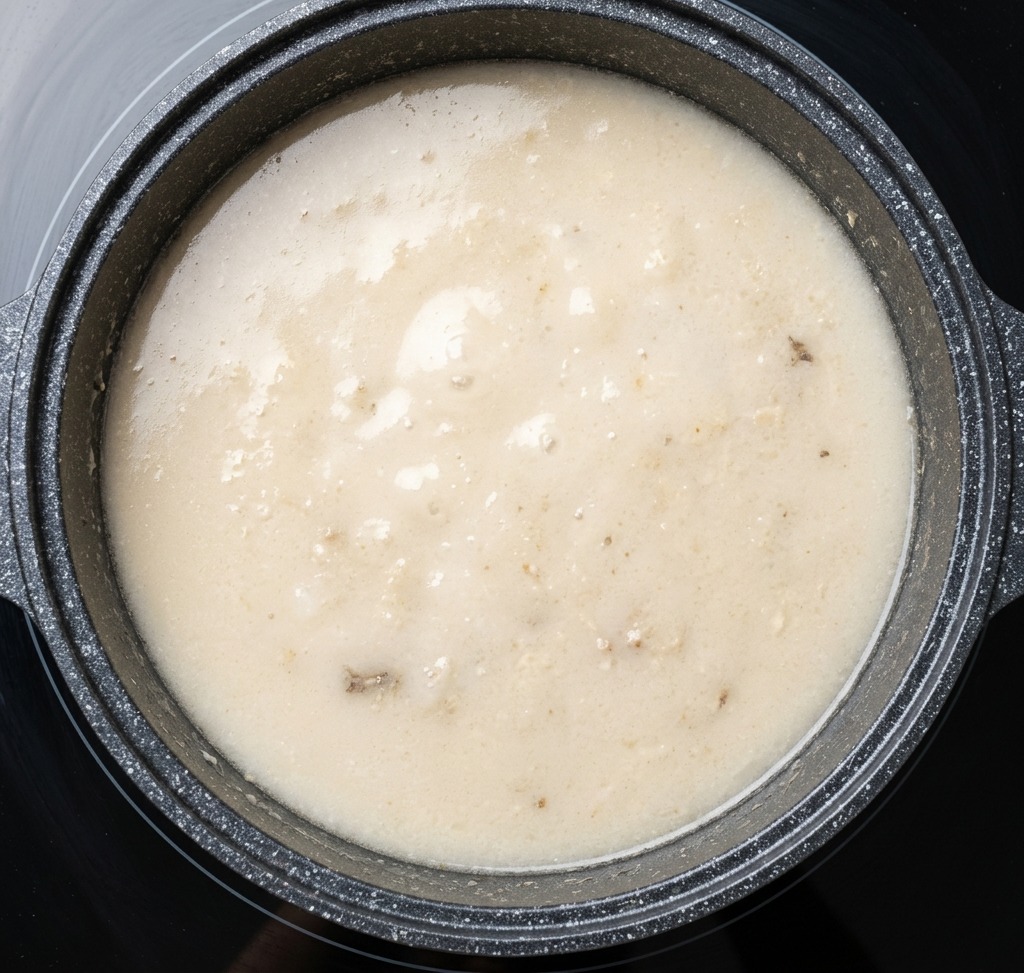
Start by boiling pork bones and trotters in a large pot over high heat for an extended period. This process extracts the marrow and collagen, resulting in a thick, creamy white Tonkotsu broth that is completely natural and rich in flavor.
Tip: Maintain a vigorous boil throughout this process; the high heat is essential for emulsifying the fats into the water to achieve that signature milky texture. - 2Simmer the kombu marinade
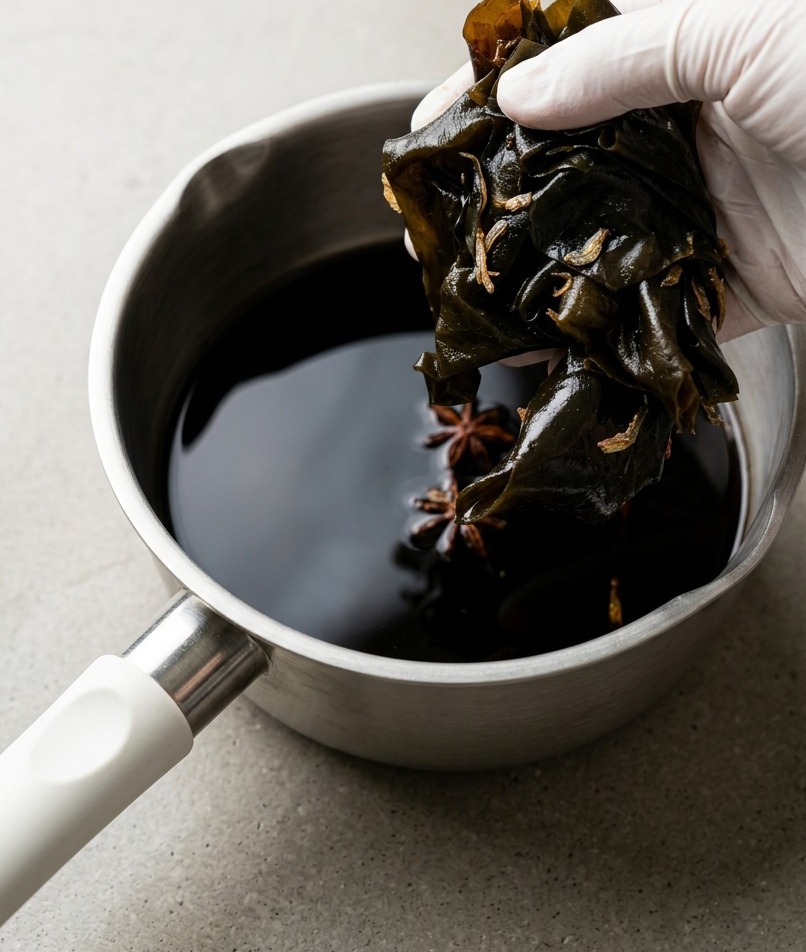
Combine soy sauce, seasonings, and aromatics like star anise and dried shrimp in a saucepan. Add pieces of dried kombu and simmer the mixture to create a deep, umami-rich dark sauce that will be used for marinating the chashu and eggs.
Tip: Remove the kombu just as the liquid begins to simmer to prevent any bitter flavors from leaching into your marinade. - 3Simmer the mushrooms and kombu
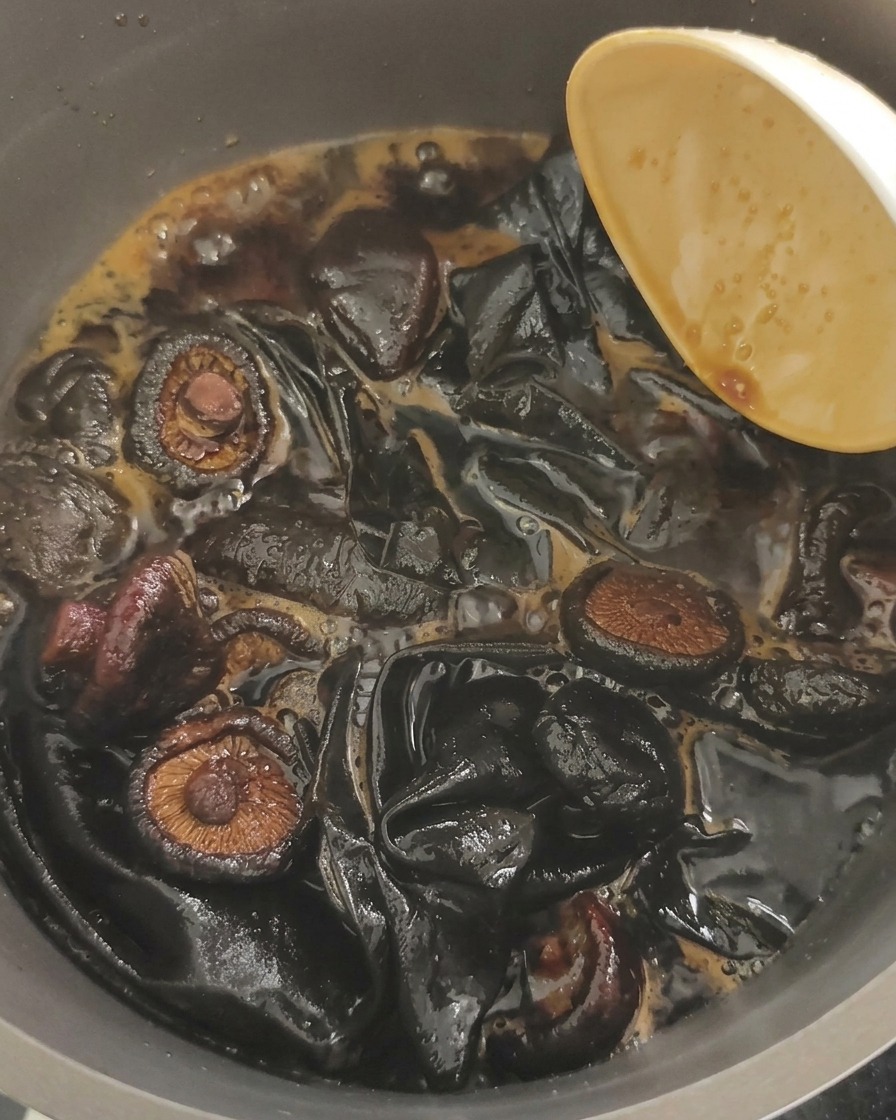
Place the wood ear mushrooms and kombu into a pot filled with the dark soy-based seasoning liquid. Simmer the mixture over low heat to allow the ingredients to absorb the savory flavors and create a rich, concentrated base.
Tip: Simmer gently rather than boiling vigorously to keep the kombu from releasing a bitter or slimy texture into the liquid. - 4Roast the marinated pork
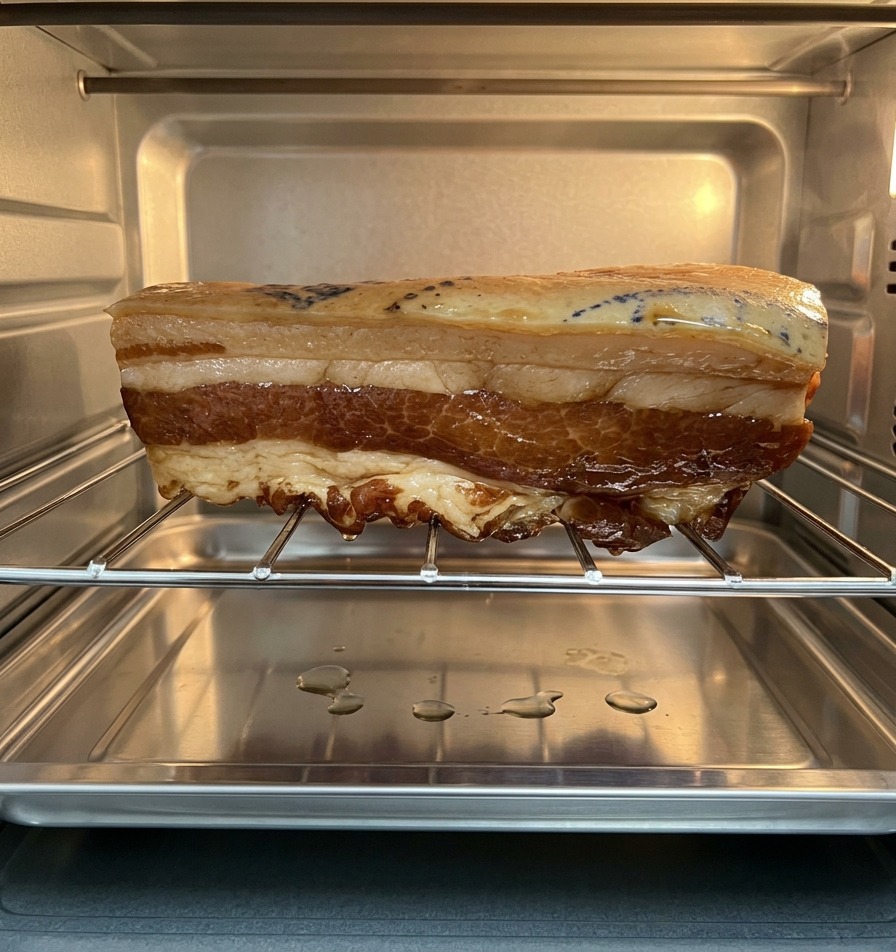
Place the marinated pork belly slab onto a wire rack inside the oven and roast until the exterior is beautifully browned. This roasting stage renders out initial fat and develops a savory crust that enhances the overall depth of the meat.
Tip: Placing the meat on a wire rack allows hot air to circulate underneath, ensuring the pork belly browns evenly on all sides. - 5Slow cook the chashu
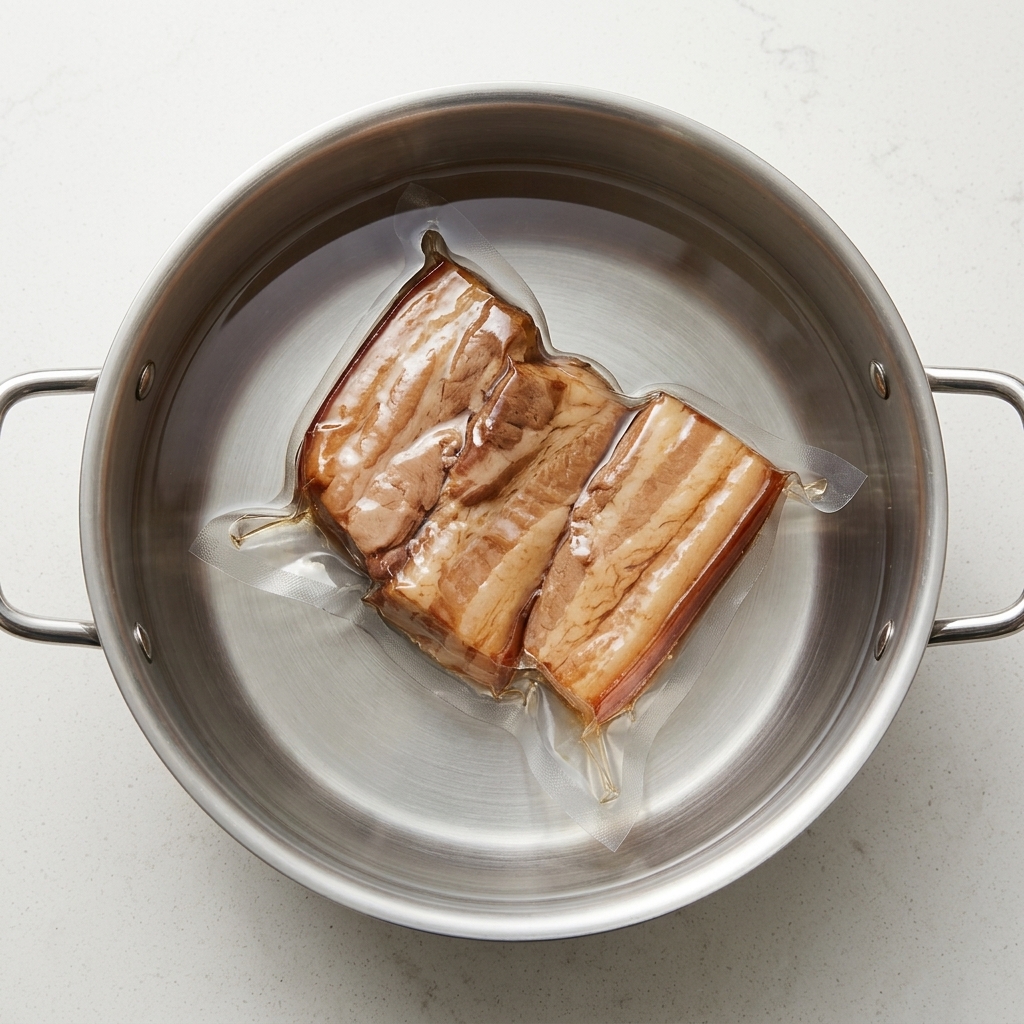
Place the roasted pork belly into vacuum-sealed bags with a bit of marinade and submerge them in a water bath. Use a low-temperature slow-cooking method to break down the connective tissues, achieving a melt-in-your-mouth tenderness.
Tip: Ensure the bags are completely submerged and airtight; any trapped air can cause the bags to float and result in uneven cooking. - 6Season the bamboo shoots
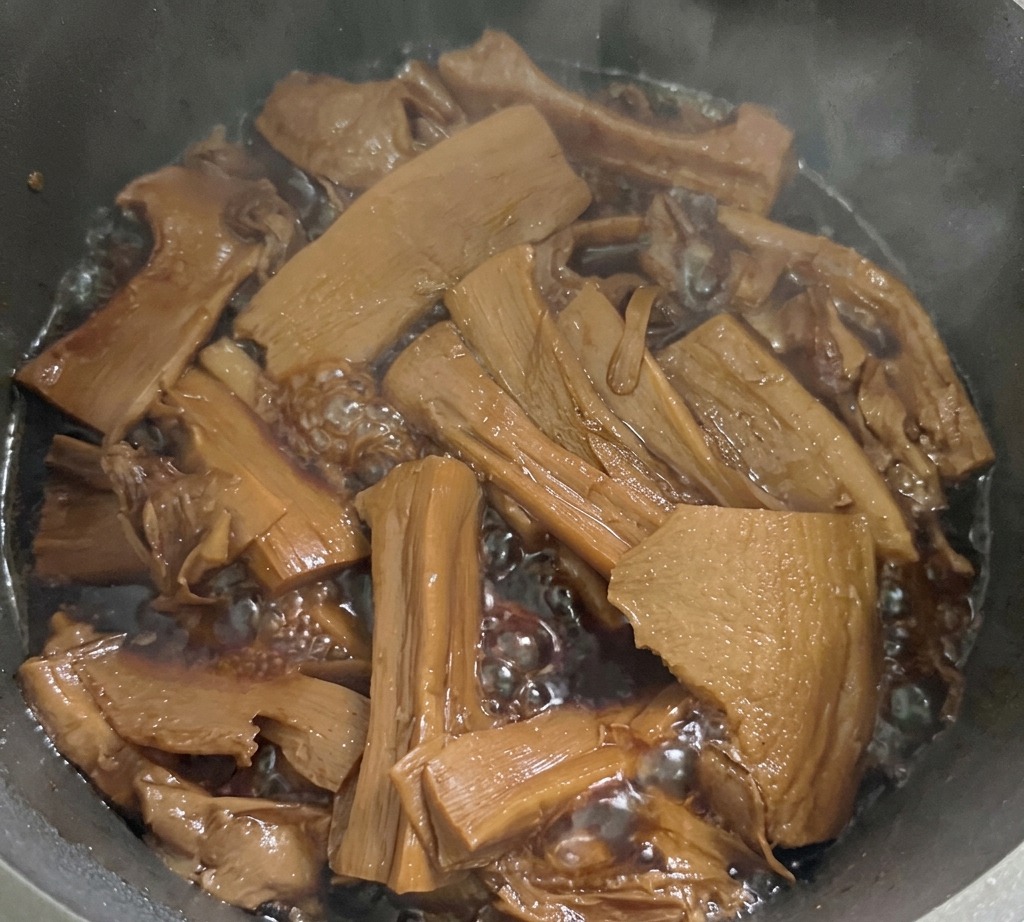
Boil the soaked bamboo shoots in a pot filled with a dark seasoning liquid. This allows the bamboo to absorb the salty and savory notes of the soy base, transforming them into a flavorful and crunchy topping for the ramen.
Tip: Simmer the shoots until the liquid reduces slightly to ensure the flavors are concentrated and well-absorbed by the bamboo. - 7Fry the garlic slices
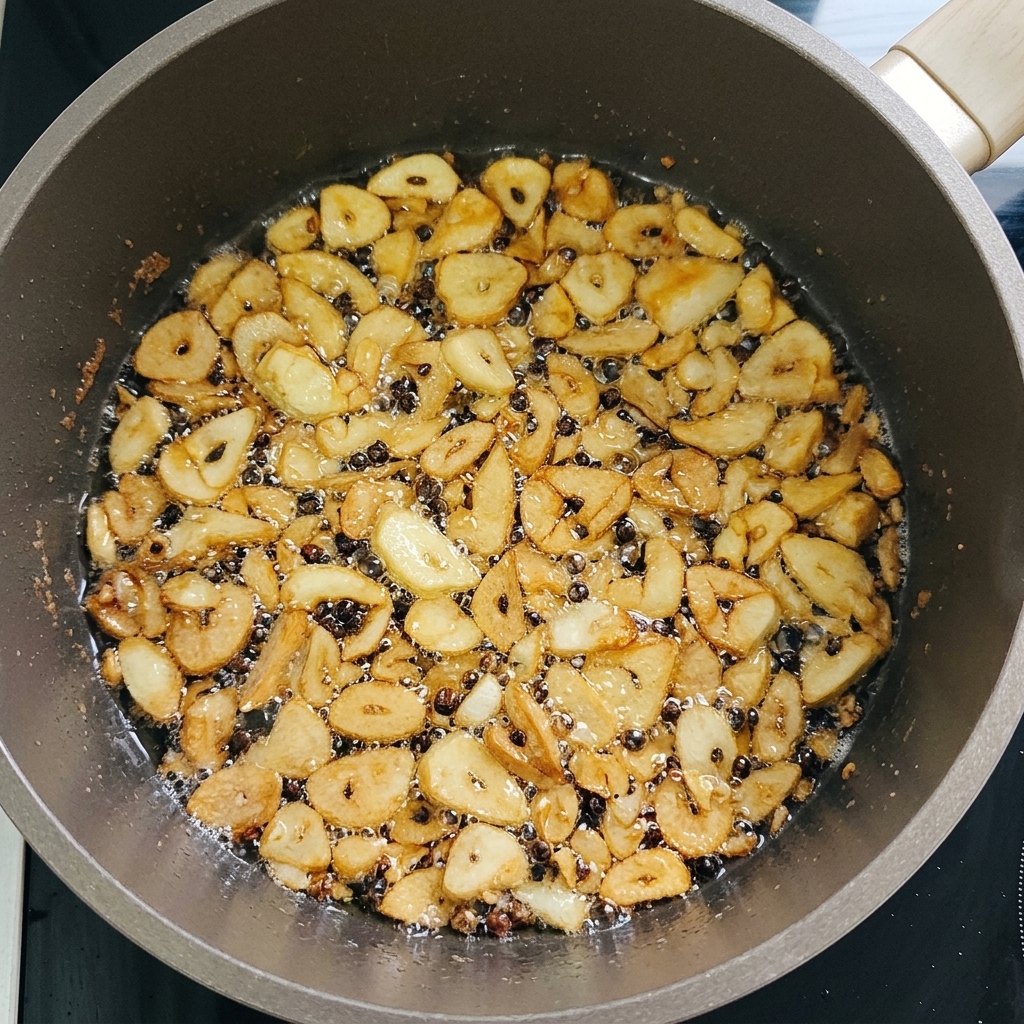
Add the thinly sliced garlic to a small pan with oil. Fry over medium-low heat, stirring frequently, until the garlic slices turn a uniform golden brown and become fragrant.
Tip: Watch the pan closely as garlic can transition from golden to burnt and bitter in just a few seconds. - 8Prepare the black garlic oil
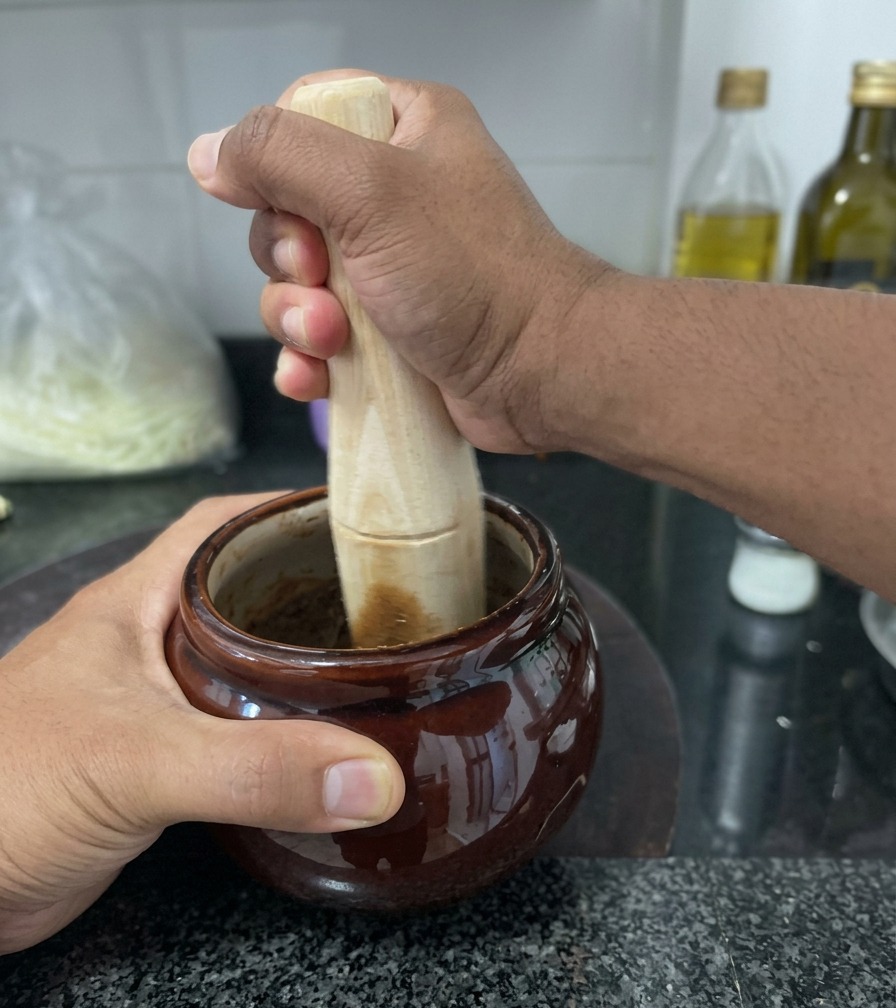
Pound the fried garlic in a small ceramic mortar and pestle until it forms a smooth, dark paste. This concentrated garlic base will be combined with oil to create a fragrant black garlic oil, adding a layer of smoky depth and complexity to the ramen broth.
Tip: Make sure to pound the garlic thoroughly until no large chunks remain to ensure the flavor infuses evenly into the oil. - 9Cook the ramen noodles
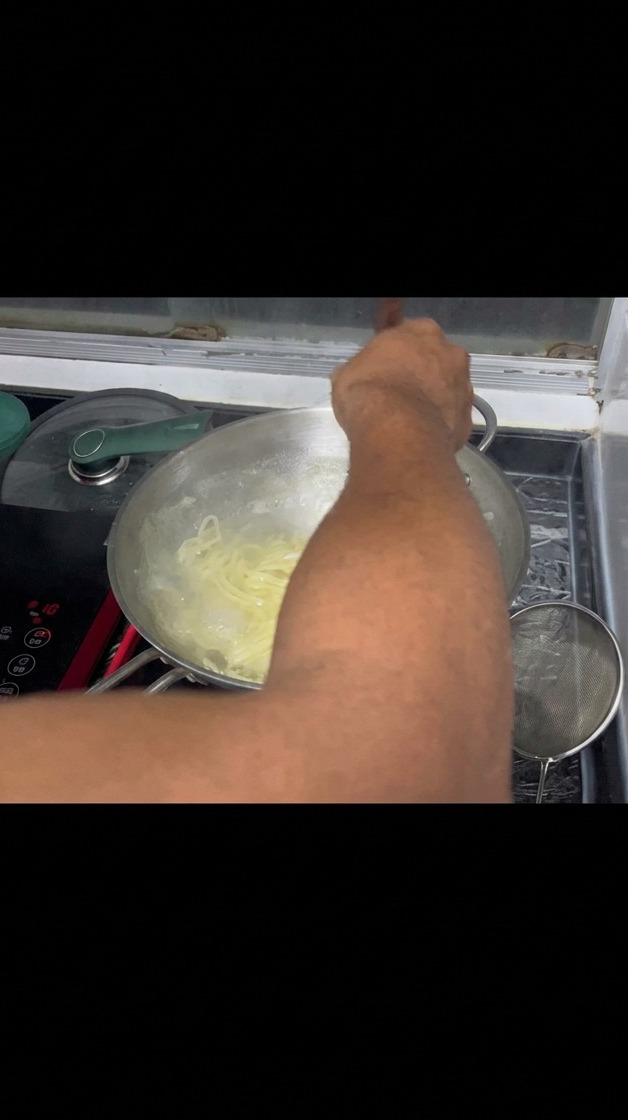
Bring a large pot of water to a rolling boil and add the fresh thin ramen noodles. Use chopsticks or a noodle strainer to stir them gently, ensuring they dont stick together. Cook them until they reach an al dente texture, as they will continue to soften slightly once added to the hot broth.
Tip: Fresh noodles cook very quickly, often in less than two minutes, so stay close and test the texture frequently. - 10Season the ramen bowls
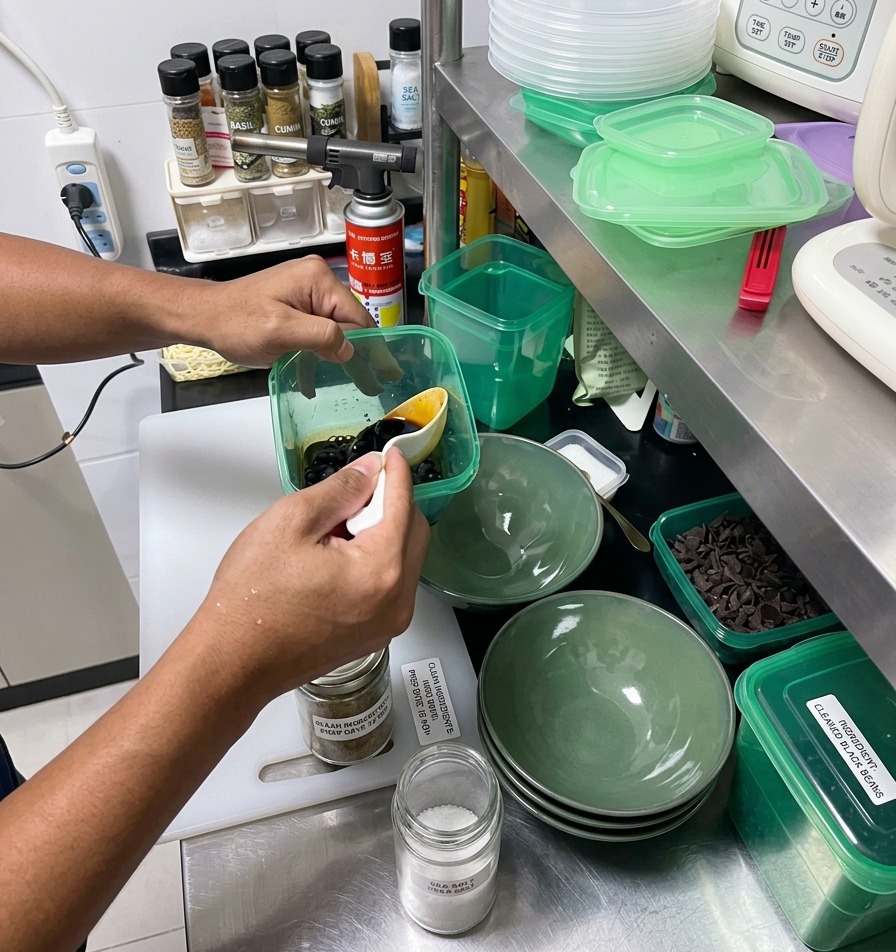
Prepare the serving bowls by portioning the soy-based tare and a scoop of lard into the bottom of each ceramic bowl. This ensures the seasoning is ready to emulsify when the hot broth is added.
Tip: Warming your bowls with hot water before adding the tare helps the lard melt quickly and keeps the final dish hot. - 11Add the creamy pork broth
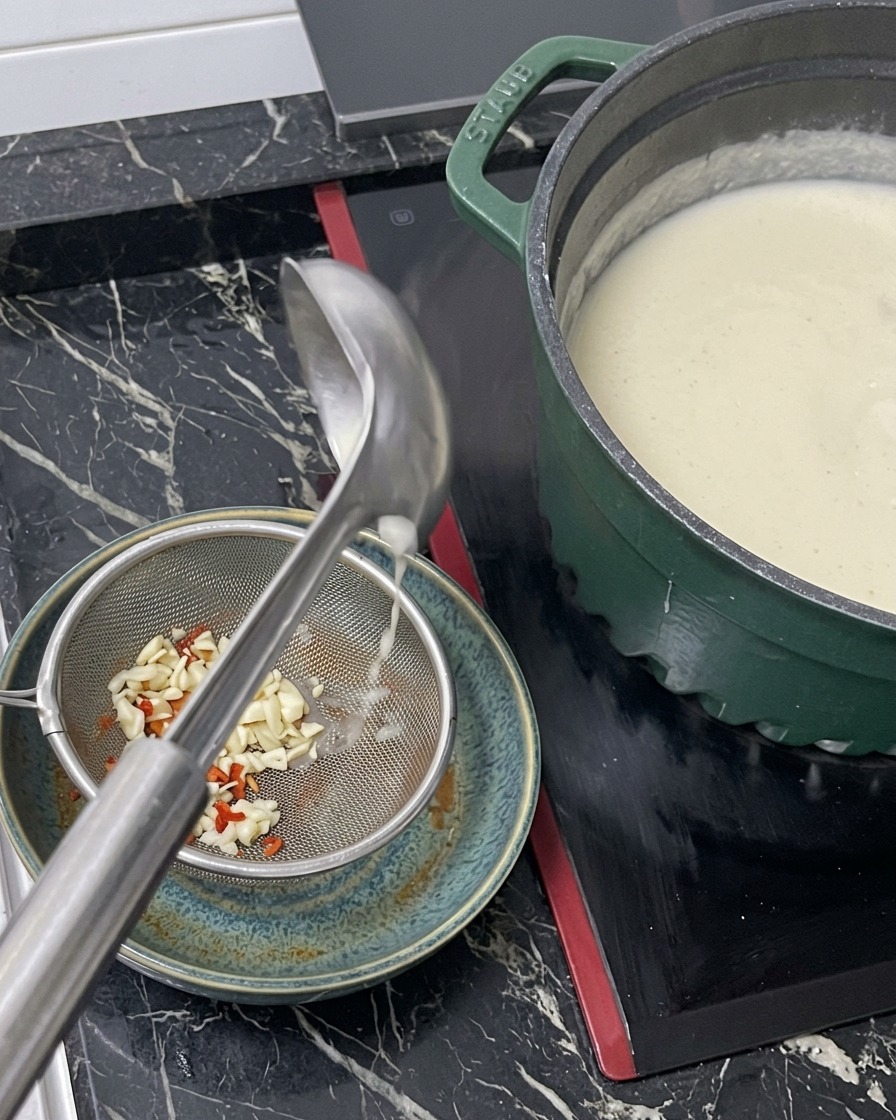
Ladle the hot, creamy white tonkotsu broth into the seasoned bowls. Use a fine-mesh strainer during the pour to catch any small bone fragments or aromatics, ensuring a perfectly smooth soup consistency.
Tip: Straining the broth directly into the bowl helps maintain its temperature while removing any unwanted impurities. - 12Combine noodles and broth
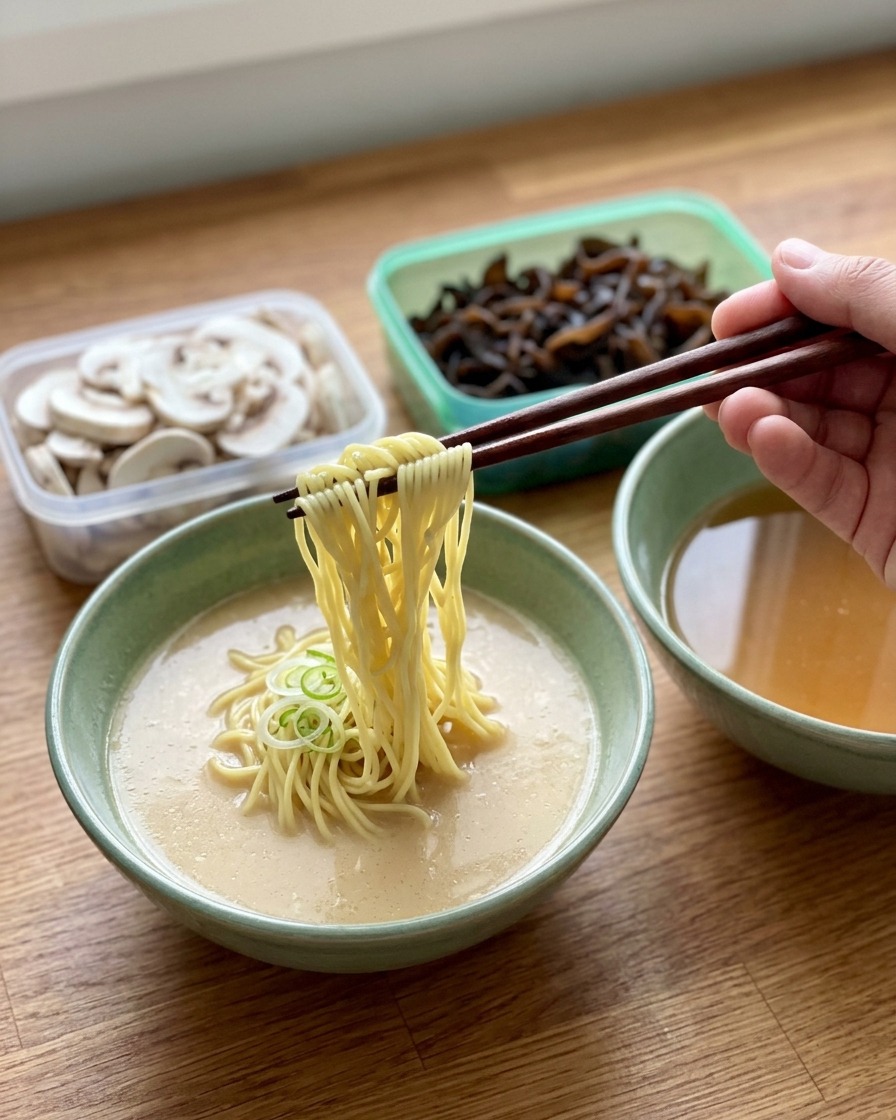
Carefully lift the cooked noodles from the boiling water and place them into the bowl already filled with the seasoned tonkotsu broth. Use chopsticks to gently lift and fold the noodles, ensuring they are evenly coated by the creamy soup and properly seated in the bowl for topping.
Tip: Work quickly during this step to prevent the noodles from clumping and to ensure the dish is served while the broth is piping hot. - 13Prepare the marinated eggs
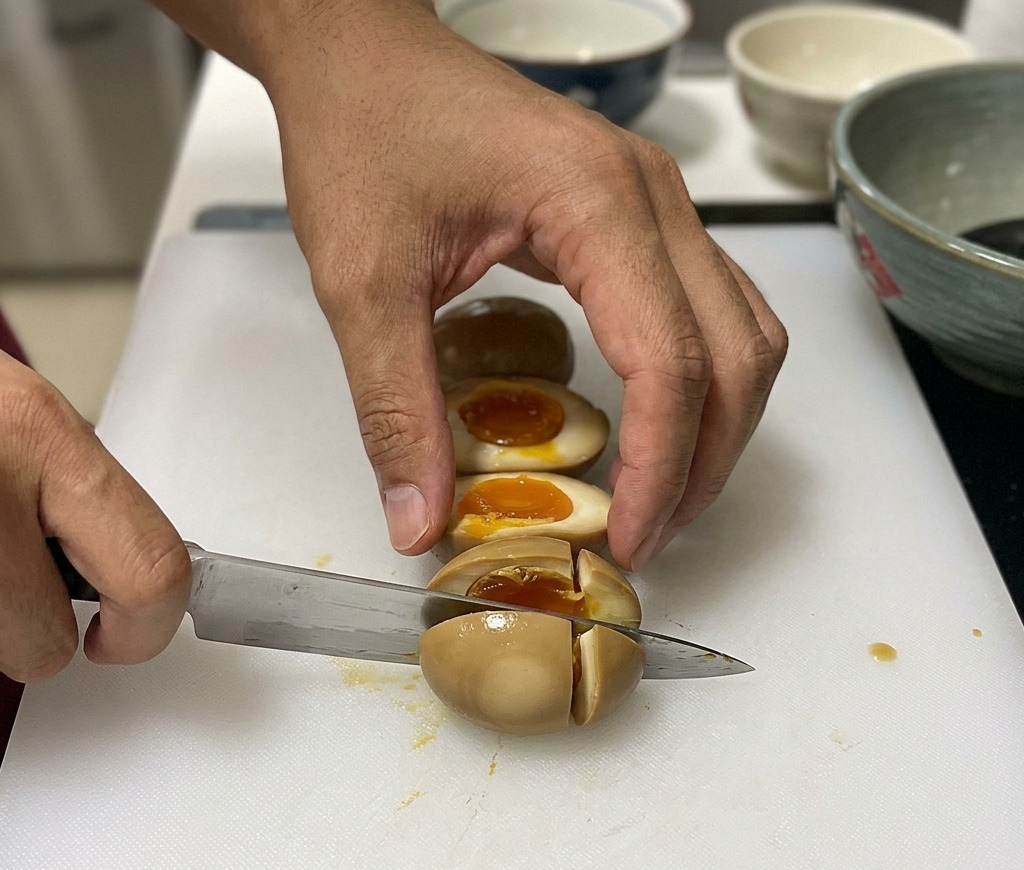
Take the soft-boiled eggs that have been marinating in the soy-kombu mixture and carefully slice them in half lengthwise. A sharp knife or a piece of fishing line will give you a clean cut, revealing the perfectly set whites and the rich, jammy orange yolks that are characteristic of high-quality ramen.
Tip: Wiping your knife with a damp cloth between cuts will help keep the yolks looking clean and professional. - 14Sear the chashu slices
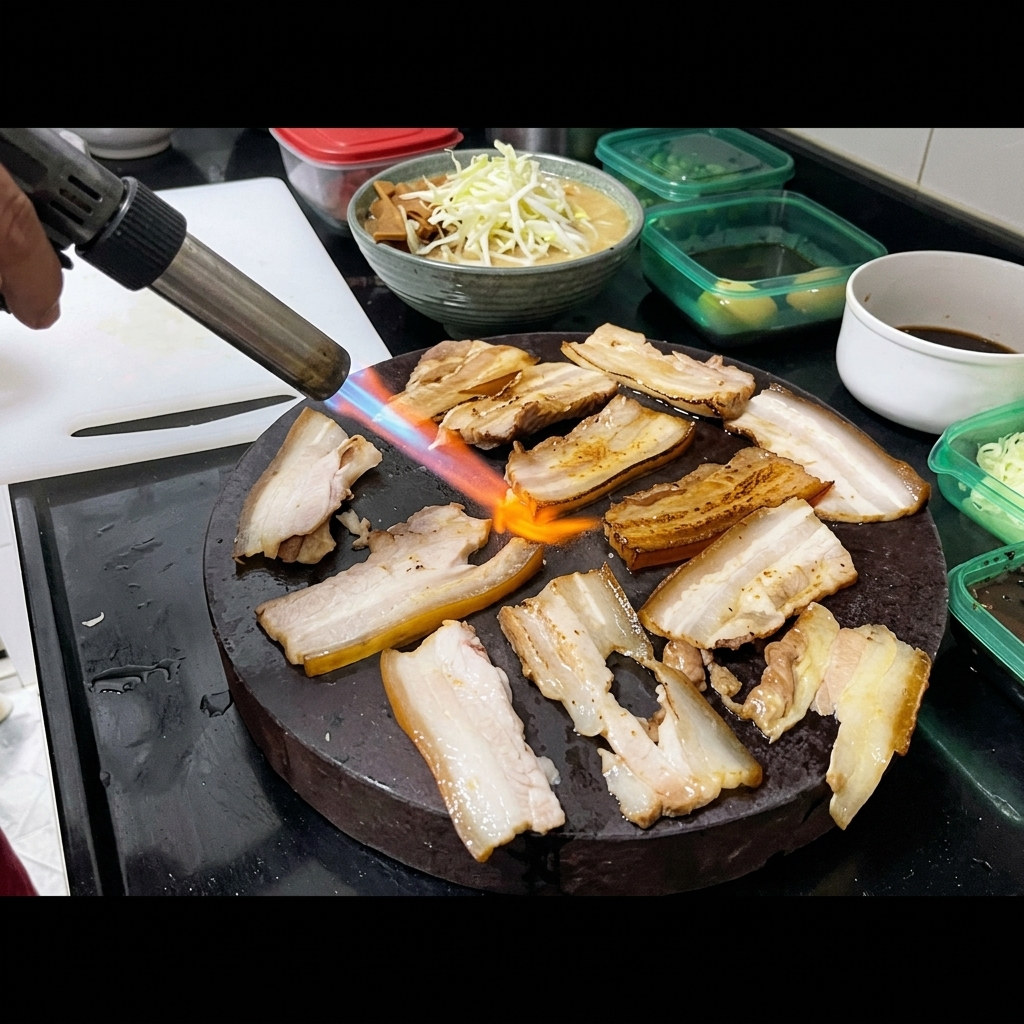
Use a kitchen torch to sear the slices of cooked pork belly until they are lightly charred and the fat begins to sizzle. This finishing touch enhances the aroma and adds a delicious smoky depth to the meat before it is placed atop the ramen.
Tip: Keep the torch flame at a slight distance and move it continuously to achieve an even char without burning the meat. - 15Assemble and Garnish with Black Garlic Oil
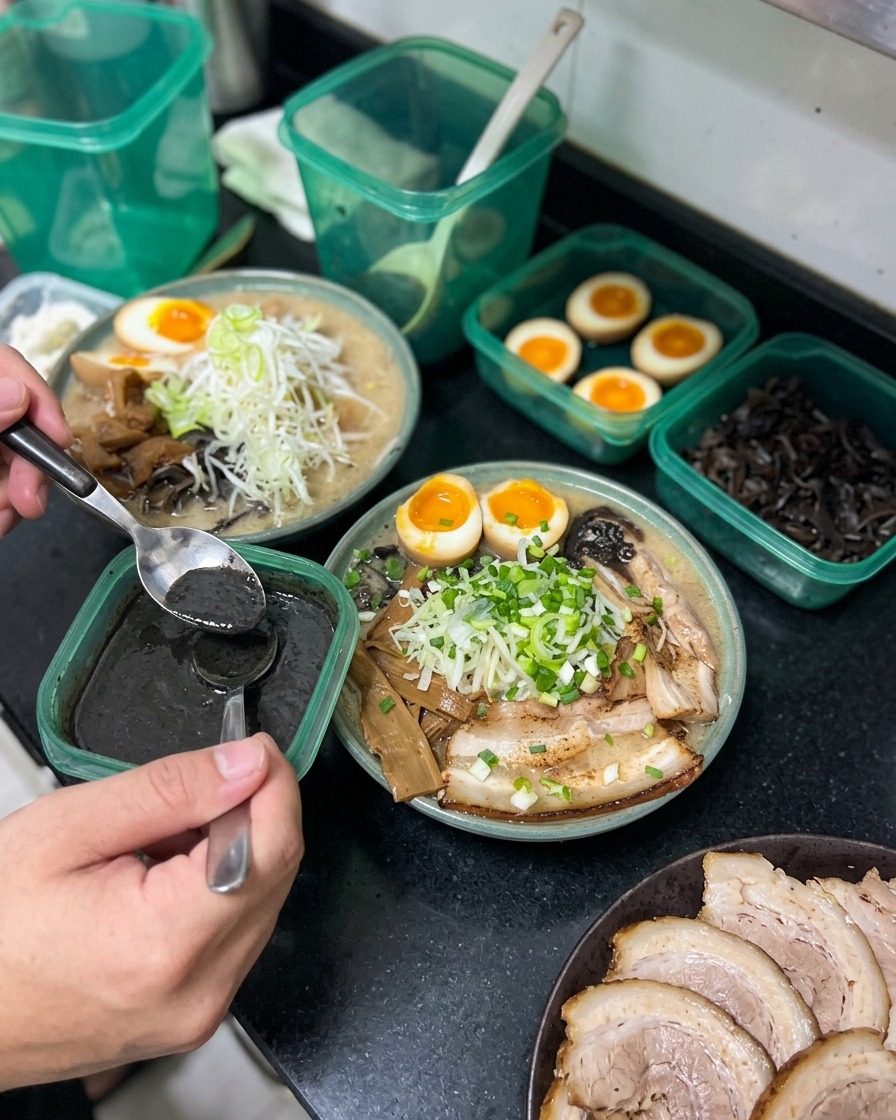
Finish the dish by drizzling a spoonful of the aromatic black garlic oil over the surface of the ramen. The dark oil will create beautiful contrast against the creamy white broth. Complete the assembly by neatly arranging the seared chashu, jammy eggs, bamboo shoots, and fresh scallions on top before serving immediately.
Tip: Pour the oil slowly in a circular motion to create a visually appealing swirl on the surface of the soup.