Authentic Tonkotsu Ramen (Pork Bone Broth Noodle Soup)
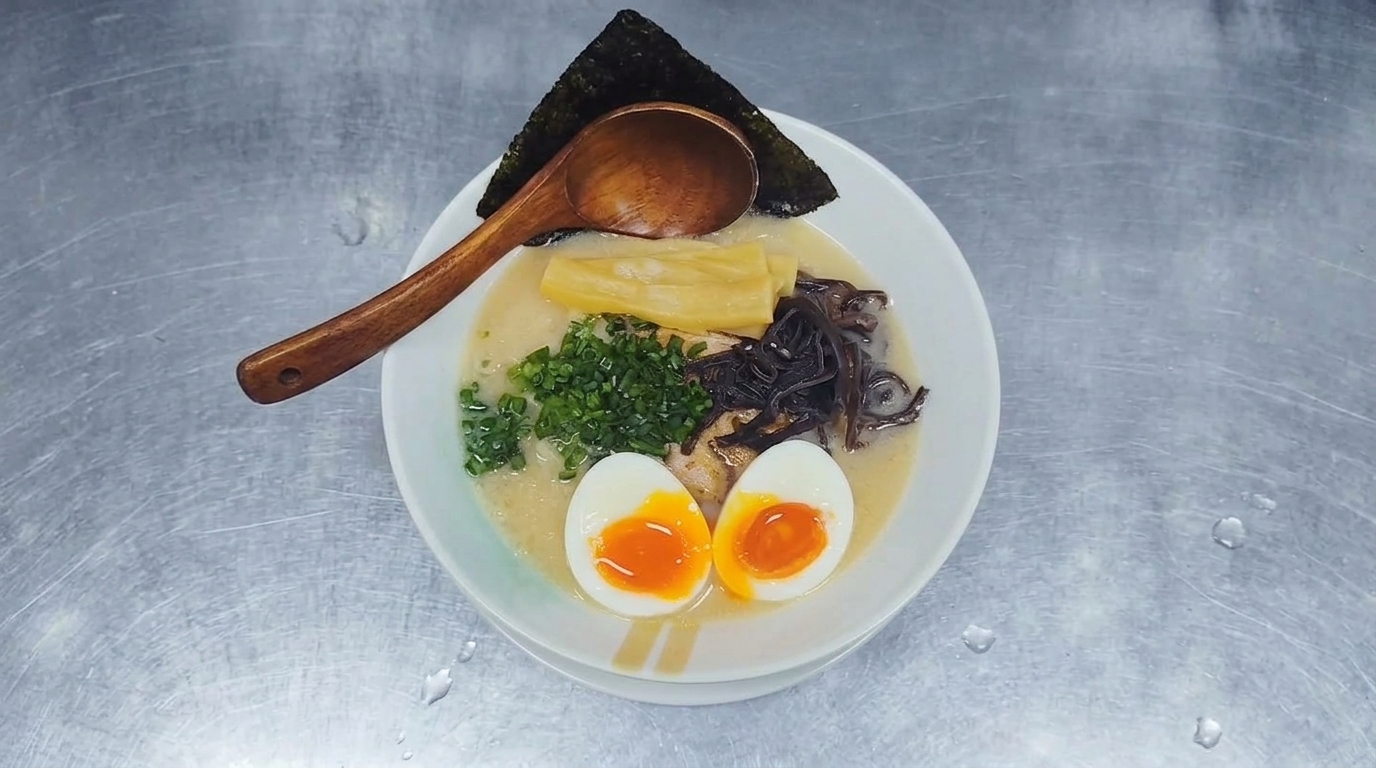
Master authentic Tonkotsu ramen at home. Featuring a rich, creamy pork bone broth, chewy noodles, tender chashu, and perfectly jammy soft-boiled eggs.
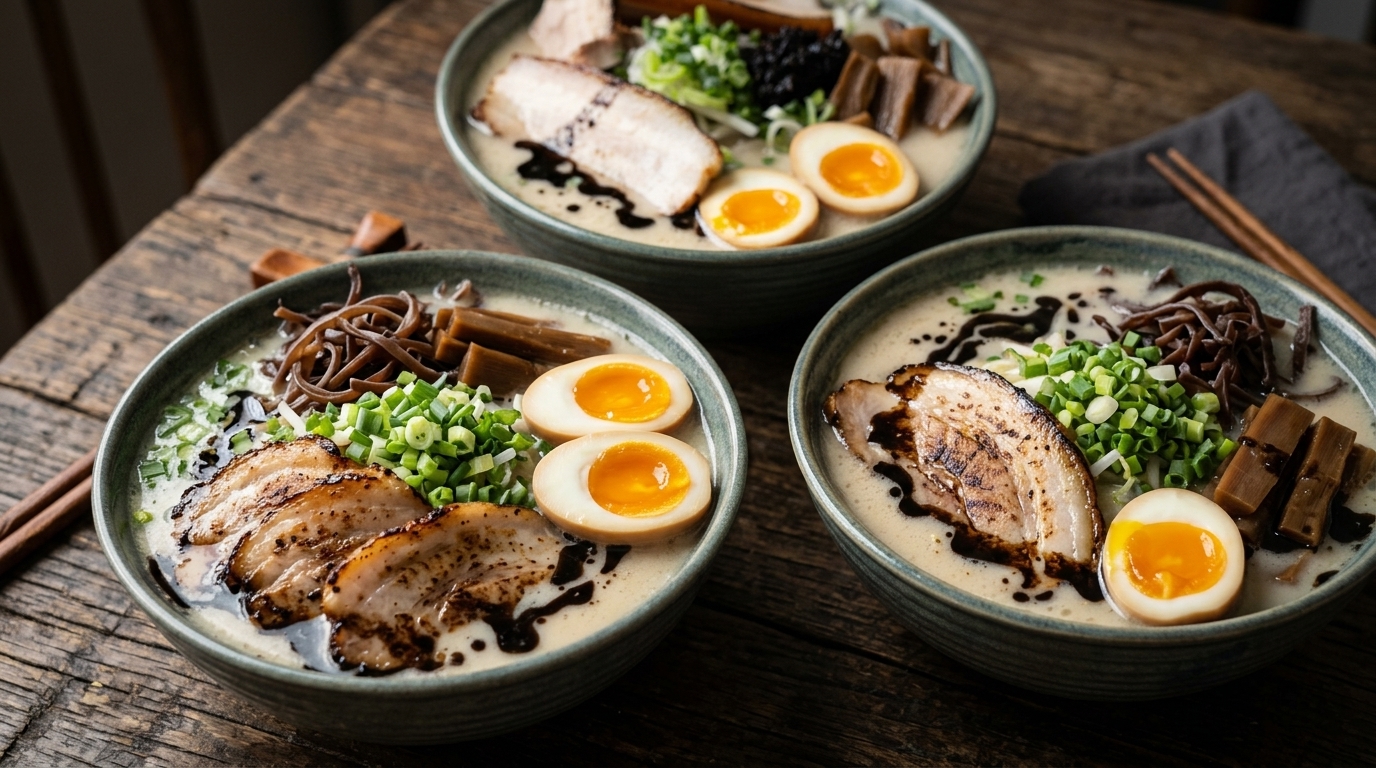
Tonkotsu ramen originates from Fukuoka on the island of Kyushu, famous for its deeply savory, cloudy pork bone broth. Achieving this signature creamy texture requires carefully emulsifying the broth through a gentle, persistent simmer. Paired with a concentrated tare and distinct toppings, it represents a perfect harmony of rich flavors and varied textures.
Ingredients
- 2 portions fresh ramen noodles
- 4 cups Tonkotsu pork bone broth
- 4 tbsp ramen seasoning base (tare)
- 4 slices chashu pork
- 2 whole soft-boiled eggs (Ajitsuke Tamago)
- 14 cup wood ear mushrooms (kikurage), sliced
- 14 cup bamboo shoots (menma)
- 2 tbsp green onions, finely chopped
- 2 sheets nori seaweed
Instructions
- 1Prepare the seasoning base

Measure out the liquid seasoning base into a cup. This concentrated sauce provides the foundational umami flavor for the ramen broth.
Tip: Ensure the seasoning base is well-mixed before measuring so all the flavors are evenly distributed. - 2Prepare the ramen toppings

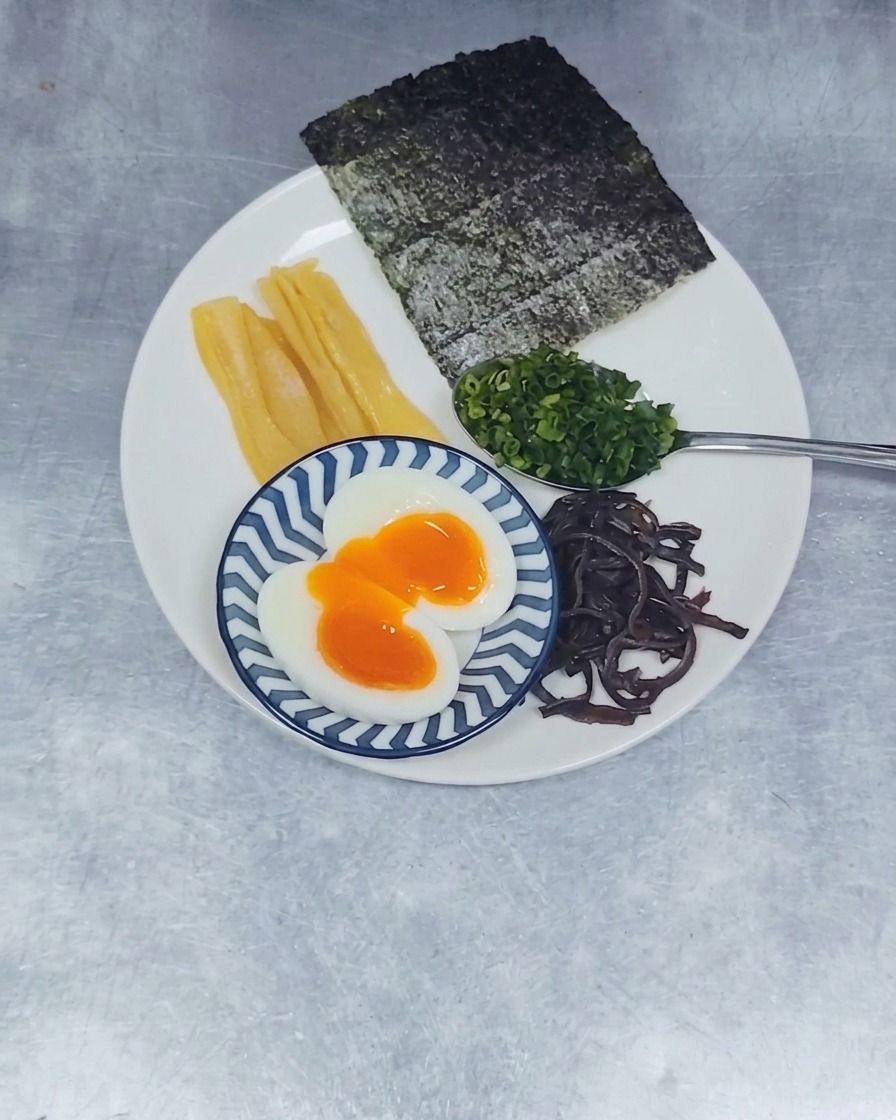
Gather and prepare all the essential toppings for your Tonkotsu ramen. This includes crisp sheets of nori seaweed, marinated bamboo shoots, finely chopped green onions, sliced wood ear mushrooms, and a perfectly soft-boiled egg cut in half to reveal its jammy yolk.
Tip: To get a perfect jammy yolk, boil large eggs for exactly 6 and a half minutes, then immediately shock them in an ice bath before peeling. - 3Slice the chashu pork
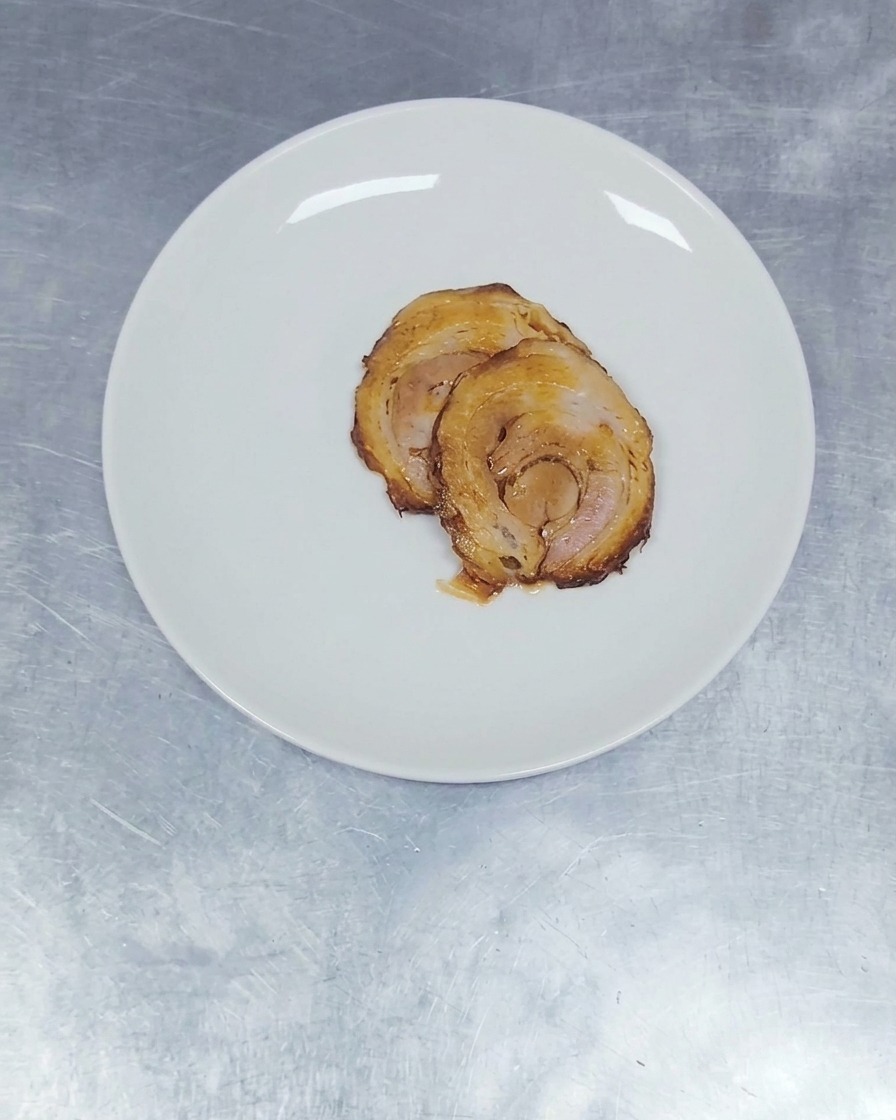
Prepare the protein for your ramen by slicing the tender, braised chashu pork. These slices should be thin enough to melt into the hot broth but thick enough to hold their shape until served. The pork provides a rich, savory depth to the final dish.
Tip: For the cleanest slices, chill the chashu pork in the refrigerator before cutting, then let the slices come to room temperature or warm them slightly before plating. - 4Boil the ramen noodles
Bring a large pot of water to a vigorous rolling boil. Once the water is ready, add your ramen noodles and cook them according to the package instructions until they reach your desired texture. Ensure there is plenty of water so the noodles can move freely and cook evenly.
Tip: Dont salt the water for ramen noodles like you would for pasta; ramen noodles already contain salt and alkaline minerals that provide their signature chew. - 5Heat the Tonkotsu broth
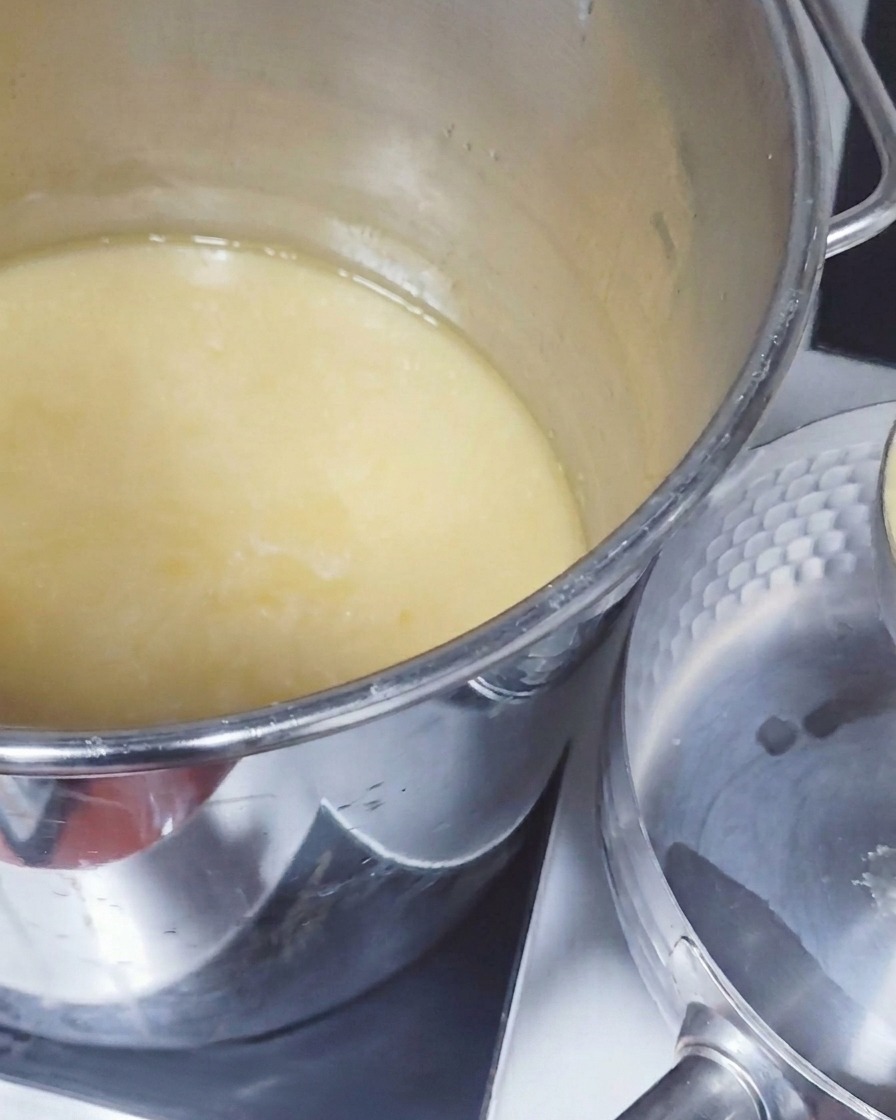
Transfer the rich, creamy pork bone broth from the main stockpot into a smaller pot for final heating. The broth should be steaming hot before it is combined with the seasoning base in the serving bowl to ensure the entire dish is served at the correct temperature.
Tip: Keep the broth at a gentle simmer rather than a hard boil to maintain its creamy emulsified texture without it separating. - 6Heat the serving bowl
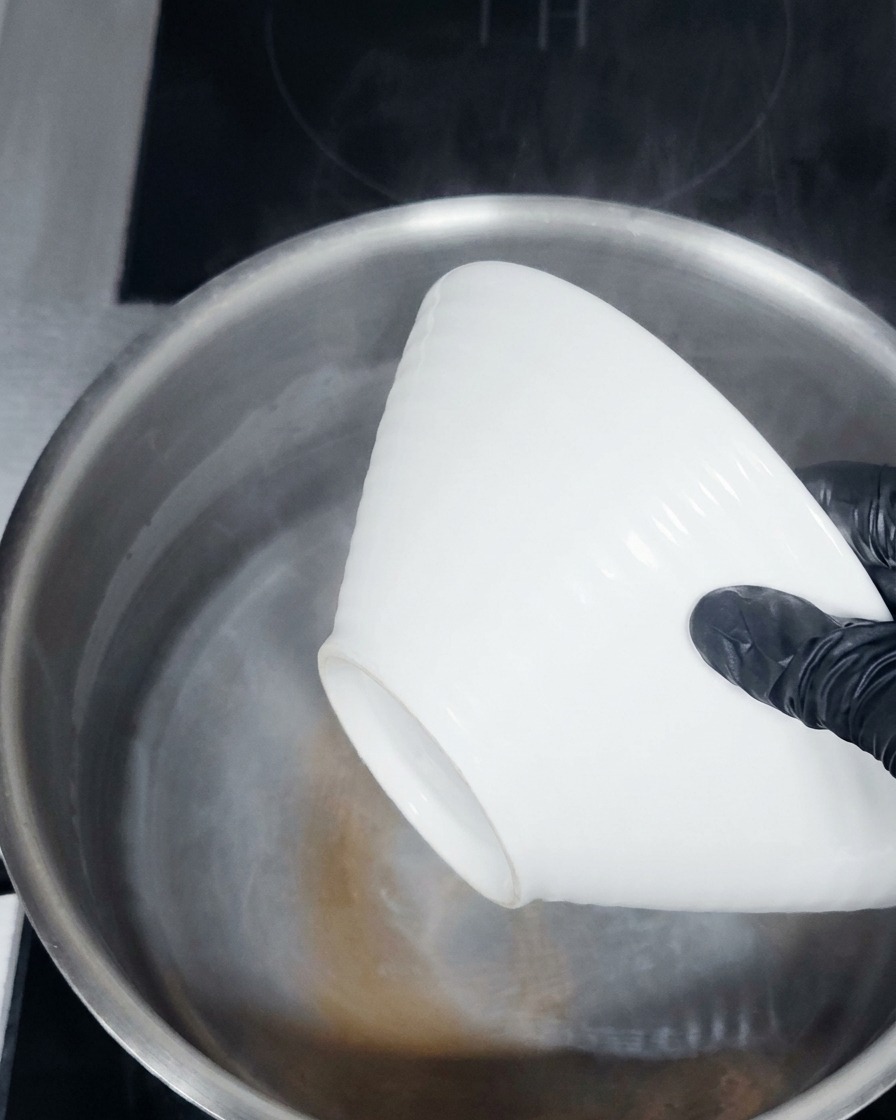
Carefully place a white ceramic serving bowl into a pot of boiling water to warm it up. A hot bowl ensures the ramen broth stays piping hot while you assemble the dish and eat.
Tip: Use heat-resistant gloves or tongs to handle the hot bowl safely and avoid burns. - 7Add the seasoning base
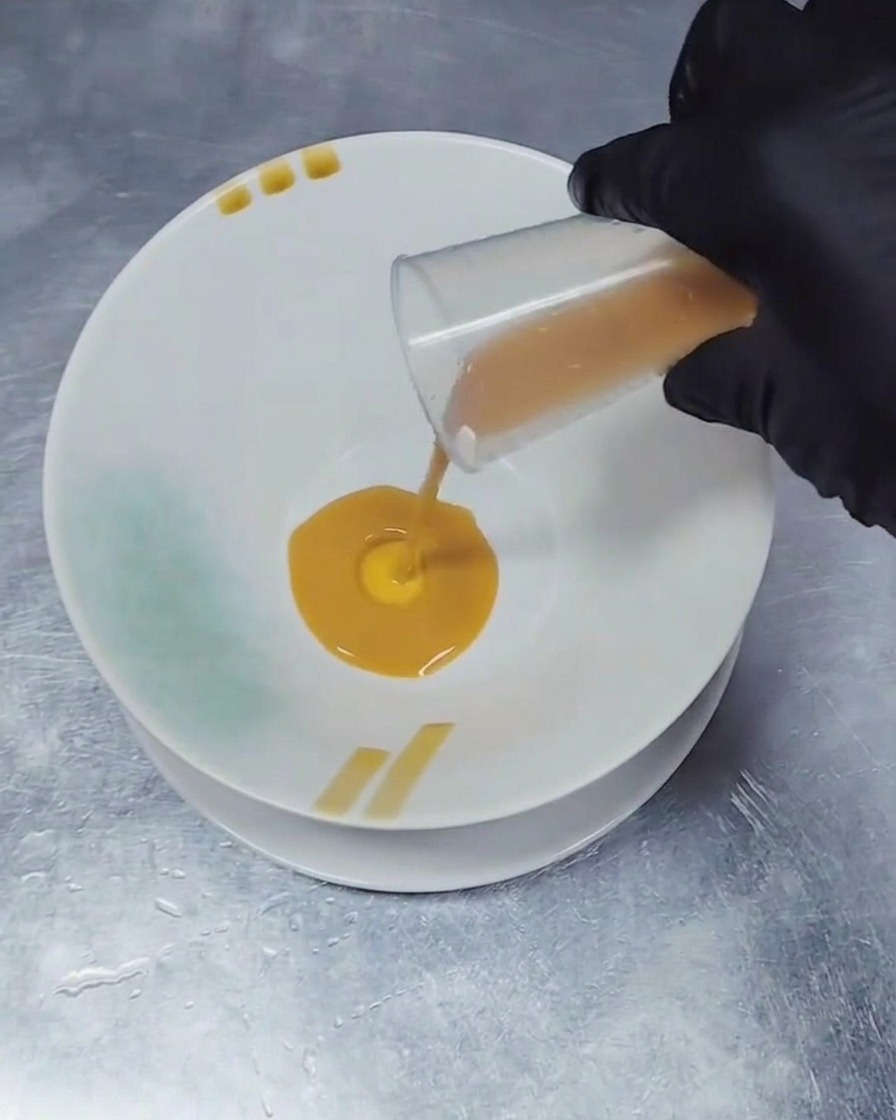
Begin assembling the bowl by pouring the concentrated seasoning liquid, or tare, into the bottom of a pre-heated ramen bowl. This concentrated sauce provides the primary salt and umami profile that will flavor the creamy pork broth.
Tip: Warming your bowl with hot water before adding the ingredients helps keep your ramen hot from the first bite to the last. - 8Combine broth and seasoning
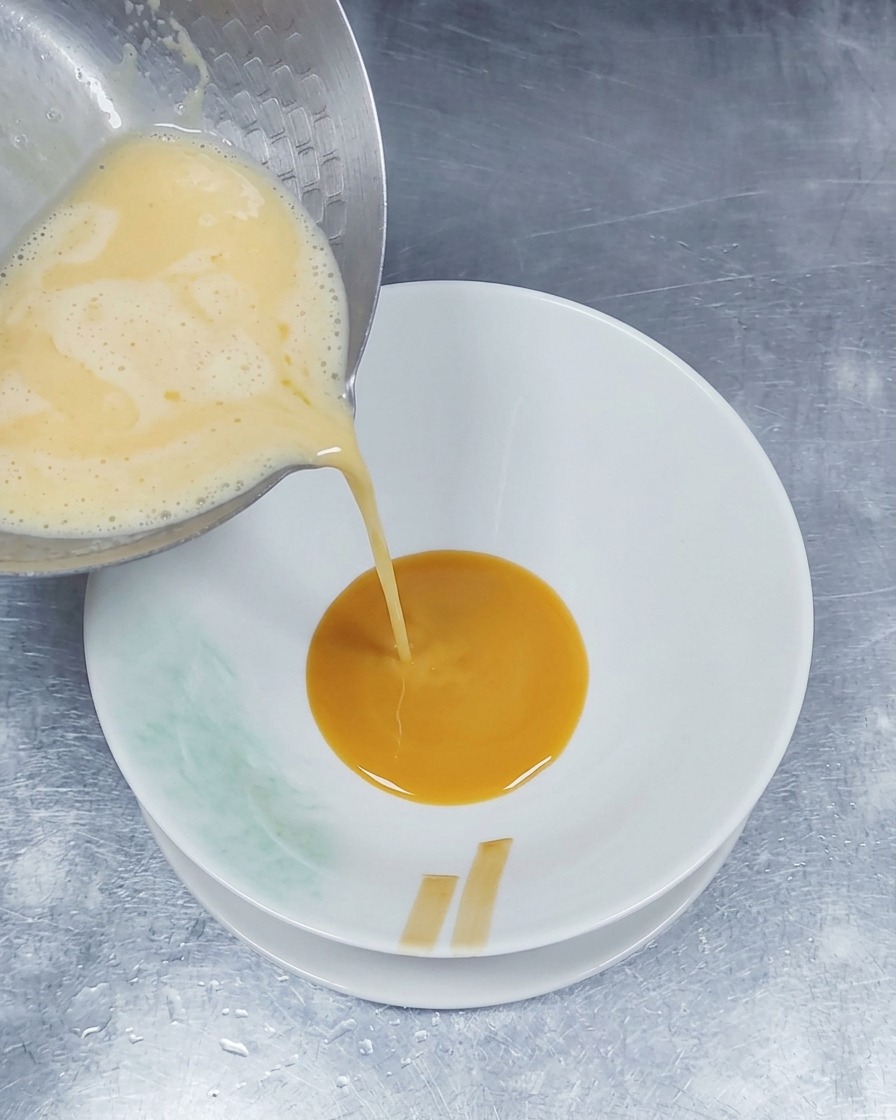
Carefully pour the hot, creamy Tonkotsu broth over the seasoning base in the serving bowl. The motion of pouring should naturally help mix the tare with the broth, creating a uniform, flavorful soup base ready for the noodles.
Tip: Pour the broth slowly to avoid splashing the concentrated seasoning up the sides of the bowl for a cleaner final presentation. - 9Add the ramen noodles
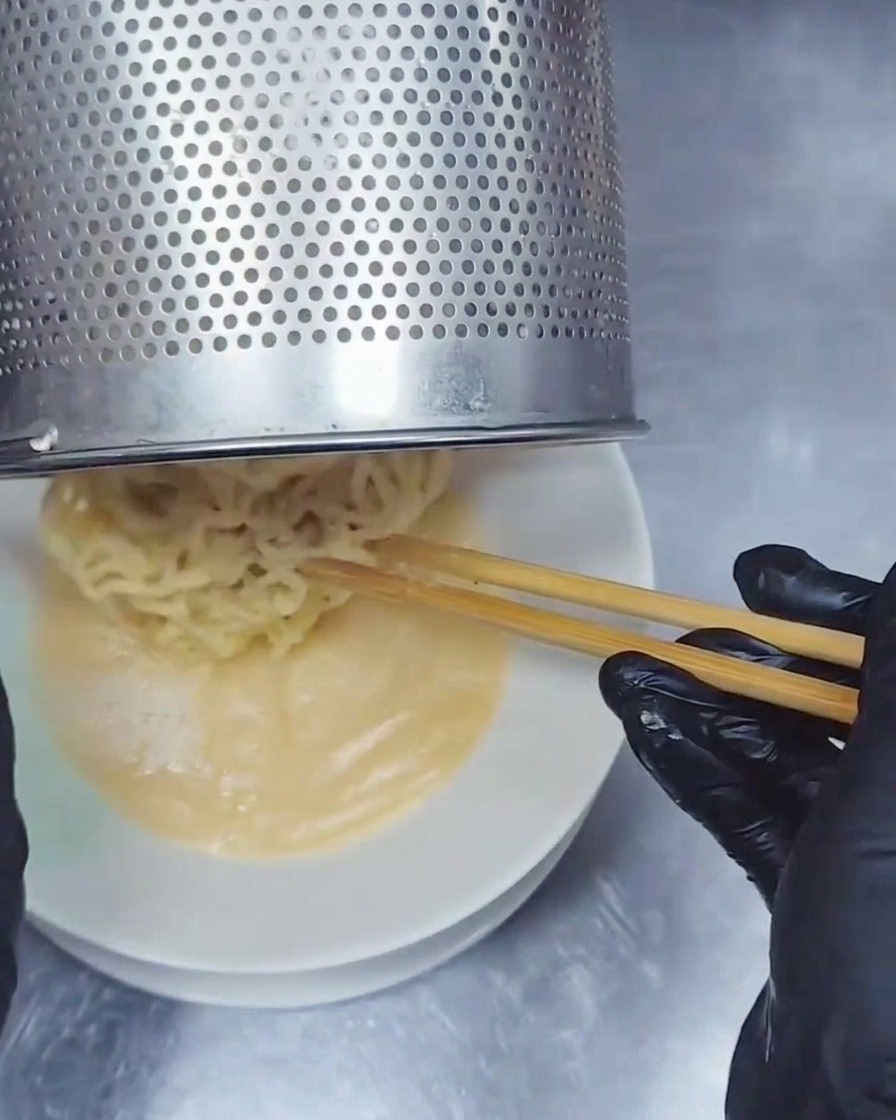
Carefully slide the freshly boiled and strained ramen noodles into the bowl of hot pork bone broth. Use chopsticks to gently loosen and spread the noodles so they are fully submerged and evenly distributed throughout the soup base.
Tip: Ensure the noodles are shaken vigorously in the strainer to remove excess starch and water before adding them to the bowl to keep the broth pure. - 10Place the chashu pork
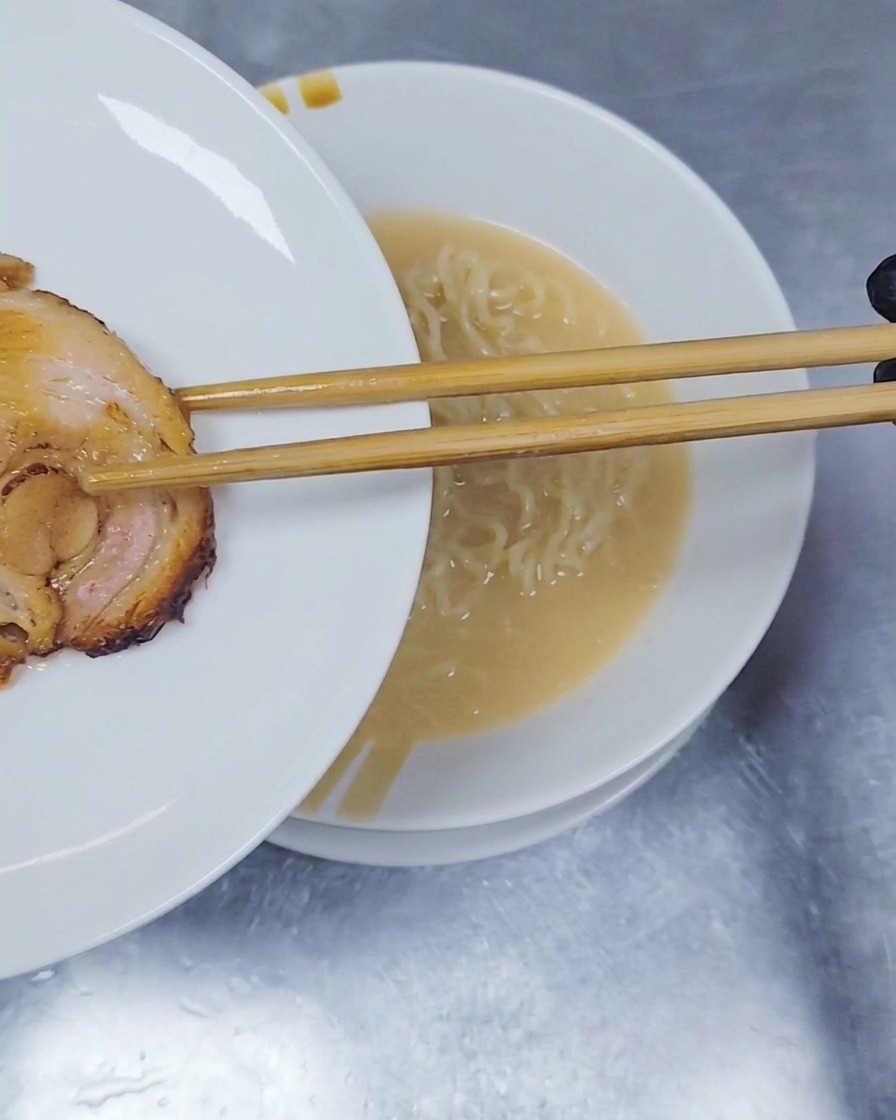
Using chopsticks, gently lay a slice of tender, braised chashu pork onto the surface of the noodles. Position the pork to one side of the bowl to create a balanced presentation for the remaining toppings.
Tip: If the chashu has been refrigerated, the heat from the hot broth will gently warm the fat, making it melt-in-the-mouth tender. - 11Add the soft-boiled egg
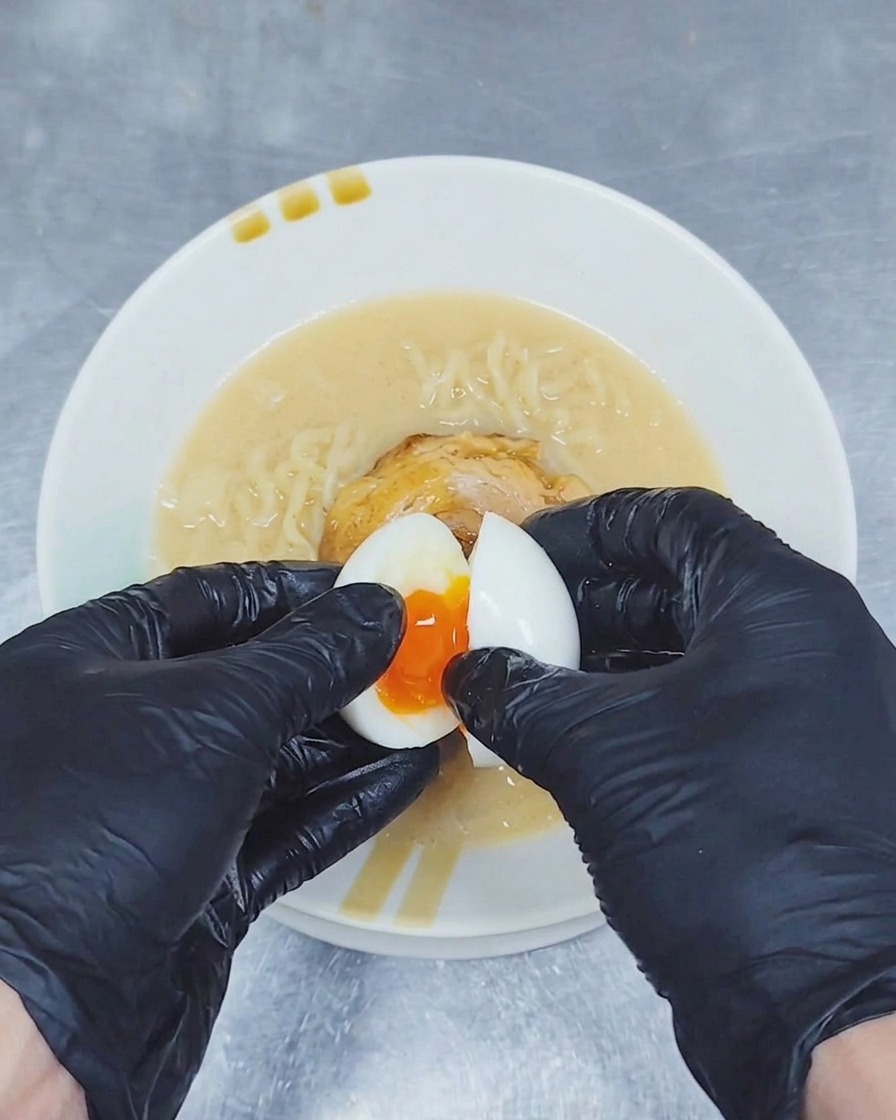
Carefully split a marinated soft-boiled egg into two halves to showcase the jammy, vibrant yolk. Place both halves into the soup, resting them against the pork and noodles for a classic ramen appearance.
Tip: For the best flavor, use an Ajitsuke Tamago that has been marinated in soy sauce, mirin, and aromatics for at least 24 hours. - 12Garnish with wood ear mushrooms
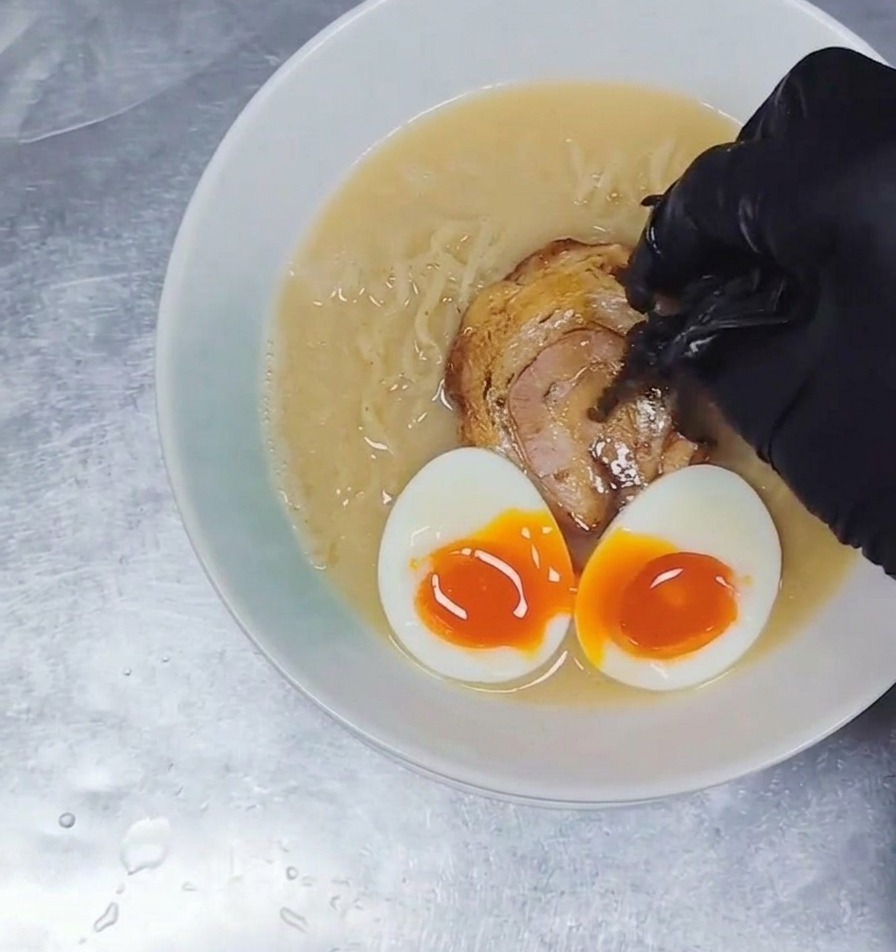
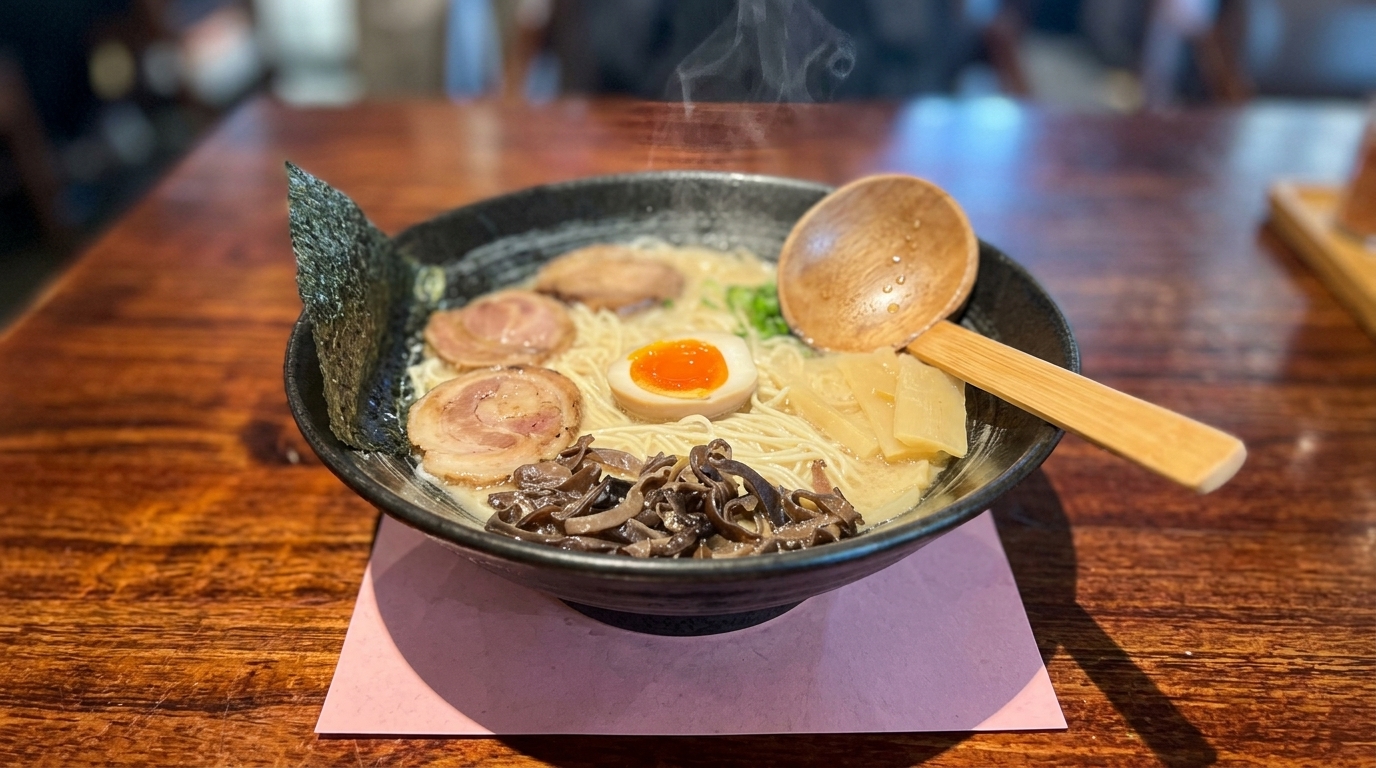
Place a small handful of thinly sliced wood ear mushrooms on top of the ramen. These mushrooms add a distinct crunch and earthy taste that balances the richness of the creamy pork broth and the savory chashu pork.
Tip: If using dried mushrooms, make sure to soak them until fully hydrated and slice them into uniform, thin strips for the best texture. - 13Garnish with green onions
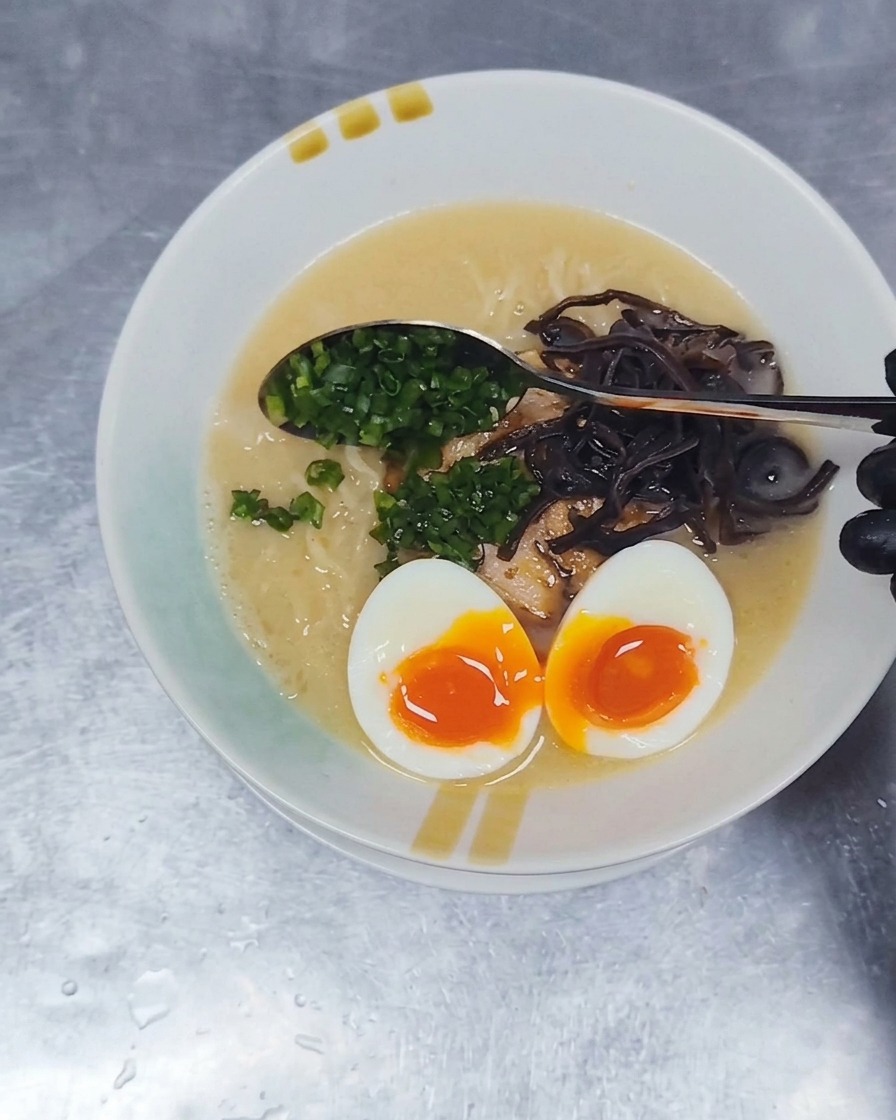
Sprinkle a generous spoonful of freshly chopped green onions over the ramen. The bright green color adds visual appeal, while the sharp, fresh flavor cuts through the richness of the pork bone broth.
Tip: Soak the chopped onions in cold water for a few minutes and then drain them to reduce the harshness of the raw onion flavor. - 14Add bamboo shoots
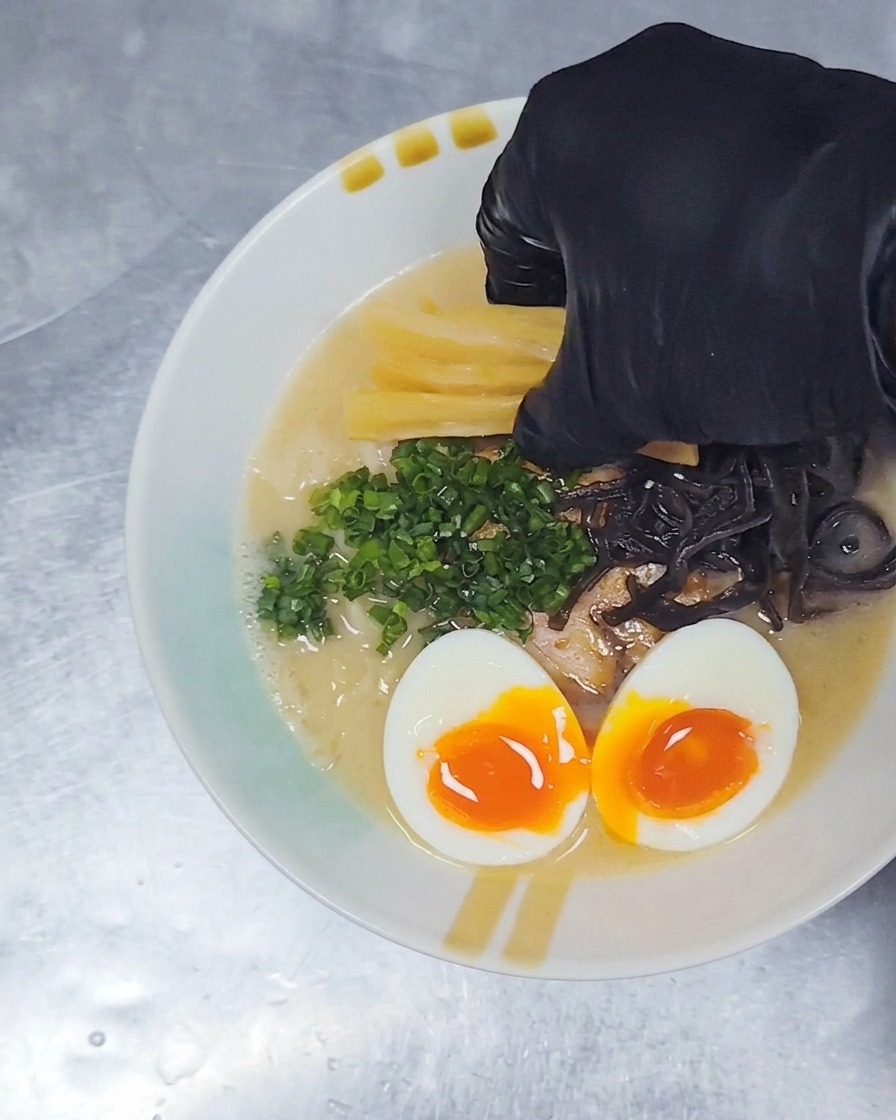
Place several pieces of seasoned bamboo shoots, or menma, onto the surface of the ramen. These shoots add a unique earthy flavor and a satisfyingly crunchy texture to the dish.
Tip: If using canned bamboo shoots, simmer them briefly in a mixture of soy sauce and sugar before adding to the bowl for better flavor.