Black Garlic Oil Tonkotsu Ramen (Mayu Ramen)
Recreate the deeply savory flavors of Japanese ramen at home. This creamy tonkotsu broth is elevated with an umami-packed miso paste and striking swirls of fragrant black garlic oil.
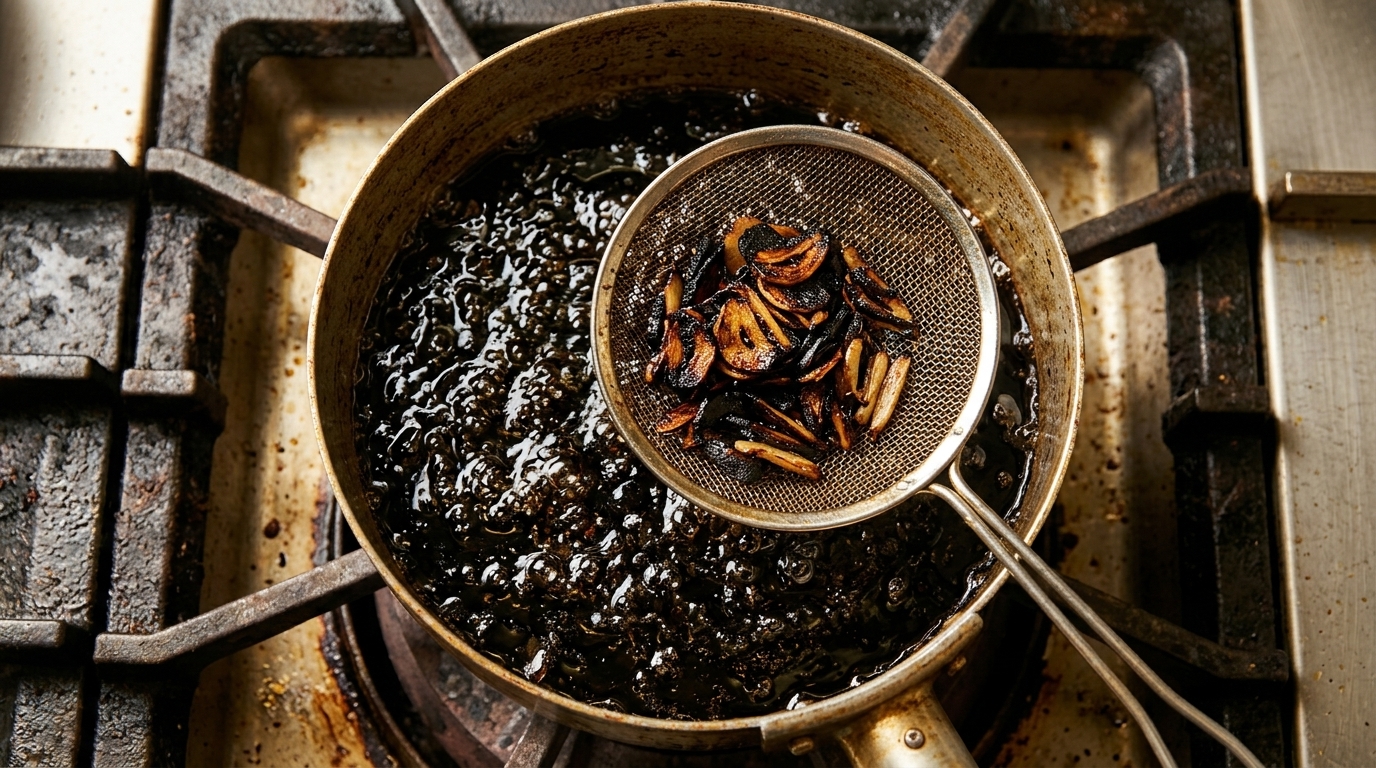
Black garlic oil, or mayu, is a signature condiment of Kumamoto-style ramen that transforms a standard bowl into something extraordinary. Made by slowly roasting garlic until dark and blending it with sesame oil, it provides a striking visual contrast and a smoky, robust flavor profile that perfectly cuts through the richness of a creamy pork bone broth.
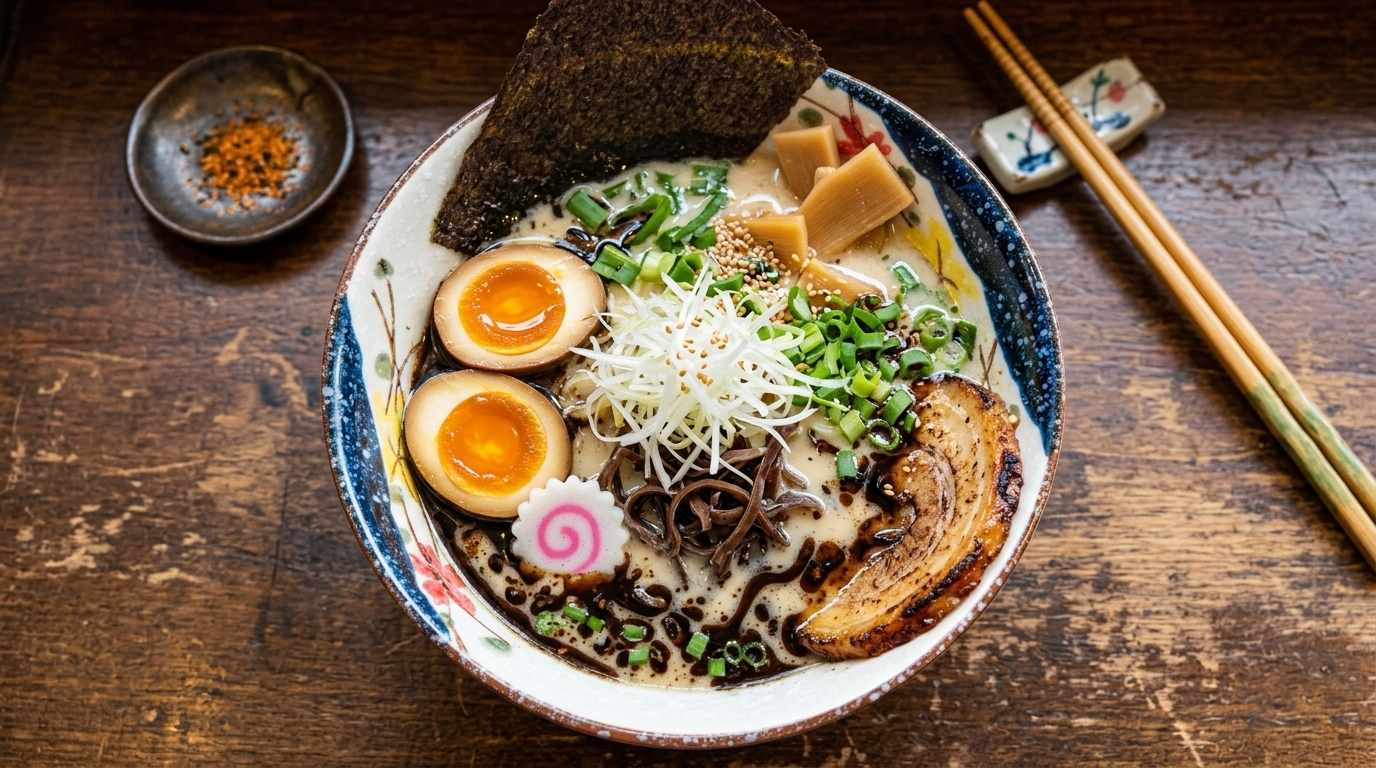
Ingredients
- 1 tbsp miso paste
- 1 tbsp sesame oil
- 1 tbsp sugar
- 1 tbsp toasted sesame seeds
- 1 tbsp minced garlic
- 1 handful bonito flakes
- 300 ml tonkotsu broth
- 1 portion ramen noodles (cooked)
- 1 soft-boiled egg (halved)
- 1 slice chashu pork
- to taste bamboo shoots (menma)
- 1 sheet nori seaweed
- 1 tbsp black garlic oil (mayu)
- 2 tbsp scallions (shredded and chopped)
Instructions
- 1Add the seasonings
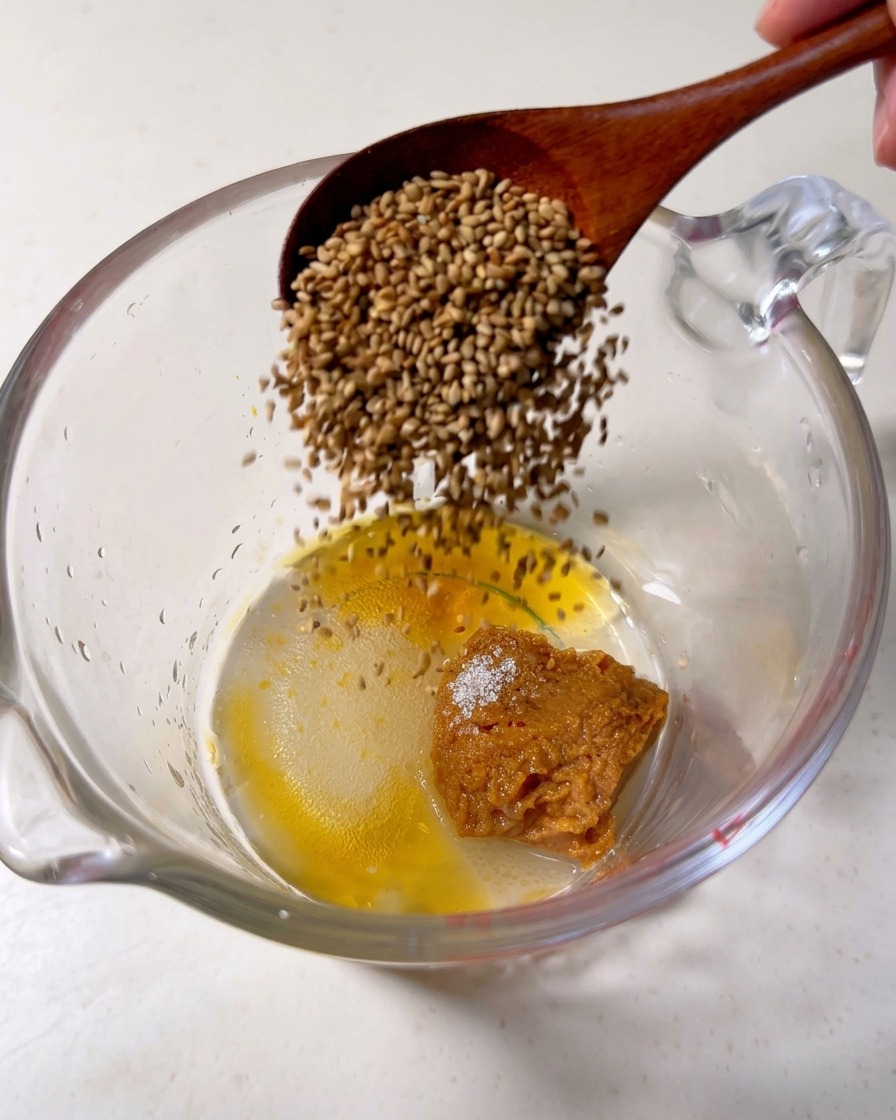
In a clear measuring cup or bowl, combine the miso paste, sugar, and sesame oil. Add a spoonful of toasted sesame seeds, minced garlic, and a handful of bonito flakes to build a rich, umami-packed flavor foundation for your soup base.
Tip: Using toasted sesame seeds enhances the nutty aroma of the broth. You can also gently crush them before adding to release even more flavor. - 2Pour in the tonkotsu broth
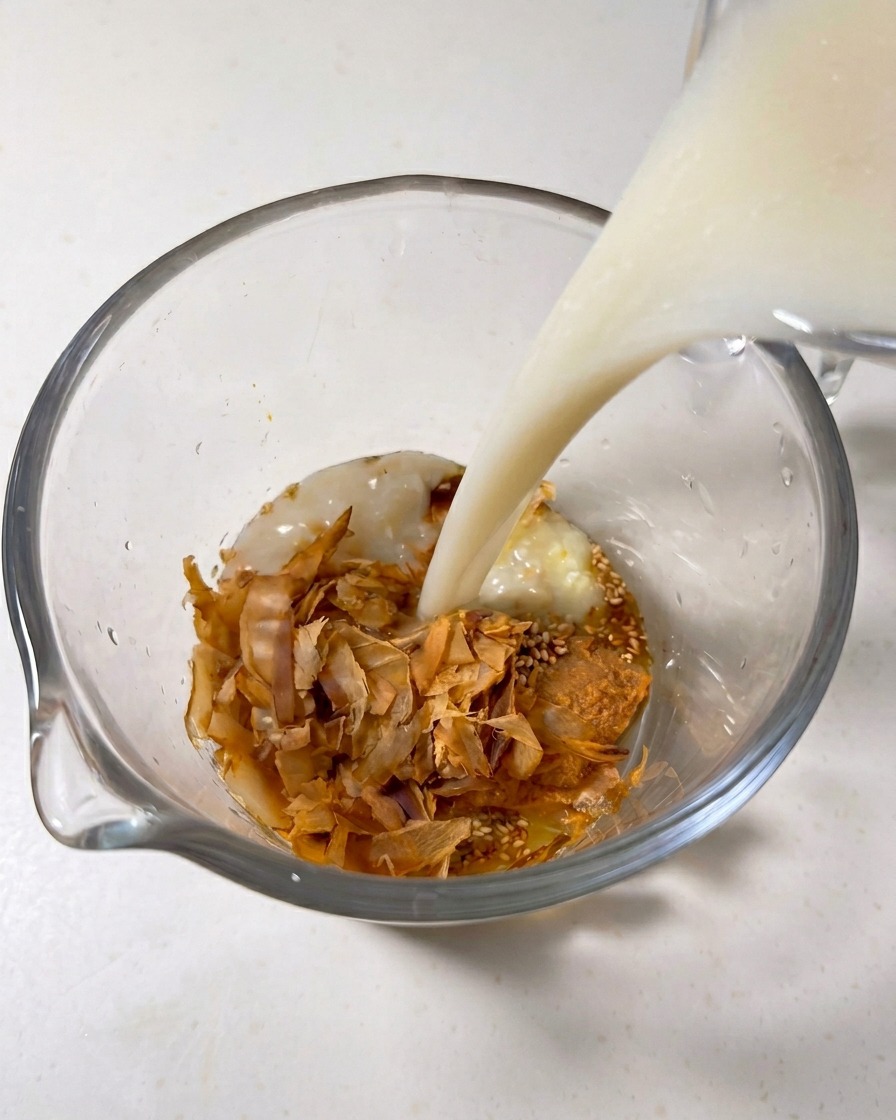
Pour 300 milliliters of rich, creamy tonkotsu broth into the measuring cup with your prepared seasonings and bonito flakes. The liquid will help soften the miso paste and prepare the mixture for blending, extracting the savory notes from the dry ingredients.
Tip: If you dont have tonkotsu broth on hand, a rich chicken bone broth or even a creamy oat milk alternative can be used as a base, though the final flavor profile will vary. - 3Blend the soup base
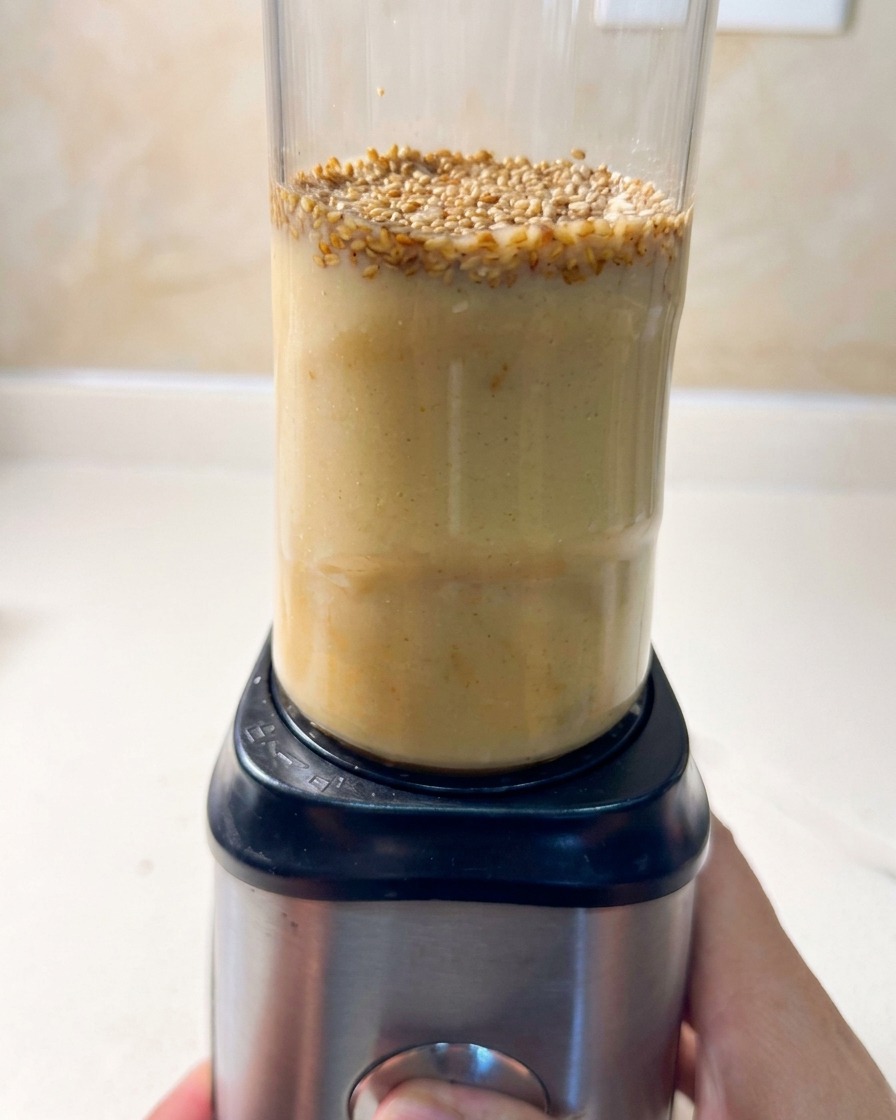
Pour the combined mixture of miso paste, sesame oil, sugar, sesame seeds, minced garlic, bonito flakes, and tonkotsu broth into a personal blender. Blend the ingredients together until smooth and creamy.
Tip: Blending emulsifies the sesame oil and solid ingredients like seeds and garlic into the broth, creating a rich, uniform flavor base. - 4Heat the soup base
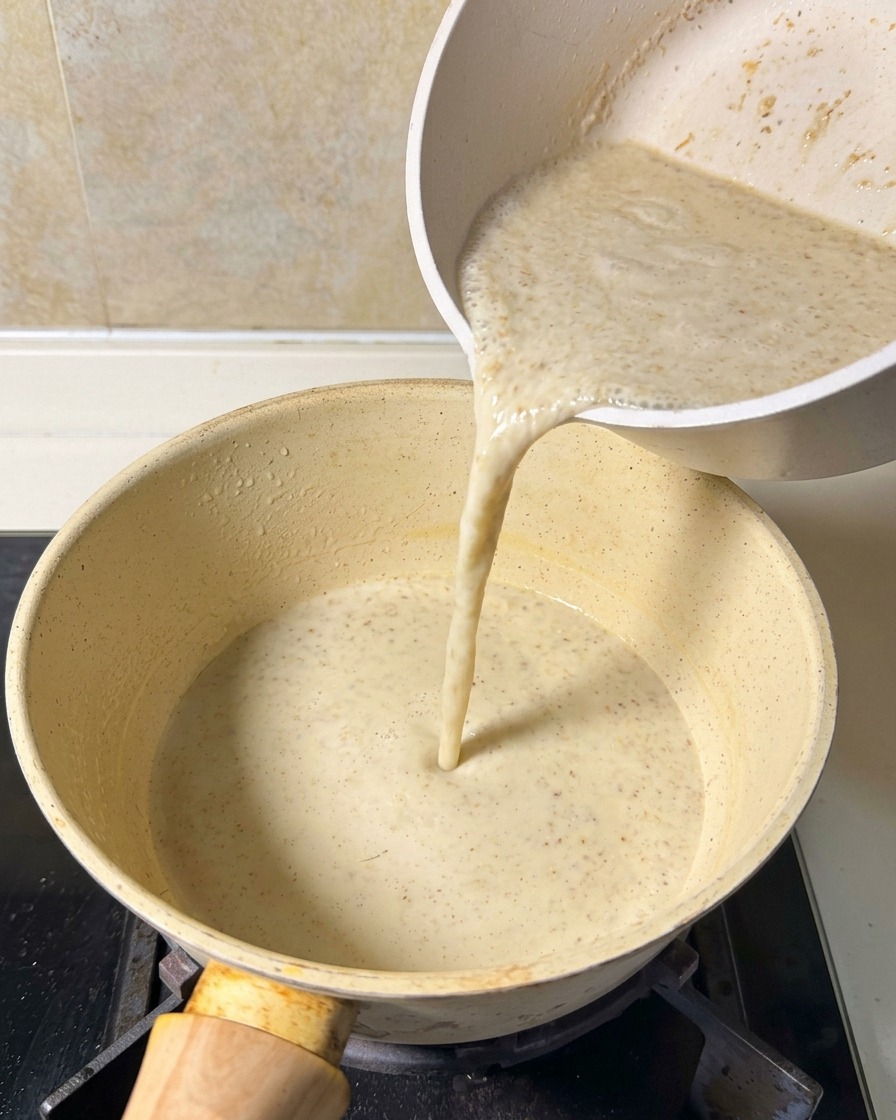
Once the mixture is completely blended and smooth, pour it into a small cooking pot. Heat the soup base over medium heat until it is hot and fragrant, being careful not to let it reach a vigorous boil to preserve the delicate flavors of the miso and bonito.
Tip: Heating the blended broth activates the minced garlic and sesame oils, marrying all the flavors together smoothly. - 5Portion the broth
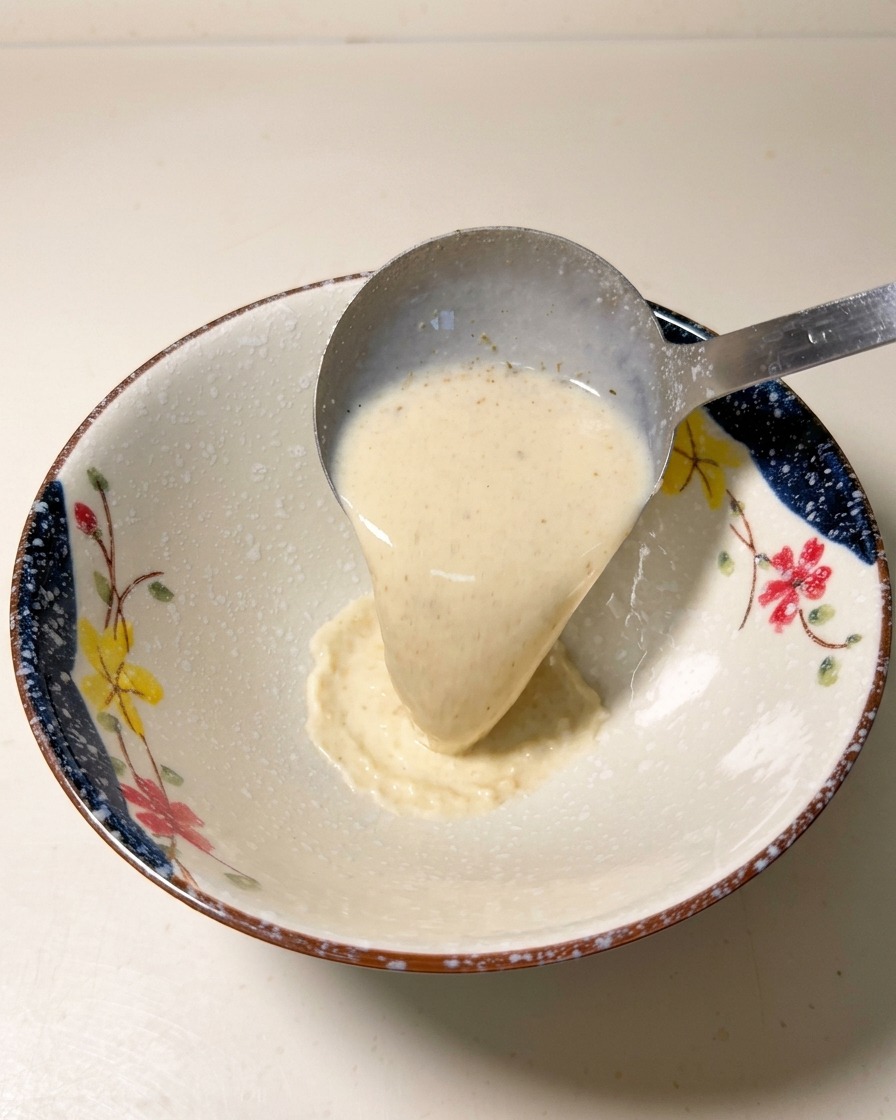
Ladle an appropriate amount of the hot, fragrant soup base into your serving bowl. The broth should be creamy, well-emulsified, and steaming hot, ready to gently coat the ramen noodles.
Tip: Pre-warming your serving bowl with hot water before adding the soup base helps keep your ramen piping hot for longer as you eat. - 6Add the ramen noodles
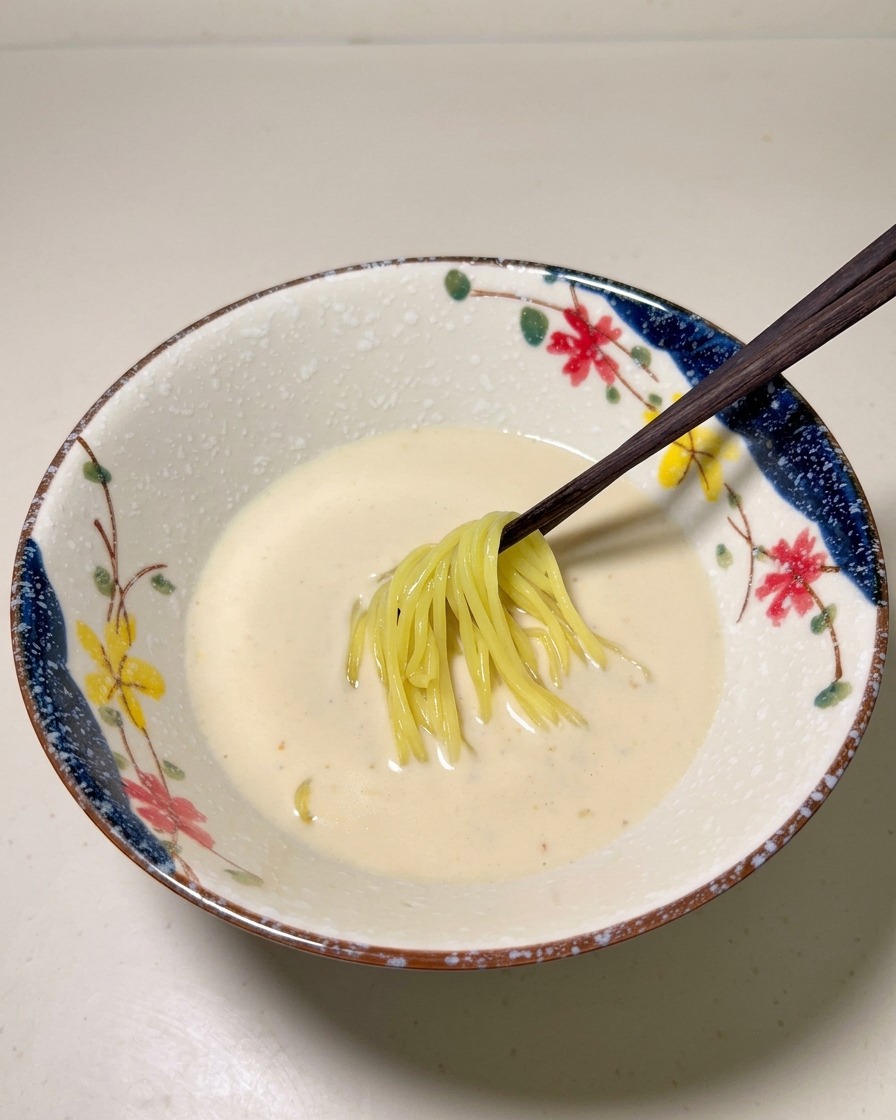
Carefully place the cooked ramen noodles into the rich, creamy soup base in your serving bowl. Arrange the noodles neatly so they sit nicely in the center of the broth.
Tip: Cook the noodles slightly al dente, as they will continue to soften once placed in the hot broth. - 7Add the soft-boiled egg
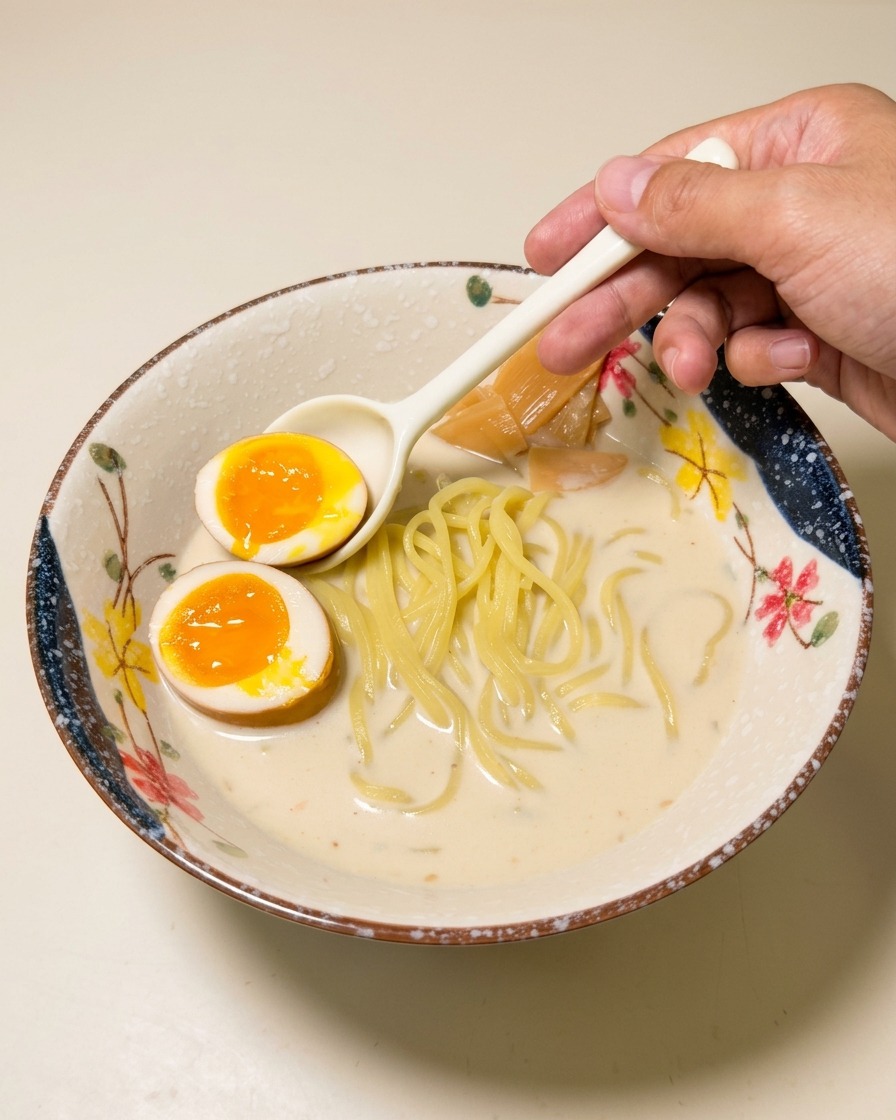
Gently place two halves of a soft-boiled egg into the bowl. The jammy yolks add a wonderful richness that perfectly complements the savory, creamy broth.
Tip: For the perfect jammy yolk, boil your eggs for exactly 6 to 6.5 minutes, then immediately plunge them into an ice bath to stop the cooking process. - 8Add chashu and garnishes
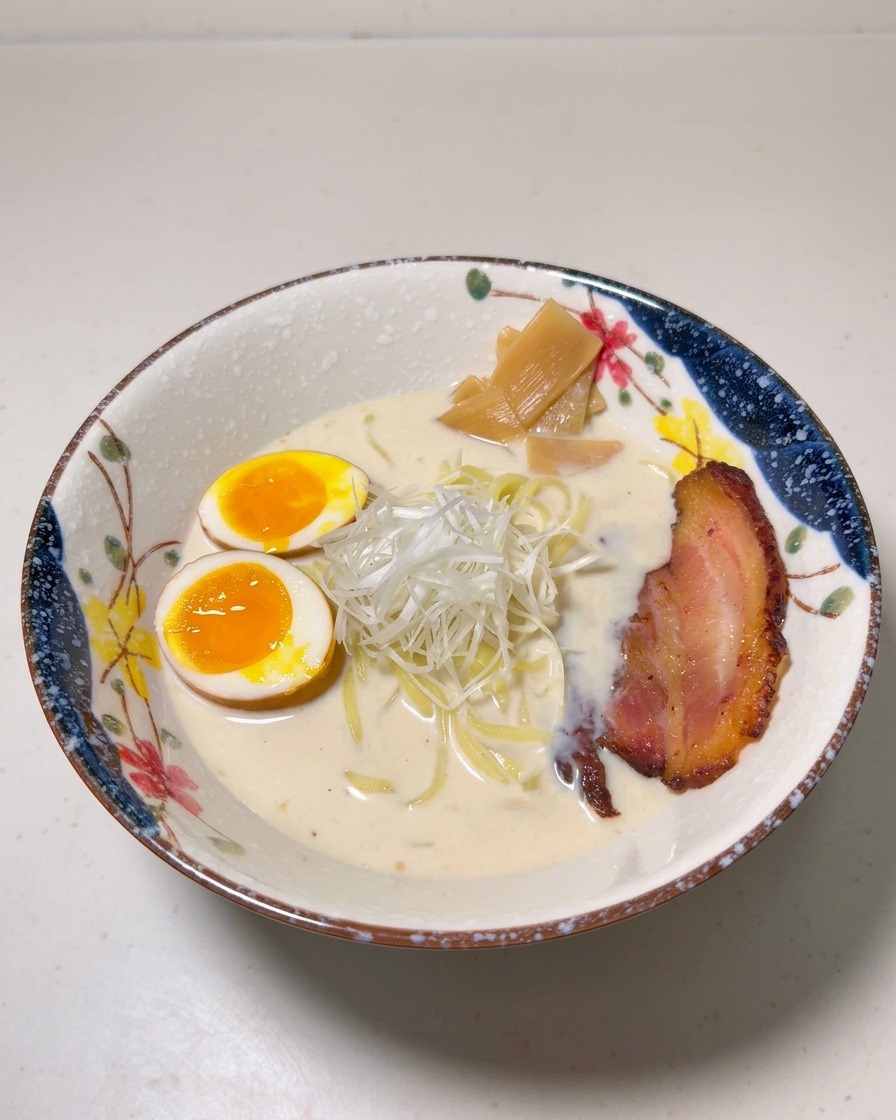
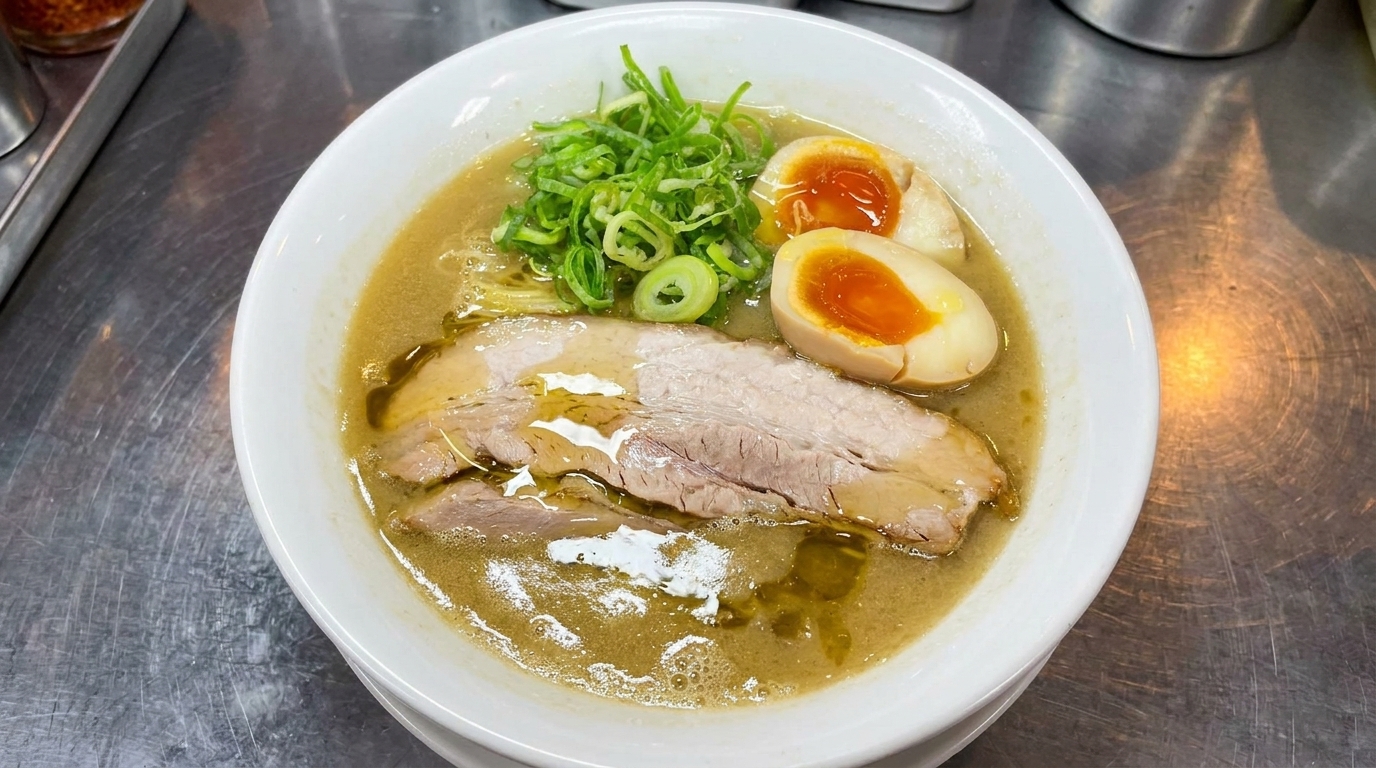
Top the noodles with a slice of seared chashu pork, some bamboo shoots, and a generous pile of finely shredded white scallions. These toppings provide a wonderful mix of textures and savory flavors.
Tip: Lightly searing the chashu pork before adding it to your bowl enhances its smoky flavor and renders some of the fat for extra richness. - 9Add the nori seaweed
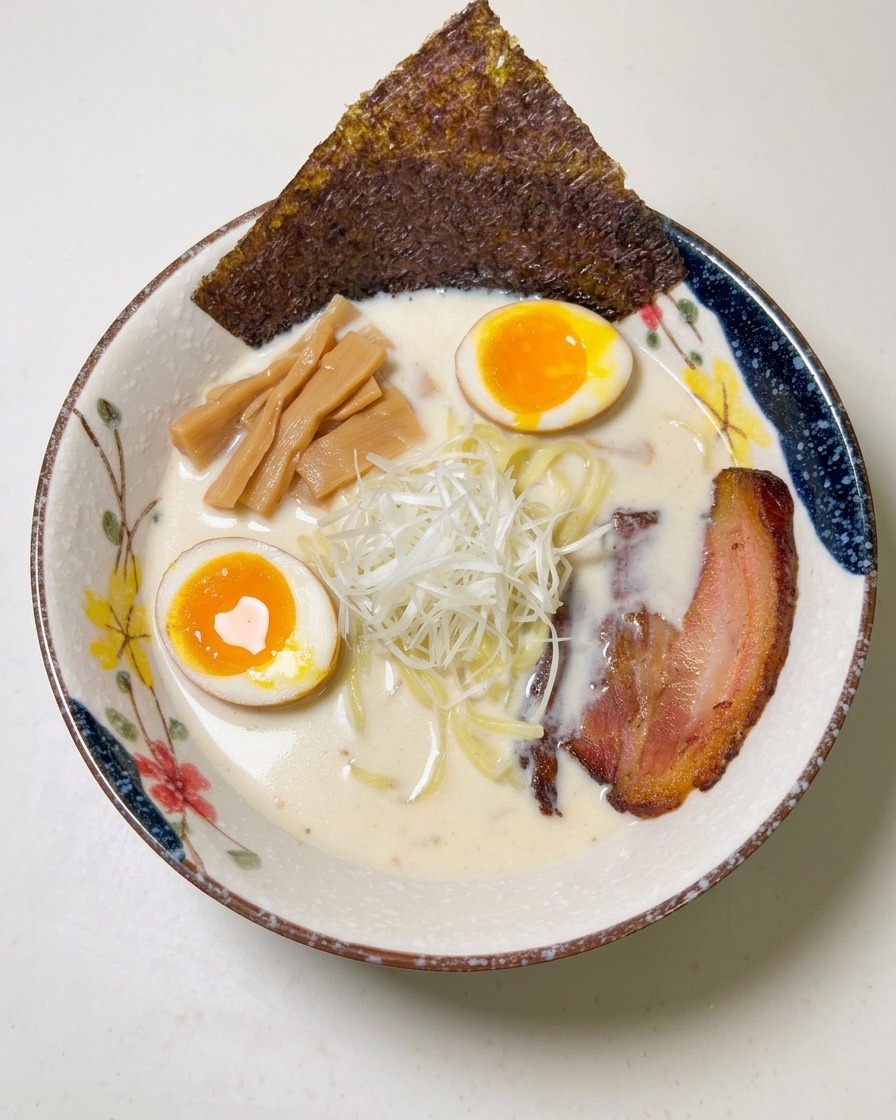
Tuck a rectangular piece of crispy nori seaweed into the side of the bowl. It adds a subtle oceanic flavor and looks beautiful against the rich ingredients of the soup.
Tip: Add the nori right before serving so it retains its crispiness and doesnt become too soggy in the hot broth. - 10Drizzle with black garlic oil
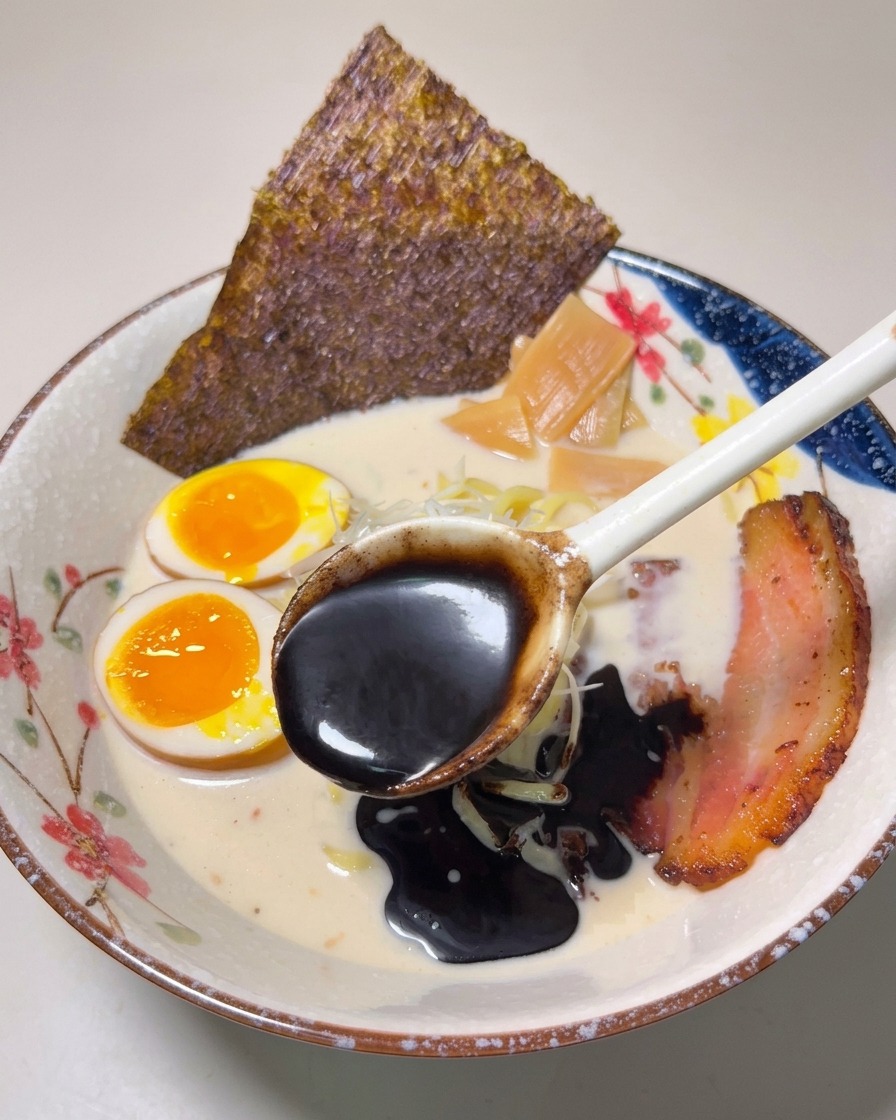
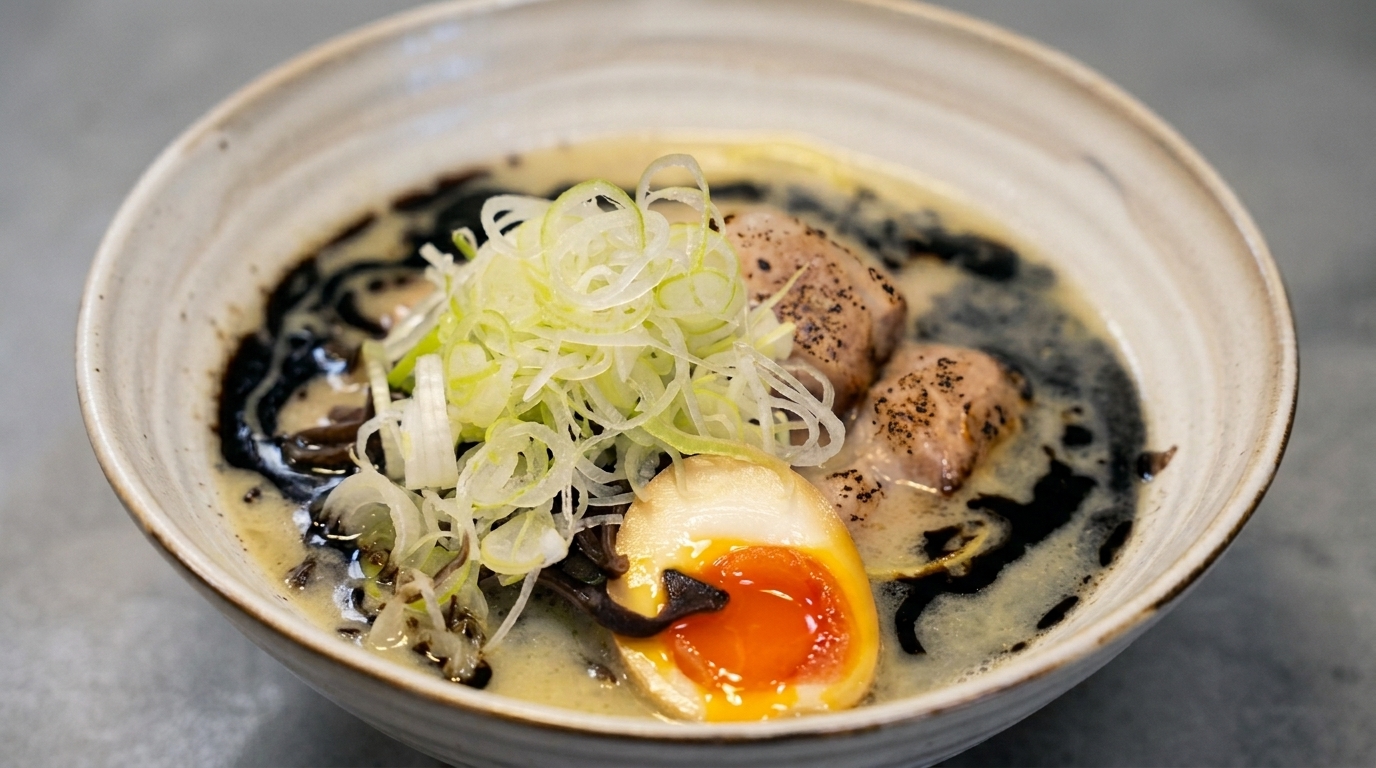
Finish the dish by drizzling aromatic black garlic oil over the ramen and broth. This signature ingredient imparts a deep, roasted garlic flavor and creates a striking visual contrast in the bowl.
Tip: Adjust the amount of black garlic oil to your personal preference; a little goes a long way in delivering that robust, smoky taste. - 11Garnish and serve
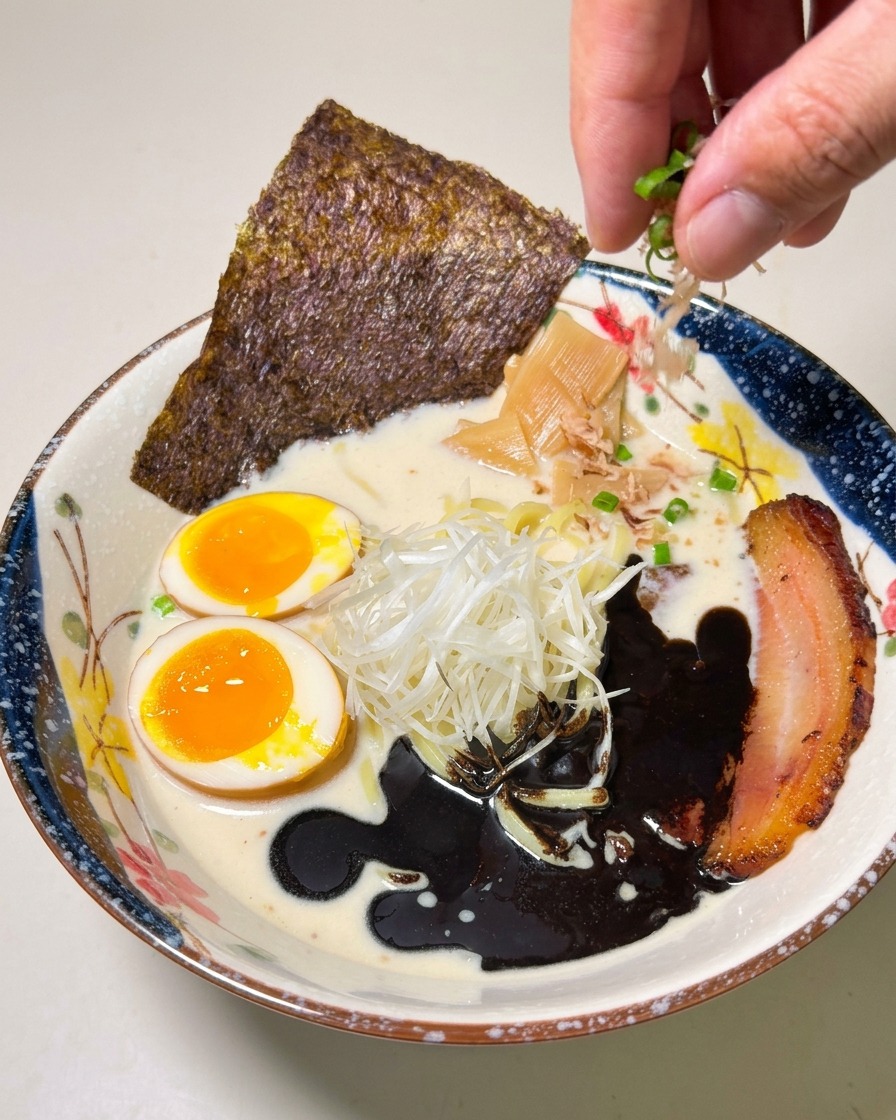
Complete your bowl by sprinkling freshly chopped green scallions over the top. The fresh, crisp bite of the scallions cuts through the richness of the creamy tonkotsu and dark garlic oil, bringing the whole dish together.
Tip: Be sure to mix the fragrant black garlic oil into the steaming broth right before you take your first bite for the ultimate flavor experience.