Homemade Gyokai Tonkotsu Tsukemen (Fish
Pork Dipping Noodles)
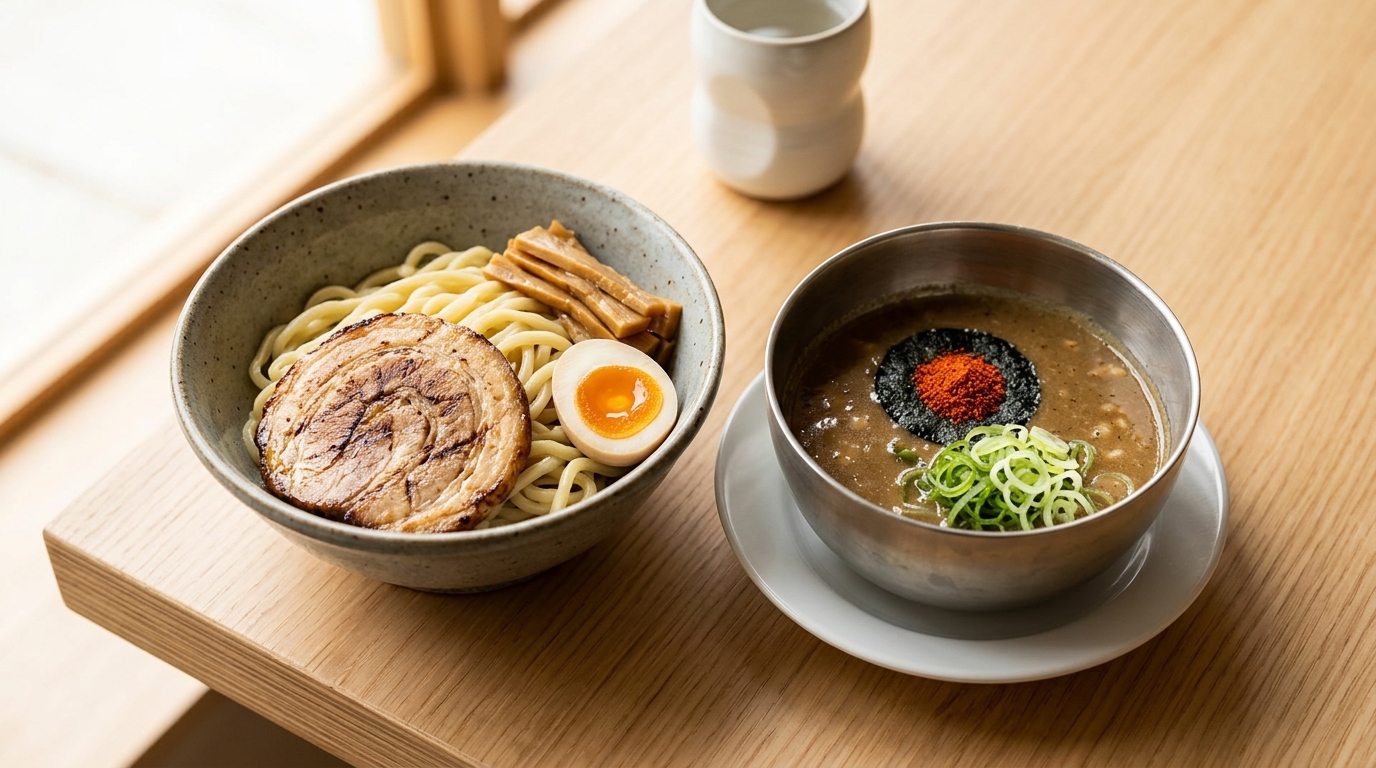
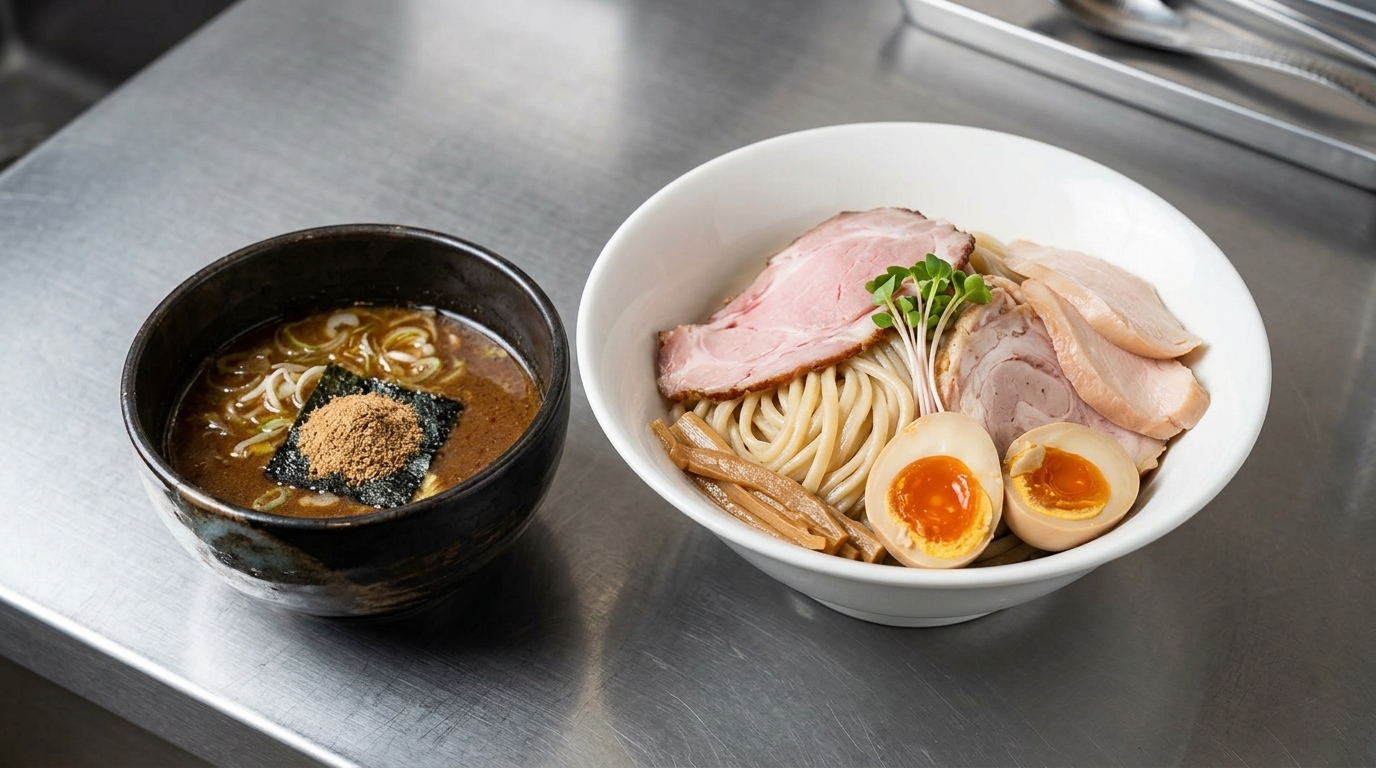
Experience the ultimate umami bomb with this Tokyo-style dipping ramen, featuring a velvety pork marrow broth infused with hand-ground smoky seafood powder.
Tsukemen is a celebrated style of Japanese ramen where the noodles are served separately from a hyper-concentrated broth. This Gyokai Tonkotsu version is the most popular variant, balancing the creamy, fatty richness of long-simmered pork bones with the sharp, savory punch of dried anchovies and bonito flakes. It is a bold, indulgent meal designed for the true ramen enthusiast.
Ingredients
- 50 g dried small anchovies
- 30 g bonito flakes
- 1 cup dark soy sauce
- 12 cup mirin
- 14 cup sake
- 1 piece kombu
- 500 ml pork bone broth
- 2 portions thick ramen noodles
- 6 slices chashu pork
- 2 soft-boiled eggs
- 2 stalks green onions
- 50 g menma (bamboo shoots)
- 2 slices narutomaki fish cake
- 1 tbsp aromatic oil
Instructions
- 1Prep the dried seafood
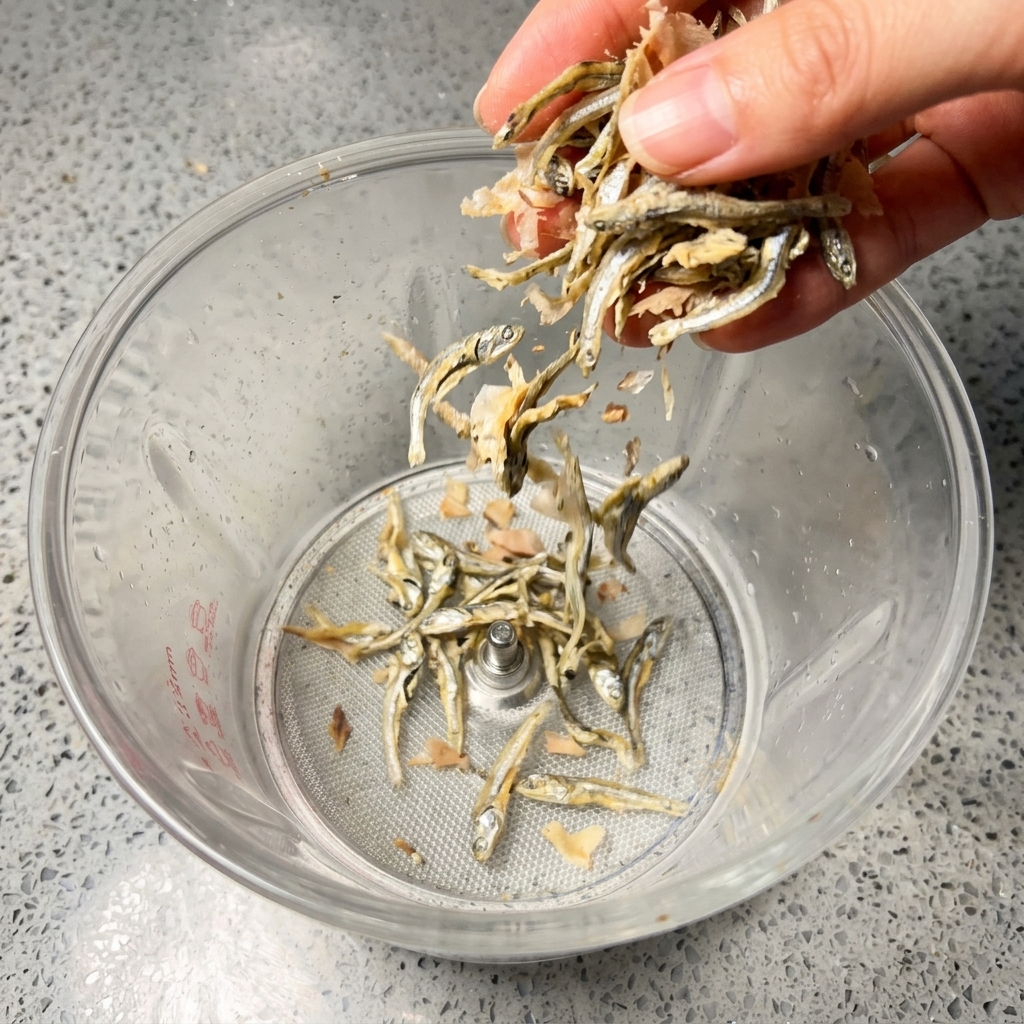
Place a handful of dried small anchovies and a portion of bonito flakes into the bowl of a food processor or high-speed blender. These two ingredients are the foundation of the seafood element in the dipping sauce, providing intense umami and a signature smoky aroma.
Tip: Ensure the dried fish are completely dry before processing to get a fine fluffy powder rather than a paste. - 2Grind into fine powder
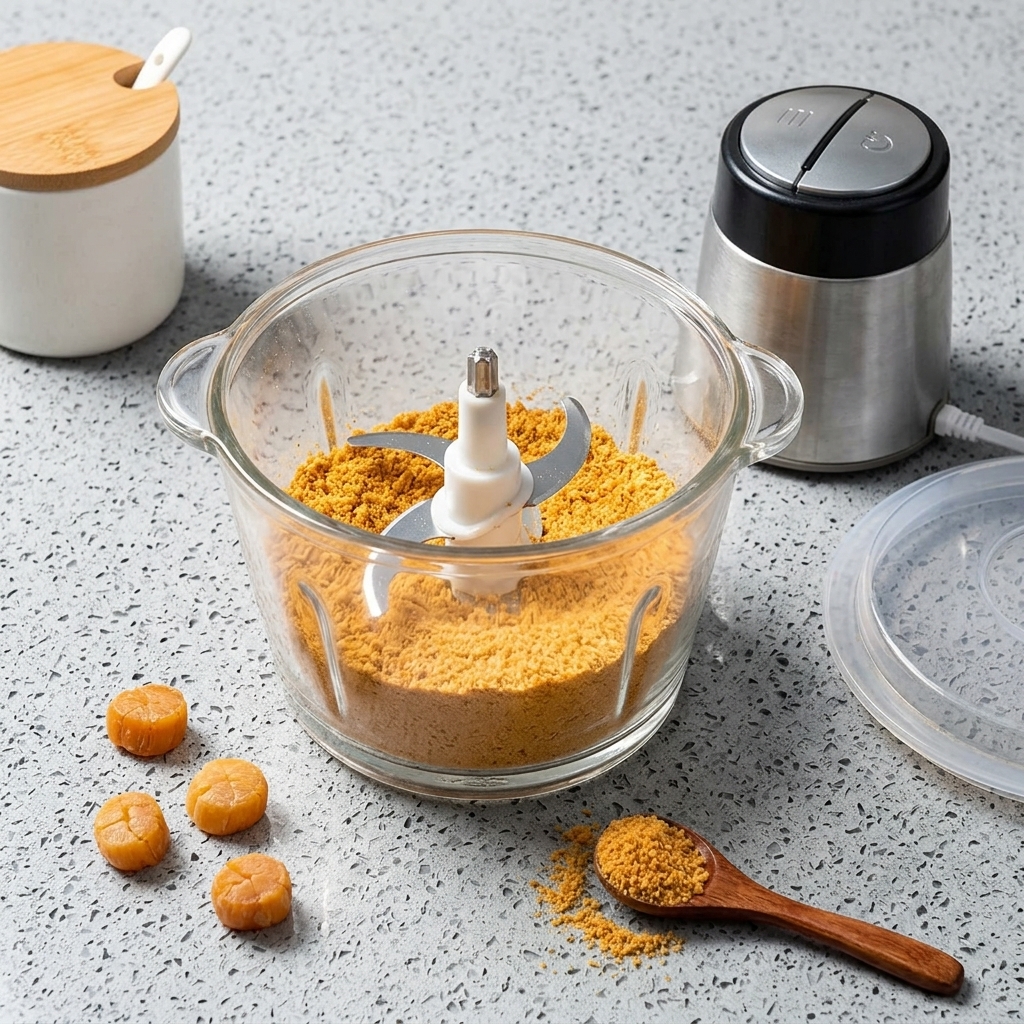
Pulse and blend the dried ingredients until they are transformed into a fine, uniform golden-brown powder. This concentrated fish powder will be used twice: once for the seasoning sauce and once to enrich the pork bone broth base.
Tip: Sift the powder through a fine-mesh sieve if you find any large, unblended bits of fish bone or scales. - 3Combine sauce ingredients
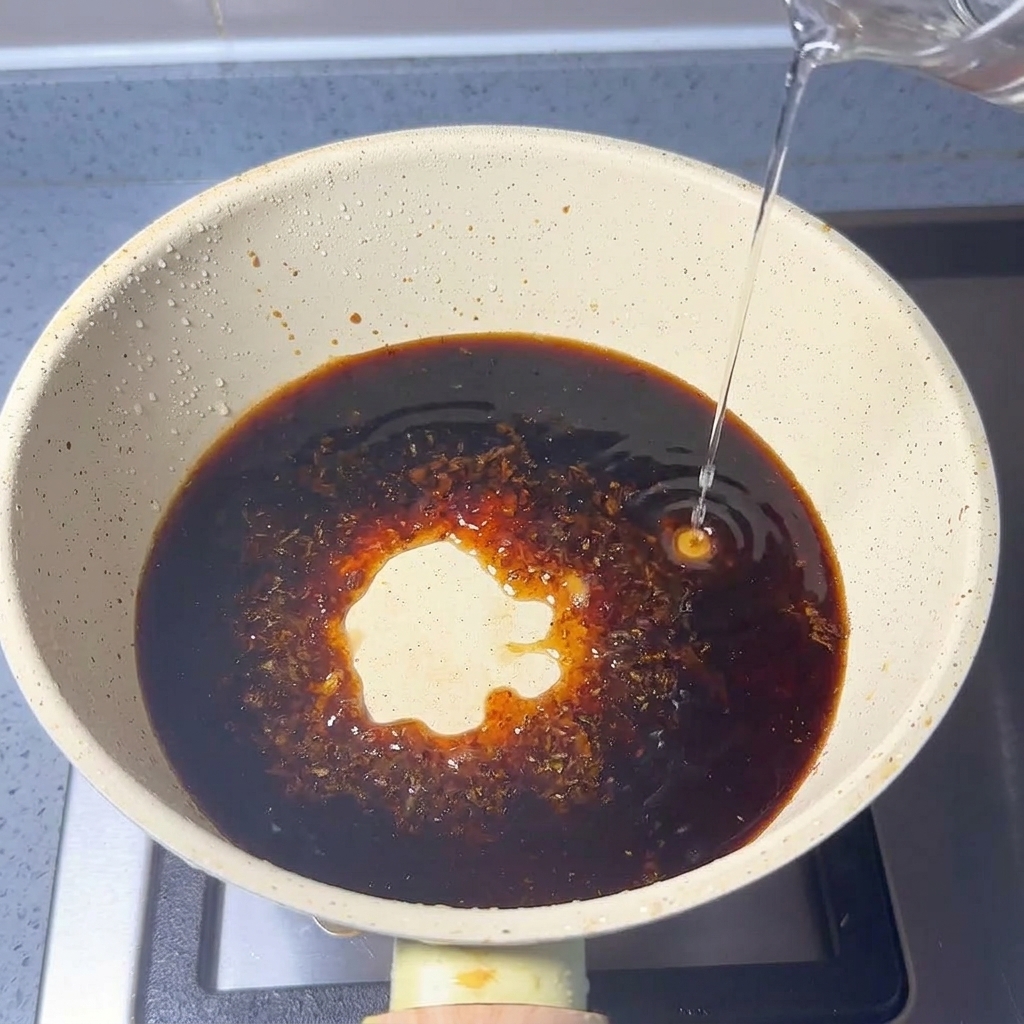
In a small saucepan, combine a spoonful of your fresh fish powder with dark soy sauce, mirin, and sake. The alcohol in the sake and mirin helps to neutralize any overly strong odors while extracting the maximum savory flavor from the powder.
Tip: Use a good quality dark soy sauce to ensure the final dipping sauce has a rich deep mahogany color. - 4Simmer the seasoning sauce
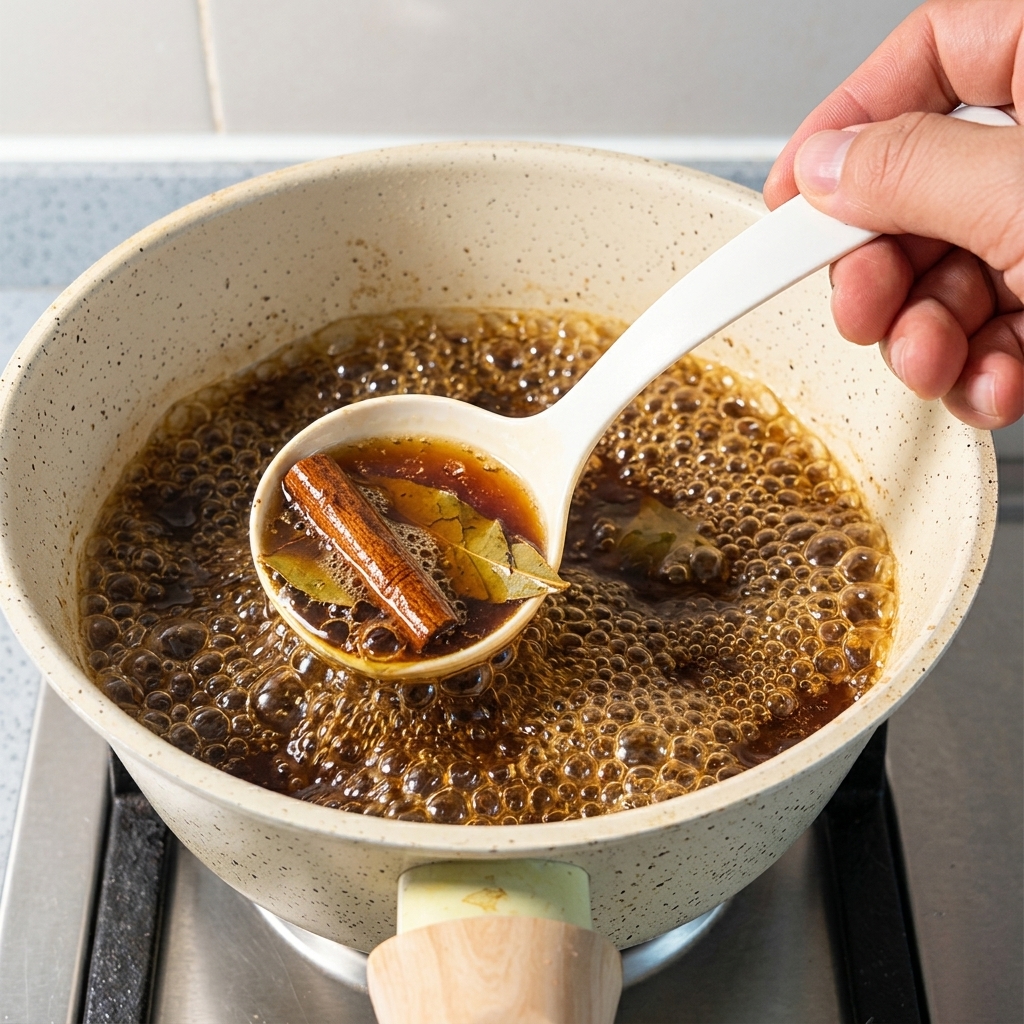
Add a piece of kombu to the pan and bring the mixture to a gentle boil. Let it simmer for about five minutes to infuse the flavors. As it boils, use a spoon to carefully skim off any foam that rises to the surface for a cleaner taste.
Tip: Do not boil the kombu for too long as it can release a bitter or slimy texture. Five minutes is the ideal time. - 5Filter the seasoning
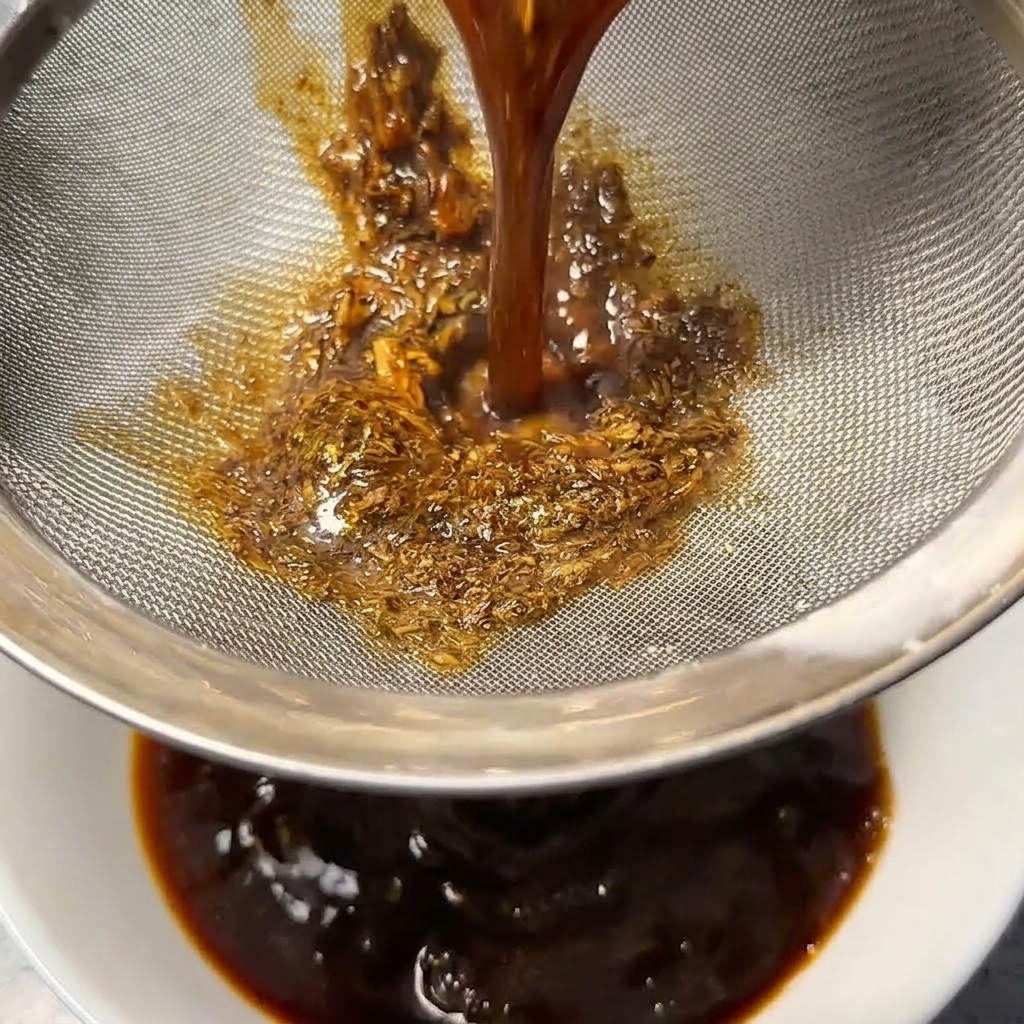
Once the simmering is complete, pour the hot sauce through a fine-mesh strainer into a clean bowl. This removes the spent fish particles and aromatics, leaving you with a smooth, highly concentrated seasoning liquid.
Tip: Press down lightly on the solids in the strainer with the back of a spoon to extract every last drop of flavorful liquid. - 6Prepare the soup base
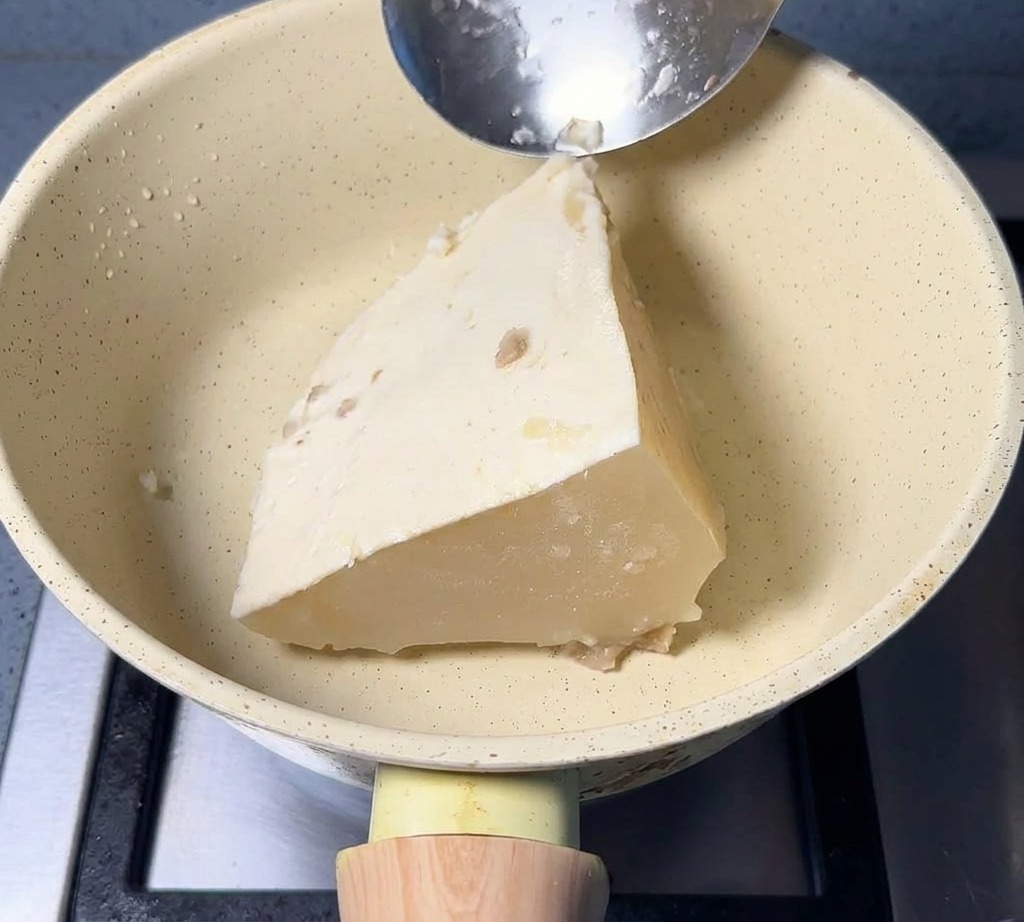
Place a solid block of frozen pork bone broth into a pan along with the remaining fish powder. Heat over medium-low to slowly melt the broth, allowing the fish powder to fully integrate into the rich, fatty base as it liquifies.
Tip: If using homemade frozen broth, make sure it is fully thawed or melted before turning up the heat to avoid scorching the bottom. - 7Simmer the soup base
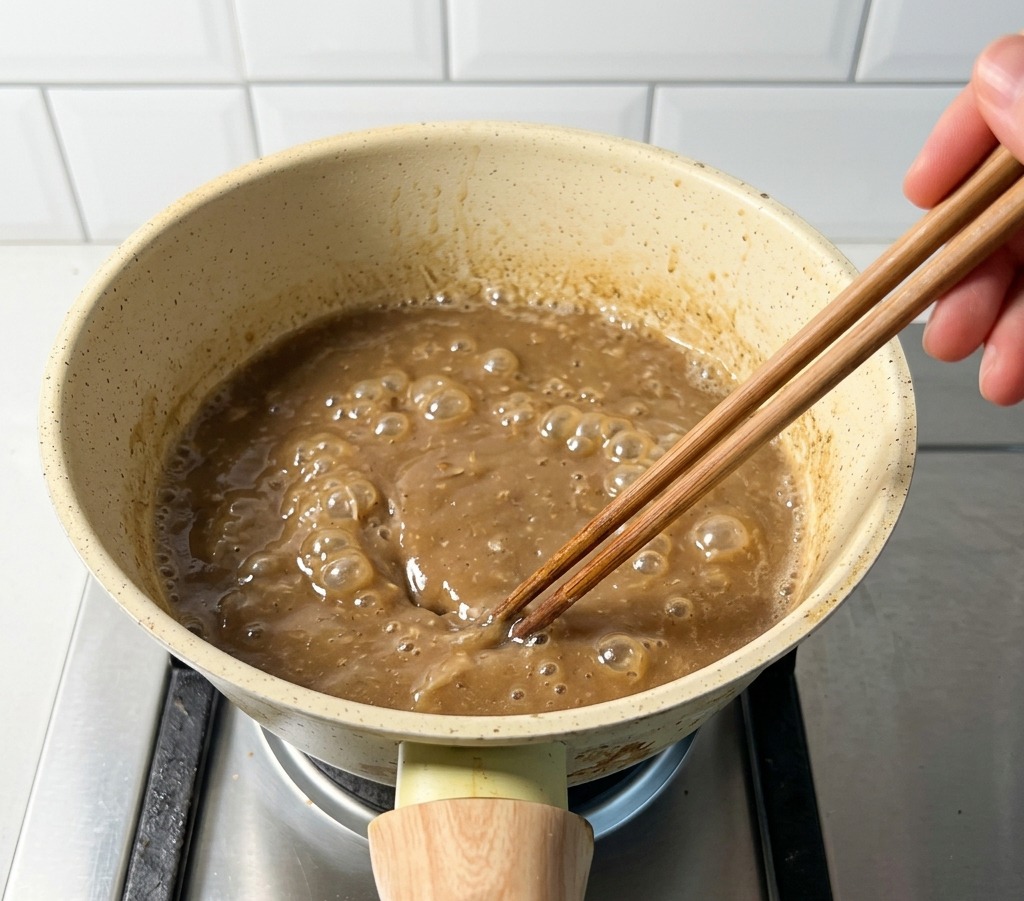
Once the pork broth has completely melted, increase the heat to bring it to a vigorous boil. Stir continuously to ensure the concentrated fish powder is fully incorporated, then simmer for ten minutes to develop a deep, unified flavor.
Tip: If using frozen broth, start on lower heat to prevent the bottom from scorching before the rest melts. - 8Strain the broth
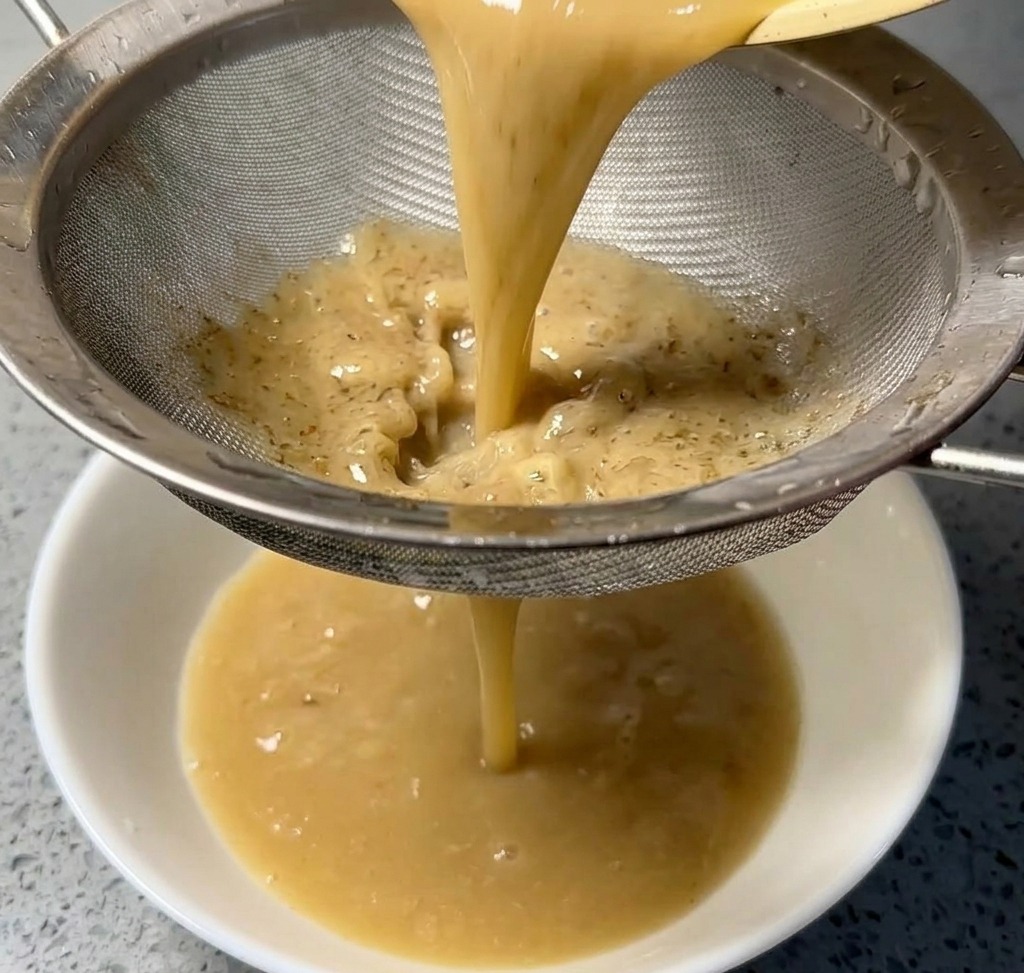
Once the broth has simmered and concentrated, pour it through a fine-mesh strainer into a clean bowl. This process removes the gritty fish powder and any coagulated proteins, leaving you with a silky-smooth, intensely flavored dipping liquid.
Tip: Press down on the solids in the strainer with a spoon to extract every last drop of flavorful liquid. - 9Combine sauce and broth
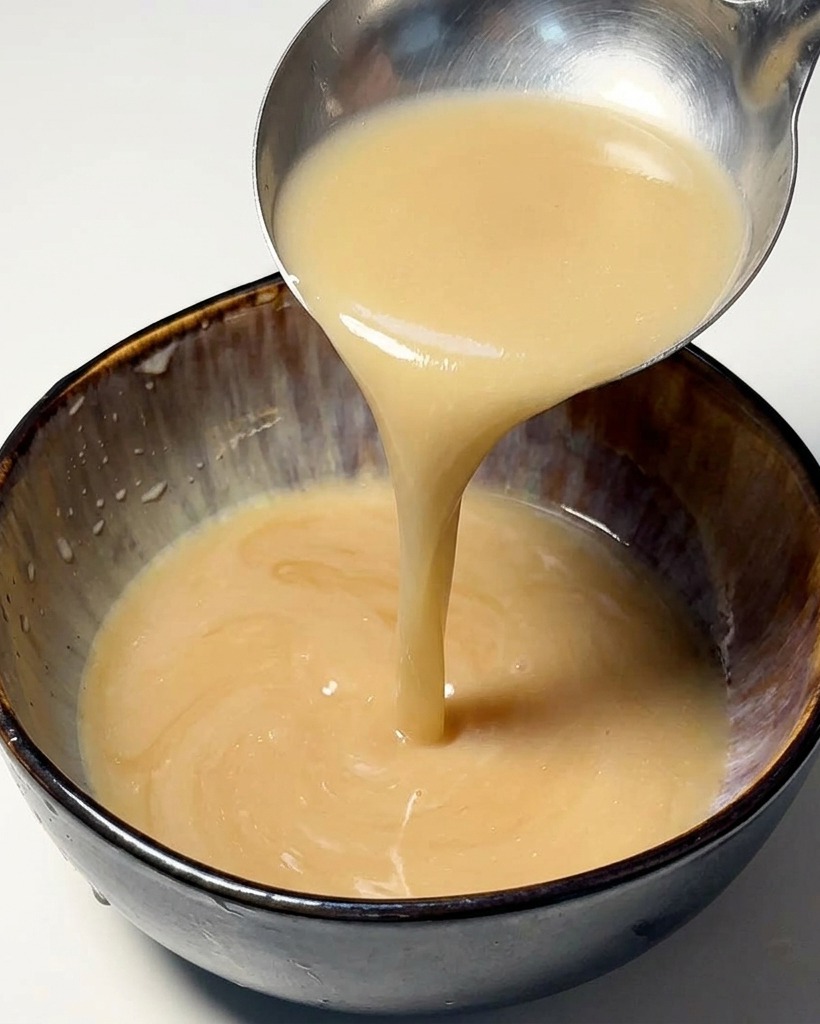
Start assembling the dipping sauce by combining the seasoning sauce and the pork-fish broth in a dipping bowl. Use a ratio of one part seasoning sauce to four parts concentrated broth. This balance ensures the dipping liquid is bold enough to coat the noodles without being overly salty.
Tip: You can adjust the ratio slightly based on your preference for saltiness or richness. - 10Add finishing toppings
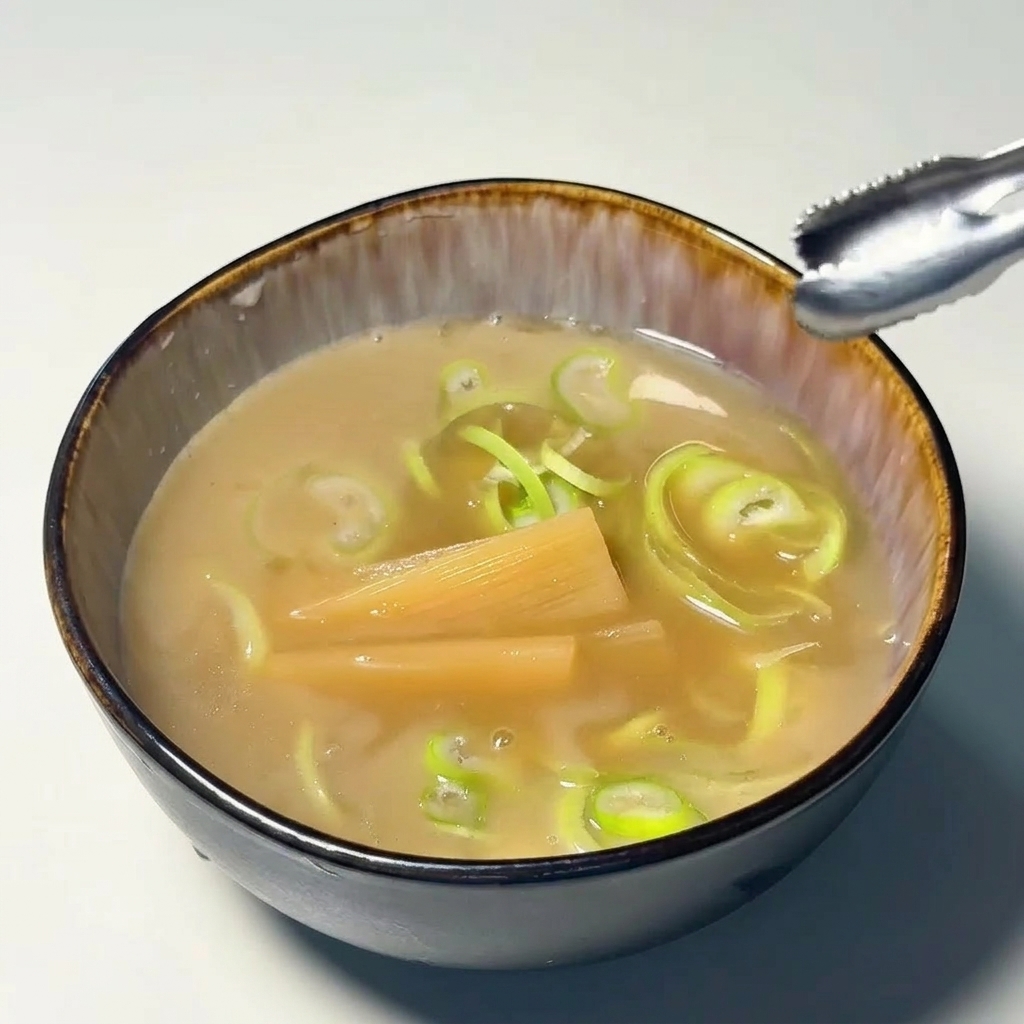
To the prepared dipping bowl, add a handful of sliced green onions, tender bamboo shoots, and a slice of narutomaki fish cake. Stir these ingredients together to distribute the flavors.
Tip: Make sure the broth is piping hot when assembling the dipping sauce to ensure the aromatics like green onions release their full scent. - 11Finish with aromatic oil
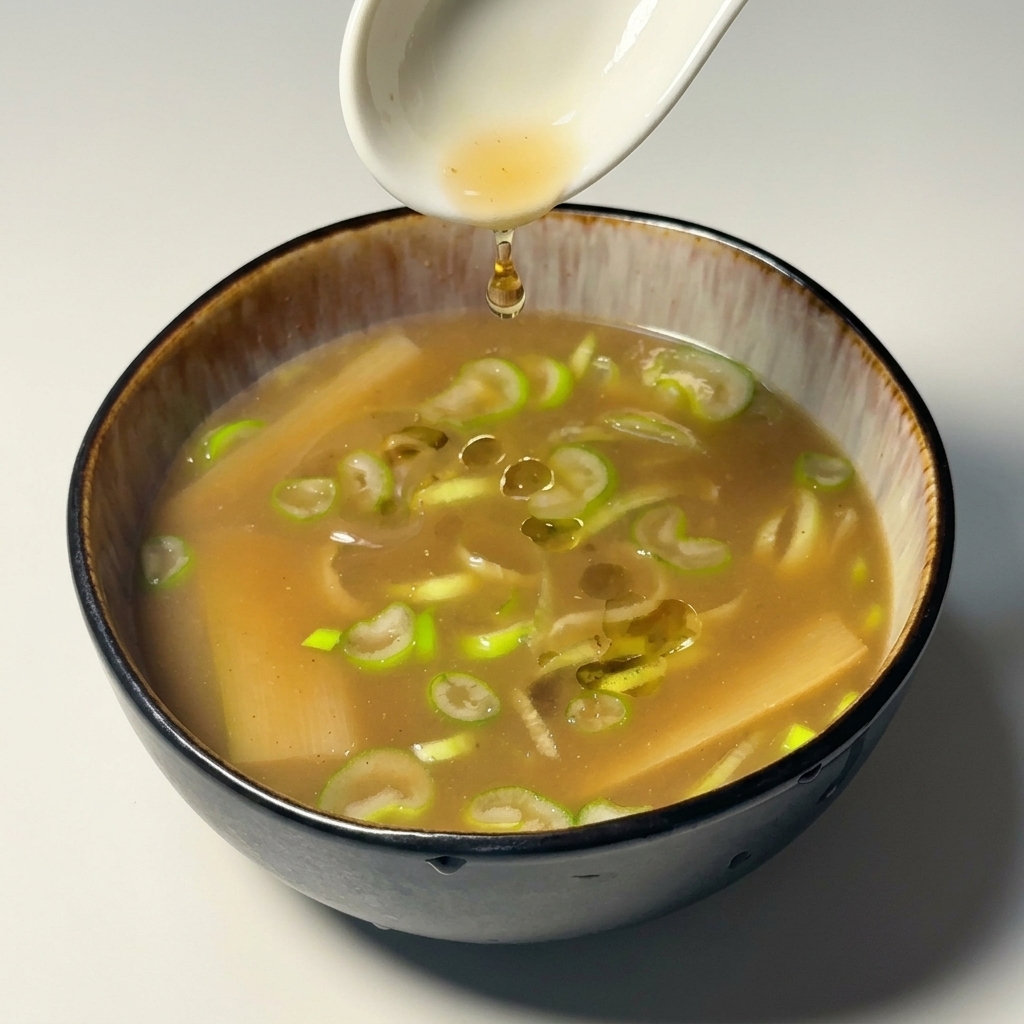
Finally, drizzle a spoonful of aromatic oil over the surface of the dipping sauce. This creates a beautiful glossy finish and adds a final layer of fragrant complexity that hits the palate as soon as you dip the noodles.
Tip: Add the oil just before serving so the aroma is at its peak when you start eating. - 12Plate and serve
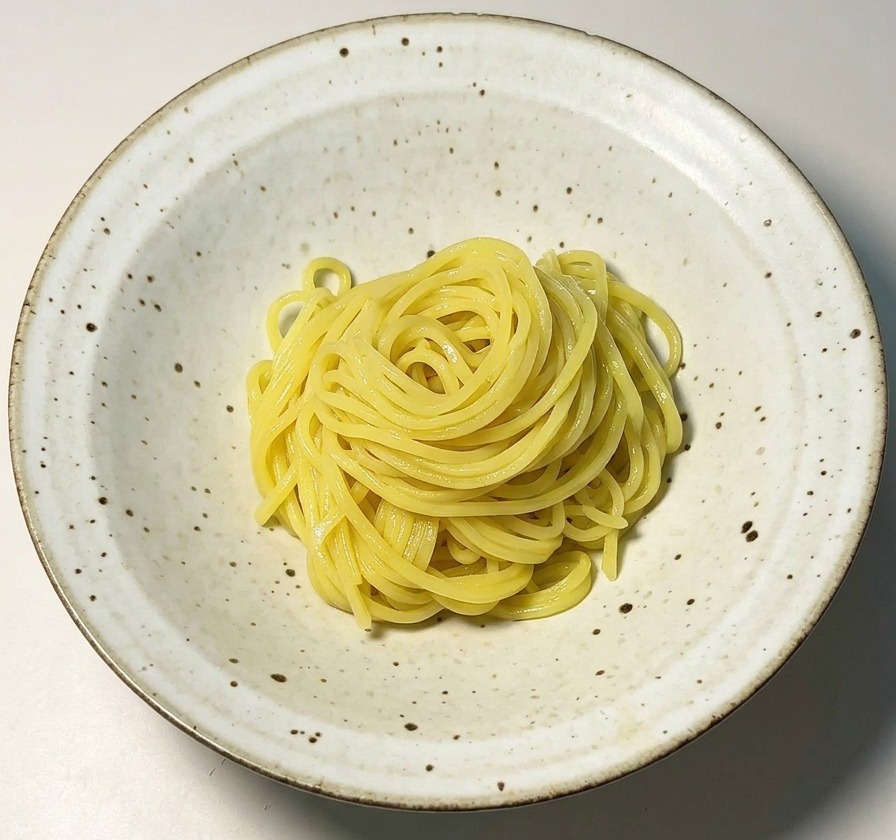
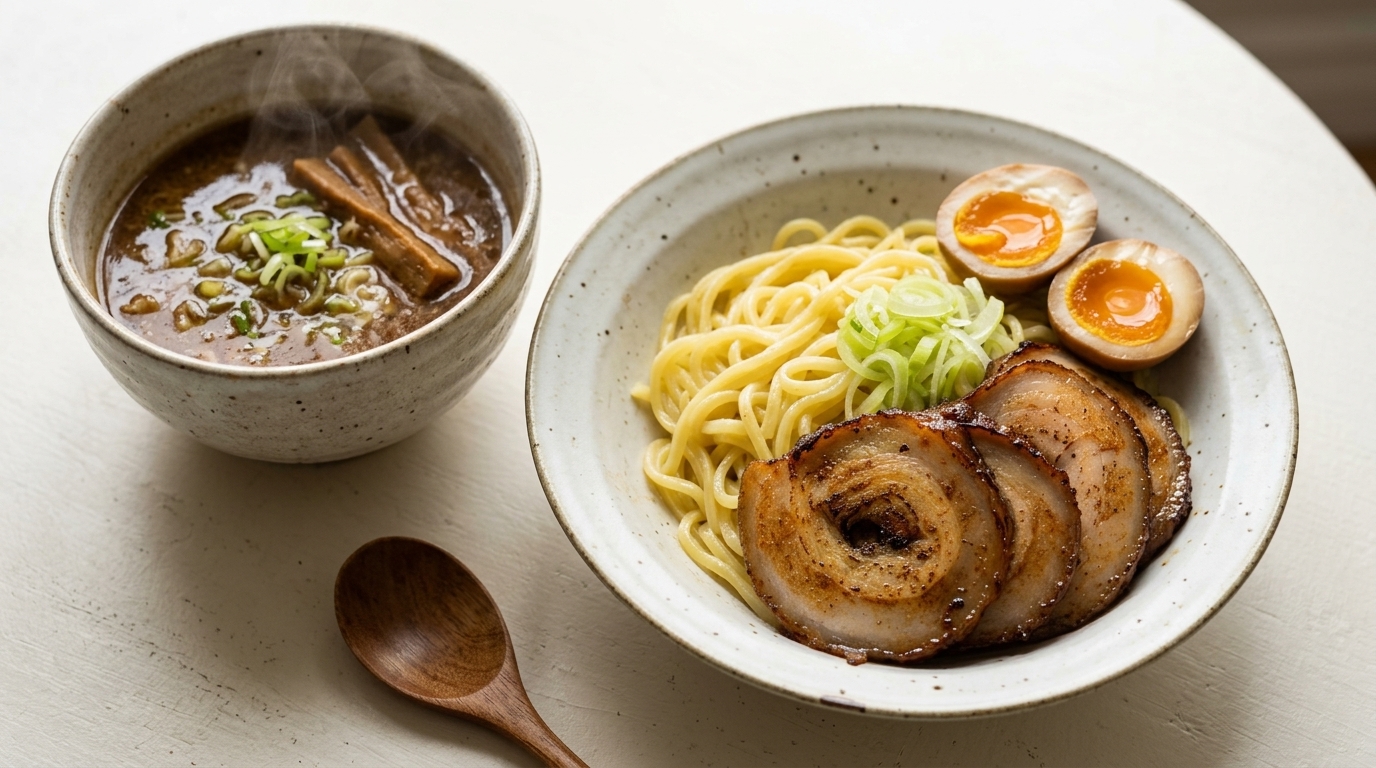
Carefully arrange the cooked and drained noodles in a serving bowl. Top with the chashu pork slices, soft-boiled egg halves, and a pinch of fresh green onions. Serve immediately alongside the hot dipping sauce.
Tip: If the noodles are sticking together, rinse them briefly in cold water and drain well before plating.