Clear Chicken Noodle Soup
Jammy Soft-Boiled Eggs
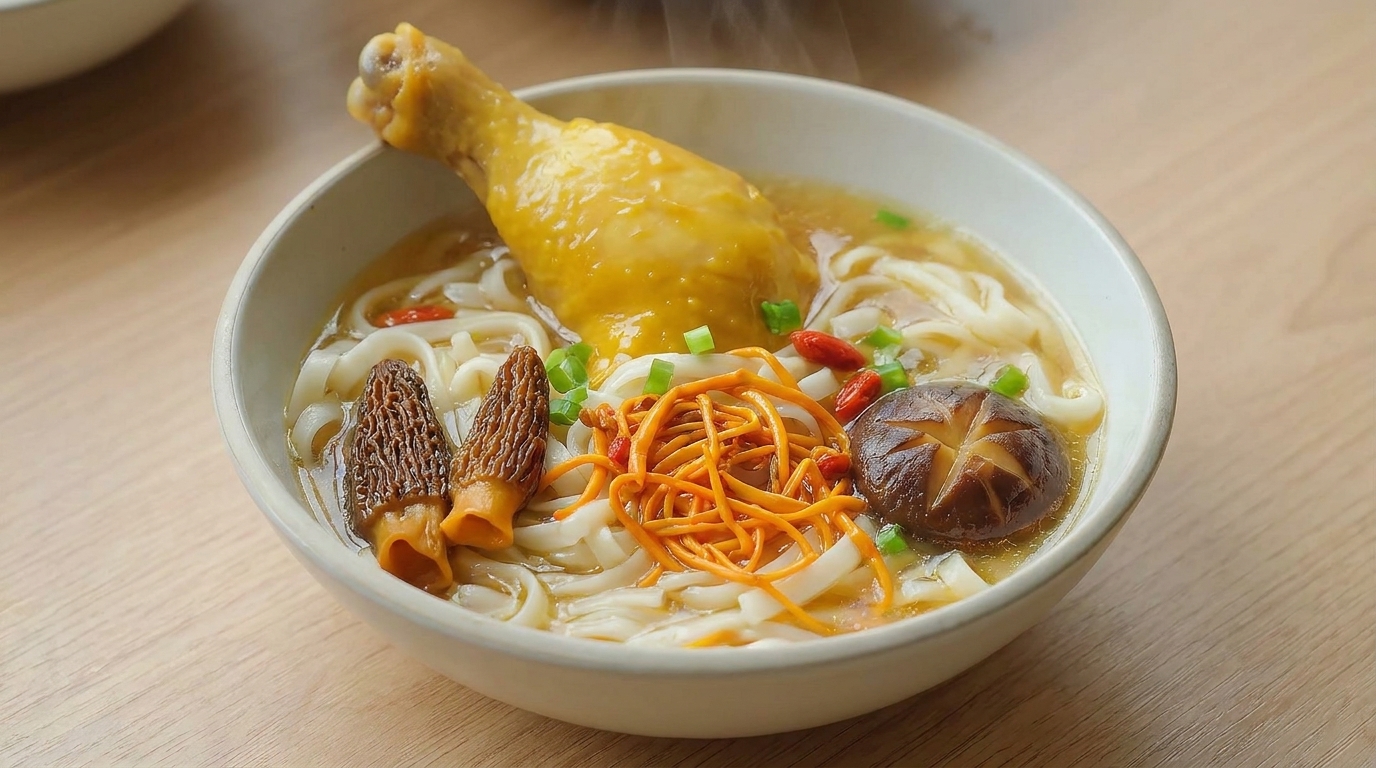
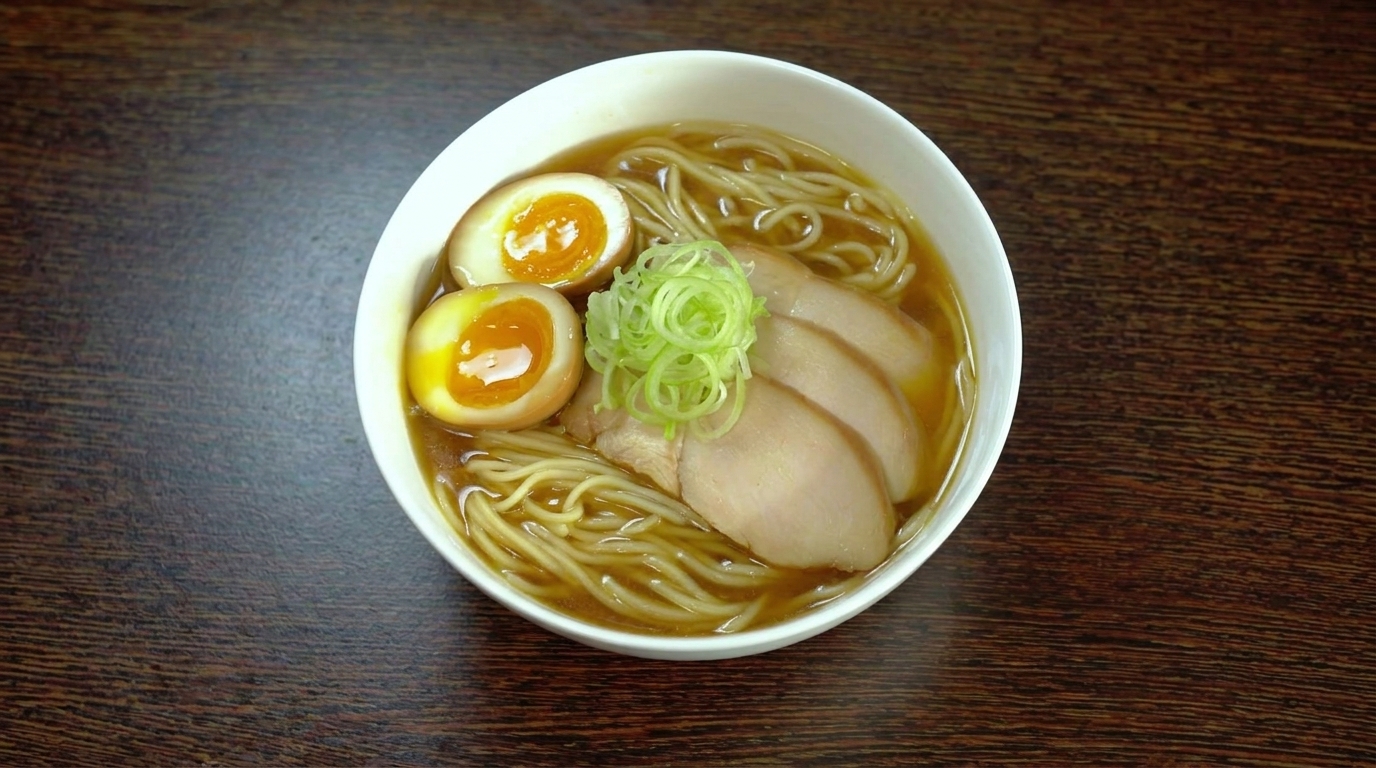
A healing, crystal-clear chicken noodle soup featuring tender somen noodles, a deeply savory slow-simmered broth, and a perfectly runny soft-boiled egg.
This homestyle chicken noodle soup focuses on the pure, unadulterated flavor of chicken. By gently simmering a whole hen and carefully skimming the fat, you achieve a delicate, crystal-clear broth that is rich without being heavy. Paired with refreshing somen noodles and a jammy, soft-boiled egg, its the ultimate comforting bowl for a rainy day.
Ingredients
- 1 whole hen or boiling chicken
- 1 slice fresh ginger
- 1 tbsp yellow cooking wine
- 2 pasteurized eggs
- 1 bundle thin somen noodles
- 1 handful bok choy
- to taste salt
- optional chopped green onions (for garnish)
Instructions
- 1Blanch the chicken
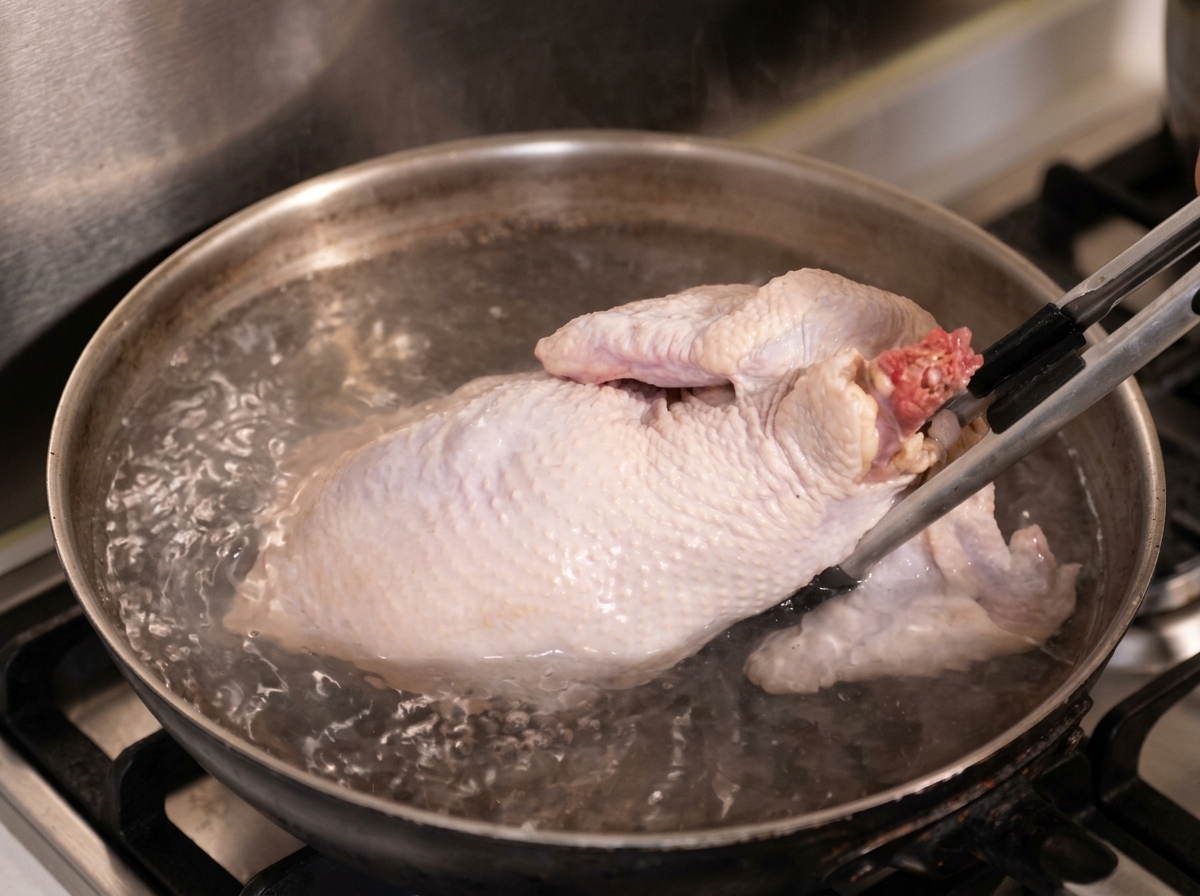
Briefly submerge the whole raw chicken into a pan or pot of boiling water. This quick blanching process cleans the exterior, removes surface impurities, and prepares the meat for the soup without overcooking it.
Tip: Blanching the chicken before making the soup is a crucial step to ensure the final broth is clear and free of cloudy impurities. - 2Transfer to a soup pot
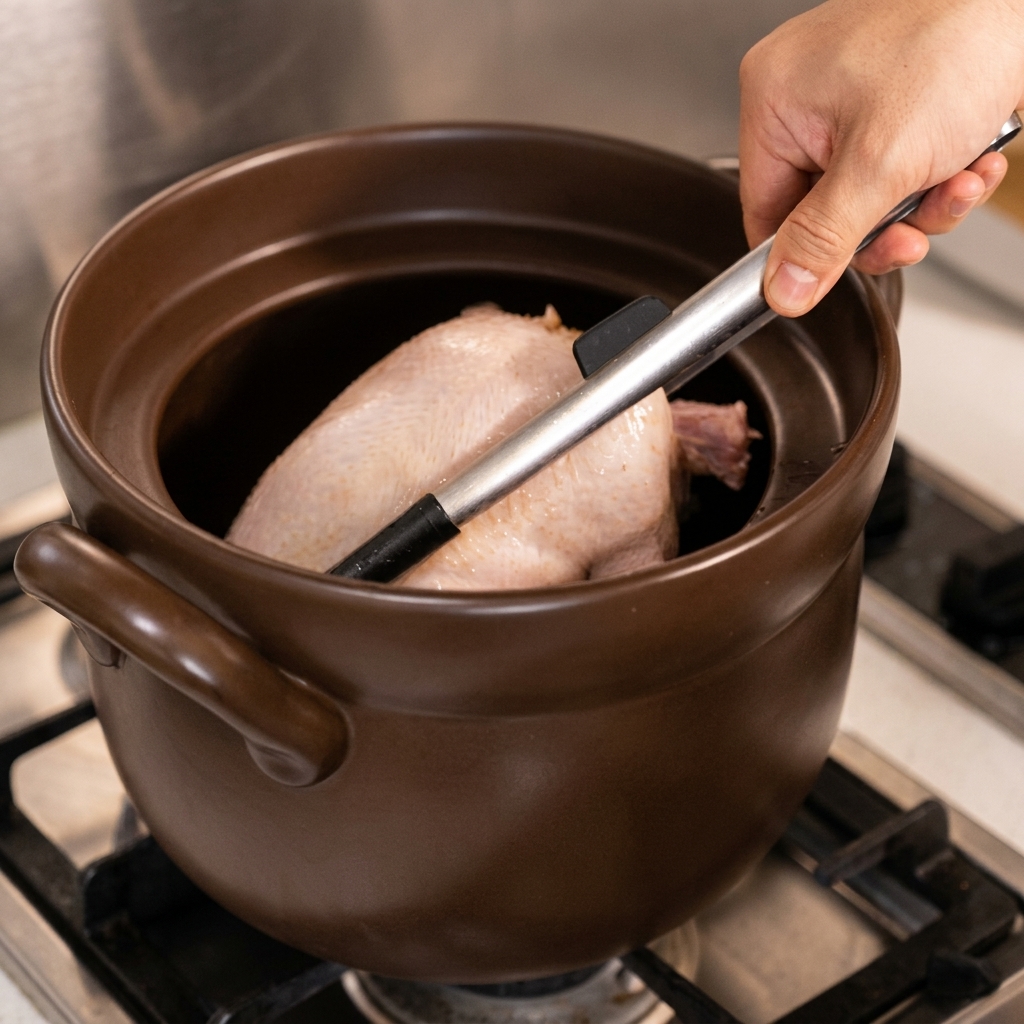
Carefully lift the blanched chicken using tongs and place it directly into a large brown ceramic or clay soup pot. Ensure the pot has enough room to hold the chicken and the water needed for the broth.
Tip: Using a ceramic or clay pot is ideal for soups, as it provides gentle and even heat distribution, perfectly extracting flavors during a long simmer. - 3Add boiling water and ginger
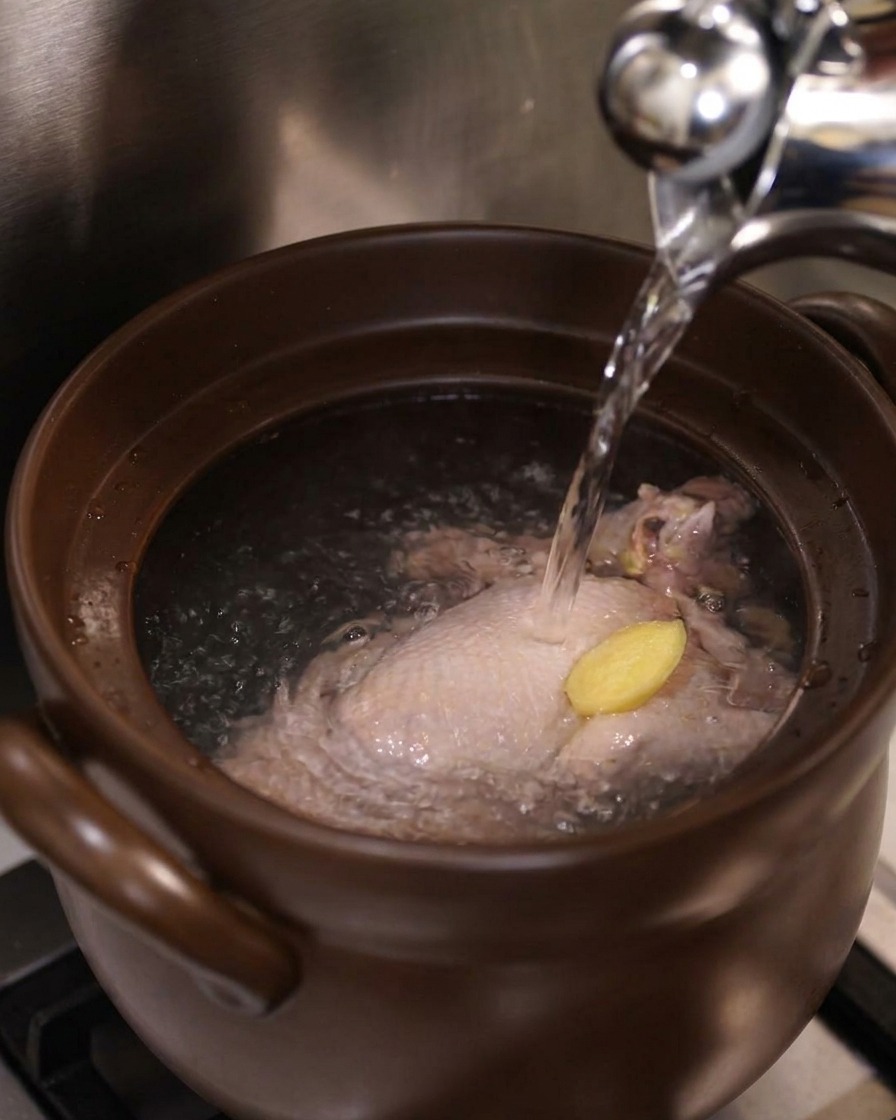
Drop a slice of fresh ginger into the pot with the chicken, then pour in enough boiling water from a kettle to submerge the meat. Bring it to a boil over high heat before reducing the heat to a gentle simmer.
Tip: Always use boiling water when starting the simmer; it locks in the meats juices. The ginger helps neutralize any unwanted poultry odors and adds a clean, warm flavor. - 4Add cooking wine
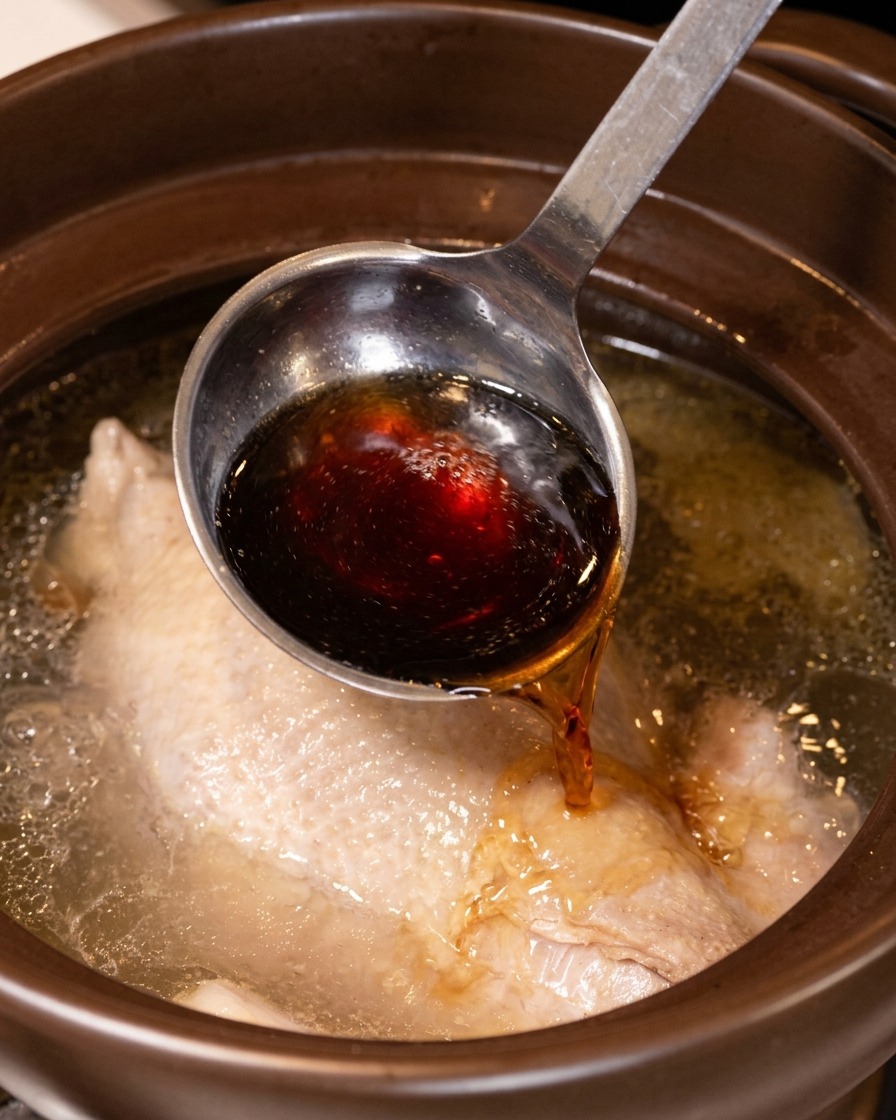
After the chicken has been gently simmering for about two hours, pour a spoonful of yellow cooking wine over the chicken and into the broth. Continue to simmer for another half hour.
Tip: Adding the wine late in the cooking process allows it to enhance the savory umami depth of the broth without evaporating too quickly. - 5Skim excess fat
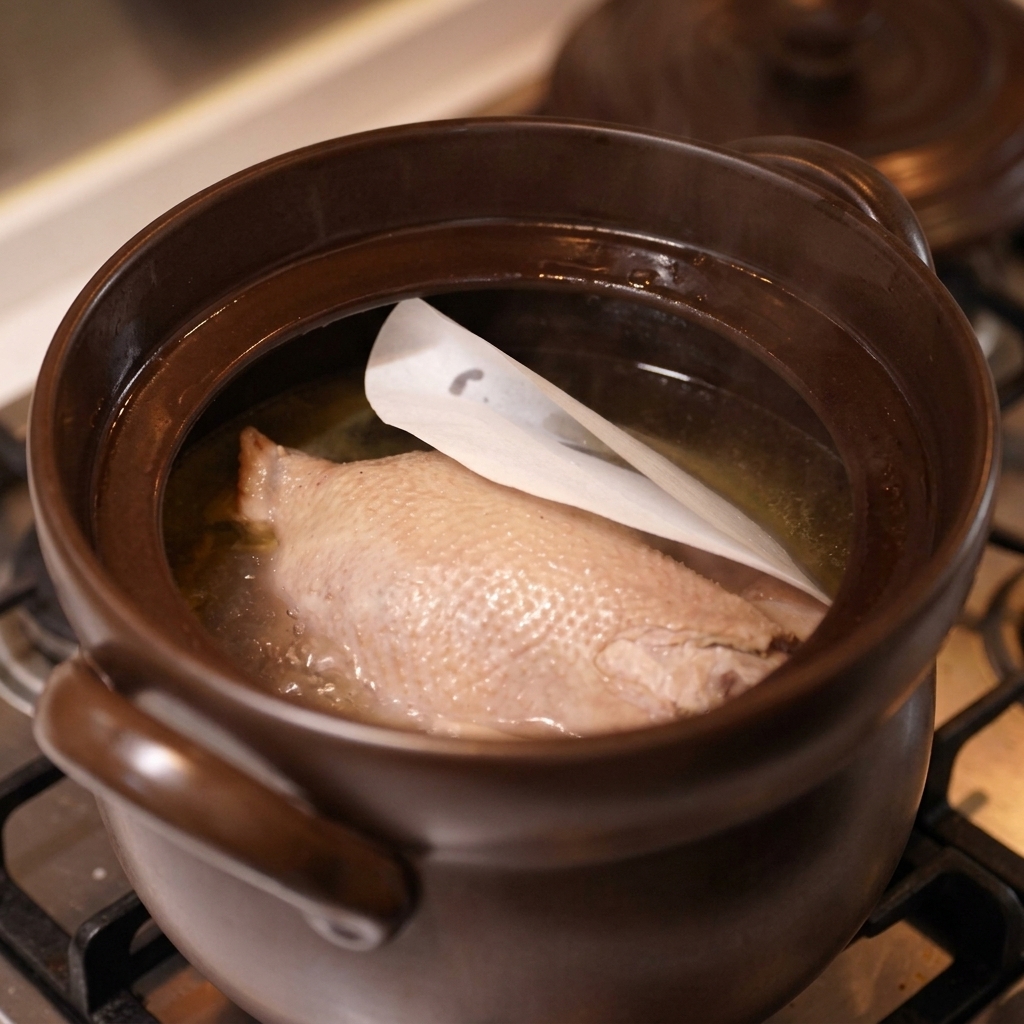
Gently place an oil-absorbing paper sheet onto the surface of the simmering chicken broth. The paper will quickly draw up and trap the rendered chicken fat, leaving the broth underneath clear and fragrant.
Tip: If you do not have oil-absorbing sheets, you can use a fine-mesh skimmer or a spoon to carefully scoop the oil off the top. - 6Season the broth
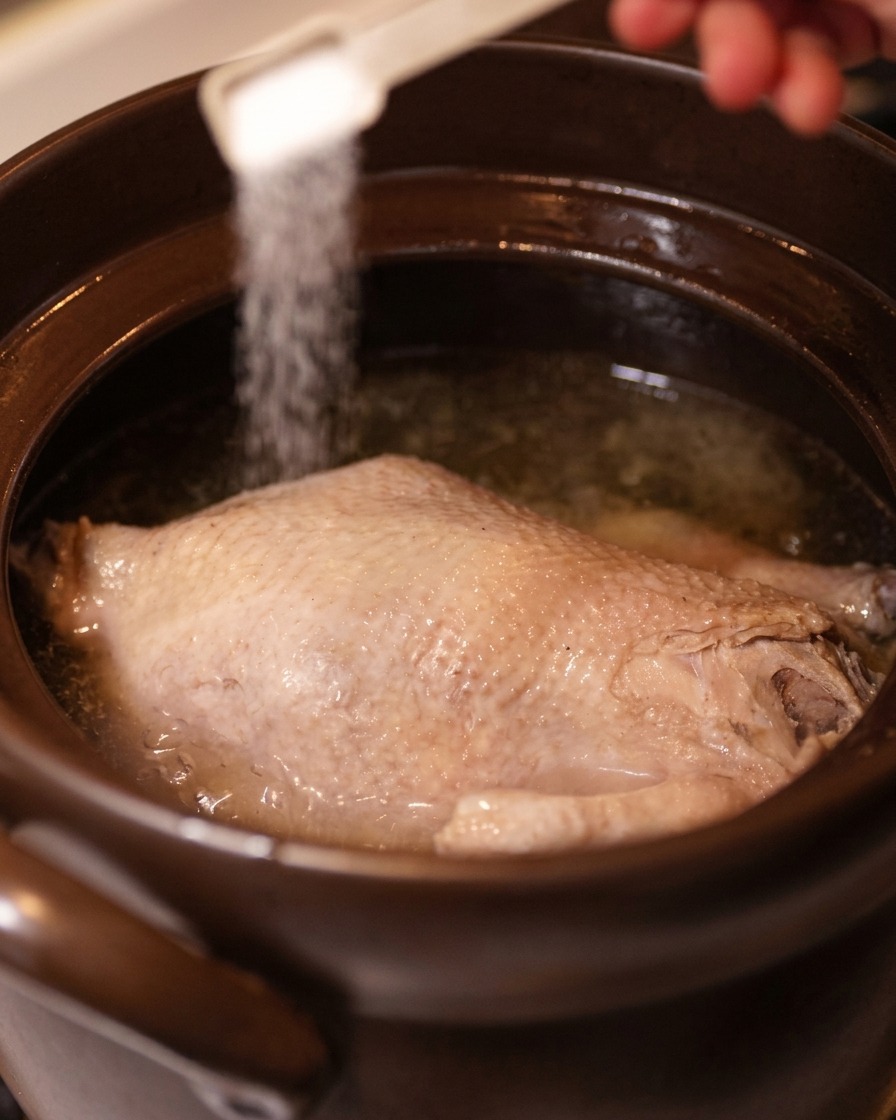
Once the cooking process is completely finished, taste the broth and adjust the seasoning by sprinkling in white salt to your preference. Stir gently to dissolve.
Tip: Never add salt halfway through the cooking process. Adding salt too early can draw moisture out of the chicken, making the meat tough and dry. - 7Boil the eggs
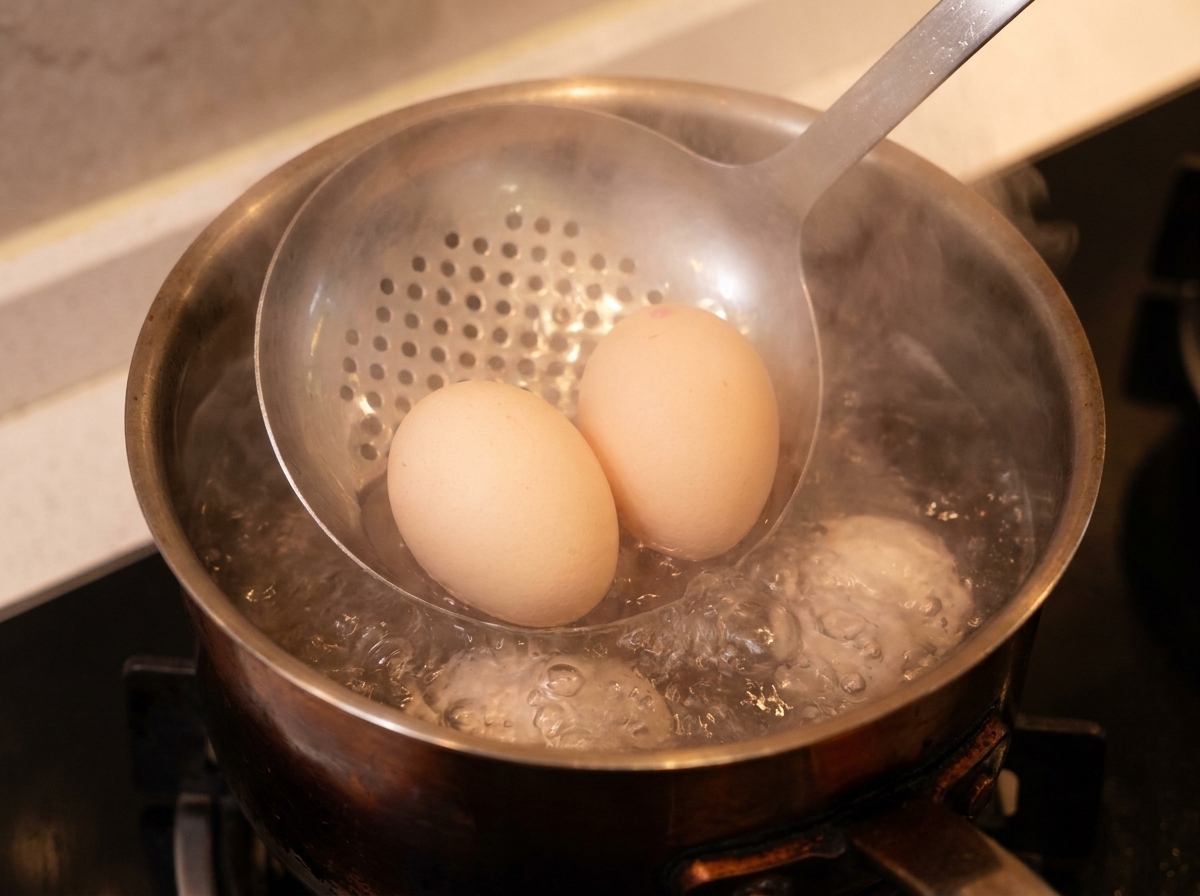
Once the water comes to a rolling boil, gently lower the room-temperature pasteurized eggs into the pot using a slotted spoon. Set a timer for exactly 6 minutes to ensure a perfectly soft-boiled center.
Tip: If your eggs are coming straight from the refrigerator, let them rest at room temperature for at least 30 minutes before boiling to prevent the shells from cracking upon hitting the hot water. - 8Chill the eggs
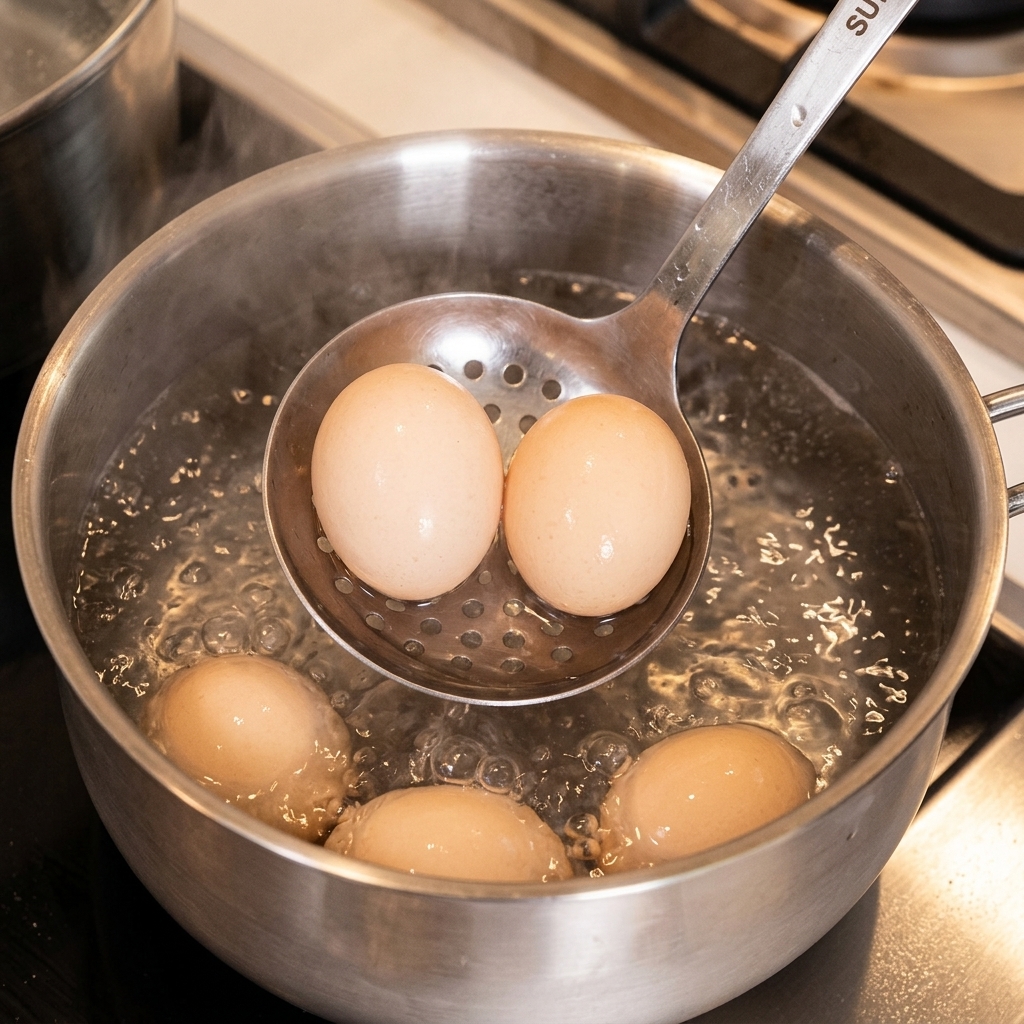
After exactly 6 minutes of boiling, promptly remove the eggs from the hot water using a slotted spoon. Immediately transfer them into a prepared bowl of ice water. This sudden temperature drop instantly stops the cooking process.
Tip: Having the ice bath ready beforehand is crucial. Chilling the eggs quickly is the absolute secret to keeping the yolk perfectly runny. - 9Slice the soft-boiled egg
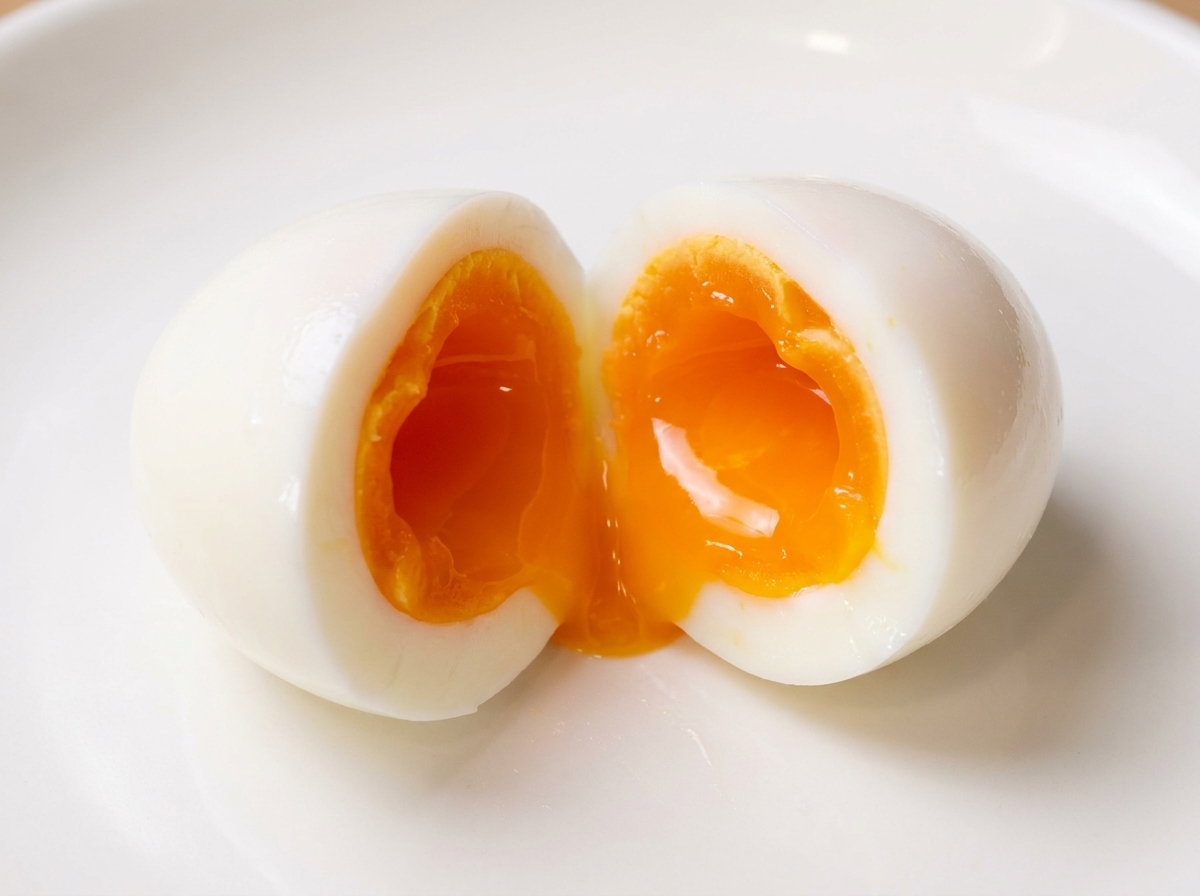
Once the eggs have cooled completely in the ice bath, carefully peel away the shells. Gently slice the egg in half to reveal a beautifully runny, bright orange yolk that is cooked just enough to hold its shape but not turn watery.
Tip: Use a very sharp knife or a piece of clean fishing line to cut the eggs cleanly without squeezing out the delicate soft yolk. - 10Cook the somen noodles
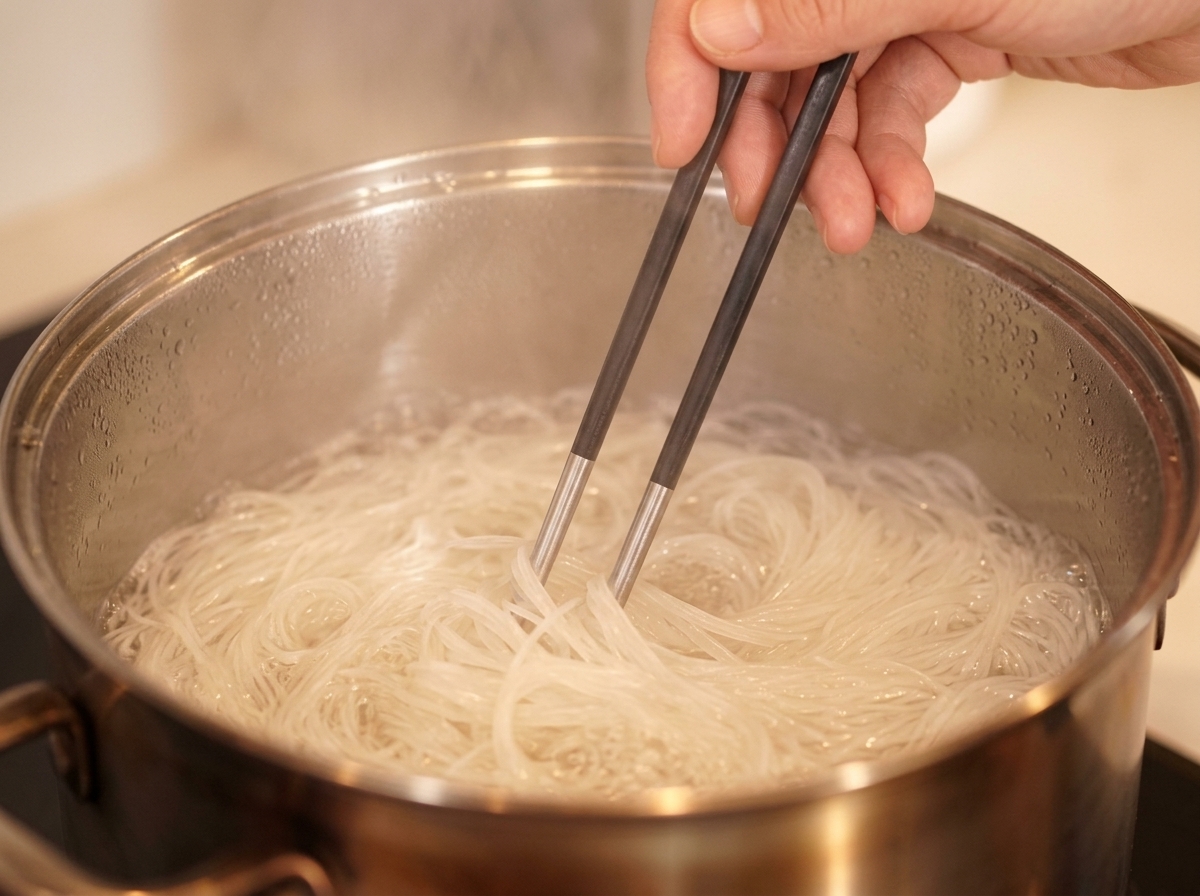
Bring a separate pot of water to a boil and add the thin somen noodles. Stir gently with chopsticks to prevent them from sticking together. Somen cooks very quickly, so keep a close eye on them to avoid overcooking.
Tip: Once cooked, quickly drain and rinse the noodles under cold running water. This removes excess starch and gives them a refreshing, springy texture. - 11Assemble the noodle bowl
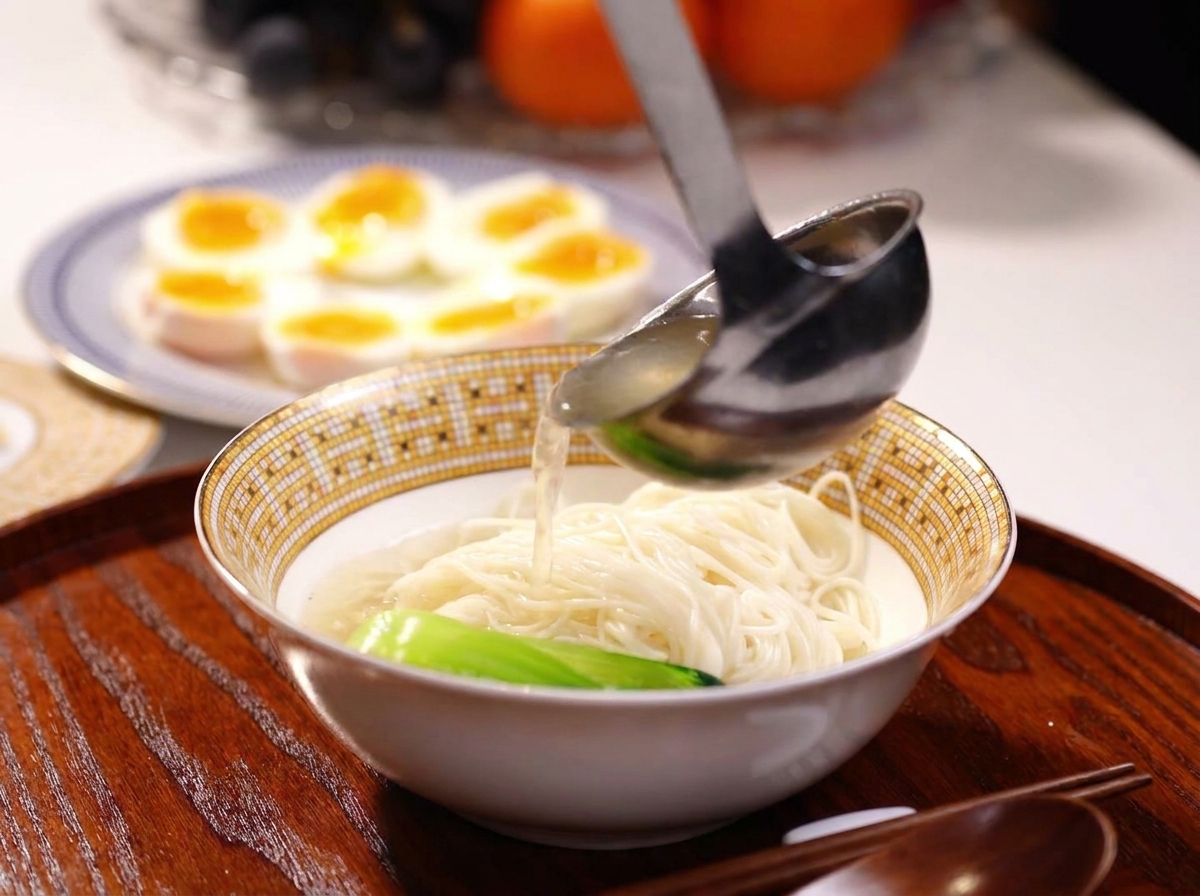
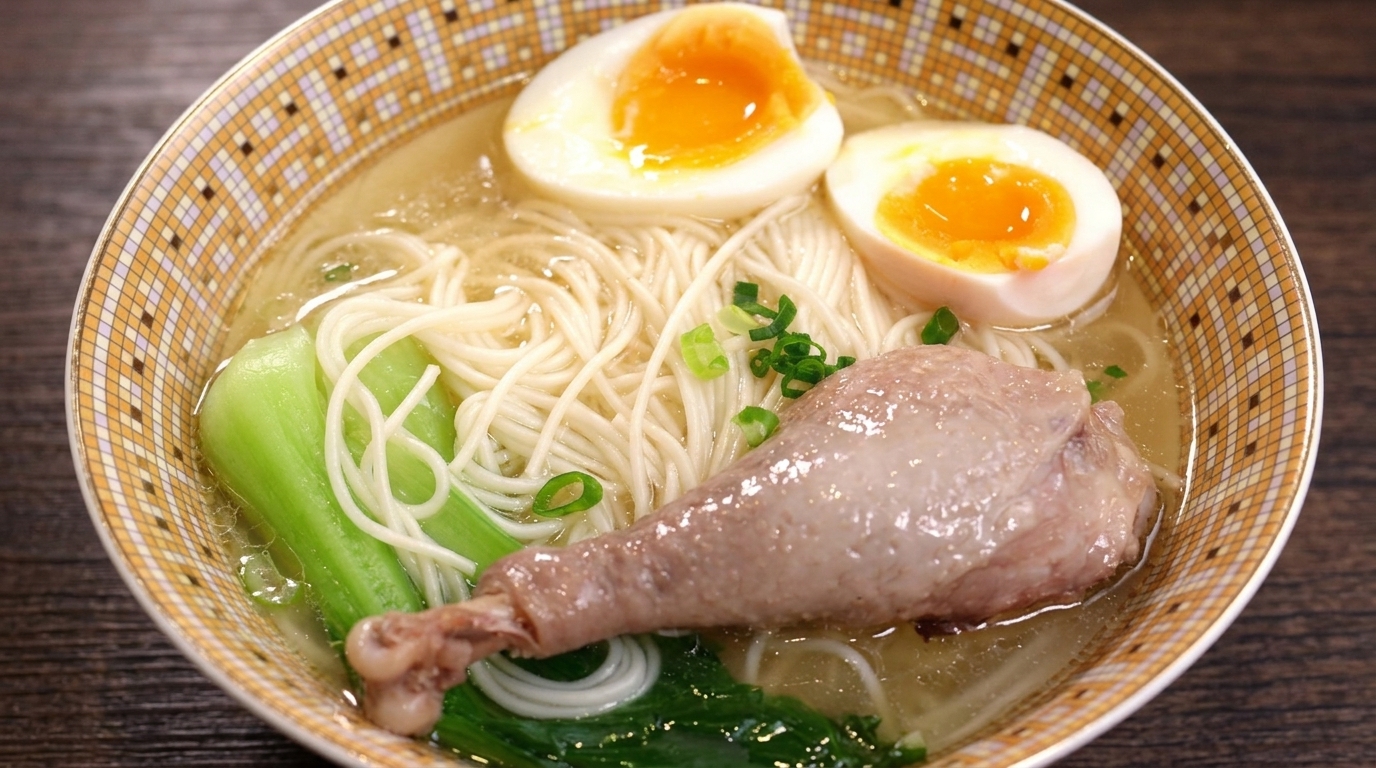
Place a portion of the cooked and cooled somen noodles into the bottom of a serving bowl. Slowly pour the steaming hot clear chicken broth over the noodles and add the fresh bok choy so the hot liquid gently wilts the leaves.
Tip: Remember to taste your broth before pouring it over the noodles. This is the perfect time to adjust the final seasoning with a little extra salt if necessary. - 12Add the chicken leg
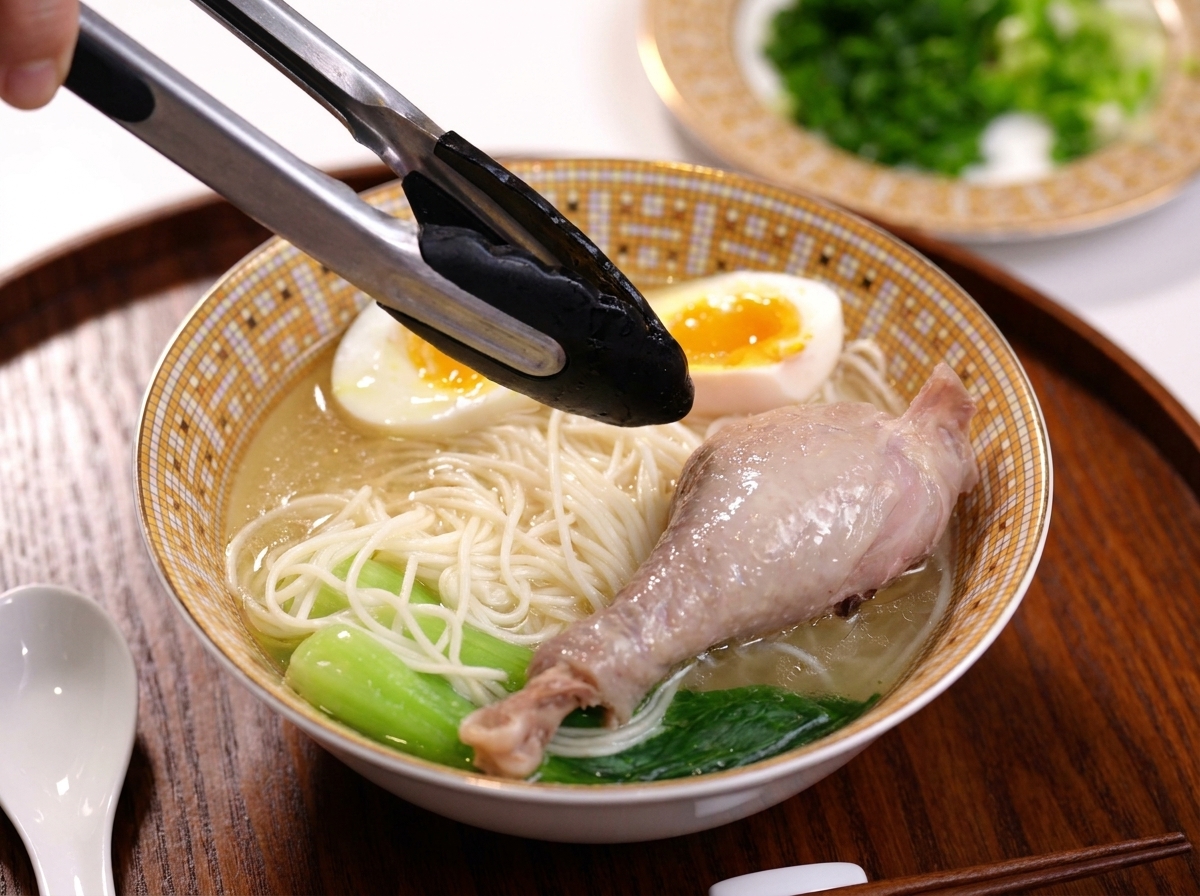
Carefully use tongs to place a tender and fully cooked chicken leg from your broth pot right on top of the assembled noodles and bok choy.
Tip: The chicken meat will be very soft after the long simmer so handle it gently to keep the leg intact for a beautiful presentation. - 13Add the soft-boiled egg
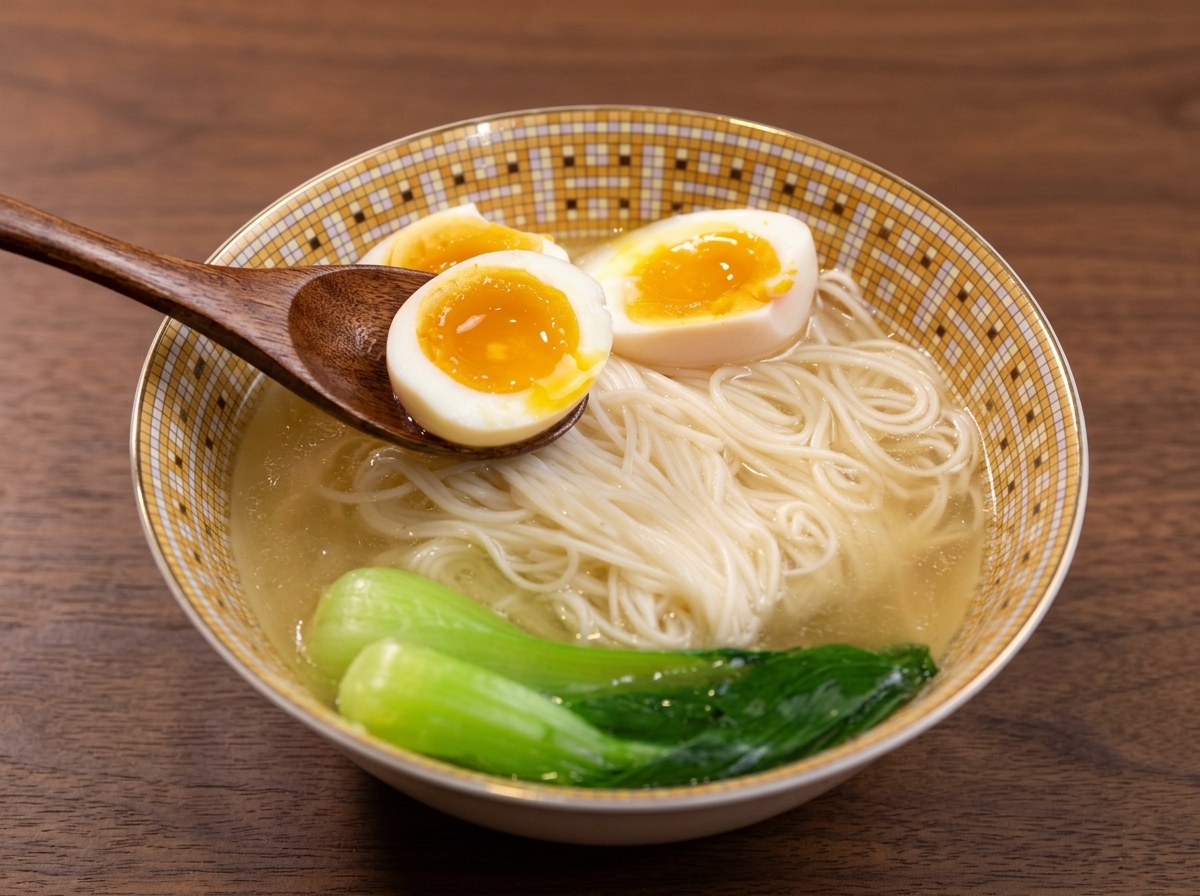
Carefully place the halved soft-boiled egg into your prepared bowl of chicken noodle soup. The perfectly runny yolk adds a rich, comforting dimension. Sprinkle with chopped green onions to garnish and serve immediately.
Tip: Use a spoon to gently transfer the egg halves. This prevents the delicate whites from tearing and ensures the beautiful runny yolk stays intact until youre ready to eat.