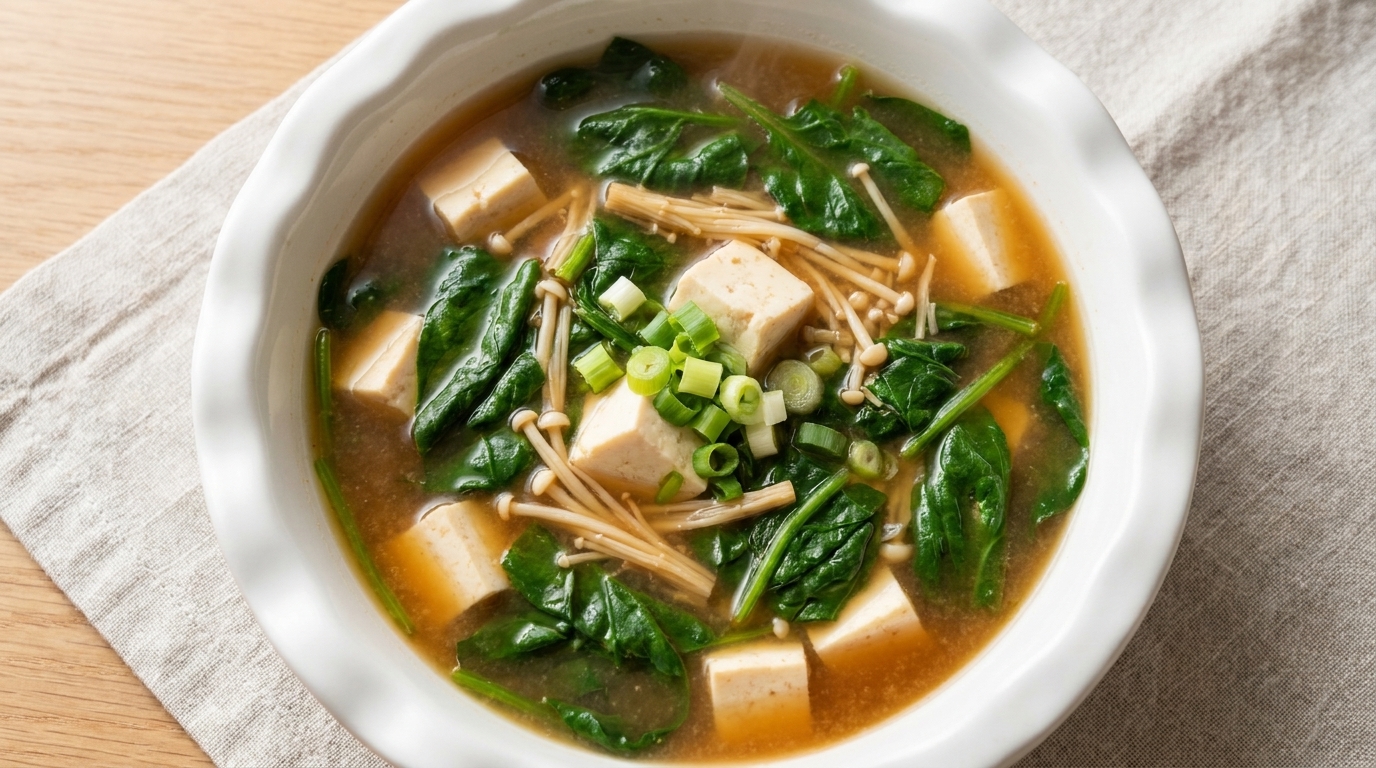
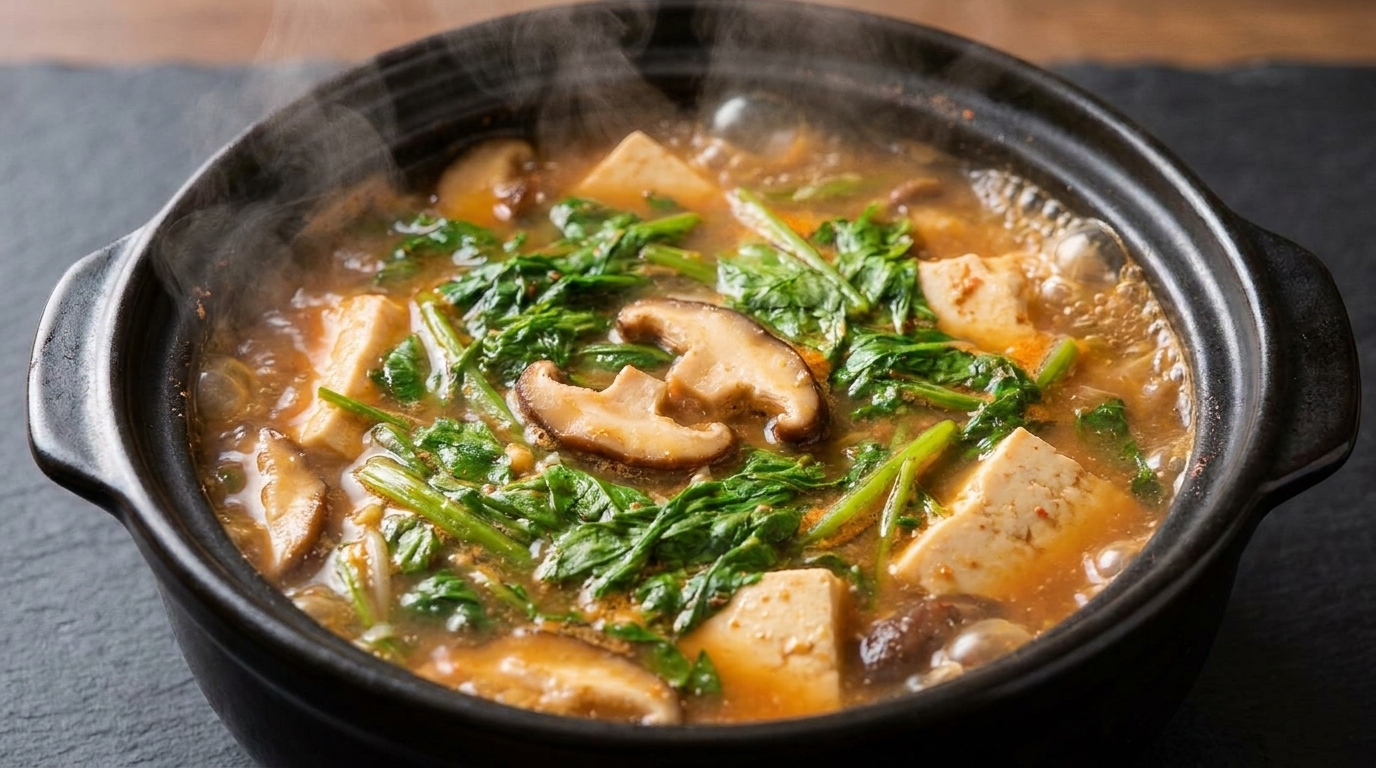
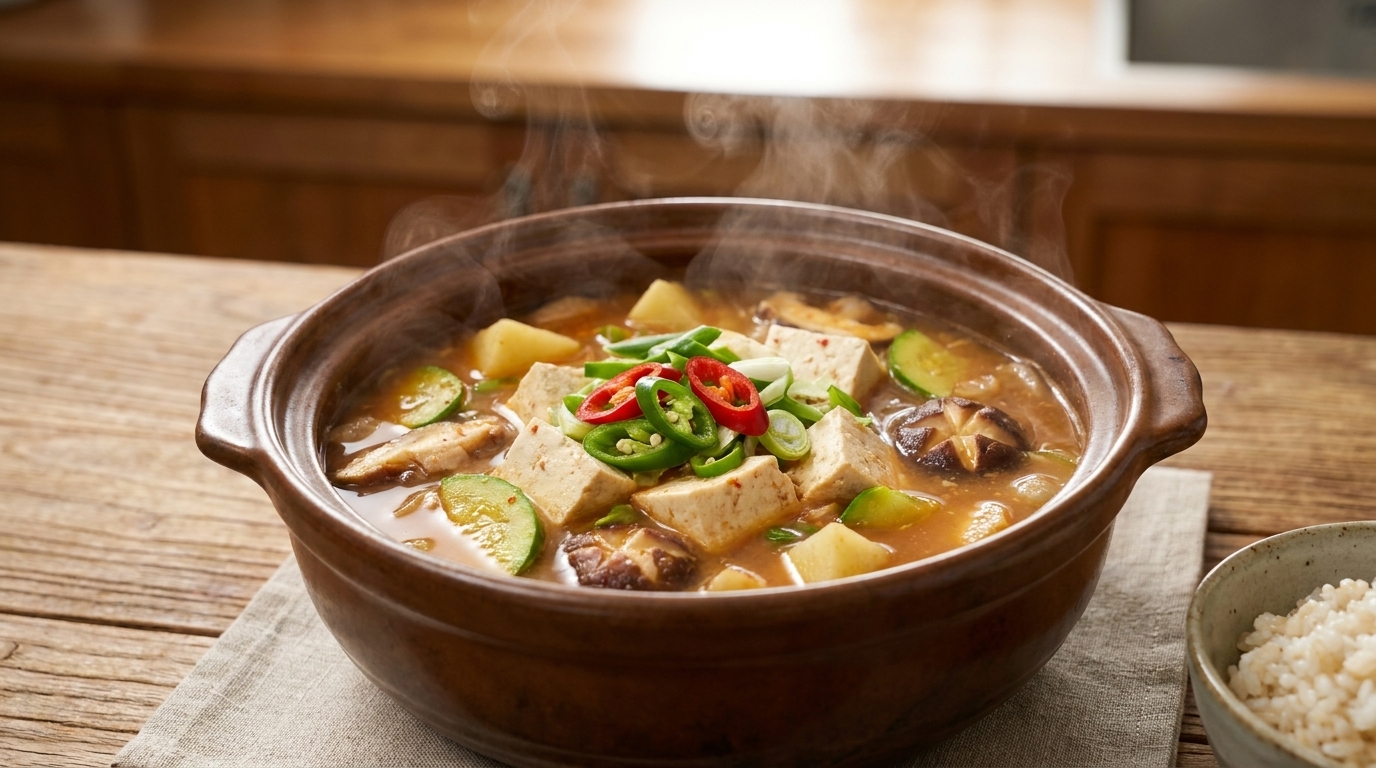
Authentic Korean Soybean Paste Stew (Doenjang-jjigae)
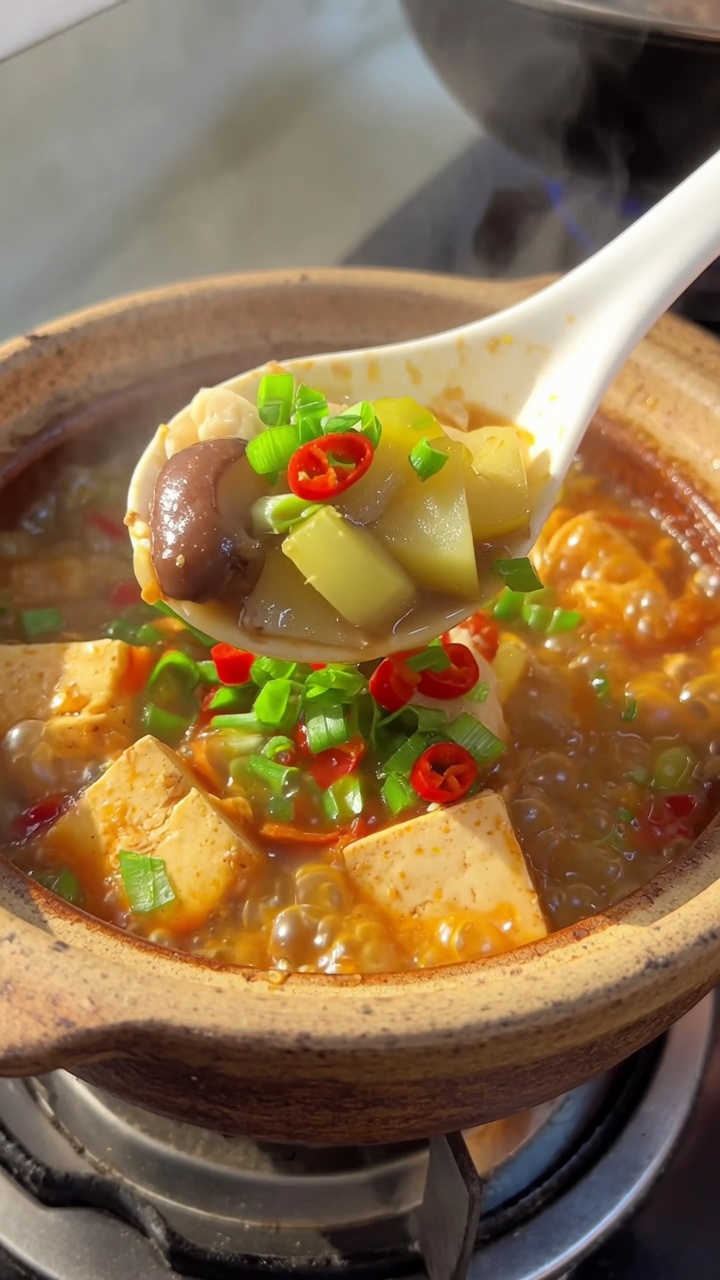
Experience the ultimate Korean comfort food with this hearty Doenjang-jjigae. Rich, fermented soybean paste creates a deeply savory broth packed with fresh vegetables, tofu, and tender meat.
Doenjang-jjigae is a staple in Korean households, beloved for its comforting, earthy flavors. The secret lies in the doenjang (fermented soybean paste), which provides a complex, umami-rich foundation that deepens as it simmers in the traditional clay pot.
Ingredients
- 100 g sliced pork or beef
- 1/2 chayote
- 1/2 red onion
- 3 shiitake mushrooms
- 200 g firm tofu
- 50 g bean sprouts
- 1 green pepper
- 3 tbsp Korean soybean paste (doenjang)
- 1 tbsp cooking oil
- 400 ml water
- 1 green onion
- optional red chili
Instructions
- 1Cut the chayote
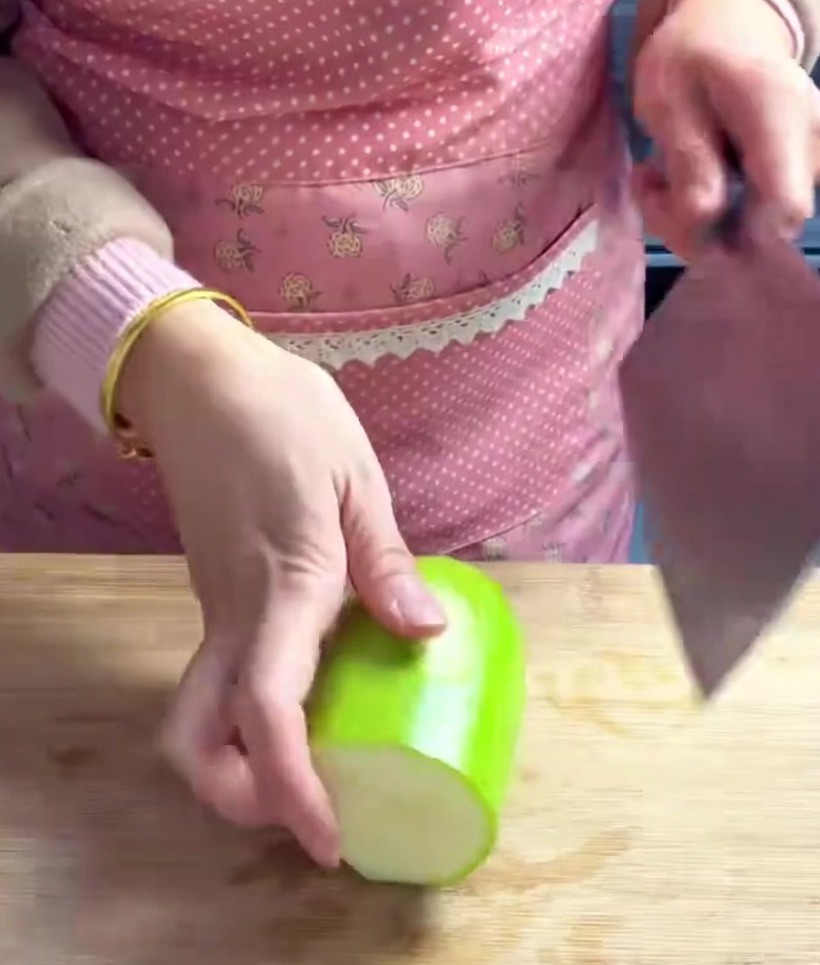
Place the chayote on a cutting board and use a cleaver to cut it into small, thick cubes. Avoid cutting them too thin so they maintain a nice texture during cooking.
Tip: Keeping the pieces thick prevents them from turning to mush when simmered in the stew. - 2Chop the onion
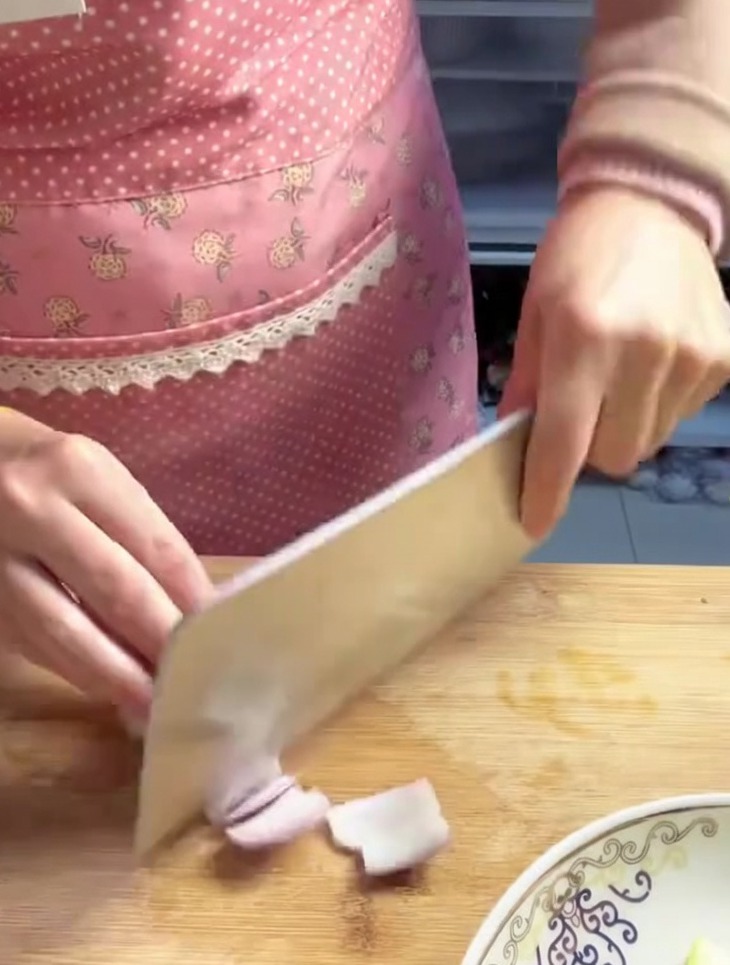
Take the onion and chop it into rough pieces. These will be added to the pot later to provide a sweet, savory base for the stew.
Tip: Roughly chopping the onion adds texture and better flavor release than finely dicing. - 3Slice the mushrooms
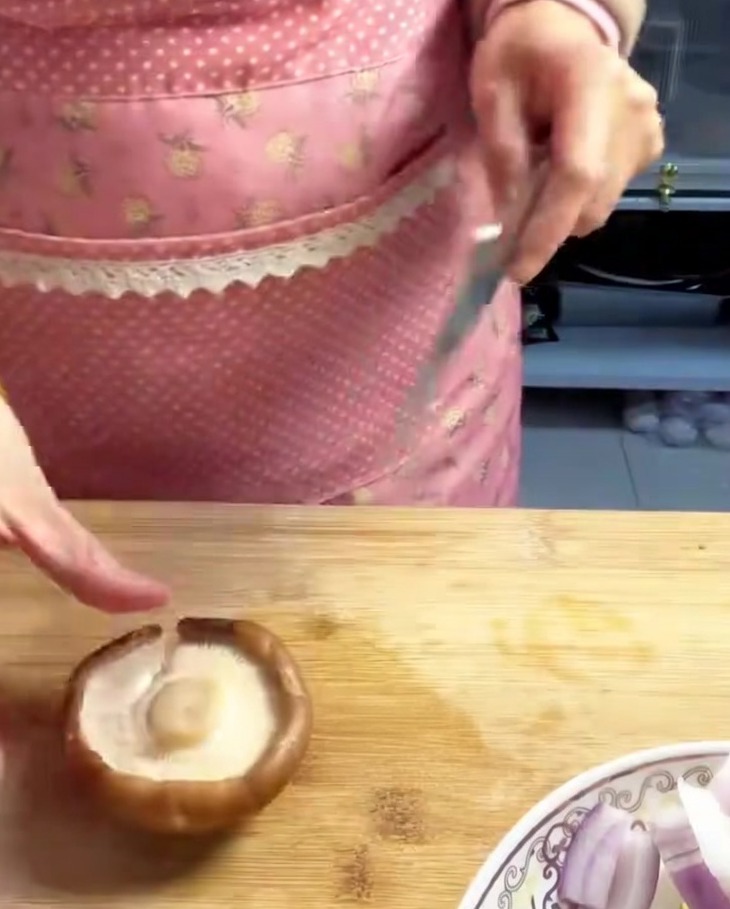
Take the shiitake mushrooms and slice them into thin pieces. The mushrooms will absorb the flavor of the soybean paste and add an earthy depth to the stew.
Tip: Ensure the mushroom slices are consistent in thickness for even cooking. - 4Prepare green pepper
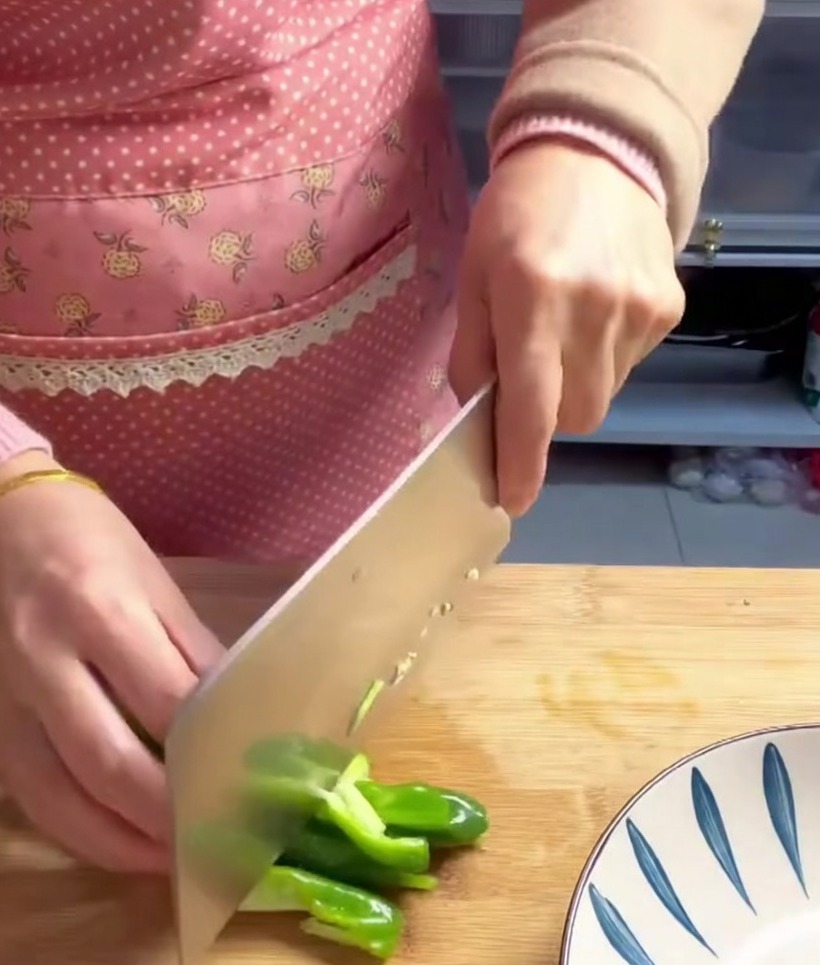
Carefully remove the seeds from the green pepper, then chop it into small, manageable pieces to be added to the stew.
Tip: Removing the seeds helps control the spice level of the stew. - 5Cube the tofu
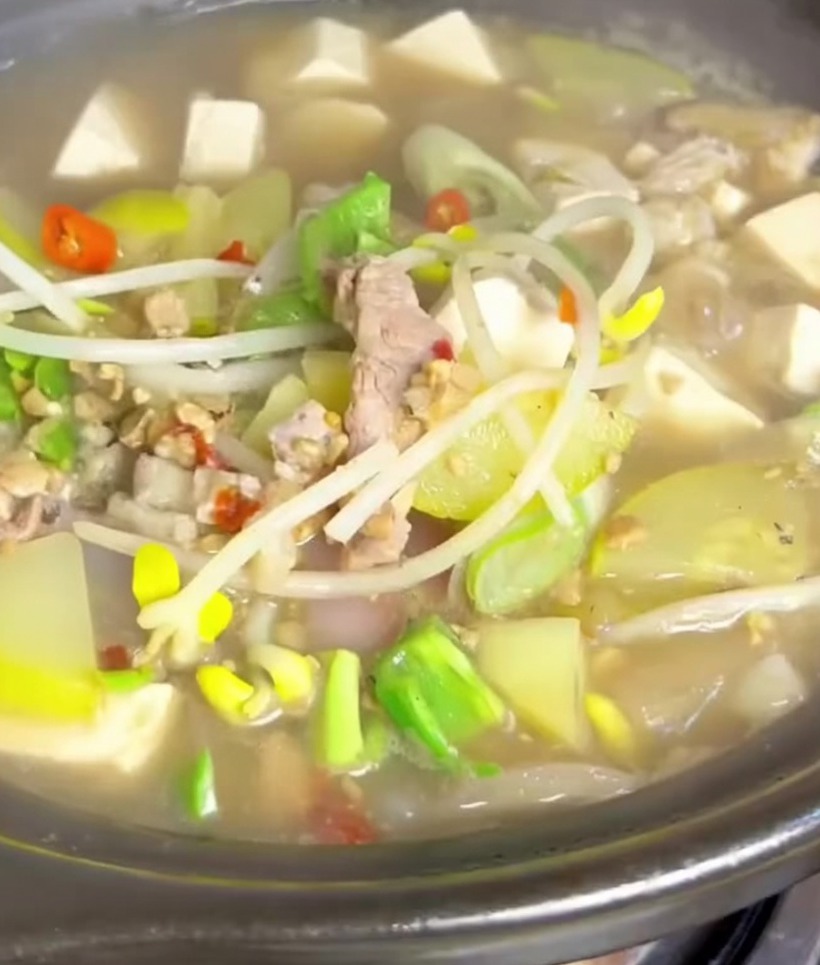
Cut the block of tofu into small, uniform cubes. These will be added to the stew to soak up all the delicious flavors of the soybean broth.
Tip: Handle the tofu gently to keep the cubes from breaking apart.