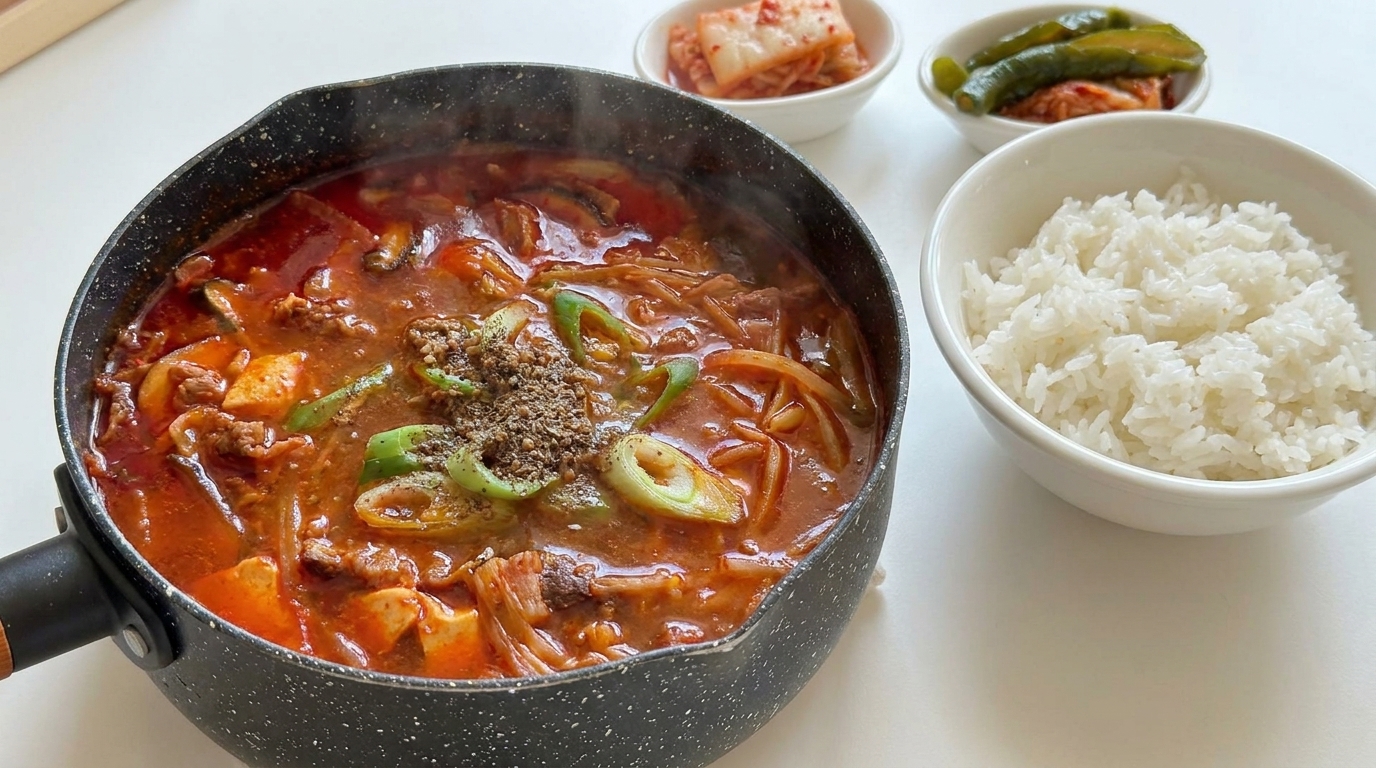
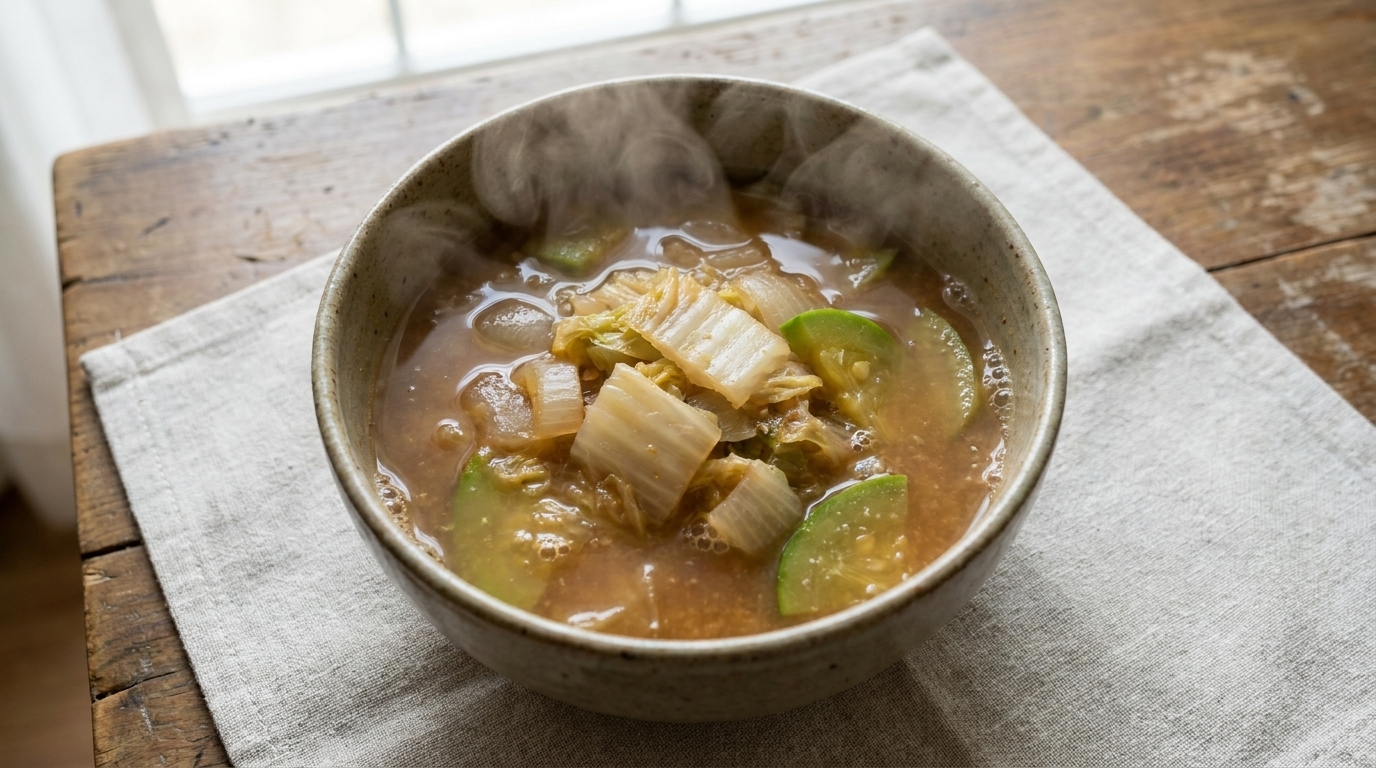
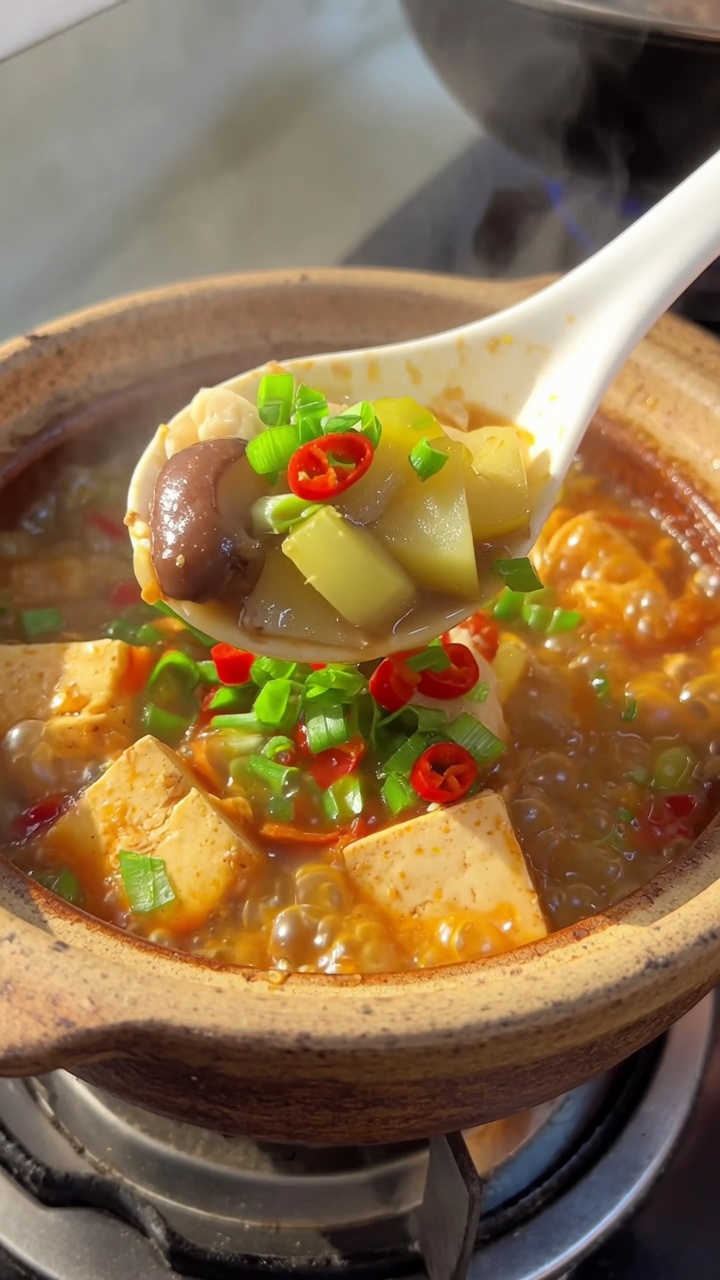
Traditional Korean Spinach Doenjang-guk
A comforting, home-style Korean soup featuring nutrient-rich spinach, tender tofu, and delicate enoki mushrooms in a savory, umami-packed soybean paste broth.
Doenjang-guk is a staple of the Korean home kitchen, prized for its deep, earthy flavor and wholesome ingredients. This version highlights the subtle sweetness of spinach and the soft texture of tofu, brought together by the complex, fermented profile of doenjang, or soybean paste. It is a simple yet nourishing meal that captures the essence of everyday Korean dining.

Ingredients
- 1 bunch fresh spinach
- 1/2 block firm tofu
- 100 g enoki mushrooms
- 800 ml water
- 2 tbsp soybean paste (doenjang)
- 1 tbsp minced garlic
- 2 tbsp soy sauce
- 3–4 pieces dried shrimp (optional)
- 1 piece dried kelp (optional)
- 1 stalk green onion, chopped
Instructions
- 1Trim the spinach
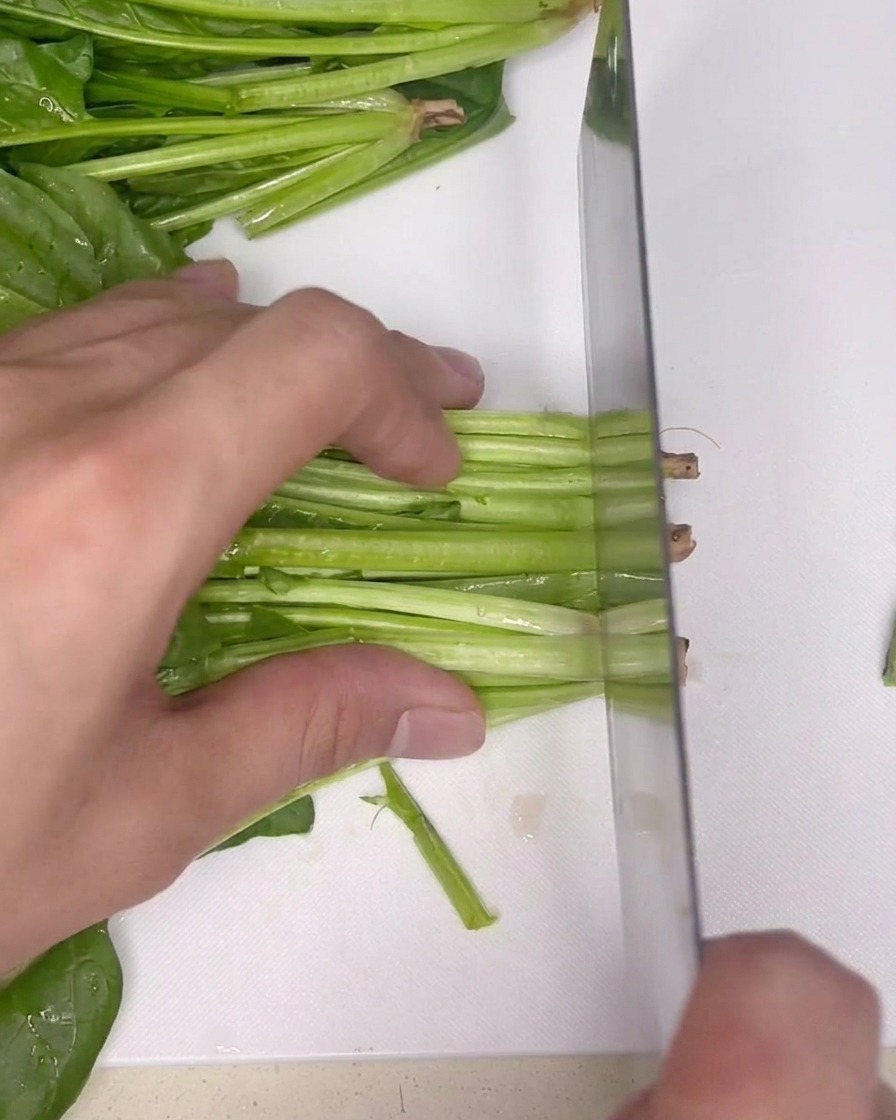
Place the fresh spinach on a cutting board and use a large knife to trim off the root ends. This prepares the spinach for cleaning and cooking, ensuring only the edible leaves and tender stems are used.
Tip: Make sure to wash the spinach thoroughly after trimming to remove any dirt or grit. - 2Slice the tofu

Take a block of firm tofu and carefully cut it into uniform rectangular slices on your cutting board. These pieces will absorb the flavor of the soybean paste broth.
Tip: Keep the slices consistent in thickness so they cook evenly in the soup. - 3Prepare the broth base
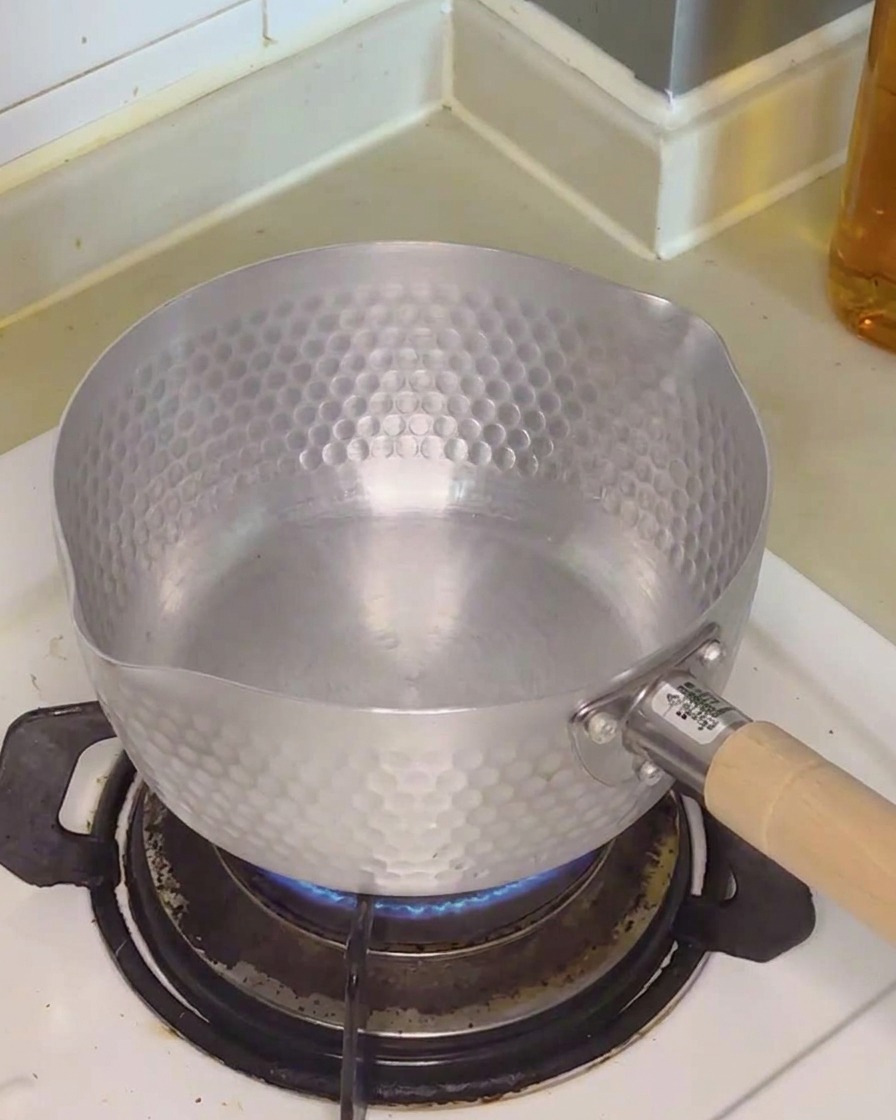
Pour 800ml of water into a metal cooking pot set on the stovetop. This will serve as the foundation for your flavorful Korean soybean paste soup.
Tip: Using filtered or bottled water helps keep the broth flavor clean and pure. - 4Add aromatics to the water
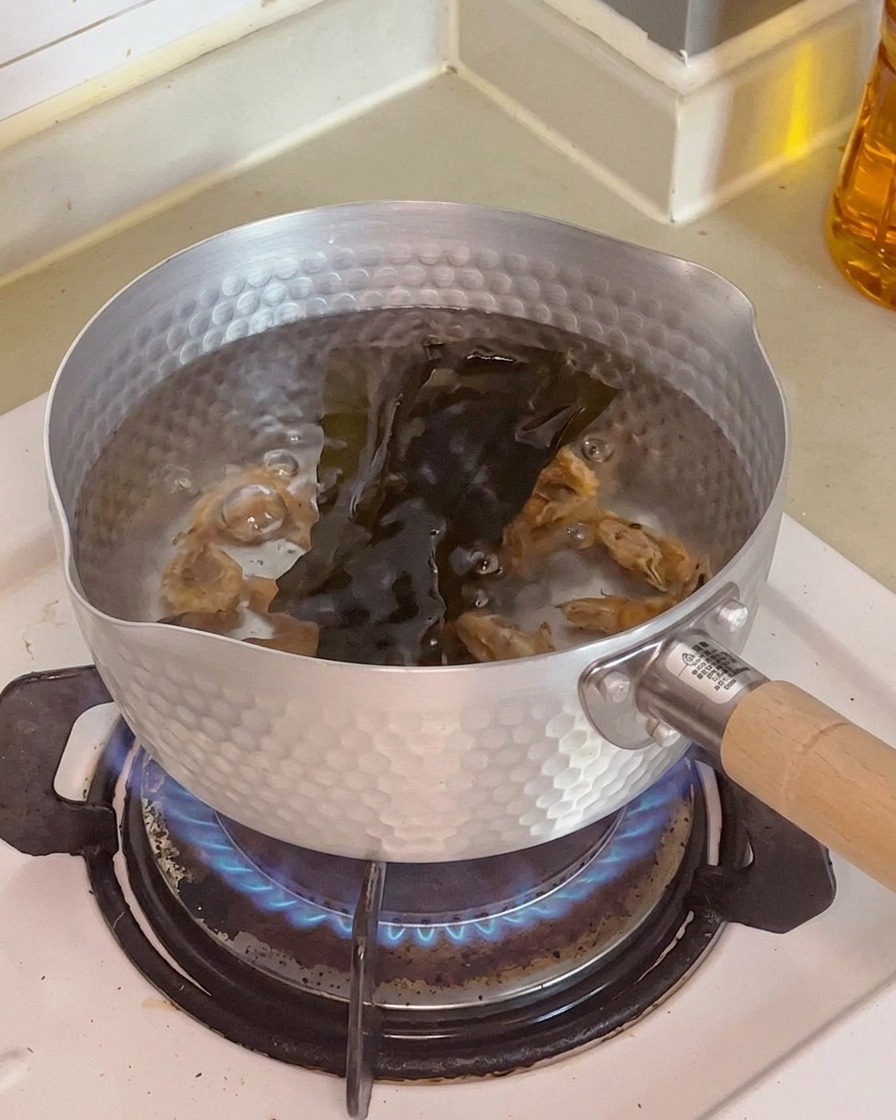
Add dried shrimp and a piece of dried kelp into the water in the pot. Let these simmer for about 5 minutes to infuse the broth with a deep, savory umami flavor, then remove them before proceeding.
Tip: If you are short on time, you can omit these, but they are highly recommended for the best broth depth. - 5Dissolve the soybean paste
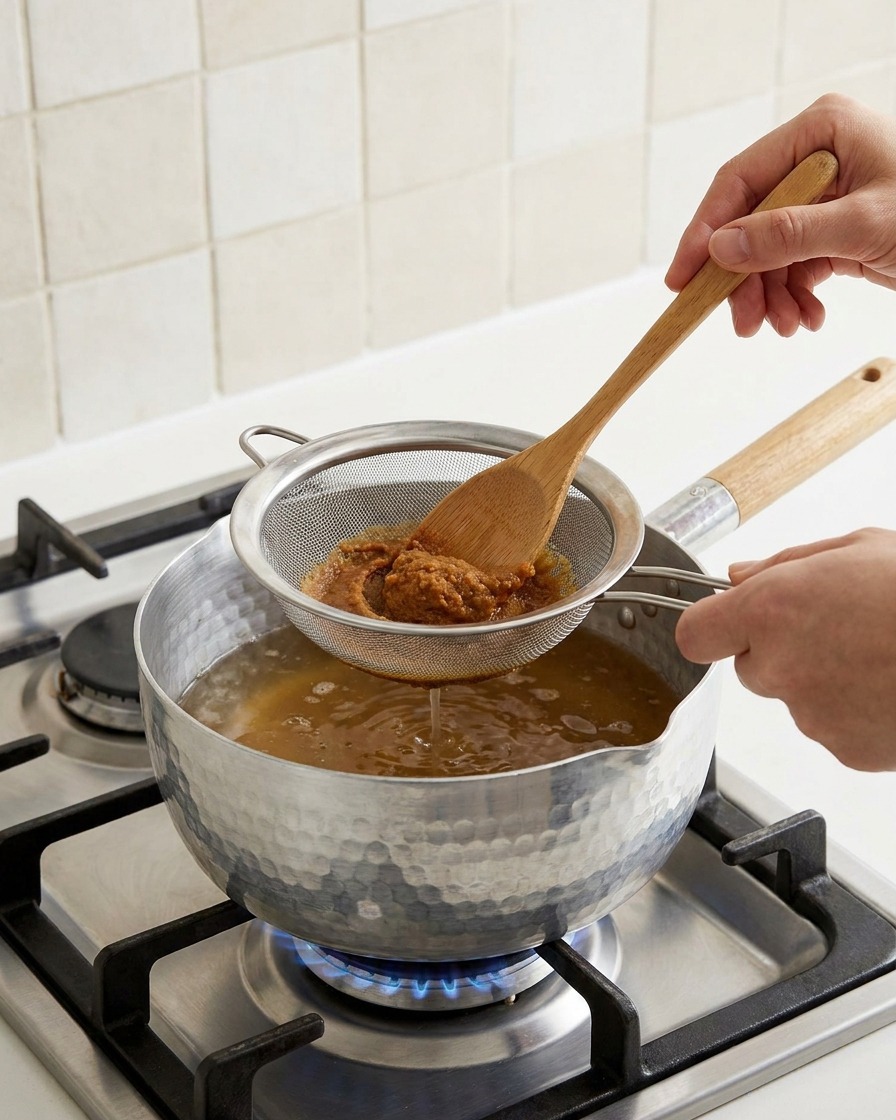
Take two spoonfuls of soybean paste and place them in a fine-mesh strainer submerged in the broth. Use a wooden spoon to press the paste through the strainer into the liquid to ensure it dissolves completely without lumps.
Tip: Using a strainer makes the broth texture smooth and consistent. - 6Add garlic and seasonings
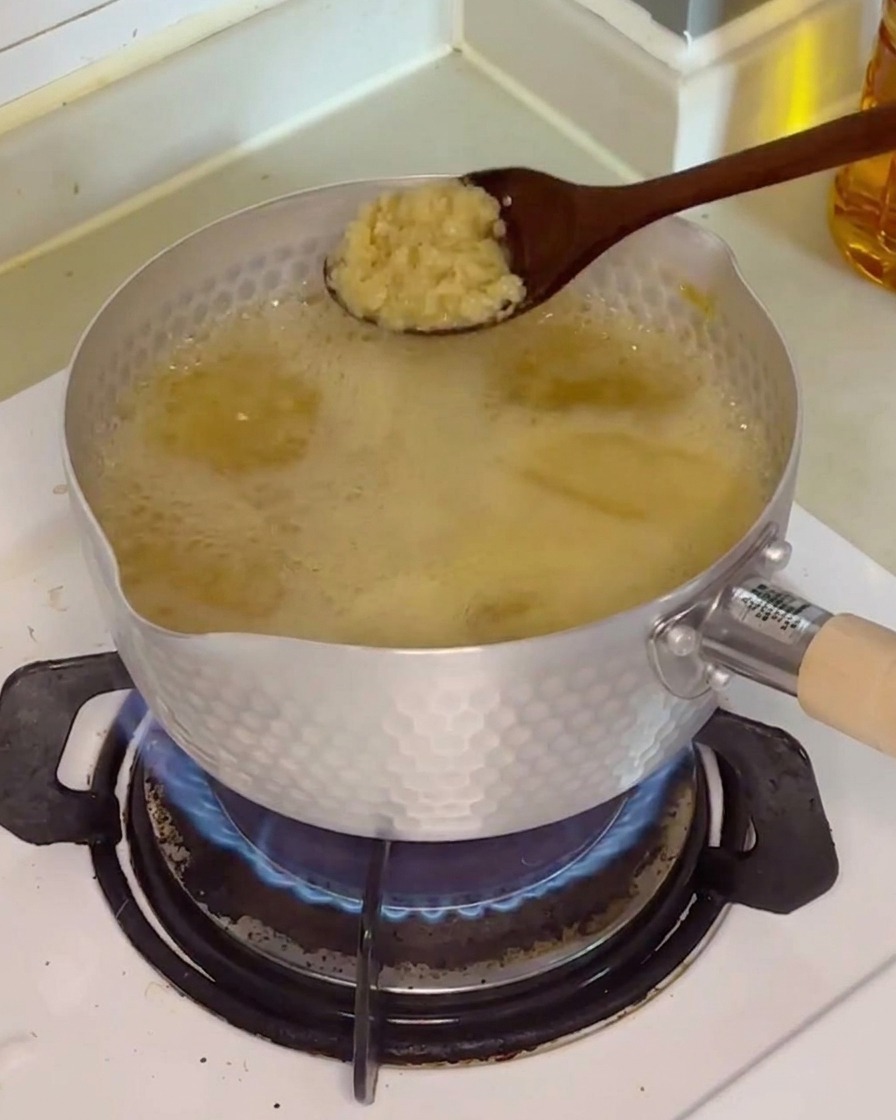
Add a spoonful of minced garlic into the bubbling soybean paste broth. Stir well with a wooden spoon to incorporate the aromatics, then prepare to add your vegetables.
Tip: Freshly minced garlic provides the best flavor for this soup. - 7Add vegetables and tofu
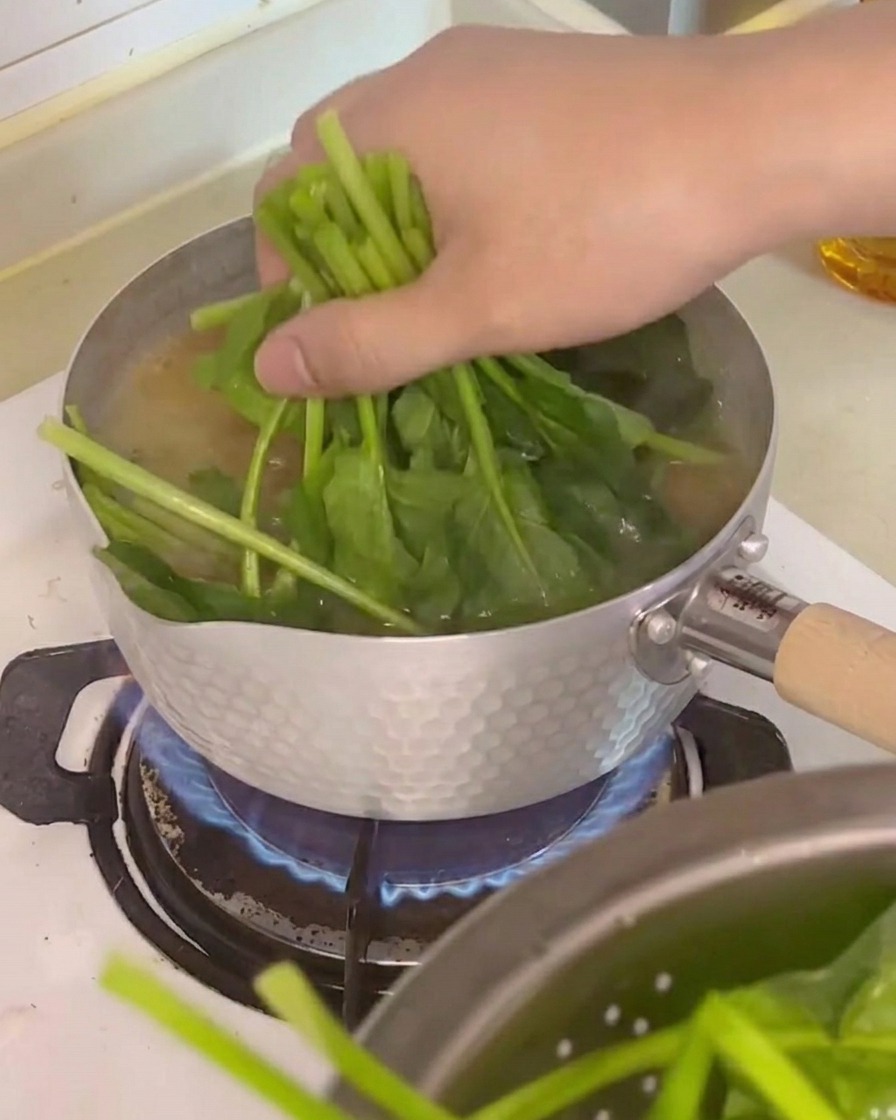
Add the prepared spinach, sliced tofu, and enoki mushrooms into the boiling soybean broth. These ingredients will cook quickly and absorb the flavorful base.
Tip: Ensure the spinach is washed thoroughly and the roots are trimmed before adding to the pot. - 8Season the soup
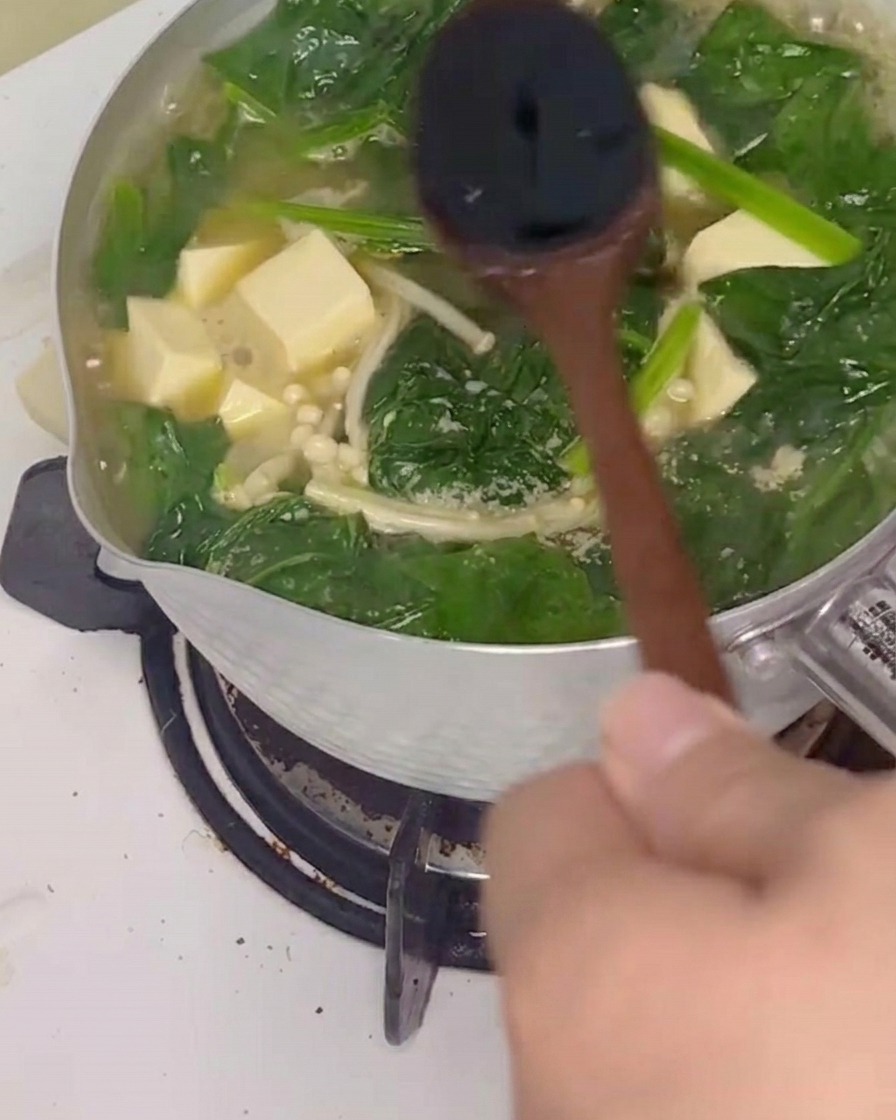
Season the soup by adding two spoonfuls of soy sauce to the pot. This adds a depth of savory flavor that complements the soybean paste.
Tip: You can adjust the amount of soy sauce to your taste preference, keeping in mind the saltiness of the soybean paste.