Hearty Northeast Soybean Paste Soup (Dajiang Tang)
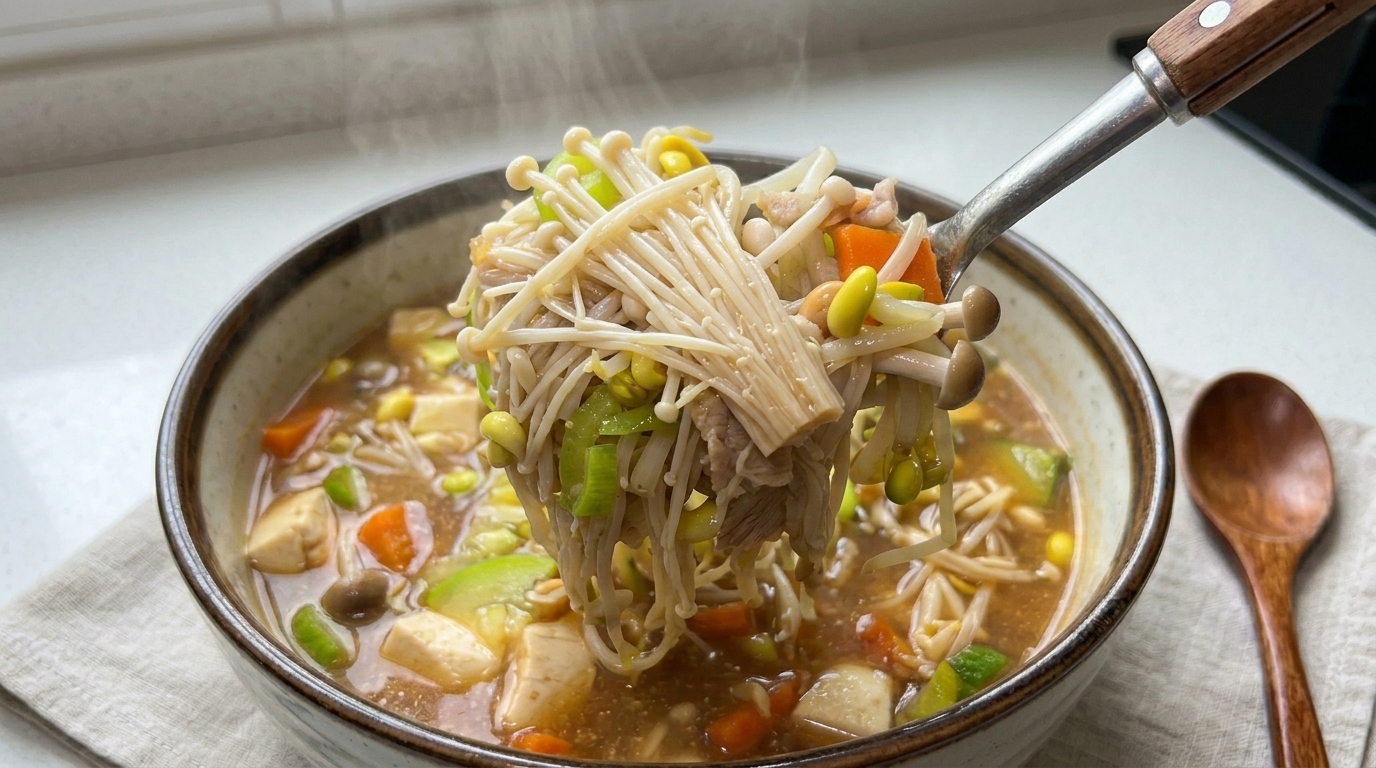
Warm your stomach with this comforting Dajiang Tang. A rich, savory clay pot soup packed with pork belly, fresh vegetables, tofu, and earthy soybean paste.
A staple of rustic Chinese home cooking, this Northeast soybean paste soup balances savory depth with natural vegetable sweetness. Simmered in a traditional clay pot, the addition of Korean spicy paste provides a subtle, stomach-warming kick that perfectly complements the earthy broth.
Ingredients
- 1 liter water or light stock
- 3 tbsp Northeast soybean paste (dajiang)
- 200 g pork belly, thinly sliced
- 1 medium potato, sliced
- 1/2 medium carrot, sliced
- 100 g soybean sprouts
- 1/2 medium zucchini, sliced
- 200 g firm tofu, cubed
- 1 bunch enoki mushrooms
- 1 green chili, sliced
- 1 stalk green onion, chopped
- 1 tbsp minced garlic
- 1 tbsp Korean spicy paste (gochujang)
Instructions
- 1Prepare the soybean broth
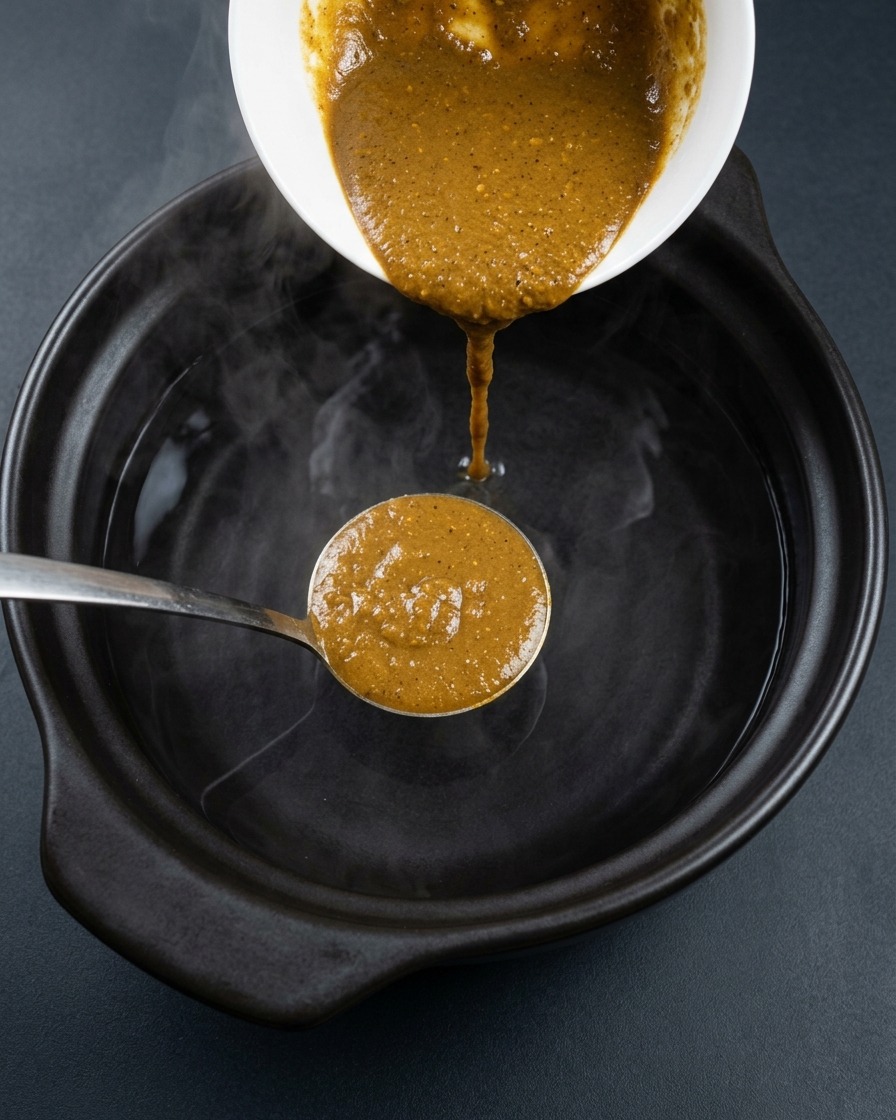
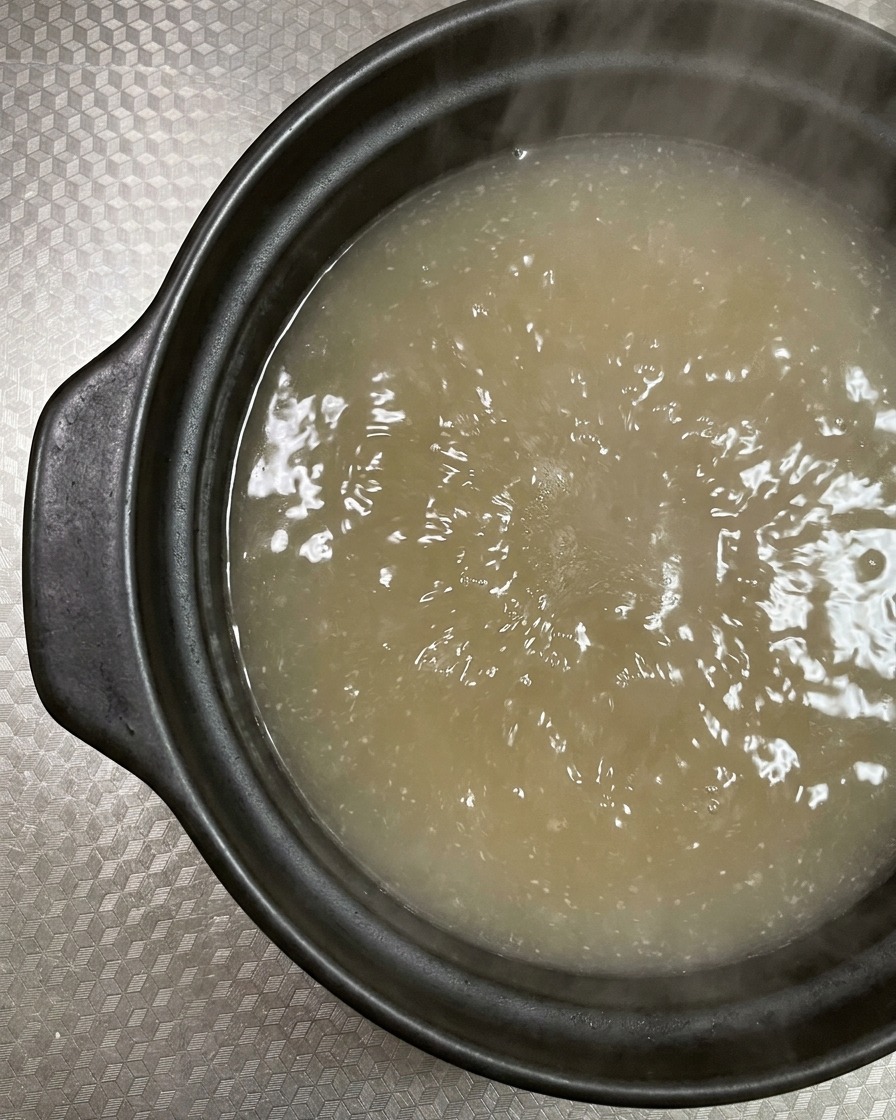
Bring a clay pot of water to a boil, then carefully add the Northeast soybean paste. Stir well to ensure the paste dissolves completely into the water, creating a flavorful and aromatic base for the stew.
Tip: For an even smoother broth, you can dissolve the soybean paste in a small bowl with a little hot water before adding it to the pot. - 2Add the pork belly
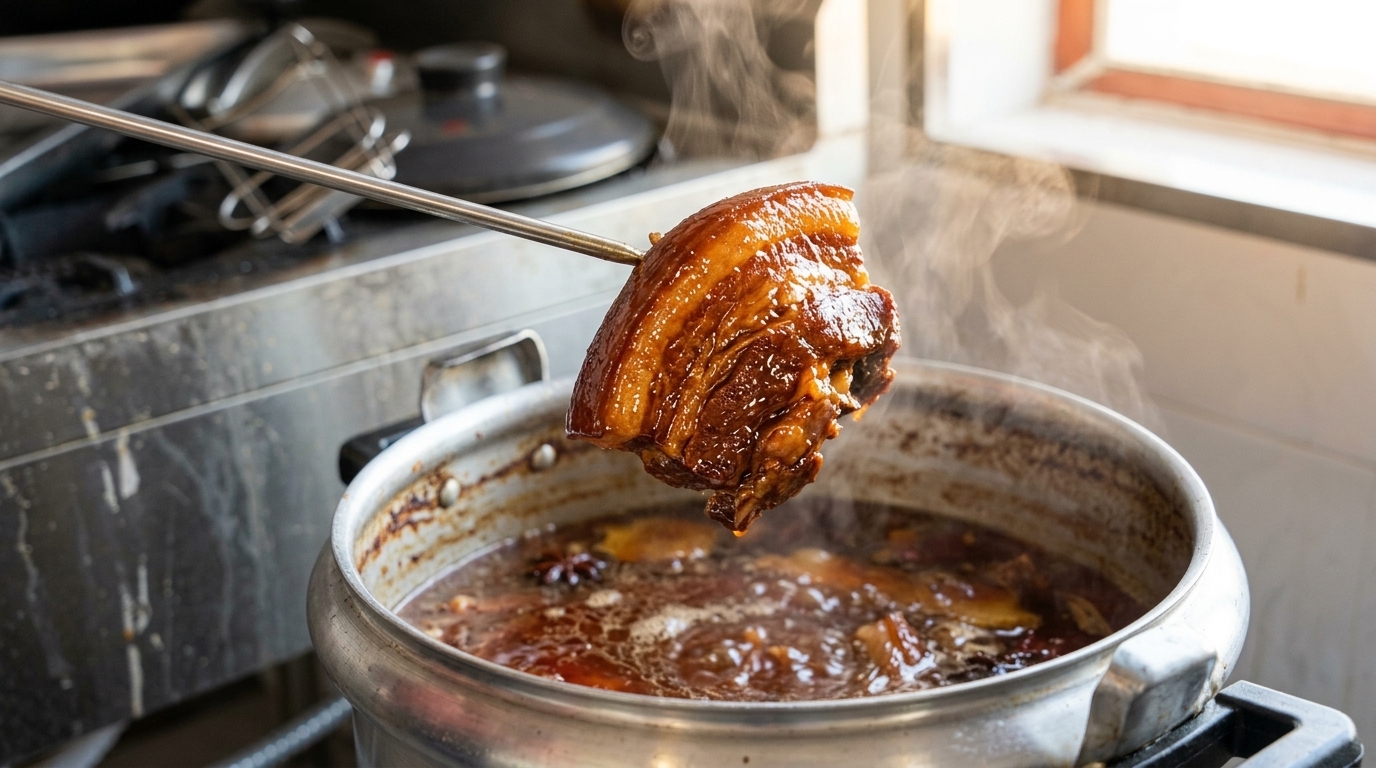
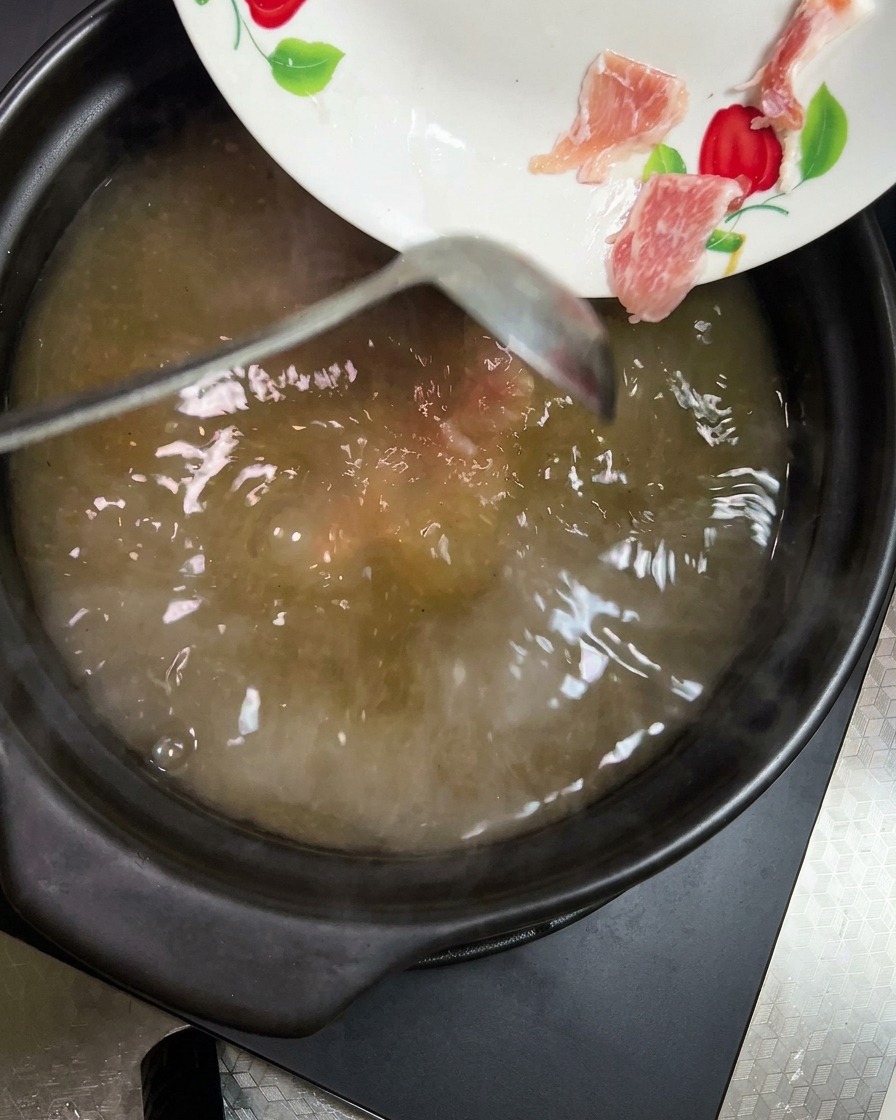
Add the sliced raw pork belly into the boiling soybean broth. Allow the pork to cook until tender, which will infuse the broth with savory richness.
Tip: Keep the heat at a steady boil to ensure the pork cooks evenly and the flavors integrate quickly. - 3Add root vegetables
Introduce the potato and carrot slices into the pot. These root vegetables will soften as they simmer, adding body and a subtle sweetness to the stew.
Tip: Ensure the vegetables are sliced to a uniform thickness so they cook through at the same time. - 4Incorporate soybean sprouts
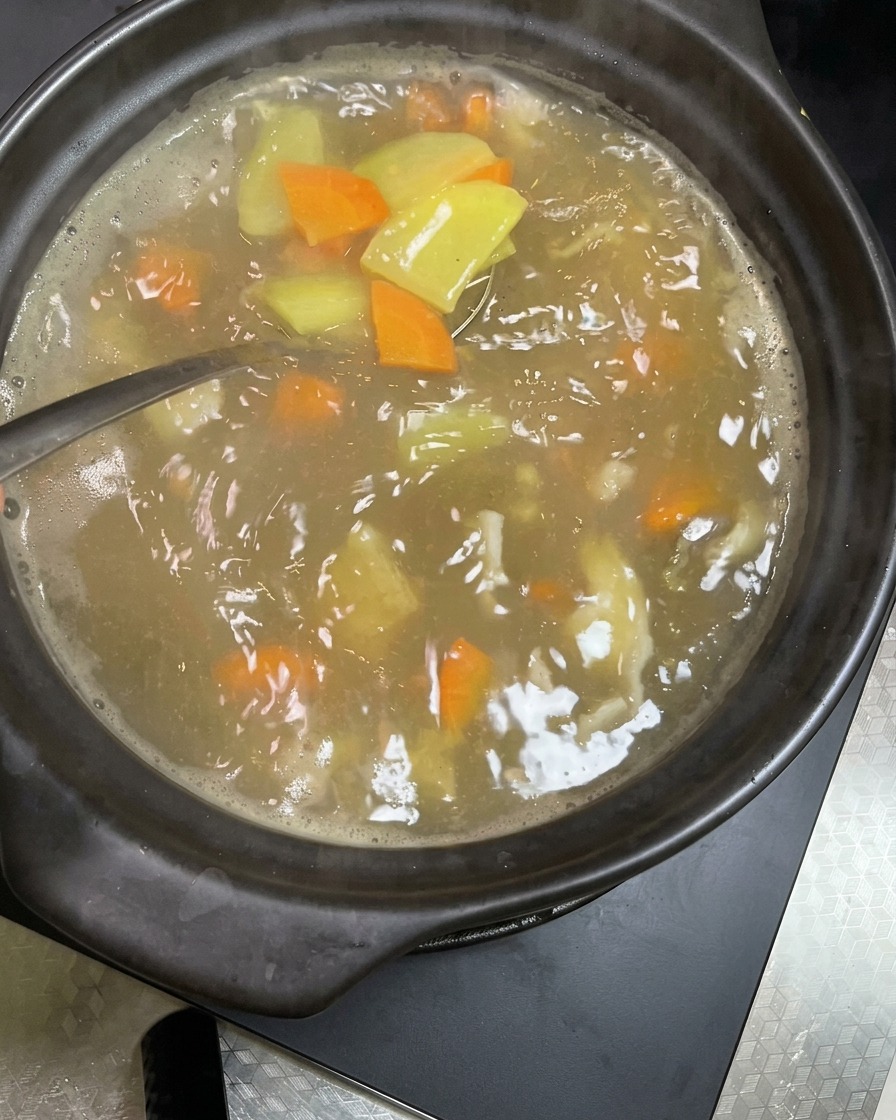
Add a generous handful of fresh soybean sprouts into the boiling soup. These add a refreshing crunch and complement the soybean flavor of the broth.
Tip: Soybean sprouts cook quickly, so add them towards the middle of the process to maintain their texture. - 5Add tofu and zucchini
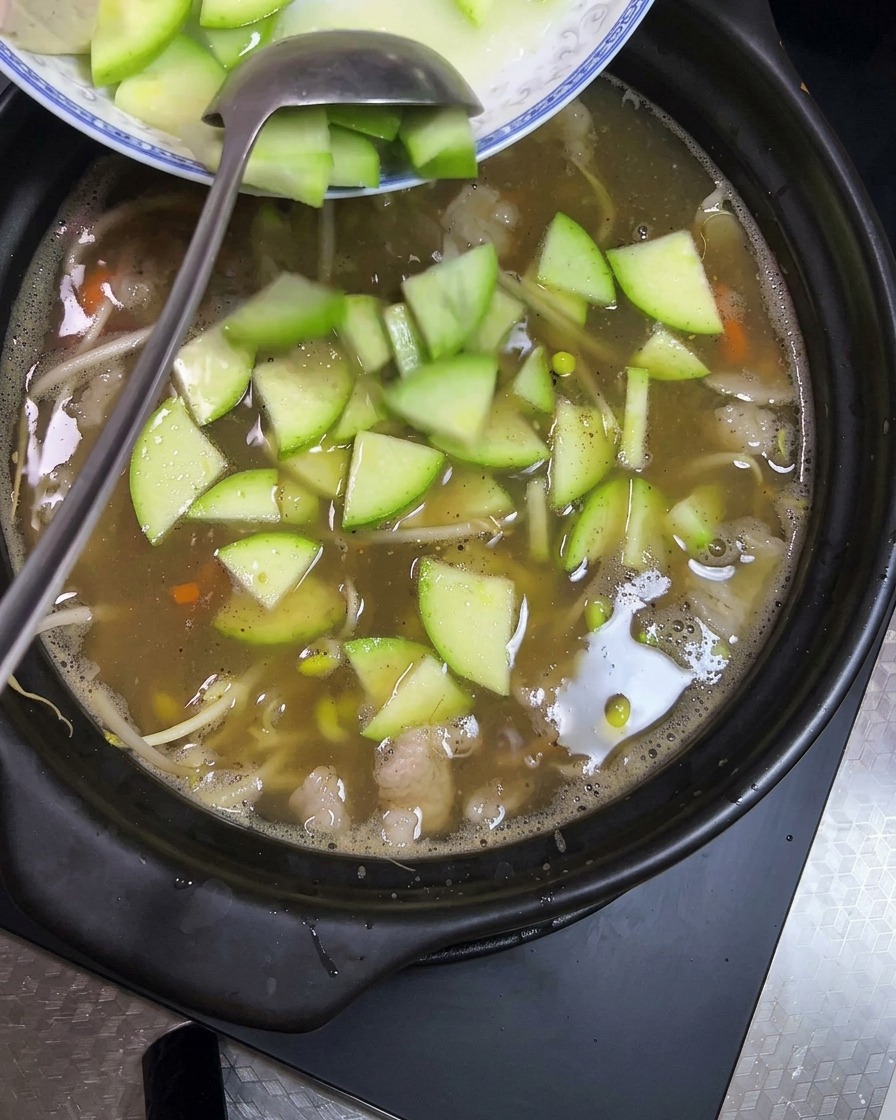
Gently add the tofu cubes and zucchini slices into the pot. Tofu absorbs the flavors of the broth beautifully, while the zucchini adds a light, tender texture.
Tip: Handle the tofu gently to prevent it from breaking apart as it simmers in the stew. - 6Add enoki mushrooms
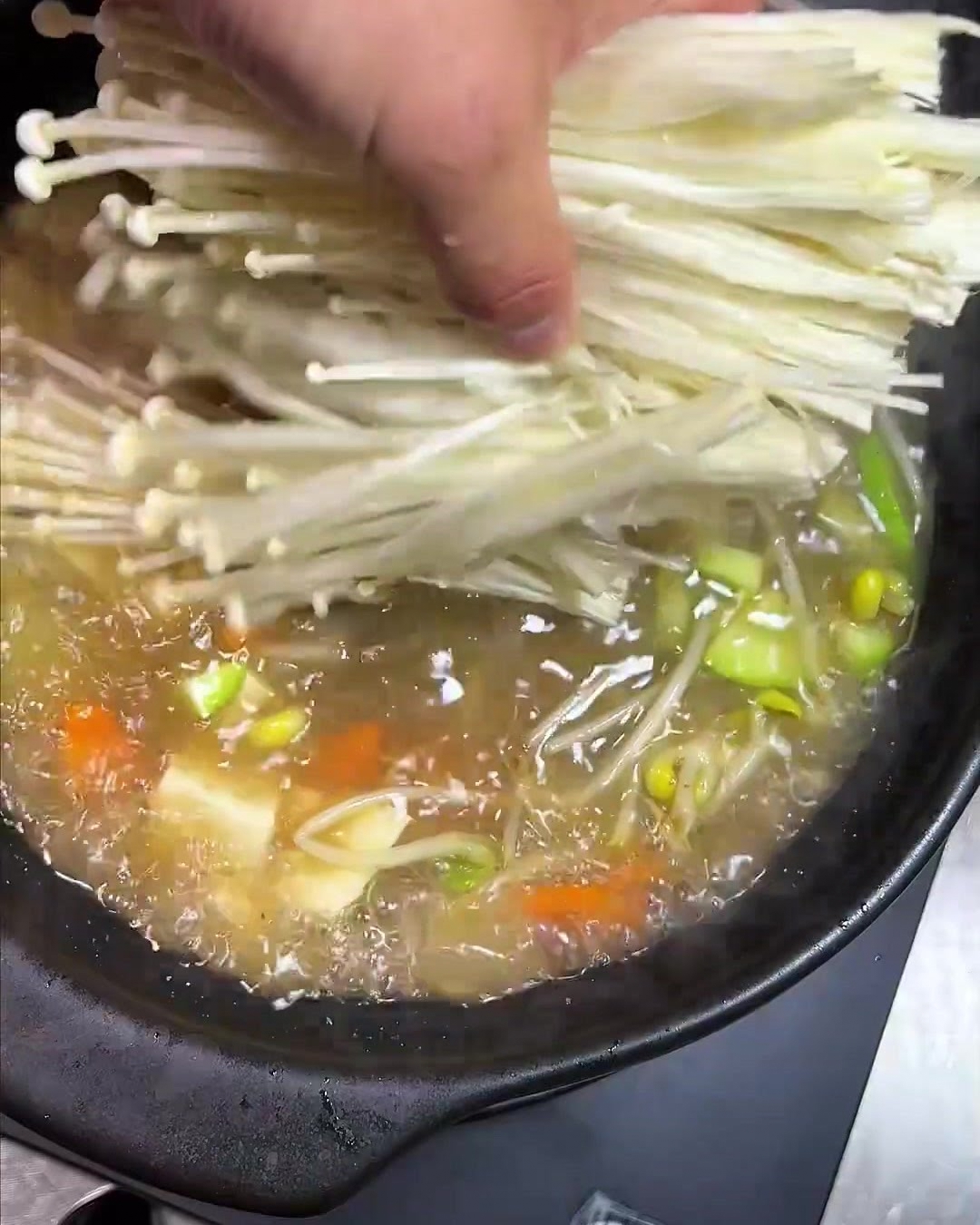
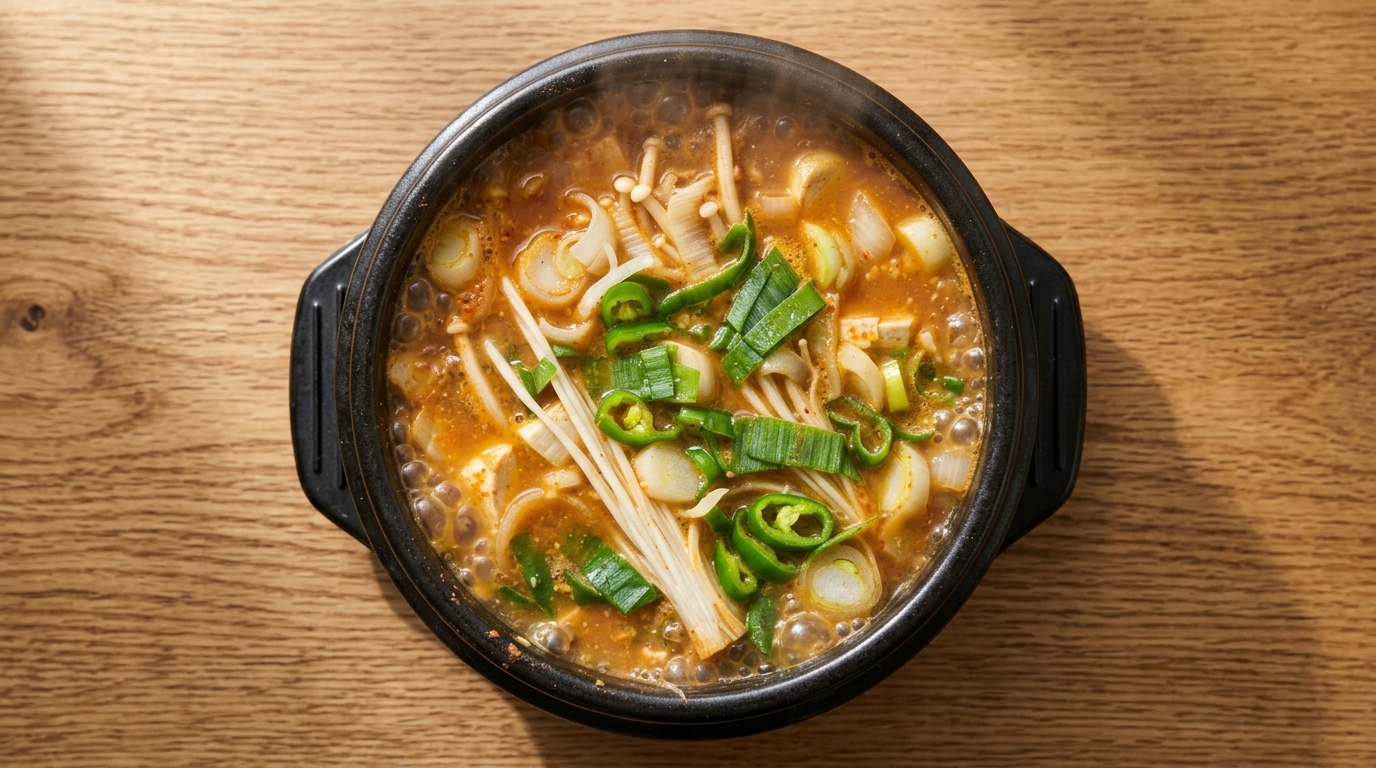
Finish the main ingredients by adding a large bunch of fresh enoki mushrooms to the pot. Let everything boil together until all components are tender and flavorful.
Tip: Enoki mushrooms only require a minute or two of cooking; add them just before the final seasonings for the best texture. - 7Add aromatics and stir
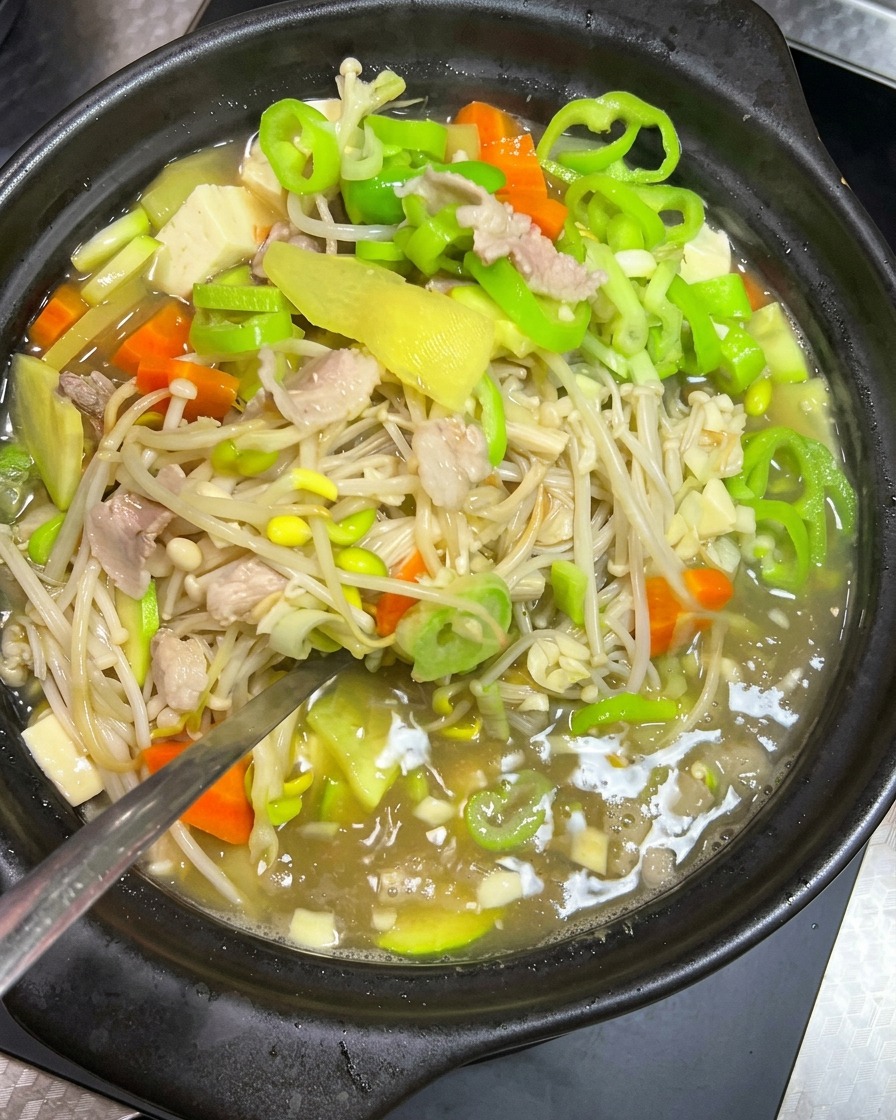
Add the sliced green chilies, chopped green onions, and minced garlic into the pot. Use a spoon or ladle to gently stir all the ingredients together, ensuring the fresh aromatics are evenly distributed so their flavors fully infuse the broth.
Tip: Be careful not to stir too vigorously, as the soft tofu cubes and tender zucchini slices can easily break apart. - 8Stir in the spicy paste
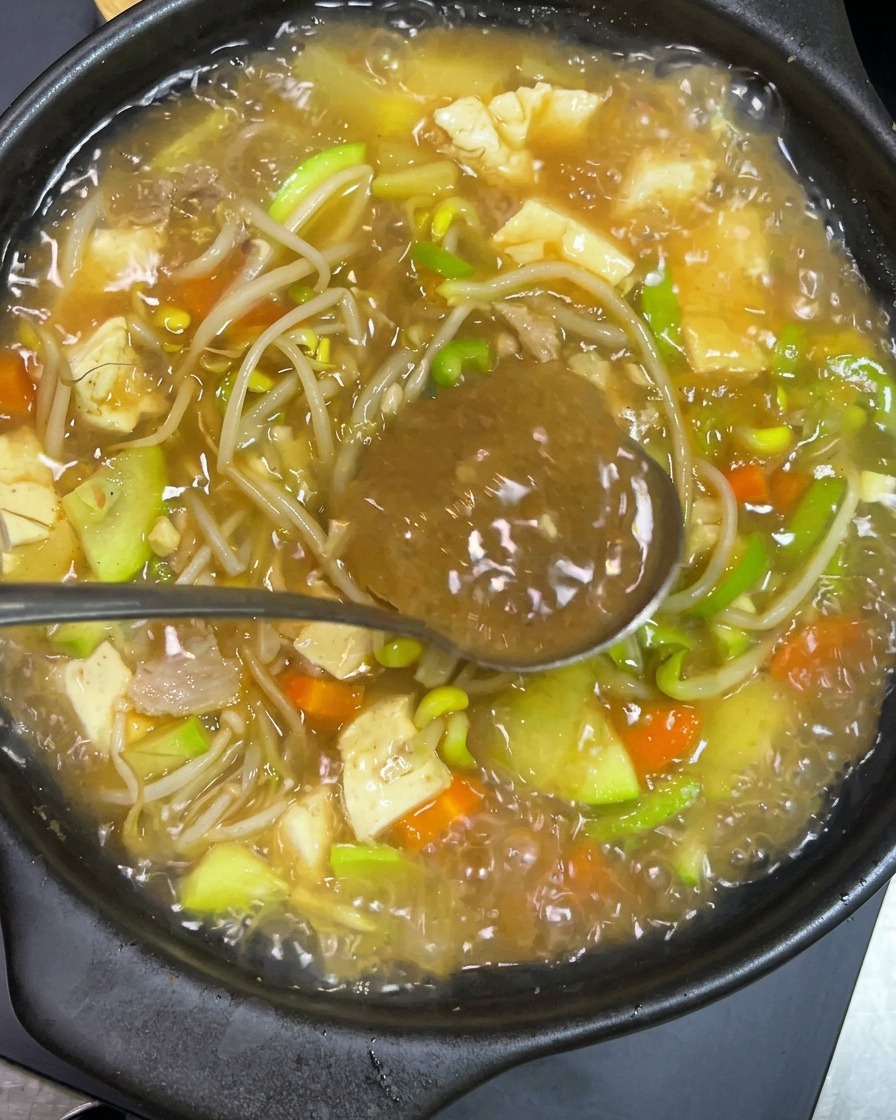
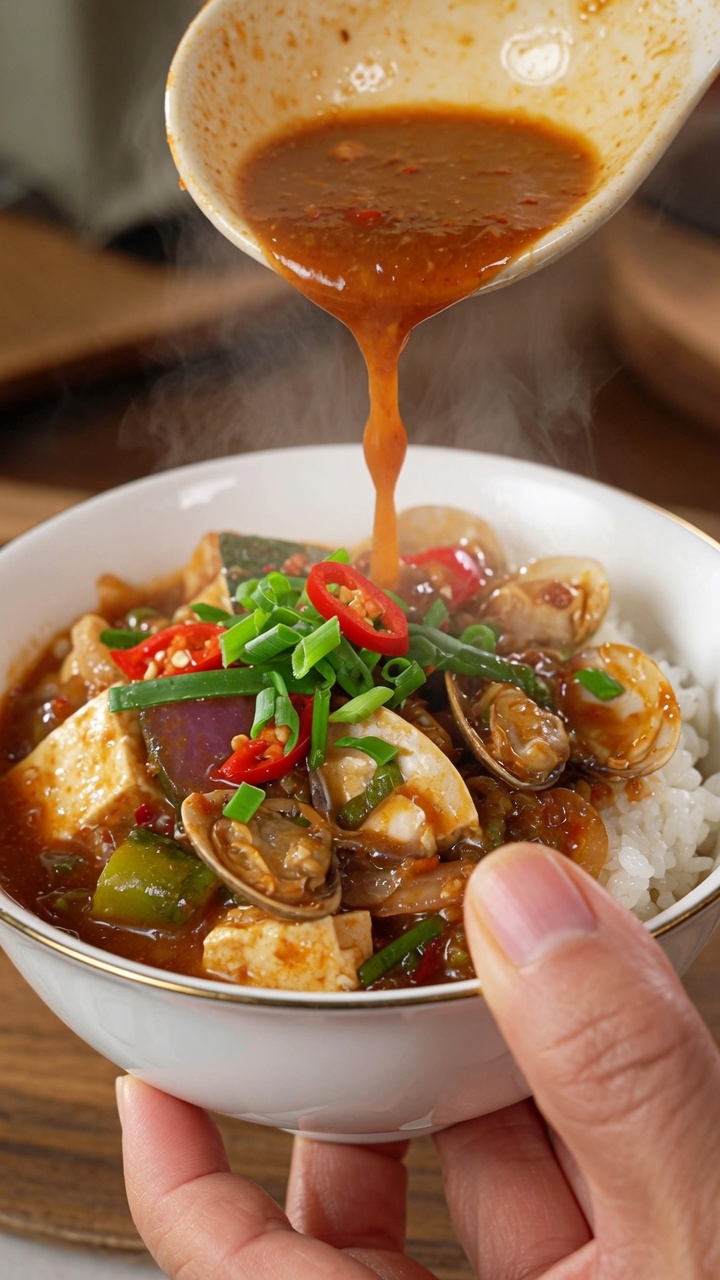
Add a scoop of Korean spicy paste into the simmering clay pot. Stir well to dissolve the paste into the broth, combining it with the tofu, vegetables, and meat for a rich, savory, and sweet finish.
Tip: Dissolve the paste in the ladle with a little hot broth first to ensure it mixes smoothly into the soup without clumping.