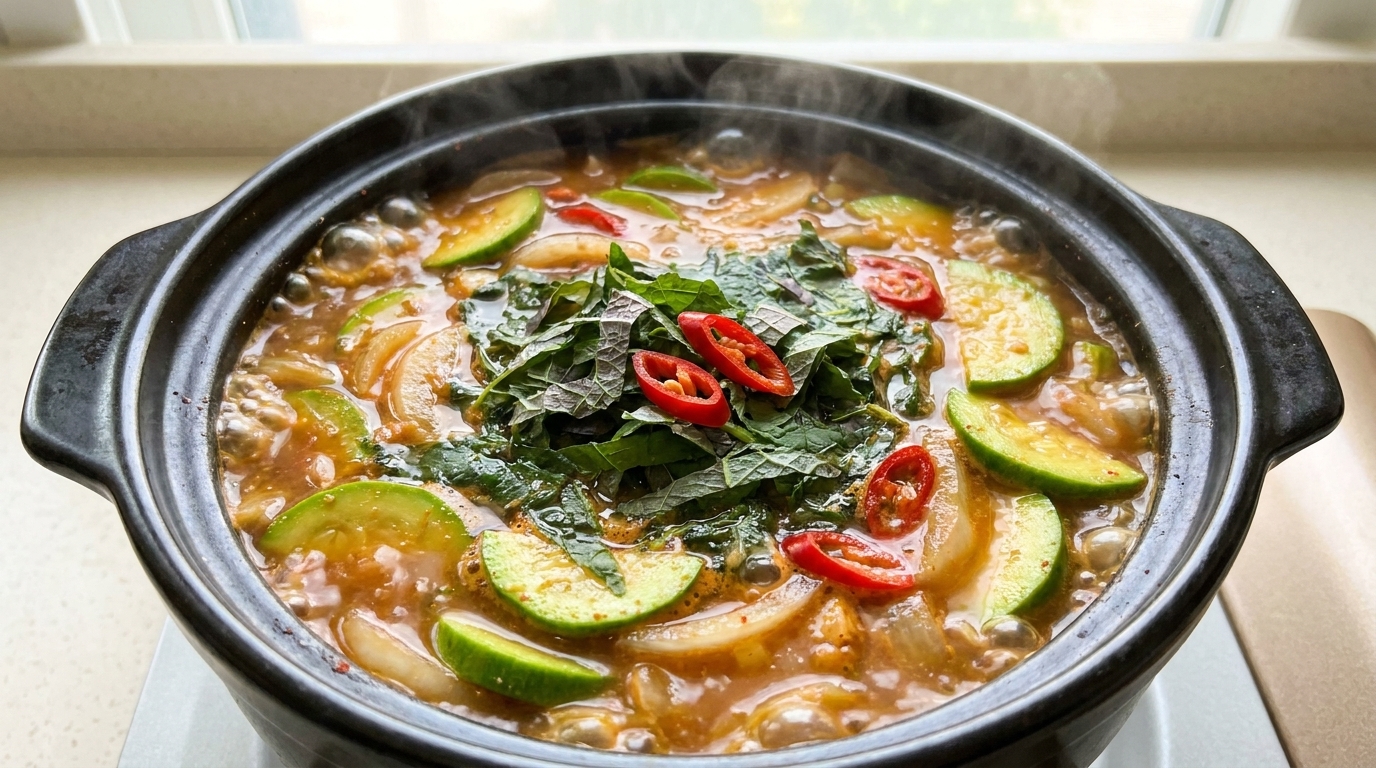
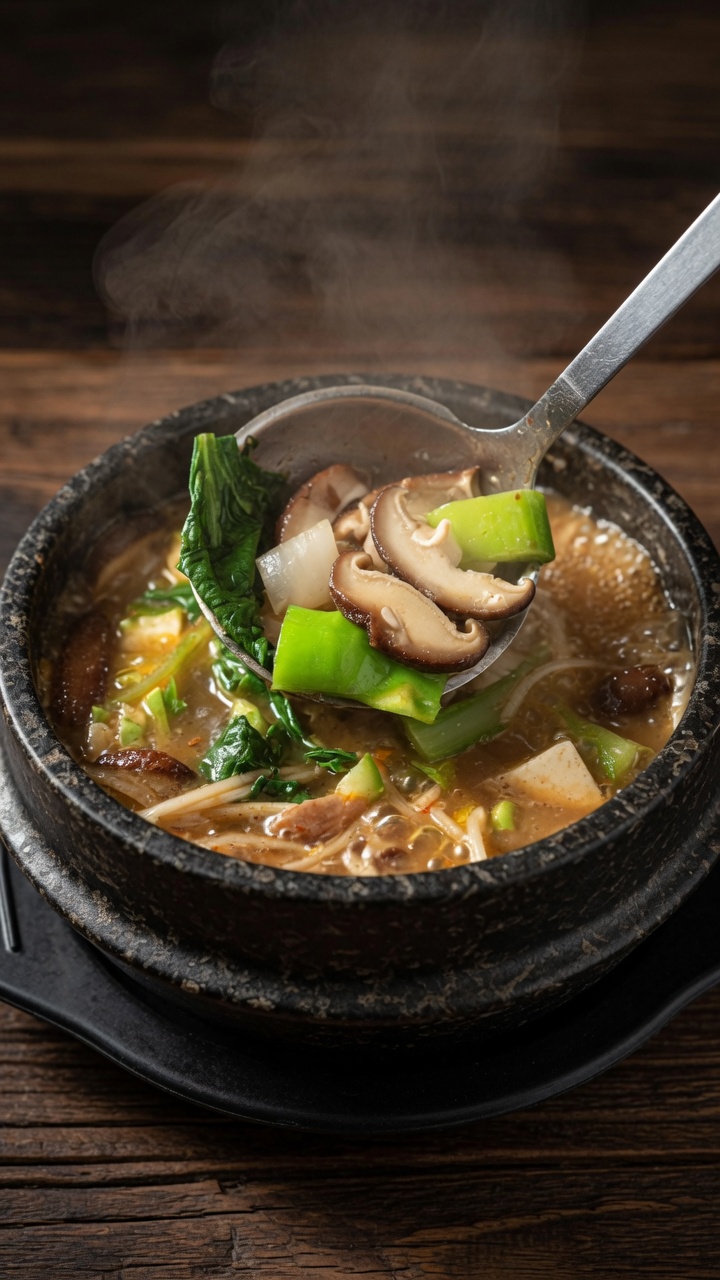
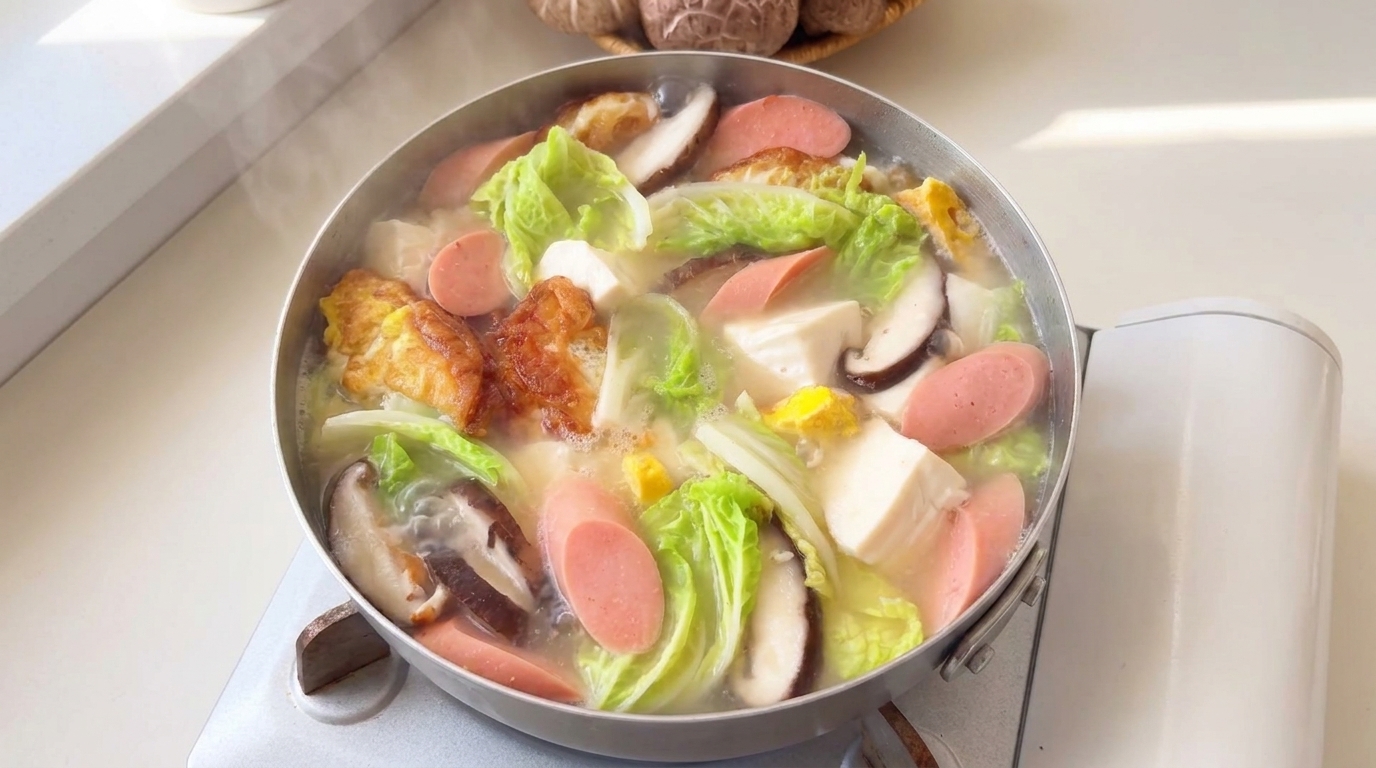
Traditional Korean Soybean Paste Stew (Doenjang Jjigae)
A hearty, soul-warming Korean classic featuring earthy soybean paste, silken tofu, and crisp seasonal vegetables simmered in a savory rice-water broth.
Doenjang Jjigae is the quintessential Korean home-cooked meal, prized for its deep, savory flavor profile and nutritional density. Using rice water as a base is a traditional technique that imparts a subtle, silky body to the broth, perfectly balancing the pungent, salty notes of the fermented soybean paste. It is a flexible, humble stew that celebrates the beauty of simple, fresh ingredients coming together in one pot.
Ingredients
- 500 ml rice water (from the third washing)
- 2 tbsp Korean soybean paste (doenjang)
- 1 tsp Korean chili paste (gochujang)
- 200 g firm tofu, cubed
- 1 small zucchini, diced
- 100 g oyster mushrooms, sliced
- 1/2 cup aged kimchi, chopped
- 2 green and red chili peppers, sliced
- 2 stalks large scallions, sliced diagonally
- 1/2 tsp sweet paprika powder
- 1/4 tsp beef bouillon powder
Instructions
- 1Prepare the broth base
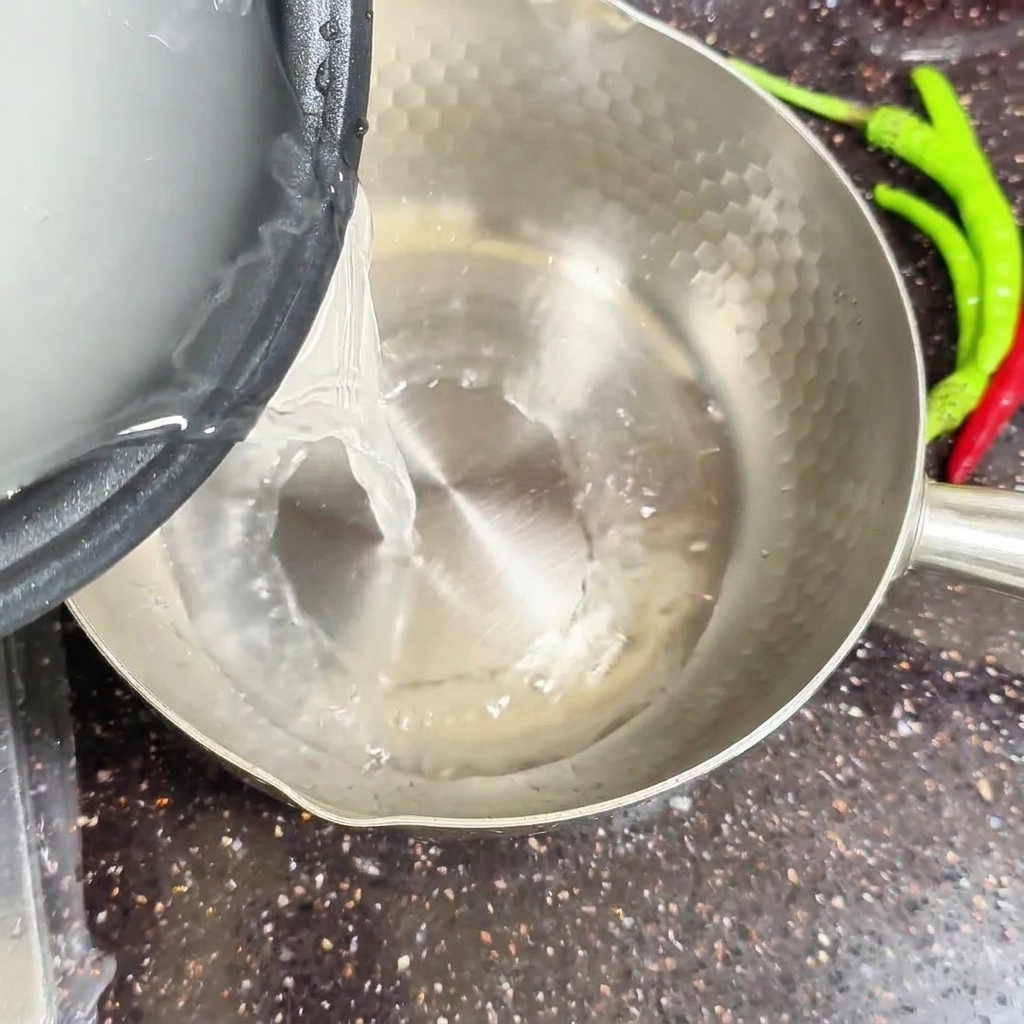
Pour the rice water, specifically from the third washing, into your cooking pot. Place it on the stove and bring it to a boil. This water provides a slightly starchy base that helps to thicken the stew.
Tip: Using rice water adds depth and body to the stew, making it richer than using plain water. - 2Measure the pastes
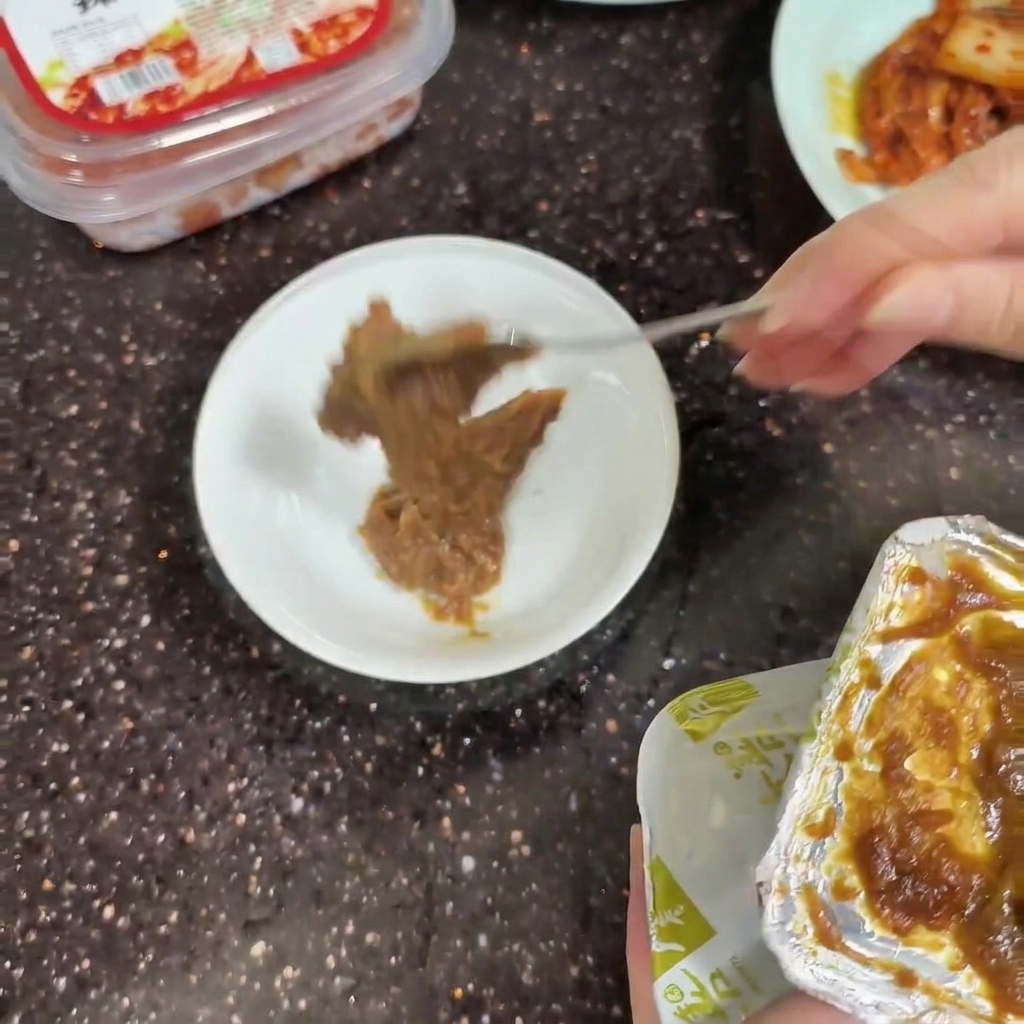
Scoop out the Korean soybean paste and chili paste into a small bowl. Measuring them out first makes it easier to dissolve them before adding to the pot, preventing clumping.
Tip: Using a combination of soybean paste and chili paste creates a savory, slightly spicy, and deep flavor profile. - 3Dissolve the pastes
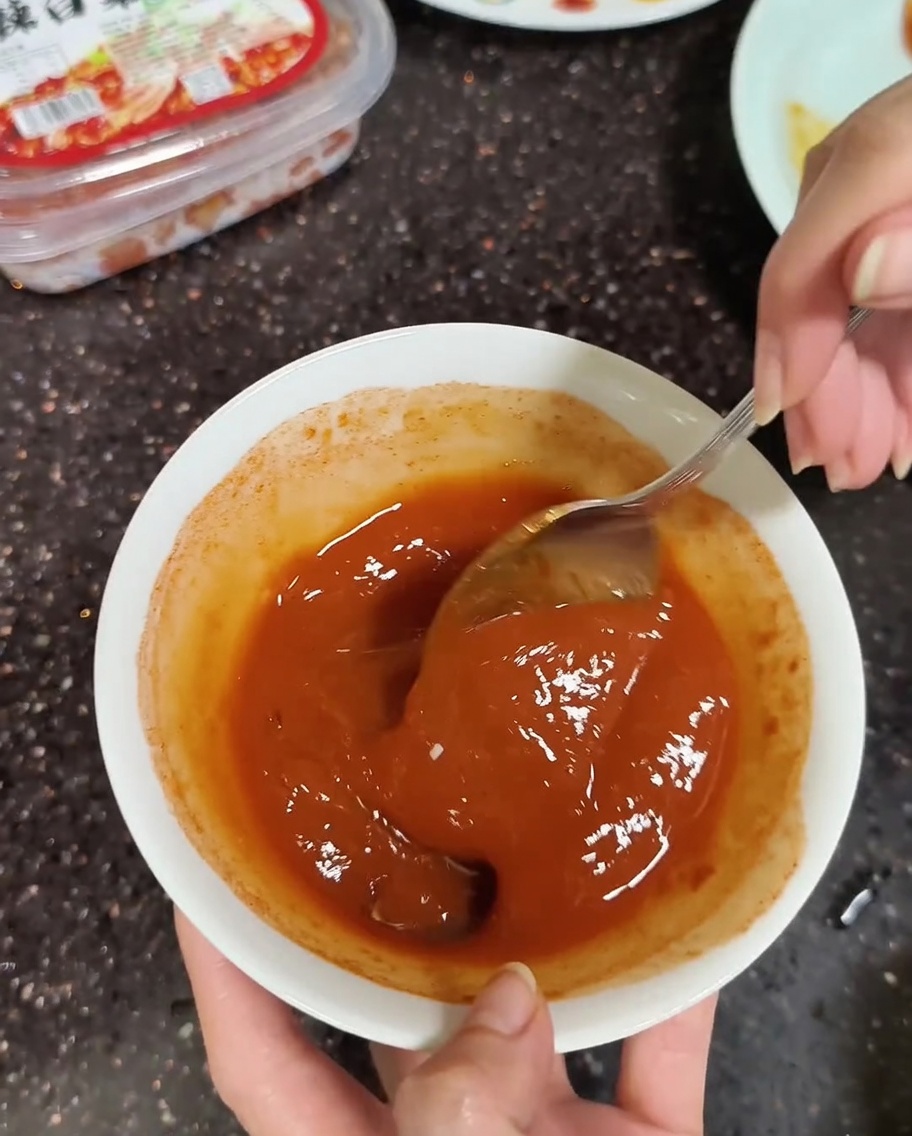
Add a small amount of rice water to the bowl with the pastes. Use a spoon to mix thoroughly until the pastes are completely dissolved into a smooth, consistent red liquid.
Tip: Mixing the paste with a little water before adding it to the main pot ensures it dissolves evenly without leaving clumps. - 4Prepare the vegetables
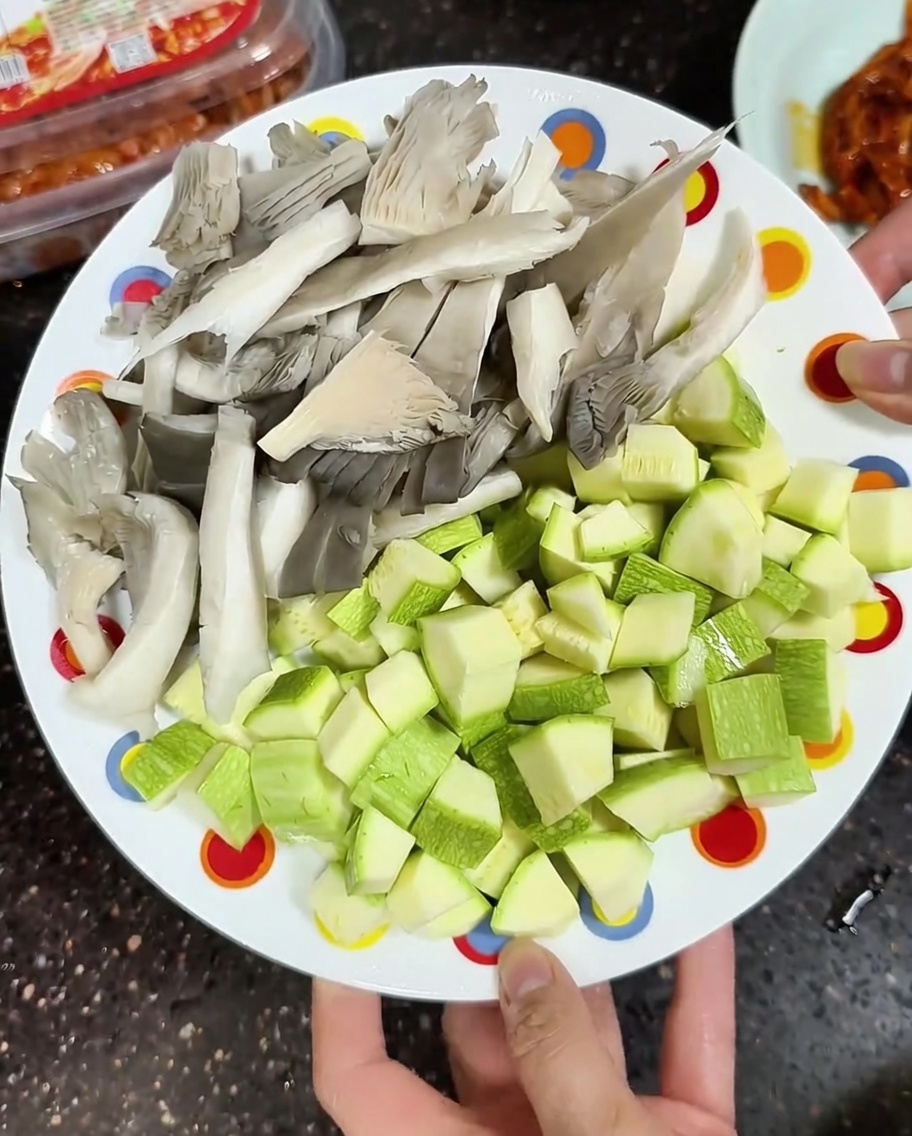
Prepare your vegetables by slicing the oyster mushrooms and dicing the zucchini into bite-sized pieces. Keep them ready on a plate for easy addition to the stew.
Tip: Zucchini and mushrooms absorb the flavors of the broth, making them essential ingredients for a delicious stew. - 5Add paste to broth
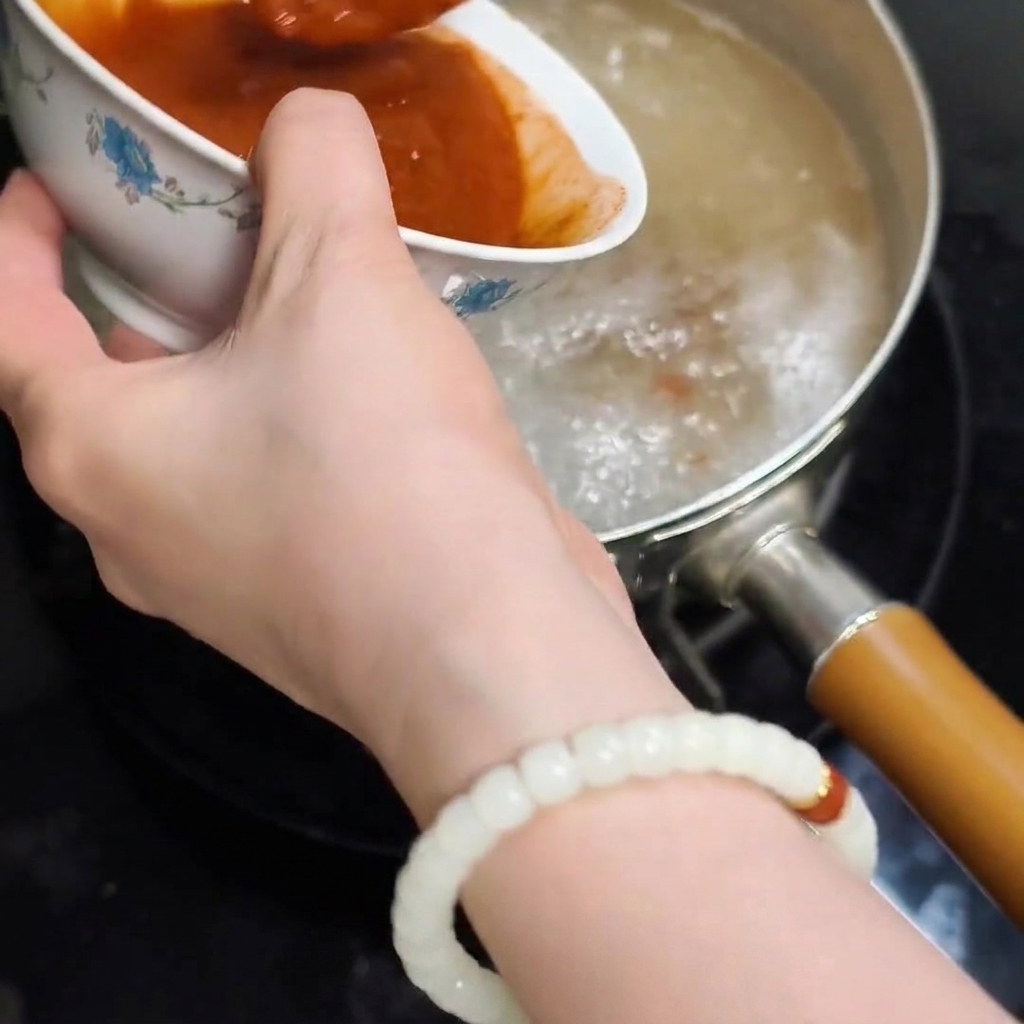
Once the rice water in the pot is boiling, carefully pour the dissolved paste mixture into the pot. Stir gently to combine it evenly with the water.
Tip: Adding the paste after the water boils allows it to incorporate quickly and start building flavor immediately. - 6Skim the foam
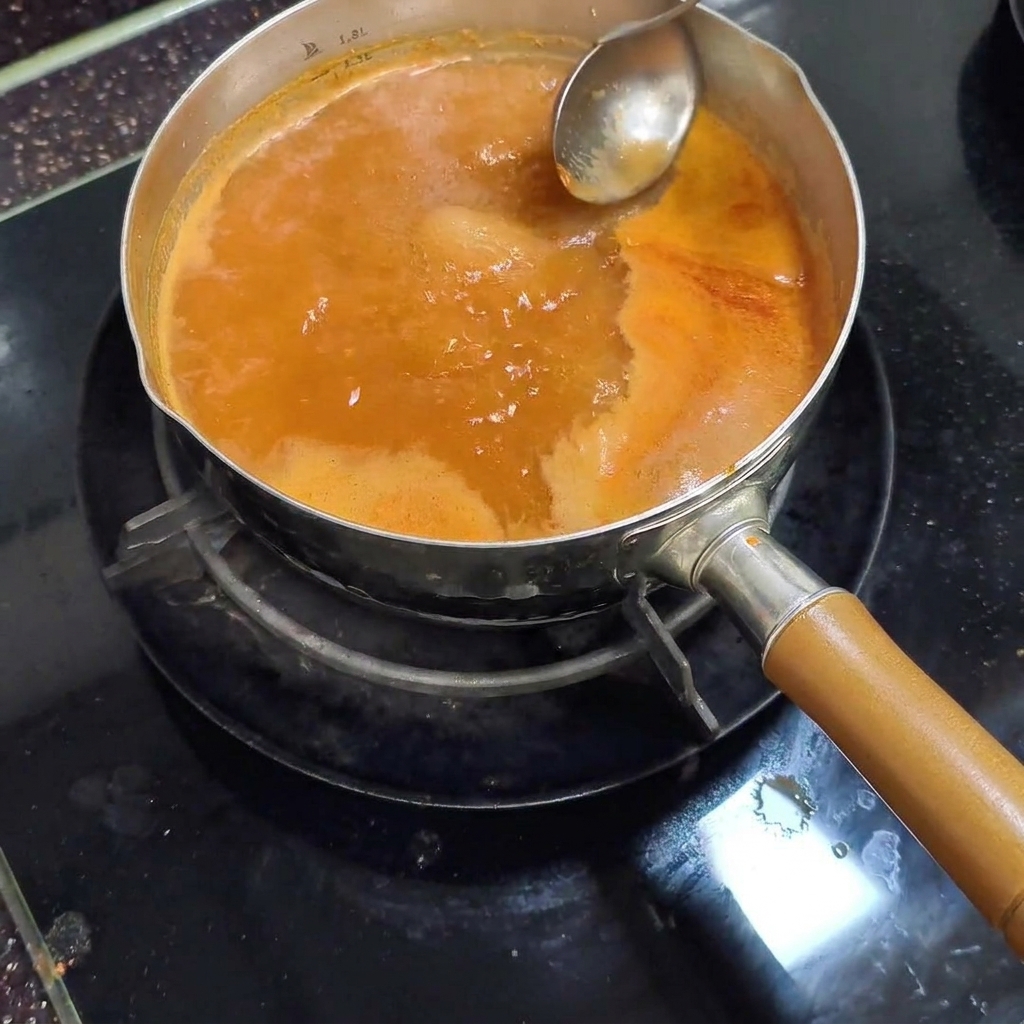
Wait for the broth to return to a boil after adding the paste. Use a metal ladle to carefully skim off any foam or impurities that rise to the surface.
Tip: Skimming the foam helps keep the broth clean and the flavor pure. - 7Add the tofu
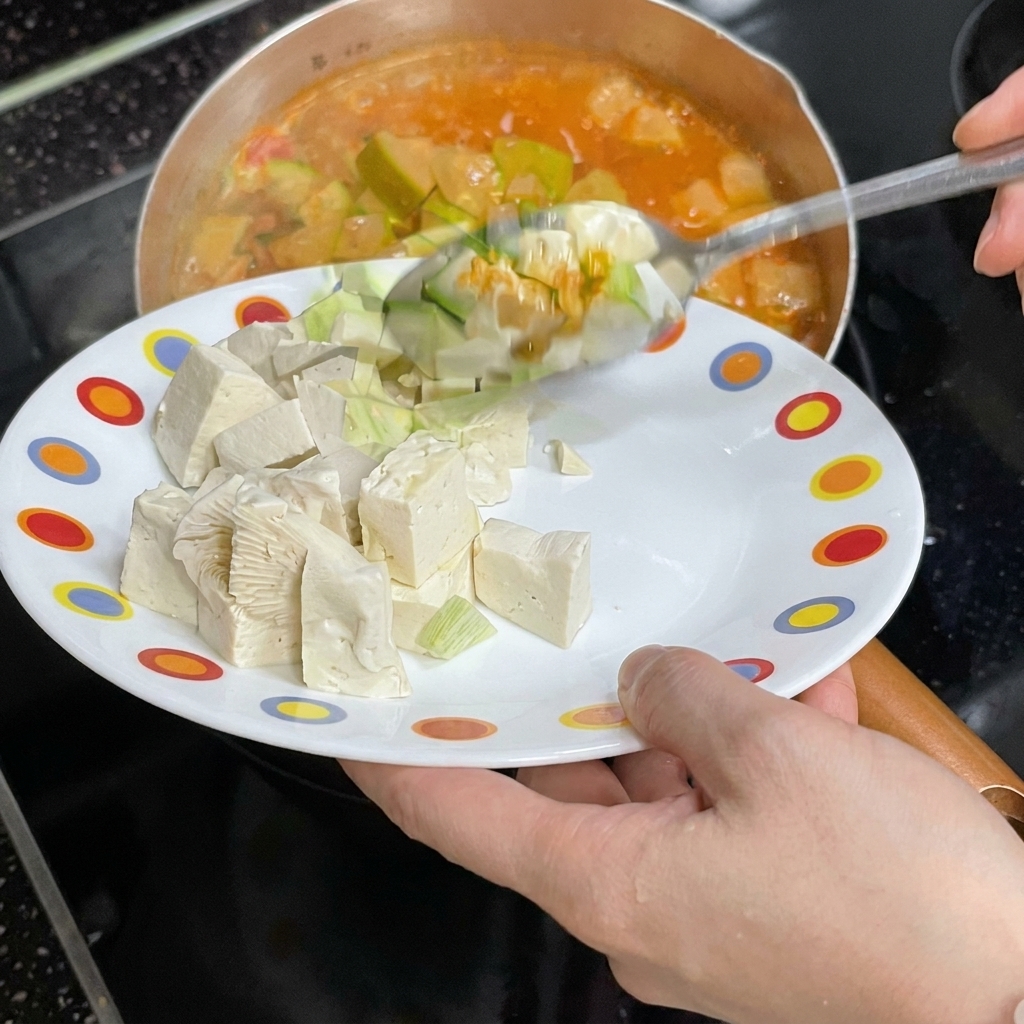
Carefully slide the cubed tofu from a plate into the boiling broth. Using a plate or a wide spoon makes it easier to guide the delicate tofu into the stew without splashing the hot liquid.
Tip: Cut the tofu into uniform bite-sized pieces so they heat through evenly and are easy to eat. - 8Add vegetables and mushrooms
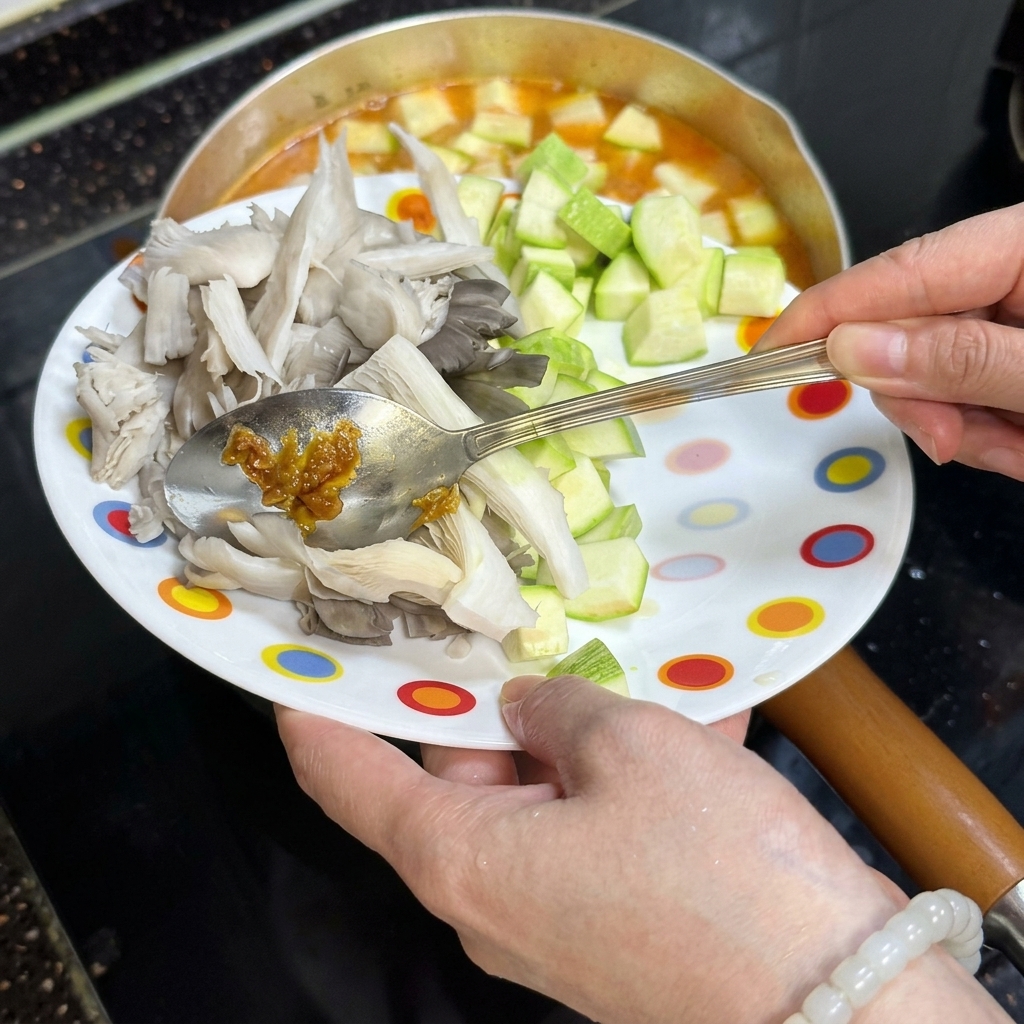
Add the diced zucchini and sliced oyster mushrooms into the pot. These ingredients will soften quickly in the boiling broth and absorb the rich, savory flavors of the soybean paste.
Tip: You can customize this stew by adding other ingredients like enoki mushrooms, potatoes, or thinly sliced beef based on what you have available. - 9Stir in the kimchi
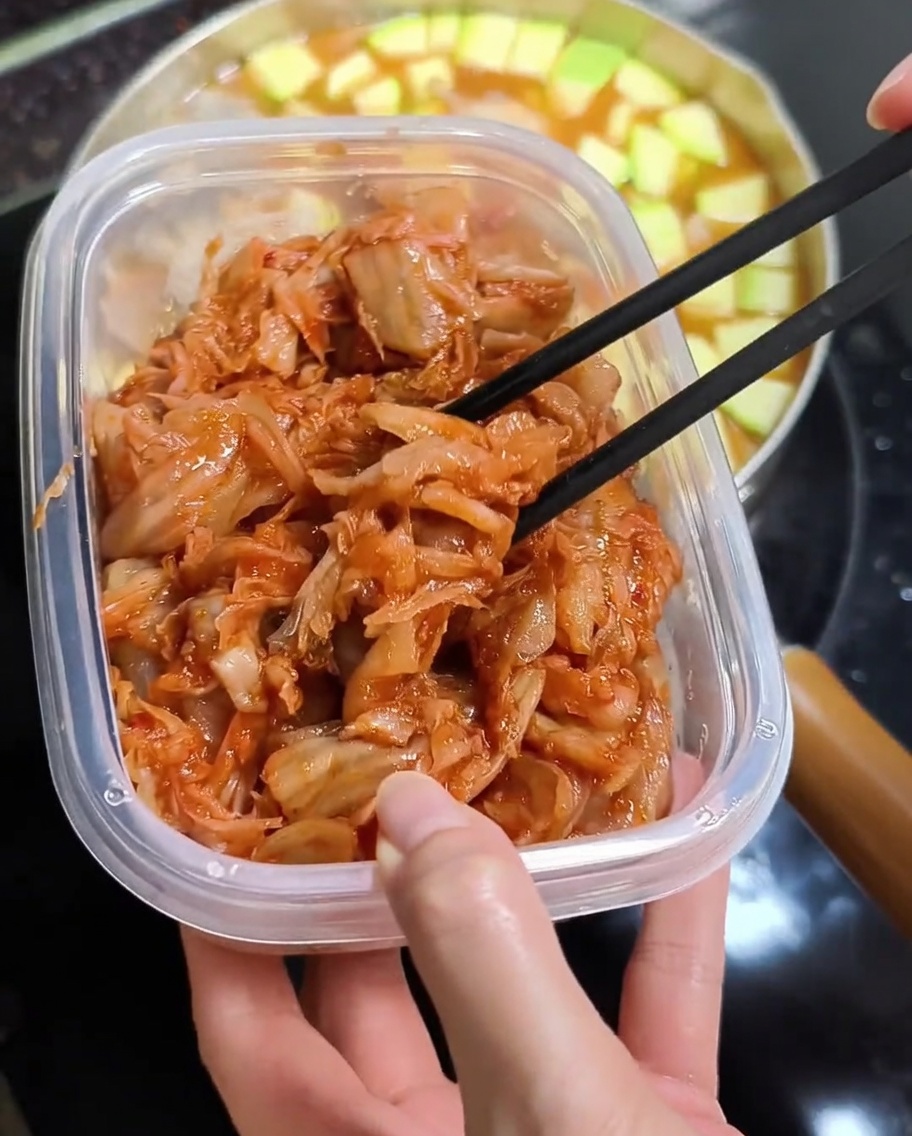
Use chopsticks to add the chopped kimchi directly to the stew. The kimchi introduces a wonderful tangy depth and slight heat that balances the earthy soybean paste perfectly.
Tip: Well-fermented, sour kimchi works best for stews as it provides a much deeper flavor profile than fresh kimchi. If you dont have any, you can easily skip it. - 10Simmer the stew
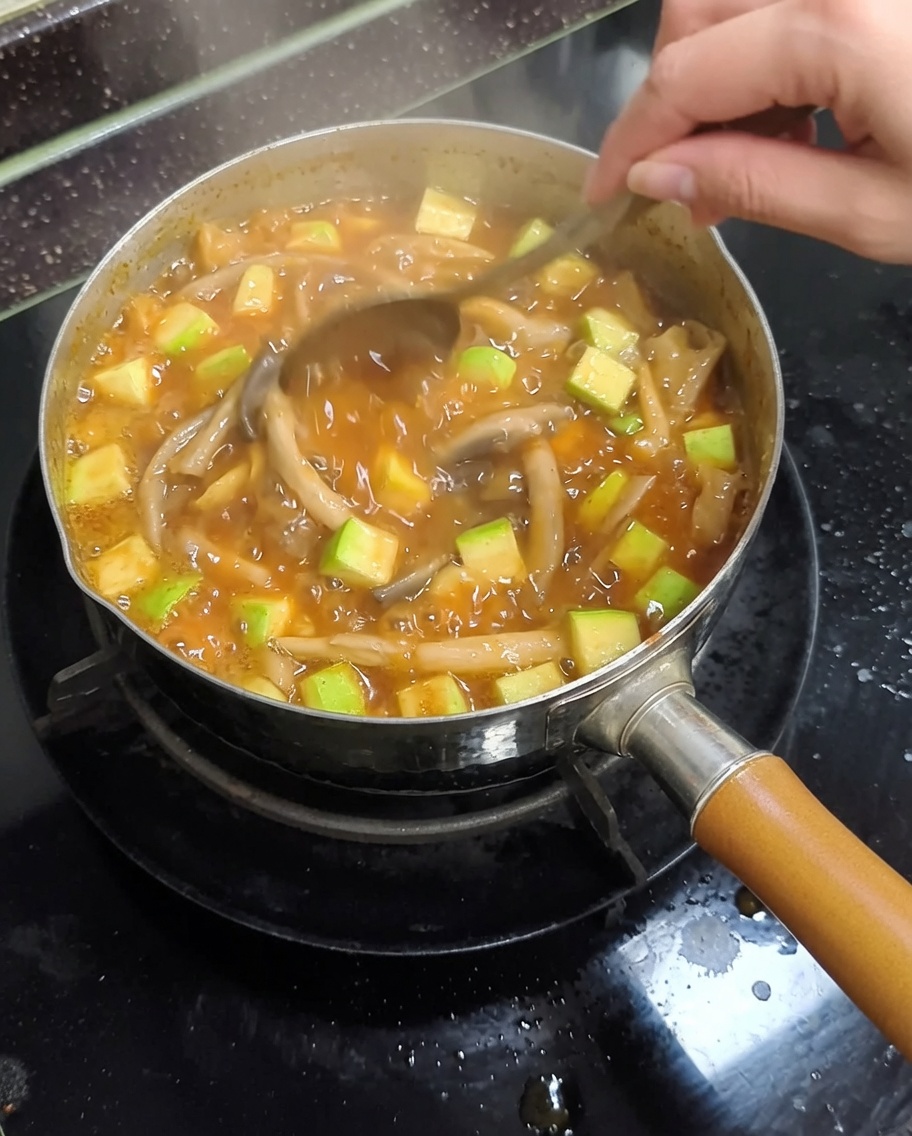
Once the broth returns to a boil after adding the paste, carefully skim off any floating foam. Add the tofu, zucchini, oyster mushrooms, and kimchi to the pot. Stir gently with a spoon to mix all the ingredients evenly into the boiling broth.
Tip: Feel free to customize the stew by adding other ingredients like beef, enoki mushrooms, or potatoes depending on your preference. - 11Enhance color and season
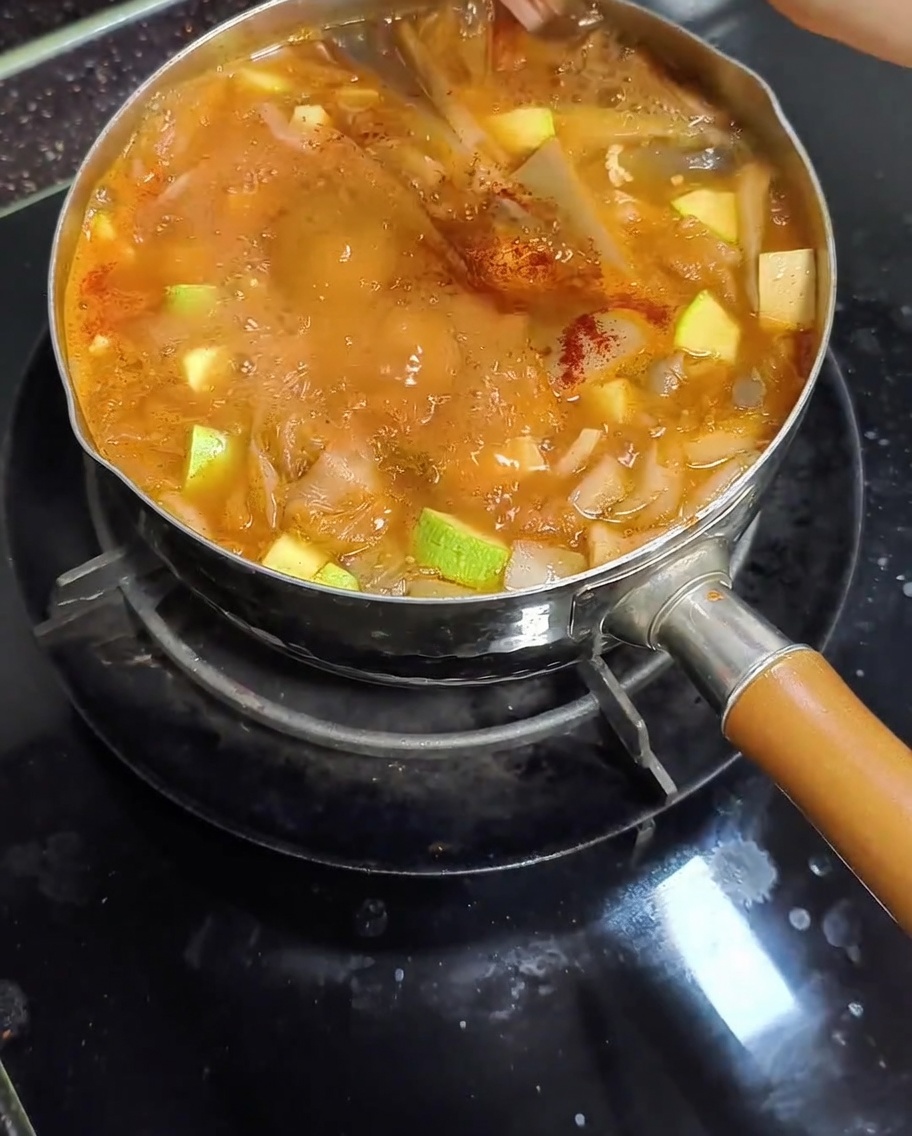
Let the stew cook for two to three minutes until all the ingredients are tender. Sprinkle in some sweet paprika powder; this is primarily to enhance the vibrant red color of the stew without adding extra heat. Taste the broth and adjust the seasoning if necessary, optionally adding a little beef bouillon powder for extra depth.
Tip: The sweet paprika powder is optional but highly recommended to give the stew a beautiful, appetizing color without making it overly spicy. - 12Season with beef bouillon
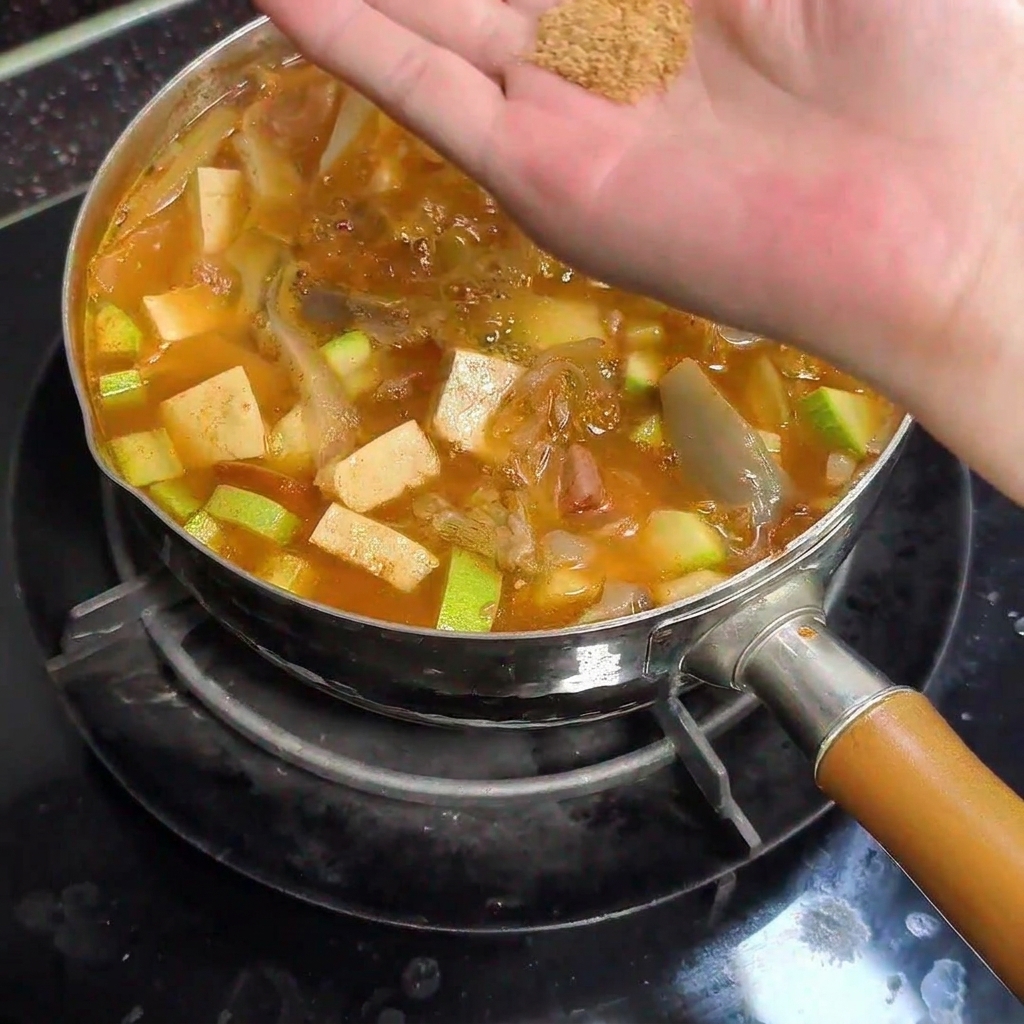
Pinch in a small amount of beef bouillon powder to enhance the savory depth of the broth. Let the stew continue to boil for two or three minutes until all the vegetables are fully cooked.
Tip: The bouillon powder is completely optional. If you prefer a lighter flavor or if your soybean paste is already quite salty, feel free to leave it out. - 13Add fresh aromatics
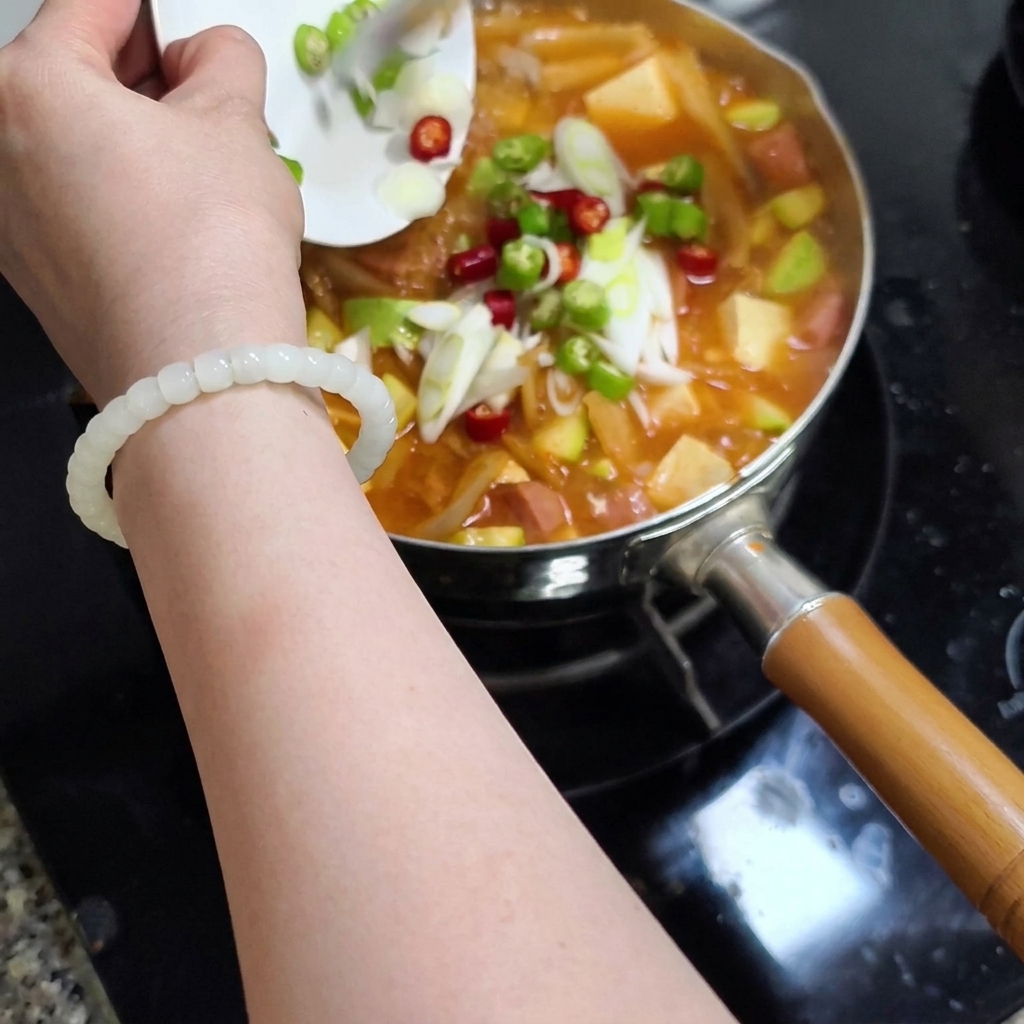
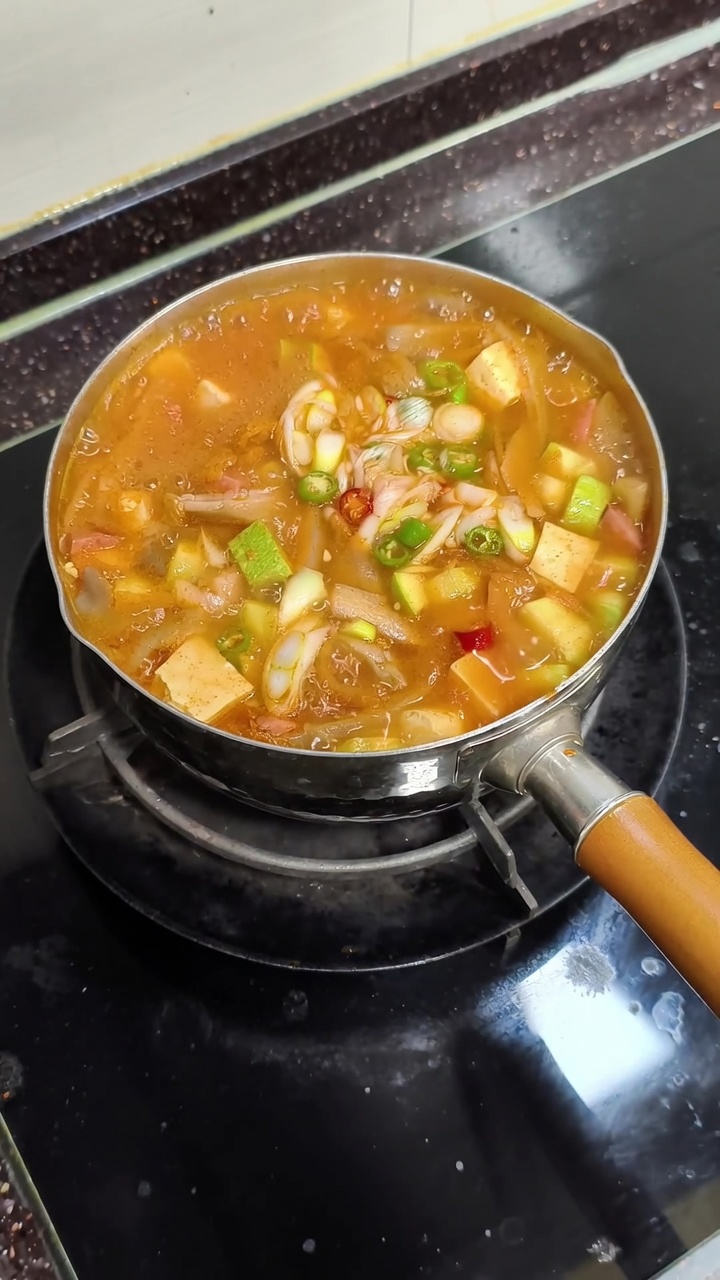
As the final step before finishing the dish, slide the chopped green and red chili peppers along with the diagonally sliced large scallions from a small plate directly into the simmering stew.
Tip: Using non-spicy chili peppers adds fresh flavor and a pop of bright green and red color without making the stew hot. - 14Finish the stew
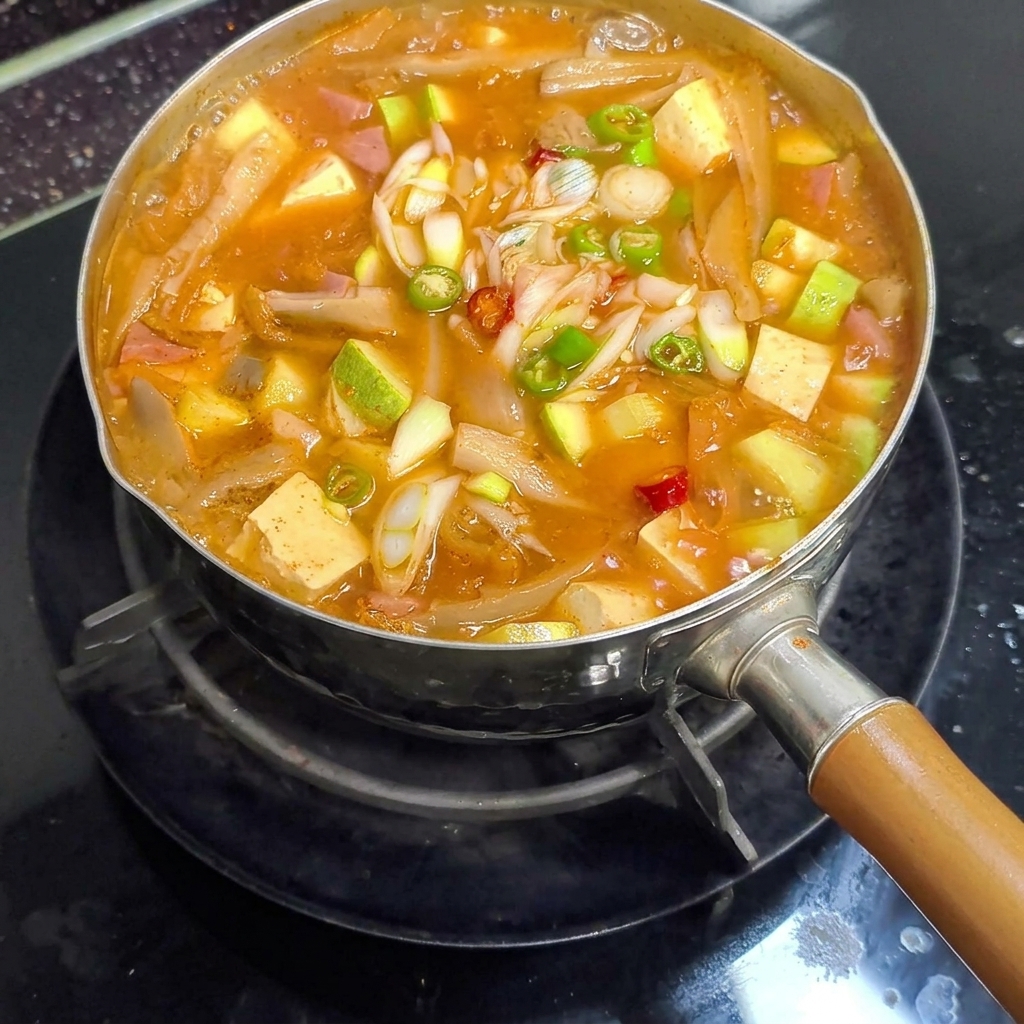
Give the bubbling stew one last gentle stir with a spoon to incorporate the freshly added scallions and peppers. Turn off the heat and take the pot off the stove. Your piping hot Soybean Paste Stew is now ready to be enjoyed.
Tip: Serve the stew immediately while it is still boiling hot, ideally alongside a bowl of steamed white rice.