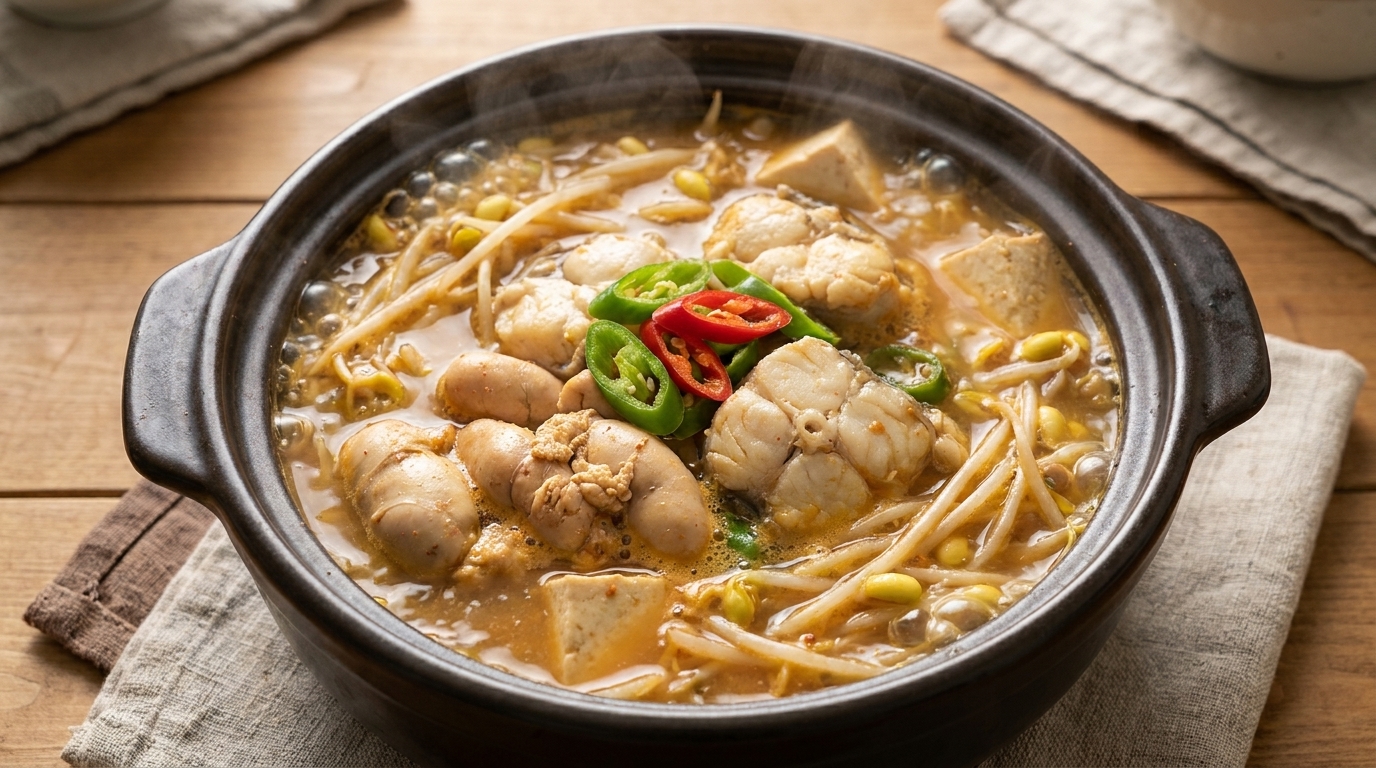
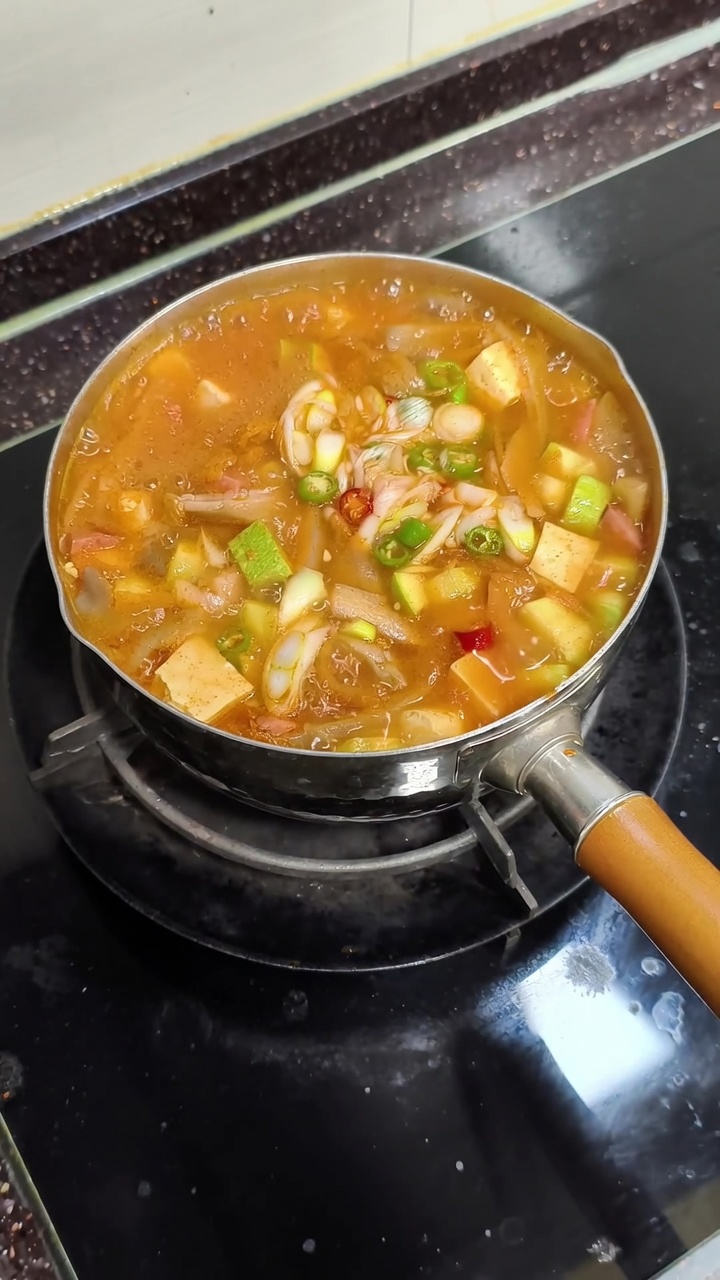
Korean Squash Soybean Paste Stew (Doenjang-jjigae)
A soul-warming Korean comfort classic featuring the deep, savory umami of soybean paste balanced by sweet squash and the aromatic punch of wild perilla leaves.
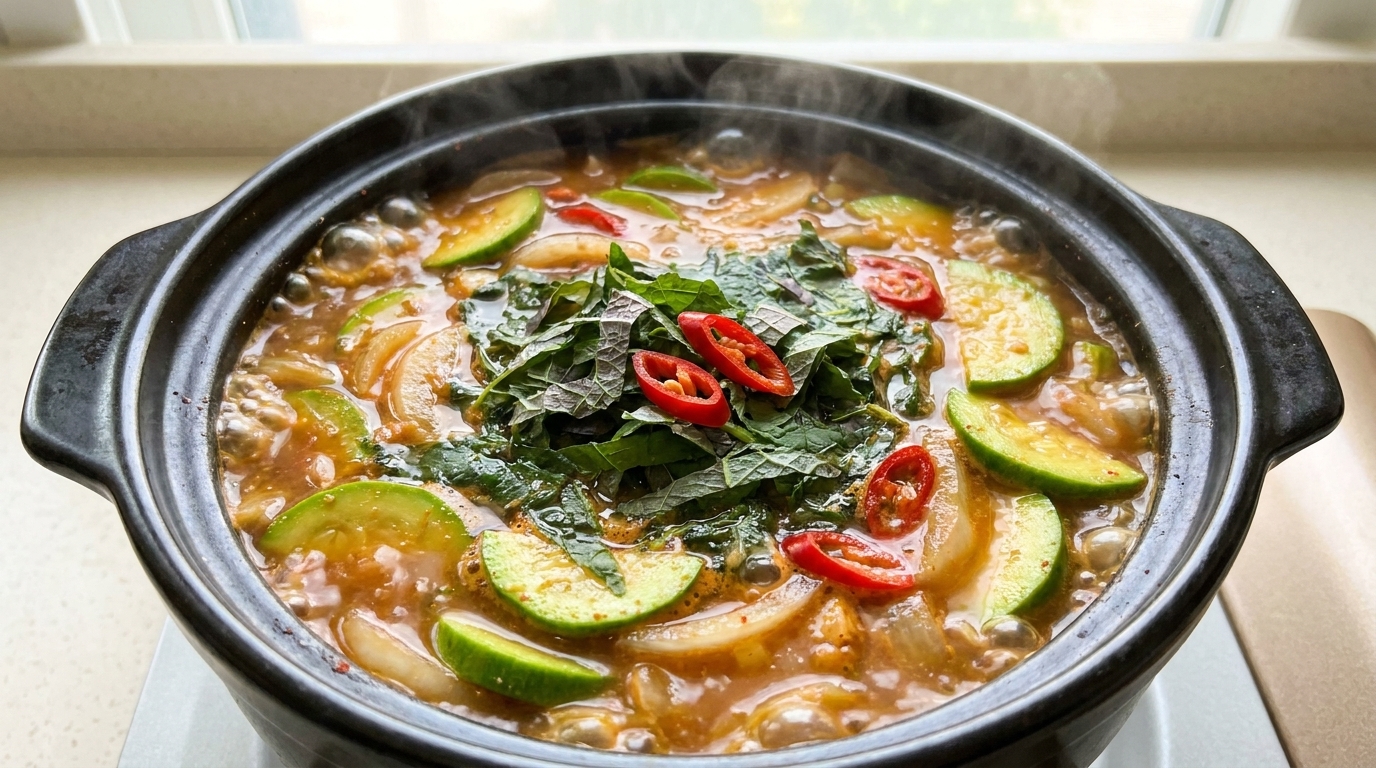
In Korean home cooking, the soybean paste stew, or doenjang-jjigae, is more than just a soup; it is the cornerstone of a satisfying meal. While traditional versions are ubiquitous, adding squash and the distinctively earthy, herbaceous scent of wild perilla leaves transforms this dish into a fragrant, deeply comforting experience. This recipe embraces that rustic charm, building a robust broth that turns a simple dinner into a truly restorative feast.
Ingredients
- 1 whole green squash
- 1/2 white onion
- 1 cup wild perilla leaves
- 2 stalks green onion
- 1 red chili pepper
- 2 tsp Korean soybean paste (doenjang)
- 1 tsp Korean chili paste (gochujang)
- 1 tsp beef bouillon powder
- to taste water
Instructions
- 1Prepare the ingredients
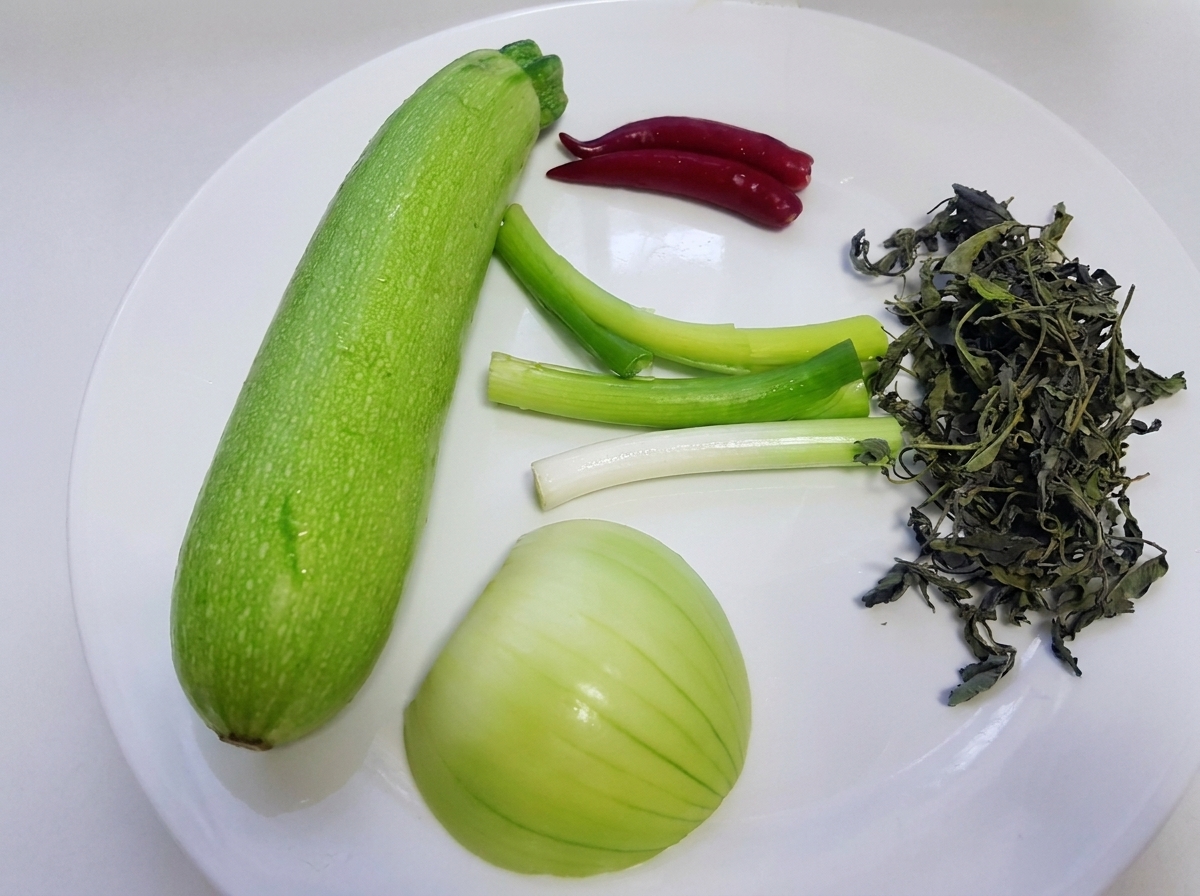
Gather the required ingredients for the stew: squash, green onion, onion, wild perilla leaves, and red chili pepper.cite: 1
Tip: The soul of squash soybean paste stew is wild perilla leaves, which provides a unique and essential flavor.cite: 1 - 2Combine vegetables
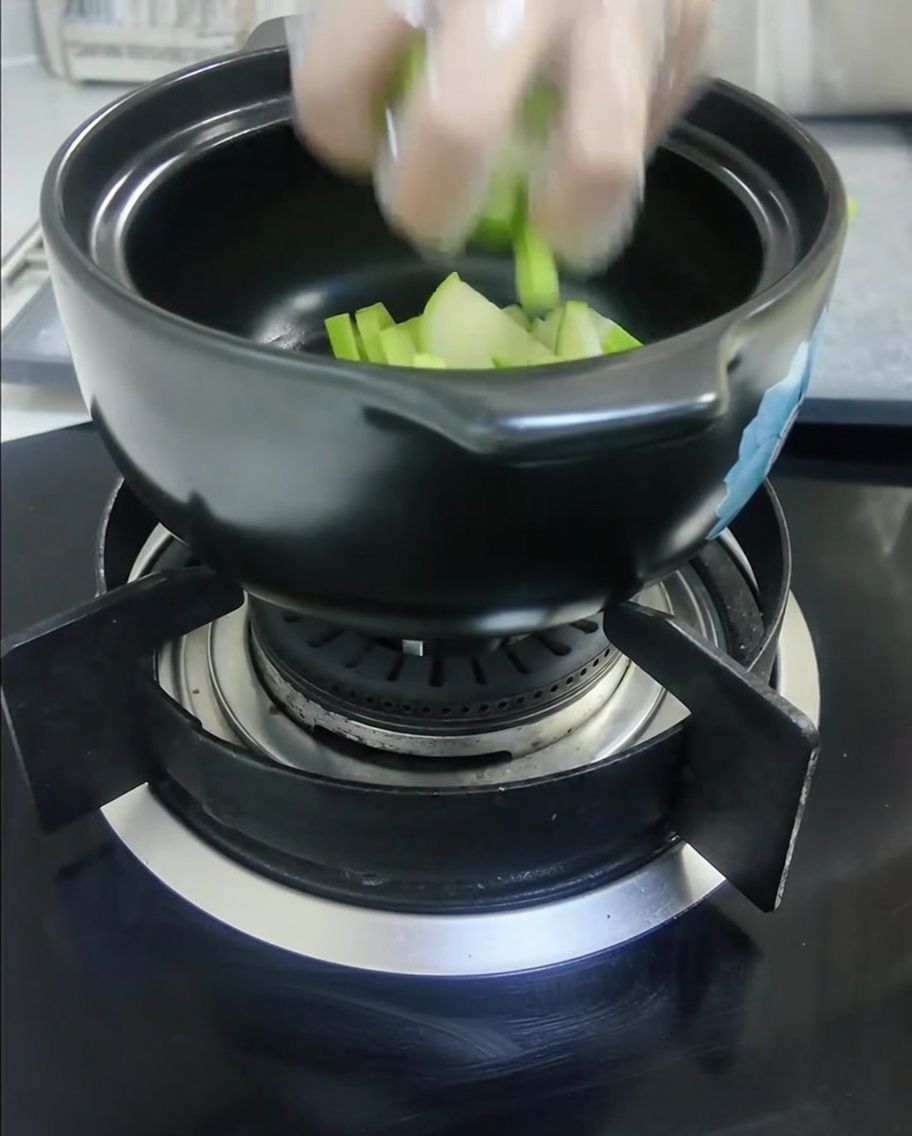
Place the cubed squash and sliced onions into the base of your cooking pot.
Tip: Cutting the squash into thicker chunks helps them retain their shape and texture as the stew cooks. - 3Add the seasoning pastes
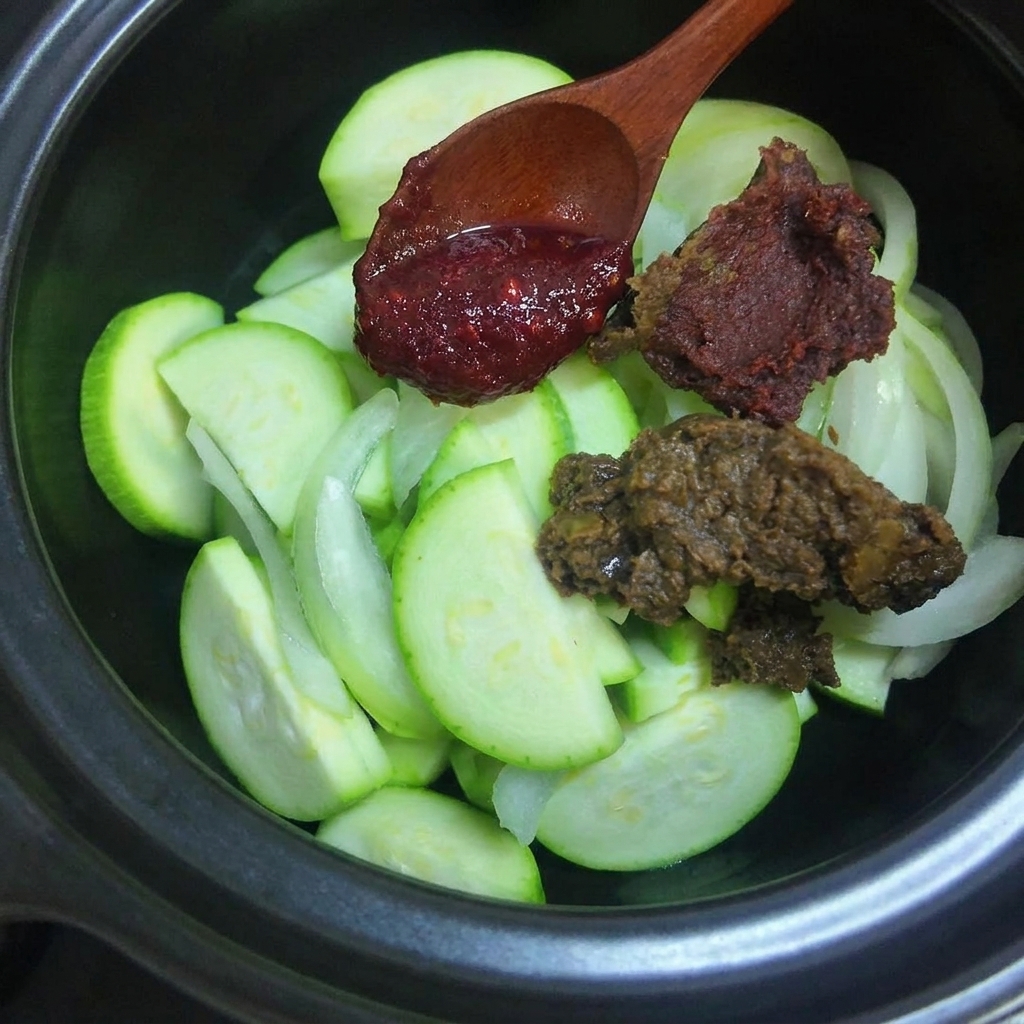
Add two teaspoons of Korean soybean paste and one teaspoon of Korean chili paste on top of the vegetables.cite: 1
Tip: Adjust the amount of chili paste based on your spice tolerance. - 4Add water
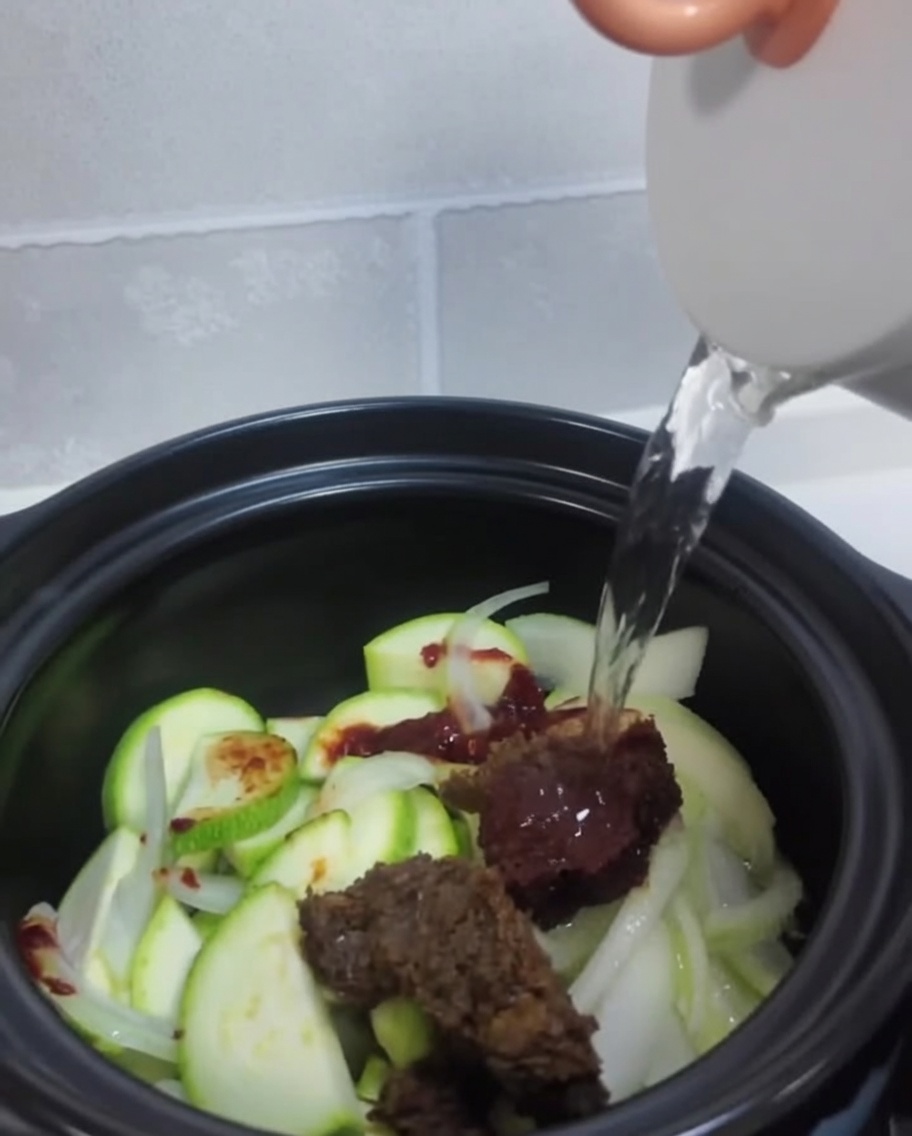
Pour enough water into the pot to just submerge the vegetables, then place the pot over medium-high heat.
Tip: Use just enough water to submerge the vegetables, as the squash will also release moisture as it cooks. - 5Infuse with herbs and flavor
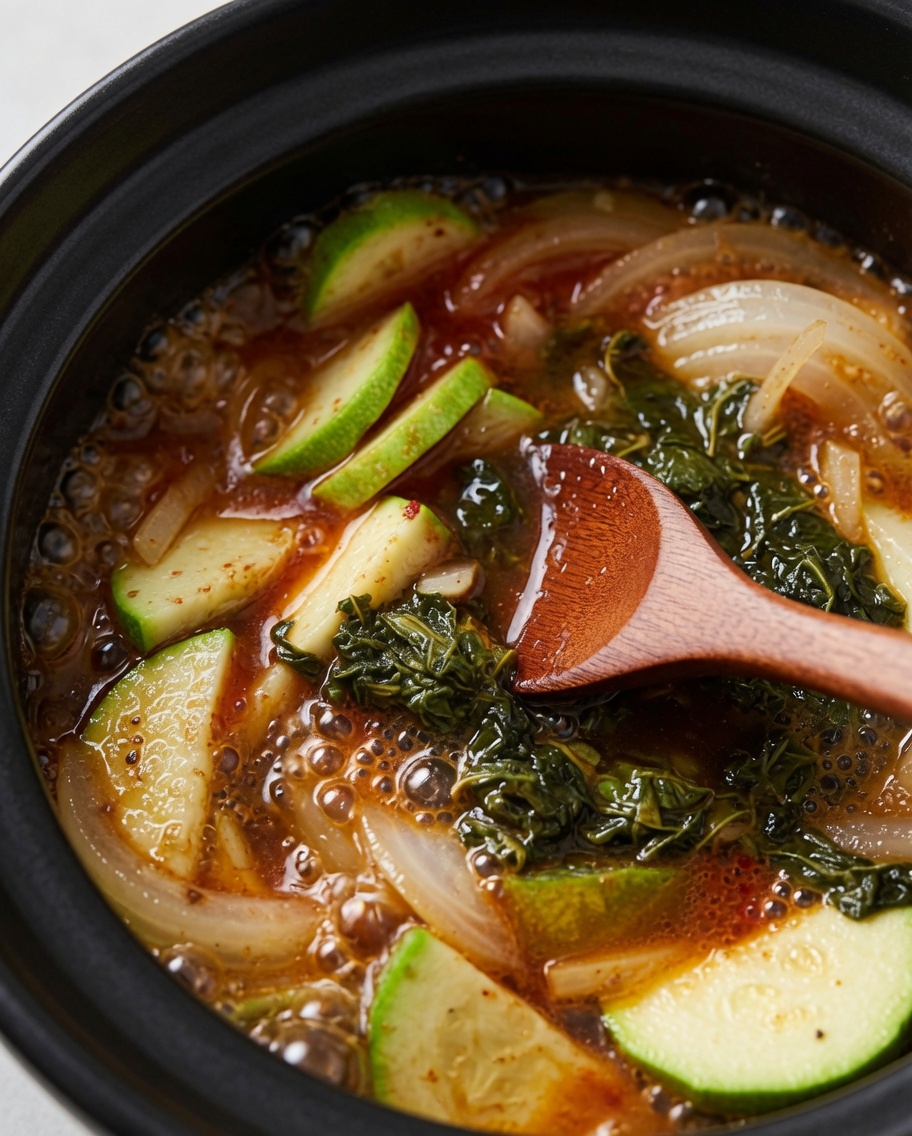
Once the broth begins to boil, stir in the soaked wild perilla leaves and the beef bouillon powder until fully incorporated.
Tip: Stir gently to ensure the pastes and bouillon powder are completely dissolved into the broth. - 6Garnish and serve
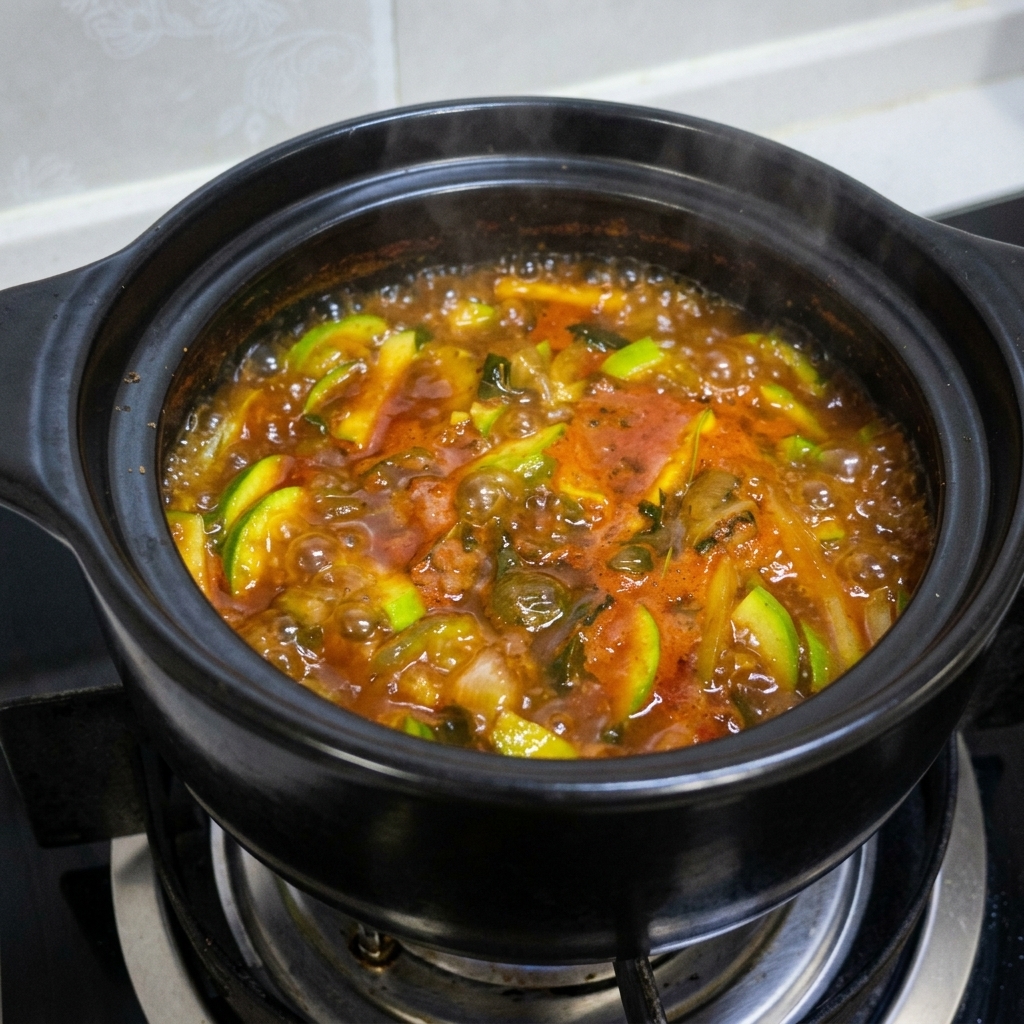
Finish the stew by topping it with the chopped red chili pepper and green onion. Serve immediately while boiling hot with a side of steamed rice.
Tip: Serve the stew boiling hot straight from the stove alongside a bowl of steamed white rice.