Simple Napa Cabbage Soybean Paste Soup
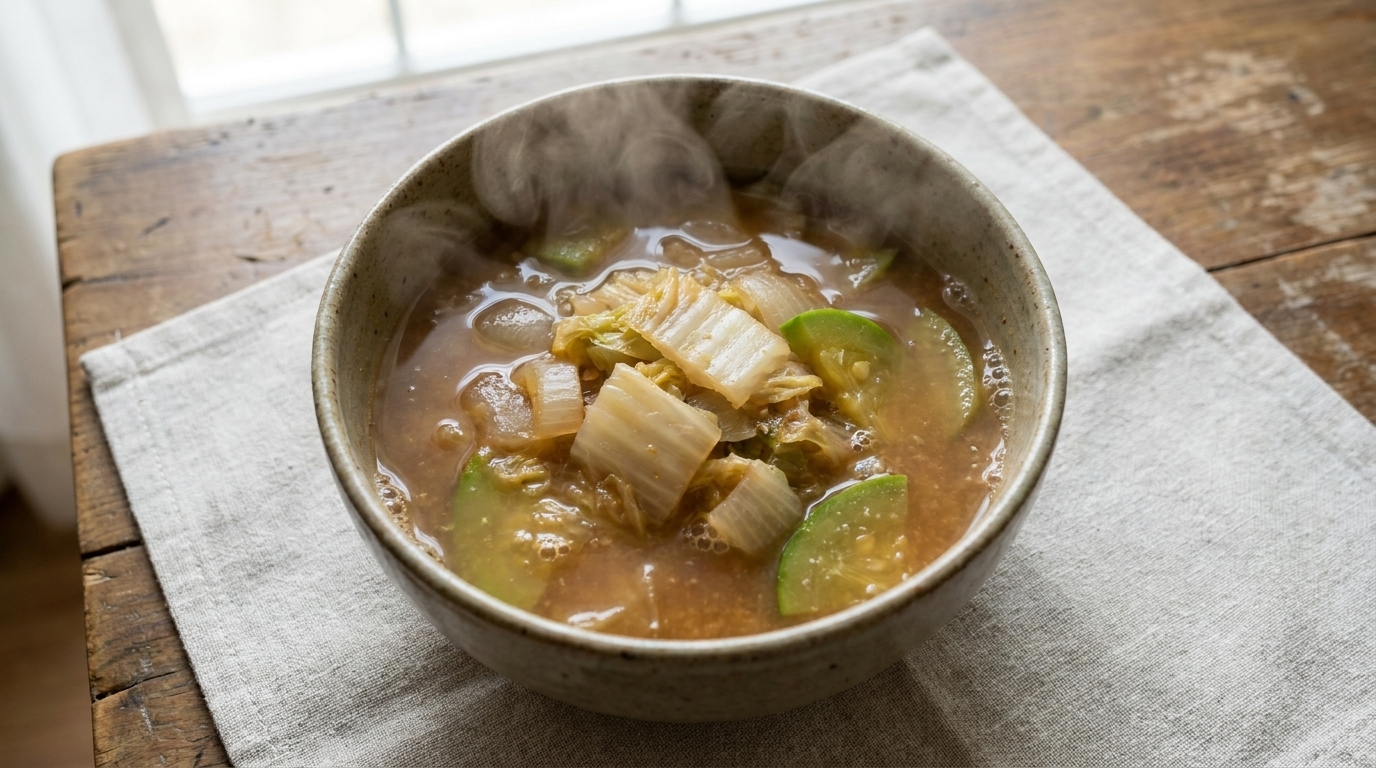
A nourishing, oil-free soybean paste soup featuring crisp Napa cabbage and sweet melon. This quick, hearty meal comes together in just 10 minutes.
This simple soup is a testament to the beauty of minimal cooking. By combining the savory depth of fermented soybean paste with the natural sweetness of fresh Napa cabbage, onion, and melon, it creates a comforting dish without the need for any oil. It is a perfect example of a balanced, humble meal that focuses on clean flavors and fresh ingredients.
Ingredients
- 200 g Napa cabbage
- 100 g small green melon
- 1/2 onion
- 1 tbsp soybean paste
- 1 tbsp oyster sauce
- 0.5 tbsp fish sauce
- 1 tbsp beef powder
- 1 pinch MSG
- to taste water
Instructions
- 1Add soybean paste
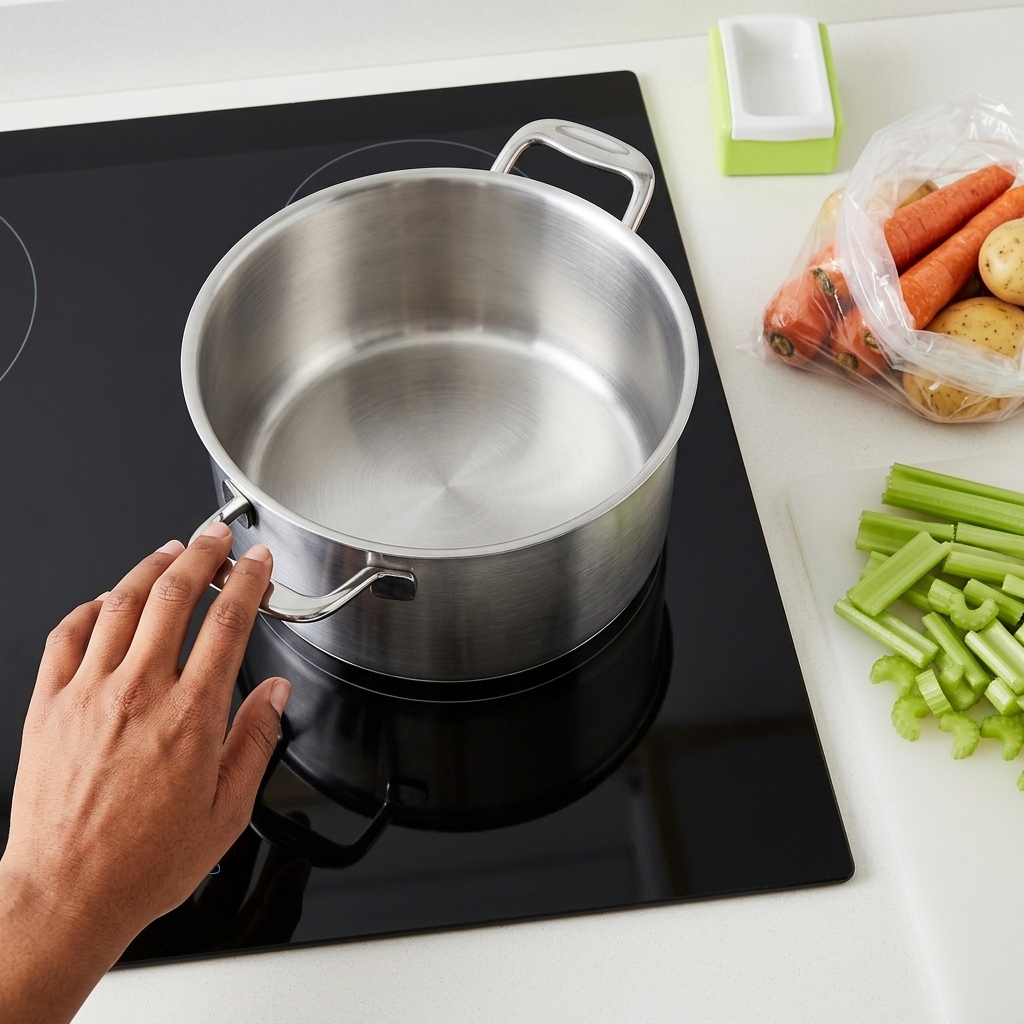
Place a dollop of brown soybean paste into the bottom of your pot. This serves as the flavor base for the soup, providing a rich, savory depth without the need for any oil.
Tip: If you prefer a stronger flavor, you can slightly increase the amount of soybean paste, but be mindful of the salt content. - 2Add liquid seasonings
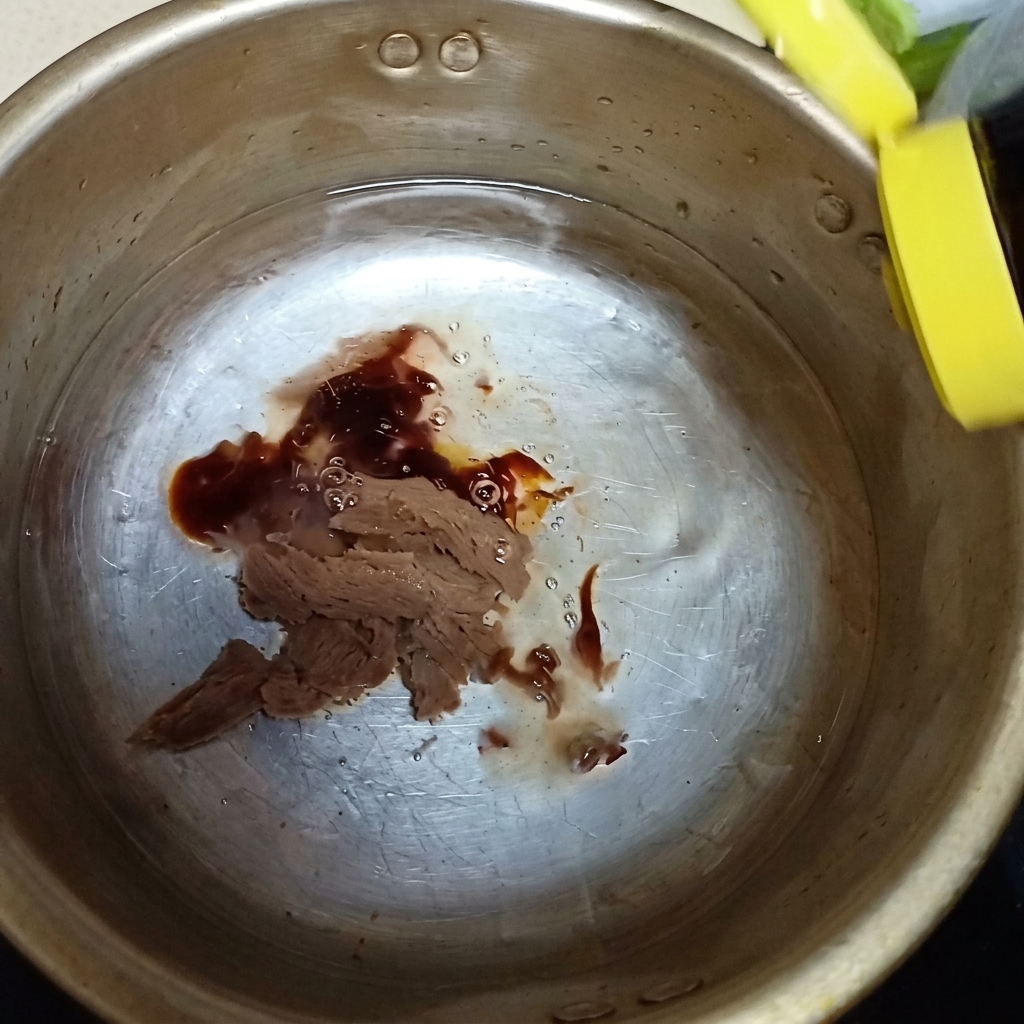
Add one spoonful of oyster sauce and half a spoonful of fish sauce to the pot along with the soybean paste. These seasonings will build the umami foundation of the broth.
Tip: Fish sauce is quite salty, so start with the recommended amount and adjust to your preference later. - 3Season with aromatics
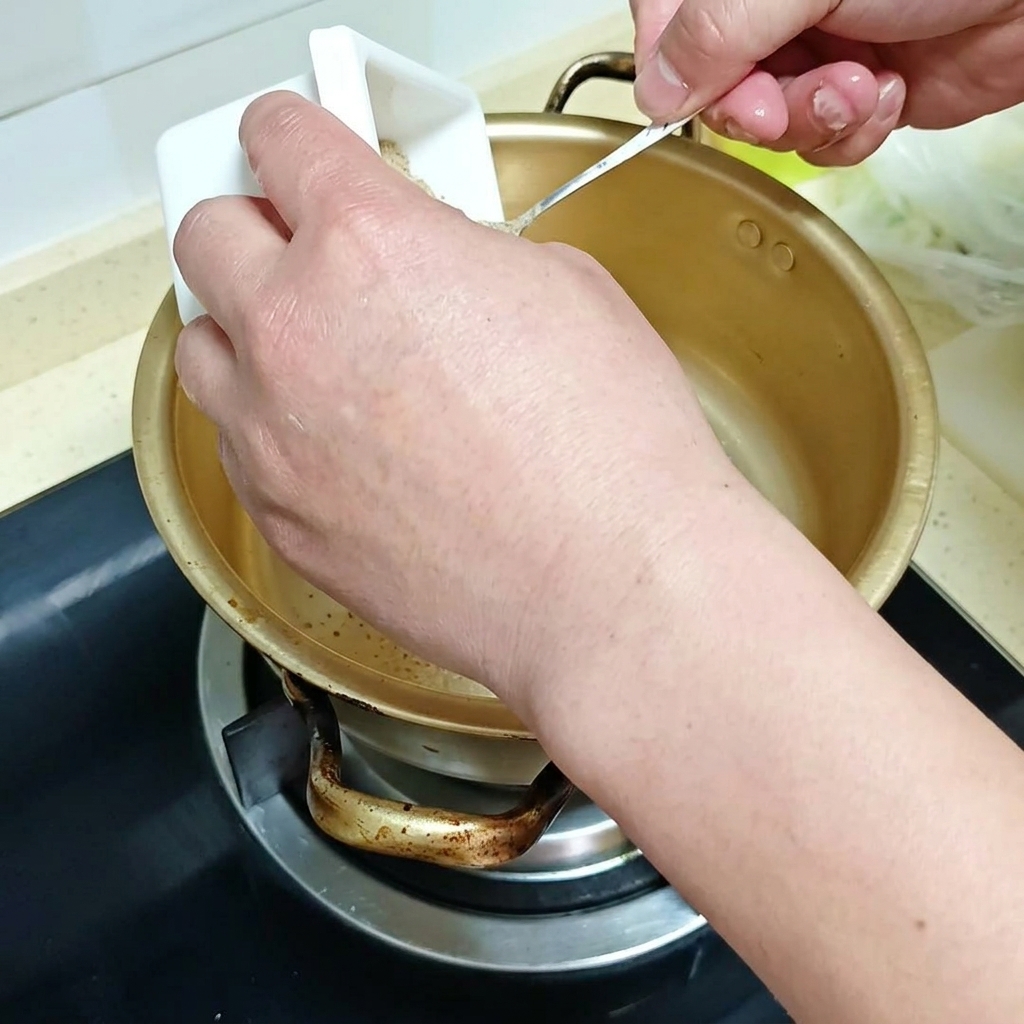
Incorporate one spoonful of beef powder and a small amount of MSG into the pot. These ingredients enhance the savory characteristics of the soybean-based broth.
Tip: If you dont have beef powder, chicken bouillon can be used as a substitute, though it will slightly alter the flavor profile. - 4Prepare the vegetables
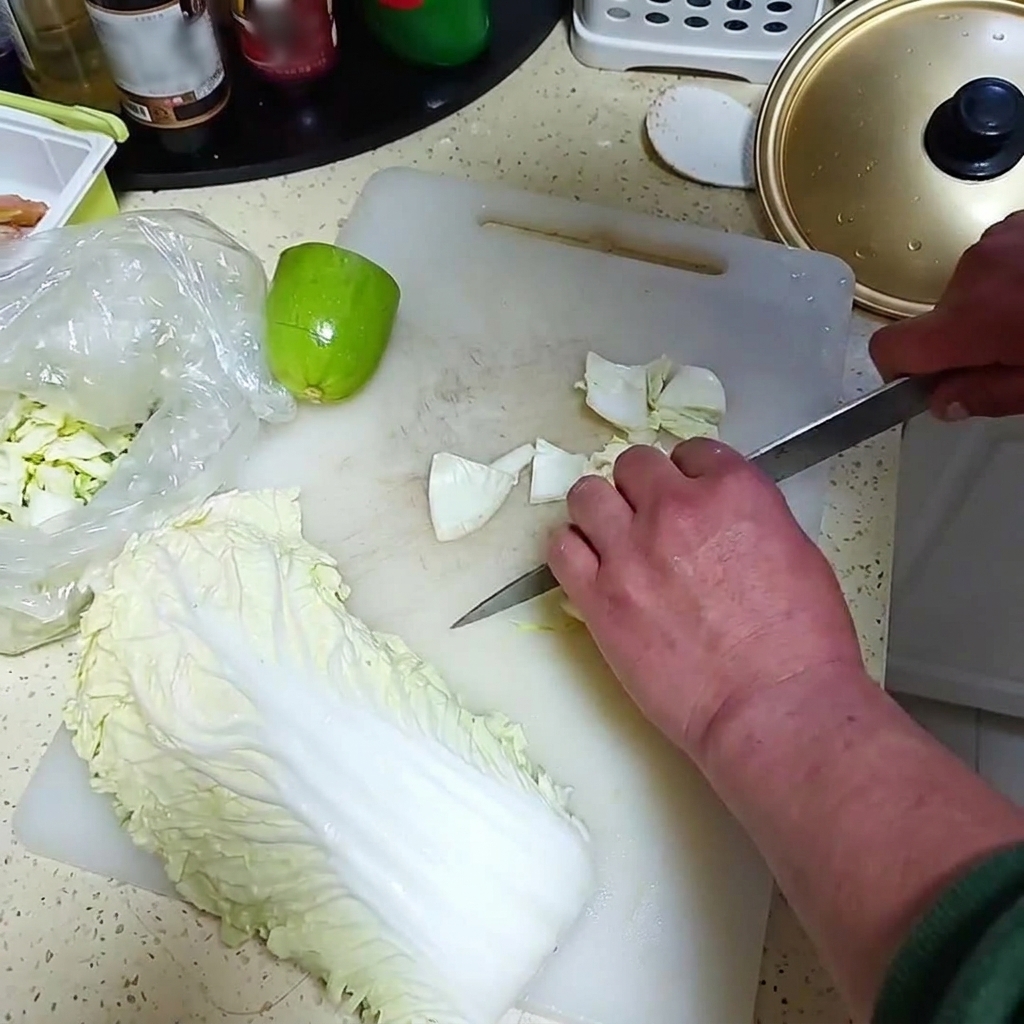
Carefully slice the onion and the green melon into uniform chunks or slices on a cutting board. Preparing the ingredients this way ensures they cook evenly in the broth.
Tip: Keep the pieces roughly the same size to ensure they cook at a consistent rate. - 5Add onion and melon
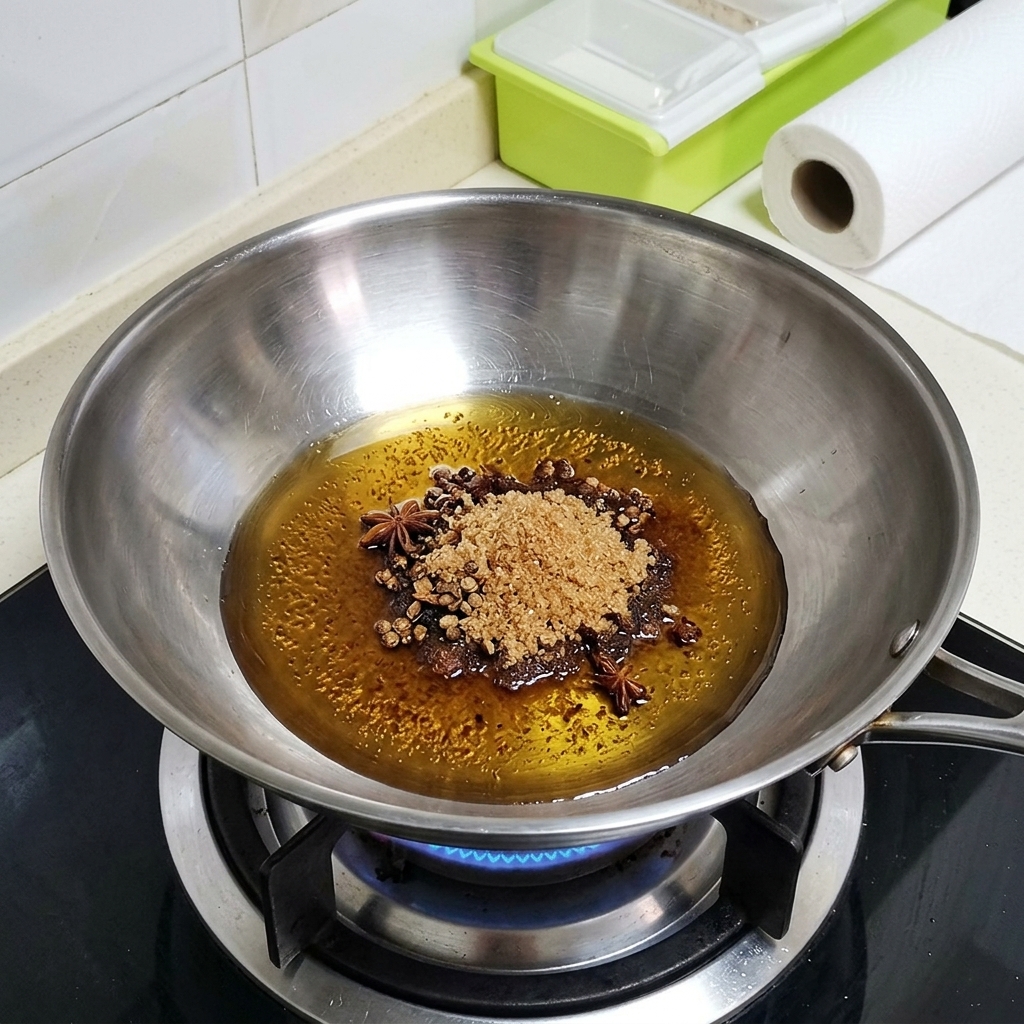
Add the prepared onion and melon chunks to the pot containing the seasoned water. These vegetables will soften and infuse their sweetness into the soup as it cooks.
Tip: You can add the vegetables in any order; the goal is just to get them simmering in the flavored liquid. - 6Add Napa cabbage
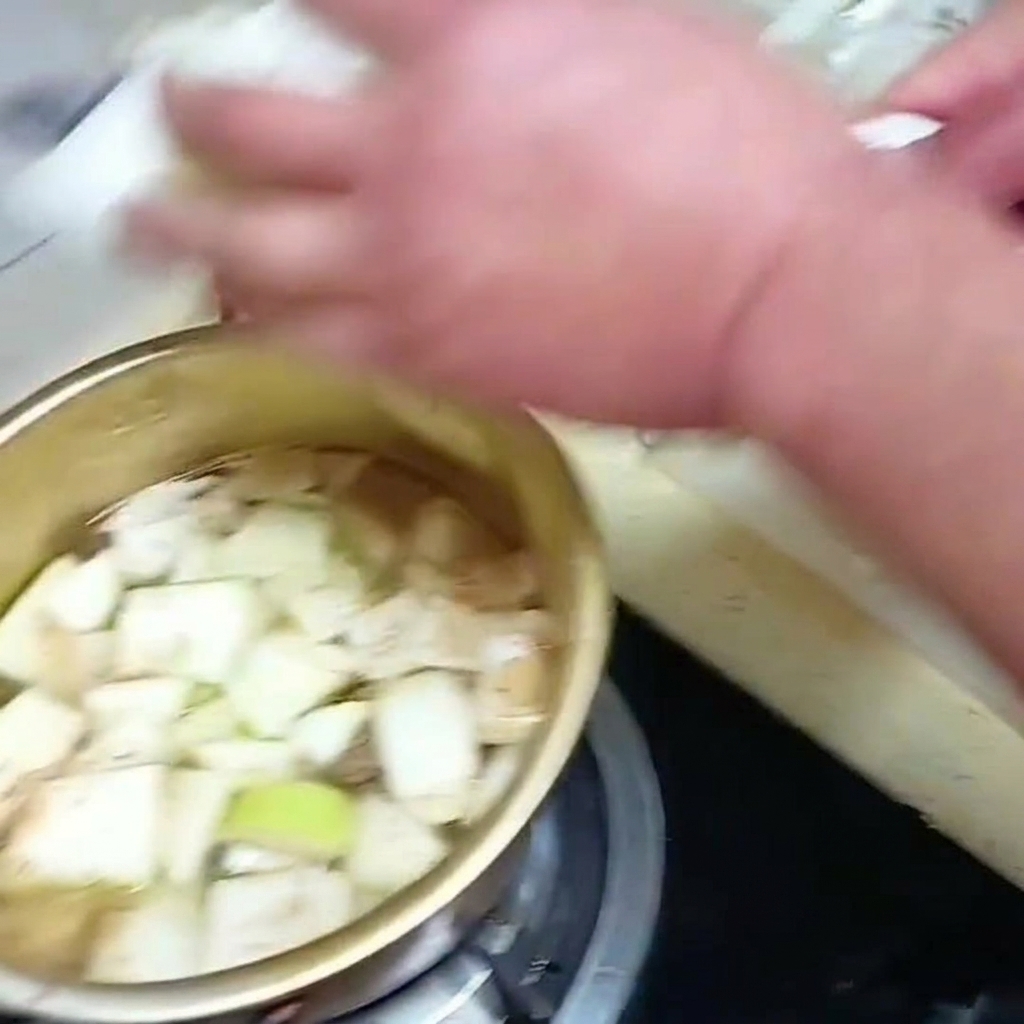
Slice the Napa cabbage into bite-sized chunks or strips and add them to the simmering pot. Napa cabbage cooks relatively quickly and absorbs the savory broth beautifully.
Tip: Add the cabbage toward the end of the cooking process so it retains a pleasant, slight crunch.