Japanese Gyudon (Beef Bowl)
Silky Onsen Egg
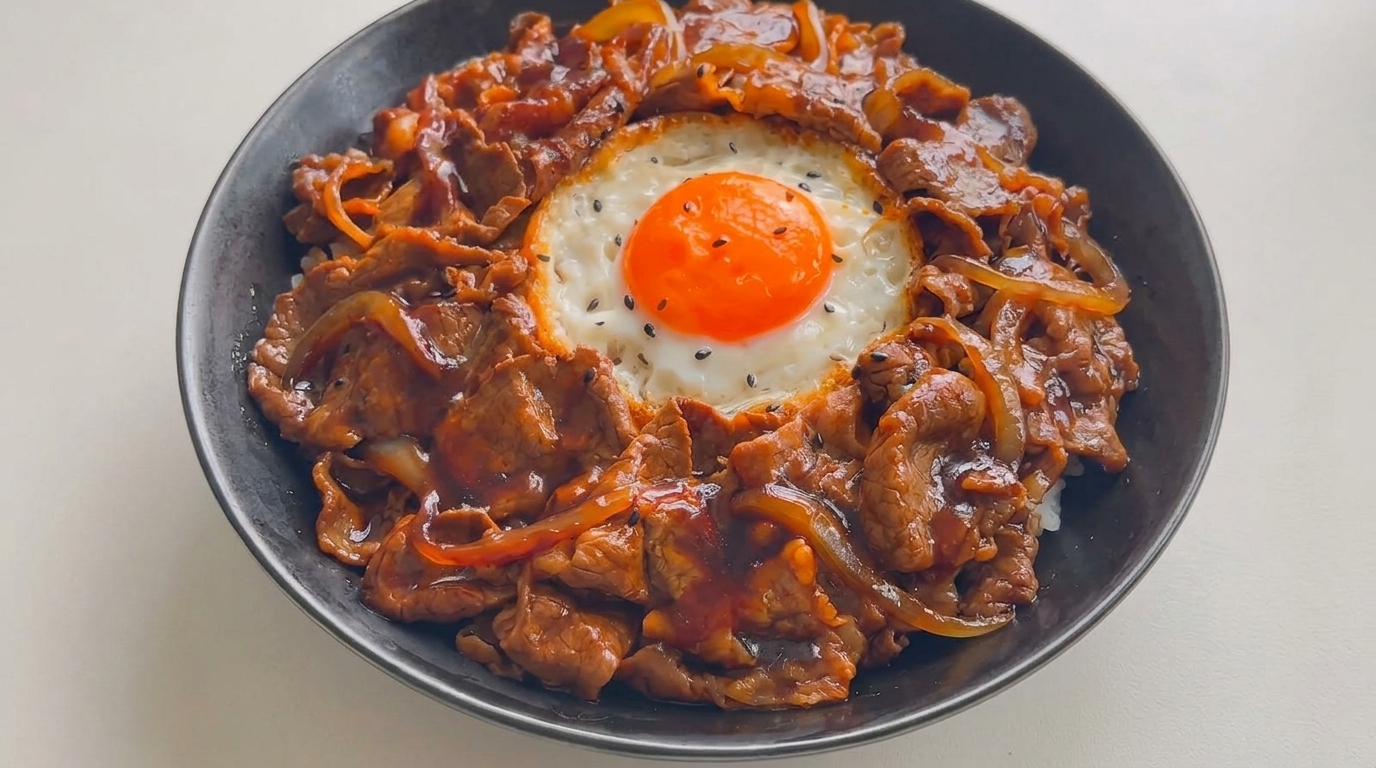
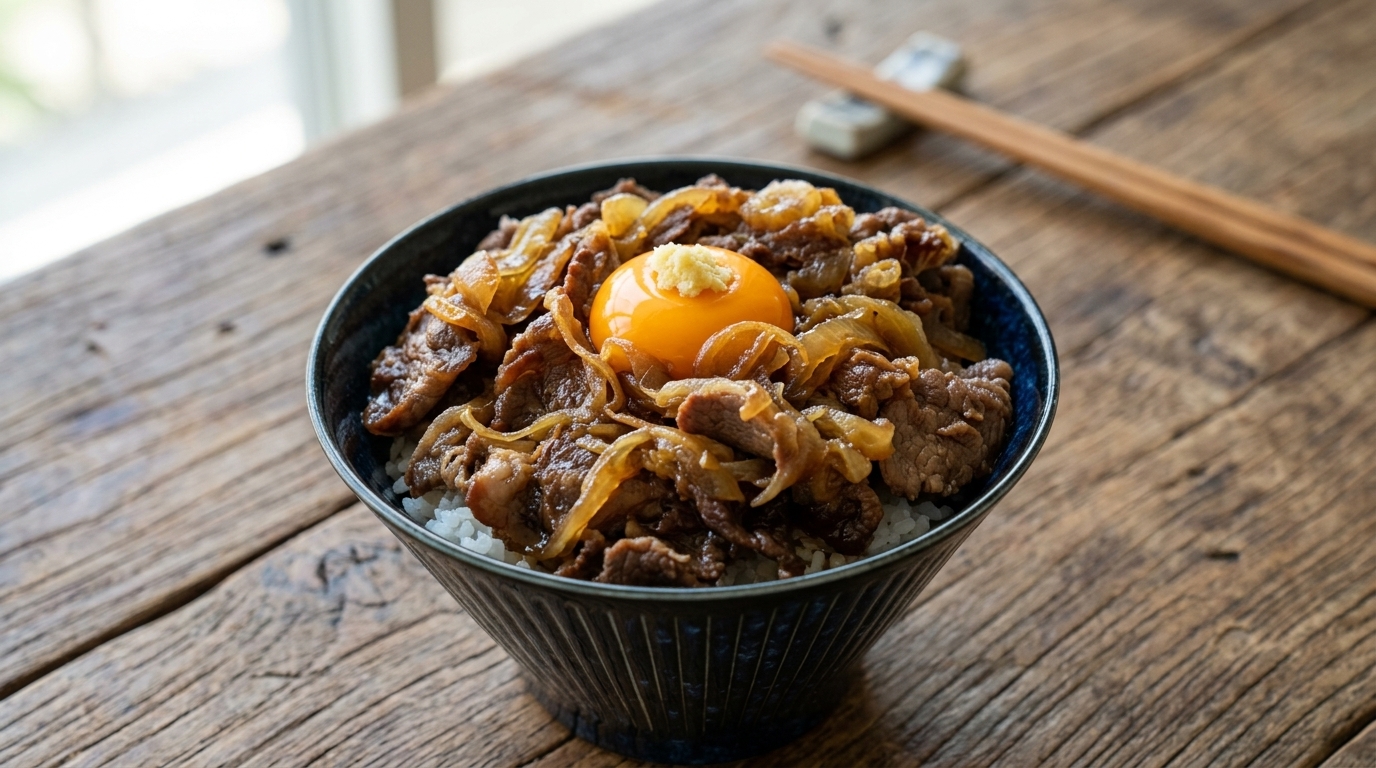
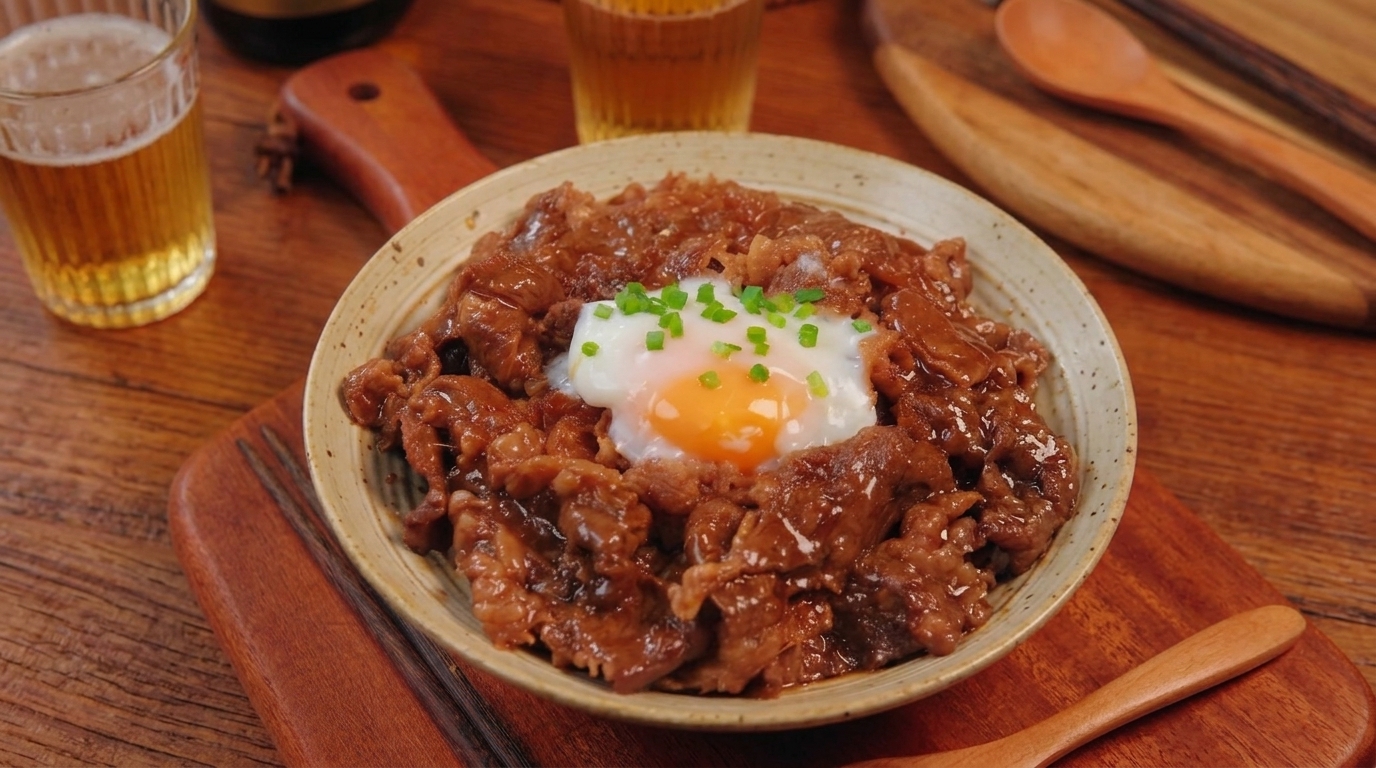
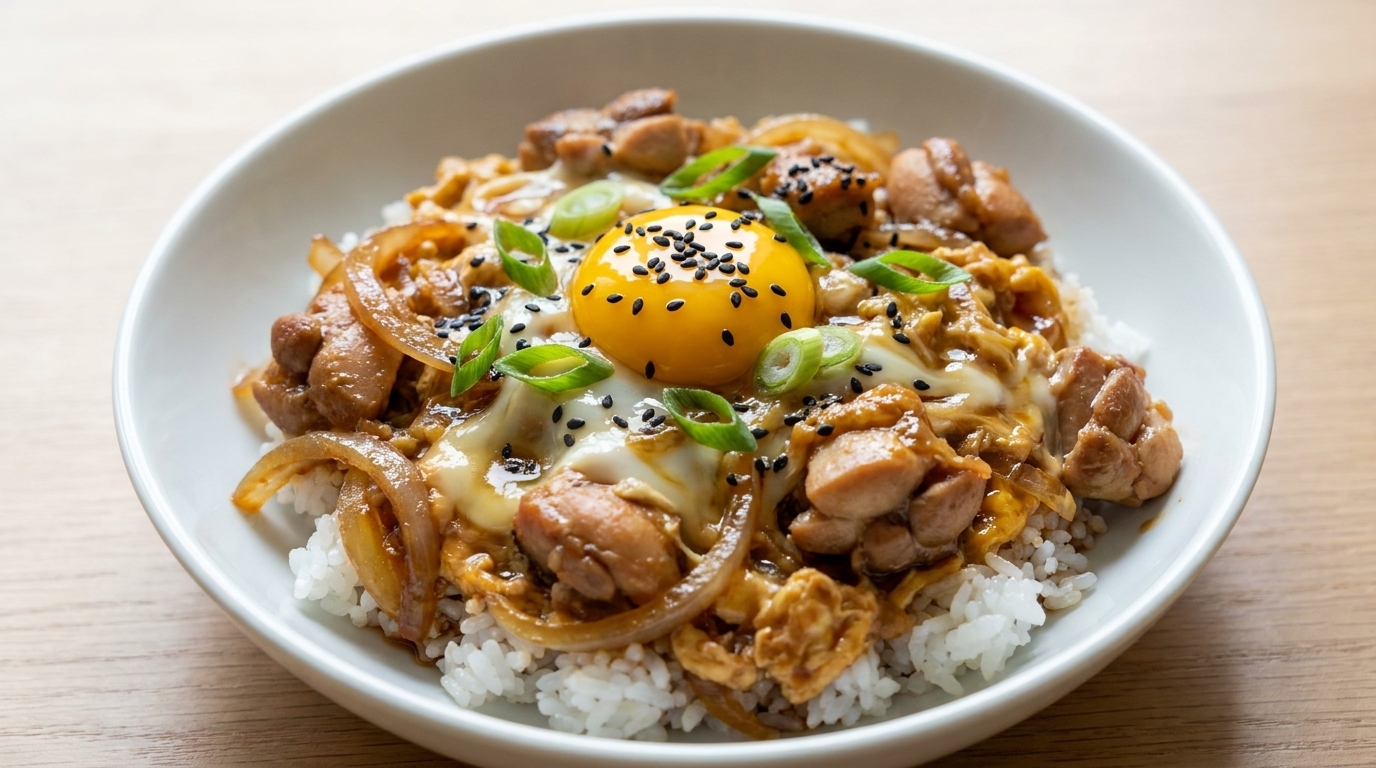
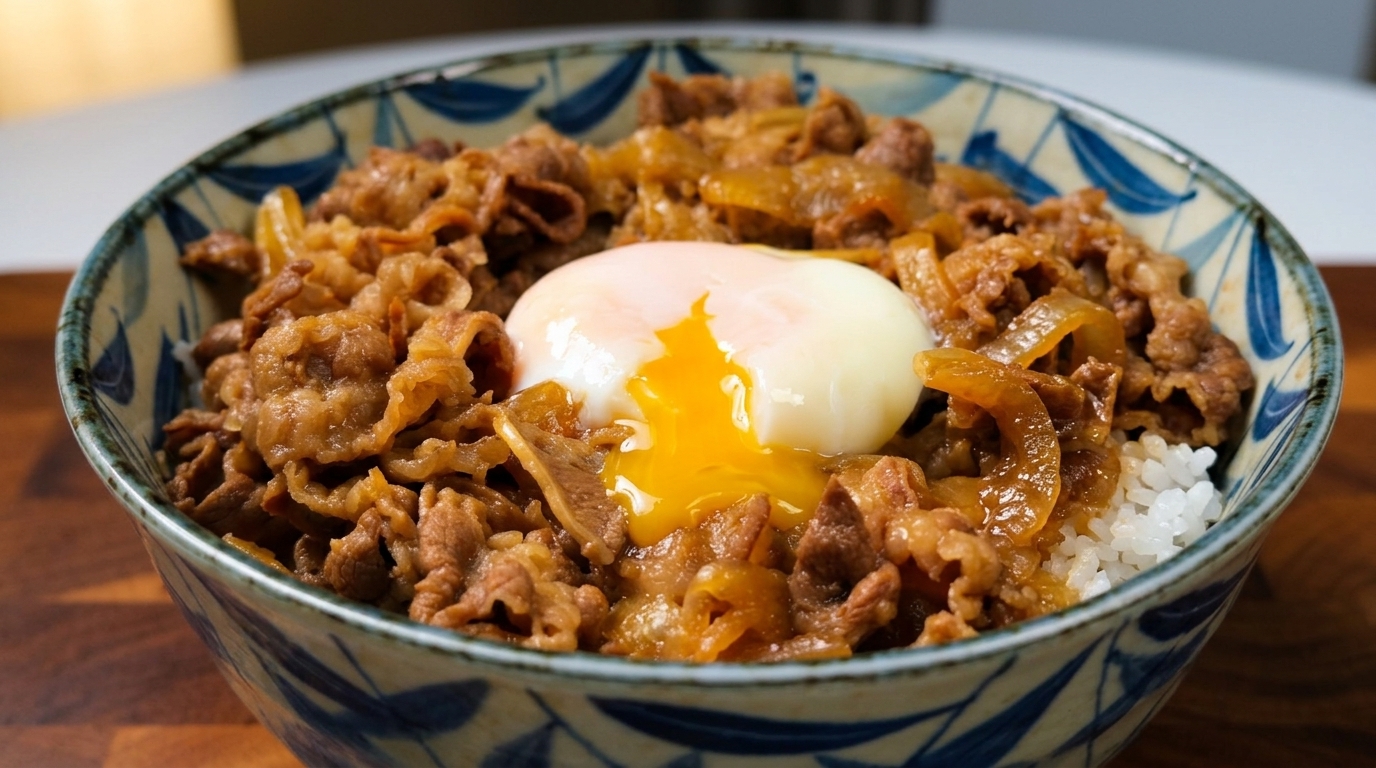
Recreate the iconic Yoshinoya-style beef bowl: tender, thinly sliced fatty beef and sweet onions simmered in a savory dashi broth, finished with a perfect melt-in-your-mouth onsen egg.
Gyudon is the ultimate Japanese comfort meal, beloved for its balance of sweet mirin and deep umami. This version replicates the century-old street food classic, using a traditional water-tempering technique to create a custard-like onsen egg that coats every bite of beef and rice.
Ingredients
- 200 g thinly sliced fatty beef (short plate)
- 12 white onion
- 1 tsp fresh ginger paste
- 1 sterile egg
- 100 ml dashi stock
- 2 tbsp soy sauce
- 2 tbsp mirin
- 1 tbsp sake
- 1 tsp sugar
- 1 bowl steamed white rice
- optional beni shoga (red pickled ginger)
- to taste shichimi togarashi
Instructions
- 1Slice the onion
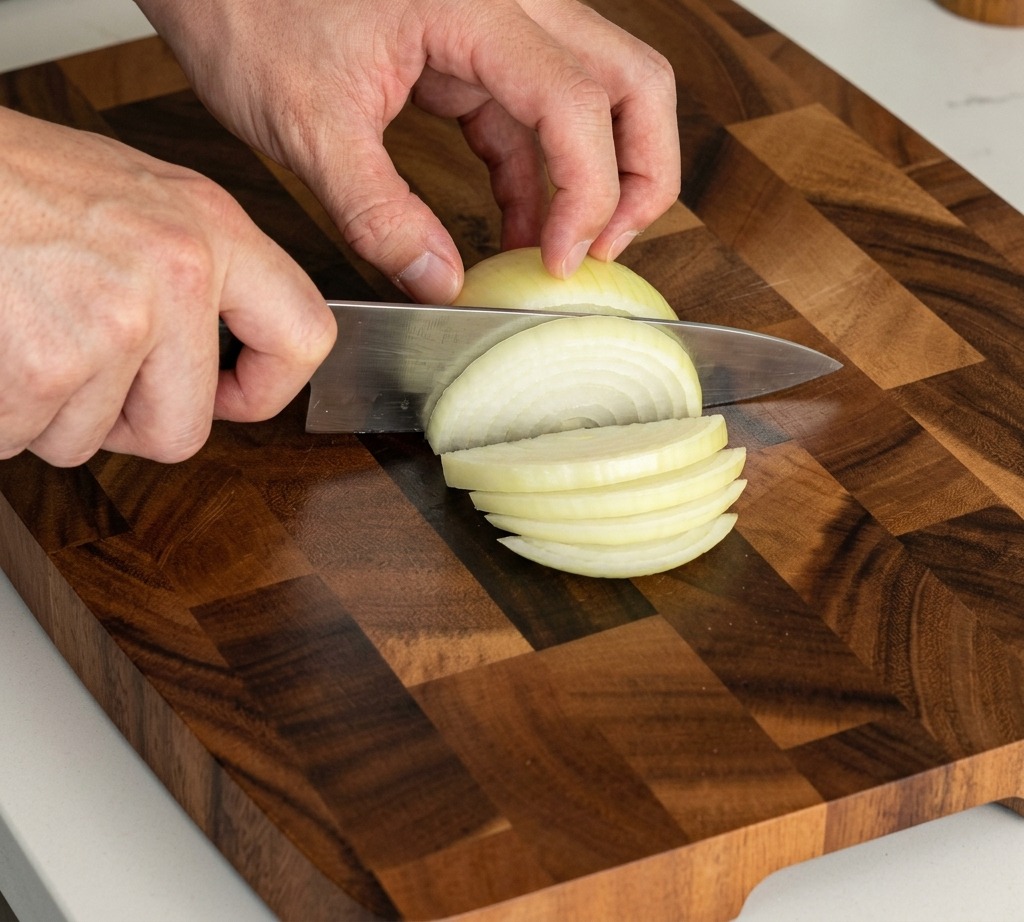
Take half of a white onion and slice it into thick wedges. Avoid making the slices too thin, as they need to hold their shape and provide texture during the long simmering process without melting away.
Tip: Consistent thick wedges ensure even cooking and a better mouthfeel in the final beef bowl. - 2Grate the ginger
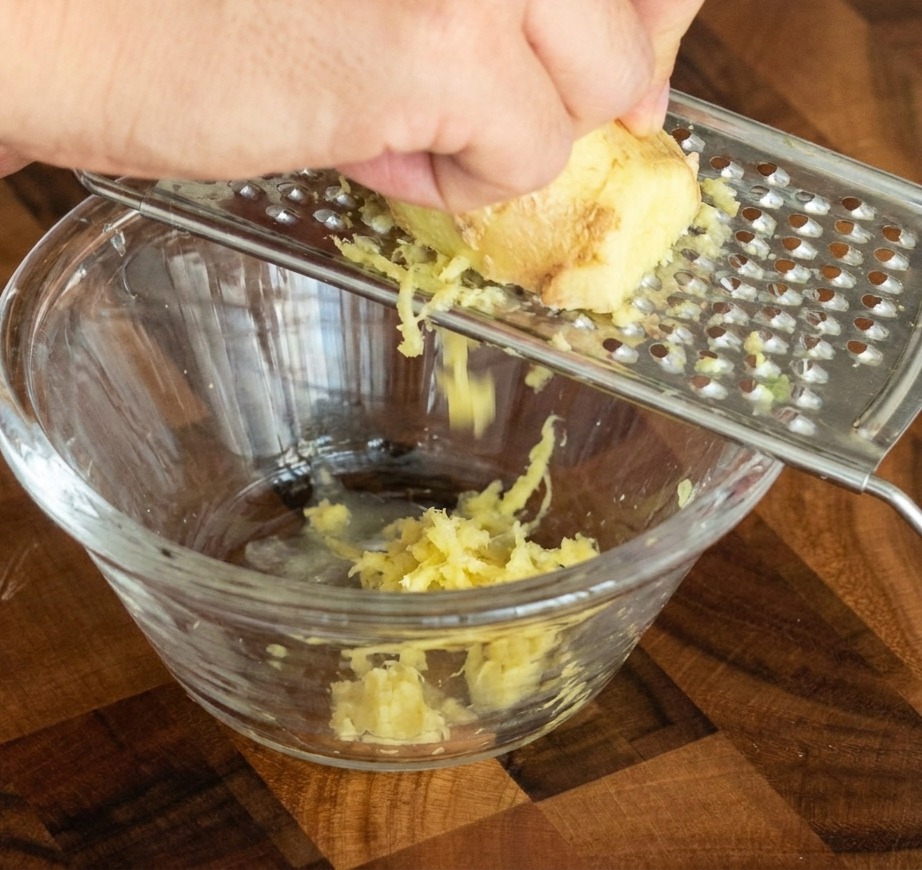
Grate a small piece of fresh ginger using a fine hand grater to create a smooth paste. This ginger paste will add a subtle heat and aromatic depth to the signature sauce.
Tip: Grating fresh ginger is superior to using ground ginger as it provides a brighter, more authentic zing to the dish. - 3Prepare the sauce base
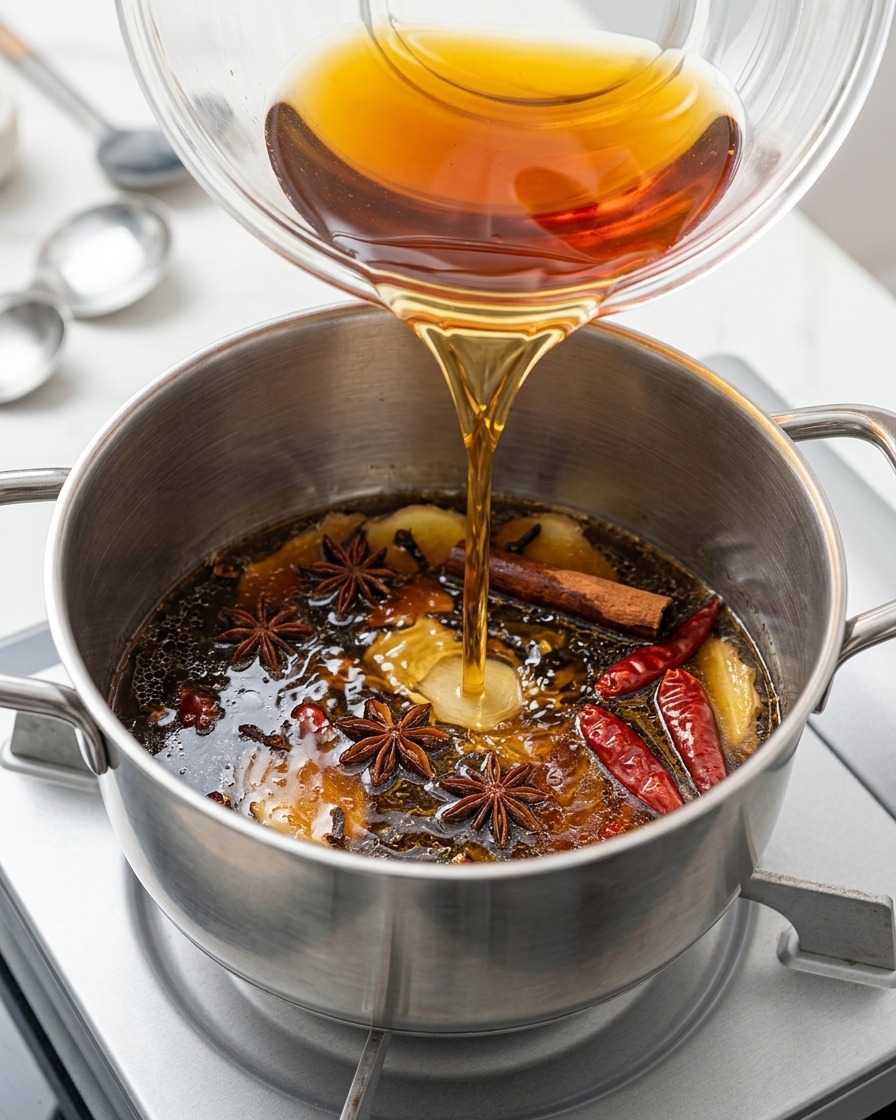
Combine the dashi, soy sauce, mirin, sake, and sugar in a saucepan over medium heat. Stir the mixture gently to ensure the sugar dissolves completely as the liquid begins to warm.
Tip: Using dashi instead of plain water adds a deeper umami flavor to the final dish. - 4Infuse the aromatics
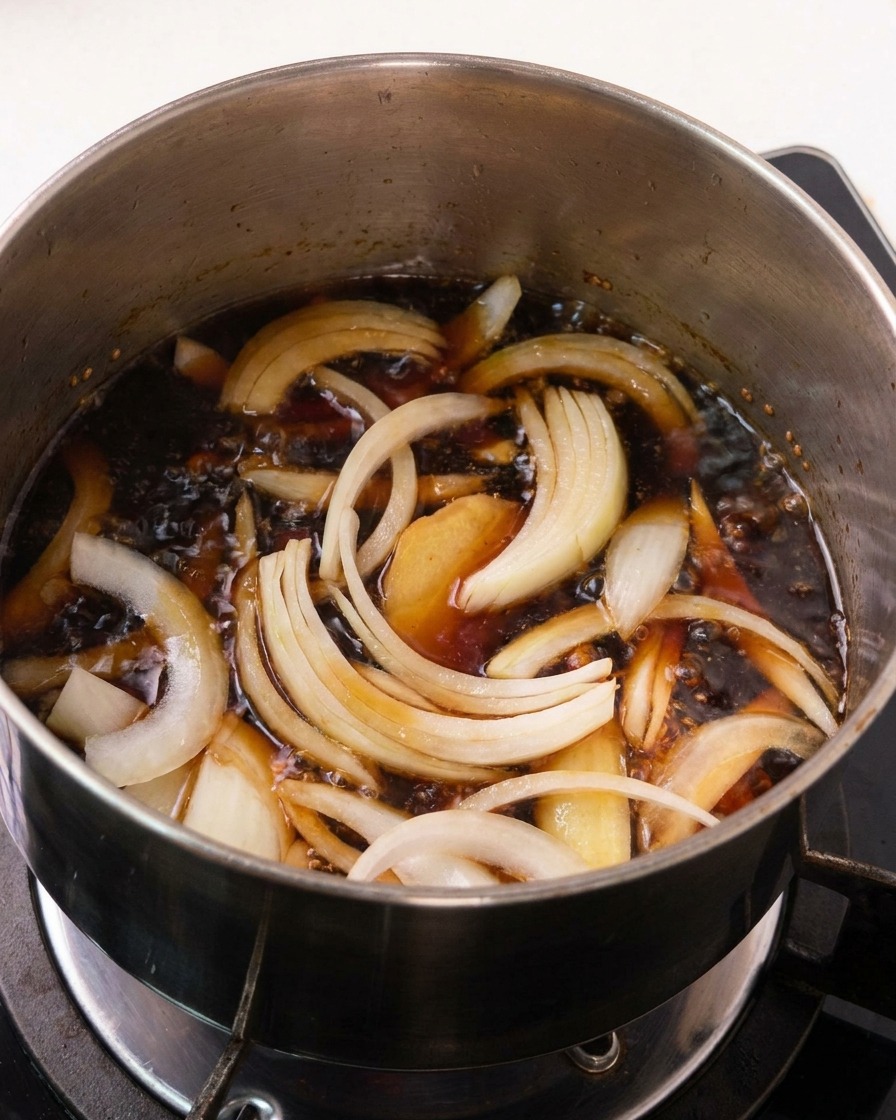
Once the sauce comes to a boil, add the sliced onions and the grated ginger paste. Stir gently to ensure everything is well combined and the onions are submerged in the liquid.
Tip: Ensure the ginger is fully incorporated into the sauce so its flavor permeates the onions as they soften. - 5Simmer the onions
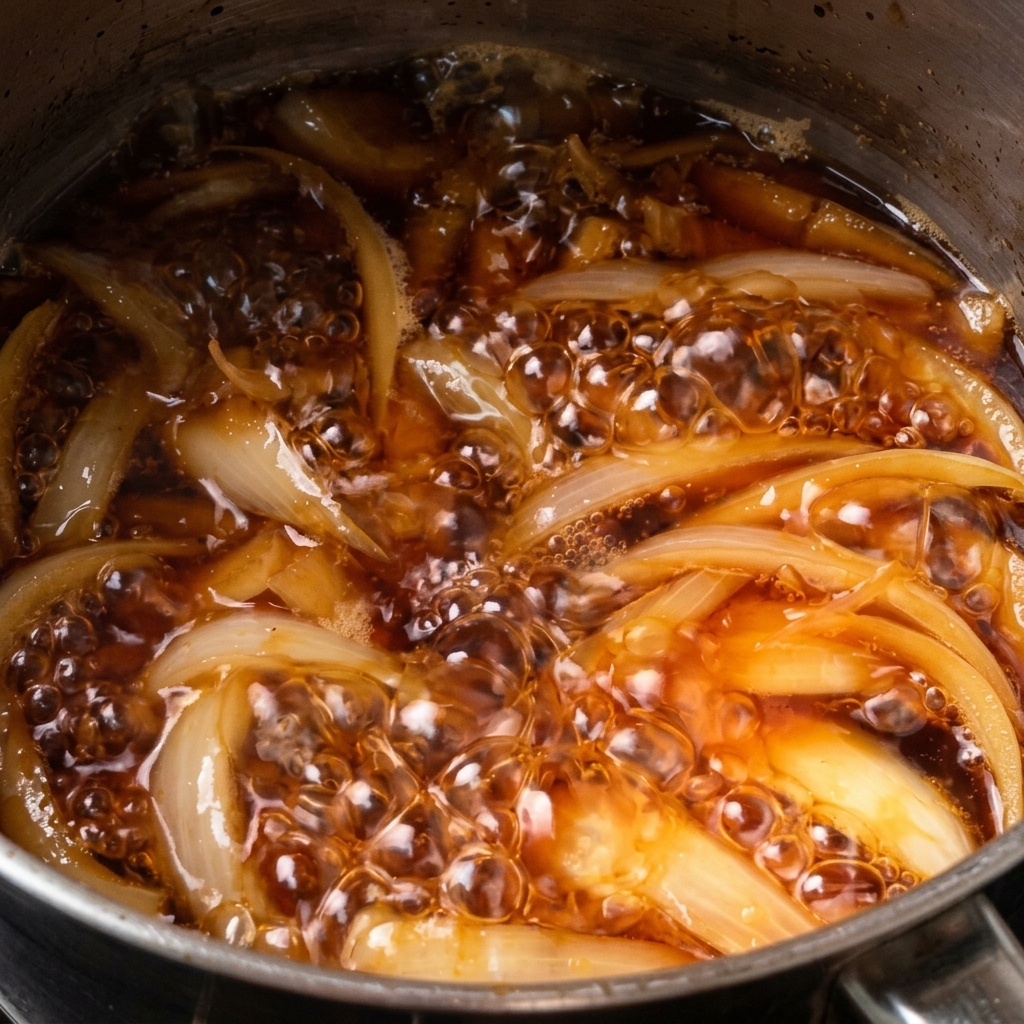
Reduce the heat to medium and let the onions simmer for about 10 minutes. During this time, the onions will soften, become translucent, and absorb the rich flavors and dark color of the sauce.
Tip: The onions are ready when they are completely tender but still hold their wedge shape. - 6Cook the fatty beef
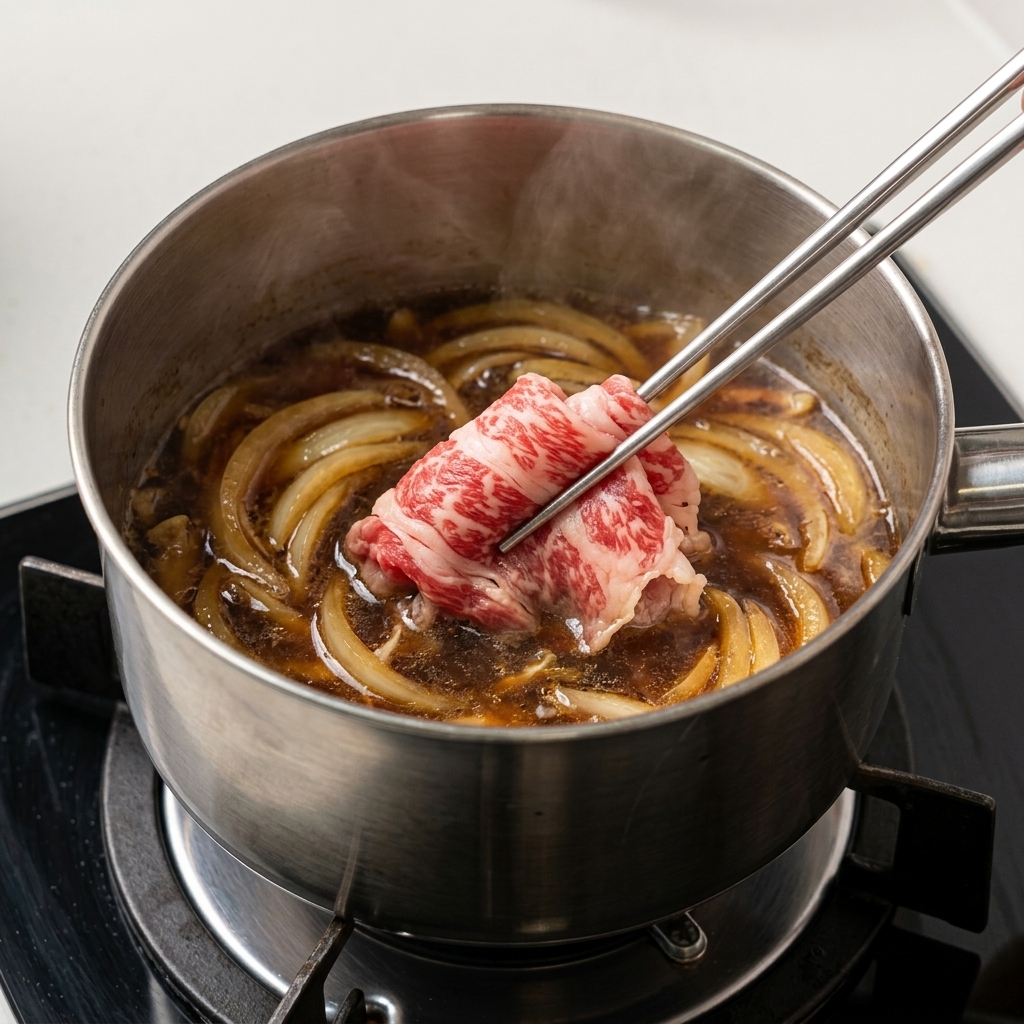
Add the thinly sliced fatty beef into the simmering pot. Use chopsticks to gently separate the meat so each piece cooks evenly and does not clump together, allowing the flavor to penetrate every slice.
Tip: Avoid overcooking the beef. Turn off the heat as soon as the meat is no longer pink to ensure it stays tender and succulent. - 7Finish the simmer
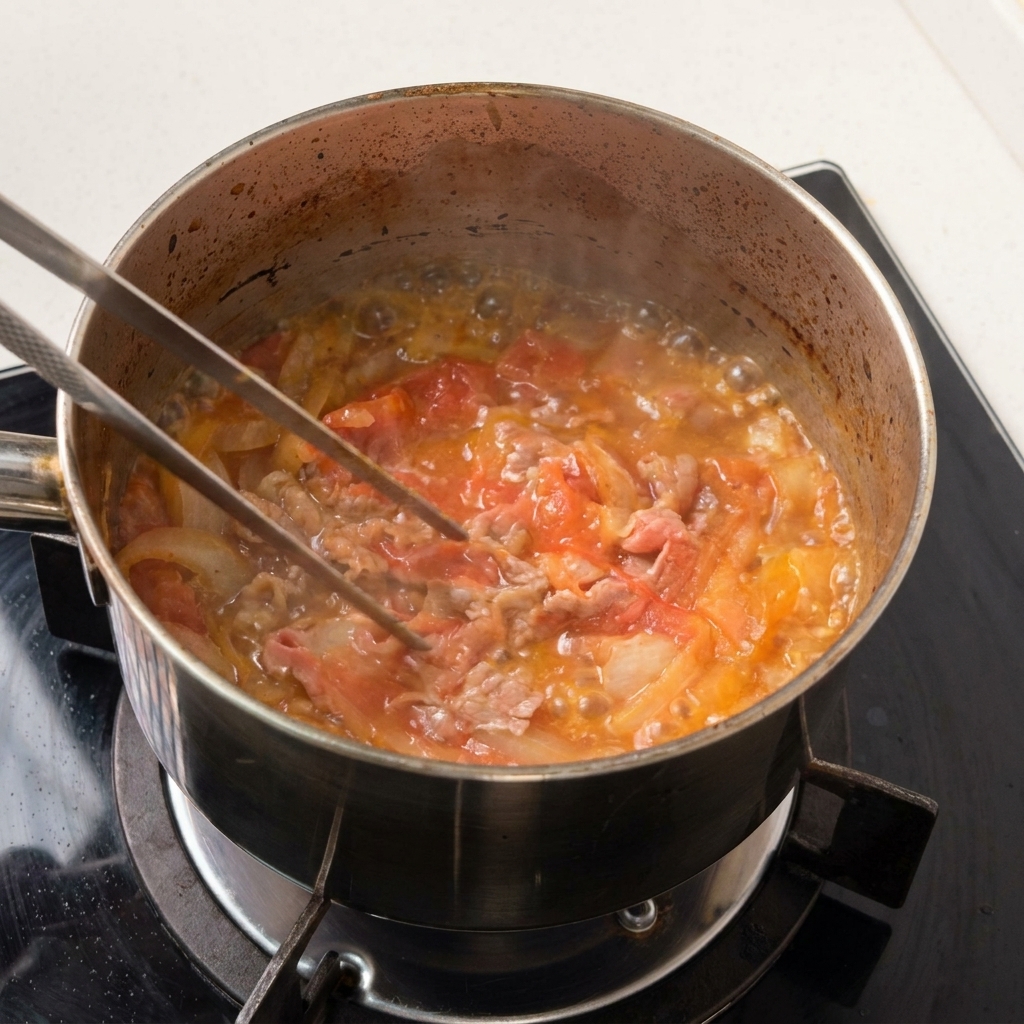
Allow the beef to simmer briefly in the sauce until it is just cooked through. Monitor the heat to prevent the liquid from boiling too vigorously which could toughen the meat slices.
Tip: The beef cooks very quickly so stay close to the stove to avoid overcooking. - 8Skim the impurities
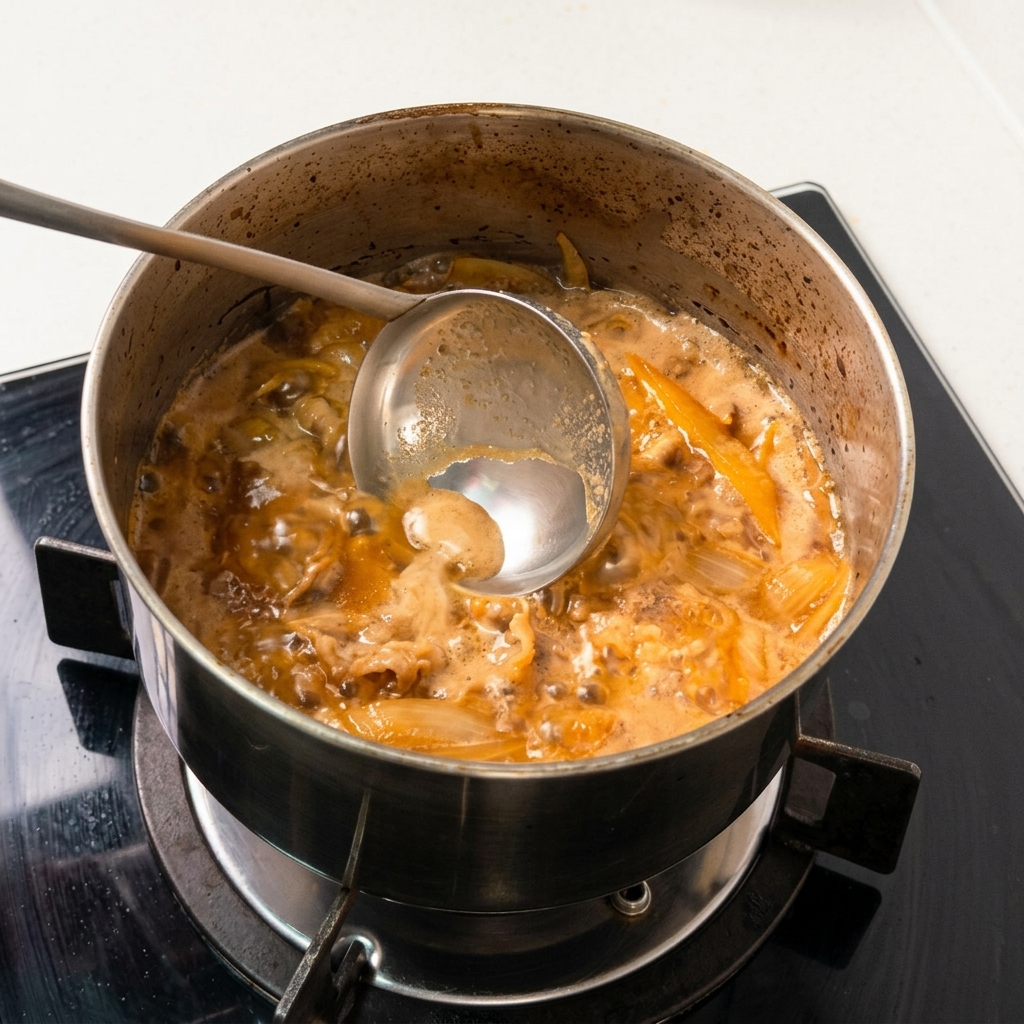
As the beef begins to cook in the simmering sauce, use a metal ladle to carefully skim off the grey foam and impurities that rise to the surface. This step is essential for achieving a clean, professional-tasting sauce without any bitter or off-flavors from the meat proteins.
Tip: Keep a small bowl of water nearby to dip and clean the ladle between skims to prevent the foam from sticking. - 9Boil water for the egg
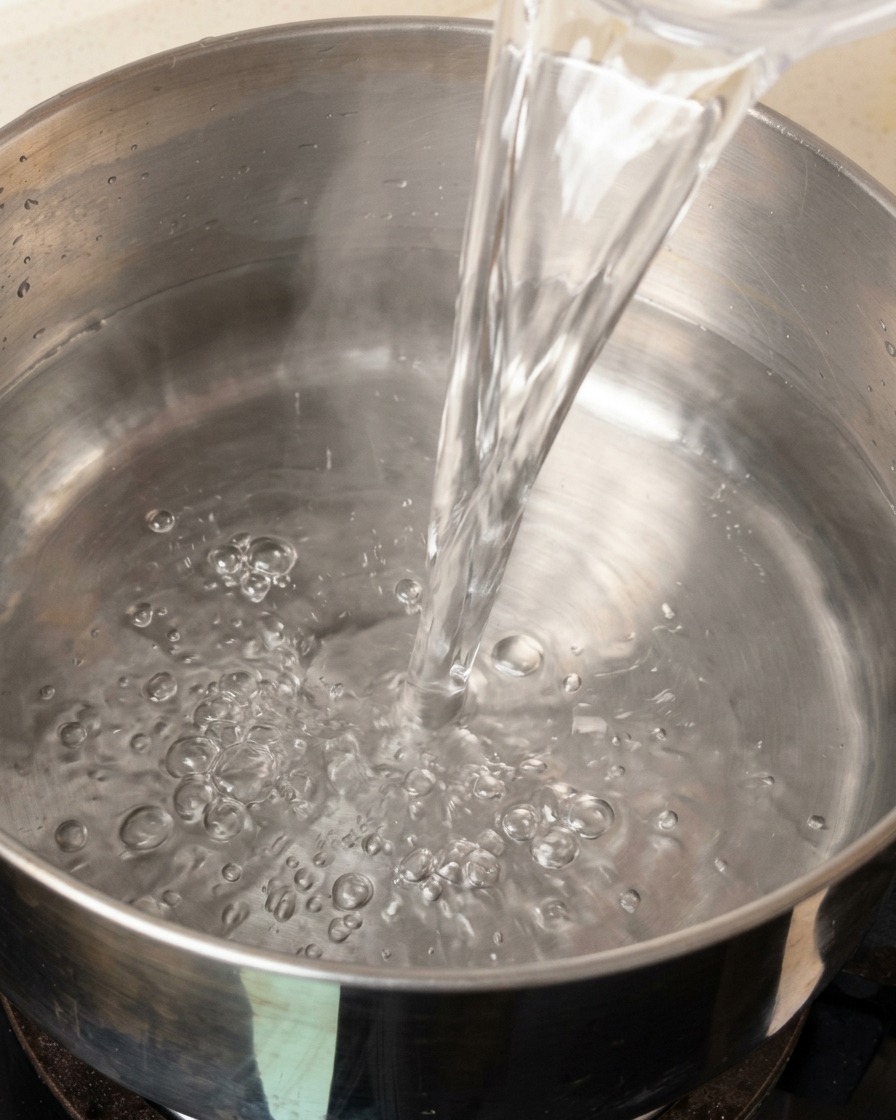
Pour fresh water into a clean pot and bring it to a rolling boil over high heat. This serves as the base for the precisely tempered water bath needed to create a perfectly silky Japanese onsen egg.
Tip: Ensure the pot is deep enough for the egg to be fully submerged without touching the bottom directly. - 10Adjust the water temperature
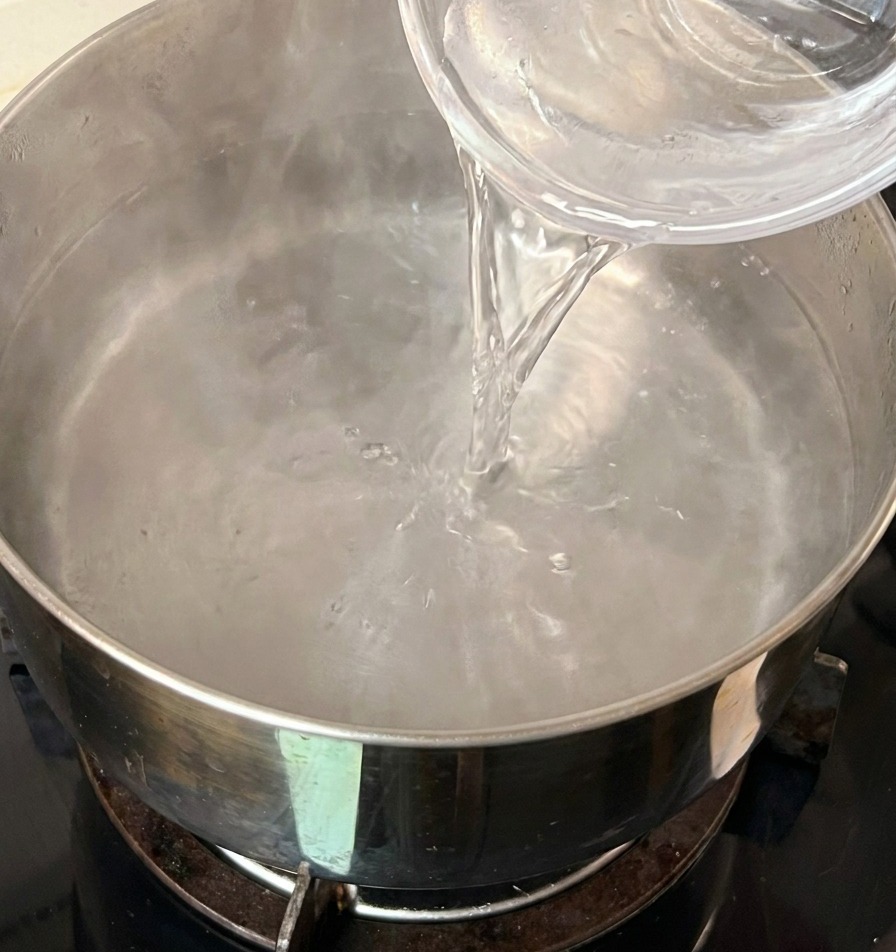
To prepare the onsen egg, first bring three bowls of water to a boil, then turn off the heat. Immediately add one bowl of cold water to the pot. This specific ratio lowers the water temperature to the ideal range for gently poaching the egg in its shell without boiling the white.
Tip: Using a 3:1 ratio of boiling to cold water is a reliable way to achieve that perfect, silky onsen egg texture without needing a kitchen thermometer. - 11Poach the onsen egg
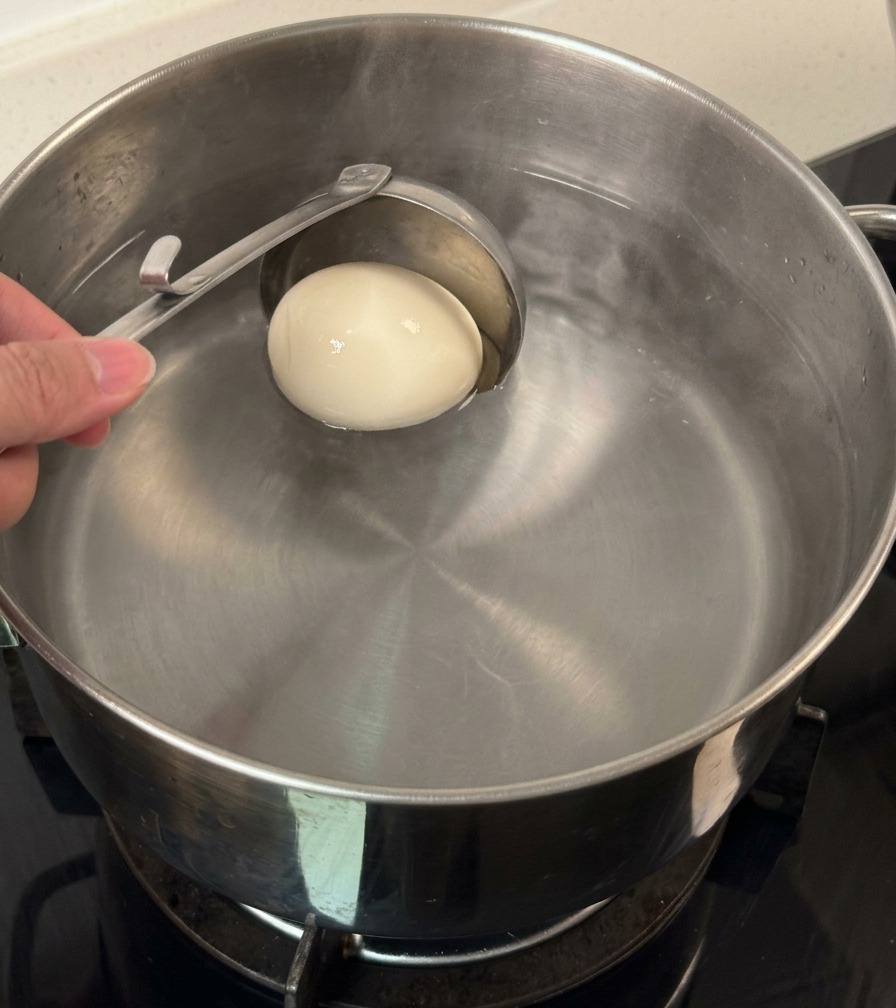
Use a ladle to gently lower a room-temperature sterile egg into the tempered water. Cover the pot with a lid and let it sit undisturbed for 10 minutes. The residual heat will slowly set the egg to a delicate, custard-like consistency.
Tip: Using a room-temperature egg helps prevent the shell from cracking when it enters the hot water. - 12Assemble the beef bowl
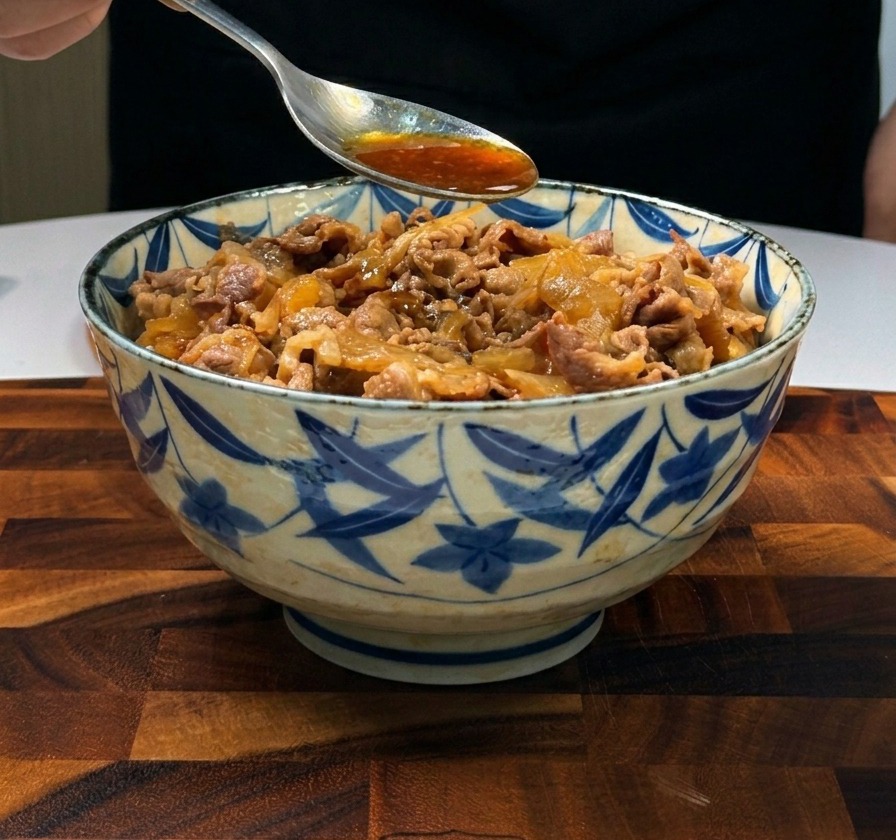
Layer the tender beef and onions over a bowl of hot steamed rice, then drizzle a generous spoonful of the dark, savory cooking sauce over the top. The sauce will soak into the rice, making the base just as flavorful as the meat.
Tip: Adjust the amount of sauce to your preference. Adding more creates the popular tsuyu-daku style often found in Japanese beef bowl restaurants. - 13Top with the onsen egg
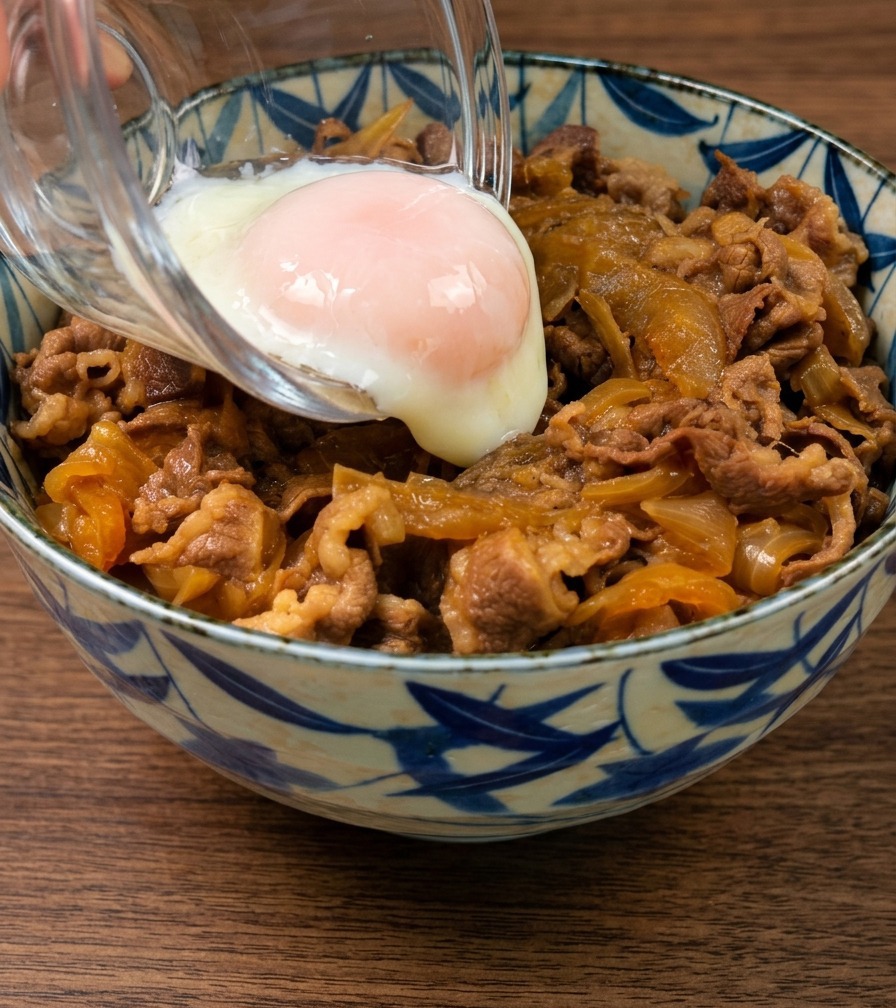
Carefully crack and slide the prepared onsen egg onto the center of the beef. The delicate white should perfectly cradle the rich yolk, creating the signature centerpiece of an authentic Japanese beef bowl.
Tip: Cracking the egg into a separate small bowl first makes it much easier to slide it onto the dish smoothly without the risk of breaking the yolk prematurely.