Crispy Tonkatsu Rice Bowl (Japanese Pork Cutlet)
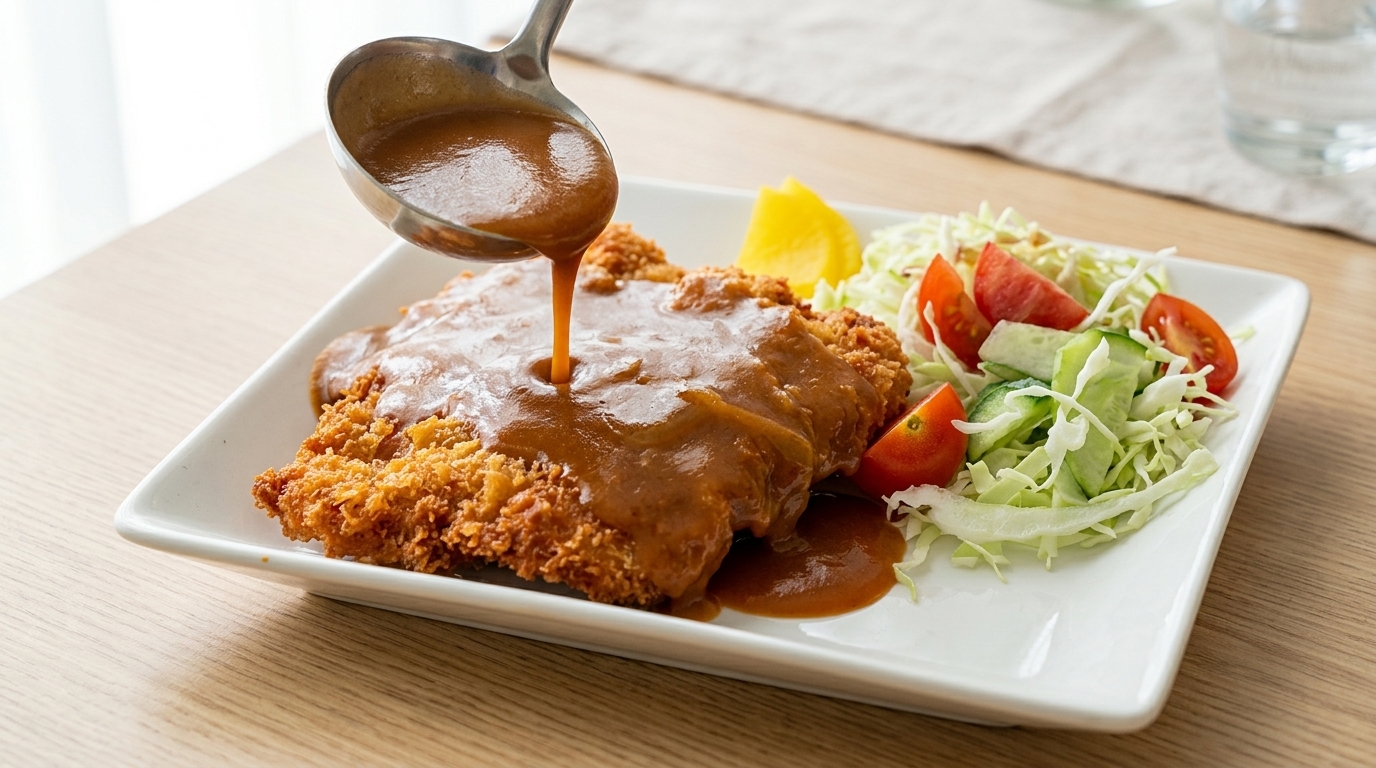
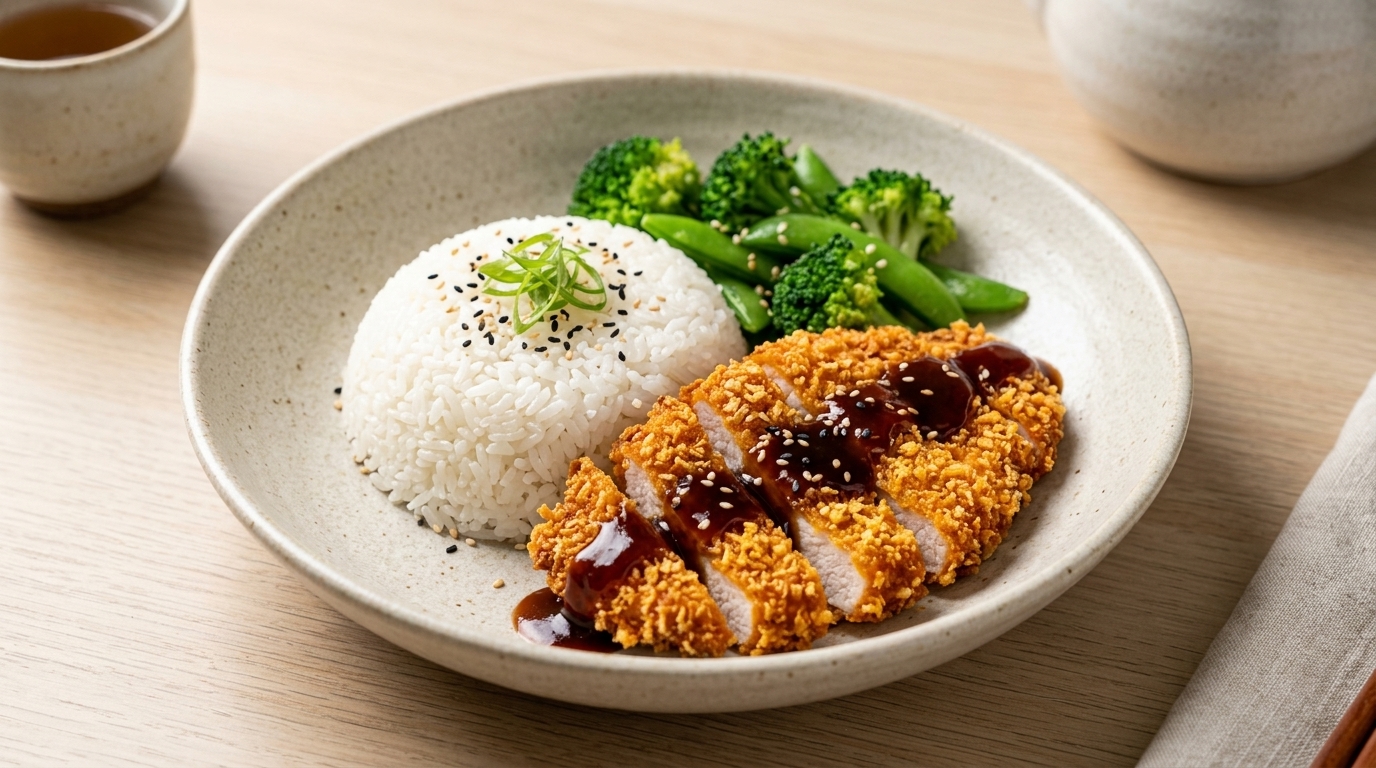
Achieve the ultimate Japanese pork cutlet with a thick loin tenderized to perfection and a shattering golden crust finished with a tangy savory glaze.
Tonkatsu is a pillar of Japanese Yoshoku cuisine known for the contrast between its crunchy panko exterior and juicy interior. The secret to success at home lies in the double-frying technique and proper tenderization. Served over fluffy rice, it remains a top comfort meal across East Asia.
Ingredients
- 500 g pork loin
- 200 g breadcrumbs (panko)
- 2 large eggs
- 100 g cornstarch
- 2 stalks scallions
- 1 tbsp light soy sauce
- 1 tbsp cooking wine
- 1 tsp black pepper
- 12 tsp salt
- 2 tbsp ketchup
- 1 tbsp oyster sauce
- 1 tsp sugar
- 500 ml vegetable oil
- 2 cups cooked white rice
- optional hard-boiled eggs
- to taste steamed bok choy
Instructions
- 1Slice the pork loin
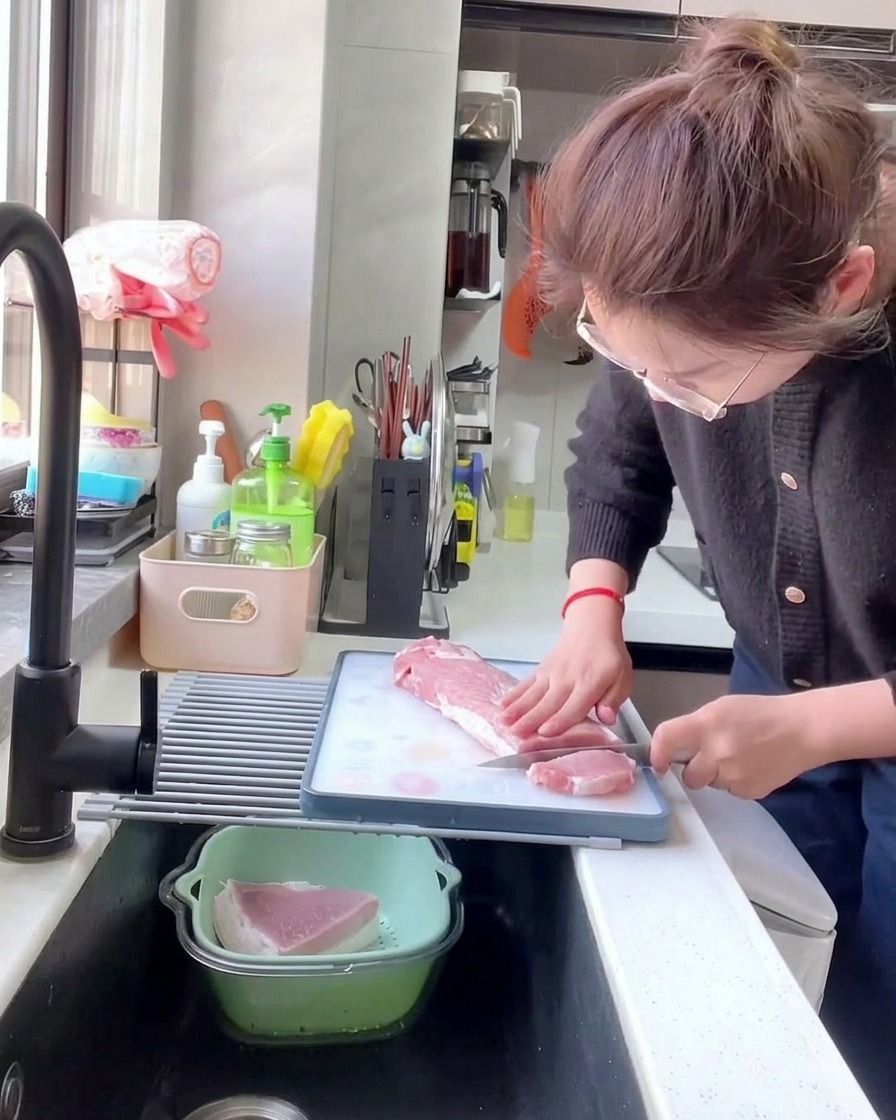
Begin by cutting the raw pork loin into thick slices, approximately 1cm each. Ensure the slices are uniform in thickness to help them cook evenly later in the process.
Tip: Chilling the pork in the freezer for 20-30 minutes before slicing can make it firmer and much easier to cut into precise, even slices. - 2Tenderize the meat
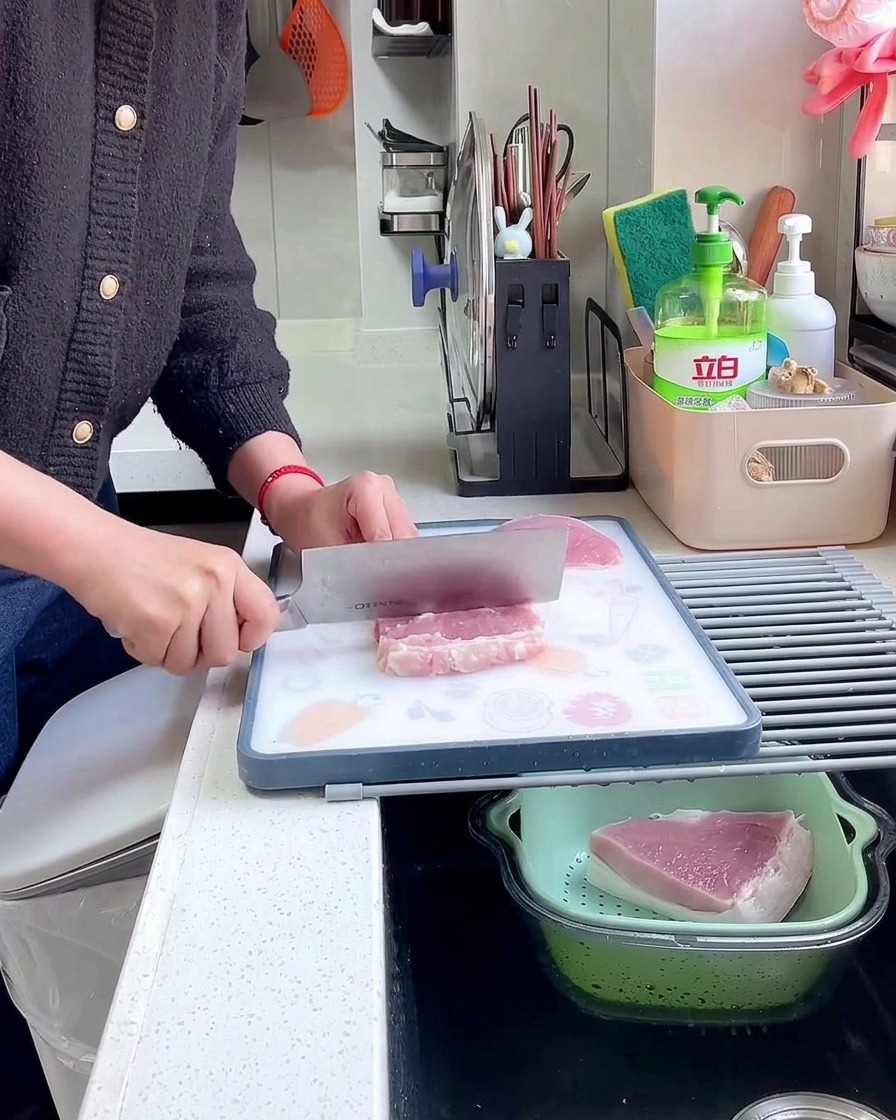
Use the back of a Chinese cleaver or a meat mallet to gently pound the pork slices. This process breaks down the tough muscle fibers, ensuring the finished cutlet is tender rather than chewy.
Tip: Pound the meat evenly across the entire surface. You want to flatten it slightly and loosen the fibers without tearing the meat apart. - 3Season the pork
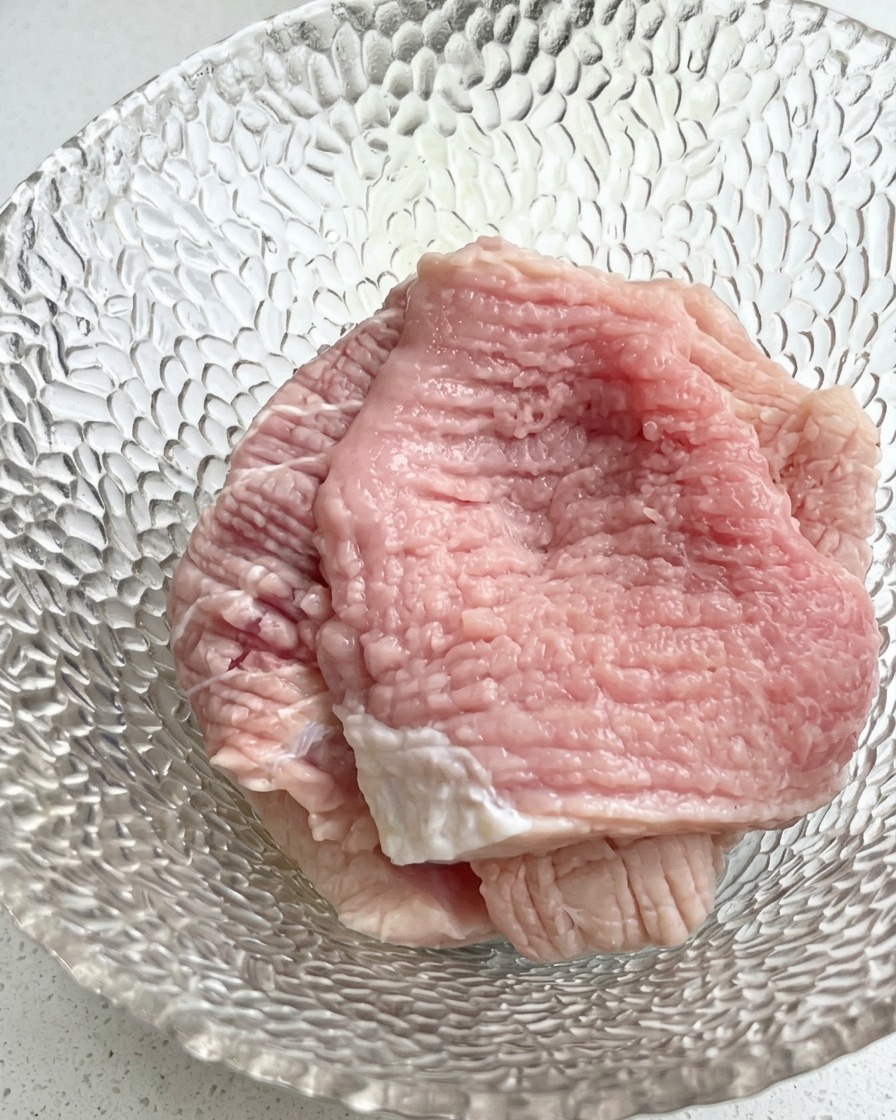
Place the tenderized pork slices into a bowl and add fresh scallions, salt, light soy sauce, cooking wine, black pepper, and a bit of starch. These ingredients form the base of the savory marinade.
Tip: If you have time, let the seasoned meat sit for at least 30 minutes. This allows the salt and soy sauce to penetrate deep into the meat for maximum flavor. - 4Marinate for flavor
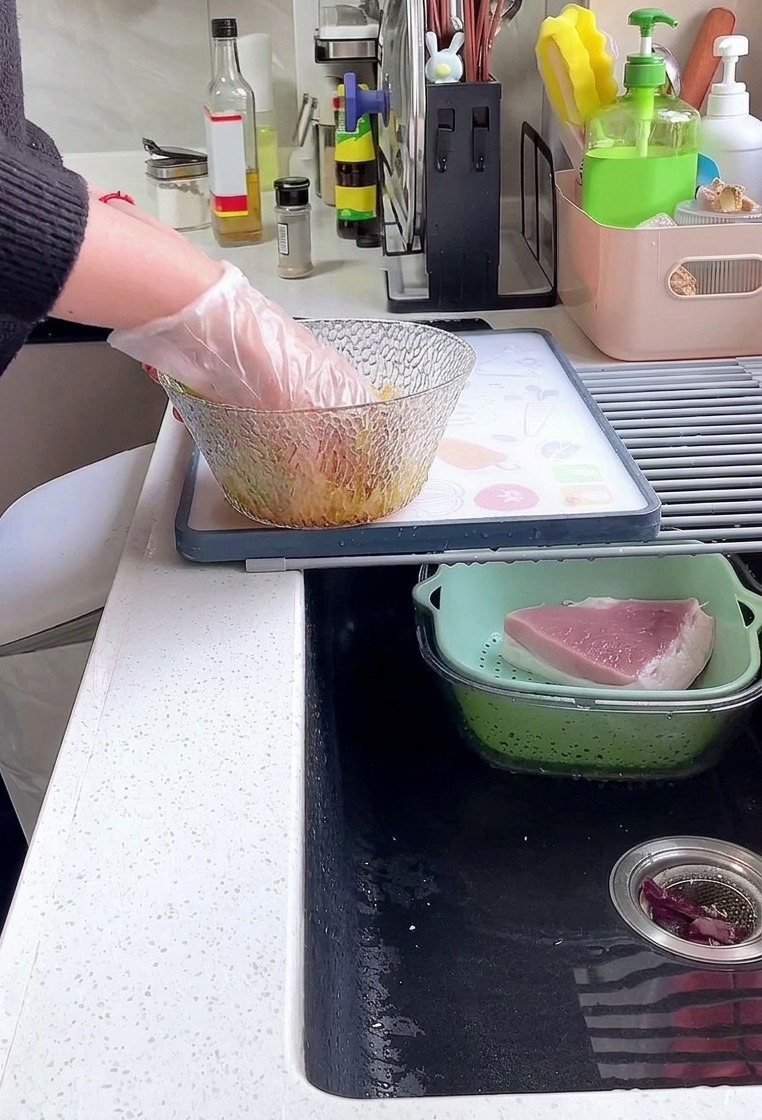
Combine the scallions, salt, soy sauce, wine, pepper, and starch with the pork. Massage these seasonings into the meat thoroughly to ensure deep penetration. Let the pork rest for 30 minutes to break down proteins and ensure every bite is seasoned.
Tip: Massage the meat well to ensure the flavors of the soy sauce and wine are fully absorbed into the loin. - 5Coat with starch
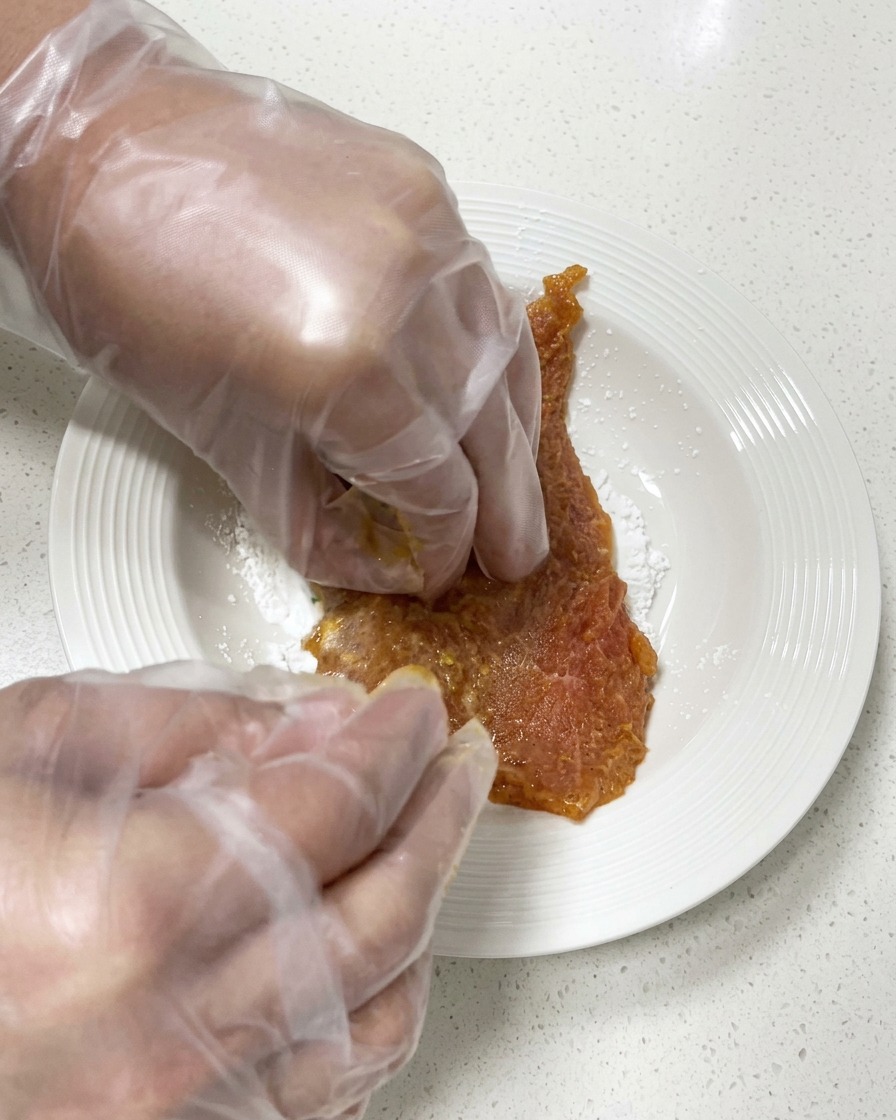
Take a marinated pork slice and dredge it in dry white starch. Press the meat down firmly to ensure the starch adheres to every part of the surface, creating a dry base for the next layers.
Tip: Shake off any excess starch before moving to the next step. A thin, even layer is better than a thick, clumpy one. - 6Dip in egg wash
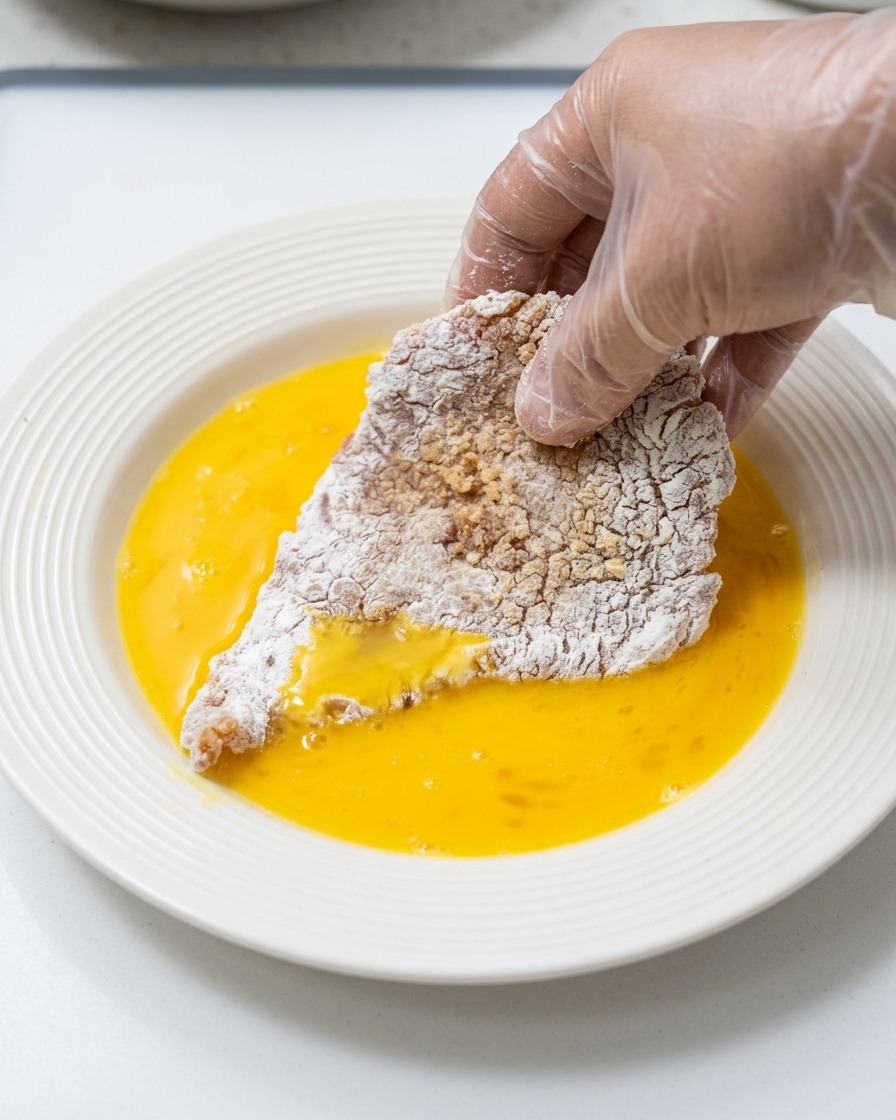
Submerge the starch-coated pork slice into a dish of beaten egg. The egg acts as the glue that will hold the final layer of breadcrumbs onto the meat during frying.
Tip: Make sure the egg liquid covers all the nooks and crannies created during the tenderizing process so the breadcrumbs wont fall off in the pan. - 7Coat with breadcrumbs
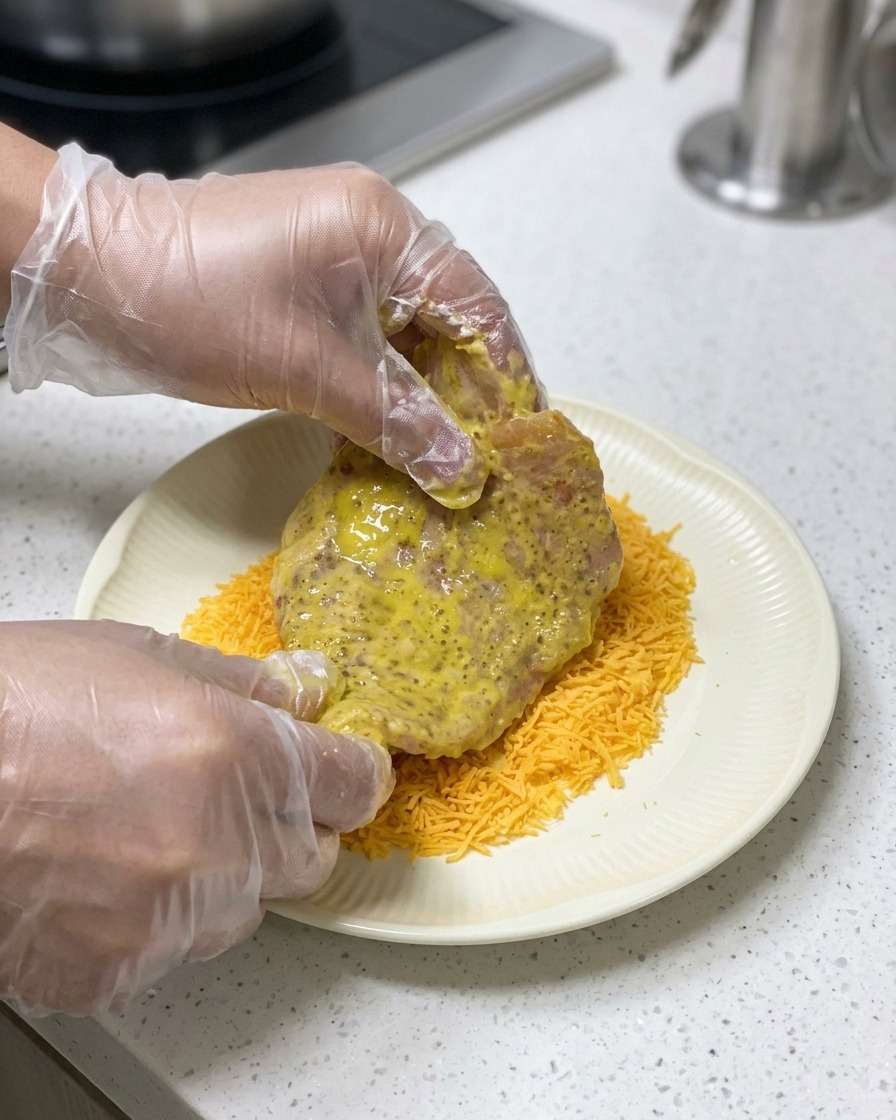
After dredging the marinated pork in starch and dipping it into beaten egg liquid, press each slice firmly into a bed of breadcrumbs. Ensure both sides are completely covered to create a thick, crunchy crust that will seal in the juices.
Tip: Firmly pressing the crumbs into the meat helps the coating adhere better and prevents it from falling off during the frying process. - 8Start frying the cutlet
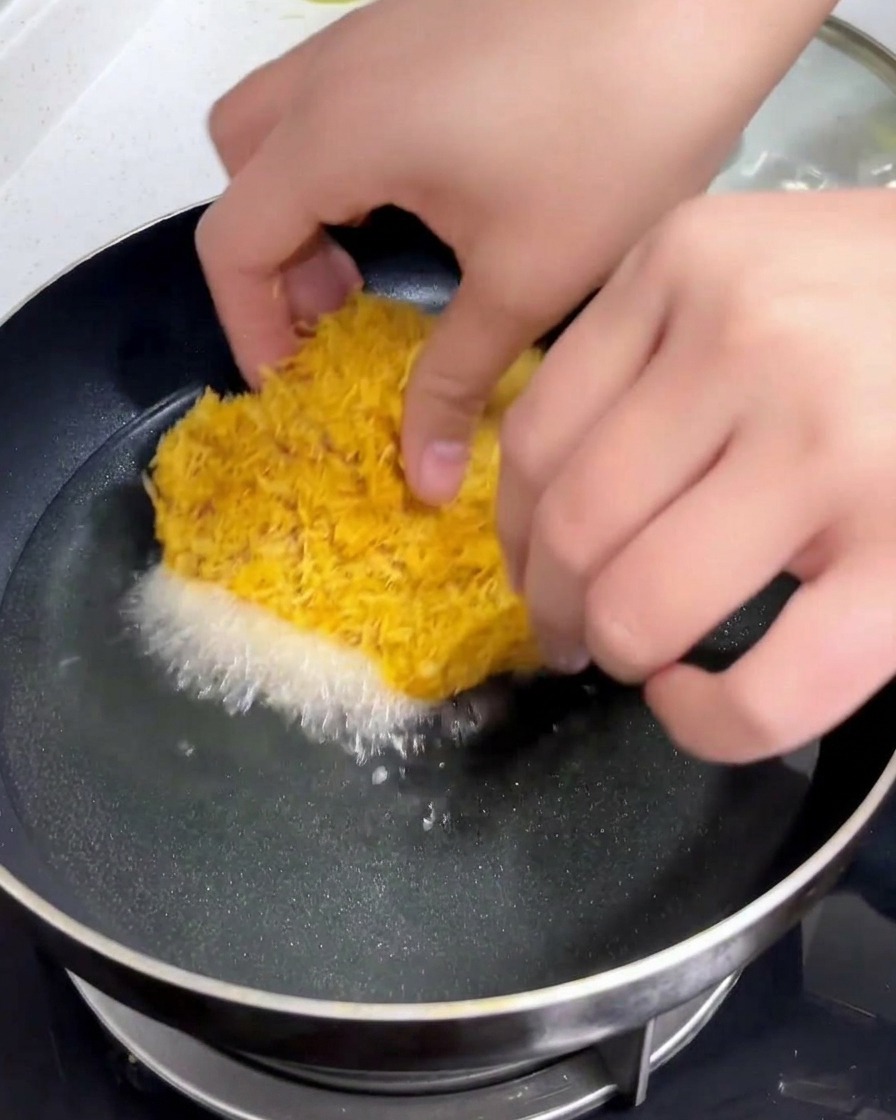
Heat the oil until it reaches approximately 180°C or is about 60% hot. Carefully place the breaded pork into the pan. You should see immediate small bubbling around the edges, indicating the frying process has begun.
Tip: Dont overcrowd the pan; frying one or two pieces at a time helps maintain a consistent oil temperature for a crispier result. - 9Fry the pork cutlets
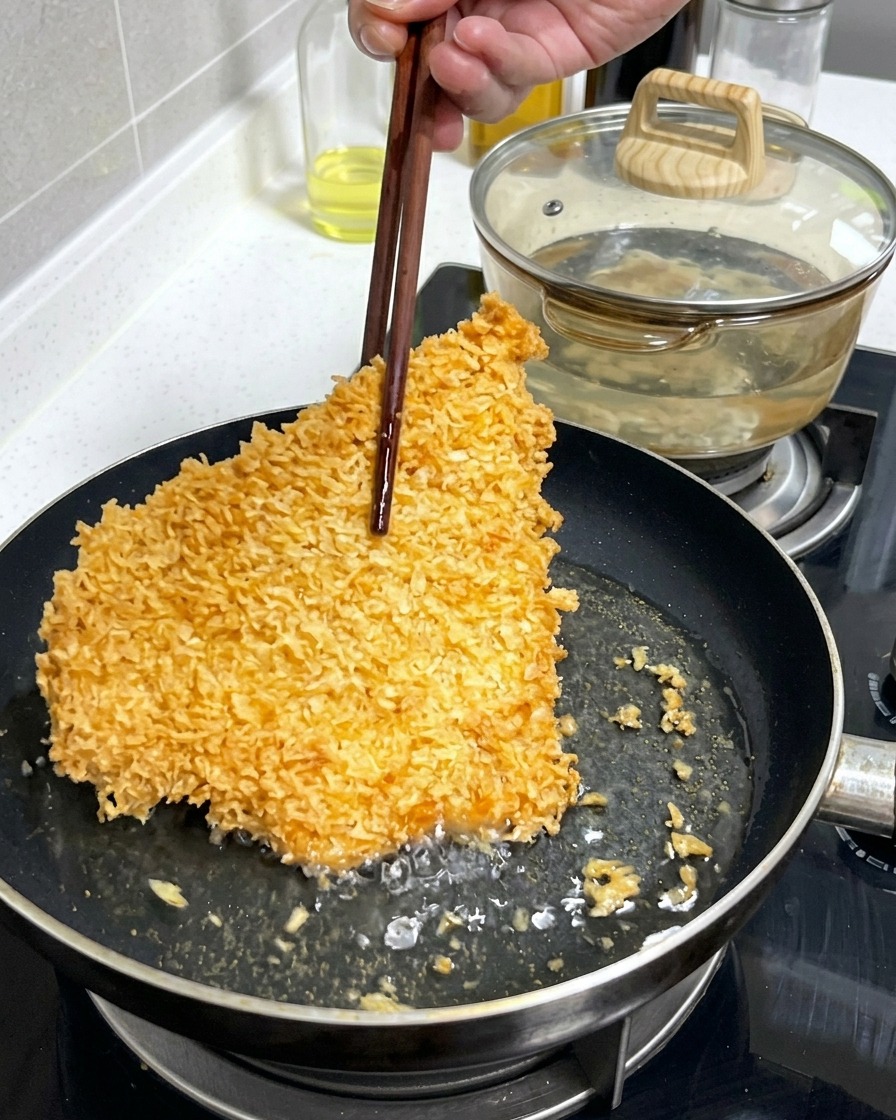
Heat the cooking oil to about 60% hot and slide the breaded pork cutlets into the pan. Fry over low heat, using chopsticks to gently flip the meat as the crust turns into a beautiful, even golden brown. Once fully cooked, remove the cutlets and briefly flash-fry them a second time at a higher oil temperature to achieve maximum crispiness.
Tip: Do not rush the frying process on high heat; keeping the flame low ensures the inside cooks through perfectly without burning the delicate breadcrumb coating on the outside.