Authentic Abura Soba (Japanese Soupless Oil Noodles)
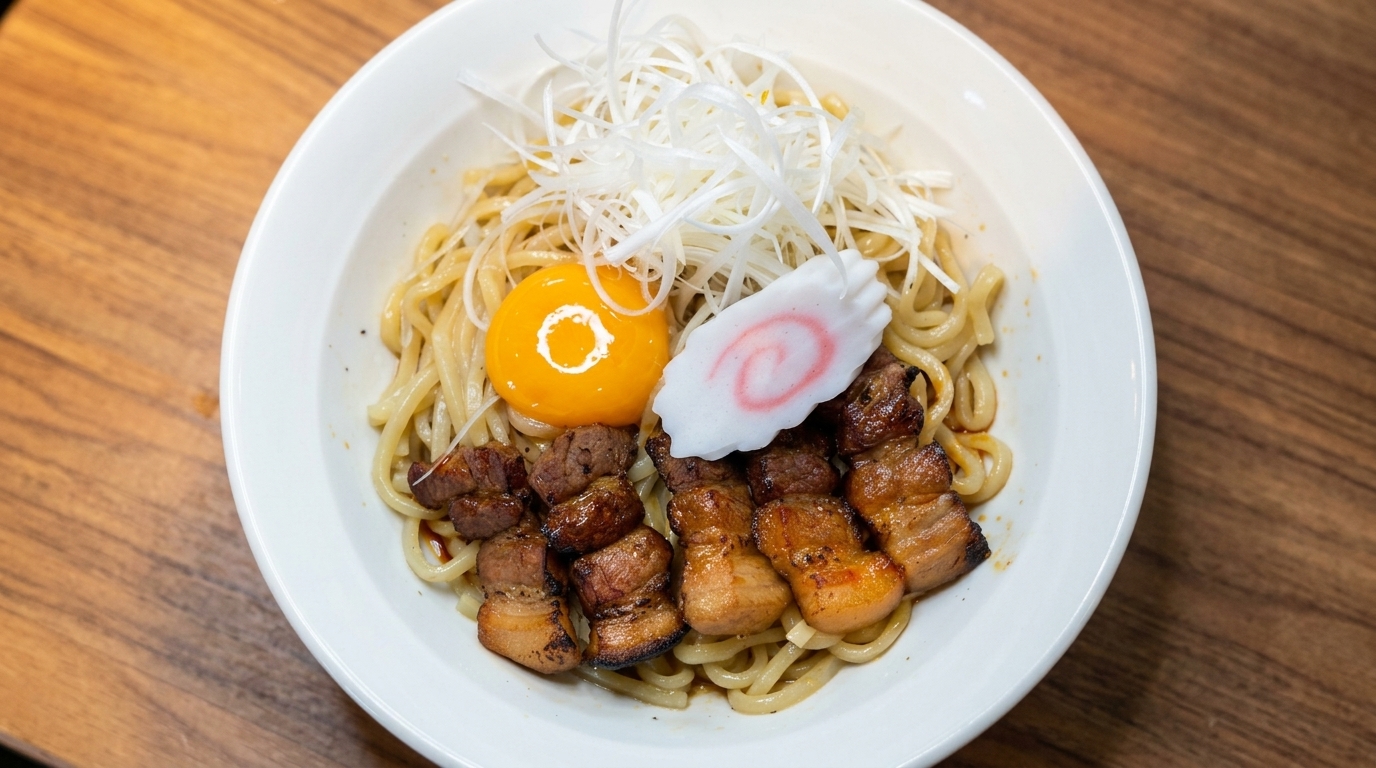
Discover the intense flavor of Abura Soba, Japan's iconic soupless ramen. Thick noodles are tossed in a savory soy tare and an umami-rich scallion-shrimp oil.
Unlike traditional ramen, Abura Soba relies entirely on the complex synergy between a concentrated soy tare and a highly seasoned aromatic oil. This dish originated in Tokyo and champions the texture of thick, chewy noodles coated in umami-rich fat. By slow-rendering pork belly and infusing the oil with dried shrimp and scallions, every bite delivers a profound, satisfying depth of flavor without a single drop of broth.
Ingredients
- 3 tbsp white soy sauce
- 2 tbsp sake
- 3 tbsp dark soy sauce
- 1 small handful bonito flakes
- 300 g pork belly block or thick slices
- 12 cup rice oil or neutral oil
- 2 stalks scallions (separated into green chunks and white julienned shreds)
- 3 cloves garlic
- 3 slices ginger
- 1 tbsp dried shrimp
- 2 portions thick yellow ramen noodles
- 1 tsp sesame powder
- 12 tsp black pepper
- 2 raw egg yolks
- 4 slices narutomaki
- to taste dark chili oil
Instructions
- 1Start the sauce base
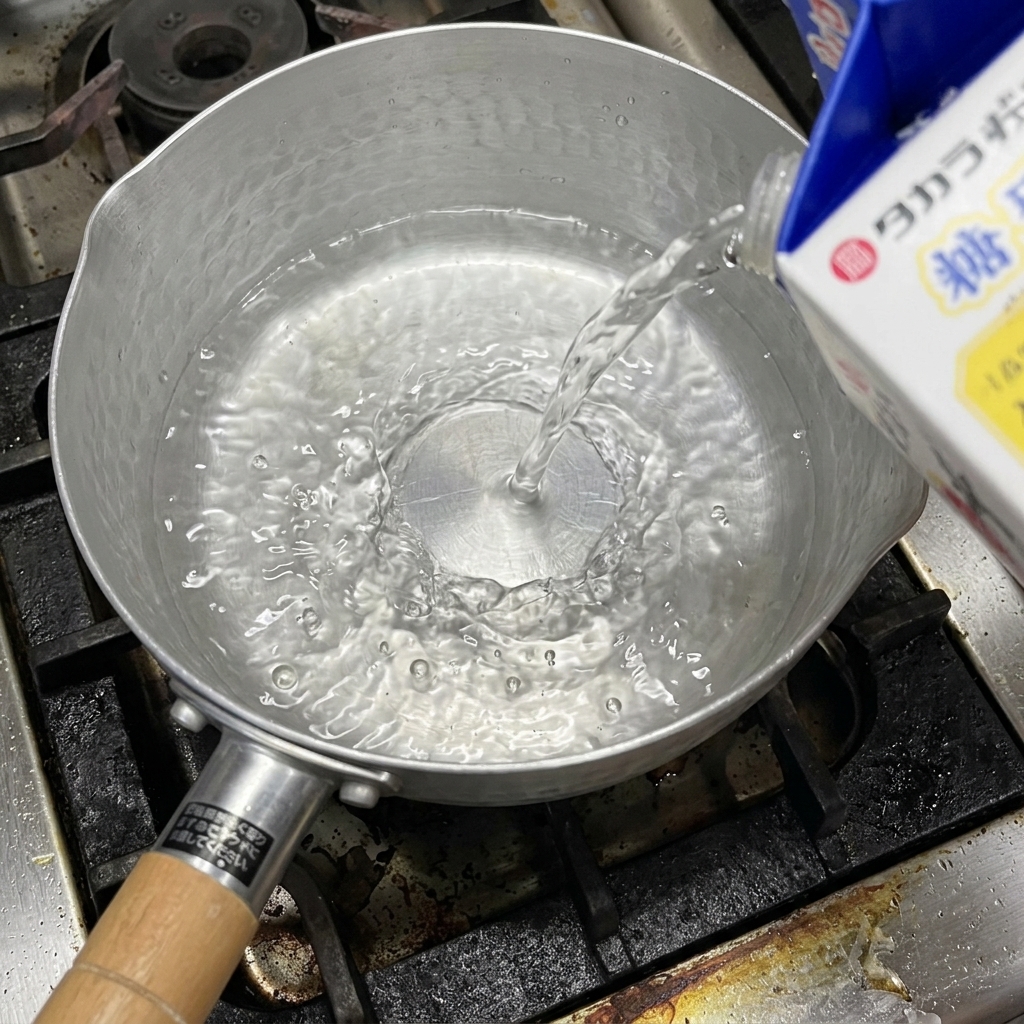
Begin preparing the crucial seasoning sauce for the Abura Soba by pouring white soy sauce into a small metal pot containing simmering sake. The sake provides a sweet depth and aroma while the white soy sauce adds umami without overpowering the color.
Tip: Simmer the sake briefly before adding the soy sauce to cook off the raw alcohol flavor. - 2Add dark soy sauce
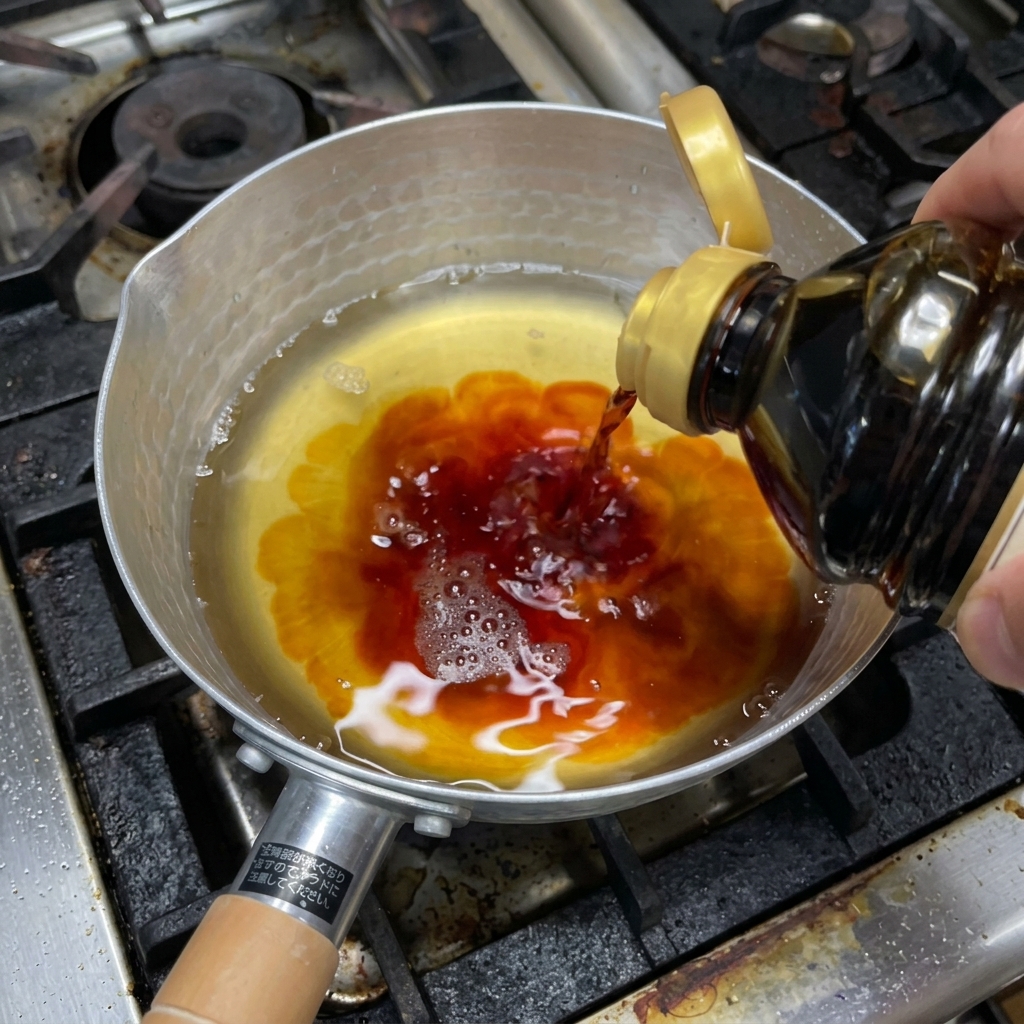
Pour dark soy sauce into the simmering liquid mixture in the pot. The dark soy sauce introduces a rich, caramelized flavor profile and gives the tare its signature deep, appetizing color.
Tip: Balancing white and dark soy sauces ensures you get the perfect deep color without making the sauce overly salty. - 3Infuse with seafood flavor
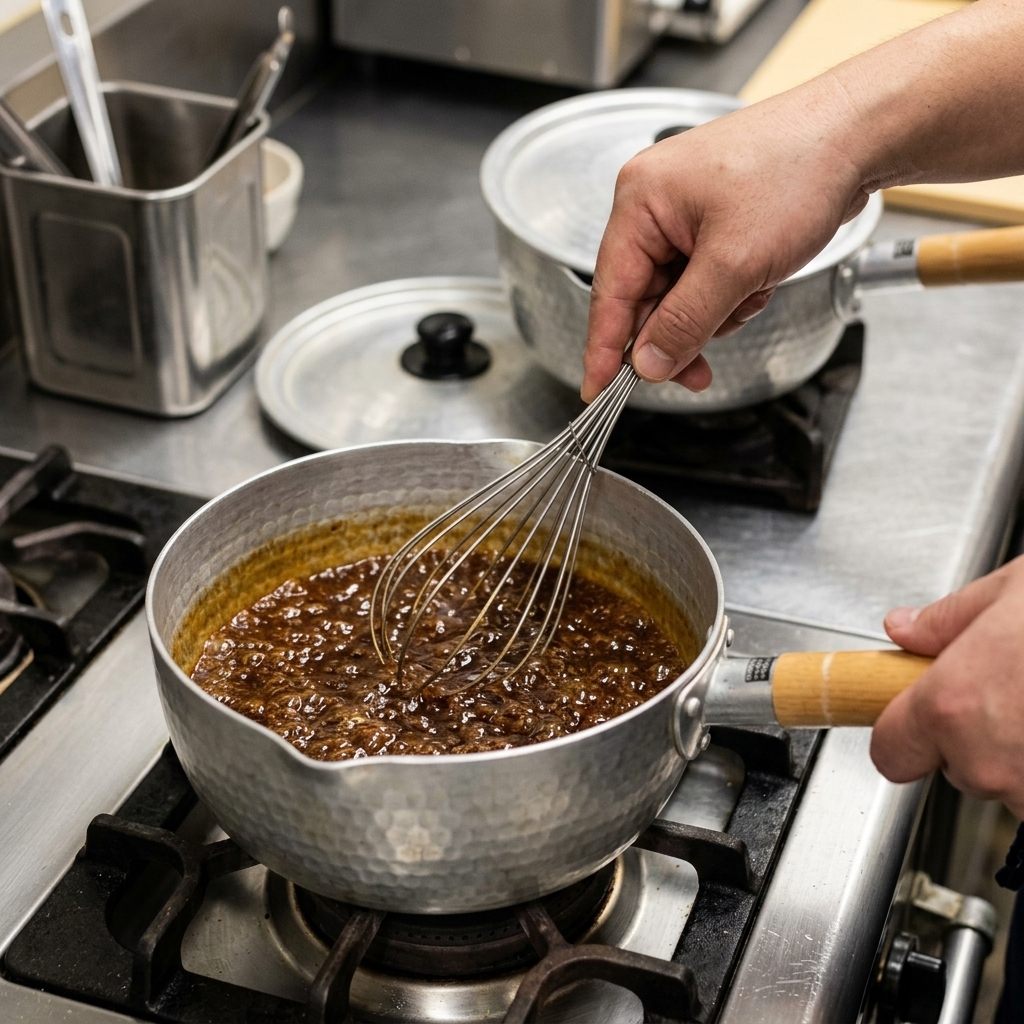
Gently stir the dark sauce mixture with a whisk over low heat. The addition of bonito flakes infuses the soy base with a classic Japanese seafood umami, which is essential for an authentic Abura Soba flavor.
Tip: Keep the heat low while steeping the bonito flakes; boiling them too vigorously can extract bitter notes. - 4Render the pork fat
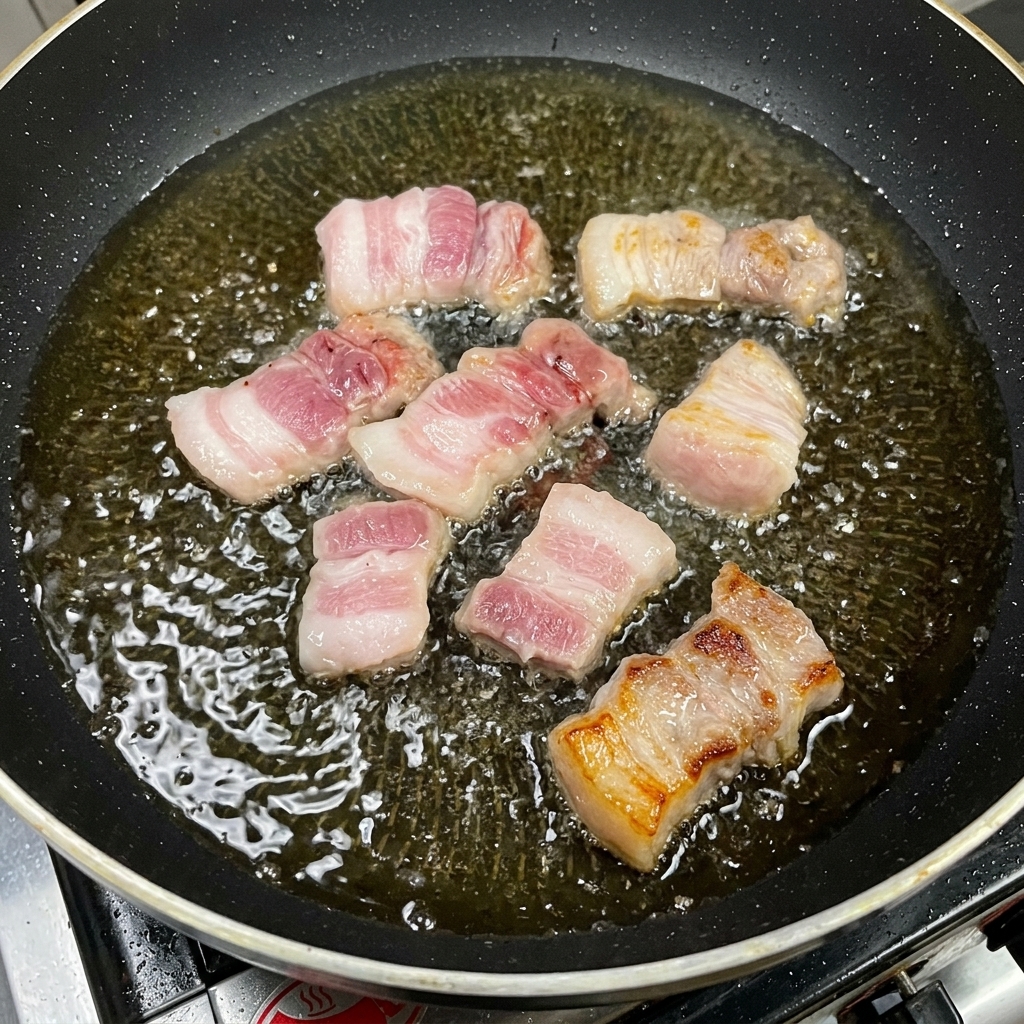
Place pieces of raw pork belly into a pan with oil. Pan-fry them slowly over low heat until the surfaces turn a beautiful golden brown and the pork fat is gently rendered into the pan.
Tip: Take your time rendering the fat on low heat. Since Abura Soba uses no broth, this flavorful oil will coat and season the noodles. - 5Braise the pork belly
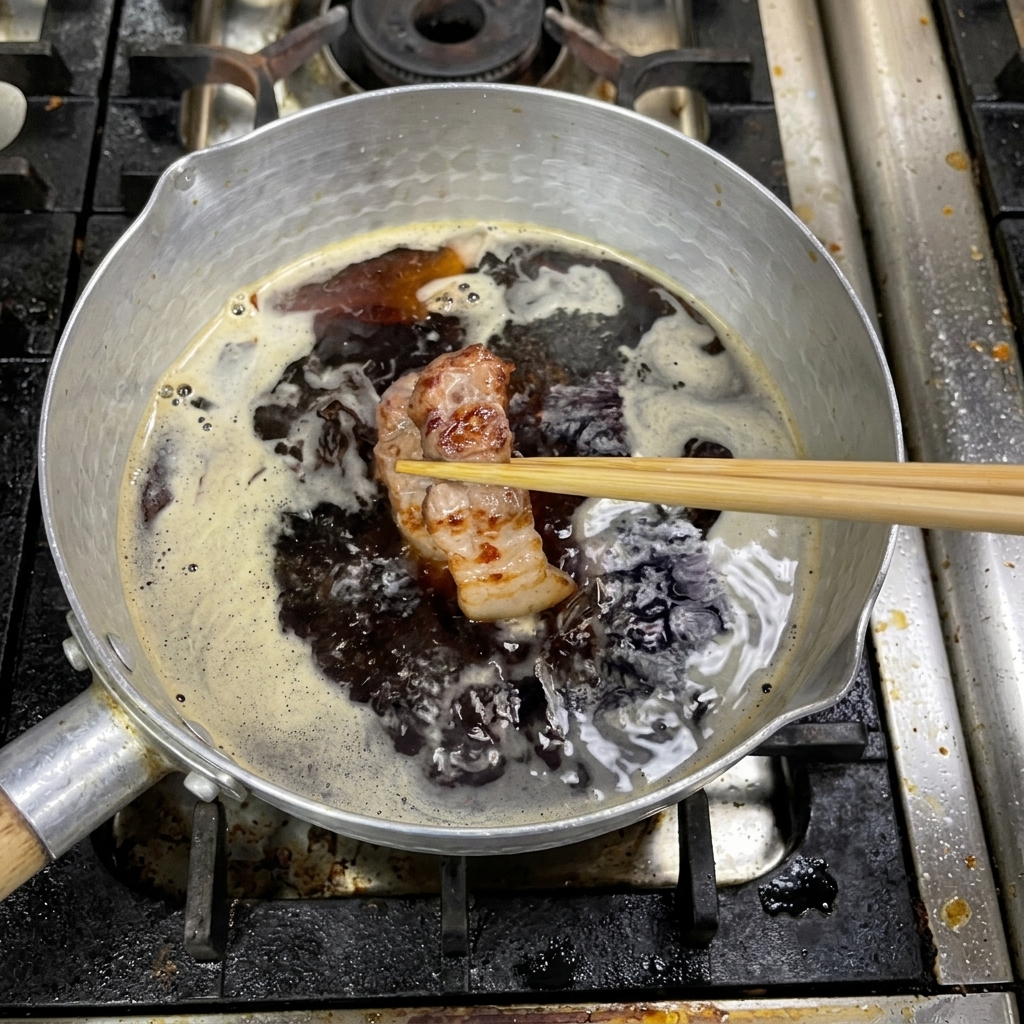
Using chopsticks, transfer the perfectly browned pieces of pork belly directly into the simmering dark soy sauce mixture. Braising the meat in the tare makes it tender while simultaneously enriching the sauce with savory meat juices.
Tip: This technique kills two birds with one stone: it creates a flavorful topping while naturally sweetening and thickening your sauce. - 6Fry the aromatics
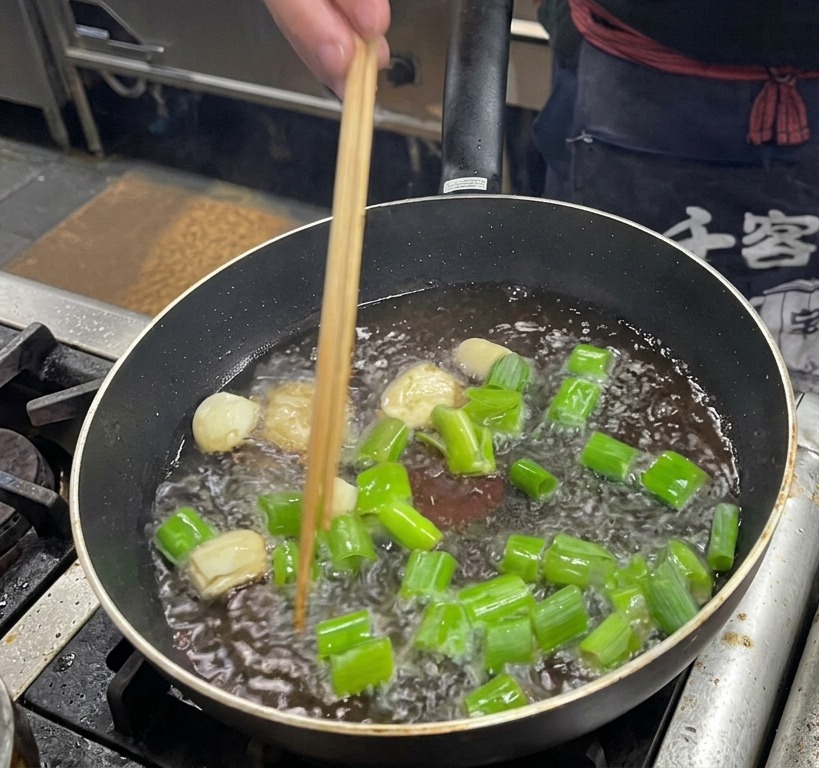
Using the fragrant rendered pork fat left in the pan, fry chopped green scallions, whole garlic cloves, and sliced ginger over low heat. This slowly infuses the oil with deep, punchy aromatics.
Tip: Keep the heat low so the aromatics gently release their oils without burning, which would make the oil taste bitter. - 7Add the dried shrimp
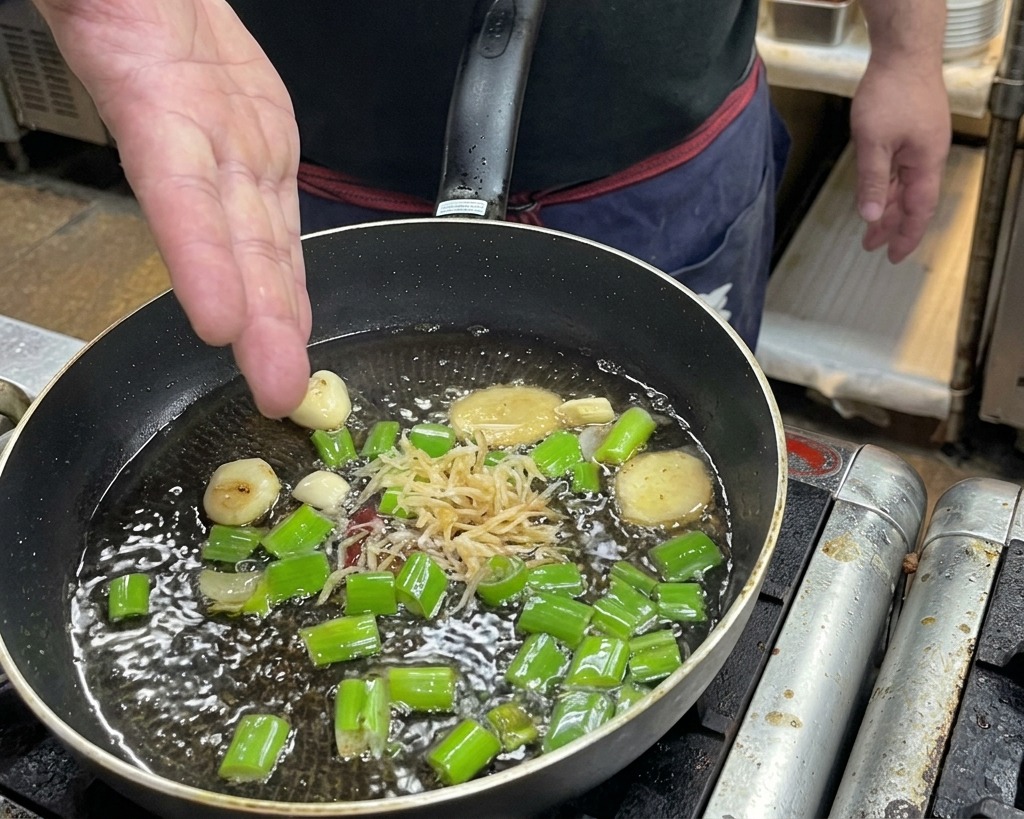
To the deeply fragrant oil and gently frying aromatics, add a handful of dried shrimp. This crucial step introduces a deep, savory seafood umami that is a hallmark of authentic Japanese ramen oils.
Tip: Keep the heat low to avoid burning the aromatics, which would make the oil bitter rather than fragrant. - 8Remove the braised pork belly
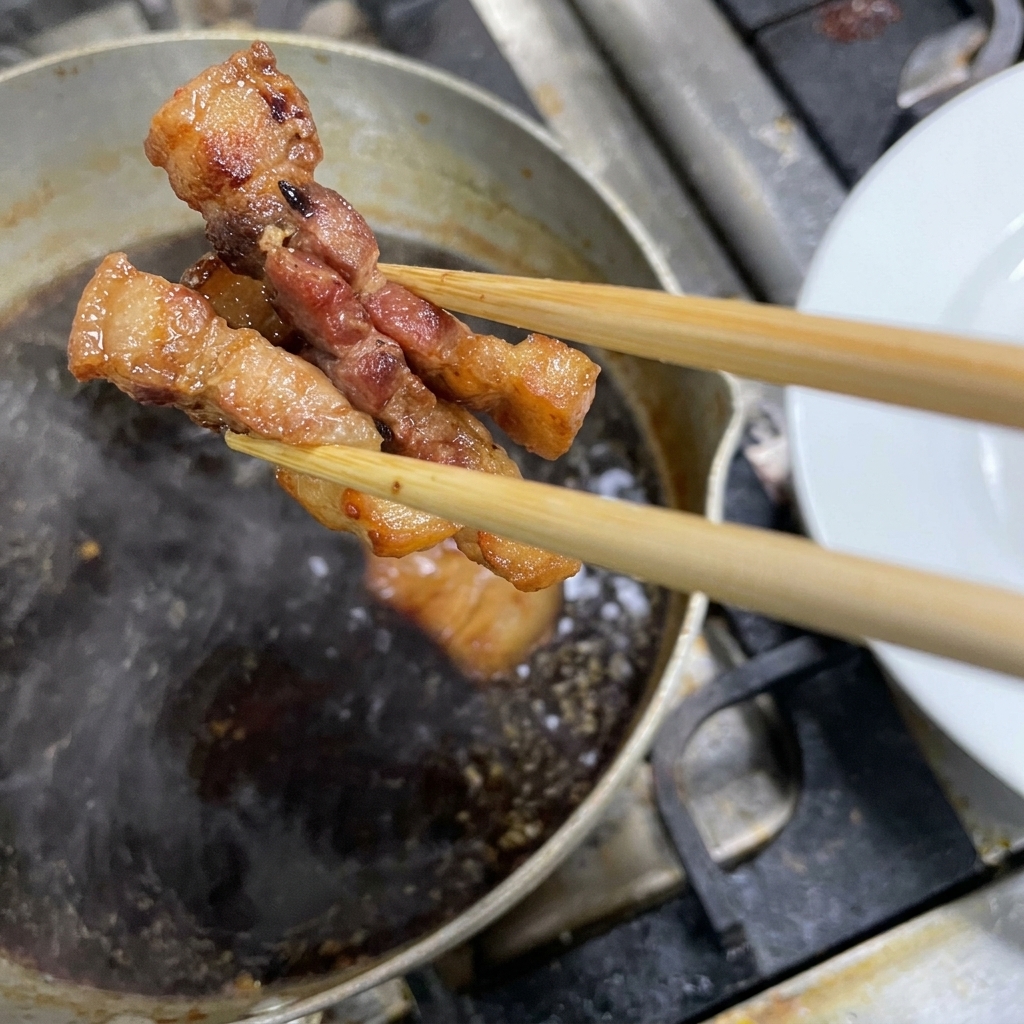
When the pork belly becomes tender and absorbs the deep color of the soy sauce mixture, use chopsticks to carefully transfer the pieces out of the pot. Keep them set aside to serve as a rich topping for your noodles later.
Tip: Allow the meat to rest on a plate so it firms up slightly making it easier to handle when assembling the final bowl. - 9Strain the soy sauce base
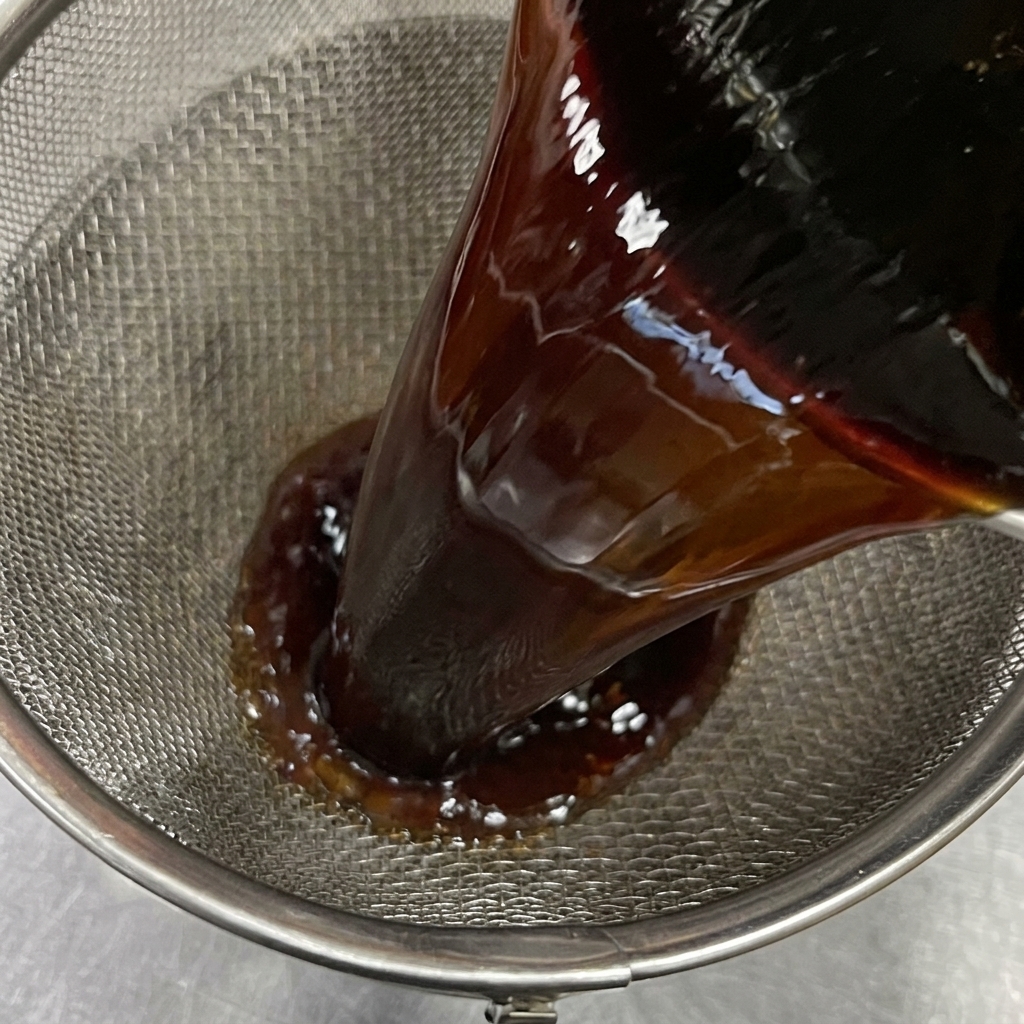
After simmering the pork belly in the soy sauce mixture until tender, remove the pot from the heat. Carefully pour the rich, dark liquid through a fine-mesh sieve to catch any solids. This refined, savory sauce will provide the primary flavor profile for your Abura Soba.
Tip: Press lightly on the strained solids to extract every last drop of flavor before discarding them. - 10Filter the seasoned oil
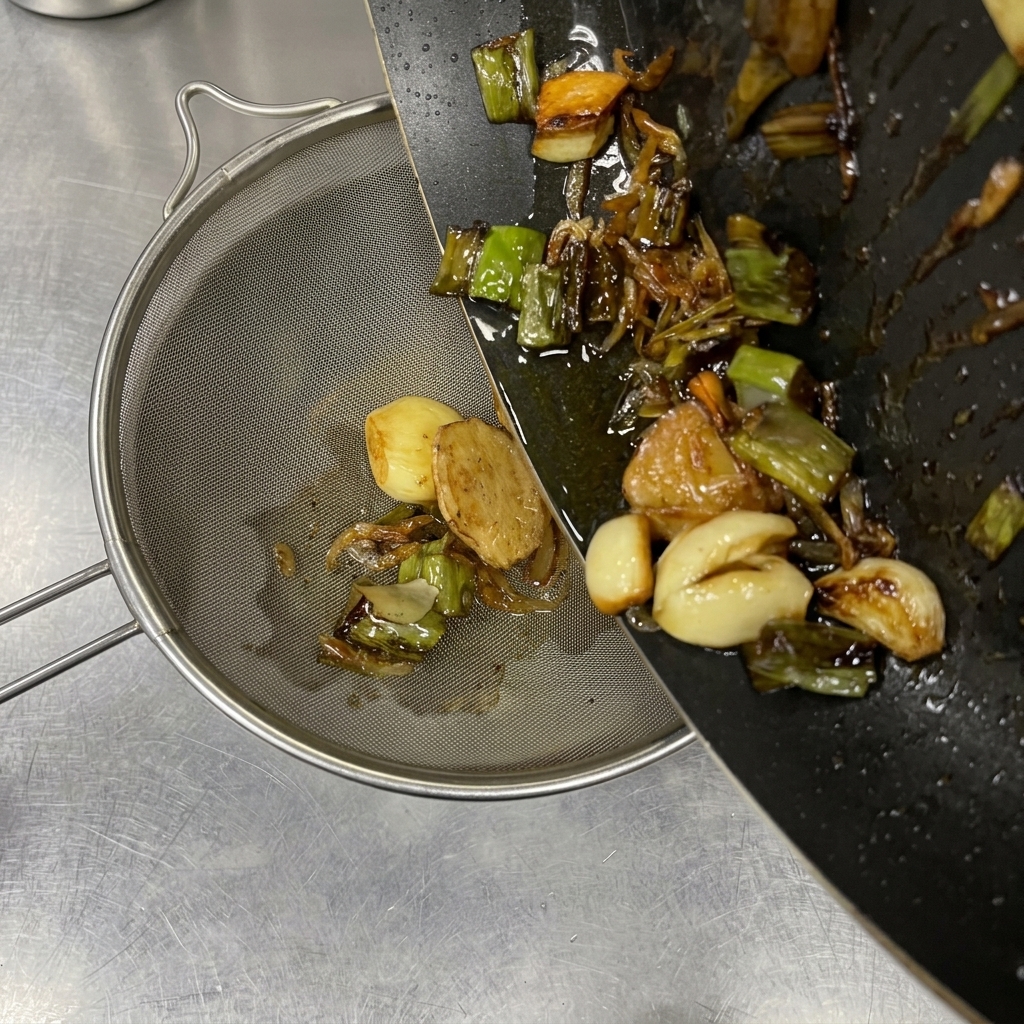
Once the garlic, ginger, scallions, and dried shrimp have deeply browned and released their flavors, carefully pour the hot oil through a sieve. The resulting clear, golden oil is packed with umami and essential for coating the noodles.
Tip: Make sure to strain the oil while its still hot so it flows easily through the mesh. - 11Boil the noodles
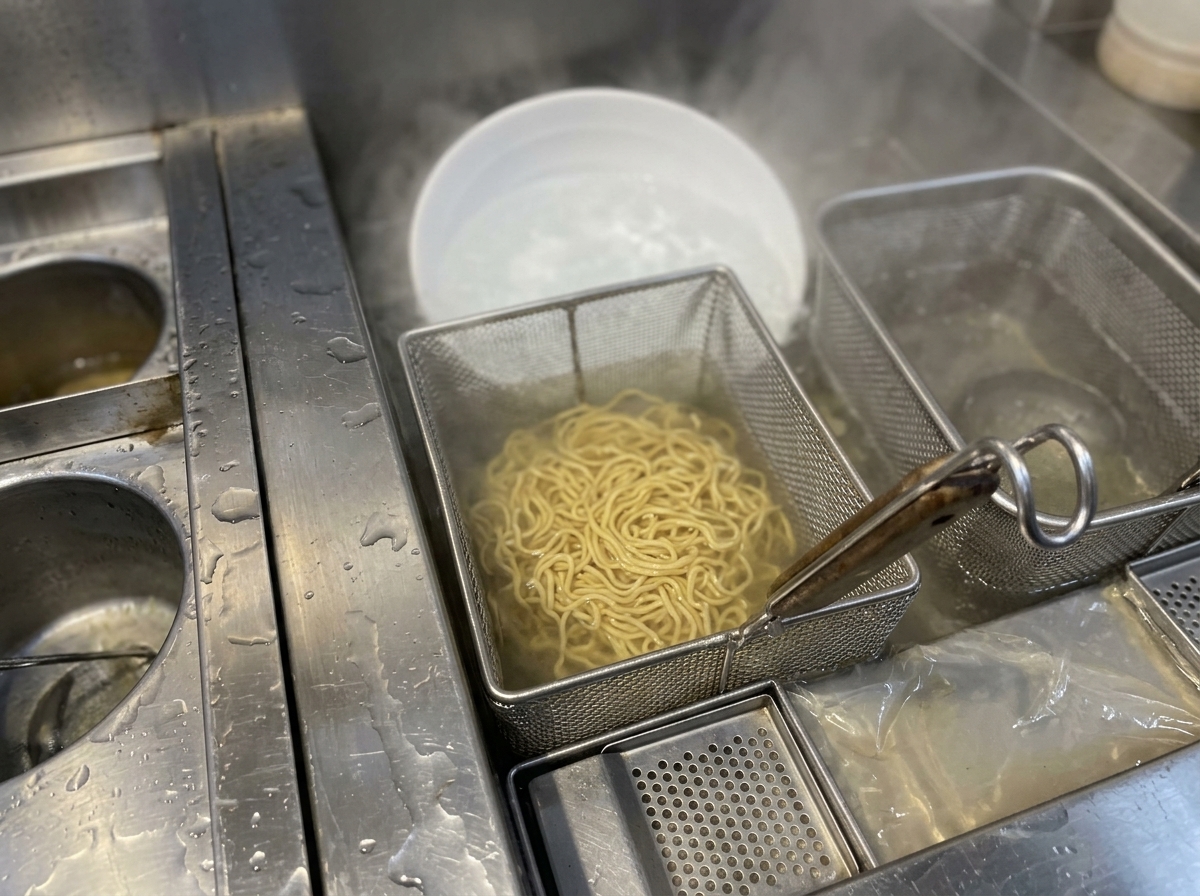
Bring a large pot of water to a vigorous boil. Drop in thick, fresh yellow noodles, using a noodle basket if you have one. Cook them just until they are chewy and springy, as they will need a sturdy texture to hold up to the thick sauce and oil.
Tip: Shake the noodle basket vigorously as you pull it from the water to remove as much excess moisture as possible; watery noodles will dilute the sauce. - 12Pour the seasoned oil
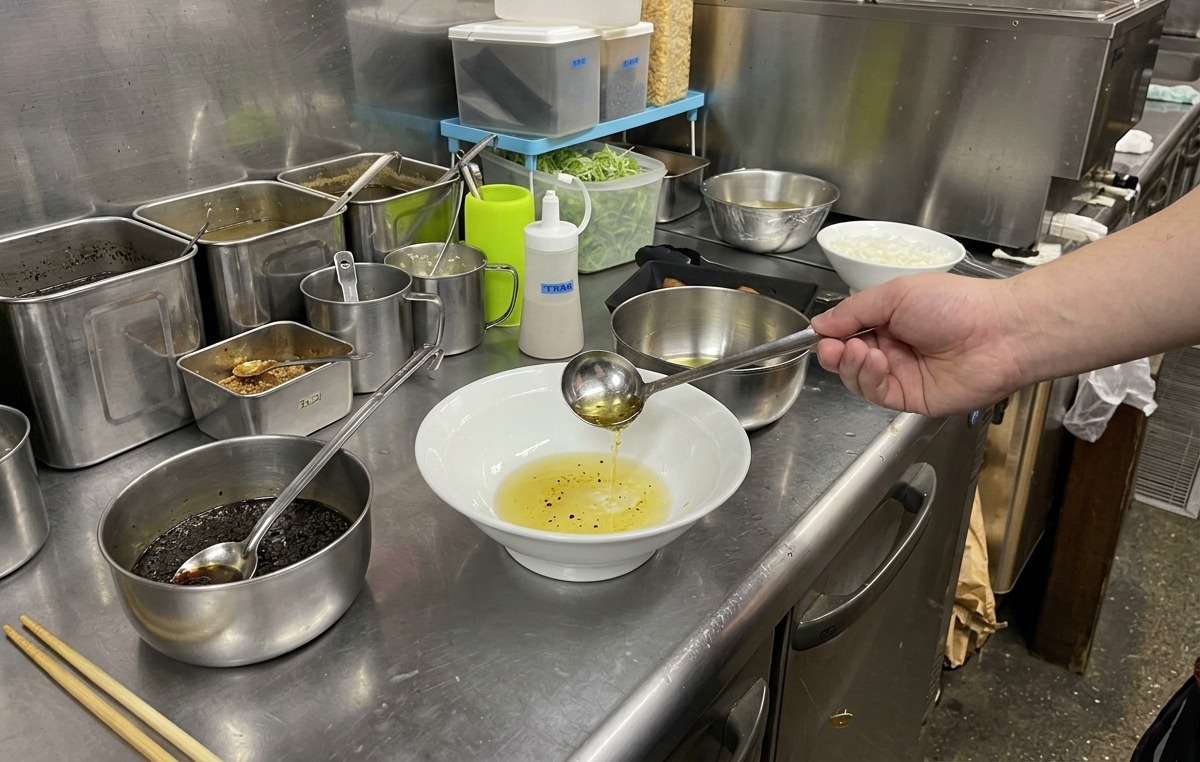
In an empty serving bowl, begin building the flavor foundation by adding a generous ladle of the infused seasoned oil. Sprinkle in some sesame powder and black pepper for extra complexity before proceeding to the next step.
Tip: Do not skimp on the oil because it is the primary element that helps coat the noodles evenly. - 13Add the soy sauce base
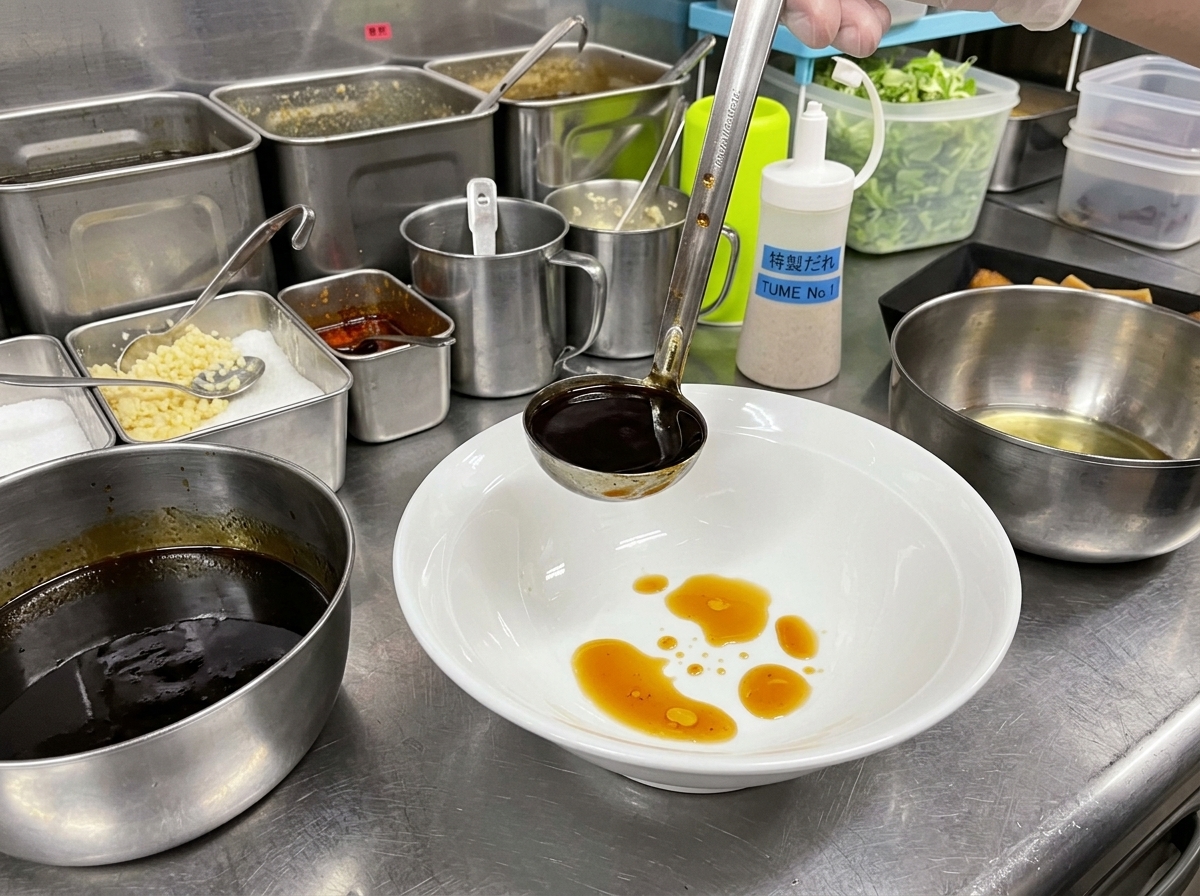
Follow up by pouring a ladleful of the strained dark soy sauce mixture into the bowl. This concentrated reduction will mix with the oil to coat the noodles and provide the signature savory profile of the dish.
Tip: The ratio of seasoned oil to soy sauce base is crucial for balancing the overall flavor so adjust to your personal taste. - 14Add and toss the noodles
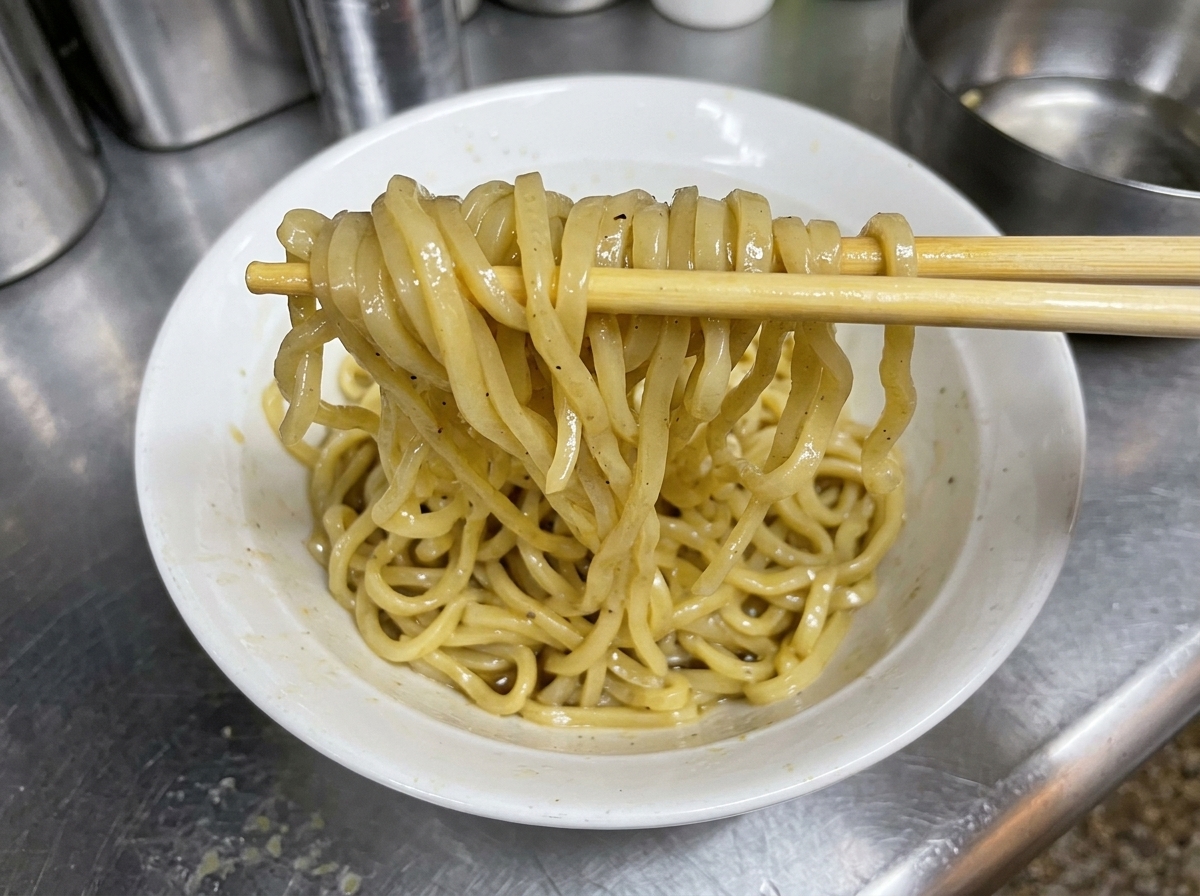
Add the freshly boiled, hot noodles directly into the bowl over the prepared sauce and oil base. Quickly toss and lift the noodles with chopsticks to ensure every strand is thoroughly and evenly coated with the rich mixture.
Tip: Toss the noodles immediately while they are still piping hot; the heat helps the noodles absorb the flavors of the sauce more effectively. - 15Arrange the pork belly
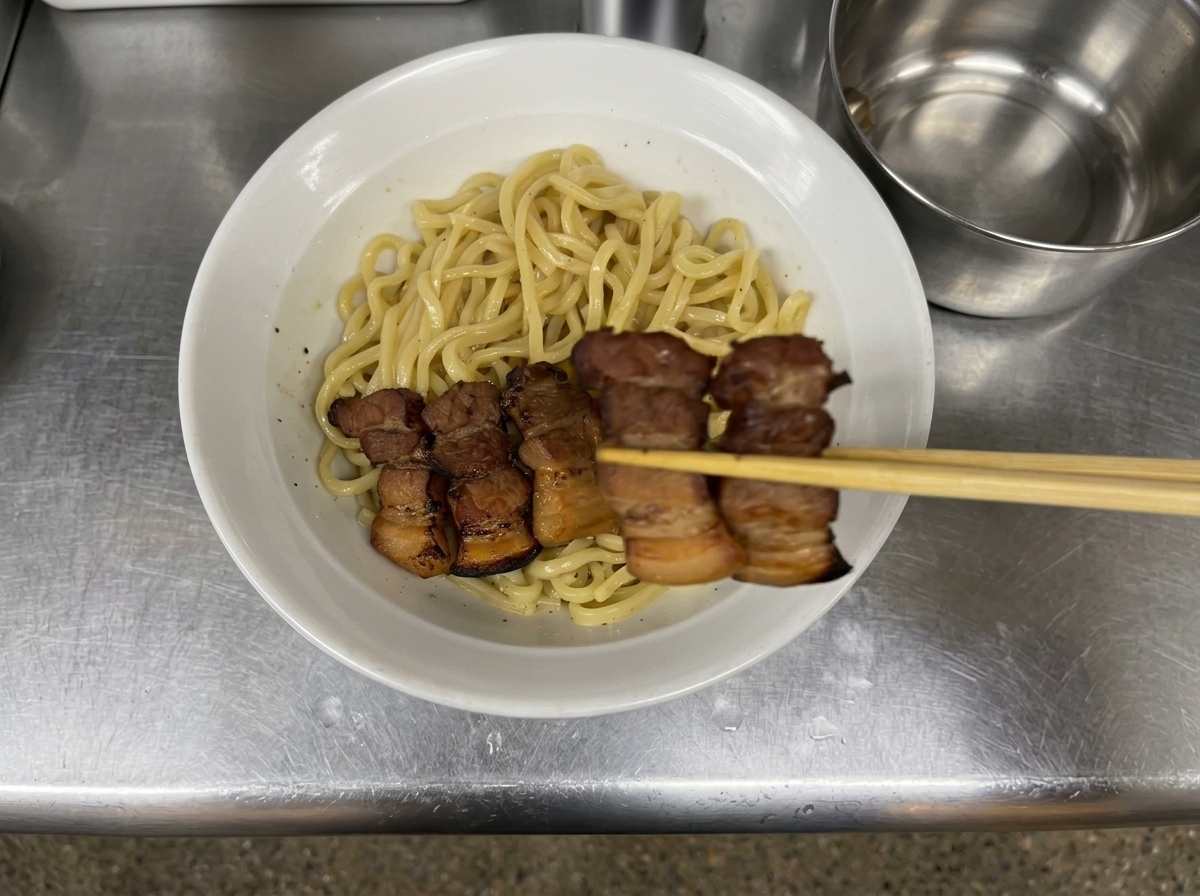
Carefully arrange the reserved slices of braised pork belly in a neat row over the dressed noodles. The tender, deeply flavored meat acts as the main protein and perfectly complements the chewy noodles.
Tip: For an extra layer of flavor and aroma, you can lightly sear the braised pork belly slices with a kitchen torch just before placing them on the bowl. - 16Garnish and serve
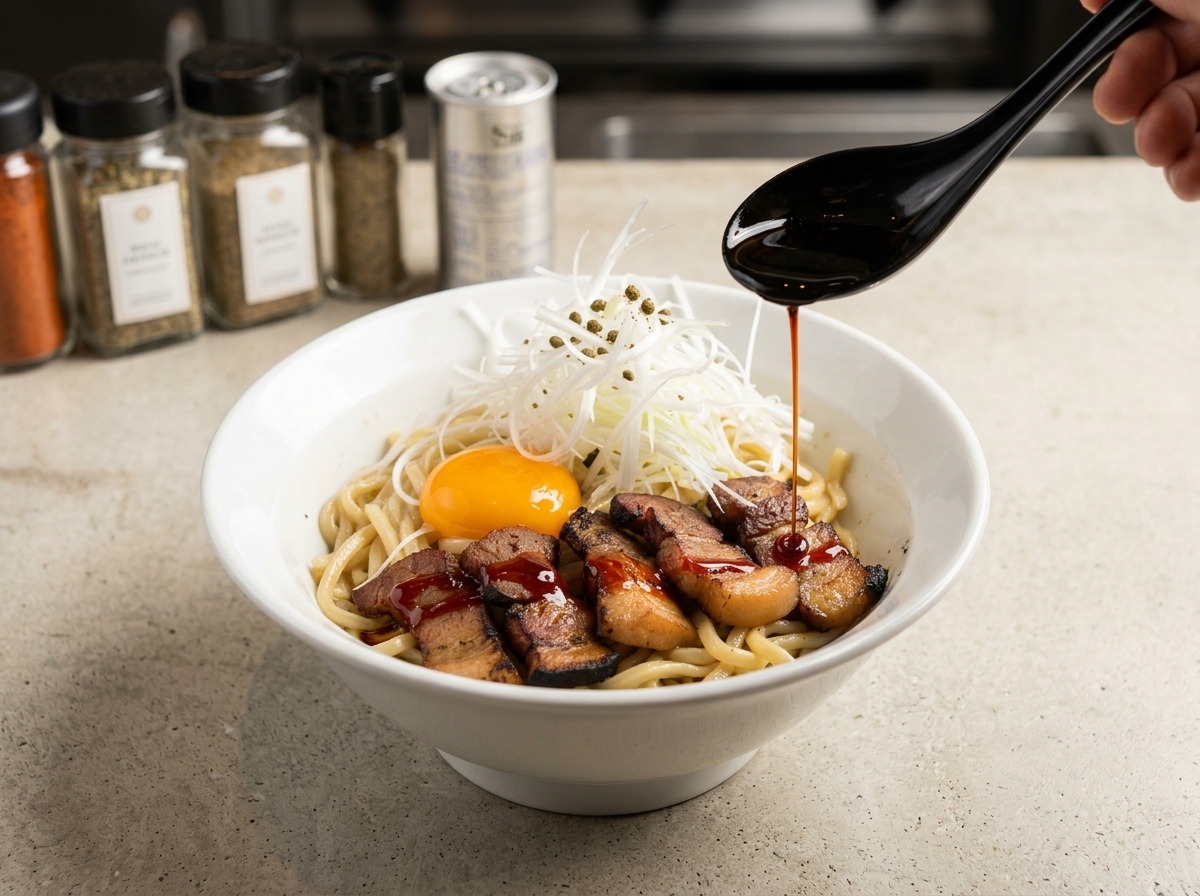
Finish assembling the dish by adding a raw egg yolk to the center and a generous mound of shredded scallions. Drizzle dark chili oil or extra sauce over the pork belly and noodles for a final touch of flavor and visual appeal.
Tip: When eating, break the raw egg yolk and mix it vigorously into the hot noodles. The yolk adds a creamy, luxurious richness that binds the sauce together.