Creamy Tagliatelle Carbonara
Bacon
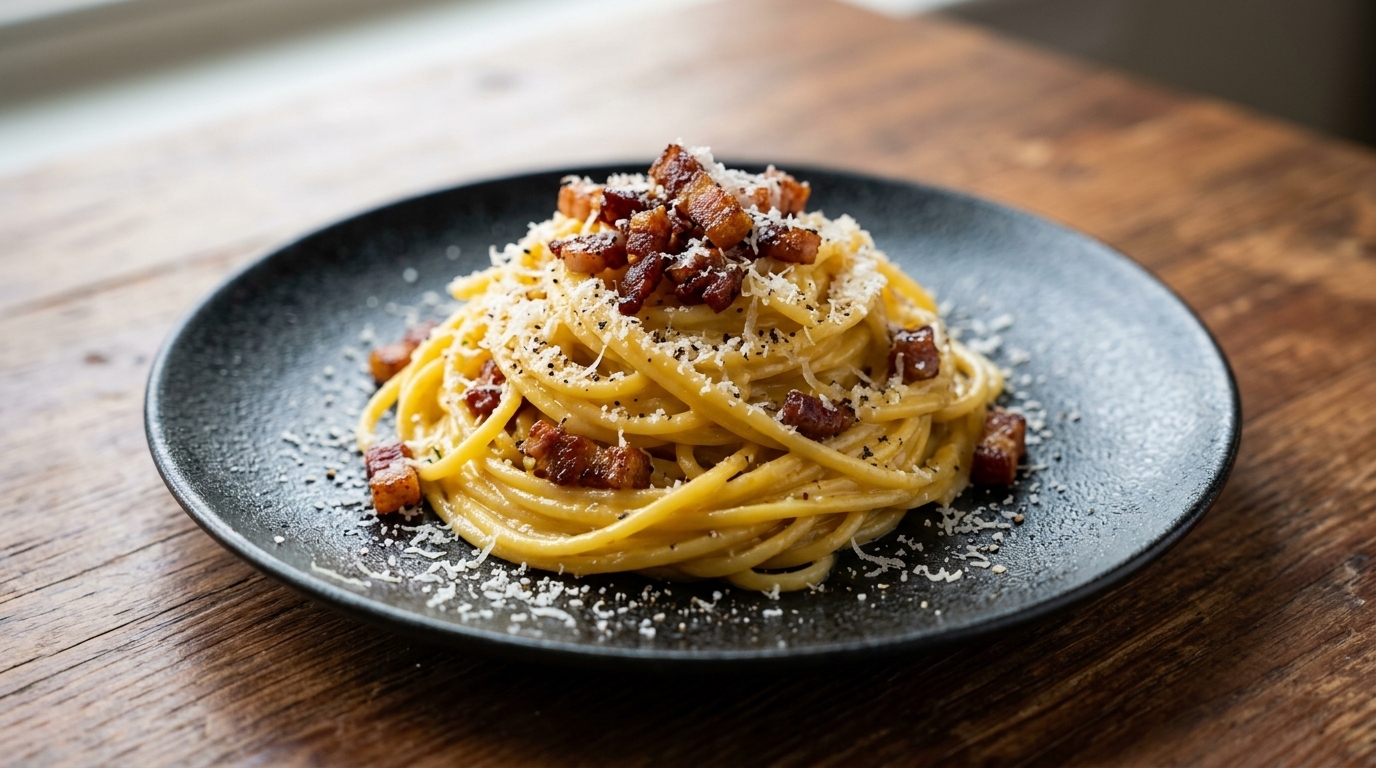
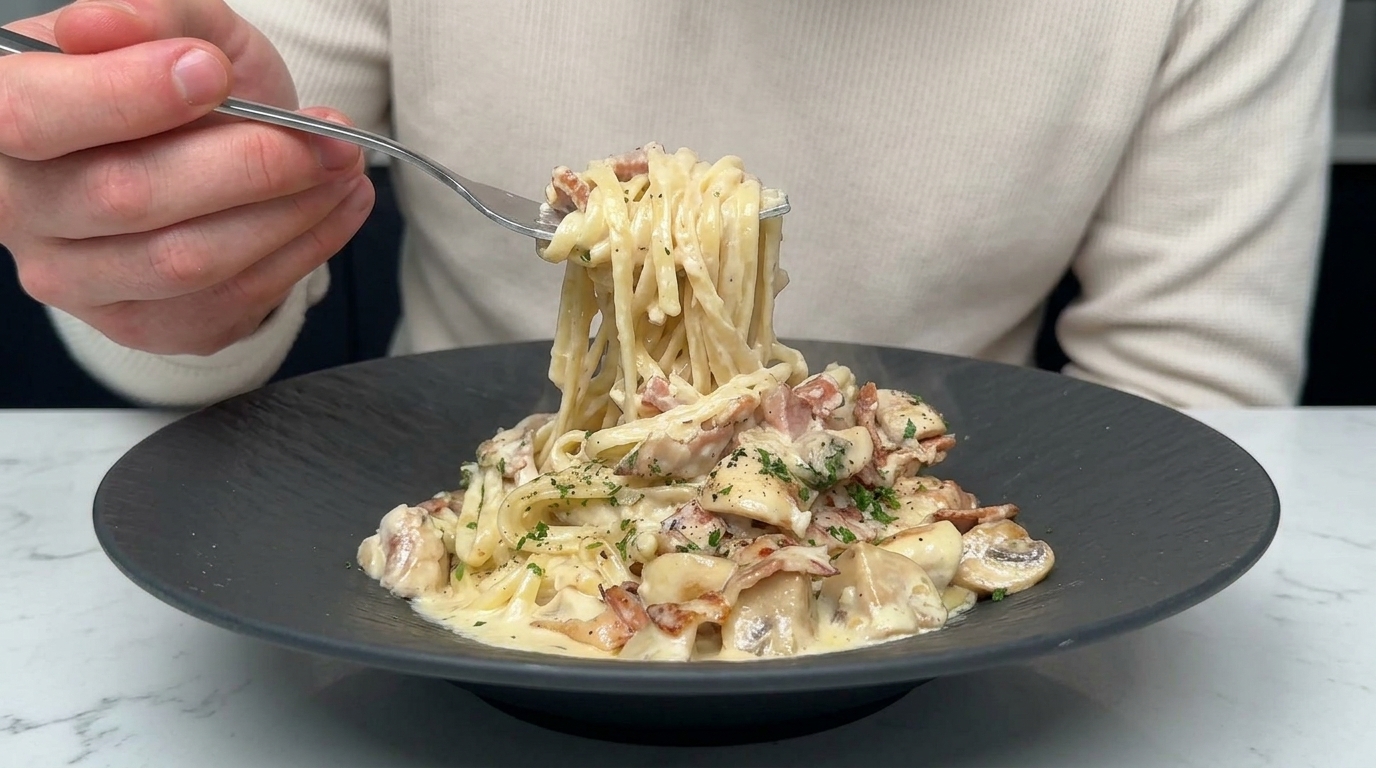
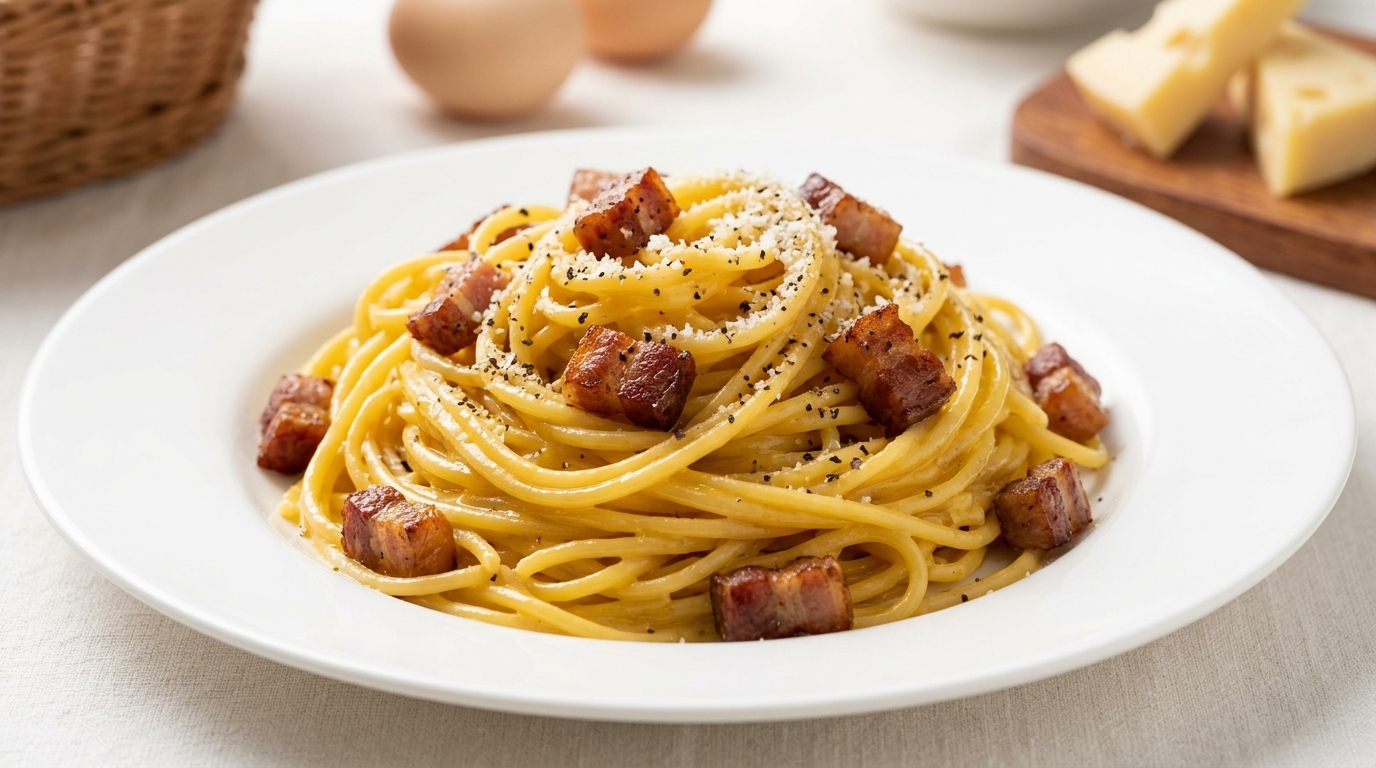
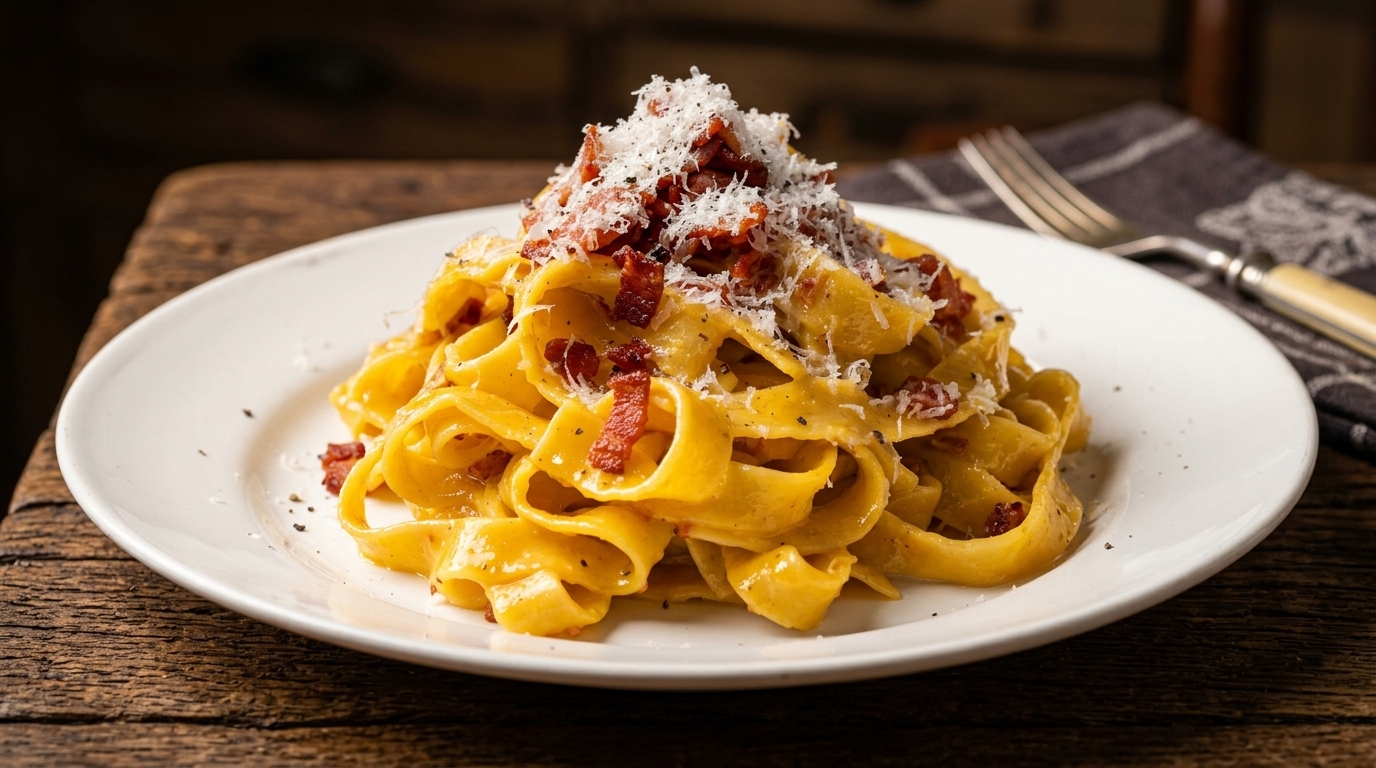
Master this classic Tagliatelle Carbonara featuring a rich, glossy egg yolk sauce, freshly grated Parmesan, and savory thick-cut crispy bacon.
Authentic carbonara relies entirely on culinary technique, not heavy cream, to achieve its signature silkiness. By whisking rich egg yolks with freshly grated Parmesan and emulsifying them with starchy pasta water, you create a luxuriously glossy, golden sauce. The thick ribbons of tagliatelle perfectly catch every drop of this rich emulsion, beautifully contrasting with the savory, crispy bites of rendered bacon.
Ingredients
- 3 large egg yolks
- 1 cup freshly grated Parmesan cheese
- 200 g thick-cut bacon
- 350 g tagliatelle pasta
- 1 tbsp olive oil
- 2 ladles reserved pasta water
- to taste freshly ground black pepper
- to taste sea salt
Instructions
- 1Separate the egg yolks
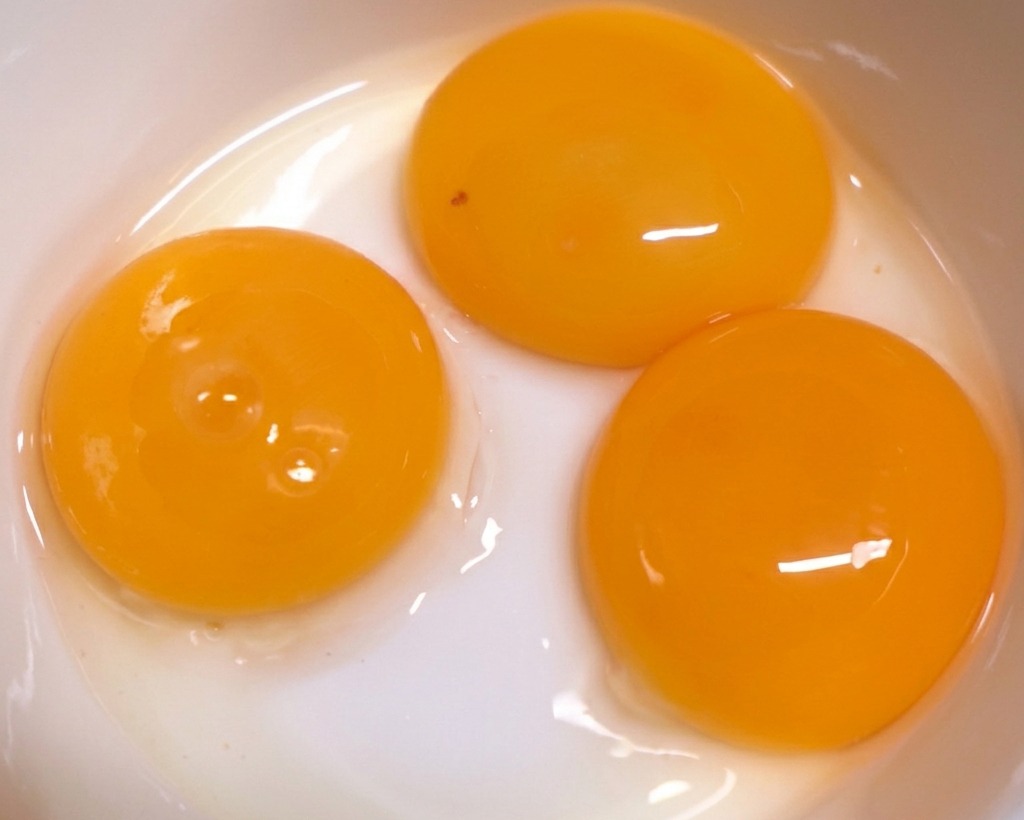
Carefully crack three eggs and separate the yolks from the whites, placing only the yolks into a small bowl. The egg whites can be reserved for another recipe, as we only need the rich yolks to create the base for our creamy pasta sauce.
Tip: Using eggs at room temperature helps the yolks blend more easily with the cheese later. - 2Add freshly grated Parmesan
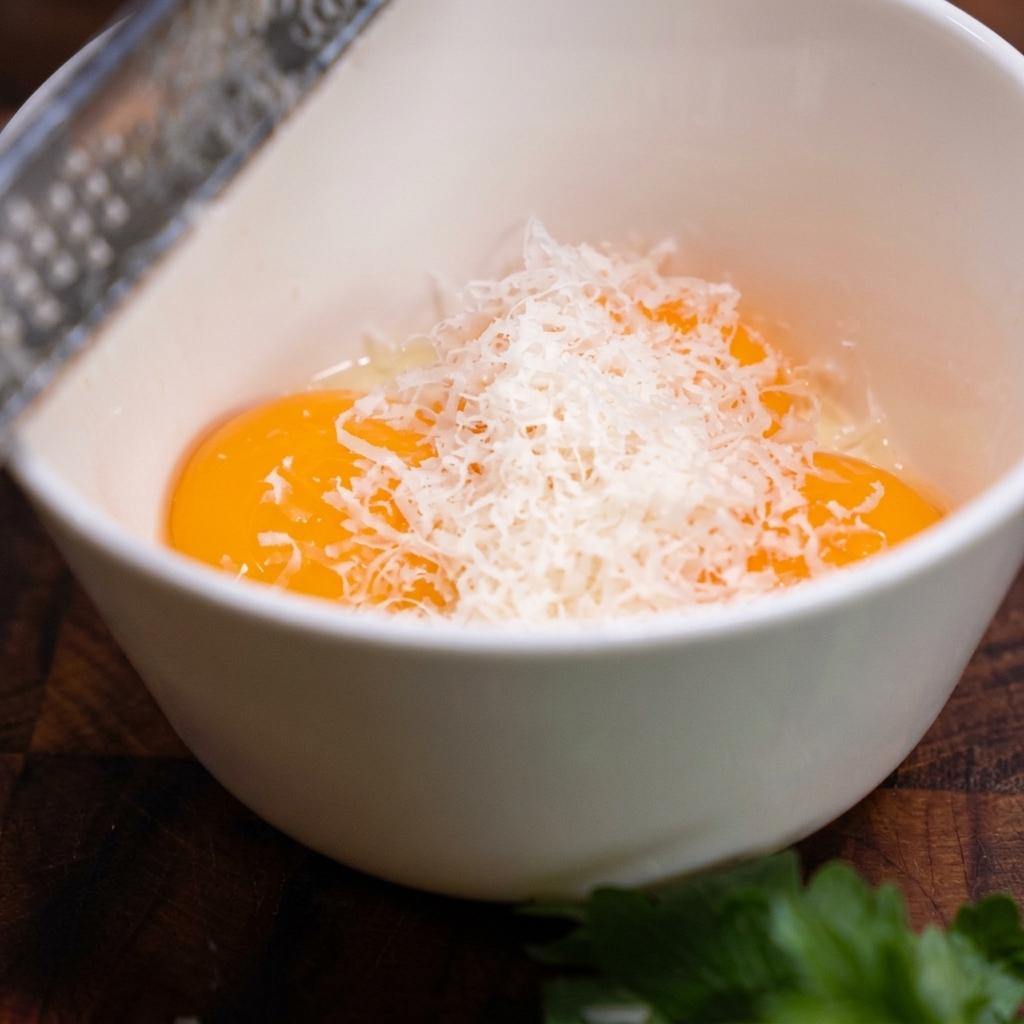
Grate a generous amount of fresh Parmesan cheese directly over the bowl of egg yolks. Using freshly grated cheese is essential for an authentic flavor and ensures the cheese melts smoothly into a velvety sauce without clumping.
Tip: Use a microplane or a fine grater to achieve a light, fluffy texture that incorporates quickly. - 3Whisk into a thick paste
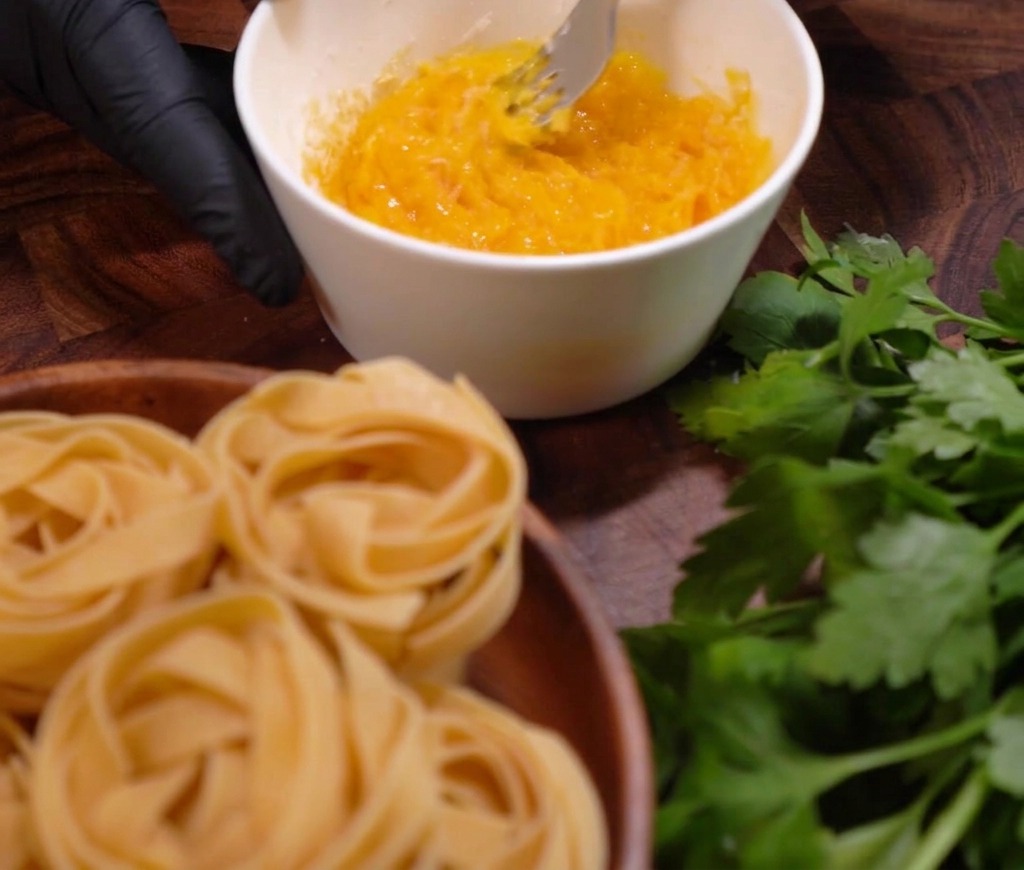
Use a fork to thoroughly whisk the egg yolks and grated Parmesan together. Continue mixing until the cheese is fully incorporated and the mixture reaches a thick, uniform yellow consistency that resembles a smooth paste.
Tip: Dont worry if the paste seems too thick; the heat and starchy water from the pasta will emulsify it into a sauce later. - 4Season with black pepper
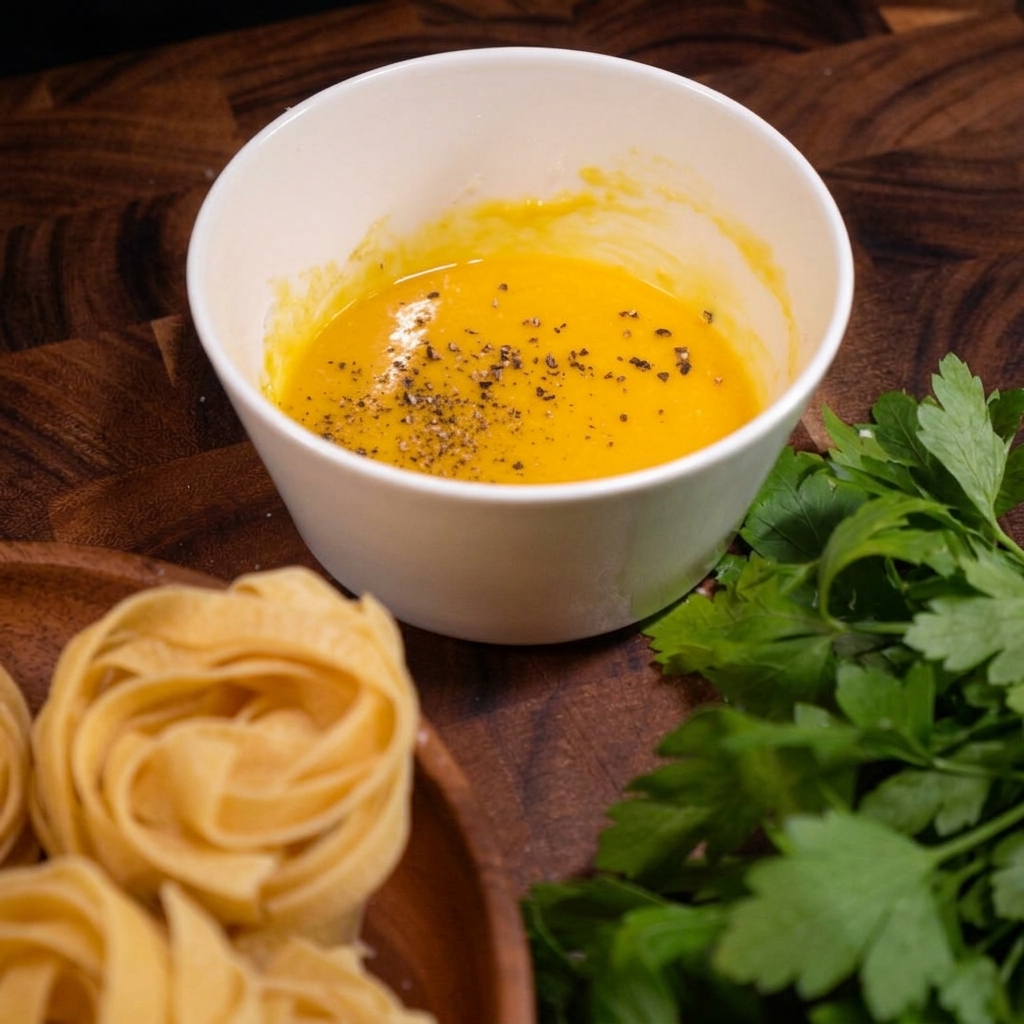
Add a generous amount of freshly ground black pepper to the egg and cheese mixture. The pepper provides a sharp contrast to the richness of the yolks and cheese, which is a signature characteristic of this classic dish.
Tip: Wait until the very end to add salt, as the Parmesan and bacon already provide significant saltiness. - 5Prep the bacon bits
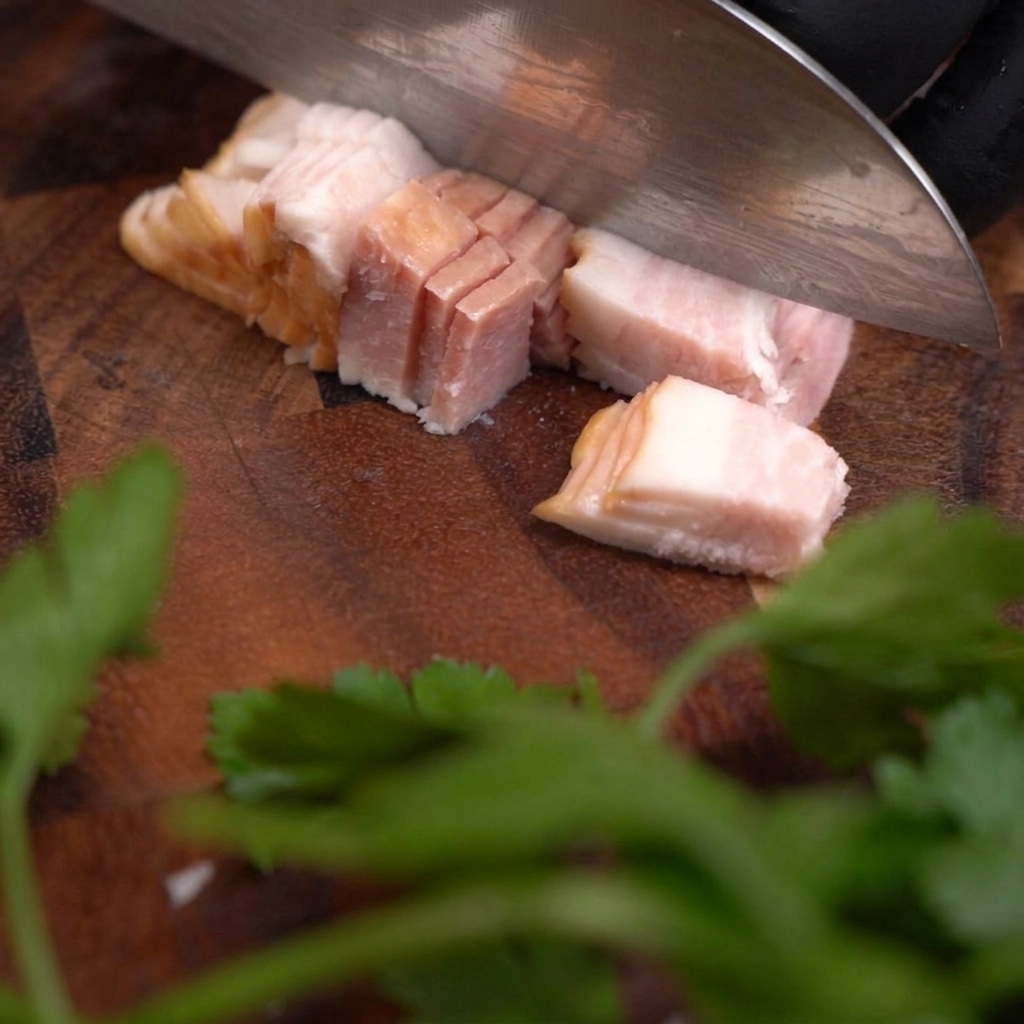
Place a slab of thick-cut bacon on a wooden cutting board and slice it into small, even cubes. Uniform pieces will cook at the same rate, ensuring every bit of bacon is perfectly crispy when finished.
Tip: Cold bacon is much easier to slice cleanly than room-temperature bacon. - 6Fry the Bacon
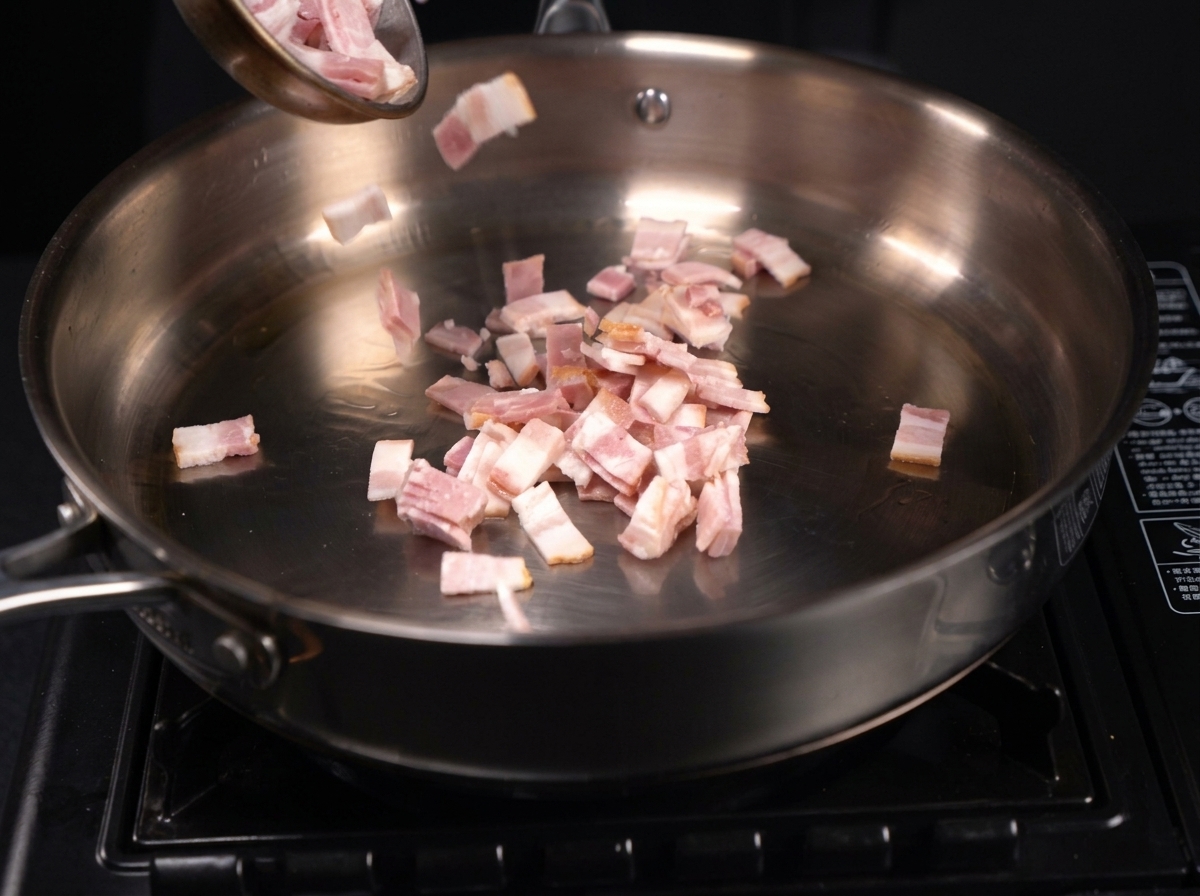
Place the thick-cut bacon pieces into a stainless steel pan over medium heat. Fry them until they turn crispy and golden brown, allowing the fat to render completely. Once done, remove a small portion of the crispy bits to use as a garnish later, leaving the rest of the bacon and the rendered fat in the pan.
Tip: Starting your bacon in a cold pan helps render out more fat slowly, resulting in crispier bacon bits. - 7Prepare the Pasta Pot
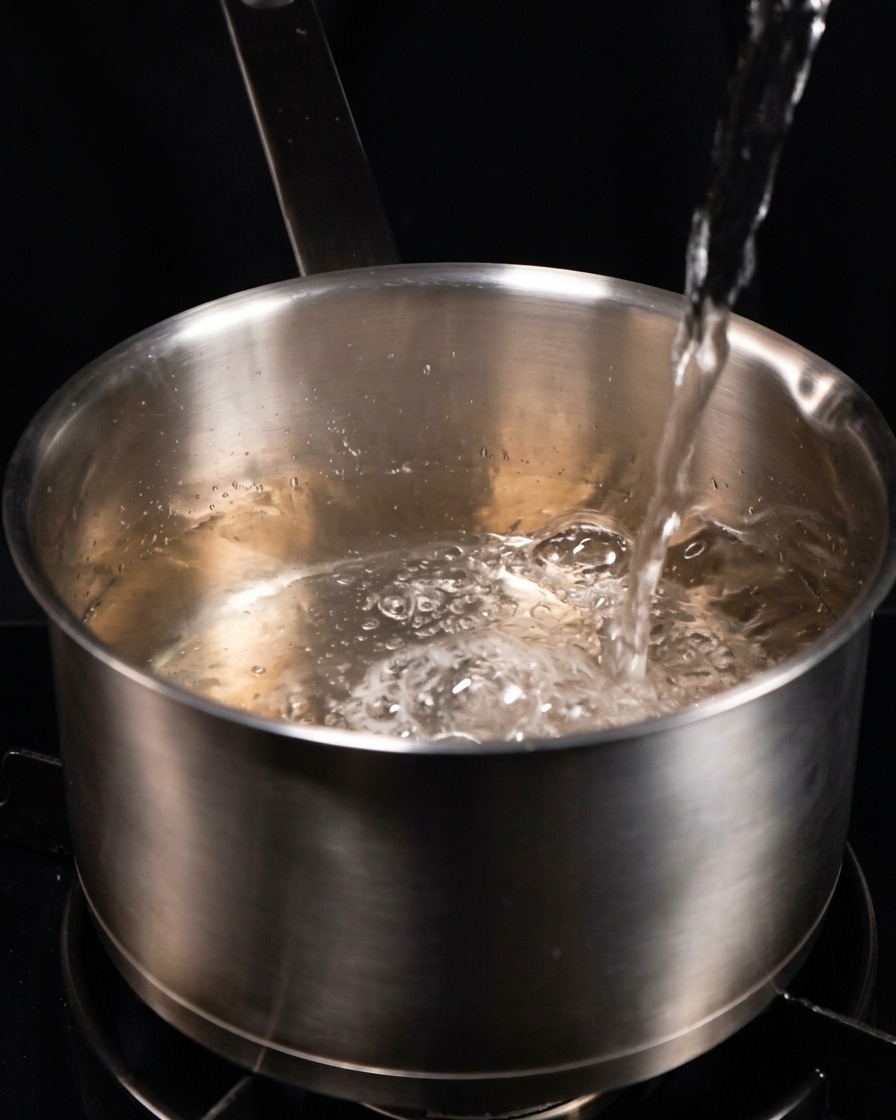
In a separate, large stainless steel pot, pour in a generous amount of water. You will need enough water to fully submerge the pasta so it can cook evenly without sticking.
Tip: Always use a large pot for boiling pasta to give the noodles plenty of room to expand and move around. - 8Season the Boiling Water
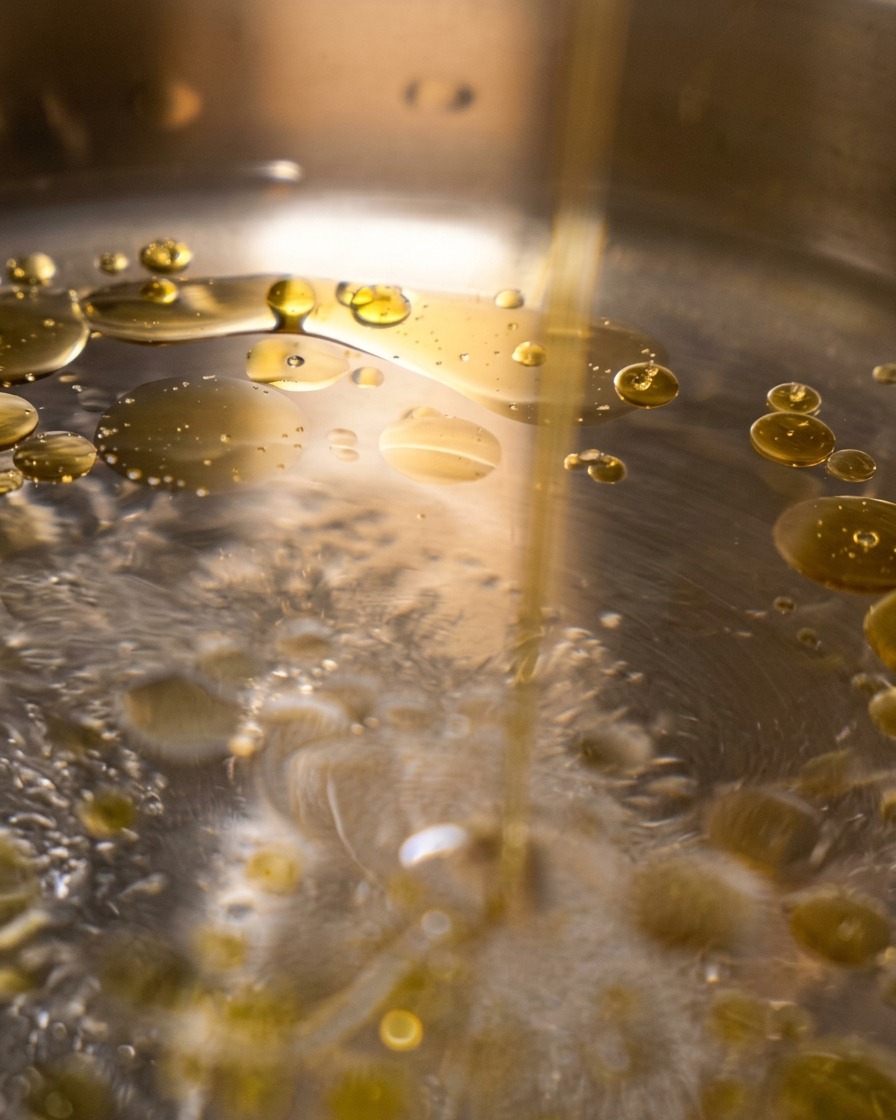
As the water heats up, add a generous amount of sea salt and a drizzle of olive oil. The salt is crucial for seasoning the pasta itself, while the oil helps to prevent the noodles from sticking together. Bring the seasoned water to a rolling boil.
Tip: Your pasta water should taste slightly salty, like the sea, to ensure the noodles absorb enough flavor while cooking. - 9Boil the Tagliatelle
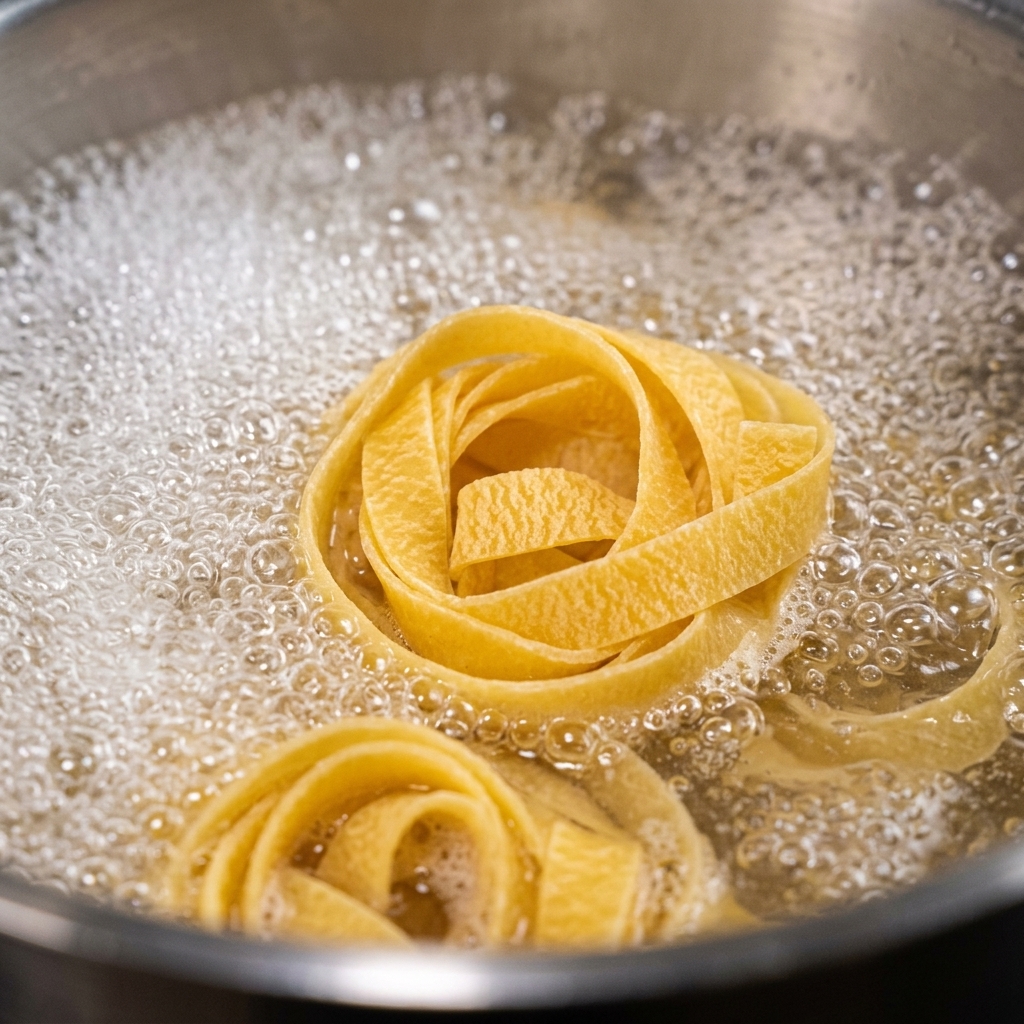
Carefully drop the nest of tagliatelle pasta into the vigorously boiling water. Allow the pasta to cook for approximately 9 minutes, or until it reaches a perfect al dente texture with a slight bite to it.
Tip: Stir the pasta gently during the first minute of cooking to break up the nest and prevent the noodles from clumping. - 10Remove the Cooked Pasta
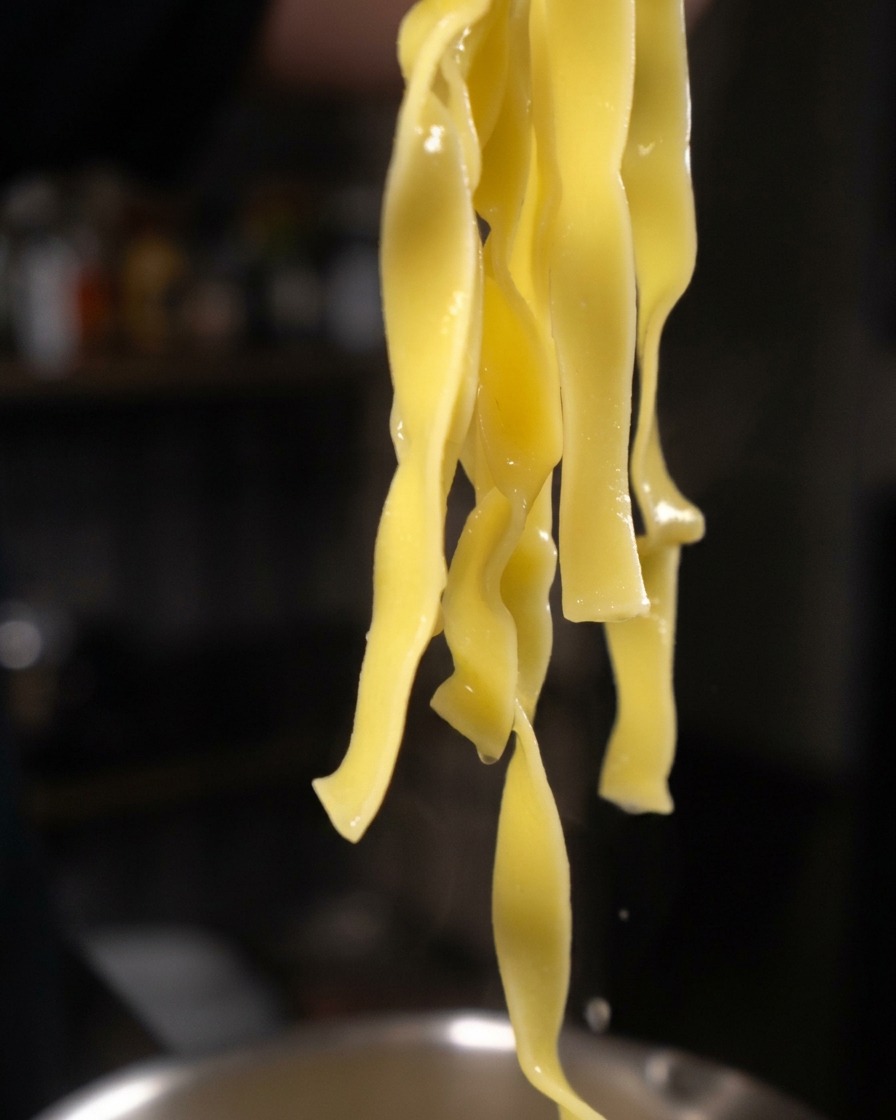
Once the pasta is perfectly cooked, use tongs to lift the noodles directly out of the boiling water. Allow the excess water to drip off momentarily, but do not drain or rinse the pasta, as the starchy coating is essential for building the sauce.
Tip: Reserve the pasta cooking water! The starchy liquid is the secret to creating a smooth, emulsified sauce. - 11Toss Pasta in Bacon Fat
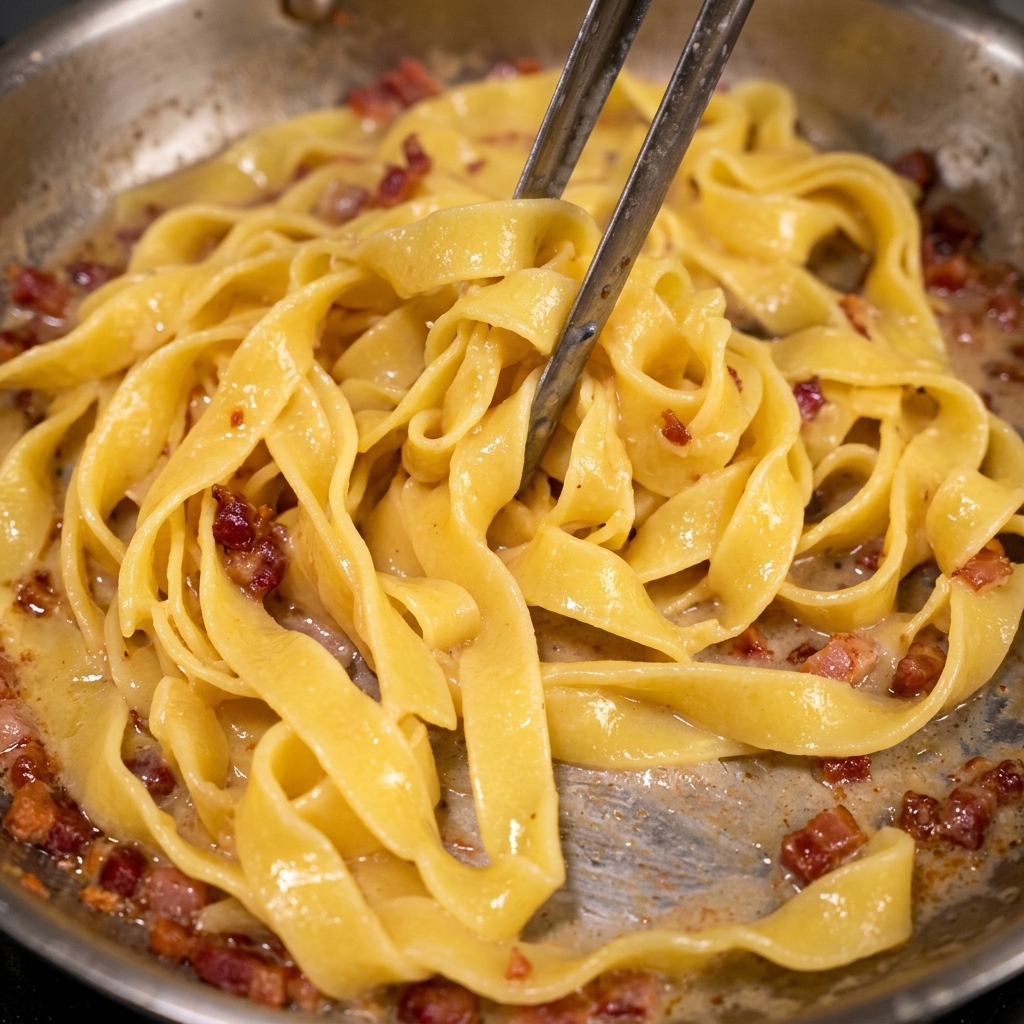
Transfer the hot, freshly cooked tagliatelle directly into the pan with the crispy bacon and its rendered fat. Toss the pasta thoroughly so every single strand is evenly coated in the savory drippings.
Tip: Tossing the hot noodles in the fat before adding the egg helps coat the pasta evenly and protects the eggs from scrambling when they are added later. - 12Emulsify with pasta water
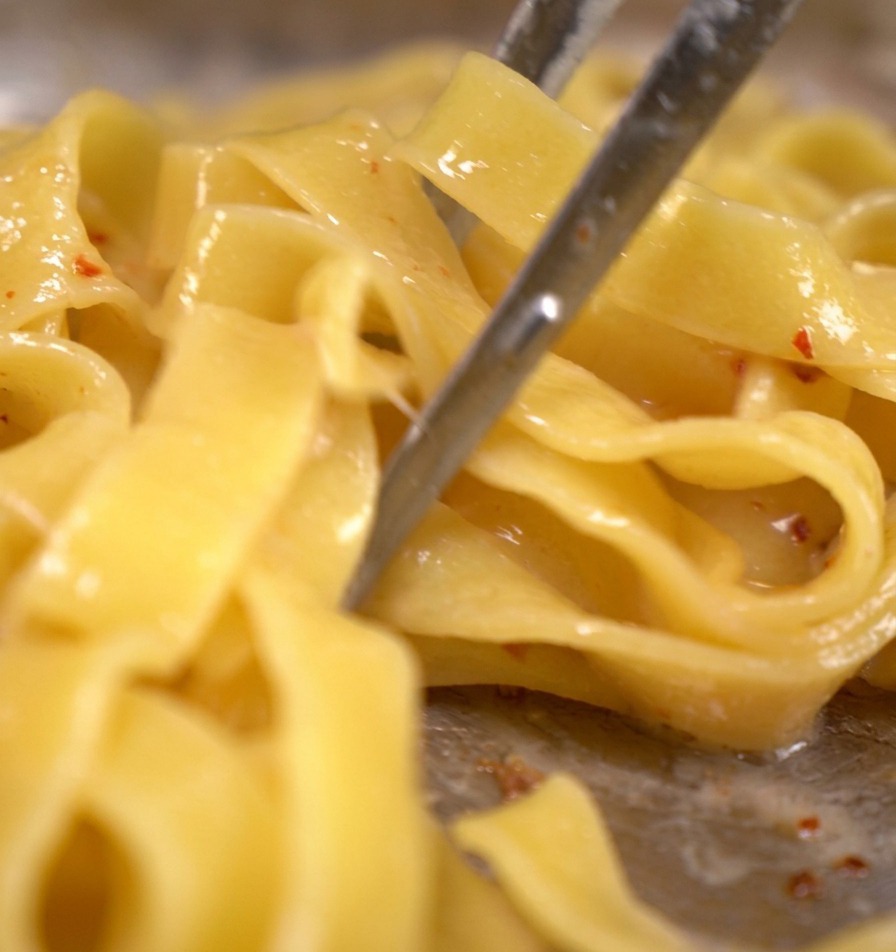
Now pour two ladles of the hot, starchy pasta water into the pan and let it simmer over low heat. Tossing the pasta in this liquid helps the flavors meld and creates a starchy base that will shortly emulsify the eggs into a silky sauce.
Tip: Dont skip the pasta water; the starch it contains is essential for binding the fat and egg yolks into a cohesive sauce. - 13Toss with the egg sauce
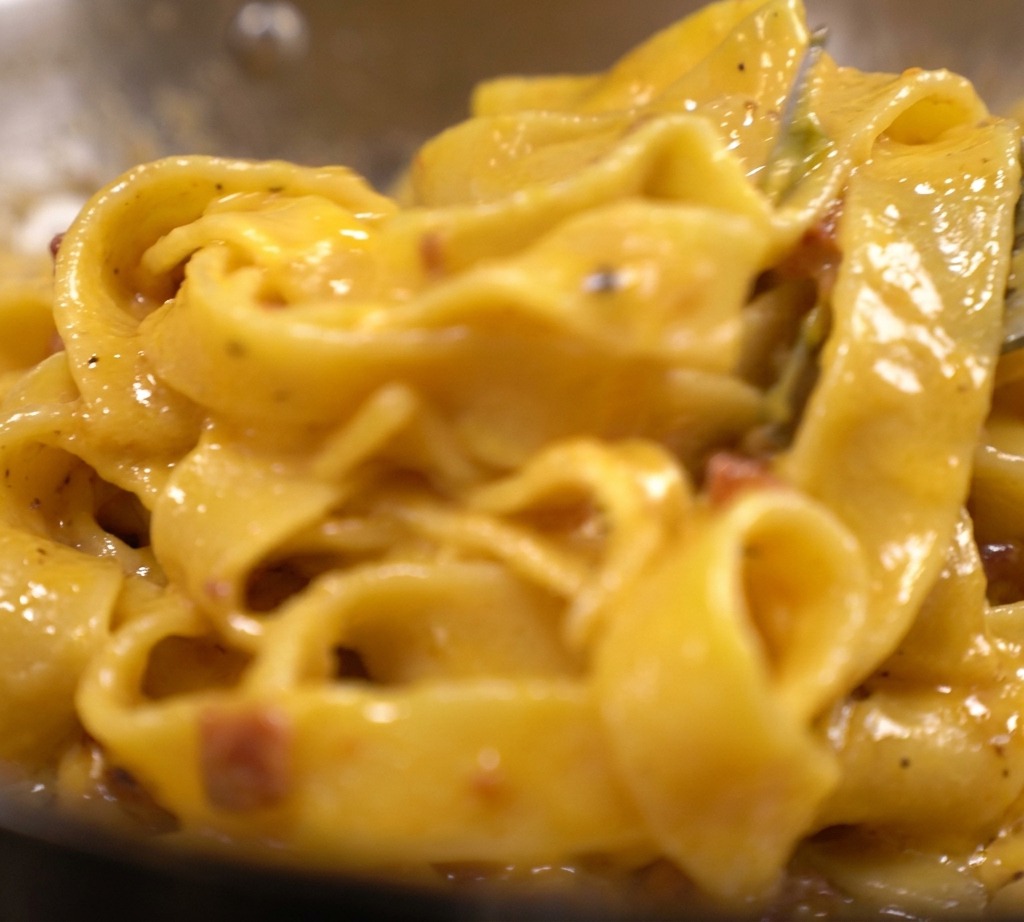
Turn off the heat completely to prevent the eggs from scrambling. Pour the whisked egg yolk and Parmesan cheese mixture over the pasta. Quickly toss everything together, using the residual heat of the pan to thicken the eggs and cheese into a rich, glossy, and creamy sauce that perfectly coats the noodles.
Tip: If the sauce looks too thick or dry, add a tiny splash more of the reserved pasta water to loosen it up to your desired consistency.