Authentic Roman-Style Carbonara (Spaghetti alla Carbonara)
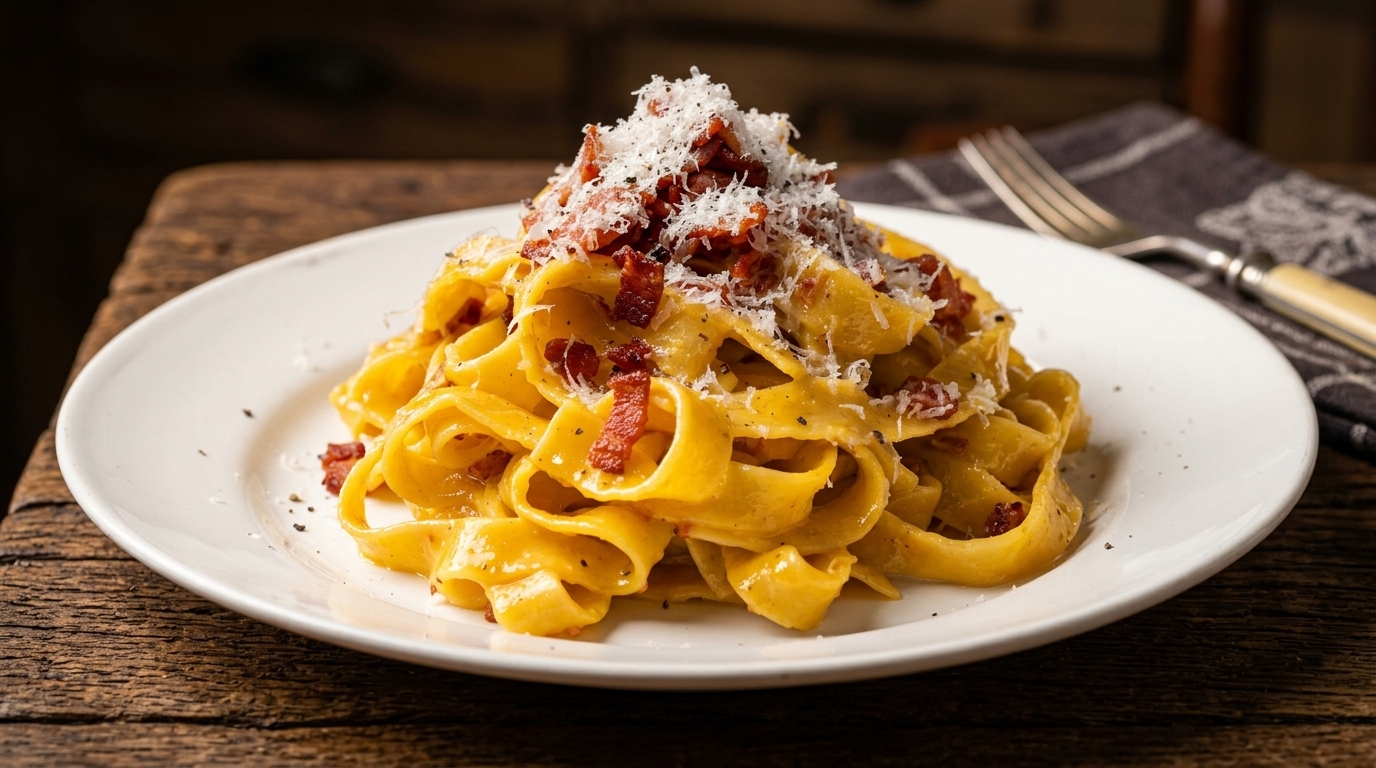
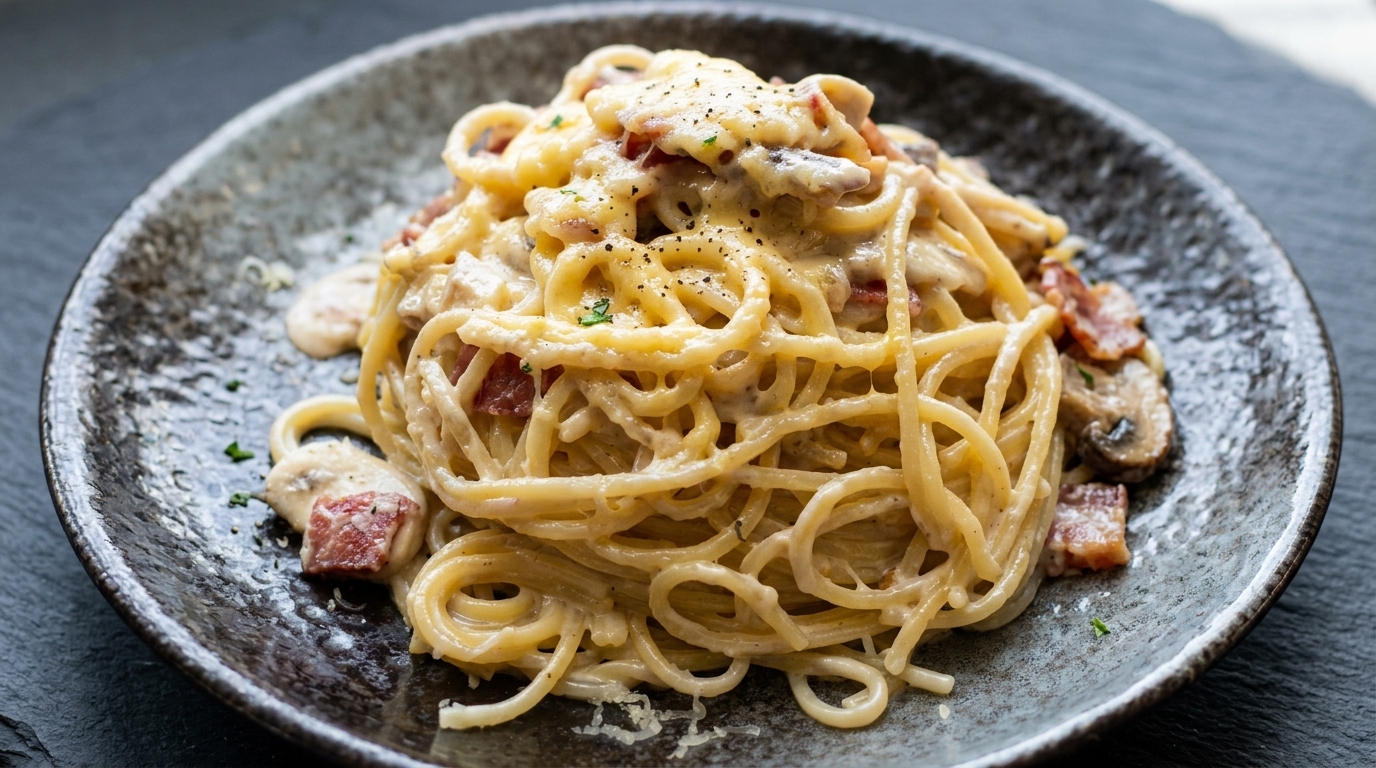
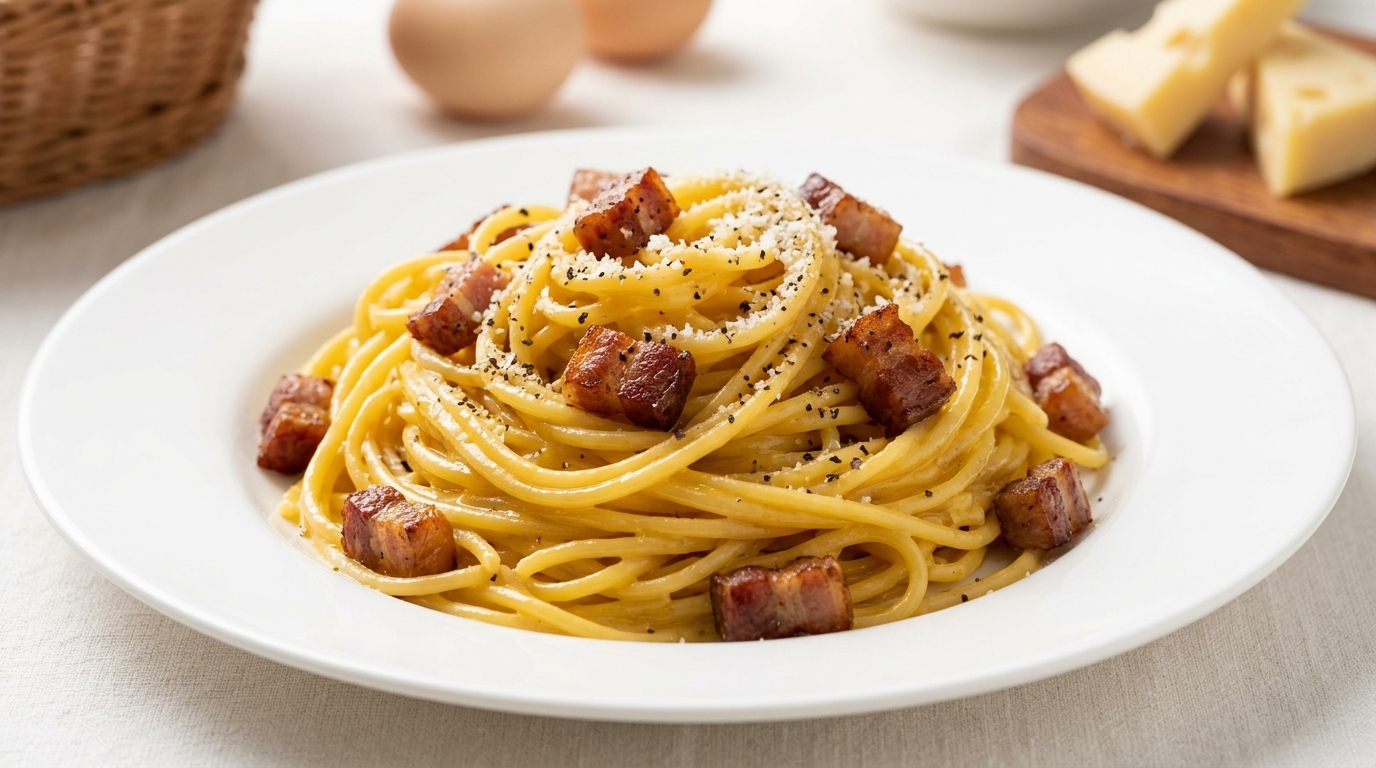
Experience the rich, savory taste of Rome with this authentic Carbonara. Silky egg sauce, crispy guanciale, and sharp cheese create a flawless, creamy pasta without a drop of heavy cream.
Carbonara is the culinary heartbeat of Rome, celebrated for its bold simplicity. True Roman tradition relies solely on high-quality eggs, rendered pork fat, and sharp cheese to create a luxurious emulsion. By skipping the heavy cream and focusing entirely on temperature control, you unlock the genuinely silky texture and deeply savory flavor that has made this dish a global icon.
Ingredients
- 200 g spaghetti
- 150 g guanciale (or high-quality pancetta)
- 2 whole eggs
- 1 egg yolk
- 15 g Pecorino Romano or Parmesan cheese, finely grated
- to taste freshly cracked black pepper
- to taste salt (for pasta water)
Instructions
- 1Salt the boiling water
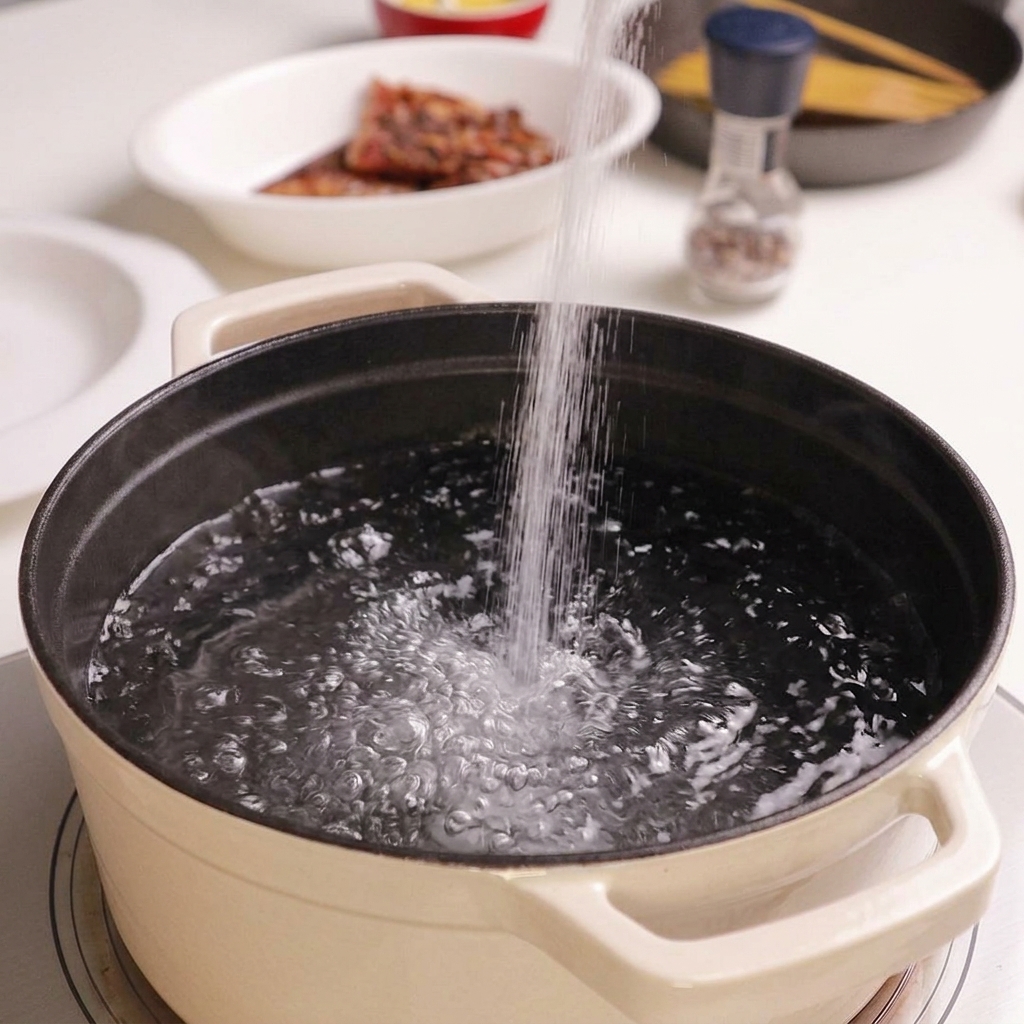
Bring a large pot of water to a rolling boil. Add about 3 grams of salt for every liter of water. Seasoning the cooking water is crucial as it flavors the pasta from the inside out while it cooks.
Tip: Do not add oil to the boiling water; it will coat the pasta and prevent the egg sauce from adhering properly later. - 2Cook the pasta
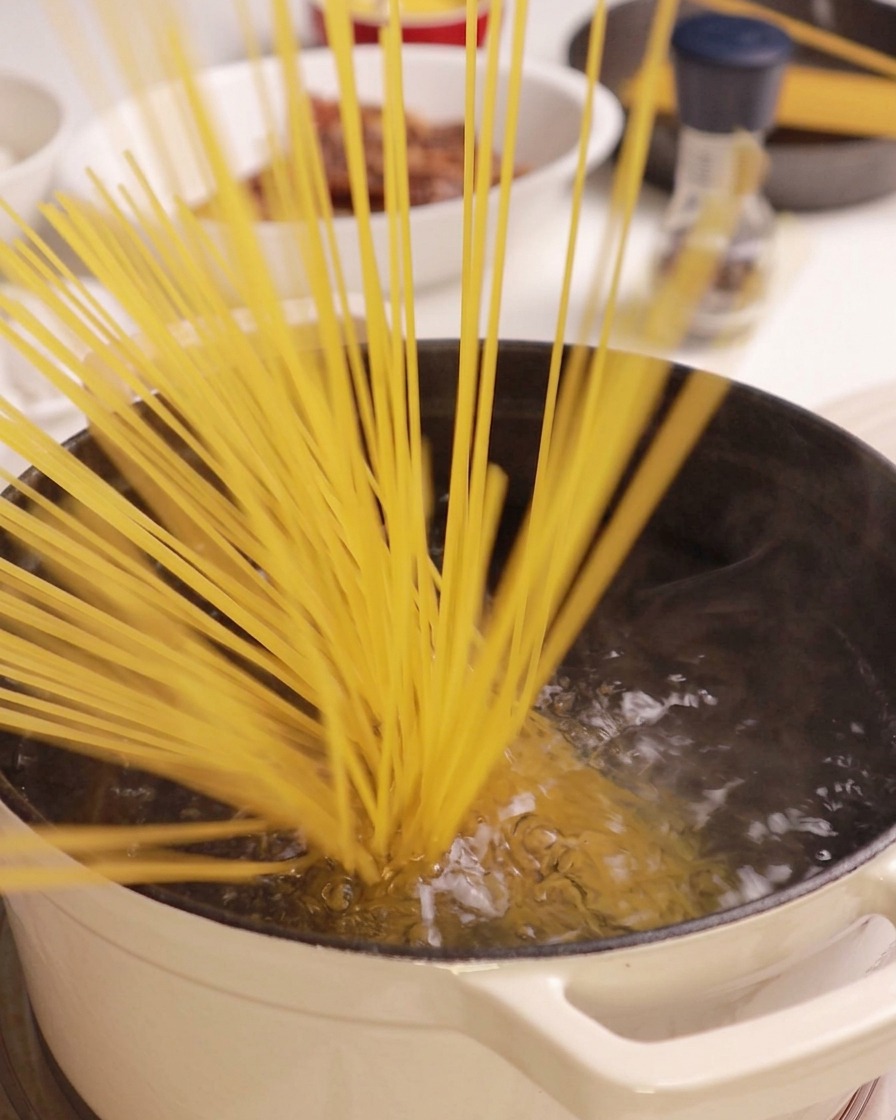
Add the dry spaghetti noodles directly into the boiling salted water. Gently push them down as the submerged ends soften so that the entire strand cooks evenly. Boil according to the package directions until the pasta reaches an al dente texture.
Tip: Stir the noodles occasionally during the first few minutes of cooking to ensure they do not stick together. - 3Slice the guanciale
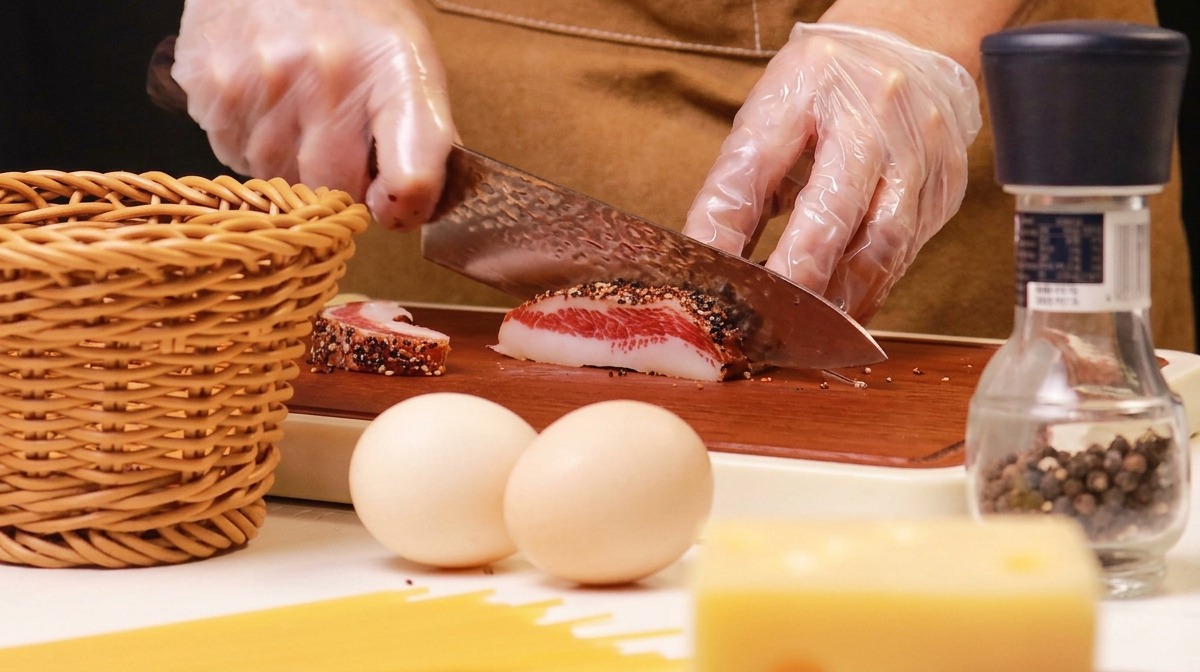
Place the pepper-crusted guanciale on a sturdy wooden cutting board. Using a sharp knife, carefully cut the cured meat into thick slices. The distinct layer of fat in the guanciale is what provides Carbonara with its signature rich and savory flavor.
Tip: If traditional Italian guanciale is unavailable, you can substitute it with high-quality smoked bacon or pancetta. - 4Dice the meat
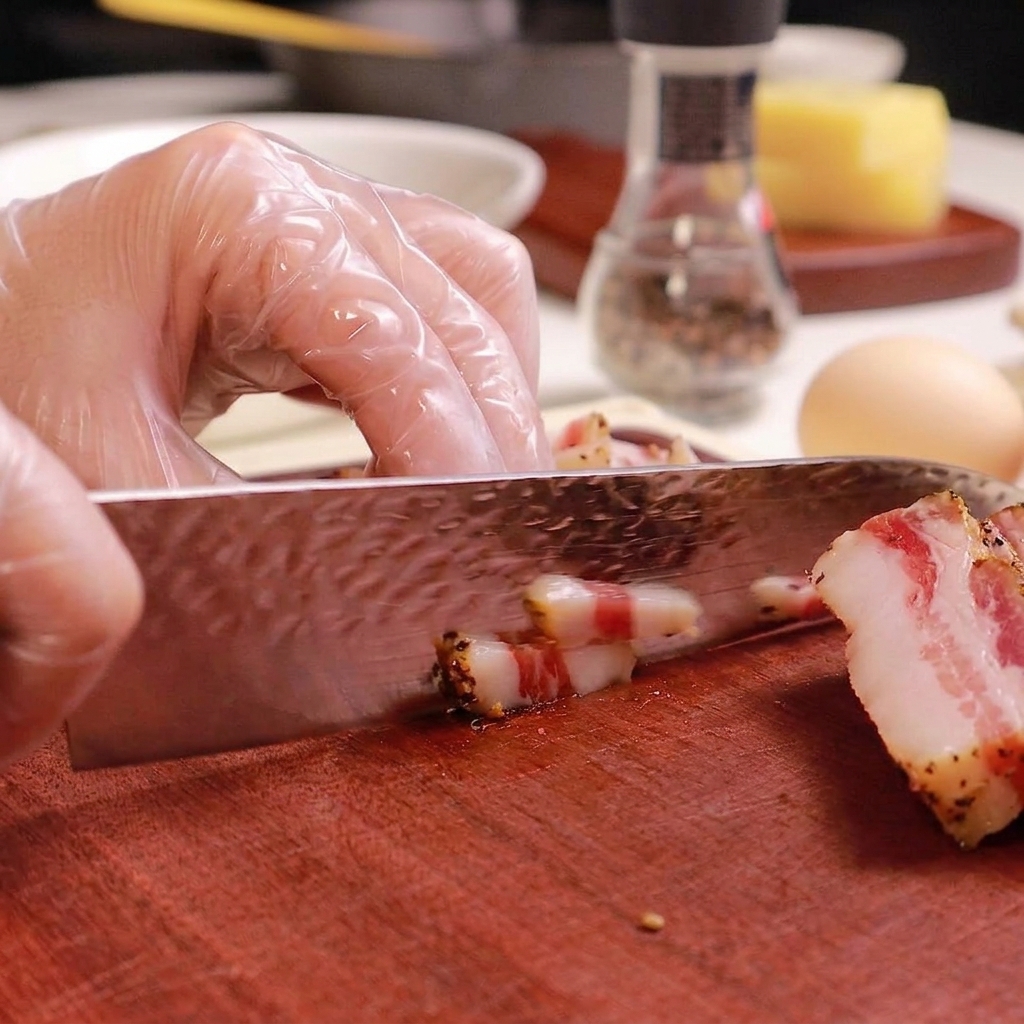
Take the thick slices of guanciale and cut them down into smaller, bite-sized strips or dice. Keeping the pieces relatively uniform in size ensures that they will render their fat evenly and crisp up at the same rate when fried.
Tip: Chilling the meat in the freezer for about 10 minutes beforehand can firm up the soft fat, making it much easier to slice cleanly. - 5Prepare the egg base
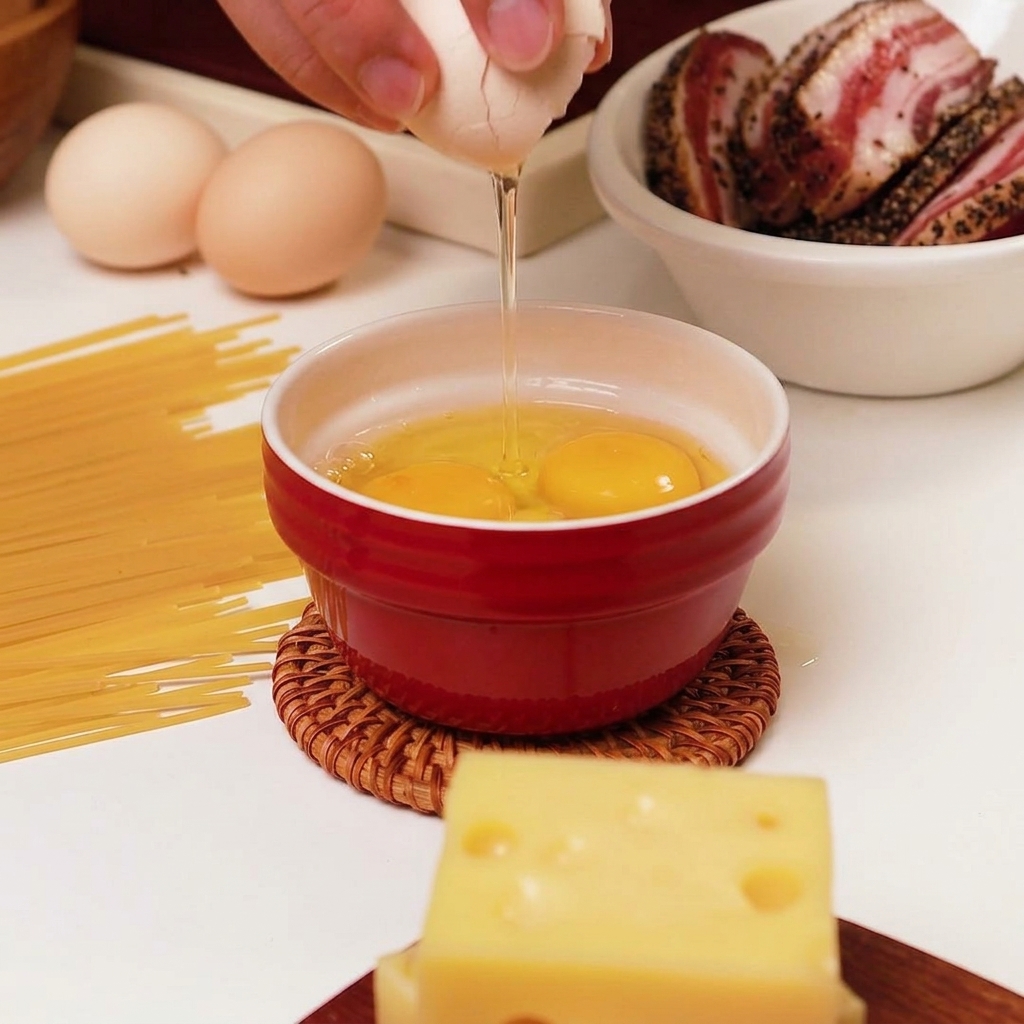
Crack two whole eggs into a mixing bowl, then separate and add one additional egg yolk. This extra yolk adds luxurious richness to the mixture and helps to emulsify into the silky, creamy sauce that defines a classic Roman Carbonara.
Tip: Use the freshest, highest-quality eggs available, as they form the primary foundation of your sauce. - 6Add the cheese
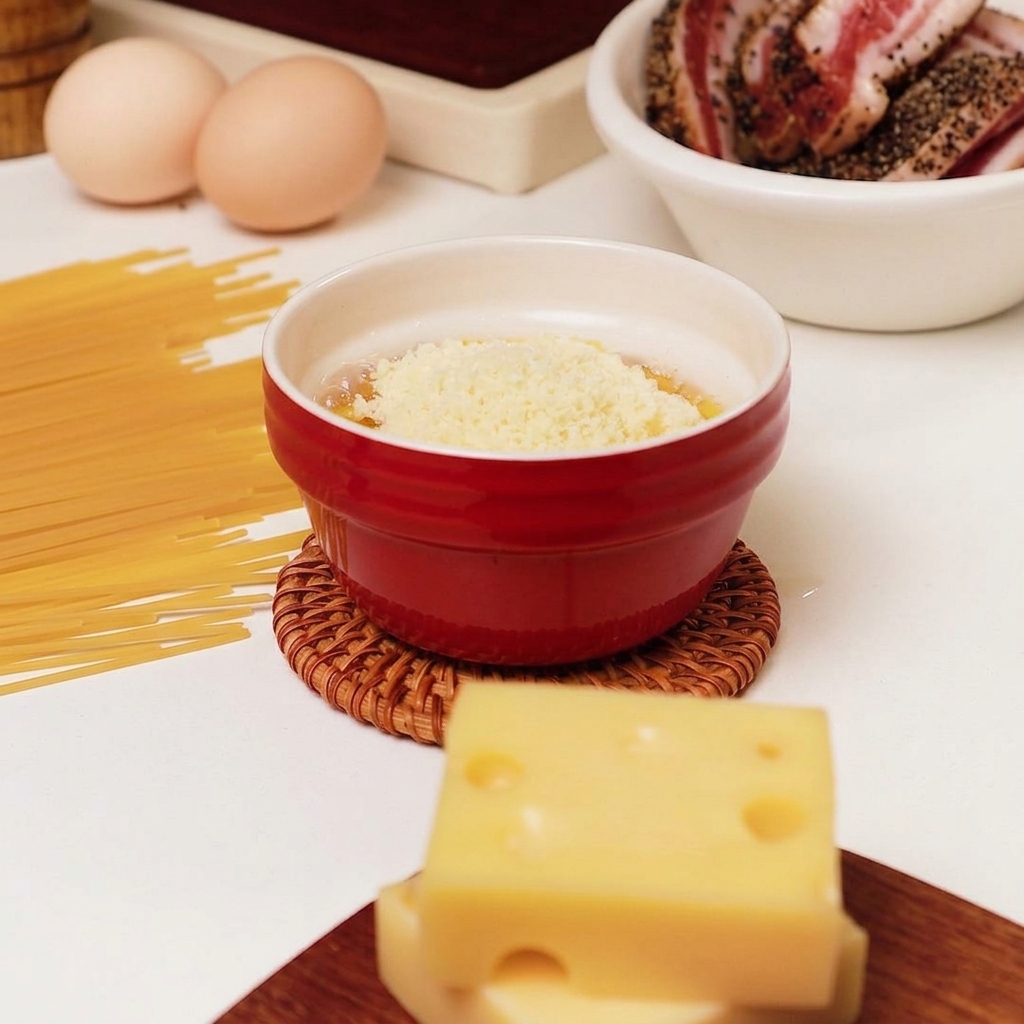
Add about 10 grams of finely grated cheese to the bowl with the raw eggs. While Pecorino Romano is the traditional choice, you can also use Parmesan or a blend of both. Whisk the eggs and cheese together thoroughly to form a smooth paste.
Tip: For an authentic spicy kick, stir in a generous pinch of freshly cracked black pepper at this stage. - 7Mix the carbonara sauce
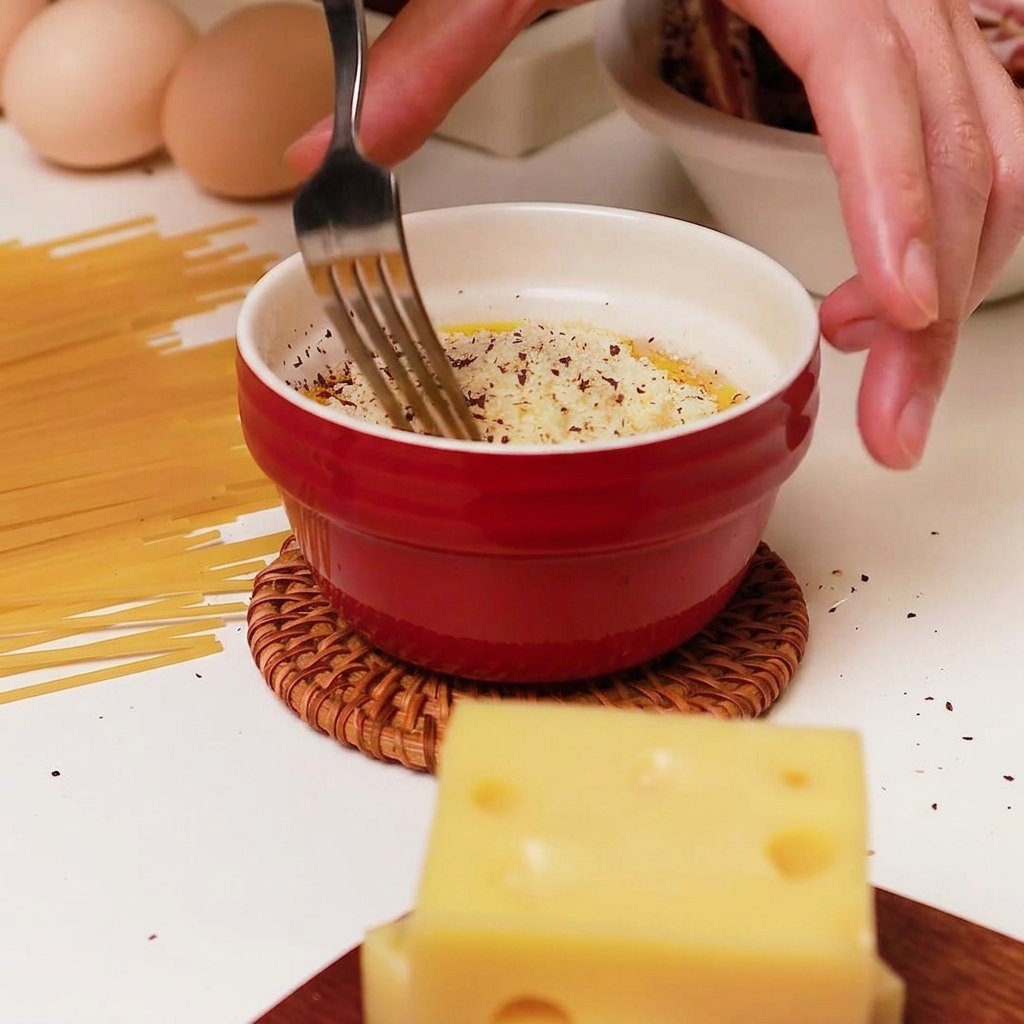
With all your sauce ingredients in the bowl, use a fork to vigorously whisk the whole eggs, egg yolk, cheese, and black pepper together. Continue stirring until the mixture transforms into a smooth, even paste.
Tip: Authentic carbonara relies on the egg and cheese mixture for its creamy texture, so there is no need to add any heavy cream. - 8Add guanciale to the pan
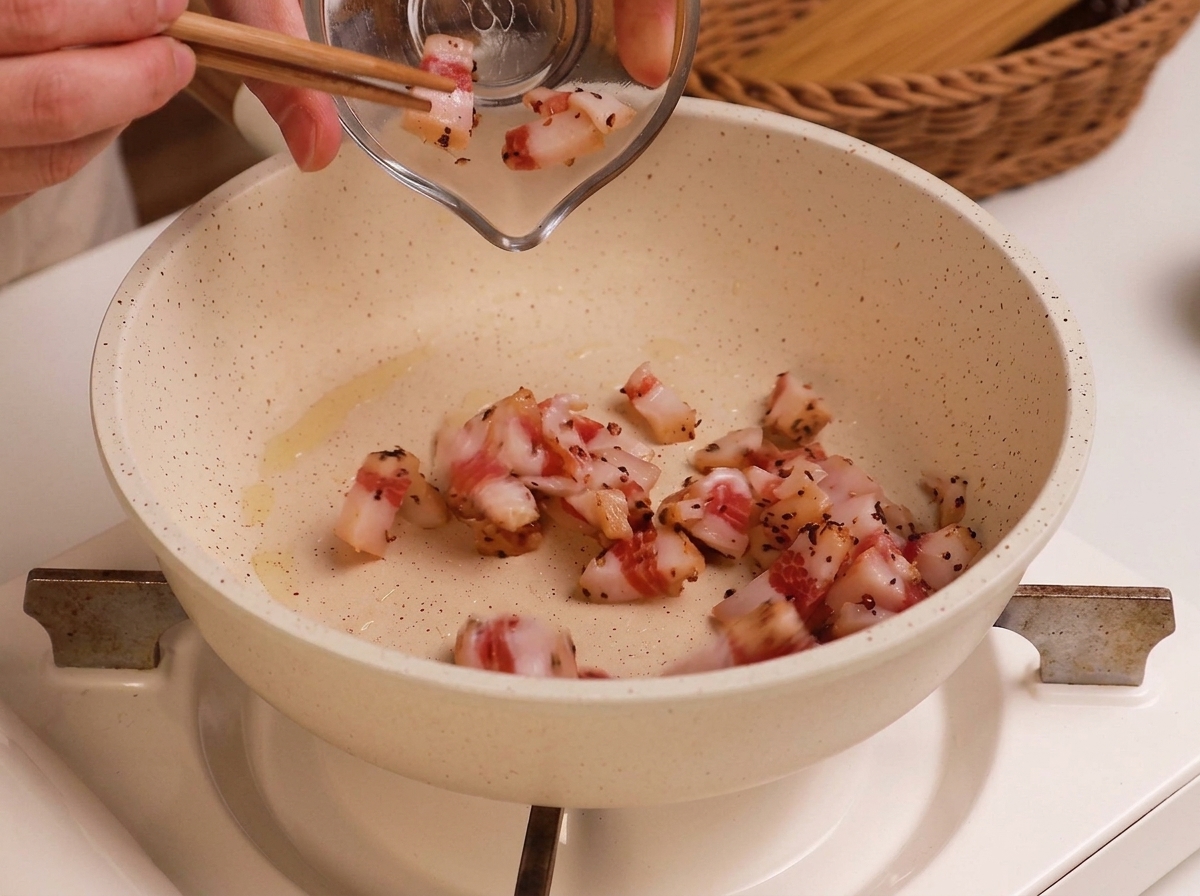
Coat a frying pan with a thin layer of cooking oil. Transfer your diced guanciale directly into the pan to begin the cooking process.
Tip: Guanciale is traditional and rich in fat, but if you cannot find it, smoked bacon makes a great substitute. - 9Render the fat
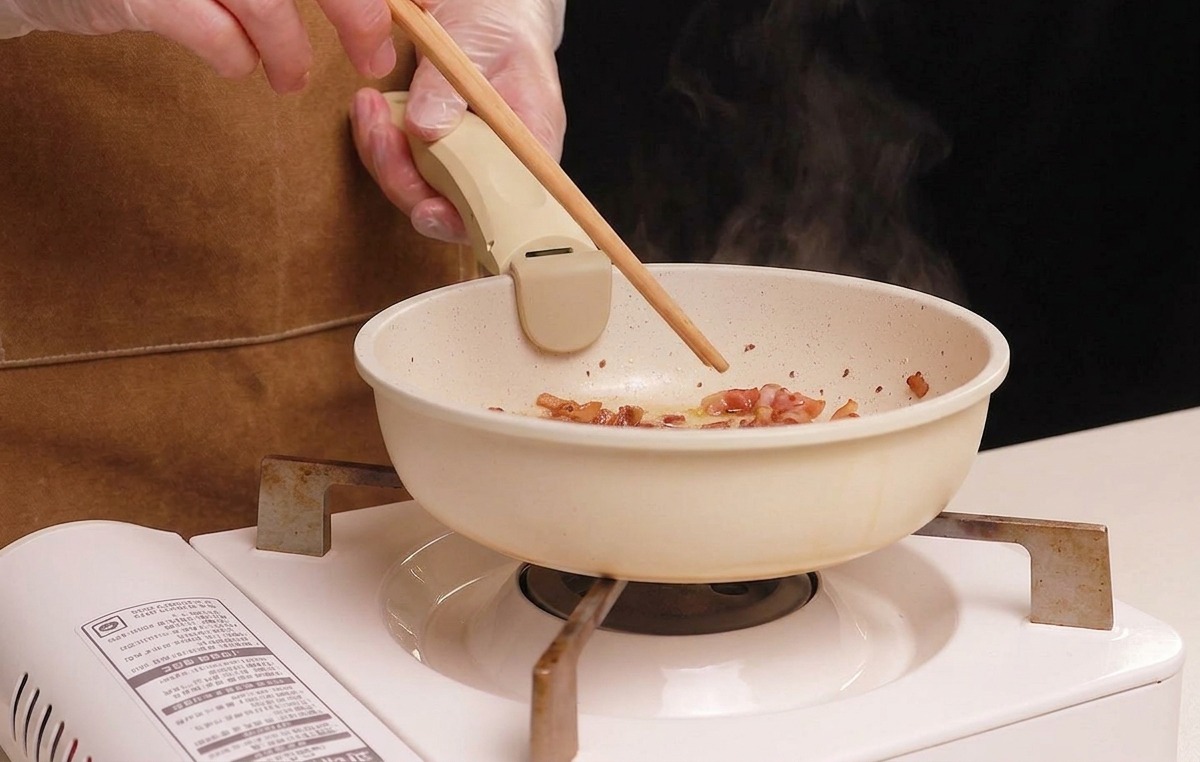
Fry the diced guanciale slowly over low heat, stirring continuously. As it fries, the fat will gently render out, leaving the pieces beautifully golden brown and crispy.
Tip: Keep the heat low! Rendering the fat slowly ensures the meat gets crispy without burning. - 10Drain the excess oil
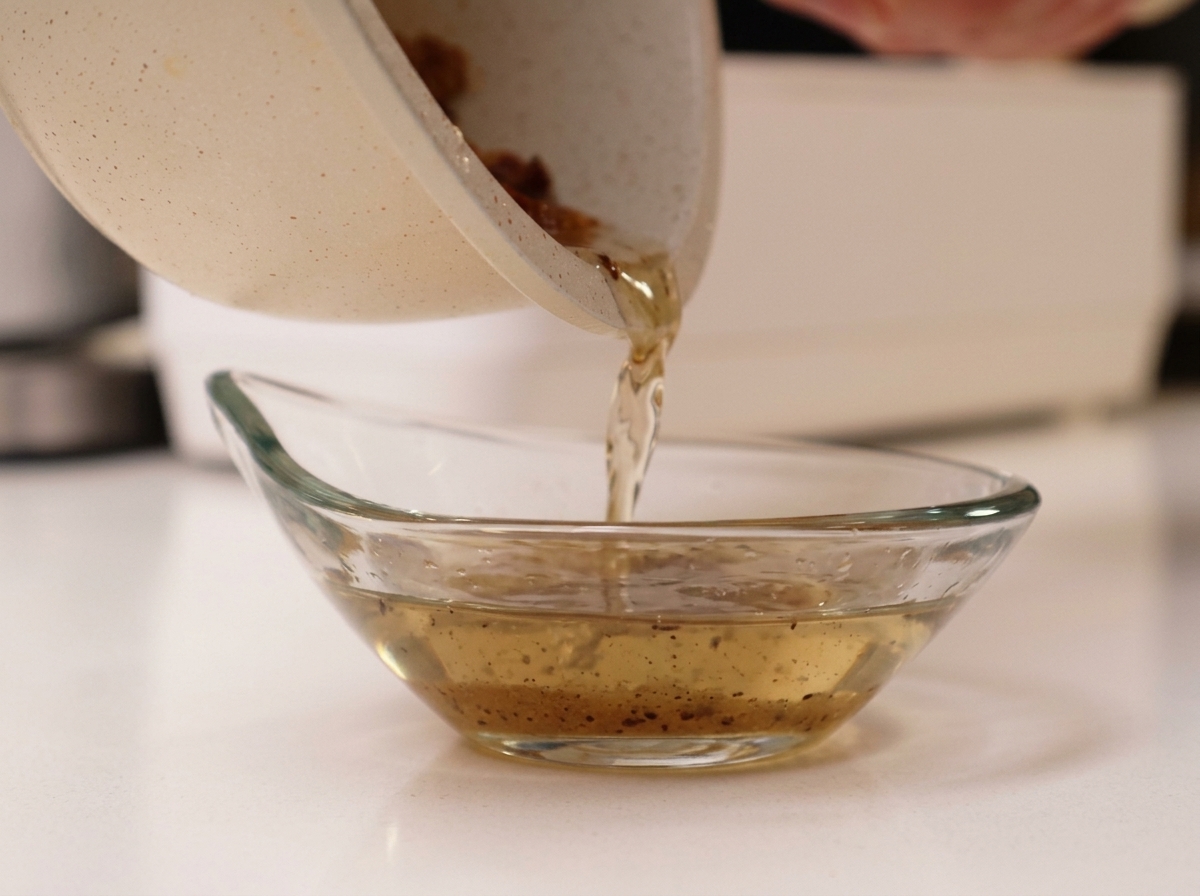
Once the meat is crispy and the fat has been fully extracted, carefully pour out the excess oil from the pan into a small bowl, leaving just enough to coat the pasta.
Tip: Save this excess flavored oil—it is fantastic for stir-frying vegetables or cooking eggs later! - 11Add pasta to the pan
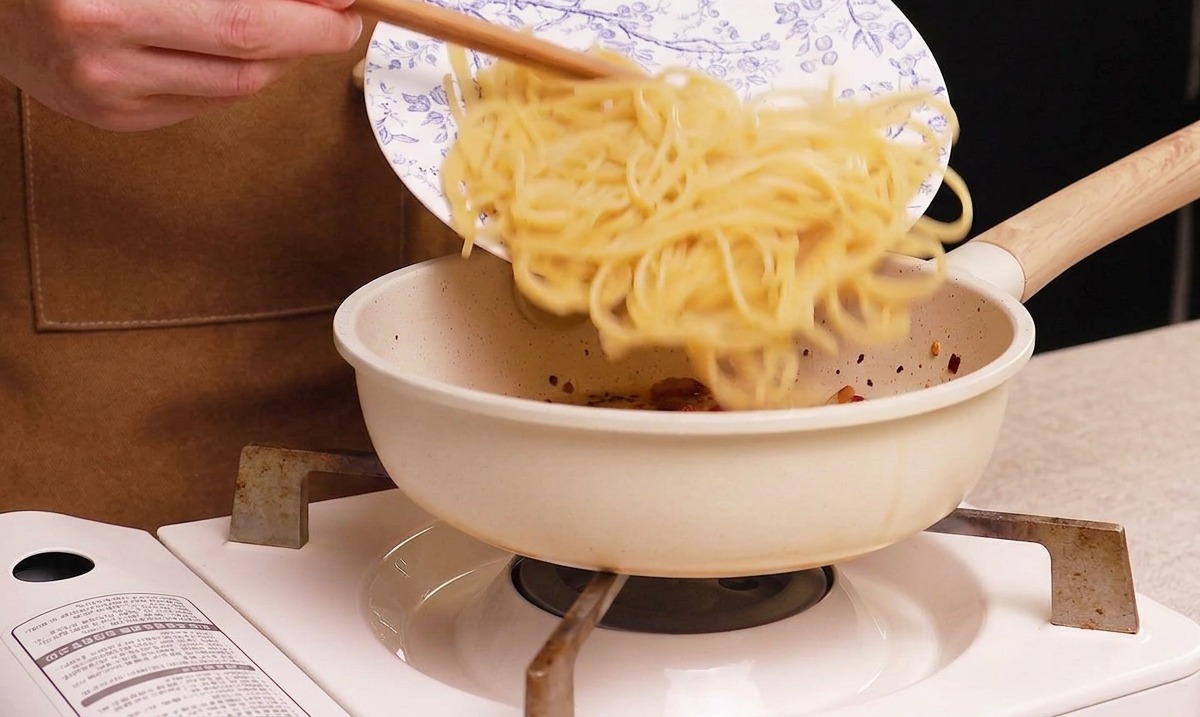
Once the guanciale is crisp and you have poured out any excess fat, add the boiled spaghetti directly into the pan. Toss the pasta well so it absorbs the savory, meaty flavors of the rendered fat.
Tip: Make sure to turn off the heat under the pan before the next step to prevent the eggs from scrambling. - 12Toss pasta and meat
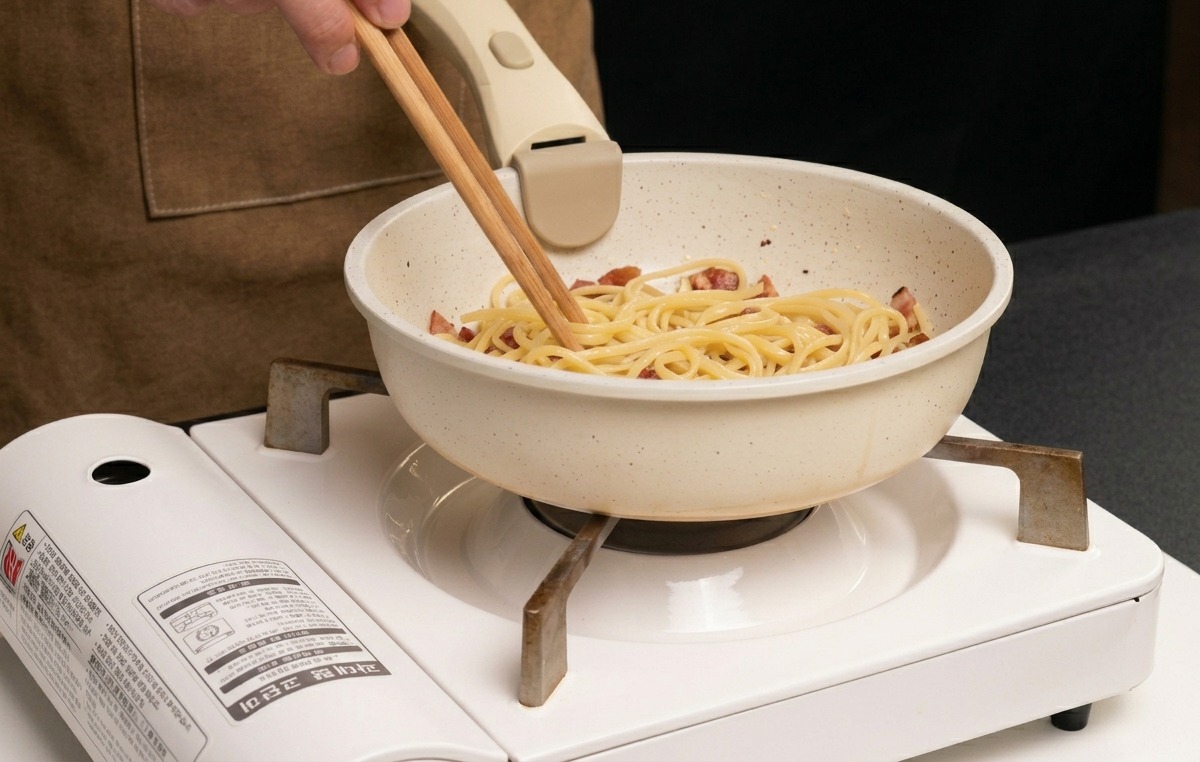
With the heat immediately turned off, use chopsticks or tongs to thoroughly toss the hot pasta together with the crispy meat. This step allows the spaghetti to absorb the savory rendered fat while safely bringing the temperature of the pan down.
Tip: Turning off the heat is crucial. Letting the temperature drop slightly prevents the eggs from scrambling when you add the sauce next. - 13Pour in the egg mixture
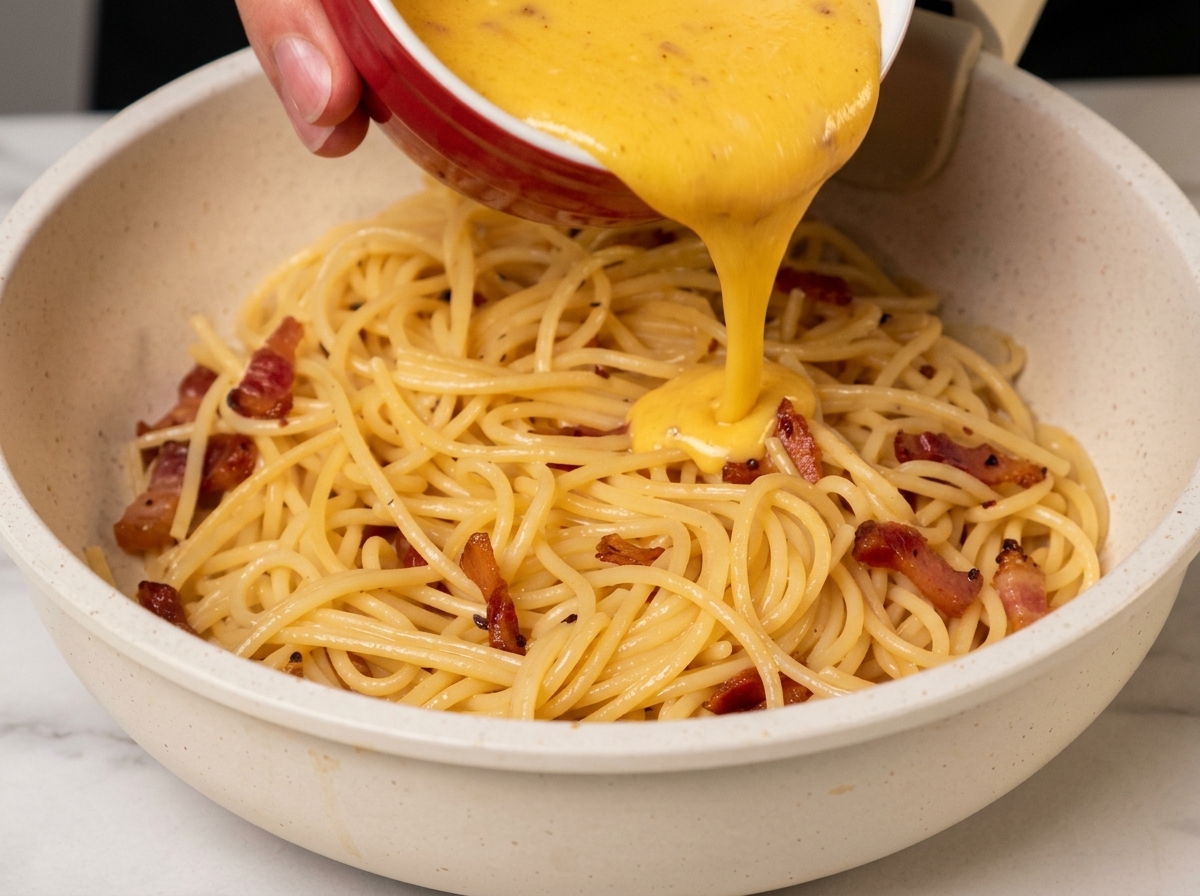
Allow the pasta to cool slightly in the pan. Then, pour the prepared egg, cheese, and black pepper mixture directly over the warm noodles.
Tip: Temperature control is crucial here. If the pan is too hot, the eggs will scramble; if too cool, the sauce will not thicken properly into a creamy emulsion. - 14Emulsify the sauce
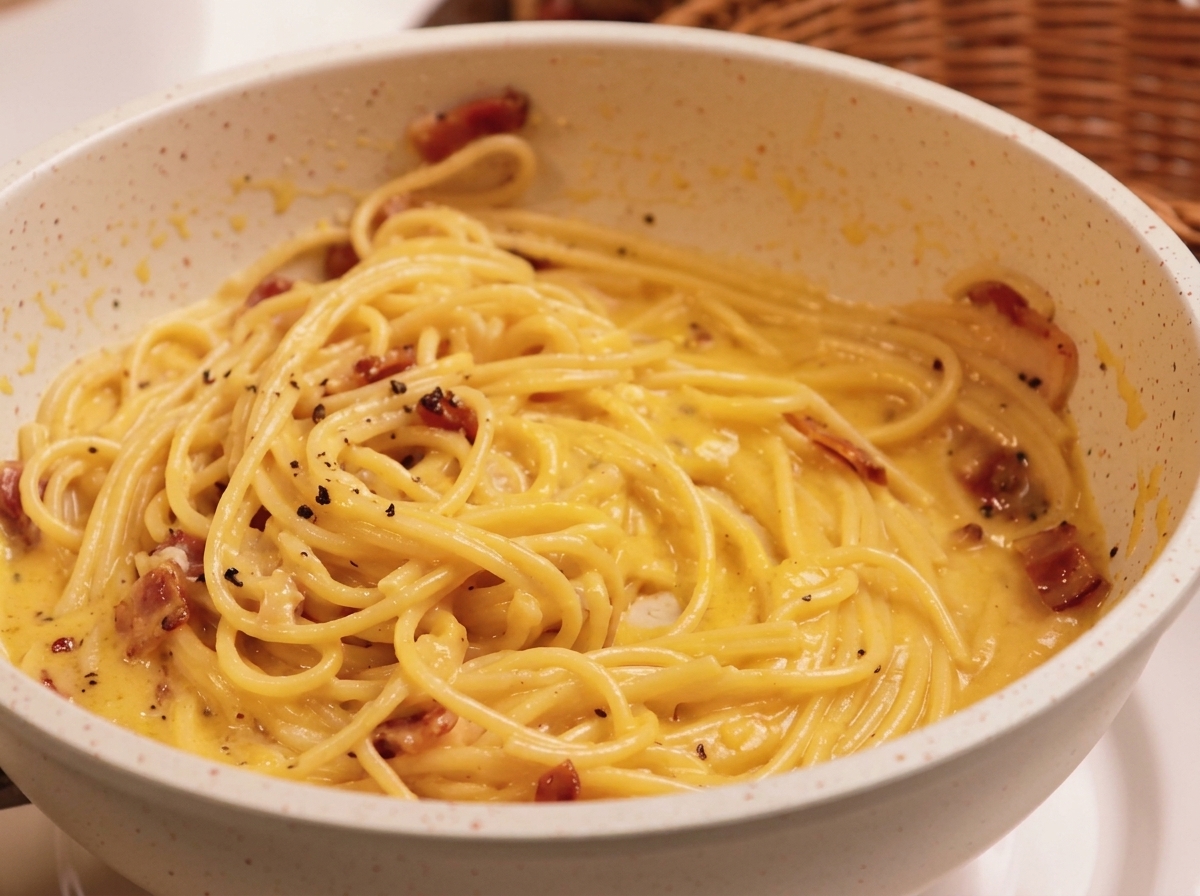
Vigorously stir the pasta so that every single strand is coated in the egg mixture. The residual heat from the pasta and the pan will gently cook the eggs, emulsifying them into a thick, glossy, and silky sauce.
Tip: If the sauce seems too thick, you can add a small splash of reserved hot pasta water to loosen it up and achieve the perfect creamy consistency.