Sapporo-Style Miso Ramen
Experience the rich, warming flavors of Hokkaido with this Sapporo-style miso ramen, featuring an intense, savory broth, chewy noodles, and classic toppings.
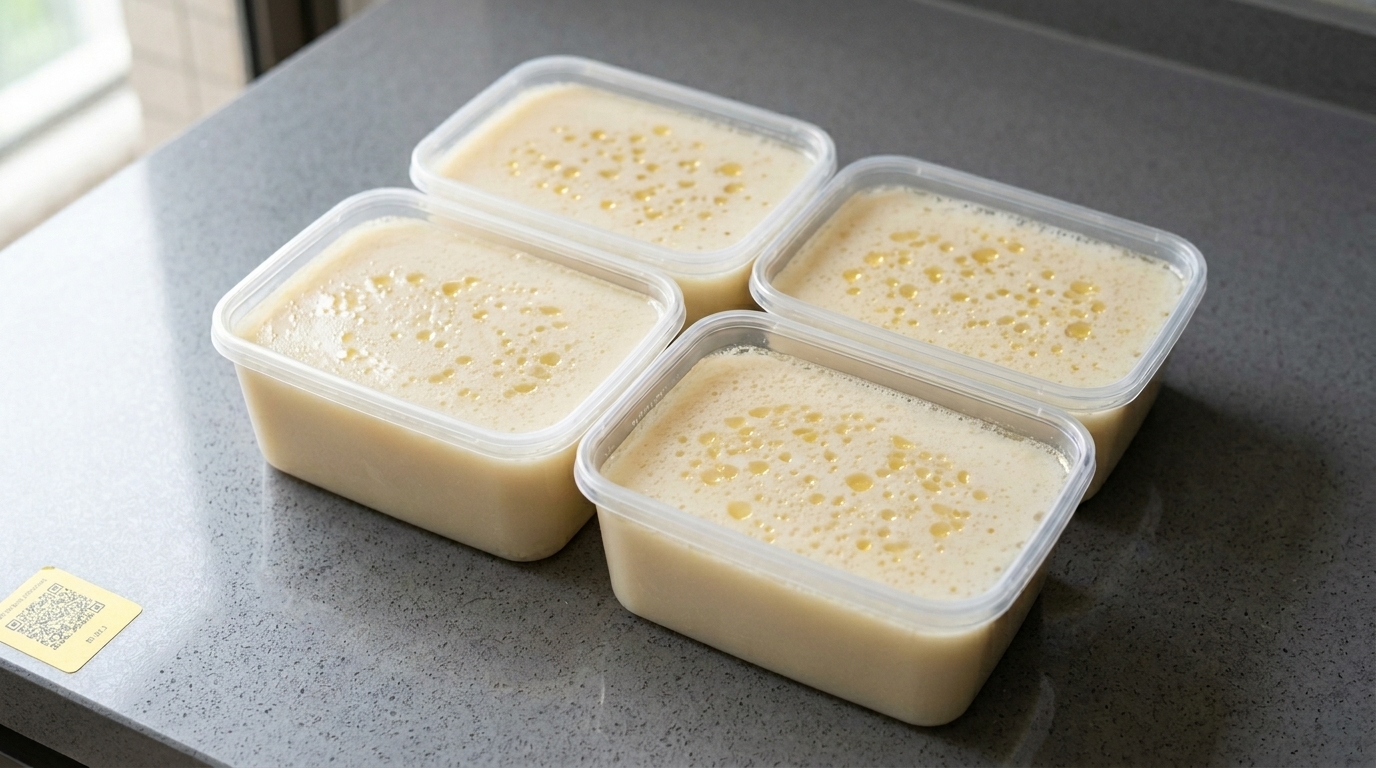
Hailing from the chilly climate of Sapporo in Hokkaido, Japan, this style of ramen is designed to warm you from the inside out. Known for its rich, intense flavor, the broth utilizes fermented miso to create a deep, protein-packed base that clings to every strand of noodle. This adapted recipe balances that signature robustness with a smooth, savory finish perfect for a comforting home-cooked meal.
Ingredients
- 360 ml tonkotsu pork bone broth
- 2 tbsp miso paste
- 1 serving ramen noodles
- 1 slice chashu pork
- 1 soft-boiled egg
- 2 tbsp corn kernels
- 1 tsp chili oil
- 1 tbsp chopped green onions
Instructions
- 1Prepare the Miso Base
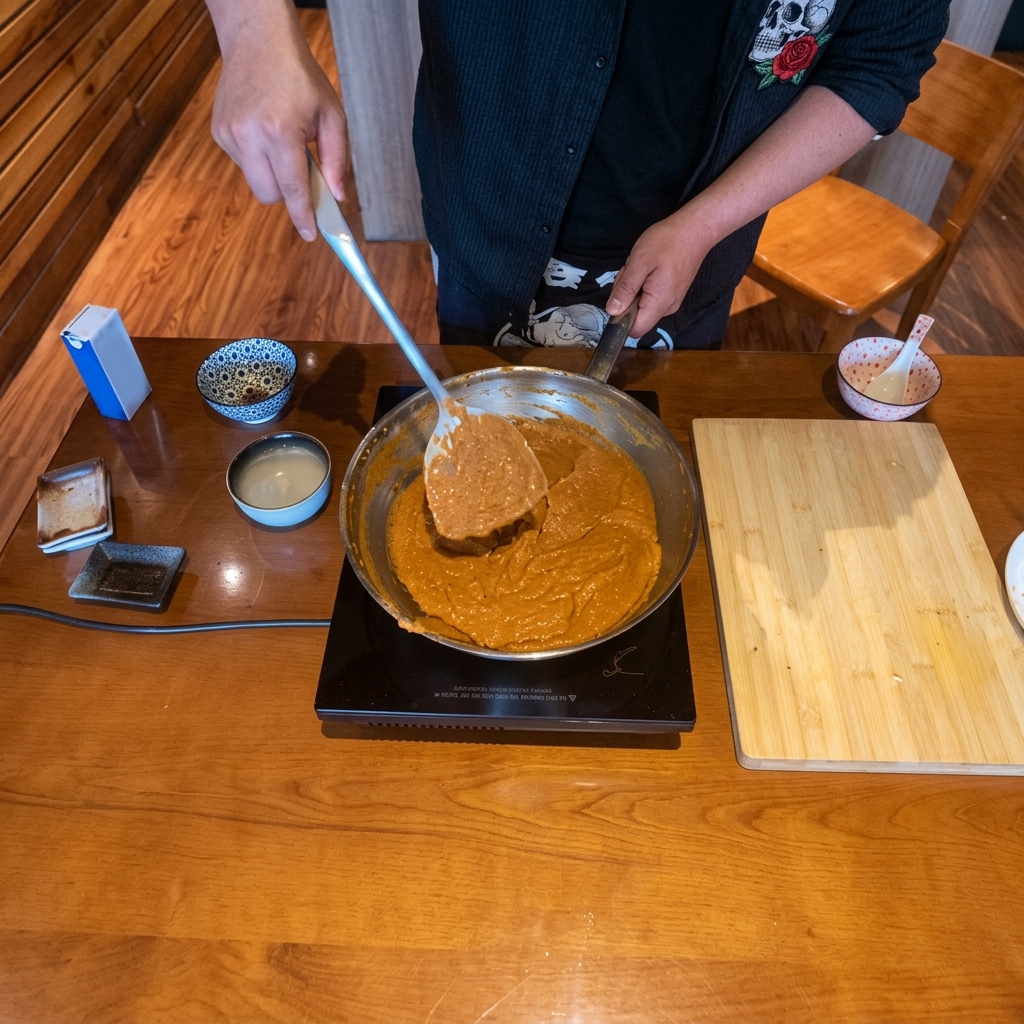
Place a metal pan over medium heat and add the miso-based paste. Using a large spatula, stir continuously to heat the paste, which helps to release its aromatic qualities and prevents it from sticking to the pan.
Tip: Be careful not to burn the miso; keep the heat moderate and stir constantly to ensure even heating. - 2Add the Tonkotsu Broth
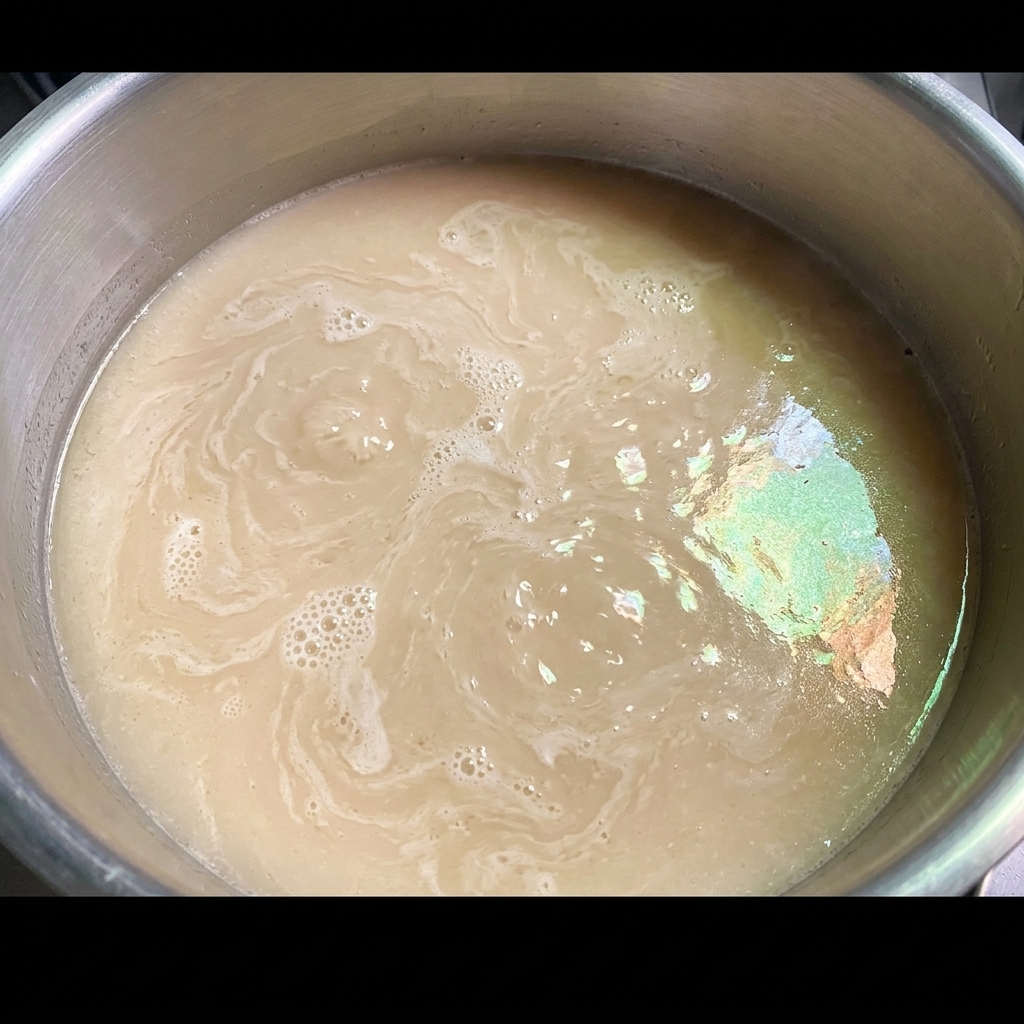
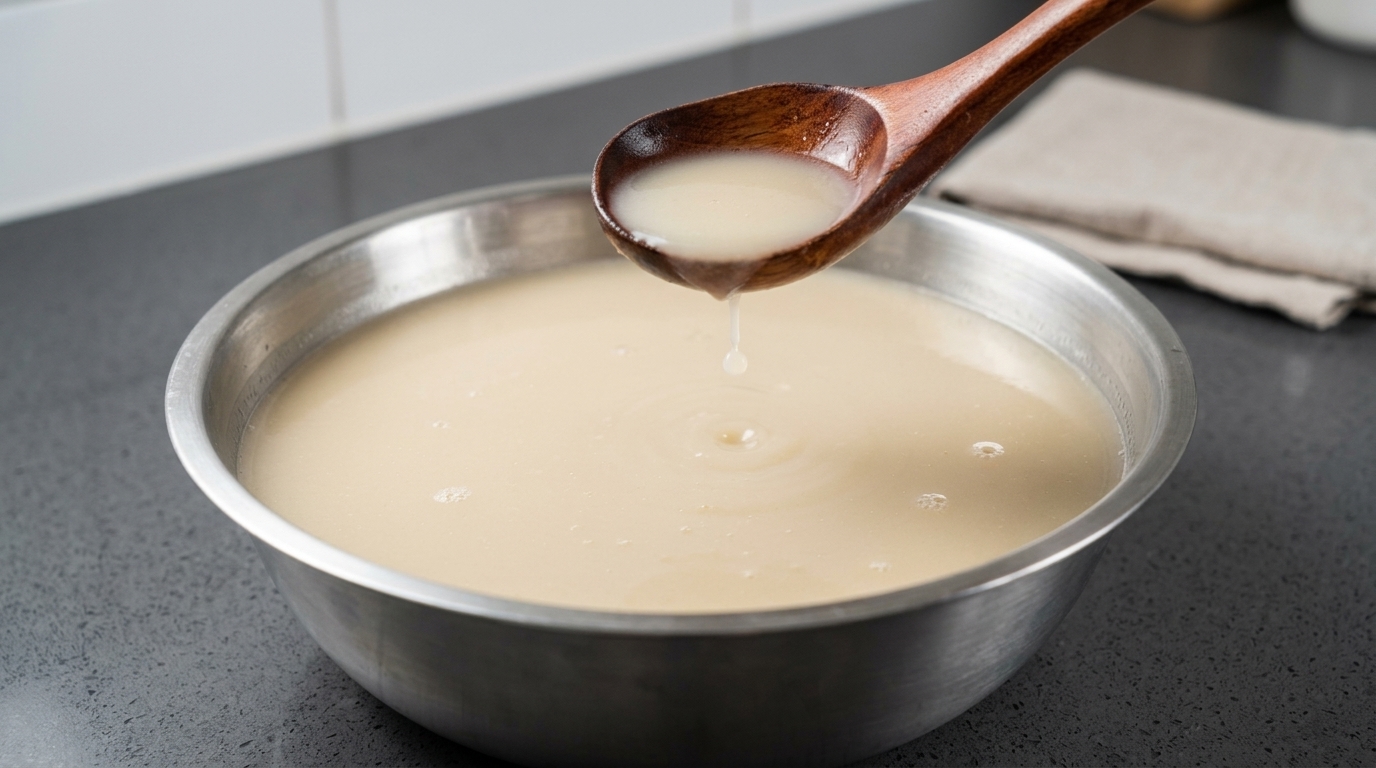
Measure out 360ml of rich tonkotsu (pork bone) broth and carefully pour it into the pan containing the heated miso paste. The broth will combine with the paste to create the flavorful, thick base characteristic of Sapporo-style ramen.
Tip: Adding the broth slowly while stirring helps the miso paste dissolve more smoothly into the liquid. - 3Dissolve the Miso Sauce
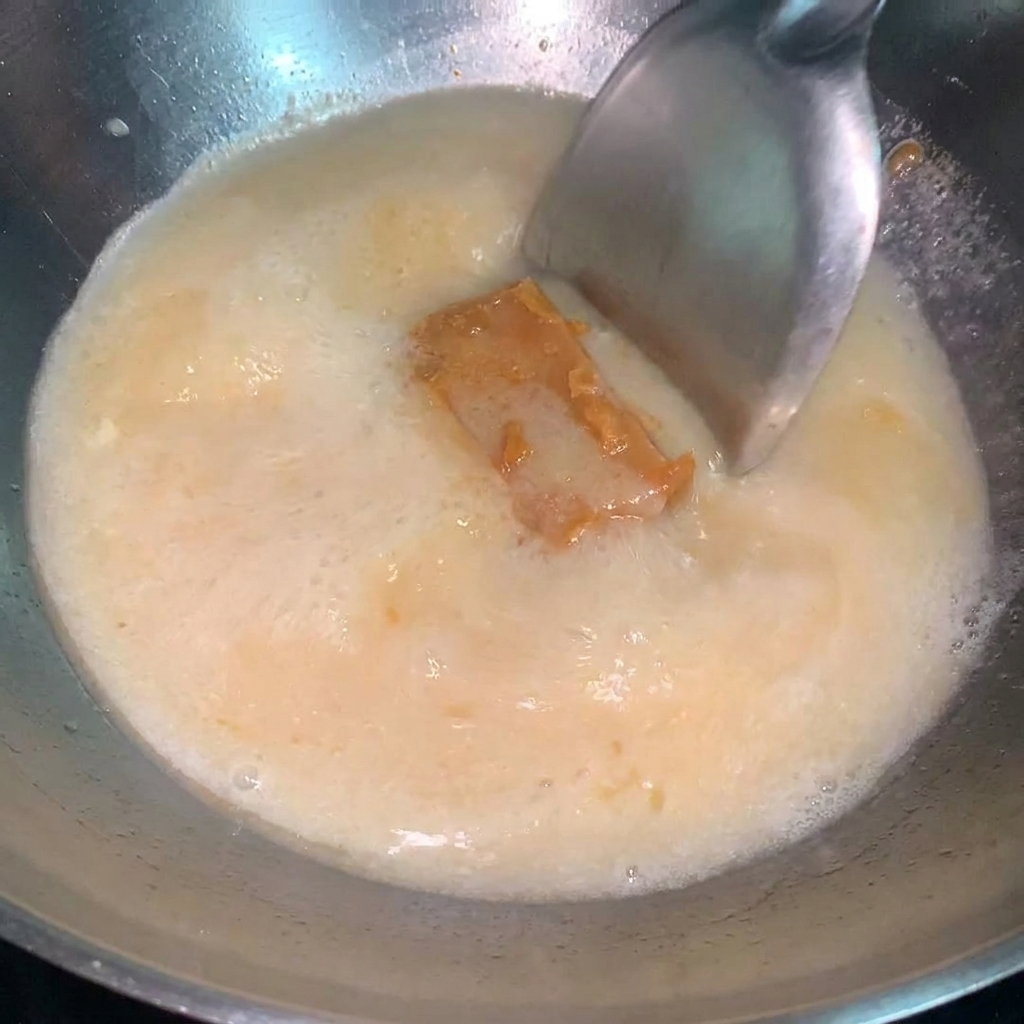
Add an extra spoonful of miso sauce directly into the simmering broth mixture. Stir thoroughly with a spatula or ladle until the sauce is completely dissolved and the broth reaches a uniform consistency.
Tip: Ensuring the sauce is fully dissolved is key to achieving a smooth, consistent flavor in your broth. - 4Combine Broth and Noodles
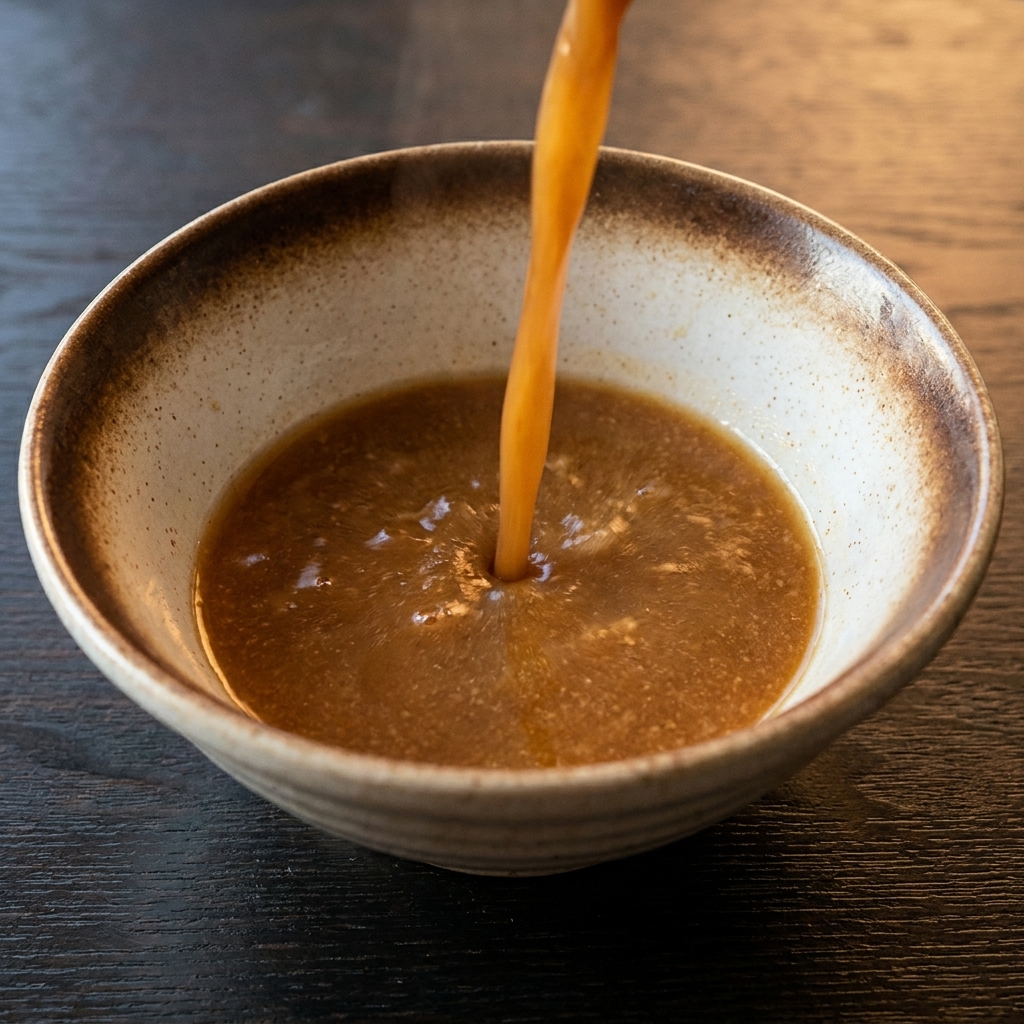
Once the miso broth is fully prepared and piping hot, carefully pour it into a serving bowl that has been pre-filled with freshly cooked ramen noodles. Ensure the broth covers the noodles completely to keep them hot.
Tip: Pouring the broth over the noodles in one fluid motion helps integrate the flavors immediately. - 5Season with Chili Oil
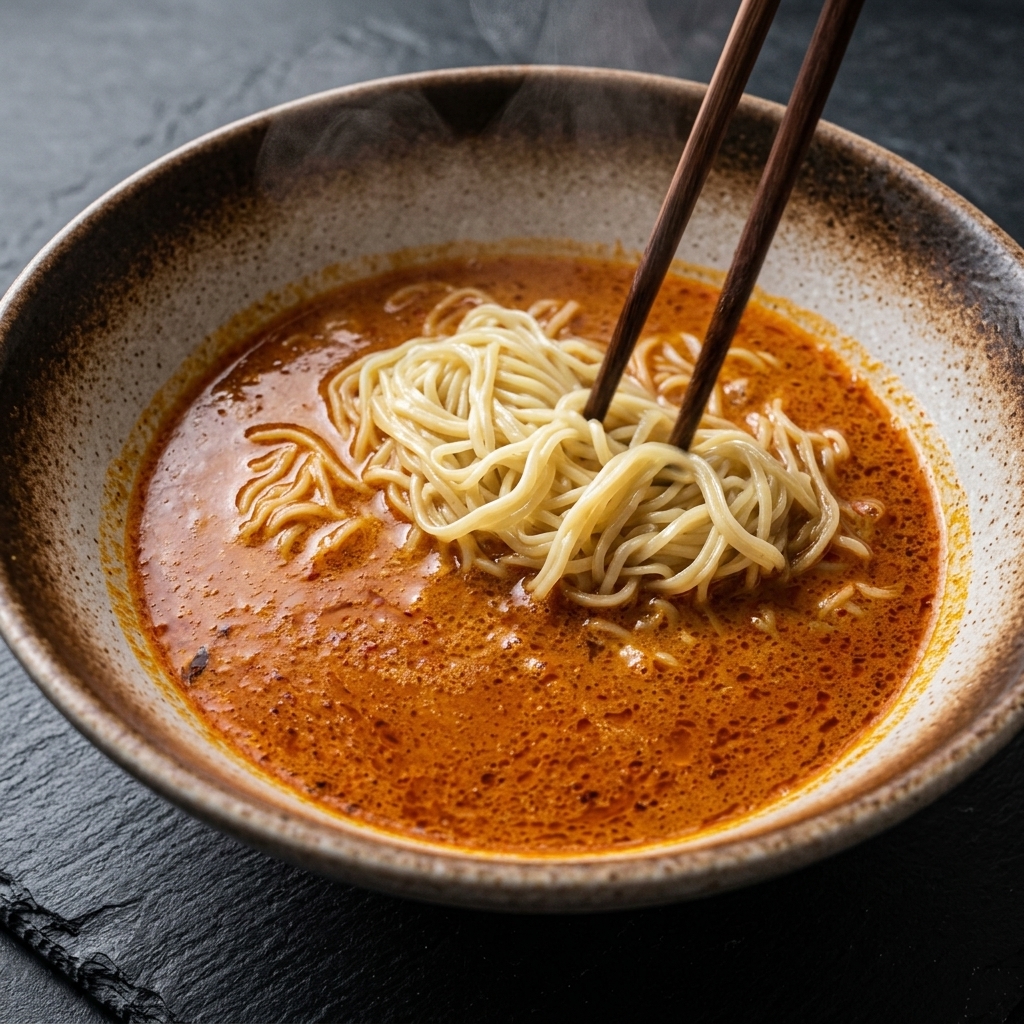
Add a spoonful of chili oil to the bowl of noodles and broth. Use chopsticks to gently mix the oil into the soup, adding a spicy kick and a vibrant color to the dish.
Tip: Drizzle the chili oil over the surface to create a nice visual contrast and balanced spice level. - 6Assemble the Toppings
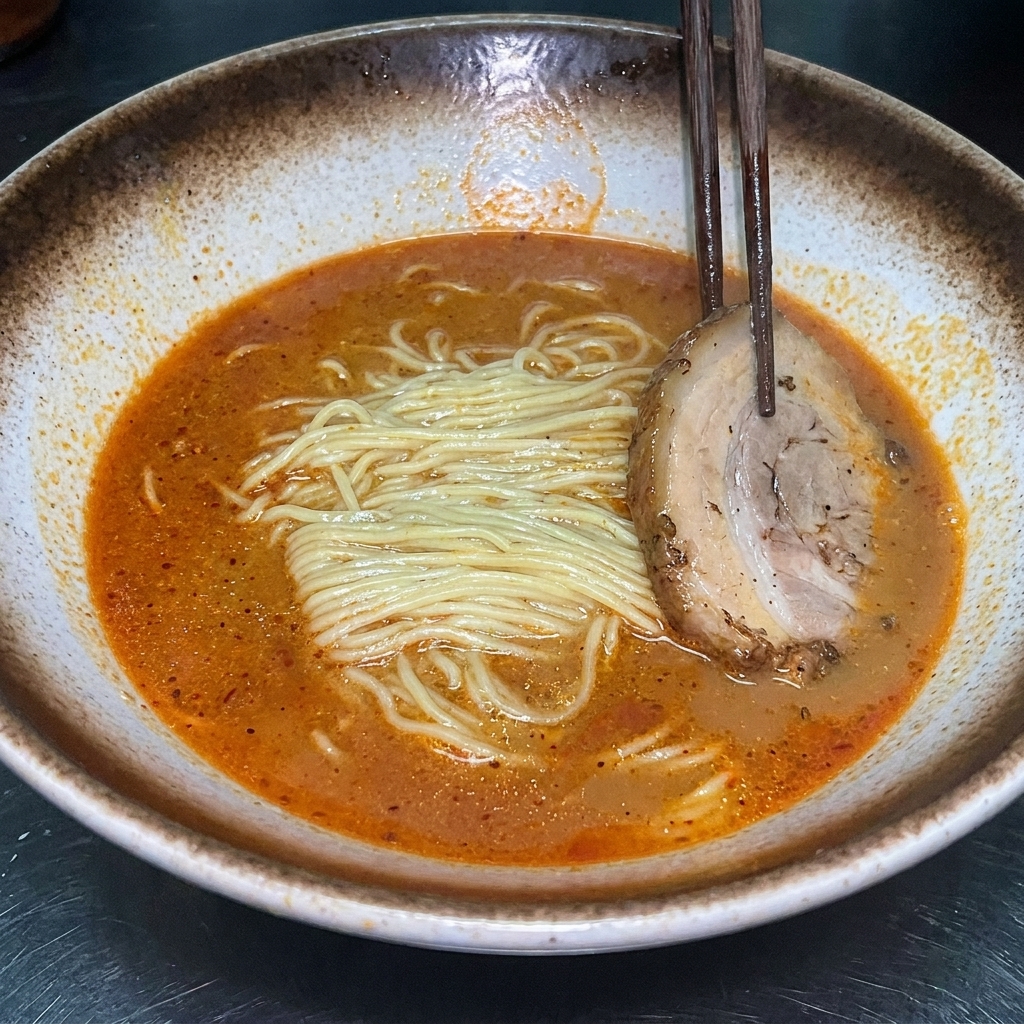
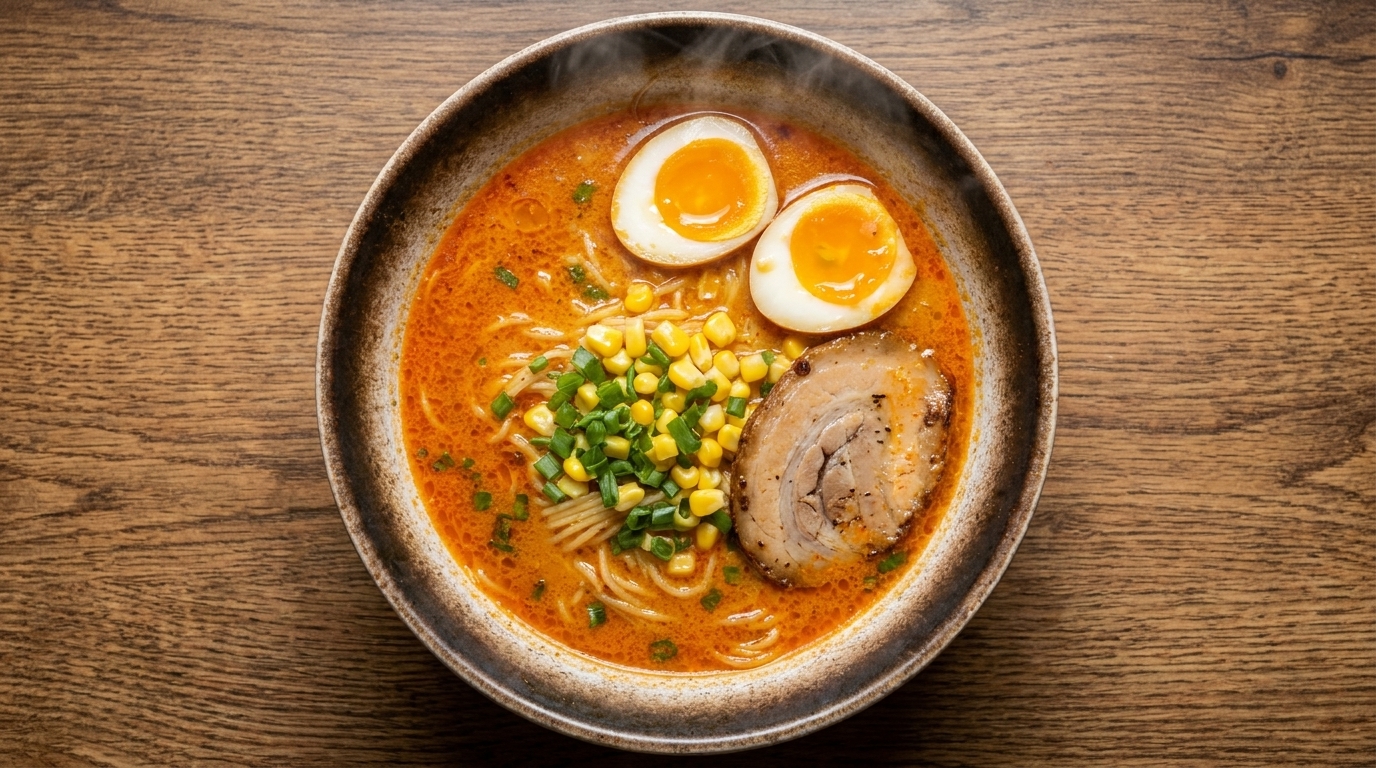
To finish the dish, carefully place a slice of chashu pork, two halves of a soft-boiled egg, and a serving of corn kernels onto the noodles. These classic toppings provide texture and a complete, balanced meal.
Tip: Arrange the toppings neatly to make the presentation as appetizing as the flavor.