Japanese Curry Dipping Noodles (Curry Tsukemen)
A rich, velvety Japanese curry broth paired with chewy ramen noodles, offering a bold twist on the classic Tokyo dipping noodle experience.
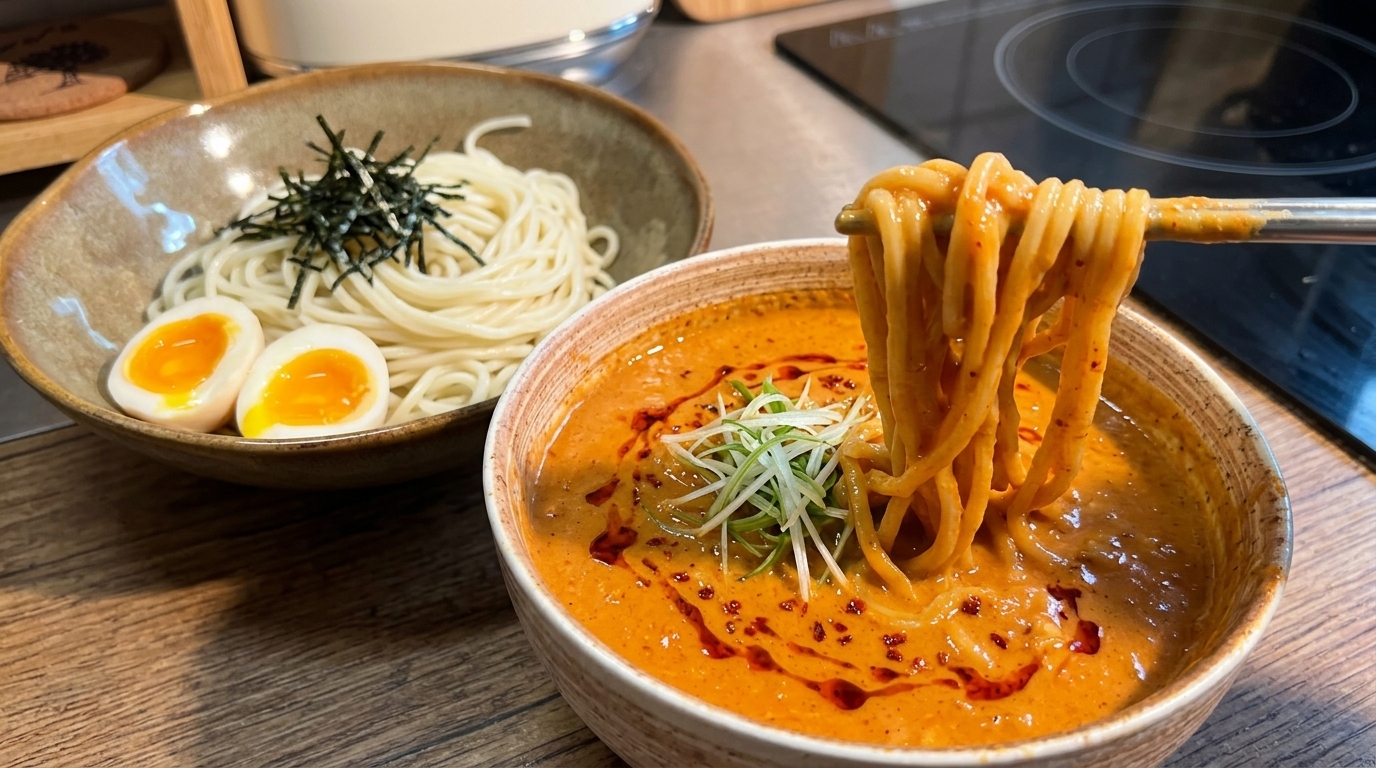
Tsukemen is a Japanese noodle dish where the noodles are served separate from a concentrated soup base. This version incorporates the comforting savory-sweet profile of Japanese curry, enriched with minced pork and a hint of creamy milk for a luxurious texture.
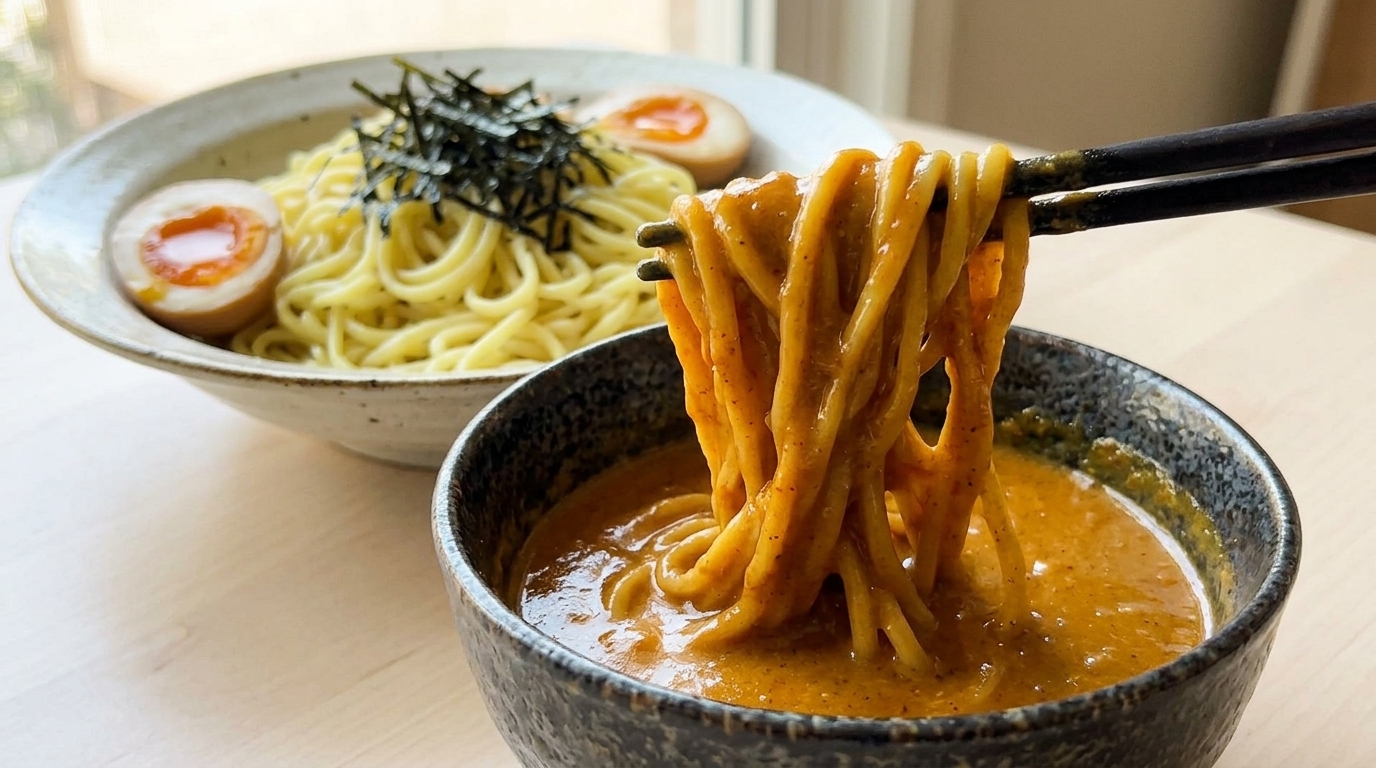
Ingredients
- 200 g fresh ramen noodles
- 150 g minced pork
- 2 blocks Japanese curry roux
- 150 ml milk
- 100 ml water
- 1 tbsp shrimp paste
- 1 tbsp minced garlic
- 1 tsp soy sauce
- 1 tbsp cooking oil
- 1 piece soft-boiled egg
- to taste shredded nori seaweed
- to taste sliced scallions
Instructions
- 1Heat the oil

Pour cooking oil into a dark non-stick skillet over medium heat. Allow the oil to warm up completely so that the aromatics will sizzle properly upon contact, releasing their maximum flavor.
Tip: Swirl the pan slightly after pouring to ensure the cooking surface is evenly coated. - 2Fry the aromatics
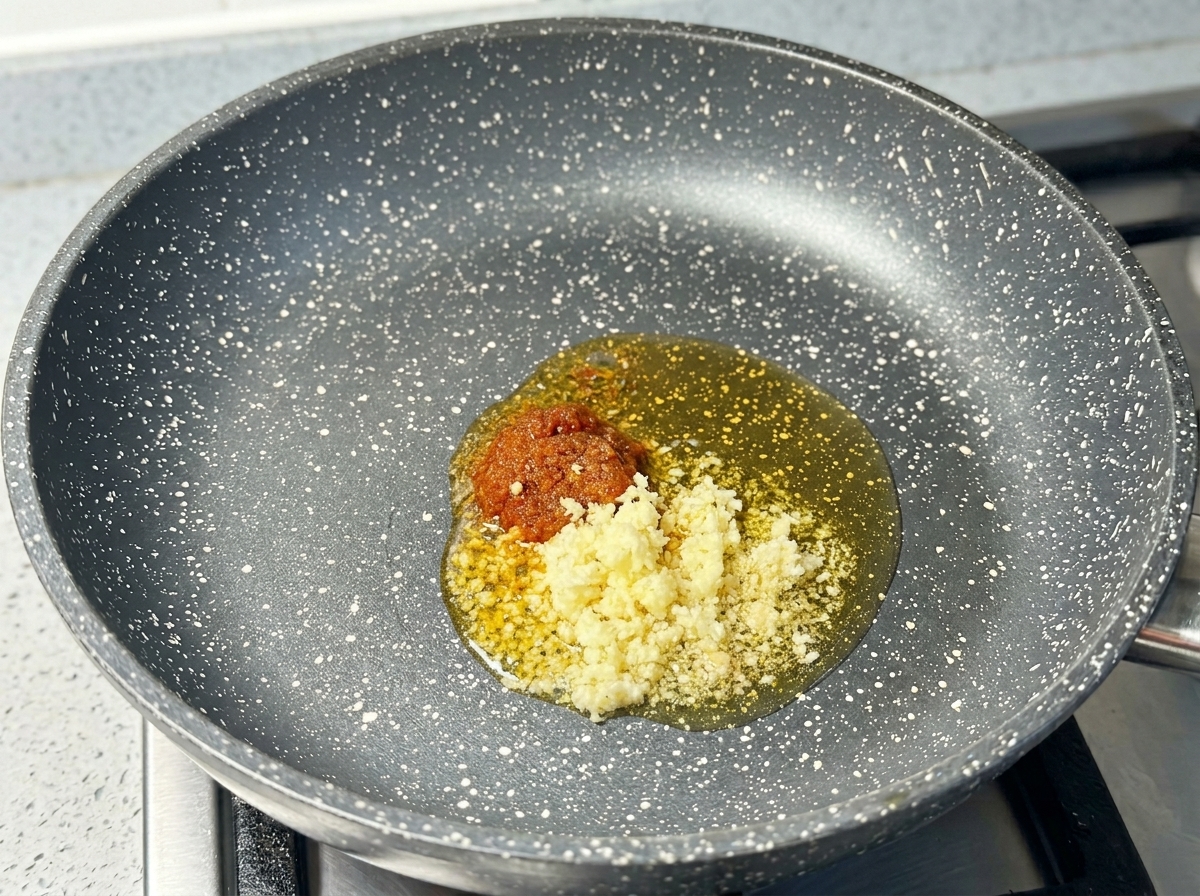
Add a spoonful of shrimp paste and freshly minced garlic directly into the heated oil. Sizzle the mixture gently, stirring continuously to prevent burning and to release the deep, savory fragrance into the base.
Tip: Keep the heat at medium-low during this step so the minced garlic doesnt turn bitter before the paste is fully incorporated. - 3Add the minced pork
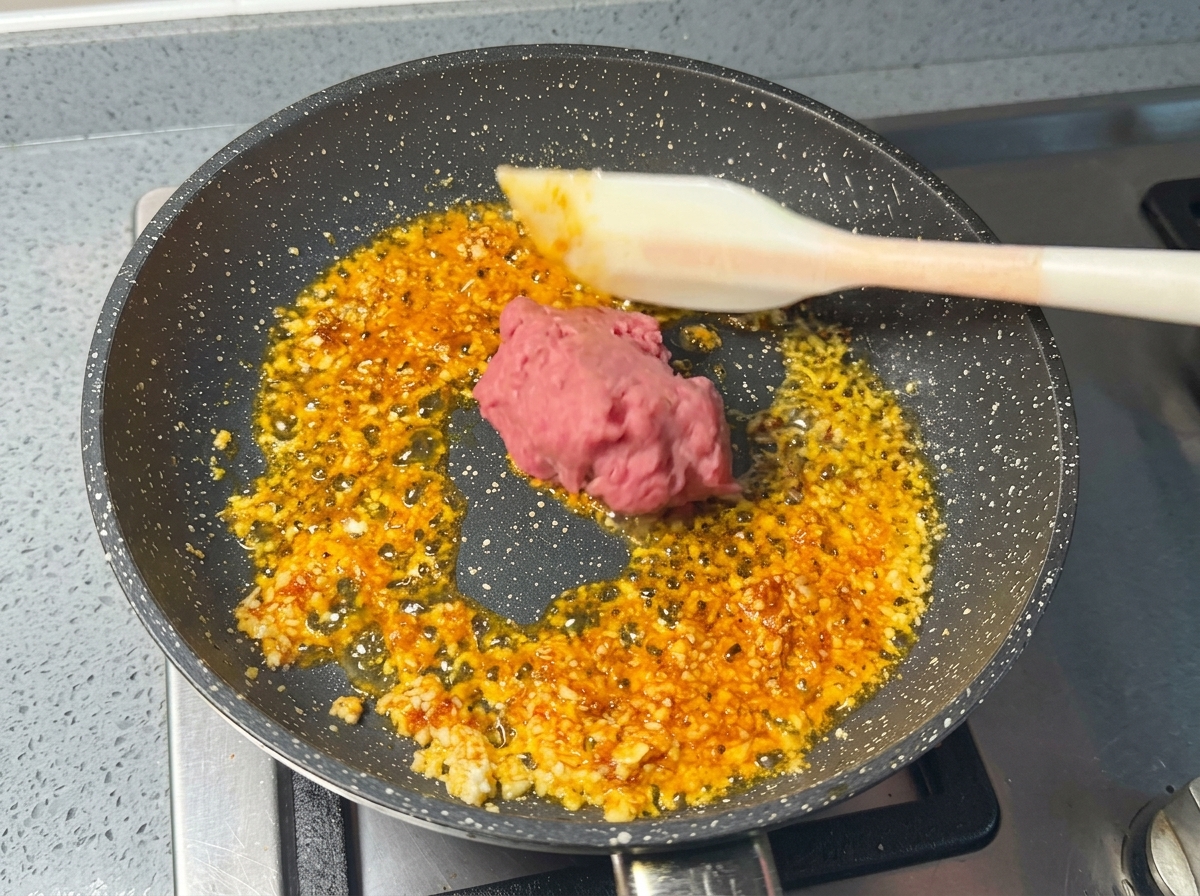
Introduce the raw minced pork into the skillet alongside the fragrant garlic and shrimp paste. Use a spatula to break the meat apart immediately, ensuring it mixes well with the savory aromatics.
Tip: Breaking the meat down as soon as it hits the pan prevents large, uneven clumps from forming as it cooks. - 4Brown the meat
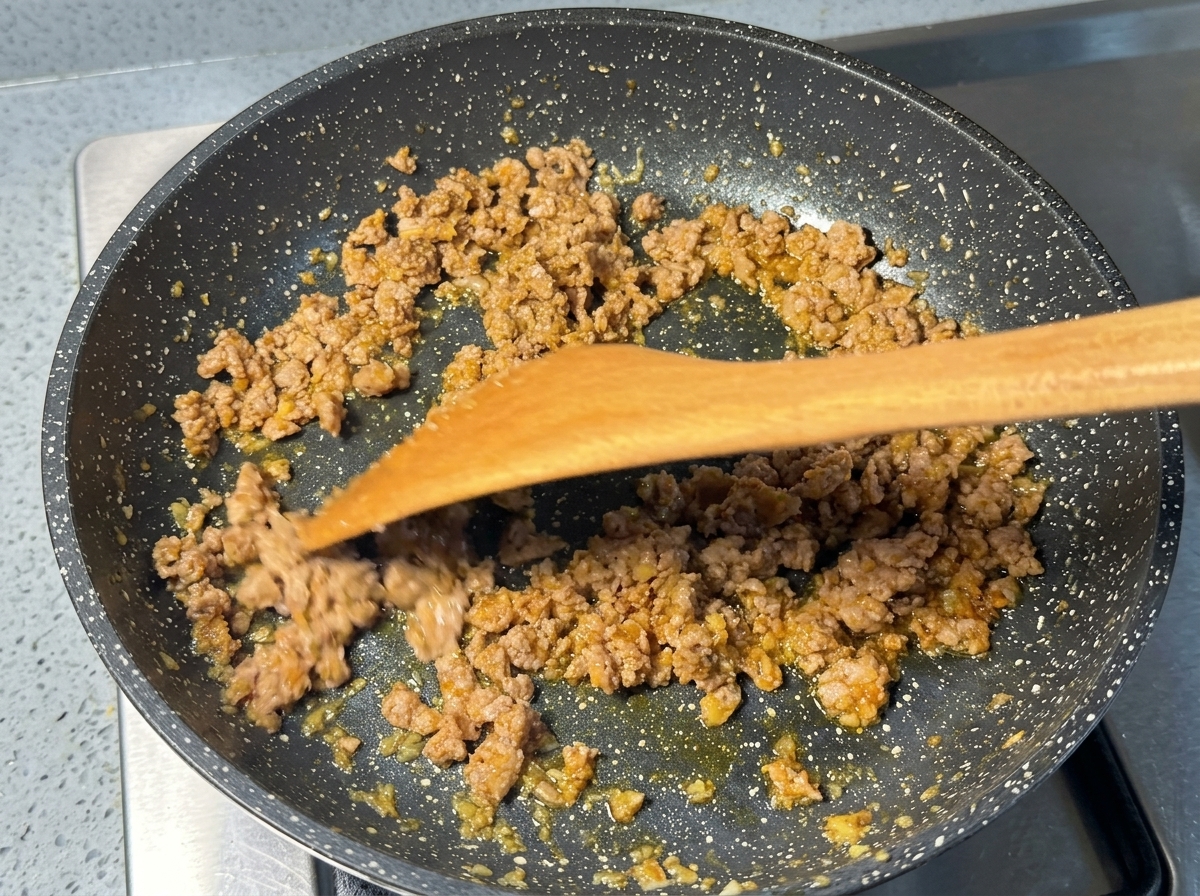
Stir-fry the minced pork over medium-high heat using a wooden spatula. Continue cooking until the meat is visibly browned and no longer pink, allowing the pork to caramelize and develop a richer flavor profile.
Tip: Let the pork sit undisturbed for a few seconds between stirs to encourage better browning on the edges. - 5Pour in the milk
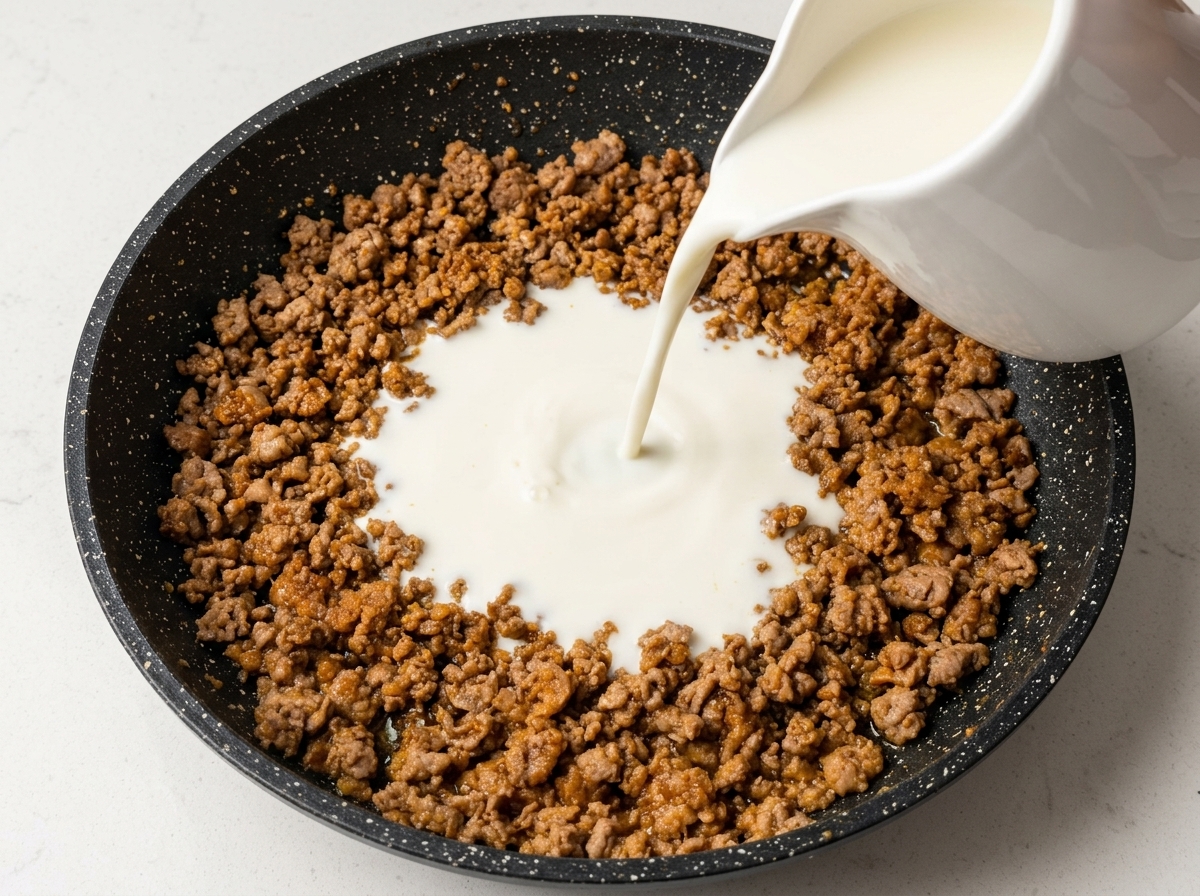
Pour milk slowly from a measuring cup directly into the pan containing the browned minced pork. The milk acts as the foundation for the broth, creating a uniquely rich and creamy texture for the curry dipping sauce.
Tip: Use whole milk or add a splash of heavy cream for a more luxurious and authentic mouthfeel. - 6Dissolve the curry roux
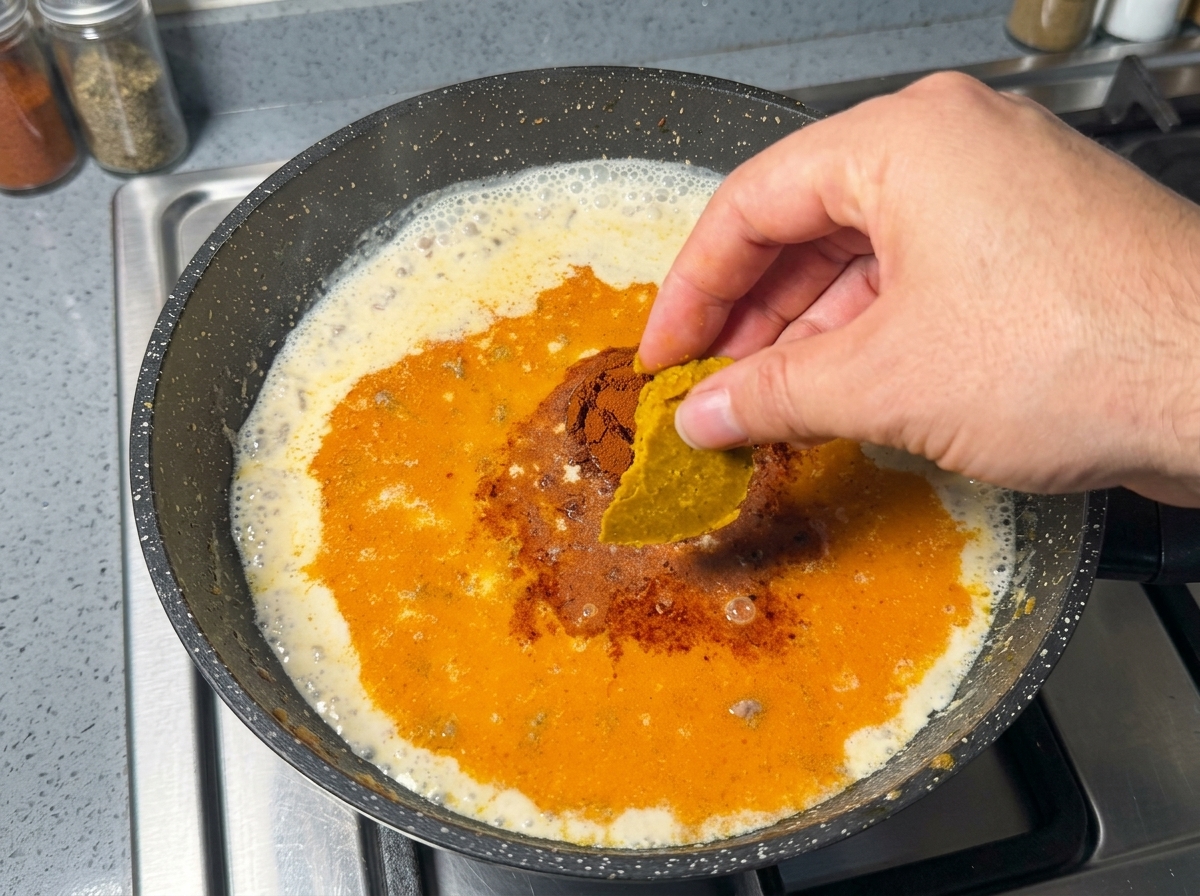
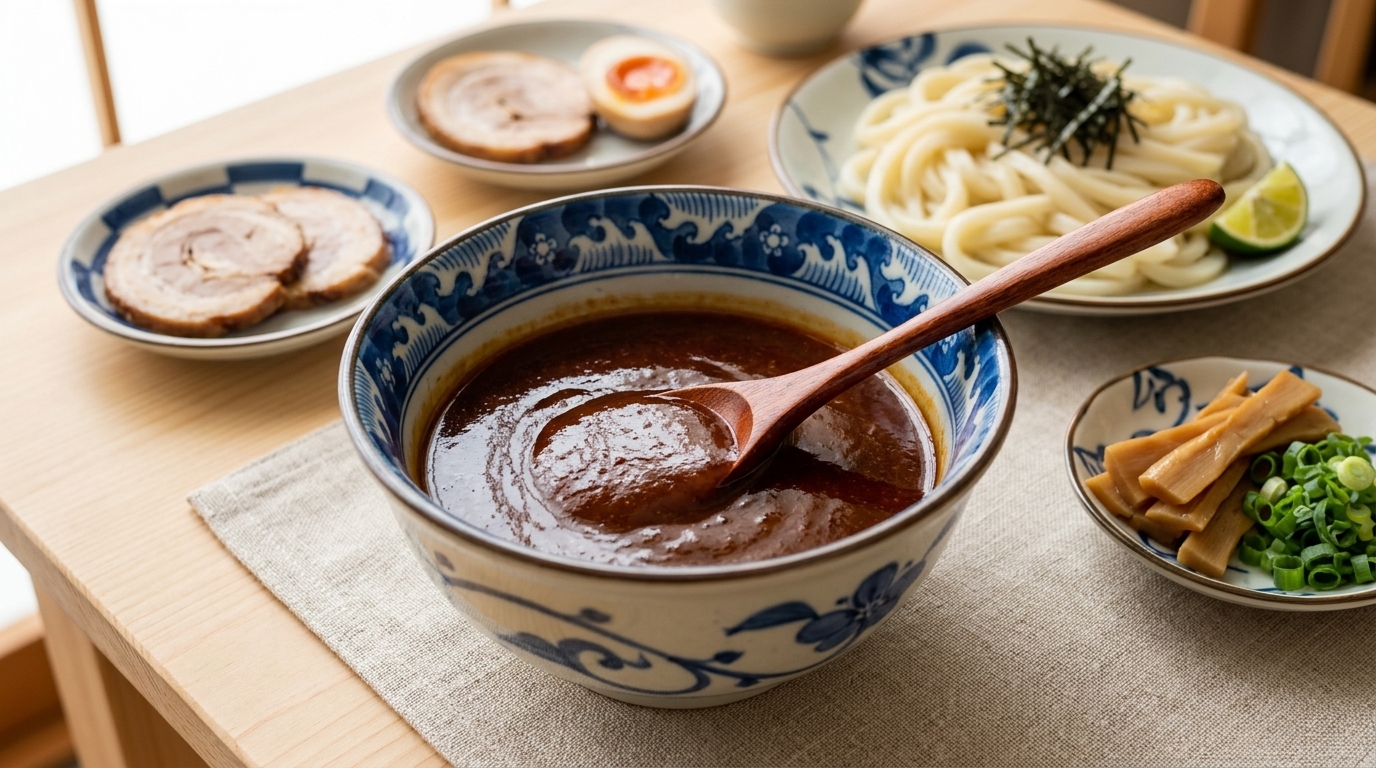
Drop the blocks of Japanese curry roux into the warm, milky broth. Gently stir the mixture as it simmers to help the roux dissolve completely, transforming the liquid into a thick, deeply flavorful curry sauce.
Tip: Break the curry blocks into smaller pieces before adding them to help them melt faster and more evenly into the broth. - 7Thin the curry mixture
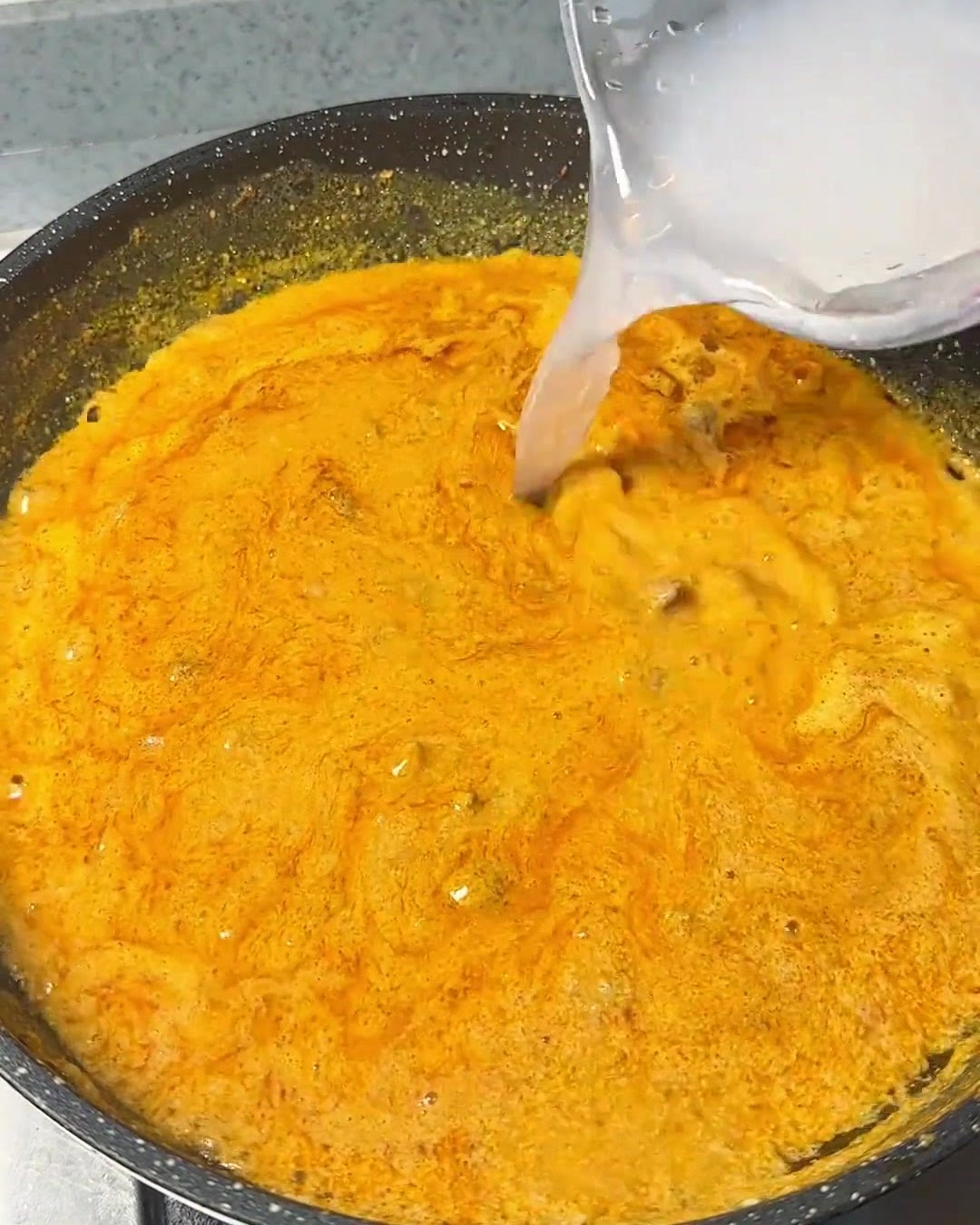
Pour a small bowl of water into the simmering curry mixture to adjust its consistency. Stir gently to incorporate the liquid evenly, ensuring the dipping sauce achieves a smooth, rich texture without being overly thick.
Tip: If you want a deeper flavor profile, substitute the water with a light chicken or dashi broth. - 8Season with soy sauce
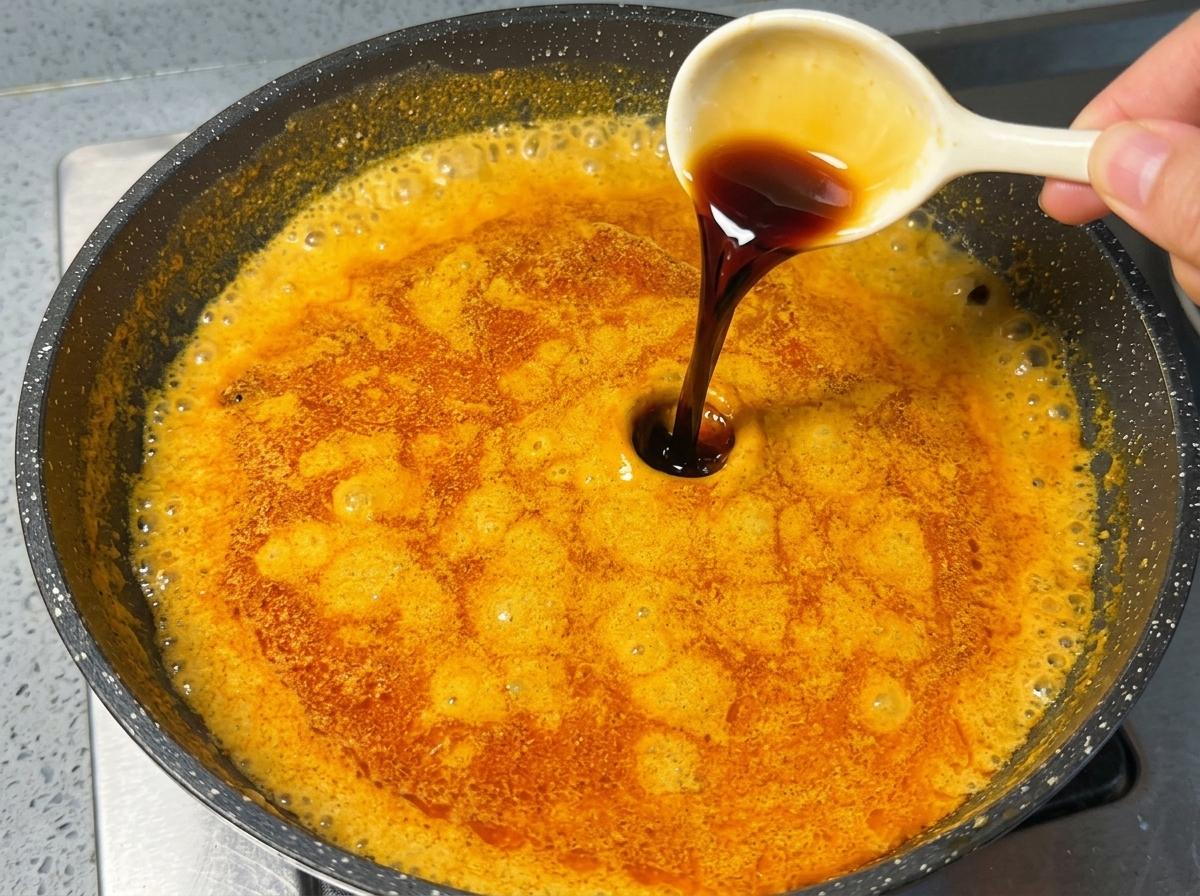
Add soy sauce directly into the pan to season the broth and enhance its savory depth. Stir the sauce well to distribute the seasoning throughout the curry mixture, tasting and adjusting as needed.
Tip: Adding soy sauce towards the end of the simmering process helps preserve its delicate, savory aroma. - 9Boil the fresh noodles
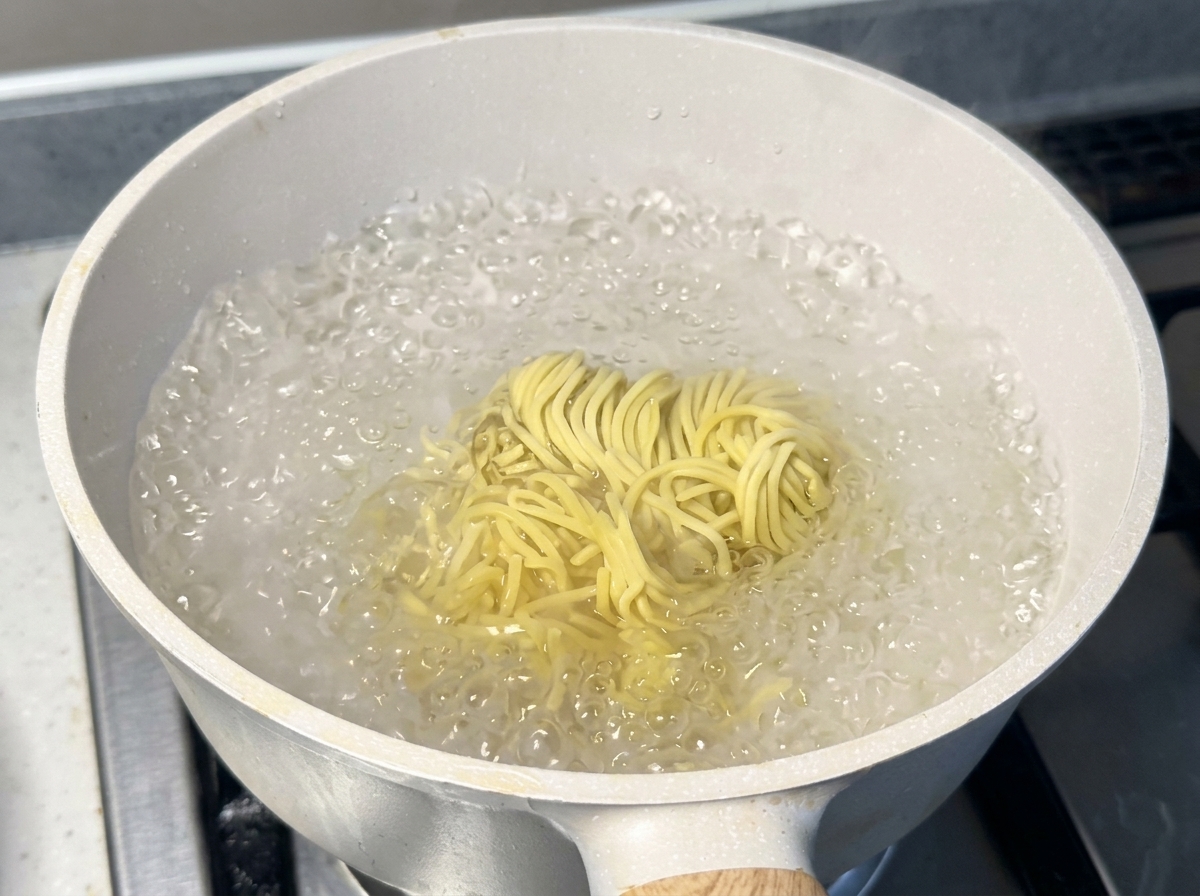
Bring a white pot of water to a vigorous, rolling boil and add the fresh ramen noodles. Cook them briefly until they reach a slightly firm and chewy texture, which is perfect for dipping.
Tip: Stir the noodles gently immediately after dropping them into the water to prevent them from clumping together. - 10Plate the cooked noodles
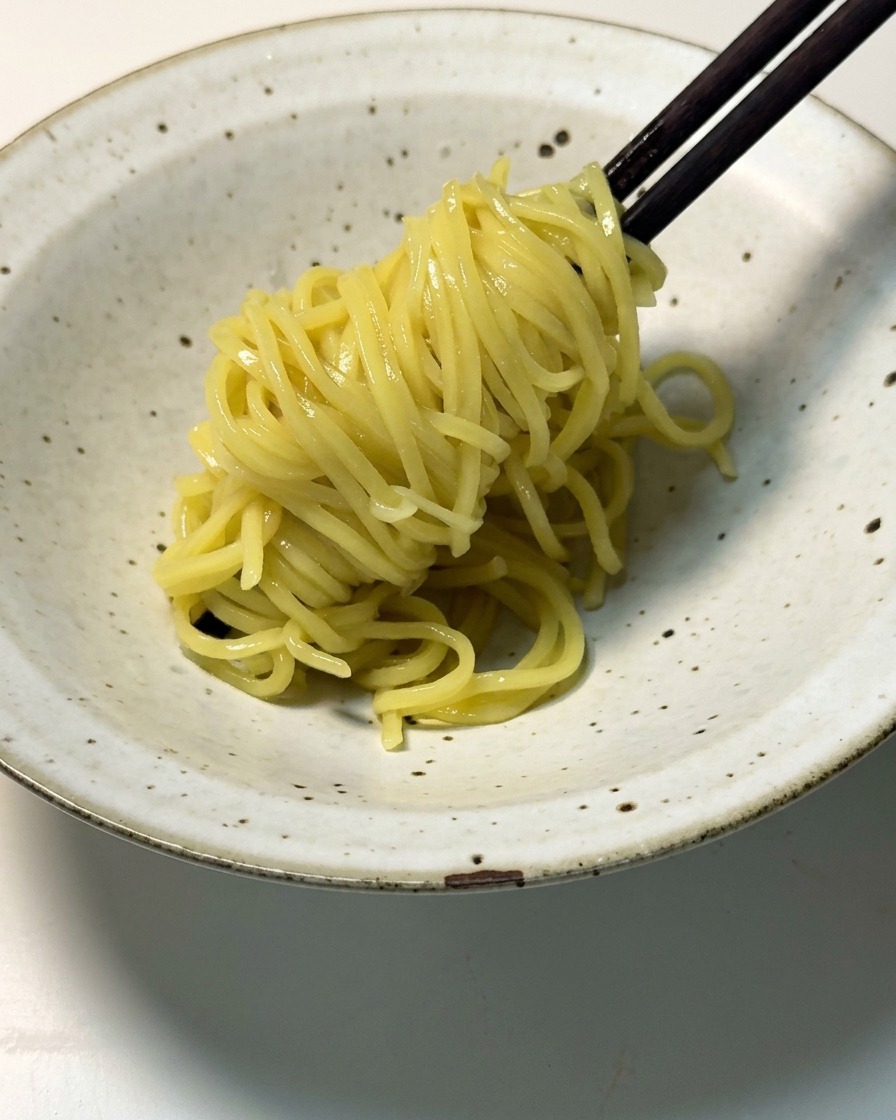
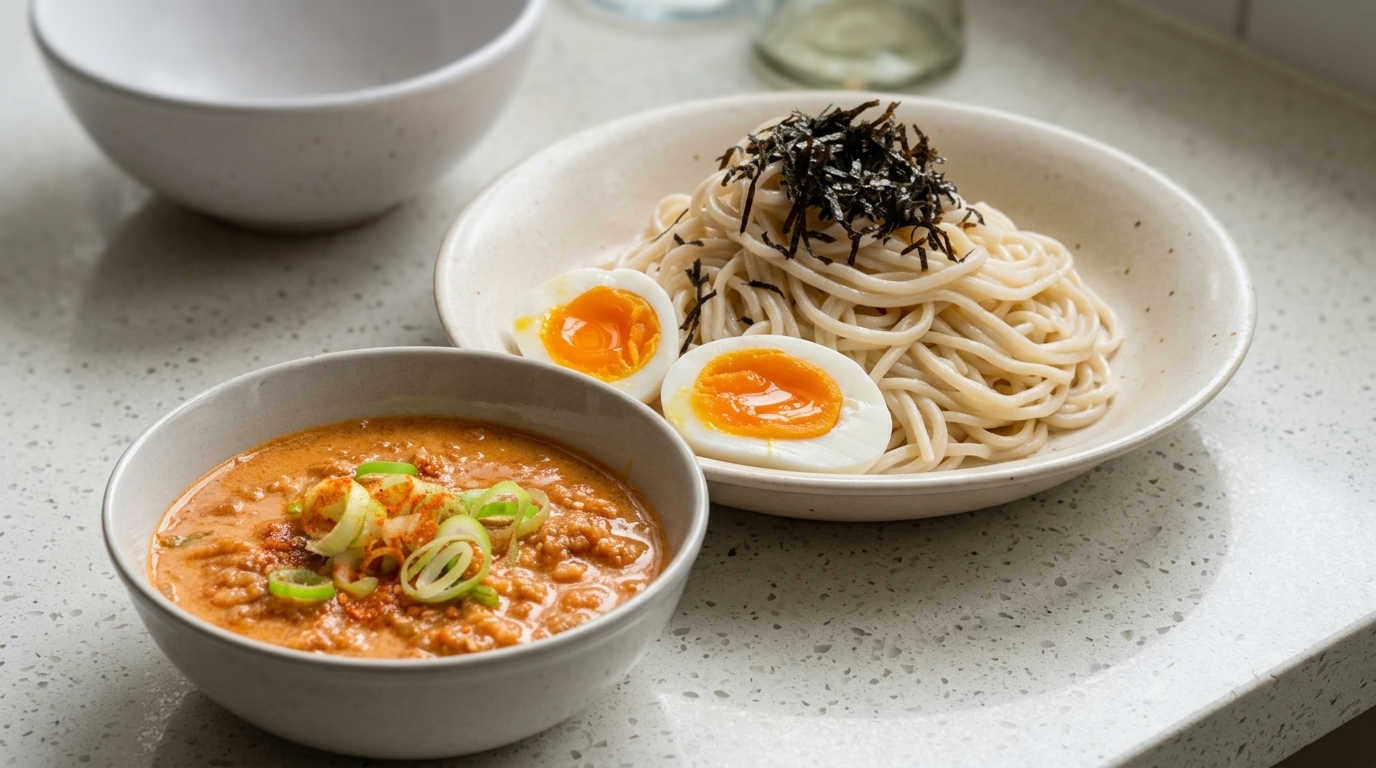
Once the noodles have reached the desired doneness, lift them out of the hot water using chopsticks or a mesh strainer. Let any excess water drip off before arranging them neatly in a speckled ceramic serving bowl.
Tip: For tsukemen (dipping noodles), rinsing the freshly cooked noodles briefly under cold water stops the cooking process and creates a wonderfully bouncy texture. - 11Garnish the noodle bowl
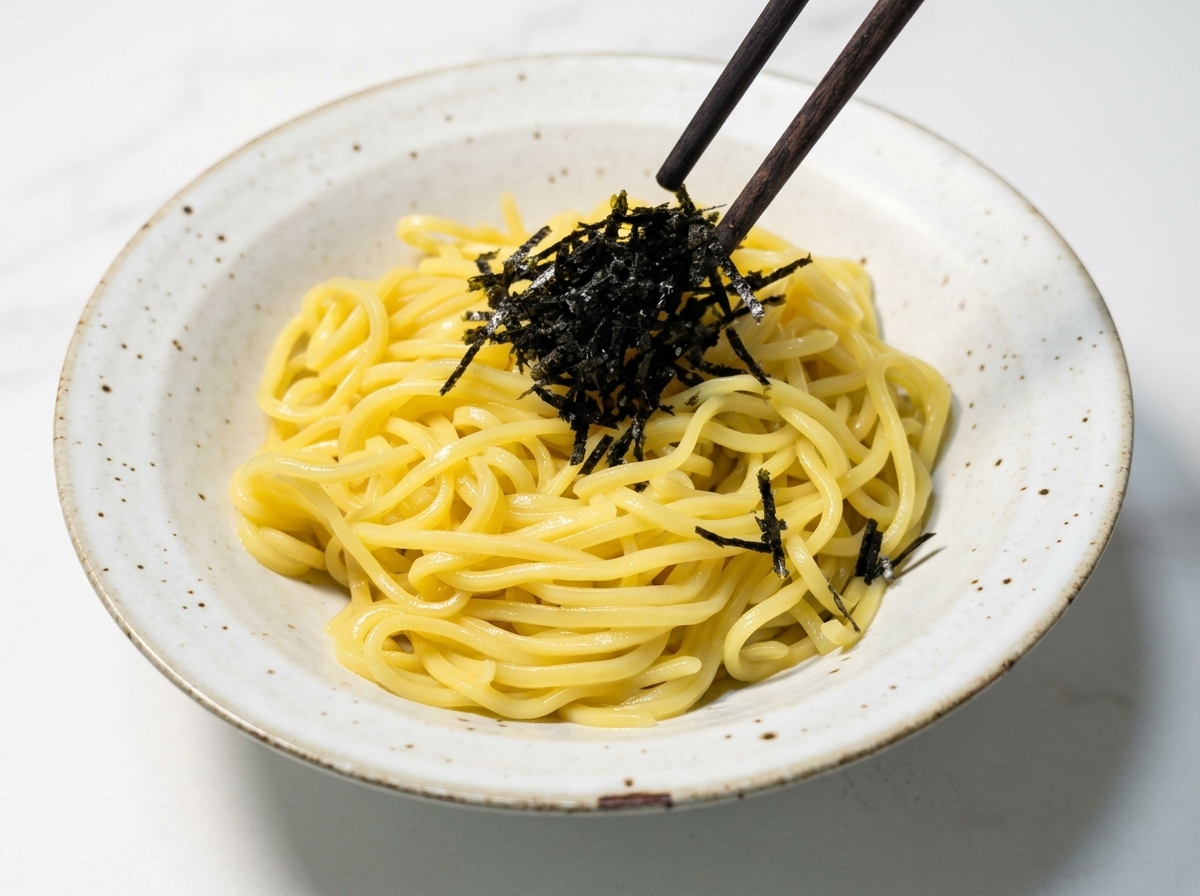
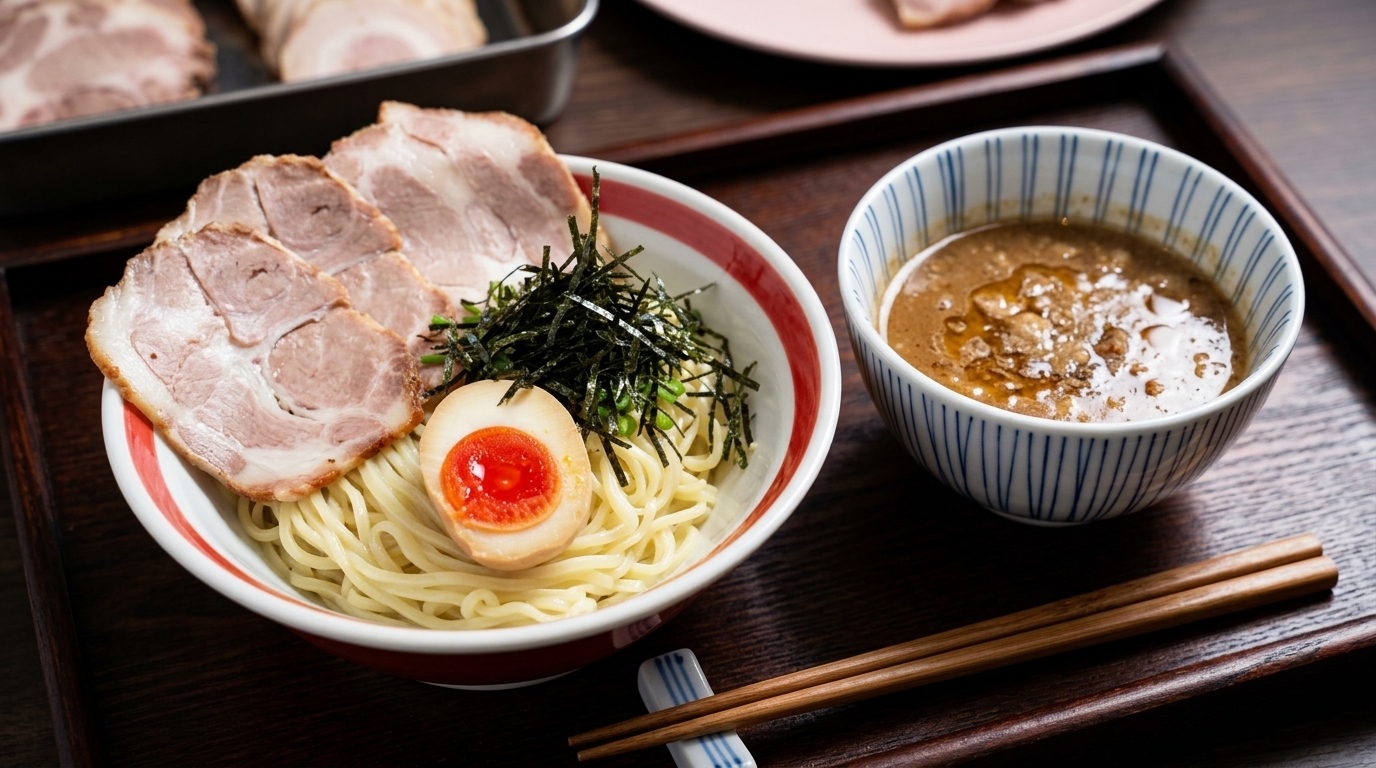
Carefully place a pinch of shredded seaweed over the center of the plated noodles using chopsticks. If preparing the full dish, this is also the time to add a halved soft-boiled egg alongside the noodles for extra richness.
Tip: Serve the seaweed entirely dry on top of the noodles so it maintains its crisp texture right up until the moment you dip it. - 12Garnish the dipping sauce
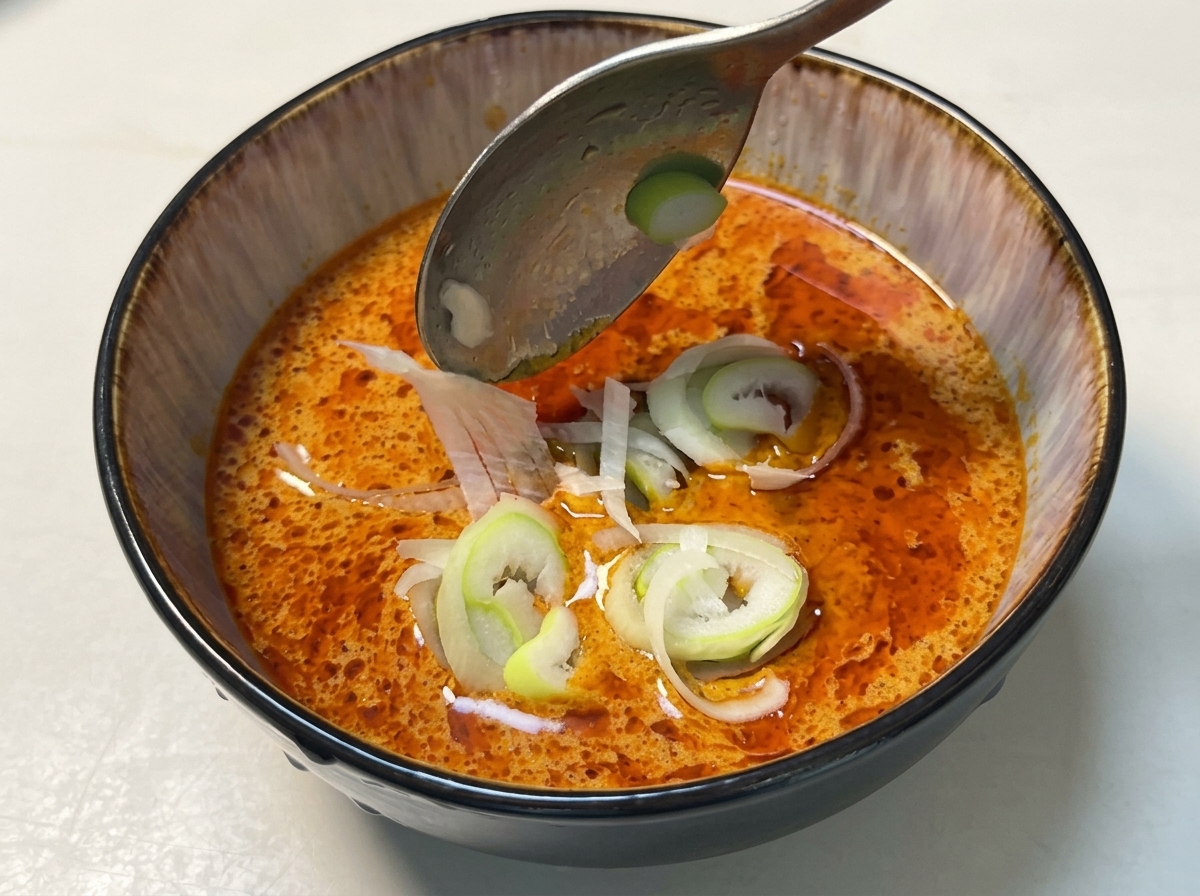
Finish the dish by sprinkling freshly sliced scallions over the hot curry dipping sauce. The fresh, pungent bite of the scallions perfectly balances the rich and thick curry base.
Tip: Add the scallions right before serving so they retain their crisp texture and bright color.