Authentic Sichuan Dandan Noodles (Dan Dan Mian)
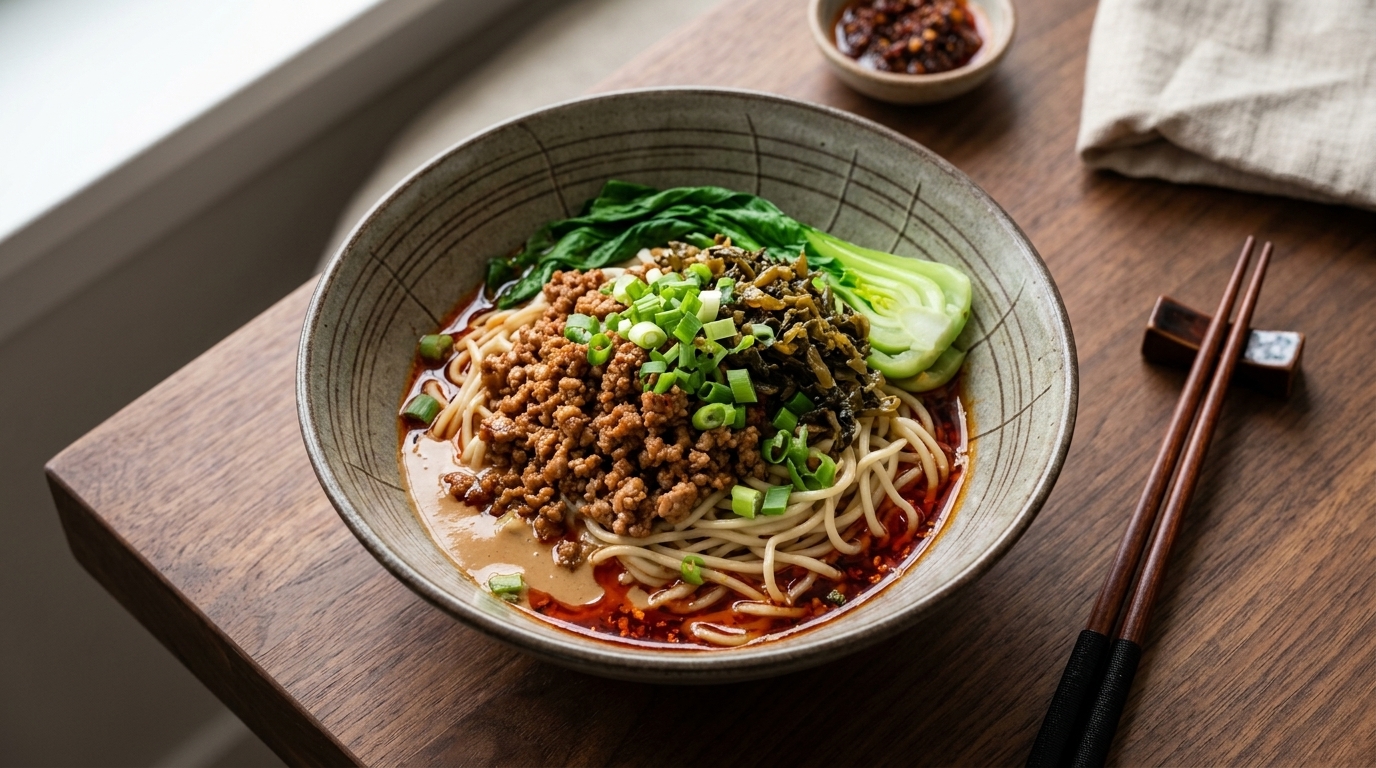
A legendary Sichuan street food classic featuring thin noodles tossed in a creamy, nutty sesame sauce and topped with savory, crispy minced pork and fermented Yibin sprouts.
Dandan Mian or shoulder pole noodles originated as a mobile snack carried by street vendors throughout Sichuan. The dish is defined by its savory Shao Zi meat topping and a complex sauce that balances nutty sesame paste with the bright acidity of black vinegar and the unique saltiness of Yibin Ya Cai.
Ingredients
- 200 g ground pork
- 100 g Yibin Ya Cai (fermented sprout vegetables)
- 2 tbsp Shaoxing cooking wine
- 250 g fresh thin wheat noodles
- 2 tbsp Chinese sesame paste
- 2 tbsp sesame oil
- 1 tbsp Sichuan pepper oil
- 1 tbsp vine pepper oil
- 12 tsp salt
- 12 tsp chicken bouillon powder
- 1 tsp sugar
- 1 tbsp dark soy sauce
- 1 tbsp Chinese black vinegar
- 2 pieces bok choy or choy sum
- to taste crushed roasted peanuts
- to taste minced garlic
- to taste chopped scallions
Instructions
- 1Stir-fry the minced pork
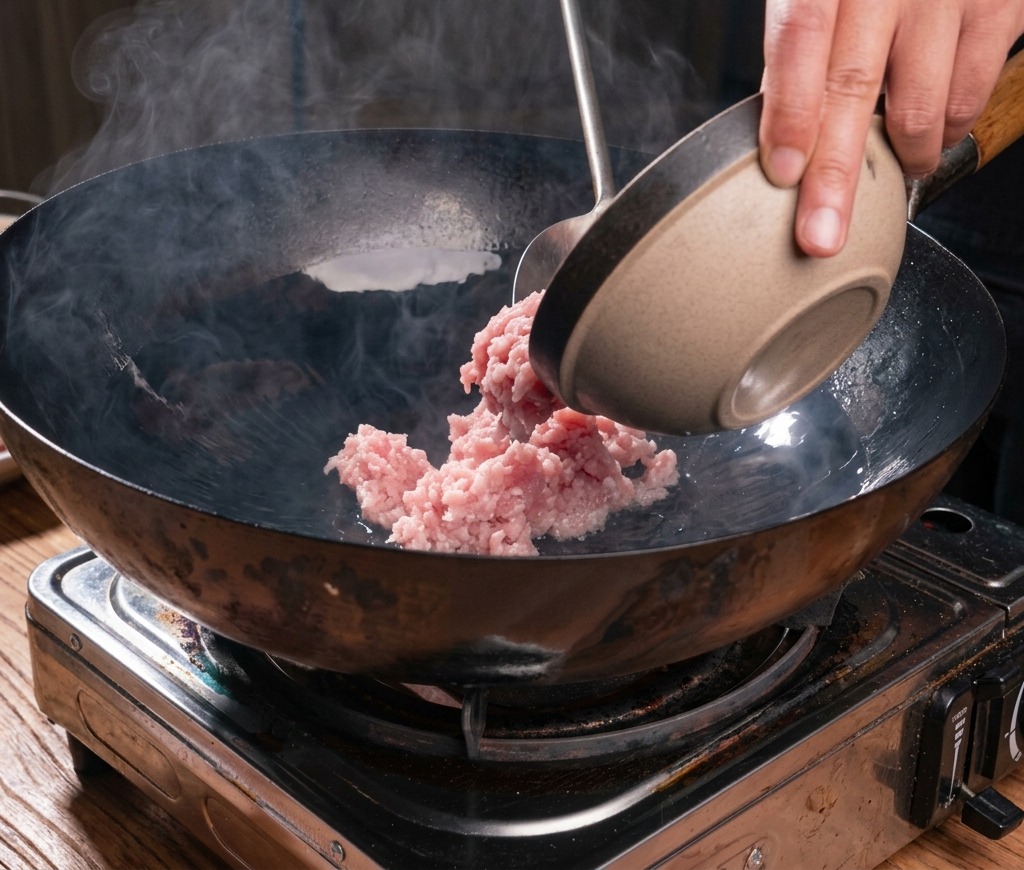
Place the minced pork into a hot wok. Stir-fry the meat continuously over medium-high heat to break up any clumps. The goal is to render the fat from the pork, which makes the meat crispy and fragrant, forming the savory foundation of the Dandan noodle topping.
Tip: If you are using very lean pork, add a small splash of cooking oil to the wok first to prevent the meat from sticking. - 2Sauté the meat and deglaze

Pour a splash of cooking wine over the browned pork while it is still in the hot wok. The heat will evaporate the alcohol while leaving behind a clean savory aroma and removing any gamey notes from the meat. This seasoned pork is the essential Shao Zi topping for the noodles.
Tip: For the best flavor stir fry the meat until it is slightly crispy before adding the liquid seasoning. - 3Incorporate the Yibin sprout vegetables
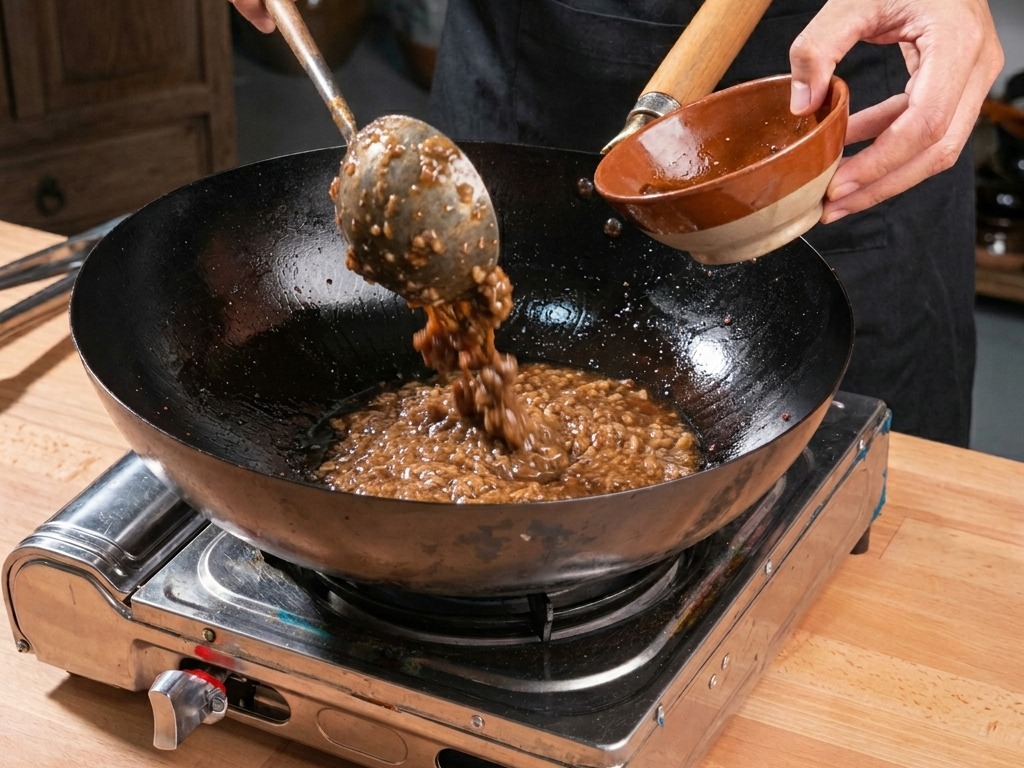
Add the chopped Yibin sprout vegetables (Ya Cai) to the wok with the stir-fried minced meat. Continue to stir-fry until the vegetables release their fragrance and are thoroughly combined with the meat. These fermented sprout vegetables are a signature ingredient that provides the essential savory and salty depth for authentic Sichuan Dandan noodles.
Tip: Stir-fry the sprout vegetables for at least a minute to wake up their flavor before finishing the topping. - 4Reserve the meat topping
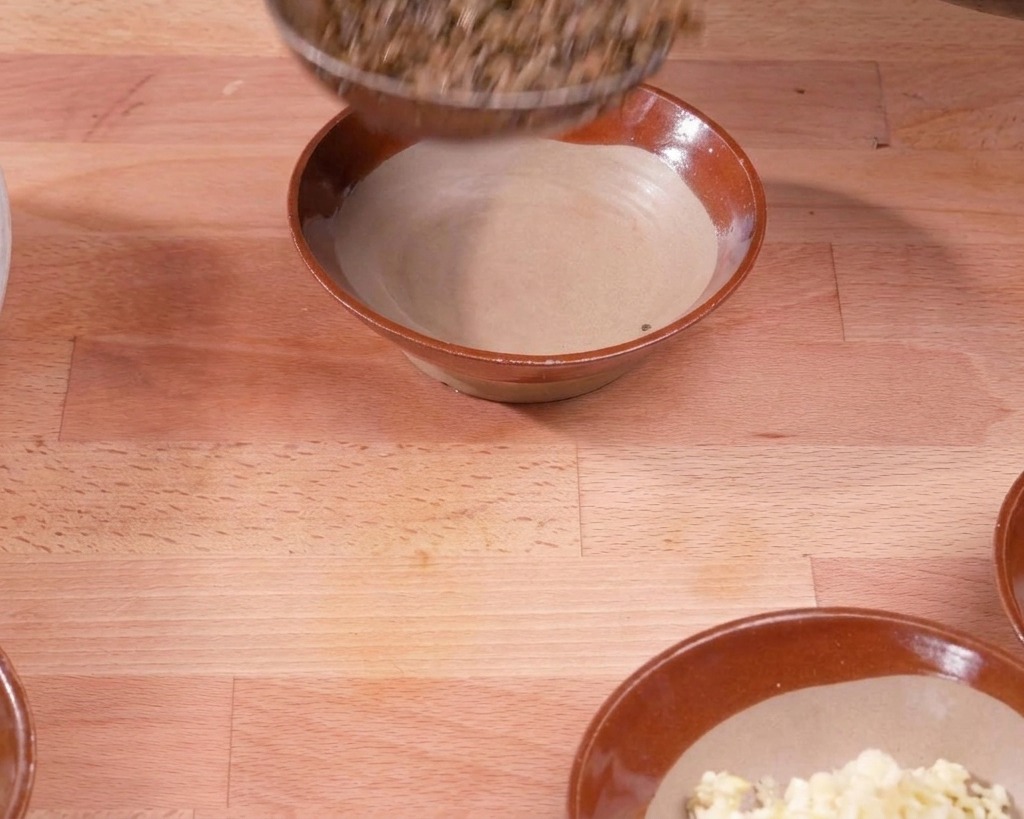
Once the pork and sprout vegetable mixture is aromatic and well-combined, use a ladle to scoop it out of the wok and into a small side bowl. Set this aside to be used as the final garnish for your noodles.
Tip: This topping can be made in advance and kept warm, or even refrigerated and reheated for later use. - 5Boil the fresh noodles
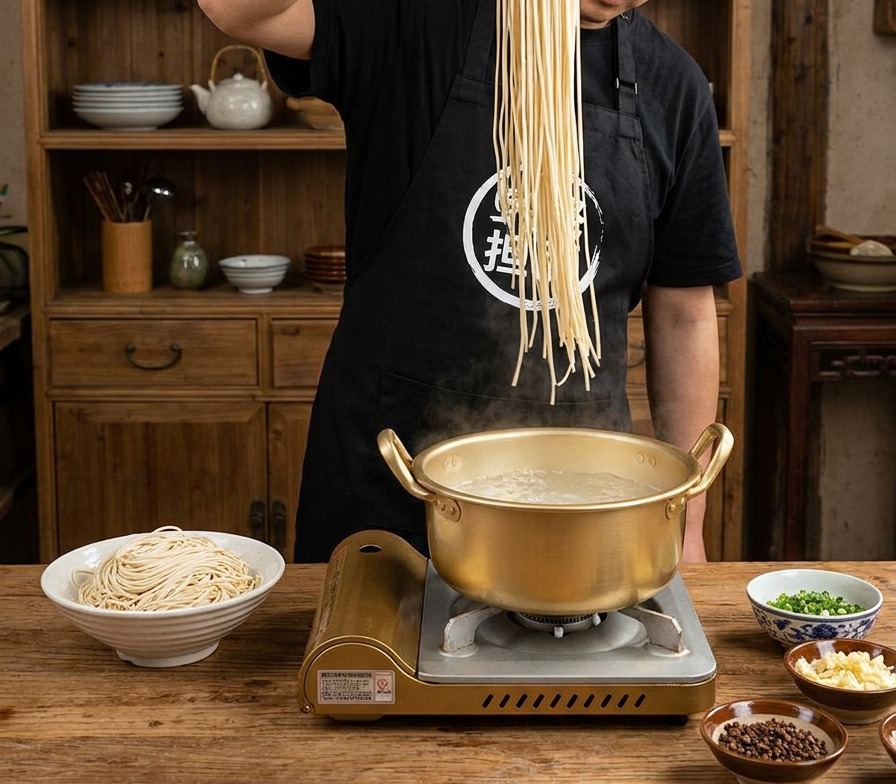
Drop a portion of fresh thin noodles into a pot of vigorously boiling water. Stir them gently with chopsticks to ensure they do not clump together. Since these are fresh noodles they only need a short time usually 1 to 2 minutes to reach a perfect firm texture that holds up well against the rich sauce.
Tip: Do not walk away as fresh noodles cook very fast and can become mushy if left even 30 seconds too long. - 6Prepare the sesame base
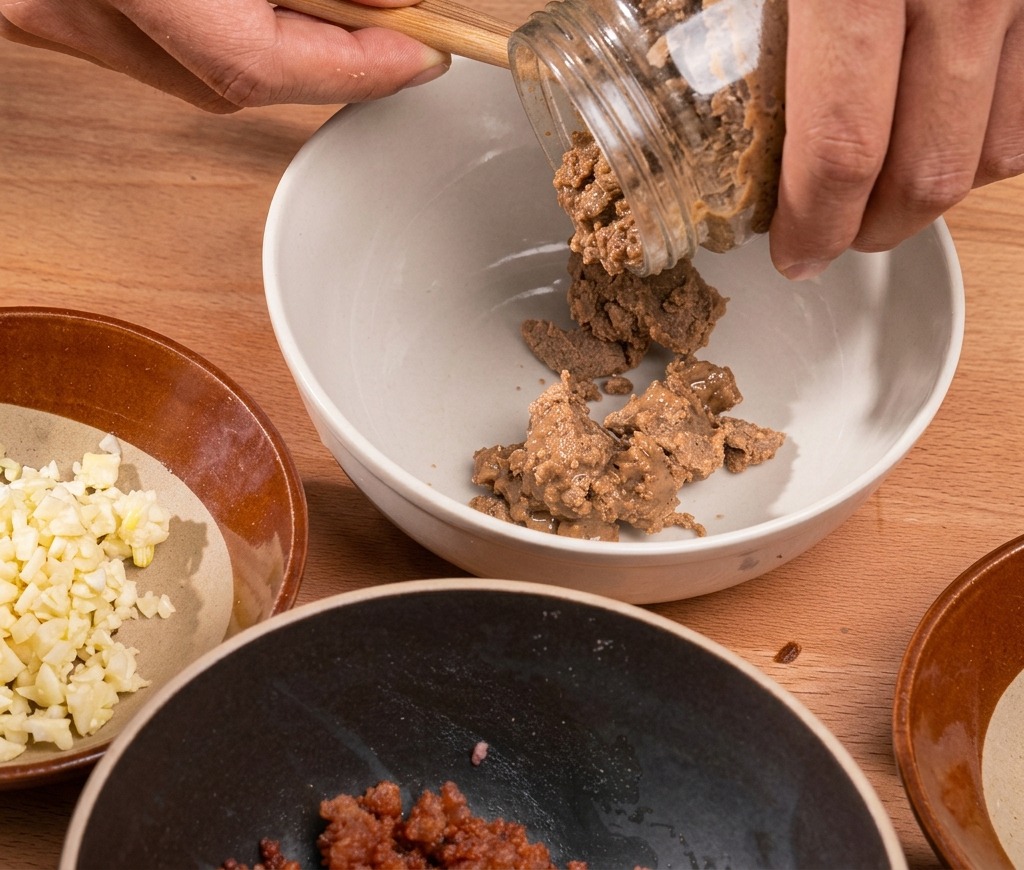
In a separate mixing bowl, combine sesame paste and sesame oil, typically in a 1:1 ratio. Mix them thoroughly with a spoon or chopsticks until the paste is smooth and loosened. This creamy mixture serves as the nutty base for the noodle sauce.
Tip: If the sesame paste has settled and hardened in the jar, stir it well before scooping it out to ensure a consistent texture. - 7Add the aromatic pepper oils
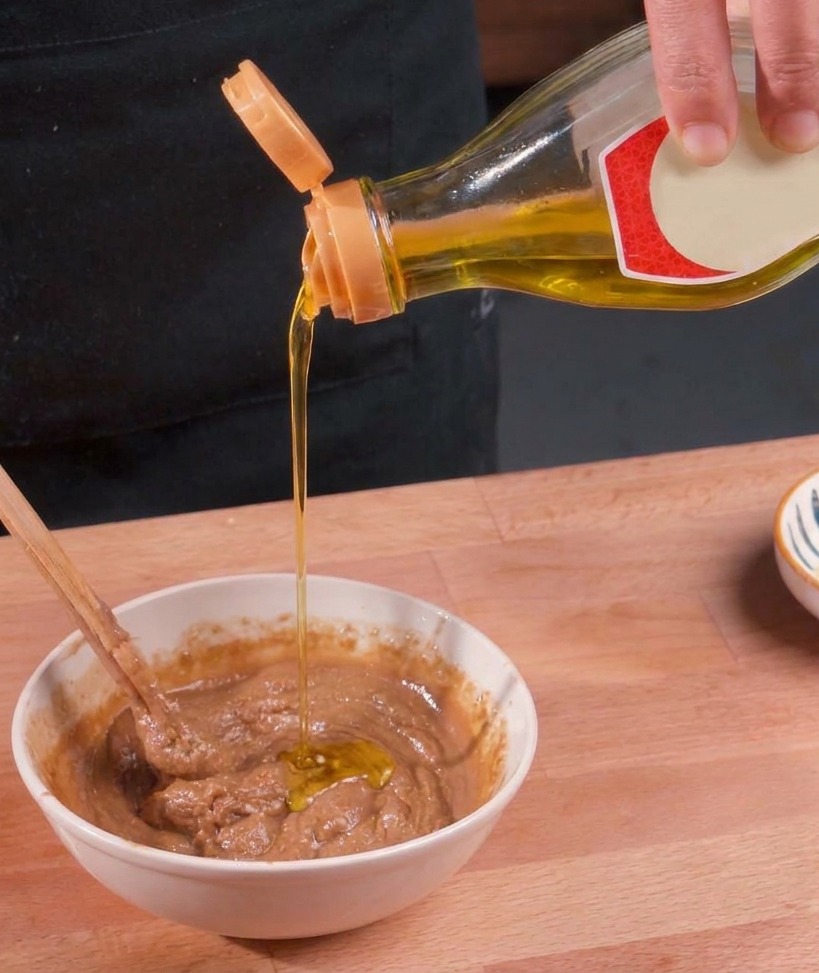
Pour the Sichuan pepper oil and vine pepper oil into the bowl with the prepared sesame paste. These oils provide a vibrant, fresh aroma and a mild numbing sensation characteristic of the dish. Stir vigorously to ensure the oils are fully emulsified into the paste, creating a smooth and glossy sauce base.
Tip: The vine pepper oil adds a bright, citrusy note that cuts through the richness of the sesame paste; try not to skip it. - 8Season the sauce
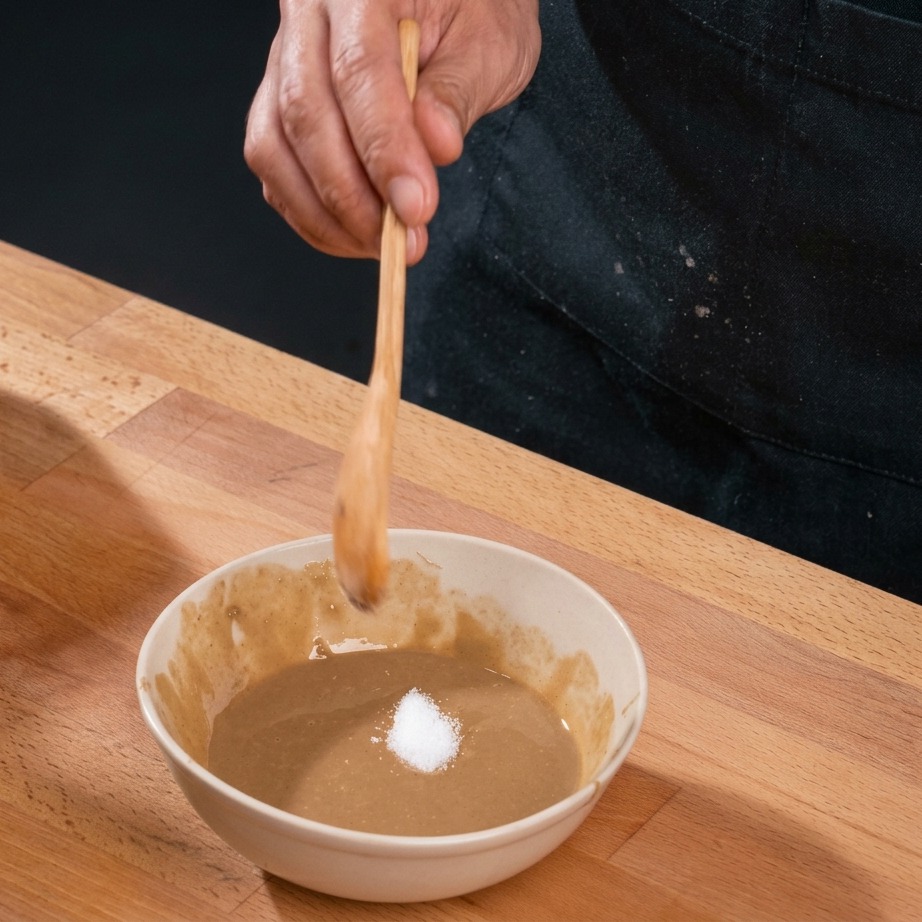
Incorporate the dry seasonings including salt and chicken bouillon into the sauce mixture. These ingredients heighten the umami profile of the noodle sauce by balancing the richness of the sesame and the spice from the oils. Stir well to distribute the seasonings evenly.
Tip: Keep the seasoning focused on savory and fresh and avoid adding Sichuan peppercorn powder to maintain this specific flavor profile. - 9Complete the savory sauce
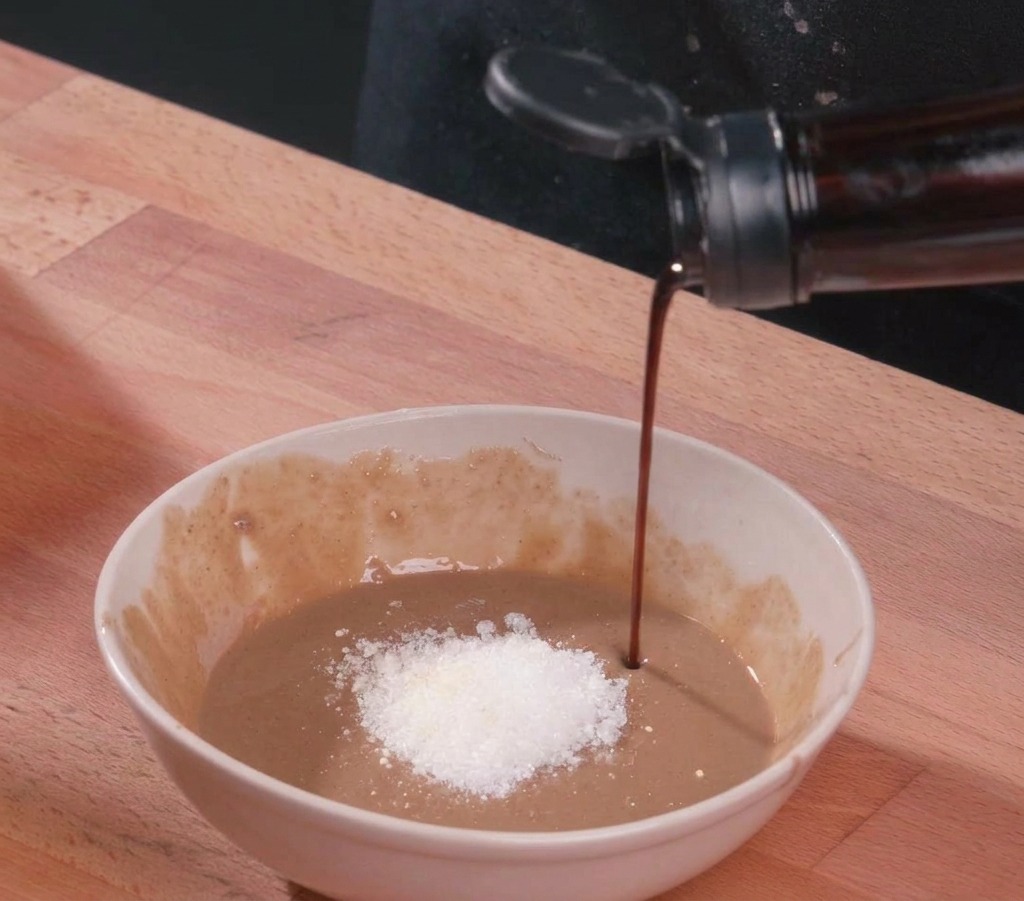
Into the seasoned sesame base, slowly pour in the dark soy sauce and black vinegar. Whisk the mixture vigorously with chopsticks or a spoon until it becomes a smooth, glossy emulsion. This ensures the sauce will perfectly coat each strand of noodle without being too thin.
Tip: If your sesame paste is too thick, mix it thoroughly with the sesame oil first to create a creamy texture before adding the liquid seasonings. - 10Drain and plate the noodles
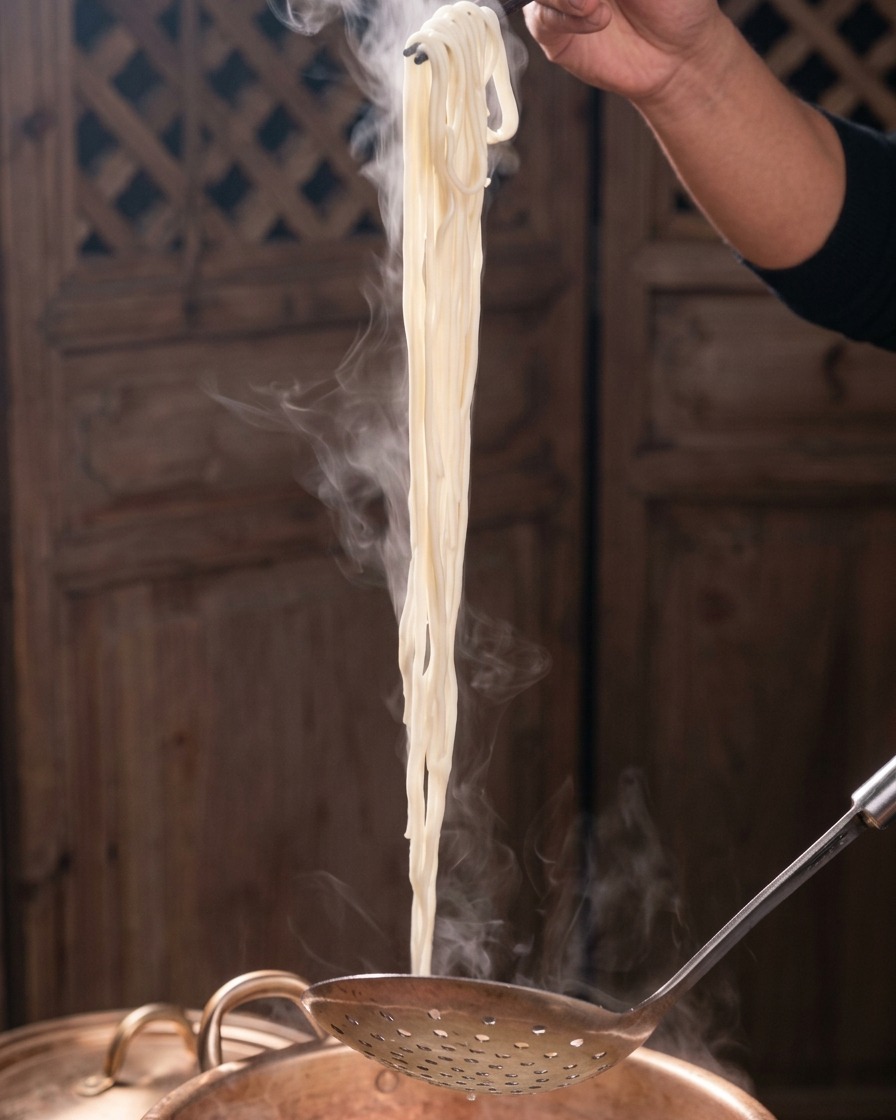
Once the noodles are cooked through but still retain a firm bite use chopsticks and a slotted spoon to lift them out of the boiling water. Let the excess water drain off for a moment before placing the noodles into a serving bowl already prepared with blanched green vegetables.
Tip: Keep the noodles firm as they will continue to soften slightly as they sit in the hot sauce so overcooking them now will lead to a mushy dish. - 11Dress with sesame sauce
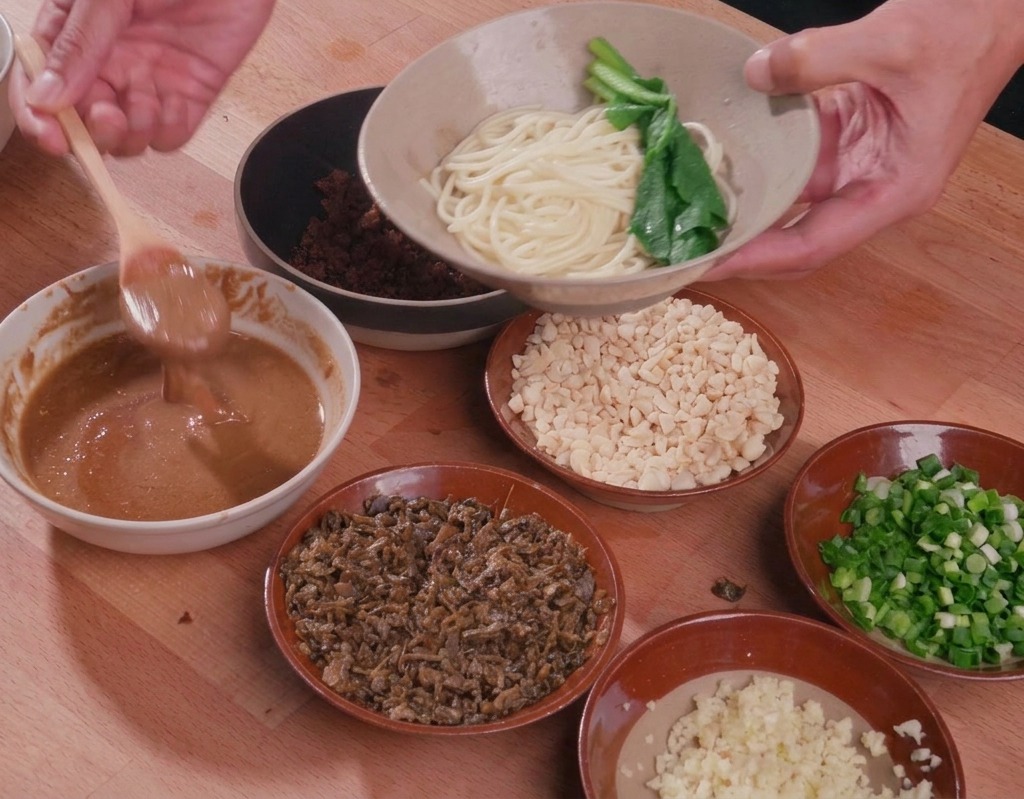
Take a generous spoonful of the prepared savory sesame sauce and drizzle it evenly over the hot noodles and greens. The warmth of the noodles will help the thick sauce distribute more easily, coating every strand with its rich, nutty flavor.
Tip: Adding the sauce while the noodles are freshly drained and steaming is key to achieving an even coating. - 12Assemble and garnish
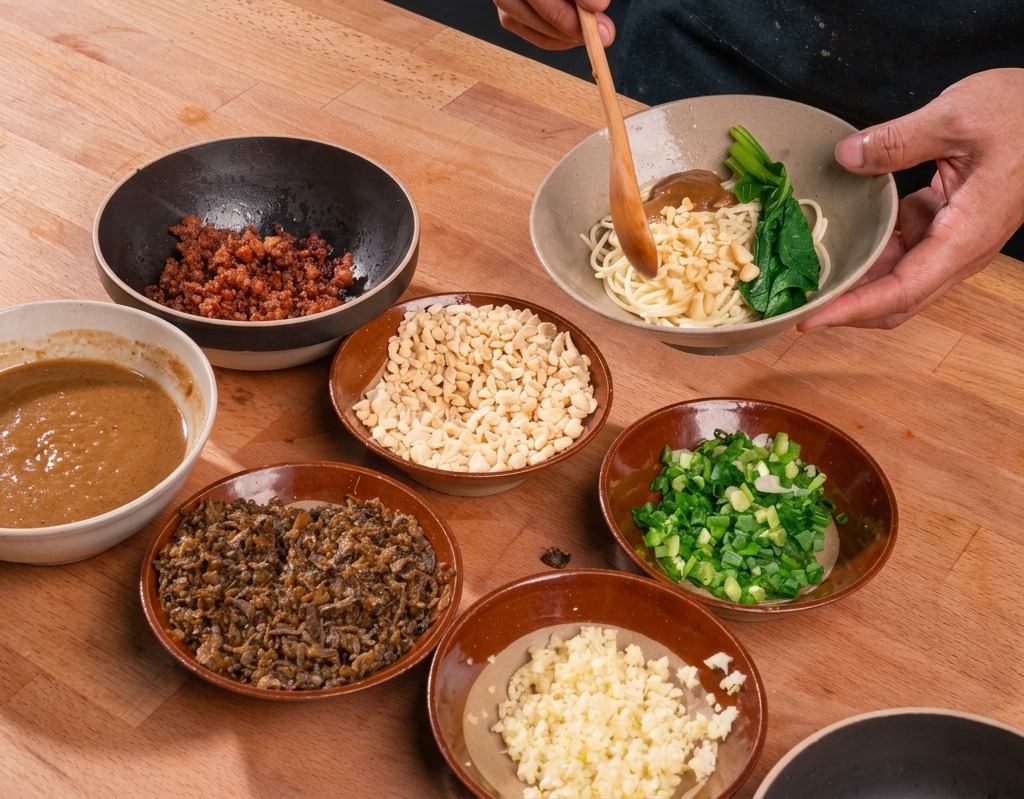
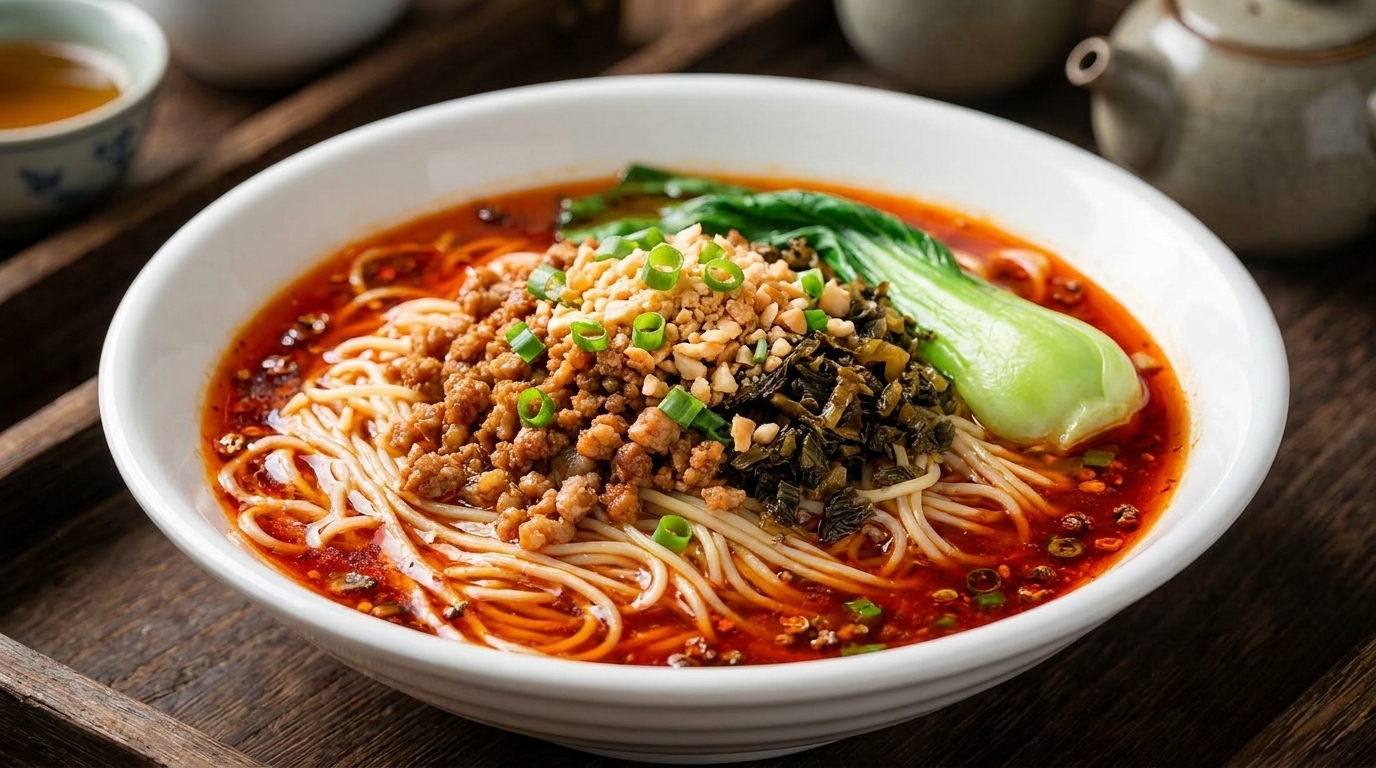
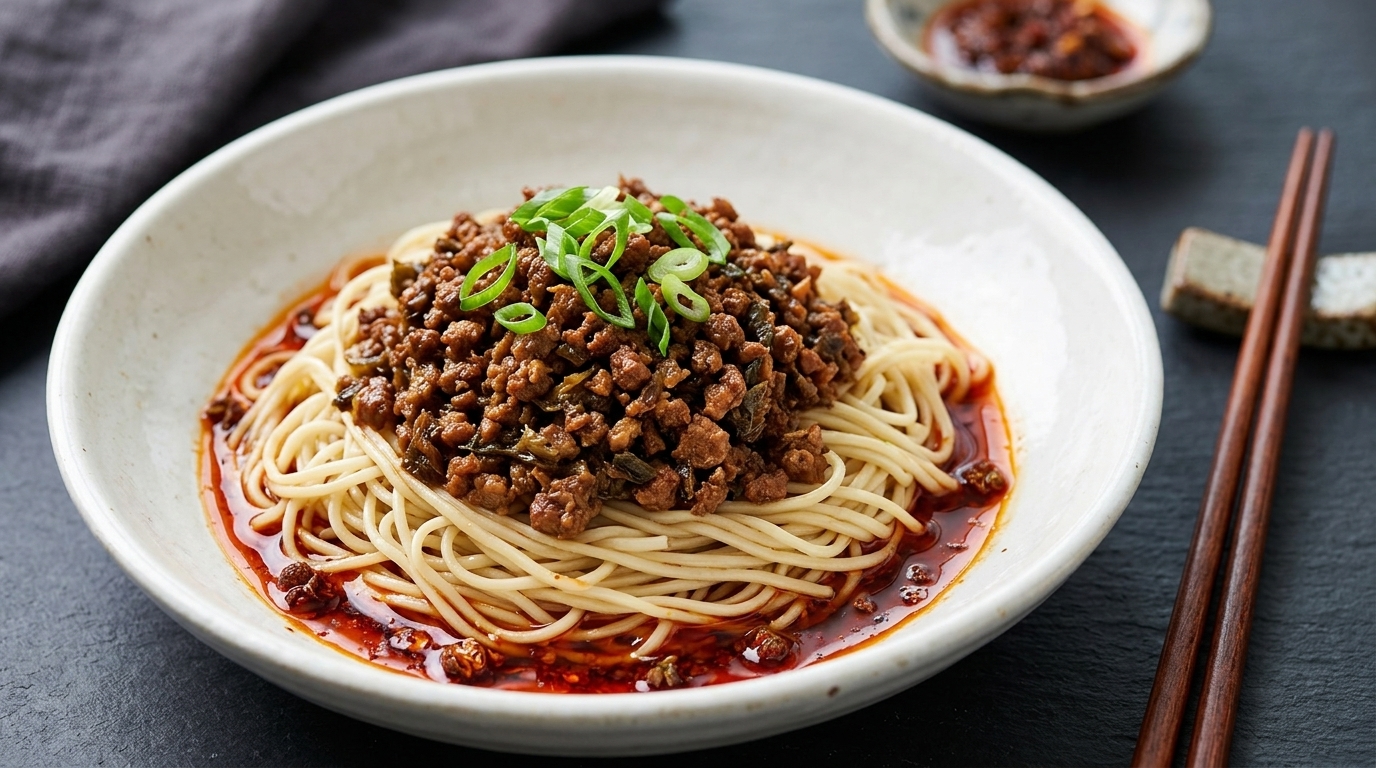
Finish the dish by layering on the prepared toppings: a generous scoop of the crispy pork-sprout mixture, minced garlic, and crunchy crushed peanuts. Top with a handful of fresh scallions to provide a sharp, clean contrast to the rich, nutty sauce.
Tip: Yibin sprout vegetables are non-negotiable for authentic Dandan noodles; they provide the unique fermented savoriness that makes the dish world-famous.