Authentic Korean Soybean Paste Stew (Doenjang Jjigae)
A comforting, deeply savory Korean classic made with rich fermented soybean paste, tender pork, tofu, and fresh vegetables simmered to bubbling perfection.
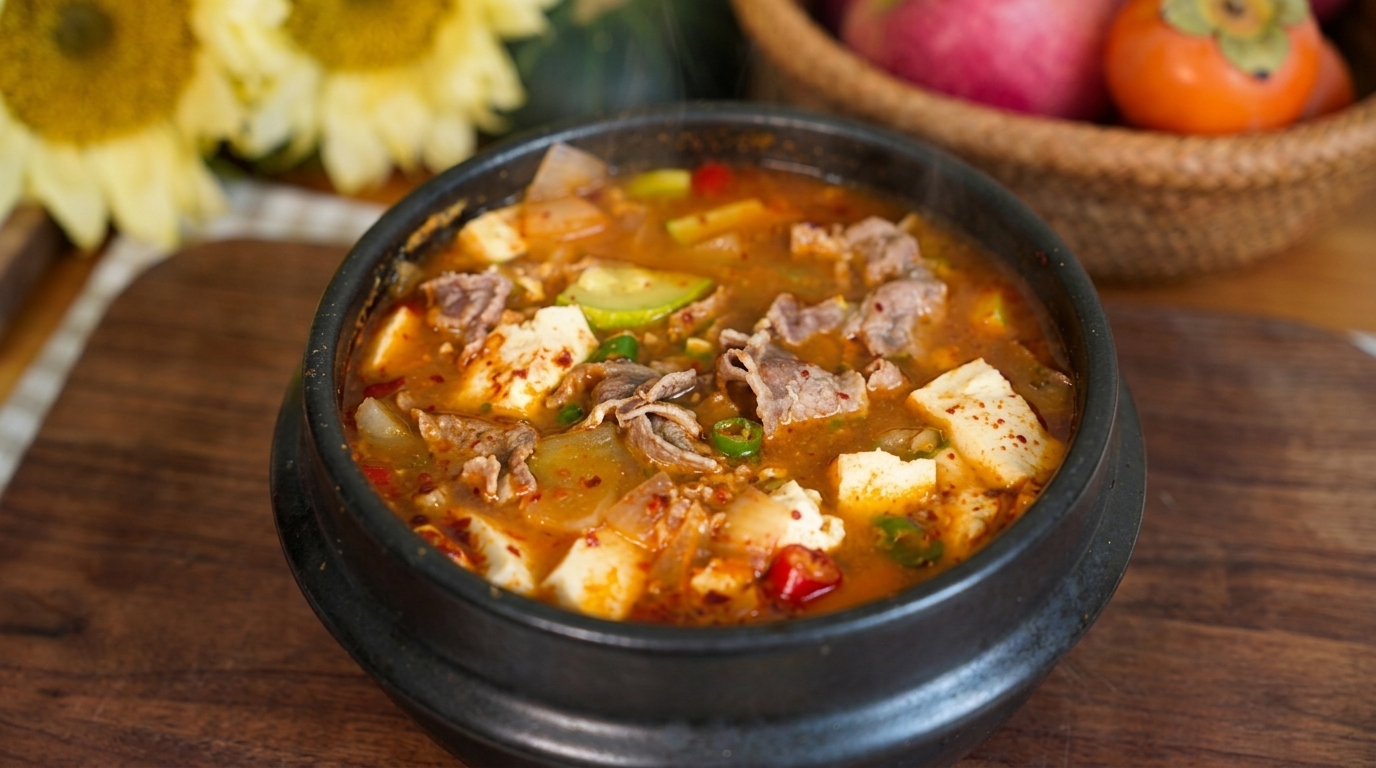
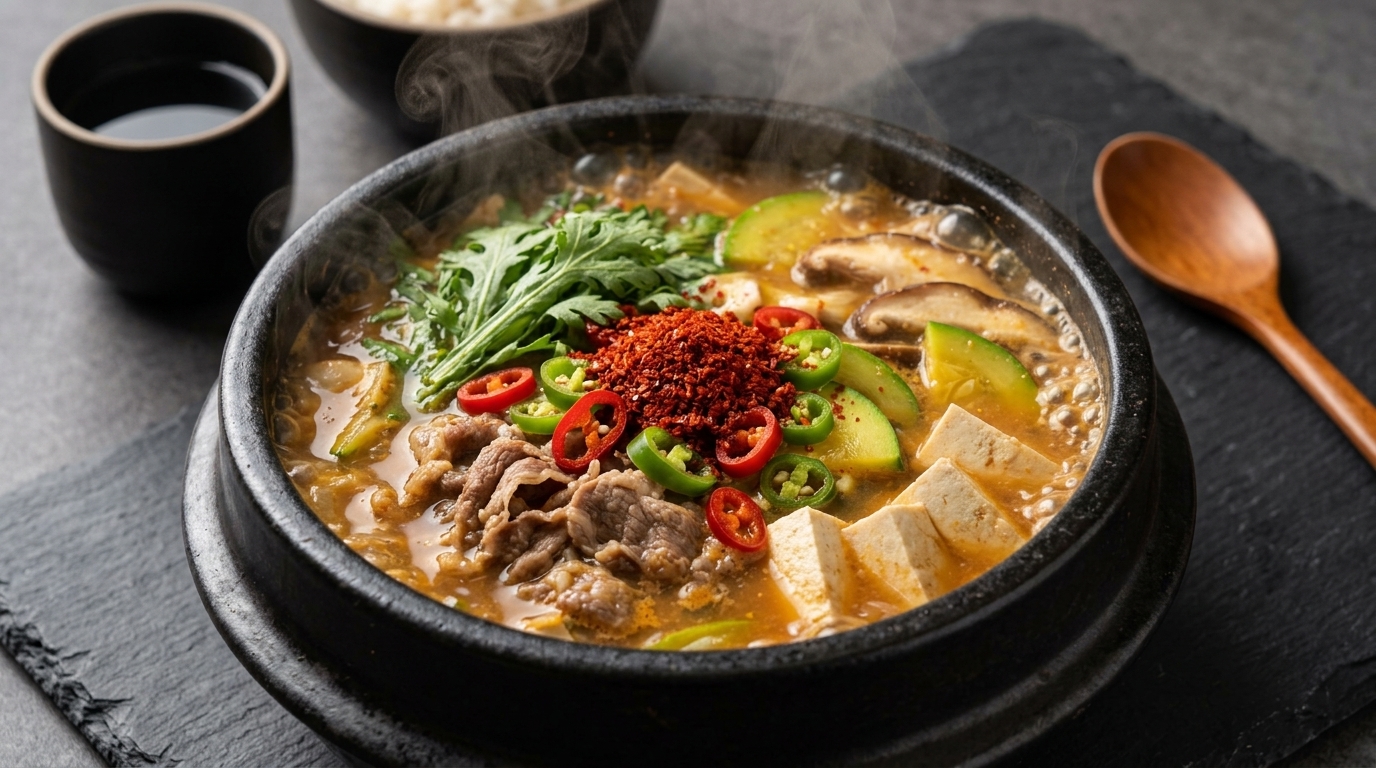
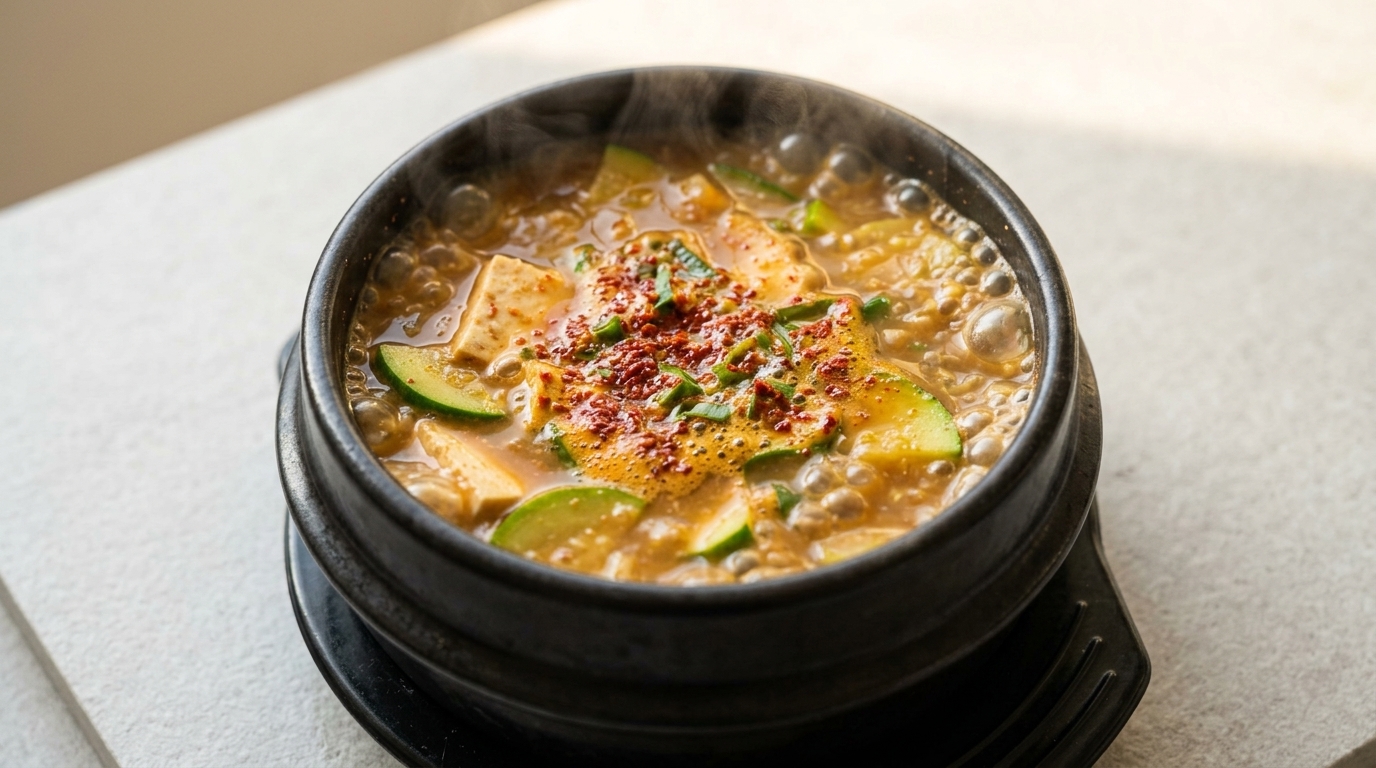
Doenjang Jjigae is the quintessential Korean comfort food, a staple on every traditional dinner table. Its heart and soul lie in doenjang, a deeply umami-rich fermented soybean paste that creates a robust, complex broth. Simmered alongside earthy vegetables, tender pork, and soft tofu, it delivers a satisfying warmth that beautifully embodies the essence of home-cooked Korean cuisine.
Ingredients
- 1 tbsp sesame oil
- 2 tbsp Korean soybean paste (doenjang)
- 2 tbsp minced garlic
- 500 ml water
- 1 medium potato
- 1/2 zucchini
- 150 g tofu
- 100 g pork
- 2 stalks green onions
- 1 green chili pepper
- to taste Korean chili powder (gochugaru)
Instructions
- 1Add the soybean paste
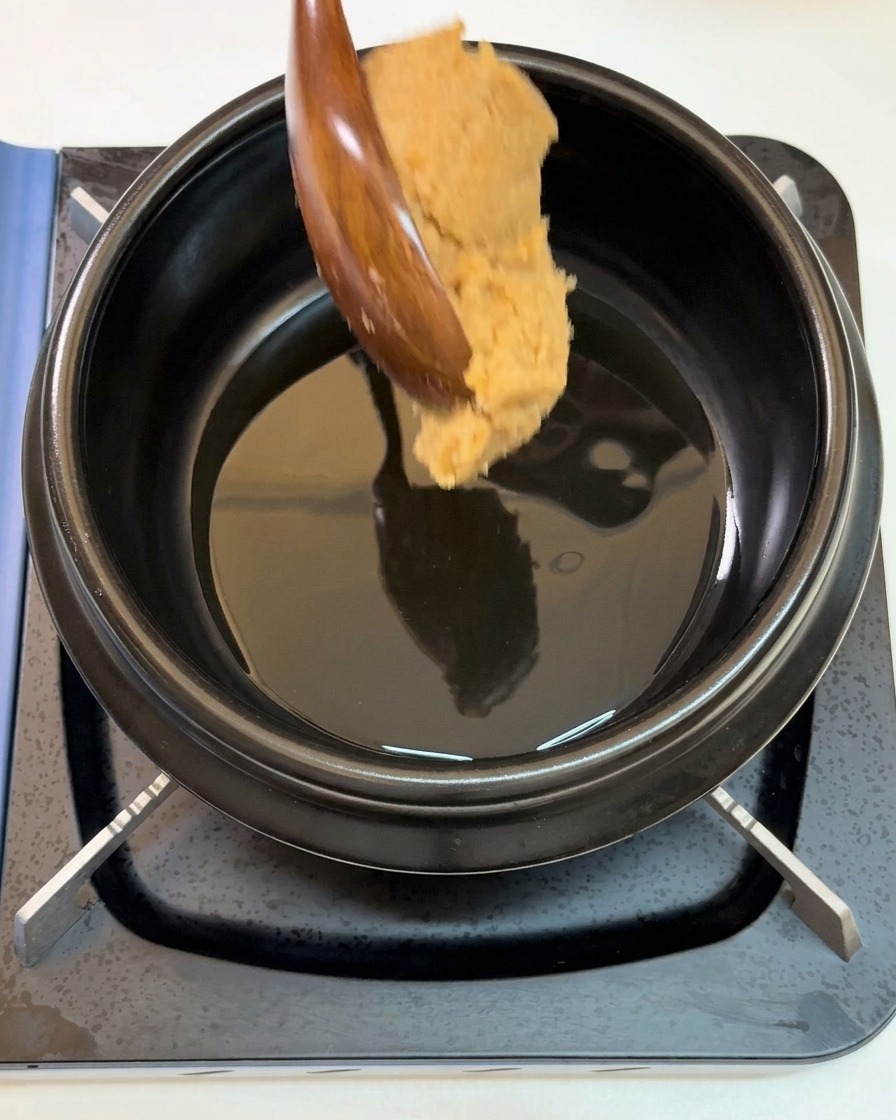
Spoon two large portions of thick soybean paste into the hot pot with the sesame oil. Begin to stir-fry the paste immediately to unlock its aromatic oils and deep savory flavor before adding the liquids.
Tip: Stir-frying the soybean paste in oil first creates a rich, complex foundation that defines an authentic Korean stew. - 2Stir-fry the garlic and soybean paste
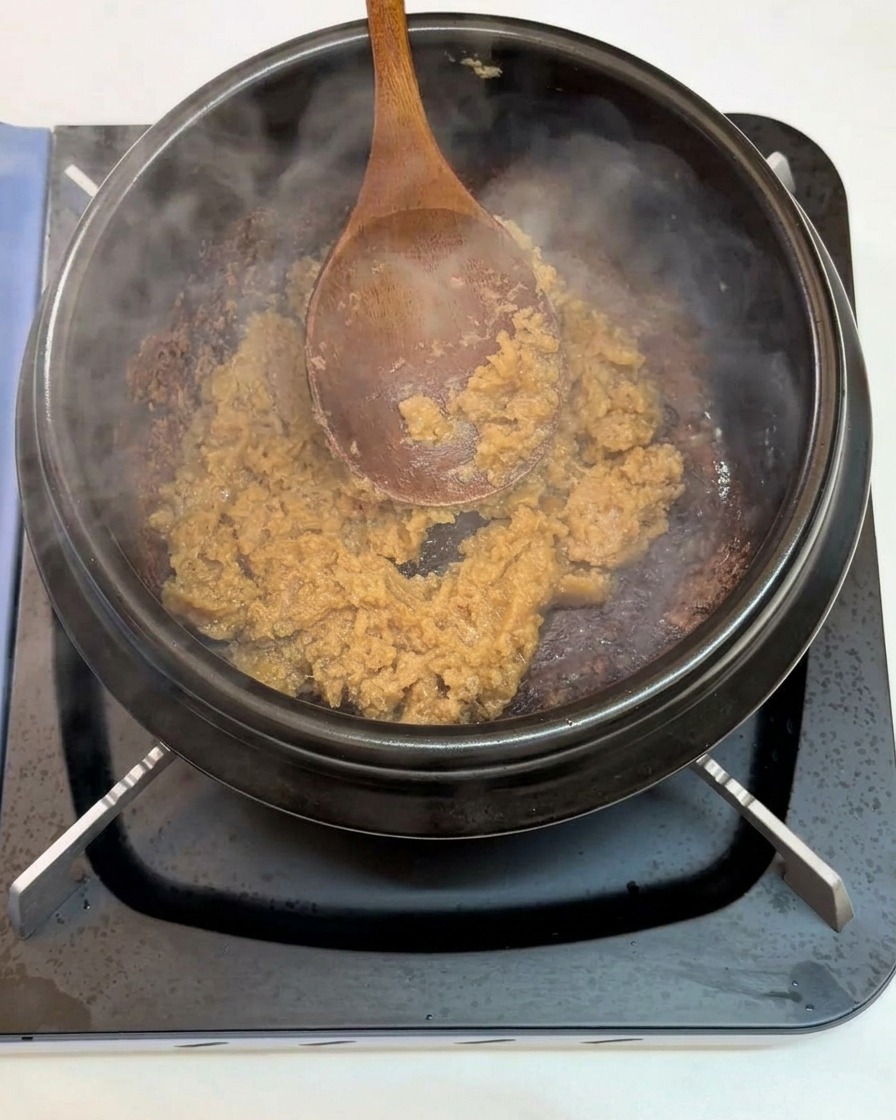
Add two spoonfuls of minced garlic to the stir-fried soybean paste mixture in the pot. Stir-fry them together thoroughly over medium heat to release the aromatic flavors and combine them well.
Tip: Stir-fry the paste and garlic continuously to prevent them from sticking to the bottom of the pot and burning, which can introduce a bitter taste. - 3Pour in the water
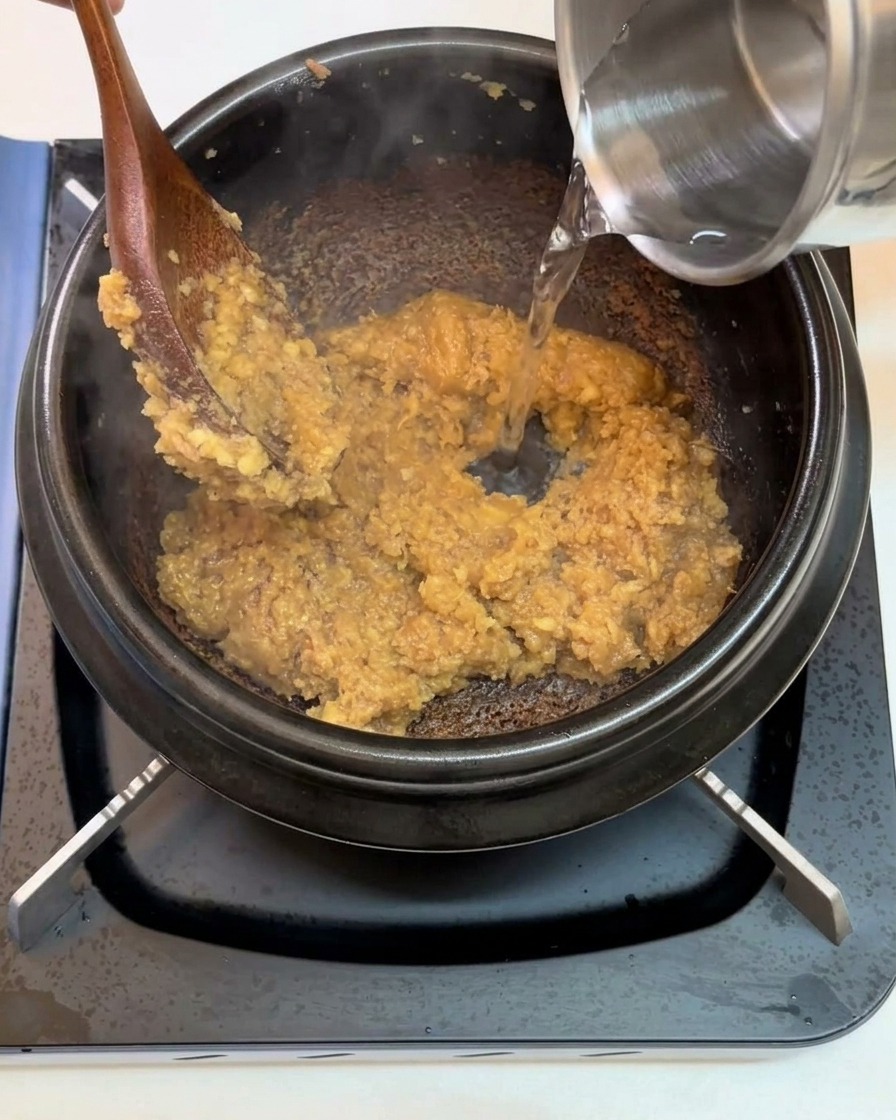
Carefully pour clear water into the pot with the stir-fried soybean paste and garlic base. This will form the flavorful broth for the soybean paste stew.
Tip: You can use anchovy kelp stock or rice water instead of plain water to add more depth and umami to the broth. - 4Add meat, tofu, and vegetables
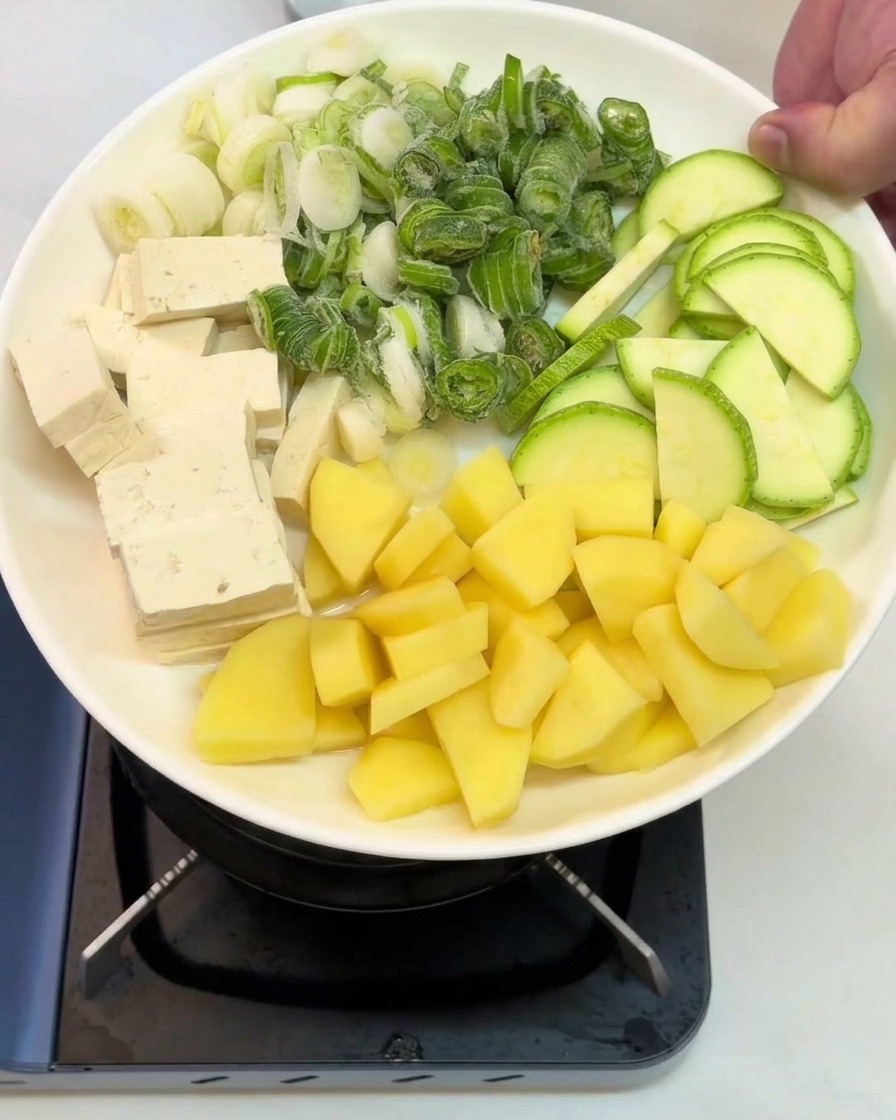
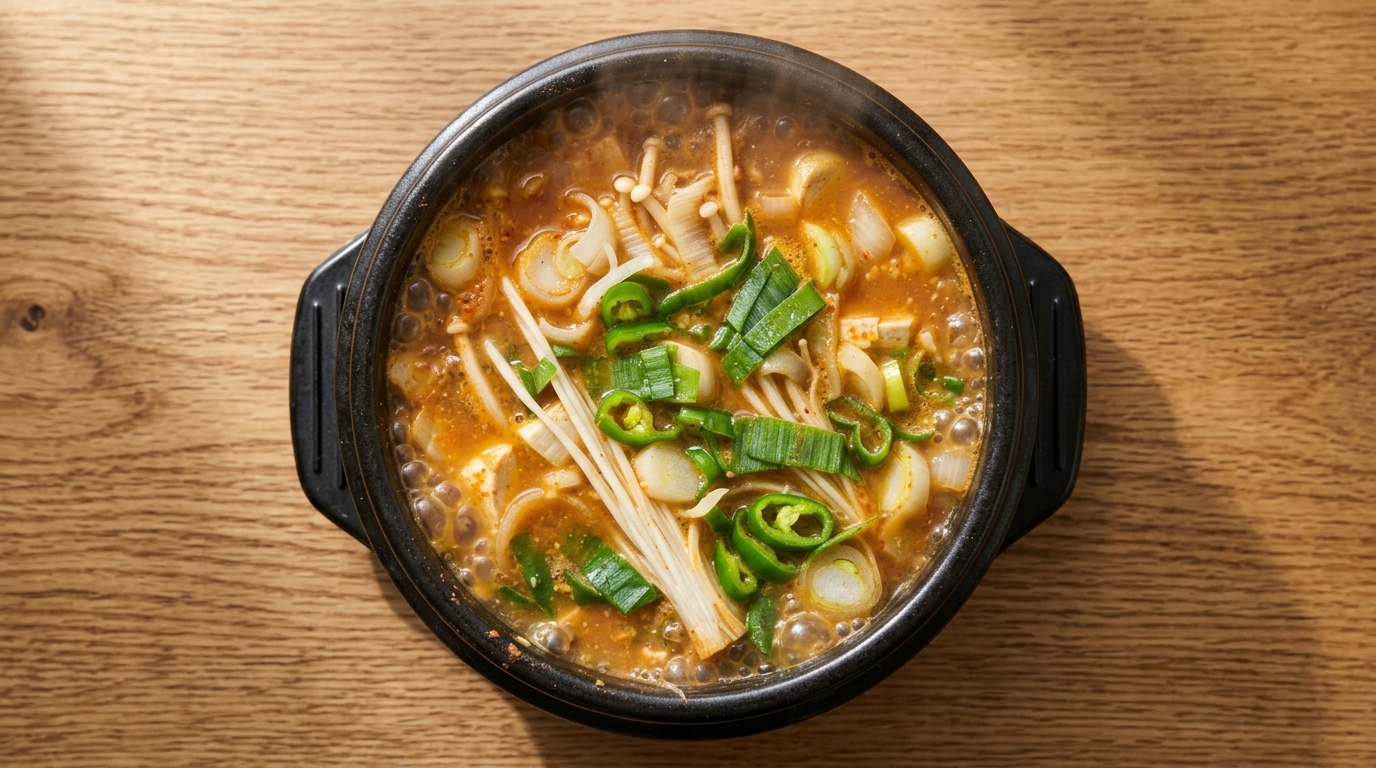
Carefully add the diced potatoes, sliced zucchini, pork pieces, cubed tofu, chopped green onions, and sliced green chili peppers into the boiling broth. Stir gently to distribute the ingredients evenly throughout the stew.
Tip: Cutting the potatoes into uniform, bite-sized pieces ensures they cook through evenly at the same rate as the zucchini and tofu. - 5Skim the foam from the soup
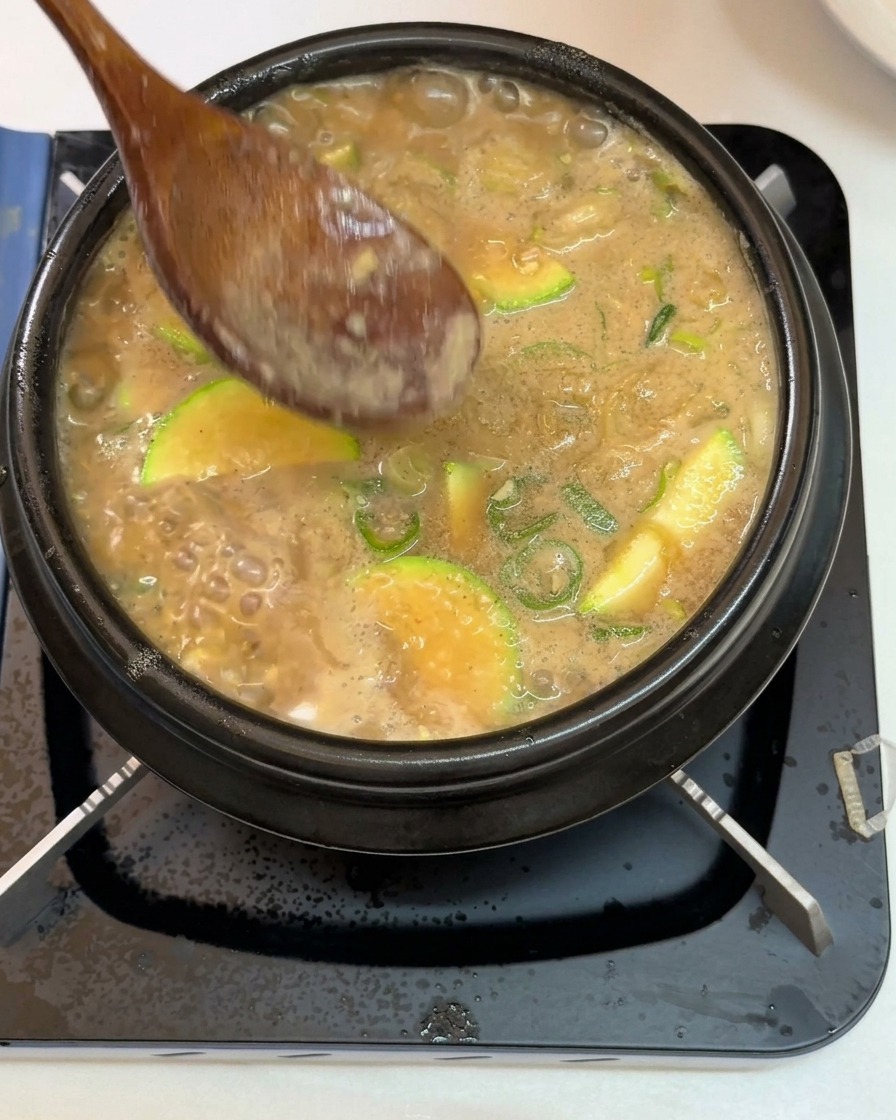
As the soybean paste soup comes to a steady boil, use a wooden spoon to carefully skim off the foam and impurities that rise to the surface. This helps remove excess bitterness and ensures a clean, smooth, and authentic broth flavor.
Tip: Keep a small bowl of clean water nearby to dip and rinse the wooden spoon between skims to easily wash away the accumulated foam. - 6Season with chili powder
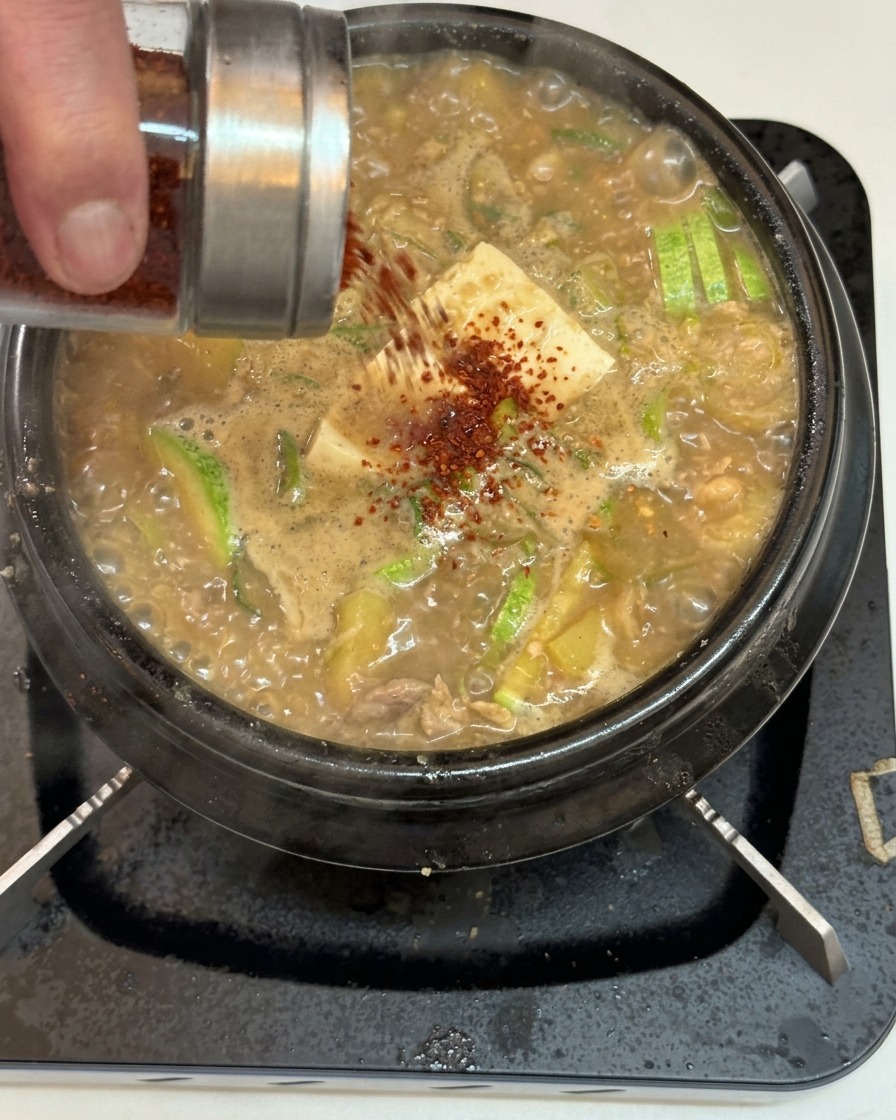
Shake a generous amount of red chili powder from a glass dispenser over the surface of the boiling stew. Let it simmer for another minute to fully incorporate the heat and vibrant color into the broth before serving.
Tip: Adjust the amount of chili powder to your personal taste; a light dusting offers a mild warmth, while more creates a robustly spicy stew.