Sauce-Braised Small River Fish
A traditional, rustic delight featuring fresh small river fish simmered in a savory, aromatic sauce of farmhouse soybean paste and fragrant spices.
This sauce-braised river fish is a beloved home-style dish that celebrates the freshness of the seasons first catch. By keeping the fish whole and braising them in a rich, umami-packed broth, you achieve a delicate texture and deep flavor profile that is truly comforting. It is a quintessential example of farmhouse cooking where simple, high-quality ingredients are transformed through patient simmering.
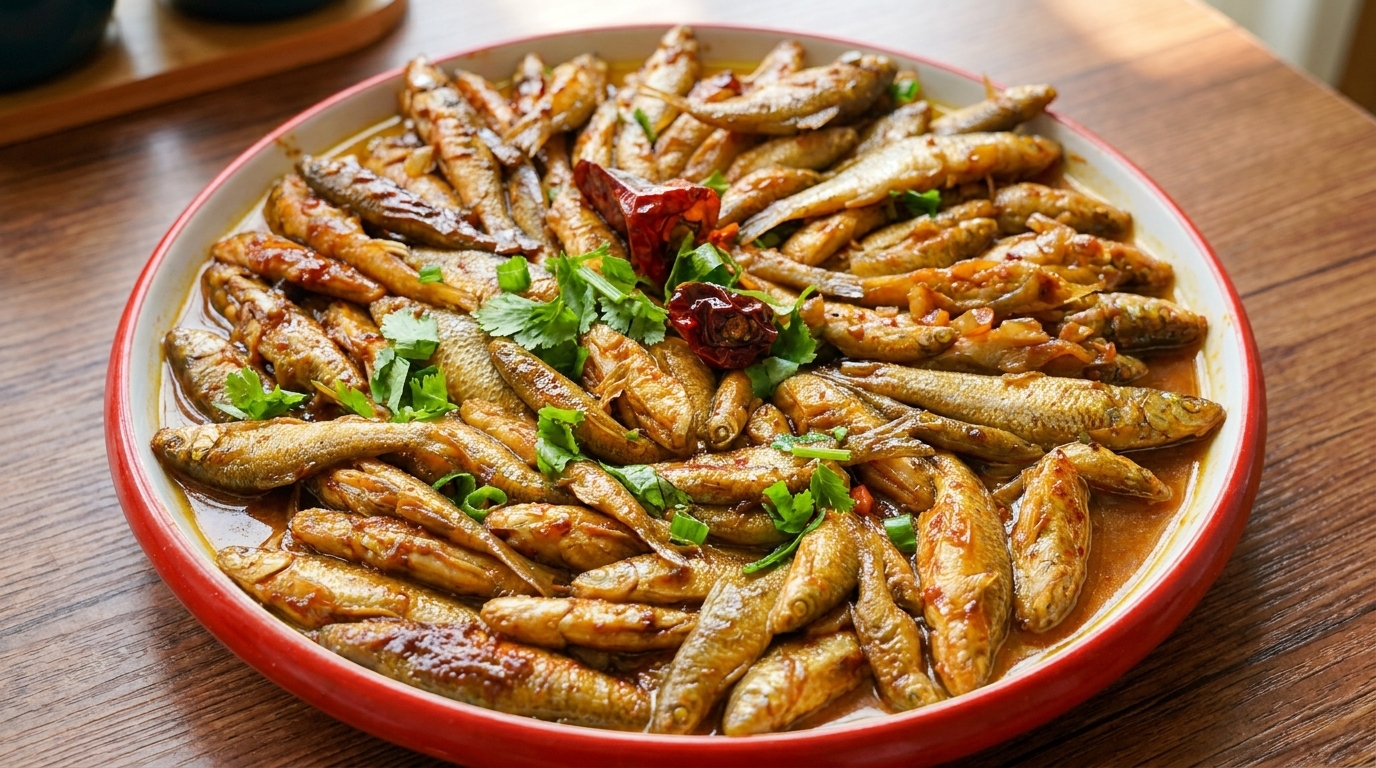
Ingredients
- 500 g small river fish
- 2 tbsp farmhouse soybean paste
- 30 ml soy sauce
- 15 ml white vinegar
- 15 ml cooking wine
- 30 g lard
- 2 stalks scallions
- 1 piece ginger
- 3 cloves garlic
- 5 pieces dried red chilies
- 1 tsp spice powder
- 1/2 tsp salt
- 1/2 tsp chicken bouillon
- 1/2 tsp sugar
- 1 bunch cilantro, chopped (garnish)
Instructions
- 1Clean the small river fish

Take the fresh small river fish and wash them thoroughly with clean water several times. Since their bellies are naturally clean, there is no need to gut them; ensure they are properly rinsed before cooking.
Tip: Handle the fish gently to keep them intact during the washing process. - 2Heat the wok and lard

Heat up your wok and add cooking oil. If you have lard available, add a piece to the oil to significantly enhance the final flavor of the dish.
Tip: Using a small amount of lard adds a rich, traditional depth to braised fish dishes. - 3Sauté the aromatics
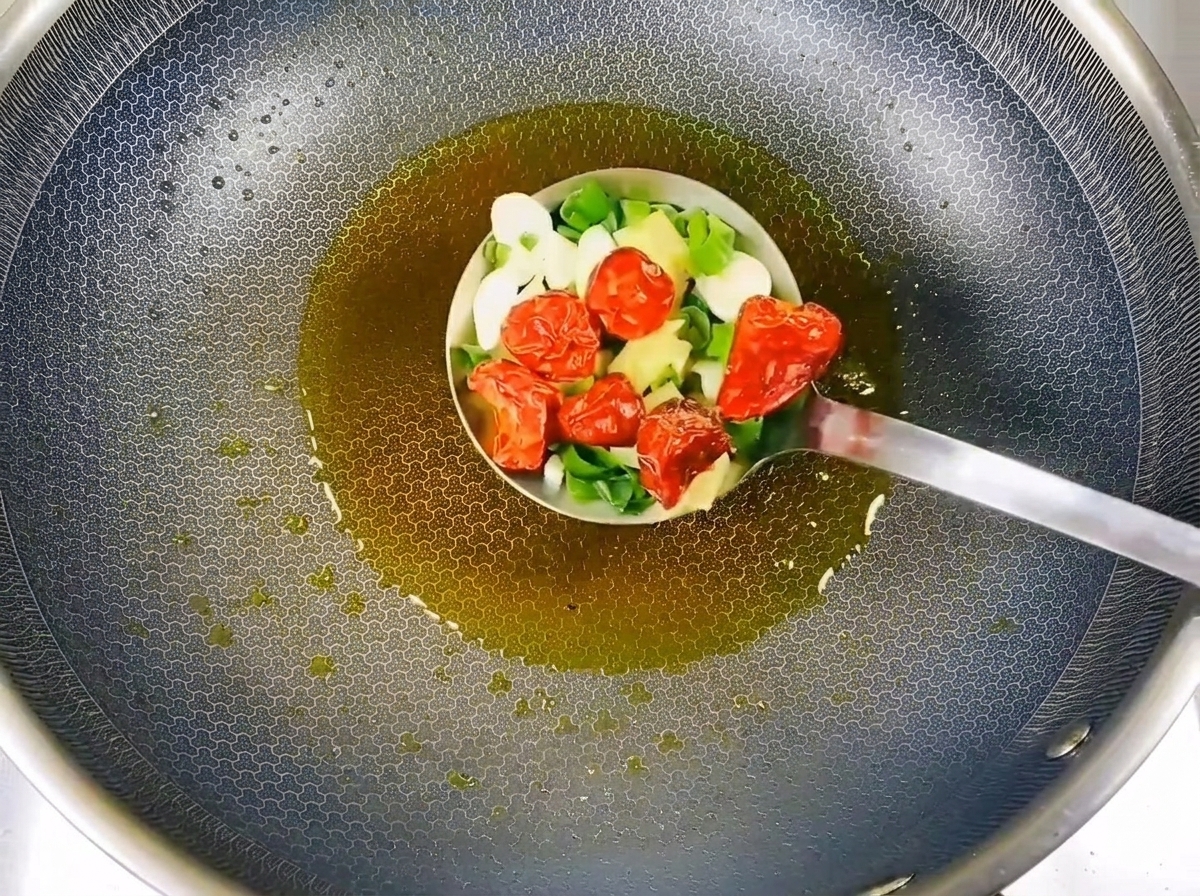
Once the oil is hot, add the scallions, ginger, garlic, and whole dried red chilies to the wok. Stir-fry them briefly until they become fragrant.
Tip: Keep the aromatics moving constantly to ensure they flavor the oil without burning. - 4Add sauces and paste
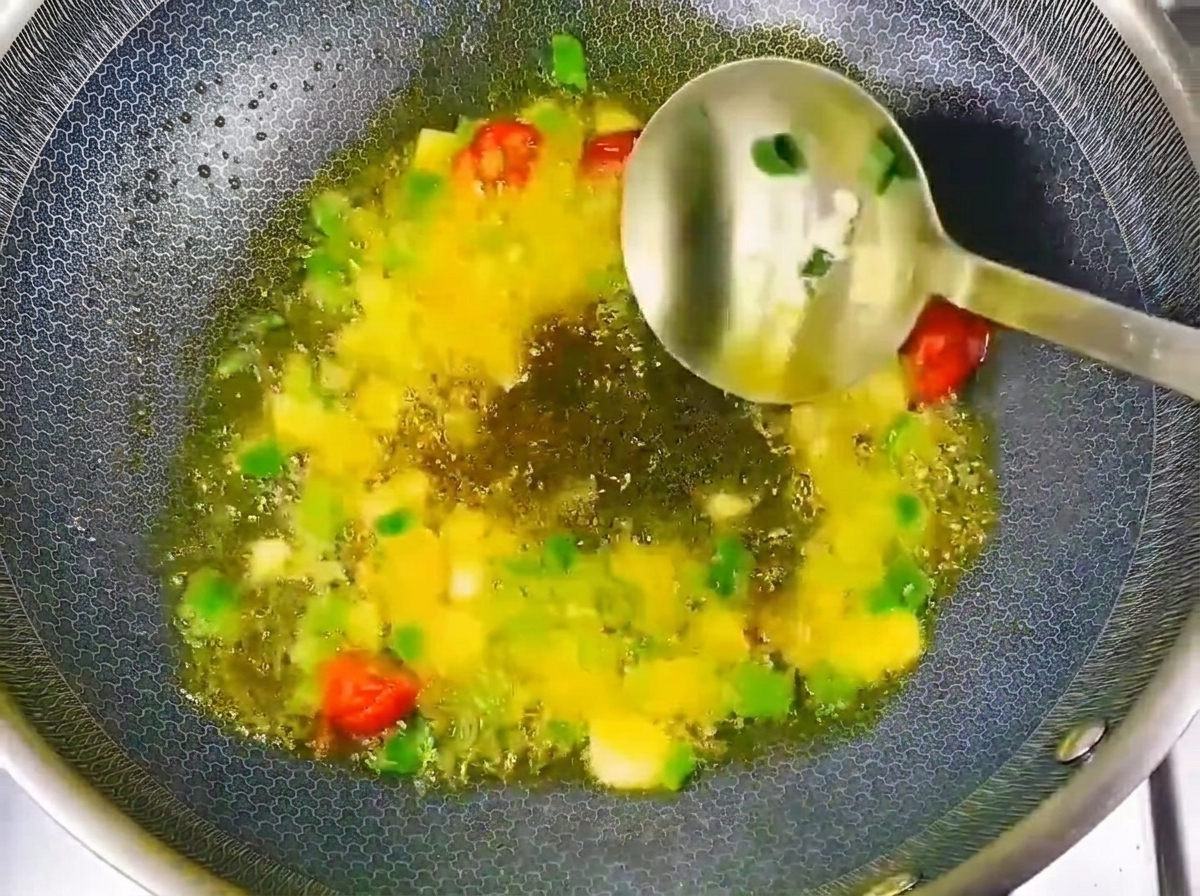
Add a spoonful of farmhouse soybean paste and a splash of soy sauce to the aromatic oil. Fry the mixture until the paste is fully cooked and fragrant to remove any raw soybean smell.
Tip: Frying the soybean paste is crucial for developing a rich, savory flavor base. - 5Prepare the braising liquid
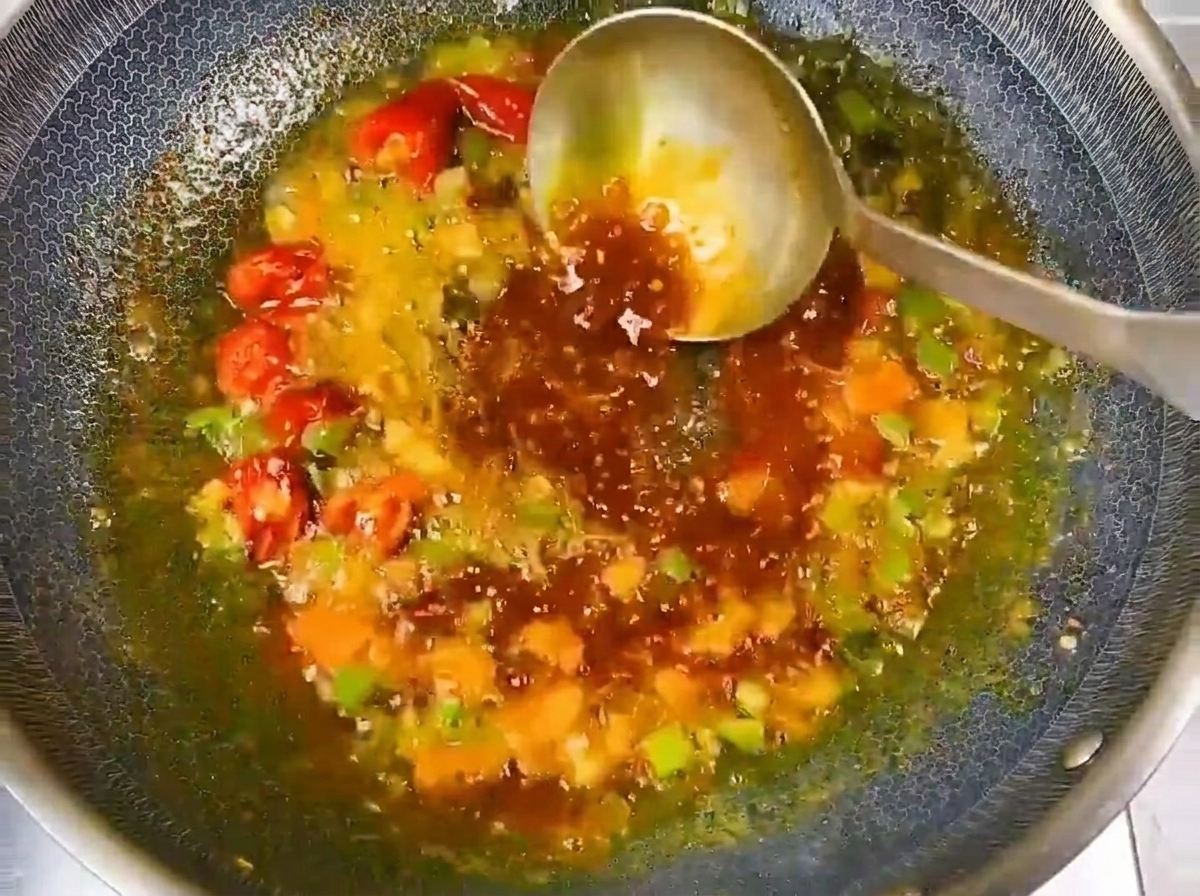
Pour a large bowl of water into the wok with the fried aromatics. Season the water with spice powder, a pinch of salt, chicken bouillon, and a little sugar to balance and enhance the umami.
Tip: Use warm water if you want the broth to come to a boil faster. - 6Season the broth
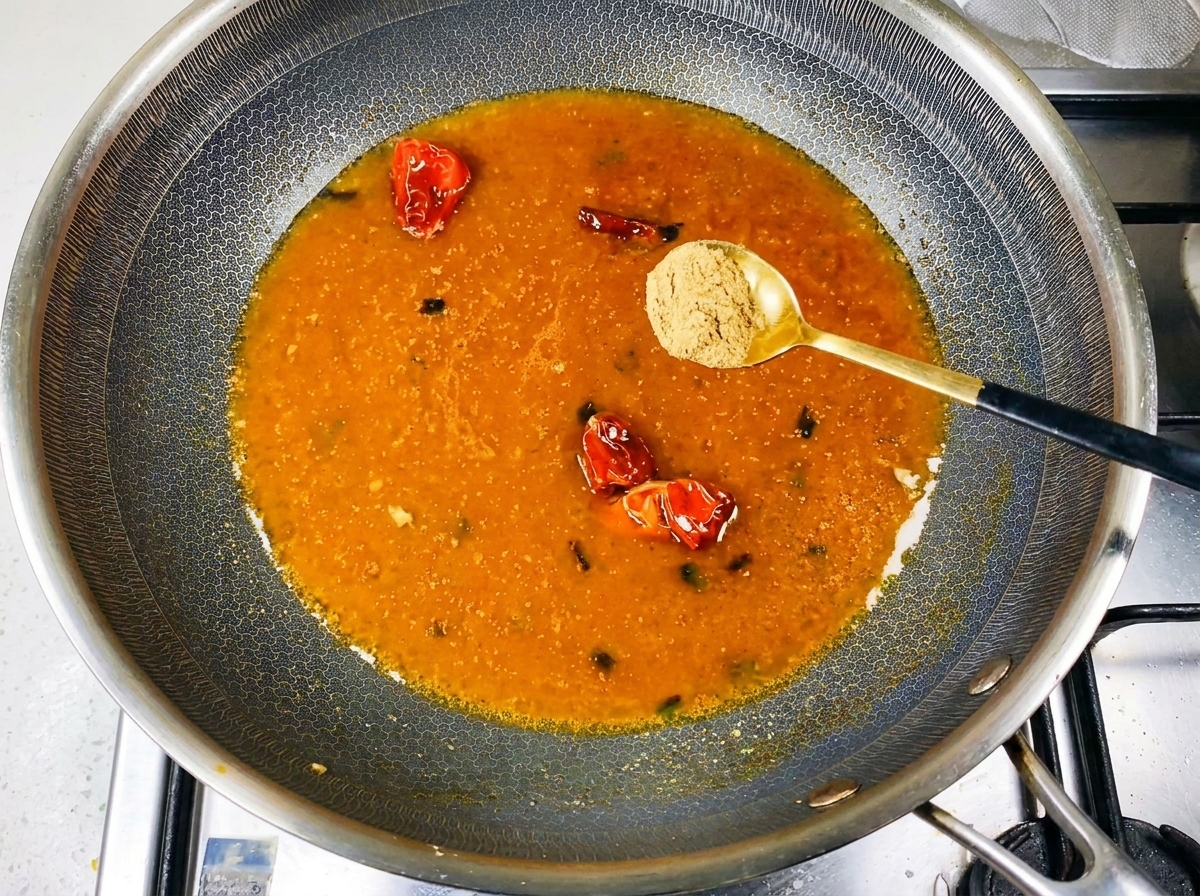
Continue to season your broth by sprinkling in the dry spice powder while the liquid simmers. This ensures the spices are well-distributed throughout the cooking liquid before the fish is added.
Tip: Stir the broth gently after adding spices to ensure even incorporation. - 7Arrange the river fish
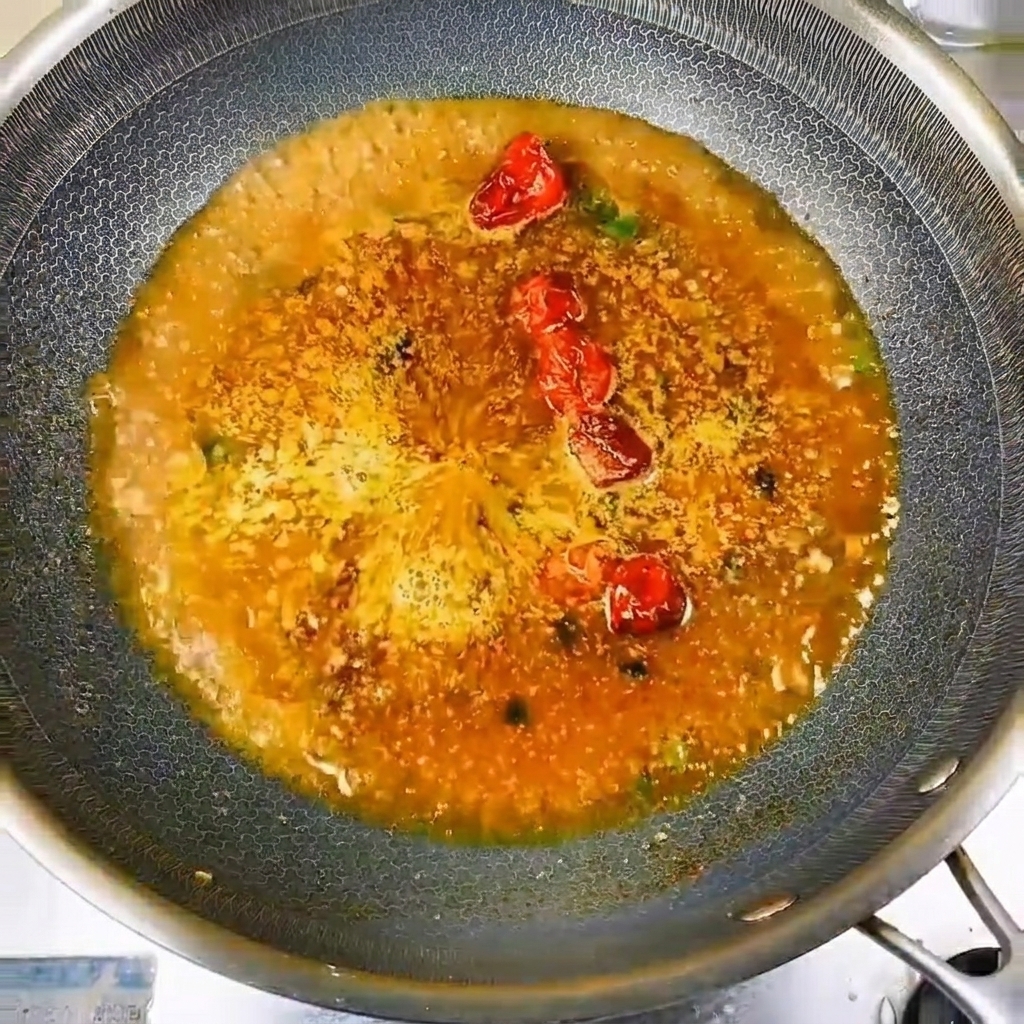
Gently place the washed small river fish into the wok, arranging them in a neat, circular pattern over the seasoned broth. This not only ensures even cooking but also creates an appealing presentation for the final dish.
Tip: Handle the fish delicately to keep them intact; arranging them in a circle helps the broth permeate evenly. - 8Season the fish
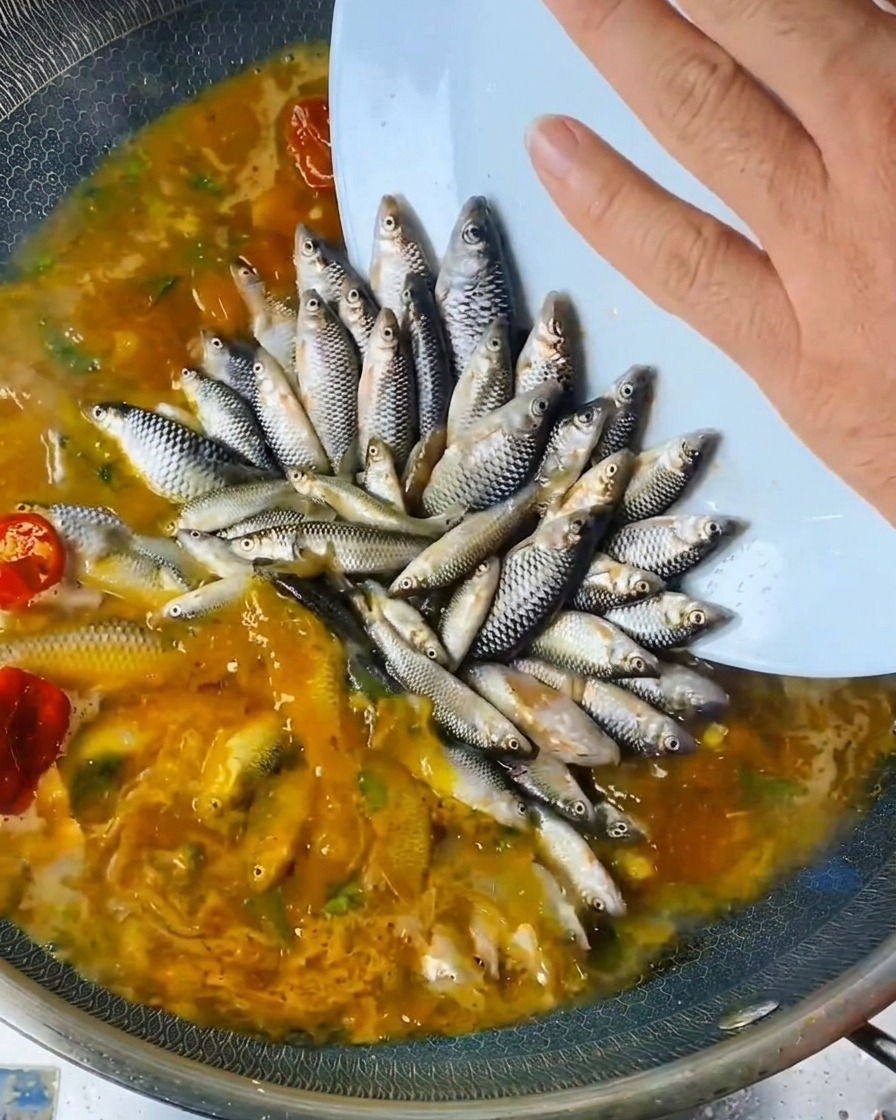
Pour liquid seasoning, such as a splash of cooking wine and vinegar, directly over the fish in the wok. This helps neutralize any fishy odors and infuses the meat with flavor during the braising process.
Tip: Adding the vinegar and wine right after arranging ensures the flavors penetrate the fish before the liquid reaches a rolling boil. - 9Simmer the fish
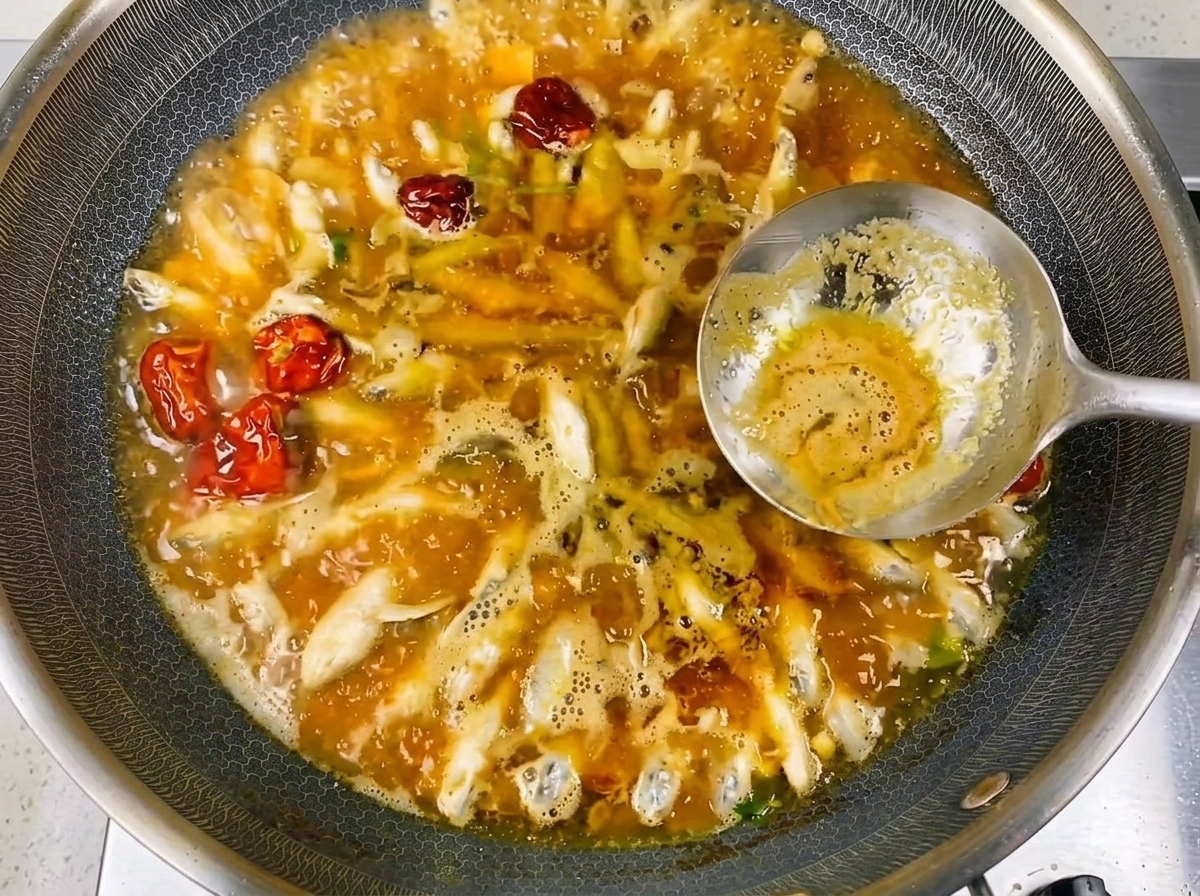
Allow the fish to simmer rapidly in the savory broth over high heat. It is crucial to keep the pan uncovered at this stage so that the fishy odors can evaporate along with the steam, ensuring a clean and delicious taste.
Tip: Keep the heat high and the wok open; this technique is the secret to removing any unwanted fishy scent. - 10Reduce the sauce
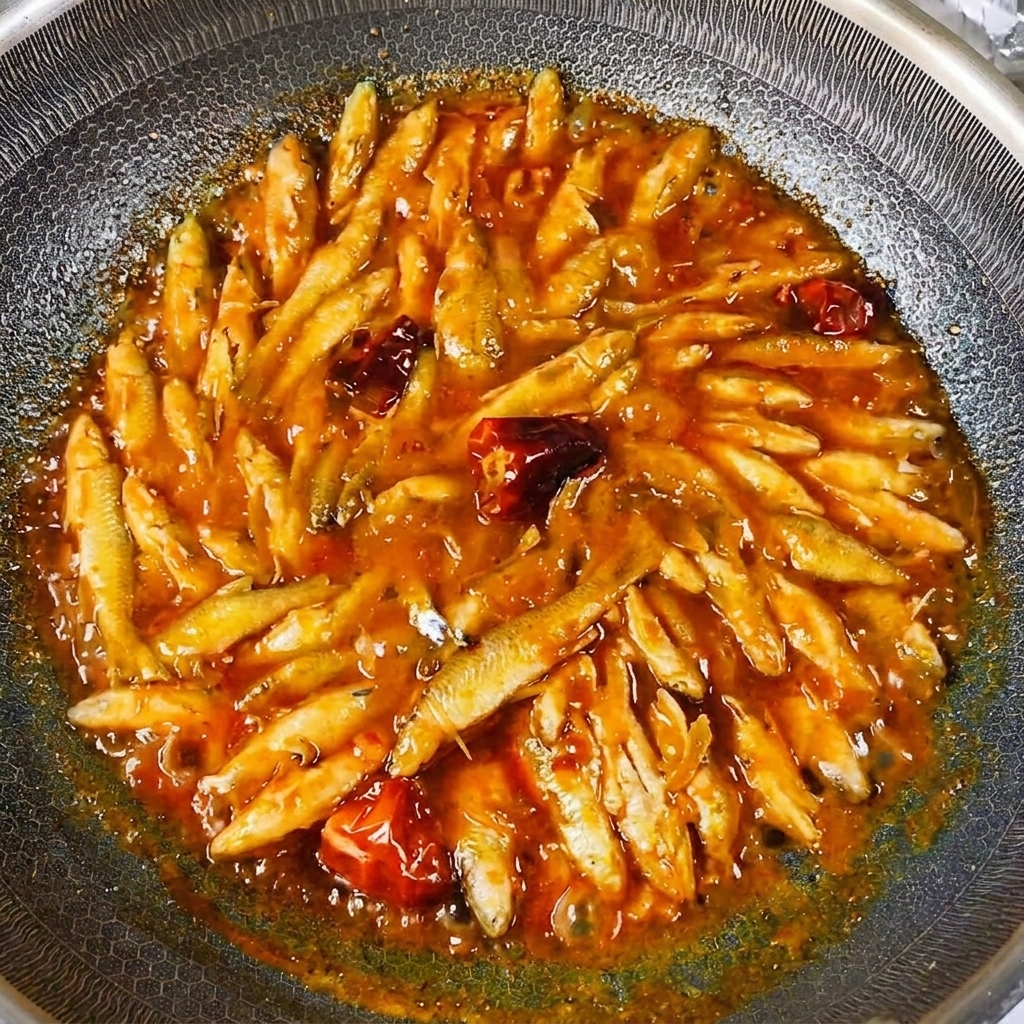
Continue to simmer until the broth reduces into a thick, flavorful sauce that beautifully coats each fish. Once the sauce has thickened to a glossy consistency, the dish is ready to be plated and garnished.
Tip: Watch the sauce carefully as it thickens to prevent it from burning at the bottom of the wok.