Authentic Tokyo Shoyu Ramen (Soy Sauce Ramen)
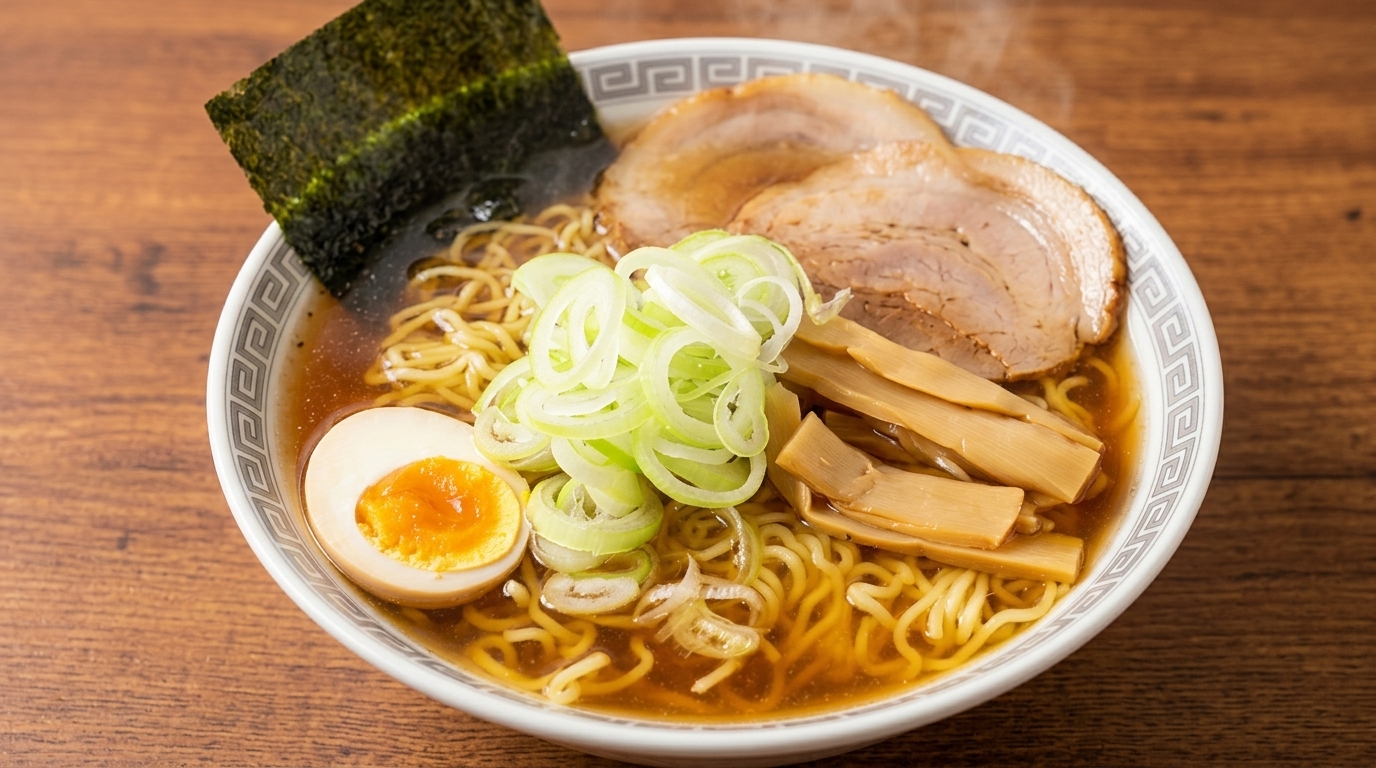
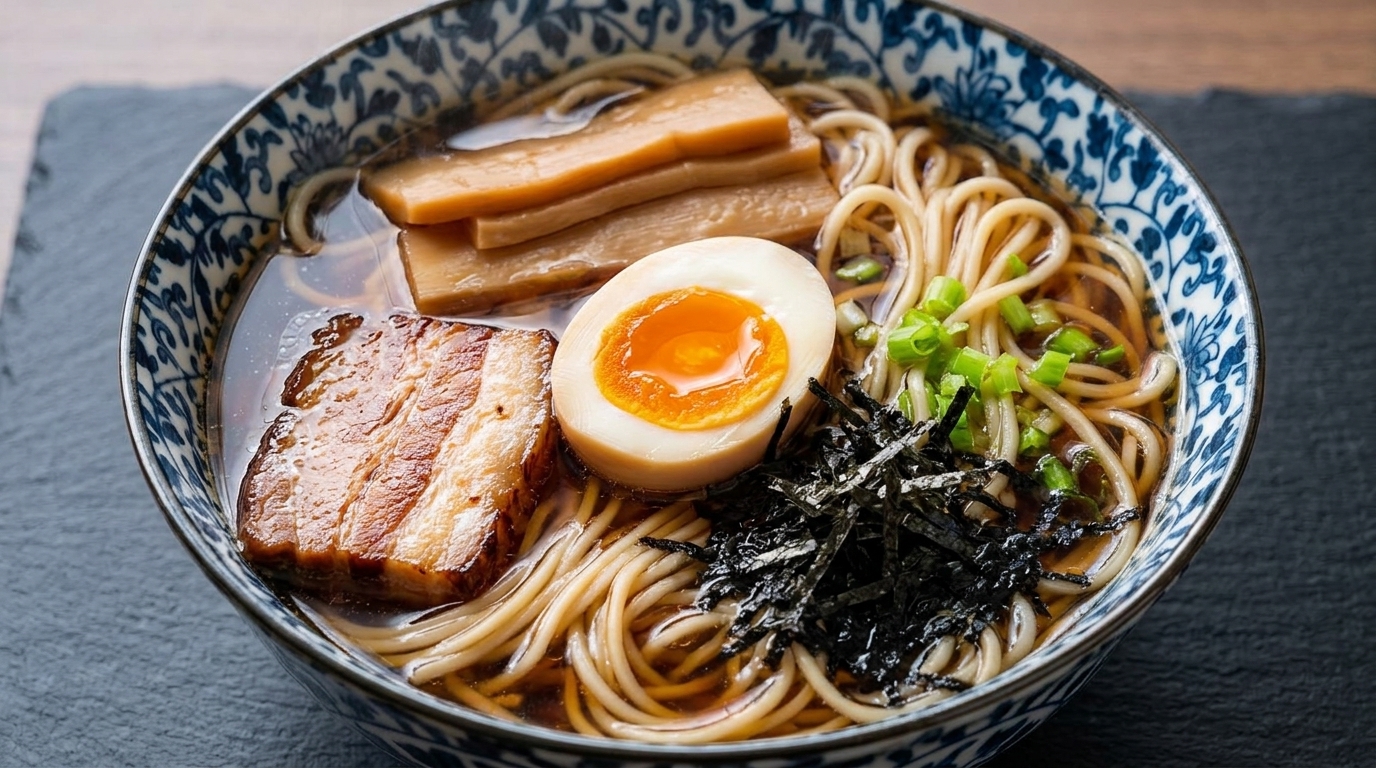
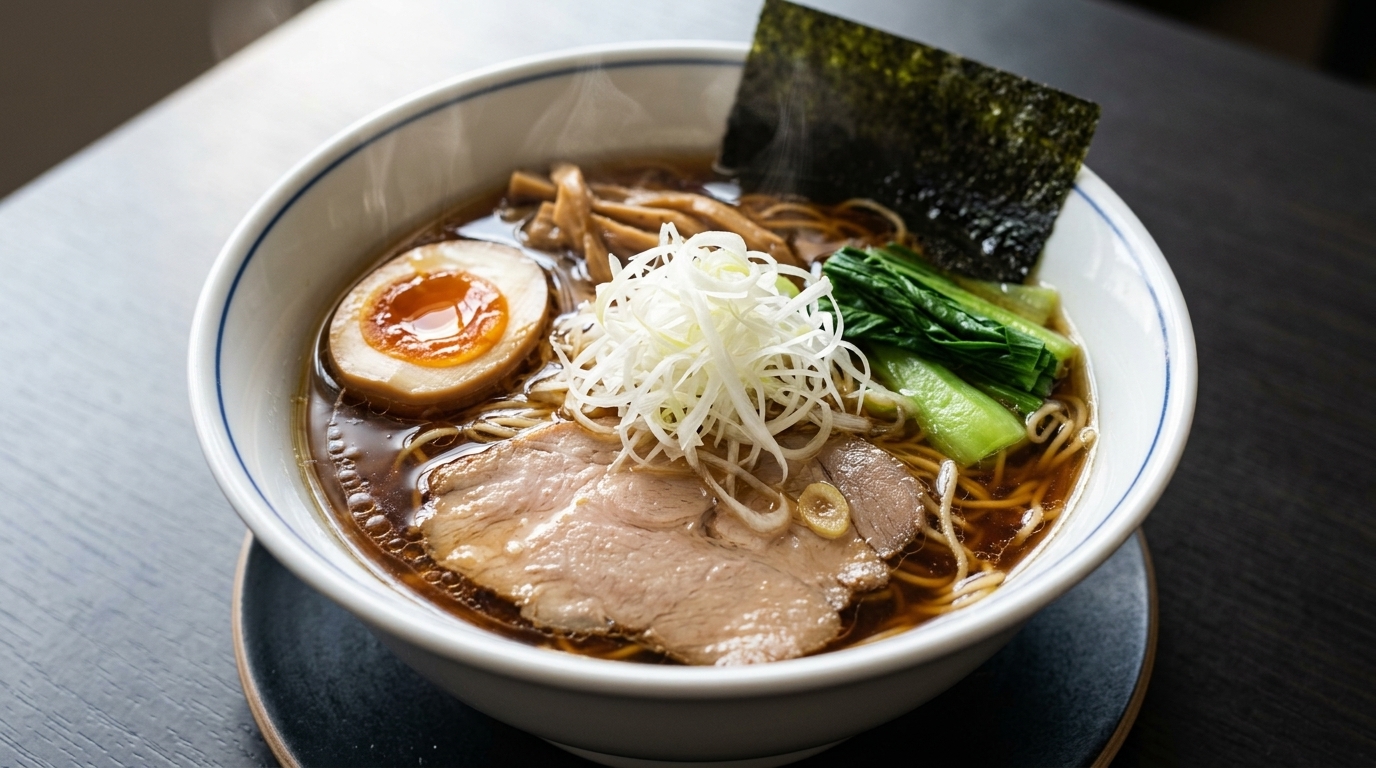
Master the art of Tokyo-style shoyu ramen with this meticulous assembly guide. Featuring a deeply savory soy sauce tare, clear amber broth, and classic toppings like tender pork chashu and jammy soft-boiled eggs.
Tokyo shoyu ramen represents the classic, nostalgic bowl of Japanese noodle soup. Defined by its clear, light broth (assari) and complex soy sauce-based tare, it balances umami, delicate aromatics, and perfectly chewy noodles. The beauty of this dish lies in its precise assembly, ensuring every bowl is served piping hot with immaculate presentation and perfectly layered flavors.
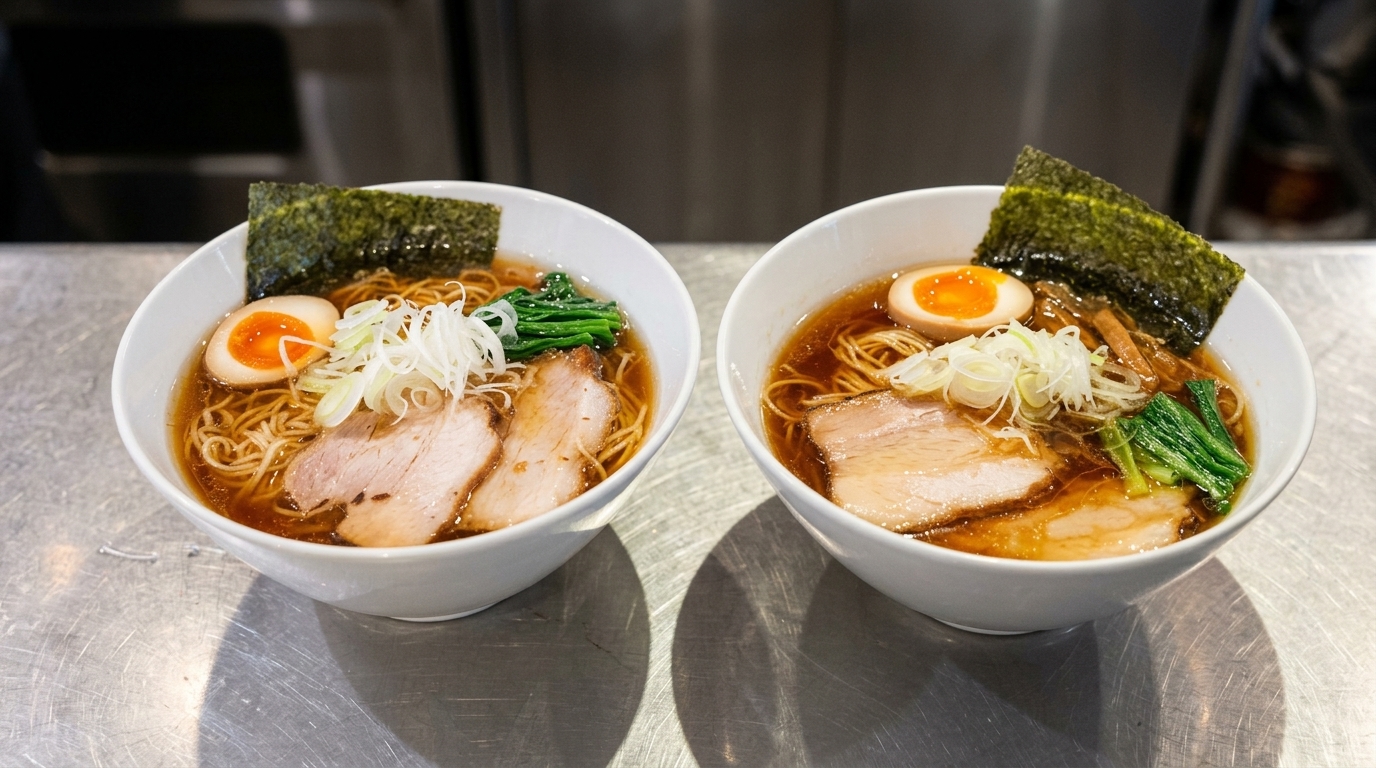
Ingredients
- 2 portions fresh ramen noodles
- 4 tbsp shoyu tare (soy sauce seasoning base)
- 600 ml hot clear ramen broth (chicken or pork based)
- 4 slices pork chashu
- 1 small handful spinach, blanched
- 1 whole soft-boiled egg, halved
- 1 handful white scallions, finely chopped
- 2 tsp clear aromatic oil (chicken fat or scallion oil)
- 2 squares nori seaweed
Instructions
- 1Add the tare base
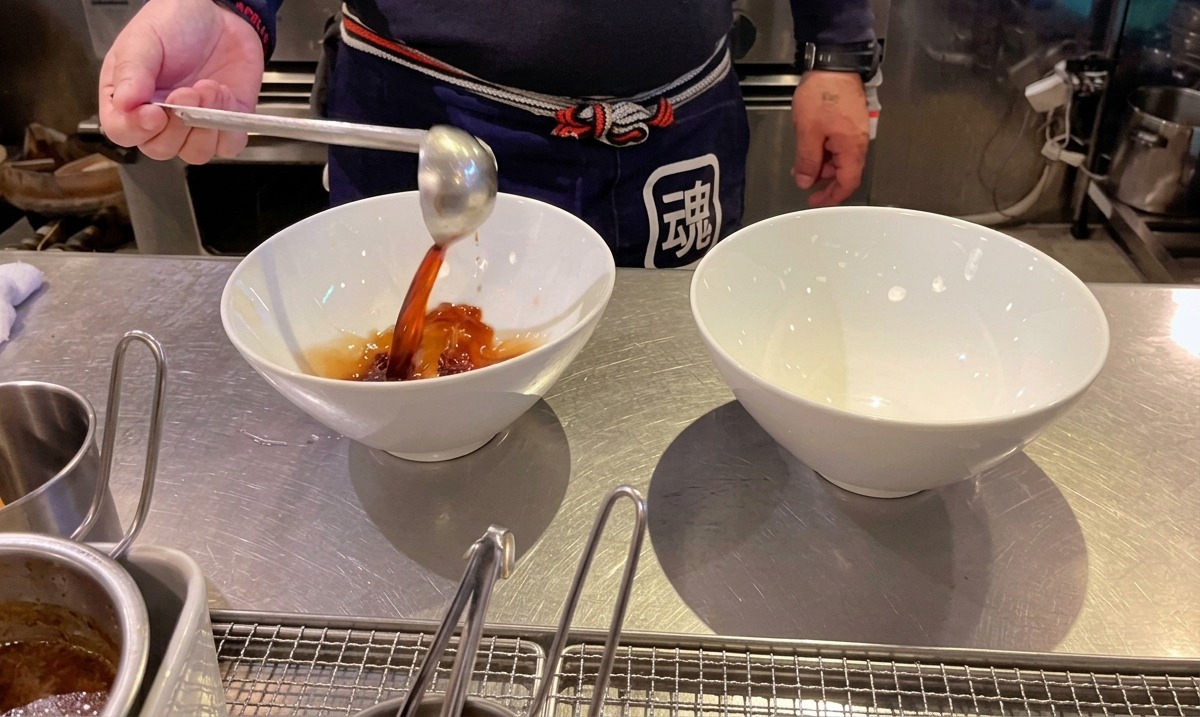
Begin by ladling the dark soy sauce base, or tare, into the bottom of empty serving bowls. This concentrated sauce provides the primary seasoning and depth of flavor for the entire ramen dish.
Tip: Warming the bowls with hot water beforehand and draining them will keep the soup hotter for a longer period of time. - 2Pour the hot broth
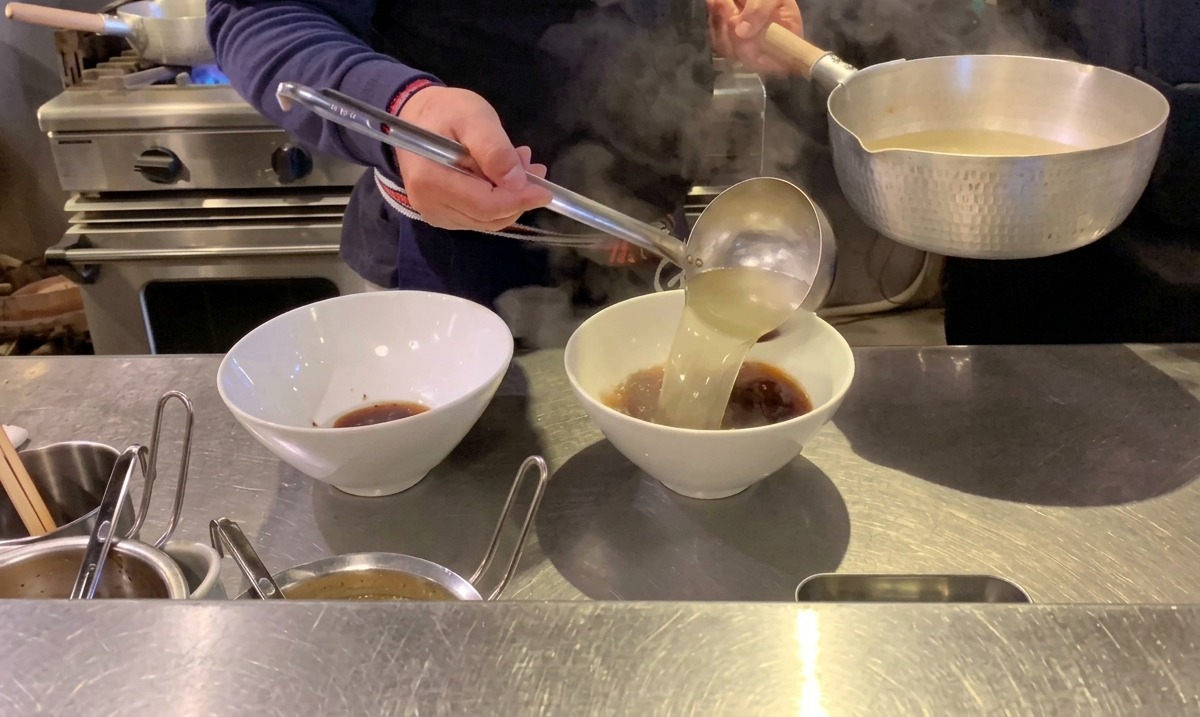
Ladle the steaming, clear broth directly over the tare in the bowls. The intense heat of the broth immediately activates the rich aromas of the soy sauce base and creates the fundamental soup.
Tip: Pour the broth vigorously to help mix the tare and the aromatic oils evenly before the noodles are added. - 3Drain the noodles

Once the noodles are cooked to the desired firmness, lift them from the boiling water. Shake the strainers vigorously to remove as much excess water as possible, ensuring the soup doesnt get watered down.
Tip: A firm, sharp shake is essential. Any remaining cooking water clinging to the noodles will dilute the carefully balanced flavor of the broth. - 4Add noodles to the soup
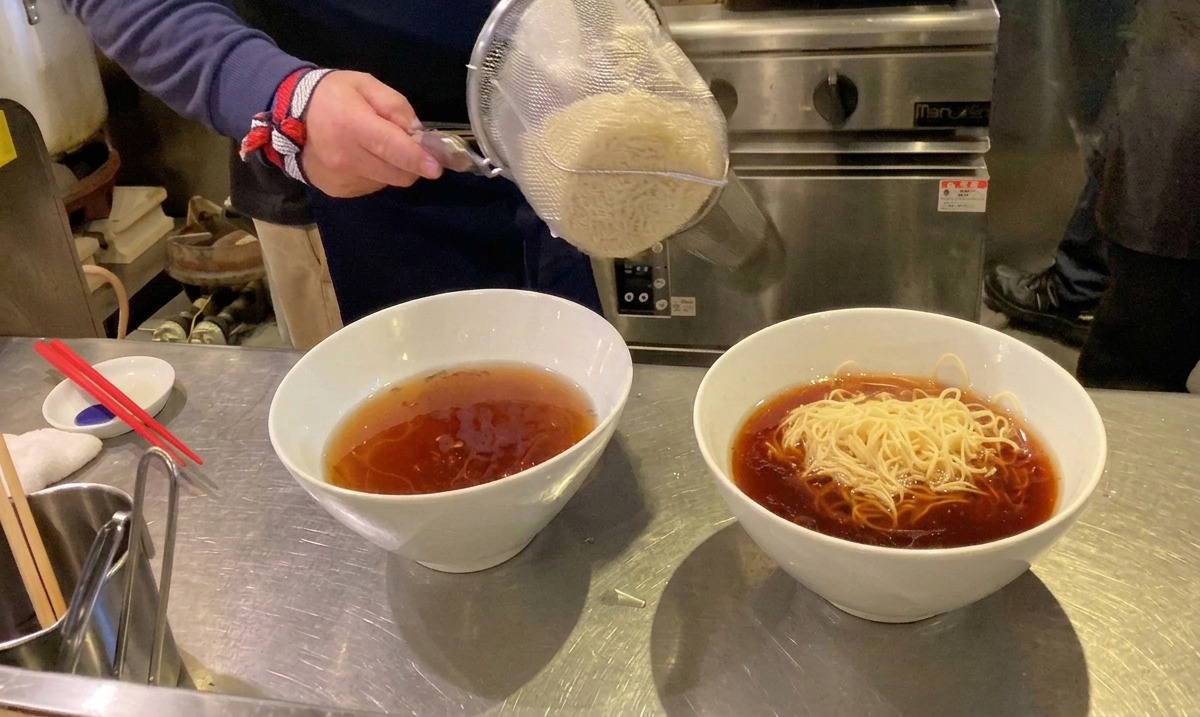
Gently empty the freshly cooked and drained noodles from the strainer directly into the waiting hot broth. Perform this step quickly so the noodles retain their heat and texture.
Tip: Place the noodles right into the center of the bowl to make the subsequent folding and arranging steps much easier. - 5Fold the noodles
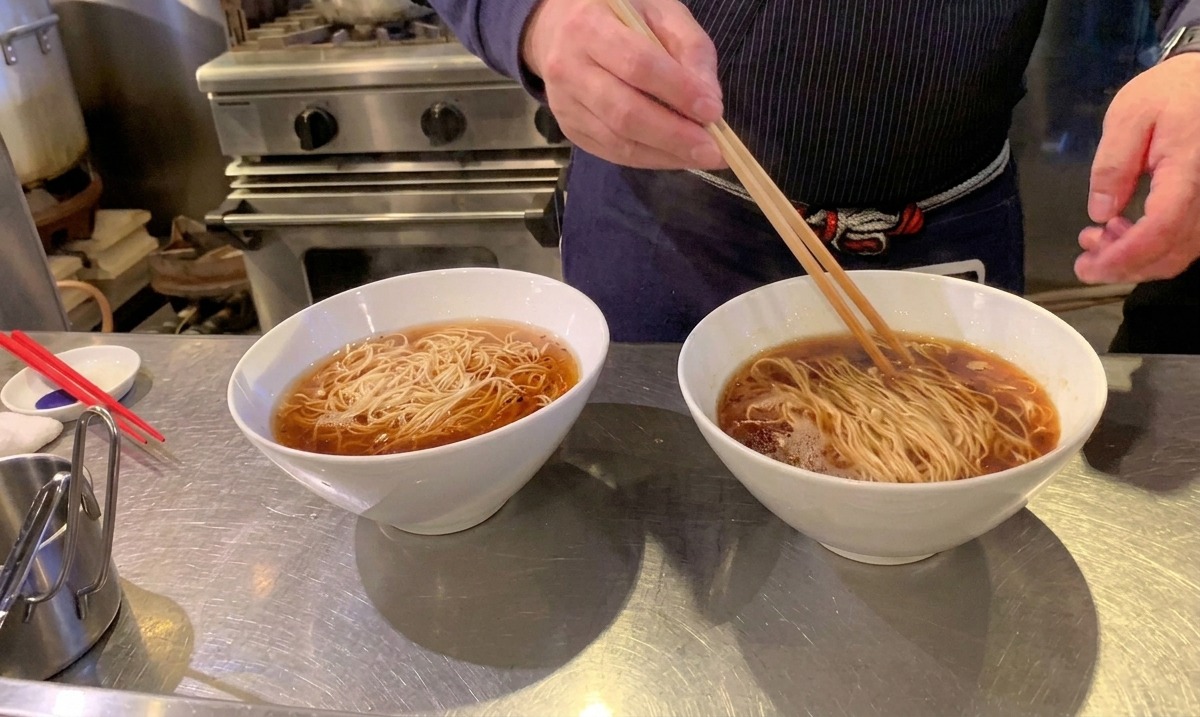
Use long wooden chopsticks to lift, comb, and neatly fold the noodles within the hot broth. This ensures every strand is evenly coated in soup and creates an appealing, organized presentation.
Tip: Lifting and folding the noodles aligns the strands beautifully, providing a neat, flat surface for arranging the toppings. - 6Add the chashu
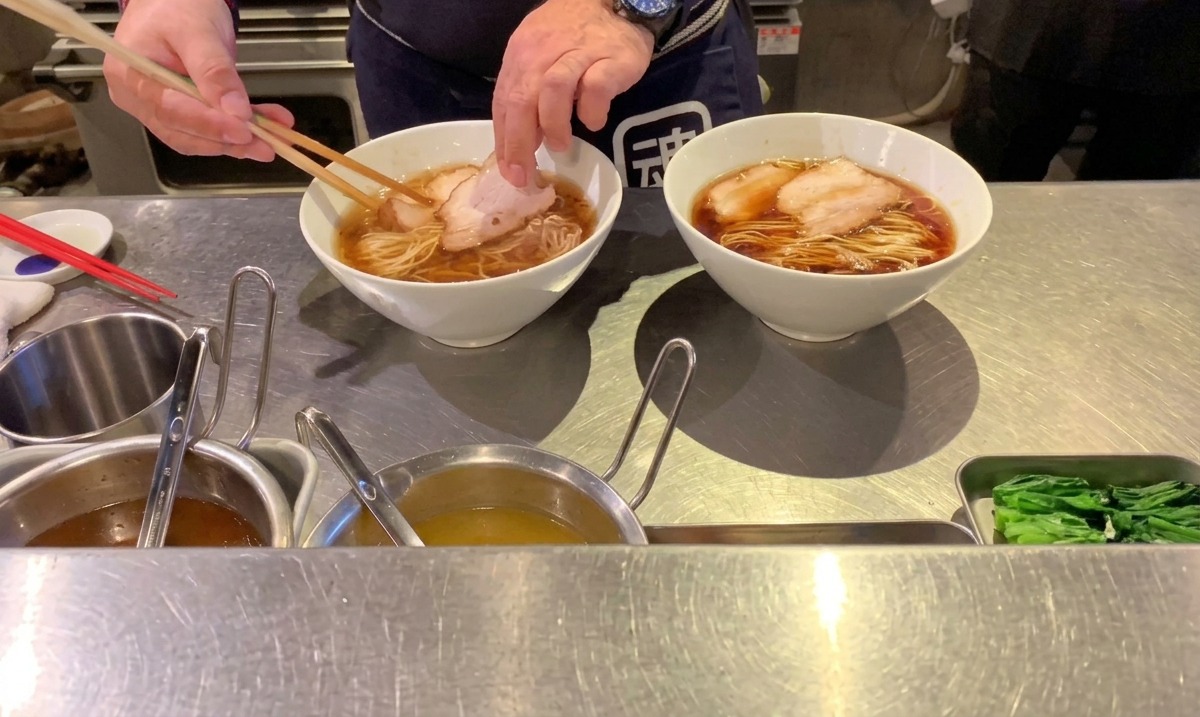
Carefully place the slices of cooked pork chashu over the neatly folded noodles. Position them slightly off-center to leave sufficient room for other garnishes to be added.
Tip: Letting the chashu rest in the hot broth for a minute before eating will gently warm the meat, making the fat deliciously tender and melt-in-the-mouth. - 7Add spinach
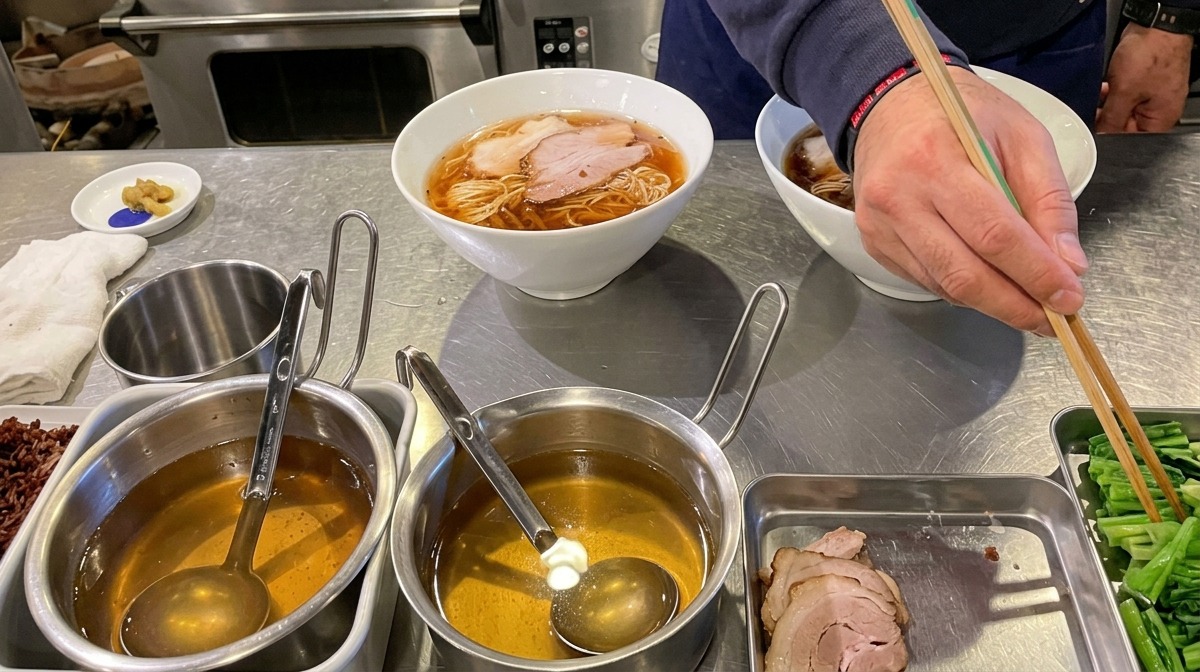
Place a small portion of blanched green spinach into each bowl, arranging it neatly next to the other toppings. This adds a vibrant color and fresh element to the dish.
Tip: Ensure the spinach is well-drained before adding it to prevent watering down the rich broth. - 8Add the soft-boiled egg
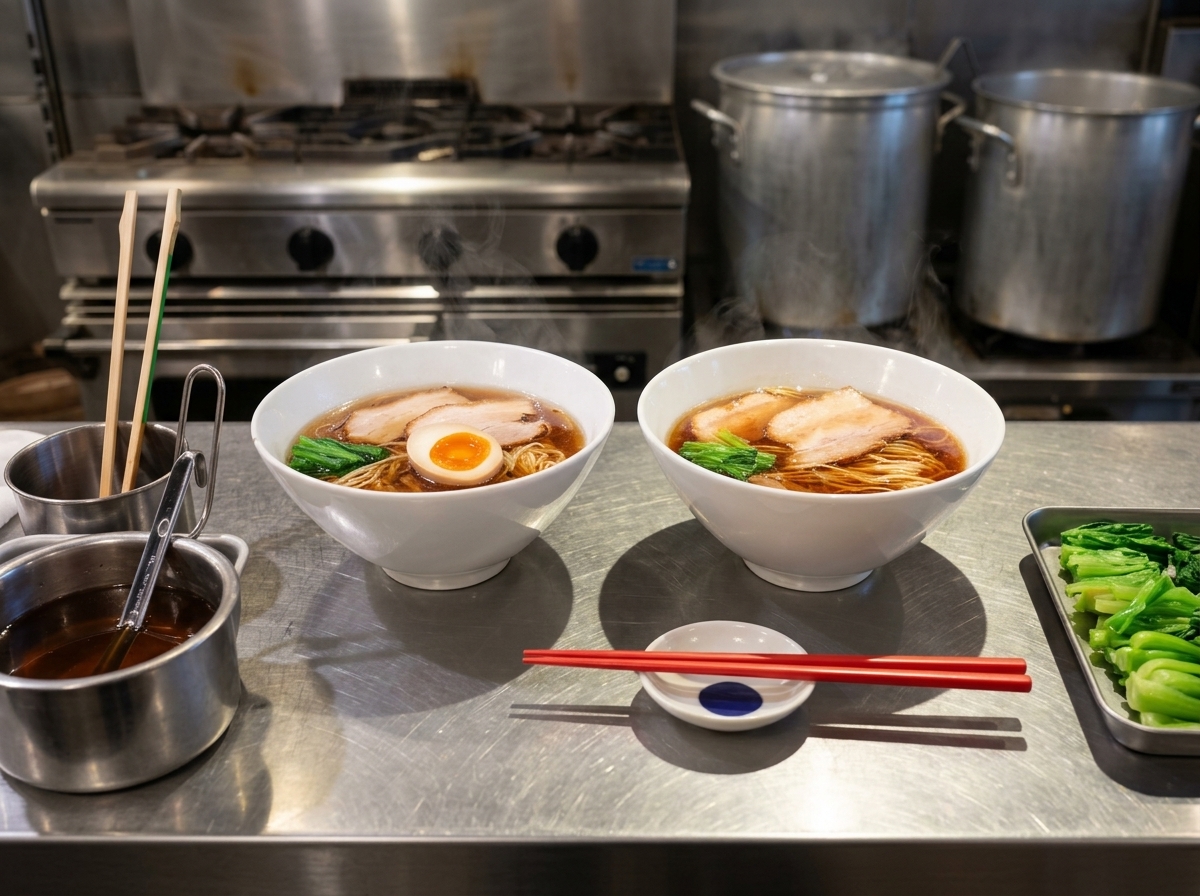
Carefully place a halved soft-boiled egg into the bowl. Make sure the bright, semi-firm orange yolk is facing upwards for an appetizing presentation.
Tip: Use a thin wire or a very sharp, wet knife to cut the egg cleanly without smearing the delicate yolk. - 9Garnish with scallions
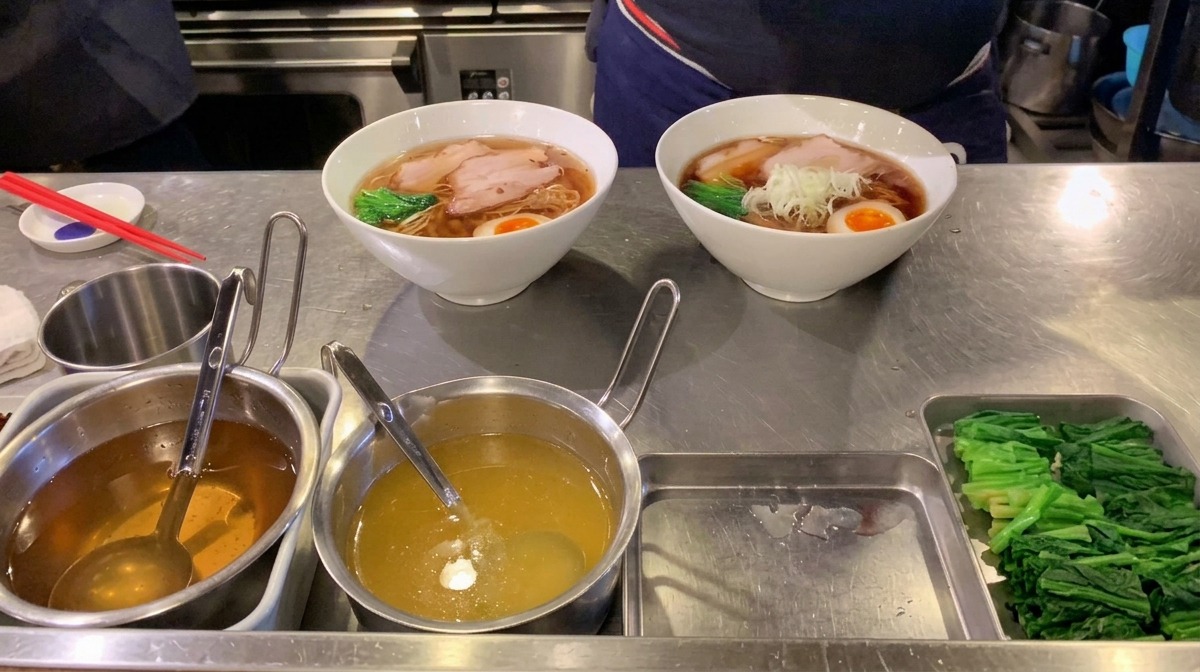
Sprinkle a generous handful of thinly sliced white scallions directly onto the center of the bowl. This provides a crisp texture and a sharp, fresh flavor contrast.
Tip: Slice the scallions as finely as possible so their aroma releases quickly when they touch the hot broth. - 10Drizzle aromatic oil
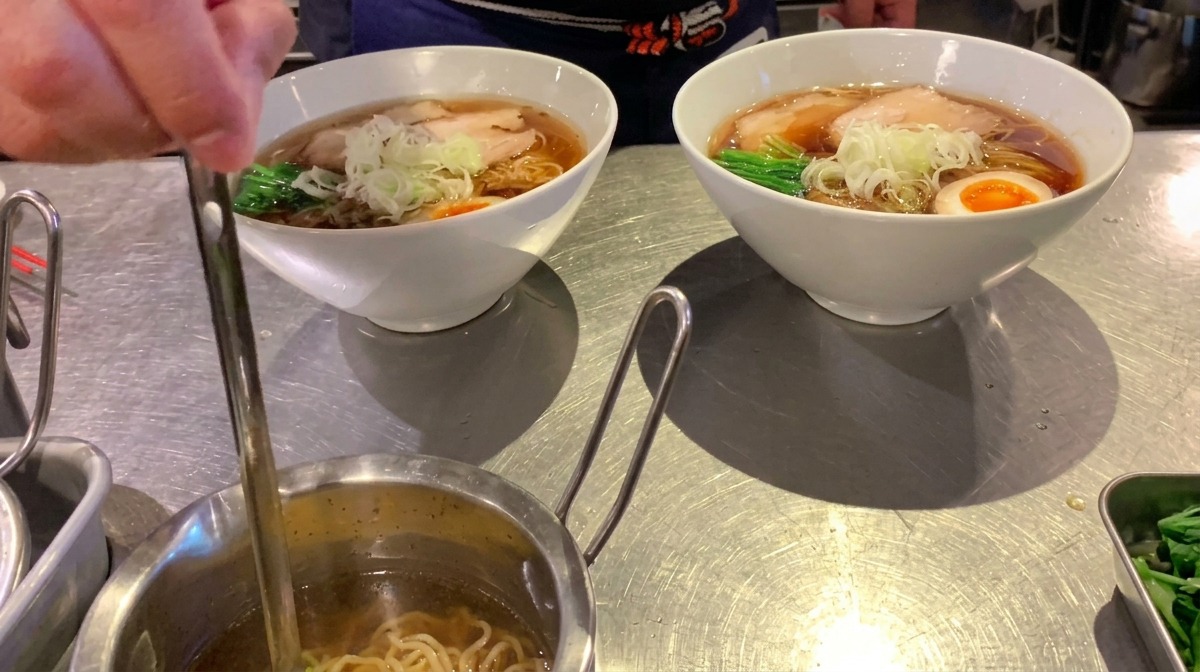
Use a small ladle to drizzle a touch of clear aromatic oil over the toppings and broth. This finishing oil adds an extra layer of depth, richness, and fragrance to the final dish.
Tip: Add the aromatic oil right before serving to ensure its delicate fragrance is at its peak when presented. - 11Finish with nori seaweed
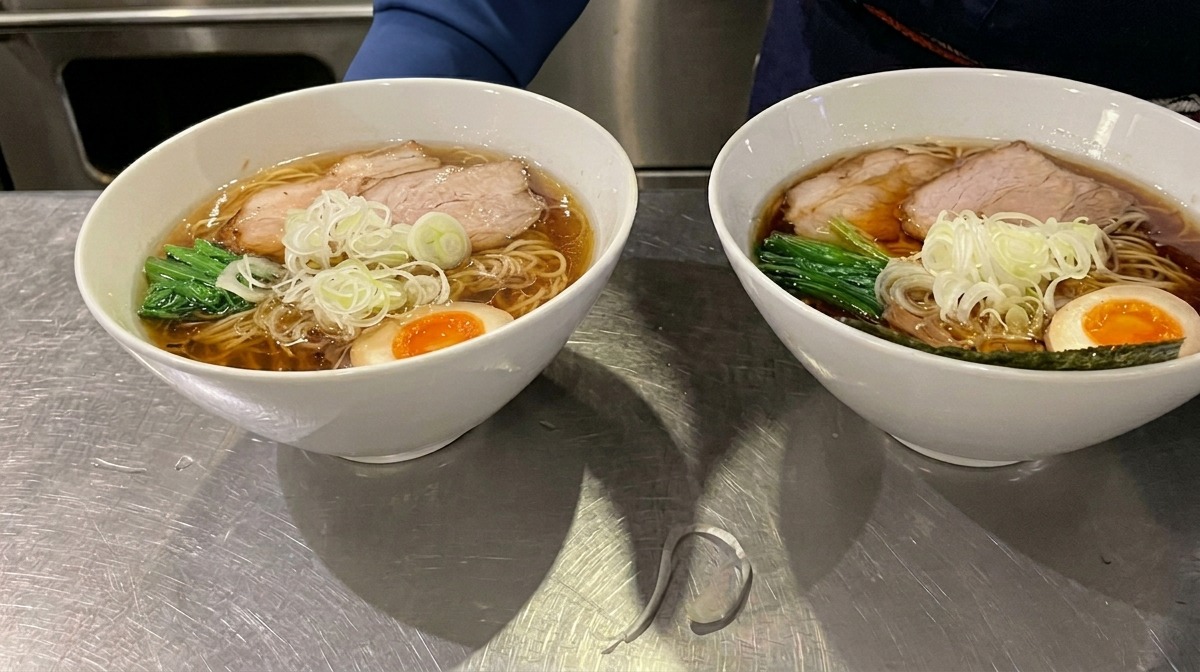
Tuck a crisp, square sheet of dark green nori seaweed gently into the edge of the bowl. Serve the ramen immediately while piping hot and the nori is still crunchy.
Tip: Only add the nori at the very last moment, as it will quickly soften and lose its appealing crunch once it touches the warm broth.