Thick Seafood Tsukemen (Japanese Dipping Noodles)
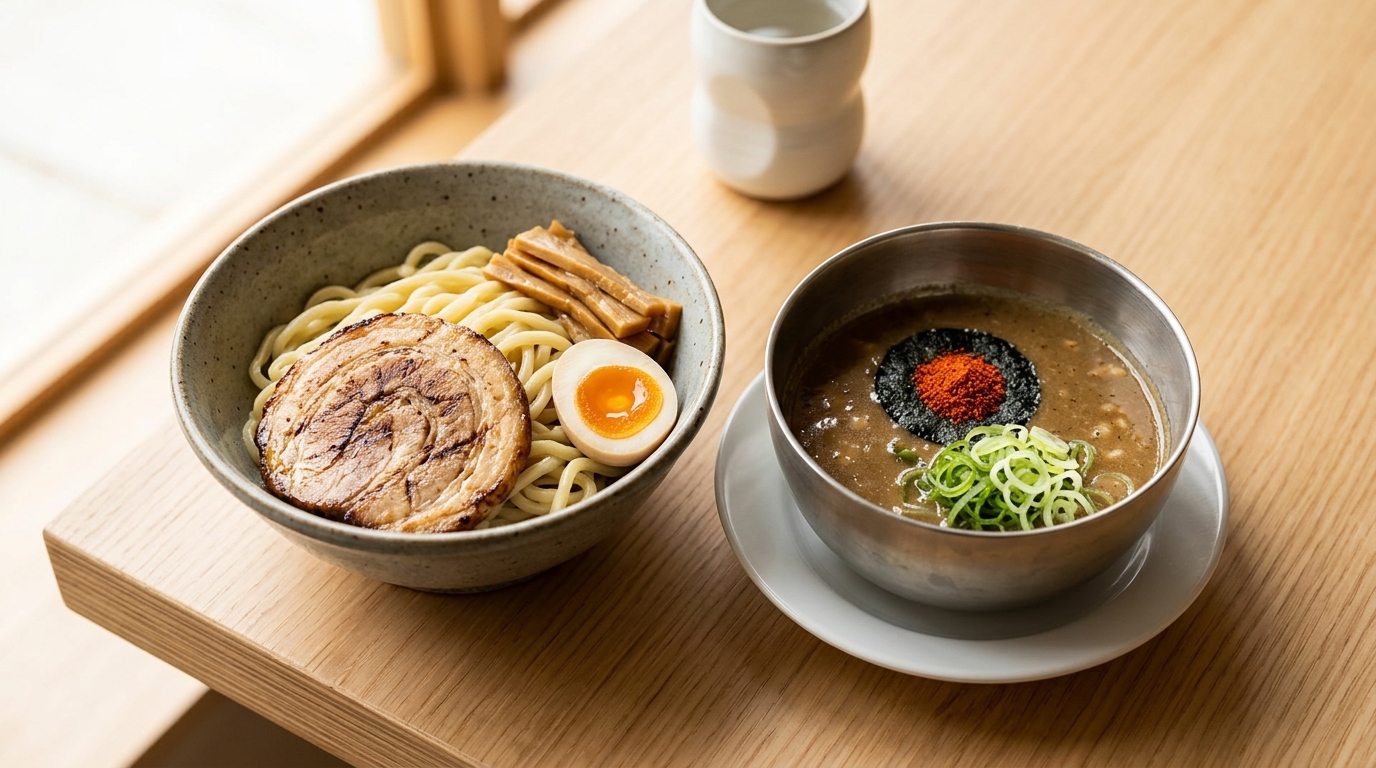
Experience the intensity of Japanese Tsukemen with thick chewy chilled noodles served alongside a hyper concentrated umami rich seafood and pork bone dipping broth.
Tsukemen or dipping noodles was born in Tokyo in the 1960s as a staff meal and has since evolved into a cult status ramen subgenre. This version focuses on the Gyokai Tonkotsu style characterized by a creamy pork base infused with an explosive amount of dried seafood for a deep smoky finish.
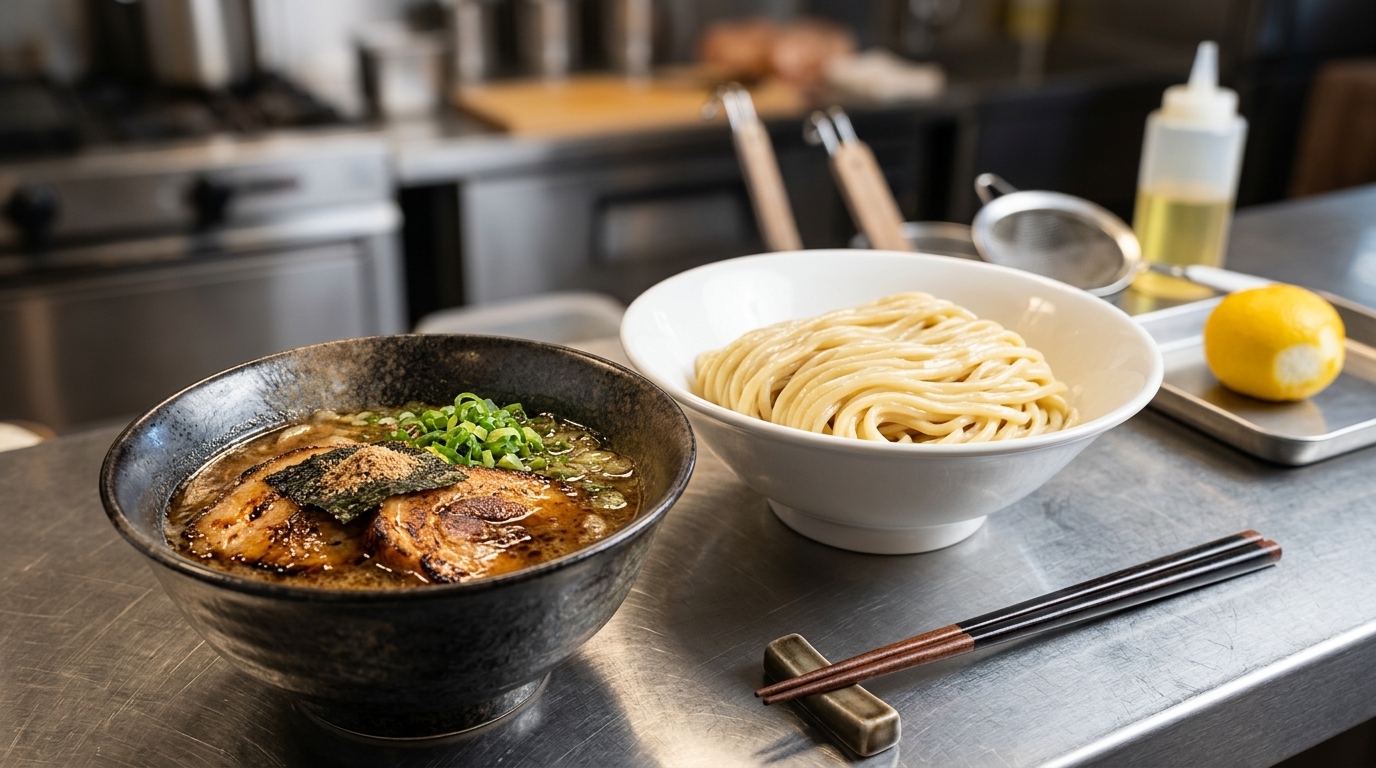
Ingredients
- 400 g thick ramen noodles
- 600 ml tonkotsu or creamy chicken broth
- 50 g dried niboshi (anchovies)
- 20 g katsuobushi (bonito flakes)
- 2 slices pork belly chashu
- 2 tbsp soy sauce
- 1 tbsp mirin
- 1 tbsp scallion oil or lard
- 1 tbsp fish powder (gyofun)
- 1 sheet nori seaweed
- to taste chopped green onions
Instructions
- 1Infuse the broth with dried seafood
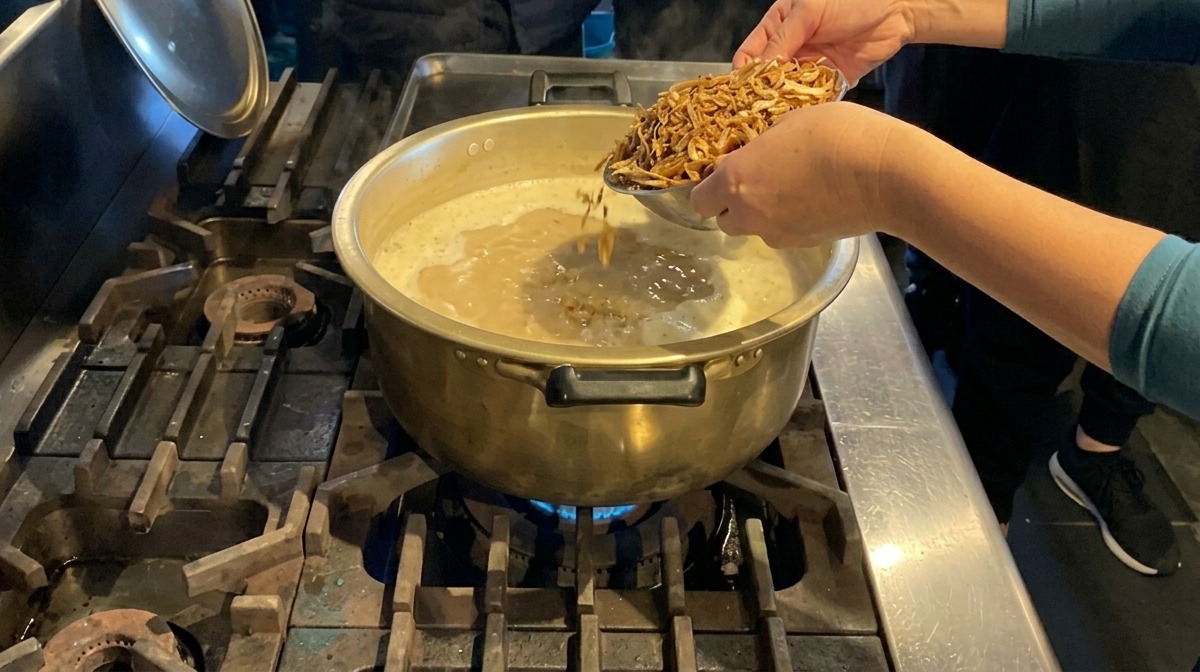
Add a generous handful of dried niboshi and other aromatics into the boiling creamy soup base. These dried ingredients provide a deep savory umami punch that defines a complex and authentic Japanese ramen broth.
Tip: Removing the heads and entrails of larger dried fish before adding them can help prevent the broth from becoming overly bitter during the simmer. - 2Simmer the aromatics
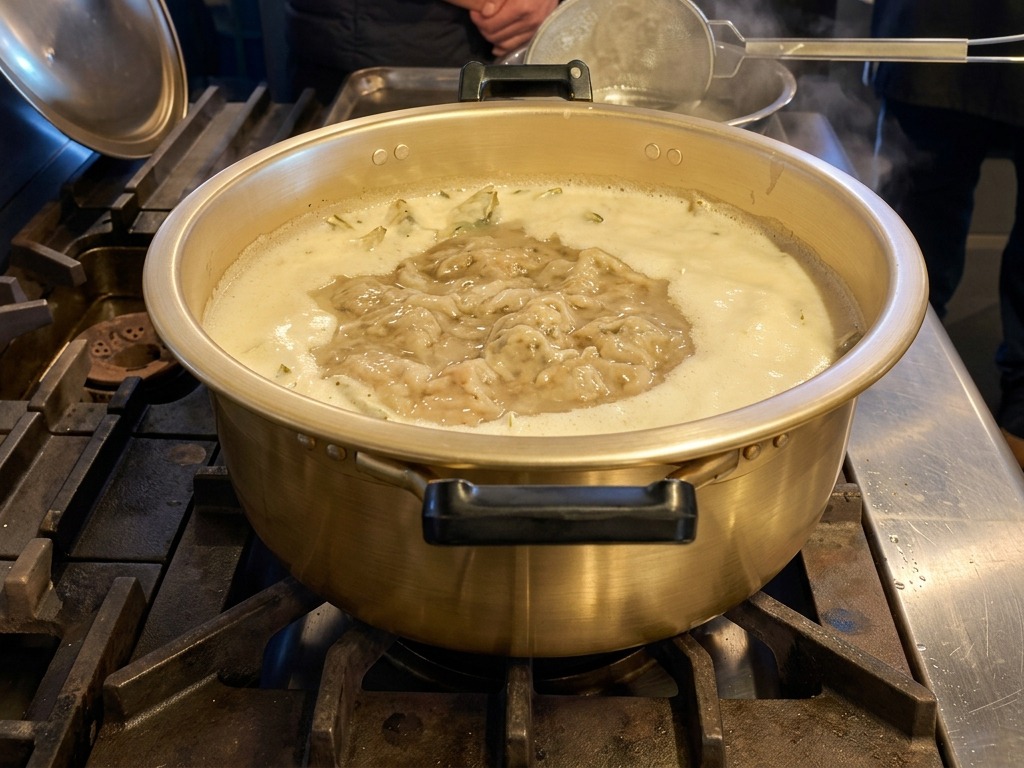
Allow the dried fish to simmer steadily in the thick, opaque broth. This slow infusion process extracts the rich oils and essential flavors from the seafood, thickening the soup and creating a heavily layered taste profile.
Tip: Keep the heat at a steady, gentle simmer. A rolling boil can cause the broth to emulsify too aggressively, potentially making the texture gritty from the breaking down of the dried fish. - 3Prepare the tare base
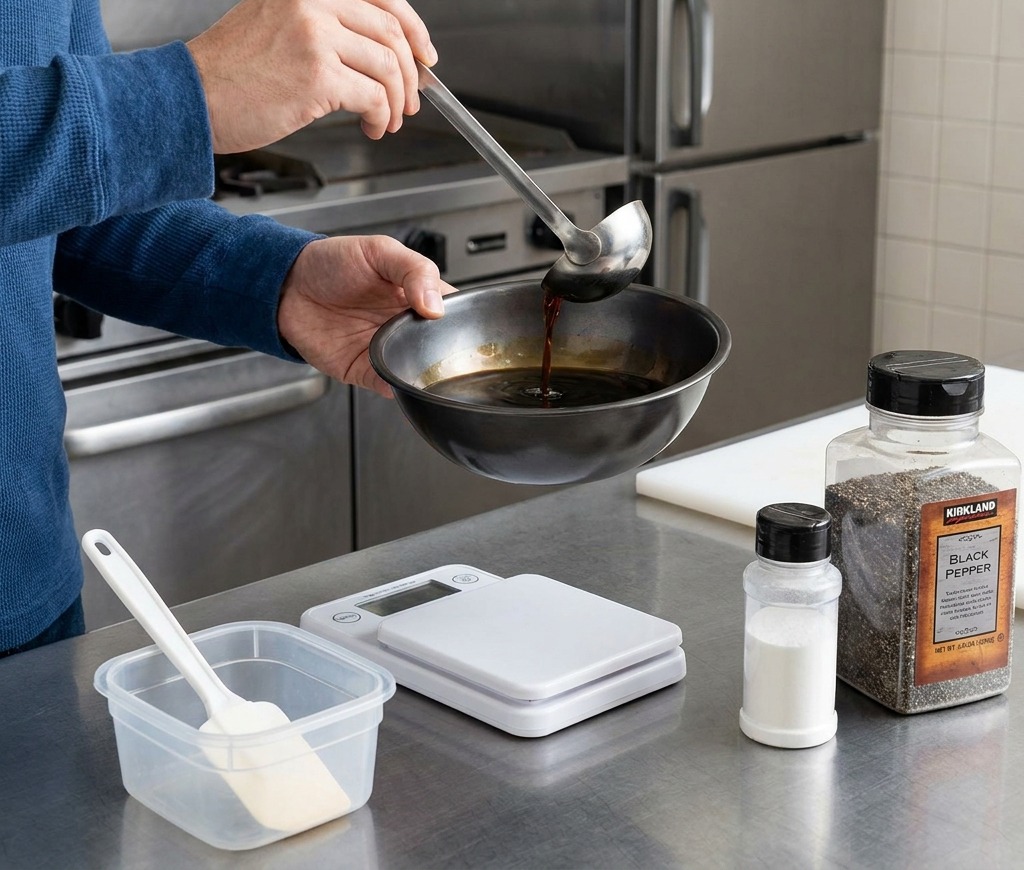
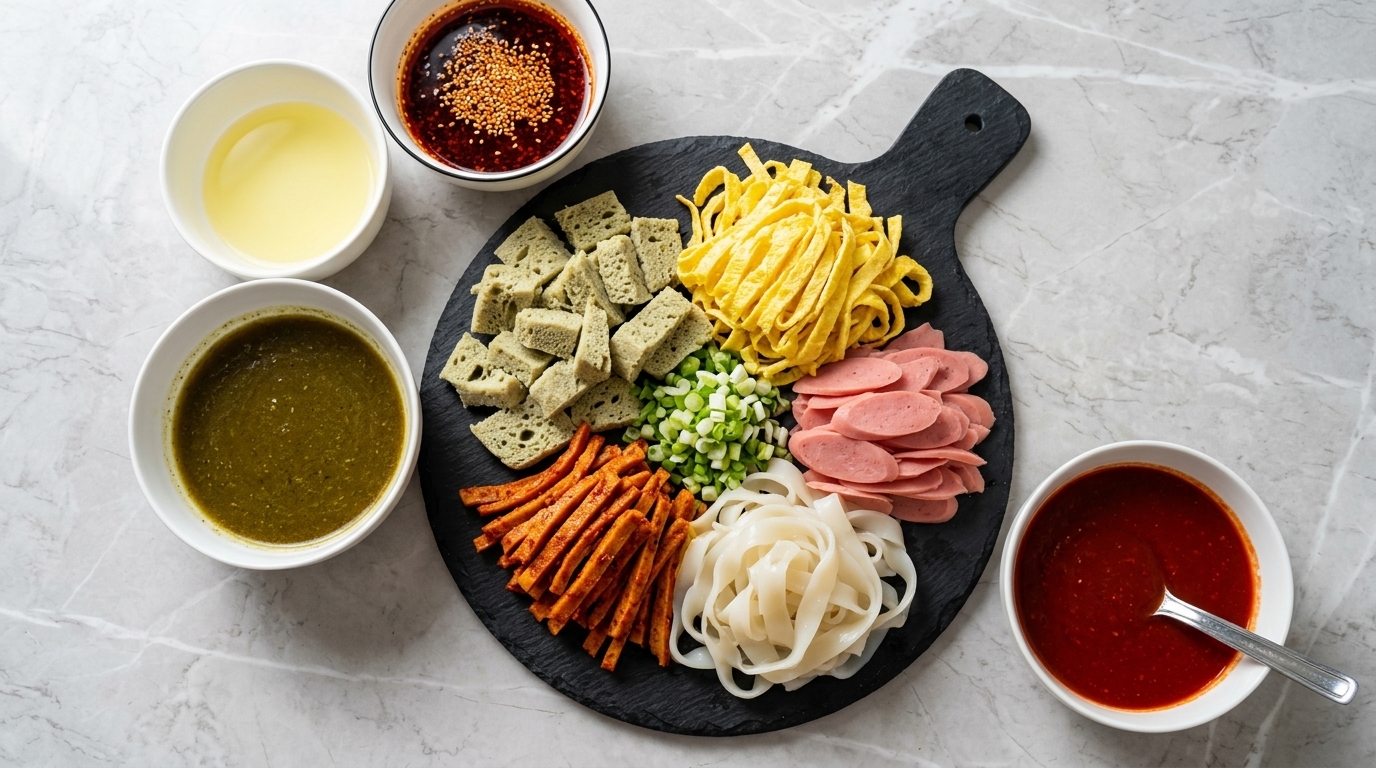
Ladle the dark, soy-based tare seasoning into the bottom of a serving bowl. This concentrated sauce serves as the primary flavor foundation, providing the necessary saltiness and complexity before the hot broth is introduced.
Tip: Ensure the tare is at room temperature or slightly warmed so it doesnt drop the temperature of the hot broth when they are combined. - 4Add the aroma oil
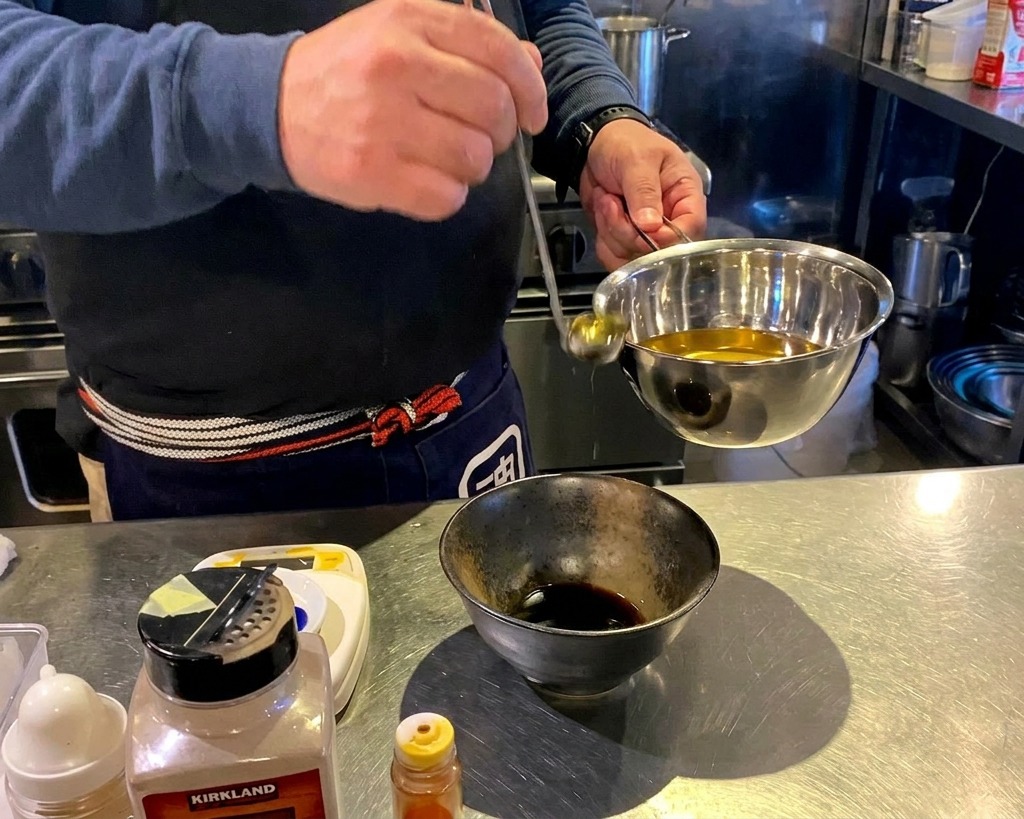
Pour a measured amount of clear, golden aroma oil into the bowl over the tare. This oil is typically infused with ingredients like garlic or scallions to add a rich mouthfeel and a fragrant top note to the finished soup.
Tip: The oil acts as a sealant to keep the soup hot, so dont skip this step if you want a professional-tasting bowl. - 5Incorporate the seasoning powder
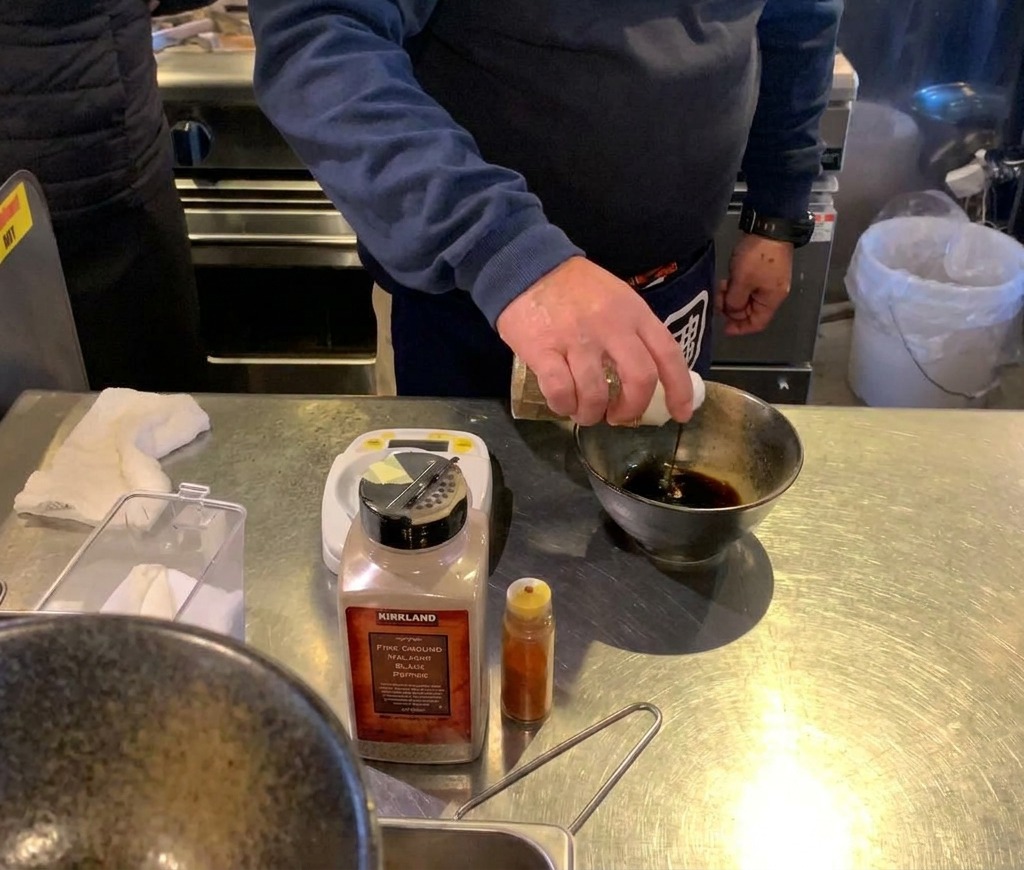
Add the concentrated seasoning powder to the bowl. In professional shops, this is often a blend of pulverized dried fish and spices that thickens the dip and provides a coarse, artisanal mouthfeel.
Tip: Stir the powder slightly into the oil and tare to ensure it dissolves smoothly once the hot broth is poured over it. - 6Sear the chashu
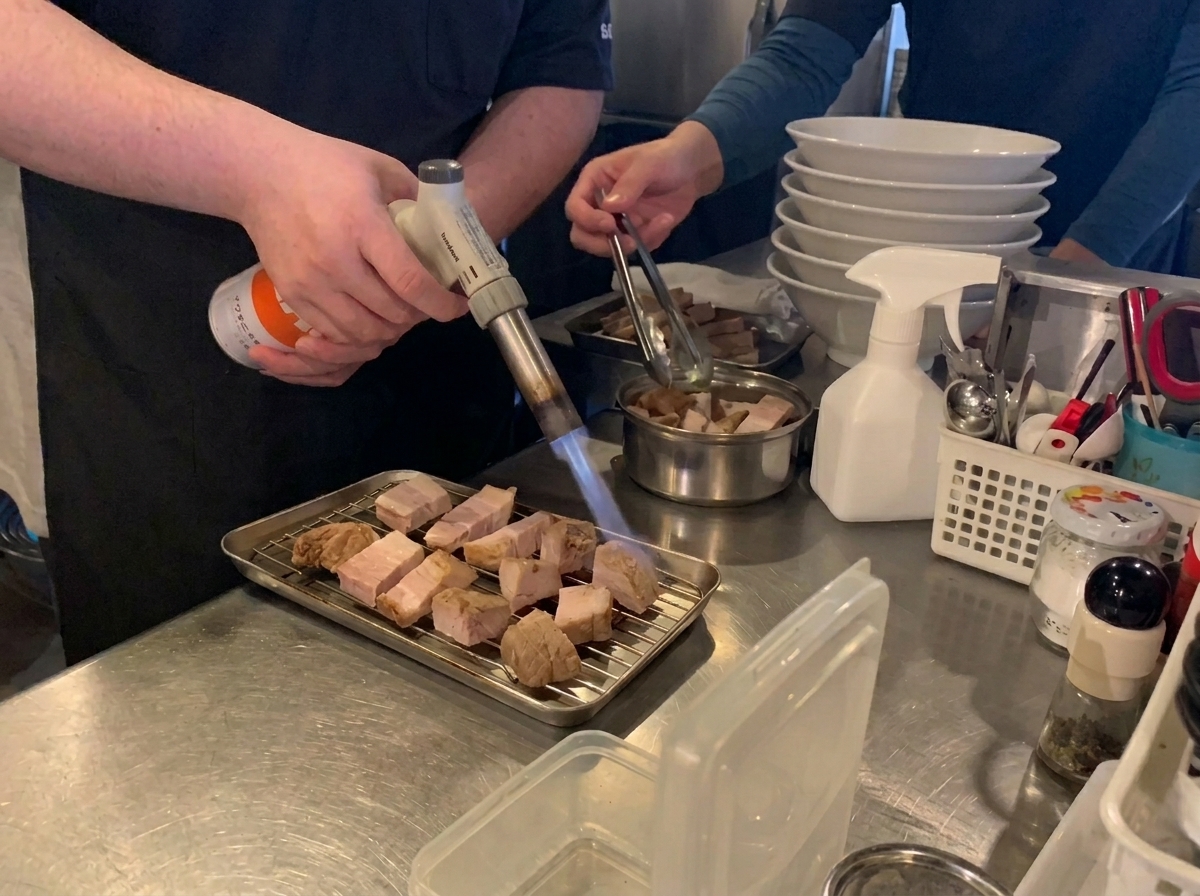
Use a kitchen torch to carefully sear the thick-cut pork belly slices on a wire rack. Direct the flame across the surface until the fat begins to sizzle and deep brown, caramelized spots appear. This process renders the fat and adds a rich, smoky aroma to the meat before serving.
Tip: Keep the torch moving constantly to ensure even browning and to prevent the meat from taking on a gaseous flavor. - 7Portion the dipping soup
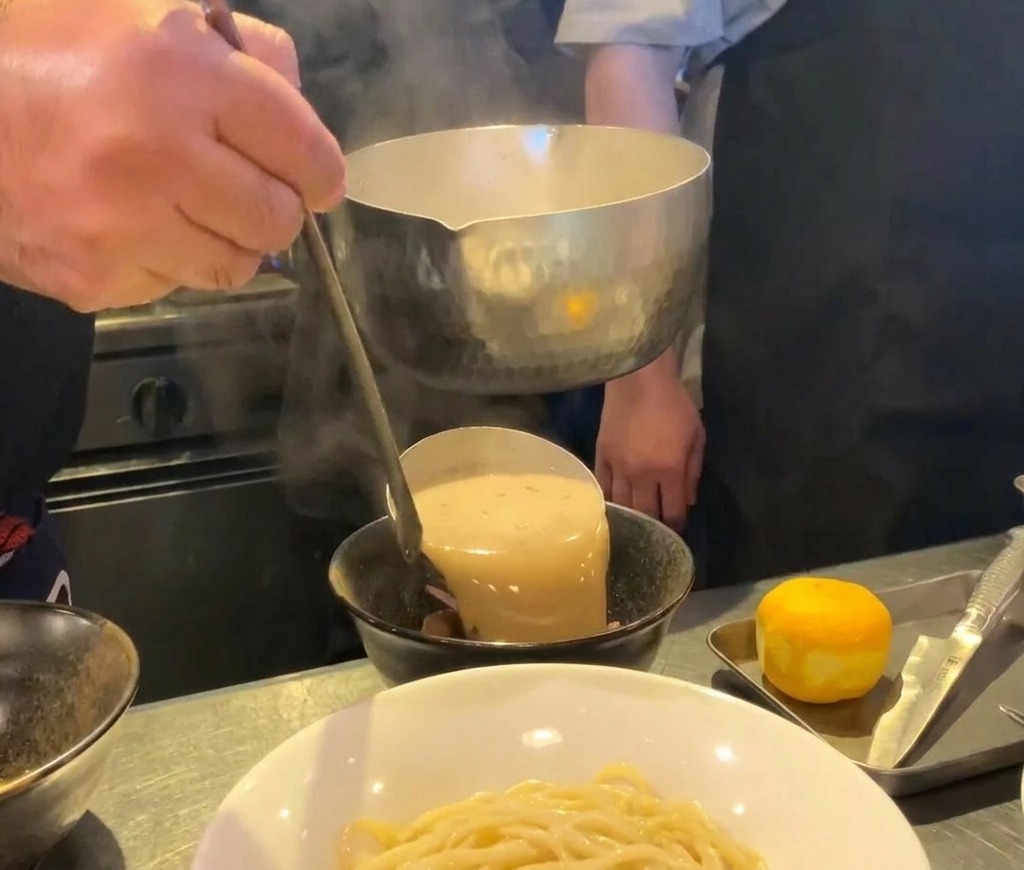
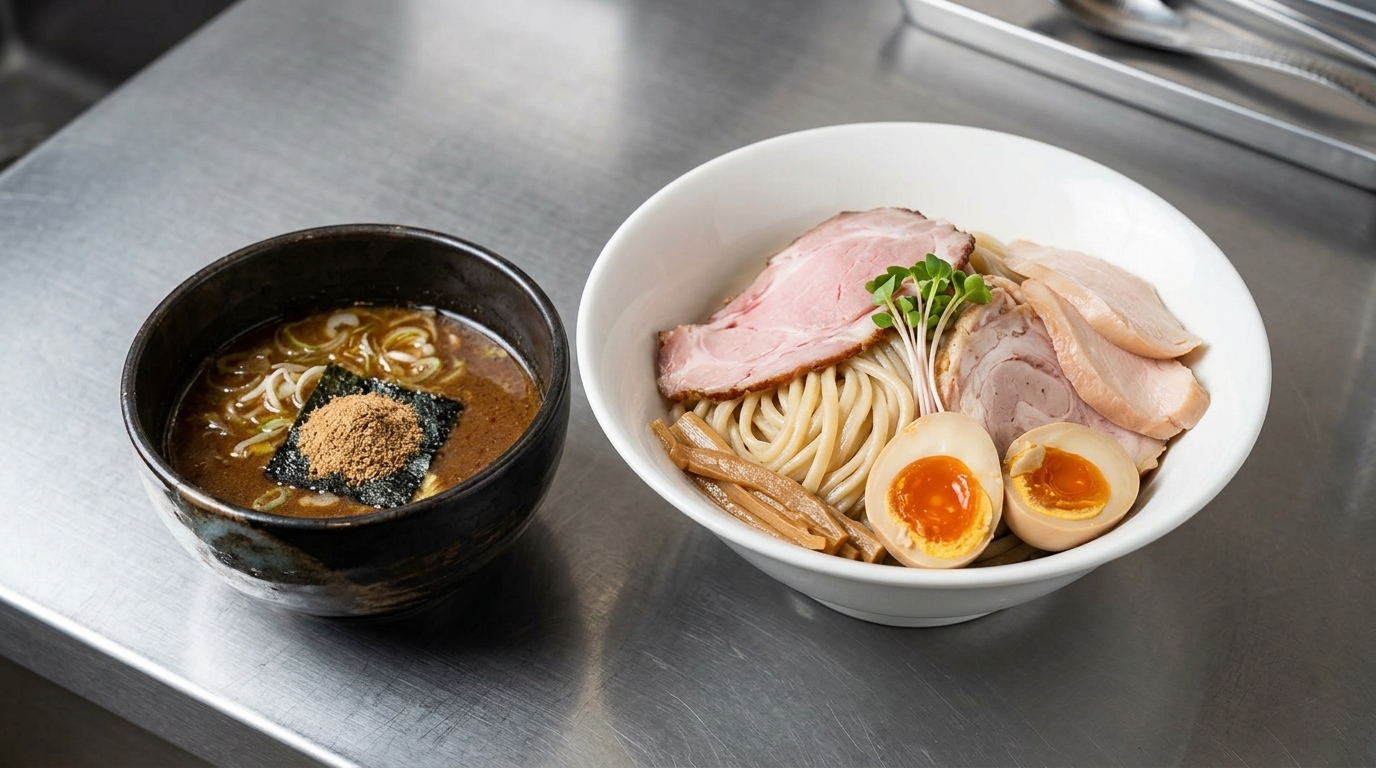
Ladle the hot, concentrated seafood broth into a small dipping bowl. The broth should be thick and viscous, a signature characteristic of rich Tsukemen soup, which allows it to cling effectively to the cold noodles when dipped.
Tip: Pre-warm your dipping bowls with hot water before adding the soup to help maintain the serving temperature. - 8Finish with seafood powder
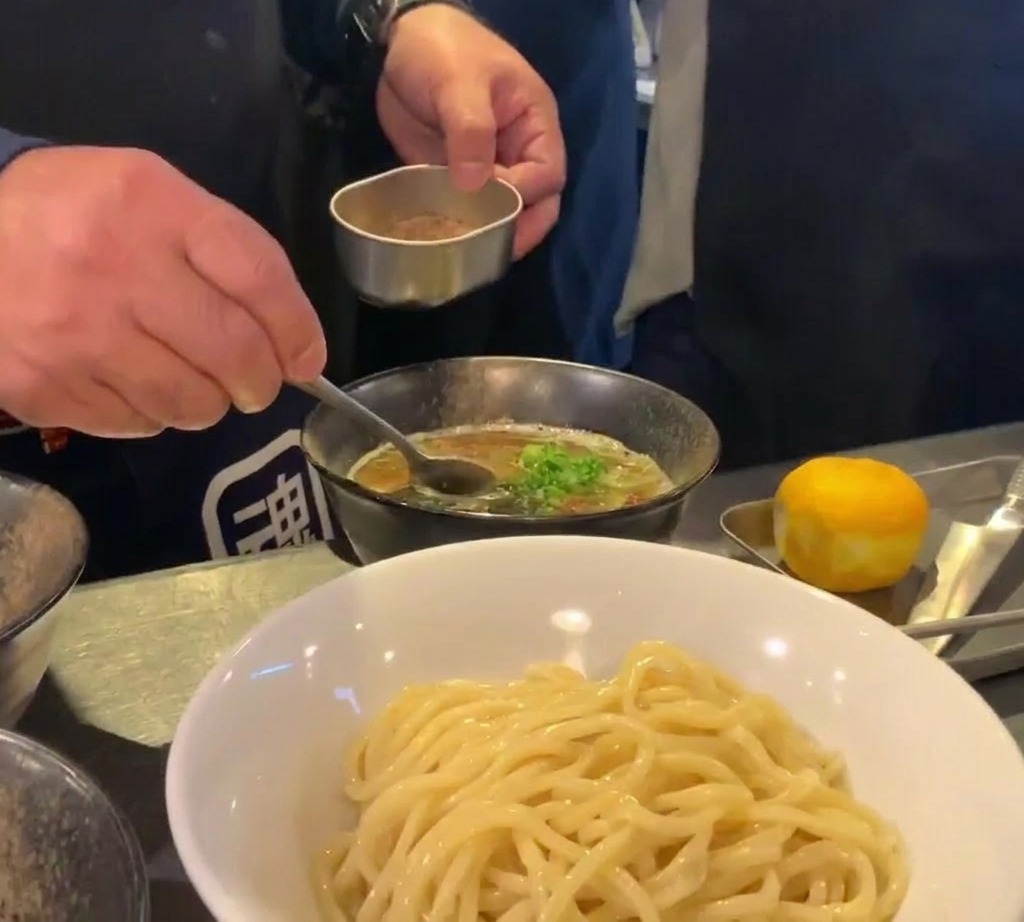
Top the dipping bowl with a final spoonful of fine seafood powder. This gyofun creates a striking visual contrast and releases an immediate wave of savory aroma when the hot broth hits the table.
Tip: Sprinkle the powder just before serving to ensure the fragrant seafood aroma is most potent when the dish is enjoyed.